

Fashion’s Best Ideas Were Originally Practical
Most of what reads as style now began as problem-solving under pressure. Clothing built for sailors, pilots, soldiers, and people working in extreme conditions had one job: keep you alive and functional. That meant blocking weather, allowing movement, and surviving hard use. So the details that look like aesthetic choices usually weren't: closures operable with gloves, collars that shield the neck, fabrics that repel water, seams reinforced where fabric fails first. These were engineering decisions. Over time, the solutions migrated into everyday wardrobes, got softened for comfort, and calcified into familiar style cues. What follows are twenty looks that started as survival gear.

1. Waxed Cotton Jackets
Waxed cotton was a weather solution before it was a vibe, especially for wet, windy work where rain gear needed to be tough and repairable. The slightly rugged sheen and the way it ages is basically the story of the fabric doing its job over time.
 Harold William John Tomlin on Wikimedia
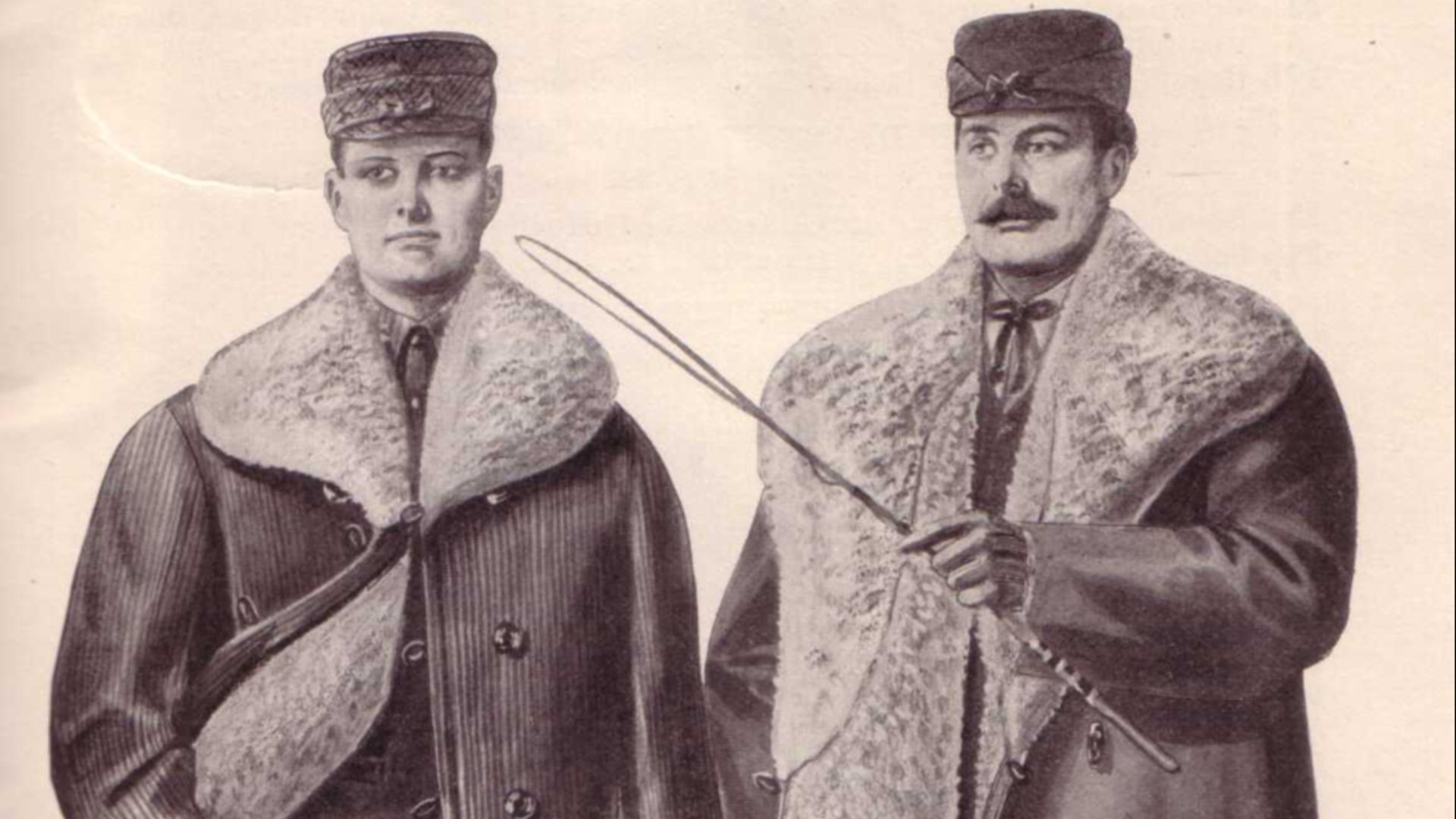
2. Shearling-Lined Aviator Coats
Shearling wasn’t chosen because it looked luxurious; it was chosen because it’s warm, wind-resistant, and reliable in cold air. The oversized collar and thick lining make more sense when you picture exposure, not an outfit photo.
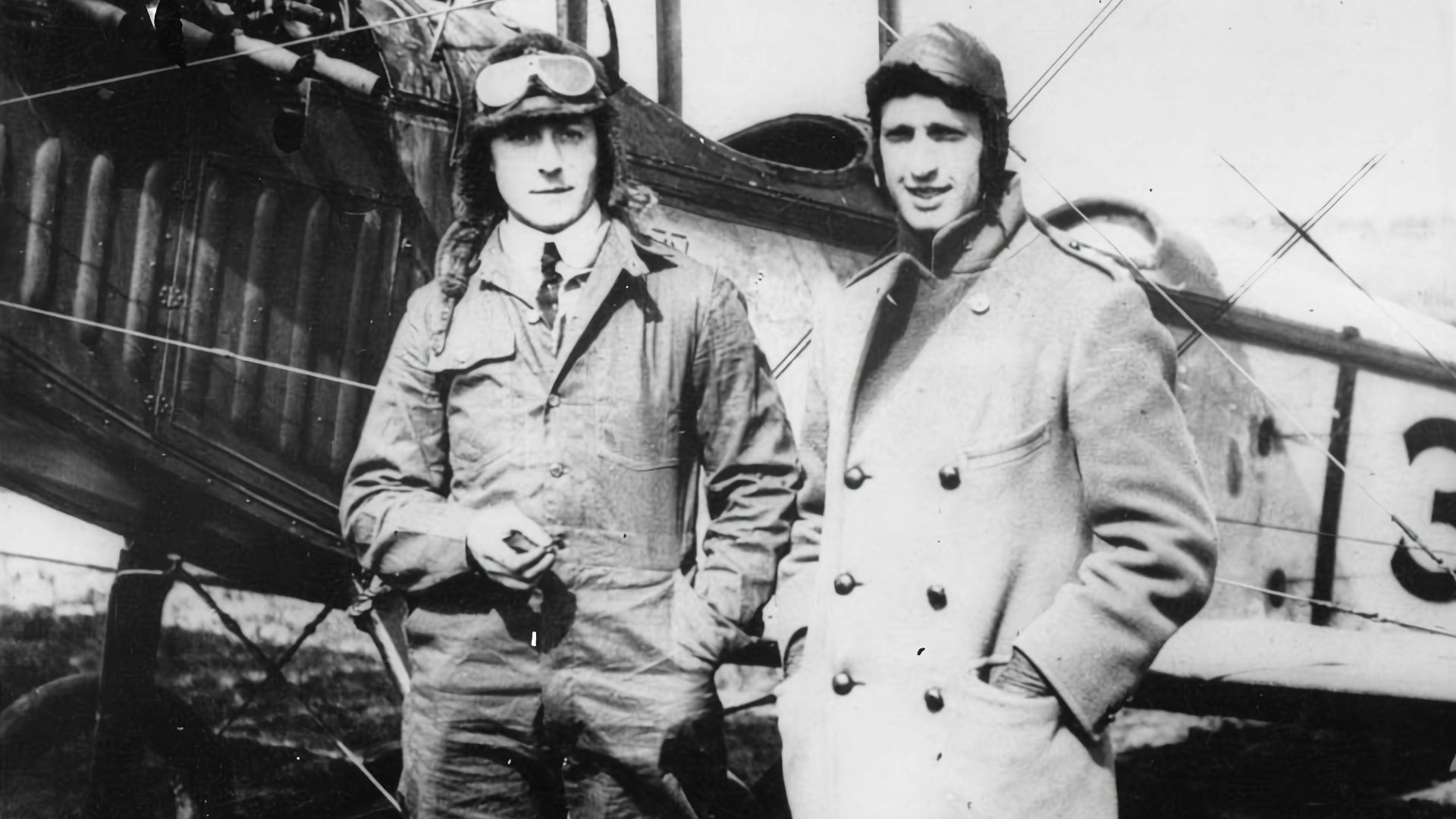 Galt Museum & Archives on Unsplash
3. U.S. Navy Deck Jackets
Those short, boxy deck jackets were built for movement and warmth in brutal wind, not for sleek lines. The tough outer fabric and simple silhouette are what make them look modern now, but the roots are purely functional.
 commons.wikimedia.org on Google
4. Ponchos
A poncho is one of the simplest shelter ideas you can wear, and that’s why it shows up everywhere from mountains to military gear. The drape looks intentional in fashion, but it started as quick coverage with minimal effort and maximum range of motion.

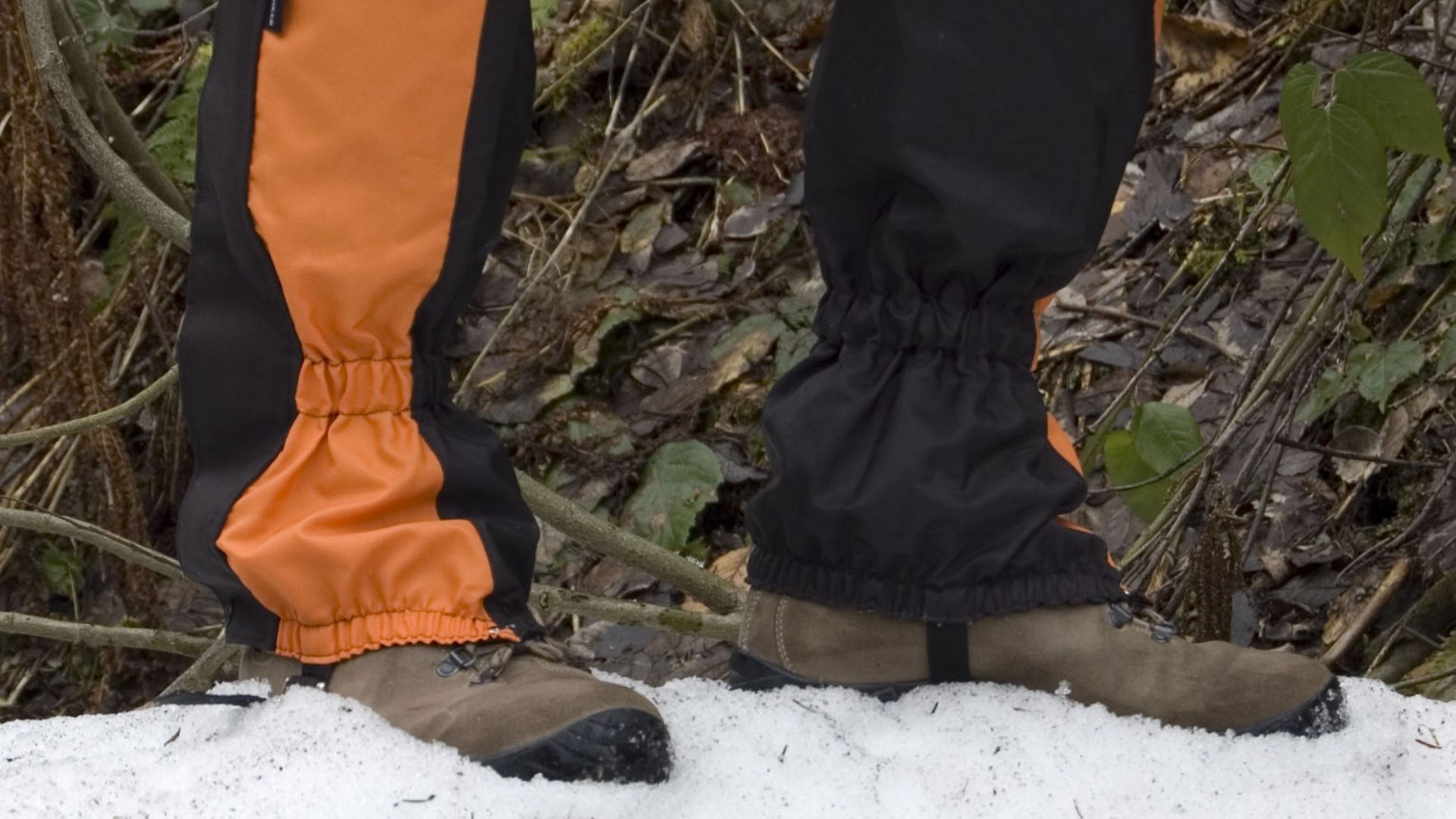
5. Gaiters
Gaiters are basically shin armor for weather, mud, snow, thorns, and whatever else the trail throws at you. The strapped, buckled look reads technical and cool now, but the original point was keeping debris out of boots and pants intact.
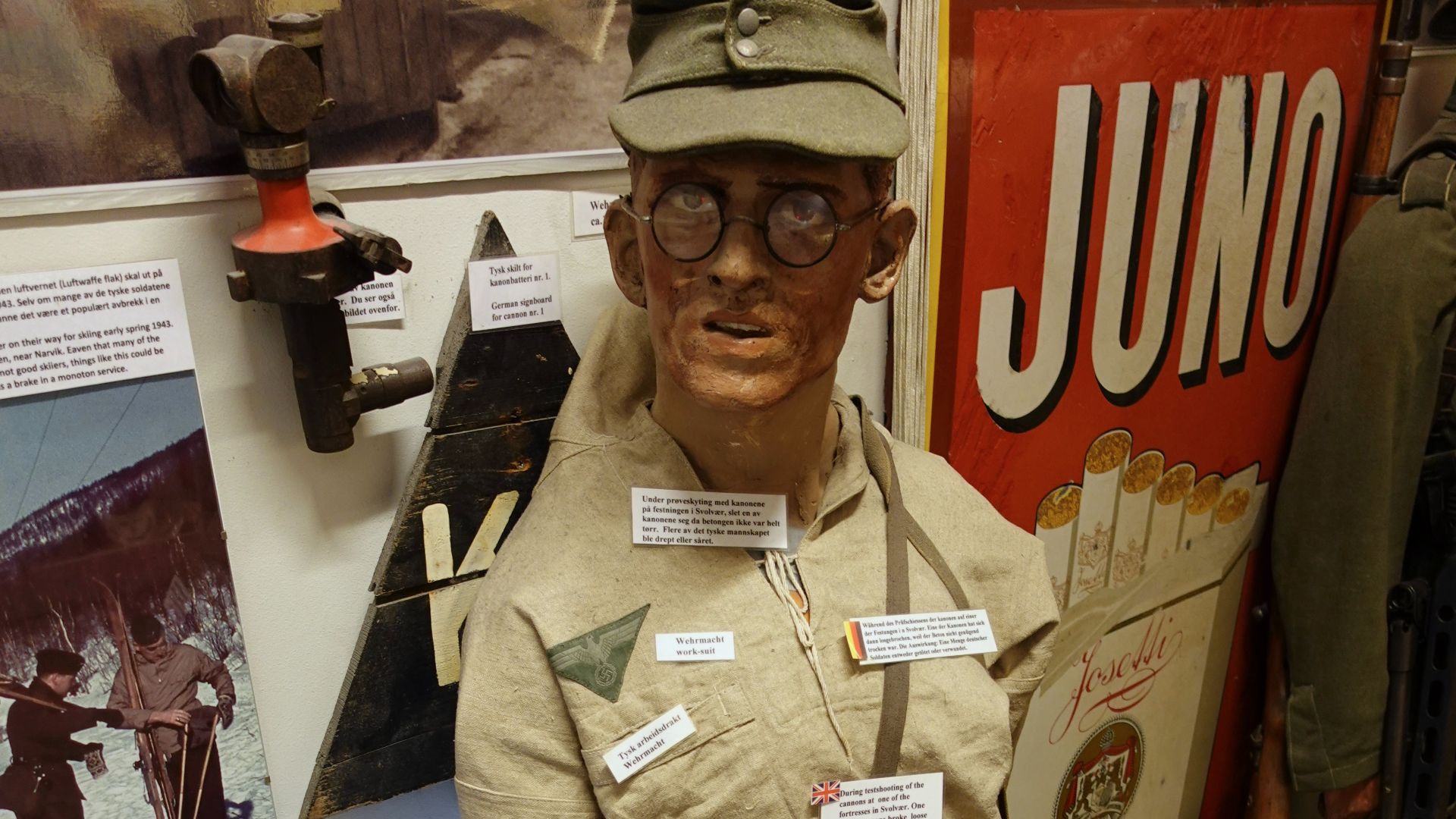
6. Smocks And Field Shirts
Military and outdoor smocks were made to carry gear, block wind, and handle abuse without falling apart. The roomy fit and big pockets feel “street” now, but they started as a practical way to keep essentials on your body.
 commons.wikimedia.org on Google
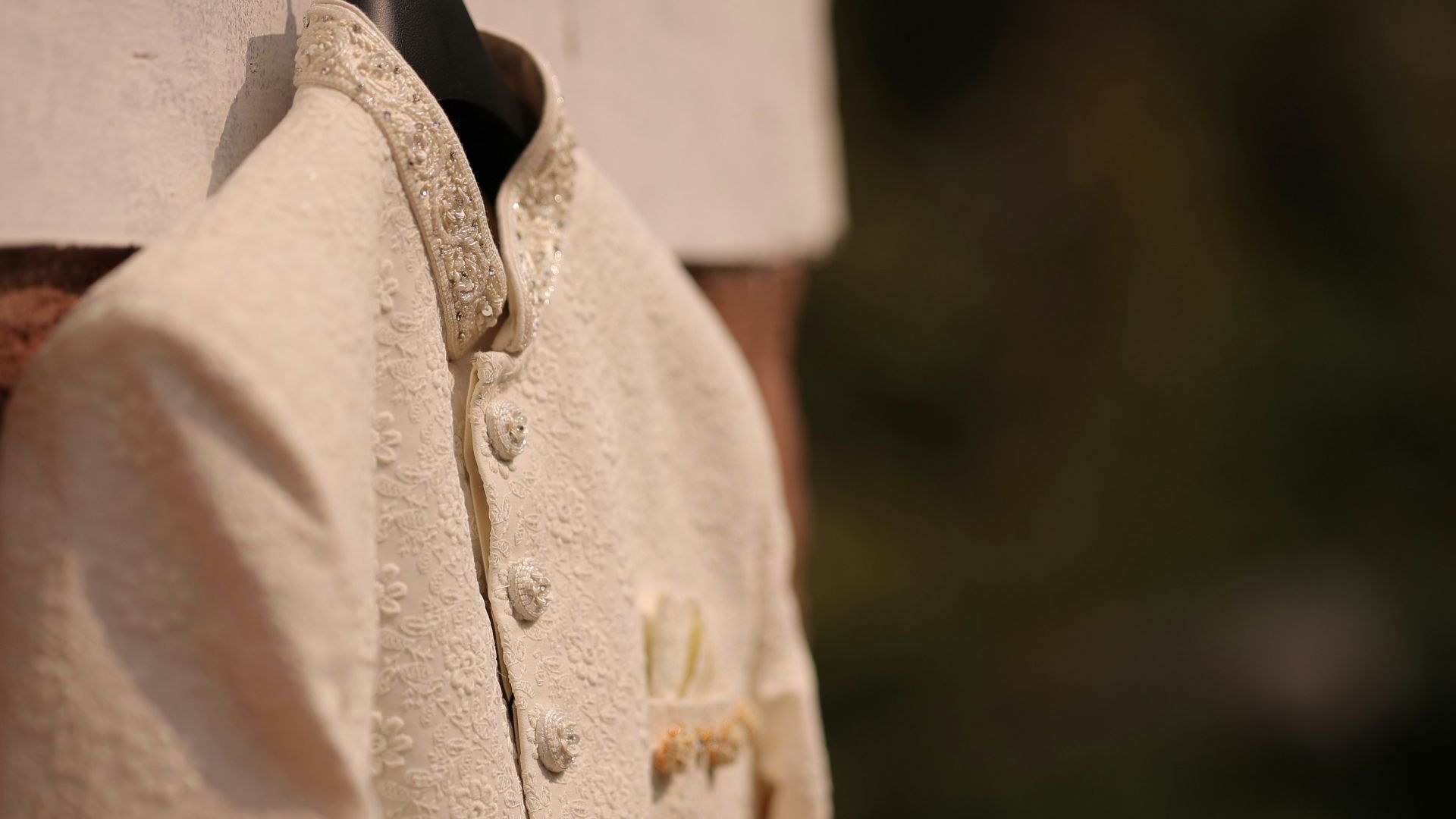
7. Toggle Closures
Toggles weren’t invented to look charming; they were invented to be usable with cold hands and gloves. That’s why they still show up on outerwear that leans rugged, even when it’s worn nowhere near bad weather.
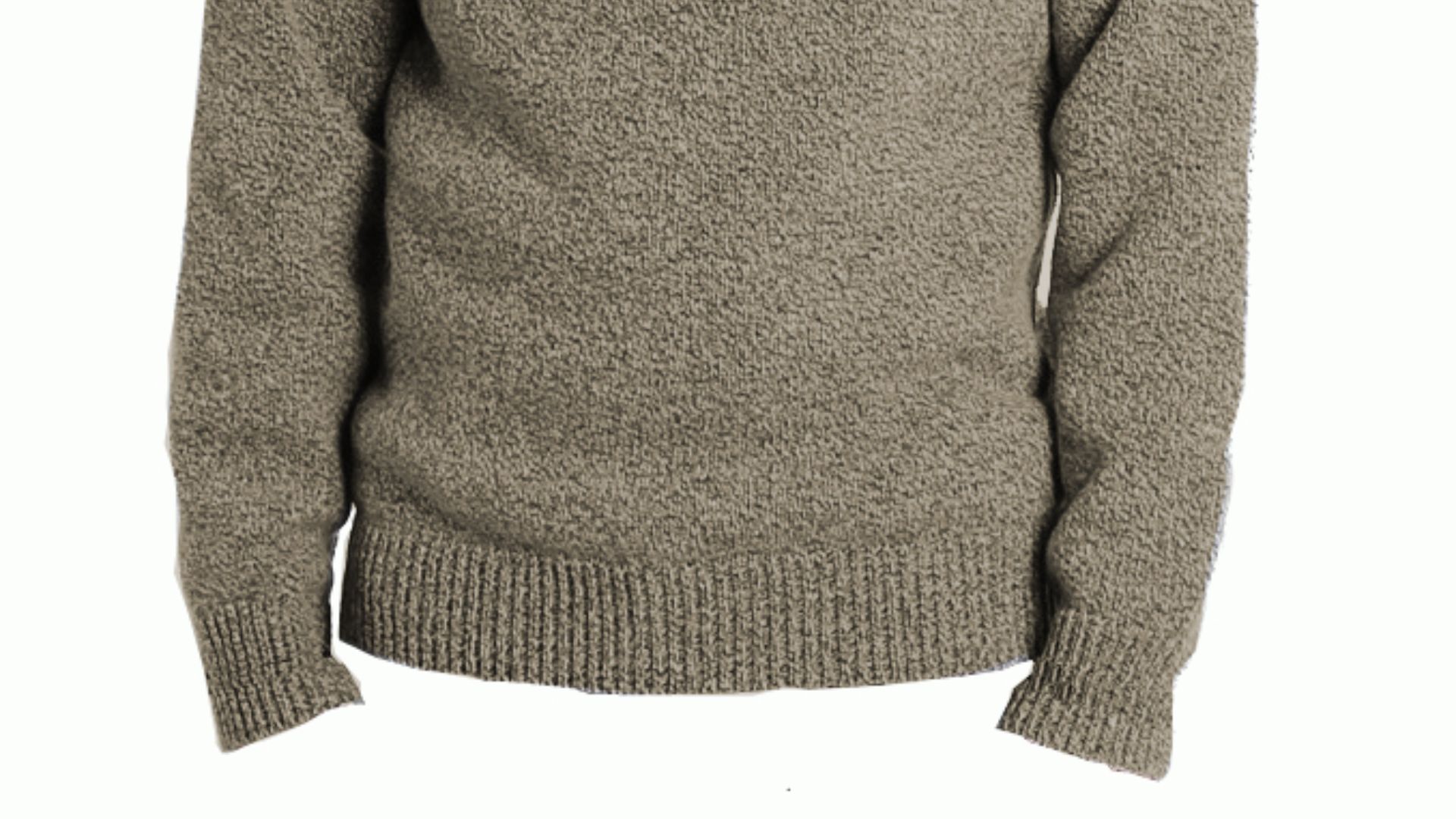
8. Ribbed Knit Cuffs
Those snug cuffs on jackets and sweaters are less about style than sealing warmth in and keeping wind out. They also stop sleeves from catching on equipment, which is why the detail keeps reappearing in utility-inspired fashion.
9. High Collars
A tall collar is a simple defense against wind and cold, especially when layering is limited. In fashion it reads dramatic or sharp, but the original logic was protecting your neck without needing extra accessories.

10. Ventile And Dense Cotton Shells
Before synthetics took over, tightly woven cotton shells were a serious way to handle wind and light rain while staying breathable. The crisp structure and matte finish people love now came from a fabric designed to perform, not impress.

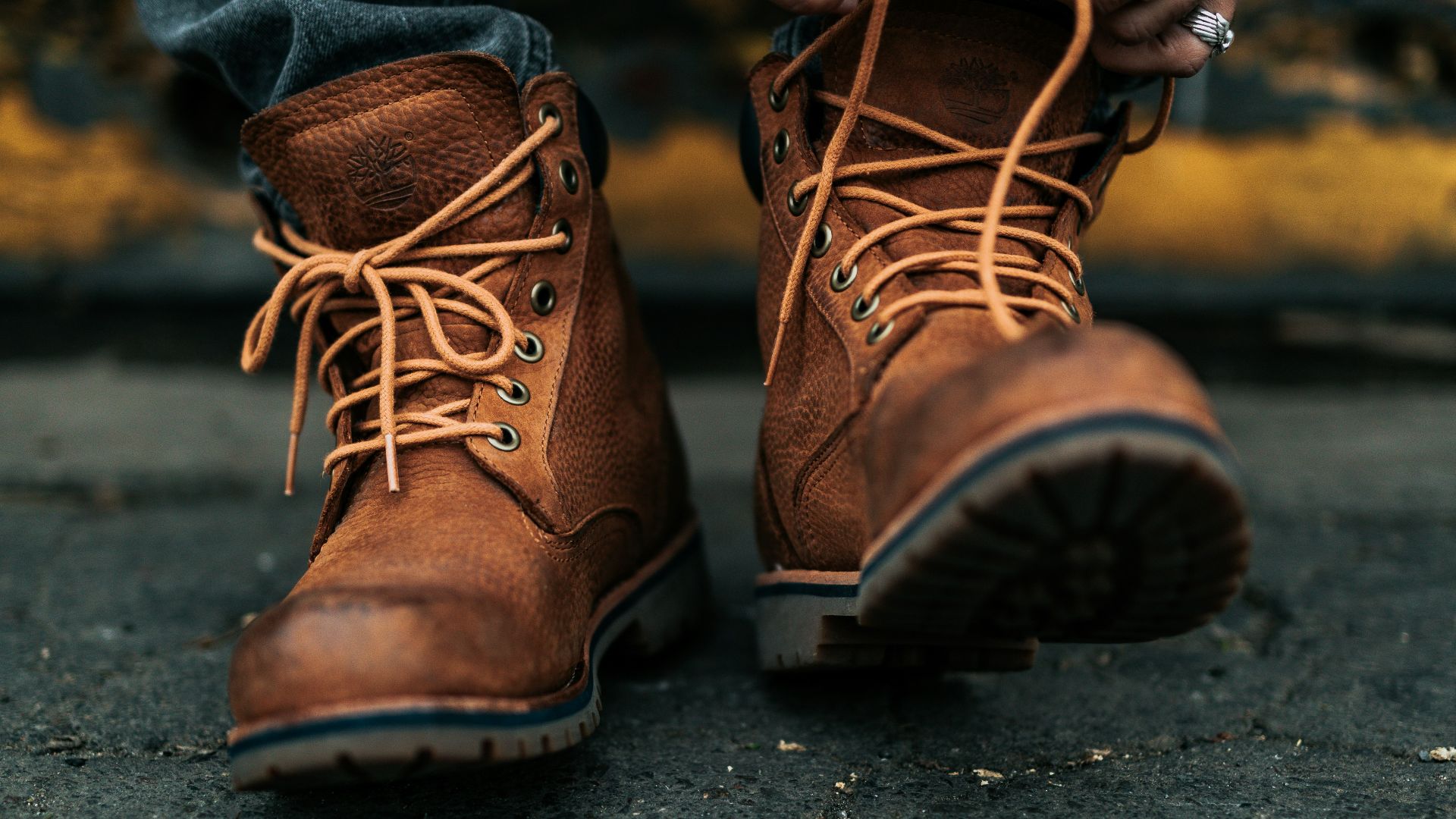
11. Lace-Up Fronts
Lacing isn’t just decorative; it’s adjustable, repairable, and reliable when buttons and zippers fail. That’s why lace-up fronts show up in boots, workwear, and rugged tops, and why they still feel grounded in function even when styled.
12. Blanket Coats
Wrapping in thick wool is one of the oldest cold-weather solutions, and blanket coats are the wearable version of that idea. The reason they look cozy and expensive now is because they started as simple insulation, scaled up.

13. Overalls
Overalls started as hard-wearing workwear, built to protect your clothes and hold up to constant wear on farms, job sites, and in workshops. The roomy fit and durable fabric weren’t about style at first—they were about comfort, movement, and not tearing at the first snag.
 Christopher Campbell on Unsplash
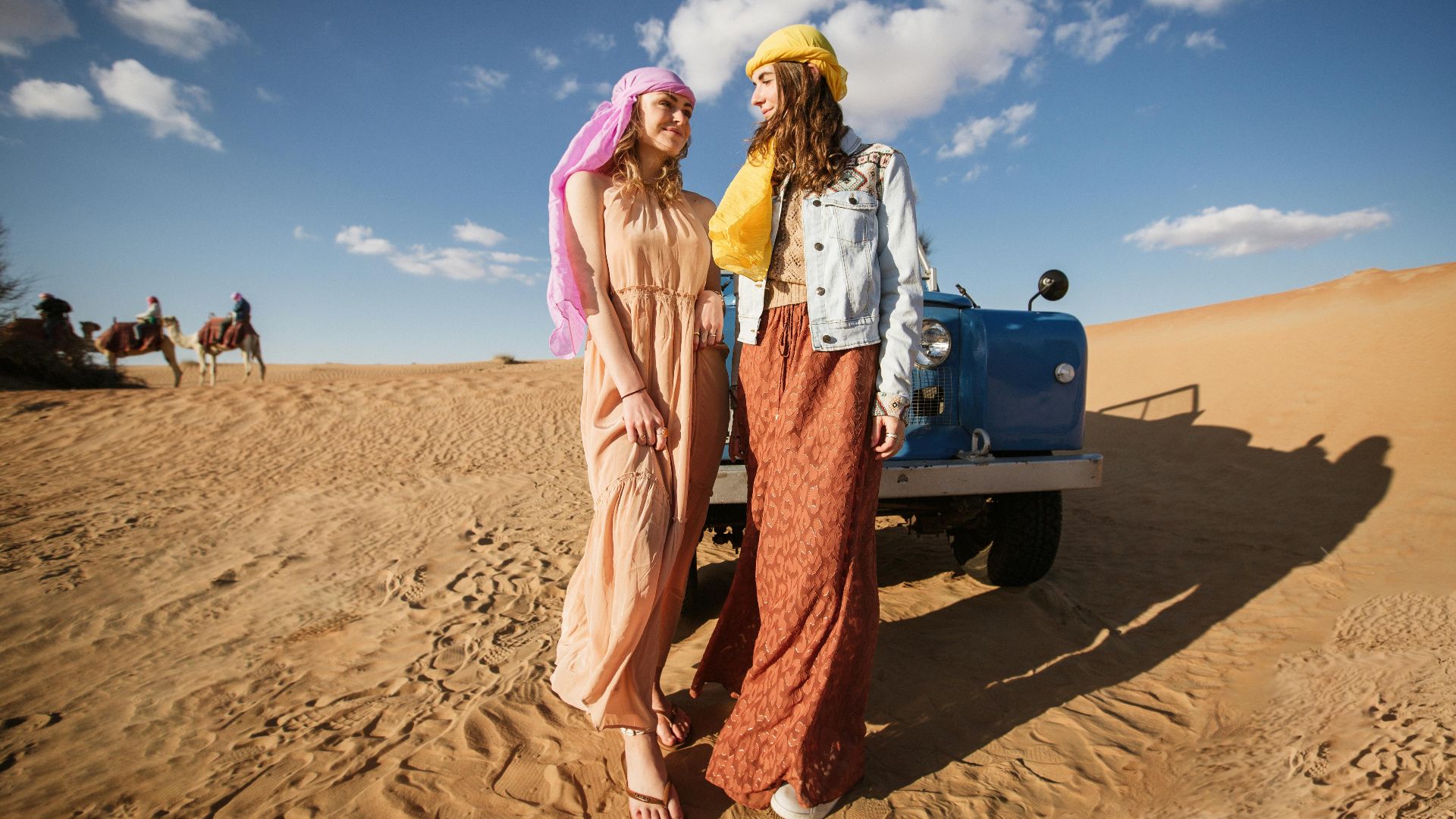
14. Desert Scarves And Wraps
Head and neck wraps in hot, dry environments are about sun, wind, and sand, not just styling. The way they frame the face and add texture is what fashion borrowed, but the original job was protection and temperature control.
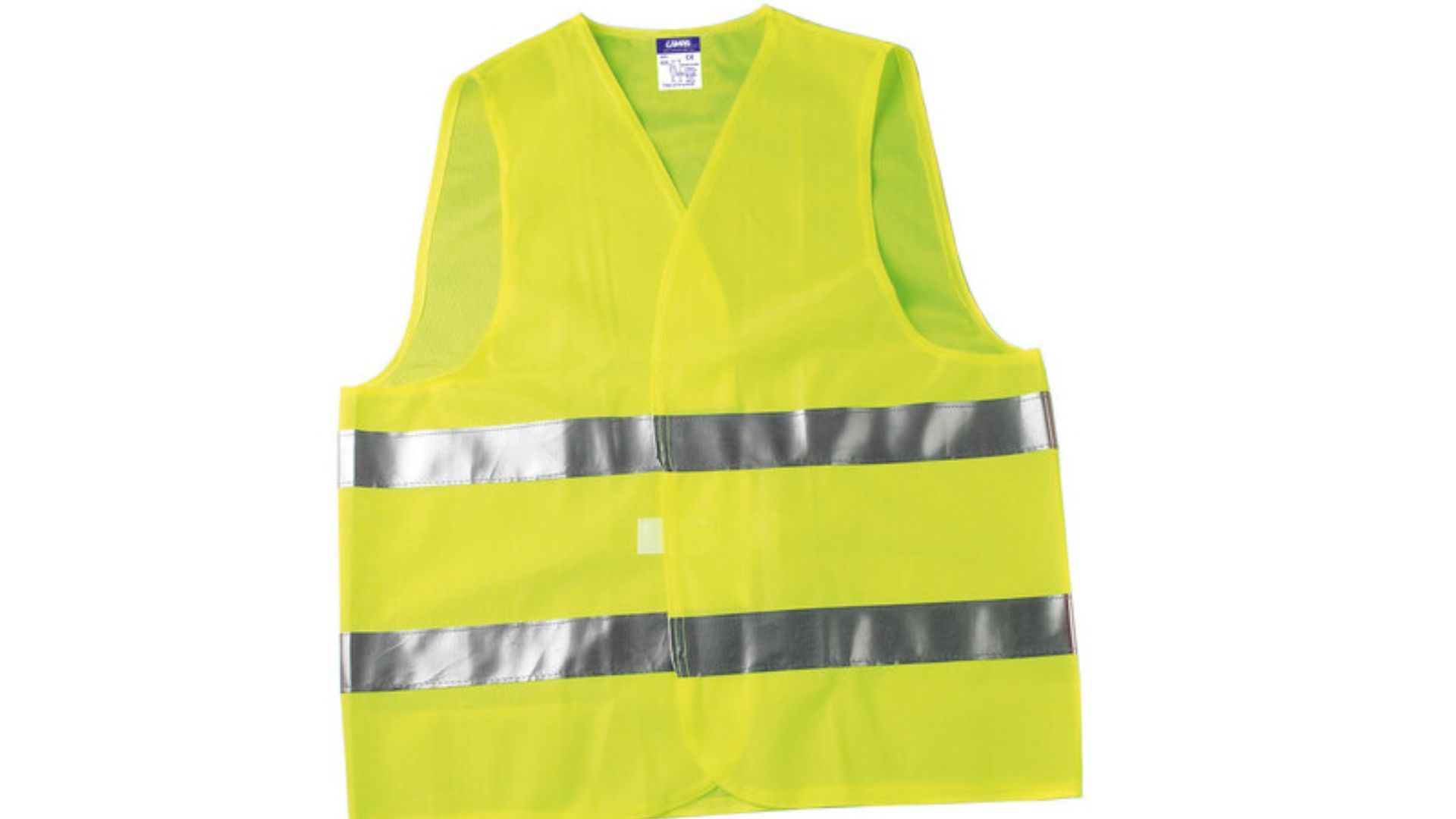
15. Reflective Strips And High-Visibility Details
Reflective tape exists because people needed to be seen in low light around roads, machinery, and bad weather. When it shows up on sneakers or jackets now, it still carries that “built for real conditions” energy.
16. Compression And Base-Layer Fits
Tight base layers weren’t made to look sleek; they were made to manage heat and moisture close to the skin. The modern silhouette looks athletic because it literally comes from performance needs, not runway choices.

17. Liner Jackets
Liners started as modular warmth—an extra layer you could add or remove depending on conditions. The reason they look clean and minimal now is because they were designed to disappear under something else, which accidentally made them perfect as standalone pieces.
 commons.wikimedia.org on Google
18. Modular Webbing And Straps
Strap systems and webbing come from carrying gear efficiently and distributing weight without a bag shifting around. Fashion picked up the look because it signals capability, but the original purpose was staying functional while moving.

19. Heavy Seam Reinforcement
Double stitching, bar tacks, and reinforced panels are survival details hiding in plain sight. They look like design when you notice them, but they exist because fabric fails at stress points, and failure used to matter a lot more.
20. Weathered Patina As A “Finish”
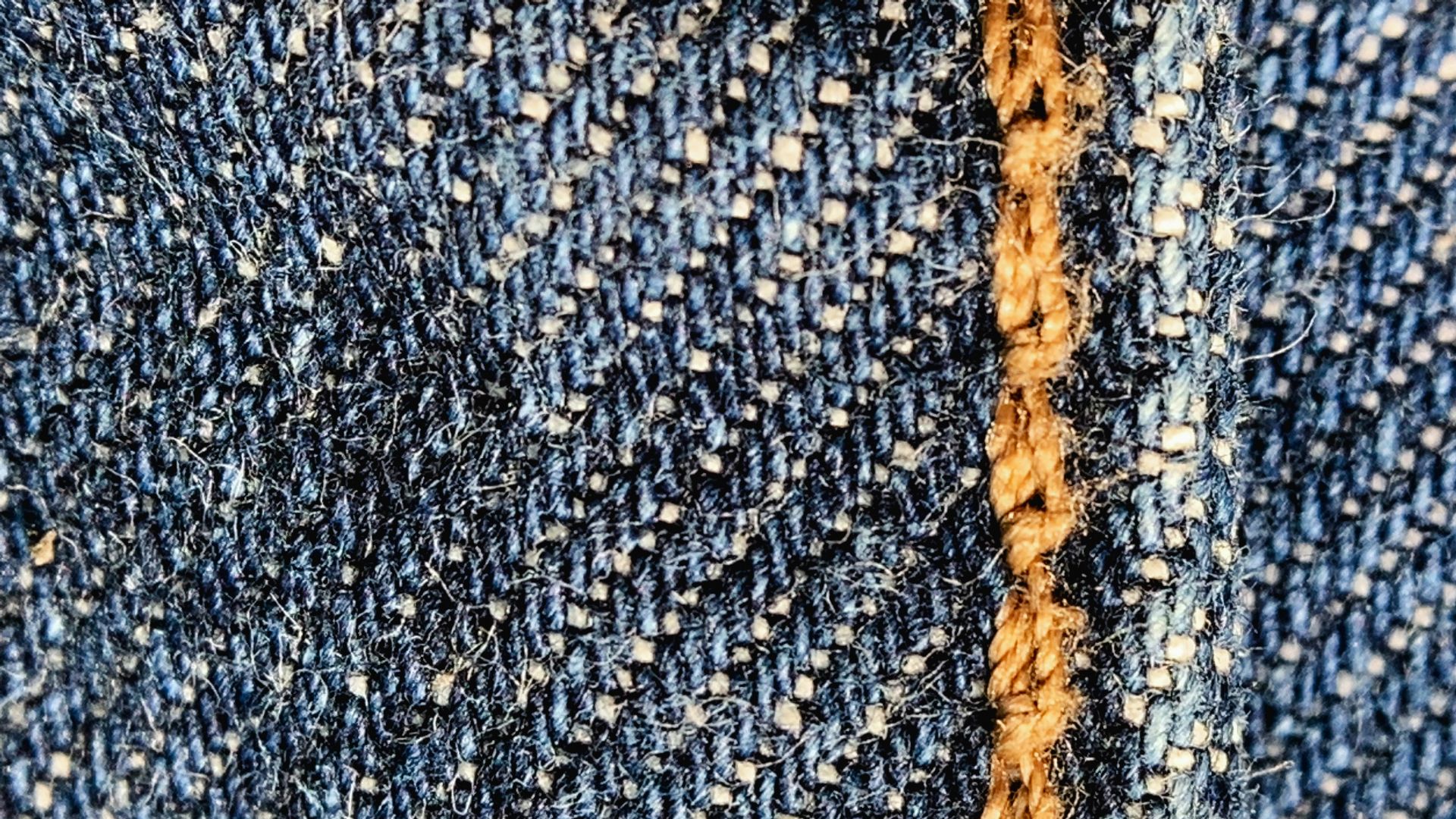
A lot of popular materials—waxed cotton, raw denim, heavy leather—look better with wear because they were meant to be used hard. The “cool” is basically proof of function: the garment shows what it’s survived, and that story became the aesthetic.





_stands_on_the_ship%27s_flight_deck.jpg)

