
When “Fine” Starts Feeling Like a Red Flag
Sometimes you don’t realize a studio was a bad choice until you’re already home. There you are, staring at your new piercing and replaying the appointment in your head—all wishing you hadn’t dumped the money. However, while a truly terrible place leaves behind more than soreness, a good place leaves you with an aesthetic goldmine that was well worth the cost. That’s why we’ve broken down some major green and red flags to keep an eye on before you puncture those ears.

1. They Treated Safety Questions Like An Annoyance
Good spots won’t gatekeep safety. But when you asked about cleanliness, jewelry materials, or aftercare, they brushed you off. That attitude usually means they’re not used to being held to a standard, so it’s cause for concern. You should never feel embarrassed for asking questions that protect your body.
2. The “Consultation” Was Just a Sales Pitch
A bad studio cares more about the register than your outcome. Instead of talking about placement or even any risks, they steered the conversation toward add-ons. You didn’t get thoughtful guidance, either—just pressure to buy whatever was in the display case.
3. They Rushed Through Paperwork (or Skipped It)
Was there an ID check? Were you asked to sign a consent form? If not, it’s negligence. Even experienced clients deserve a proper intake because circumstances change. When a shop cuts corners on the boring stuff, they often cut corners on the important stuff too.
4. The Piercer Touched Non-Sterile Items
There’s no reason your piercer shouldn’t reset after touching dangerous items. So, if you watch them grab a phone, adjust their hair, or handle a drawer, they shouldn’t go right back to your piercing without re-gloving or cleaning up. That isn’t a harmless habit; it’s a contamination risk.
5. There’s Questionable Equipment
Trays looked scratched. Tools look rusty. Clamps look like they’ve seen better decades. You shouldn’t be wondering whether something is truly clean while it’s sitting next to your skin, so if the setup made you uneasy, you shouldn’t pay to be there.

6. Sloppy Markings
Bad piercers barely check symmetry and won’t show you the marks clearly. Worse still, they might even act irritated when you ask for adjustments. Don’t feel afraid to speak up; a piercing is permanent enough that “close enough” isn’t a real plan.
7. They Used Mystery Jewelry
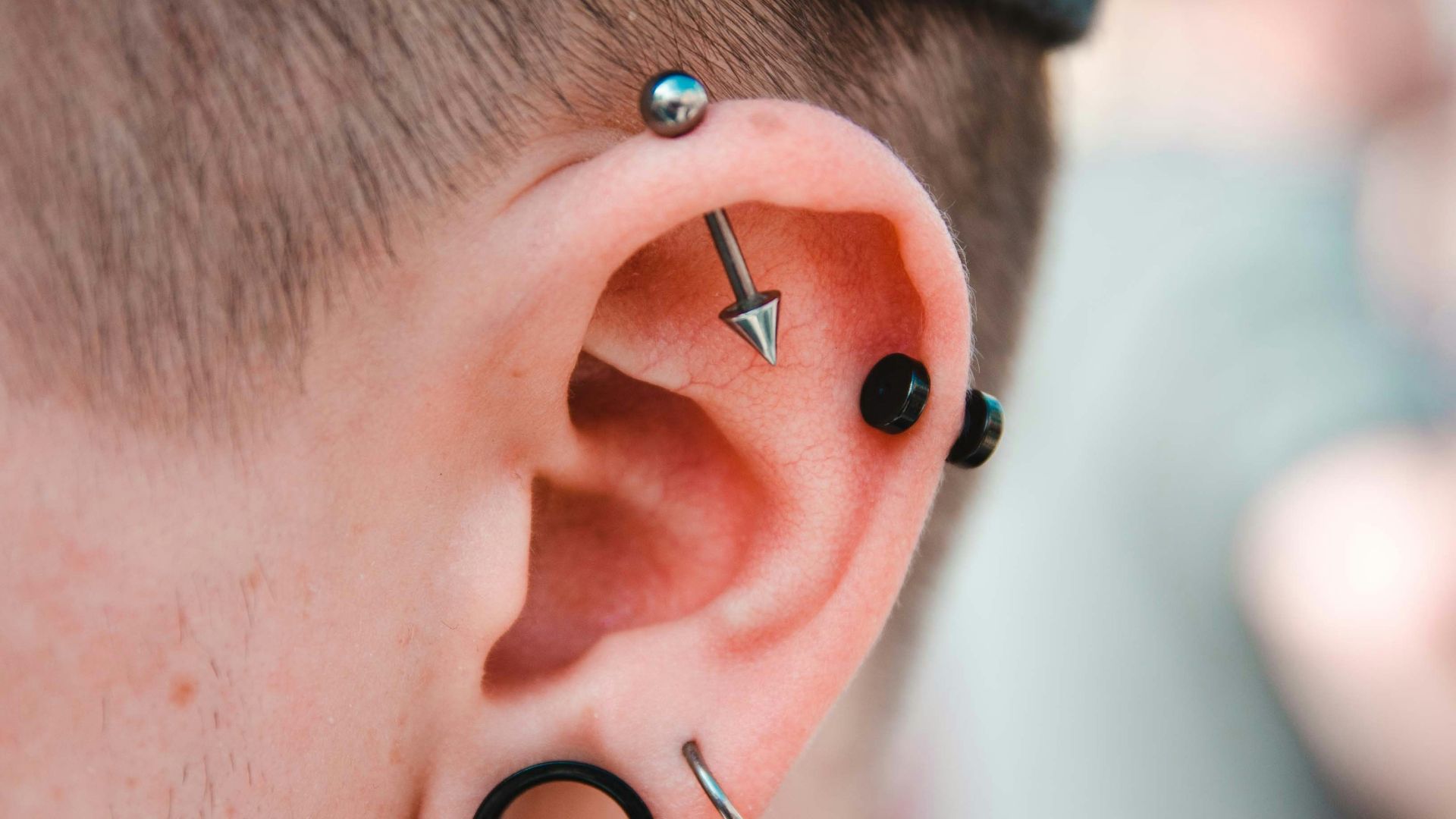
You’re within your rights to ask about jewelry, and if you do, piercers shouldn’t provide vague answers. Not knowing whether it’s implant-grade titanium, solid gold, or something questionable is a problem, not a personality quirk. Remember: quality shops are transparent because they have nothing to hide.

8. Needlessly Rough Pain
Piercings can hurt, but the process shouldn’t feel like there’s a personal vendetta. If they struggled with insertion or kept “trying again,” that’s a red flag for poor technique. You deserve calm, controlled work, even when it’s uncomfortable.
9. Aftercare Instructions Were Recklessly Casual
Aftercare is no joke after such a big change. So, if they told you to use harsh cleaners or ignore swelling, that’s just bad advice. And with bad advice comes a drawn-out healing process. If their instructions didn’t make sense, it’s smart to follow up with a reputable piercer for safer guidance.

10. Support Disappeared After You Paid
A terrible studio treats you like a transaction, not a paying customer. It’s a huge red flag if they’re hard to contact only after you paid. Luckily, a better professional can assess your piercing and help you get back on track.

On the other hand, the right studio makes that difference fast! The following signs can help you spot quality before you ever sit in the chair.
1. Obvious Cleanliness
A good studio looks and smells clean the moment you walk in, and nothing looks neglected. You’ll also see wiped surfaces, organized stations, and a clear separation between clean and used items.

2. Clear Sterilization Practices
A good piercer can explain how their tools are sterilized without being vague. They’ll use an autoclave and keep records that show it’s working properly, too. It might seem like a no-brainer, but you’d be surprised by just how many shady spots avoid basic procedures.
3. They Use Needles, Not Piercing Guns
Professional piercers rely on single-use, sterile needles because they’re designed for safe, precise work. Piercing guns, however, can’t be properly sterilized and tend to cause trauma to the tissue. If a shop pushes one for anything other than limited scenarios, take it as a sign to leave.
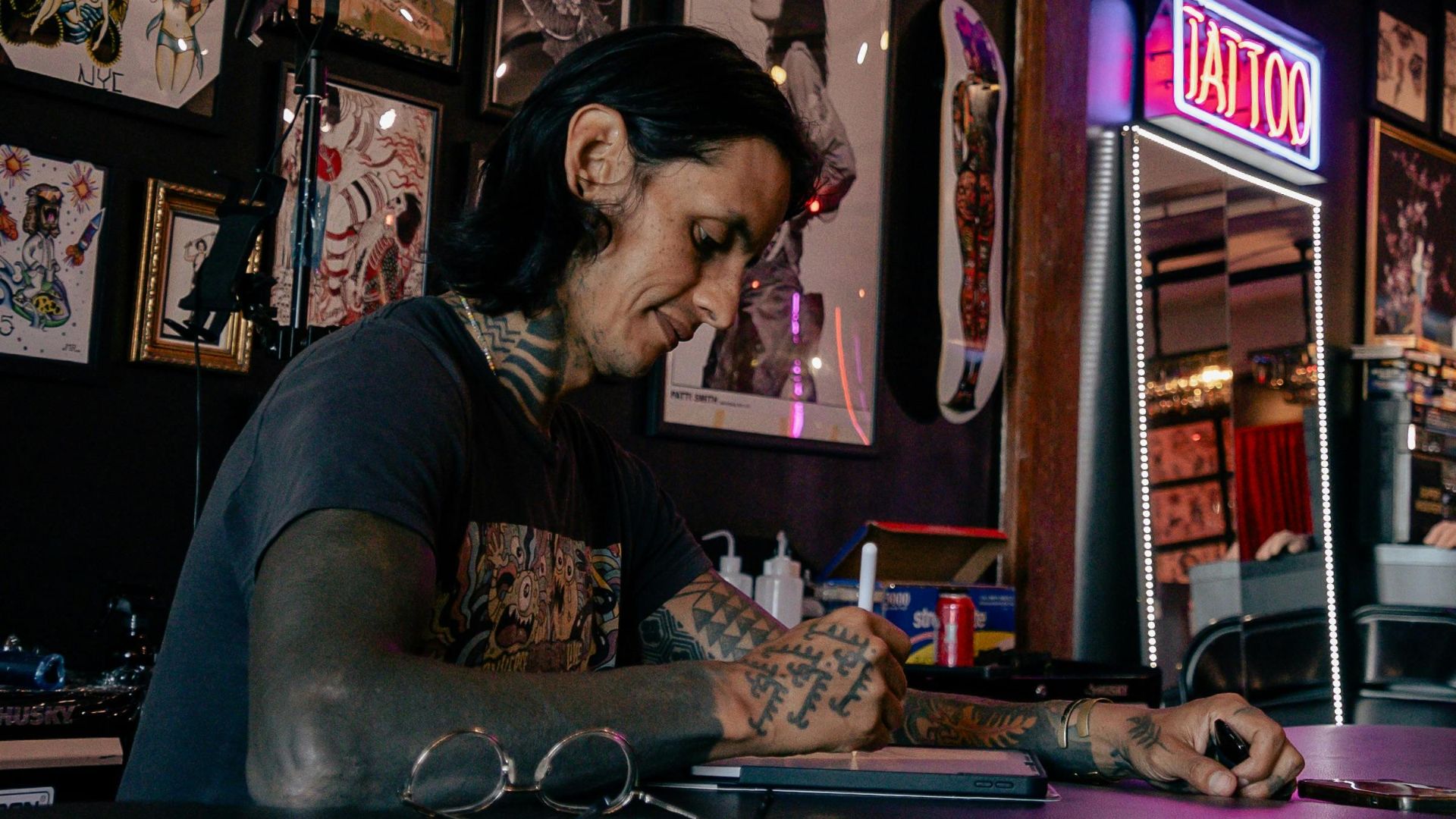
4. Properly Sized Jewelry
A good place offers implant-grade materials and can tell you exactly what you’re getting, including the brand or specs. They’ll also choose jewelry that fits your anatomy and allows for swelling instead of guessing or going “one size fits all.”
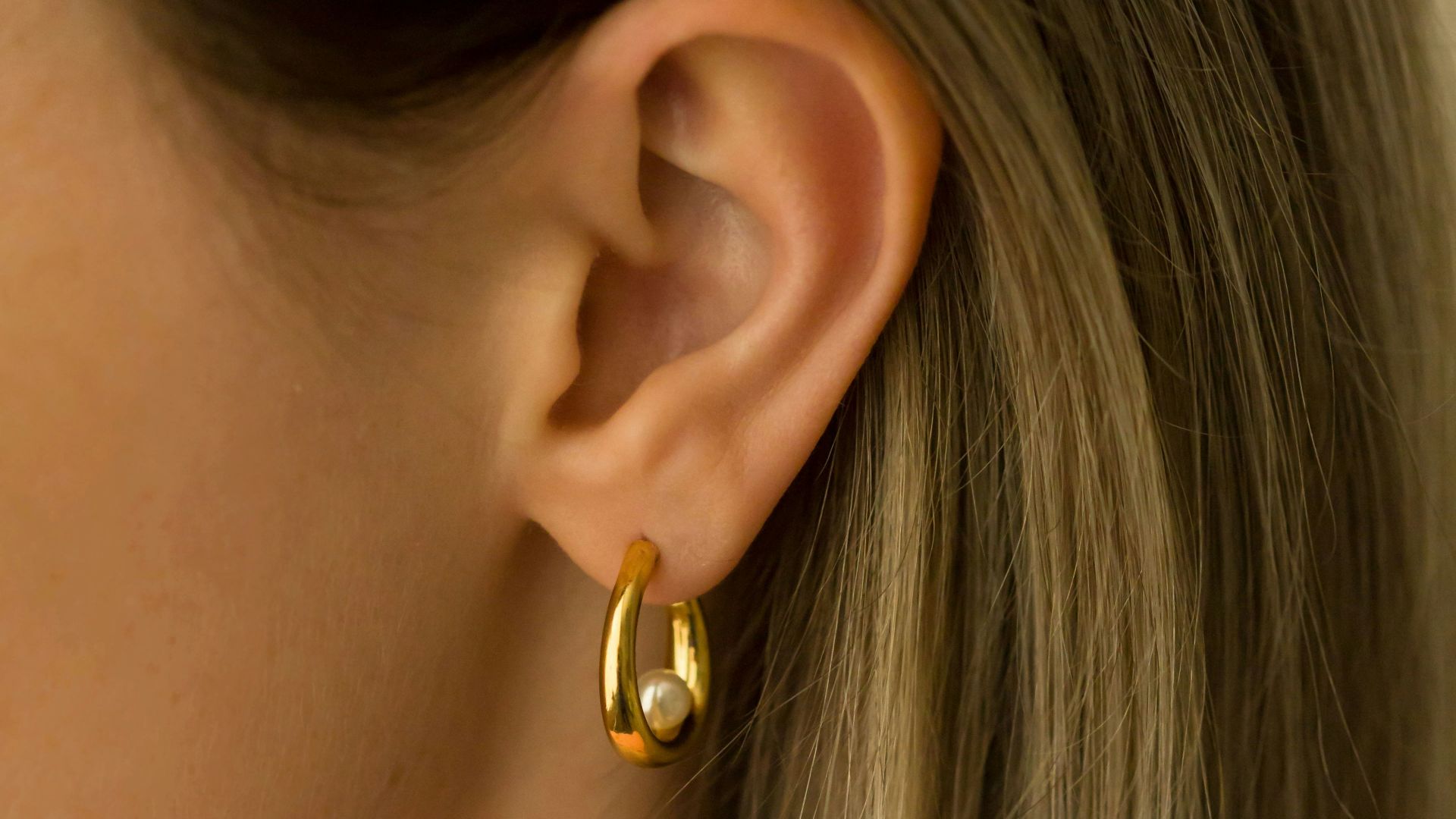 Ruan Richard Rodrigues on Unsplash
5. Their Portfolio Shows Consistent, Accurate Work
Good piercers are proud of their work, and their portfolios prove it! You’ll find clear photos that show clean placement, good alignment, and healed results, not just fresh piercings with perfect lighting. A reliable artist also shares work across different ear shapes and body types; consistency matters more than a highlight reel.

6. They Ask Health Questions
A reputable piercer checks for allergies, sensitivities, medications, and anything that could affect healing. They also aren’t yes-men—they’ll tell you honestly if a piercing isn’t a good match for your anatomy or lifestyle. That isn’t harsh, either; you want someone who can redirect you when it’s the safer call.
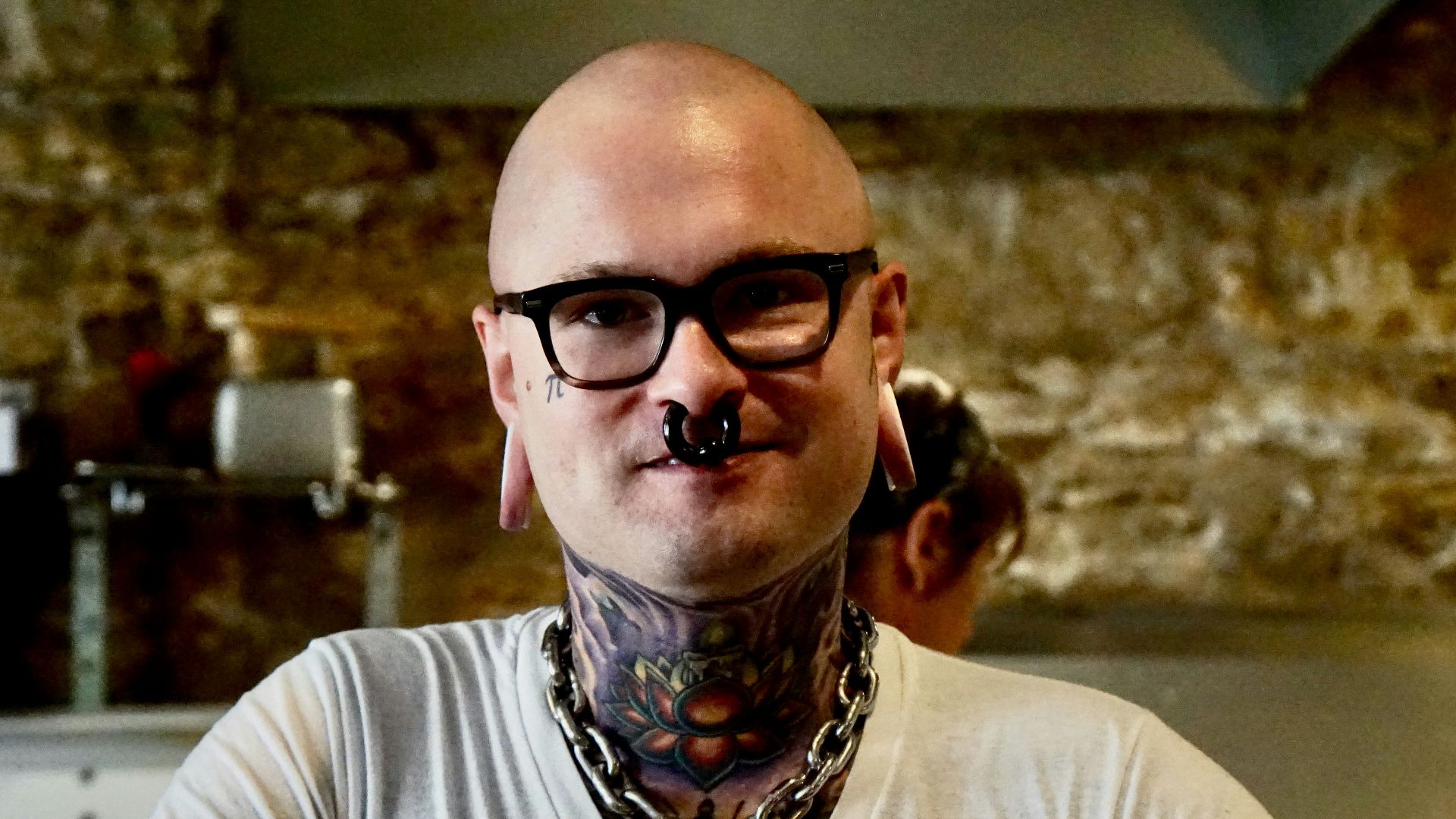
7. Consent and Comfort
Before anything happens, they’ll talk you through what you can expect. They’ll give you real options, listen to what you want, and confirm you’re ready instead of just plugging away. No good place makes you feel pressured or dismissed.
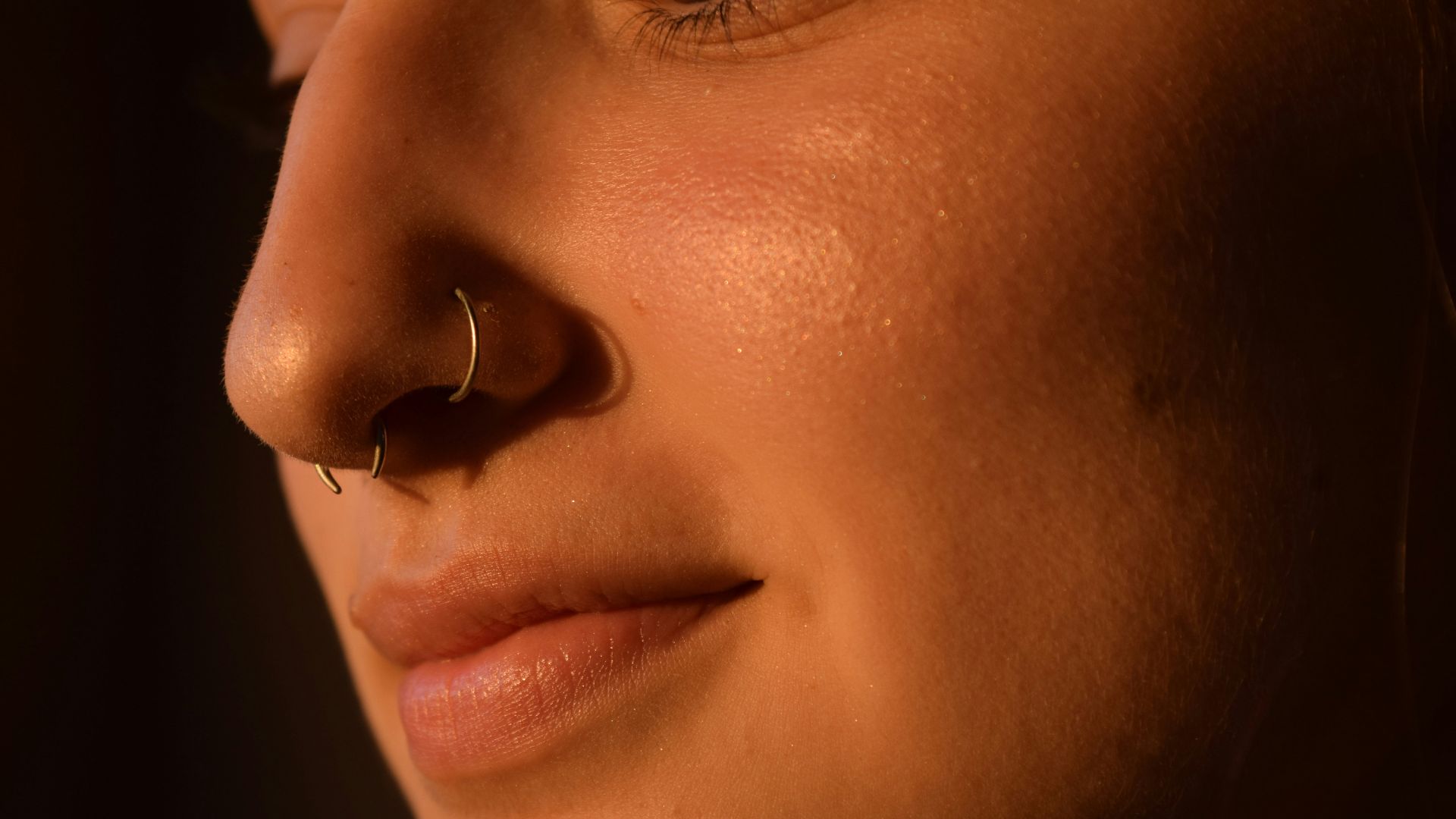
8. Easy to Follow Aftercare Instructions
Aftercare is arguably the most important part of your piercing, and a good studio knows that. They’ll give you clear aftercare guidance that matches your piercing type, your jewelry, and your routine. You’ll not only leave knowing what to do, but also how to spot normal healing versus a real issue.
 Hoi An and Da Nang Photographer on Unsplash
9. Transparent Pricing
Professional shops tell you the full cost up front, all without surprise fees at checkout. They’ll only recommend upgrades when it genuinely improves safety or healing, not because they’re chasing a bigger sale. You should feel informed, not cornered into spending more.
10. Reviews Match the Experience
Strong reviews are always a huge tell, so make sure you do your research. Photos and reviews can mention anything from professionalism and hygiene to communication and how the staff handled concerns. If people keep saying they felt respected, that’s the kind of consistency worth paying for.