

When Clothes Meant Something Specific
A lot of clothing looks strange outside its original setting because it was built for a specific social system, job, or ritual, not for personal style. In many times and places, what you wore signaled your legal status, your rank, your religion, or your trade, and those signals were widely understood and sometimes enforced. Other garments were shaped by practical needs, like armor, heavy weather, heat, or unsafe working conditions, so the design only makes sense when the environment matches. When that original context disappears, the silhouette and materials remain, but the purpose and meaning are no longer obvious. Here are 20 clothes that only make sense in their original context.
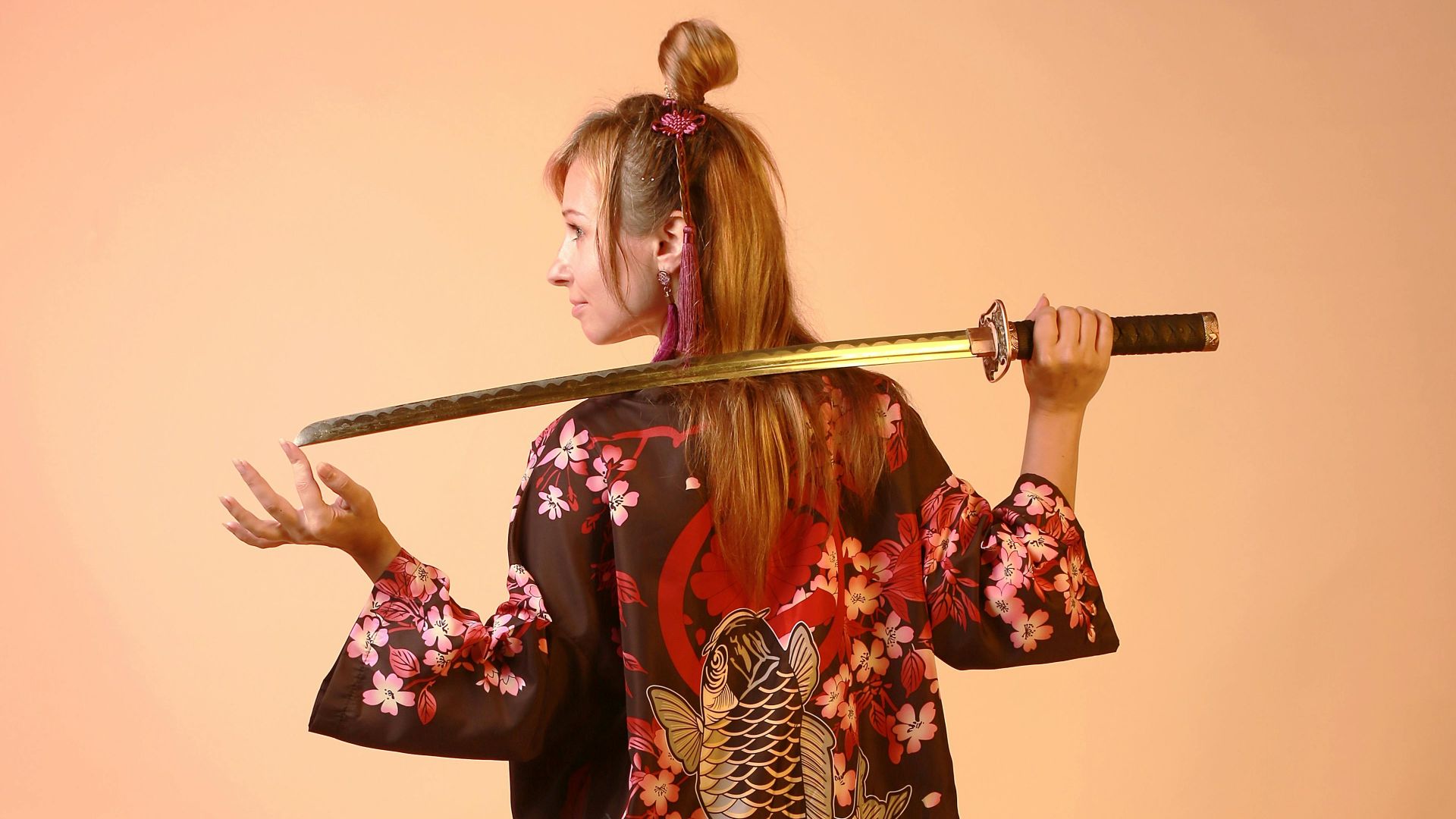
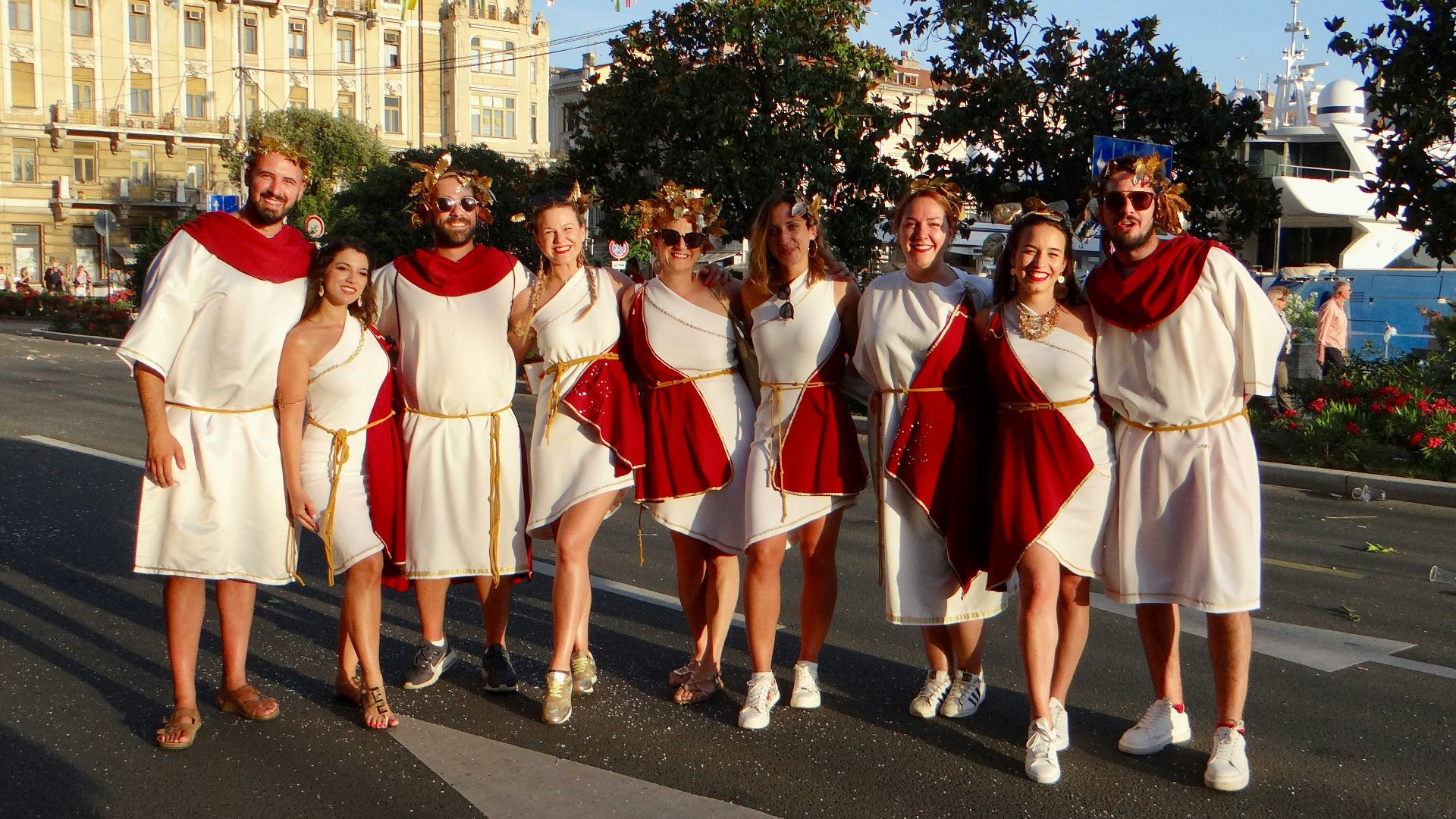
1. A Roman Toga
In ancient Rome, the toga was a marker of citizenship and status, with rules around who could wear it and when. In any other setting it looks like a costume, because it was never casual clothing and it was loaded with social meaning.
2. A Medieval Knight’s Surcoat
The surcoat wasn’t just fabric over armor, it helped identify a knight by colors and symbols, especially in battle or tournaments. Without that system of recognition, it’s just a draped layer that seems unnecessarily formal.
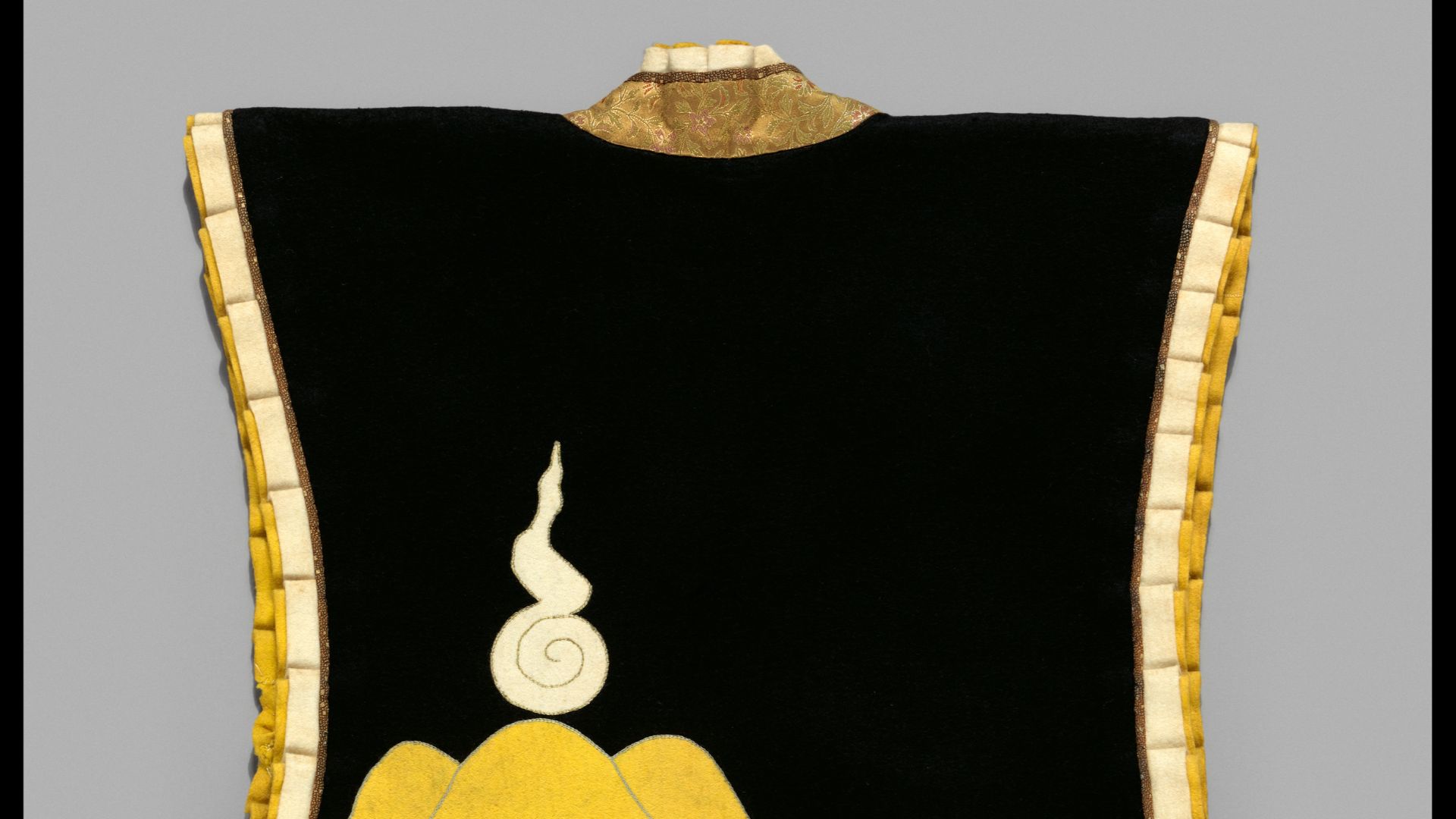
3. A Samurai Kimono With Hakama
In feudal Japan, kimono and hakama signaled rank, role, and formality, and the details mattered. Outside that context, the silhouette can look like theatrical styling because the social rules that explained it are gone.

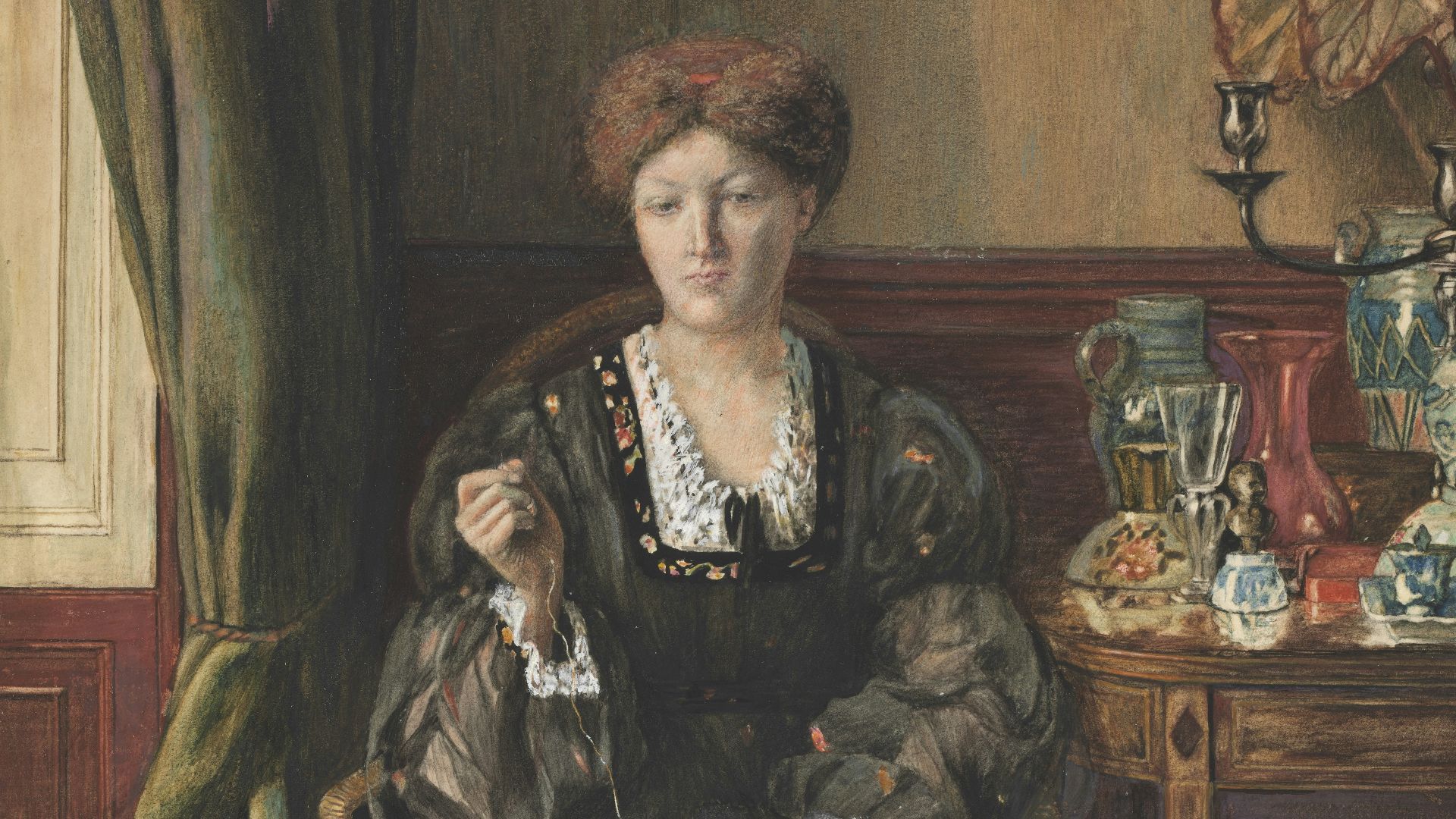
4. A Victorian Mourning Dress
In the 1800s, mourning wear could be highly structured, with expectations around color, fabric, and how long mourning lasted. Without those norms, the look reads as unusually severe, because it was designed to communicate grief publicly.
 The Cleveland Museum of Art on Unsplash
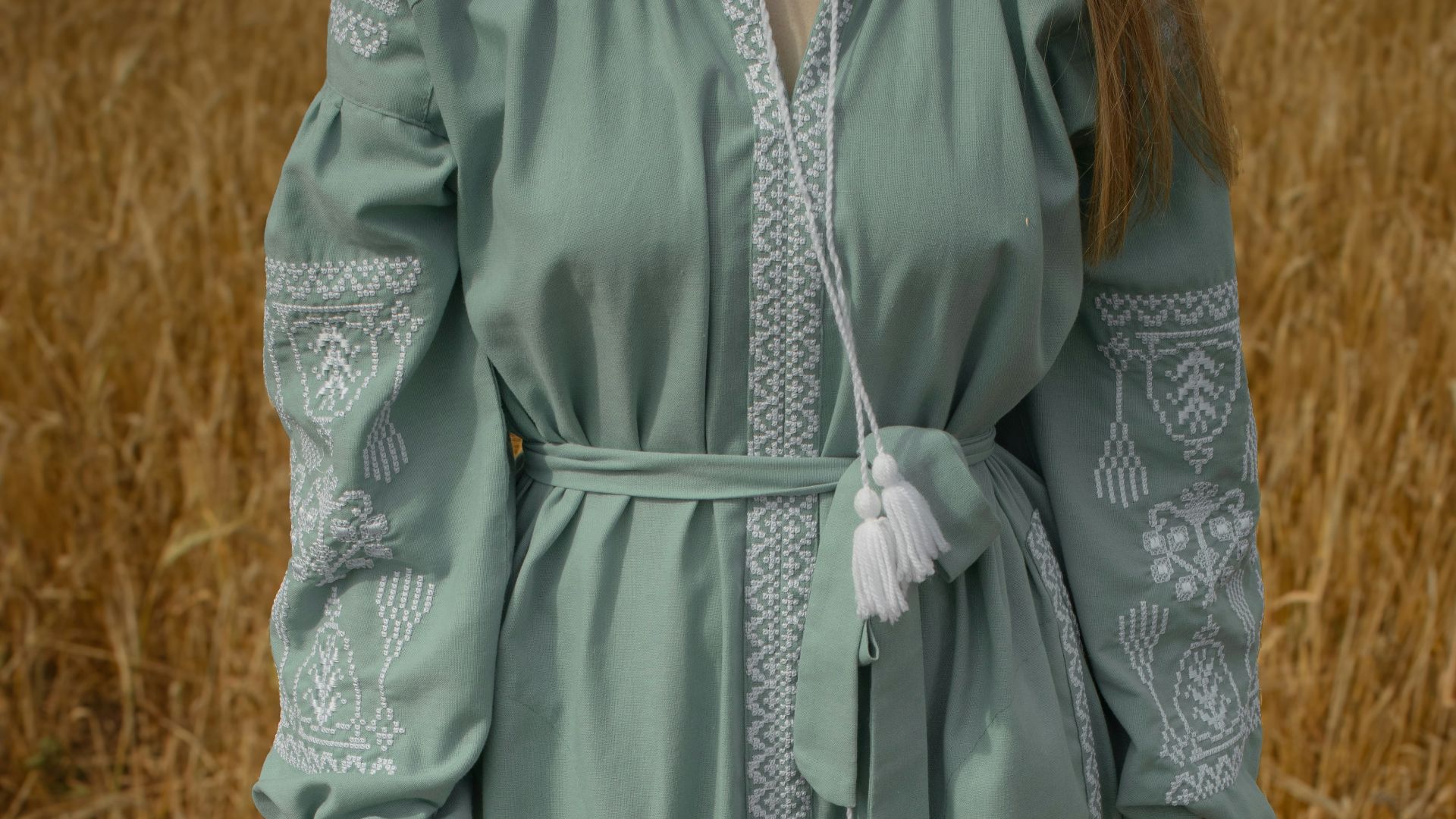
5. A Puritan Plain Dress
For Puritan communities, plain clothing was tied to religious values around modesty and rejecting vanity. Out of that setting, the strict simplicity can seem like an aesthetic choice, when it was really a moral statement.
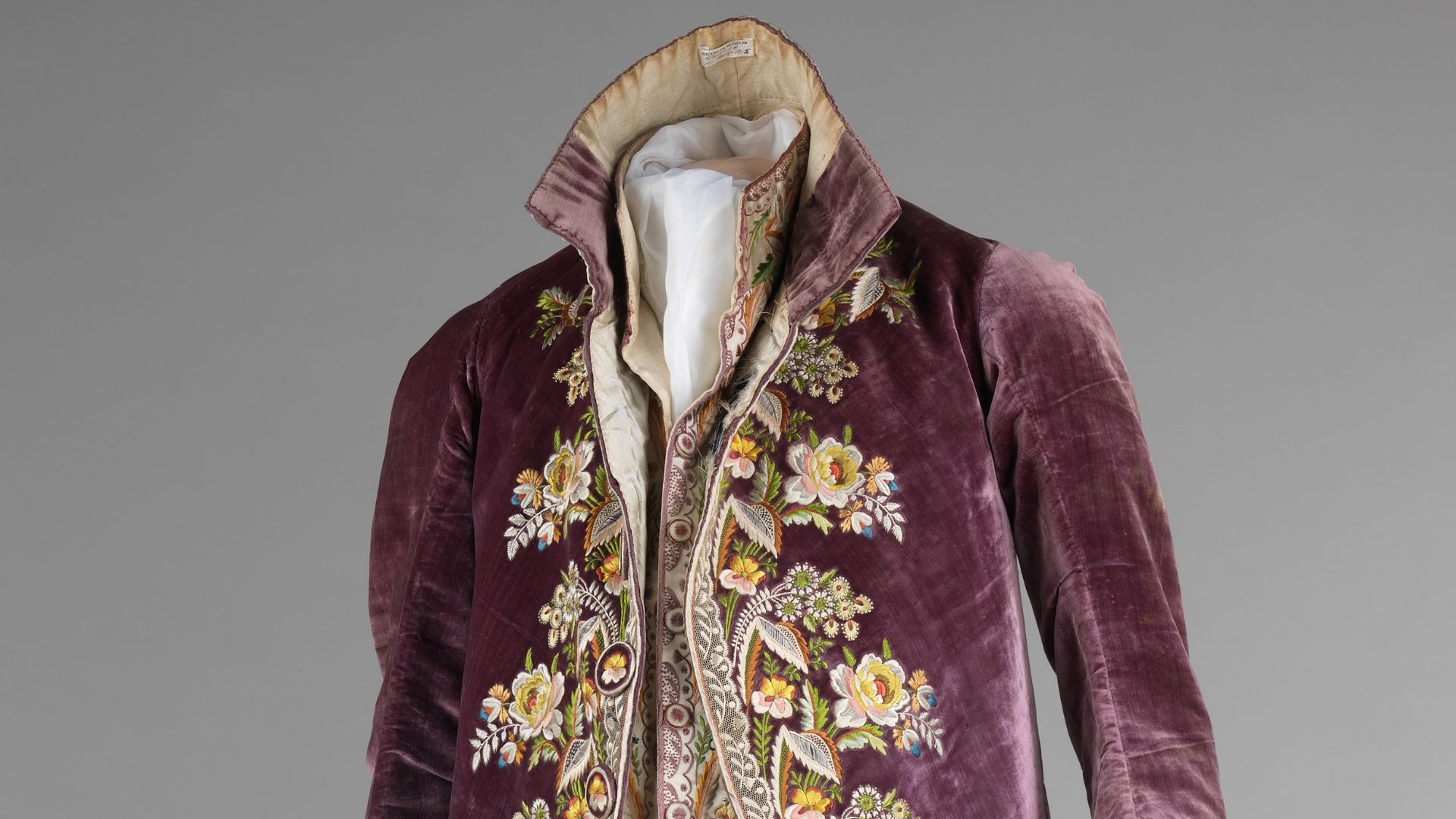
6. A French Aristocratic Court Suit
Court clothing in pre-revolutionary France was performative status, built around showing wealth, access, and power. Outside the court system, it looks extravagant and impractical because it was meant to be a social weapon.
 commons.wikimedia.org on Google
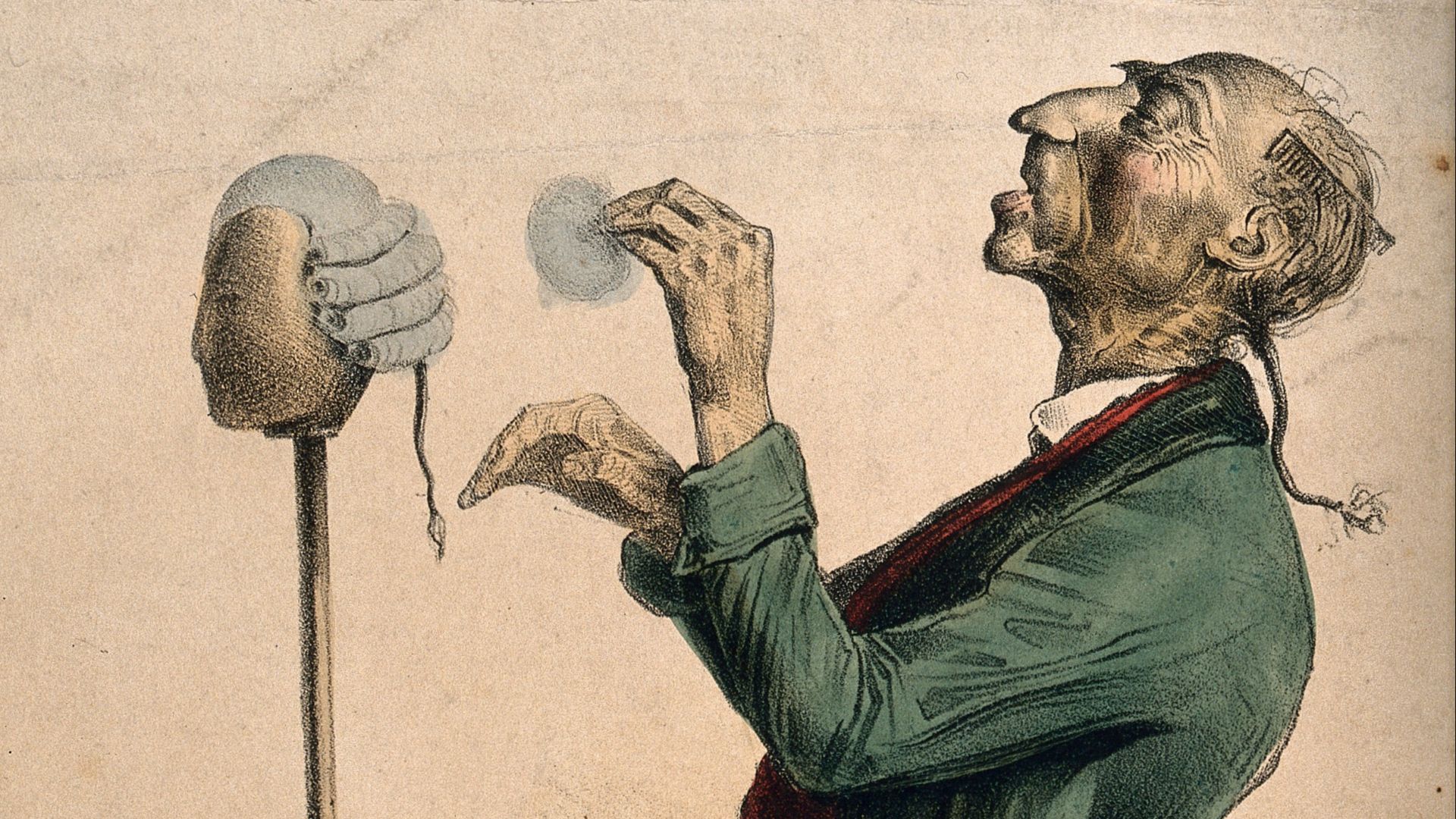
7. A Powdered Wig
Wigs were tied to status, fashion norms, and professional identity in parts of Europe, and in some legal settings they still have meaning. Without that context, a powdered wig reads as parody because it’s so clearly a signal piece.
8. A Cloak And Sword Belt
In many periods, wearing a sword in public signaled class and legal permission as much as it did self-defense. The belt, cloak, and overall look make sense when the street includes visible weapons, not when it’s a modern sidewalk.

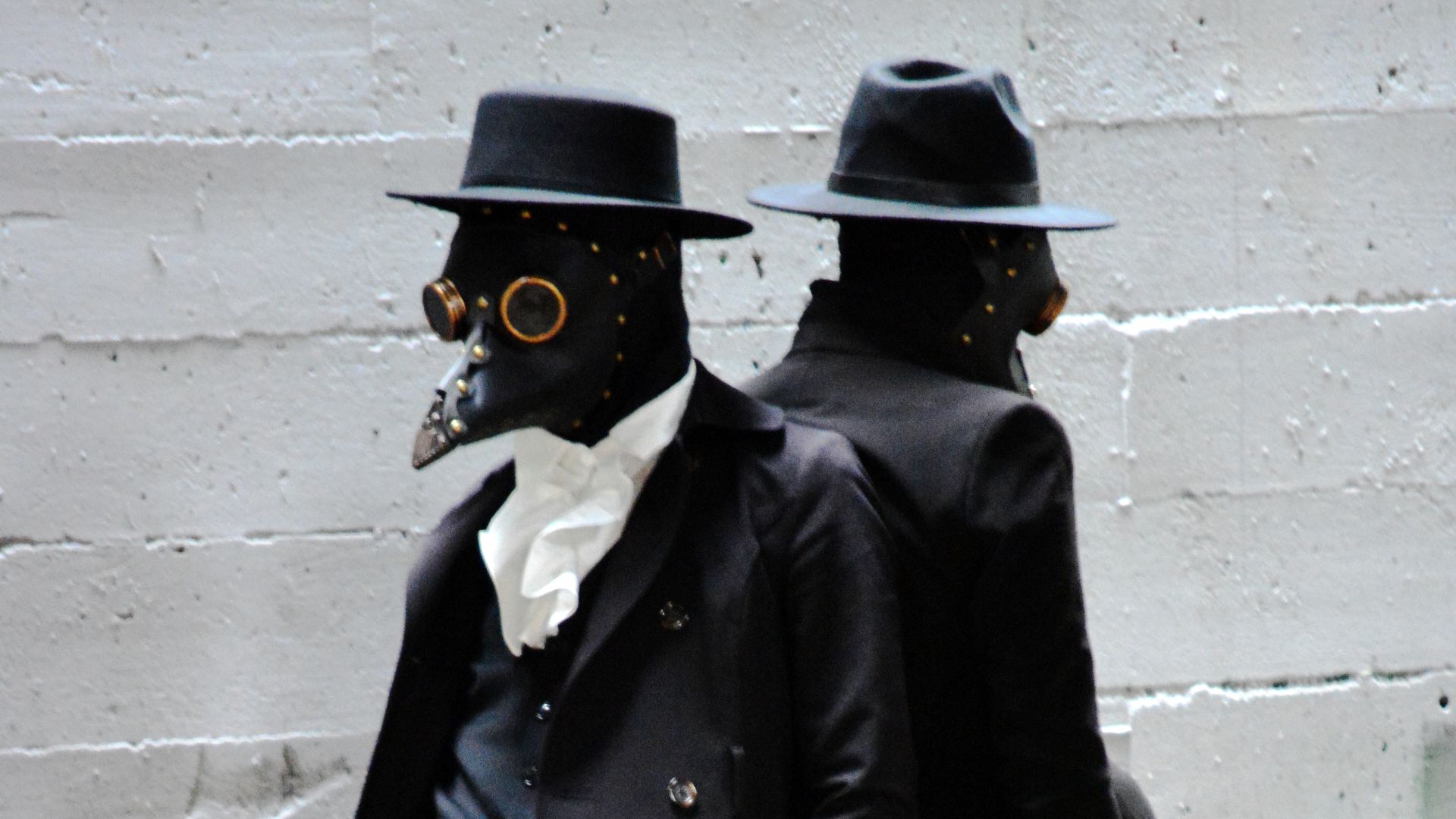
9. A Plague Doctor Outfit
That beaked mask and waxed coat were meant as protective gear based on the medical ideas of the time. Today it looks like pure horror imagery because the original public-health logic is gone, even if the fear remains recognizable.
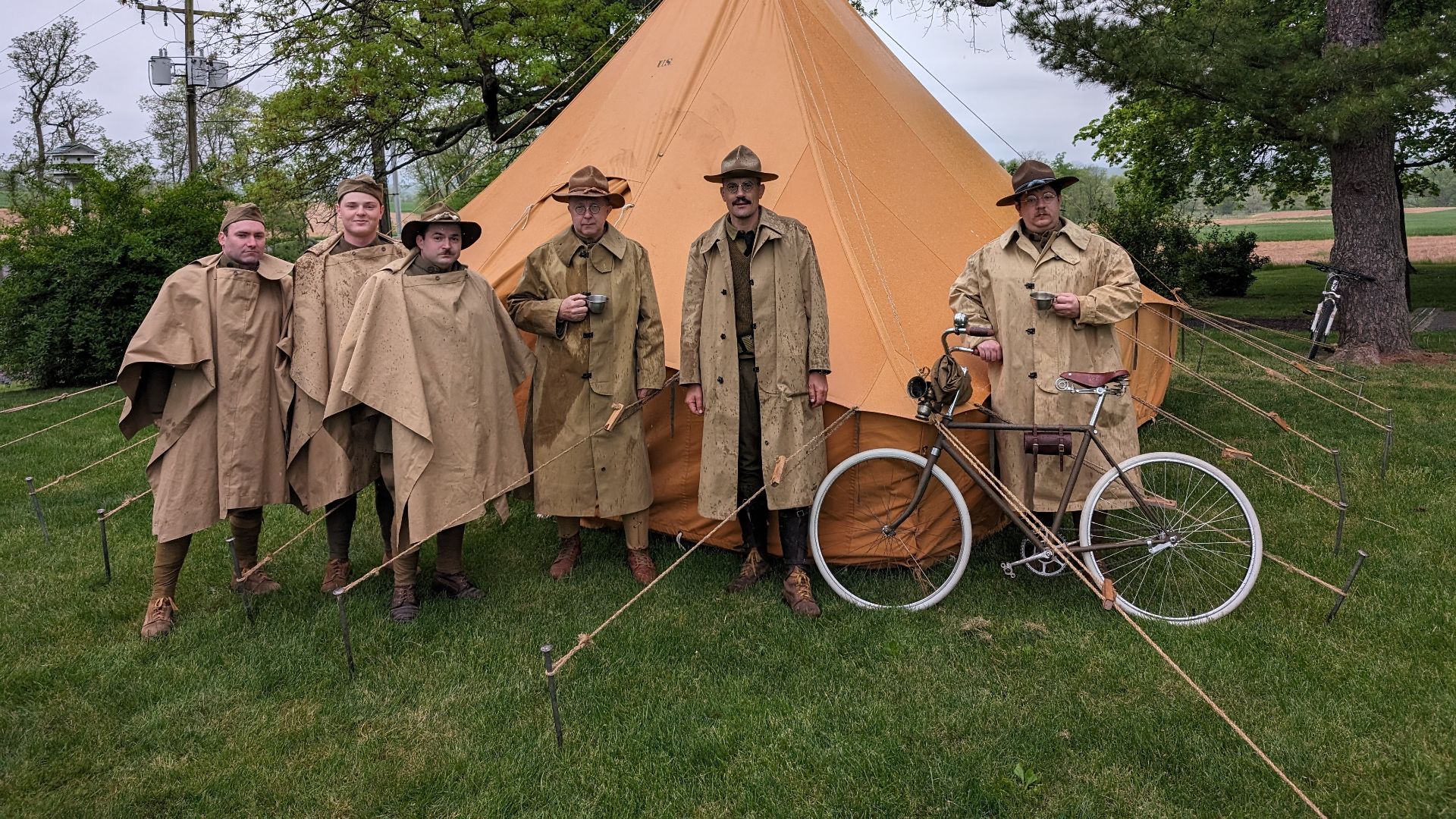
10. A WWI Trench Coat And Puttees
Trench coats and leg wraps were practical responses to mud, cold, and long days outdoors. Worn as daily clothing now, they can look overly military because they were built around a very specific kind of hardship.
11. A WWII Utility Jumpsuit
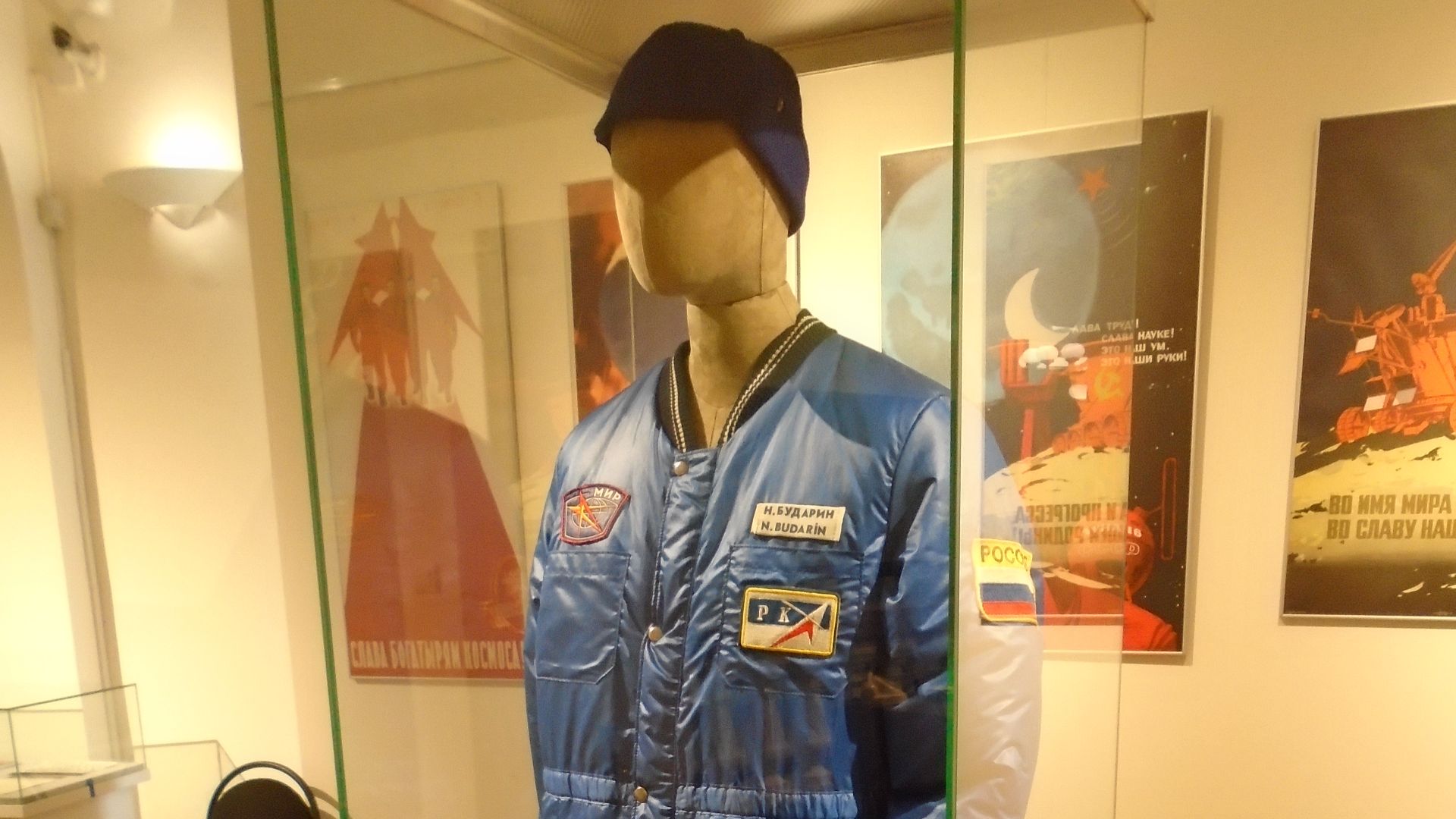
Utility clothing was about rationing, factory work, and functionality, not personal style. Out of that context it can look like a deliberate fashion statement, when it originally meant get the job done and don’t waste fabric.
 Vyacheslav Kirillin on Wikimedia
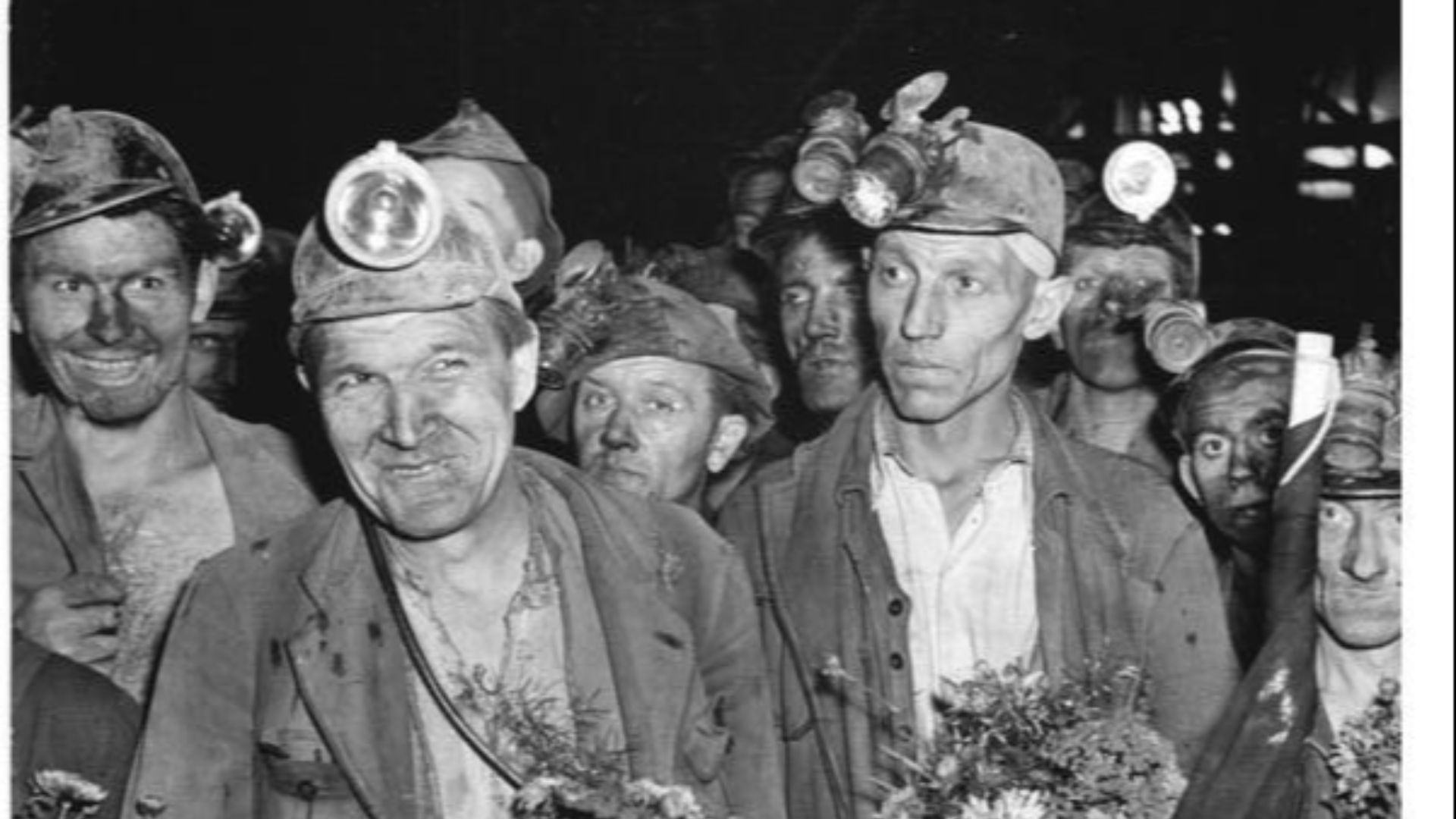
12. A Miner’s Heavy Wool And Lamp Cap
Old mining gear was designed for cold, damp, and dangerous environments where visibility was limited. In a normal setting, it looks oversized and severe because it’s built for survival, not comfort.
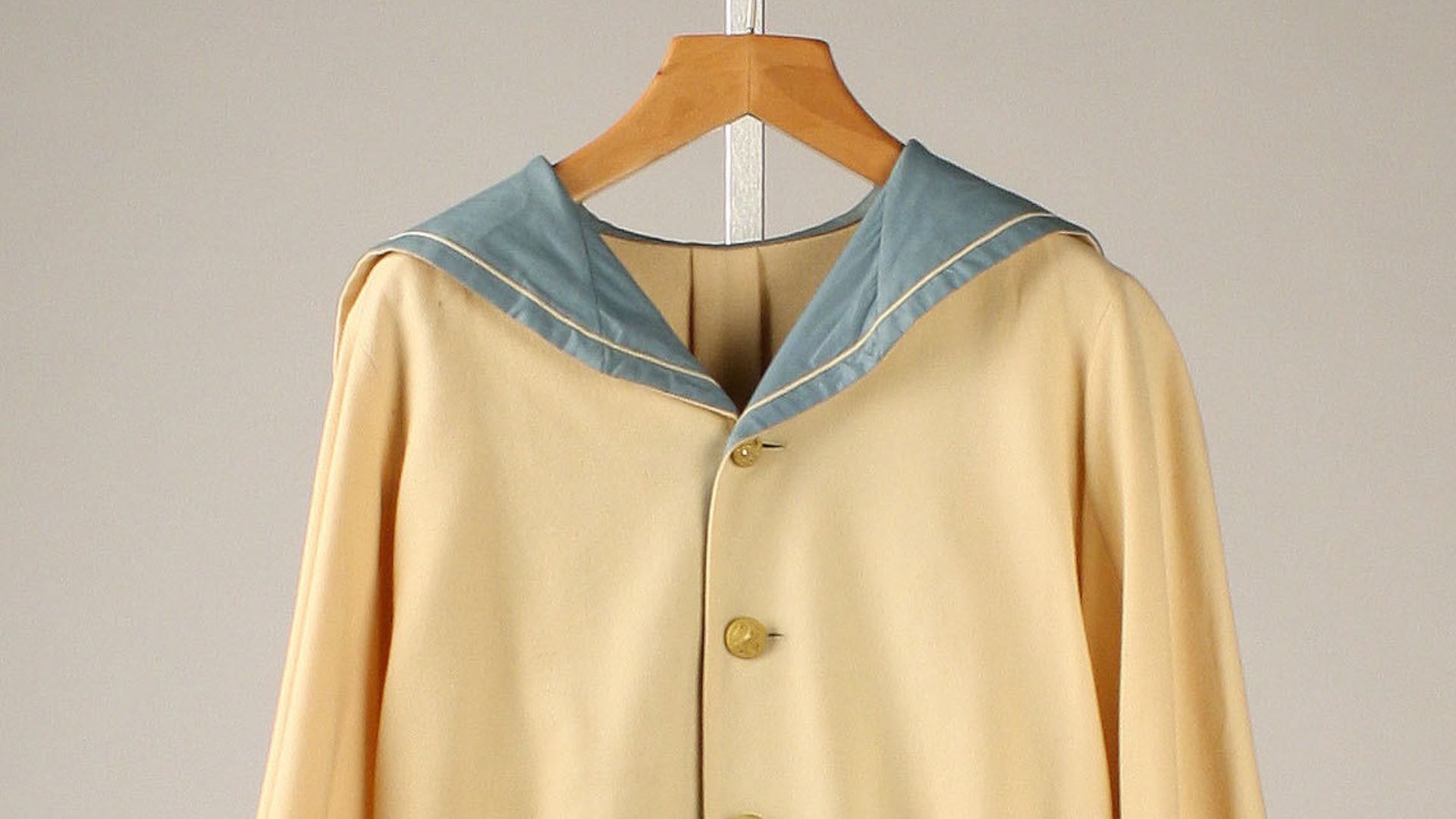
13. A Sailor’s Traditional Bell-Bottom Uniform
Bell-bottom trousers and specific uniform cuts were designed for practical reasons and naval tradition. Away from ships and hierarchy, the look can seem theatrical because it’s tied to a very specific institution.
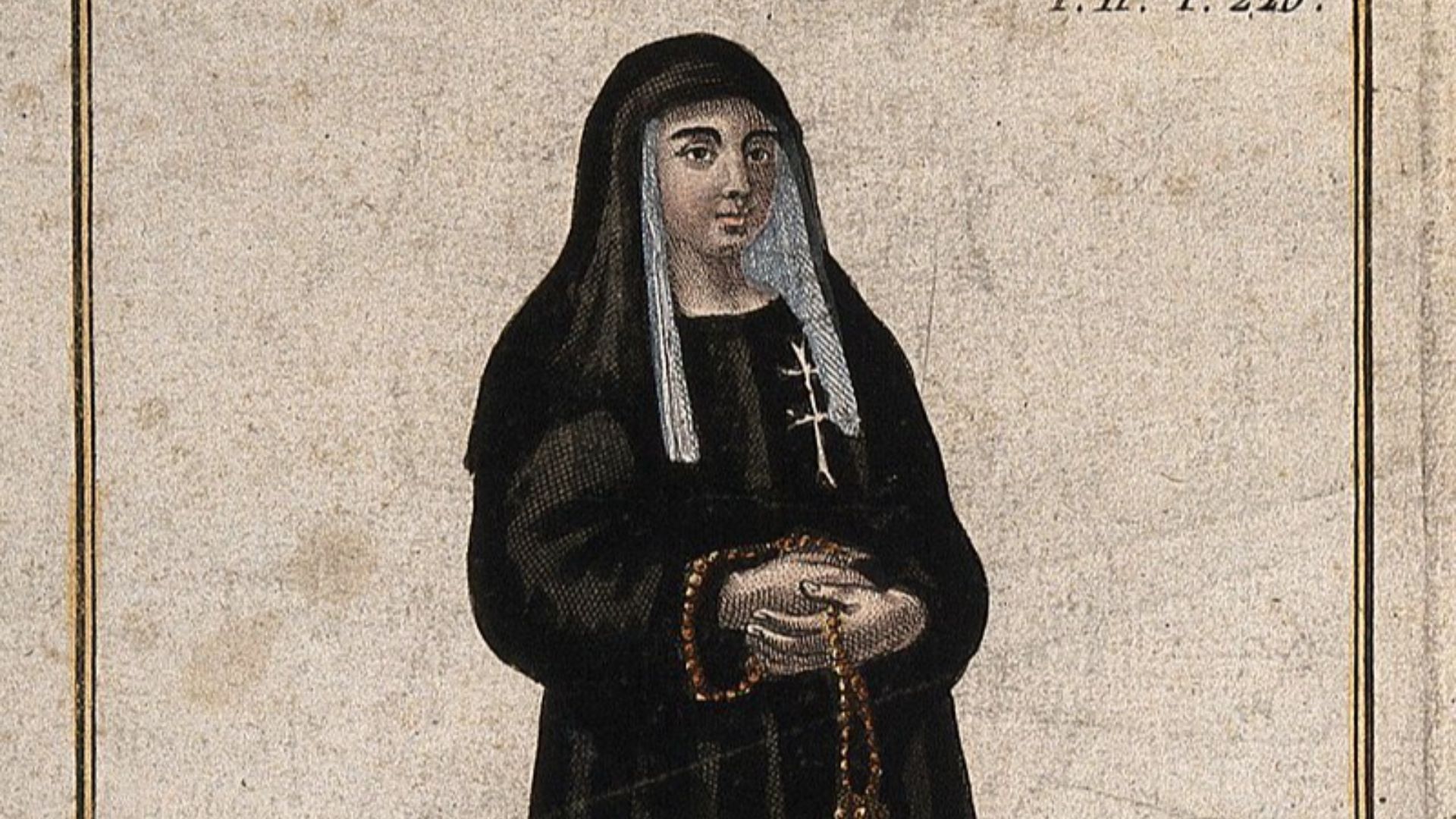
14. A Monastic Habit
A habit is a public commitment made visible, with rules that vary by order and tradition. Without that religious context, it reads as purely symbolic clothing because that’s exactly what it is.
15. A Judge’s Robe
The robe signals authority, formality, and the idea that the role matters more than the individual. Outside court, it looks dramatic because it’s meant to create distance and legitimacy.

16. A Medieval Guild Apron
A guild apron and related workwear signaled trade, skill level, and belonging to a regulated group. Outside those systems, it can look like themed clothing rather than professional identity.
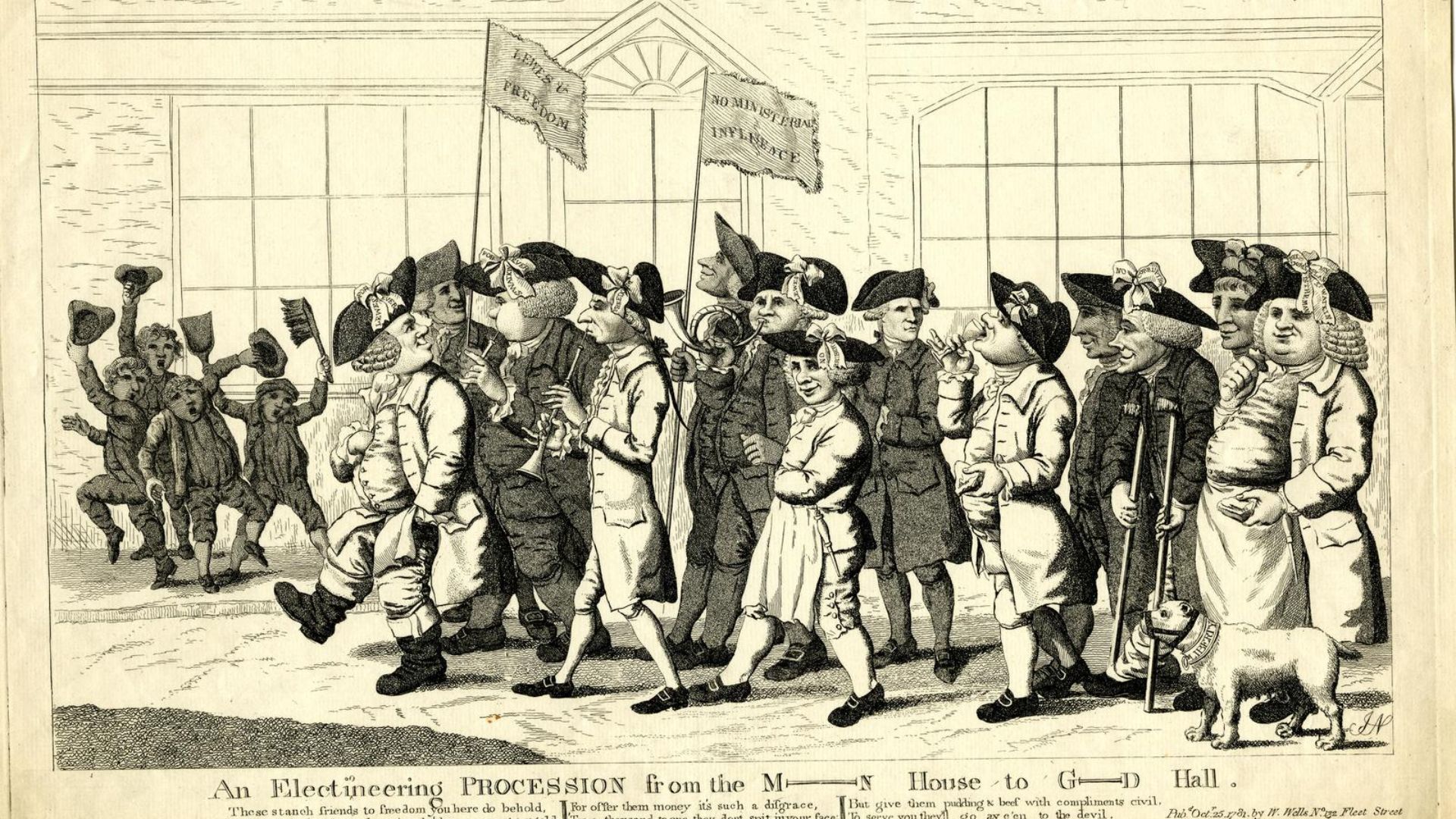 After: John Nixon Published by: William Wells on Wikimedia
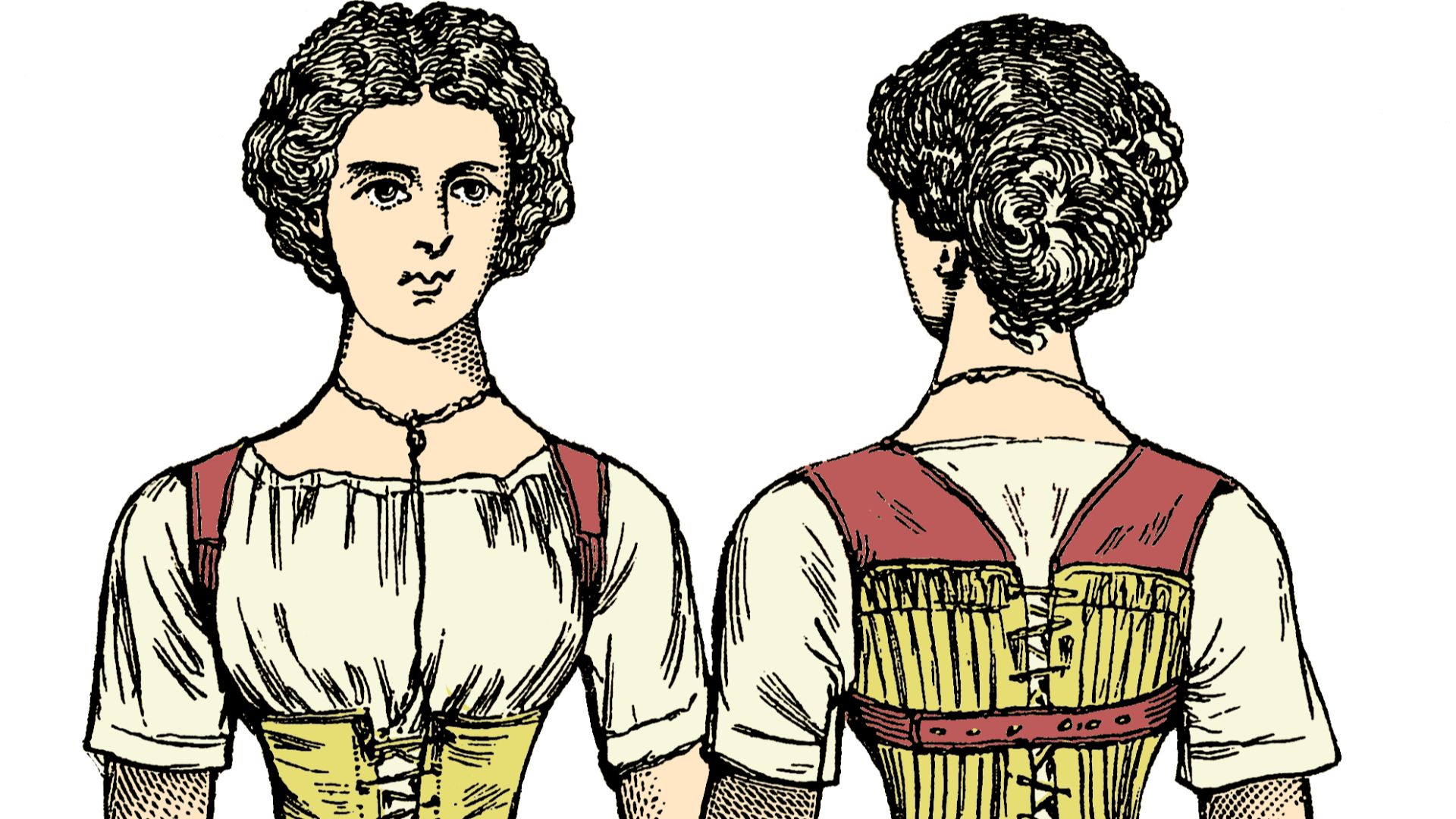
17. A 19th-Century Corset And Crinoline
These were not just style choices, they shaped the body to match the era’s ideals and social expectations, often with real discomfort. Without that context, the silhouette looks extreme because it was literally engineered.
 William Barry Lord on Wikimedia
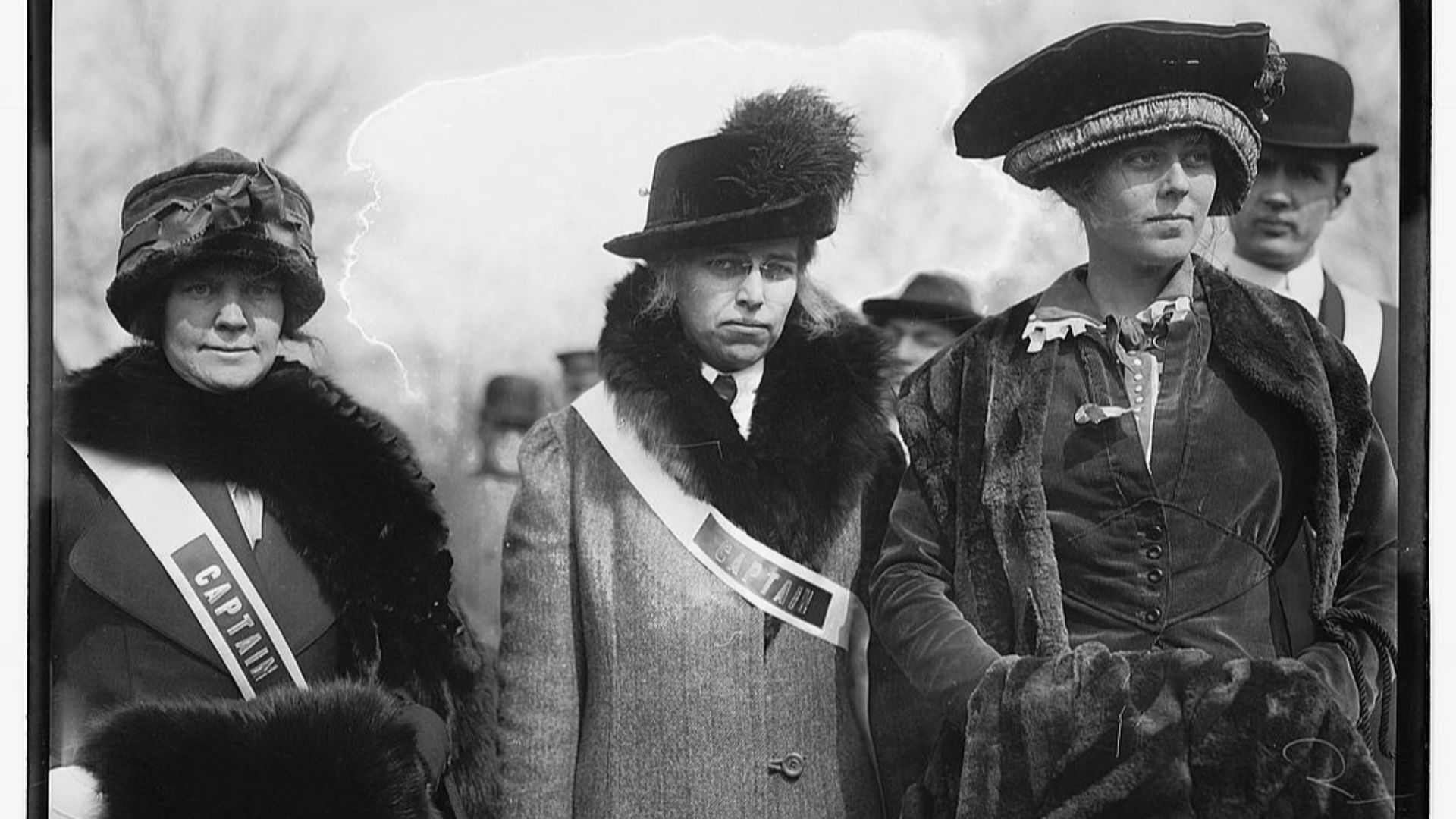
18. A Suffragette Sash
Sashes and color schemes were used to signal political affiliation and solidarity in public demonstrations. Outside that movement context, the sash looks like pageant wear because both use the same visual language.
 The Library of Congress on Wikimedia
19. A Chainmail Coif
A mail hood makes sense when bladed weapons are common and protection is necessary. Outside of that world, it looks like reenactment gear because that’s basically the only place it still belongs.
 Stadtkern,_Essen,_Germany_(5681926456).jpg: yeowatzup
derivative work: Hohum on Wikimedia
Stadtkern,_Essen,_Germany_(5681926456).jpg: yeowatzup
derivative work: Hohum on Wikimedia
20. A Traditional Indigenous Ceremonial Regalia Set
Many forms of regalia are specific to nation, community, role, and ceremony, and they carry meaning that isn’t interchangeable. Out of context, it can read as costume, which is exactly why the original setting and permission matter so much.