

You Can Light Up A Room: 20 Small Changes That Boost Your Presence
Your Presence Is A Present
Here's something nobody tells you enough: presence isn't some magical gift that certain lucky people are born with. It's really just a bunch of little choices stacked on top of each other, things that quietly say "I'm comfortable, I'm paying attention, and I respect myself." You don't need to reinvent yourself. You don't need a new wardrobe or some sudden urge to become the loudest person at the party. You just need to make a few small choices. Choices that make you easier to read, easier to talk to, and naturally pull attention.

1. Make Eye Contact
Hold that eye contact just a hair longer than your nerves want you to, then soften it with a little nod. If you tend to look away fast, try going from one eye to the other so your gaze doesn’t get too intense. You want to look present, not like you're staring someone down.

2. Lead With A Warm Smile
When you say hello, let that smile hit your cheeks before you even open your mouth to speak. A genuine smile, even a small one, reads as warmth, even if you're not in the headspace to make real conversation.

3. Open Up Your Posture
Uncross those arms. Drop your shoulders. Let your hands rest somewhere visible. Open posture tells the room you're relaxed, and a funny thing happens: everyone else starts to relax a lit,tle too. The same goes if you’re sitting down.

4. Do A One-Minute Outfit Check
Your presence actually starts before you say a single word. Smooth out the back of your jacket, check for a twisted strap, and make sure your shoes look looked-after (yes, even sneakers). It's not vanity, it's just cutting out the visual noise so people can actually focus on you.

5. Use Hand Gestures
Let your hands do some of the talking instead of hiding them under the table. Calm, measured gestures can make what you're saying easier to follow, especially when you're explaining something a little complicated.

6. Vary Your Voice
A flat monotone can take even a great story and just... drain it. Try slowing down when you hit your main point, then lifting your tone a little when you're sharing something fun. You don't need to sound like you're on a stage, just like you're actually awake and aware.

7. Use People's Names
Drop someone's name early on, and then again a bit later, the way you would in a casual text exchange. It shows you're paying attention, and it actually helps you remember them. Just keep it natural, though. If you use it too many times, you’ll start to sound like a salesperson.

8. Listen With Your Whole Face
Real listening isn't just staying quiet while someone talks. Let your face actually respond to what they're saying, a little nod here, a small reaction there. When your face is relaxed and engaged, people feel safe to keep talking to you.

9. Paraphrase Instead Of Interrupting
When you're itching to jump in, try pausing and reflectink what you heard first. Something like "So you're dealing with the timeline and the budget both at once?" shows you actually got it. People stop feeling like they have to fight to be understood.

10. Ask Open Questions That Invite Stories
Skip the yes-or-no stuff. Ask about what someone liked, what caught them off guard, and what they took away from something. You get a much better conversation out of it, and you come across as someone genuinely interested in another's situation.
 Aarón Blanco Tejedor on Unsplash
11. Do A Quick Posture Reset
Right before you step into a room, roll your shoulders back, stand a little taller, and take one slow breath. It steadies your voice, stops you from rushing your first words, and makes your whole body look and feel a lot calmer.

12. Use A Simple Grounding Ritual
If your brain starts running commentary on how awkward you are, bring your attention back to something physical. Feel your feet in your shoes. Notice your hands. Take one slow breath. You're not going for enlightenment here, you're just giving your mind something better to do than pick on you.

13. Keep Your Phone Out Of Sight
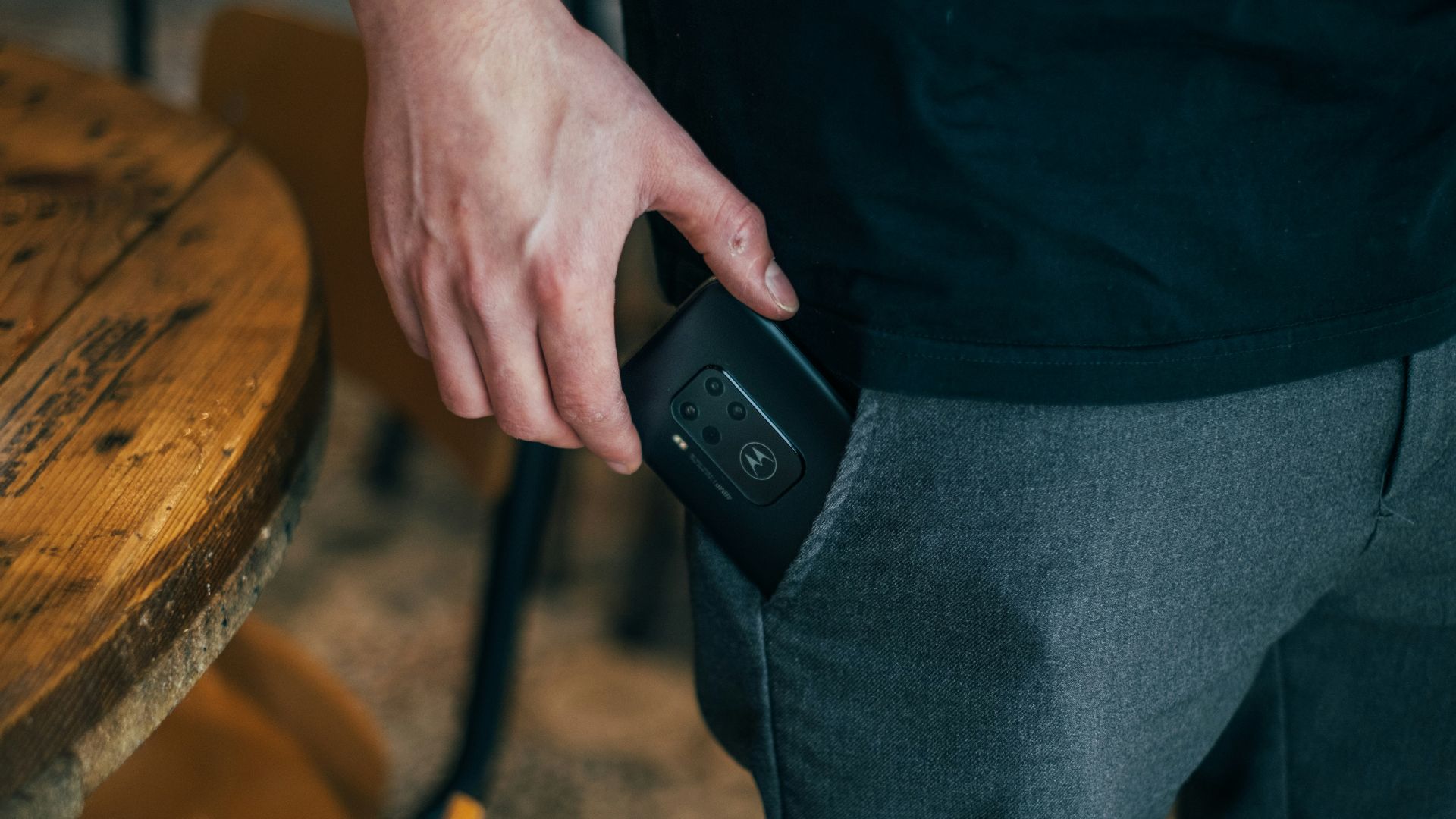
Holding your phone or sneaking a glance at it mid-conversation is basically saying, "I'm half somewhere else." Put it away. If you genuinely need it for something, say so, then come back. Giving someone your full, undivided attention is rarer than you'd think, and people really do notice it.
14. Relax Your Facial Expressions
A clenched jaw or tight brow can make you look annoyed when you're really just concentrating. Unclench your mouth. Soften your eyes. Let your face match what you're actually trying to say, especially when you're making a serious point and don't want it to land wrong.

15. Mirror Body Language
If someone leans in, lean in a little too. If they're talking at a slower pace, slow yours down a touch. The trick is keeping it gentle, because if it's too obvious, it just gets weird. Done softly, it builds a real sense of connection.
 Kira auf der Heide on Unsplash
16. Use Clear Language
When you start every sentence with "maybe" or "sorry, but," your point shows up already a little bruised. Try stating your thoughts plainly first, and then add any nuance you need afterward. You can still be warm and considerate without sounding like you're apologizing for having an opinion.
 Christina @ wocintechchat.com M on Unsplash
17. Keep Two Uplifting Topics Ready
Walk in with a couple of light, easy stories tucked in your back pocket for when the room goes quiet. Keep it small and specific: a café you discovered, a book that surprised you, a show you actually enjoyed. Having something ready means your brain can stop scrambling and just be there.
 LinkedIn Sales Solutions on Unsplash
18. Say Specific Appreciation Out Loud
Vague compliments are easy to brush off. But if you tell someone you appreciated their timing, their follow-through, or the way they explained something tricky? That lands. And it makes you look like someone who actually pays attention.

19. Offer Help
Presence isn't just how you come across when you're talking. It's also about how you show up for the room. Hold the door, make a quick introduction, or share something that can help someone else. These small helpful moments help to build trust faster than most people realize.

20. Pull In The Person On The Sidelines
Look around for the person who hasn't had a chance to speak yet, and make a little room for them without putting them awkwardly on the spot. A nod in their direction, using their name, or referencing something they're connected to, goes a long way. And when you wrap up a conversation with a warm thank-you or a genuine little nod of appreciation? People carry that feeling with them long after you've walked away.