
When Style And Culture Began As Statements Of Defiance
Not every trend begins on a runway or in a marketing meeting. Some of the most recognizable styles and cultural shifts started as acts of resistance, quiet rebellion, or organized protest. Over time, what once signaled defiance against authority or social norms became mainstream, fashionable, or even commercialized. These 20 trends may feel ordinary now, but their origins are rooted in people pushing back and demanding change.
1. Women Wearing Pants
For centuries in Western societies, women were expected to wear skirts and dresses in public. In the 19th and early 20th centuries, activists like Amelia Bloomer promoted loose trousers as part of dress reform movements that challenged restrictive clothing.

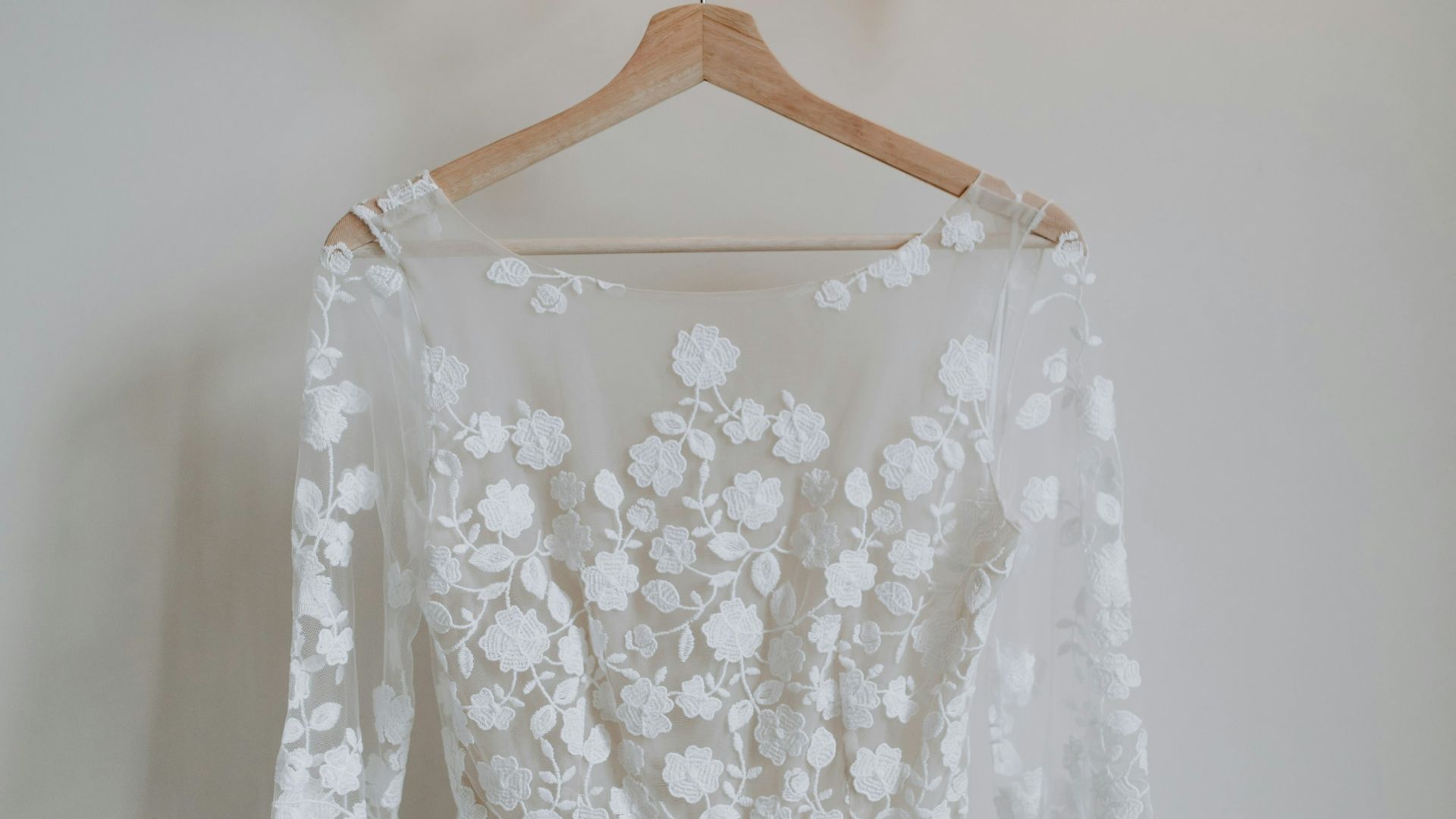
2. The White Wedding Dress
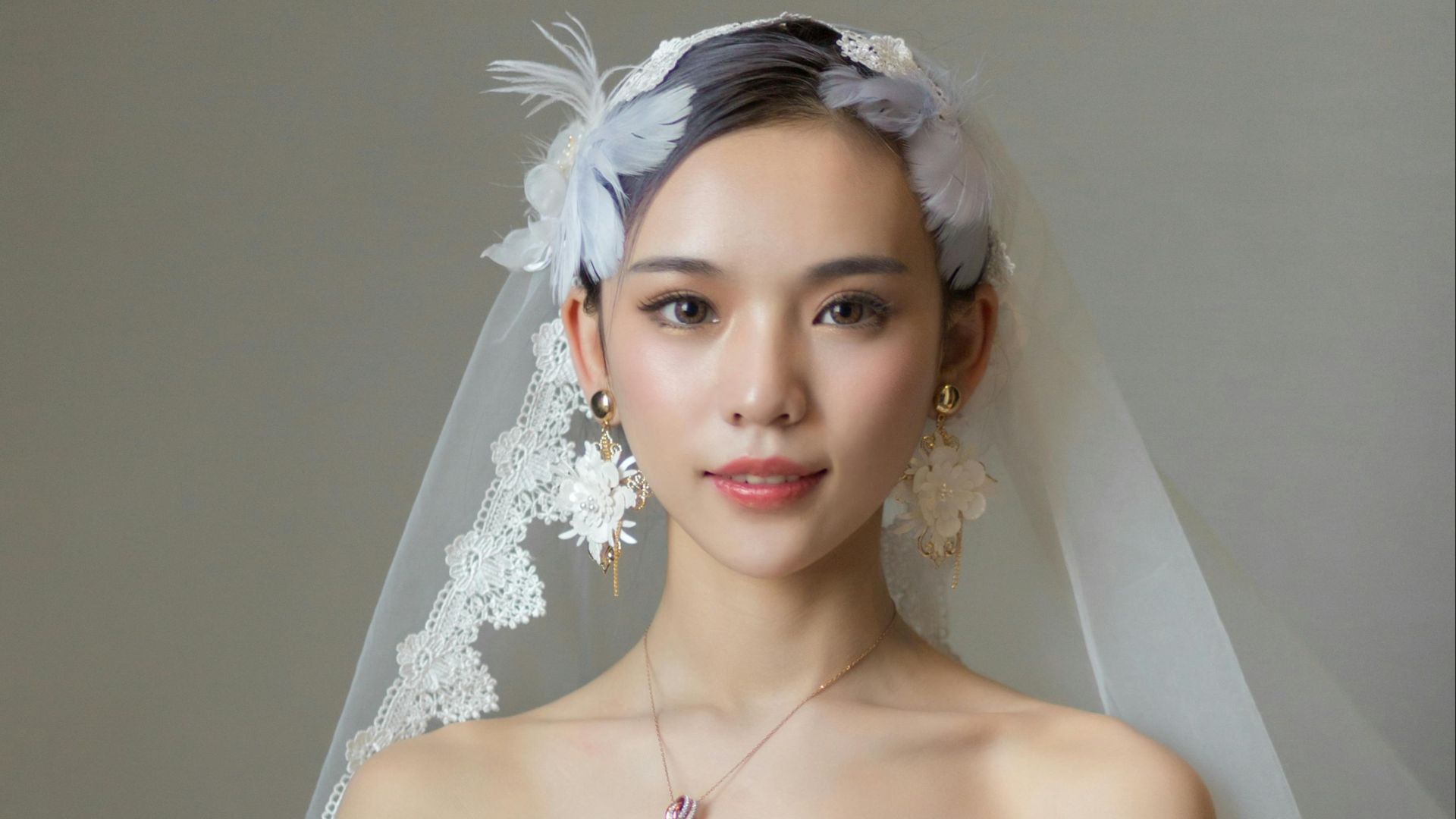
Queen Victoria popularized white wedding dresses in 1840, but the color later took on political meaning. During the early 20th-century suffrage movement in the United States and Britain, women wore white to symbolize purity and unity while marching for voting rights.
3. Blue Jeans As Everyday Wear
Jeans were originally workwear for miners and laborers in the 19th century. In the 1950s and 1960s, young people adopted denim as a symbol of rebellion against conservative dress codes.

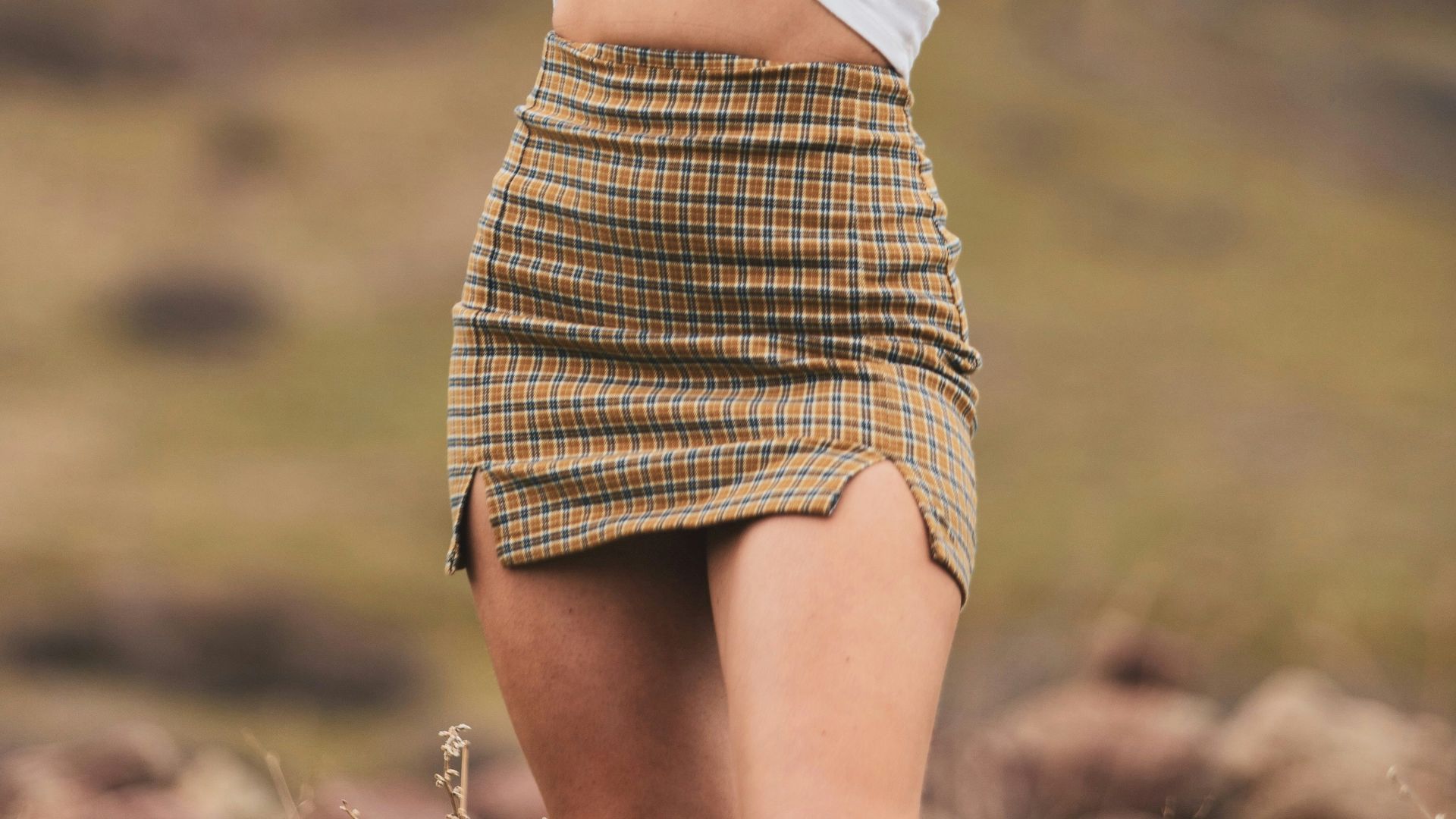
4. The Miniskirt
The miniskirt emerged in the 1960s during a time of major social change. While designers like Mary Quant helped popularize it, many women embraced the shorter hemline as a rejection of traditional expectations about modesty. What was once considered scandalous soon became a defining look of the decade.
 LOGAN WEAVER | @LGNWVR on Unsplash
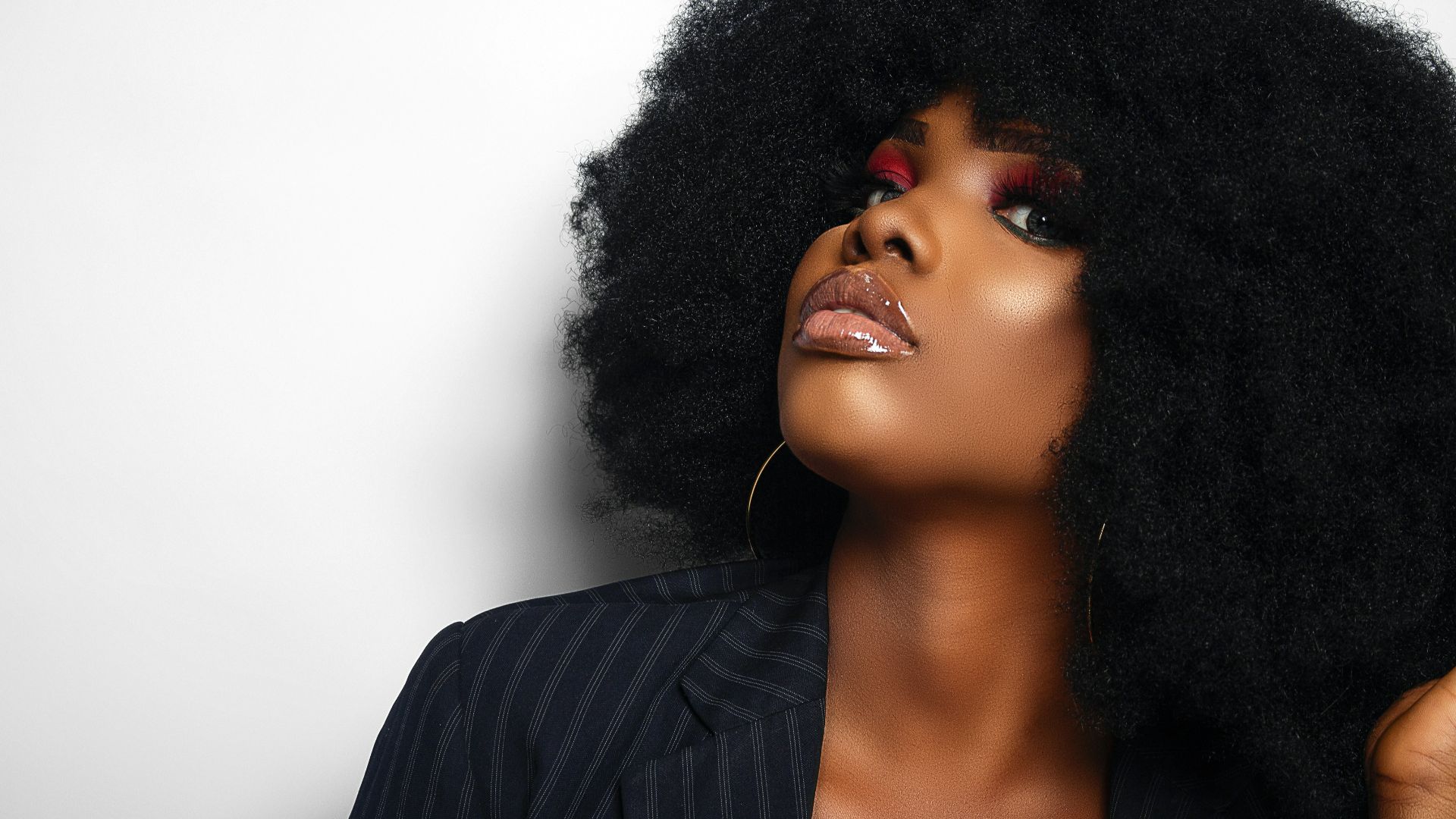
5. Natural Hairstyles
During the Civil Rights Movement in the 1960s, many Black Americans chose to wear natural Afros instead of chemically straightened hair. The style became a visible statement of pride and resistance against Eurocentric beauty standards.
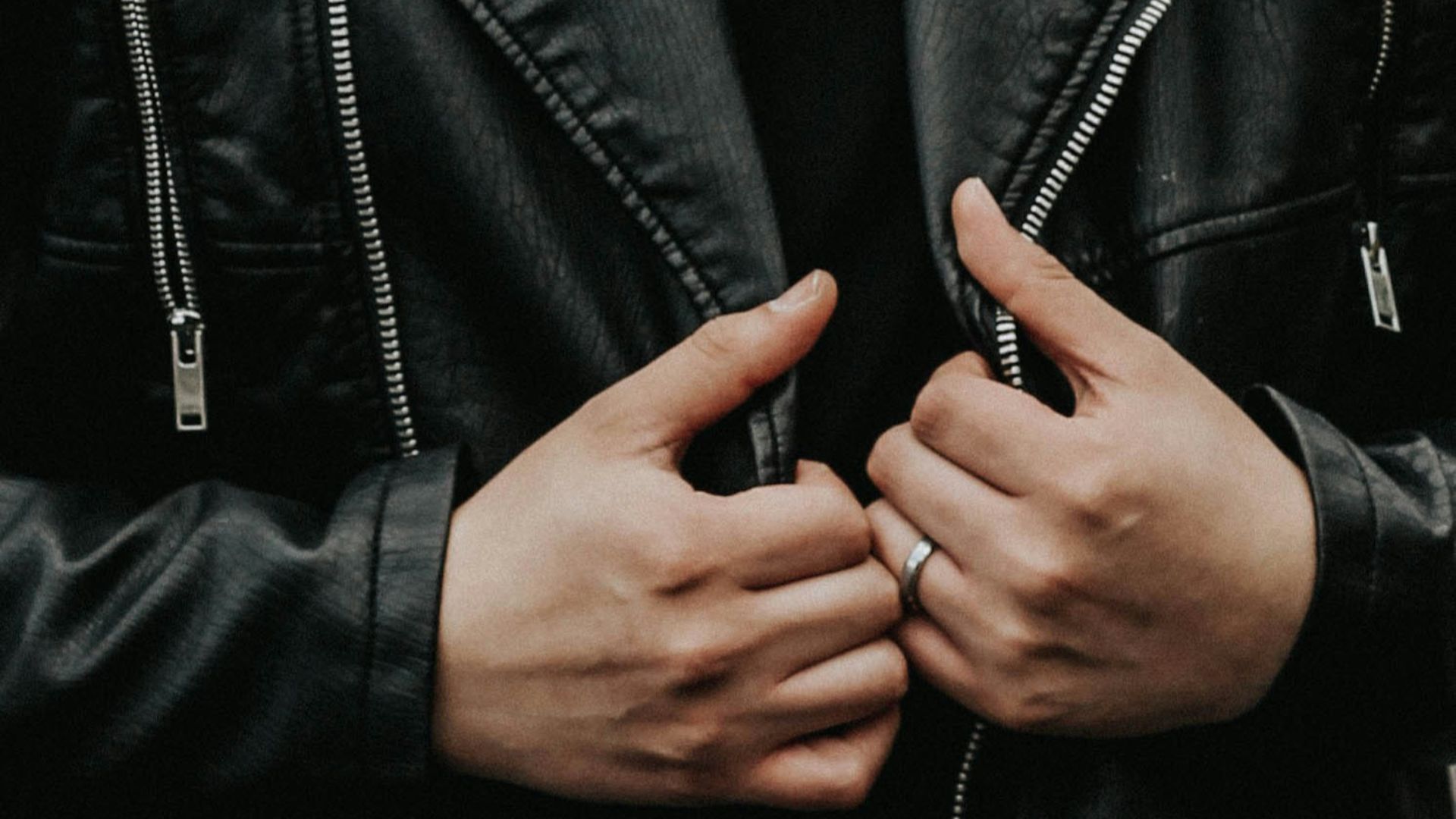
6. The Leather Jacket As Rebellion
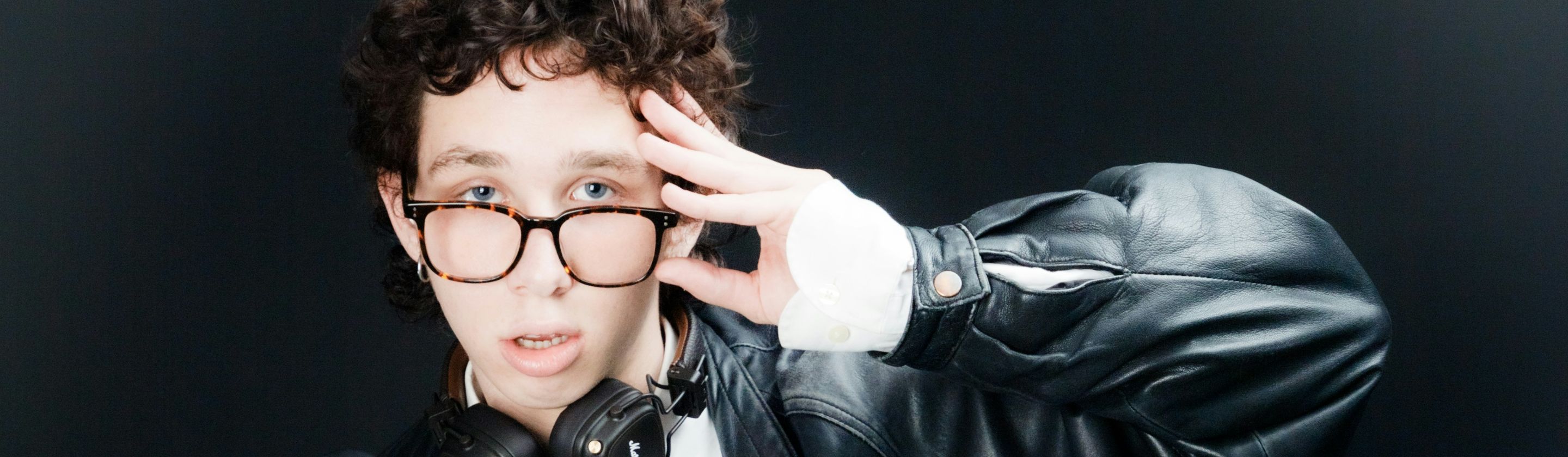
Leather jackets were first worn by military aviators, but in the 1950s they became symbols of youthful defiance. Motorcyclists and countercultural groups adopted them to signal independence and rejection of conformity. Though once associated with delinquency, the leather jacket is now a fashion staple across age groups.
7. Combat Boots In Civilian Fashion
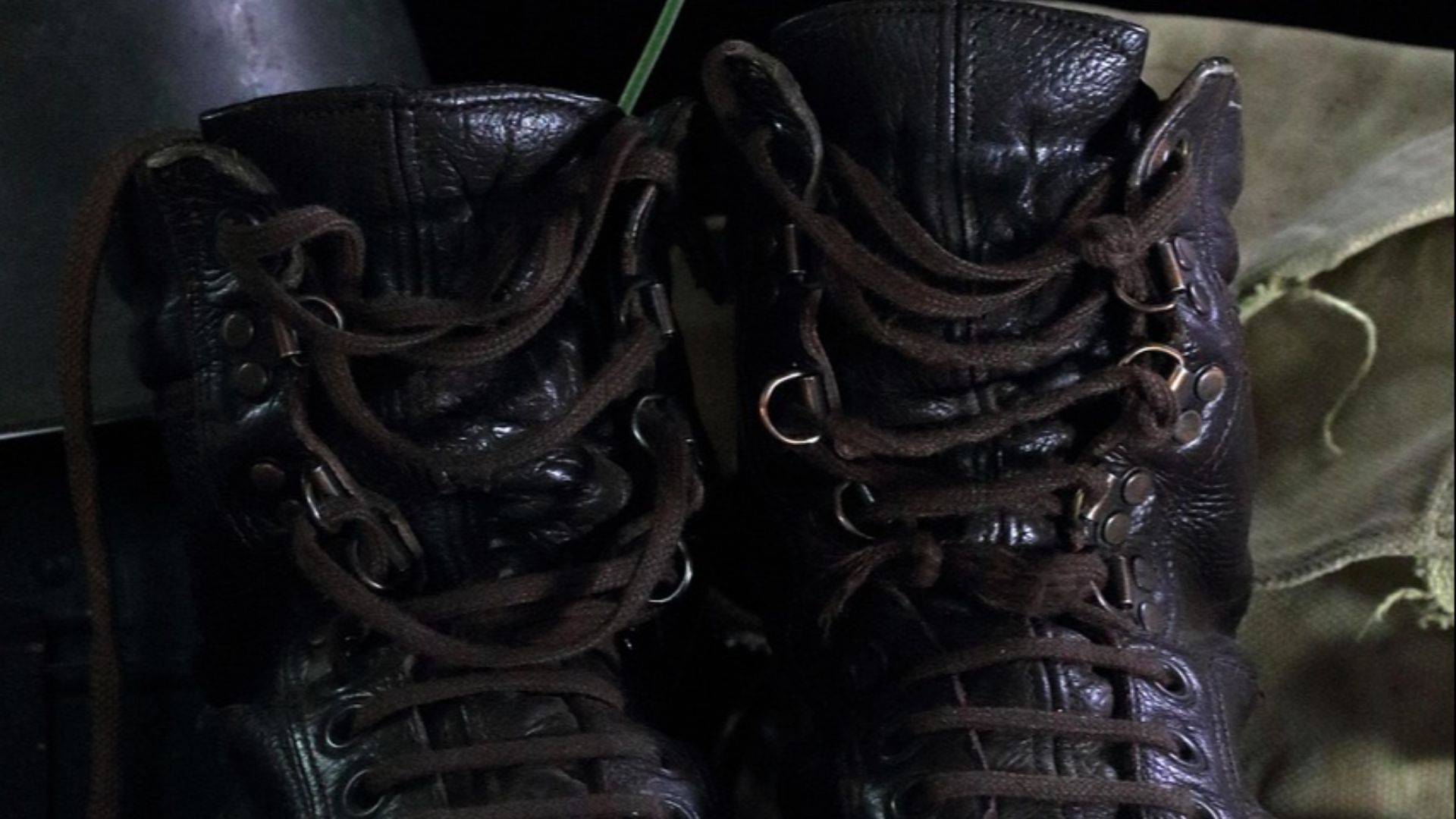
Combat boots originated as standard military footwear, built for durability and function. In the 1970s and 1980s, punk subcultures adopted them as symbols of anti-establishment identity. Today they appear on high-fashion runways, far removed from their original political and subcultural meanings.
8. The Bikini
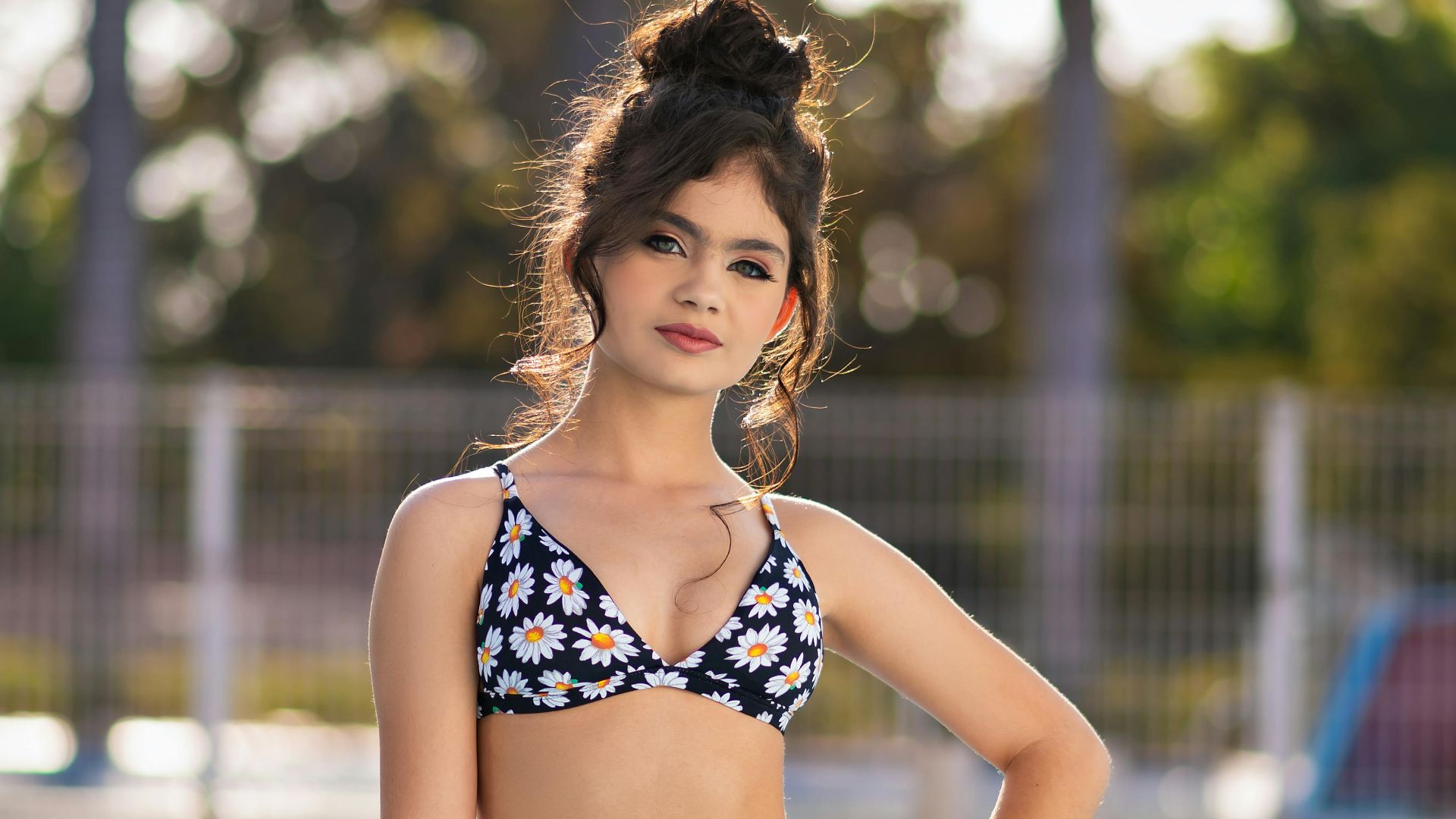
When the bikini debuted in 1946, it was considered scandalous in many countries and even banned in some places. Women who wore it challenged conservative expectations about modesty and body autonomy. Over time, what was once controversial swimwear became standard beach attire worldwide.
9. Unisex Clothing
In the 1960s and 1970s, gender-neutral clothing gained visibility alongside movements questioning traditional gender roles. Shared silhouettes, simple tailoring, and similar cuts for men and women signaled a cultural push toward equality. What began as social experimentation influenced modern casualwear and contemporary fashion lines.

10. The Black Armband
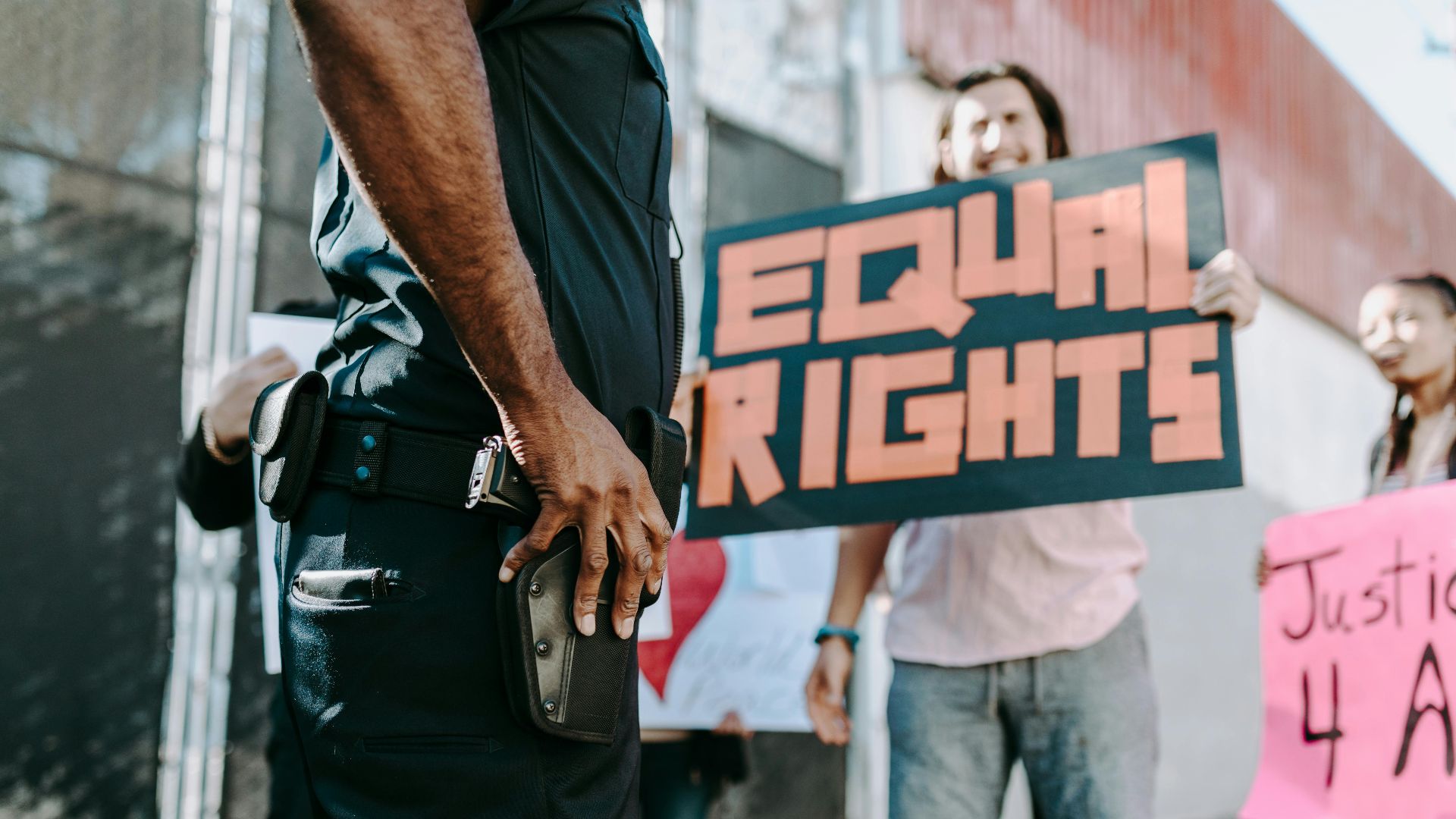
Black armbands have long been worn as a public sign of mourning or protest. Athletes and public figures have used them to draw attention to social issues without violating uniform rules. The simple accessory demonstrates how even a small clothing addition can carry powerful meaning.
11. Tie-Dye
Tie-dye surged in popularity during the 1960s, closely associated with anti-war and countercultural movements. The handmade aesthetic rejected polished, mass-produced fashion in favor of individuality and creativity. Decades later, it resurfaces regularly as a playful mainstream trend.

12. The Mohawk Hairstyle
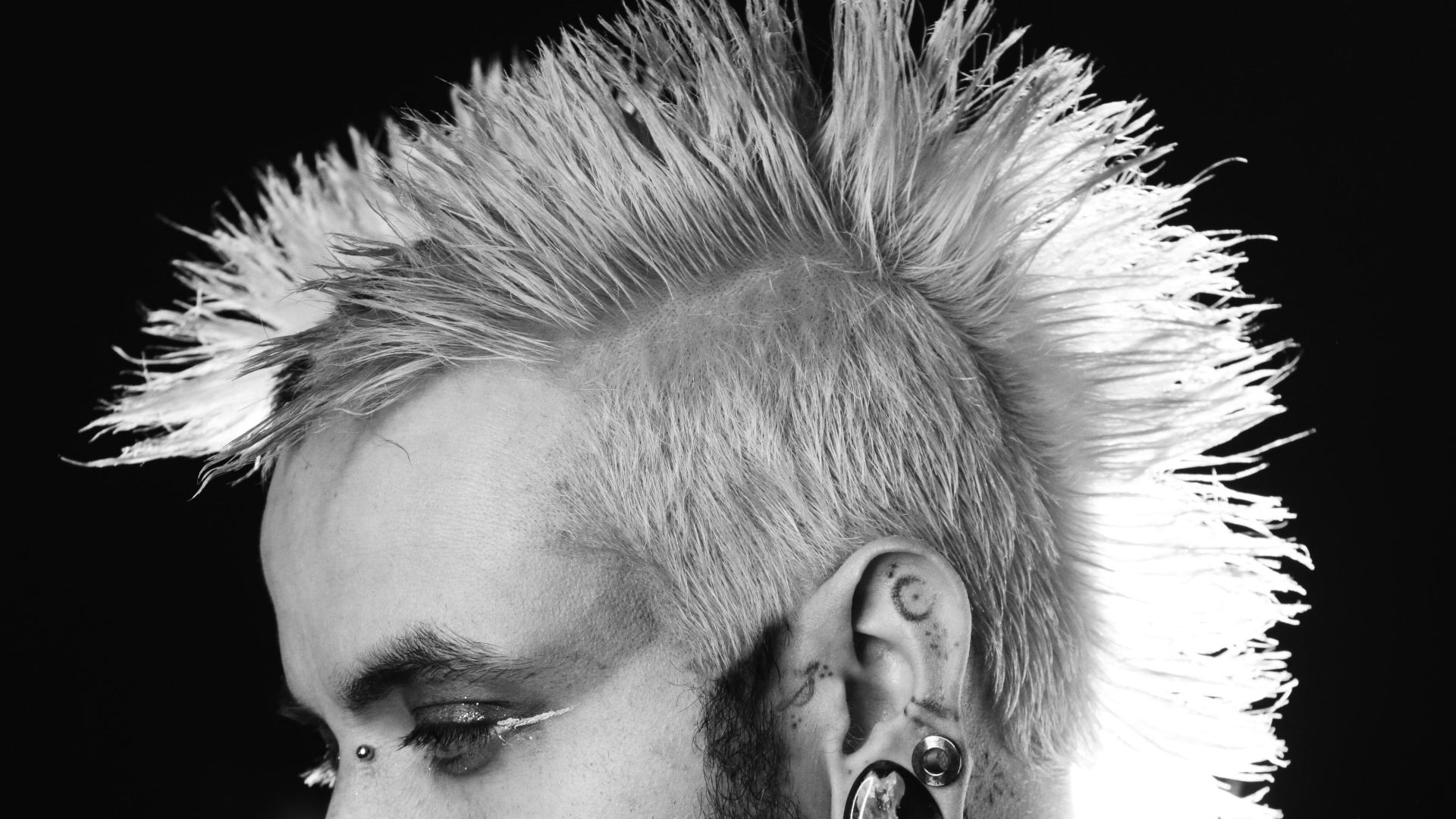
The modern mohawk became widely associated with punk culture in the 1970s and 1980s. Its dramatic shaved sides and upright strip of hair signaled rebellion and rejection of conventional beauty standards. What began as a shock tactic now appears in more stylized and commercial forms.
 Miguel Rodriguez León on Pexels
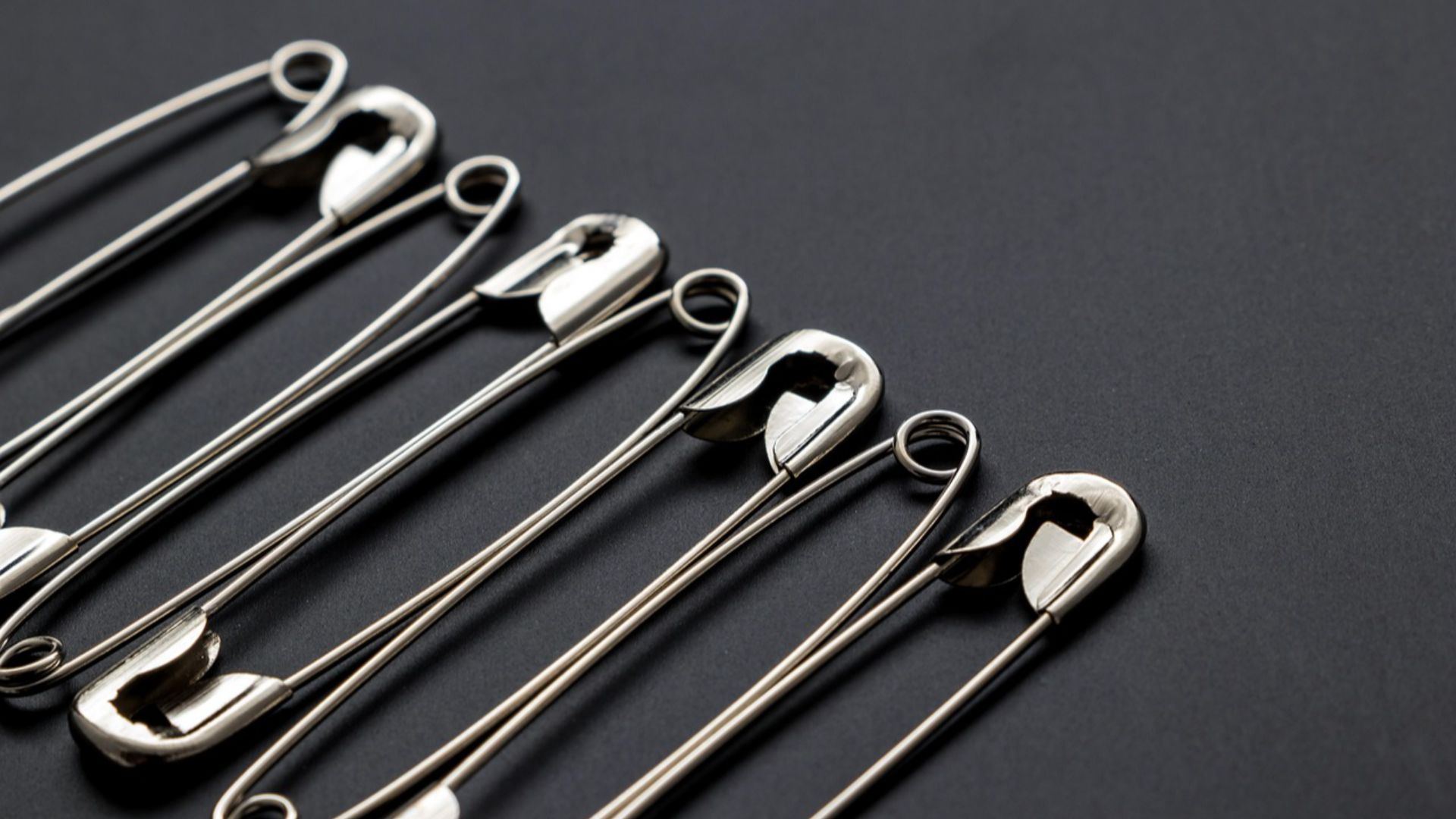
13. Safety Pins As Accessories
Safety pins were adopted by punk communities as visible symbols of DIY culture and anti-consumerism. Wearing them as jewelry or through clothing deliberately challenged traditional ideas of refinement. High-end designers later incorporated the look into luxury fashion collections.
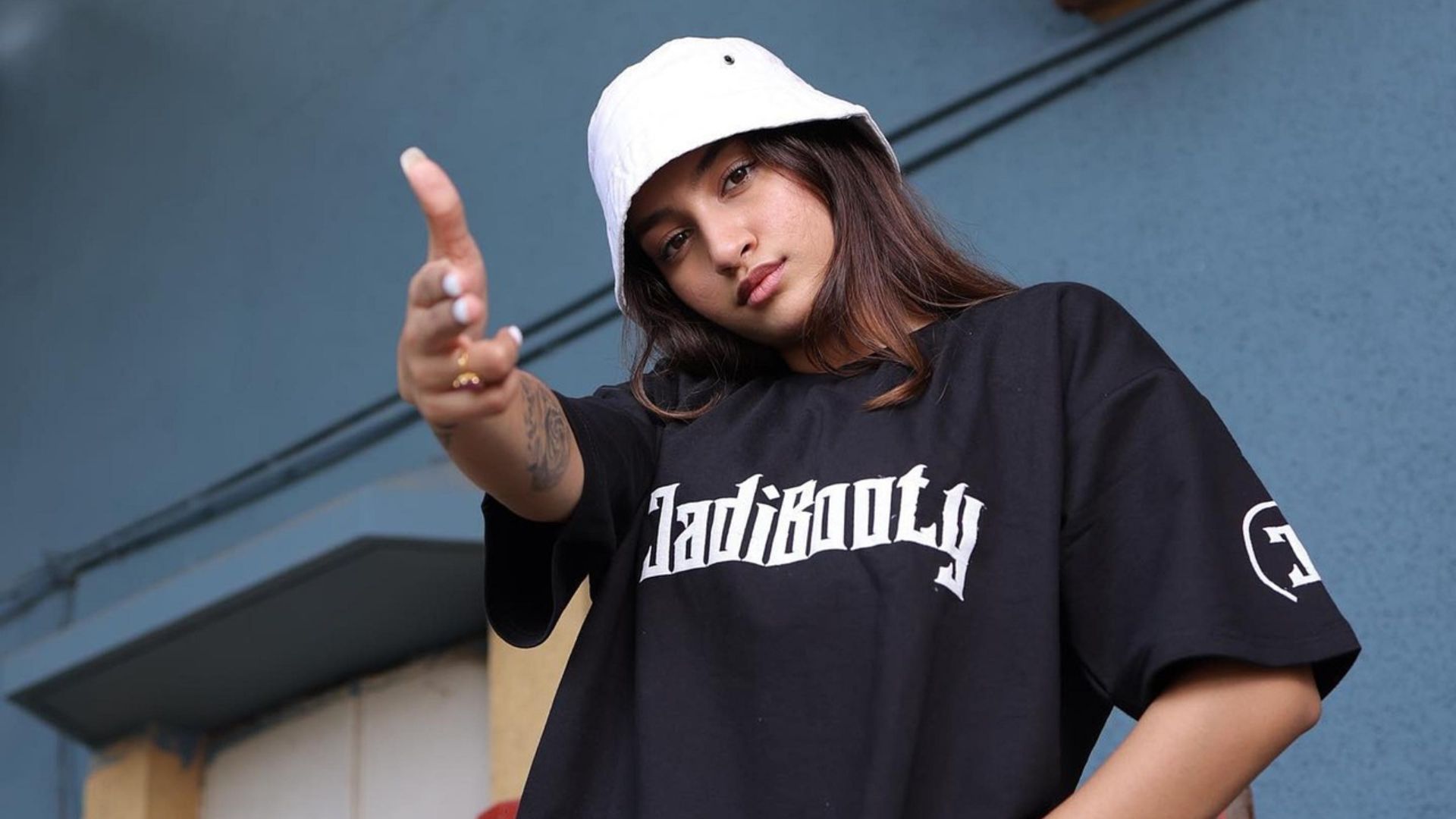
14. Oversized Silhouettes
Loose, oversized clothing gained popularity in the late 20th century through hip-hop culture. The style reflected both practical comfort and resistance to mainstream fashion expectations. What once seemed unconventional now dominates streetwear and luxury collaborations alike.
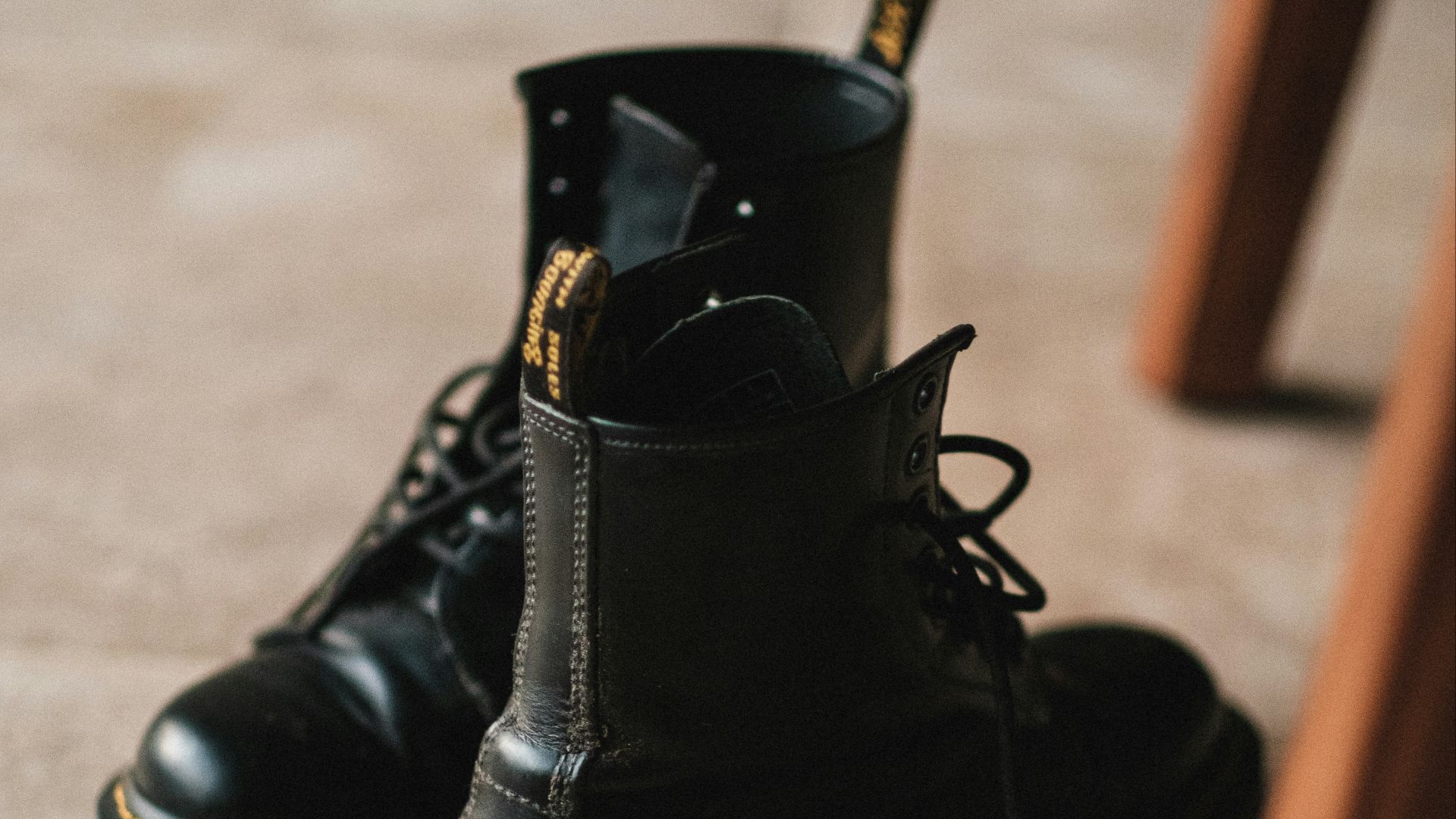
15. Doc Martens
Dr. Martens boots were initially designed as practical workwear footwear. They were later embraced by British skinhead and punk subcultures as markers of working-class identity and dissent. Today, they are widely worn across diverse fashion communities.
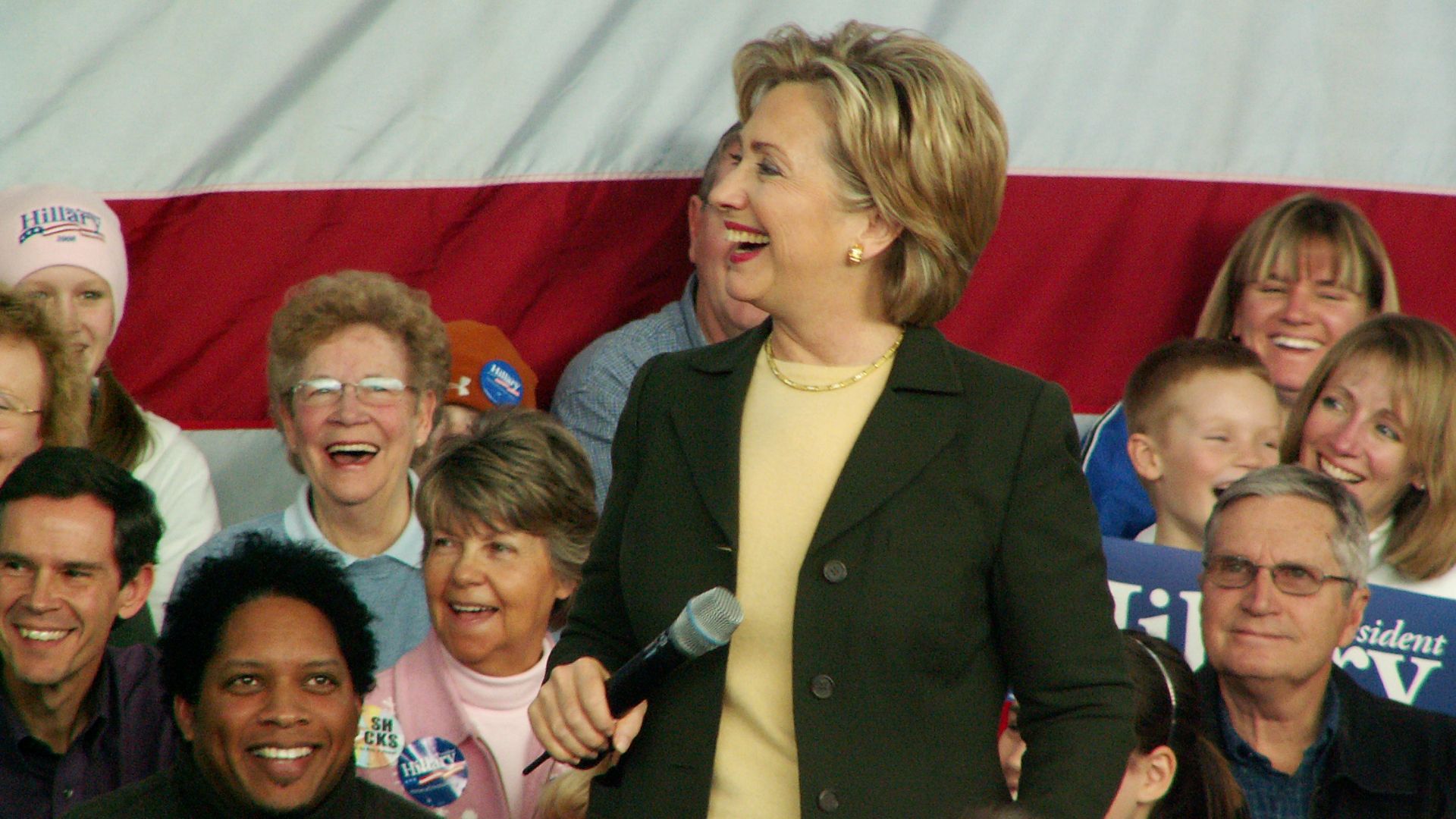
16. The Pantsuit In Politics
Women wearing tailored pantsuits in political and professional spaces challenged long-standing gender expectations. The look became especially visible in the late 20th century as more women sought leadership roles.
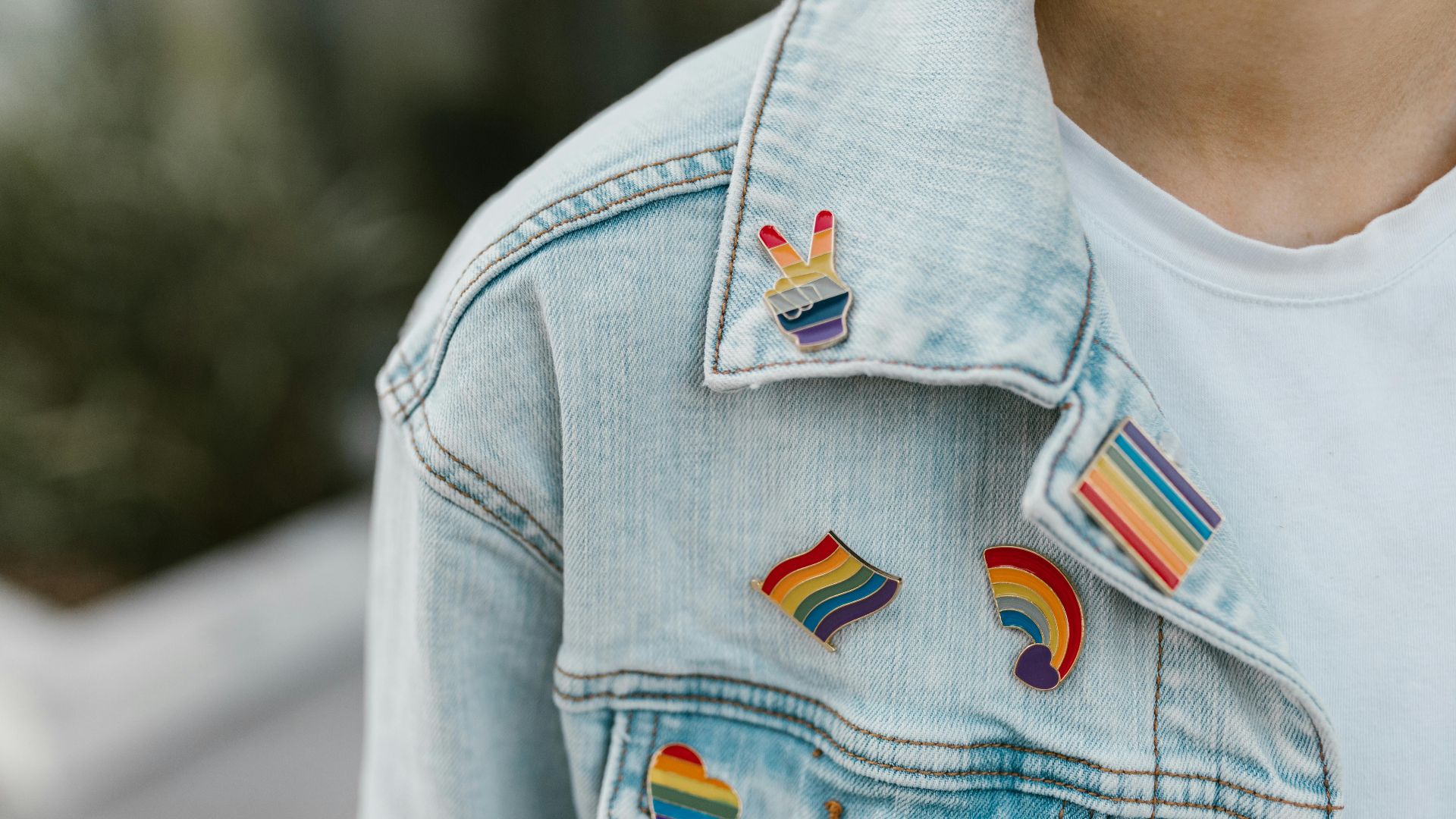
17. Denim Jackets With Patches
Customizing denim jackets with patches and pins became common in various youth movements. These additions allowed wearers to signal beliefs, musical tastes, or affiliations.
18. The Black Turtleneck
Black turtlenecks were embraced by intellectuals, artists, and activists in the mid-20th century as understated statements of seriousness and rejection of flashy consumer culture. The minimalist silhouette projected focus and modernity. Today, it remains a symbol of sleek, effortless style.

19. Sneaker Culture
Athletic shoes were once confined primarily to sports settings. As youth culture and hip-hop communities embraced them as everyday wear, sneakers became symbols of identity and social commentary. Limited releases and collaborations have since turned them into global fashion phenomena.

20. Short Haircuts For Women
In the 1920s, women cutting their hair into bobs challenged traditional ideals of femininity. The shorter style signaled independence during a period of social transformation. Since then, cropped cuts have repeatedly reemerged as statements of autonomy and modernity.