
Style Shifts That Changed Everything
Fashion doesn’t just follow culture, it shapes it. Over the last century and beyond, certain designers have completely transformed how women dress, challenging expectations and redefining what feels modern, practical, or powerful. Some introduced radical silhouettes, others changed the business itself, and a few did both at once. Here are 20 designers who revolutionized how women dress.
 Photographer not credited on Wikimedia
1. Coco Chanel
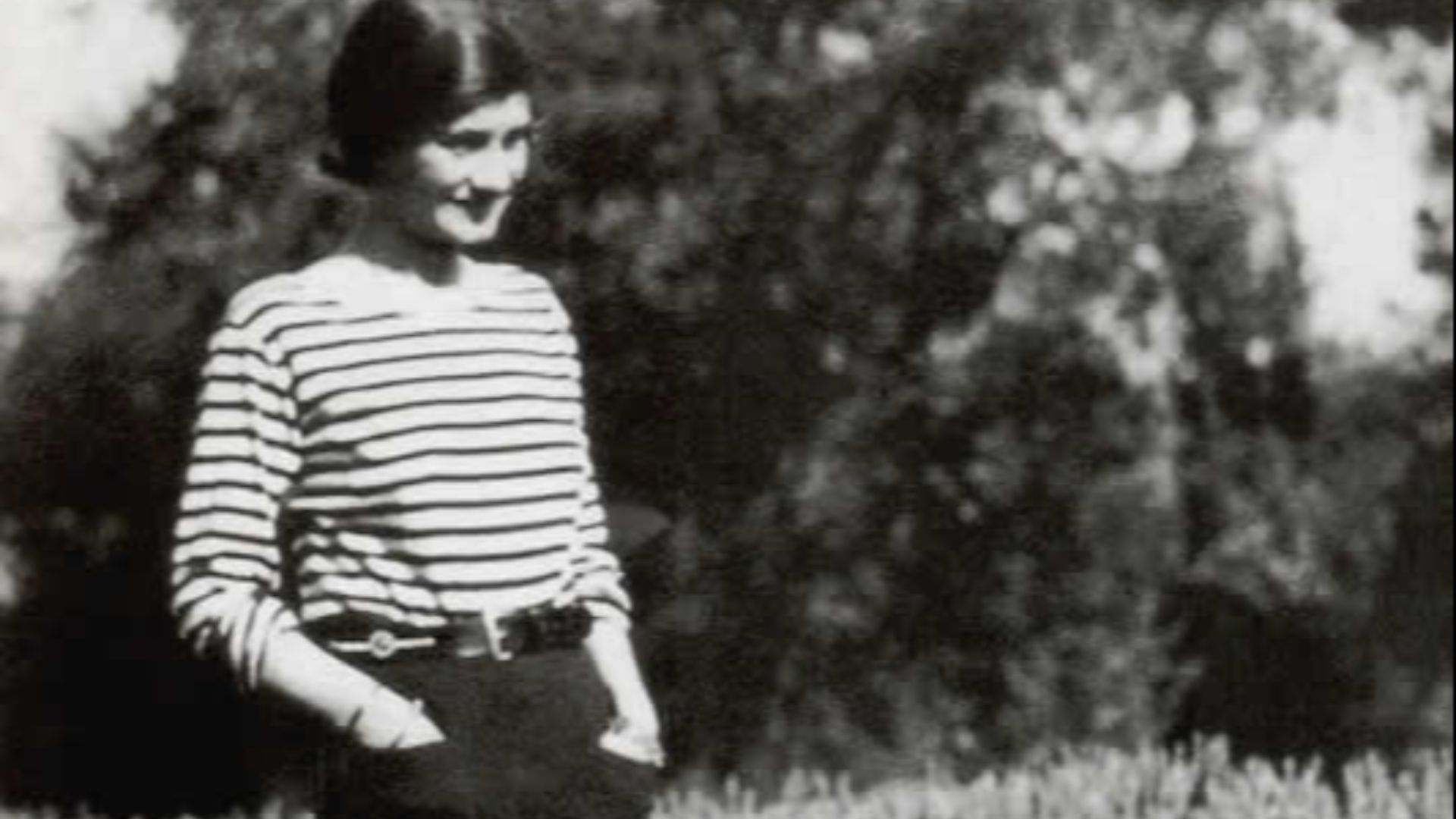
Coco Chanel helped liberate women from restrictive corsets in the early 20th century by popularizing relaxed silhouettes and jersey fabric. She introduced tailored suits for women and made simple elegance fashionable at a time when excess ruled. The Chanel suit and the little black dress became enduring staples. Her influence still defines modern minimalism.
 Unknown authorUnknown author on Wikimedia
2. Christian Dior
In 1947, Christian Dior unveiled the “New Look,” featuring cinched waists and full skirts. After years of wartime fabric rationing, the dramatic silhouette felt extravagant and fresh. The design reshaped postwar fashion and restored Paris as a style capital. Women’s eveningwear and daywear were never quite the same again.

3. Yves Saint Laurent
Yves Saint Laurent made history in 1966 with “Le Smoking,” a tuxedo suit designed for women. At a time when pantsuits were controversial, he gave women a bold alternative to dresses for formal occasions. He also embraced ready-to-wear fashion as a serious design space. His work blurred traditional gender boundaries in clothing.
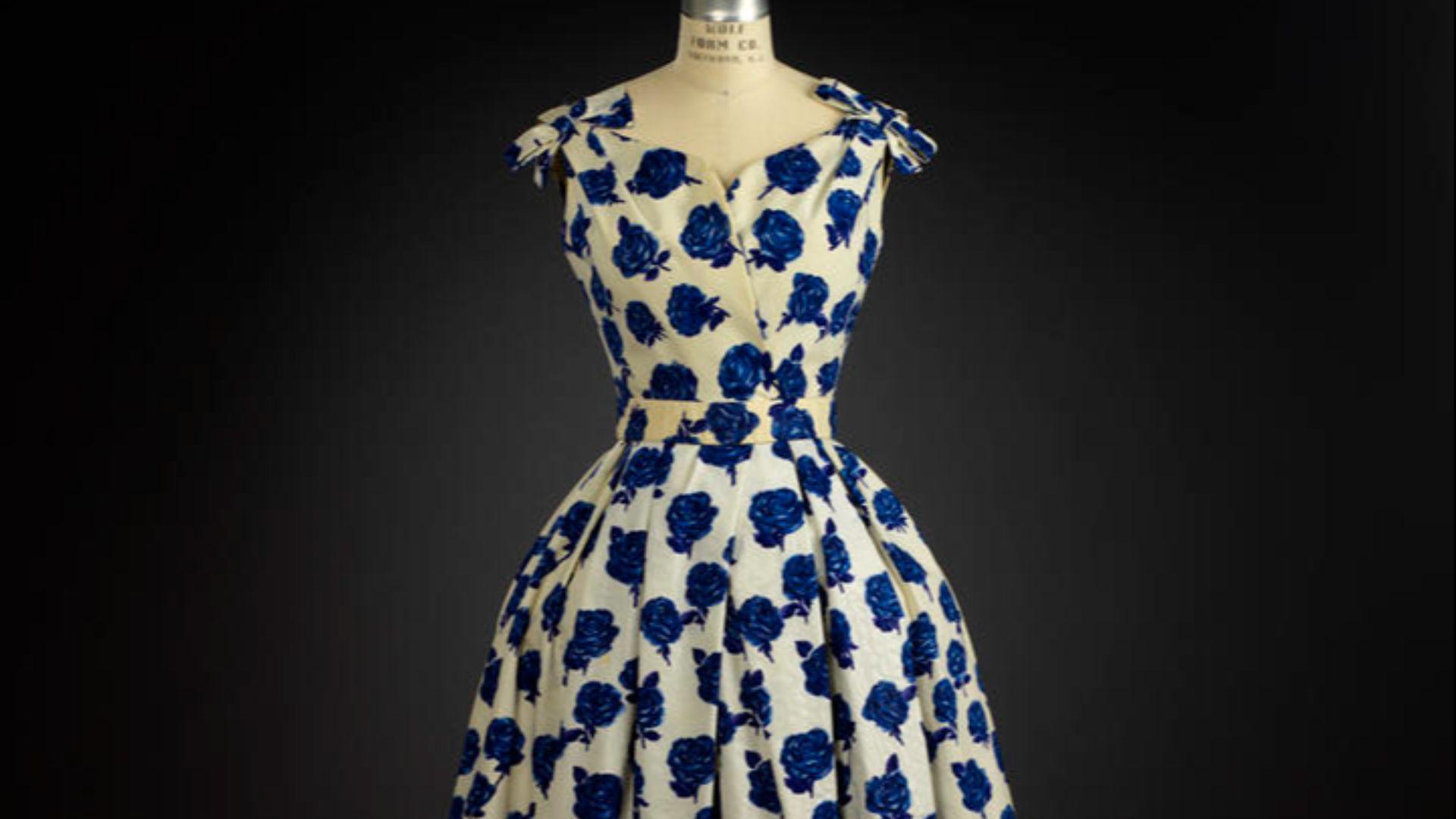 Staff photographer, Rhode Island School of Design Museum of Art on Wikimedia
4. Mary Quant
Mary Quant became synonymous with the 1960s youth movement in London. She popularized the miniskirt and made bold, playful fashion accessible to young women. Her designs rejected the idea that elegance required maturity or restraint. Suddenly, fashion felt fun and rebellious.
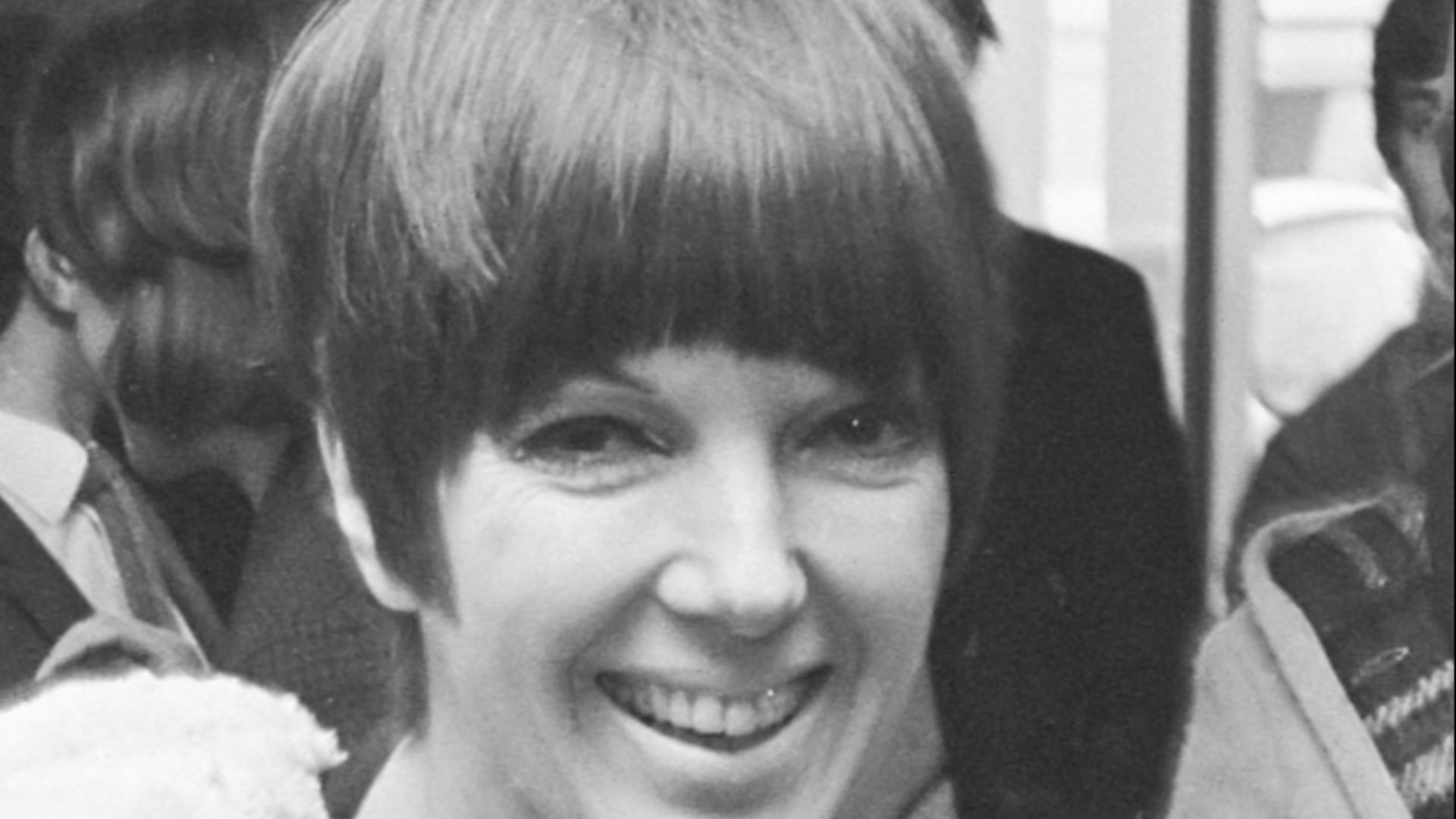 Jack de Nijs for Anefo / Anefo on Wikimedia
5. Madeleine Vionnet
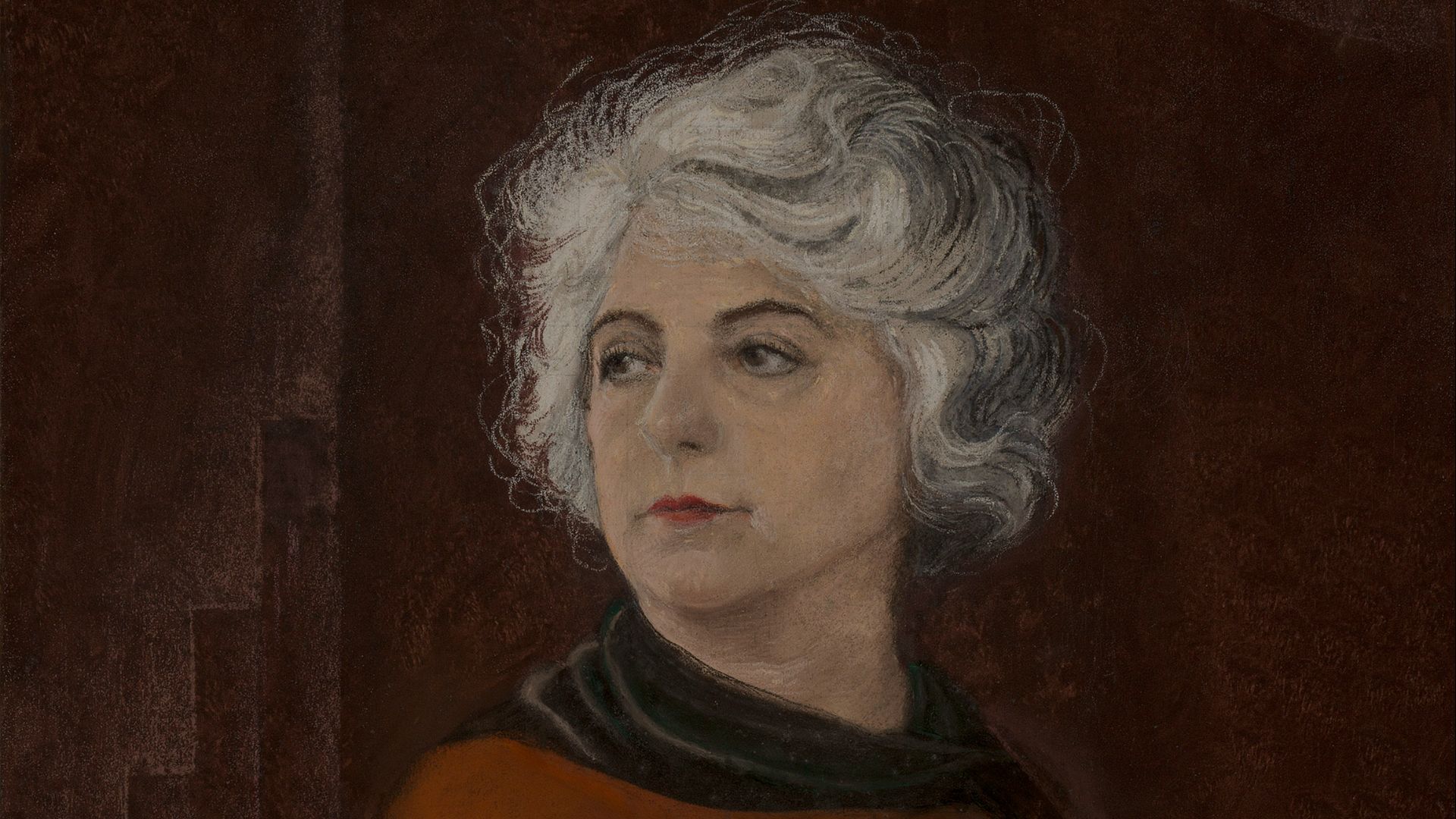
Madeleine Vionnet mastered the bias cut in the 1920s and 1930s, allowing fabric to drape naturally along the body. Her gowns moved fluidly and celebrated natural curves without heavy structure. The technique required technical precision but looked effortless. Designers still study her craftsmanship today.
6. Elsa Schiaparelli
Elsa Schiaparelli infused surrealism into fashion during the 1930s. Collaborating with artists like Salvador Dalí, she created bold pieces, including the famous lobster dress. She wasn’t afraid of shocking pink or unexpected details. Her work proved fashion could be artistic and provocative.
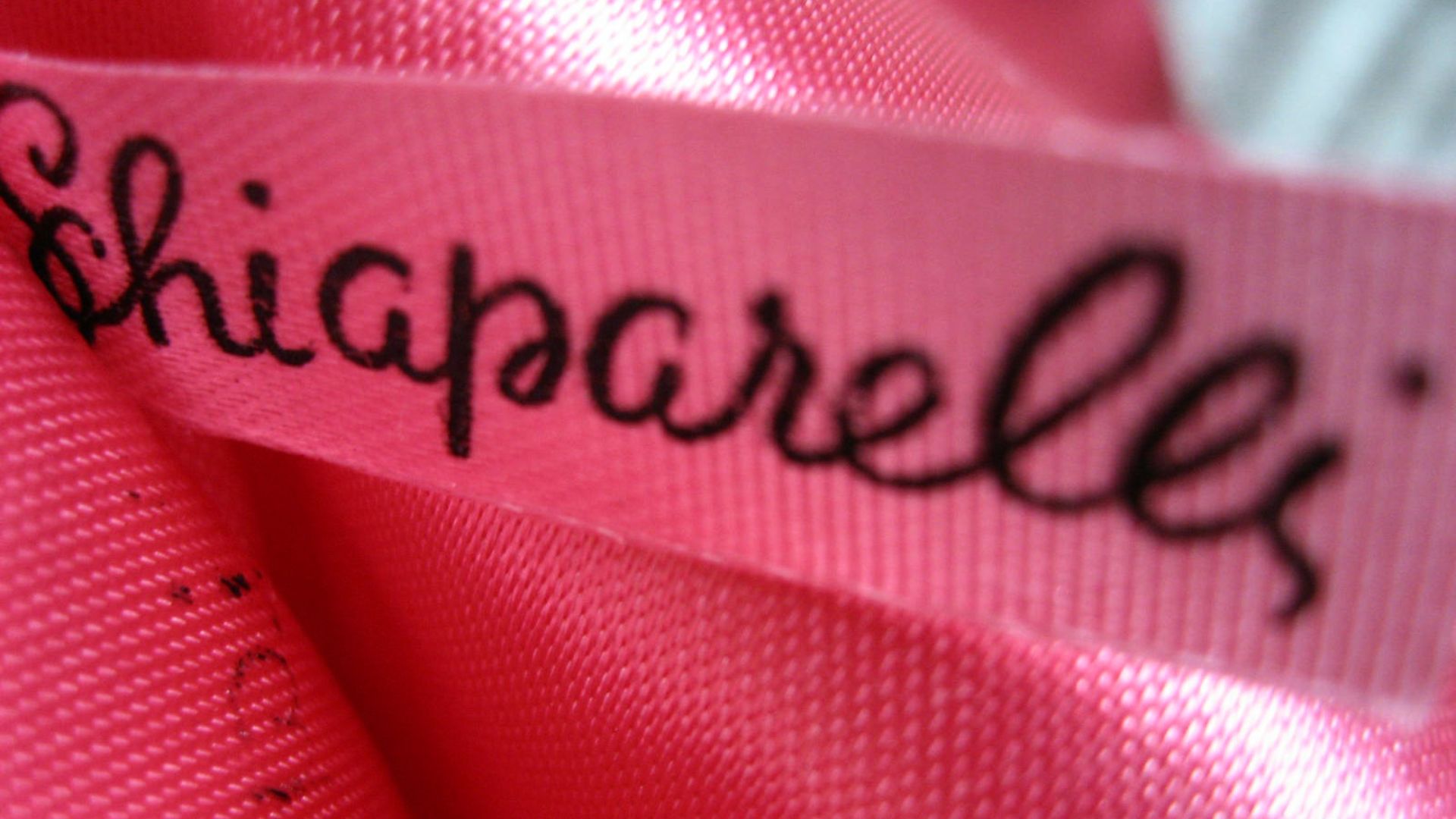 is Joules from Southern California, USA on Wikimedia
7. Claire McCardell
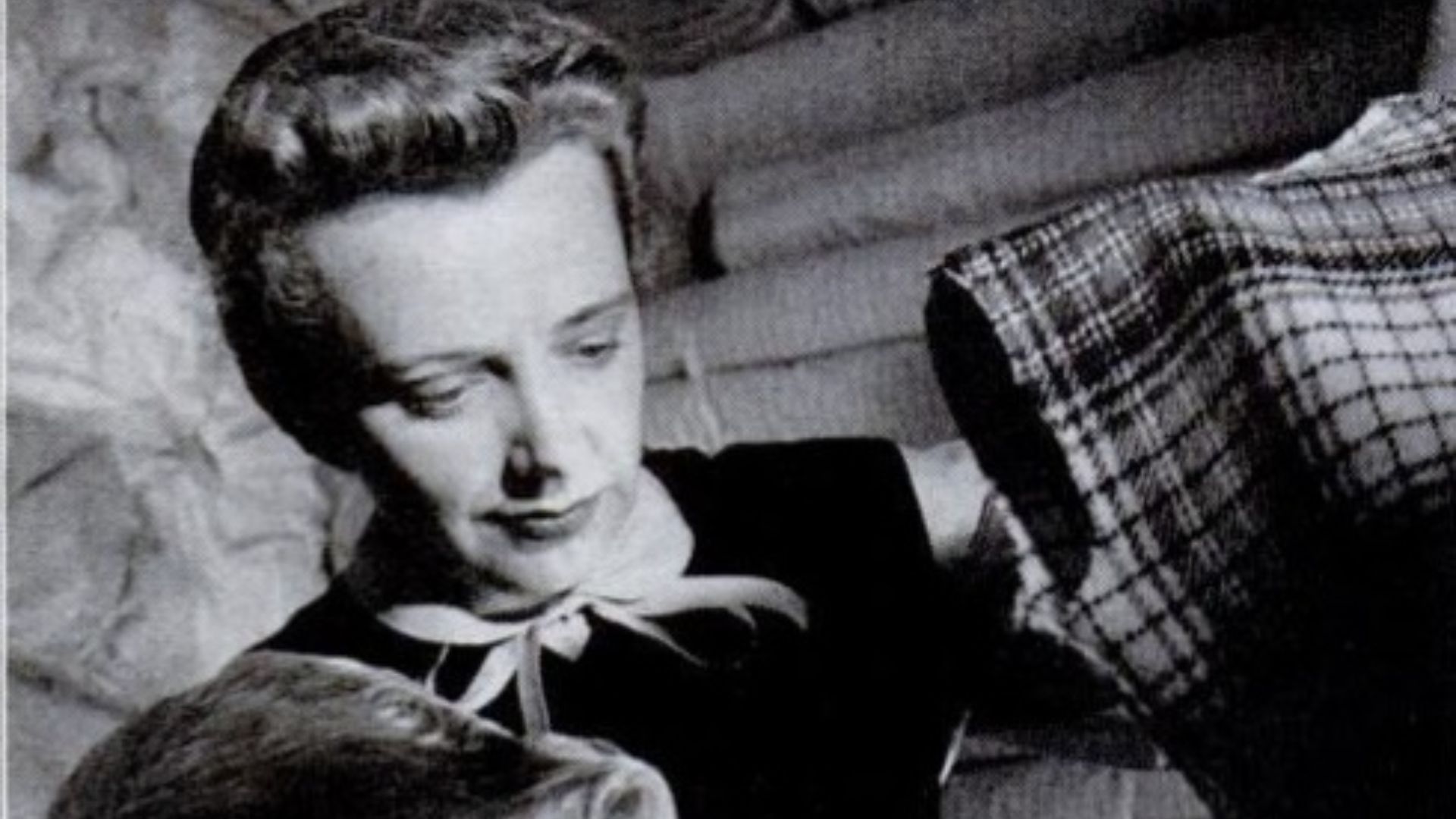
Claire McCardell helped define American sportswear in the 1940s and 1950s. She designed practical yet stylish clothing that women could move in comfortably. Wrap dresses, ballet flats, and mix-and-match separates became everyday essentials. Her approach emphasized function without sacrificing style.
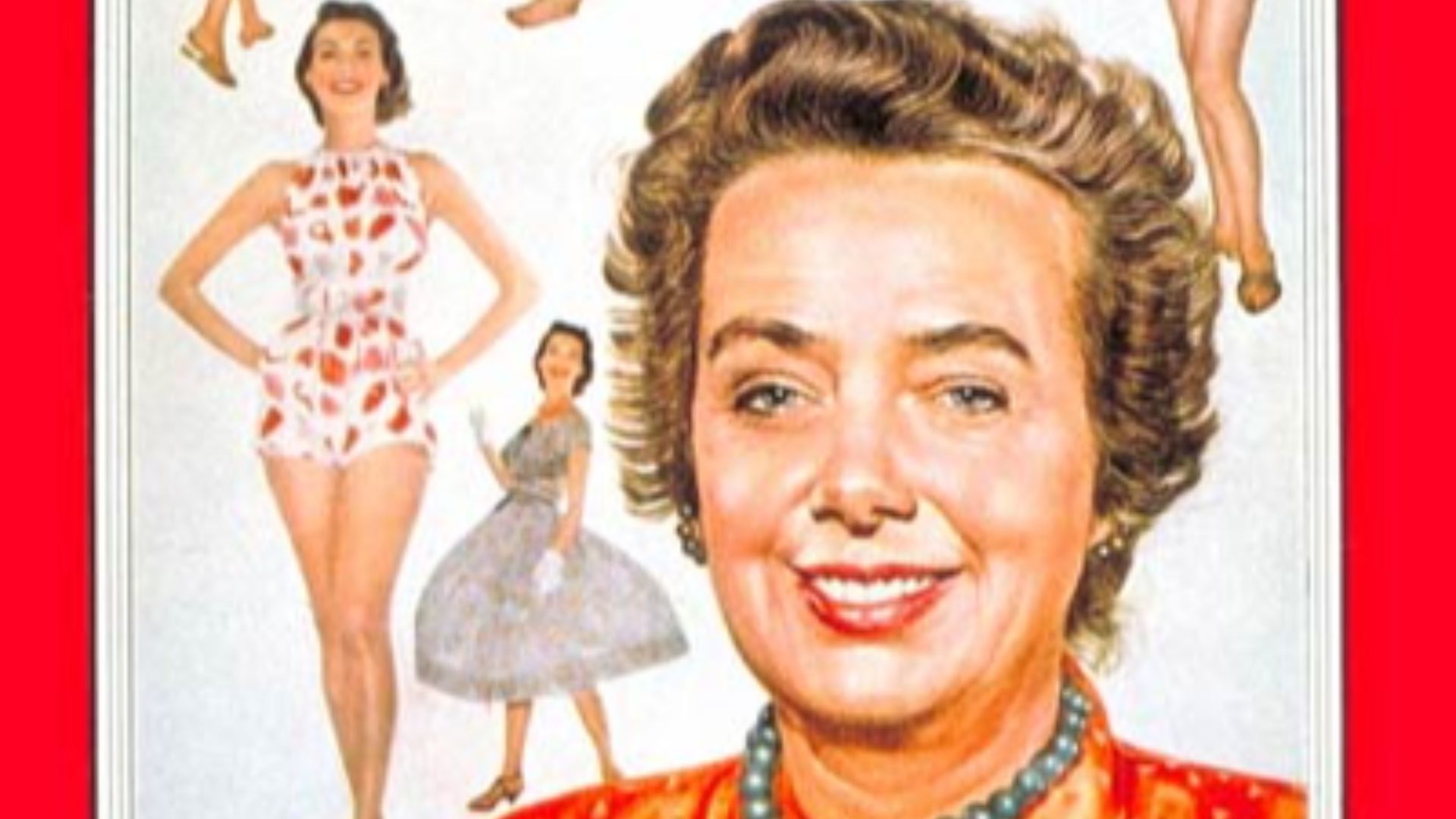 Boris Chaliapin for TIME Inc. on Wikimedia
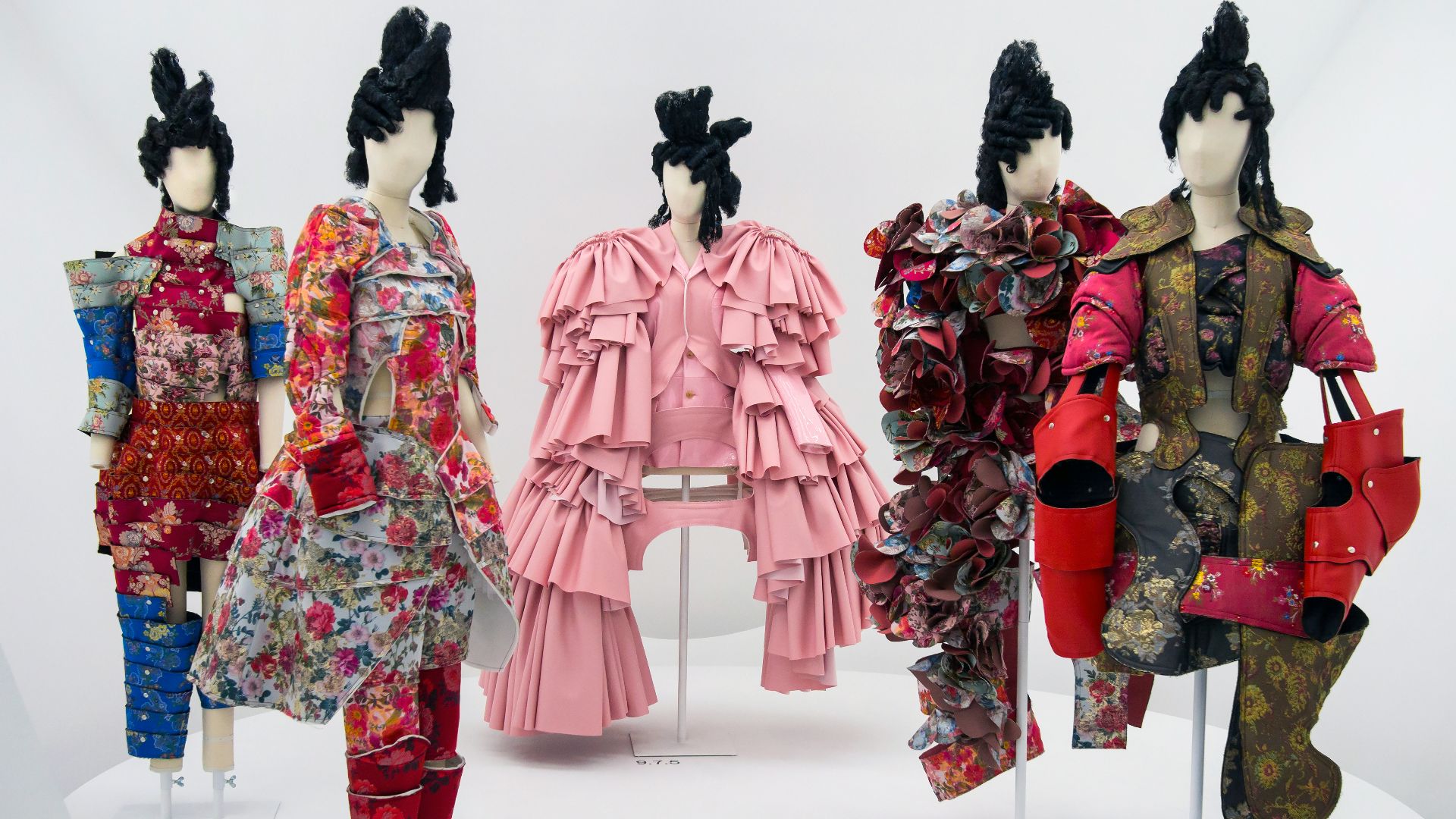
8. Rei Kawakubo
As the founder of Comme des Garçons, Rei Kawakubo disrupted fashion in the 1980s with asymmetrical and deconstructed designs. Her collections challenged traditional ideas of beauty and proportion. Instead of flattering the body in expected ways, she reimagined its shape entirely. Critics were stunned, but the industry couldn’t ignore her impact.
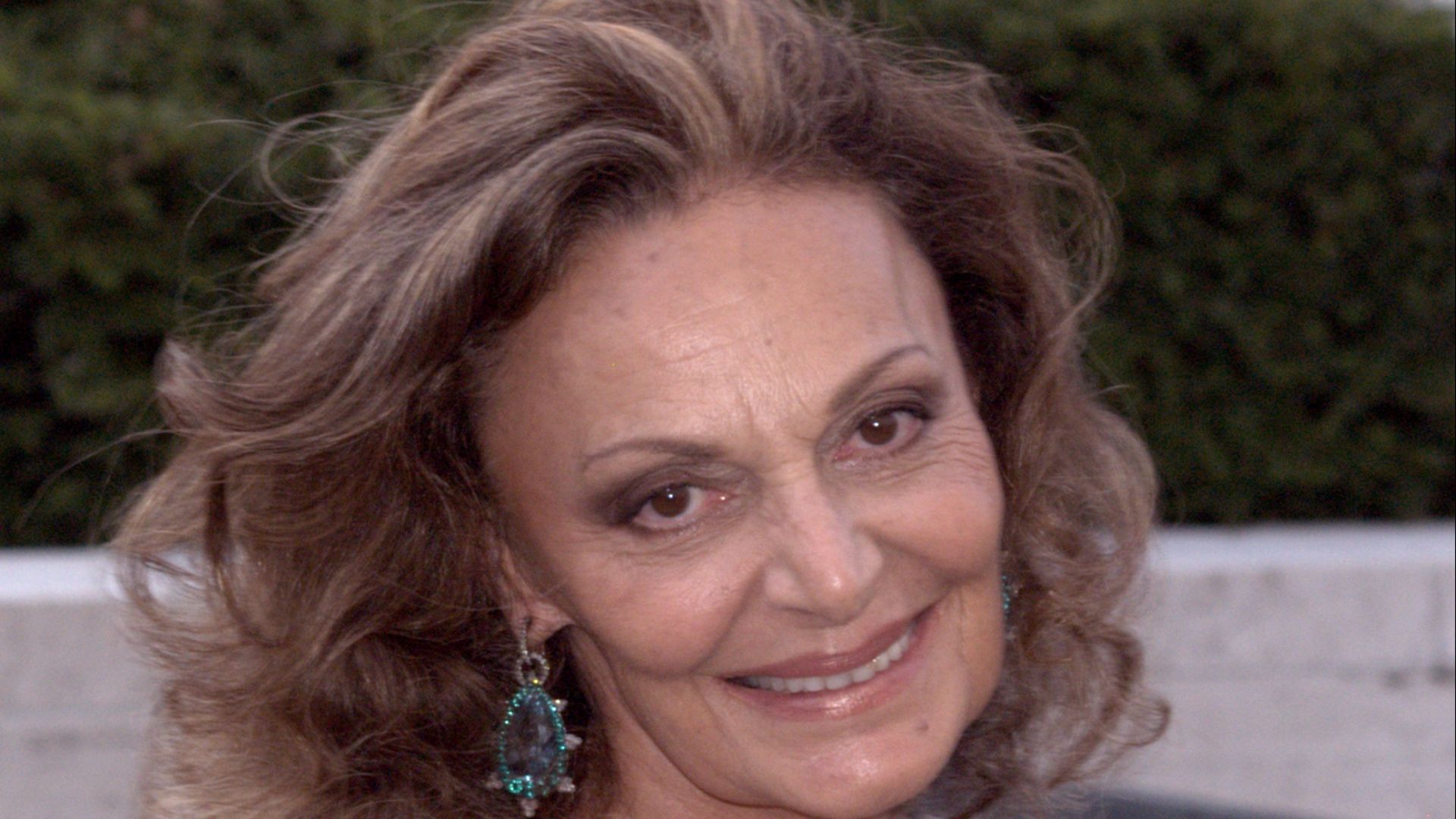
9. Diane von Furstenberg
Diane von Furstenberg introduced the wrap dress in the 1970s. The simple, flattering design became a symbol of independence for working women. It was easy to wear, versatile, and stylish without feeling stiff. Millions were sold within just a few years.
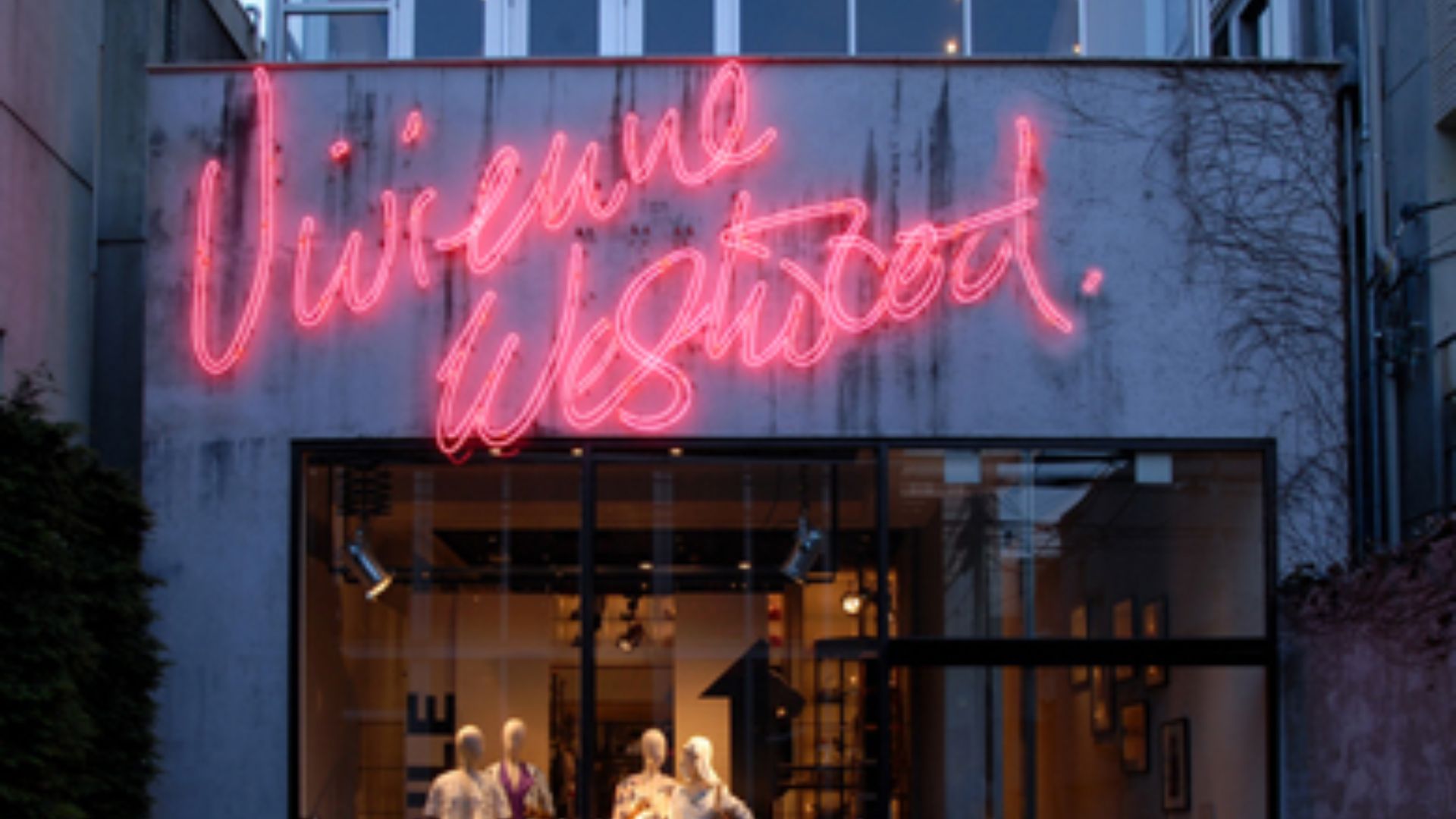
10. Vivienne Westwood
Vivienne Westwood brought punk style into mainstream fashion in the 1970s. Through her London boutique, she mixed historical references with rebellious streetwear. Corsets, tartan, and safety pins became high fashion statements.
11. Miuccia Prada
Miuccia Prada transformed her family’s leather goods company into a global fashion powerhouse. She embraced an understated, intellectual style and made “ugly chic” a trend. Nylon handbags became luxury items under her direction. Her collections often comment on politics and identity without losing wearability.

12. Cristóbal Balenciaga
Cristóbal Balenciaga was known for sculptural silhouettes in the mid-20th century. He introduced shapes like the sack dress and balloon jacket. His architectural approach influenced generations of designers.
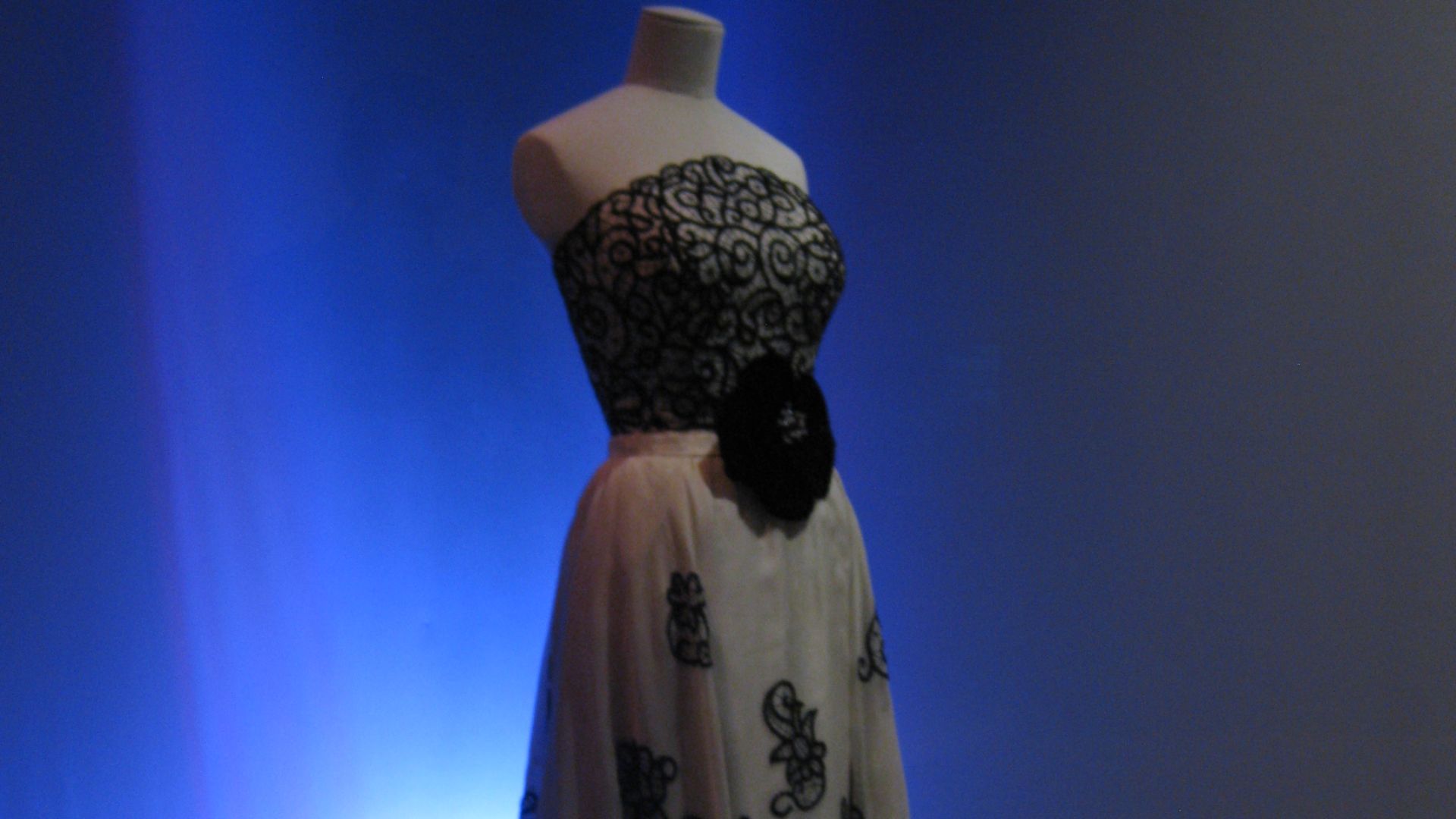
13. Donna Karan
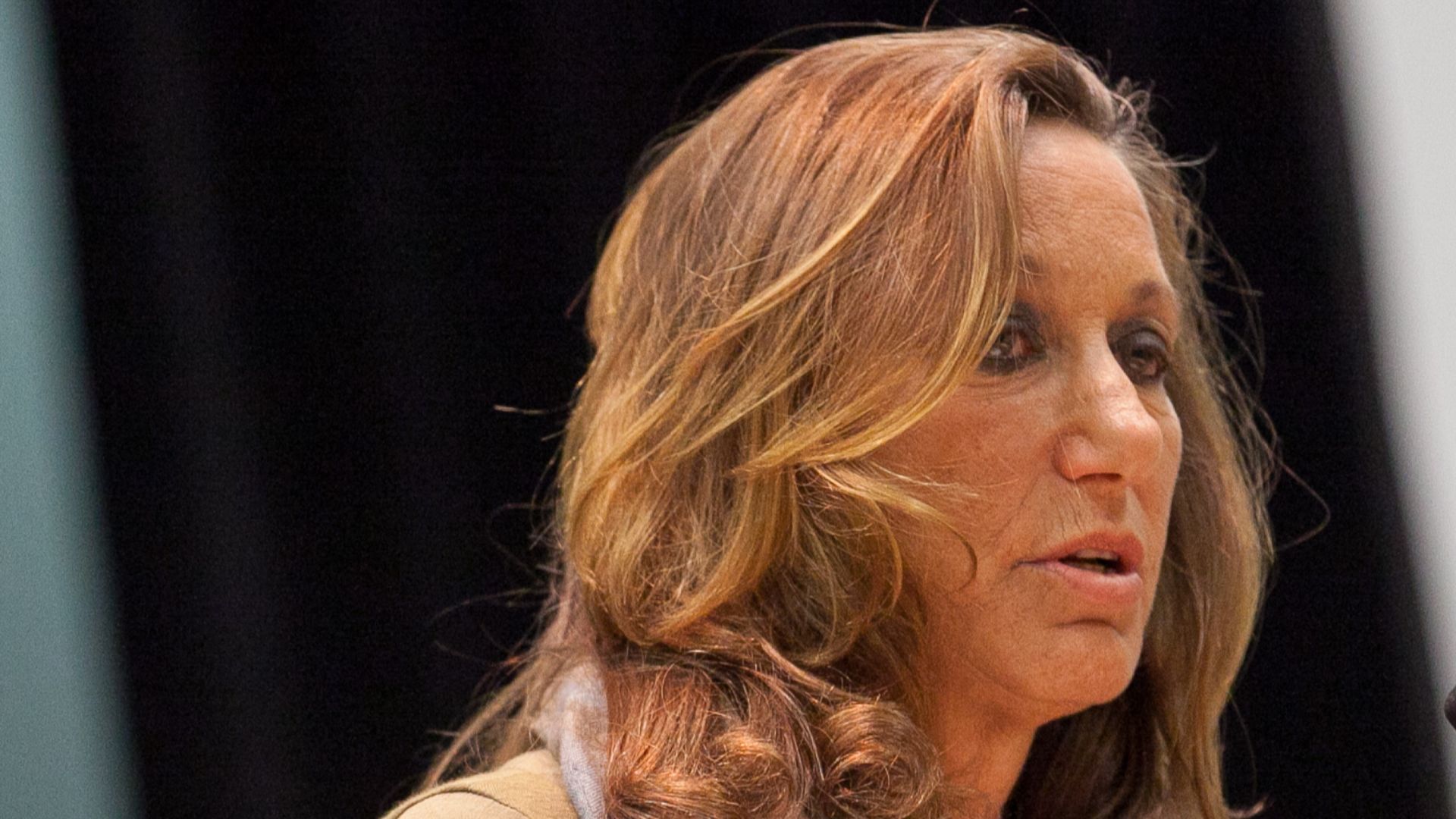
Donna Karan launched her label in the 1980s with a focus on working women. Her “Seven Easy Pieces” concept offered a streamlined wardrobe built around versatile essentials.
 JD Lasica from Pleasanton, CA, US on Wikimedia
14. Issey Miyake
Issey Miyake experimented with pleating and innovative fabric technology. His Pleats Please line combined comfort with bold design. The garments moved with the body and resisted wrinkles, making them practical for modern life. He pushed the boundaries of how fabric could function.

15. Alexander McQueen
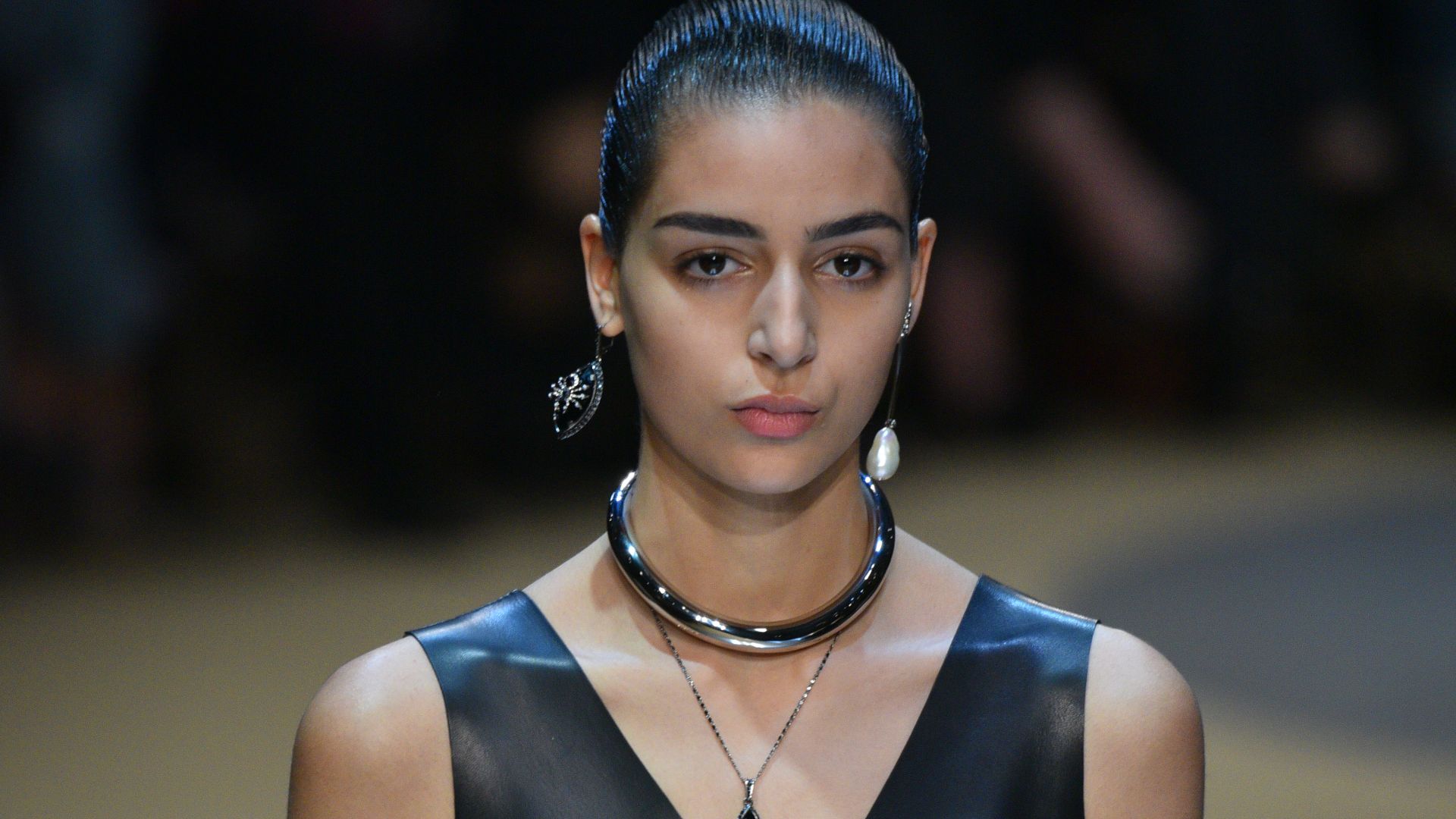
Alexander McQueen brought theatrical drama to the runway in the 1990s and 2000s. His designs blended sharp tailoring with romantic and sometimes dark storytelling. Fashion shows became immersive experiences rather than simple presentations.
 Christopher Macsurak on Wikimedia
16. Phoebe Philo
As creative director of Céline in the 2010s, Phoebe Philo embraced clean lines and understated luxury. Her designs resonated with women seeking thoughtful, functional style. She prioritized comfort and intelligence over flash. Many credit her with shaping modern minimalist wardrobes.
 Bollywood Hungama on Wikimedia
17. Ann Demeulemeester
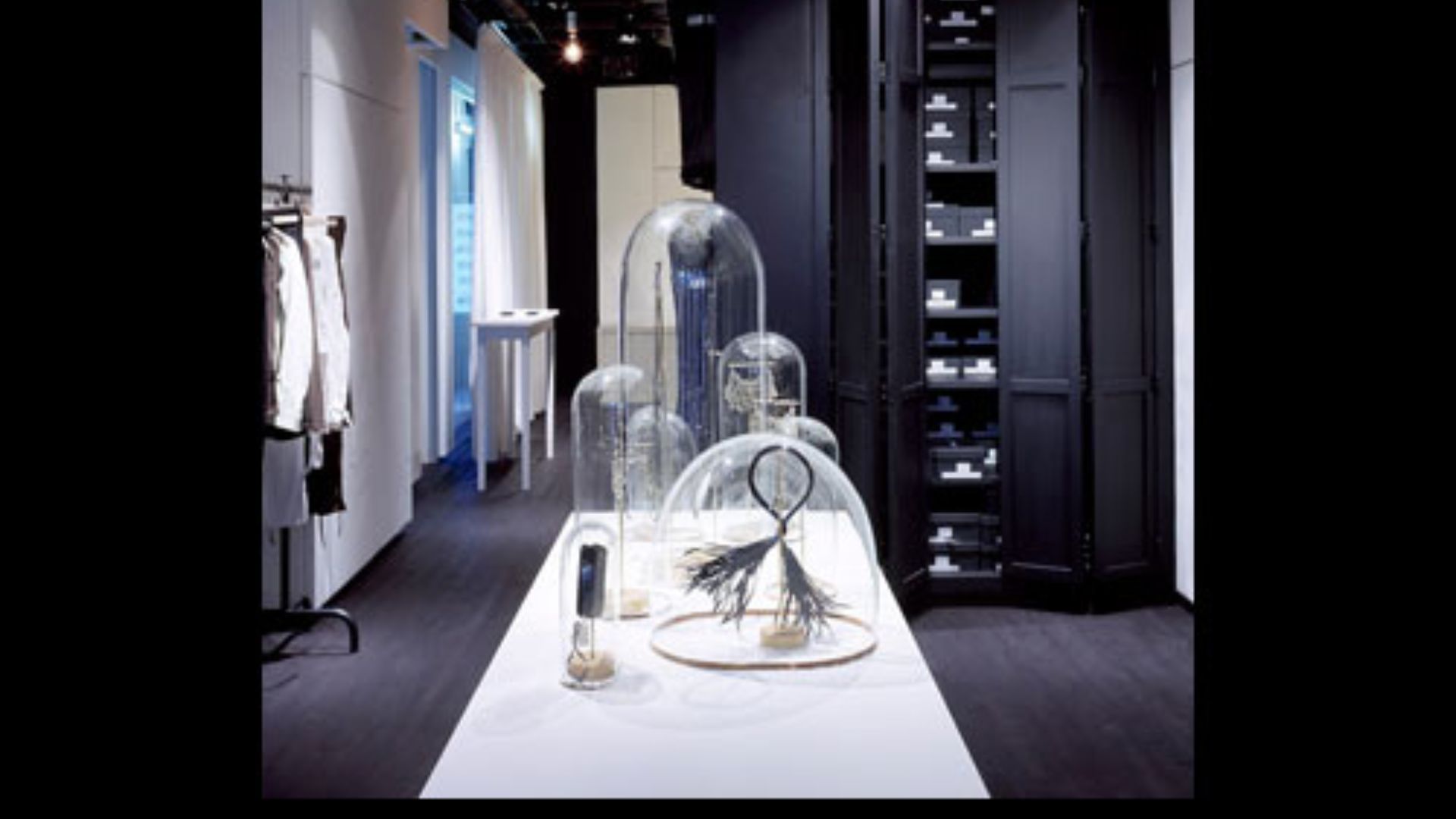
Ann Demeulemeester emerged from the Antwerp Six in the 1980s. Her poetic, monochromatic designs blended tailoring with softness. She reimagined femininity through layered textures and subtle details. The aesthetic felt romantic without being delicate.
18. Carolina Herrera
Carolina Herrera became known for refined, elegant womenswear. Her crisp white shirts and polished gowns redefined modern sophistication. She balanced tradition with contemporary sensibility. Her designs remain staples on red carpets.
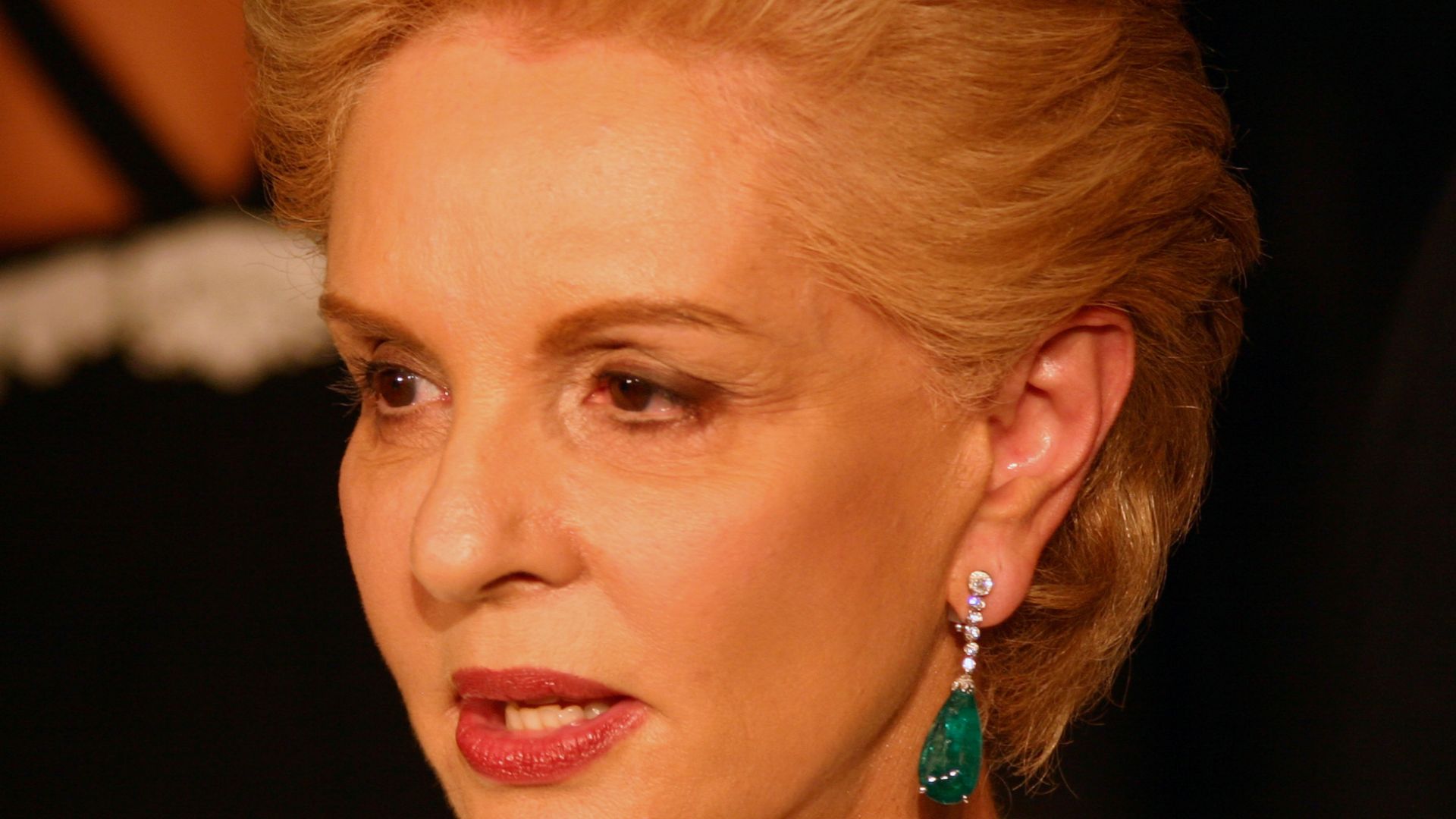 Photo by Christopher Peterson on Wikimedia
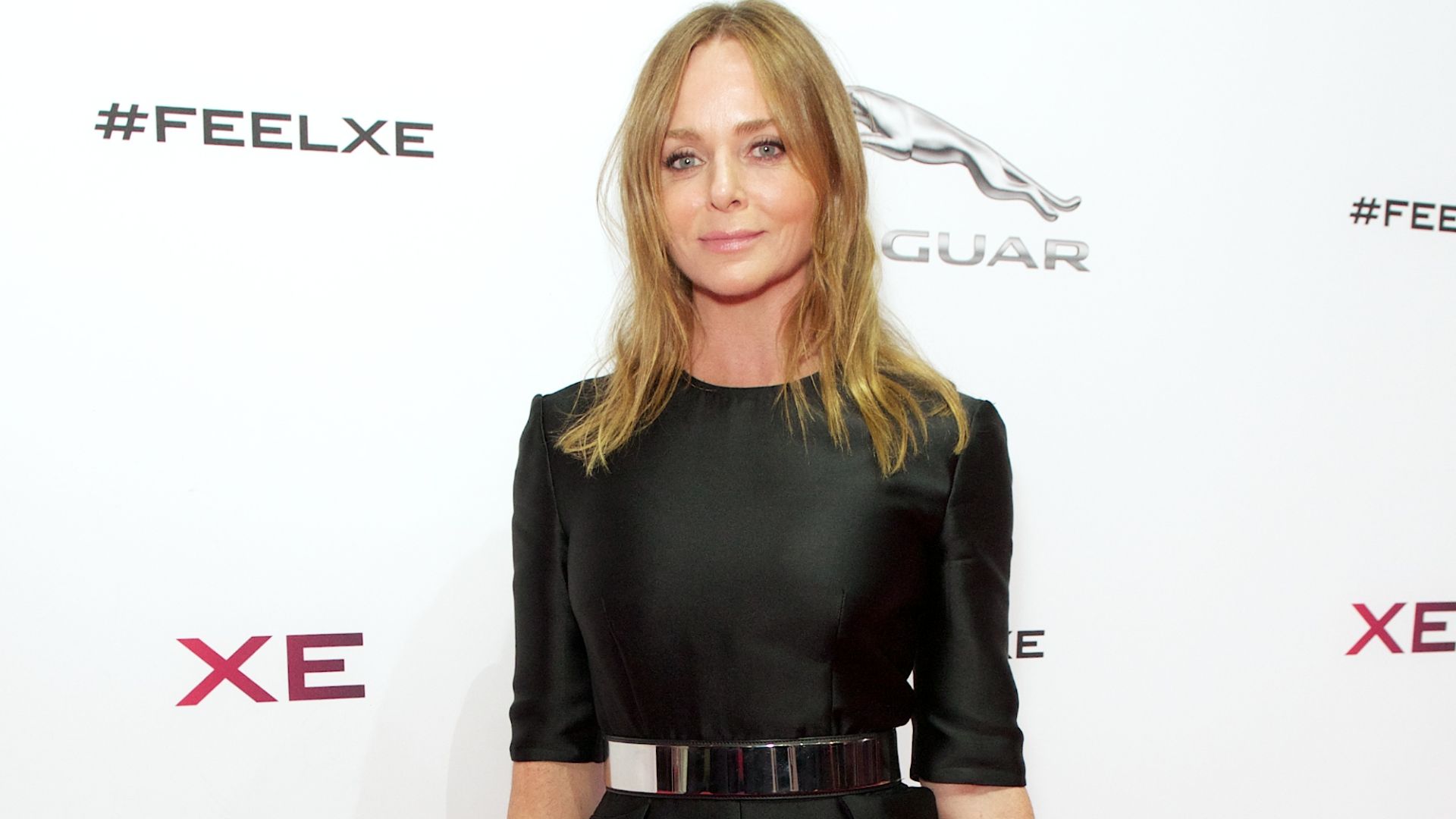
19. Stella McCartney
Stella McCartney built a luxury brand centered on sustainability and cruelty-free practices. She proved that high fashion didn’t require leather or fur.
20. Gabriela Hearst
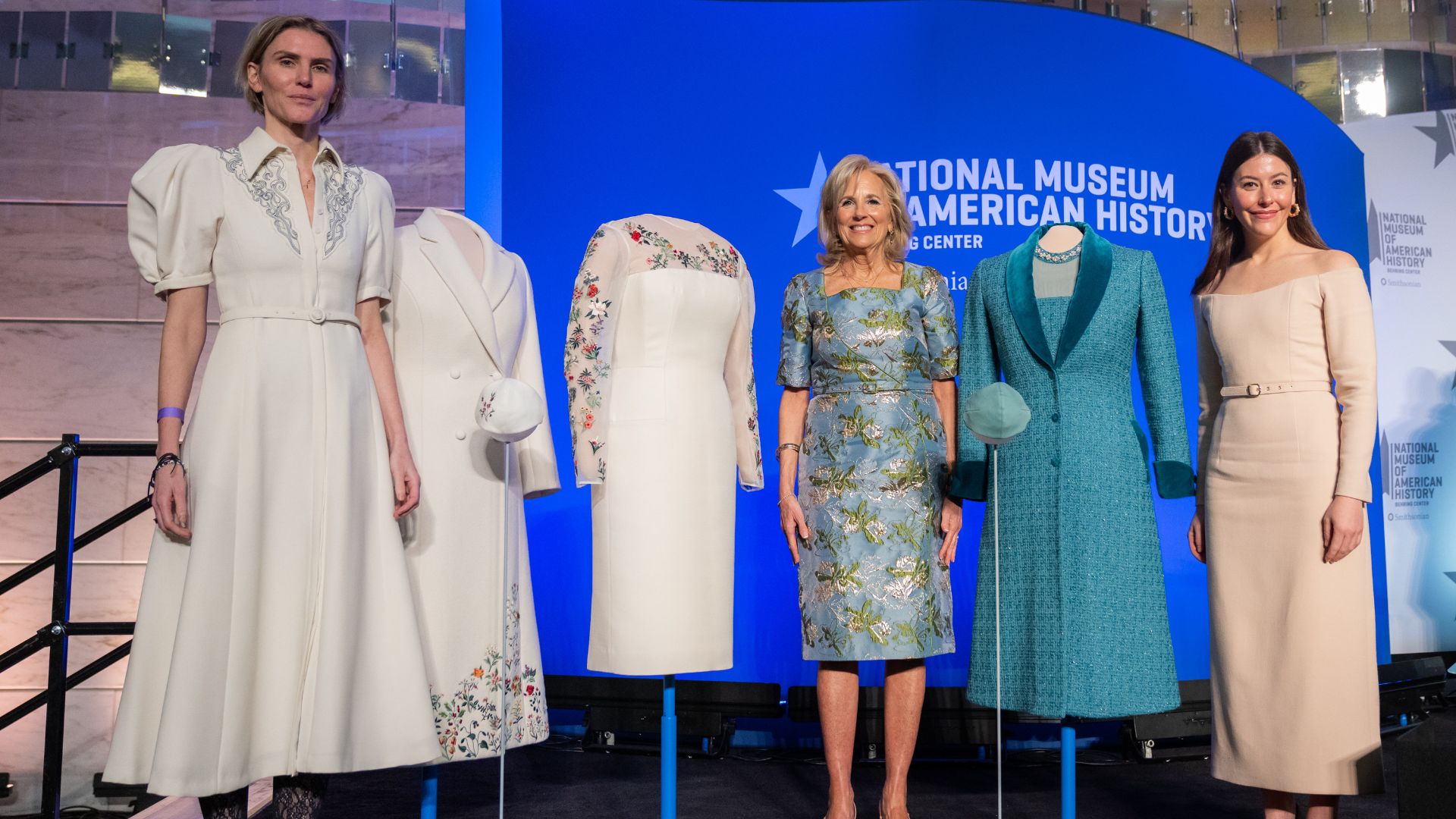
Gabriela Hearst combines minimalist design with a strong commitment to sustainability. She emphasizes craftsmanship, traceable materials, and long-lasting construction. Her collections show that environmental awareness and luxury can coexist.