The Stores That Every Mall Had Once Upon a Time
Fashion moves fast, and the brands that once felt unavoidable can quietly slip into “wait, do they still exist?” territory. Sometimes it’s bankruptcy, sometimes it’s a failed reinvention, and sometimes the world just stops shopping the way it used to. What’s left behind is a distant memory. Here are 20 once-huge fashion brands that faded out of the spotlight.
 Raysonho @ Open Grid Scheduler / Scalable Grid Engine on Wikimedia
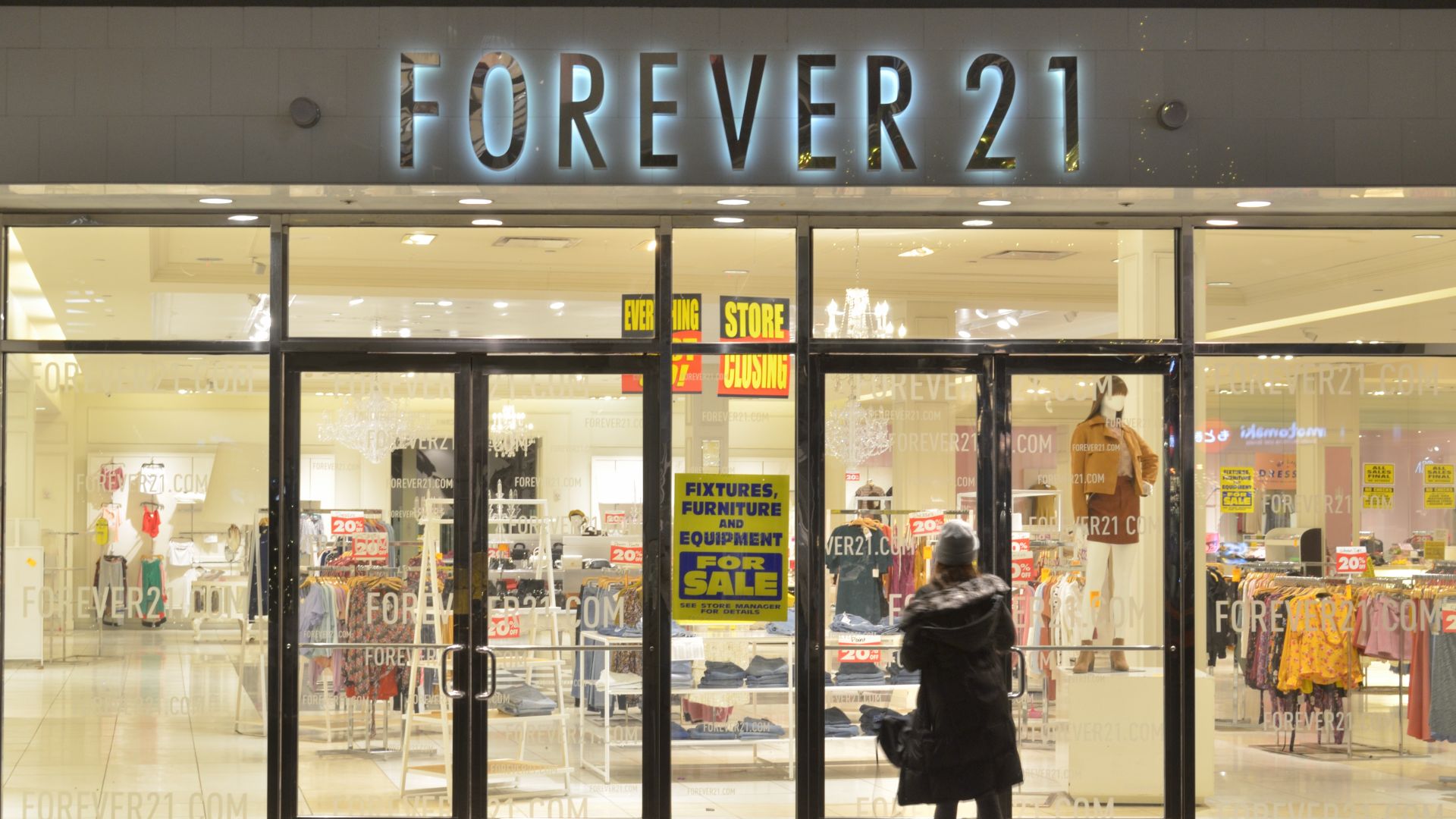
1. Forever 21
For a long time, Forever 21 was basically the mall’s fast-fashion engine, especially for trend chasing on a budget. Its U.S. retail operator filed for bankruptcy again last year, showing how tough the new retail landscape has been for mall giants. These days, the name still exists, but it's primarily online and it's not that many people's go-to anymore.
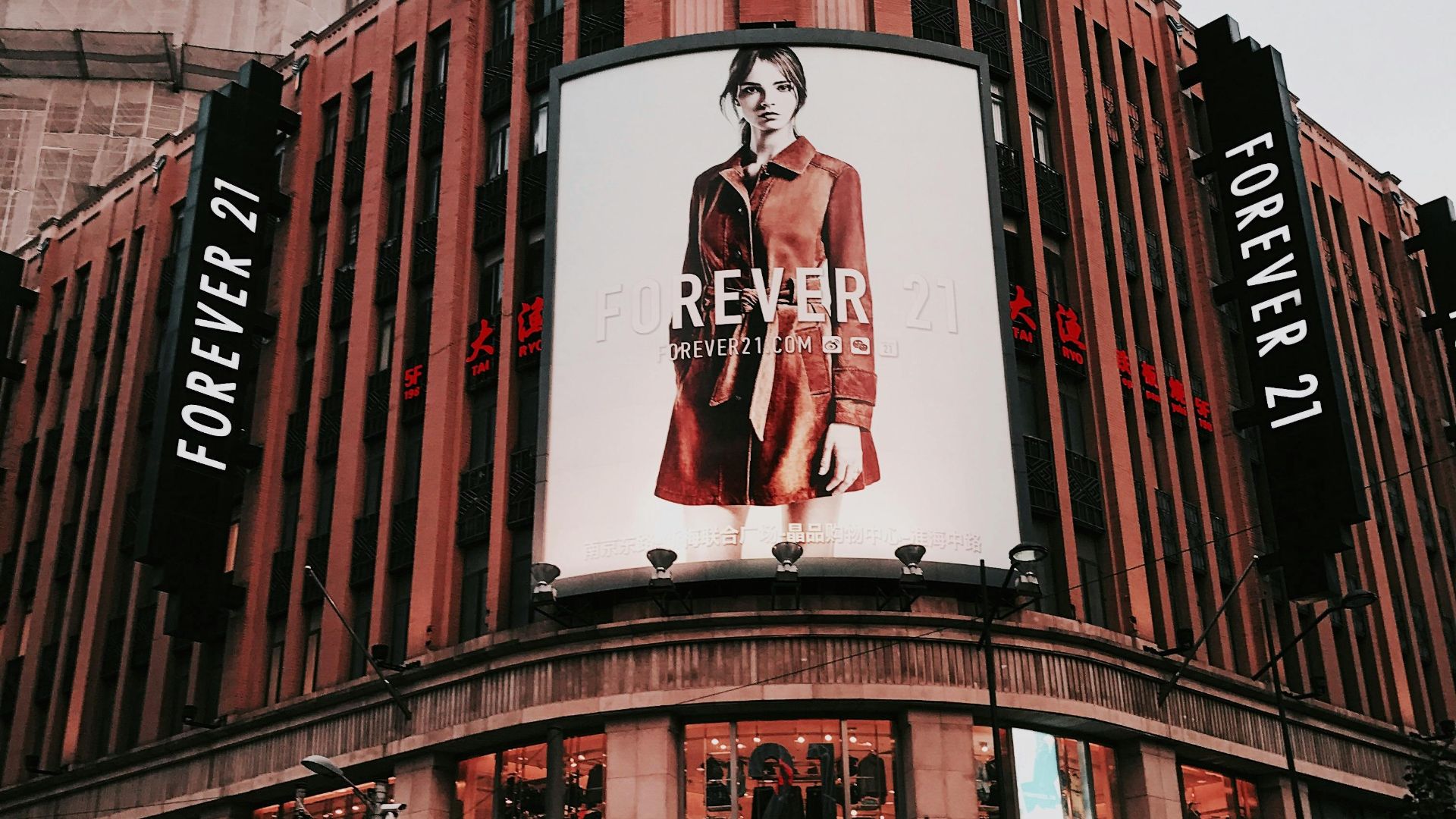
2. Esprit
Esprit used to be a go-to for casual basics with a clean, easy vibe, especially in the ‘80s and ‘90s. The brand’s U.S. presence collapsed again via bankruptcy filings and store closures, which made its American comeback attempts short-lived. You can still spot the name in some markets, but the old mall dominance is gone.
3. The Limited
The Limited was a workwear staple for years, the kind of place you’d go when you wanted to look pulled together without thinking too hard. It filed for bankruptcy and moved toward liquidation and closures, ending the “anchor brand” version most shoppers remember. It still exists online, but barely.
4. American Apparel
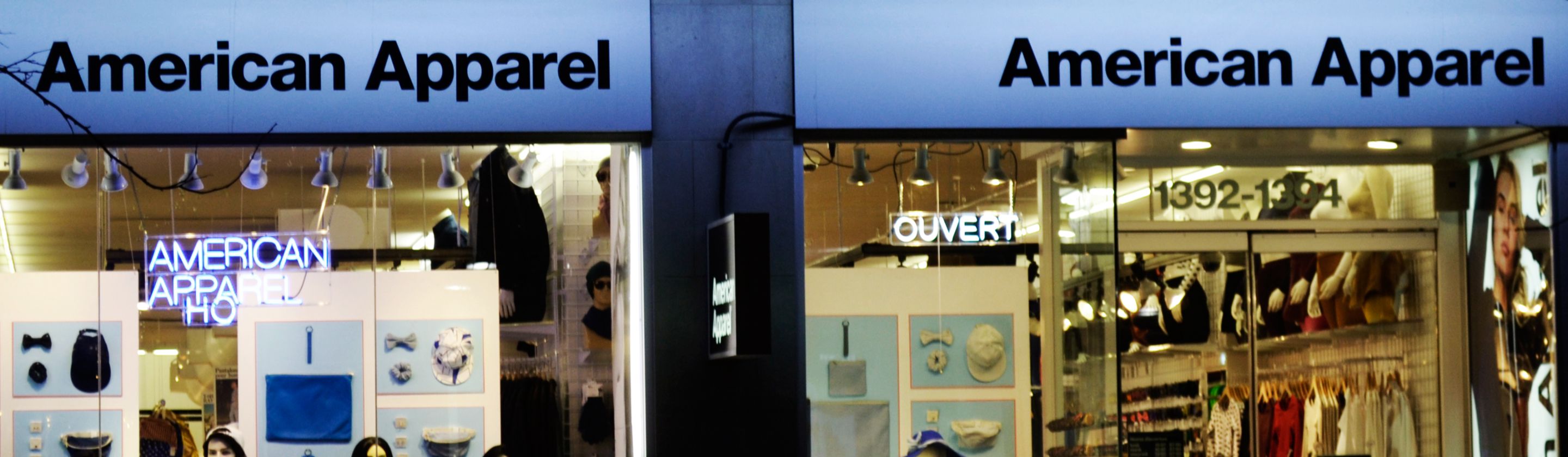
American Apparel was famous for basics, bold ads, and that whole “downtown cool” uniform that defined an era. After repeated bankruptcy trouble, the brand’s intellectual property ended up being acquired by Gildan, and the retail footprint that made it iconic didn’t survive in the same way. You still see the name around, and it still has an online presence, but it’s not the cultural force it once was.
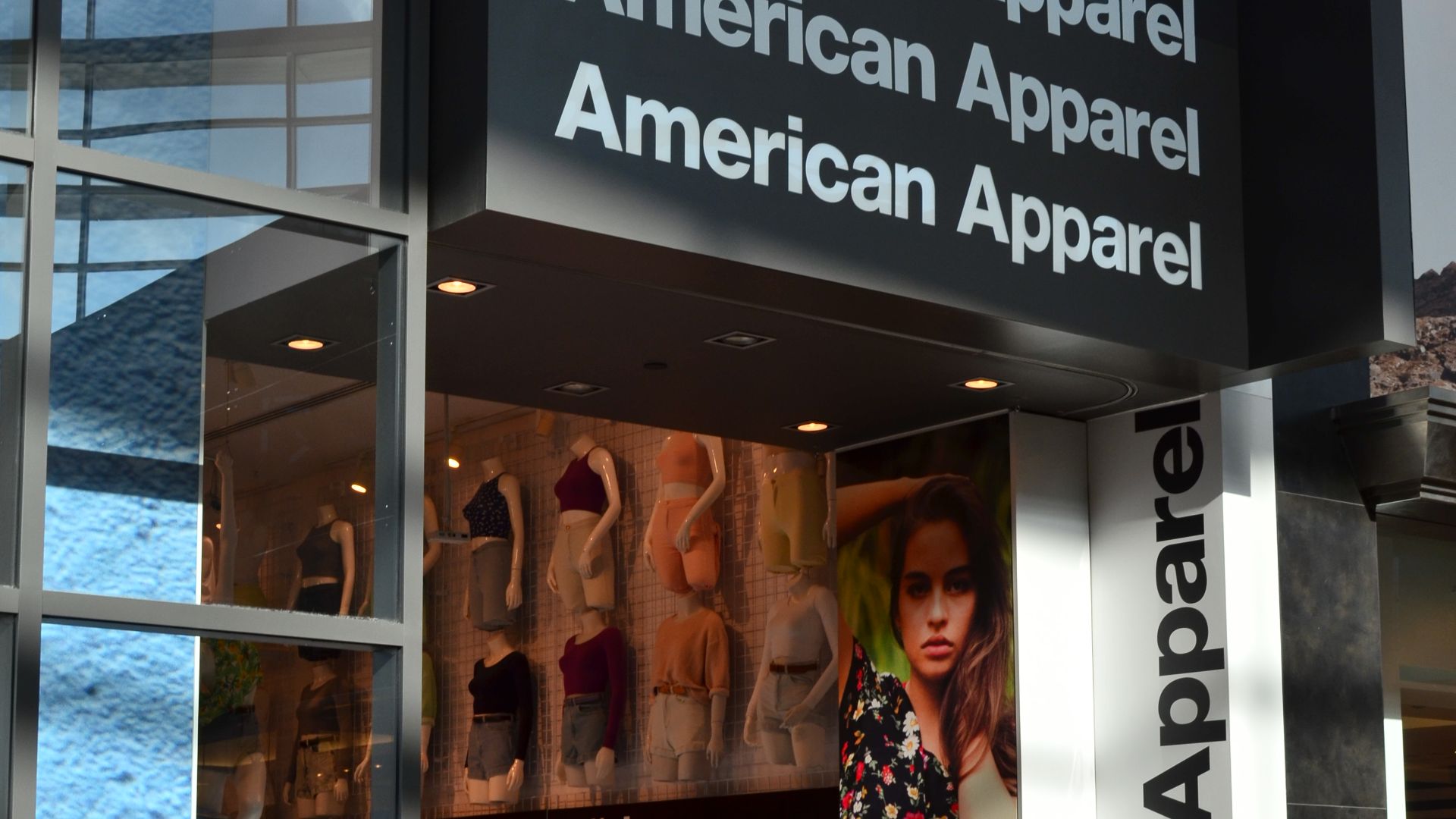 Raysonho @ Open Grid Scheduler / Grid Engine on Wikimedia
5. Wet Seal
Wet Seal was a classic teen-mall destination, especially when you wanted something fun, cheap, and very of-the-moment. It filed for bankruptcy and ultimately shut down its stores, which turned it into a throwback almost overnight. The label has popped up in different forms since, but the original scene is done.
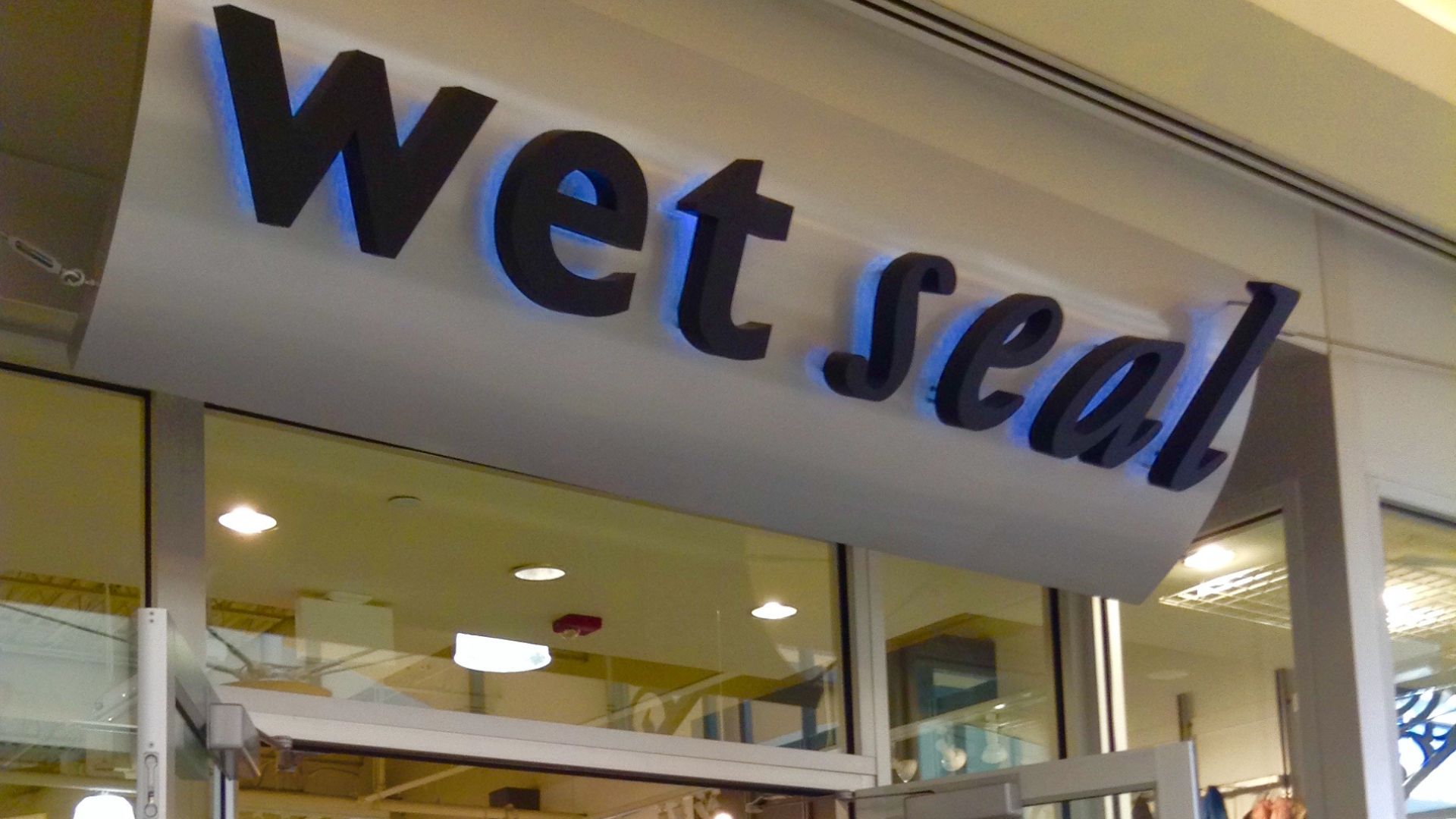 Mike Mozart from Funny YouTube, USA on Wikimedia
6. Caché
Caché was the place for “going out” looks when sequins, bodycon, and event tops ruled the weekend. The chain filed for bankruptcy and went into liquidation in 2015, closing the chapter on its mall-era presence.
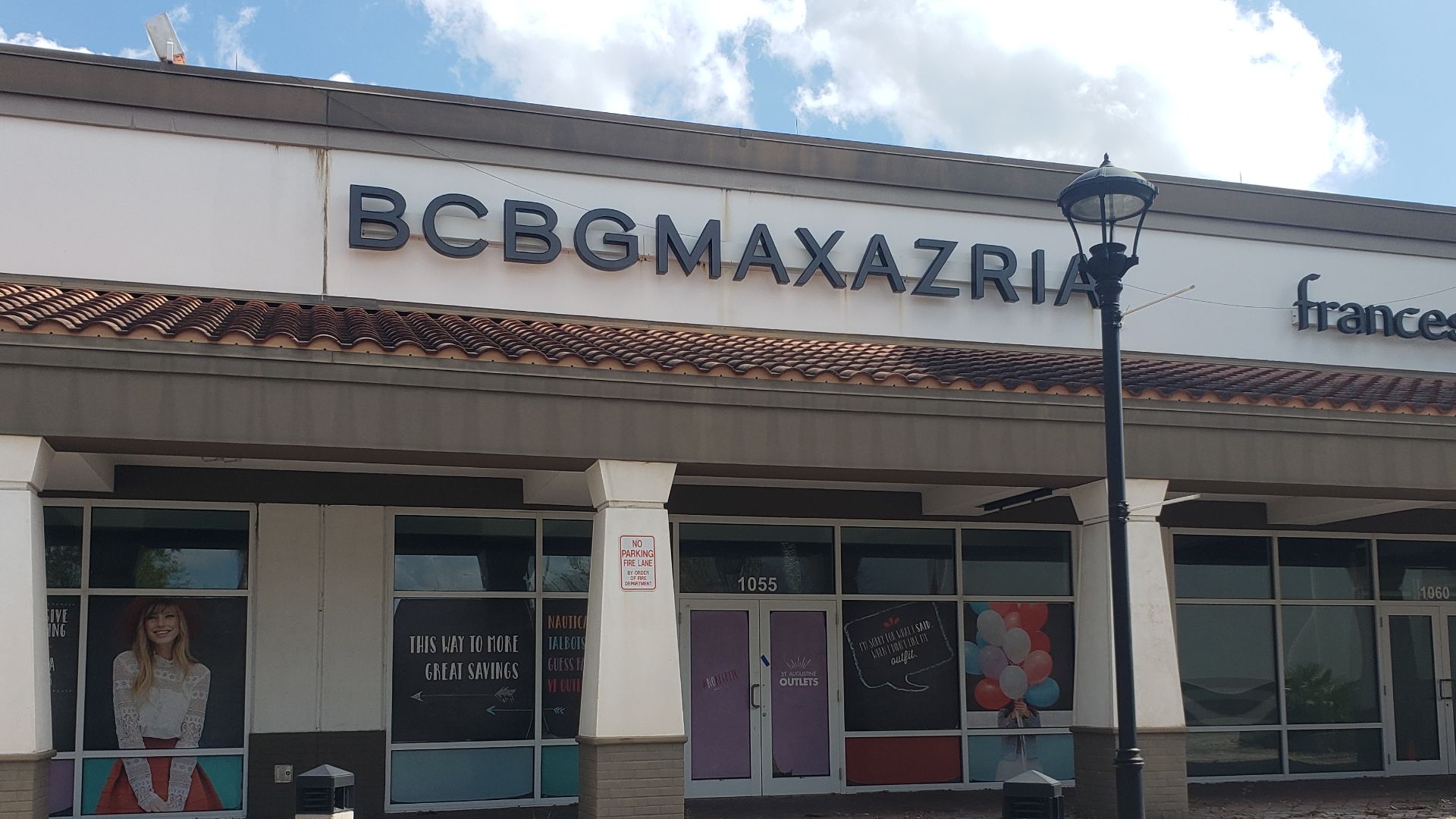
7. BCBGMAXAZRIA
BCBG once had a strong grip on “dressy but not too formal” for work, events, and nights out. The company filed for bankruptcy and later changed hands, which shifted it away from the footprint and visibility it used to have. The name still exists, but the old peak is a different story.
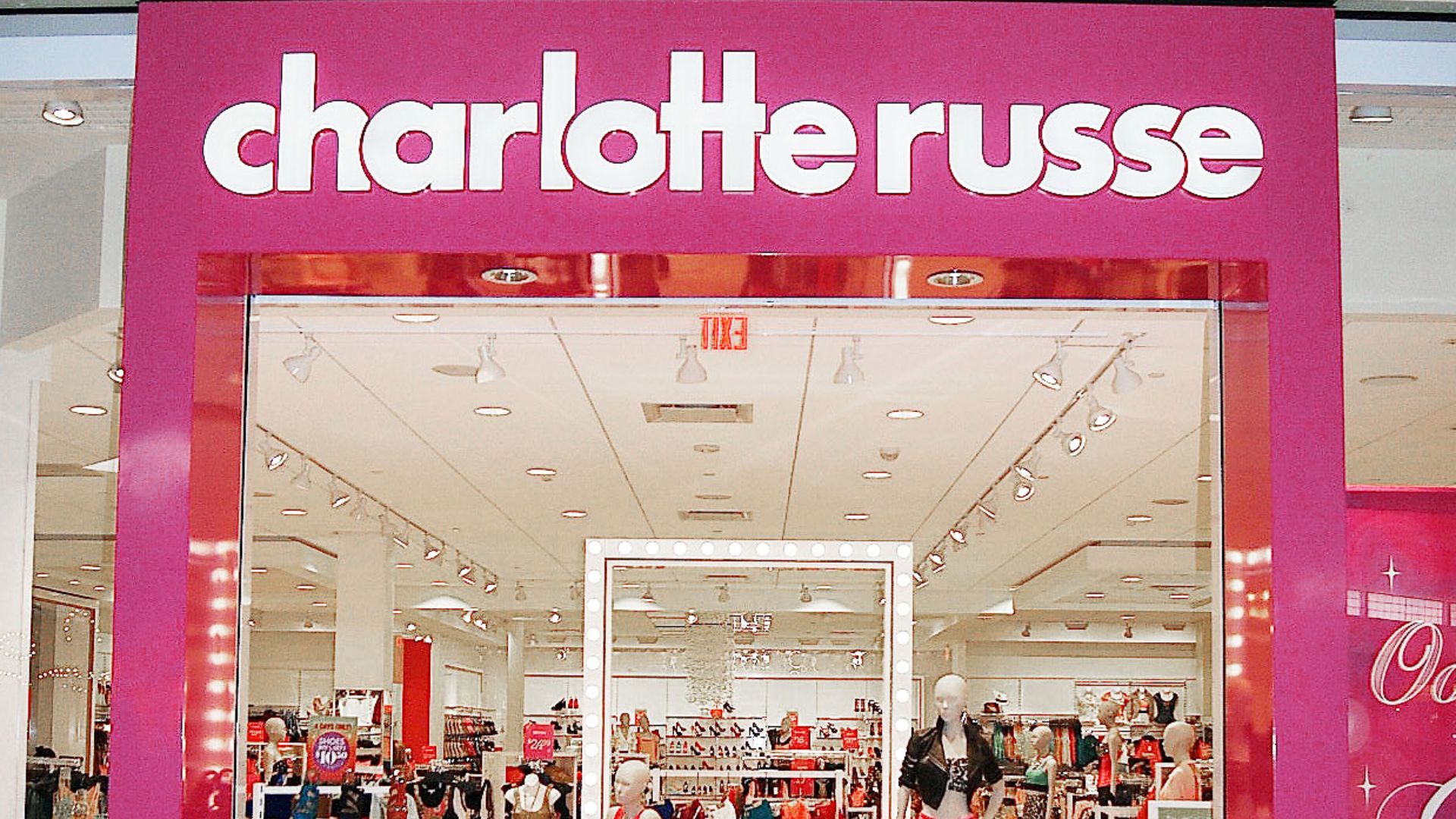
8. Charlotte Russe
Charlotte Russe was a dependable stop for flirty, affordable trends and last-minute outfits. It famously hit a wall in the late 2010s, filing for bankruptcy and closing all its stores before being bought out and rebranded as a mostly e-commerce brand. Even with later revivals, the brand’s cultural peak feels like it belongs to a different mall timeline.
9. Delia’s
Delia’s was iconic for teen style in the catalog years, when flipping pages was half the fun. The brand’s original form disappeared, and later resurrections never fully recreated that same teen-culture grip. If you remember butterfly clips and wide-leg pants the first time around, Delia’s is part of that scrapbook.
10. Deb Shops
Deb was a mall fixture for party dresses, trendy tops, and “I need an outfit tonight” energy. Over time it dwindled and disappeared from most shoppers’ routines, leaving behind a very specific era of bargain fashion. The brand name may show up in niche corners, but the chain’s original footprint isn’t what it was.
11. Dressbarn
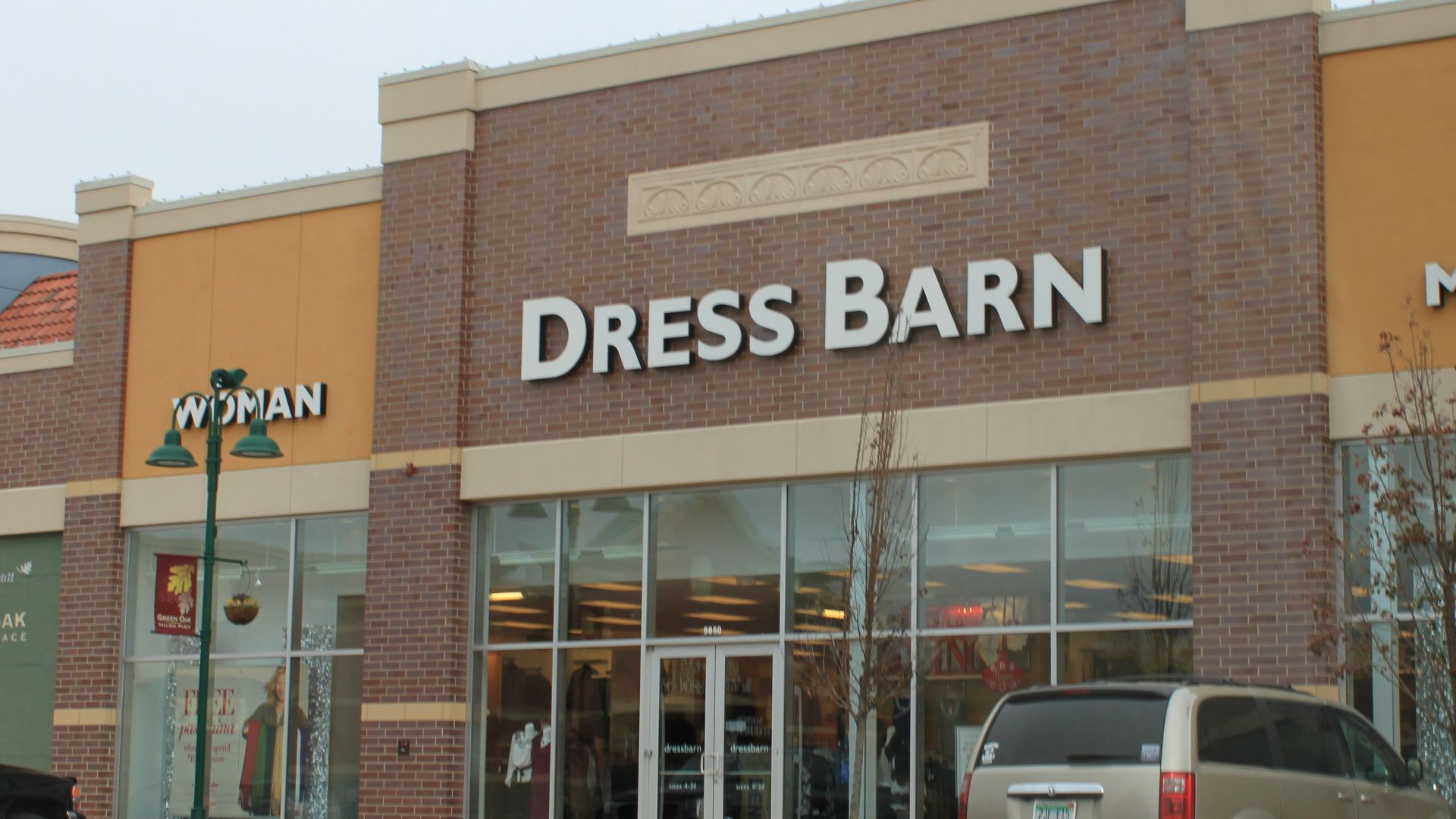
Dressbarn was steady, practical, and surprisingly dependable for everyday women’s wear. When it disappeared from physical retail, a lot of people realized it had been their quiet default for years. Losing a basics brand feels different than losing a hype brand, because it changes how people shop for normal life. The memory of it sticks because it solved a real problem.
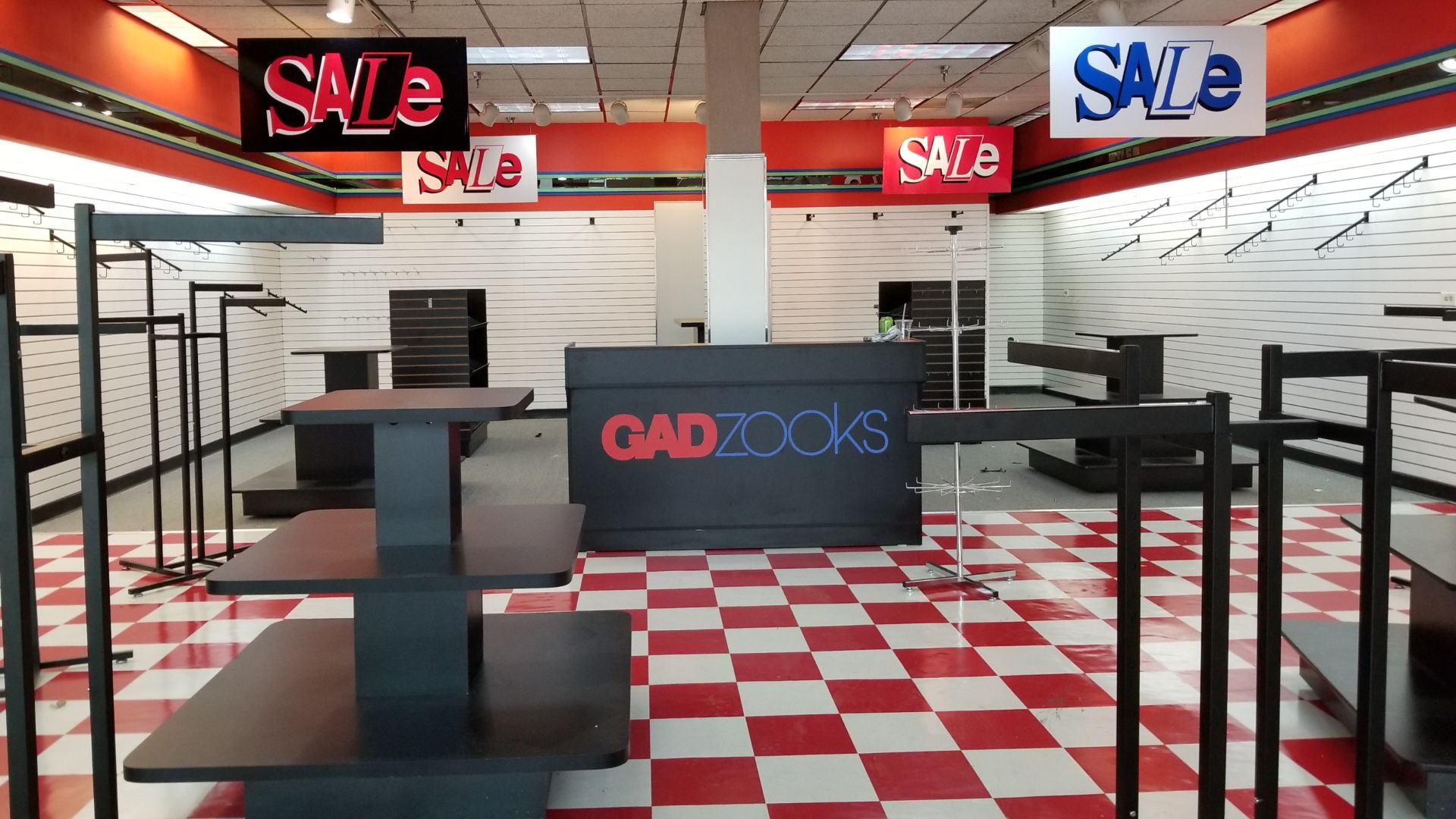
12. Gadzooks
Gadzooks lived in the loud, colorful corner of 1990s mall culture, especially for teens who wanted graphic-heavy, trend-driven looks. It was a very specific vibe that didn’t transition neatly into the modern retail world. Once youth fashion moved online and fast fashion scaled up, brands like this didn’t have much room to breathe.
13. Structure
Structure was the men’s mall stop for button-downs, basics, and a slightly dressed-up casual look. As mall traffic changed and men’s retail consolidated, the brand faded from everyday shopping patterns. I was sold to Sears in 2003 and subsequently phased out.
14. Contempo Casuals
Contempo Casuals was a trend hub in the mall era, feeding the demand for fun outfits and fast style turnover. It eventually disappeared as retail landscapes shifted and other chains absorbed the trend space. If you remember browsing racks that felt like a music video wardrobe, this brand fits that memory.
15. Merry-Go-Round
Merry-Go-Round was peak mall energy in the ‘80s and ‘90s, known for bold, loud, and very time-stamped fashion. It burned bright, then faded, leaving behind a strong nostalgia footprint. Some brands disappear quietly; this one is remembered because its style was so unmistakable.
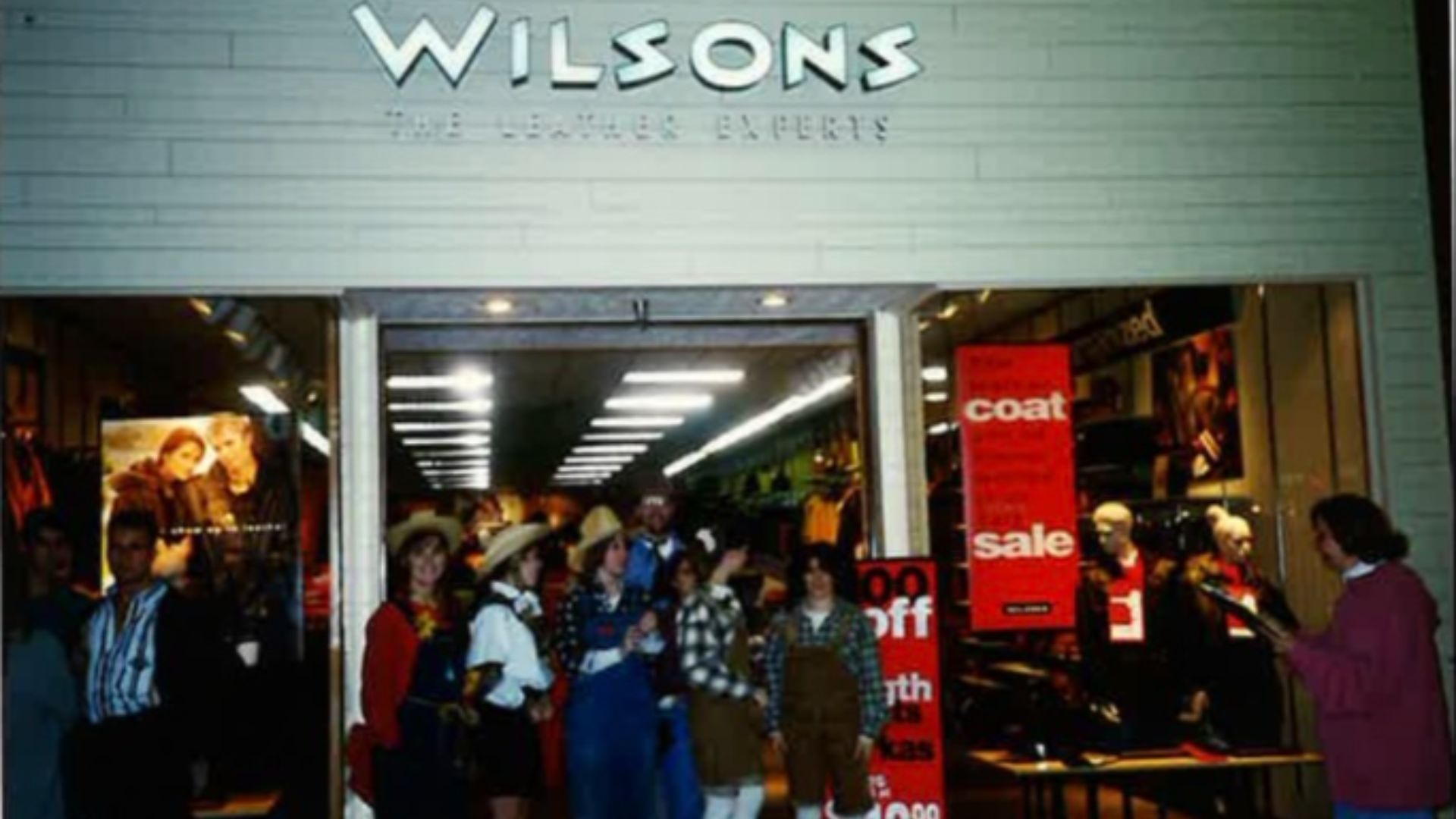
16. Wilsons Leather
Wilsons was the place you went when you wanted leather without boutique pricing. Over time, it thinned out dramatically as malls declined and fashion cycles shifted away from dedicated leather chains. The brand still gets mentioned because the experience (and the smell) was so specific. Most physical locations were closed in 2020.
17. Rampage
Rampage hit a sweet spot for trendy women’s clothing when department stores and malls were the main fashion pipeline. As retail reorganized and brand identities blurred, it lost the strong presence it once had. Today, you can still find the brand but only though other retailers like like Kohl's, Macy's, and Amazon.
18. Bongo
Bongo had serious teen/young-adult visibility for a stretch, especially when denim and logo-forward styles were a big deal. As the market crowded and tastes shifted, it became less of a must-have name. Some brands don’t die so much as they stop being the first thing anyone reaches for. Bongo fits that quiet slide.
19. Rocawear
Rocawear was once a major force in hip-hop fashion, with visibility that went well beyond niche audiences. Over time, the culture and the market moved, and the brand’s mainstream dominance cooled. When streetwear cycles changed and new labels took the spotlight, older giants didn’t always keep pace. It’s still recognizable, just not inevitable.
20. Ed Hardy
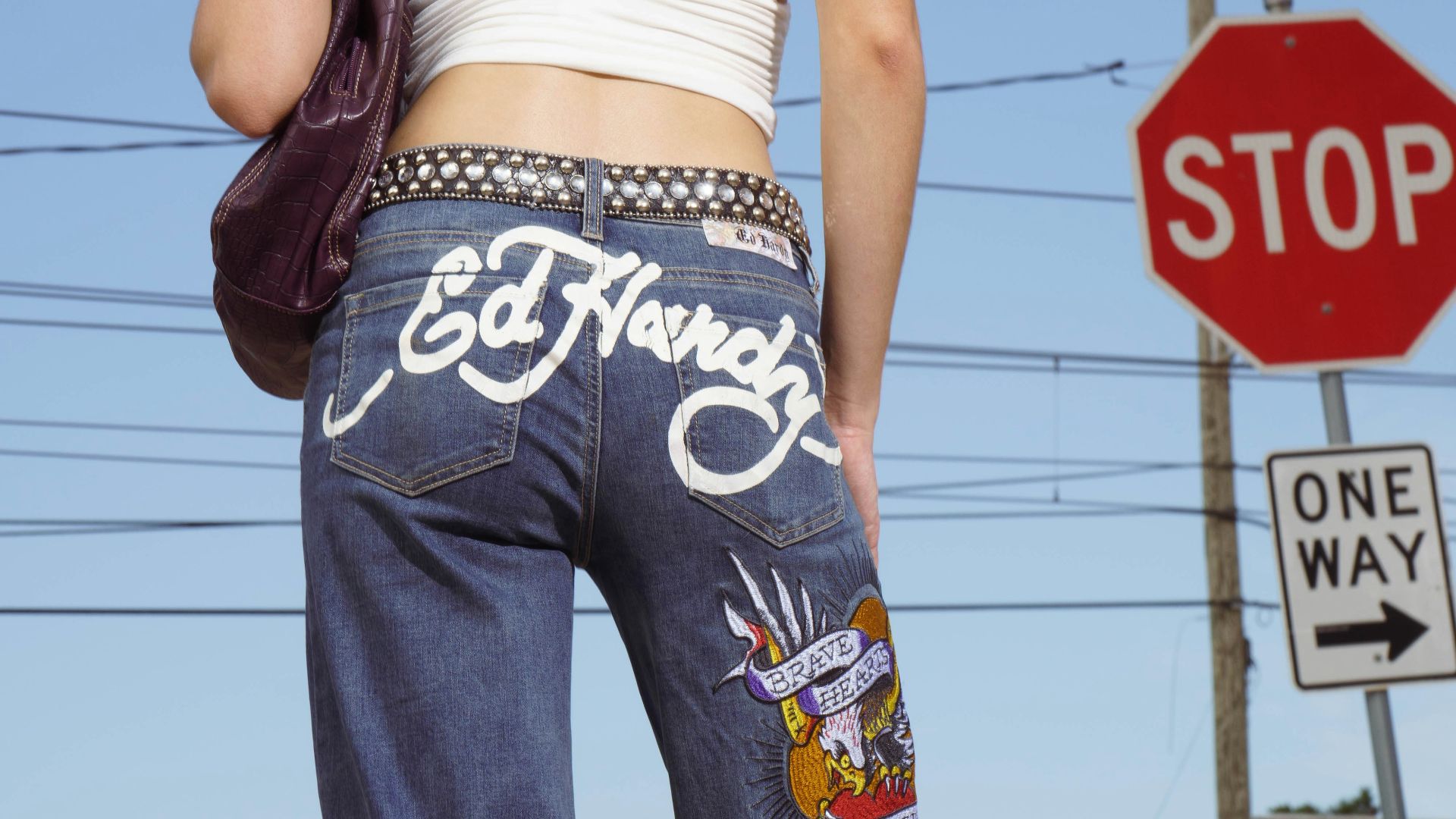
Ed Hardy had a moment so loud it’s basically a timestamp, with graphics that could be spotted from across a parking lot. When the aesthetic shifted, the brand’s popularity dropped hard, and it became more punchline than must-buy for a while. Pieces still show up, but the peak was very much its own era.