Should You Treat Yourself?
Ever find yourself adding different items to your cart after a stressful day? You're not alone. In fact, many people turn to shopping when they're feeling stressed, and it's a reason why "retail therapy" is so aptly named. But is it always a good idea to spend money to numb other unpleasant emotions? Probably not. Here are 10 real benefits of retail therapy—and 10 obvious drawbacks.
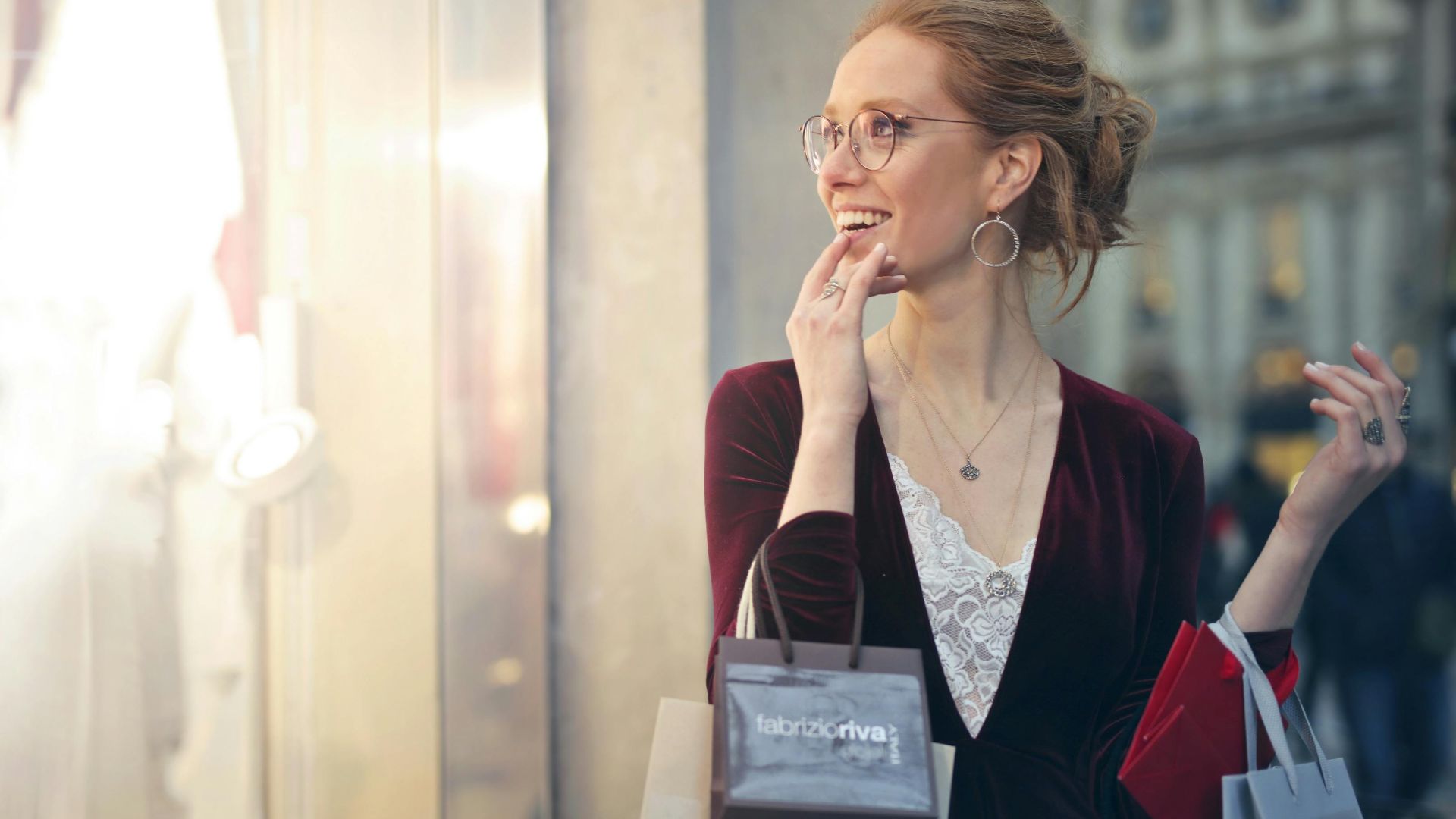
1. Boost in Mood
The number one benefit that retail therapy offers? A boost in mood. Whenever we get something we want, the reward centers in our brains light up, and we get a hit of dopamine—the "feel-good" hormone. This pleasurable feeling we get is why we're so addicted to making it happen again, which is why we might feel the need to continue shopping.
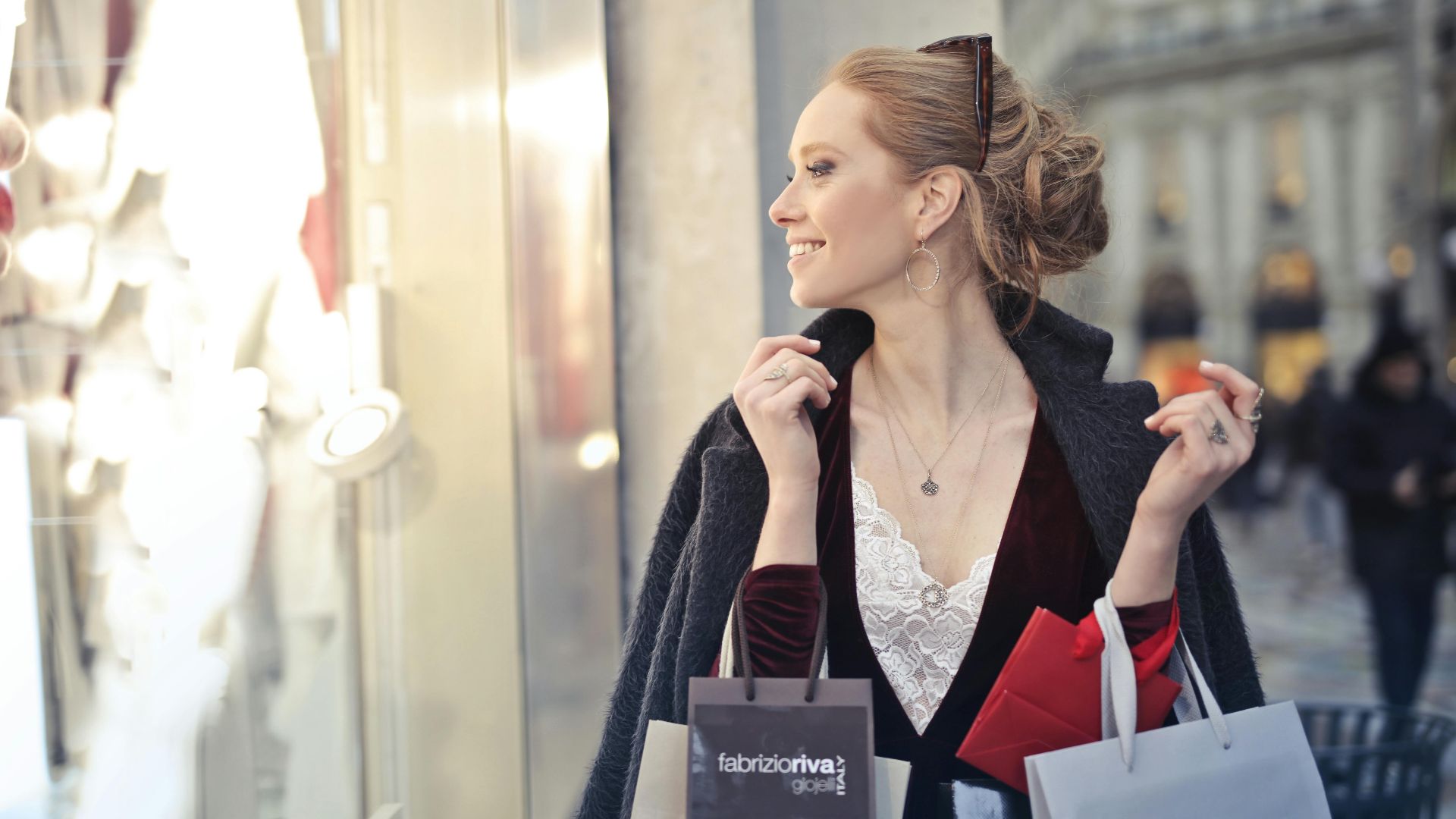
2. Gives You a Sense of Control
When everything in your life feels volatile and unstable, shopping can give you a sense of control, because you get to decide what you want to buy. This might be why you're more likely to go on a retail spree when you're stressed or feeling frazzled.
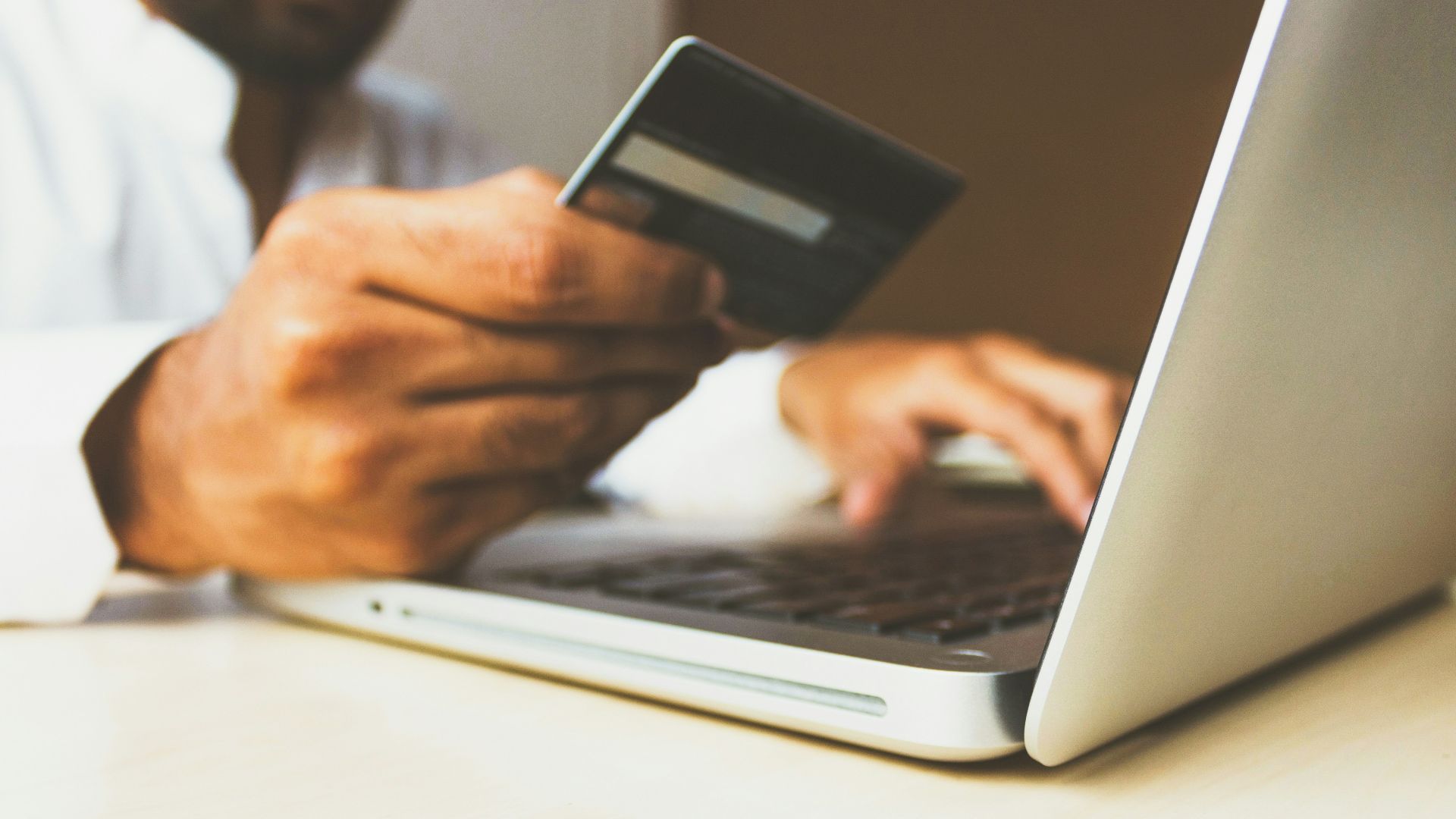
3. Provides Stress Relief
As mentioned in the previous point, when we feel stressed about other parts of our lives, we're more likely to engage in retail therapy. After all, browsing through stores, adding items to your cart, and actually purchasing them can momentarily boost your mood, and because those dopamine hits can numb the other unpleasant emotions, we can't help but repeat it again and again.

4. Great Way to Reward Yourself
But sometimes, we might shop even if we're not stressed. Who says retail therapy has to be something we do when we're feeling anxious and low on energy? Shopping for ourselves can also be a great way to reward and celebrate small goals we've accomplished, and it can encourage us to keep aiming higher.
 Boxed Water Is Better on Unsplash
5. Give You a Confidence Boost
When you buy something new to add to your closet, whether it's an accessory or a completely new outfit, it can give you a confidence boost. Maybe it's something that matches your style or something that's currently trendy. Whatever it is, if it makes you feel good, it's a plus.

6. Form of Self-Expression
Retail therapy doesn't just help with boosting your confidence—it can also allow you to freely express yourself, too. Whether it's a funky hat, a fashionable coat, or chunky shoes, shopping for these items gives you a chance to explore your identity and personality and how you choose to reflect that to others.

7. Increase Social Connection
Shopping also offers something else: social connection. Whether you're headed to the mall with your friends or family, it allows you to strengthen those bonds by creating shared experiences. Interacting with other shoppers and retail workers also gives you a chance to make new connections.

8. Fun Break from Your Usual Routine
If your everyday routine consists mostly of working, it can quickly get exhausting. Shopping, therefore, gives you a fun break from that mundane cycle, which can be extremely therapeutic and helps make sure you don't lose your motivation and focus.
9. Allow You to Expore Your Creativity
Maybe you're thinking of making something yourself, like a gingerbread house or a knitted sweater. Or maybe you're learning how to paint, and need the necessary materials. Whatever it is, shopping for these items allows you to explore your creativity, which may expand your skill set in turn.

10. Gives Your Closet Variety
Another benefit of retail therapy? Simple: it gives your closet variety. Instead of only having basics to rely on, you have different accessories and styles to give your look more pizzazz and personality—which can boost your mood and confidence as well.
But retail therapy isn't always good, and we shouldn't always rely on it to give us that dopamine boost. Here are 10 drawbacks you should always remember keep in mind:
1. Becomes an Addiction
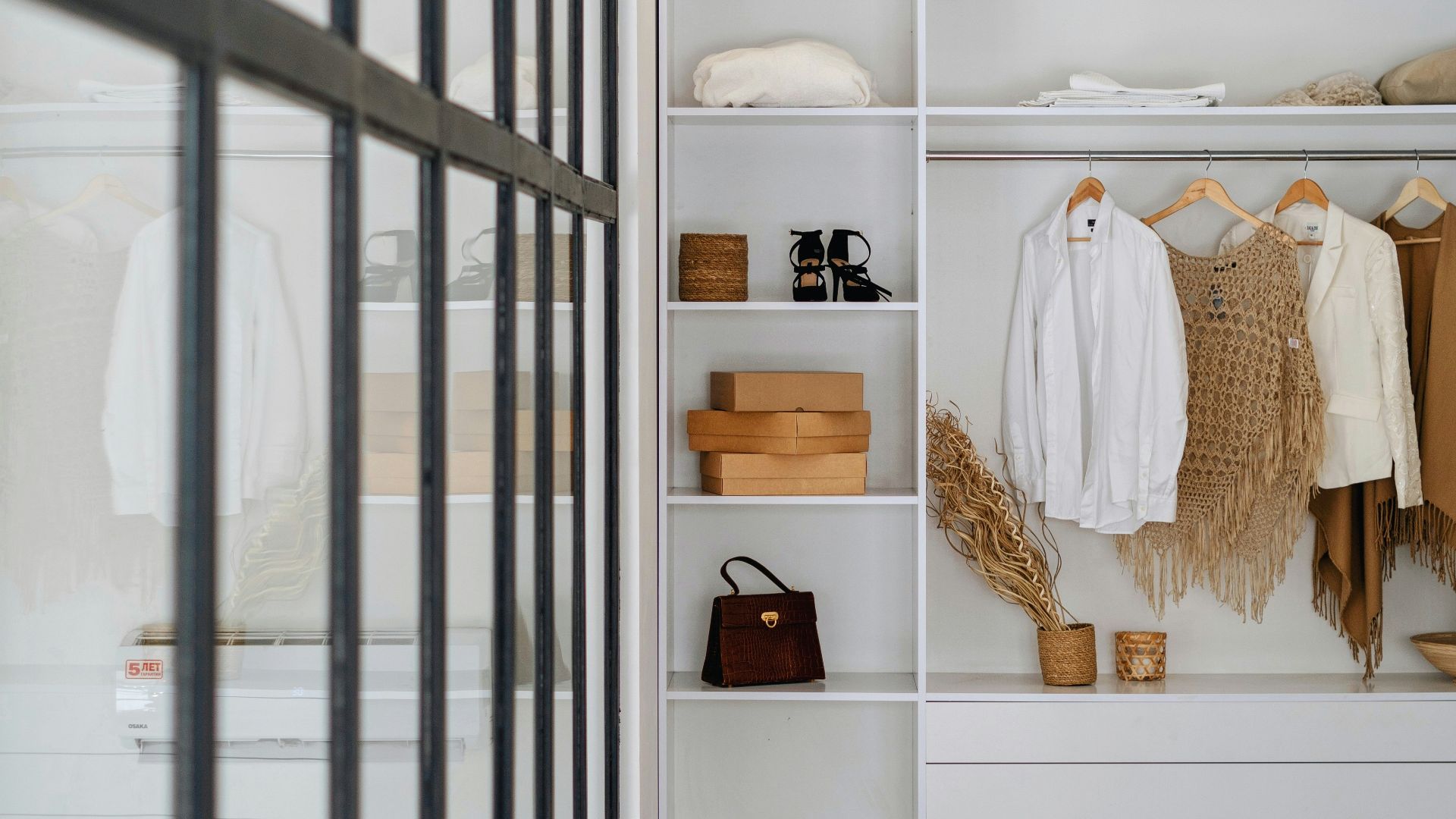
Over time, as you continue to engage in retail therapy, it can become an addiction. You might at first tell yourself it's just a one-time thing, and that you won't rely on it as a coping mechanism, but it can quickly turn into a habit. The dopamine hit you get each time, after all, can be extremely addictive.
2. Impulse Purchases
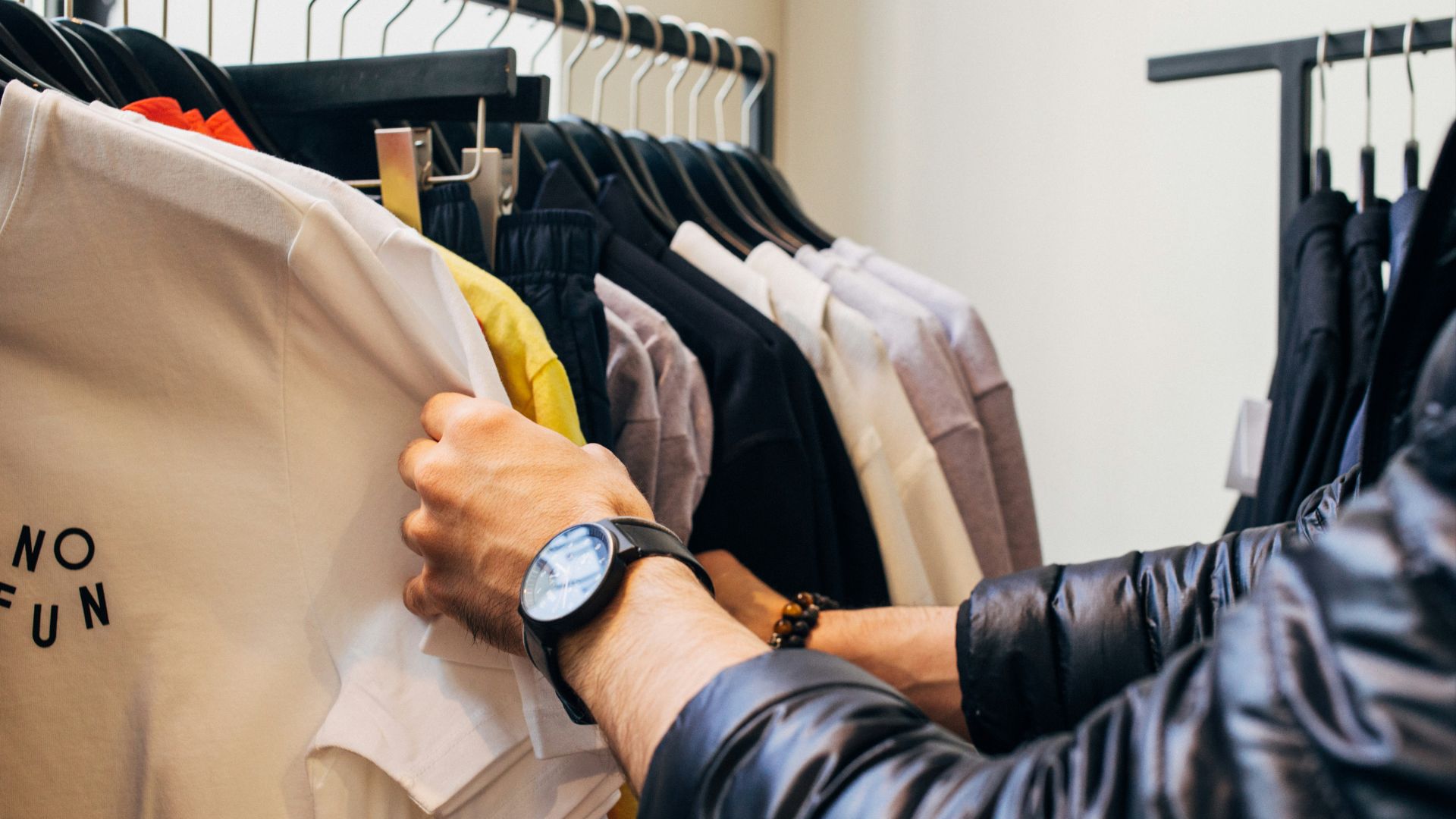
Retail therapy can also push you to make impulsive purchases, meaning you buy items you weren't planning to buy. They may seem like good deals at the time, but sometimes, these purchases can make you experience buyer's remorse, and you may question why you bought them.
3. Guilt
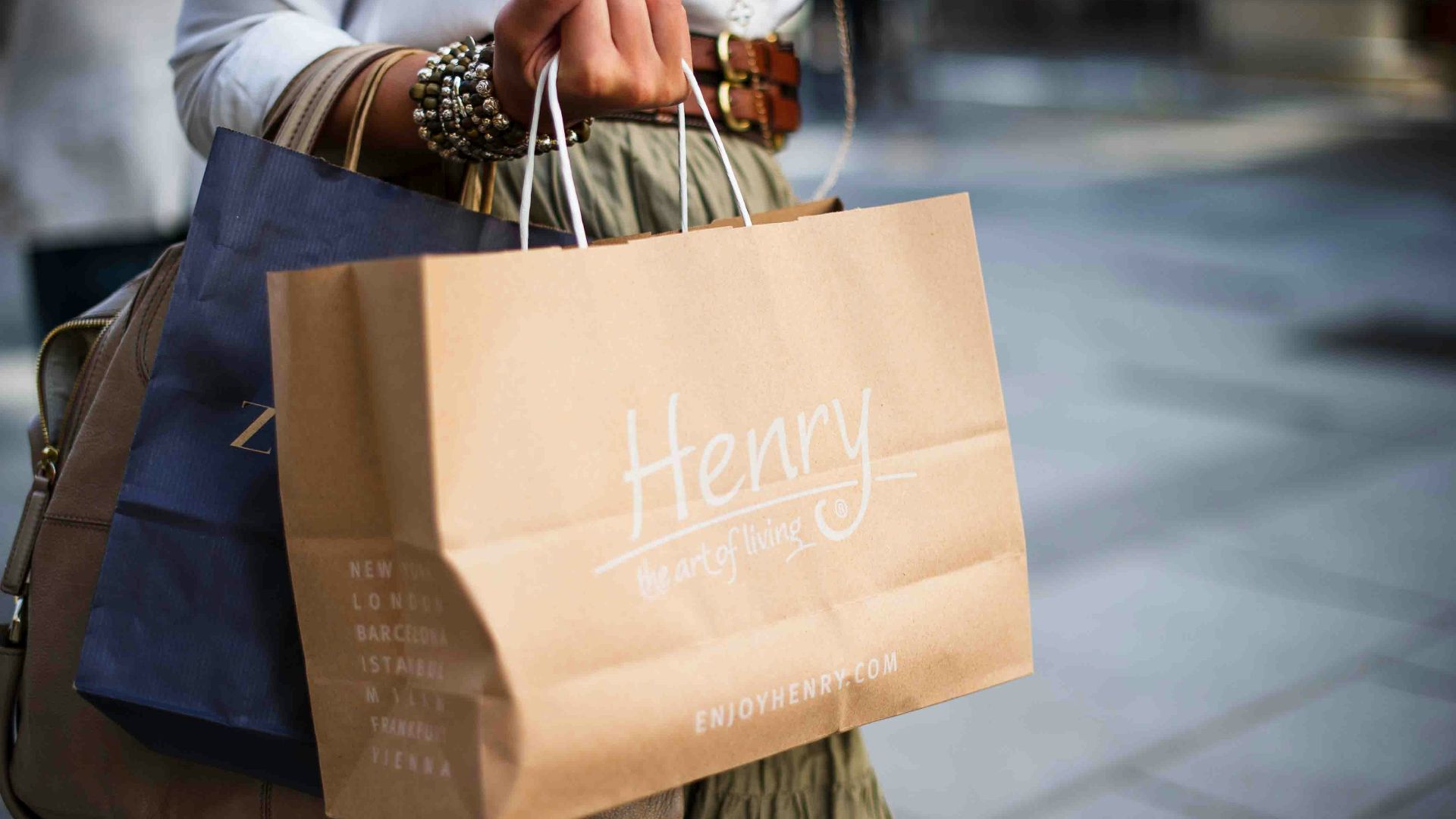
Buyer's remorse can spiral into guilt and regret, and you may feel incredibly disappointed for allowing yourself to purchase something you never even needed. The sense of regret you feel can be even more overwhelming if it was an expensive item.
4. Avoidance Coping
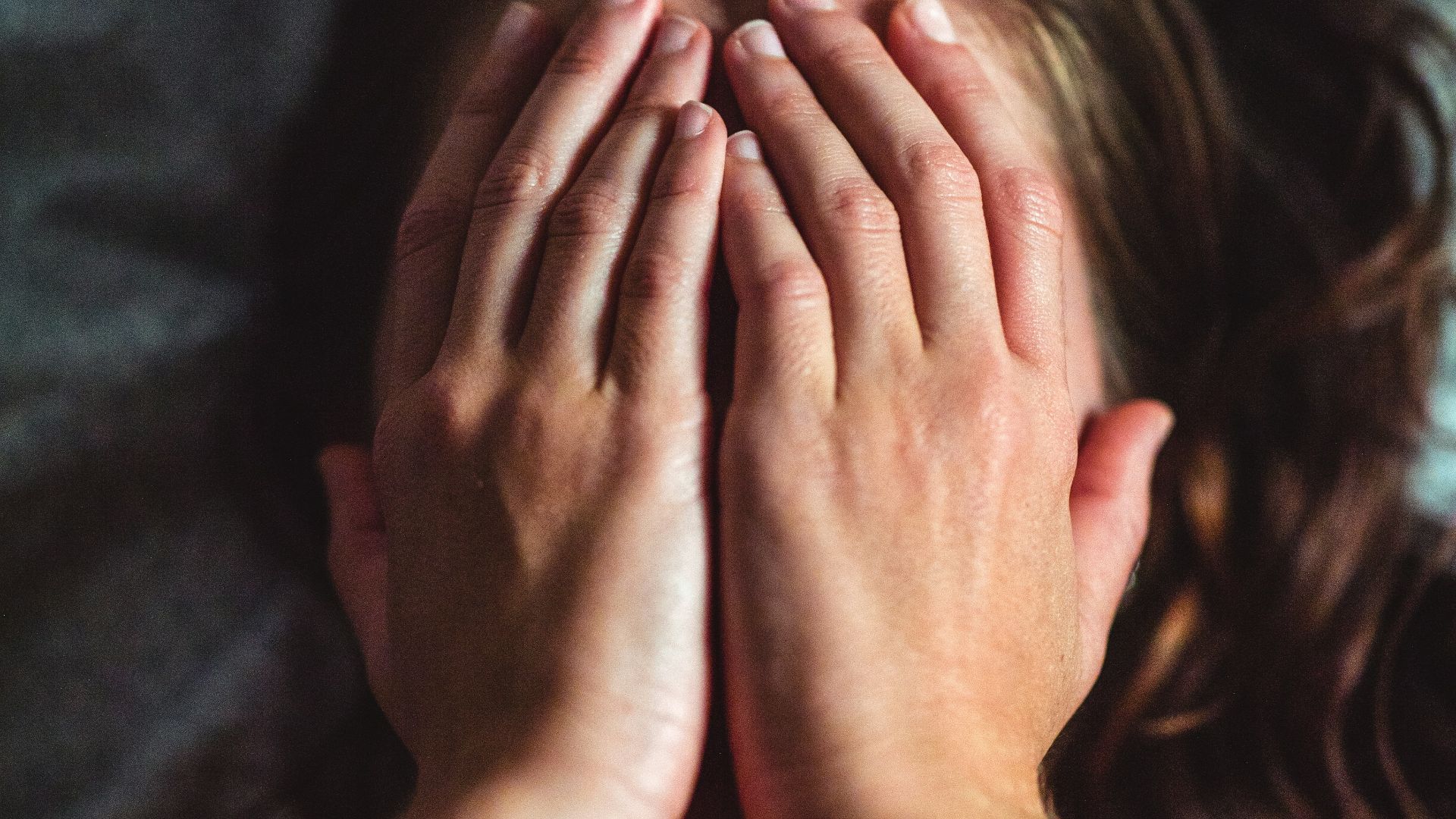
When shopping becomes an addiction and a form of coping mechanism, you may start to ignore real problems by spending excessively instead, hence the term "retail therapy." But even if shopping gives you temporary relief, it doesn't solve the difficulties you're experiencing, and over time it may even lead to financial strain.
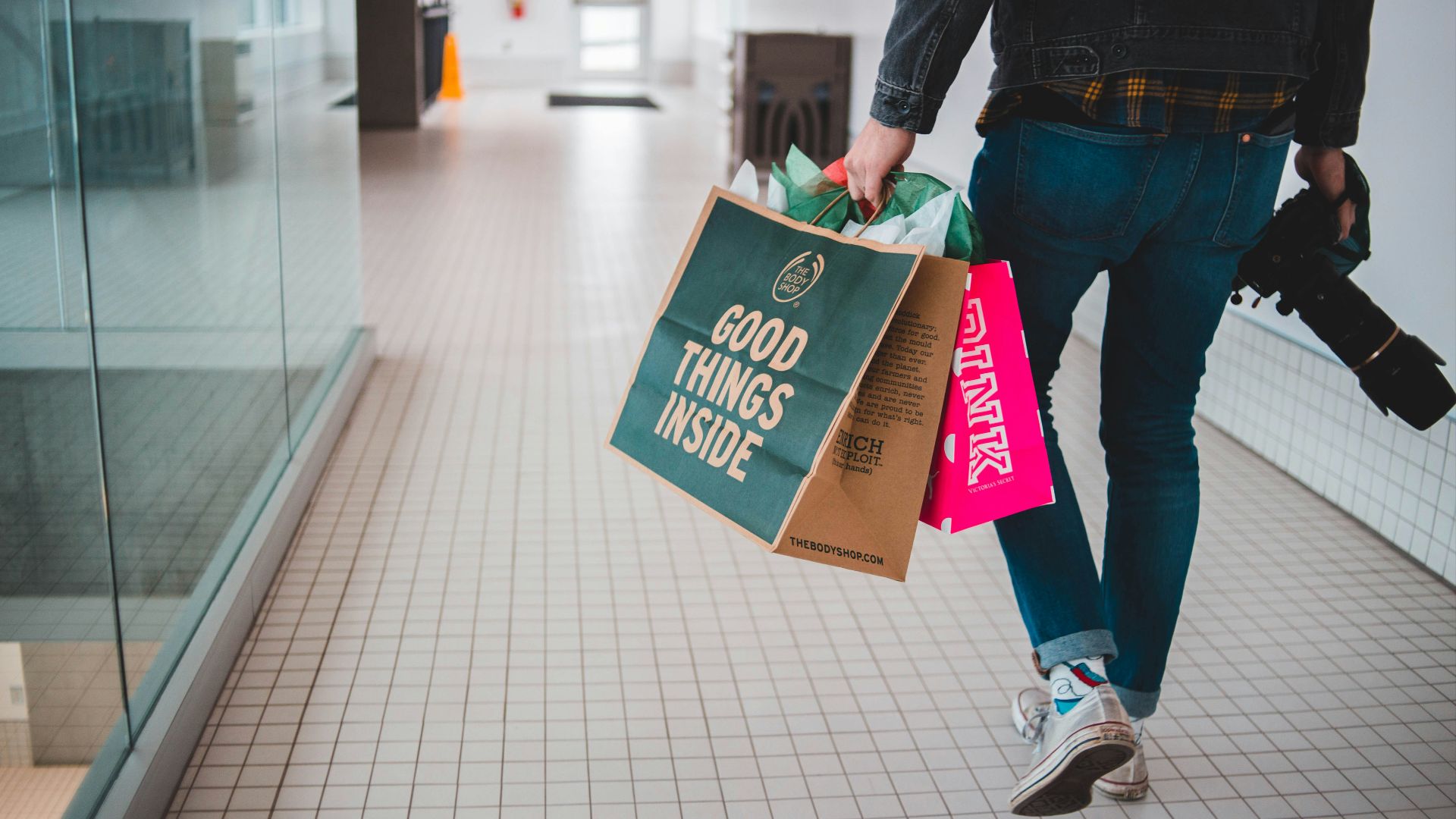
5. Overspending & Financial Strain
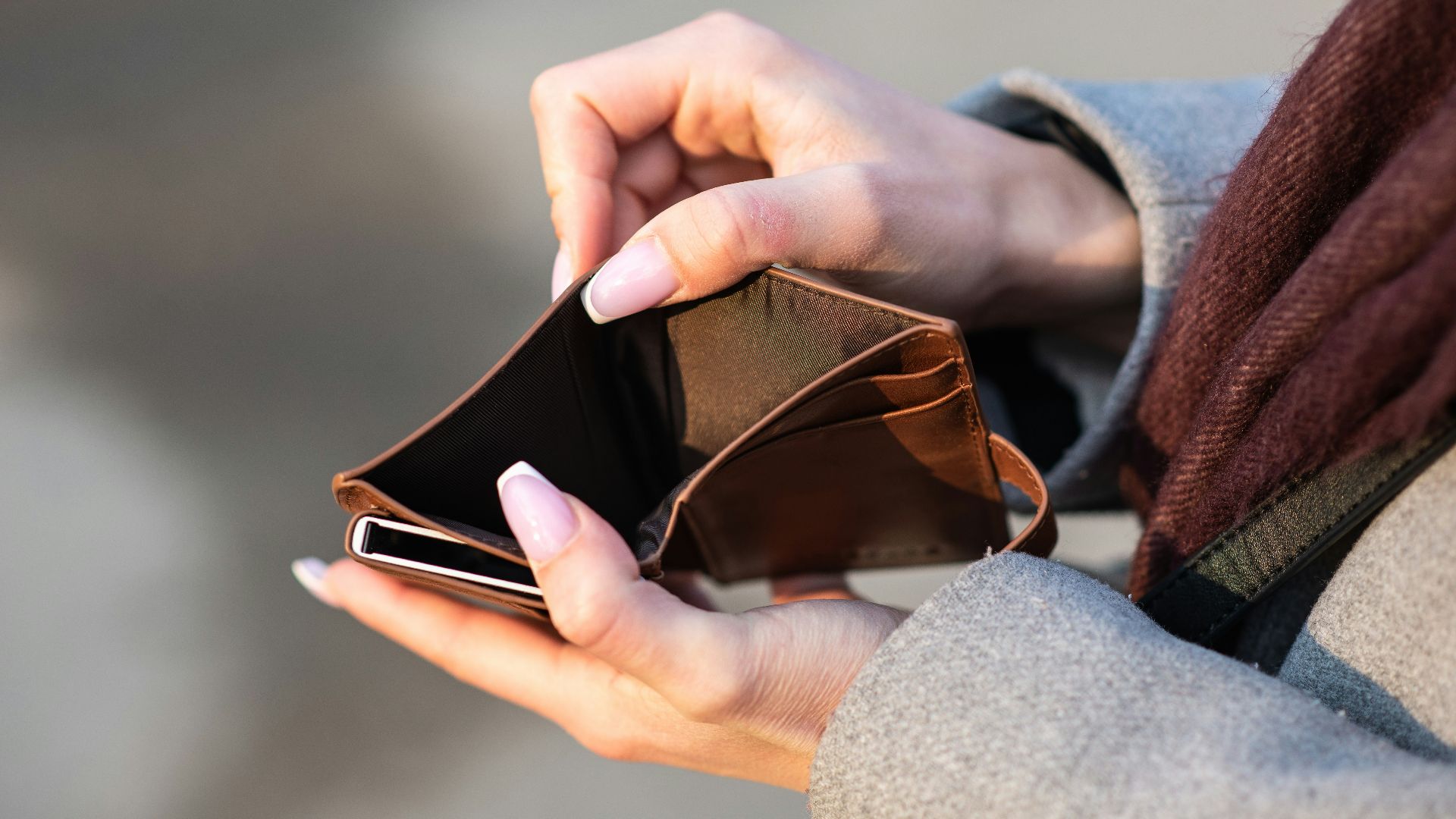
Building off the previous point, when retail therapy becomes an addiction, it can lead to overspending. You may buy more than you can afford, max out your credit cards, and put yourself into debt. This is why retail therapy can seem harmless at first, but actually causes further problems.
6. Wasteful Habits
Shopping for the sake of shopping can also lead you to develop bad habits. For one, you may continually support fast fashion brands for cheap clothing, only to throw them out once you've grown tired of the style or they break apart after two washes. These wasteful habits can, in turn, negatively impact the environment.

7. Add Unnecessary Clutter
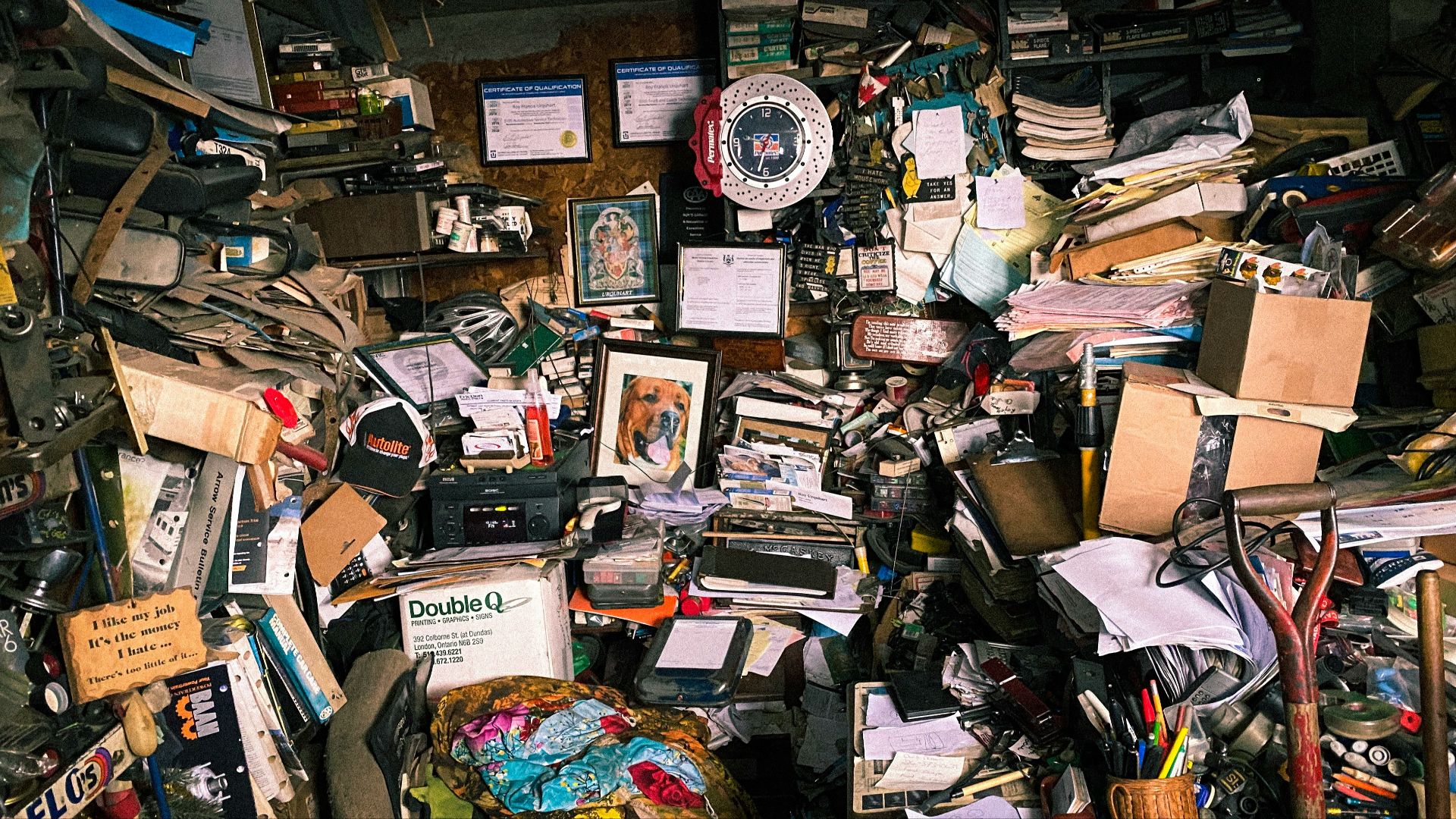
You may also realize later that you bought more items than you needed, and now you have unnecessary clutter lying around. But unless you get to the bottom of your shopping addiction, your space will only continue to fill up with more and more items.
8. Strain Relationships
Having a shopping addiction can strain your relationships as well. If you're constantly buying too many things and spending all your money, despite your loved ones telling you to control your habits, it can cause disputes and uncomfortable arguments.
9. Comparison Culture
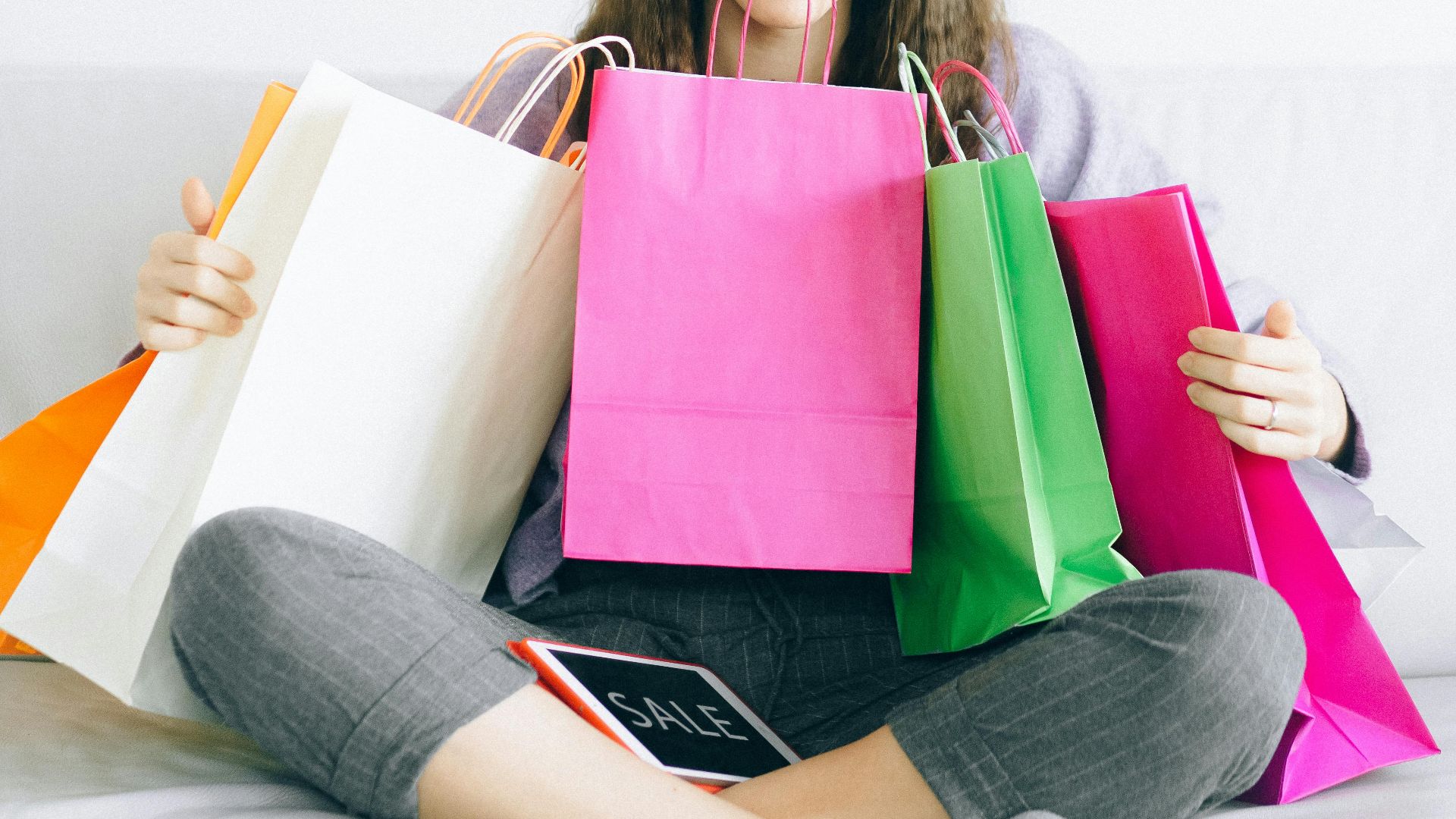
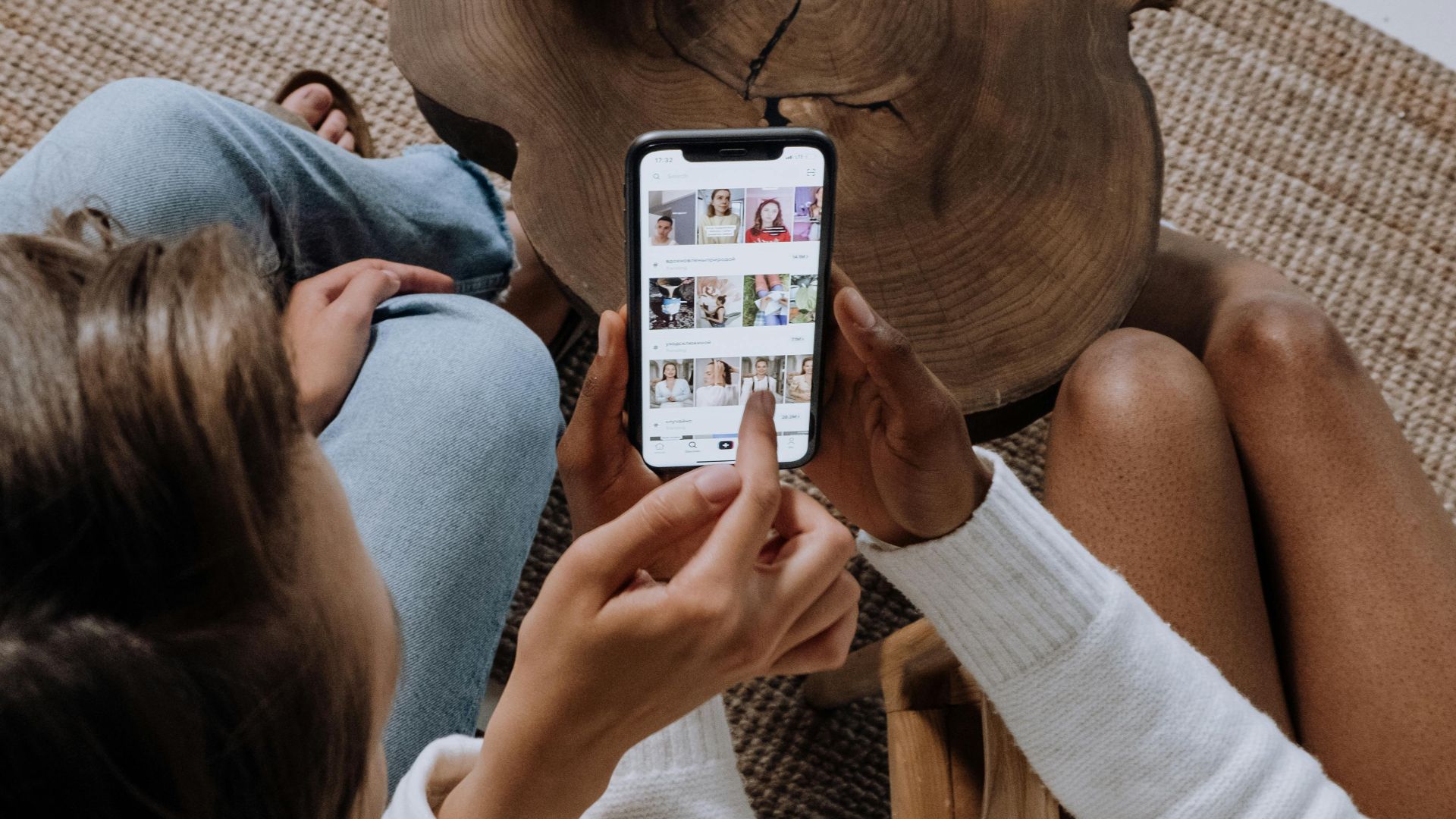
If you have a shopping addiction, you may also be more easily influenced by others. You might come across someone on social media recommending an item, and because you want to be more like them—in personality, appearance, or style—you feel more inclined to buy all the things that they have.
10. Short-Lived Pleasure
At the end of the day, it's important to recognize that retail therapy only offers a temporary boost in mood. If you rely on shopping to solve your problems or numb your emotions, you'll quickly find that it does neither of those things, and you'll only feel more guilty afterwards if you've overspent.