
When Edge Gets Repackaged
Fashion loves a shortcut, and the fastest one available is borrowing a look that already carries meaning. A style emerges in a community for practical reasons, cultural reasons, or pure creative survival, and then gets discovered by people with bigger platforms and bigger budgets. The history blurs, the rough edges get smoothed out, and what was once specific becomes aesthetic. None of this is new, and it rarely looks dramatic in the moment. It just looks like a magazine spread, a runway reference, or a carefully timed product drop. Here are 20 times fashion took something loaded, cleaned it up, and sold it back as new.
1. Braids As A Trend
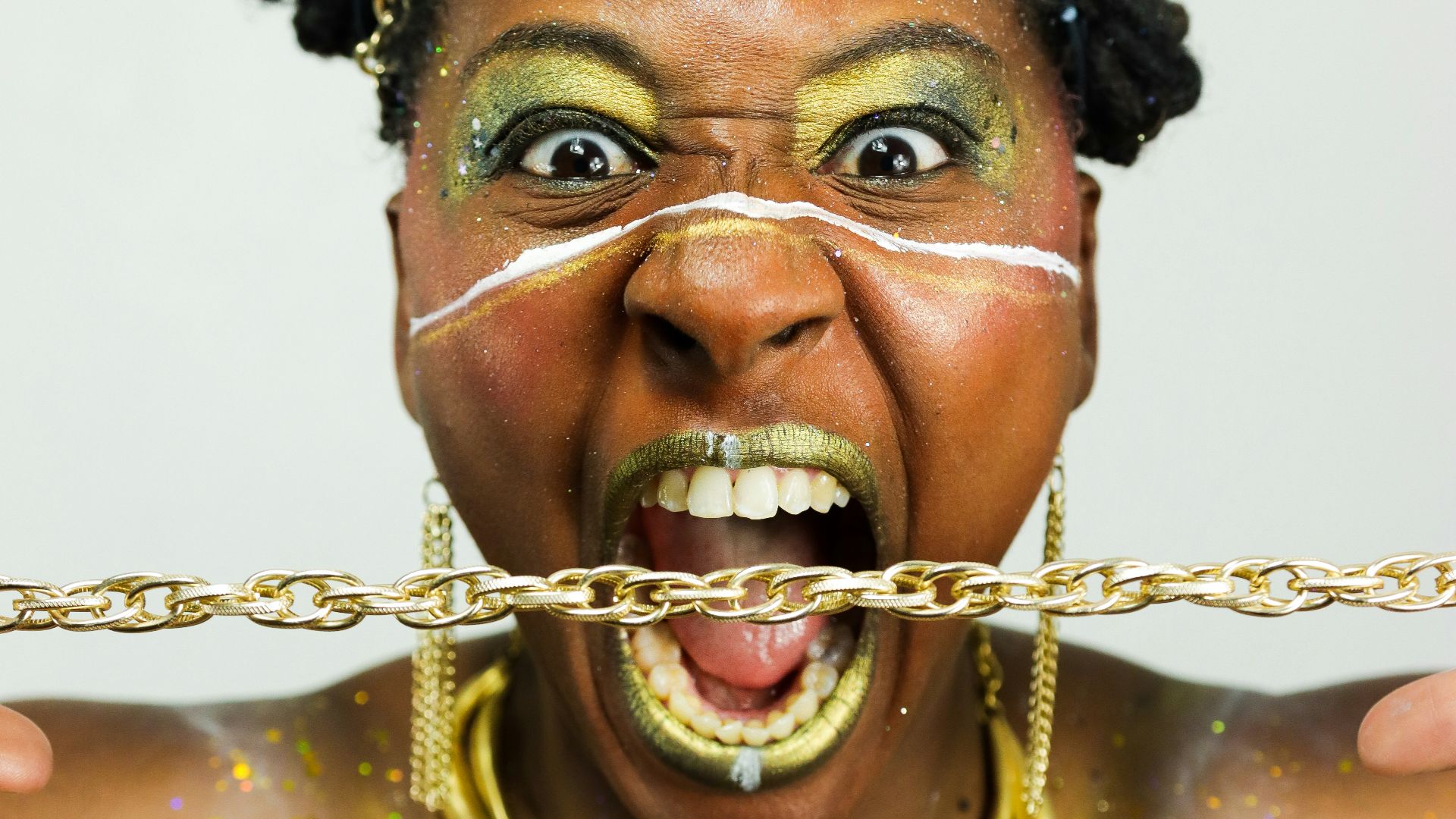
Braids have deep roots across Black cultures and the African diaspora, with real history, real technique, and real meaning. When they get rebranded as a seasonal boho look, the context disappears, and the people who’ve worn them forever are still the ones most likely to be judged for them at work or school.
2. Bantu Knots Rebranded
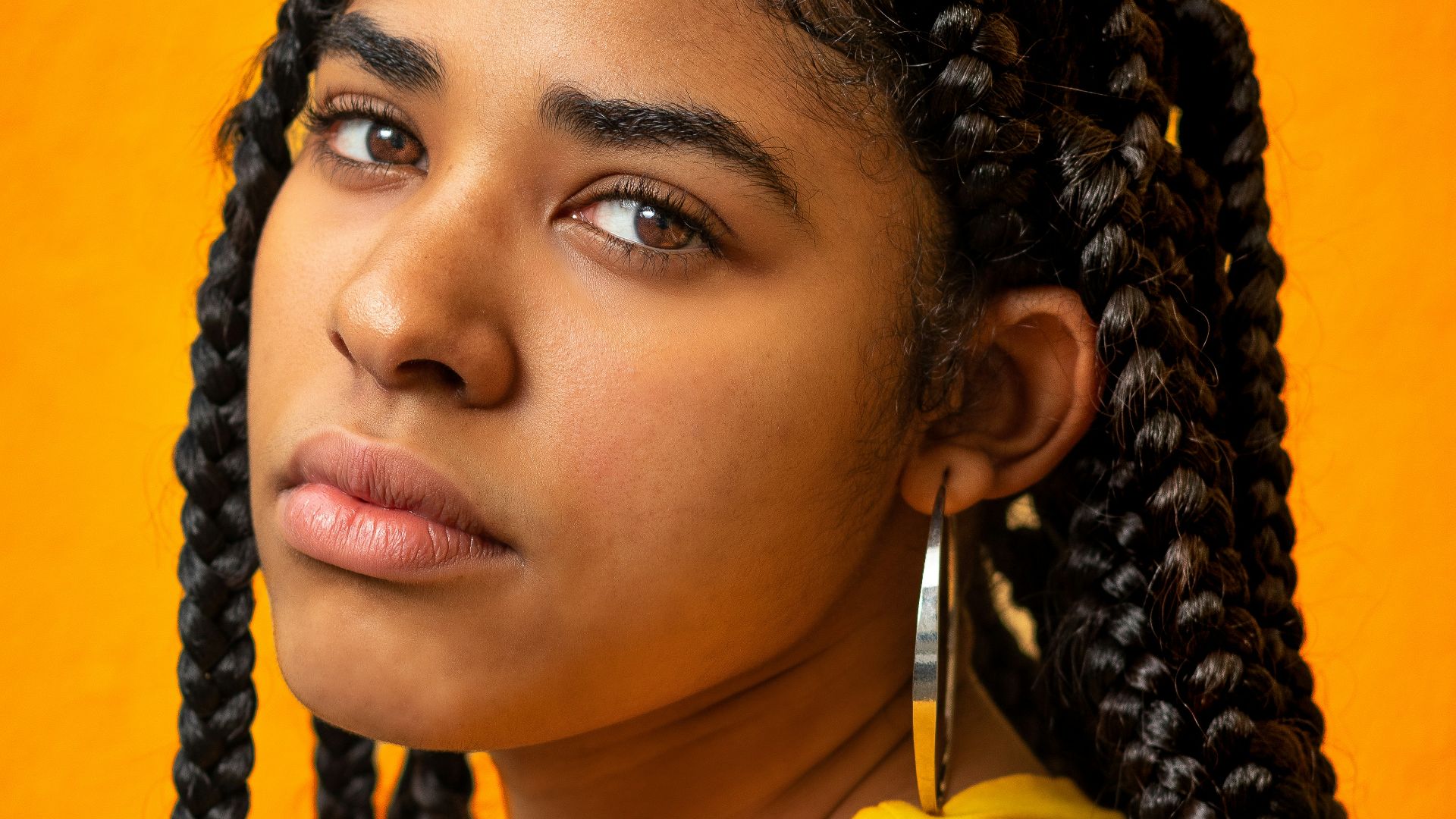
Bantu knots were treated as edgy on runways and red carpets once they were detached from where they come from. Sanitizing here often looks like changing the name, stripping the cultural tie, and acting like the style appeared out of thin air because a stylist got creative.
3. Durags Turned Into Accessories
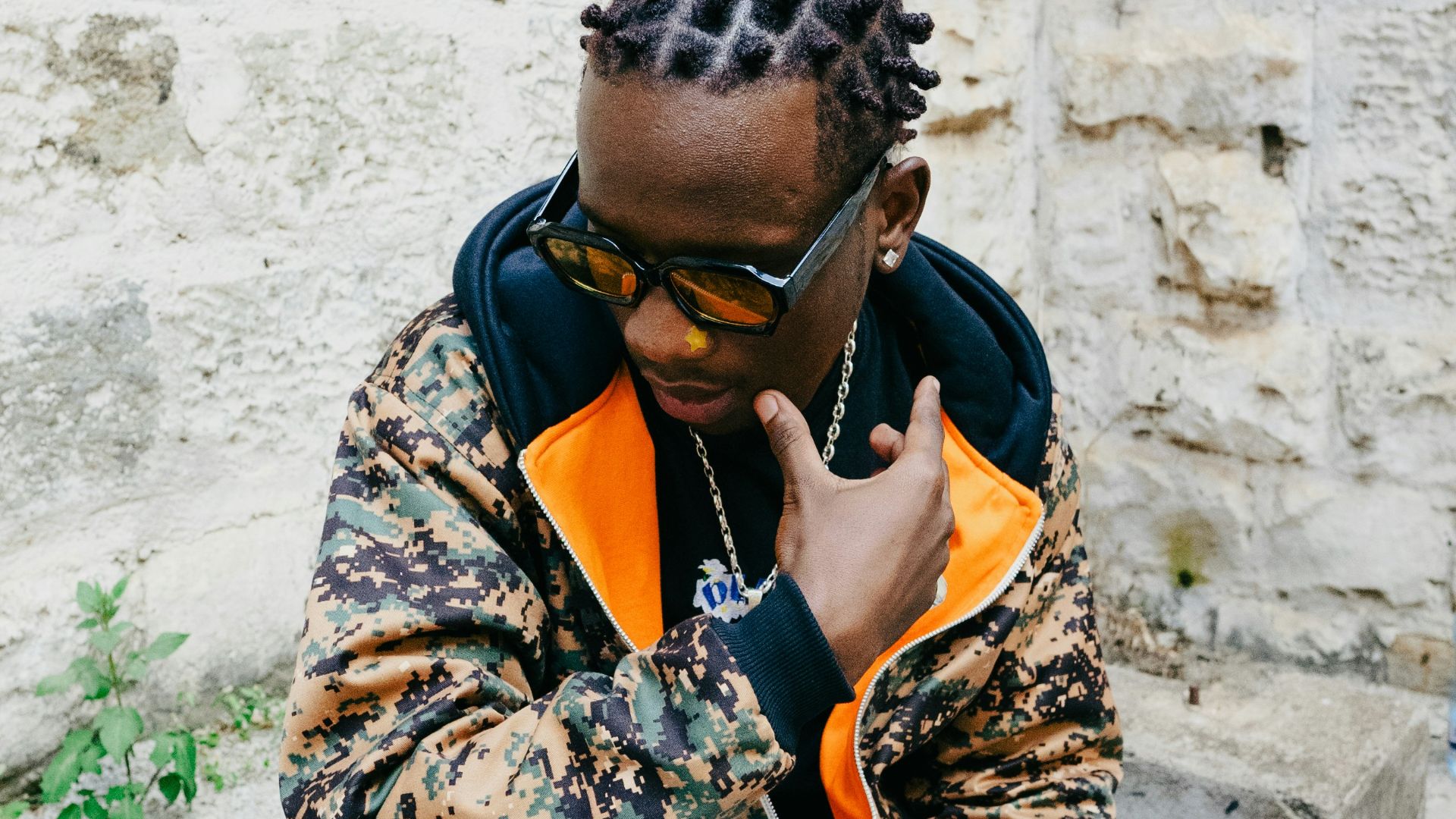
Durags are functional, tied to hair care, waves, and Black style culture, with decades of meaning layered into them. In mainstream cycles, they get treated like a costume piece, worn for the vibe, dropped when the trend cools, and rarely respected as what they actually are.

4. The Streetwear Pipeline
Streetwear grew out of specific scenes, skate, hip-hop, surf, DIY, and it came with codes, community, and attitude. Once big brands got involved, the looks got polished, prices jumped, and the origin story often got replaced by limited edition marketing.
5. Sneaker Culture Flattened
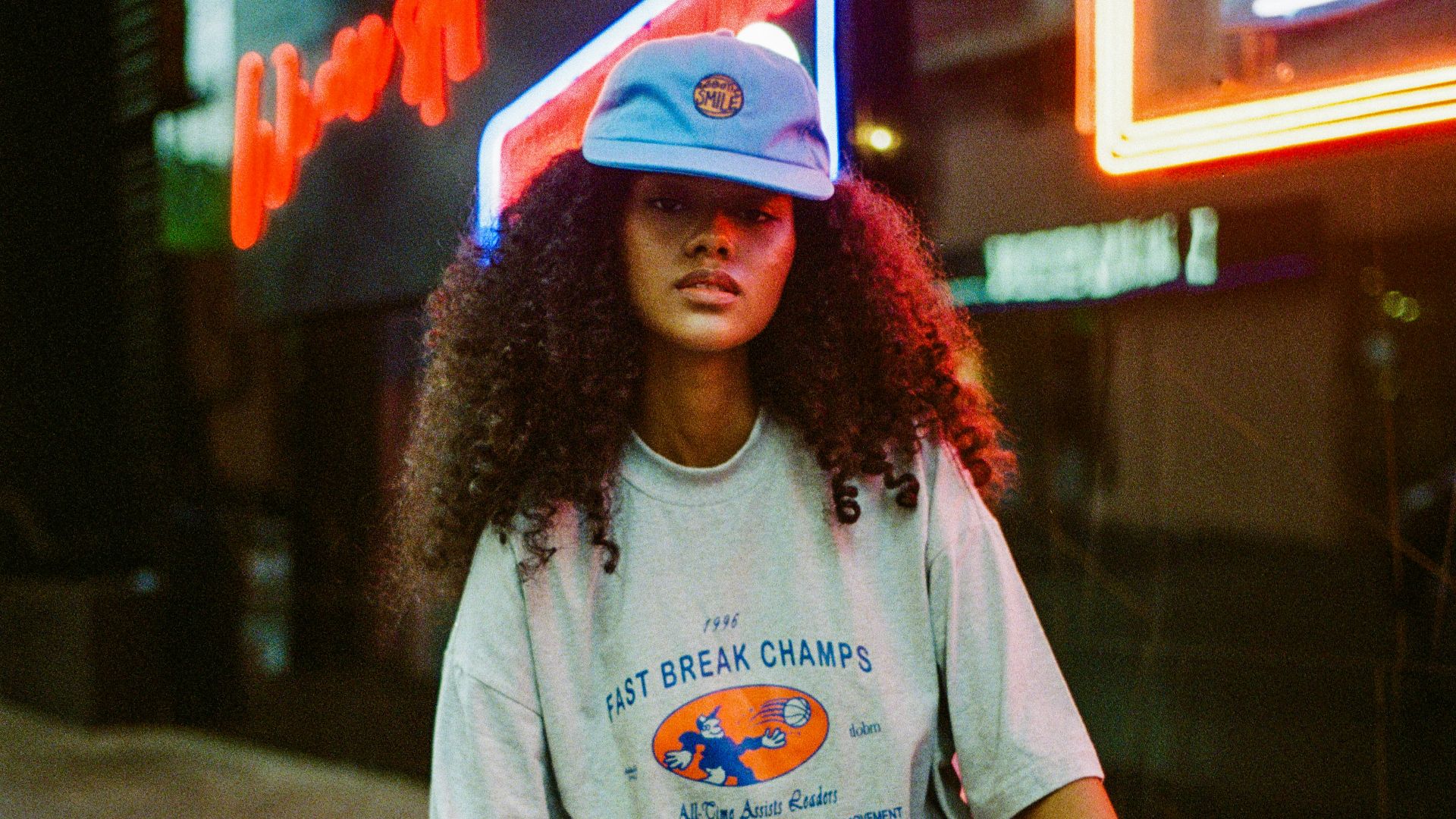
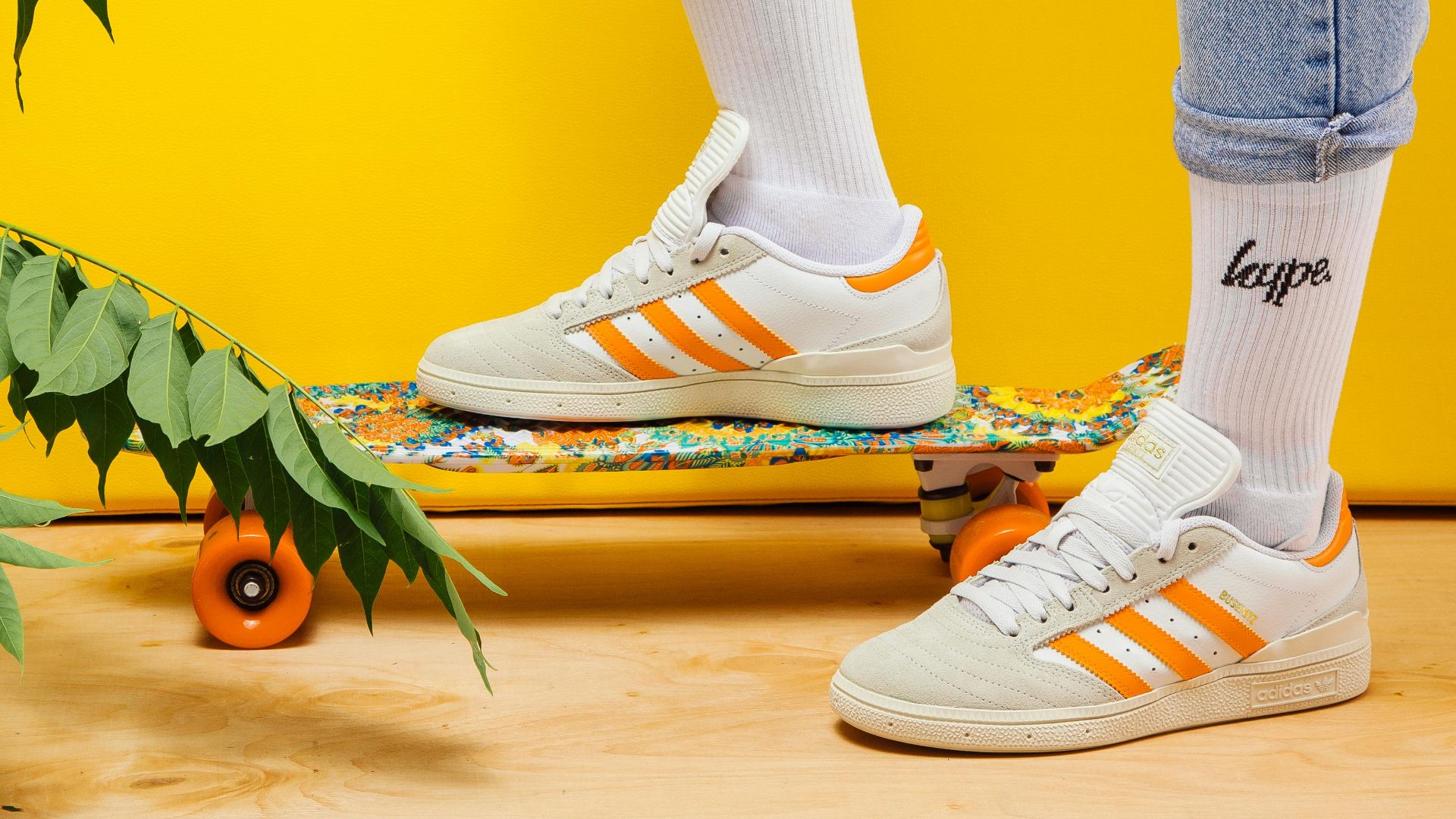
Sneakers weren’t always a luxury category; the culture was built in neighborhoods, courts, and local shops, with real identity attached to what was on your feet. Then the mainstream found the resale hype, removed the community layer, and turned it into a cleaner status game.
6. Punk’s Uniform Without Punk’s Point
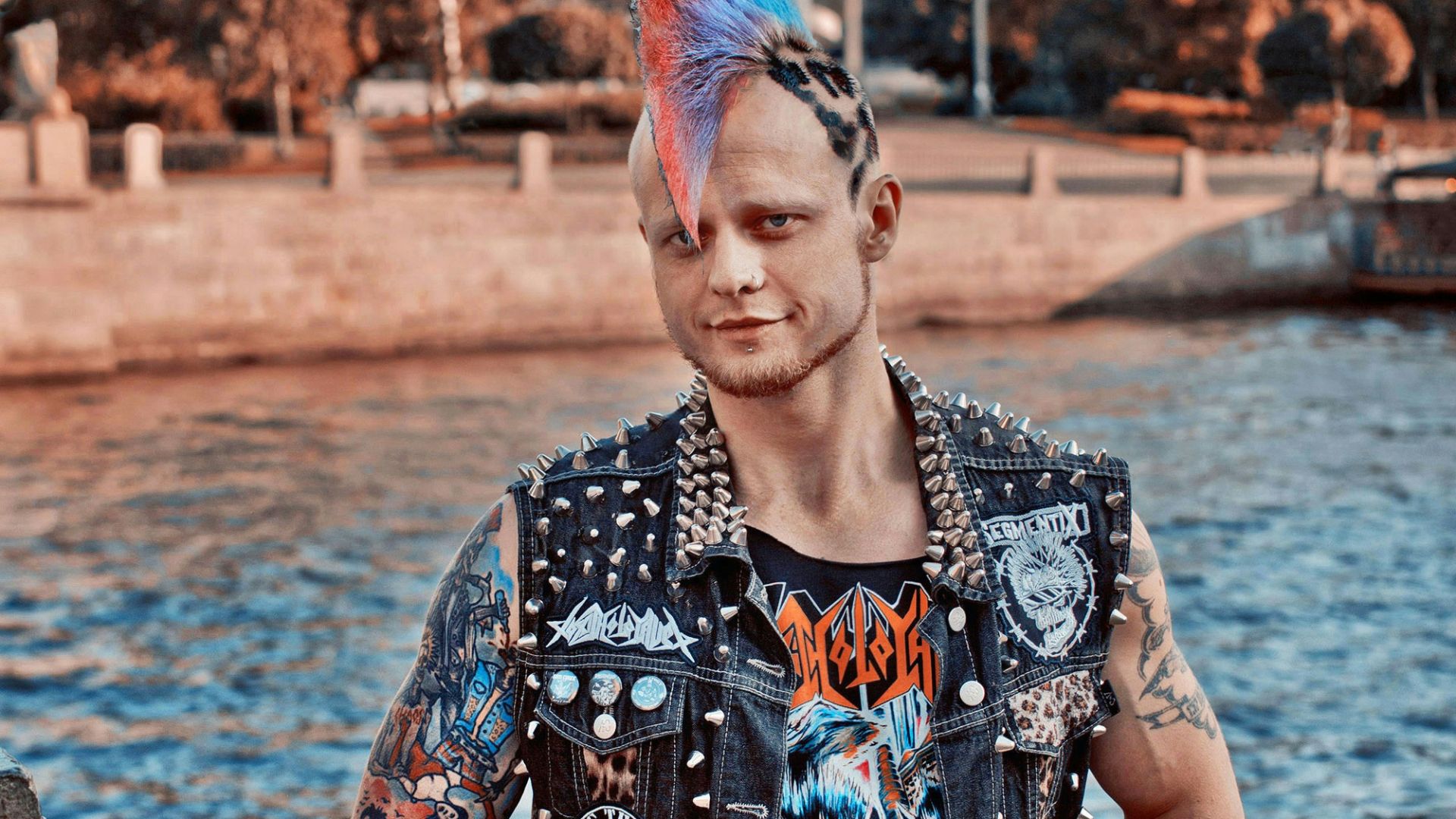
Punk was messy on purpose: thrifted, ripped, safety-pinned, and aggressively anti-polish as a statement. High-fashion versions keep the studs and the silhouette, but strip out the culture and the context. What’s left is curated rebellion—expensive, polished, and safe enough to wear to brunch.
7. Grunge Without The Grime
Grunge was never meant to be styled, which is partly why it hit so hard. Once it became a trend, the flannels got crisp, the holes looked intentional, and the whole thing turned into a controlled version of not caring.

8. Hip-Hop Style As A Seasonal Mood
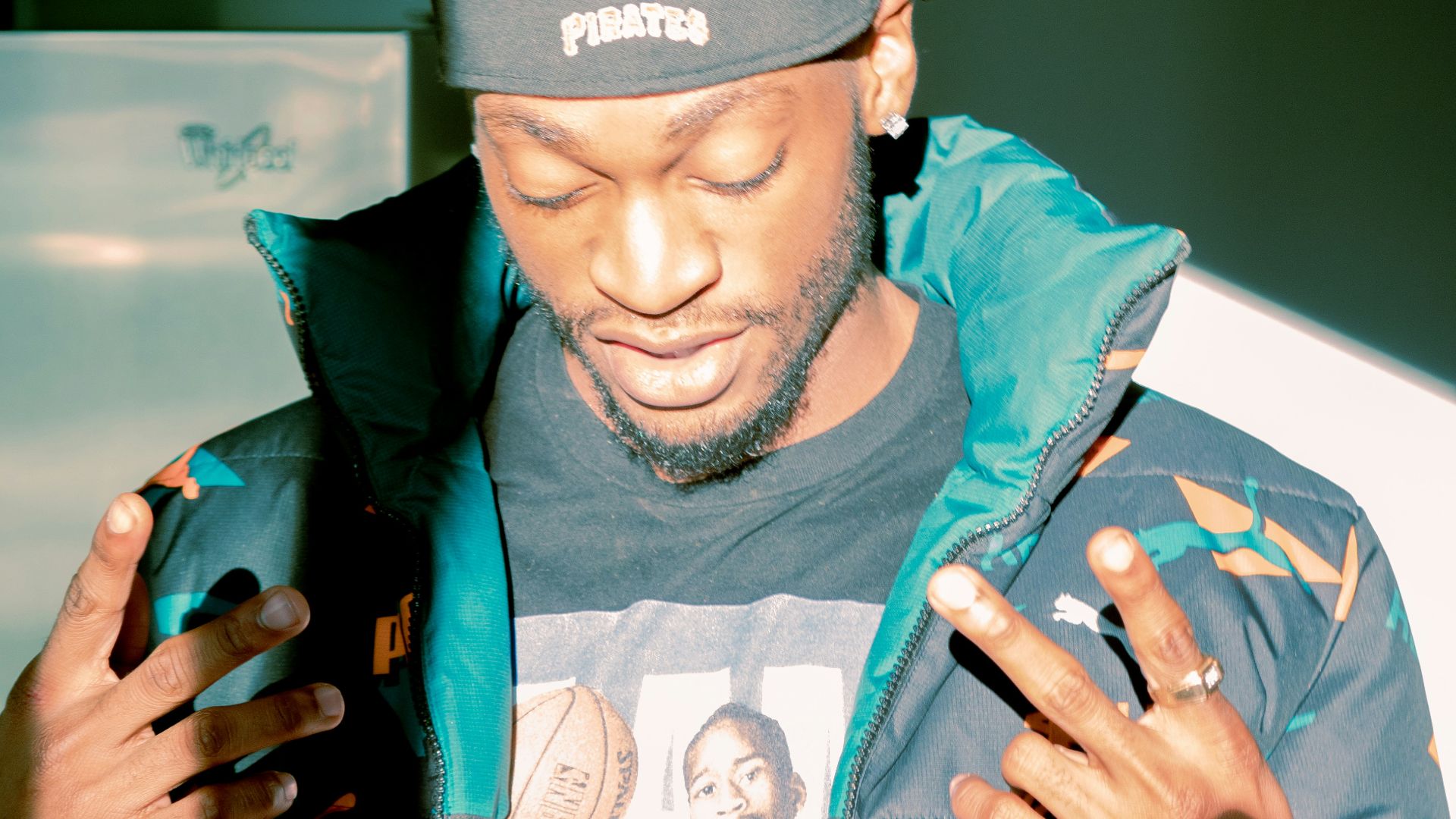
Baggy silhouettes, bold jewelry, and logo-heavy styling weren’t random; they were language, power, and presence. When brands sanitize it, the edge becomes urban-inspired, the cultural roots get skipped, and the people who built it rarely get credit.
9. Chola Style As A Costume
Chola aesthetics, liner, brows, nails, pressed hair, creased pants, come from lived experience and community identity. In sanitized form, it’s treated like a fun throwback look for a photoshoot, with none of the social baggage that real people carry for wearing it.

10. Indigenous Patterns As Print
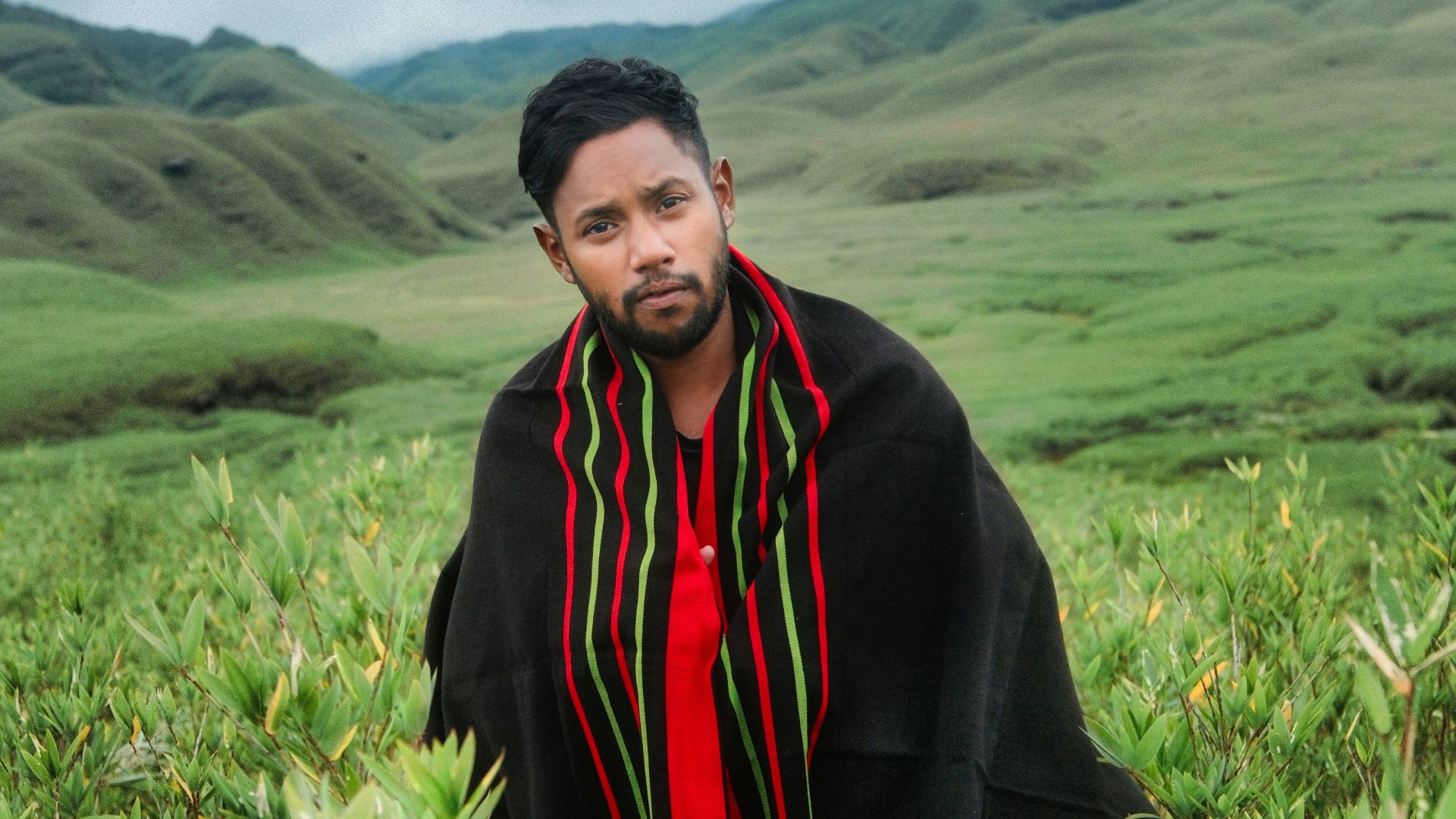
Indigenous designs often aren’t just decoration; they can be tied to place, lineage, ceremony, and meaning. When they get lifted onto mass-produced clothes, the result is usually global and vague, sold as a pattern trend with zero accountability.
11. Feathered Headpieces As Festival Gear
Certain ceremonial items were never meant to be party accessories, full stop. The sanitized version turns them into a vibe for photos, and the disrespect gets disguised as appreciation because it’s paired with a smile.
12. Henna As Cute Body Art
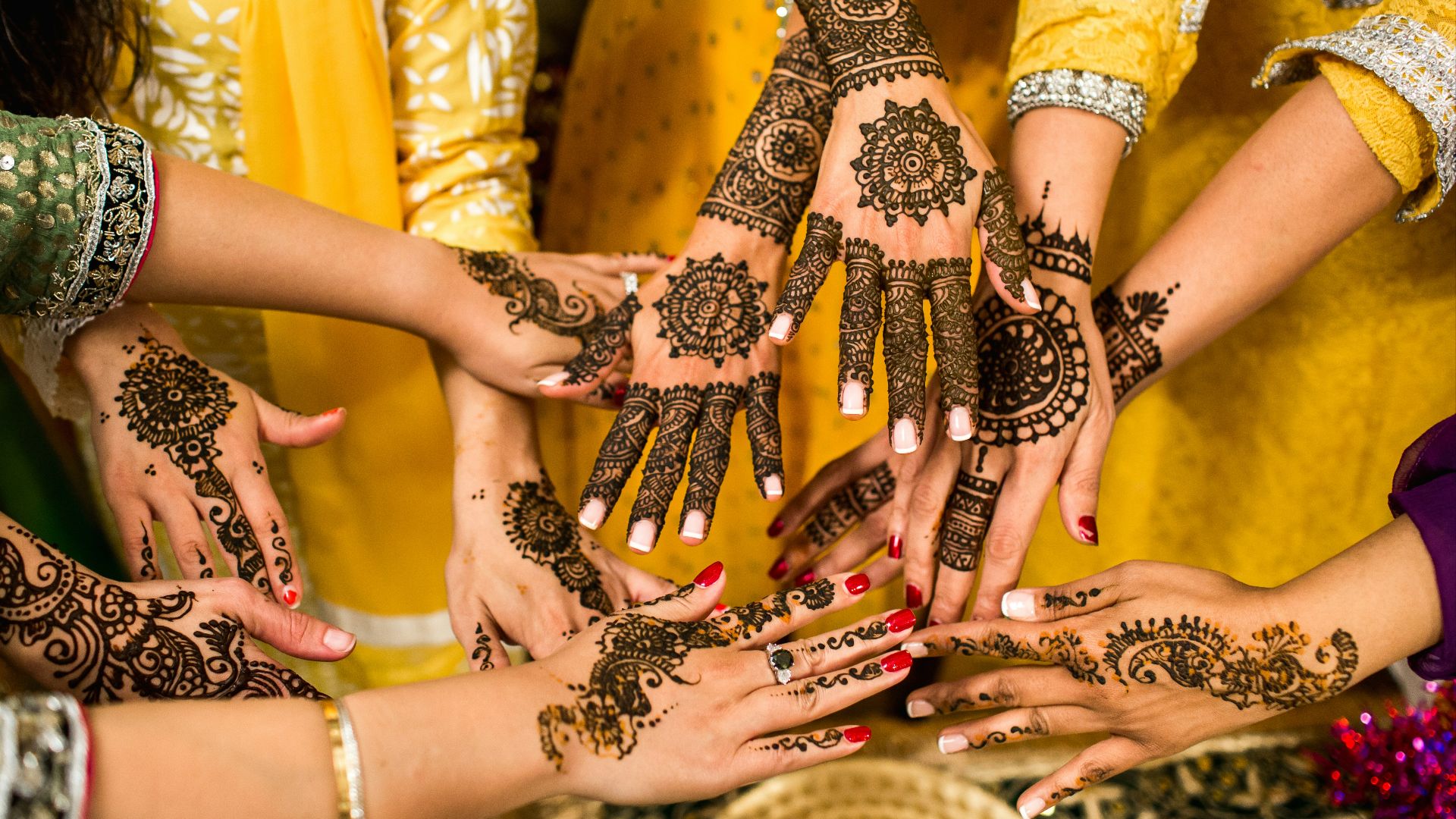
Henna has long cultural and celebratory roots across South Asia, North Africa, and the Middle East. When it’s treated as a trendy temporary tattoo with no context, the meaning gets diluted, and the craft gets reduced to something people try for a weekend.
 Vitaliy Lyubezhanin on Unsplash
13. Keffiyeh As A Style Scarf
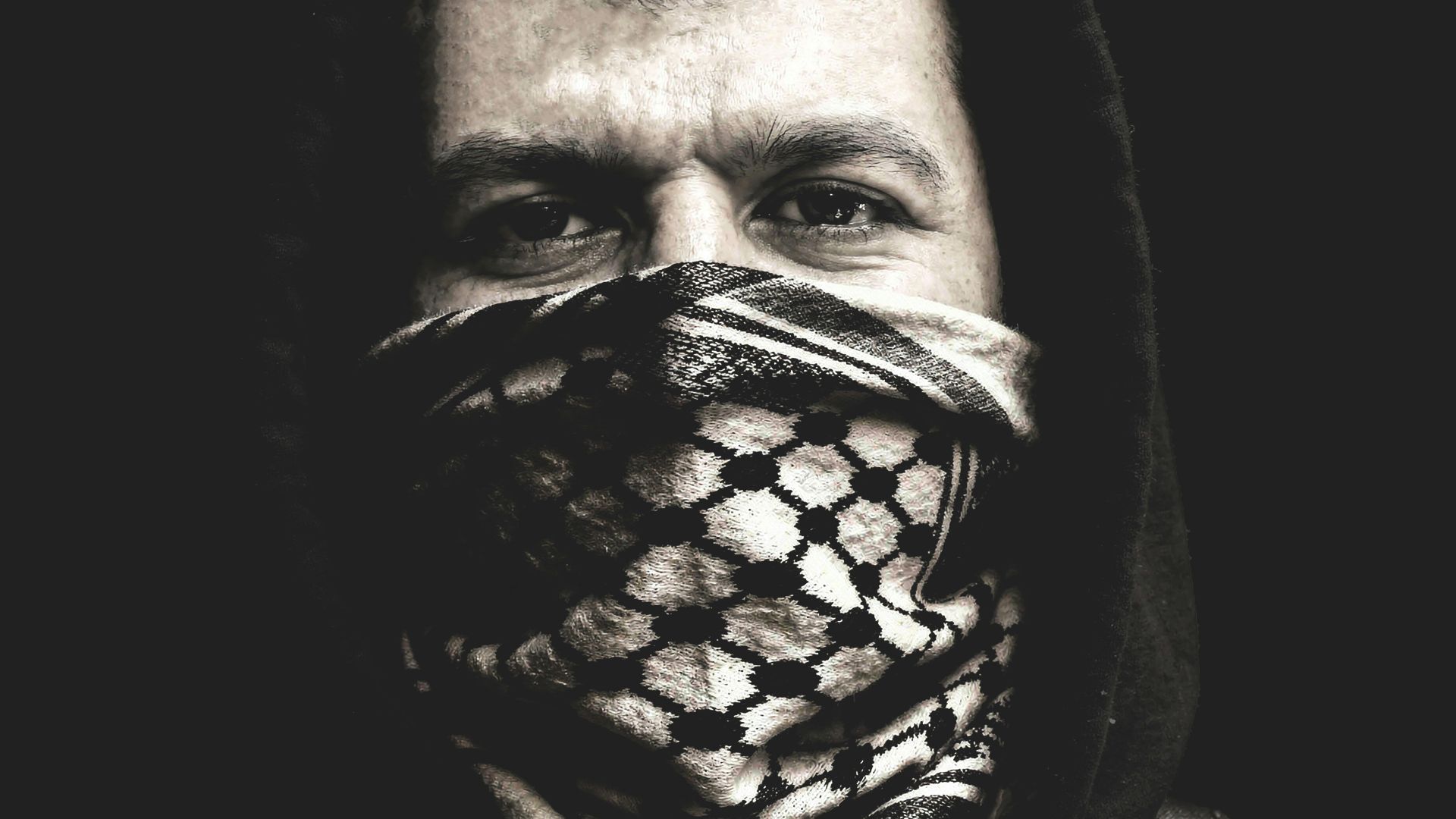
The keffiyeh carries political and cultural significance that’s not optional to the people connected to it. In sanitized cycles, it gets sold as a neutral accessory, stripped of meaning so buyers don’t have to think about anything beyond the outfit.
 Muhmed Alaa El-Bank on Unsplash
14. Kimono-Inspired Everything
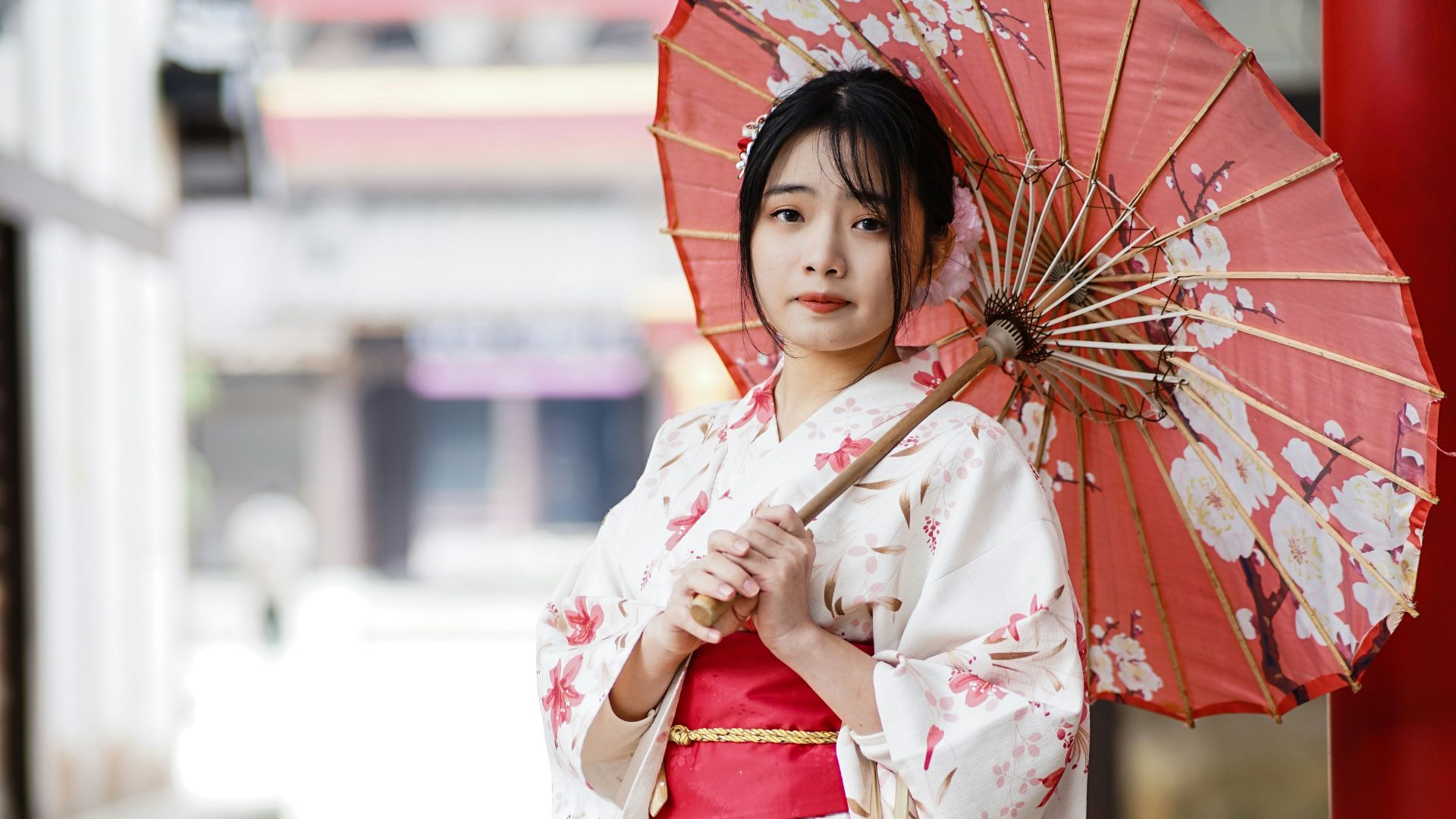
Traditional garments get mined for silhouettes, prints, and exotic appeal, then renamed so they sound like general fashion concepts. Sanitizing shows up in the language: the original name disappears, and suddenly it’s just a wrap, a robe, or a statement layer.
15. Workwear Without Working
Carhartt-style jackets, boots, and utilitarian fits came from labor and function, not aesthetics first. Once fashion takes it, the grime is gone, the wear is pre-faded, and the look becomes a clean costume of toughness.

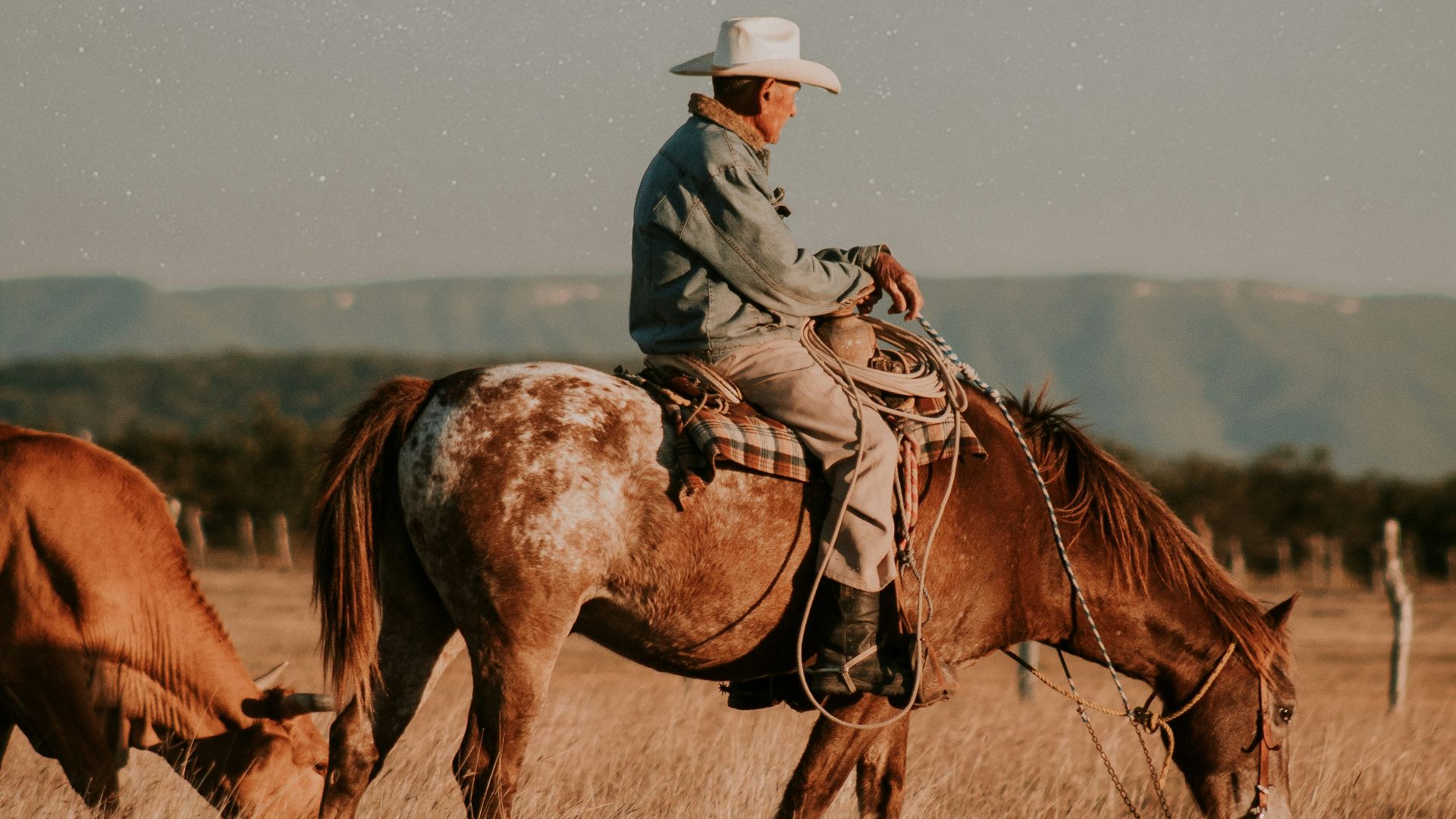
16. Cowboy Style Without The People Who Lived It
Western wear has deep roots across ranching culture, Indigenous influence, Mexican vaquero traditions, and regional identities. Sanitized western tends to flatten all of that into a generic hat-and-boots fantasy that plays well on social media.
17. Ballroom Aesthetics As Mainstream Pop
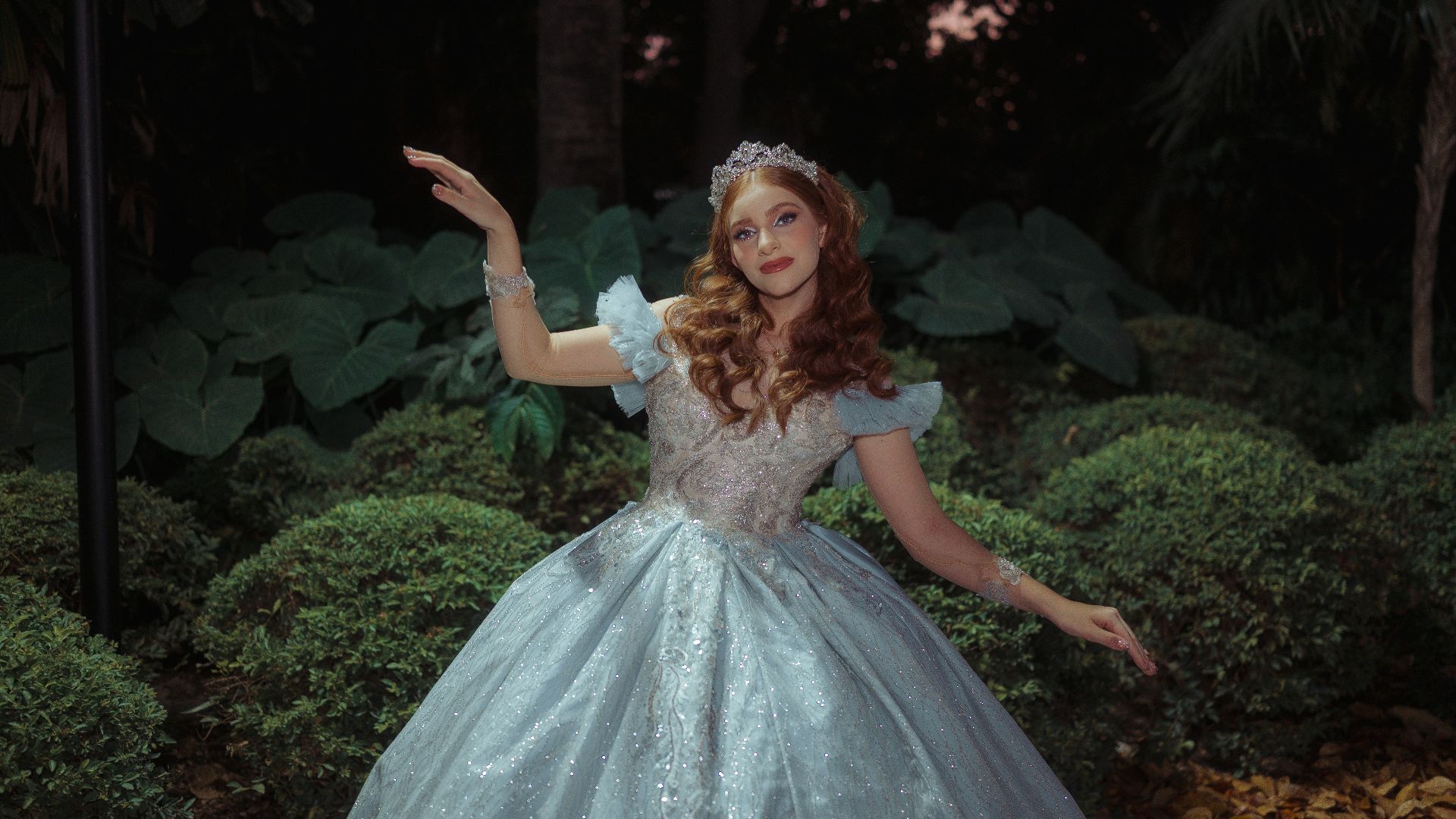
Ballroom culture built entire visual languages, attitude, silhouettes, performance style, under pressure and exclusion. When sanitized, the flair gets copied while the community gets treated like a footnote, even though they created the blueprint.
18. Goth As A Retail Color Palette
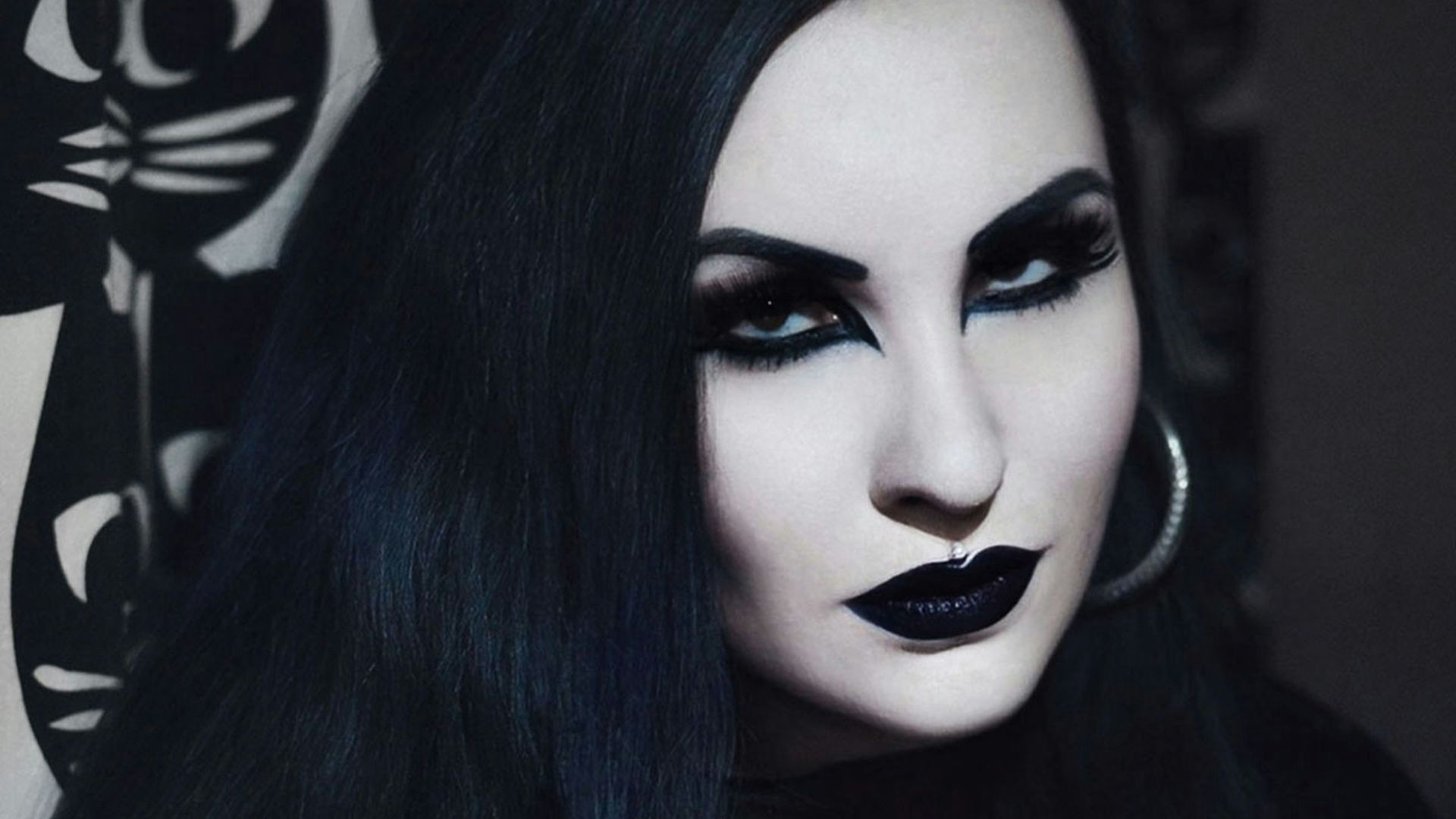
Goth has always been more than black clothing; it’s music, subculture, and a whole visual system with history. When brands sanitize it, it becomes dark romantic for a season, black lace without the scene, the sound, or the outsiders who carried it.
19. Military Style As Pure Design
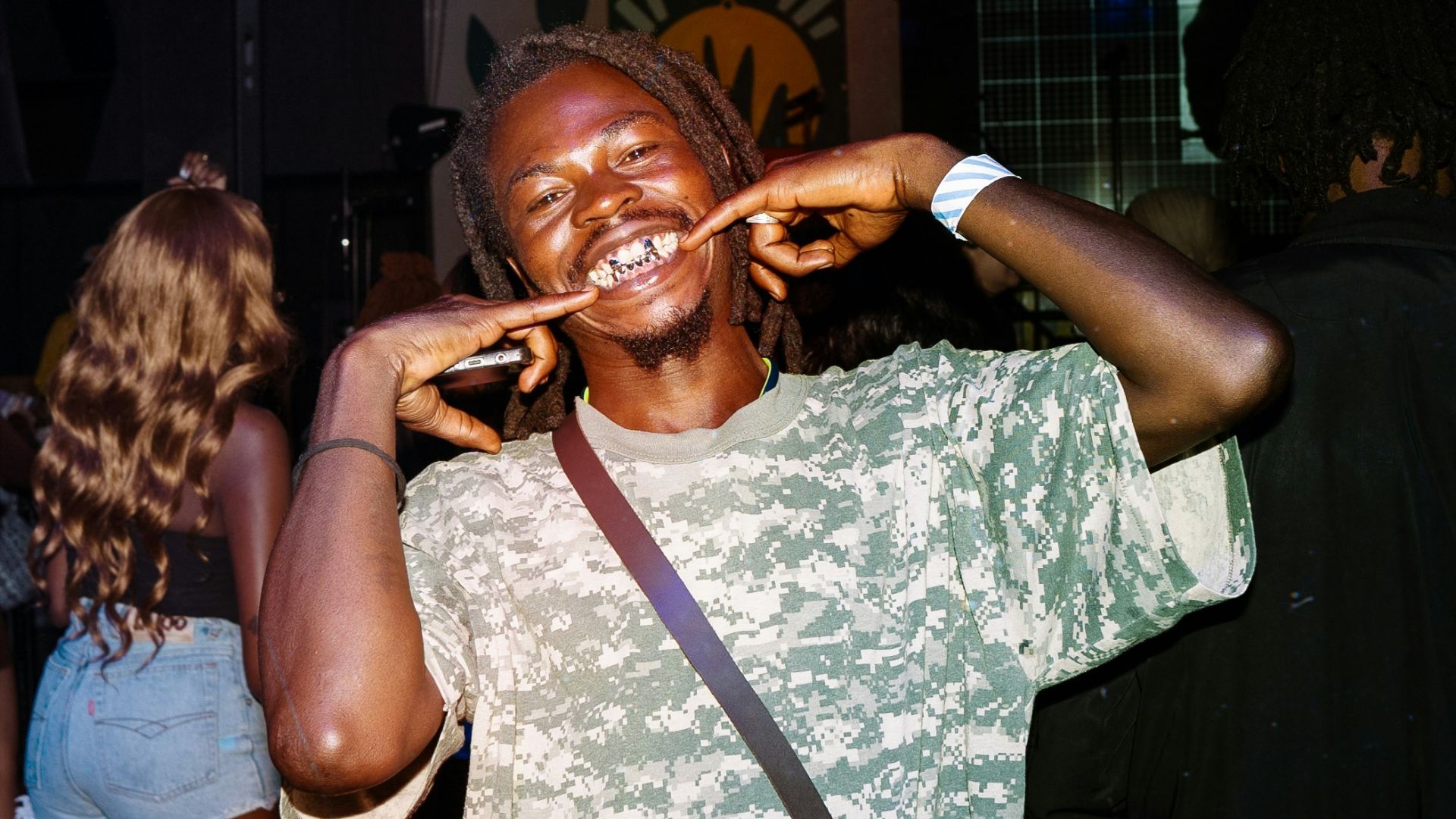
Military clothing has real associations, and not everyone experiences those associations the same way. Sanitizing turns it into clean structure and tough detailing, while ignoring what those uniforms and symbols have meant in the real world.
20. Sacred Symbols As Cute Jewelry
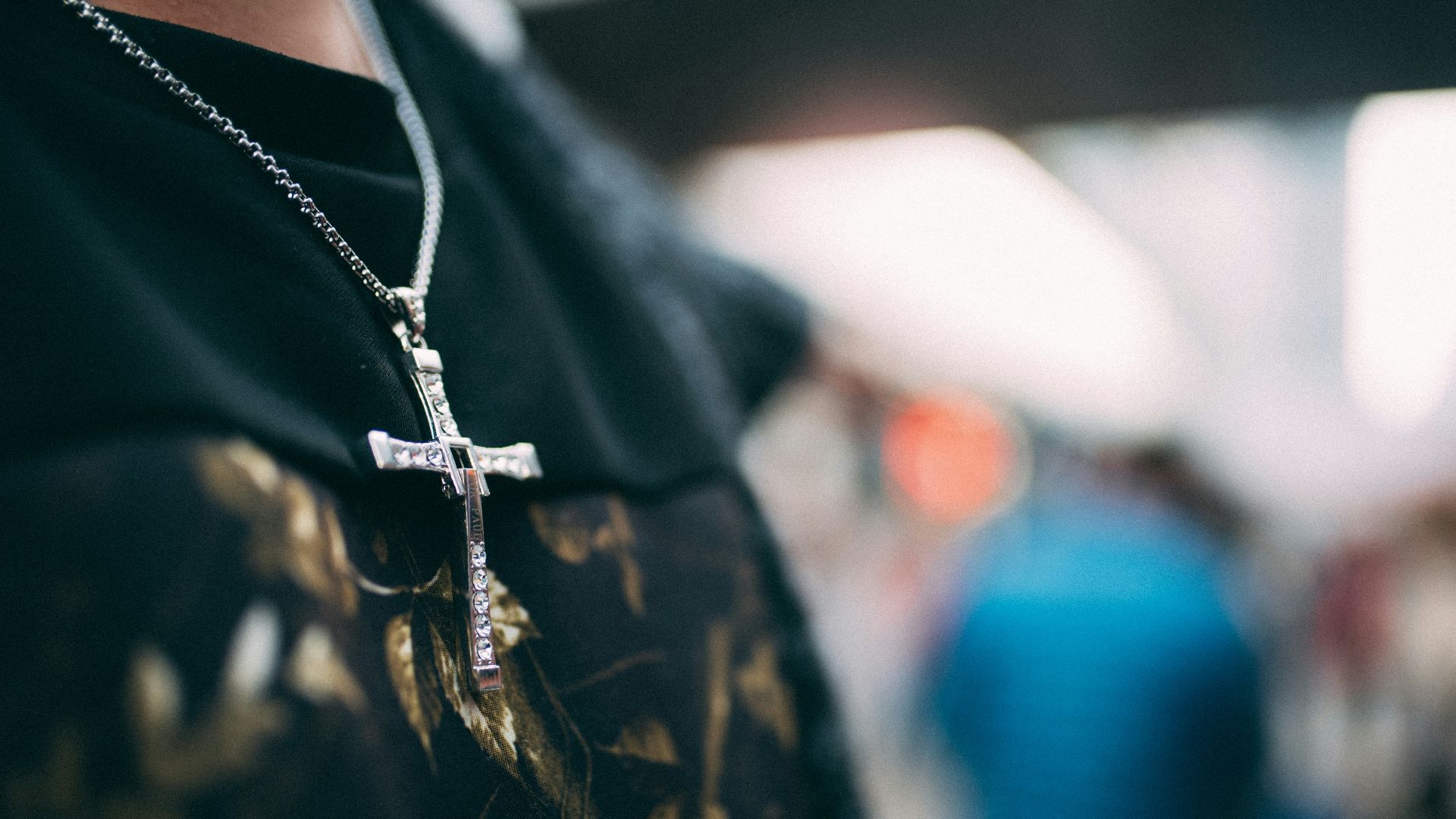
Religious and cultural symbols get turned into trendy accessories all the time because they look striking and photograph well. Sanitizing here is simple: the meaning gets treated as optional, and the symbol becomes just another aesthetic choice on a chain.