
The World of Cosmetic Surgery
Have you thought about going under the knife? Well, you're not alone. In fact, cosmetic surgery has steadily grown from a niche field into one of the most widely pursued areas of medicine worldwide; millions of people every year choose to undergo elective procedures for a wide range of reasons, and the motivations behind their decisions are often far more nuanced than popular culture suggests. Whether you're simply curious or actively considering a procedure yourself, here are 10 common reasons why people choose to do it, along with some of the most popular procedures they get.
1. To Boost Self-Confidence
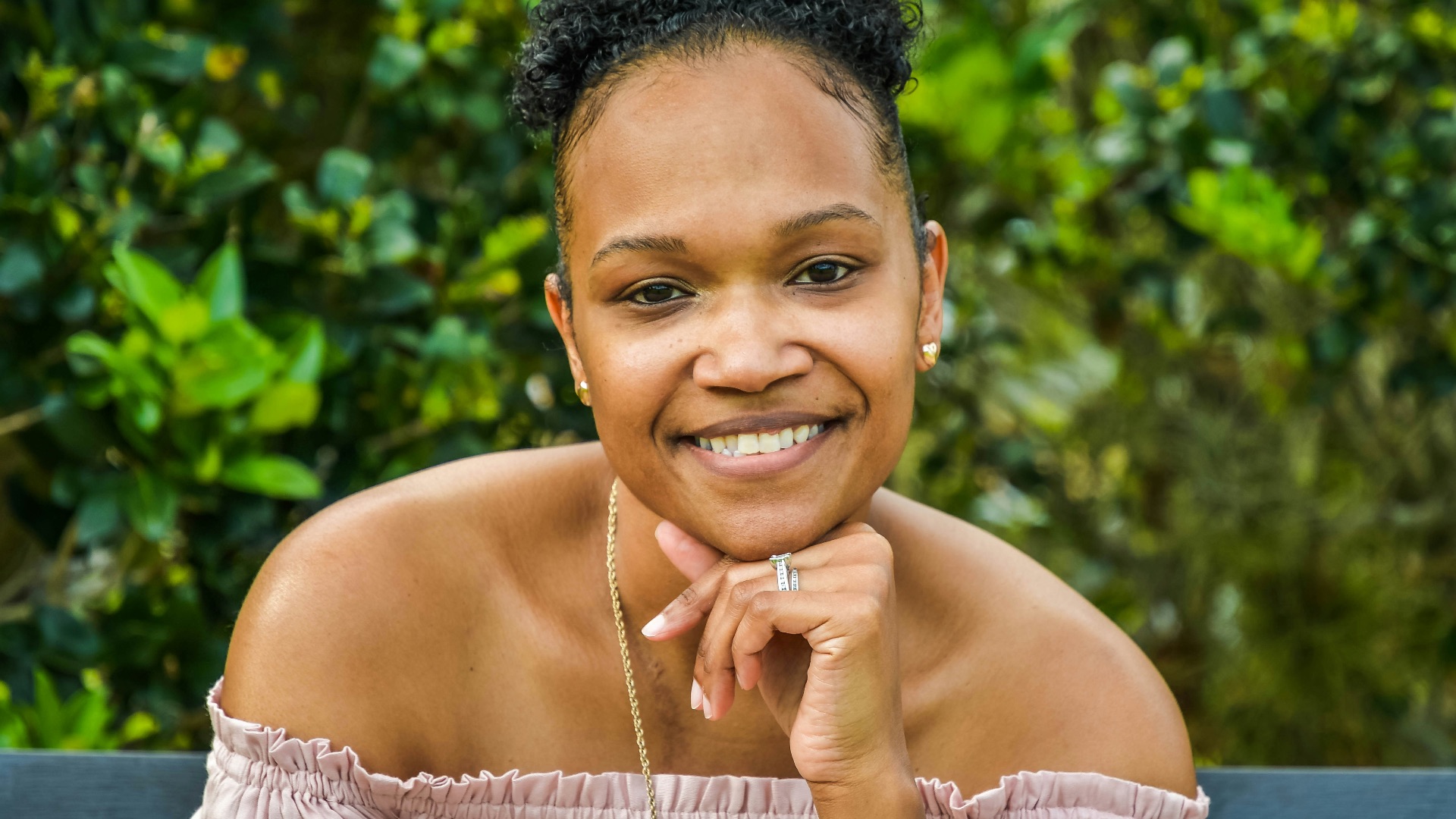
For many people, cosmetic surgery is ultimately about feeling more comfortable in their own skin, and the emotional benefits can be genuinely significant. Studies have shown that patients who undergo procedures they've carefully considered often report higher levels of self-esteem and social confidence afterward. It's not about chasing an impossible standard; it's about addressing something that's been a consistent source of personal discomfort.
2. To Correct a Physical Insecurity
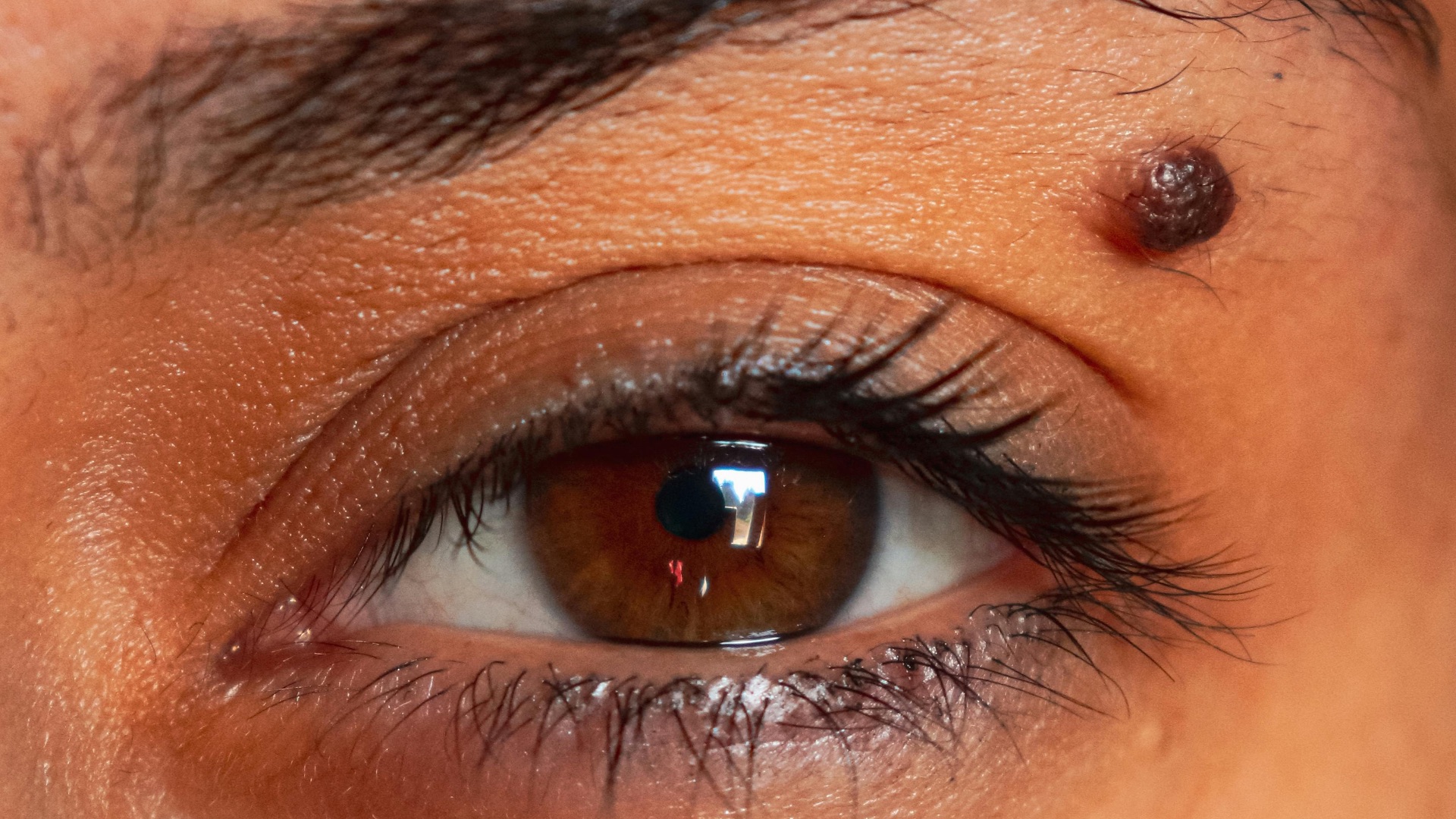
Some people carry long-standing insecurities about a specific feature that no amount of styling, makeup, or positive self-talk has been able to resolve. When something has bothered you since childhood or adolescence, it can quietly affect your confidence in social and professional settings over many years. Cosmetic surgery offers a more permanent solution for those who've reached a point where they feel ready to address it directly.
3. To Restore Appearance After Significant Weight Loss
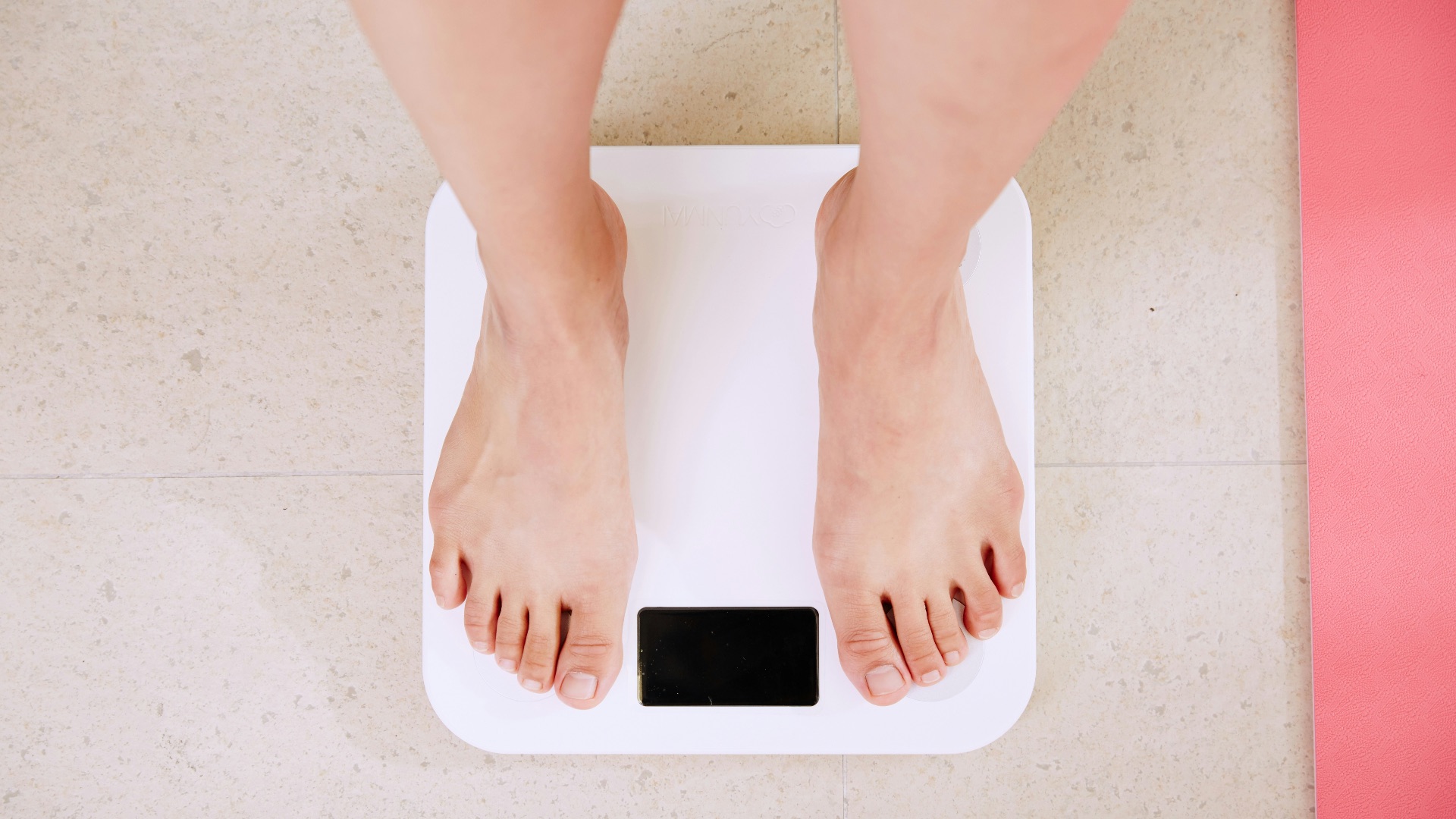
Losing a large amount of weight is a tremendous achievement, but it can leave behind excess skin that's difficult or impossible to address through exercise alone. Procedures like body contouring and tummy tucks are specifically designed to help patients who've worked hard to improve their health but feel held back by the physical aftermath of that journey. For many, cosmetic surgery becomes the final step in a much larger transformation.
4. To Reconstruct After an Illness or Medical Procedure
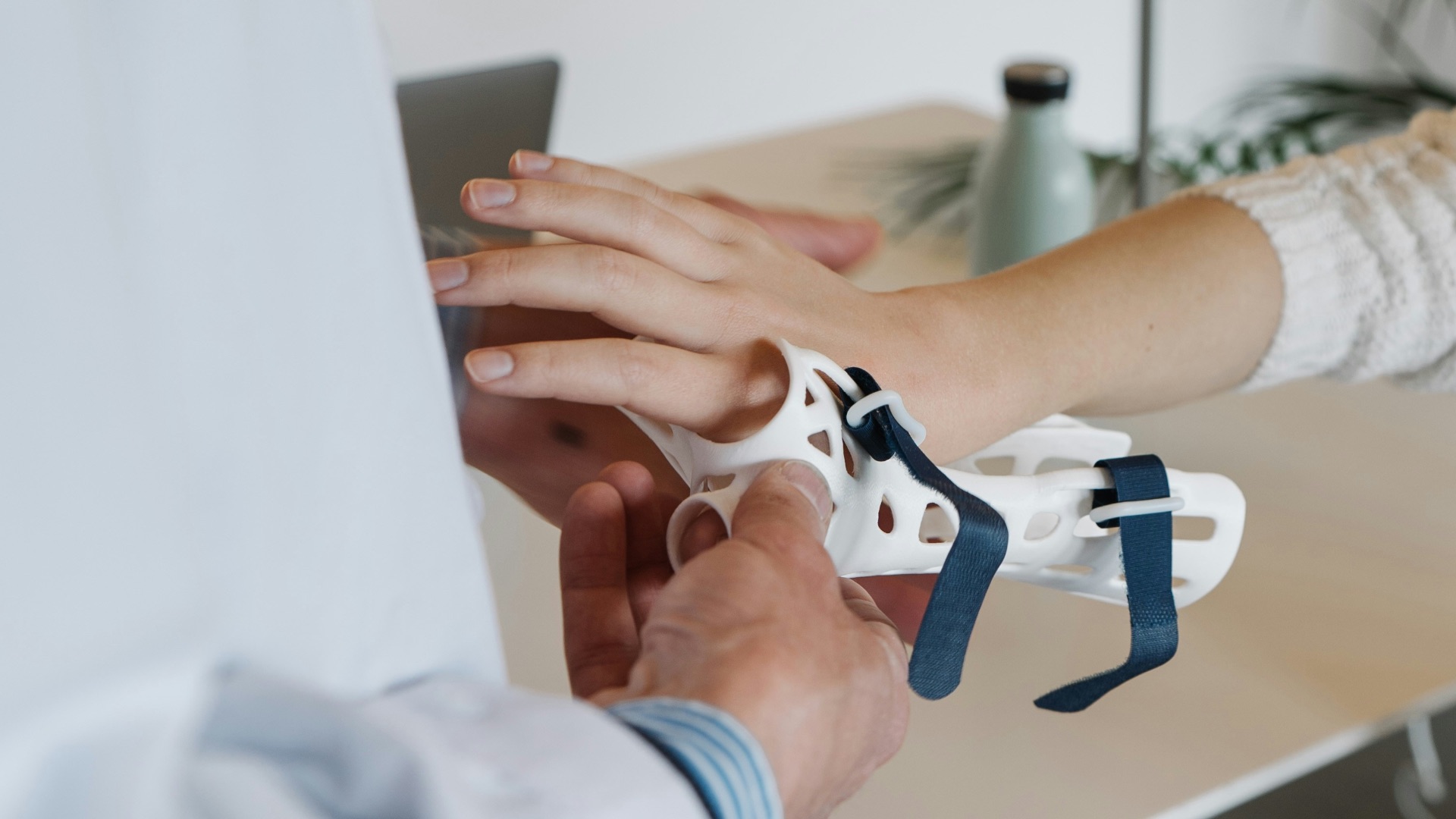
Cosmetic and reconstructive surgery frequently go hand in hand, particularly for patients recovering from serious medical conditions. Rebuilding a part of the body that's been altered by illness or treatment can play a meaningful role in a patient's overall recovery and sense of normalcy.
5. To Address the Natural Effects of Aging
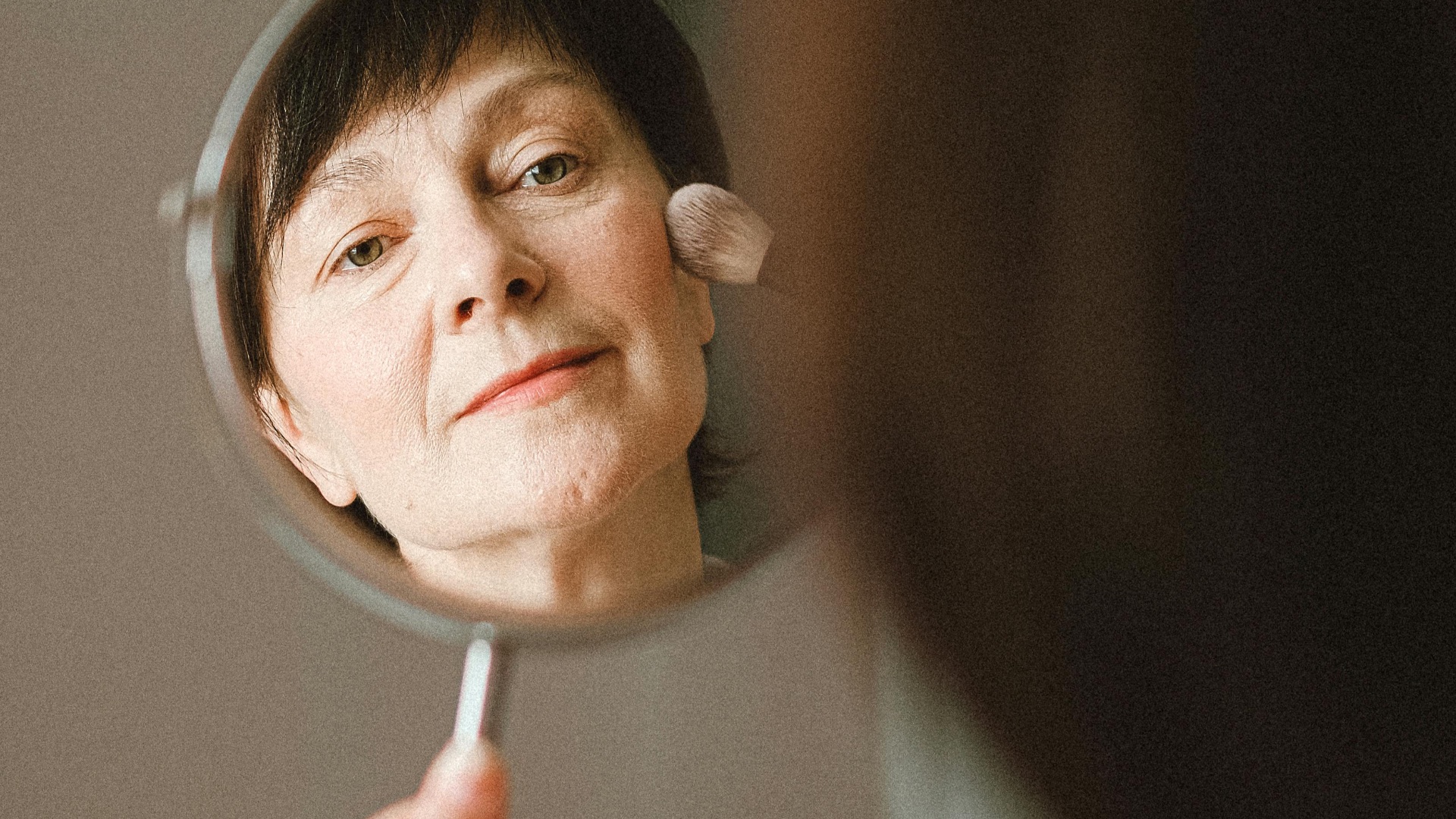
As the body ages, changes in skin elasticity, volume, and texture are completely natural, but not everyone feels comfortable with how those changes affect their appearance. Many people who pursue cosmetic procedures aren't trying to look dramatically different; they simply want to look like a rested, refreshed version of themselves. Anti-aging procedures have become increasingly sophisticated, offering subtle results that don't sacrifice a natural look.
6. To Repair Damage From an Accident or Injury
Accidents, sports injuries, and trauma can leave lasting physical marks that patients want to have corrected once they've fully healed. Scarring, asymmetry, and structural changes to the face or body are all things that reconstructive cosmetic surgery can help address effectively. For patients in these situations, the decision to pursue surgery is often less about aesthetics and more about returning to a sense of physical normalcy.

7. To Improve Physical Comfort, Not Just Appearance
Not all cosmetic procedures are purely aesthetic, and plenty of people pursue surgery because a physical feature is causing them genuine discomfort or functional issues. Rhinoplasty, for example, is sometimes performed to correct a deviated septum that's been impairing breathing, while breast reduction surgery can relieve chronic neck and back pain. The line between cosmetic and functional surgery is often blurrier than people assume.

8. To Feel More Aligned with Their Gender Identity
Gender-affirming surgeries are an important part of cosmetic and reconstructive medicine, helping transgender and non-binary individuals feel more at home in their bodies. These procedures can have a profound positive impact on mental health and overall quality of life, and they're increasingly recognized as medically necessary rather than merely elective. The decision to pursue gender-affirming surgery is deeply personal, and it deserves to be treated with the same respect as any other medical choice.

9. To Keep Up with Professional or Social Pressures
It's no secret that certain industries place a heavy emphasis on physical appearance, and some people feel that maintaining a particular look is tied to their professional standing or opportunities. While this is a more complex and sometimes controversial motivation, it's a real factor for people working in entertainment, media, and other appearance-conscious fields. Cosmetic surgery in these contexts is often viewed as a career investment rather than a personal indulgence.

10. To Do Something Just for Themselves
Sometimes the reason is refreshingly simple: a person has spent years prioritizing everyone else and has decided it's their turn to do something that makes them feel good. Many patients, particularly those who've been through major life changes like divorce, illness, or the end of caregiving responsibilities, describe cosmetic surgery as a form of self-care and personal renewal. There's nothing wrong with wanting to invest in yourself, provided the decision is made thoughtfully and for the right reasons.
Curious about which procedures are the most common ones that people get done? Whether you're considering getting any of them or you're just curious, read on.

1. Breast Augmentation
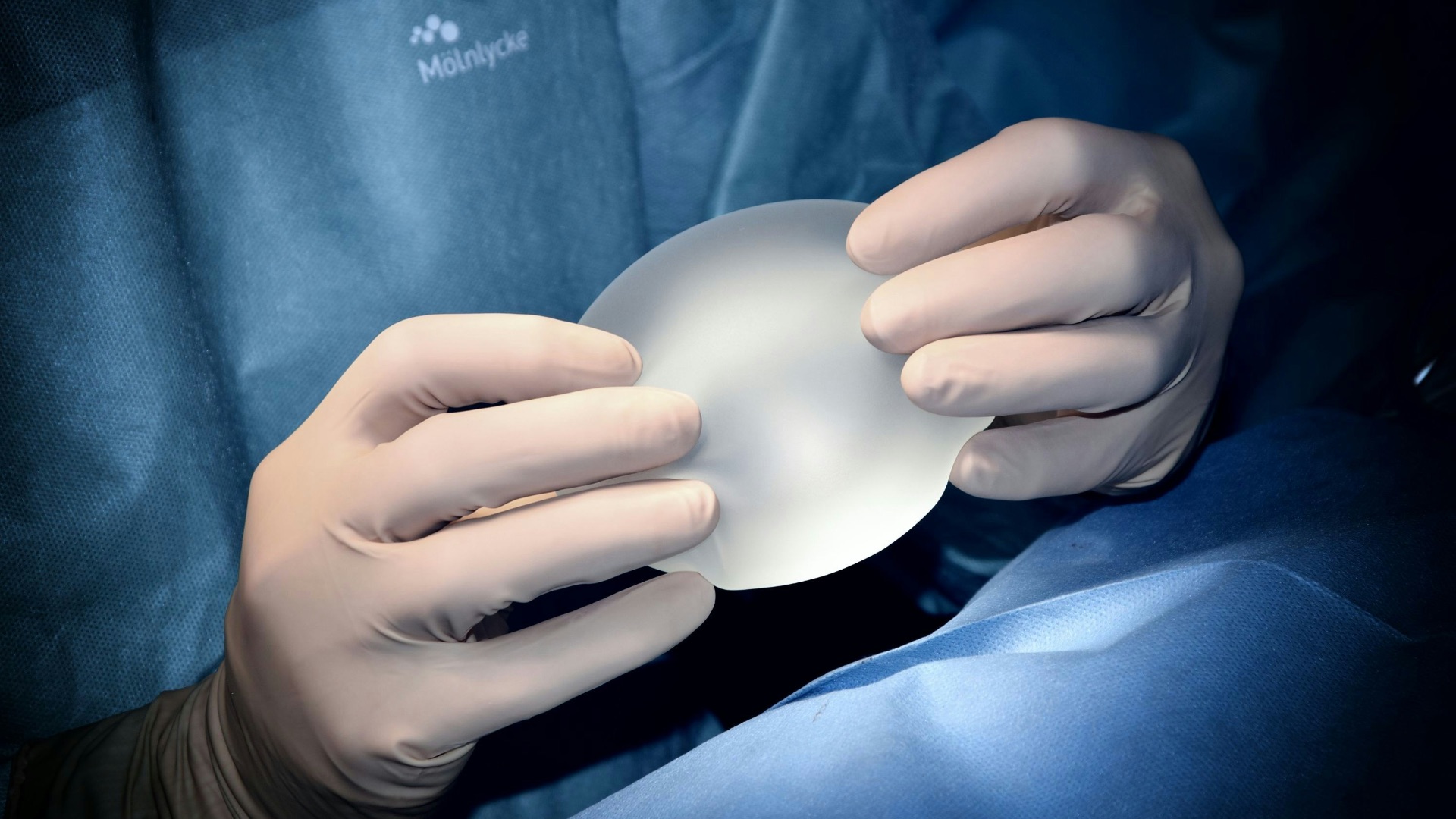
Breast augmentation consistently ranks as one of the most frequently performed cosmetic surgeries in the United States, involving the placement of implants or the use of fat transfer to increase size and improve shape. Patients pursue this procedure for a variety of reasons, including restoring volume lost after pregnancy or significant weight loss, as well as addressing natural asymmetry. Advances in implant technology and surgical techniques have made results more natural-looking than ever before.
 philippe spitalier on Unsplash
2. Liposuction
Liposuction is a body contouring procedure that removes stubborn pockets of fat from areas like the abdomen, thighs, arms, and neck that haven't responded to diet and exercise. It's important to understand that liposuction isn't a weight-loss tool; it's designed to reshape and refine specific areas of the body in patients who are already near their target weight. The procedure can be performed using several techniques, including tumescent liposuction and laser-assisted methods, depending on the patient's needs.

3. Rhinoplasty
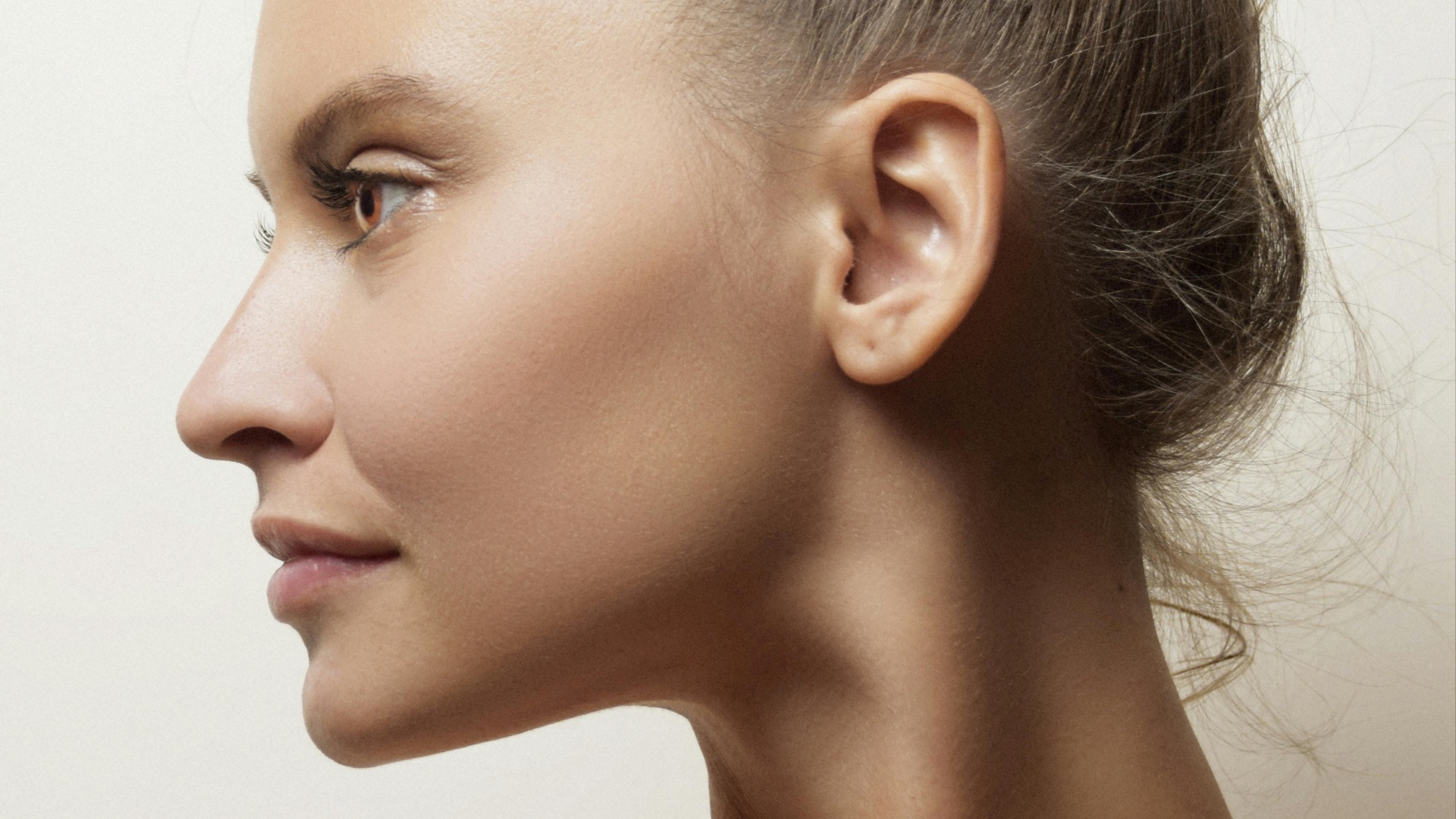
Rhinoplasty, commonly known as a nose job, is one of the most technically complex cosmetic procedures because even small changes to the nose can have a significant impact on overall facial harmony. Surgeons can modify the size, shape, tip, bridge, and nostril width of the nose, and the procedure is sometimes combined with functional corrections like septoplasty. Recovery typically involves some swelling and bruising for several weeks, with final results becoming fully visible after about a year.
 Alexander Krivitskiy on Pexels
4. Eyelid Surgery
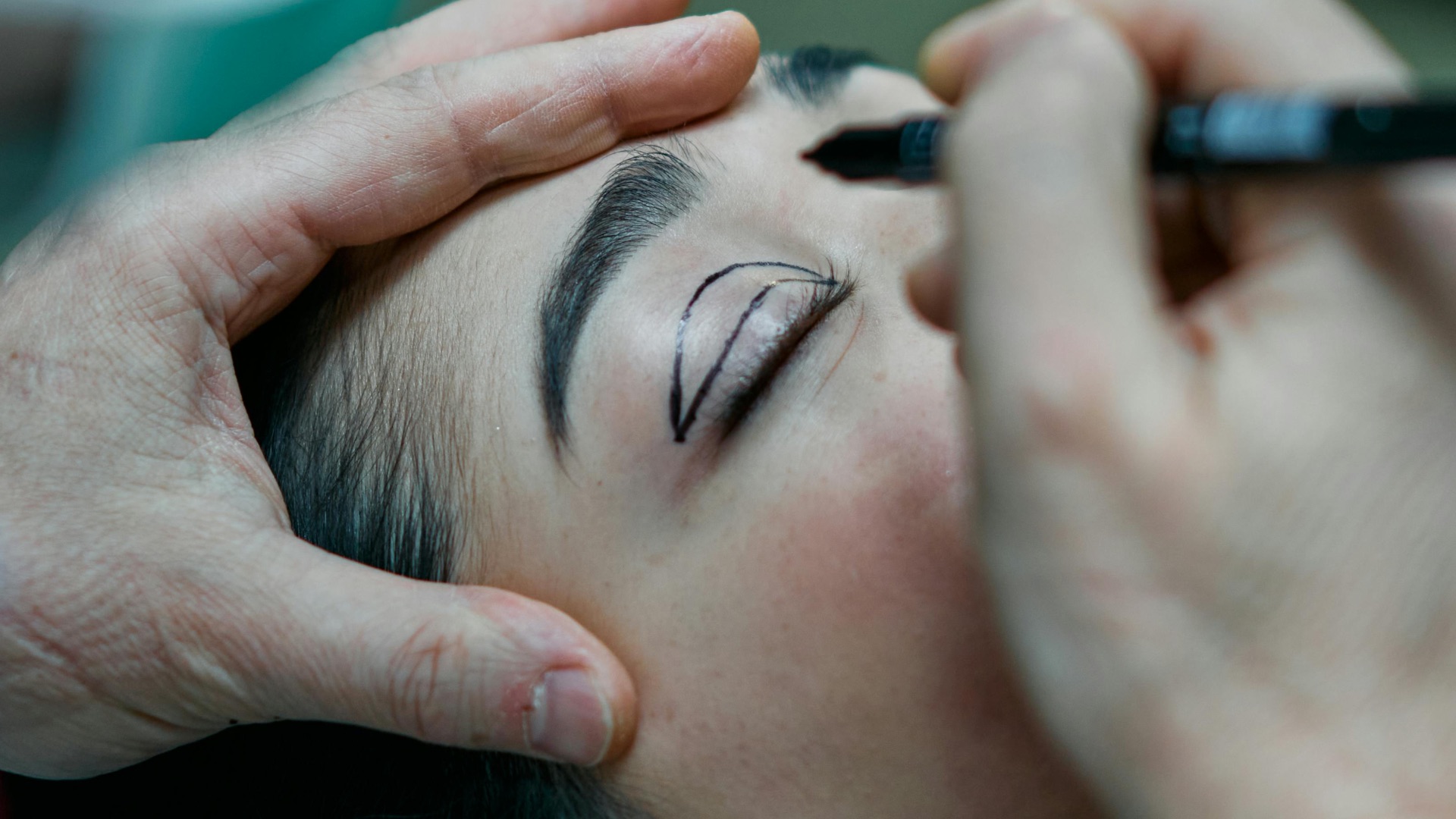
Blepharoplasty addresses drooping or puffy eyelids by removing excess skin, fat, or muscle from the upper and lower eyelids, resulting in a more alert and youthful appearance. In some cases, severely drooping upper eyelids can actually impair a patient's field of vision, making this procedure both cosmetic and functionally beneficial. It's one of the more subtle anti-aging surgeries available, and the results tend to look very natural when performed by an experienced surgeon.
5. Facelift
A facelift is a surgical procedure that addresses sagging skin and deep facial creases by lifting and repositioning the underlying tissues of the face and neck. Modern facelift techniques have moved away from the overly tight, pulled look of the past, with surgeons now focusing on restoring volume and natural contours rather than simply pulling skin taut. Recovery typically takes two to four weeks, and results can last anywhere from five to 10 years, depending on the patient's skin quality and lifestyle.

6. Tummy Tuck
An abdominoplasty removes excess skin and fat from the abdomen while tightening the underlying abdominal muscles, creating a smoother and firmer midsection. It's particularly popular among women who've experienced significant changes to their abdominal area after pregnancy, as well as patients who've lost a large amount of weight. This procedure is often combined with liposuction for more comprehensive body contouring results.

7. Breast Lift
A breast lift, or mastopexy, raises and reshapes breasts that have lost their firmness and position due to aging, pregnancy, breastfeeding, or weight fluctuations, without necessarily changing their size. Unlike breast augmentation, the focus of a mastopexy is on repositioning to achieve a more youthful contour. Some patients opt to have both procedures performed together if they want to address both volume and position at the same time.

8. Botox Injections
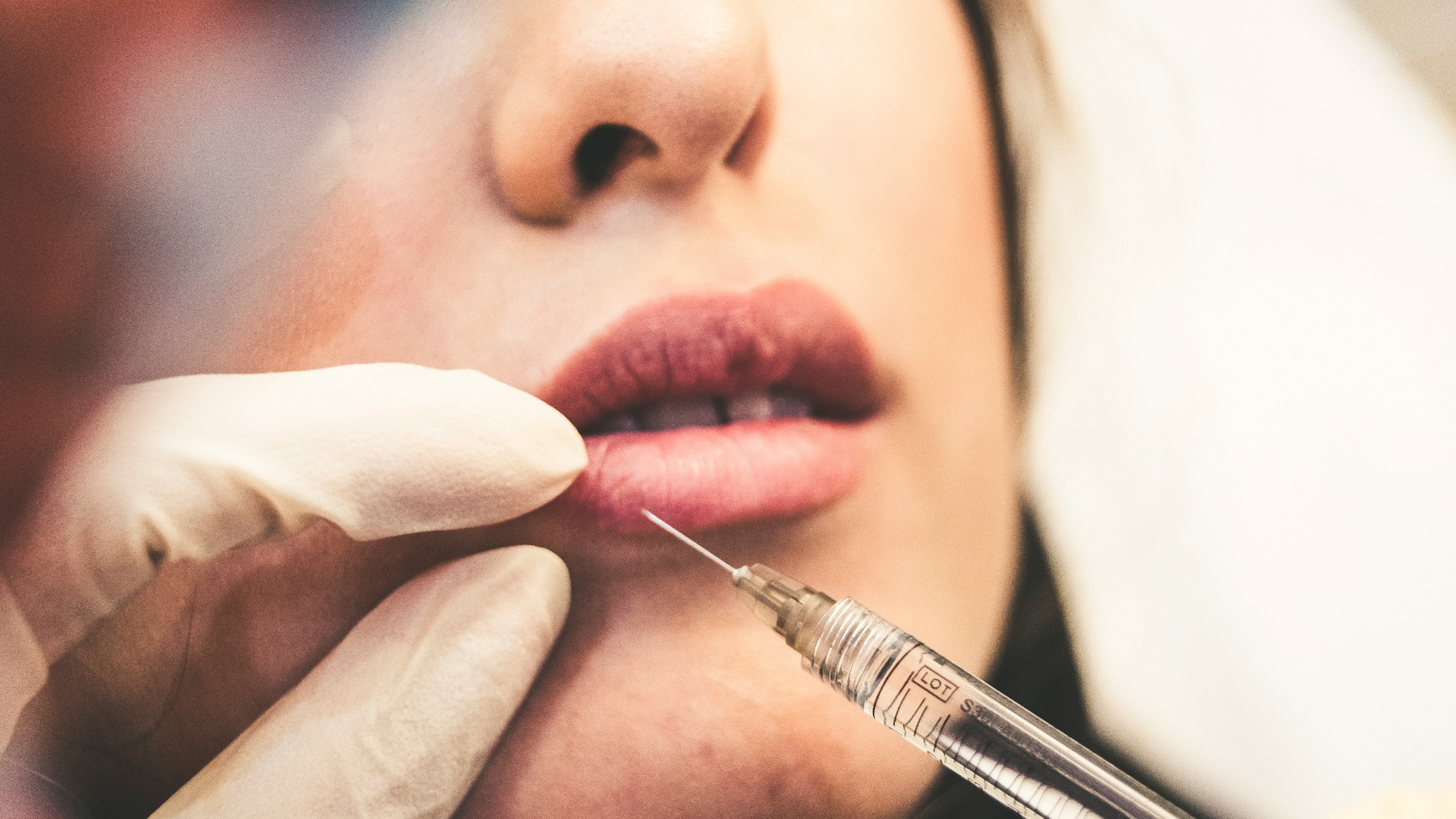
Botox is the most popular non-surgical cosmetic treatment in the world, using a purified form of botulinum toxin to temporarily relax the facial muscles responsible for expression lines and wrinkles. The injections are quick, require no downtime, and typically last between three and six months, making them an appealing option for patients who aren't ready for surgical procedures. Botox is most commonly used on forehead lines, crow's feet, and the area between the eyebrows, though it has a growing list of other medical and cosmetic applications.
9. Dermal Fillers
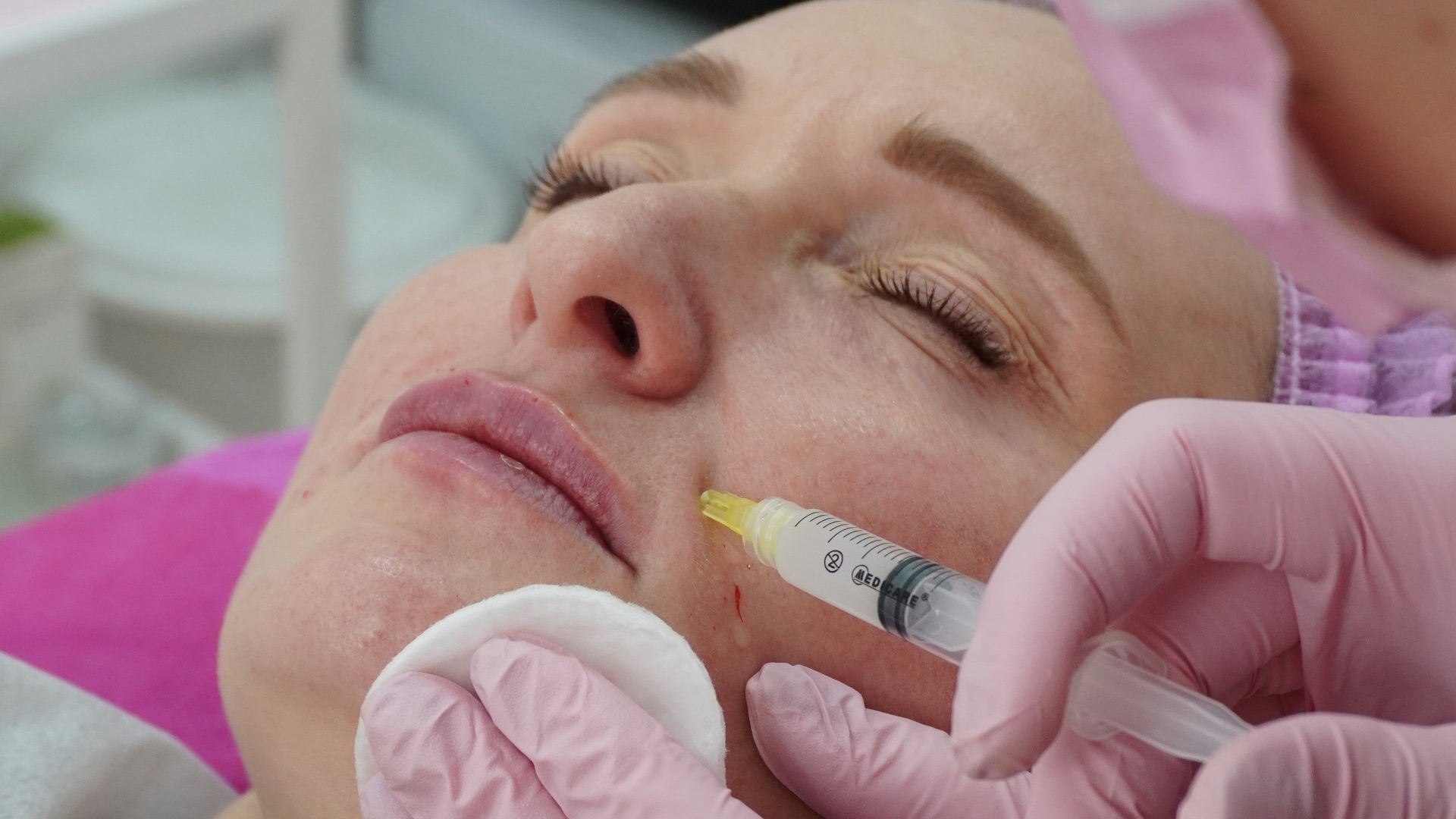
Dermal fillers are injectable substances, most commonly hyaluronic acid, that are used to restore lost volume, smooth out lines, and enhance facial contours in areas like the cheeks, lips, and under-eye hollows. They work differently from Botox in that they add volume rather than relaxing muscles, and the results are typically immediate. Fillers are temporary, lasting anywhere from six months to two years, depending on the product used and the area treated, and they can be dissolved if the patient isn't happy with the outcome.
10. Brazilian Butt Lift (BBL)
The Brazilian butt lift has surged in popularity over the past decade, involving the harvesting of fat from one area of the body and transferring it to the buttocks to add volume and improve shape. Because it uses the patient's own fat rather than implants, the results tend to feel more natural and carry a lower risk of rejection. However, it's worth noting that the BBL does carry a higher surgical risk than many other cosmetic procedures, so choosing a highly qualified and experienced surgeon is absolutely essential.