
When the Runway Changed What Everyone Wore
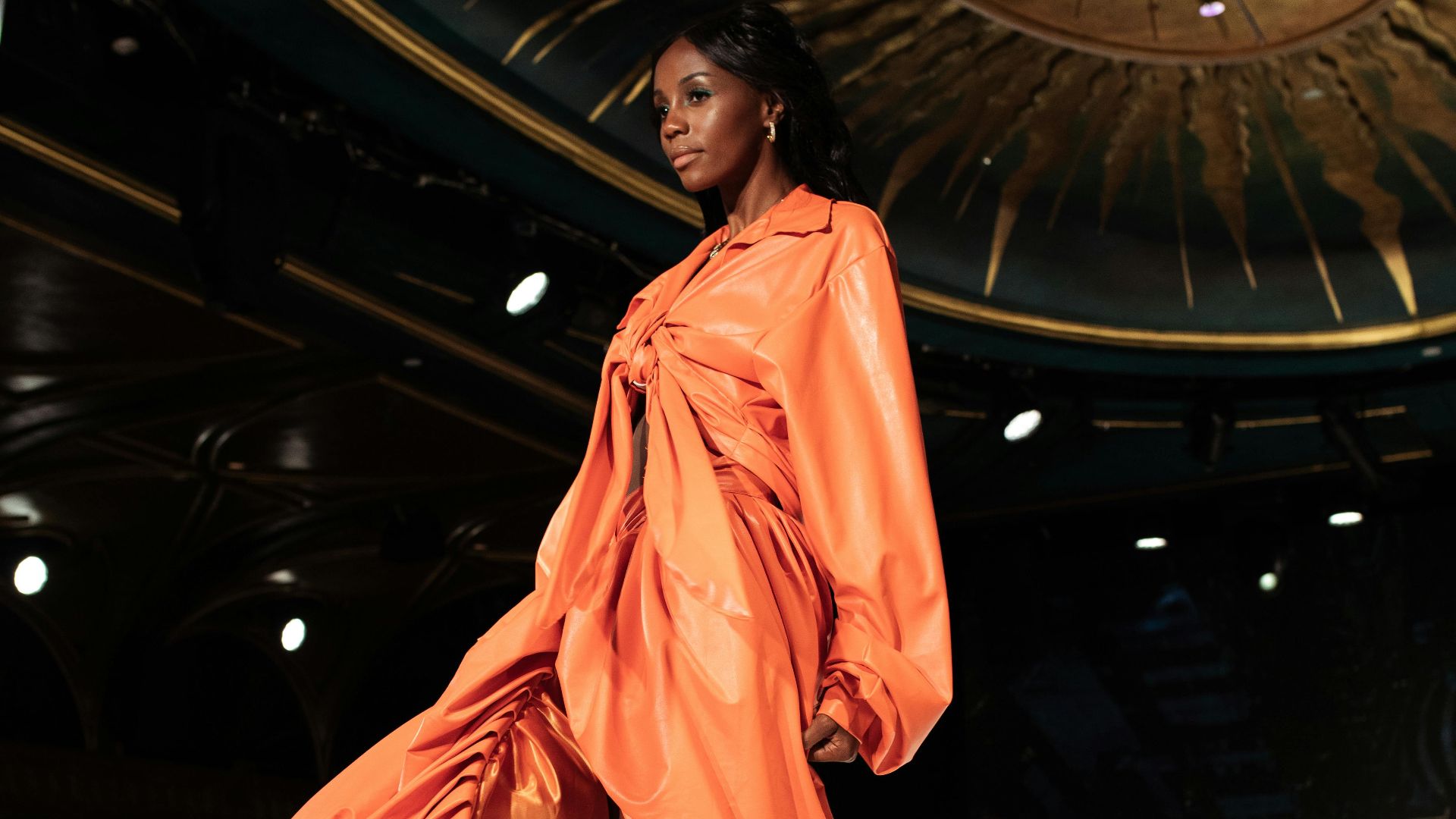
New York Fashion Week (NYFW) has long been more than a preview of designer collections; it’s a signal flare for where style is headed next. From redefining tailoring to reshaping how everyday basics are worn, NYFW moments often ripple outward into closets around the world. These 20 standout instances show how the runway didn’t just reflect fashion culture but actively pushed it forward.
1. The Rise of Power Dressing in the 1980s
Designers leaned into sharp shoulders and tailored silhouettes that matched the era’s corporate ambition. Suits became statements of authority rather than uniforms. The look quickly moved from runways to offices nationwide. It helped redefine how women used fashion to project confidence and leadership.
2. Minimalism Takes Over in the 1990s
Clean lines and neutral palettes replaced excess and ornamentation. Designers emphasized simplicity, fit, and restraint. This shift influenced everything from casual wear to formal wardrobes. The trend also aligned with a broader cultural move toward understated luxury.
3. Streetwear Enters the Luxury Conversation
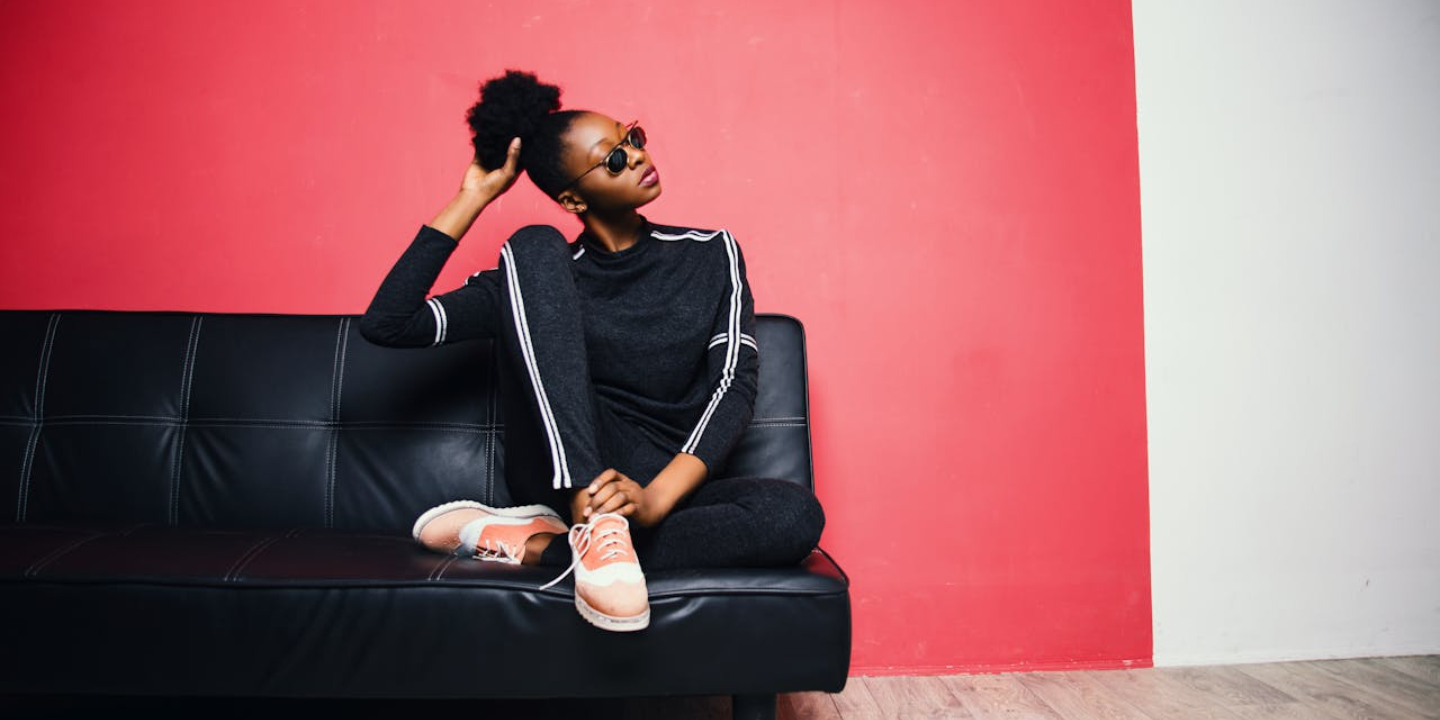
Hoodies, sneakers, and graphic tees appeared alongside traditional tailoring. NYFW legitimized streetwear as high fashion. The blend reshaped how luxury brands approached casual clothing. It permanently altered expectations of what belonged on a luxury runway.
 Peter T from Brooklyn, NY, USA on Wikimedia
4. The Supermodel Era Peaks
NYFW is a big reason why certain models became household names. Their presence amplified trends instantly through media coverage, and fashion became inseparable from celebrity culture during this period. Model visibility helped turn runway moments into mainstream phenomena overnight.
5. Athleisure Goes Mainstream
Leggings, performance fabrics, and sporty silhouettes dominated collections. Designers reframed comfort as stylish and intentional, as this trend changed how people dressed for work, travel, and daily life. Frankly, it made us feel safe and comfortable to roll out of bed and run out of the house.
6. Gender-Neutral Fashion Gains Visibility
Designers blurred traditional menswear and womenswear boundaries. Collections emphasized fluid silhouettes and shared styling. This moment helped normalize gender-inclusive fashion conversations. It encouraged consumers to rethink clothing beyond binary categories.
7. Statement Coats Steal the Spotlight
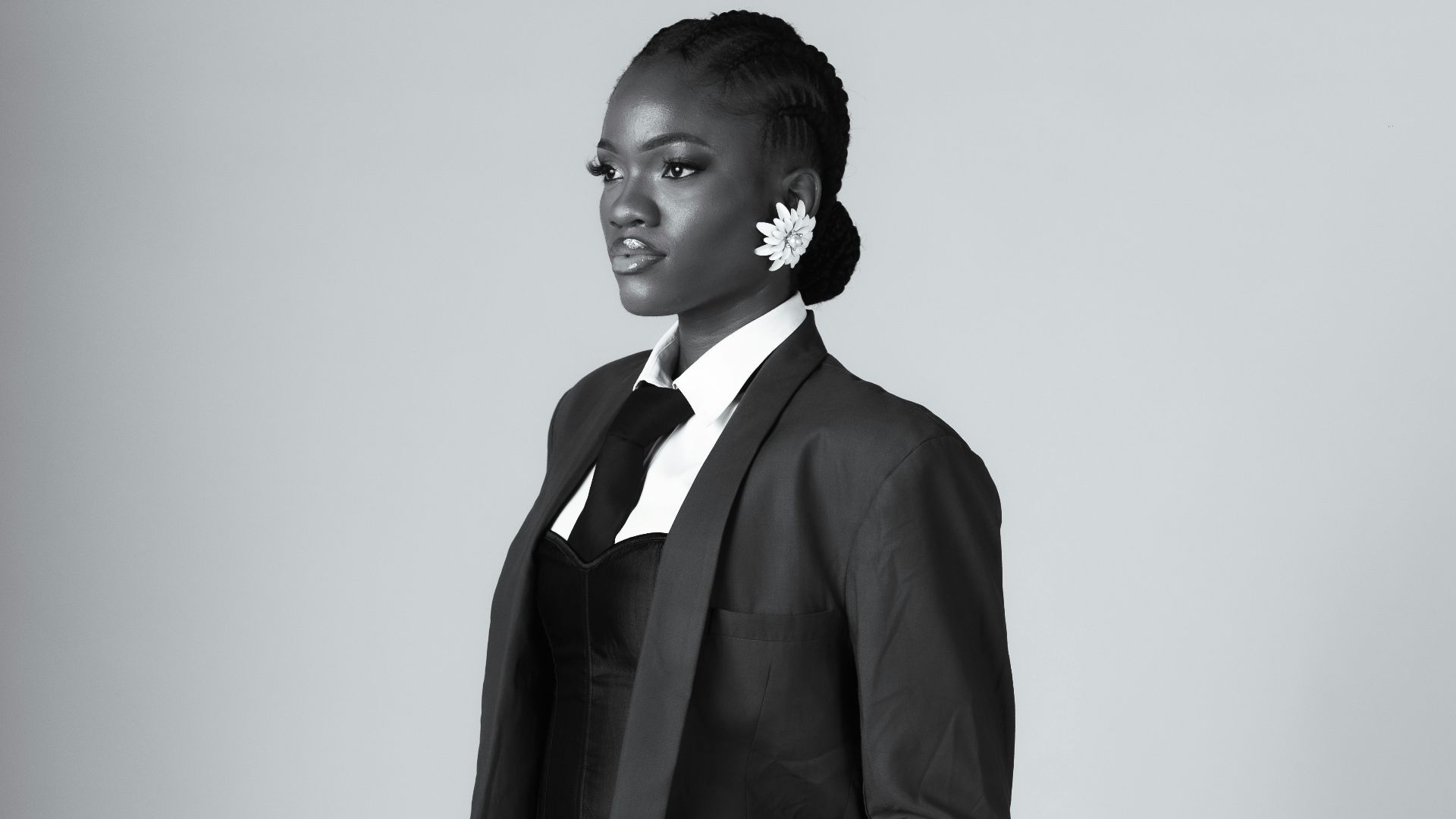
Oversized, bold outerwear became the centerpiece of many shows. Coats were no longer accessories but focal points. Street style quickly echoed the runway, as outerwear became a primary investment piece for many fashion aficionados.
8. Denim Gets Reimagined
Designers pushed denim beyond jeans into dresses, tailoring, and layered looks. Experimental washes and cuts dominated collections. Denim regained fashion-forward credibility tbyproving it could be both versatile and elevated.
9. Sustainable Fashion Takes the Stage
Eco-conscious materials and ethical production entered mainstream shows. Sustainability became part of the aesthetic conversation, but most importantly, designers proved that responsibility and style could coexist. This shift influenced how consumers evaluated brands and collections.
10. Logo Mania Returns
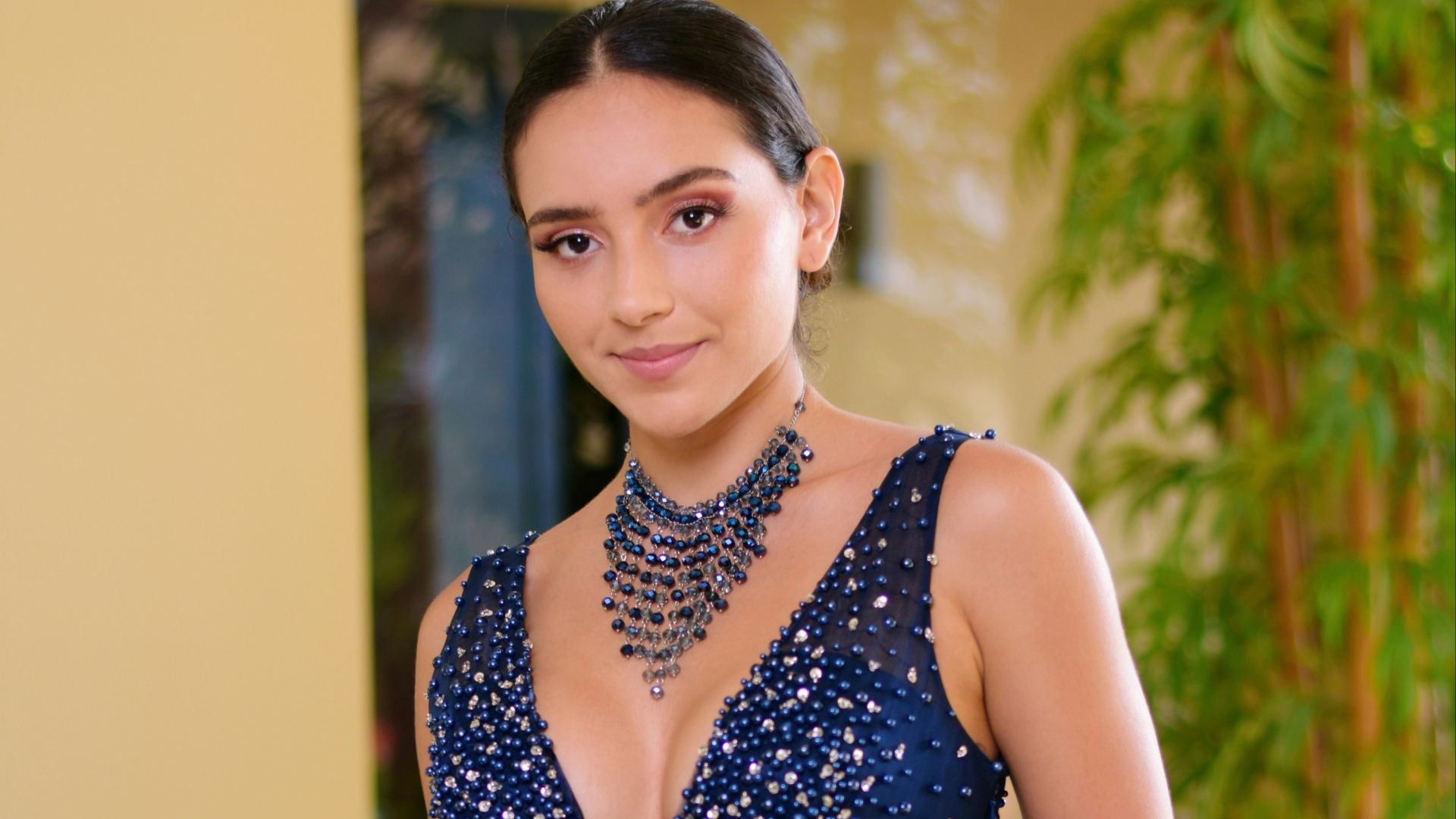
Bold branding reappeared after years of subtlety. Logos became playful, ironic, and oversized. The trend reshaped consumer attitudes toward visible branding. It also sparked debate about identity, status, and fashion consumption.
11. Monochrome Dressing Makes a Comeback
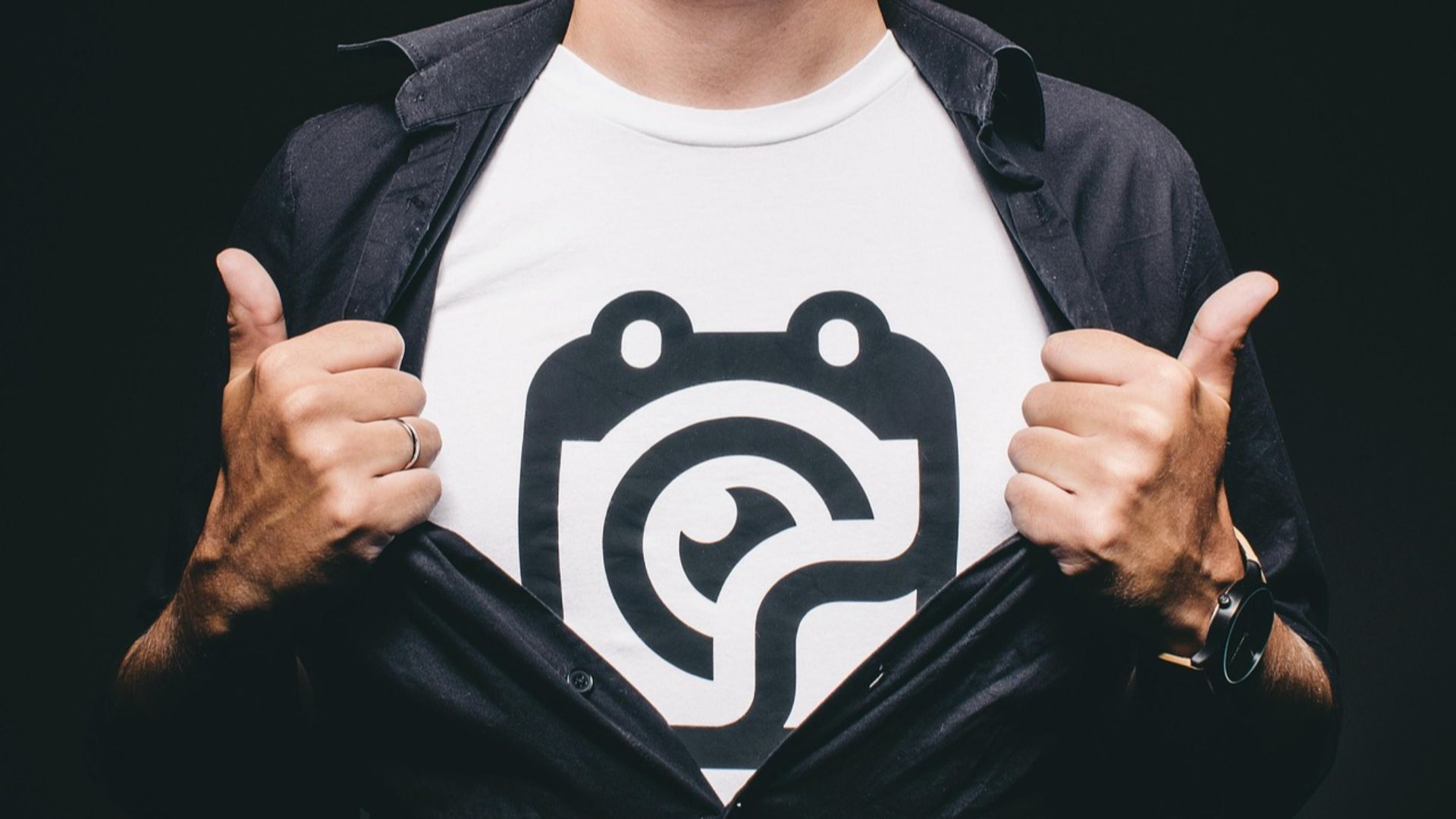
Head-to-toe single-color looks dominated several seasons. Designers explored texture and proportion within one hue. The approach influenced minimalist and maximalist wardrobes alike, and monochrome styling became a shortcut to polished dressing.

12. Tailoring Gets Relaxed
Structured suits softened with looser fits and fluid fabrics. The shift reflected changing workplace norms. Comfort and polish began sharing equal importance. This trend mirrored broader changes in how people worked and lived.
 Peter T from Brooklyn, NY, USA on Wikimedia
13. Maximal Prints Take Over
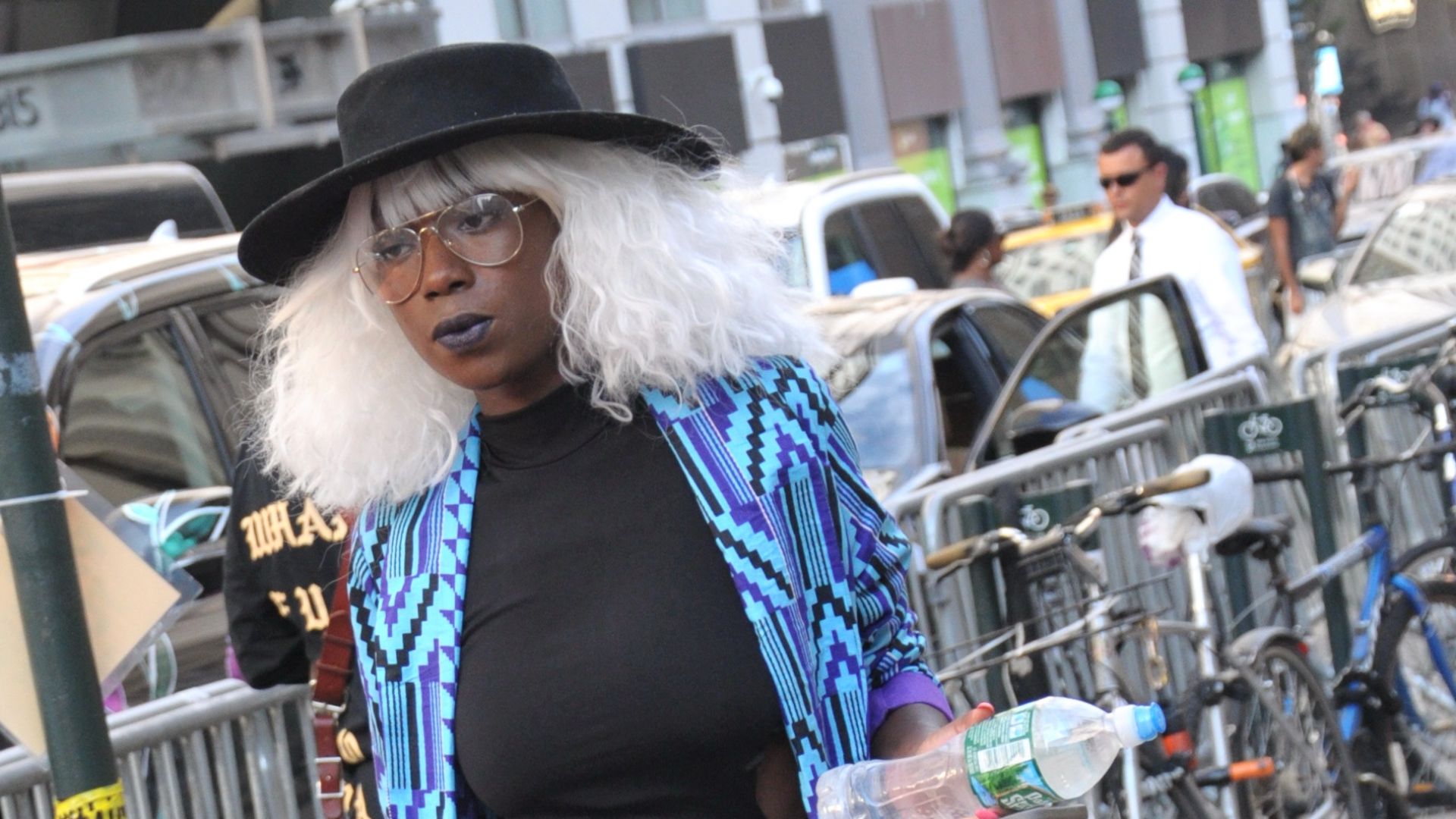
Bold patterns and clashing prints filled the runway. Designers embraced visual chaos with confidence. This moment encouraged a more experimental personal style and permitted wearers to break traditional matching rules.
 IrinamykytiukELSAfairy on Wikimedia
14. Utility Wear Becomes Fashionable
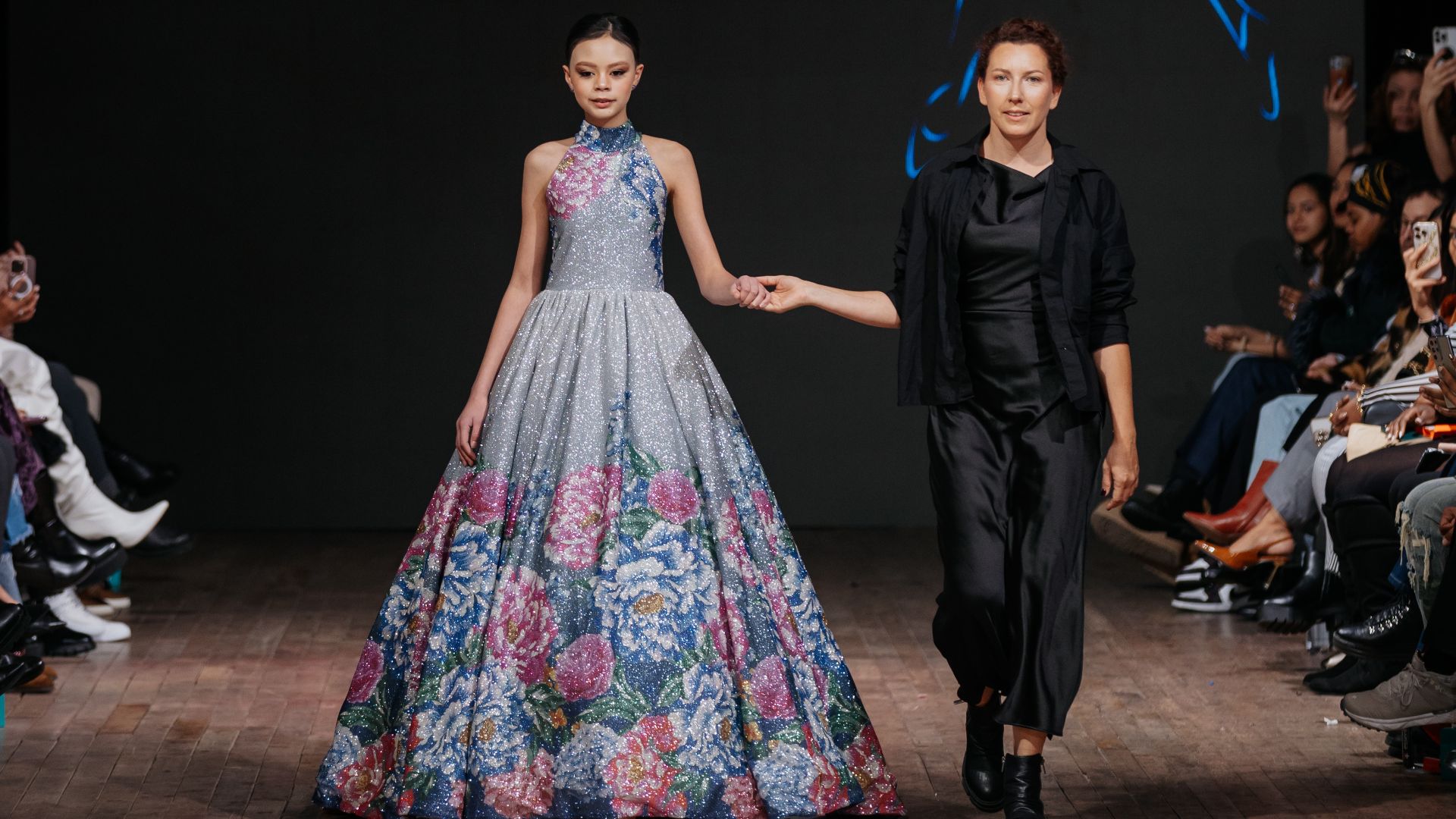
Cargo pockets, straps, and functional details moved into high fashion. Practical elements were styled with intention. Functionality and utility became a selling point rather than an afterthought.
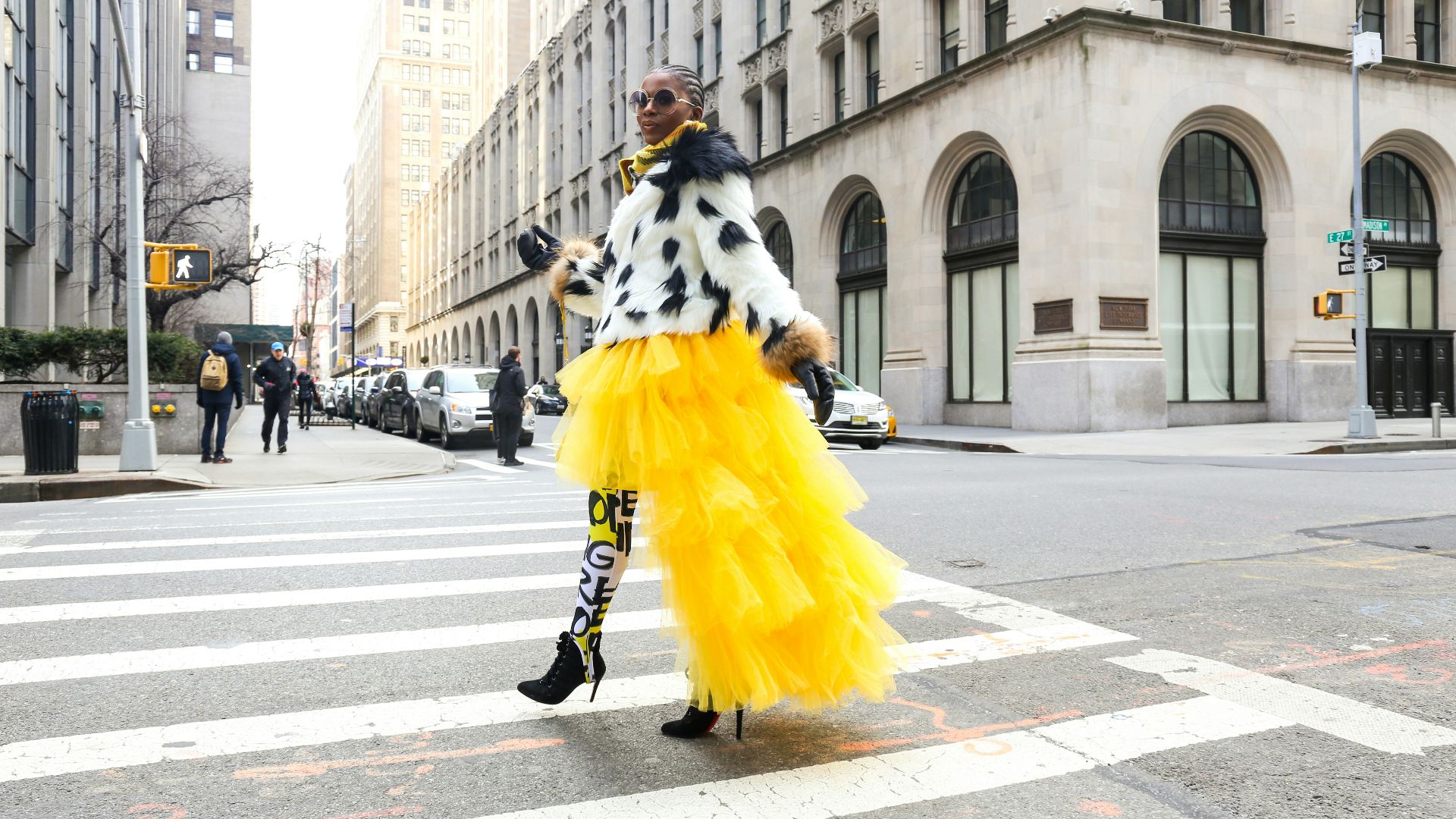
15. Nostalgia Drives Design Direction
Designers pulled heavily from past decades for inspiration. Familiar silhouettes returned with modern updates. Fashion cycles became more self-aware and playful, and nostalgia pushed brands to connect emotionally with consumers.
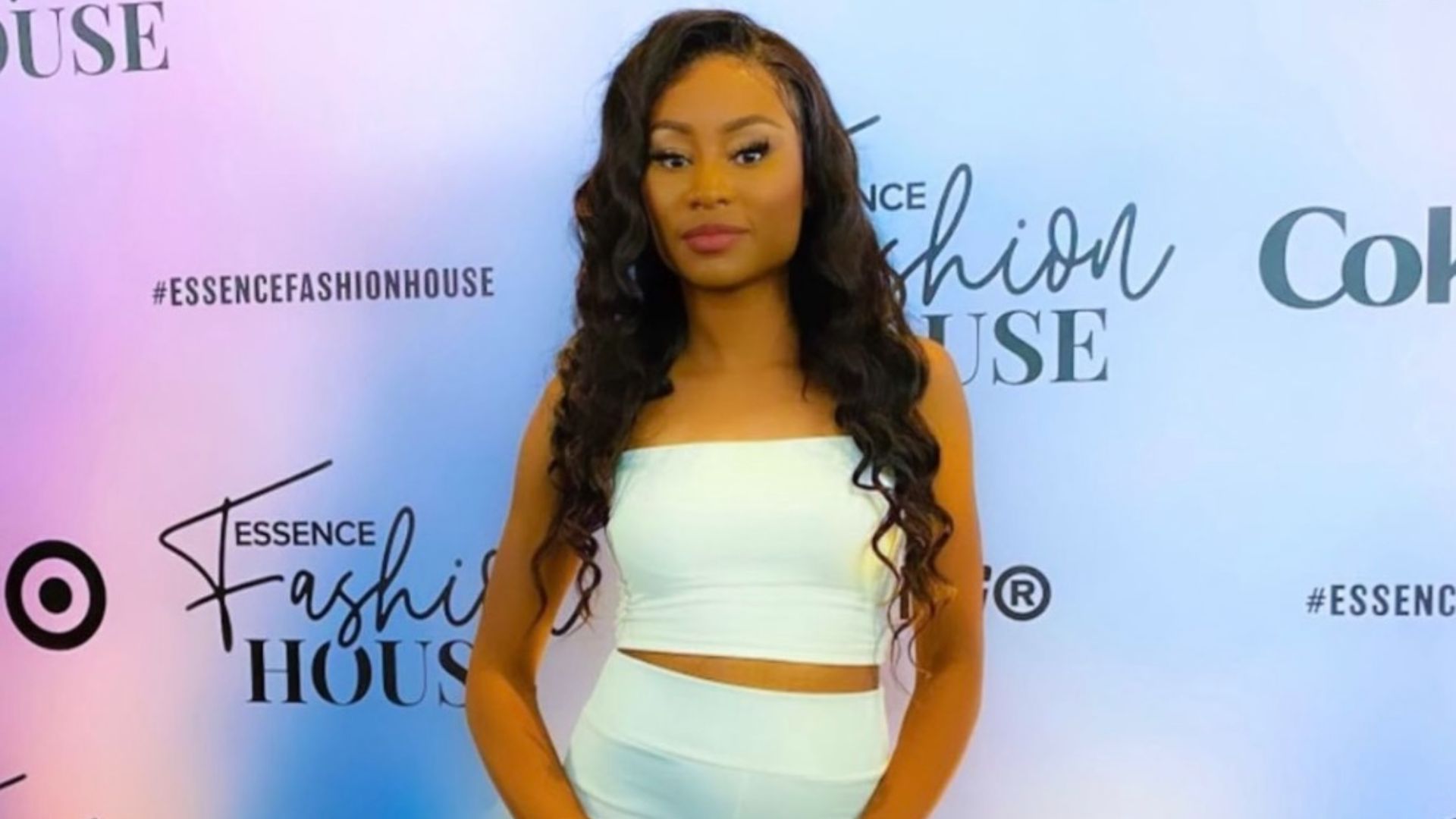
16. Statement Accessories Dominate Looks
Oversized bags, dramatic jewelry, and bold shoes stole attention during one particularly memorable NYFW. Accessories became conversation starters rather than finishing touches. Consumers embraced louder styling choices.
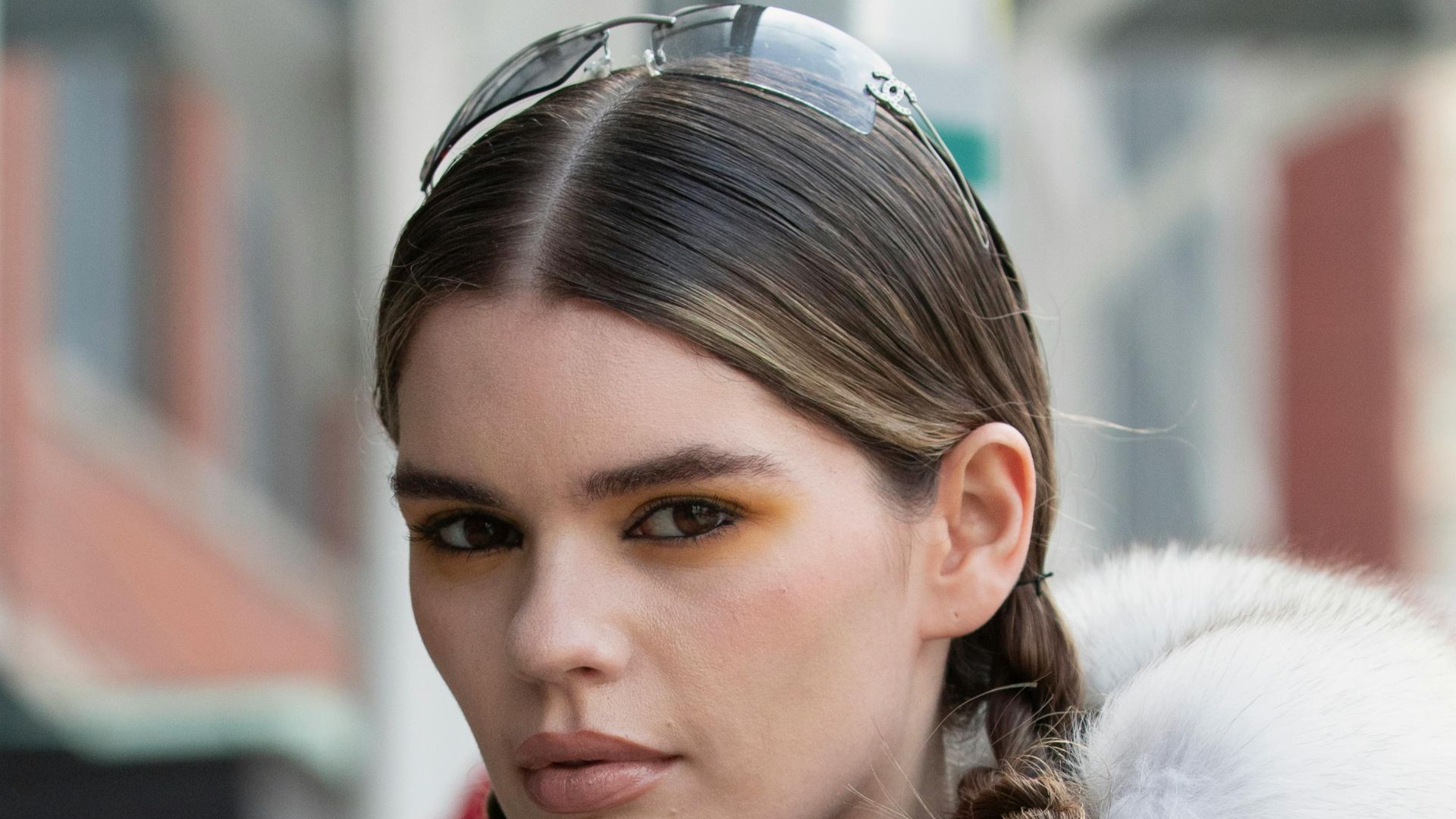
17. Inclusivity Expands on the Runway
Casting became more diverse in size, age, and background. NYFW helped broaden beauty standards, shifting representation from exception to expectation. This change reshaped how audiences related to runway fashion.
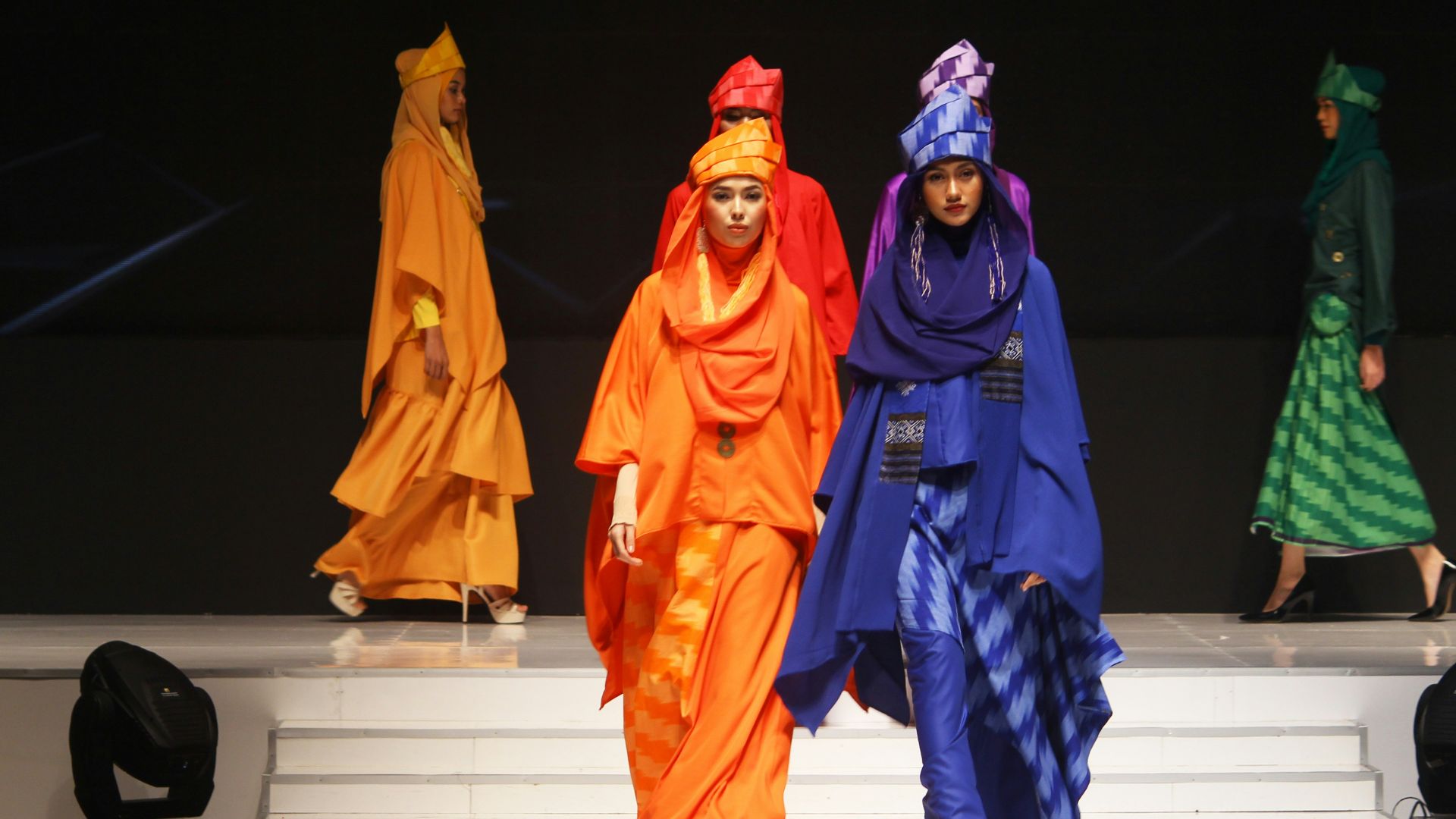
18. Layering Becomes an Art Form
Designers experimented with complex, intentional layering, styling pieces to be worn together rather than alone. This approach influenced seasonal dressing habits and encouraged creativity and adaptability in everyday wardrobes.
19. Elevated Loungewear Emerges
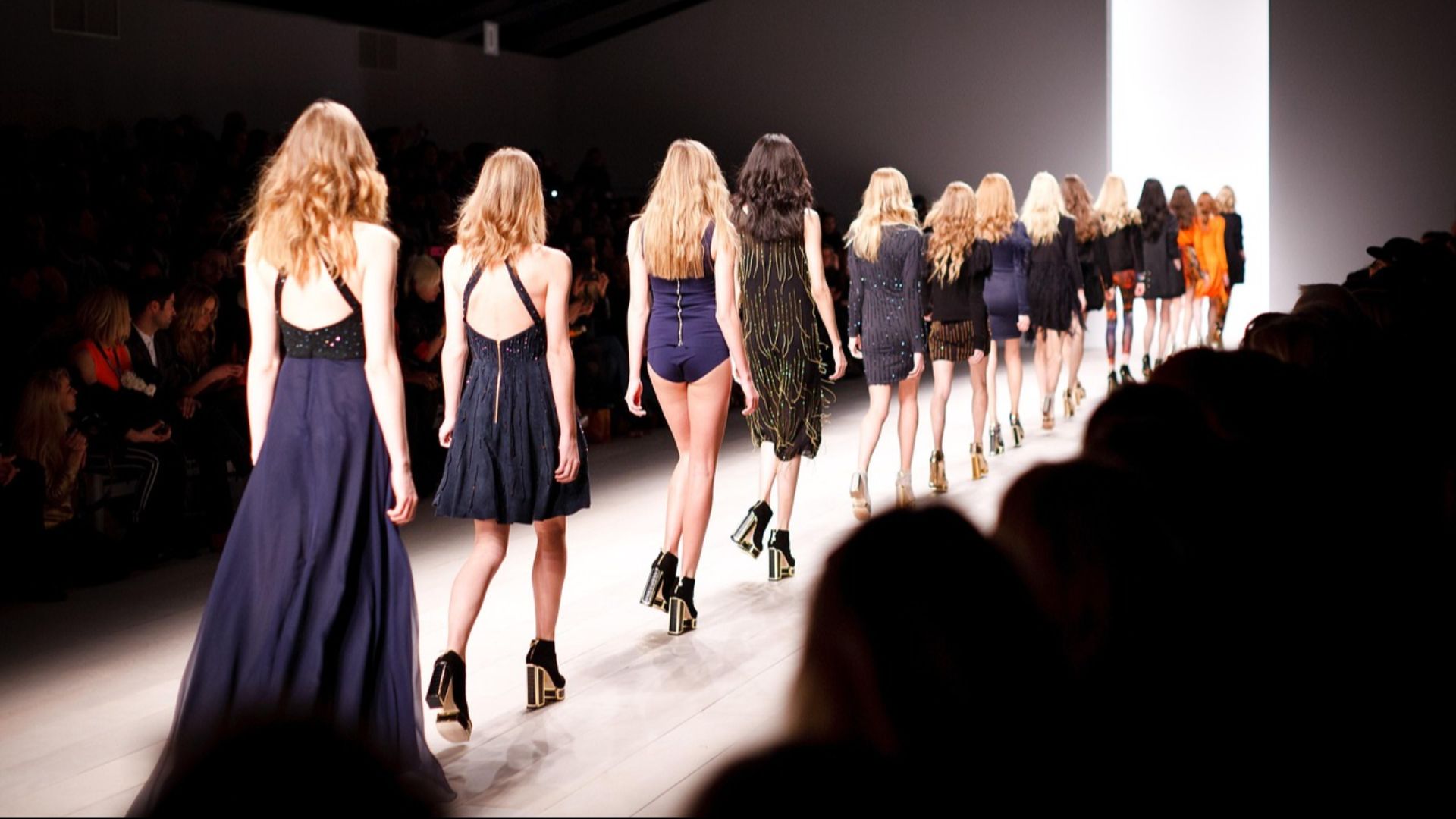
Comfort-focused silhouettes appeared with luxury finishes. Pajama-inspired pieces gained polish and structure. Homewear crossed confidently into public fashion. This trend permanently blurred the line between private and public style.
20. Individual Styling Outshines Uniform Trends
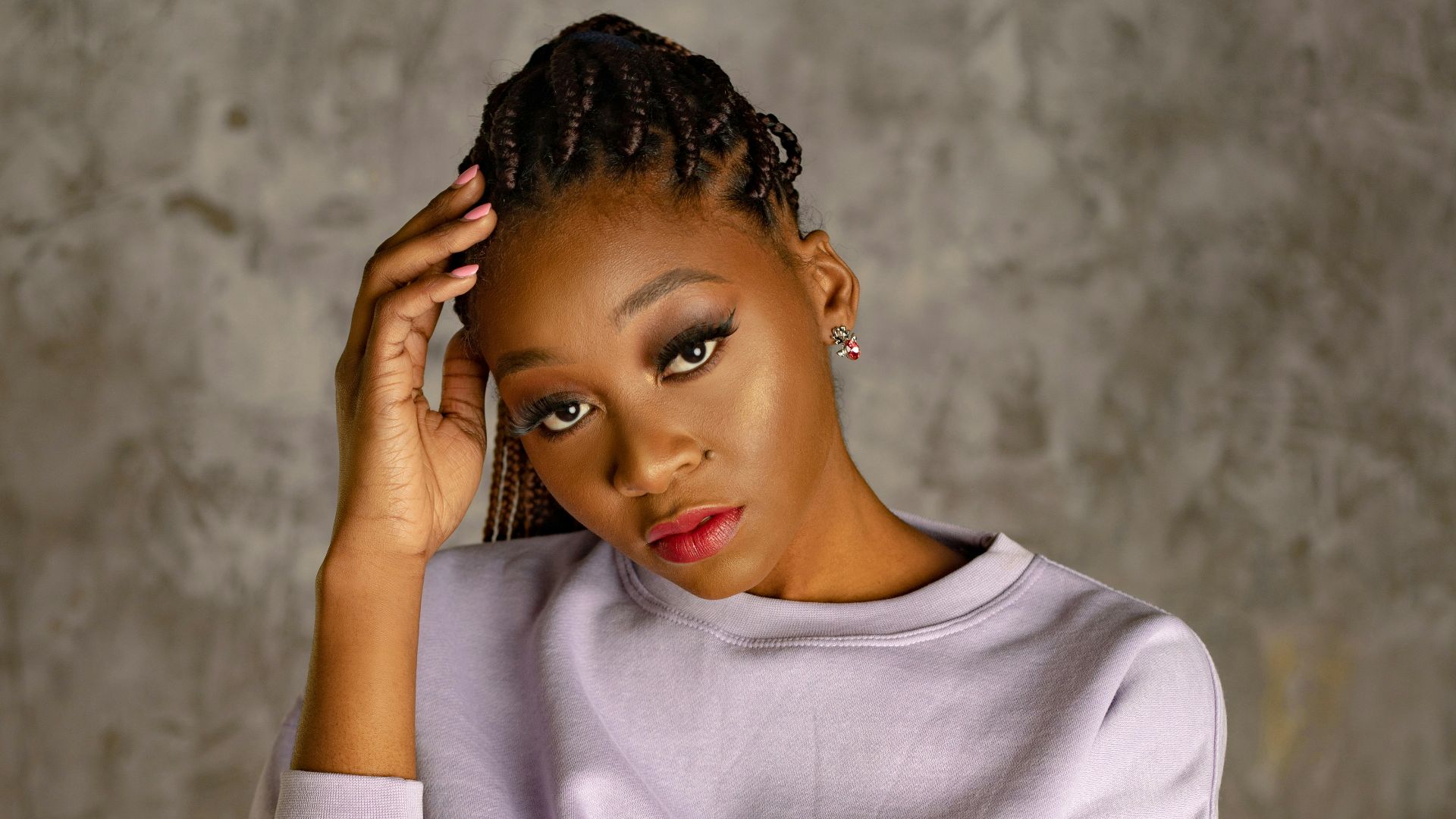
Runway looks emphasized personality over rigid rules. Designers encouraged interpretation rather than imitation. Personal expression became the most lasting trend of all, shifting fashion toward celebrating individuality rather than conformity.