
Small Rules, Big Chaos
Business casual is supposed to make life easier, yet it somehow creates more drama than a formal dress code ever did. The problem is that “business” sounds like rules and “casual” sounds like freedom, and the overlap is mostly guesswork dressed up as confidence. One office treats dark denim as perfectly normal, another treats it like you showed up with a skateboard tucked under your arm. Even within the same company, the meaning shifts by team, manager, and whether someone important is walking through later. With that in mind, here are 10 reasons business casual confuses everyone, followed by 10 ways to get it right.

1. “Business Casual” Means Something Different Everywhere
Tech can mean clean jeans and minimal sneakers, while finance can still expect slacks and leather shoes. The phrase travels well, yet the expectations stay local, and you usually learn the local dialect after one slightly awkward morning.

2. The Same Outfit Lands Differently By Seniority
A director can wear a plain tee under a blazer and read as modern and relaxed. A new hire in the same outfit can read as uncertain, even if the clothes are nicer, because the room judges effort through hierarchy.

3. Dress Codes Are Written Like Vibes, Not Rules
Policies love words like “neat,” “professional,” and “appropriate,” which sound helpful until you are staring at a cardigan and wondering what category it lives in. When guidance is fuzzy, people default to whatever they saw last week, even if last week was an exception.

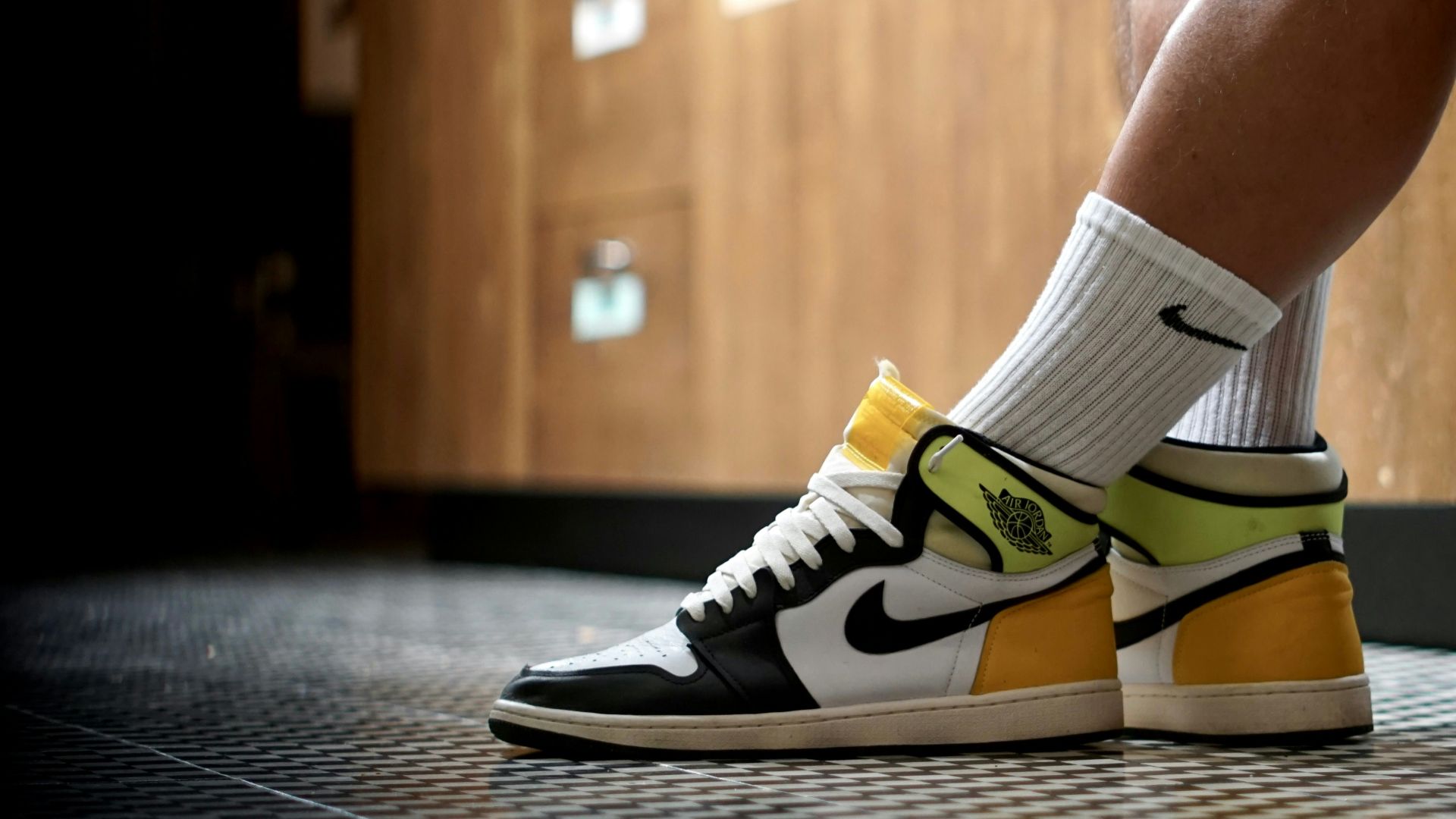
4. Shoes Quietly Decide Everything
You can keep an outfit simple and still look put-together, right up until your shoes tell a different story. Clean loafers signal readiness, while beat-up sneakers signal weekend, and most people notice that contrast before they notice your shirt.
5. Denim Has No Shared Definition
“Nice jeans” can mean dark wash and no distressing, or it can mean “absolutely not,” depending on the office. Fit matters, too, because crisp, structured denim reads sharper than baggy denim that looks like it belongs in an airport lounge.

6. Fabric Quality Changes The Message
A thick cotton tee can look intentional, while a thin tee can look like it was borrowed from a gym bag. Business casual often comes down to whether your clothes hold their shape through sitting, commuting, and one surprise meeting.

7. Bodies Change How Clothes Read
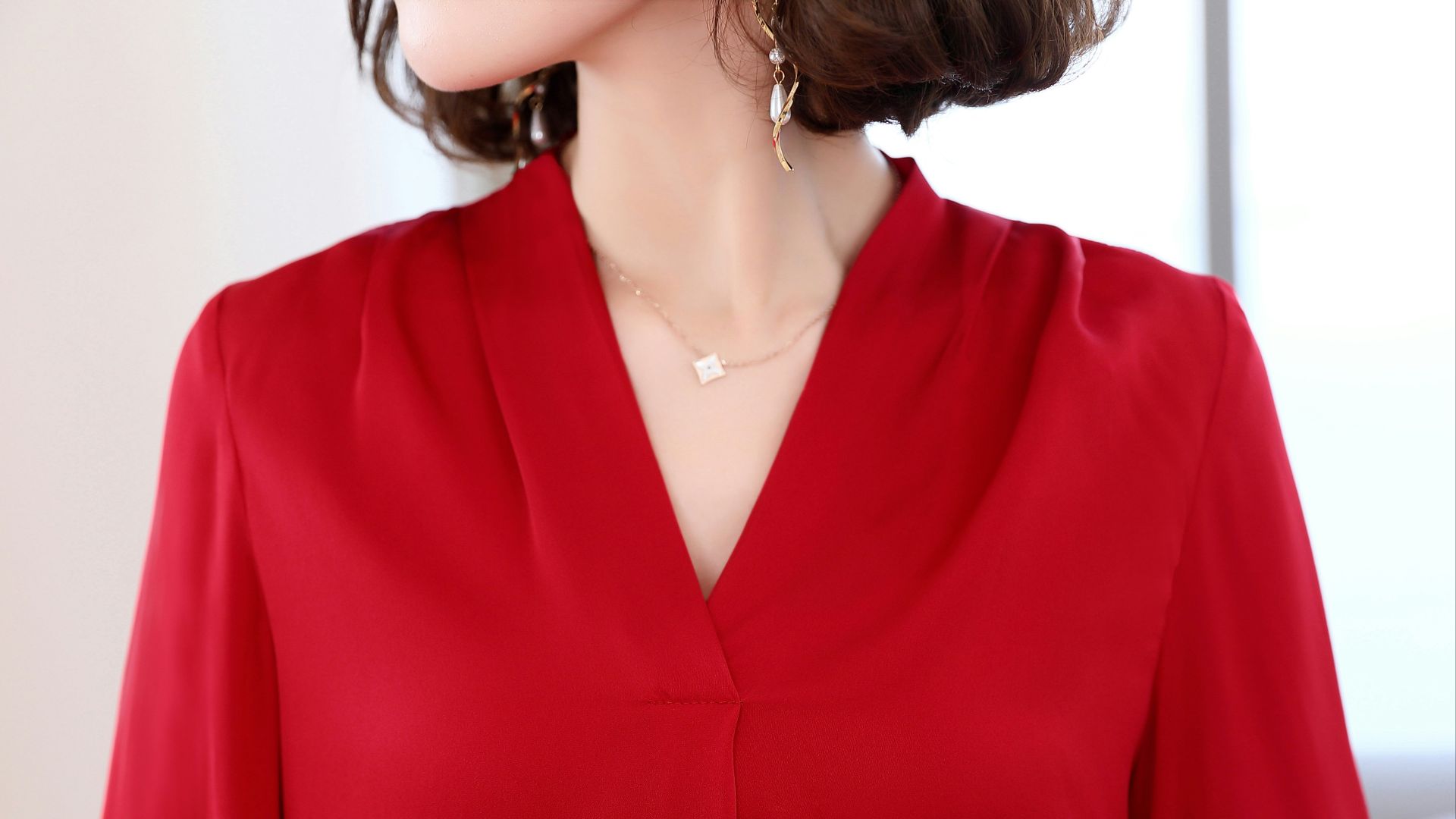
The same blouse can look polished on one person and feel overly revealing on another, even when both are fully within dress code. Business casual pretends bodies are neutral, then punishes people when fit and comfort do not behave evenly.
8. Seasonal Dressing Makes It Slippery
Summer pushes everyone toward lighter fabrics and shorter sleeves, and that can drift into “vacation” fast. Winter adds sweaters, boots, and outerwear layers that can drift into “commute armor,” especially in offices that run cold.

9. “Smart Casual” And “Business Casual” Get Mixed Up
Some workplaces use the terms interchangeably, even though they often imply different levels of polish. When the label is inconsistent, people dress for two different interpretations and spend the day silently checking each other.

10. People Copy The Wrong Reference Point
New hires often dress like the most stylish person in the office or the most powerful person in the office, and those are rarely the same. The team norm is usually set by the middle of the org chart, not the outlier who can pull off anything.
One good approach is to treat business casual like a small set of repeatable decisions, not a daily identity crisis. Here are 10 ways to nail it.

1. Dress For The Most Formal Thing On Your Calendar
If you have a client call, a presentation, or leadership visiting, aim one notch sharper than your baseline. Starting slightly polished gives you room to relax later without looking like you misread the day.

2. Pick One Anchor Piece That Always Reads Work-Ready
A blazer, a structured cardigan, a crisp button-down, or a clean pair of loafers can carry an otherwise simple outfit. When the anchor looks intentional, the rest can stay comfortable without tipping into sloppy.

3. Make Fit Your First Upgrade
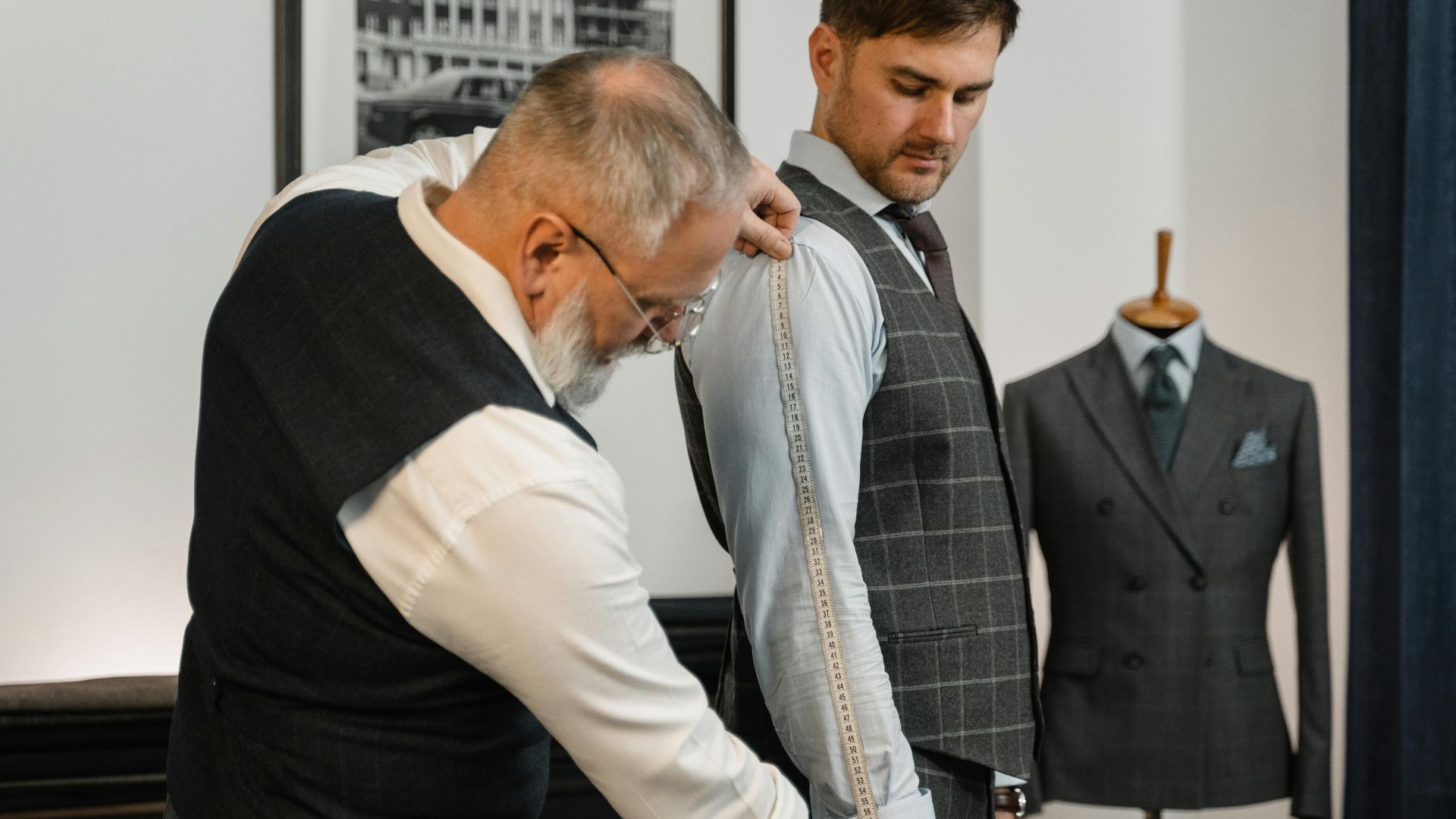
Clothes that sit well at the shoulders and fall cleanly at the hem instantly look more professional. A quick hem, a slight taper, or sleeves that hit the right spot can make a basic outfit look like you planned it.
4. Choose Fabrics That Hold Shape
Oxford cloth, heavier knits, and wool blends tend to look composed for a full day of sitting, walking, and re-sitting. Thin jersey and clingy synthetics can start the day fine and end the day looking tired and shiny.

5. Keep Colors Simple, Then Add One Detail
Navy, charcoal, cream, olive, and black mix easily when you are half-awake and already late. Then a single point of personality, like a patterned scarf, a bold watch, or interesting earrings, keeps the look human.

6. Keep Shoes Quiet, Clean, And Comfortable
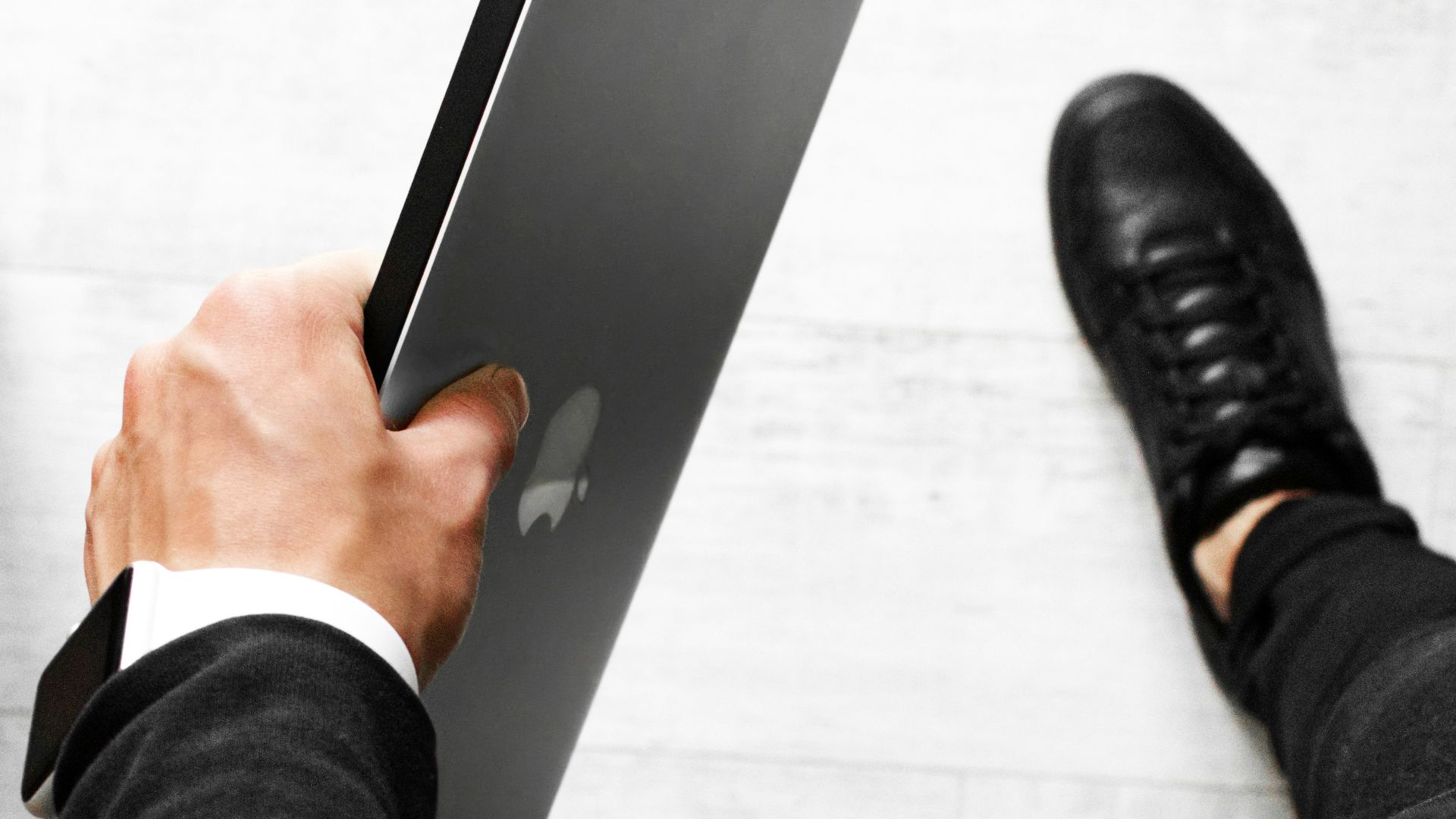
A simple leather sneaker, loafer, or low boot often reads modern without arguing with the dress code. The goal is footwear that never becomes the headline, because once shoes look too casual, everything else has to overcompensate.
7. Treat Denim Like A Privilege, Not A Default
When jeans are allowed, keep them dark, structured, and free of distressing, fading, or odd pocket details. Pair them with a tucked top, a belt, and a layer that has shape so the outfit reads office-first.

8. Use Small “Meeting Details” To Look Finished
Collars, cuffs, pressed seams, and a bag that holds its shape add quiet authority in a way logos never do. There is also research on “enclothed cognition,” including a widely cited 2012 paper by Adam and Galinsky, suggesting clothing can affect how we feel and perform, which matches how confidence shifts when you look more put-together.

9. Build A Repeatable Uniform You Actually Like
Two pants, two tops, and two layers that mix well can carry most weeks without thought. Repetition helps because you stop experimenting on high-stakes mornings and start showing up like a person with a plan.
10. Keep A Small Rescue Kit At Work
A lint roller, stain pen, wrinkle-release spray, and a spare layer can save a day in under two minutes. Business casual is partly maintenance, and having backups nearby keeps small mishaps from turning into a full outfit spiral.