
Style Has Always Shaped the World
Fashion has never been just about fabric or appearance—it’s a reflection of the times. Throughout history, what people wore has sparked revolutions, influenced politics, and redefined cultural norms. From ancient innovations to modern movements, clothing has often said more than words ever could. Here are twenty moments when fashion made history instead of just following it.

1. The Toga of Ancient Rome
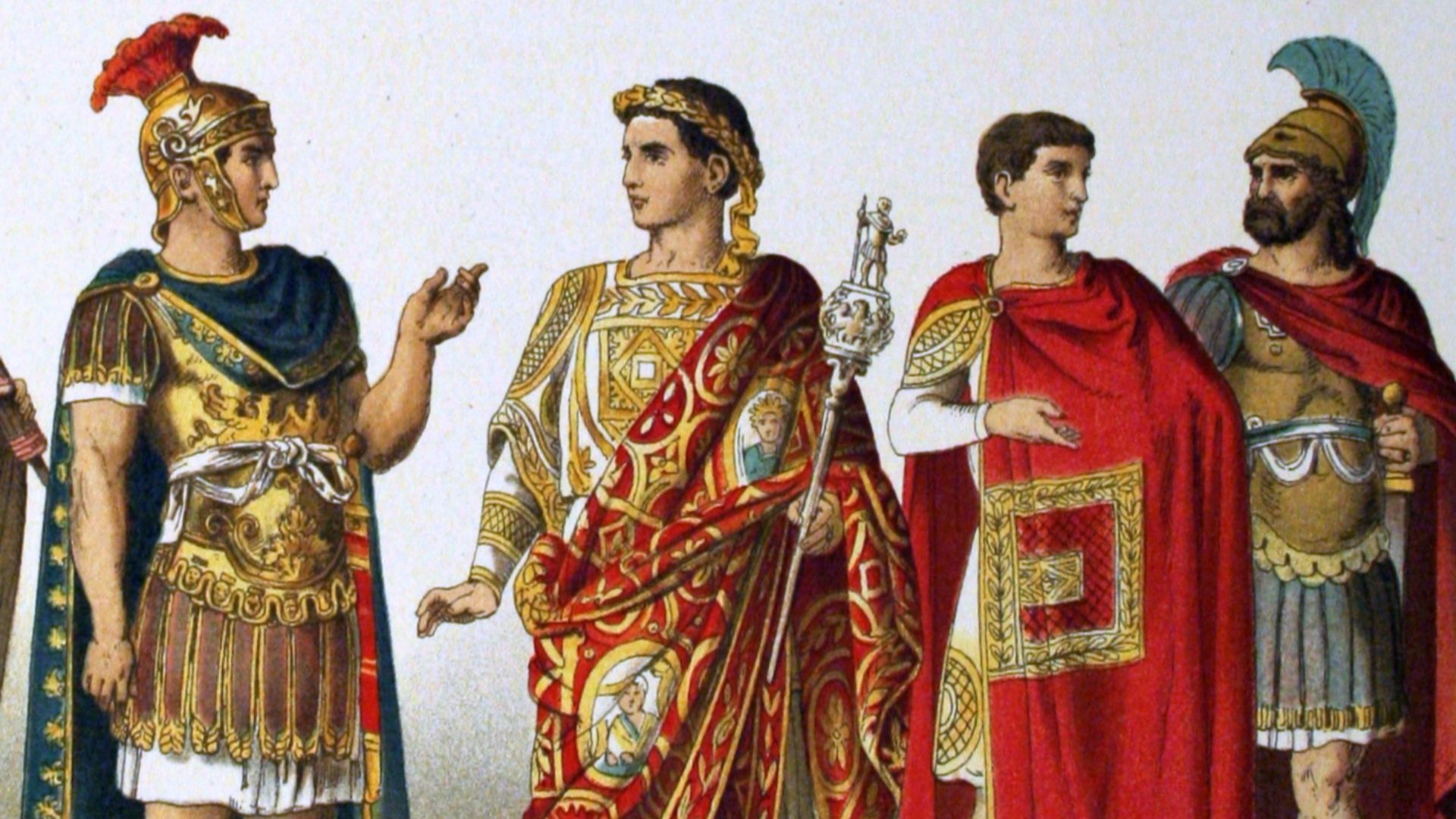
The Roman toga wasn’t just clothing—it was citizenship. Only free Roman men could wear it, symbolizing power, respectability, and identity. It's simple, draped form became one of history’s earliest examples of fashion as political status.
2. The Corset Craze of the 16th Century
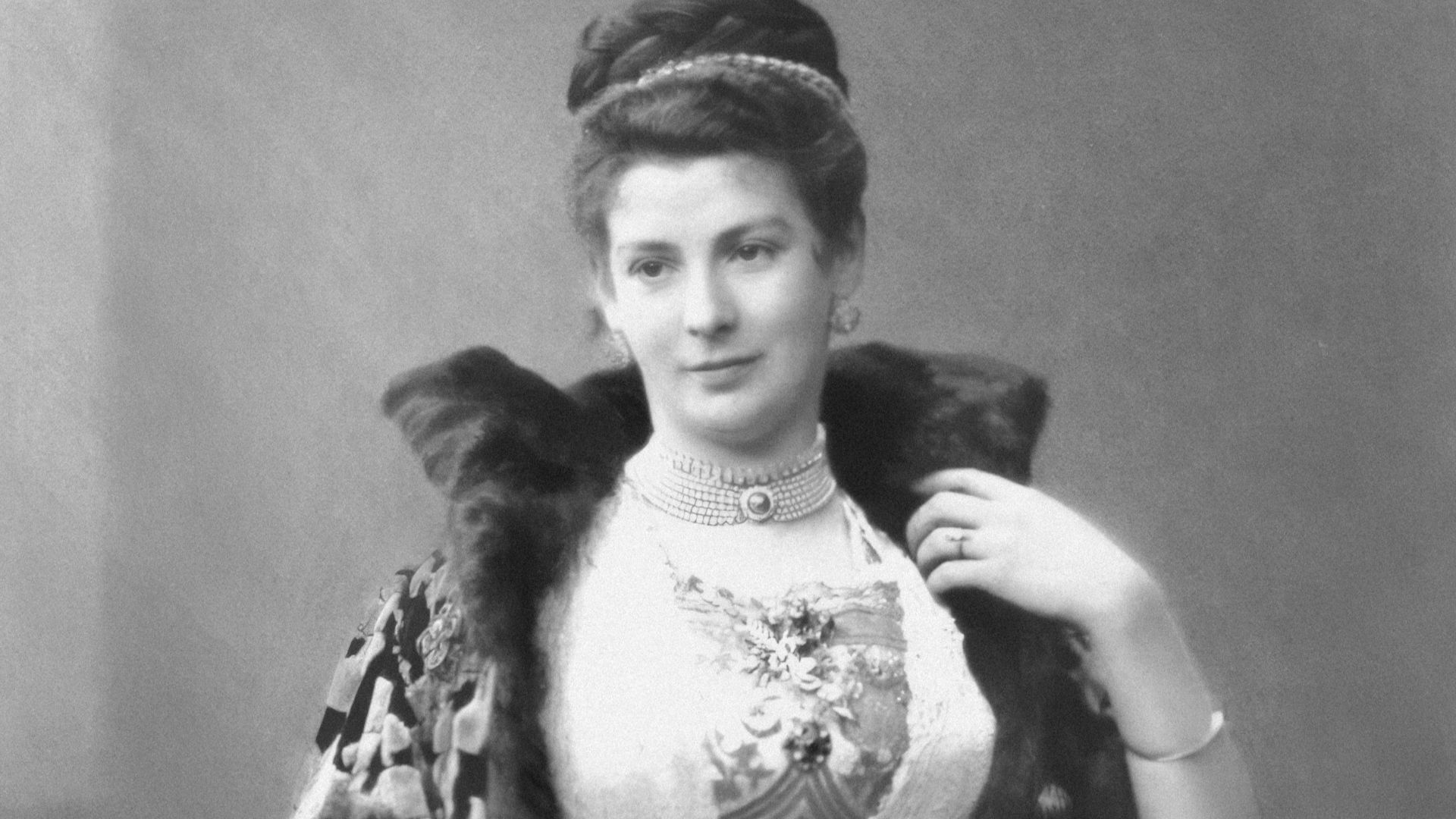
Corsets dominated European fashion for centuries, shaping both bodies and ideals of beauty. They represented discipline, status, and the rigid social hierarchies of their time. Over generations, loosening corsets mirrored changing attitudes toward women’s fashion and freedom.
3. The French Court and Marie Antoinette’s Extravagance
At Versailles, fashion became politics in silk and lace. Marie Antoinette’s extravagant gowns symbolized royal excess, fueling resentment among the lower class. Her luxurious image helped ignite public anger that fed the French Revolution.
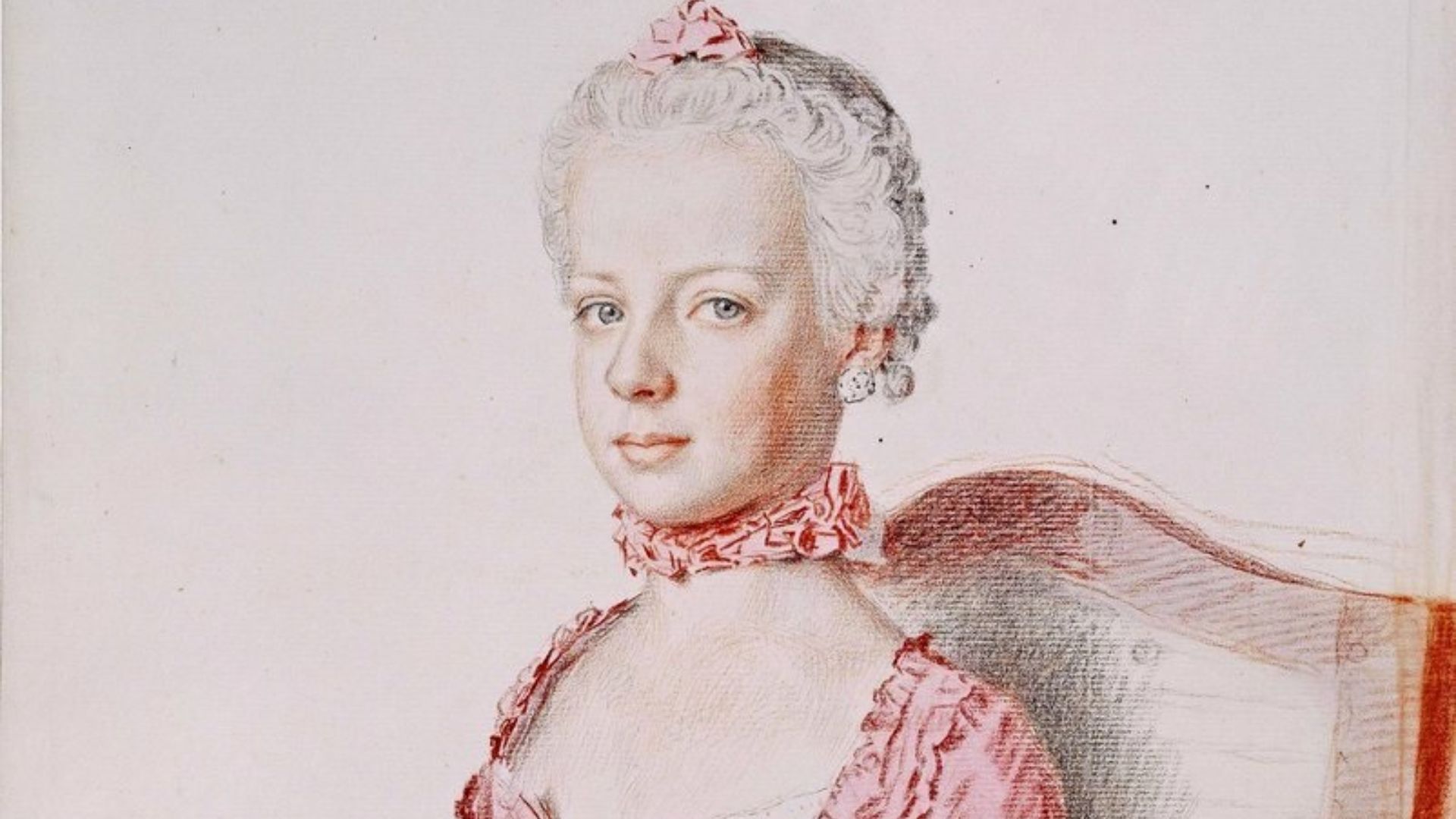 Jean-Étienne Liotard on Wikimedia
4. The Birth of the Three-Piece Suit (1660s)
King Charles II of England introduced the waistcoat as part of a standardized court outfit. This evolution into the modern three-piece suit reshaped male dress codes across Europe. It marked the beginning of tailored professionalism that still defines formalwear today.
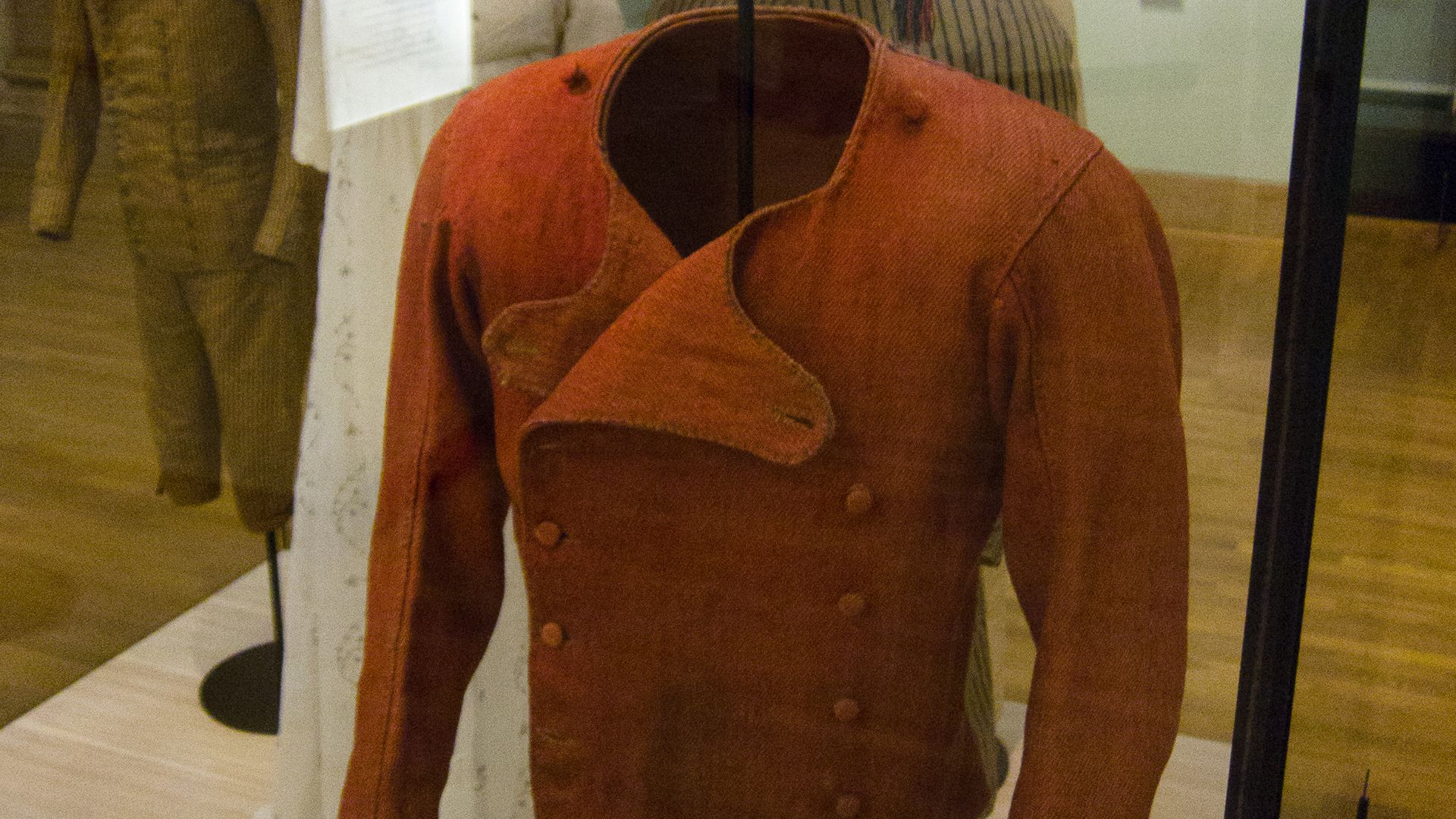
5. The French Revolution’s Simplicity (Late 1700s)
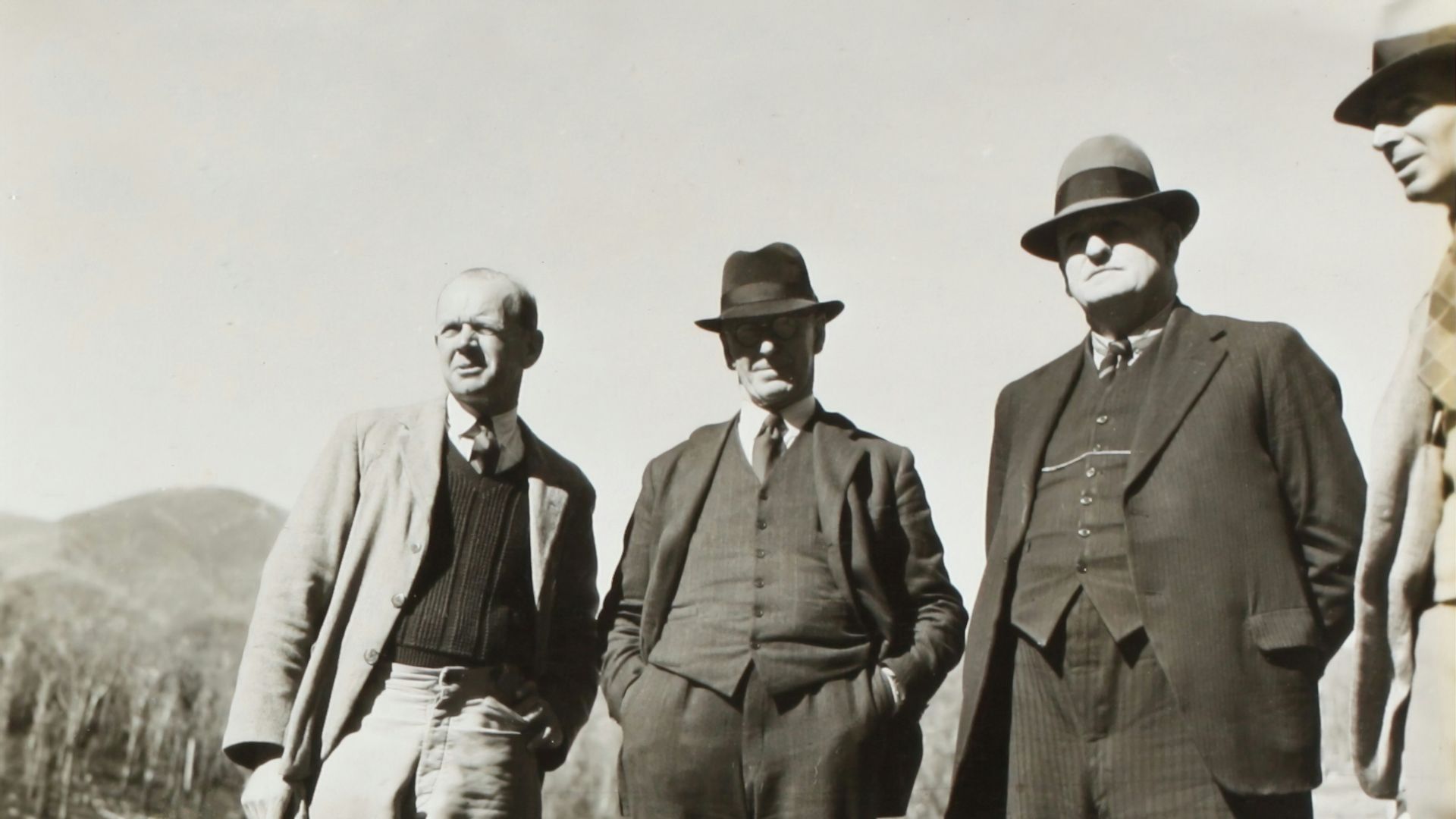
After the fall of the monarchy, flashy clothing became dangerous. Revolutionary citizens ditched aristocratic fashion for plain, practical attire. Simplicity became a political statement. It was proof that equality had arrived, at least in fashion.
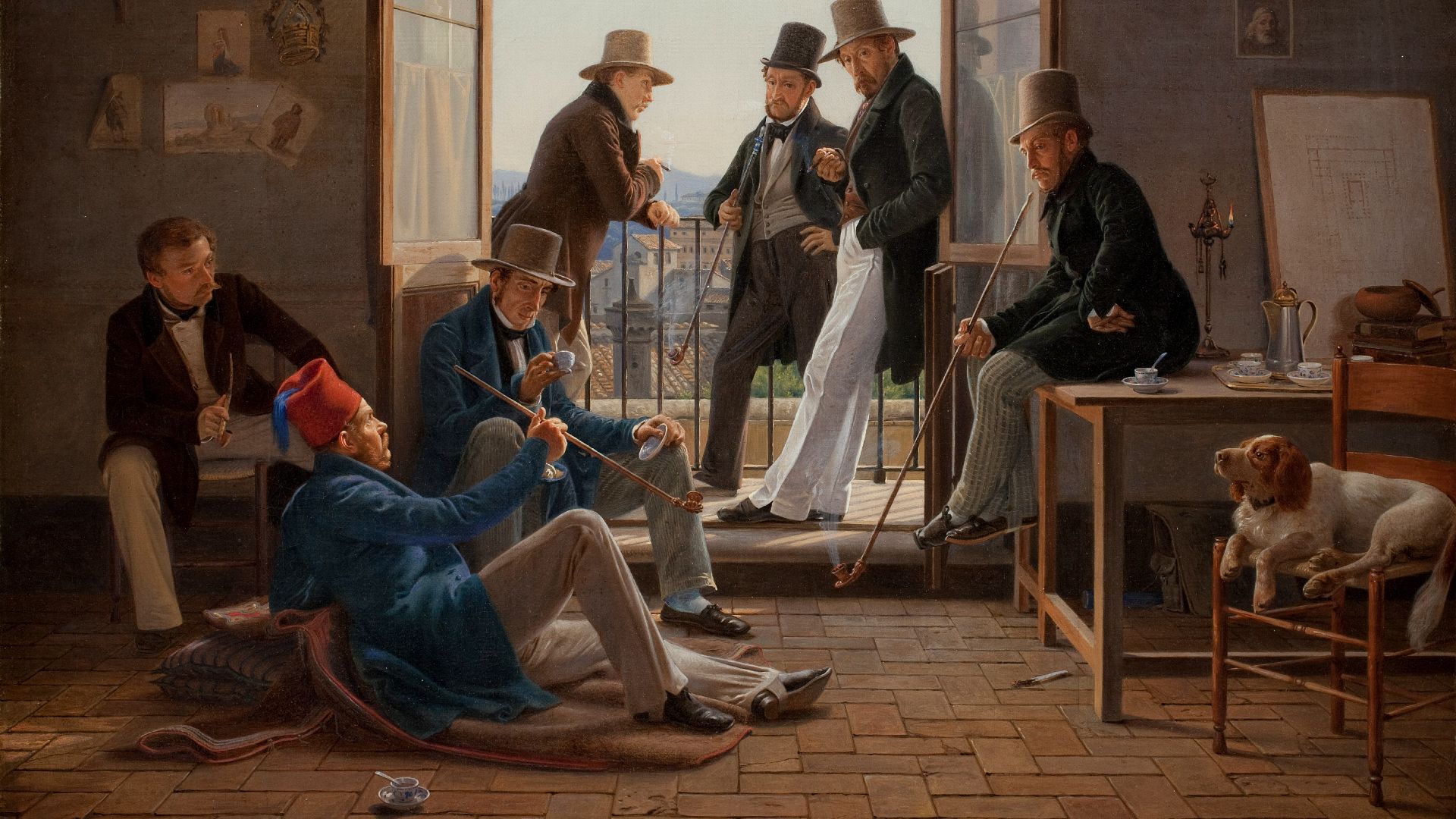
6. The Rise of the Top Hat (Early 1800s)
The top hat symbolized industrial-era sophistication and confidence. Worn by businessmen and politicians, it became a visual shorthand for progress and power. Even Abraham Lincoln used his tall hat to command attention and store notes inside.
 Constantin Hansen on Wikimedia
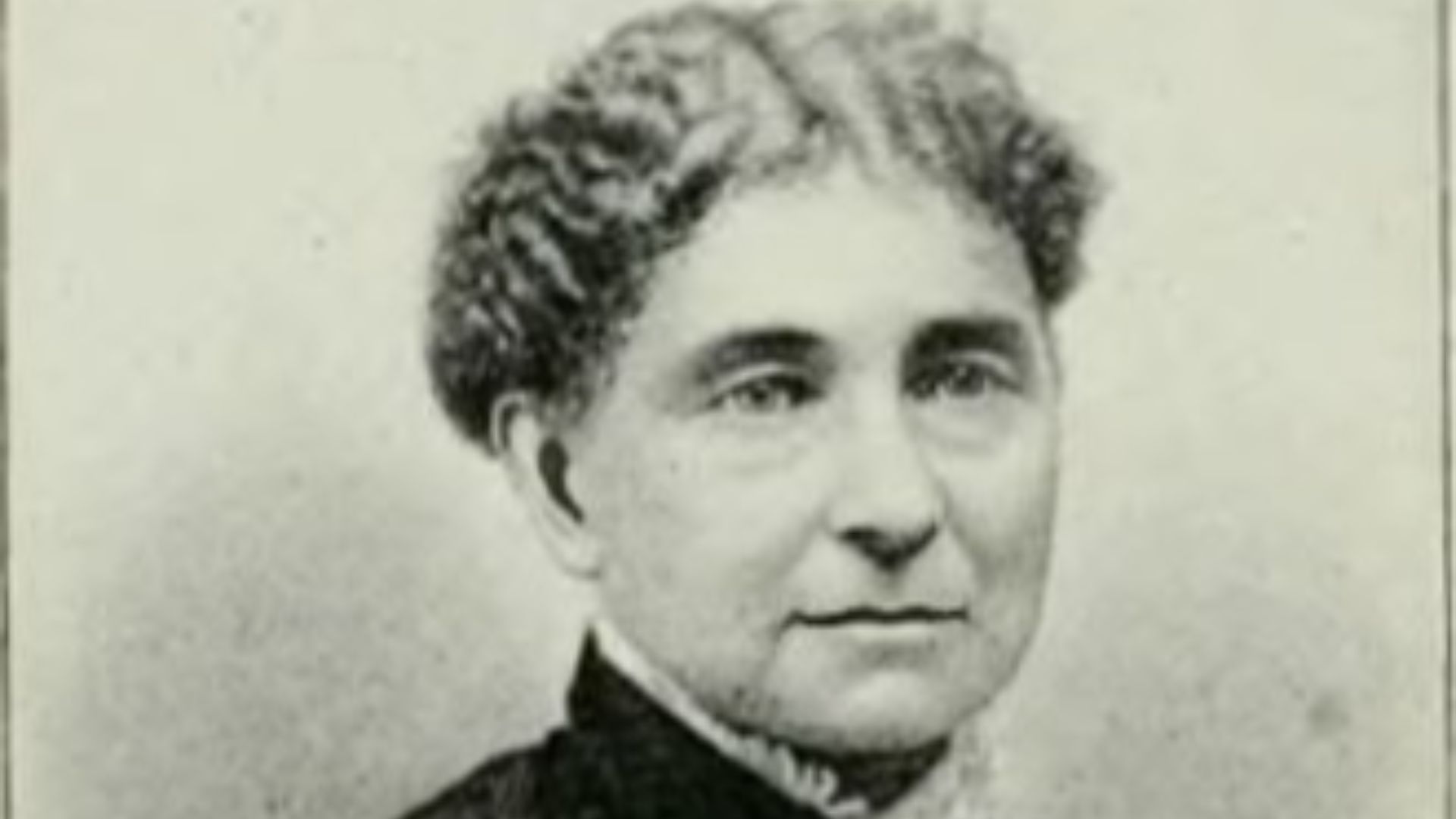
7. Bloomers and Early Women’s Rights (1850s)
Amelia Bloomer popularized loose trousers for women, challenging restrictive dresses. While many mocked the look, it sparked debate about women’s mobility and independence. The bloomer became an early emblem of gender equality in everyday life.
 Published in above-mentioned work, which was by Benjamin F. Gue on Wikimedia
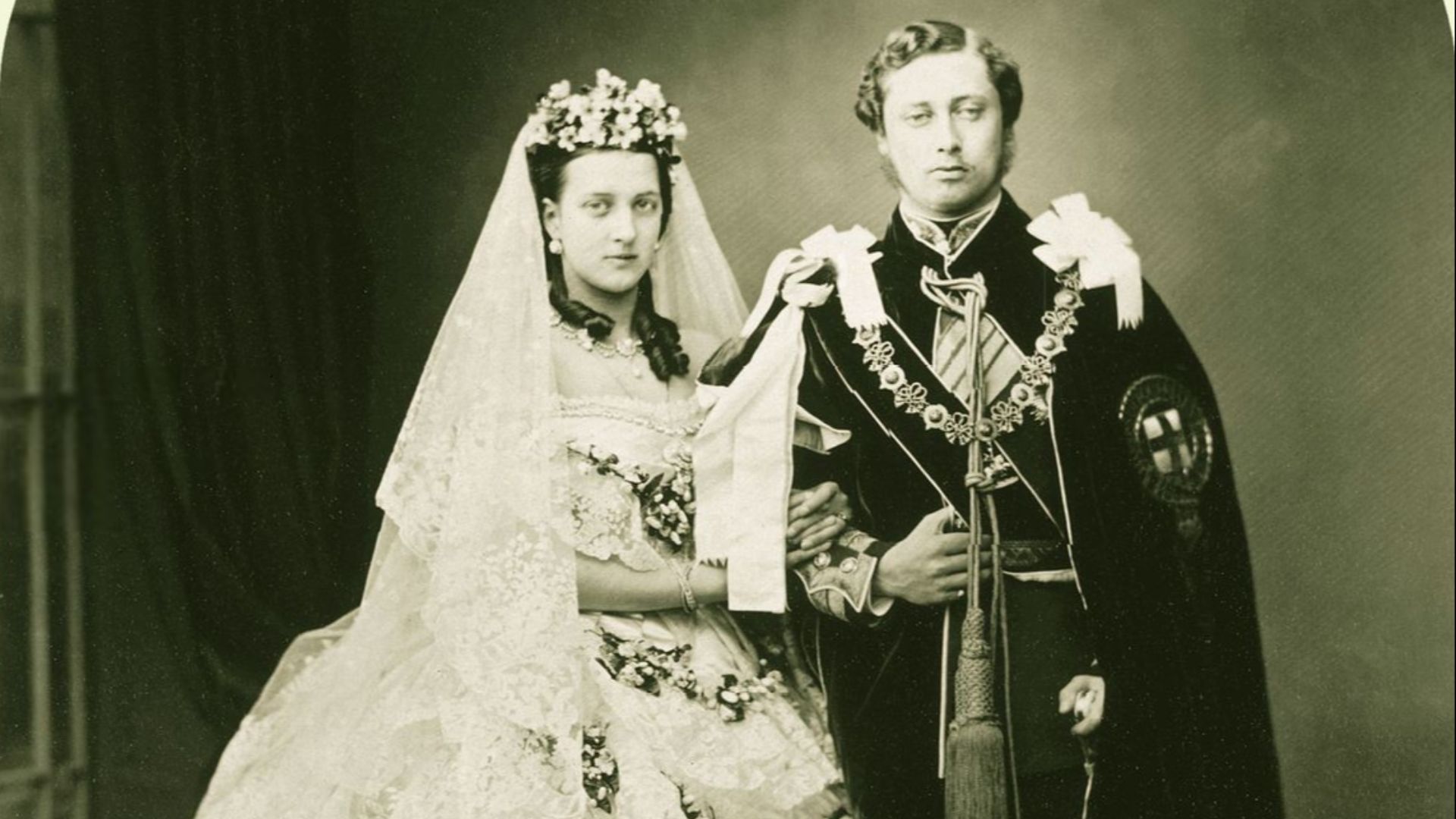
8. Queen Victoria’s White Wedding Dress (1840)
When Queen Victoria married Prince Albert, she wore a white lace instead of the traditional colorful gown. The image spread through paintings and newspapers, turning white into the universal bridal color. That single choice set a tradition that still defines weddings.
 John Jabez Edwin Mayall on Wikimedia
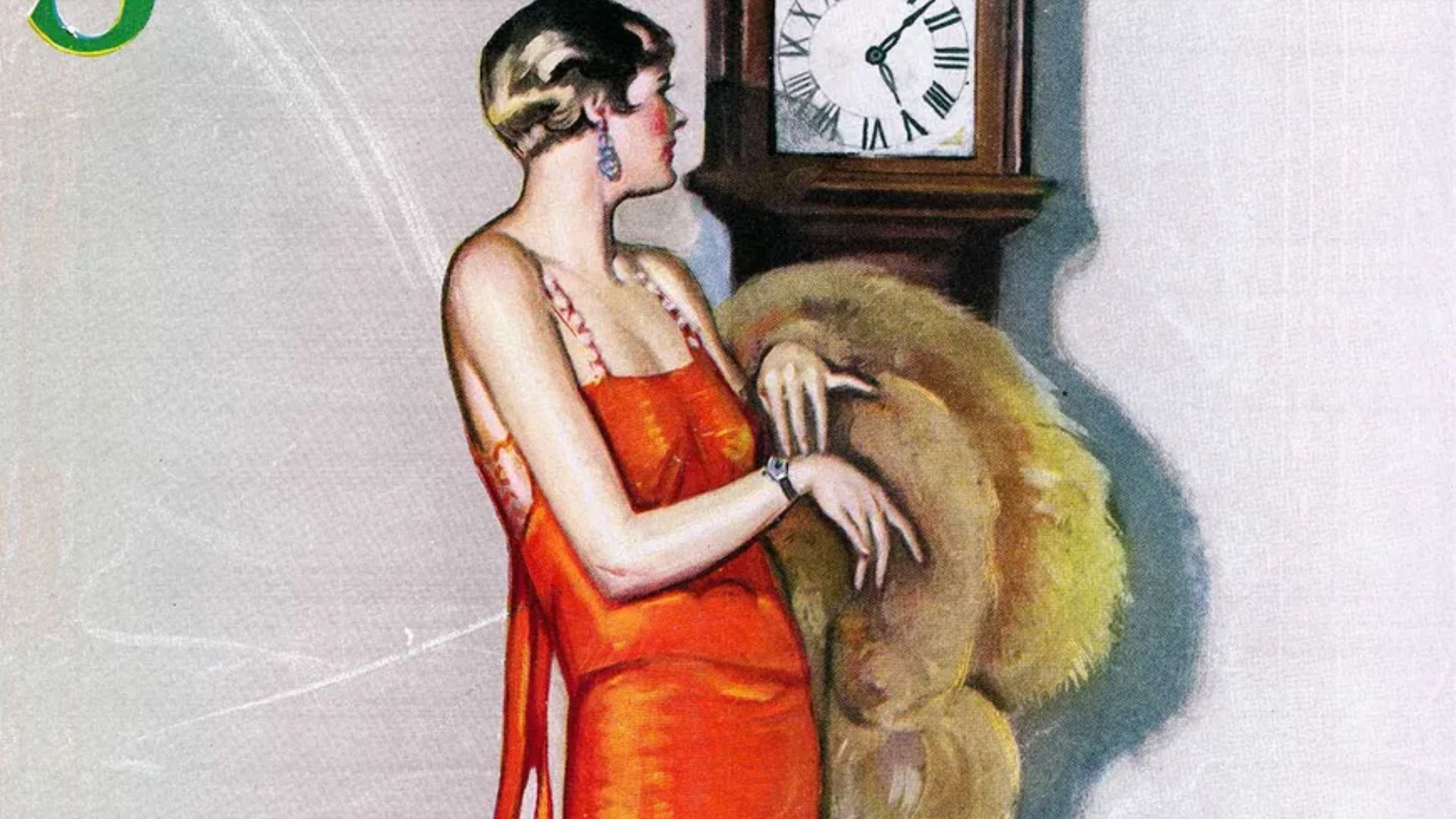
9. The Flapper Revolution (1920s)
Shorter hemlines, dropped waists, and bobbed hair represented more than style—they signaled women’s growing independence after World War I. Flapper fashion rejected restrictive norms and celebrated fun, rebellion, and social freedom. It was fashion’s first true feminist statement.
10. Zoot Suits and Cultural Identity (1940s)
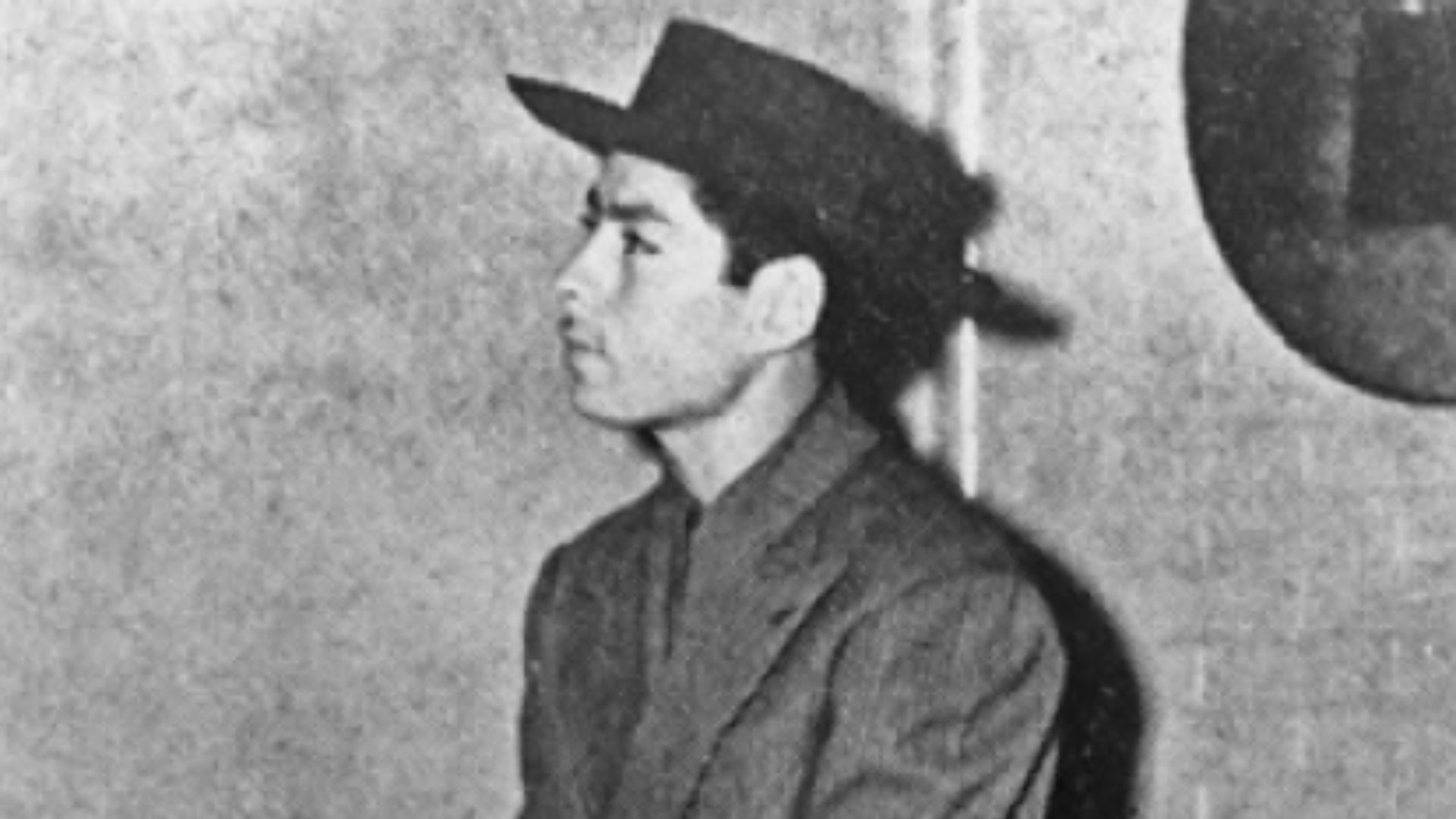
In 1940s America, the zoot suit—baggy, bold, and defiant—became a symbol of identity for Black and Mexican-American youth. During wartime fabric rationing, wearing one was seen as an act of pride and resistance. The look became iconic, blending style with cultural assertion.
 Probation 22, no. 3. 1944: 83 on Wikimedia
11. Christian Dior’s “New Look” (1947)
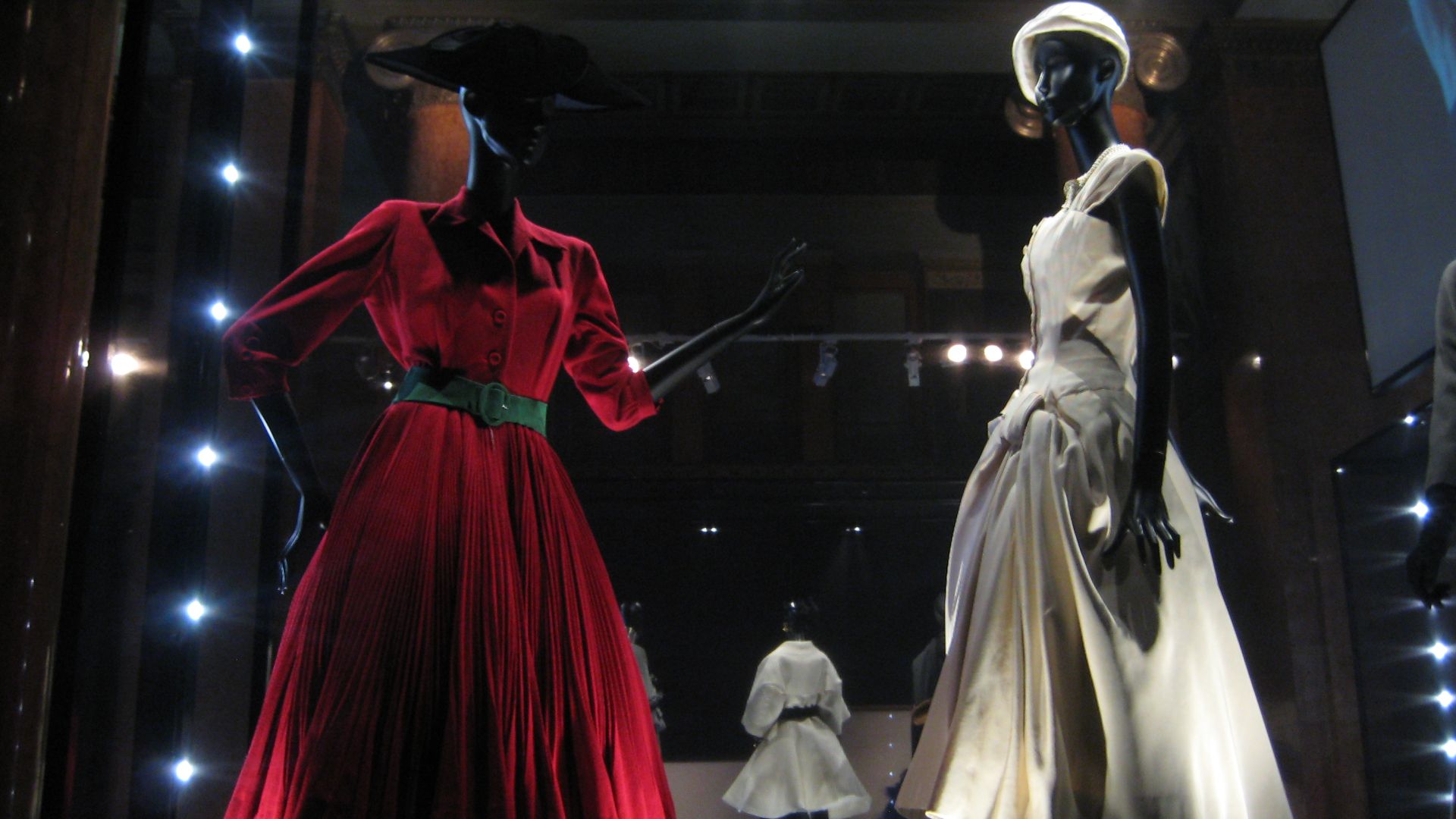
After years of wartime austerity, Dior’s designs brought back opulence with nipped waists, full skirts, and elegance. The “New Look” revitalized the fashion industry and redefined femininity for postwar society. It marked fashion’s return to glamour and optimism.
12. The Power Suit of the 1980s
With broad shoulders and sharp lines, the power suit became the unofficial uniform of ambition. Women entering corporate spaces embraced it as armor in a male-dominated world. It symbolized equality through confidence.

13. The Miniskirt Revolution (1960s)
Designer Mary Quant’s miniskirt shocked conservative Britain and delighted young women everywhere. It became a bold statement of youth culture, sexual freedom, and rebellion. Few garments have embodied liberation quite as literally.
14. The Denim Takeover (1950s–1970s)
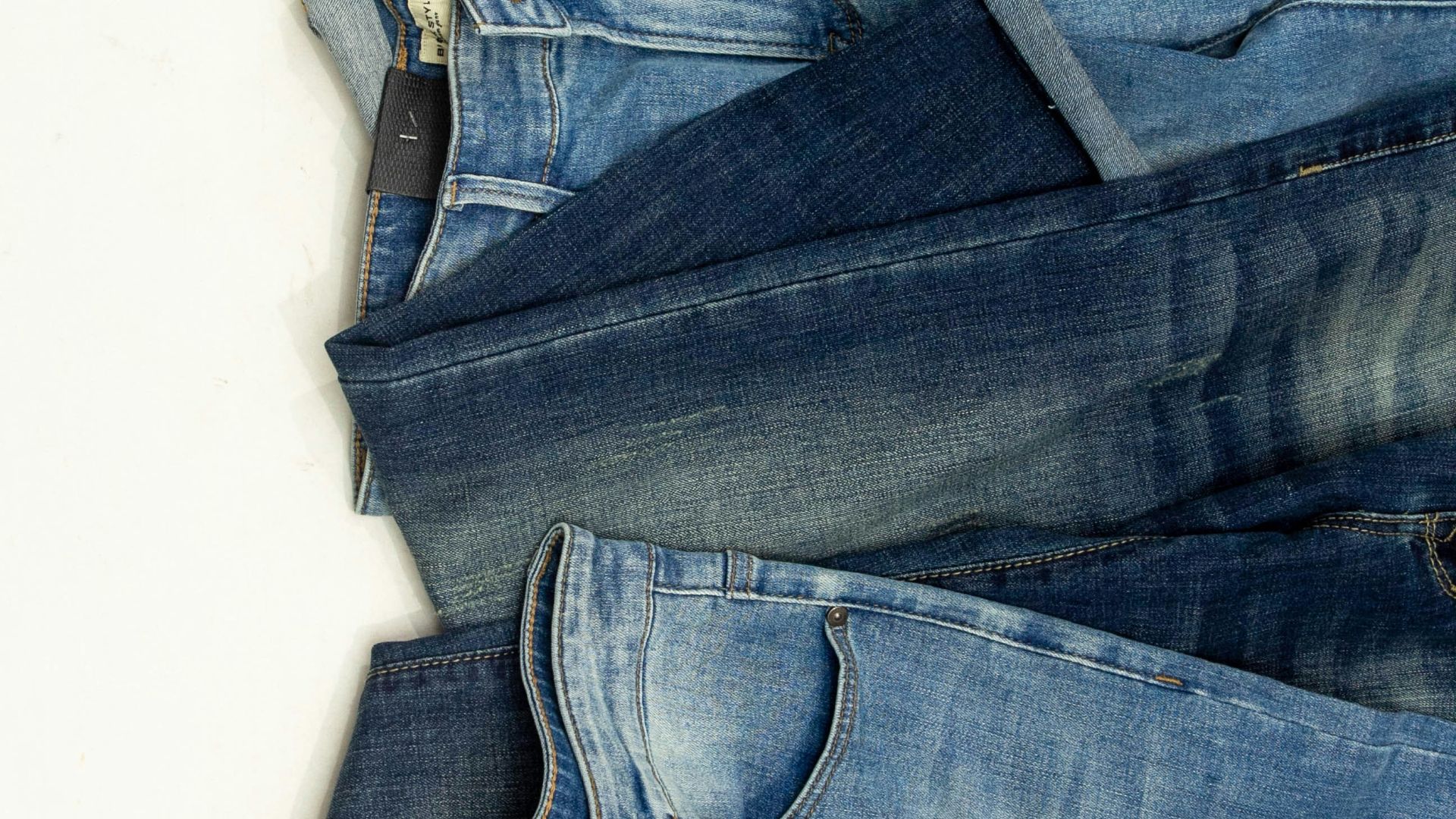
Once workwear, denim jeans evolved into a global fashion icon. Worn by rebels, rock stars, and everyday people, they blurred class lines and defined casual modern style. Denim became the great equalizer, as it was comfortable, adaptable, and democratic.
15. Punk Fashion and Anti-Establishment Style (1970s)
Pioneered by Vivienne Westwood and bands like the Sex Pistols, punk fashion made rebellion wearable. Ripped shirts, safety pins, and leather jackets shouted defiance at mainstream culture. This style was protest stitched into fabric.

16. The Tracksuit and Streetwear Culture (1980s–1990s)
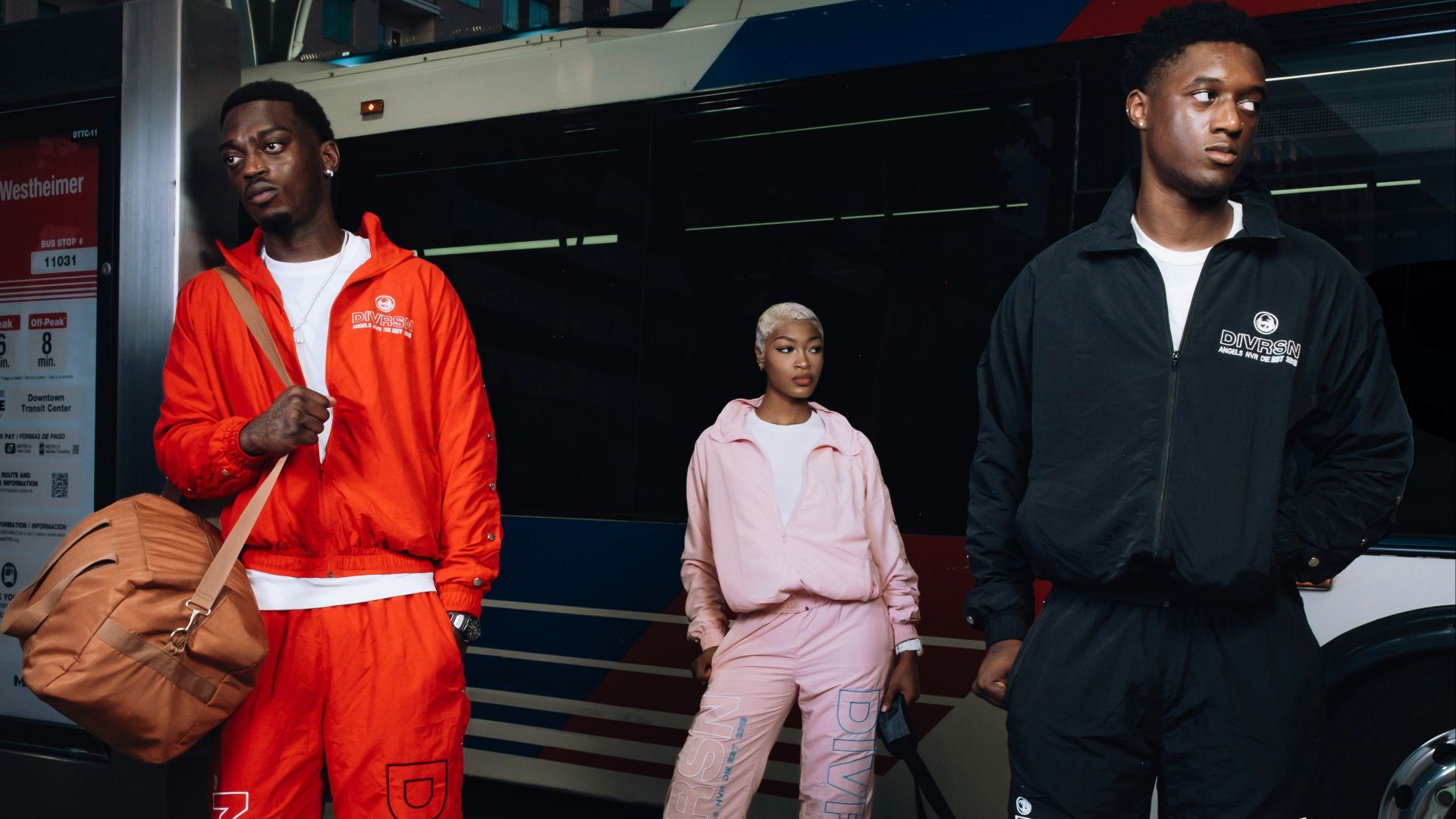
Once reserved for athletes, tracksuits found a new home in hip-hop and street culture. Brands like Adidas and Puma became cultural touchstones for youth identity. Streetwear blurred the lines between comfort, sport, and self-expression, influencing global fashion to this day.
17. Princess Diana’s Timeless Influence (1980s–1990s)
Princess Diana transformed royal style into something relatable and modern. Her effortless mix of elegance and accessibility reshaped how the public viewed royalty. Decades later, her fashion choices still inspire designers and everyday wardrobes alike.
18. Grunge and the Anti-Fashion Movement (1990s)
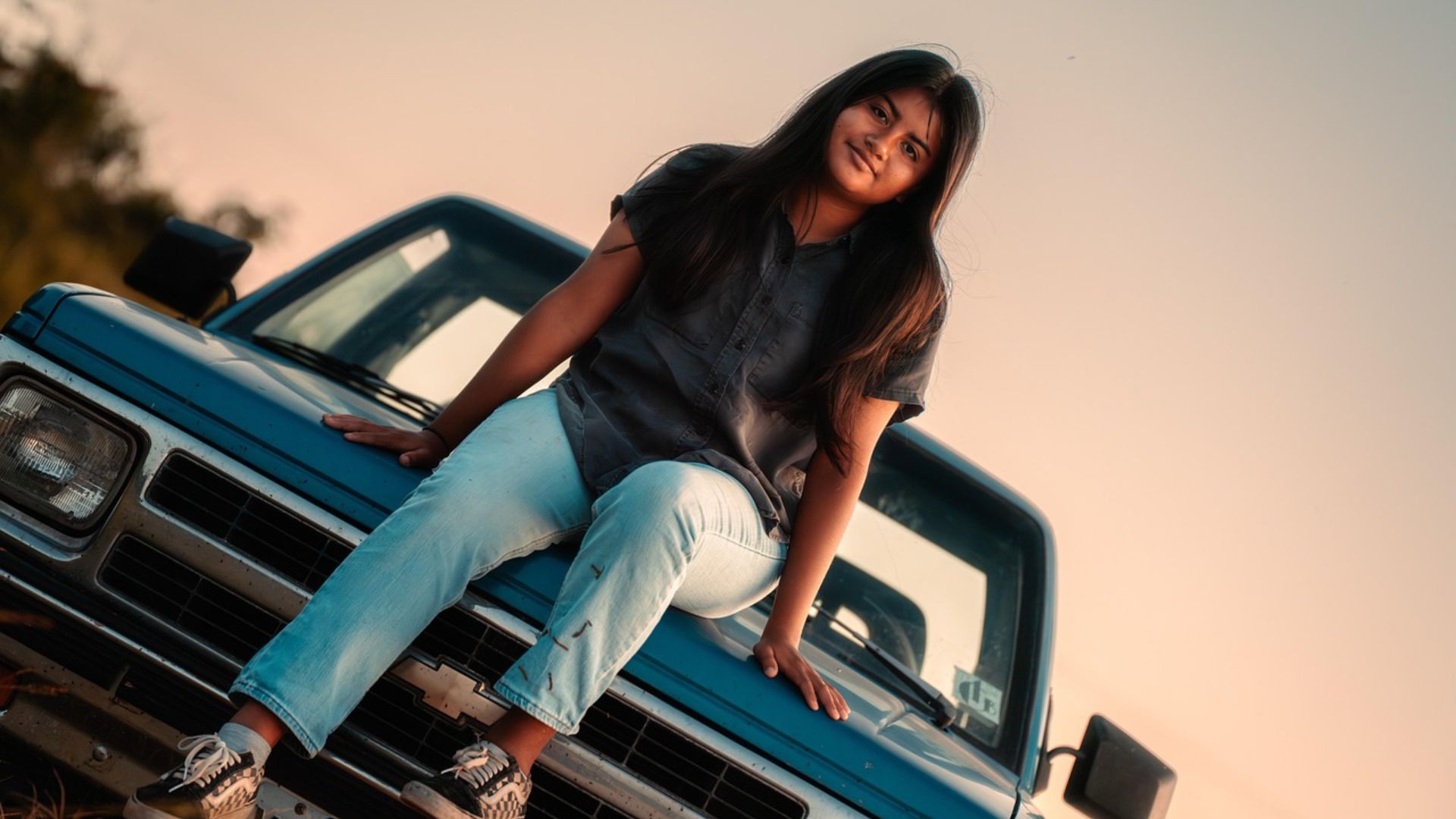
Flannel shirts, ripped jeans, and thrifted layers defined grunge style. Artists like Kurt Cobain turned unpolished looks into cultural statements. Grunge rejected luxury and declared that authenticity mattered more than polish.
19. Fast Fashion’s Global Impact (2000s)
With the rise of brands like Zara and H&M, clothing became cheaper and more accessible than ever. Fast fashion changed how people shopped—favoring volume over longevity. It democratized style while sparking new conversations about sustainability and ethics.

20. Sustainable Fashion Takes the Spotlight (2010s–2020s)
Eventually, modern consumers began questioning where their clothes came from. Designers embraced recycling, fair labor, and eco-friendly materials. Sustainability shifted from a niche concern to a global movement redefining what “good fashion” means.