
The Rules Didn’t Disappear, They Just Got Sneakier
Office dress codes used to feel like a single, firm volume: suits meant serious, denim meant weekend, and someone somewhere was definitely policing your shoes. Then “Casual Friday” cracked the door, and over time the door basically came off its hinges, especially once tech culture made comfortable look like confidence. Now the dress code is less a checklist and more a shared, unspoken calibration that changes depending on who is in the room, who is on Zoom, and whether anyone important is visiting. Here are twenty quiet shifts that reshaped what “office appropriate” even means.

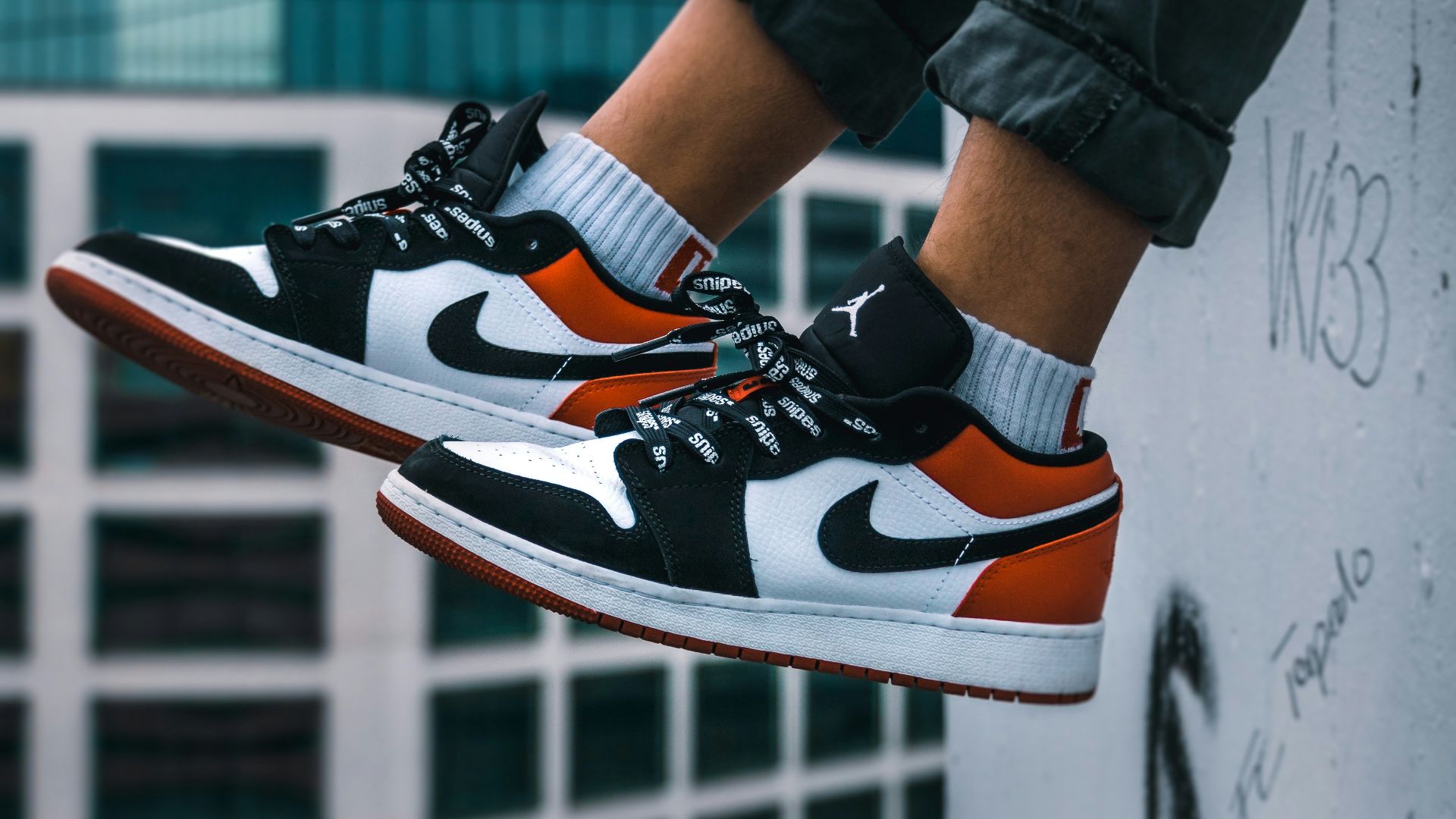
1. Sneakers Became Normal
Sneakers used to be a confession that you planned to change shoes later, or that you were not trying very hard. Now clean pairs slide into meetings without anyone blinking, as long as they look intentional instead of like they just survived a muddy dog walk.
2. “Business Casual” Got Stretchier
Business casual once meant stiff chinos and a button-down that felt like it came with an employee handbook. Now it includes fabrics that move, breathe, and forgive a long commute, because comfort stopped being treated like a moral failure. Even the more traditional offices learned that people do better work when they are not silently annoyed by their waistband.
3. Jeans Stopped Being the Big Debate
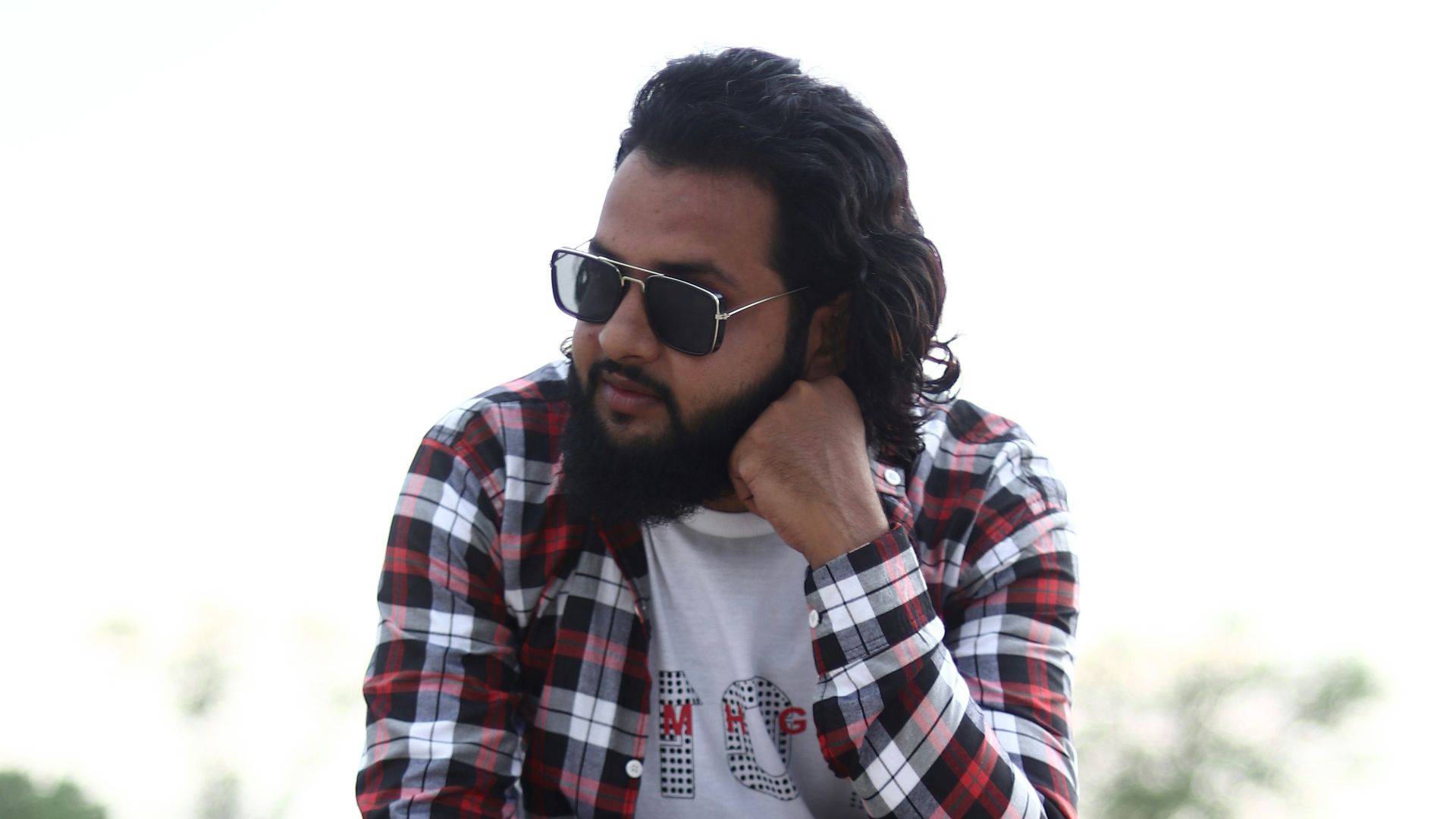
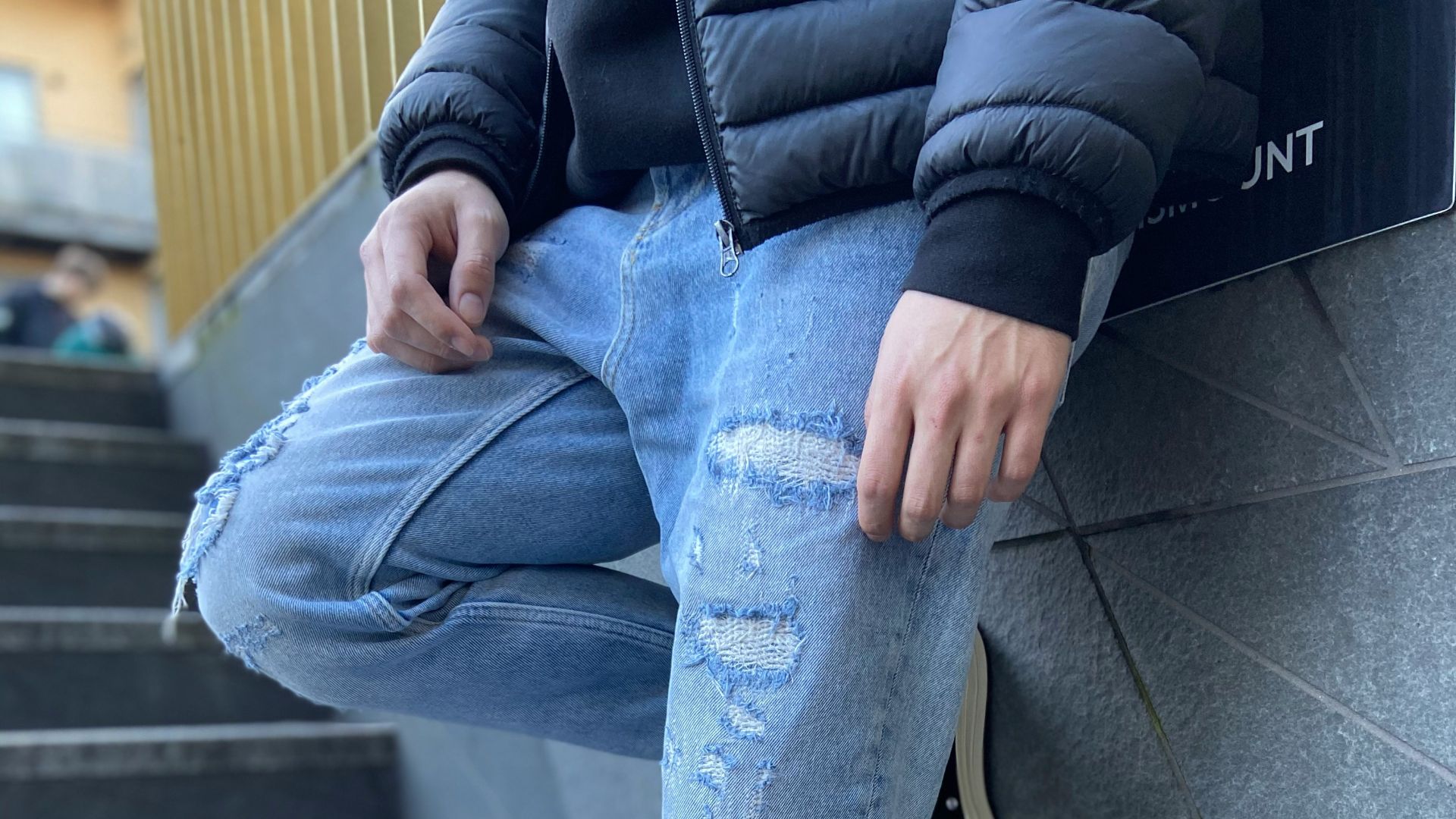
For years, jeans were the office battleground, treated like they might summon anarchy if allowed on a Tuesday. Now the conversation is usually about cut and wash, not whether denim is acceptable at all. Dark, straight-leg jeans quietly replaced “dress pants” for a lot of people who still want to look like they tried.
 Klaudia Piaskowska on Unsplash
4. The Blazer Became an “In Case” Item
Blazers used to be the default armor, worn even when the office had no actual threats beyond fluorescent lighting. Now they live on the back of chairs or folded in a tote, ready for a presentation or a surprise guest. The blazer didn’t disappear, it just became strategic.
5. Tops Became More Important Than Everything Else
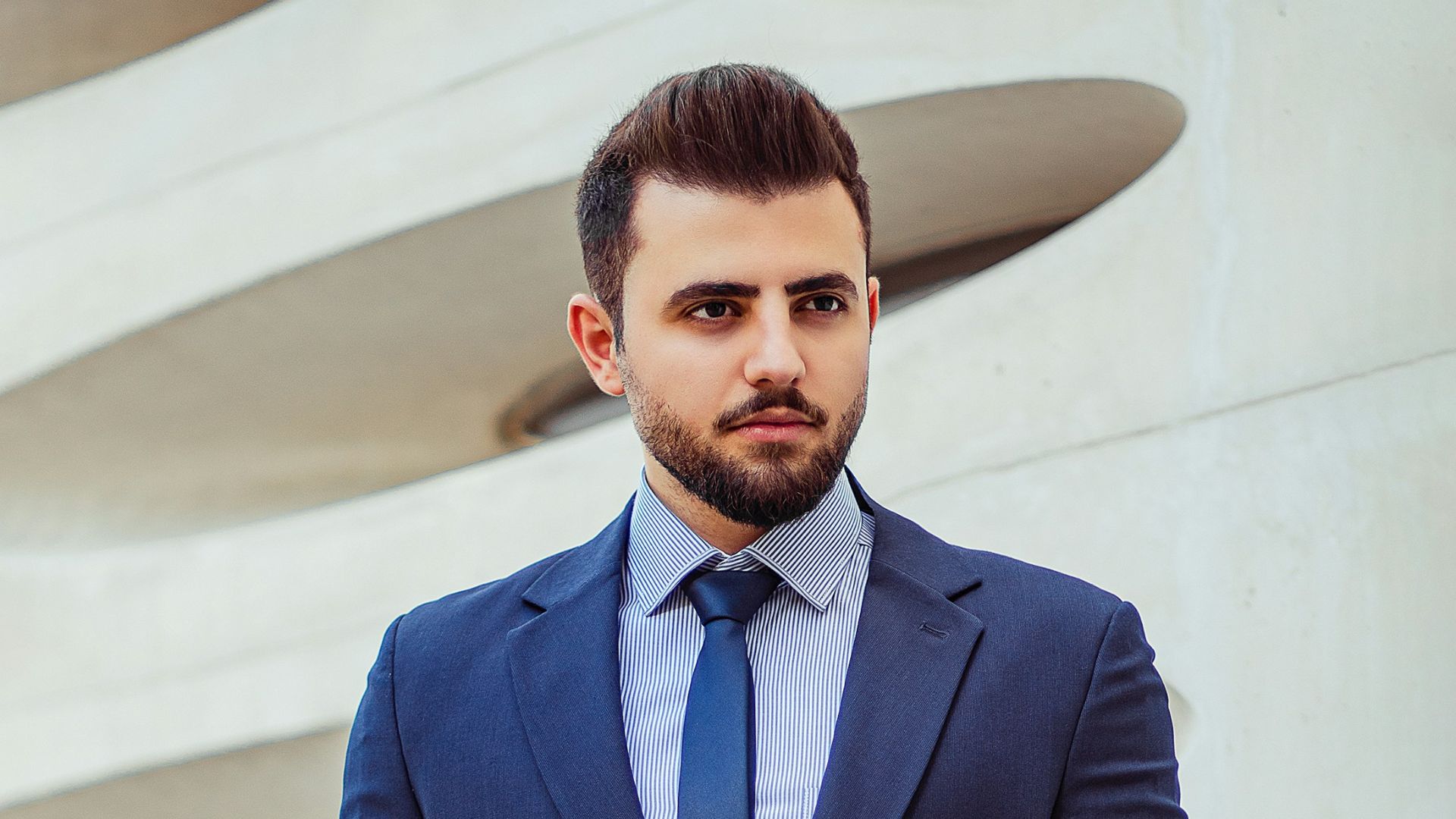
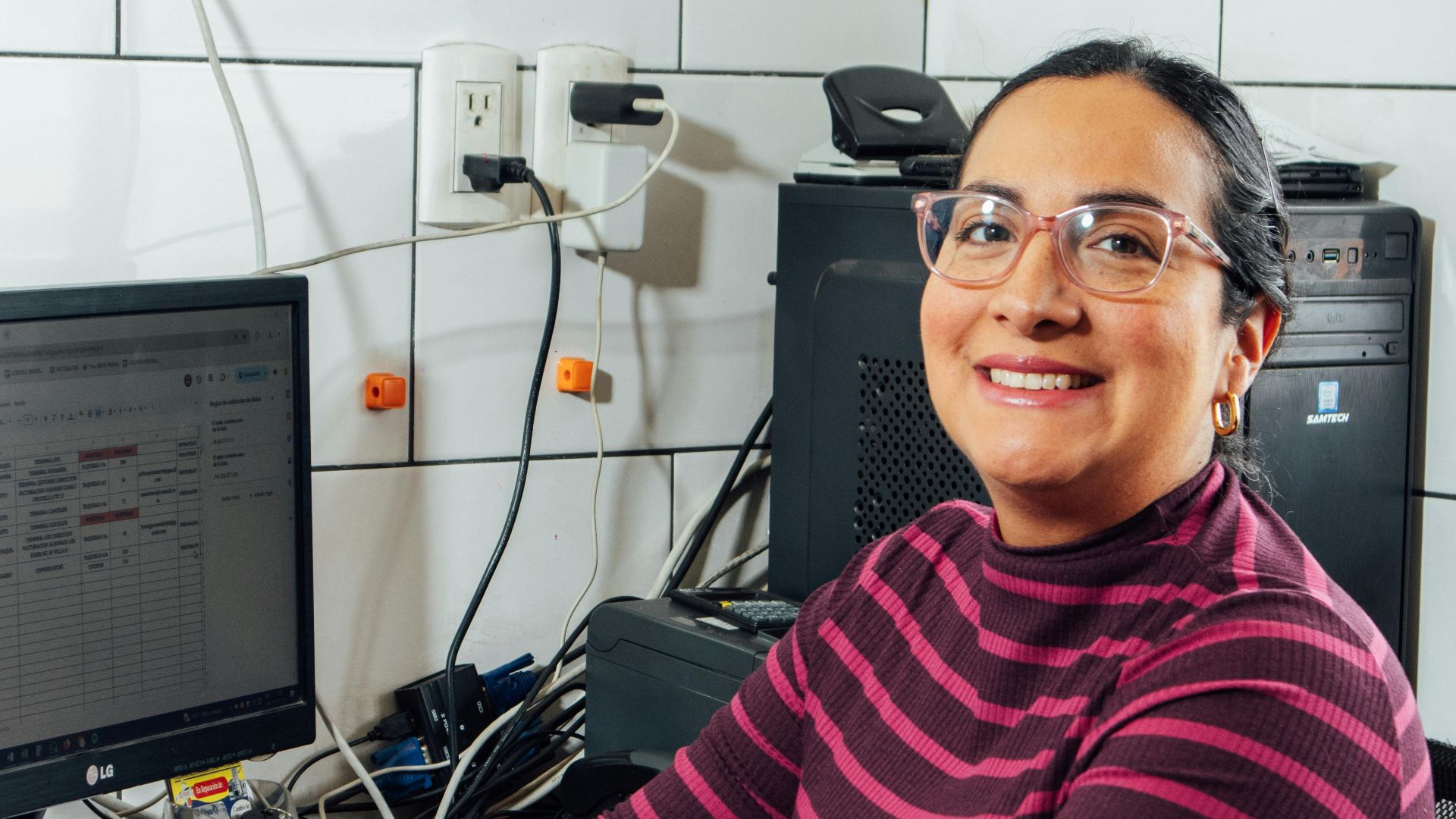
Hybrid work created a new hierarchy, and it is not subtle. What shows up on camera matters more than what you are wearing from the waist down, so people invest in polished knits, clean collars, and sweaters that read well in a rectangle. The “work outfit” became a crop, even when no one calls it that.
6. Logos Quietly Faded Out
There was a long era when big logos felt like status, or at least like effort. Now logos often read as too loud, like you are trying to sell something when everyone else is trying to look calm. The new flex is fit, fabric, and looking pulled together without yelling.
7. The Office Started Dressing Like the Weather App
Dress codes used to ignore climate entirely, as if professionalism required sweating through wool in July. Now more offices accept seasonal reality, meaning linen blends in summer, warmer layers in winter, and shoes that can survive a downpour. Practicality won a few rounds.

8. “Dress For Your Day” Replaced One Set of Rules
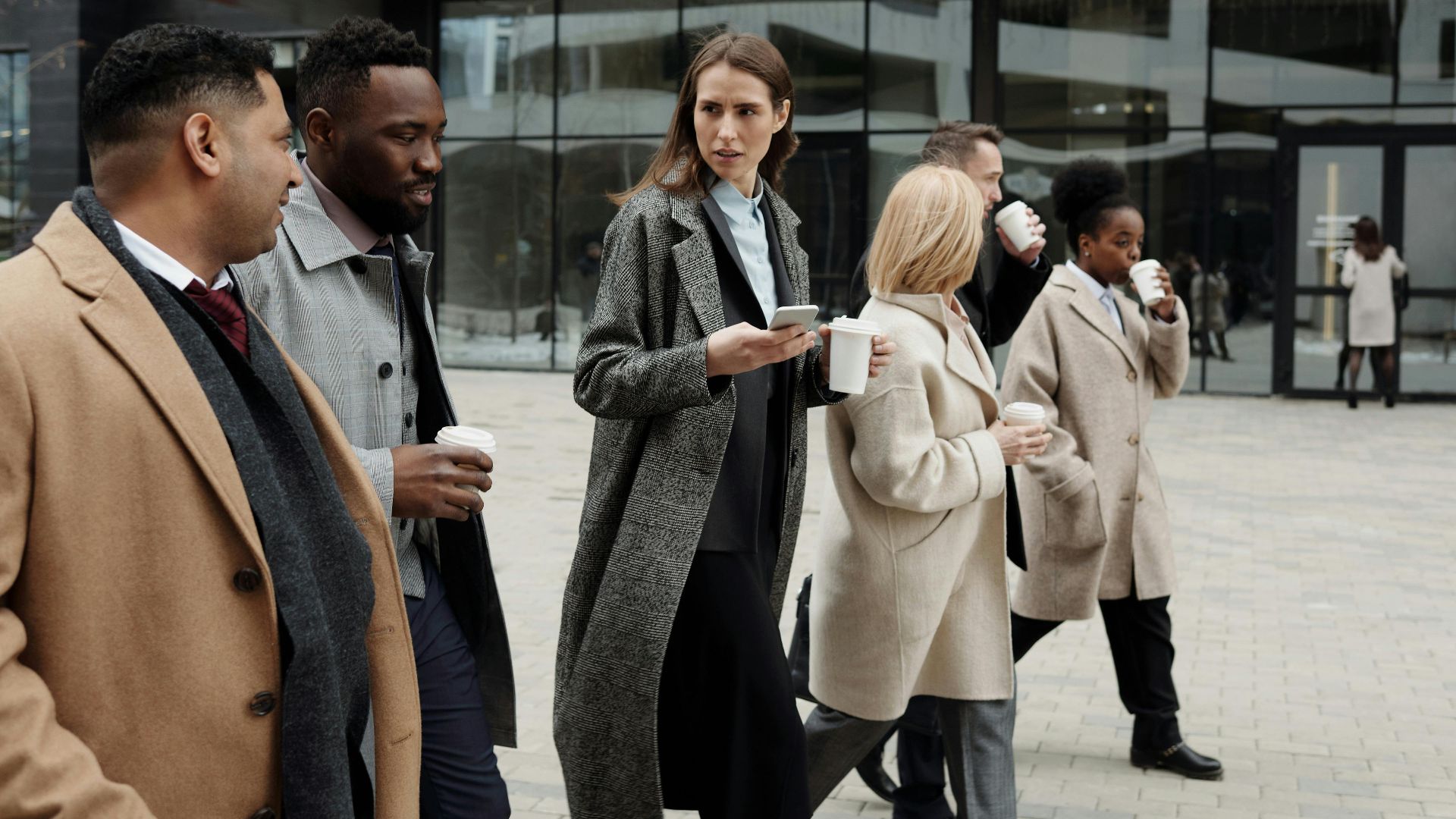
A lot of workplaces quietly swapped a universal dress code for a situational one. The same person might wear sneakers and a hoodie on a deep-work day, then show up in sharper layers for a client meeting. It sounds freeing until you realize it requires constant judgment.
9. Hoodies Stopped Automatically Signaling “Student”
Hoodies used to read like a refusal to participate. Now the right hoodie, especially under a jacket or paired with cleaner pants, can look like modern creative-office uniform. The fabric is casual, but the styling is deliberate, and that distinction matters more than ever.

10. Dress Shoes Became Optional
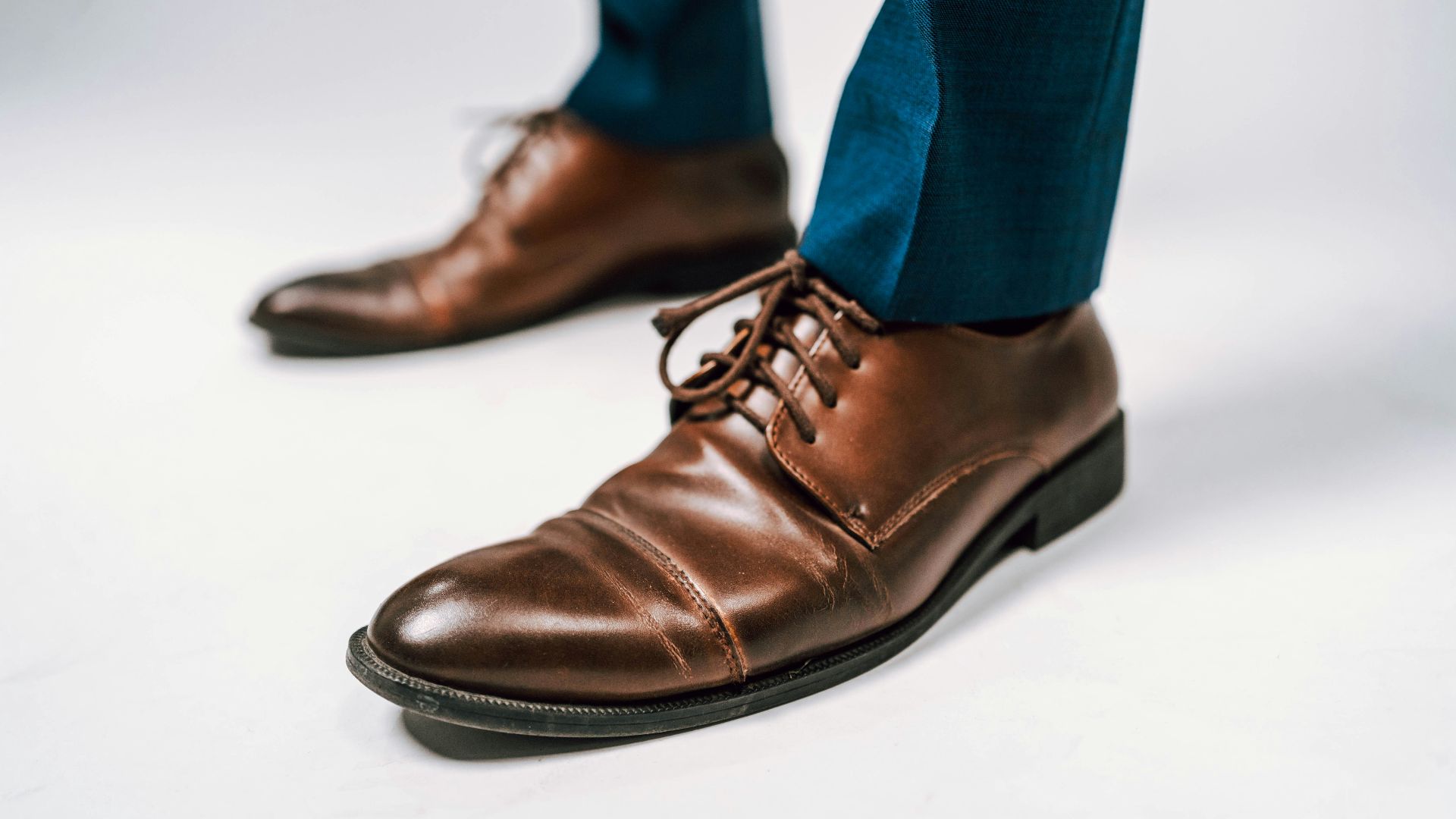
Dress shoes used to be the final line between work and not-work. Now a lot of offices quietly tolerate loafers, minimalist sneakers, and even sturdy boots as long as they look clean. The expectation shifted from formality to finish.
11. Wrinkles Became Less Offensive
There was a time when a wrinkled shirt felt like a personal insult to management. Now people are more forgiving, partly because commuting and moving through the day naturally creates creases, and partly because perfection started to feel performative. You still want to look neat, but you do not have to look pressed to the point of rigidity.

12. Athleisure Slipped In Through the Side Door
Nobody announced that joggers were welcome in the office. They just started appearing in nicer fabrics, darker colors, and cuts that read like trousers from five feet away. The office did not adopt athleisure so much as it stopped fighting it.

13. Tailoring Became a Quiet Advantage
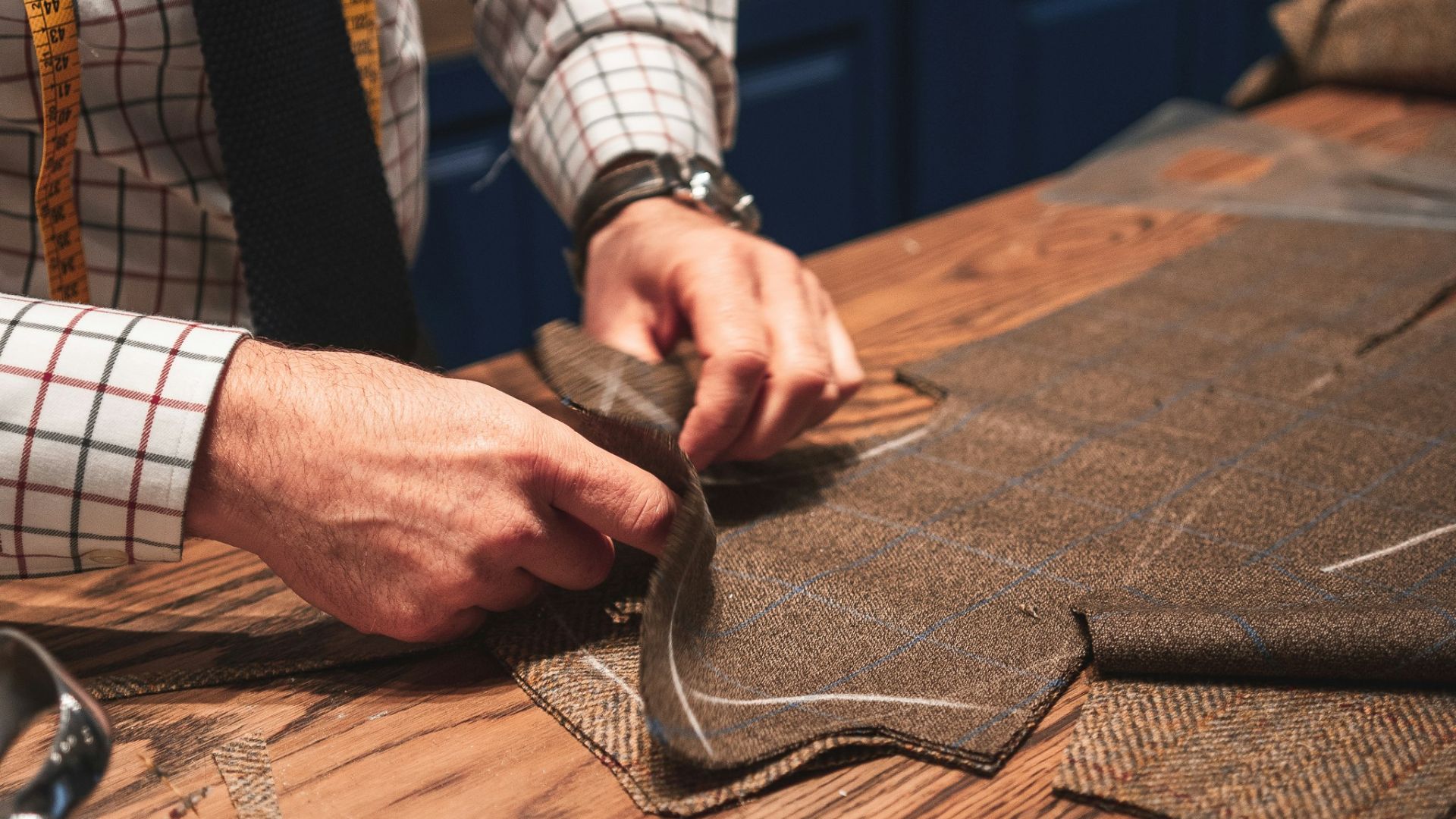
As clothes got looser and rules got fuzzier, fit became the thing that separates “casual” from “sloppy.” A slightly tailored hem, a jacket that sits right on the shoulders, or pants that hit the shoe correctly can make an outfit look intentional without making it formal. Tailoring is the cheat code that never goes out of style.
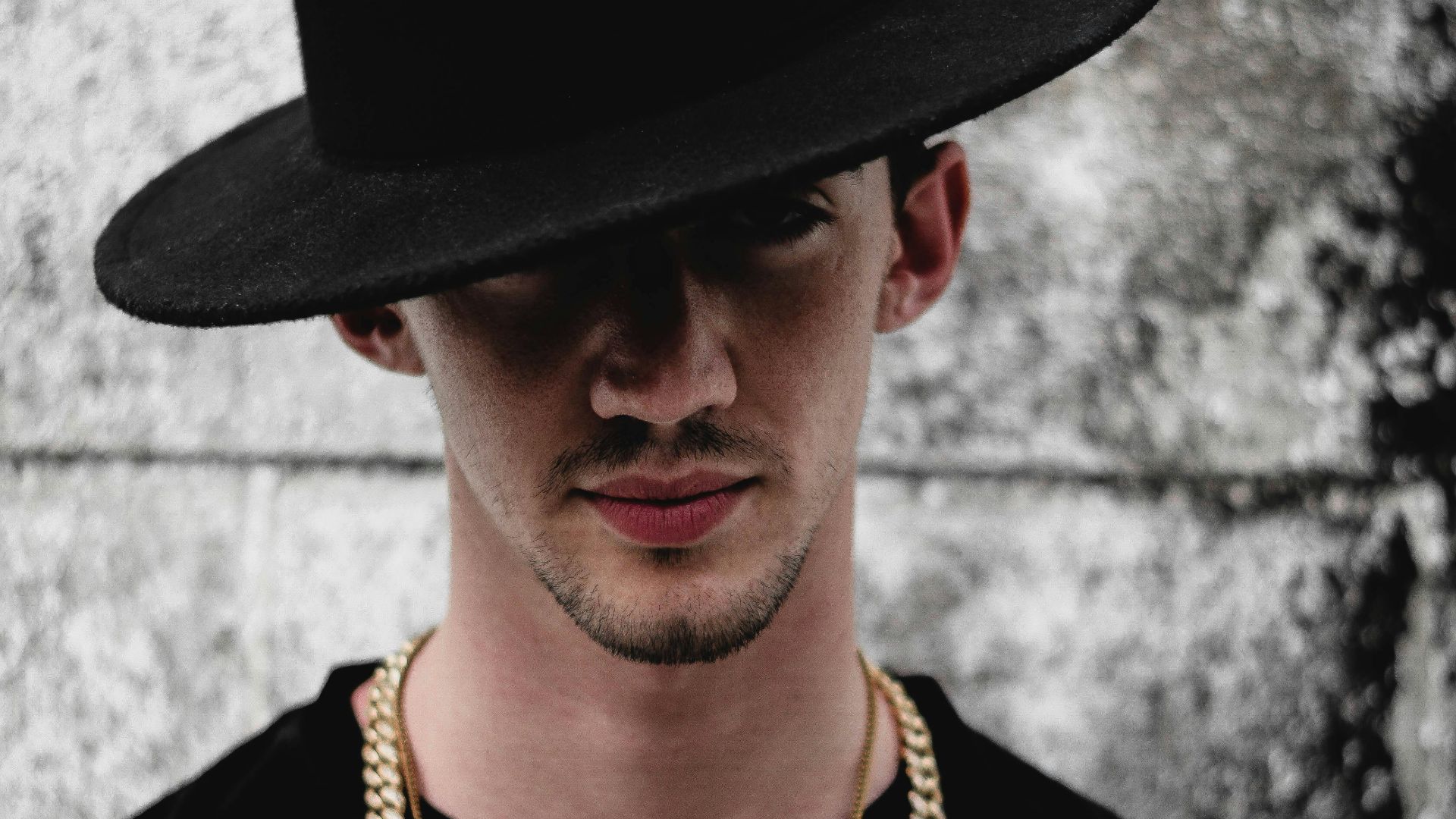
14. “No Hats” Became “Just Not That Hat”
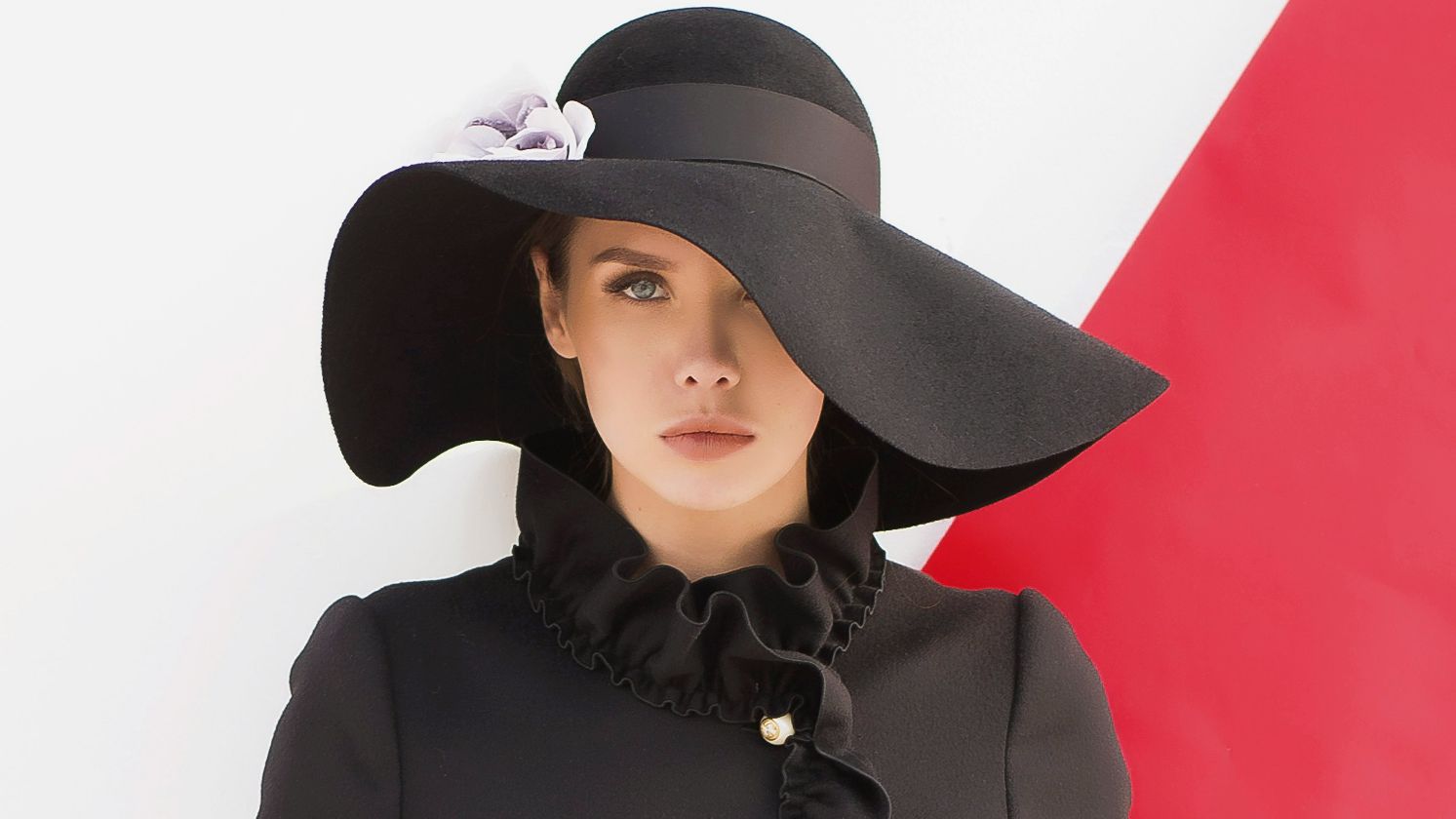
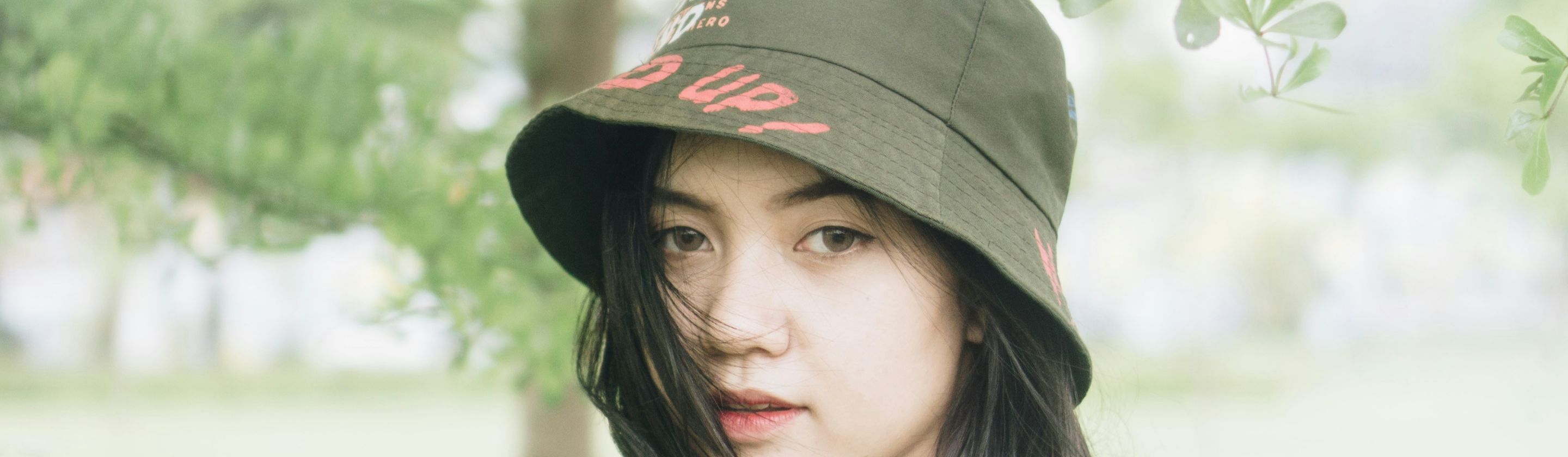
Many offices still claim hats are not appropriate, then turn around and accept a clean beanie in winter or a plain cap on a casual day. The real rule is about vibe, not brim. Some hats say practical, others say checked out, and people read the difference fast.
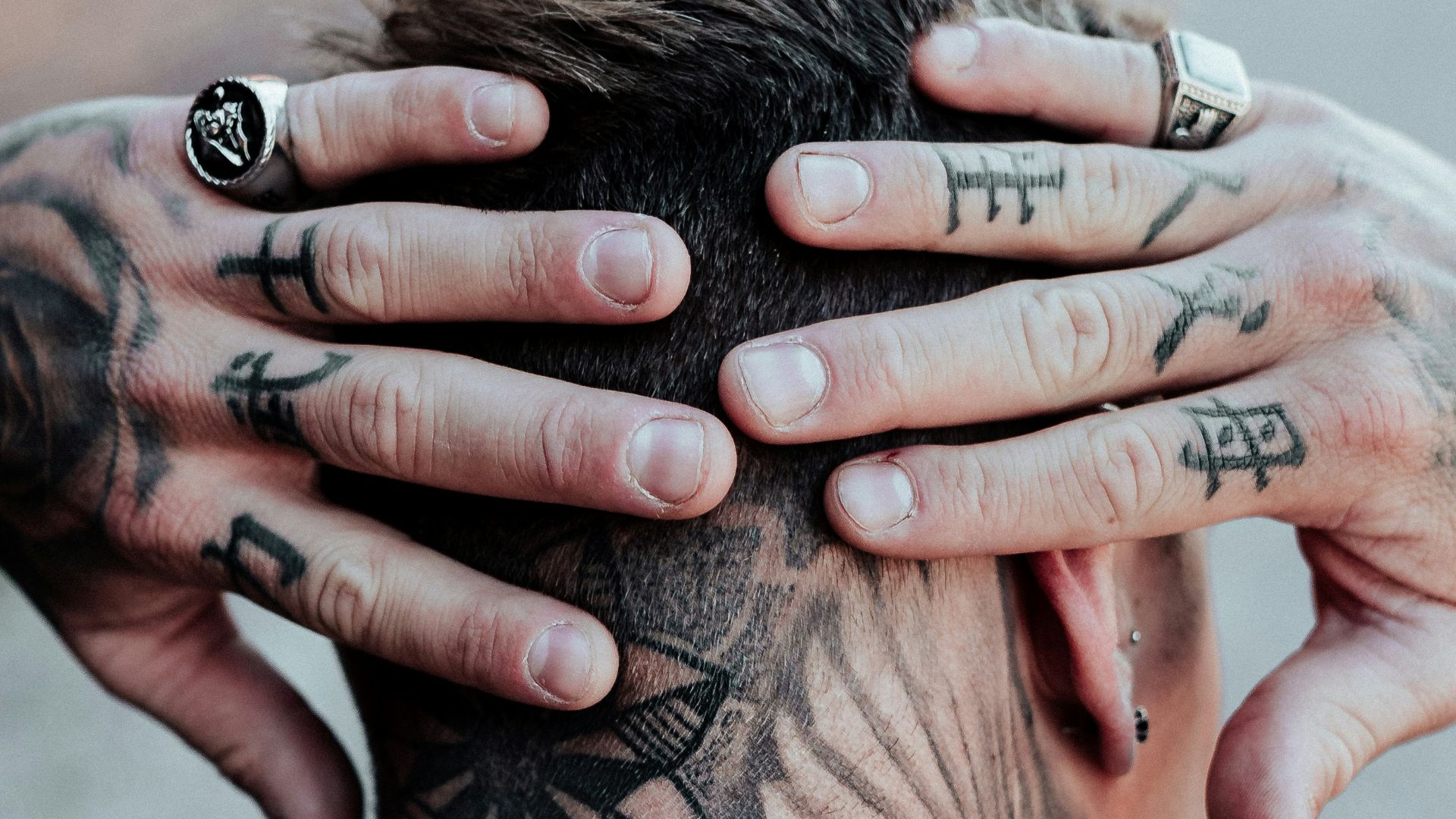
15. Tattoos And Piercings Stopped Being Instant Red Flags
Visible tattoos and piercings used to be treated as a workplace disruption. Now they are common enough that a strict ban feels outdated, especially in cities and creative industries. What matters more is whether someone seems competent and respectful, which is what the dress code was supposed to signal in the first place.
16. The “Client-Facing” Exception Got More Complicated
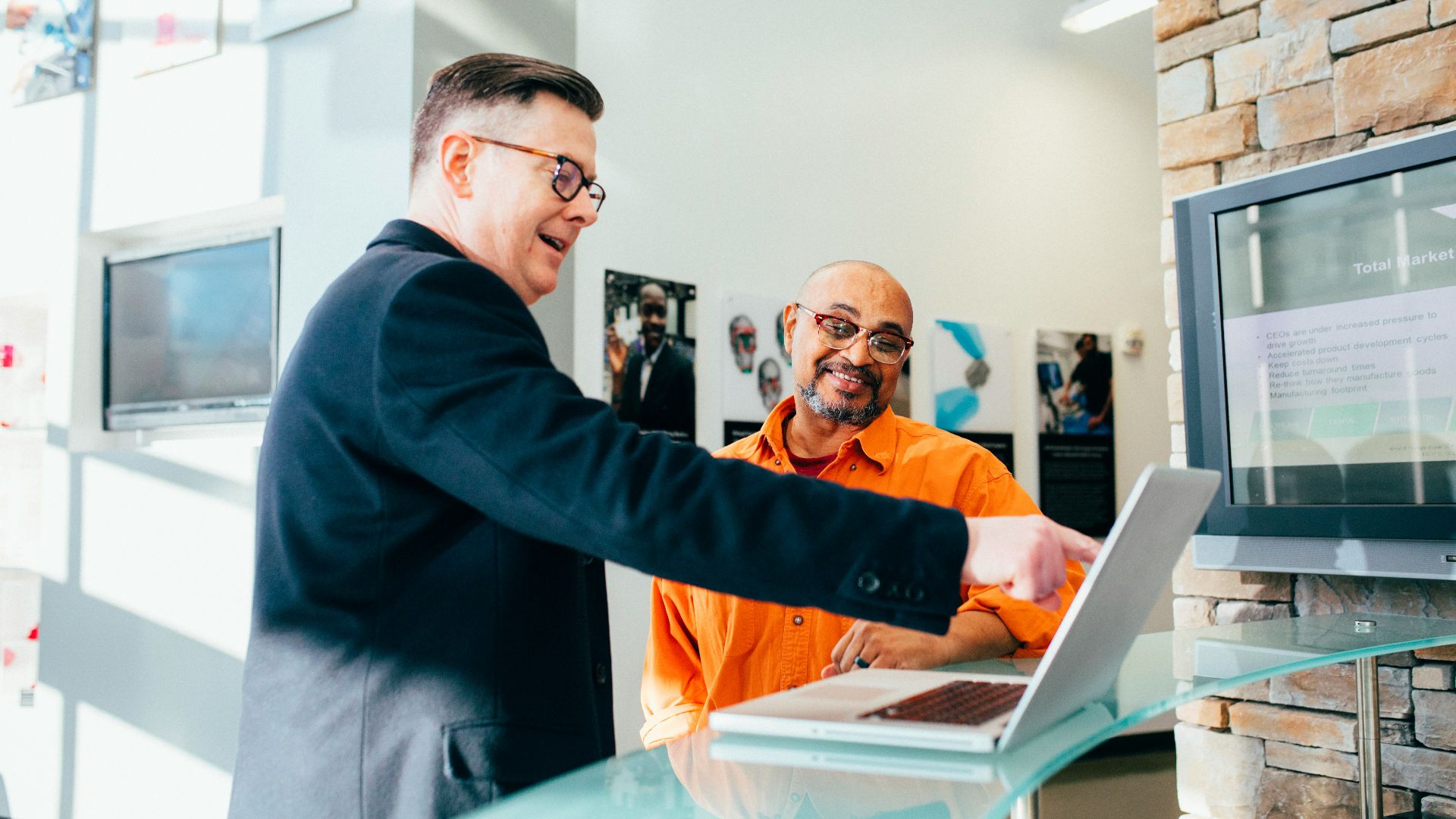
Offices used to draw a bright line between internal days and client days. Now client interactions happen on short notice, sometimes on camera, sometimes in person, sometimes both. People dress with a little more versatility because the schedule is less predictable.
 LinkedIn Sales Solutions on Unsplash
17. Comfort Became A Status Signal
For a long time, discomfort was treated like professionalism, as if you had to earn the right to relax. Now comfort can read as confidence, like you are secure enough not to dress for approval. The shift is subtle, but you can feel it in how people stop apologizing for softer clothes.

18. Gendered Rules Started Cracking
Dress codes used to be full of unspoken gender expectations, from heels to makeup to what counted as “polished.” Many workplaces have tried to move toward gender-neutral standards, even if the culture lags behind the policy. The change is imperfect, but the direction is clear.

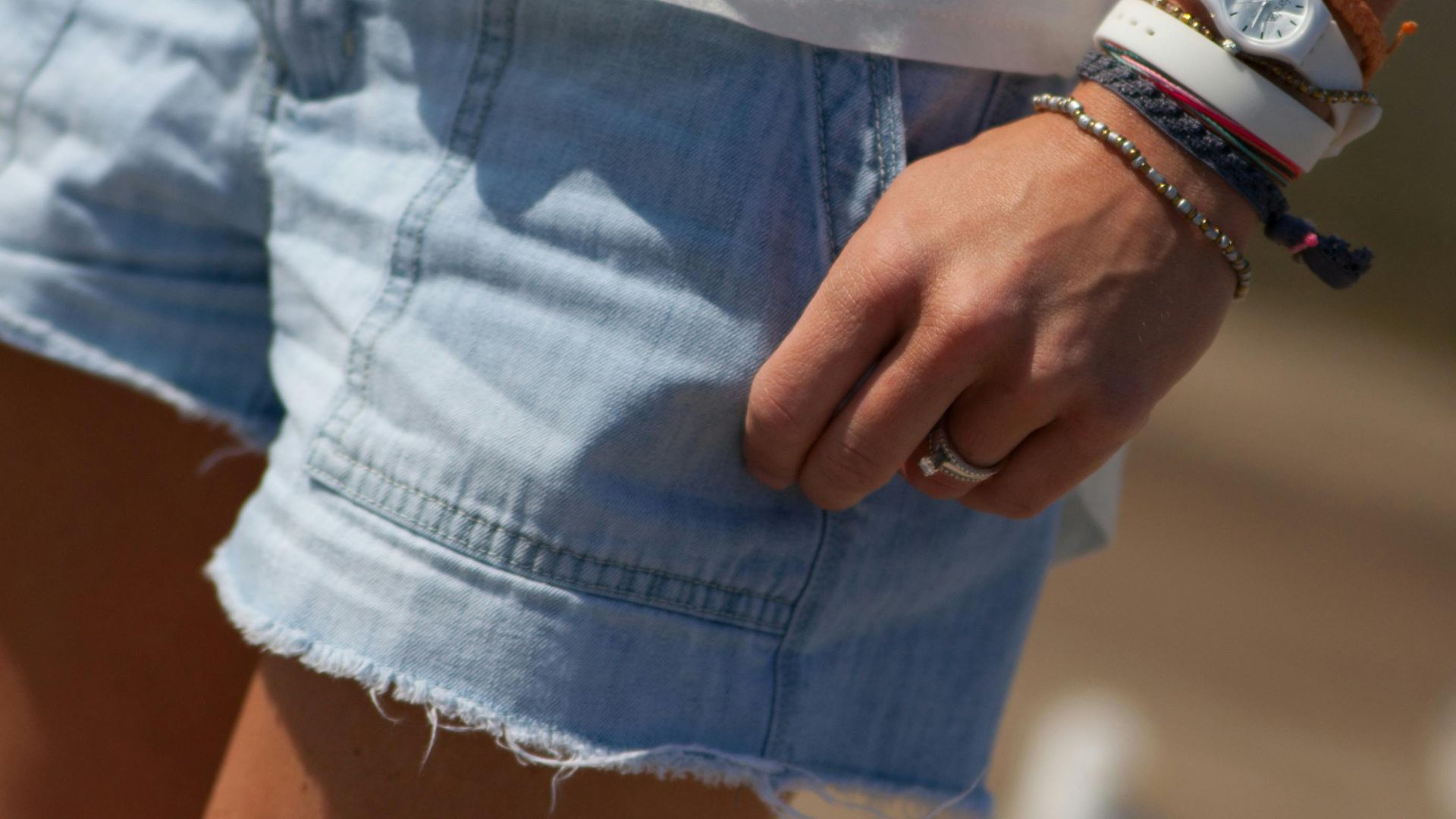
19. “No Shorts” Turned Into “Maybe, If They’re Nice”
Shorts still make some offices nervous, yet tailored, longer styles have started to appear in summer, especially in warmer cities. People are experimenting with what looks grown-up rather than what looks like gym wear. The rule did not vanish, it became negotiable.
20. The Real Dress Code Became Social
Most offices still have a policy somewhere, but the real enforcement happens through tiny social cues. You notice what leaders wear, what gets complimented, and what makes someone look slightly out of place in a meeting photo. The modern dress code is mostly about reading the room, and that is why it keeps changing without anyone officially saying so.