Where Premium Gear Meets Trail-Tested Simplicity
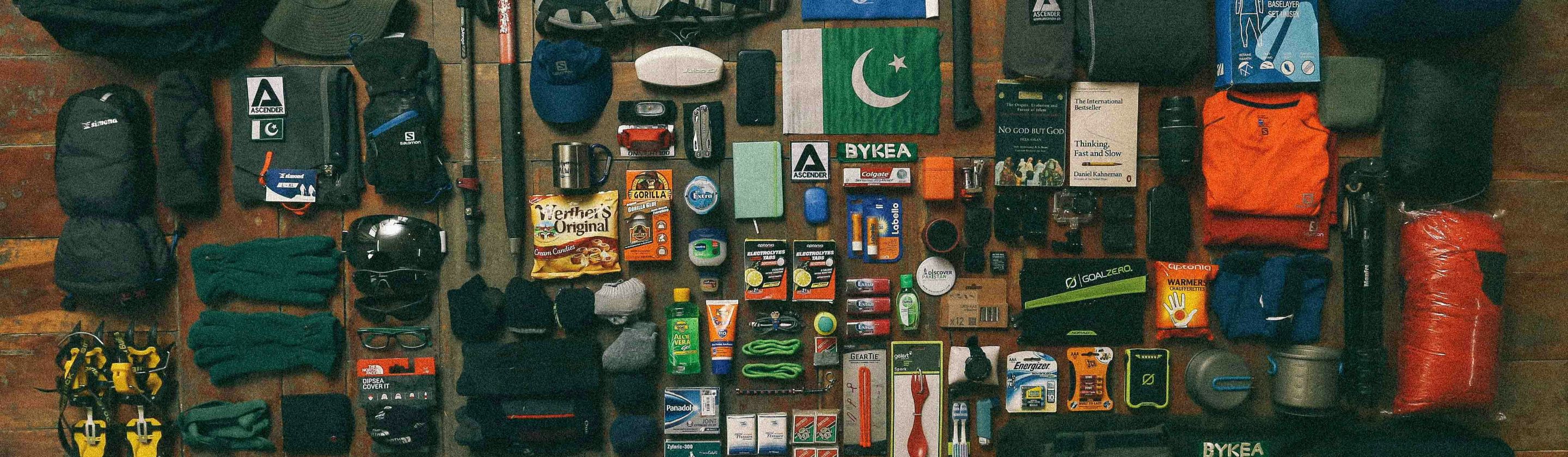
Hiking has always attracted two types of people, sometimes living inside the same backpack. One group loves beautifully engineered gear that promises lighter loads, drier feet, and fewer compromises. The other trusts what works, values durability over hype, and knows that the trail does not care how much you spent. The modern outdoor market feeds both instincts, offering everything from hand-stitched boots to plastic bottles that somehow do the same job. What follows is a side-by-side look at ten luxury hiking essentials and ten budget counterparts that continue to earn their place on the trail.
1. Hiking Boots
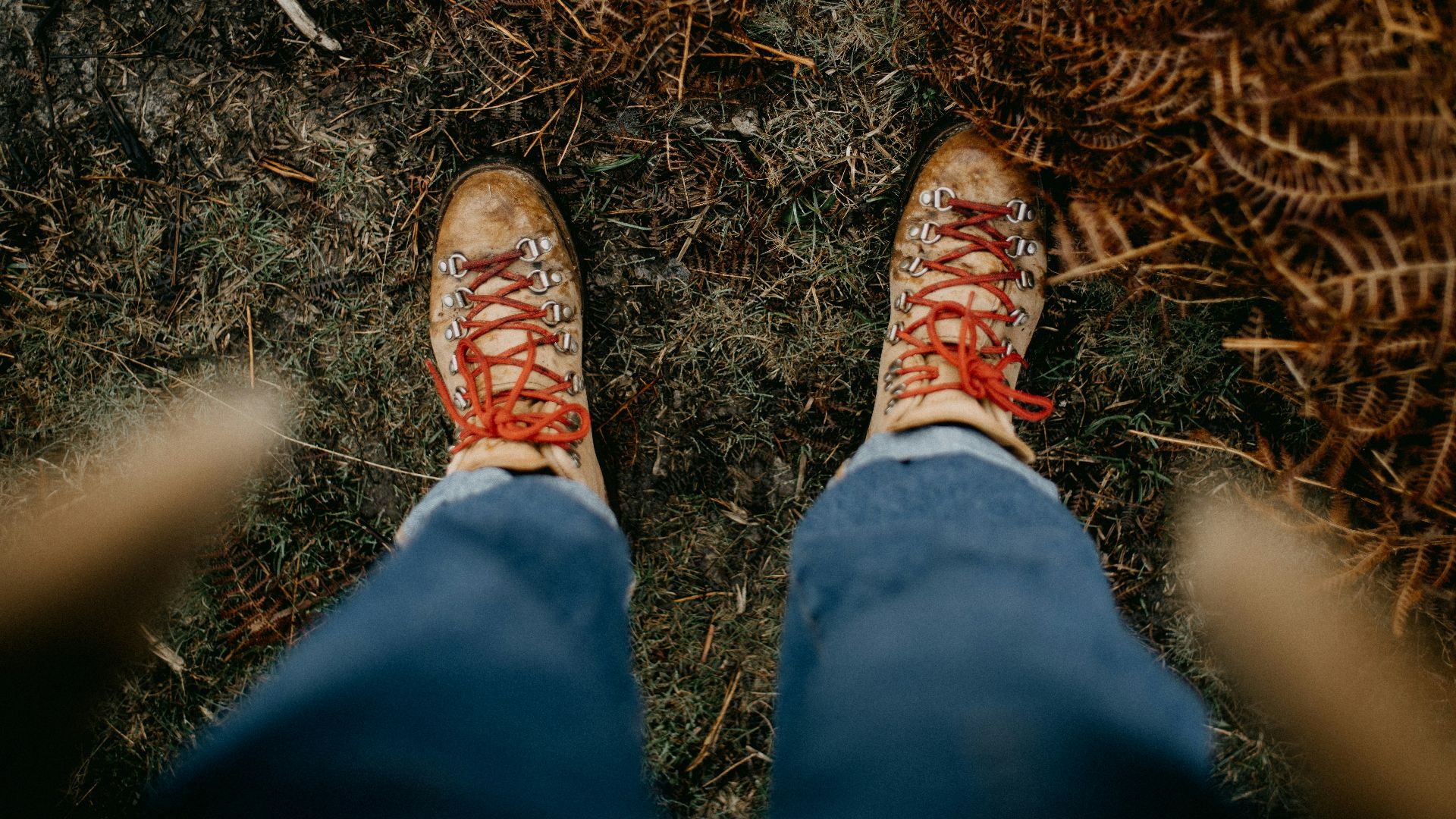
High-end boots from brands like Lowa or Zamberlan are built with full-grain leather, stitched soles, and materials meant to be resoled rather than replaced. They mold to your feet over time and handle heavy loads with quiet confidence. The price reflects longevity as much as comfort.
2. Backpack
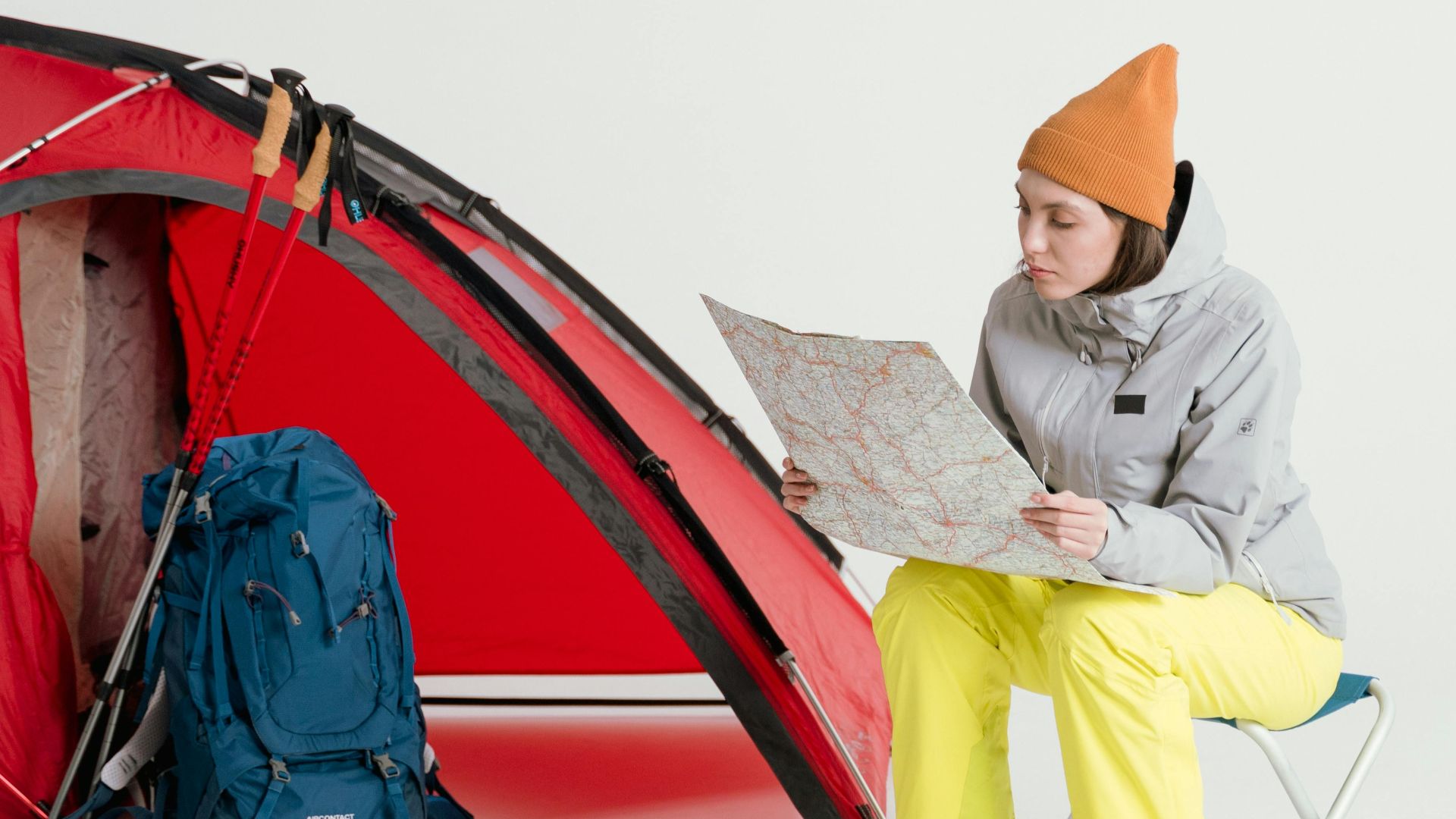
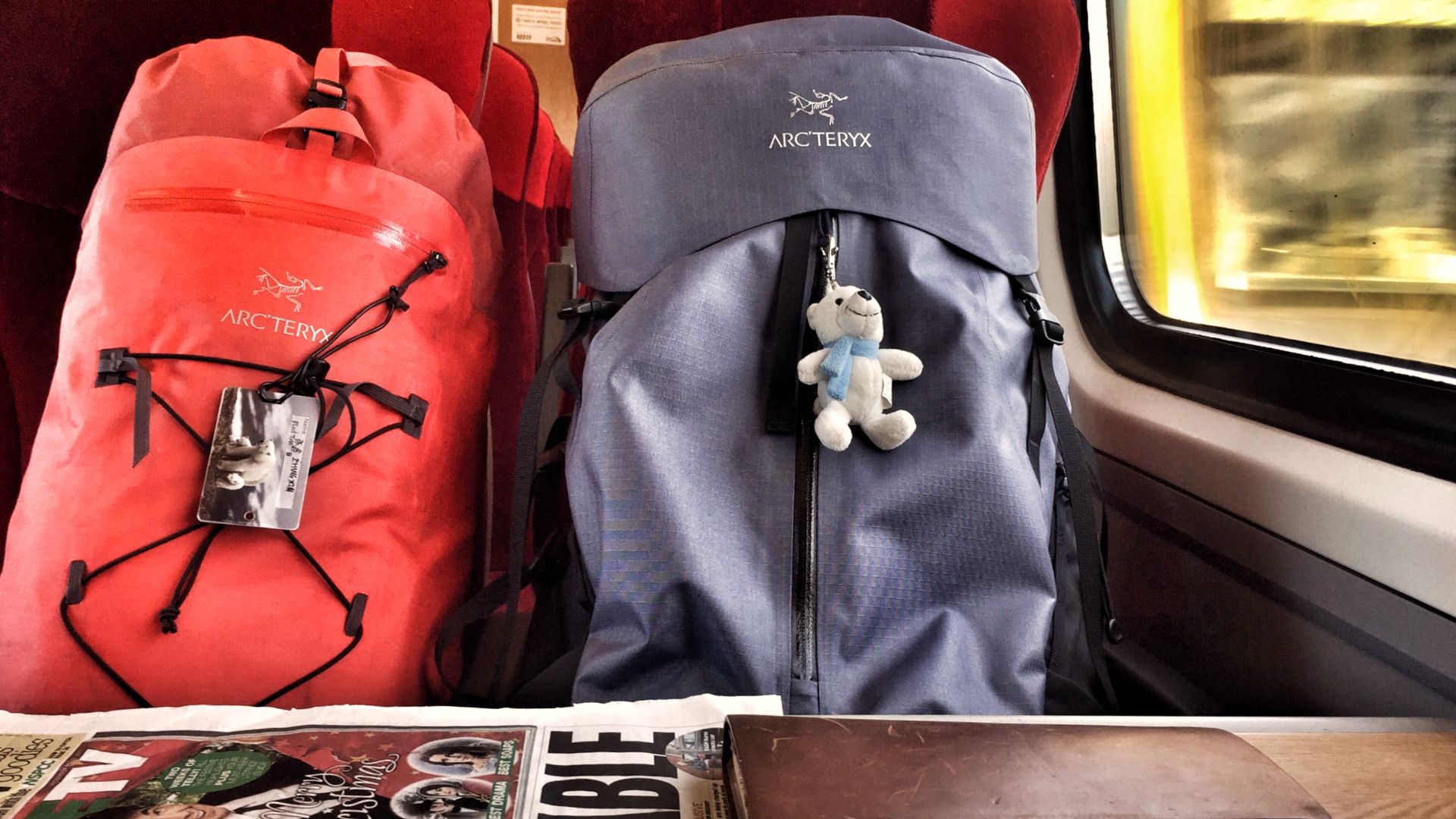
Premium packs from companies like Arc’teryx or Hyperlite Mountain Gear emphasize load transfer and weather resistance. Frames, fabrics, and suspension systems are obsessively refined. Long days feel shorter when weight sits where it should.
3. Rain Jacket
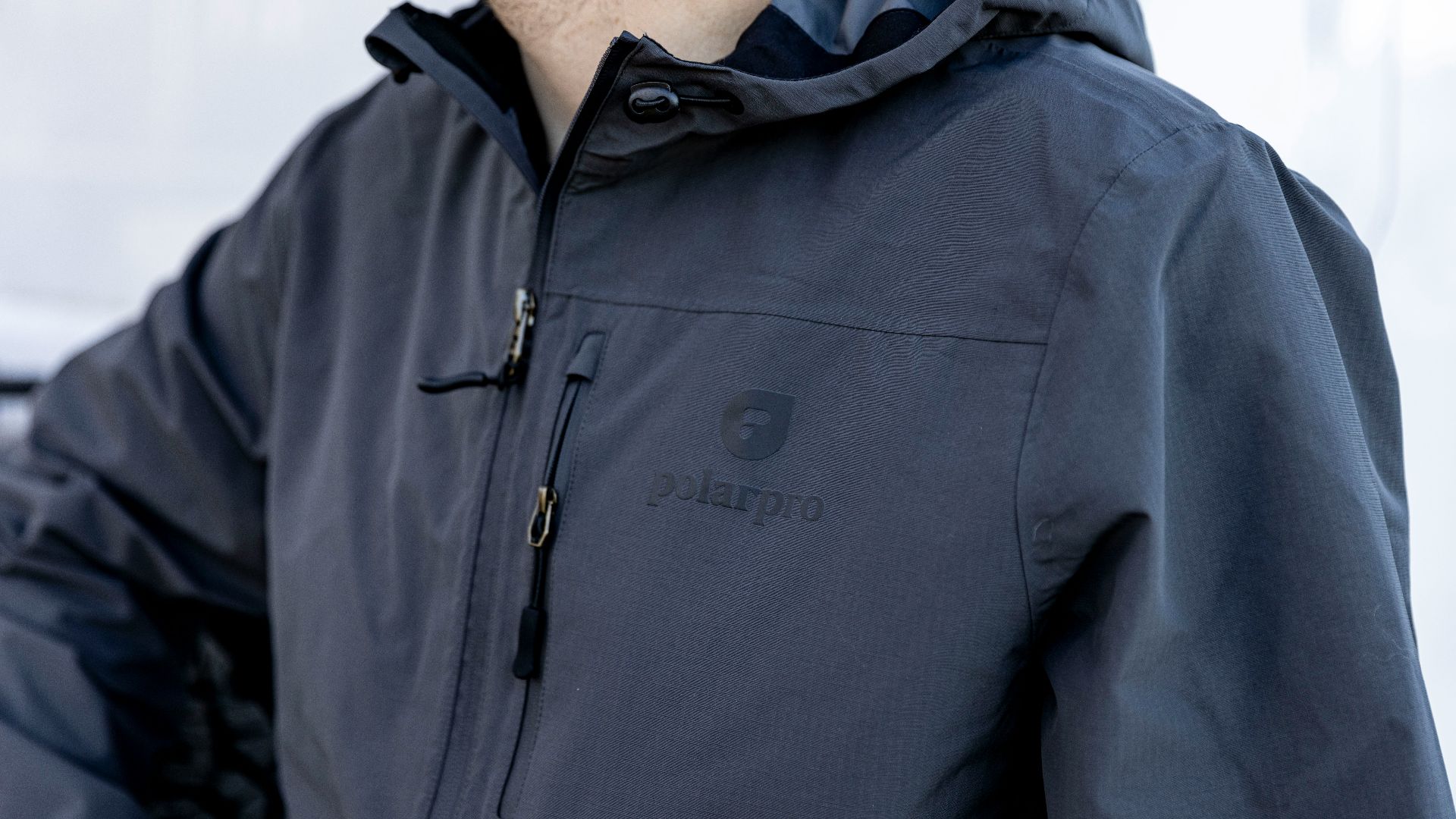
Top-tier rain shells use advanced membranes developed through decades of materials science. Gore-Tex remains the most recognized name thanks to documented waterproof and breathability standards. These jackets breathe better under pressure and last through years of abrasion.
4. Trekking Poles
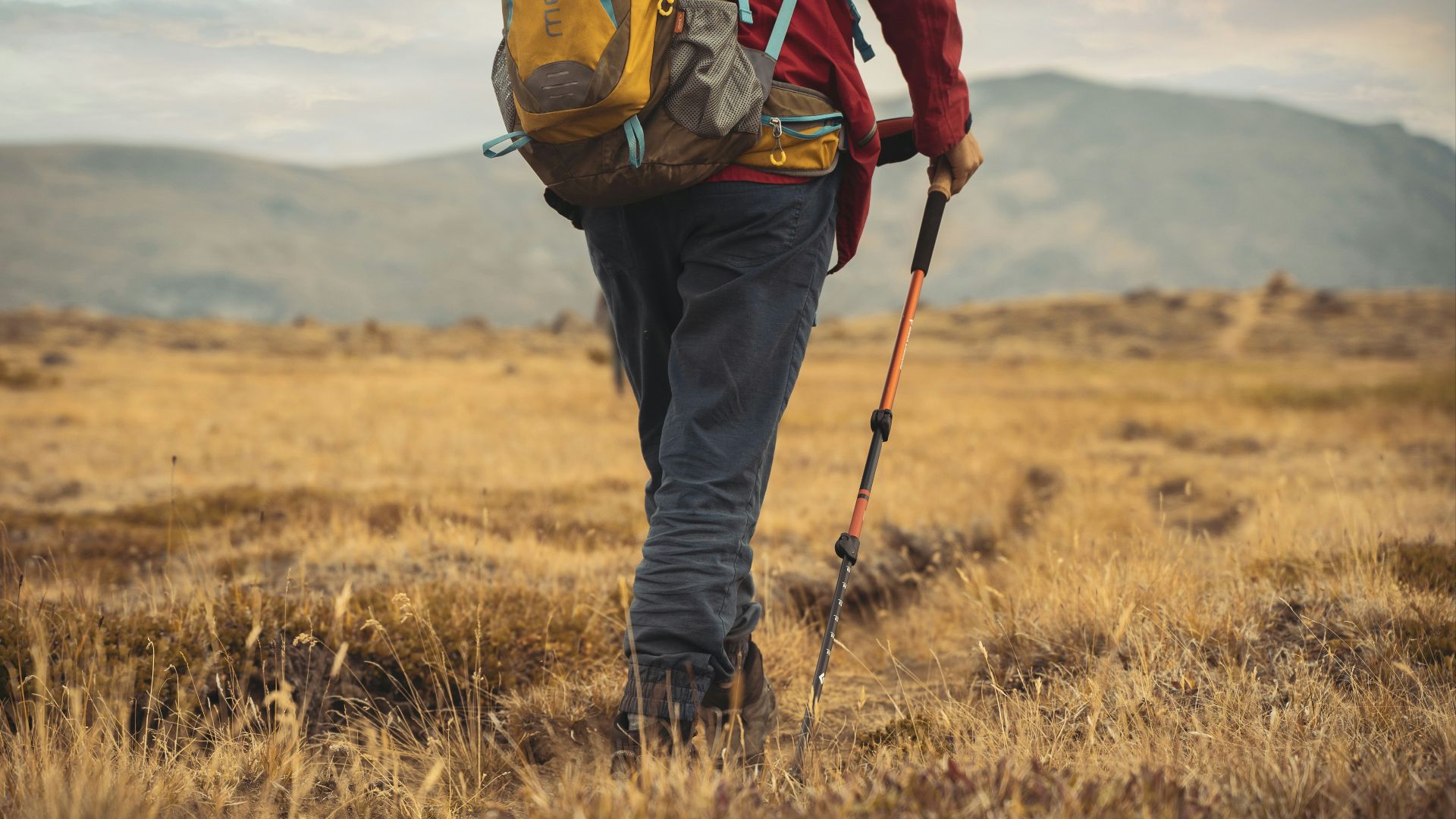
Carbon fiber poles shave ounces without sacrificing strength. Brands like Black Diamond design grips and locking mechanisms that feel intuitive even with gloves on. Over long descents, the difference adds up.
5. Sleeping Bag
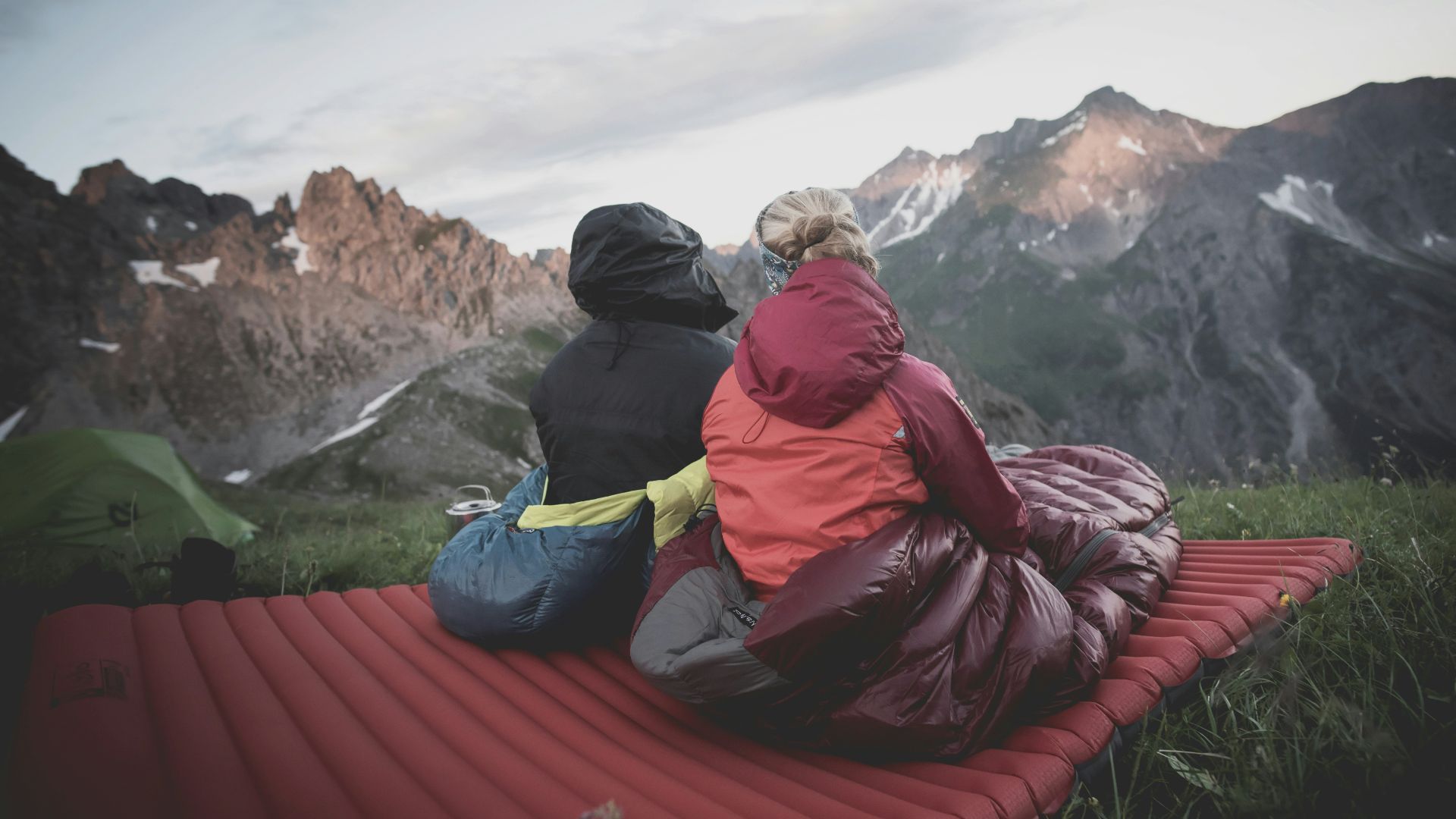
High-fill-power down bags compress smaller and insulate better for their weight. Mountaineering-focused companies test designs in real alpine conditions. Warmth becomes predictable rather than hopeful.
6. Base Layers
Merino wool from premium suppliers resists odor and regulates temperature naturally. Outdoor research institutions have documented wool’s moisture management benefits over synthetic fibers. These layers stay comfortable across changing conditions.
7. Water Filter
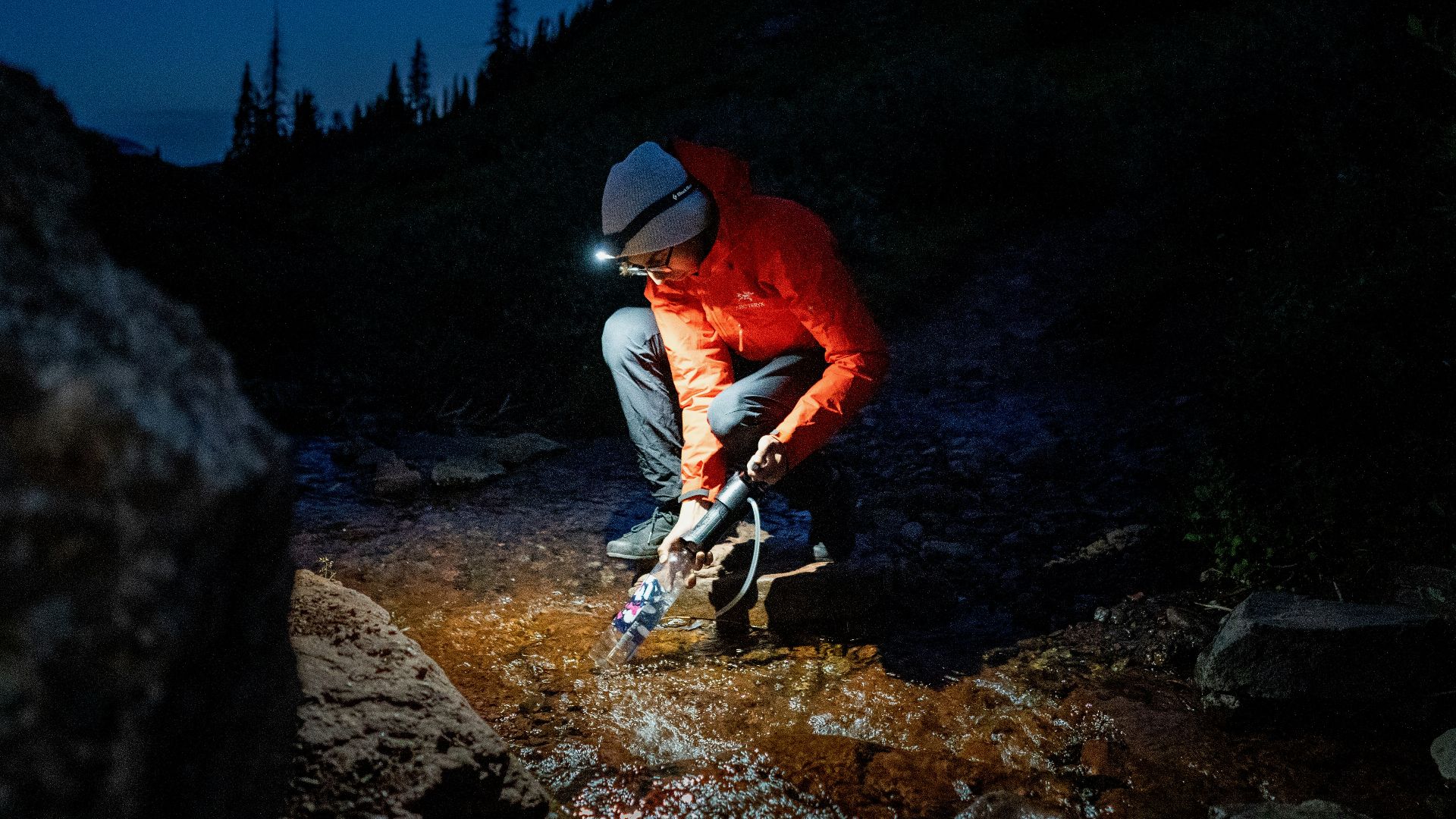
Gravity and pump systems from brands like MSR or Katadyn remove bacteria and protozoa with minimal effort. Their designs are informed by humanitarian and backcountry use worldwide. Clean water becomes routine rather than a chore.
8. Headlamp
High-end headlamps offer consistent brightness, smart power management, and reliable seals. They perform the same at mile one and mile twenty. Darkness feels less intimidating when light behaves predictably.

9. Stove System
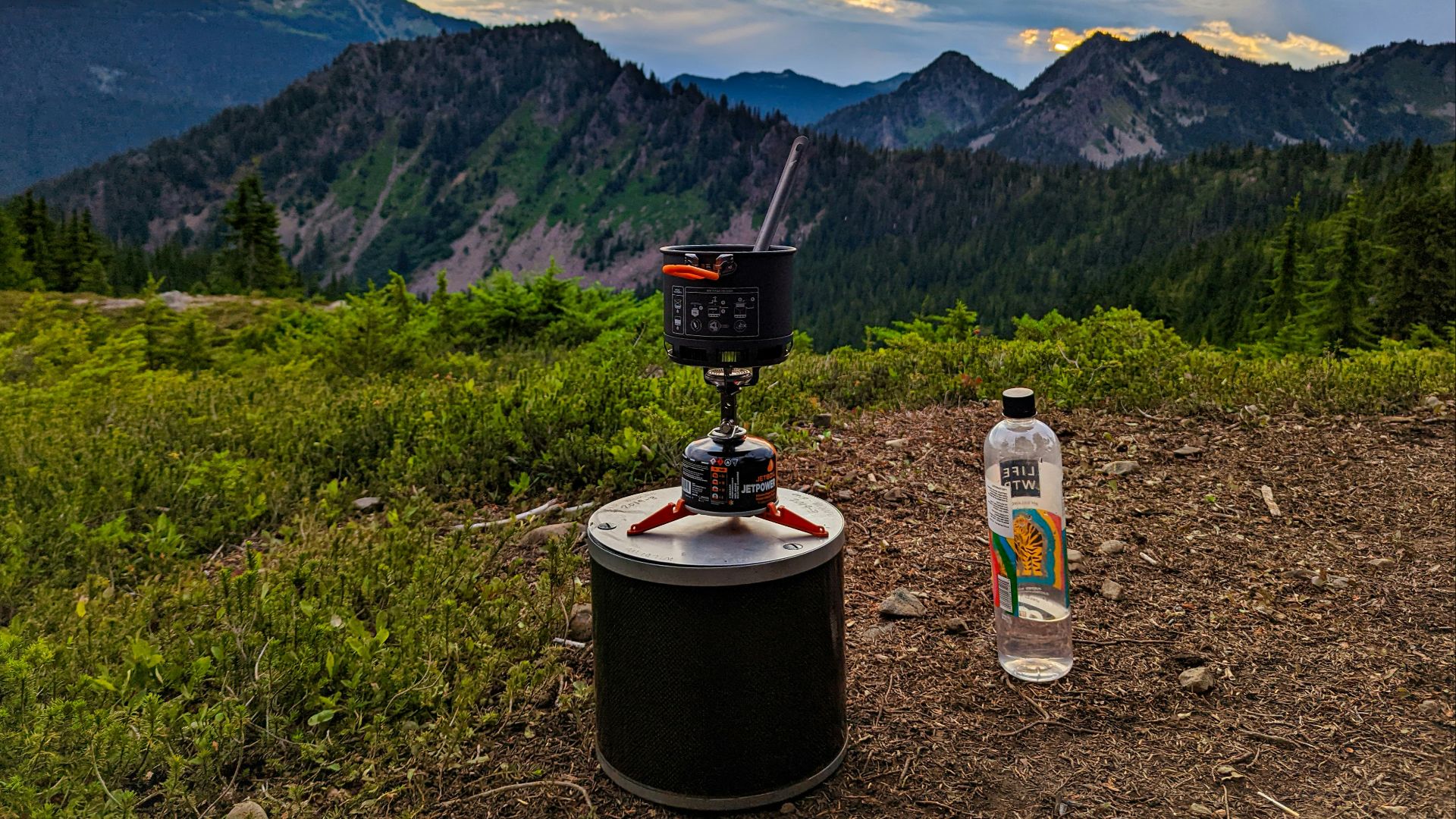
Integrated stove systems boil water quickly and efficiently. Jetboil built its reputation around speed and fuel economy. Hot meals arrive with less waiting and less waste.
10. GPS Watch
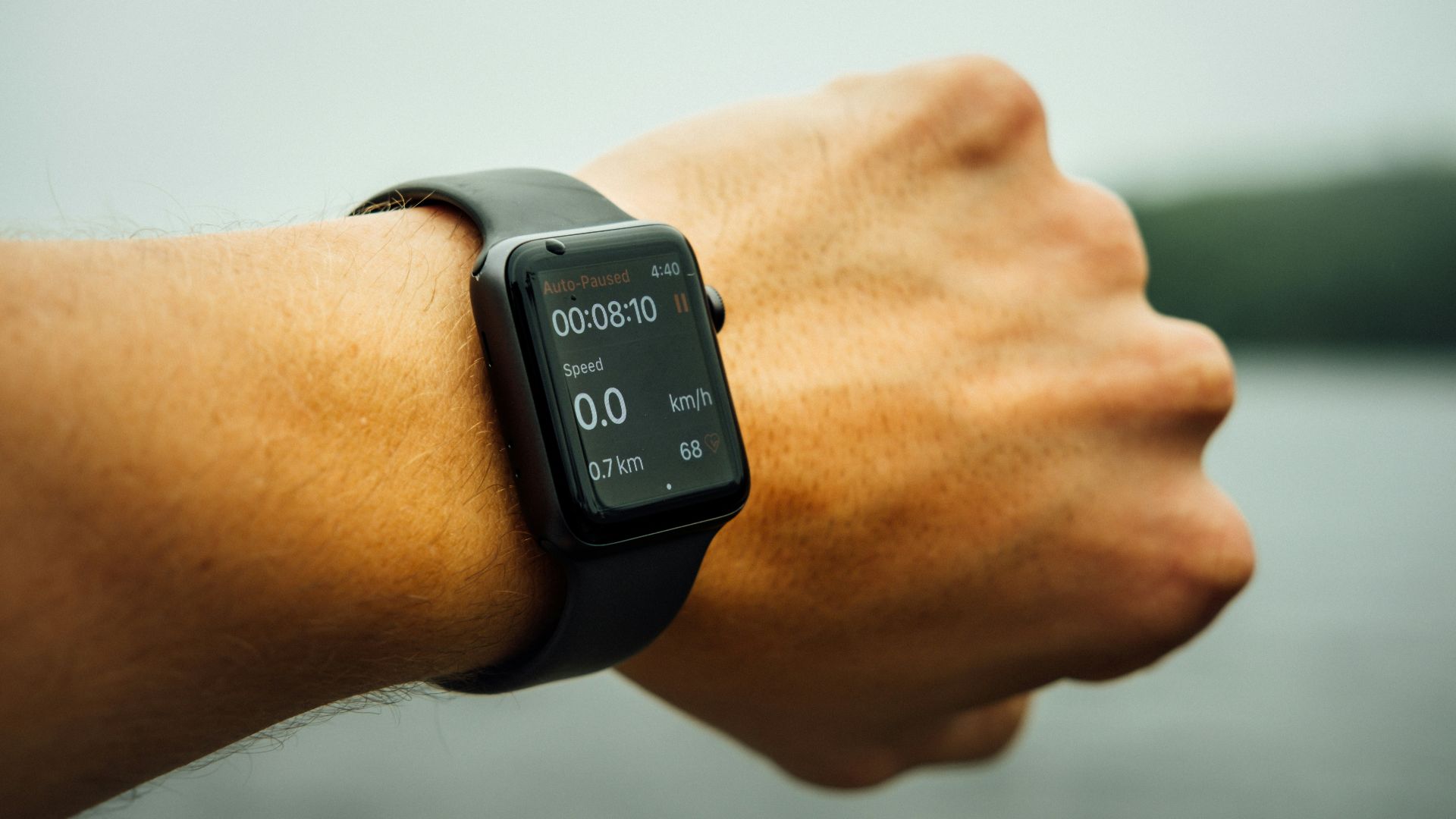
Premium GPS watches track routes, elevation, and biometric data with impressive accuracy. Many hikers appreciate the safety margin these tools provide. Data becomes a quiet companion rather than a distraction.
There is another side to the trail, shaped by thrift, creativity, and hard-earned trust in simpler solutions. Here are ten budget-friendly hiking essentials.
1. Trail Runners
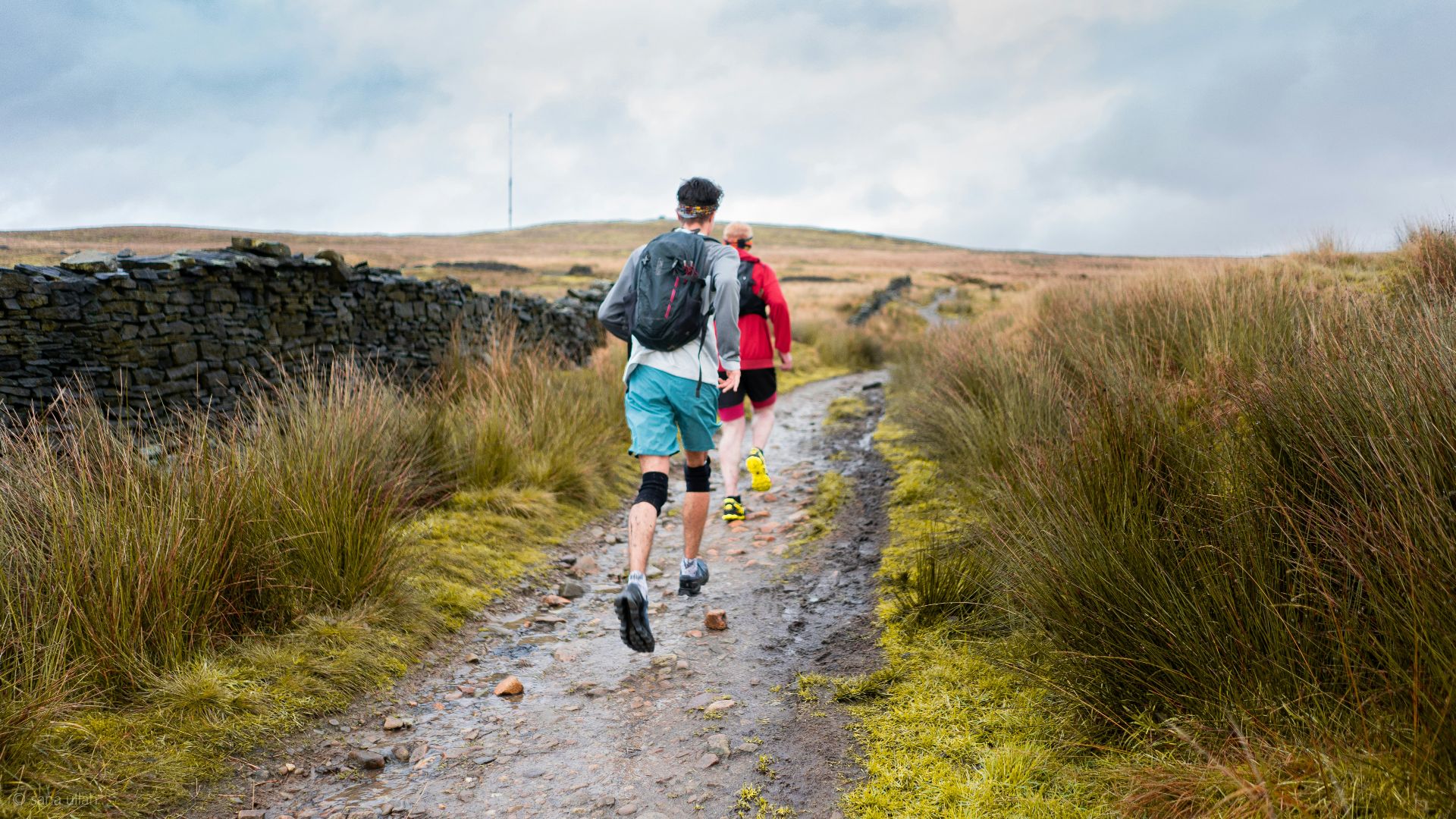
Lightweight trail runners have become a go-to for hikers who value comfort over ankle armor. They dry quickly, flex naturally, and cost far less than traditional boots. Many long-distance hikers have proven they hold up mile after mile.
2. Daypack
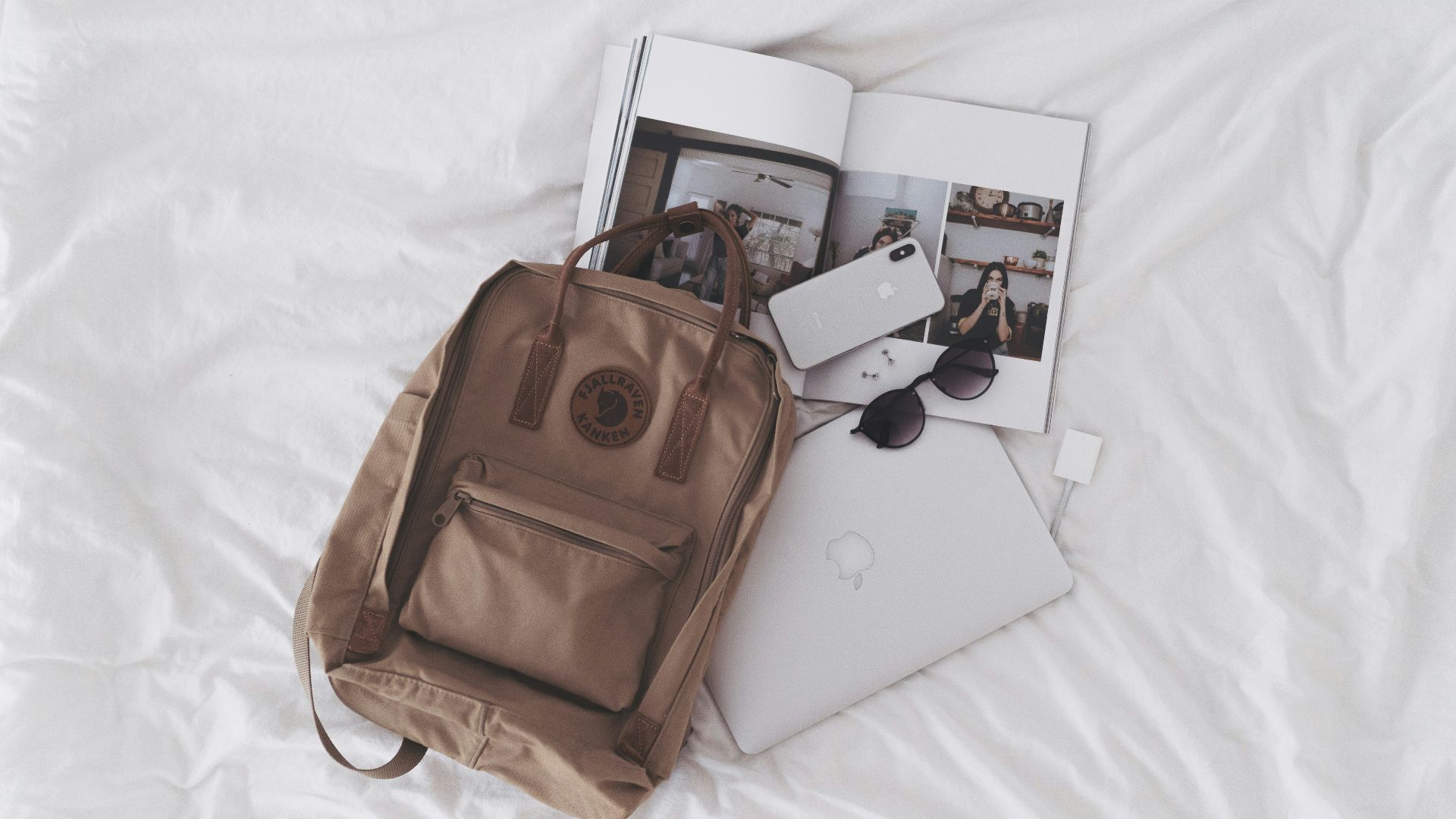
Simple daypacks skip frames and complex suspension systems. They work best for shorter hikes and lighter loads. Fewer parts also mean fewer things to fail.
3. Rain Poncho
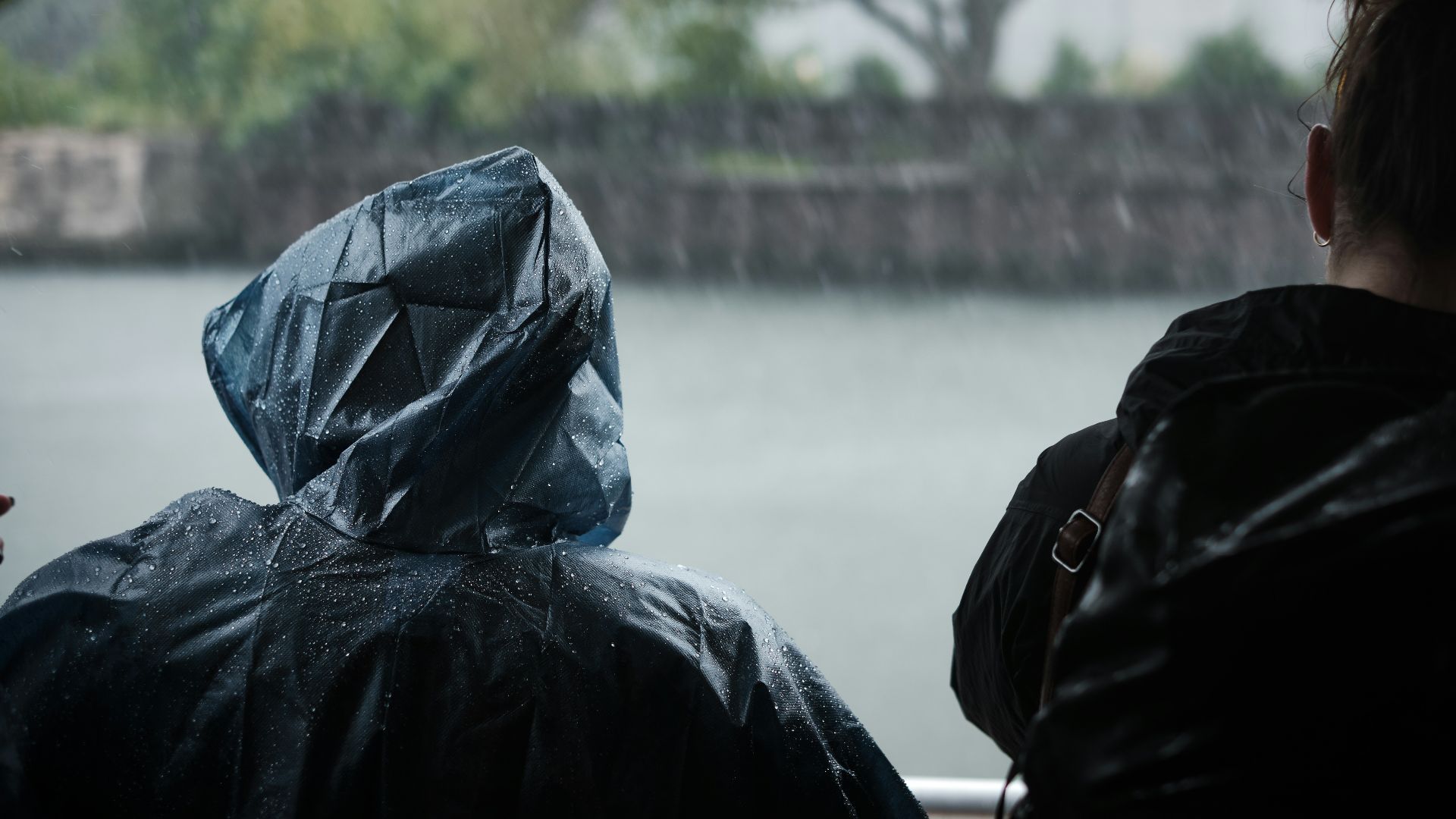
A basic rain poncho covers both you and your pack in one piece. Ventilation comes naturally through movement rather than fabric technology. It looks unfashionable and works surprisingly well.
4. Foam Sleeping Pad
Closed-cell foam pads are nearly indestructible and inexpensive. They insulate reliably and never deflate. Many hikers strap them outside the pack without worry.

5. Fleece Jacket
Fleece provides warmth even when damp and dries quickly. It lacks wind resistance but layers easily. Thrift stores are full of trail-ready options.

6. Plastic Water Bottles
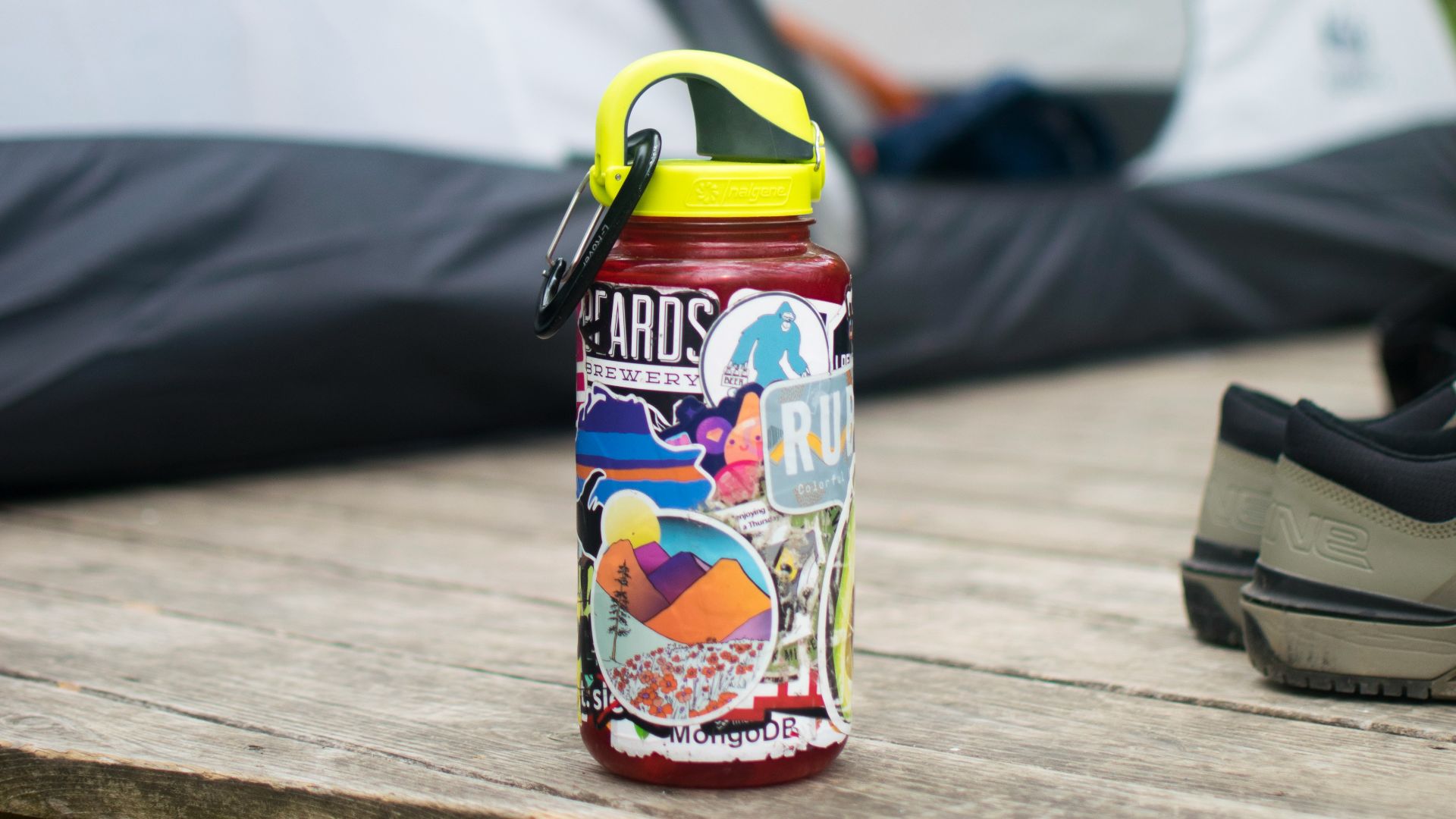
Disposable water bottles are lightweight and replaceable. Many hikers favor them over rigid hydration systems. When one breaks, another costs a dollar.
7. First Aid Kit
DIY first aid kits cost less and fit personal needs better. Bandages, blister care, and pain relief matter more than branding. Customization beats bulk.
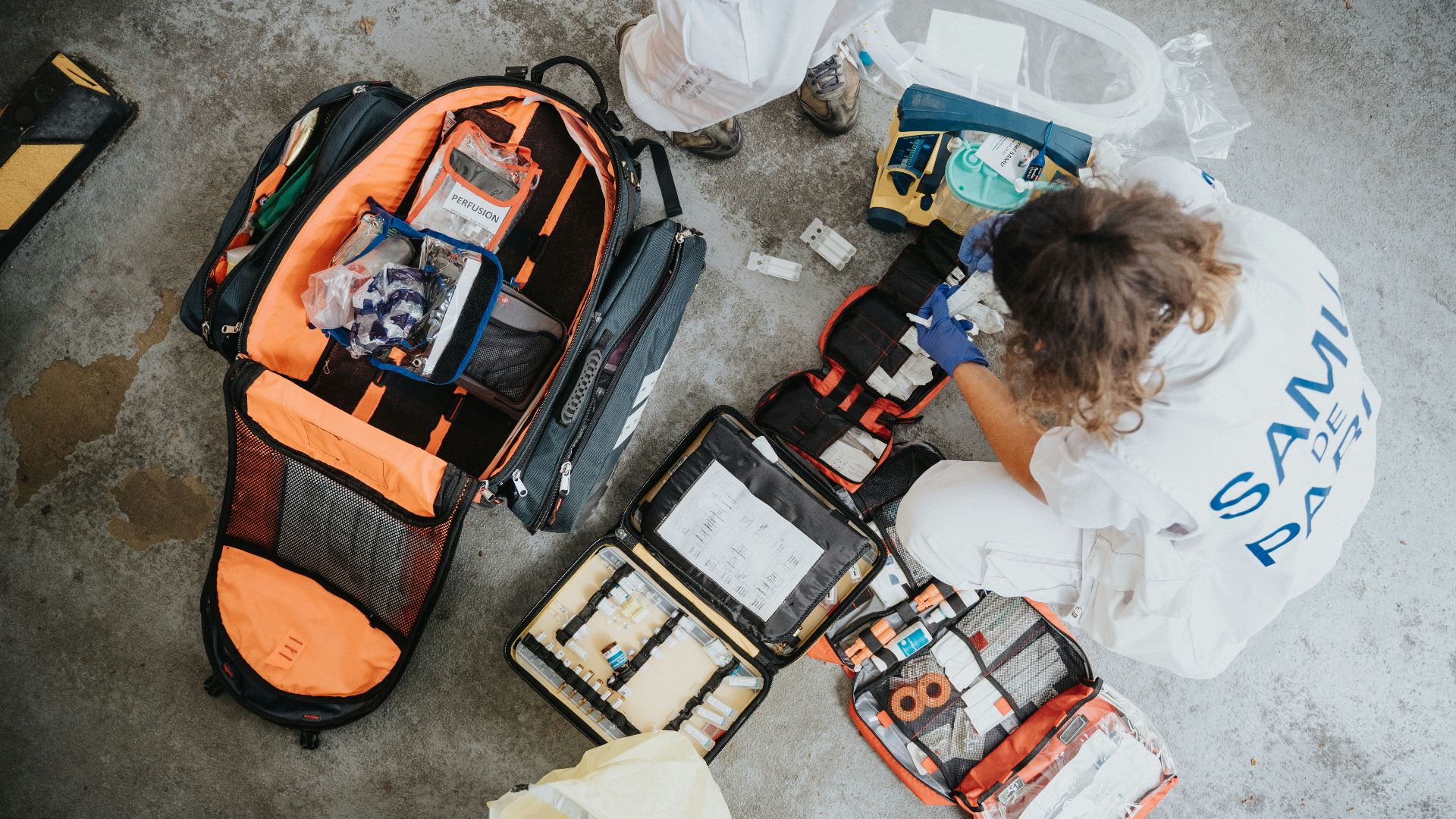 Mathurin NAPOLY / matnapo on Unsplash
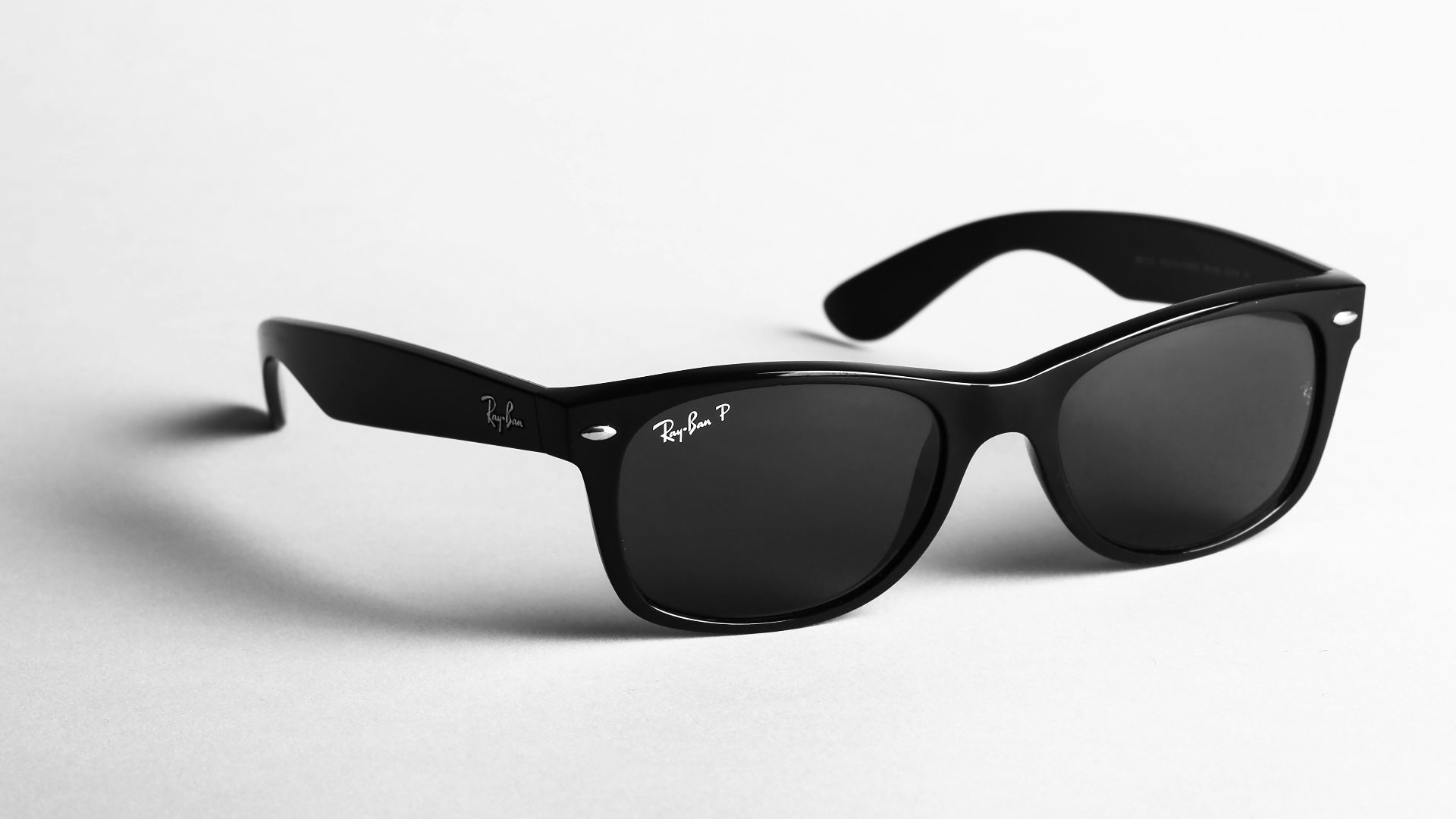
8. Sunglasses
Cheap polarized sunglasses protect eyes just fine on bright trails. Scratches and loss sting less when replacement is easy. Eye strain does not care about logos.
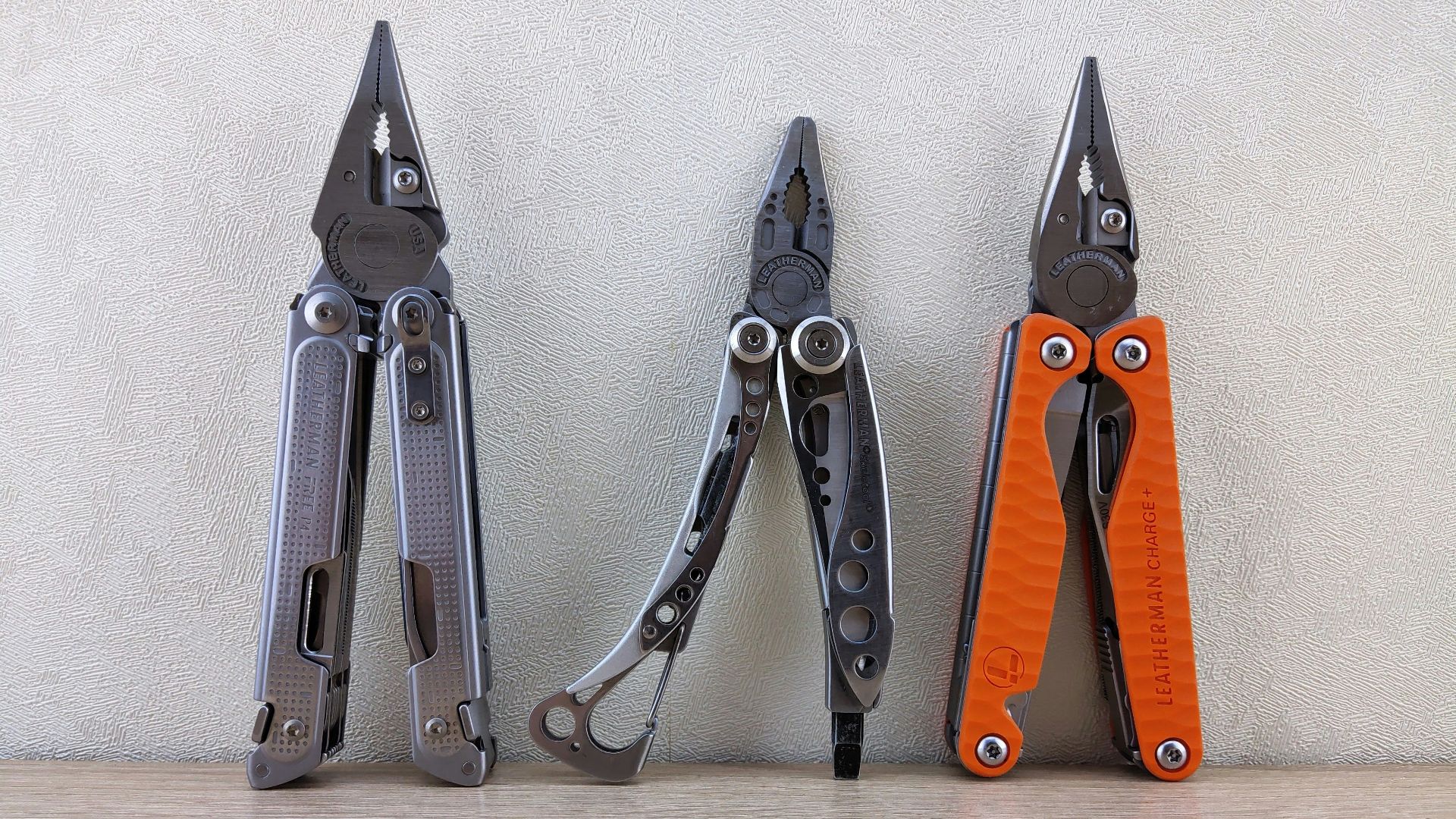
9. Multi-Tool Or Knife
A simple knife handles food prep, repairs, and emergencies. Multi-tools add weight but offer flexibility. Durability matters more than features.
10. Food Storage
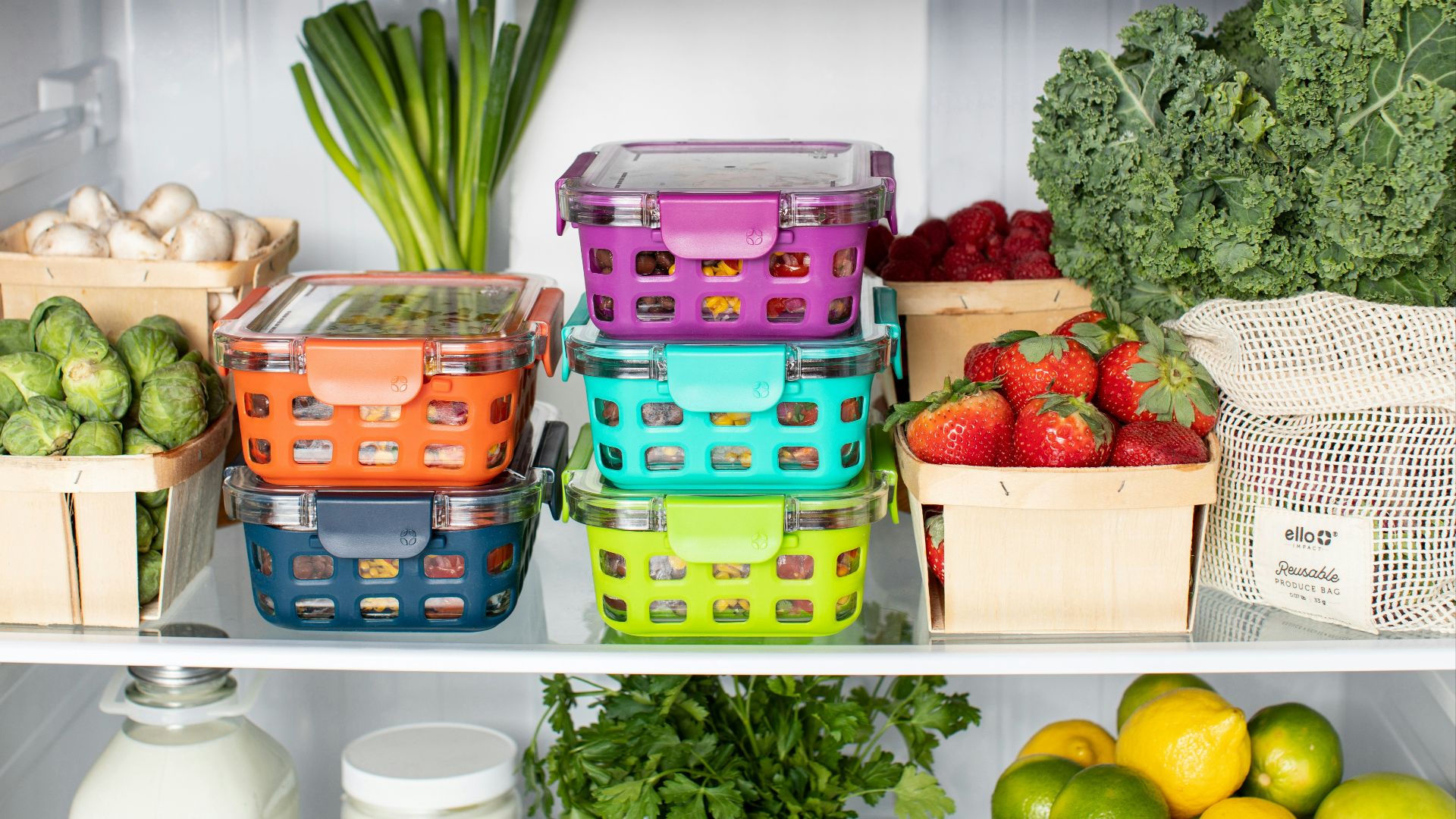
Resealable plastic bags and basic containers keep food organized and dry. They weigh little and cost almost nothing. On most trails, simplicity works.