Decades Of Game-Changing Moments And Milestones
Let's be honest—most of us rock sneakers without thinking twice about where they came from. But what if we told you there's a wild series of events behind those shoes sitting in your closet? We're talking unexpected twists, brilliant marketing moments, and innovations that seemed impossible at the time. It's the kind of history that makes you appreciate what you're wearing in a whole new way. Once you learn what went down, you'll never look at athletic gear the same. Keep reading to discover these surprising facts about Puma that will make you look the famed brand in a whole new light.
1. The Dassler Brothers’ Humble Start
What began in their mother’s laundry room became a global brand. In 1924, Rudolf and Adolf Dassler founded the Gebrüder Dassler Shoe Factory in Herzogenaurach, Germany. Their handcrafted shoes earned Olympic recognition when German athletes wore them at the 1928 Games.
 Unknown authorUnknown author on Wikimedia
2. The Brothers’ Political Chapter
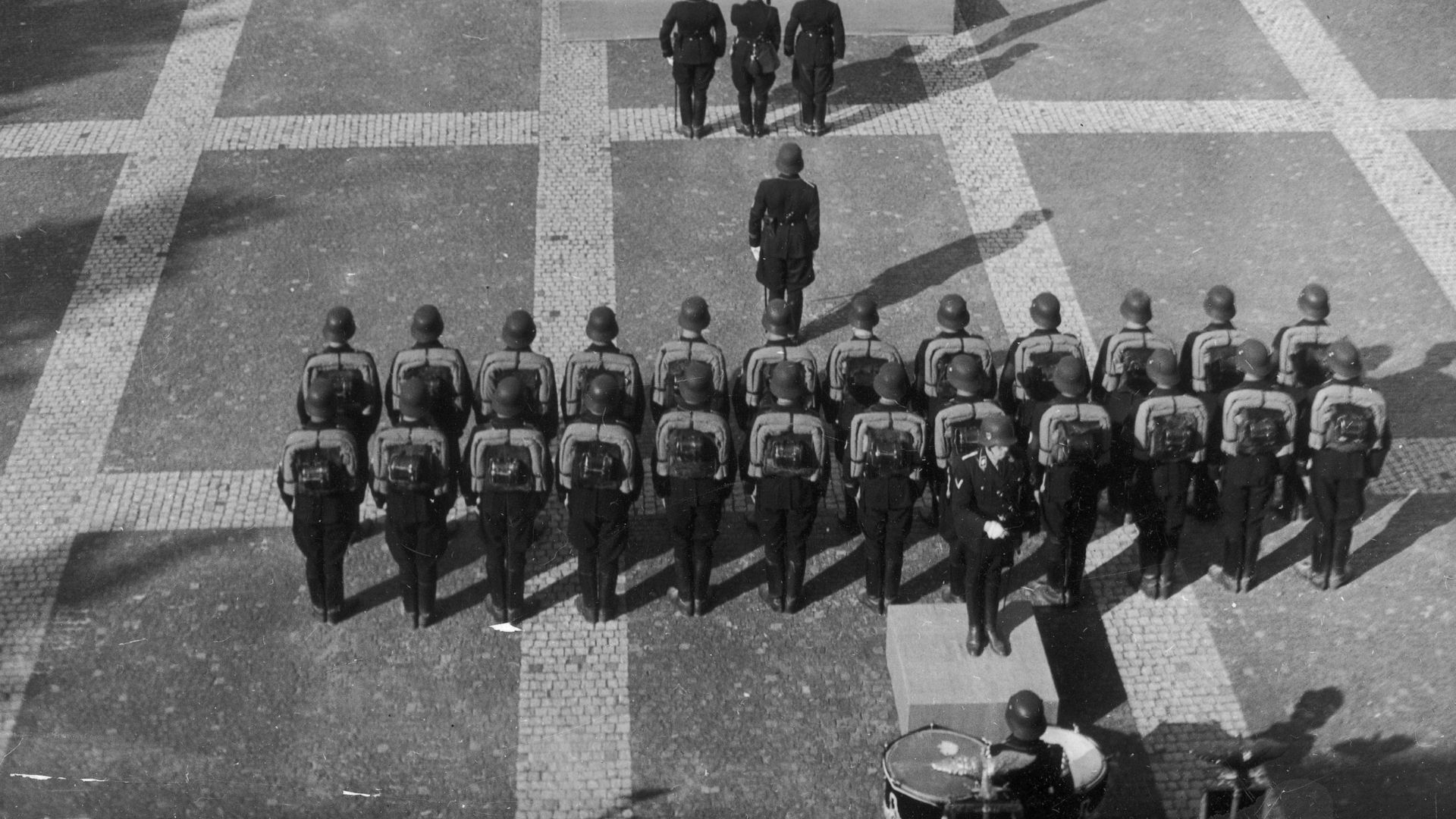
When Germany’s political climate shifted in 1933, both Dassler brothers joined the Nazi Party, which later influenced their business trajectory. Like many German entrepreneurs, they aligned for survival, but it strained their partnership during wartime.
3. When Family Became Rivals
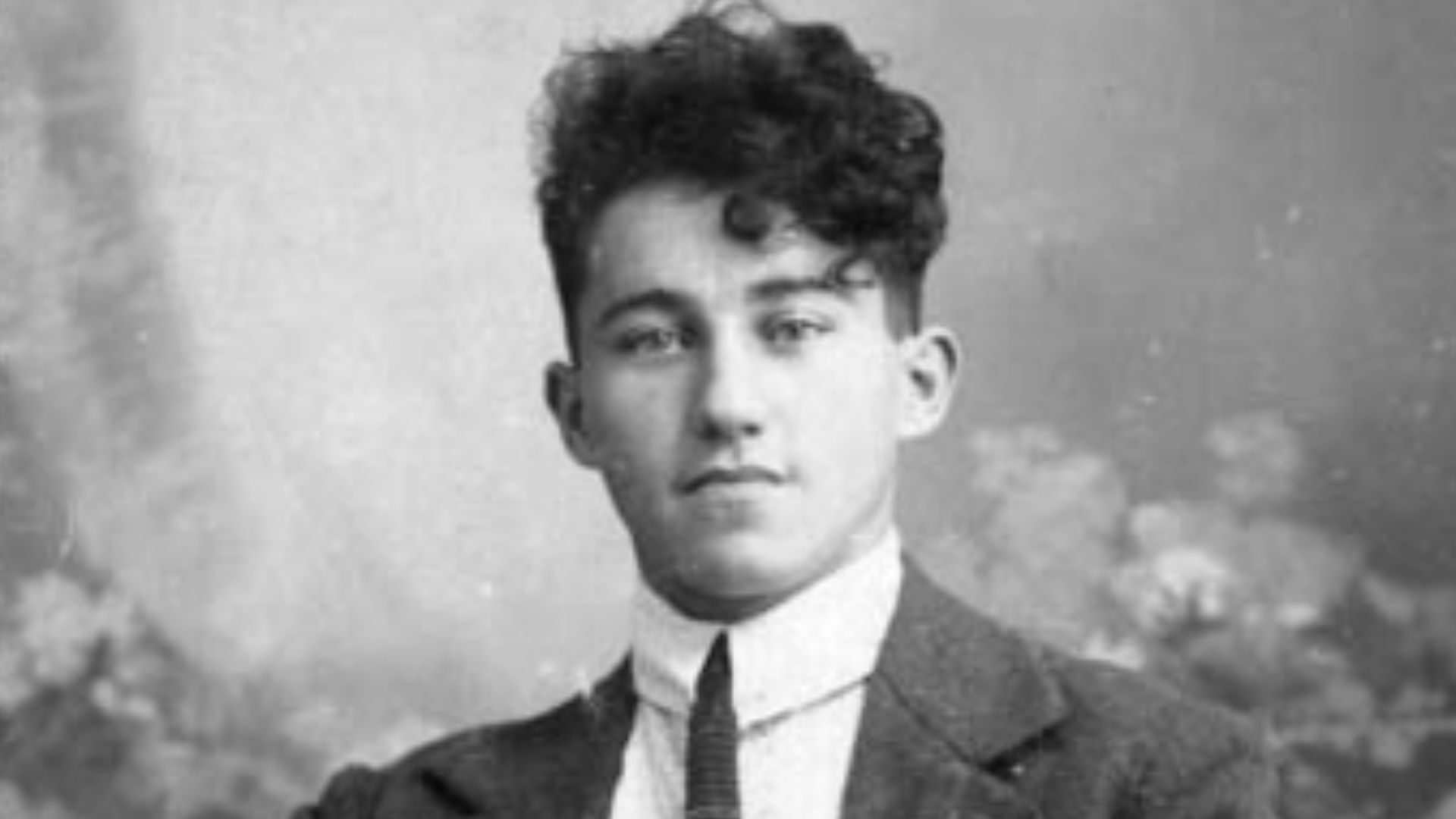
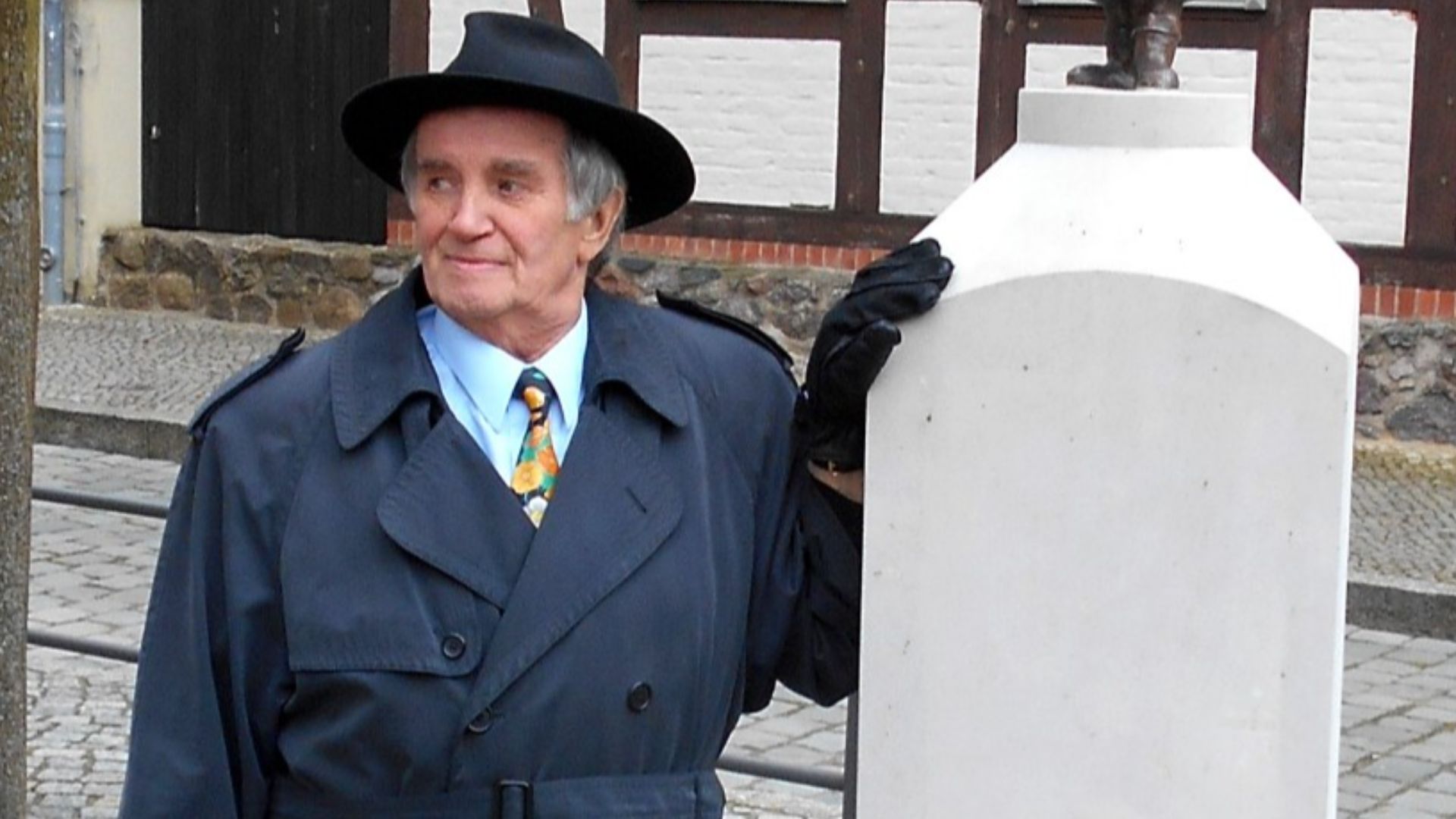
The brothers’ fallout in 1948 changed sportswear history. Rudolf launched Puma, while Adolf created Adidas. Herzogenaurach, their hometown, became a divided “sneaker city,” with locals pledging loyalty to either side of the river—Puma or Adidas.
 Unknown authorUnknown author on Wikimedia
4. Puma’s First Day On Record (1948)
June 1, 1948, marked the brand’s official start. Dassler opened operations with just 15 workers in a modest storage building. By October, the name “Puma” was registered as a symbol of agility and the brand’s new independent spirit.

5. The Leaping Cat Is Born
Puma’s earliest logo wasn’t the one we know today. In the beginning, it featured a cat leaping through a “D.” Later, cartoonist Lutz Backes refined it into the iconic puma silhouette, which symbolized speed and grace, instantly recognizable across the sports world.
6. The Atom Takes The Field
Atom, also known as Puma’s debut shoe, made its mark in 1948 when players wore it in Germany’s first post-war football match. Built for performance and precision, it kicked off Puma’s long-standing influence in global football innovation.
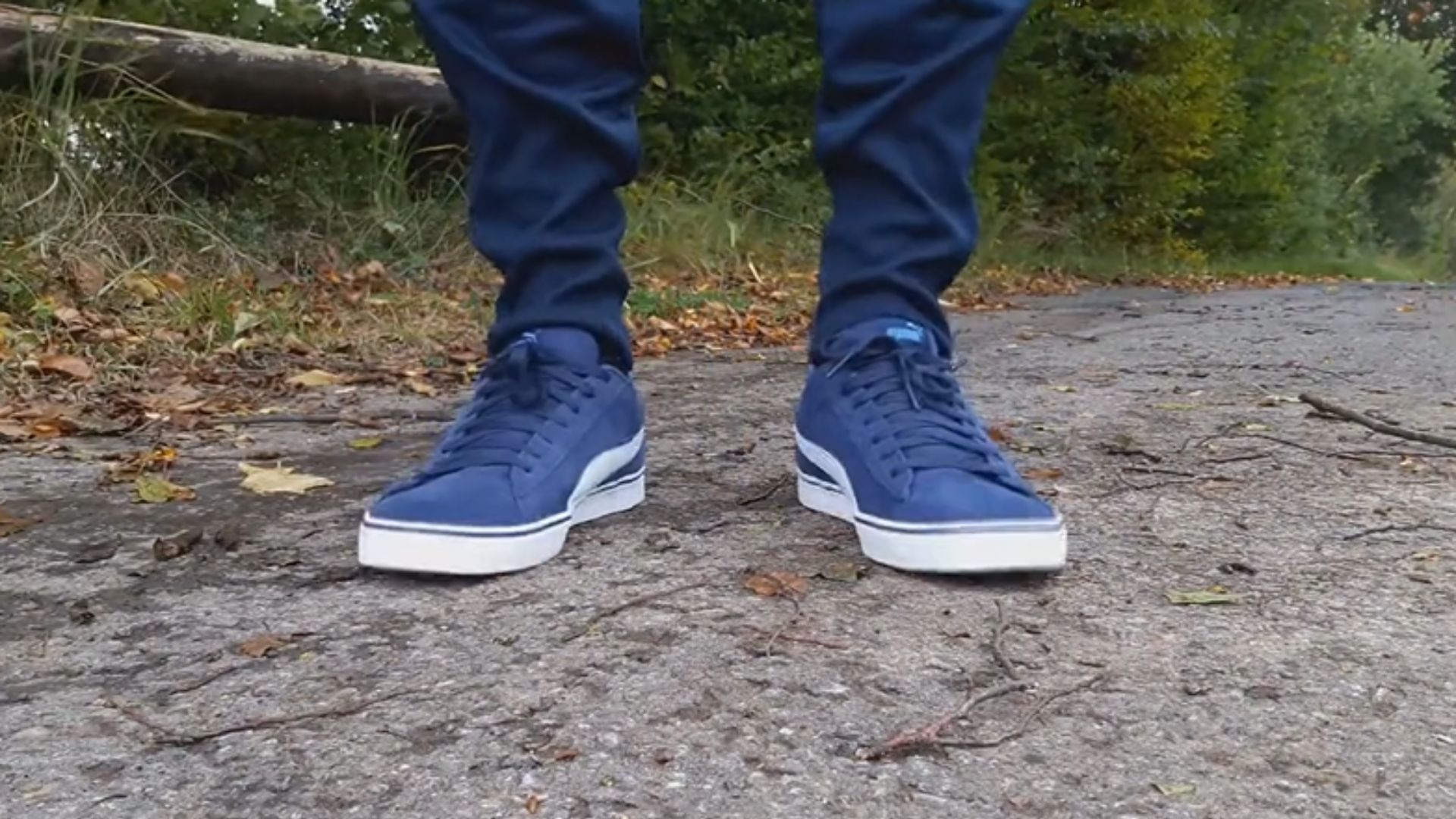 UNBOXING & ON FEET | Puma 1948 Vulc by N7CHO
7. The Game-Changing Super Atom
This brand reinvented football boots in 1952 with the Super Atom to feature screw-in studs. The simple but powerful idea lets players adapt to any pitch, which sets a new industry standard that remains in modern cleat design.

8. First Olympic Gold In Puma Shoes
Luxembourg’s Josy Barthel achieved a stunning 1500m win at the 1952 Helsinki Olympics wearing Puma shoes. It was both Puma’s first Olympic gold and Luxembourg’s first-ever, which cemented the young brand’s reputation for elite athletic performance.
9. The Formstrip’s Clever Design
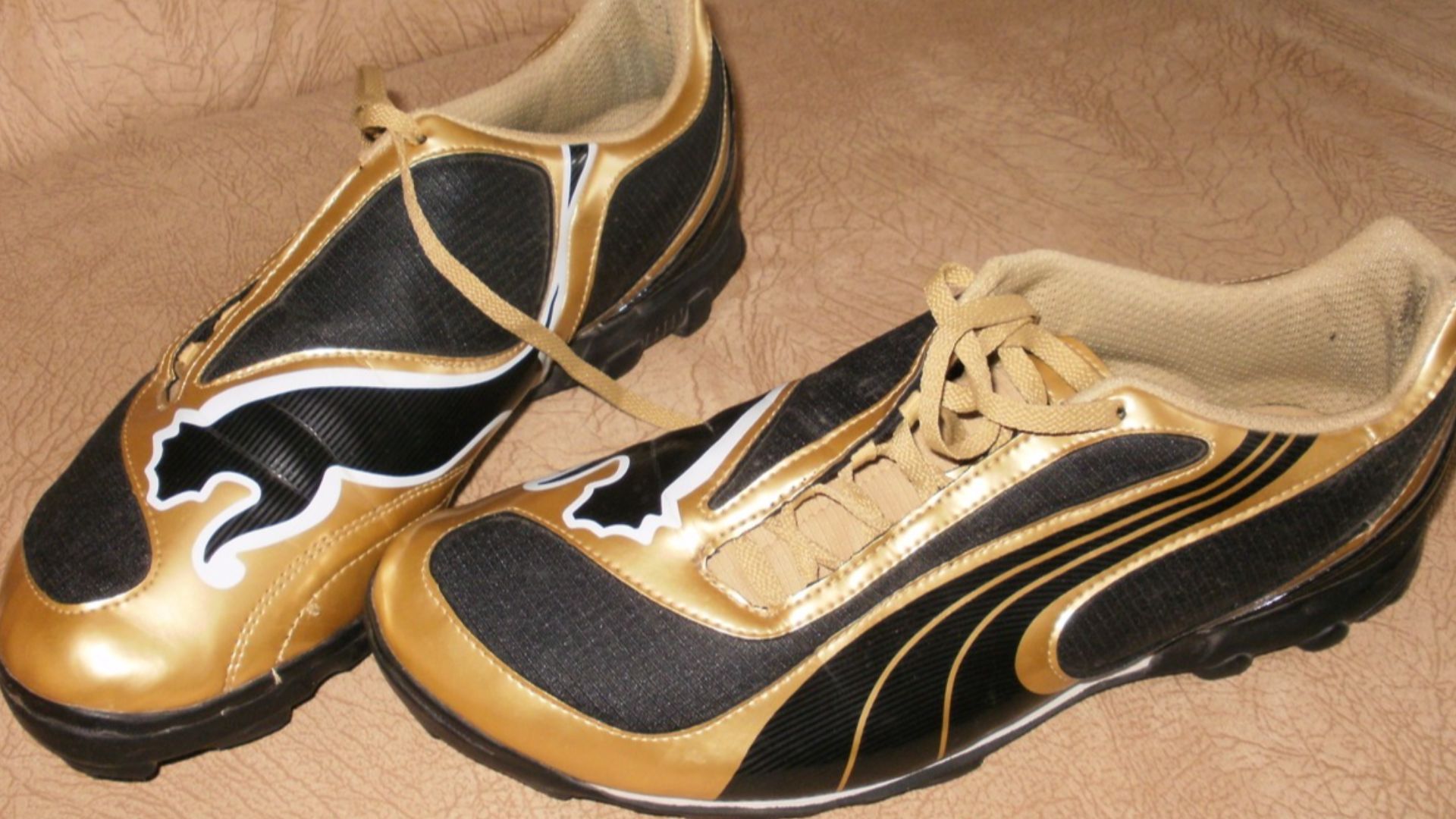
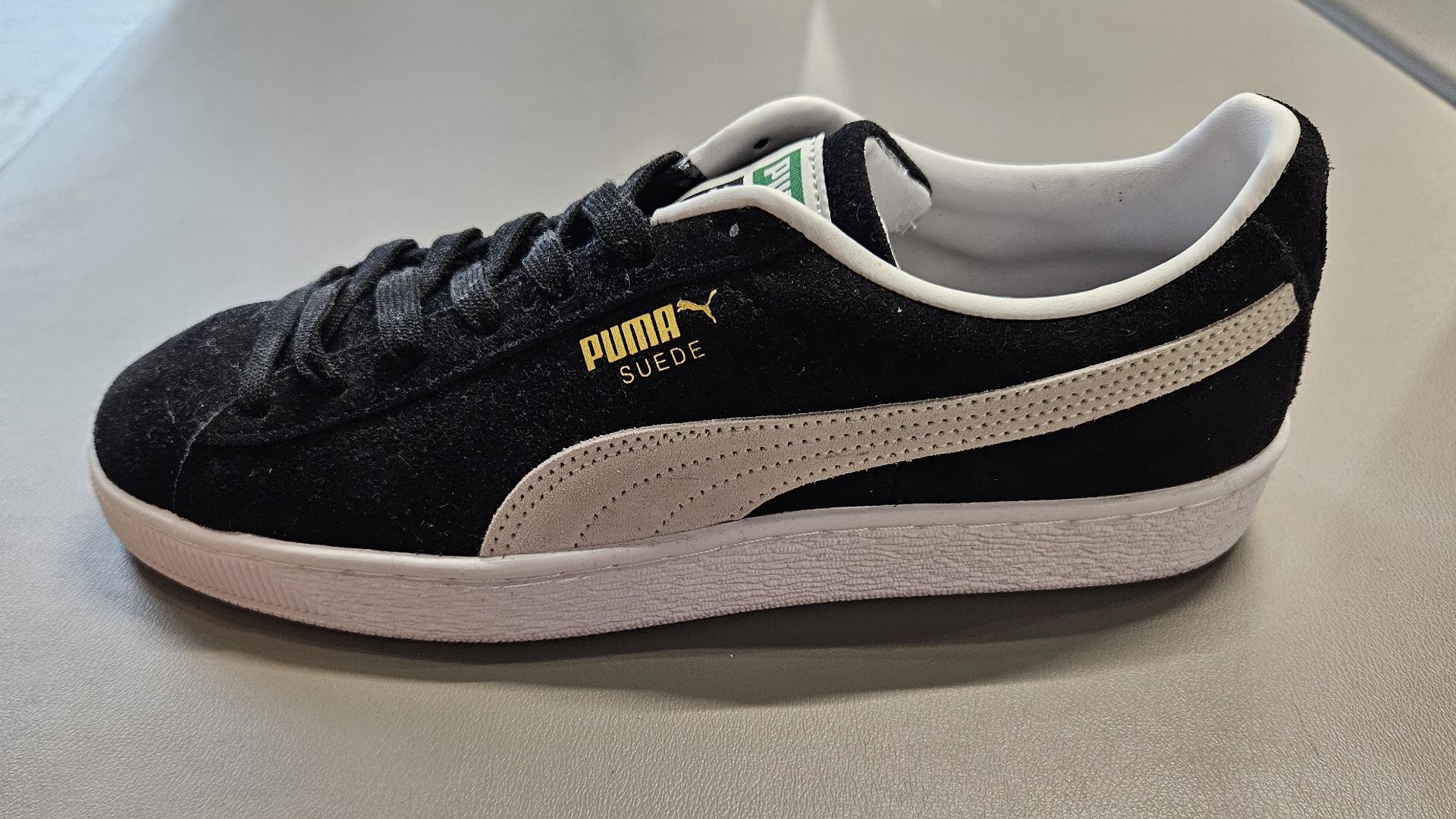
Not every innovation is visible except when it becomes iconic. In 1958, the brand introduced the Formstrip for foot stability, but its curved design soon became a visual signature to unite style and function in one of Puma’s most defining elements.
10. The Protest That Defined A Generation
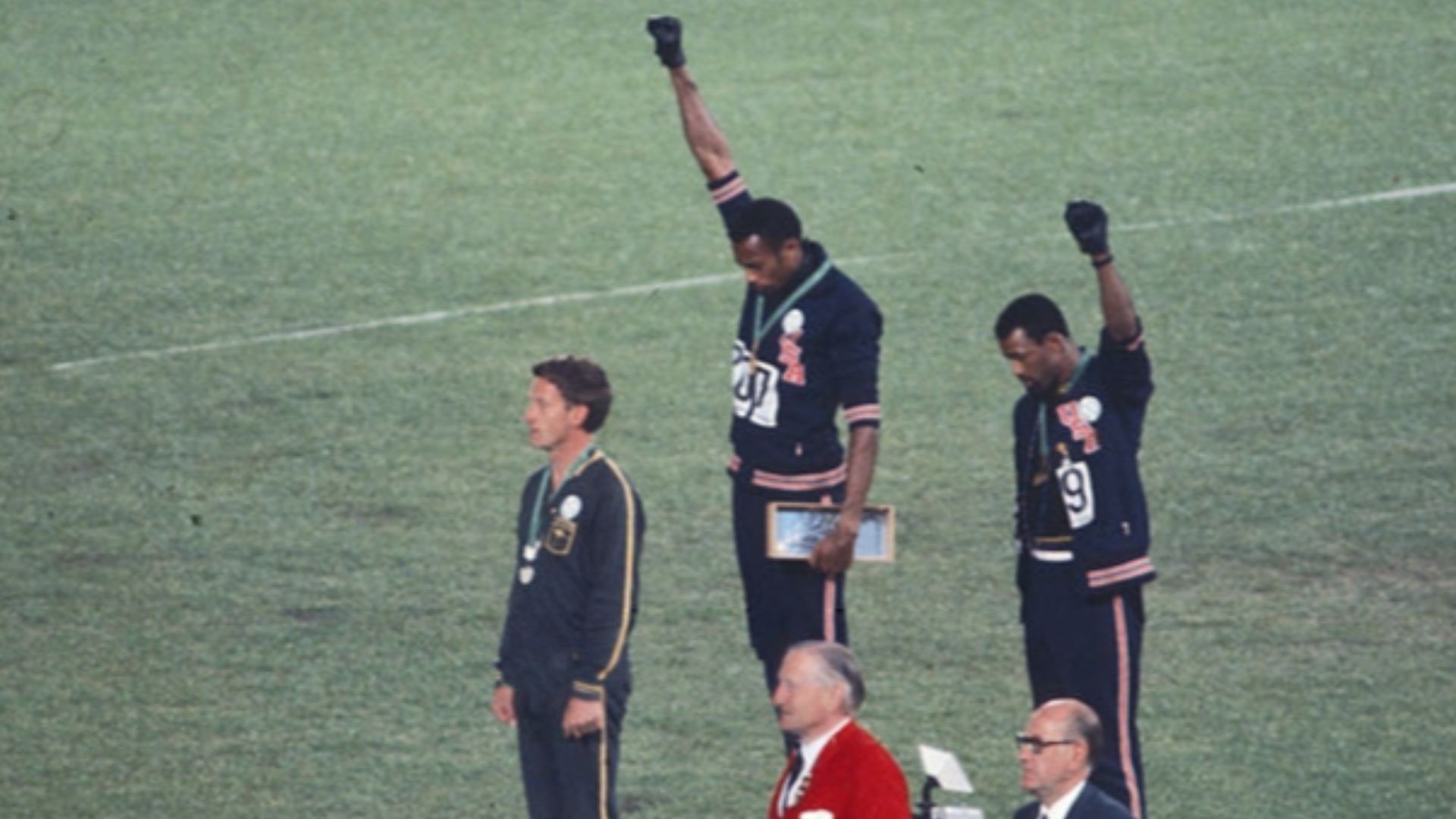
When Tommie Smith and John Carlos together raised their fists at the 1968 Olympics, they wore Puma Crack shoes. The powerful Black Power salute linked Puma to both athletic excellence and social defiance, which turned a product into a cultural statement.
 Angelo Cozzi (Mondadori Publishers) on Wikimedia
11. Pelé’s Tie-Lace Moment
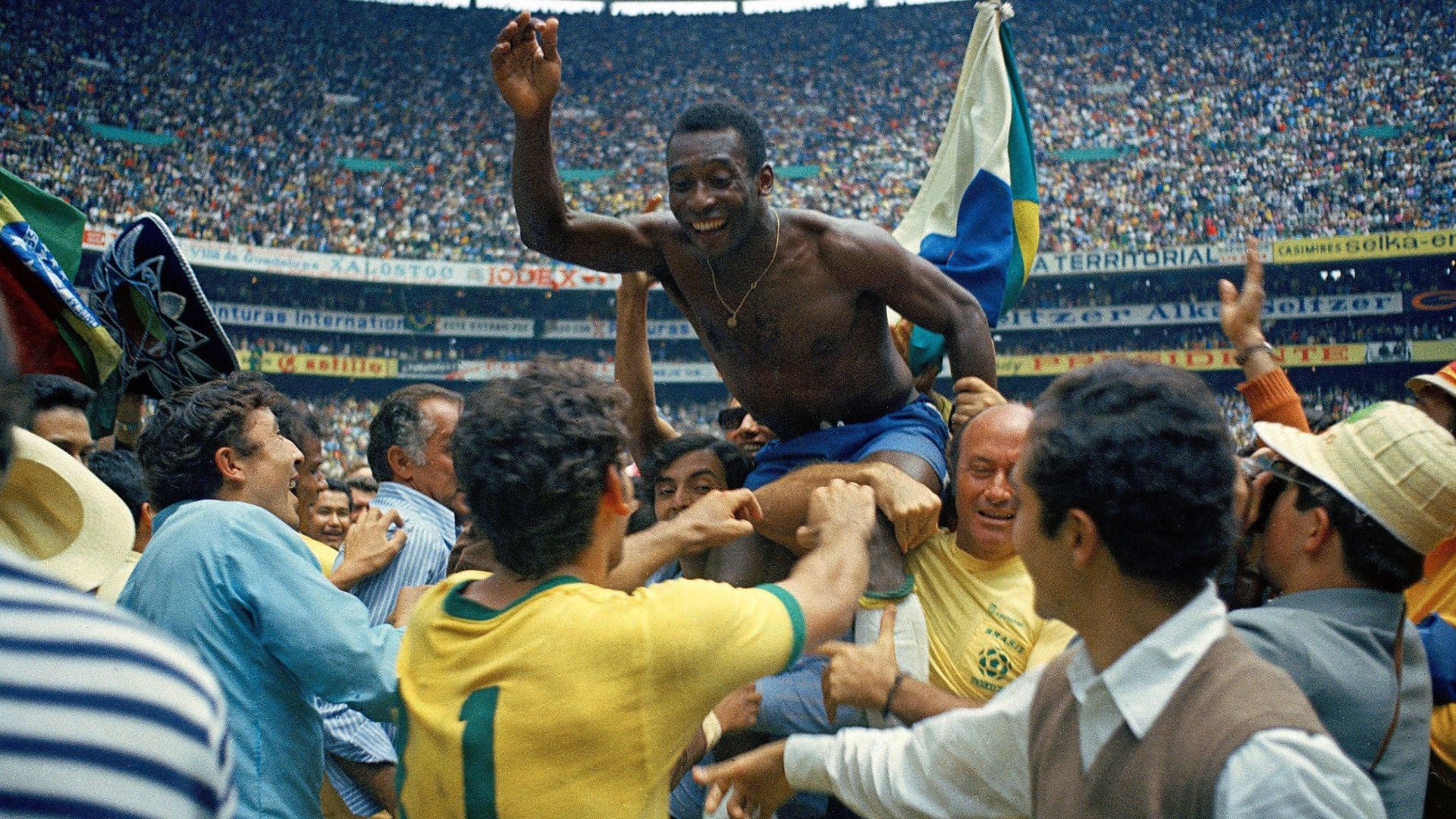
Pelé’s shoelace moment became one of the smartest brand moves in sports—and it starred the greatest footballer of all time. During the 1970 World Cup, he famously paused before kickoff to tie his Puma boots. This was, in fact, a secret Adidas-Puma truce, and it captured global attention instantly.
 Unknown - Distributed by the Associated Press on Wikimedia
12. The Legendary Puma King
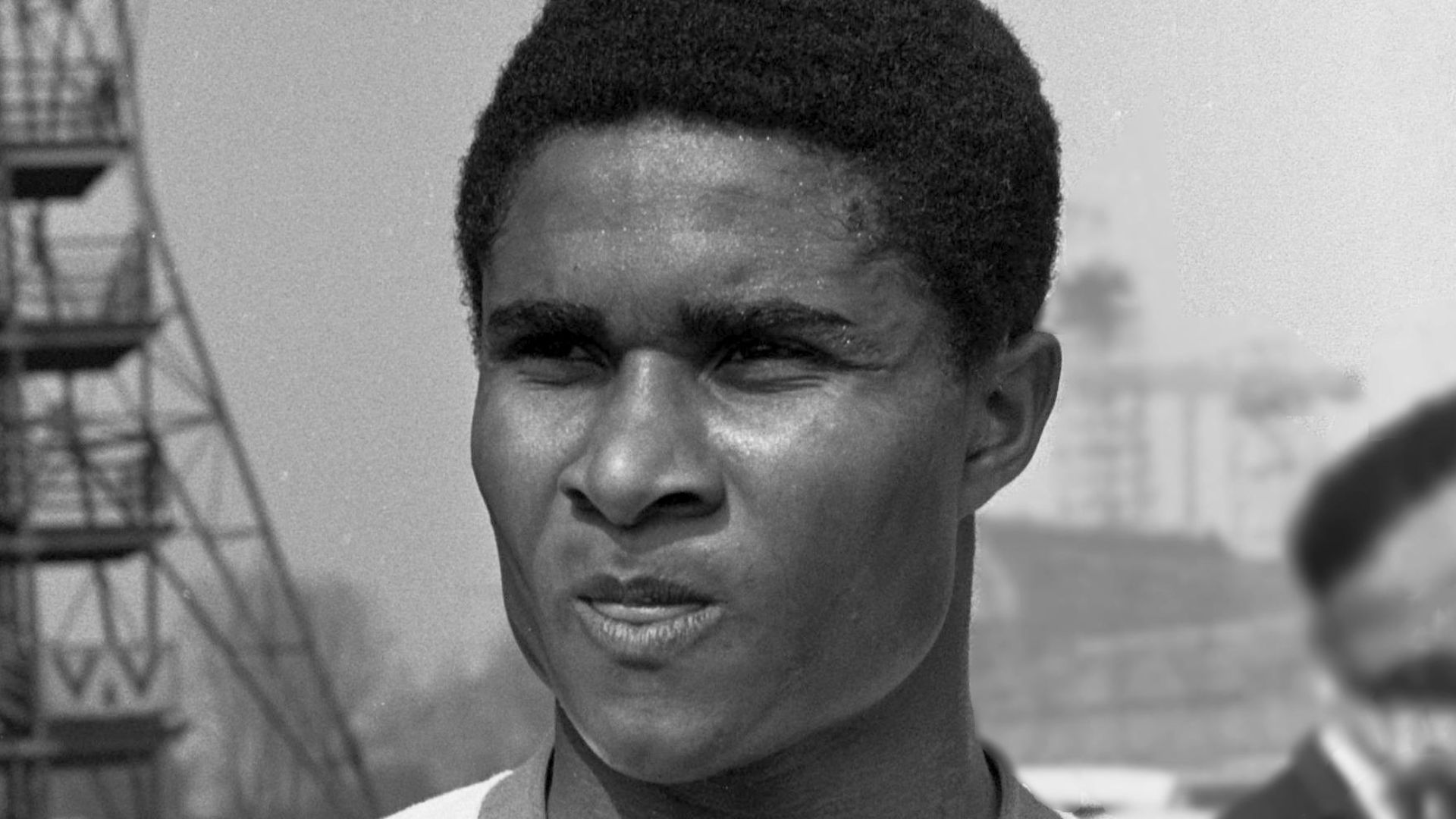
Created for Portuguese legend Eusébio in 1968, the Puma King was lighter and built for champions. Soon worn by icons like Pelé, it redefined professional football footwear and remains one of the most celebrated boots in sports history.
13. The Two-Stripe Statement
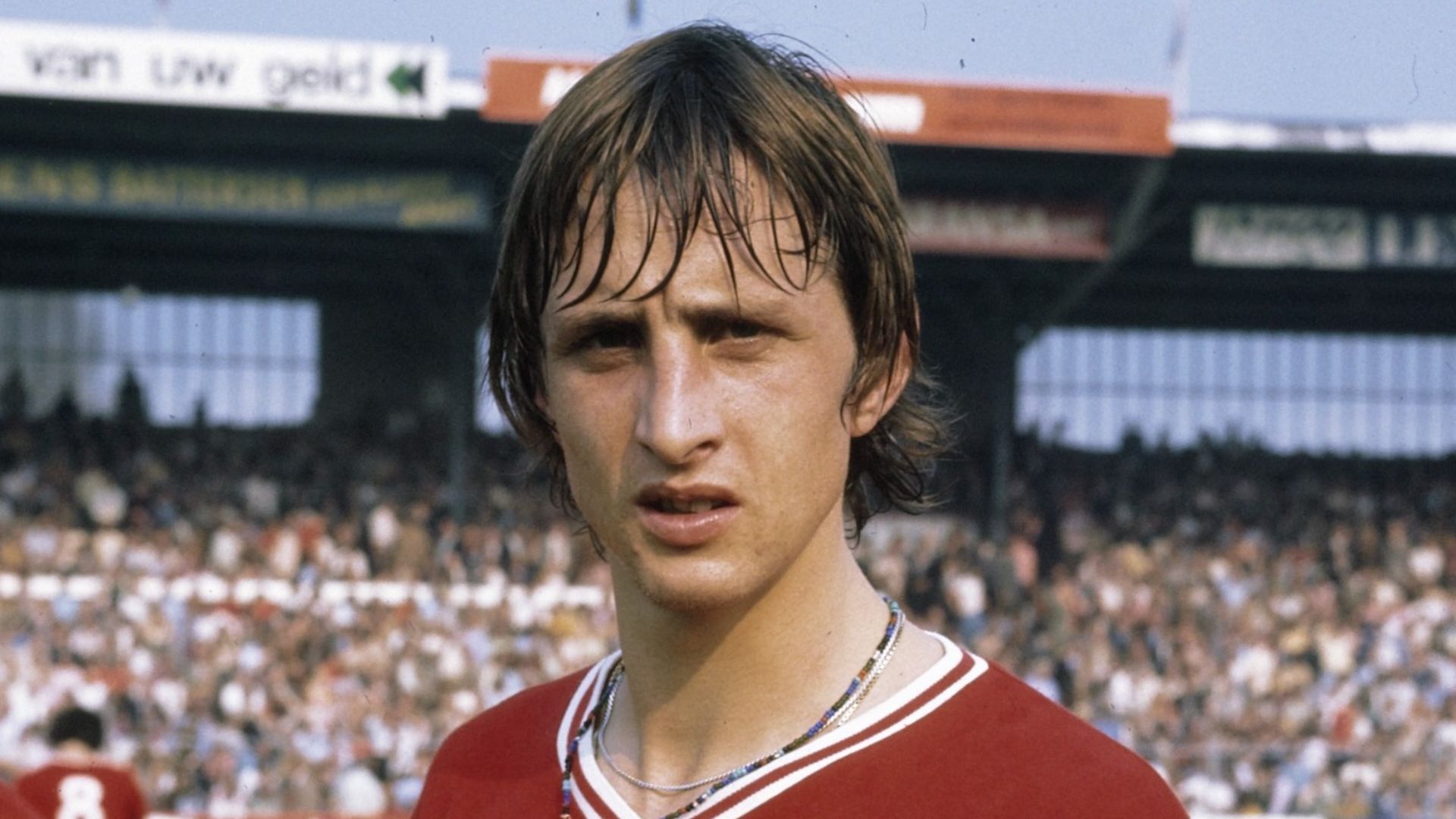
Johan Cruyff made headlines not just for his play but for his shirt. He wore a two-stripe Puma jersey during the 1974 World Cup and refused Adidas’s three-stripe design. This gesture amplified the fierce Dassler rivalry on the world stage.
 Bert Verhoeff for Anefo on Wikimedia
14. Clyde’s Cool Factor
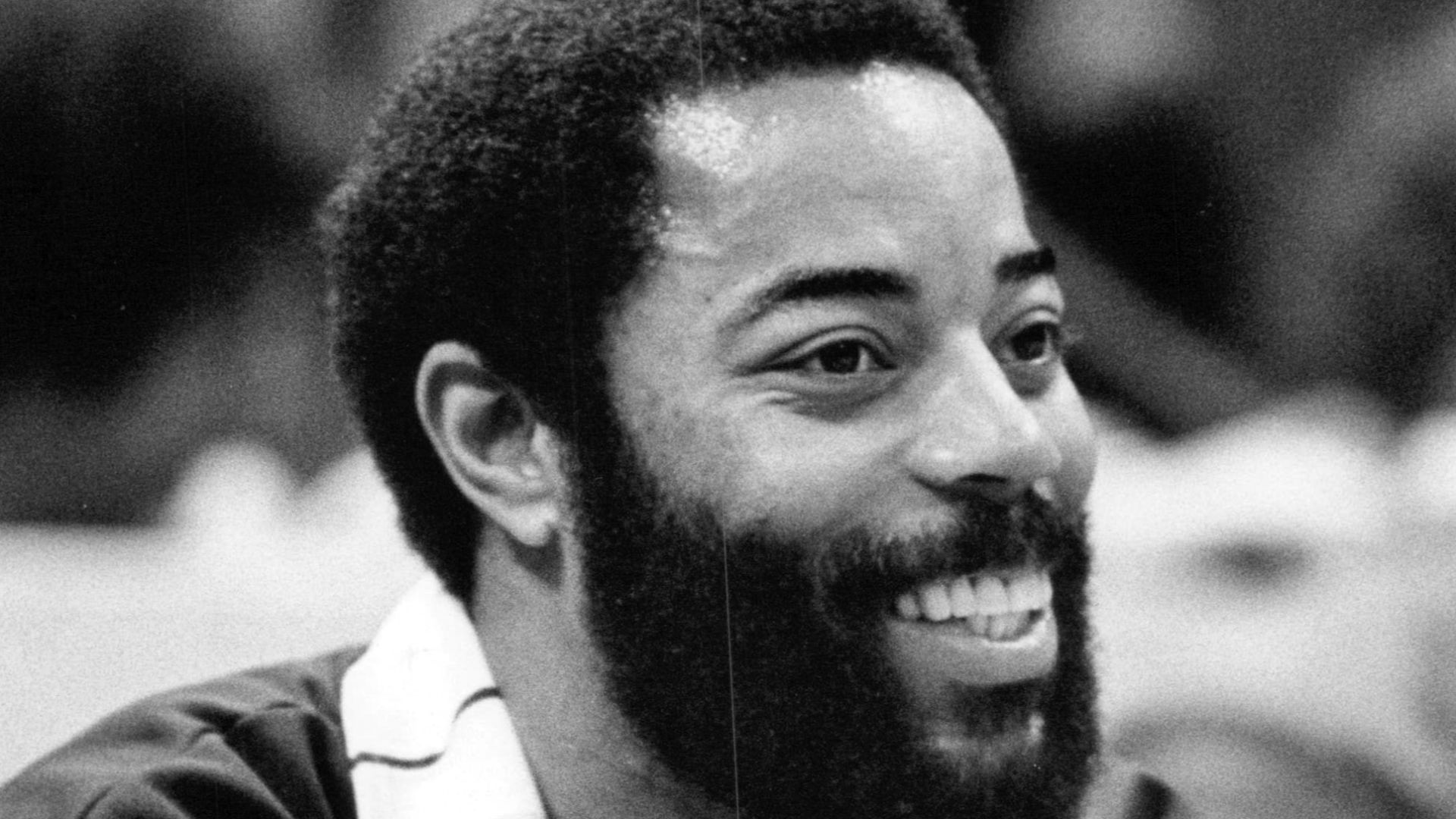
NBA legend Walt “Clyde” Frazier was a style icon who made Puma fashion. The Clyde shoe, custom-built to his specs and signed by him, became one of the first signature basketball sneakers and a lasting streetwear icon.
15. Puma Goes Public
After decades of private ownership, Puma hit the German stock market in 1986. Listing in Munich and Frankfurt enabled global investors to acquire a stake in the brand’s legacy to usher in a new era of expansion and modern corporate growth.

16. The Futuristic RS-Computer
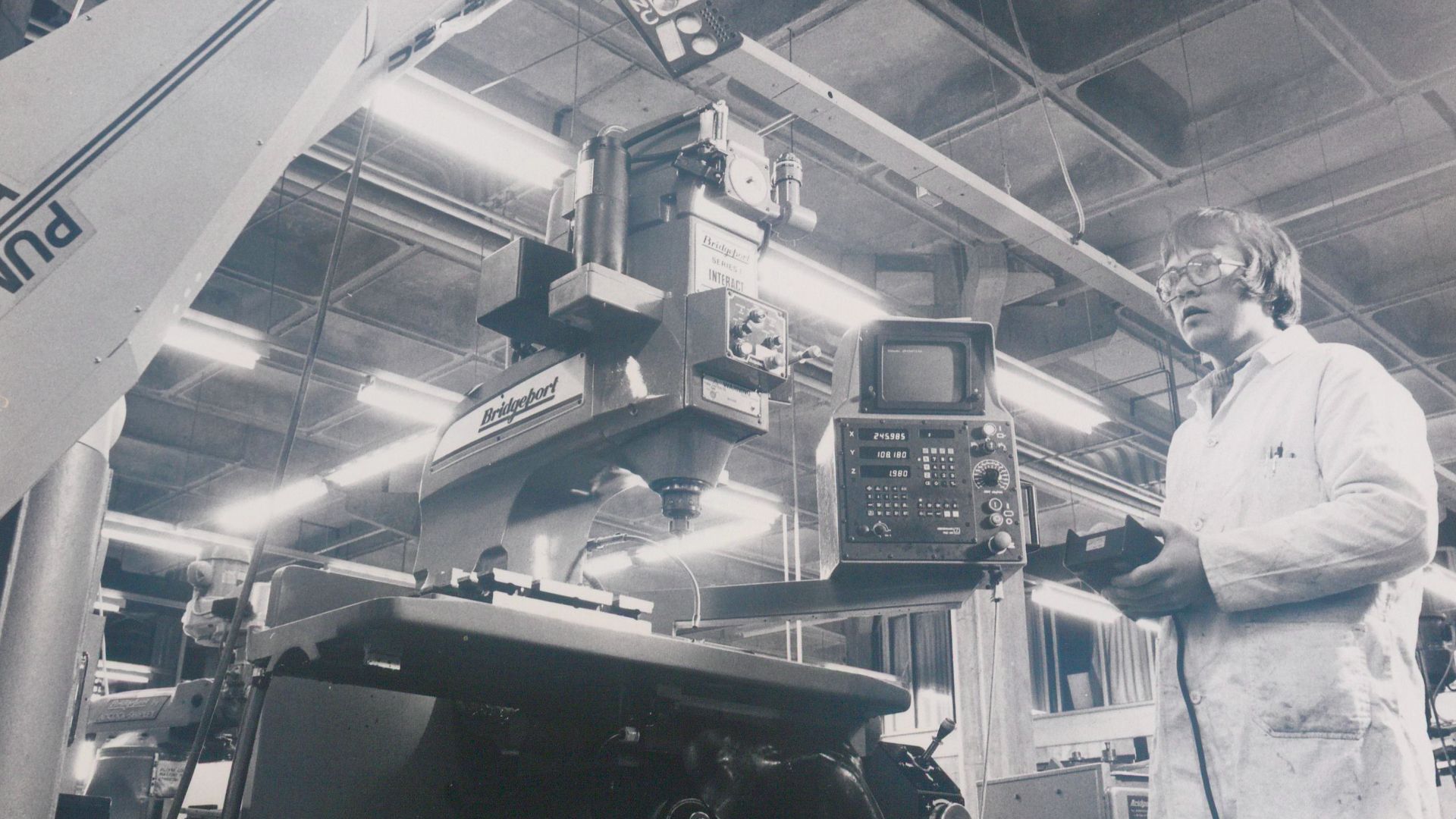
Years before fitness trackers, Puma released the RS-Computer shoe in 1986. Embedded with a chip in the heel, it recorded distance and pace that could be uploaded to a computer. It was wearable tech before the world even had a term for it.
 UL Digital Library on Wikimedia
17. Trinomic Tech Changes Running
By 1990, Puma had another breakthrough: Trinomic cushioning. The honeycomb-shaped cells underfoot improved flexibility and shock absorption, which combined science and sport in a way that made running shoes both smarter and more comfortable for people.
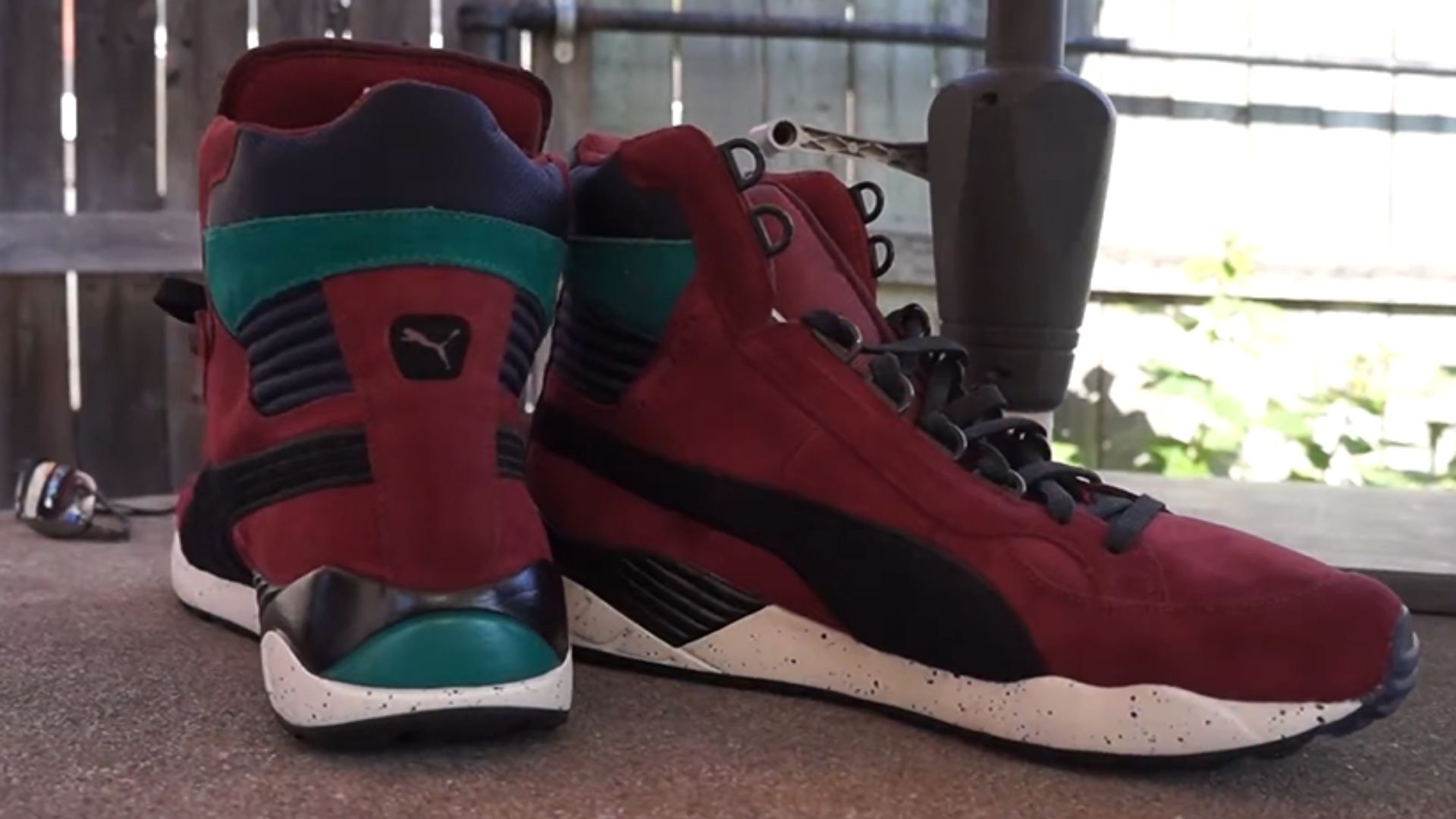 Puma Trinomic XS850 by SneekaJuhnkey
18. A Teen Wimbledon Champion
Boris Becker stormed Wimbledon in 1985 at just 17, wearing Puma shoes. His win made him the youngest men’s singles champion ever and cemented Puma’s reputation as the footwear of record-breaking champions that everyone later coveted.
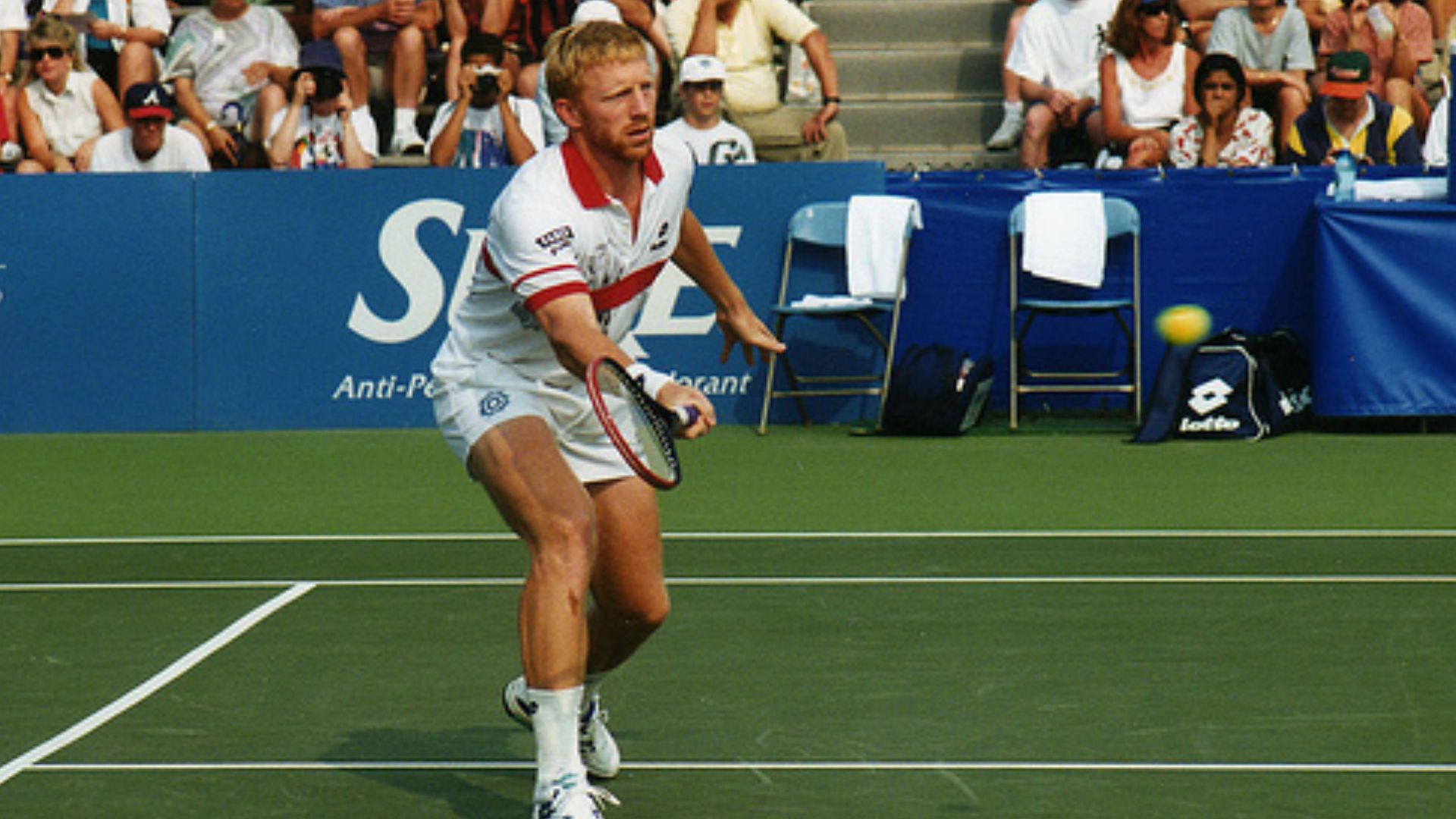 James Phelps from USA on Wikimedia
19. The Eye-Catching Lens Moment
Marketing doesn’t always need a billboard. At the 1996 Olympics, British sprinter Linford Christie wore contact lenses printed with the Puma logo. Cameras zoomed in, and suddenly, Puma had the most memorable product placement in track history.
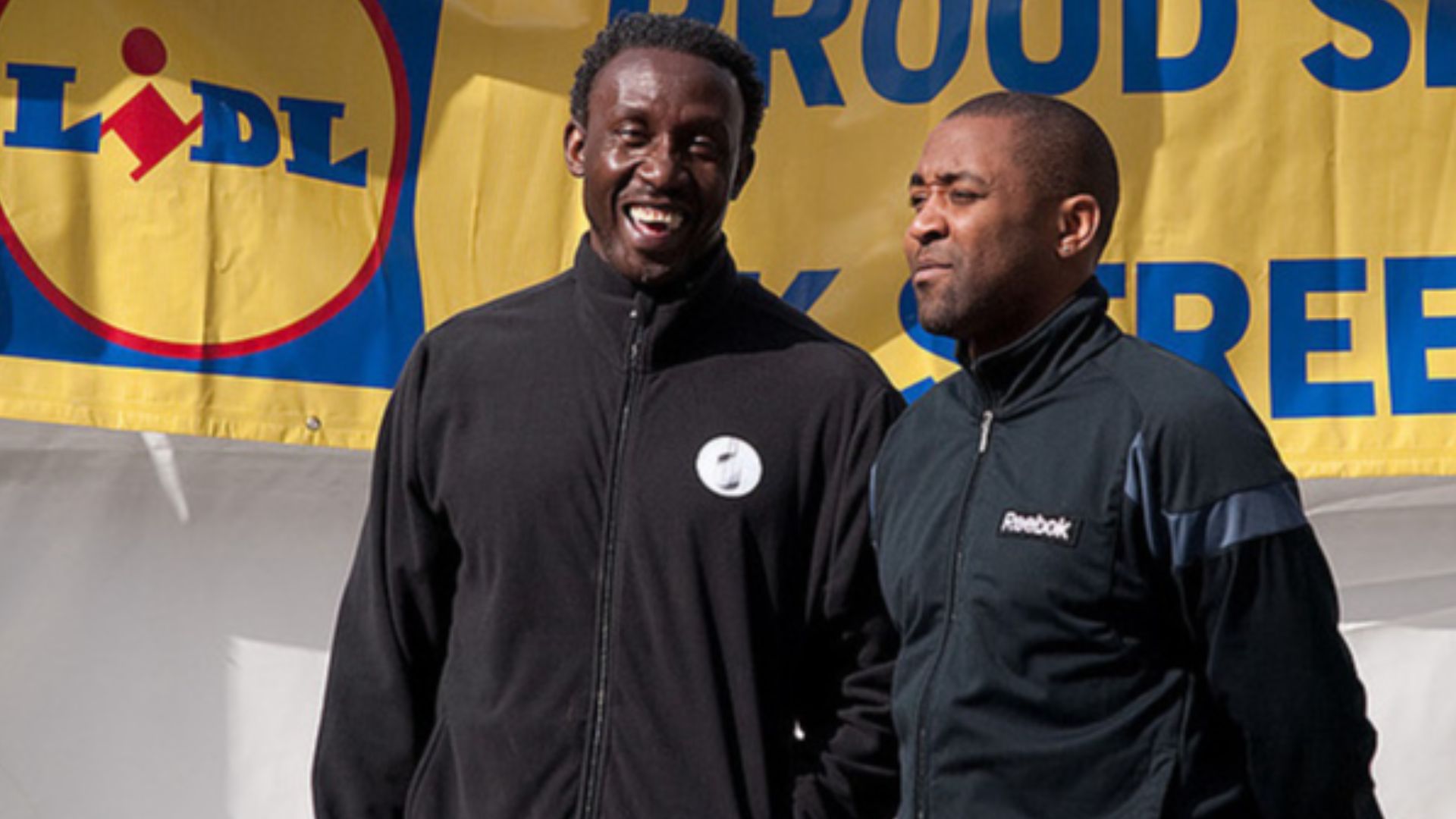 Klingon50 from Atherton, UK on Wikimedia
20. Jay-Z Joins The Game
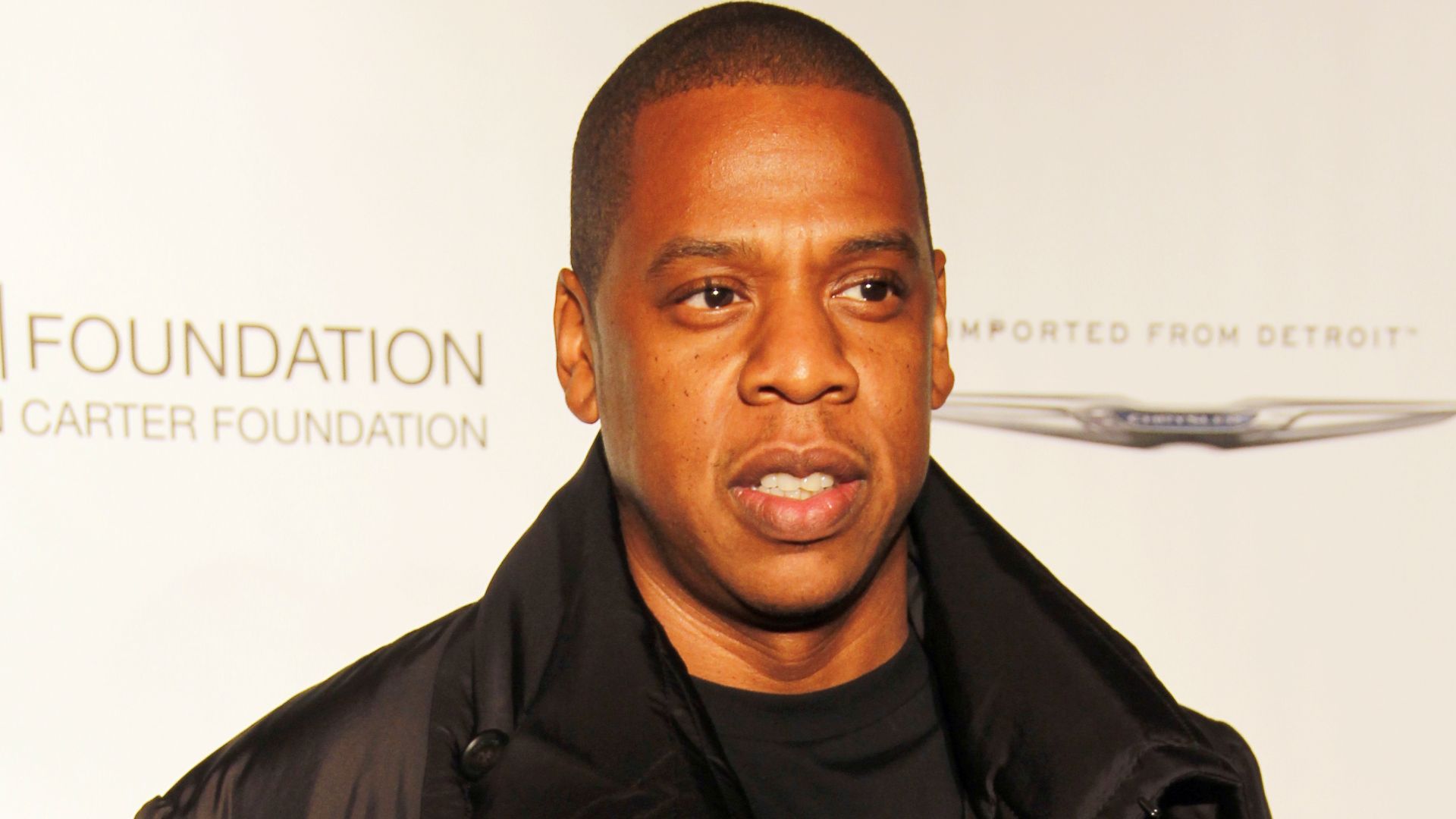
Decades later, Puma proved it still had a cultural edge. In 2018, Jay-Z became creative director of Puma Basketball to guide product design and marketing. His influence drew top NBA players and reignited Puma’s legacy on the hardwood.