
The Ultimate Dress Code
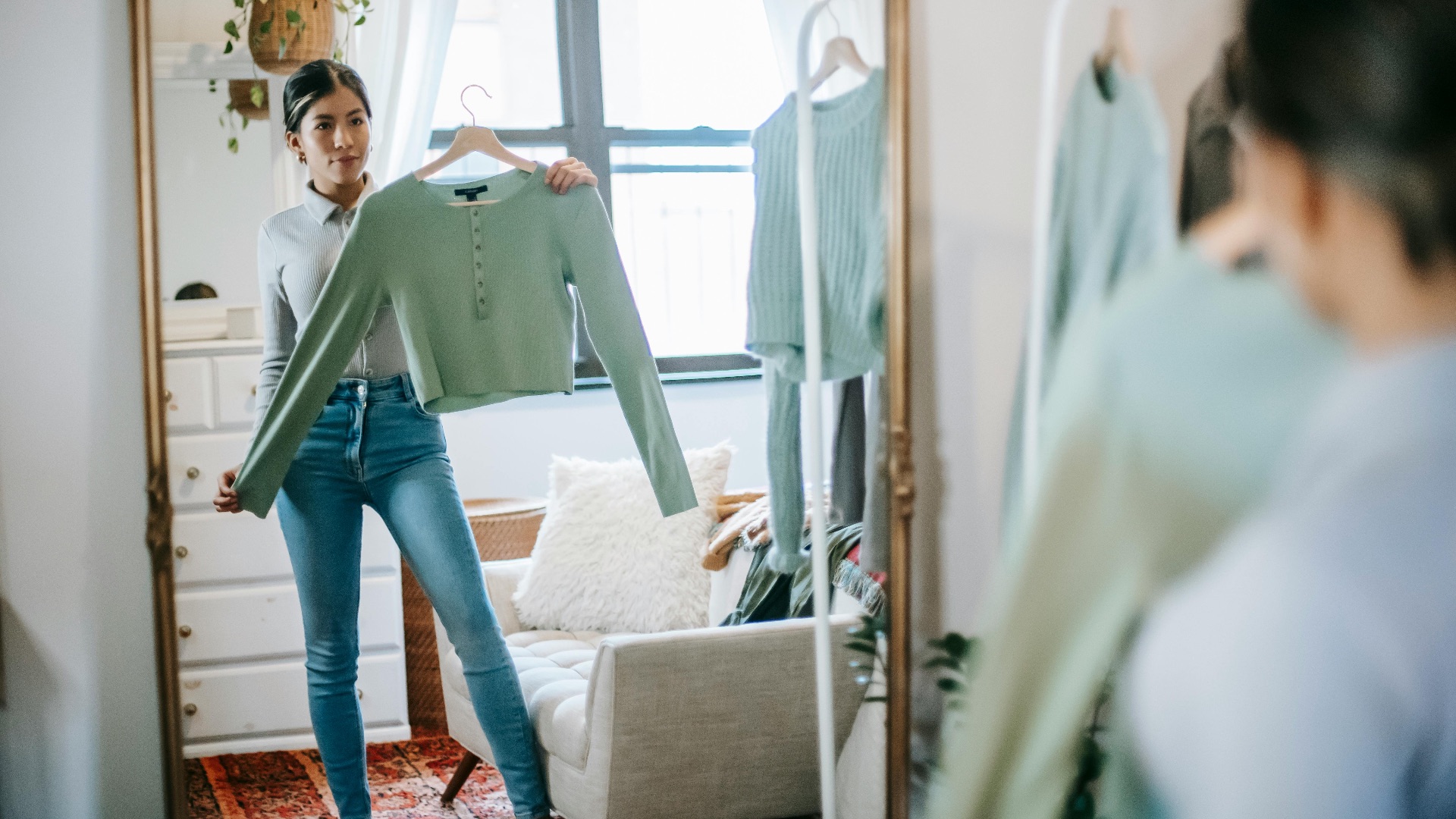
Contrary to what you might think, outfit paralysis usually isn’t about a lack of clothes, but about friction in the system you’re relying on every morning. When your closet is confusing, cluttered, or unreflective of your actual personality, style, or real life, your brain has to do extra work just to arrange something that feels right. The good news is that small, practical shifts can make decision-making faster, calmer, and a lot more consistent. Here are 10 closet problems that create decision paralysis, along with 10 fixes that might help fix your issue once and for all.

1. Too Many Clothes, Too Few Real Outfits
A full closet might give you options, but it can still leave you stuck because volume isn’t the same thing as usable variety. When you’re staring at 60 tops that don’t easily pair with your bottoms, your brain keeps trying combinations that never quite mix, and you end up getting annoyed at everything.
2. You’re Keeping Clothes That Don’t Fit Your Current Body
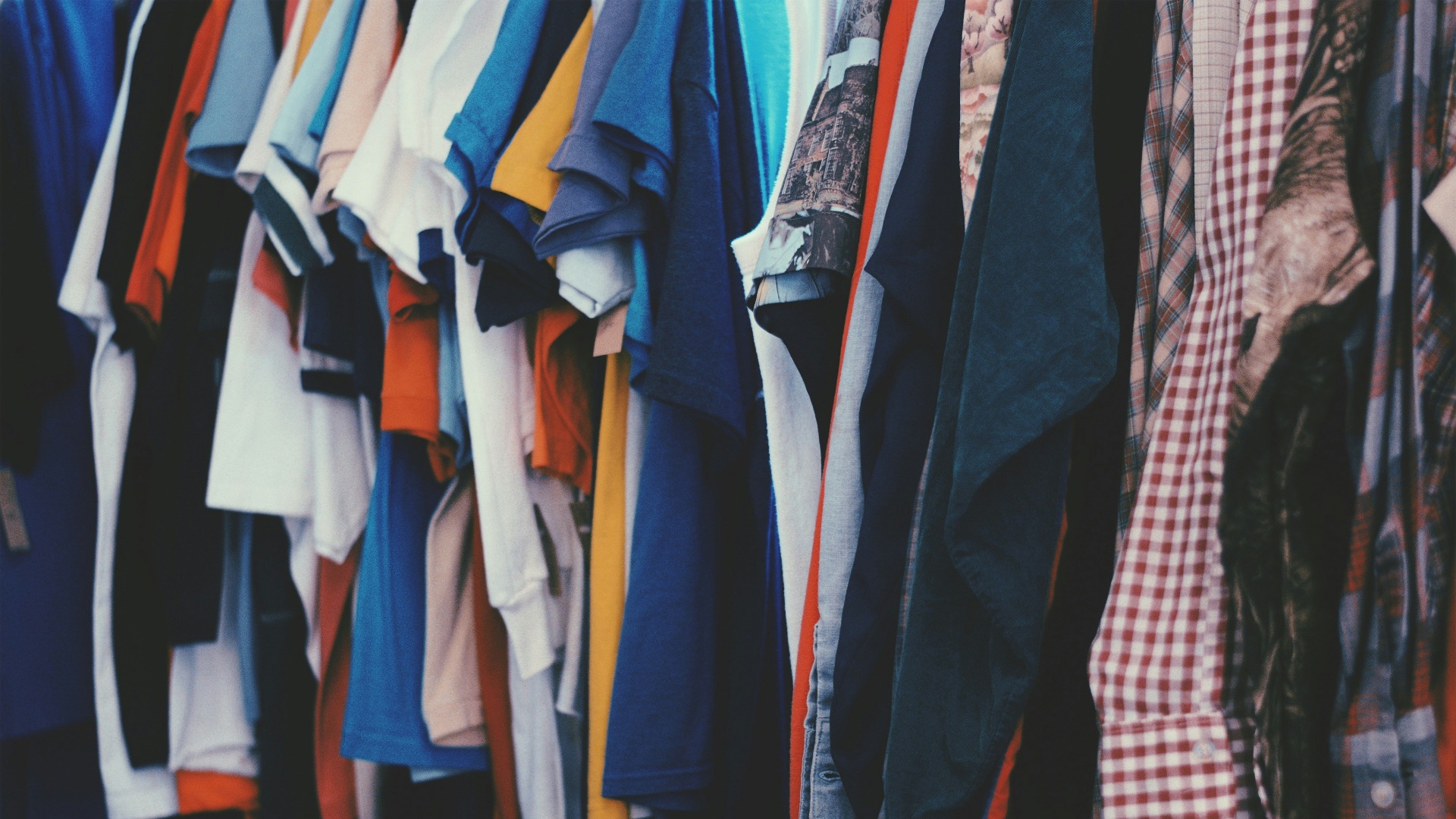
It’s hard to feel decisive when half your closet competes with your body the moment you put it on. Even if an item technically fits, the discomfort it brings can make you fidget, doubt yourself, or change outfits three times for no good reason. To save yourself the headache, give anything that doesn’t fit comfortably a separate holding zone, and keep only what makes you feel good in your own skin now.
3. Your Closet Layout Makes You Work Too Hard
If categories are mixed together, getting dressed starts with a scavenger hunt, and that’s a terrible warm-up for decision-making. The extra searching drains your patience, so by the time you’ve found what you need, you’re already irritated and more likely to settle for something you don’t love. Group by category first, then make it visually clean within each section so you can scan quickly and move on with your life.
4. You’re Missing the Basics That Do the Heavy Lifting
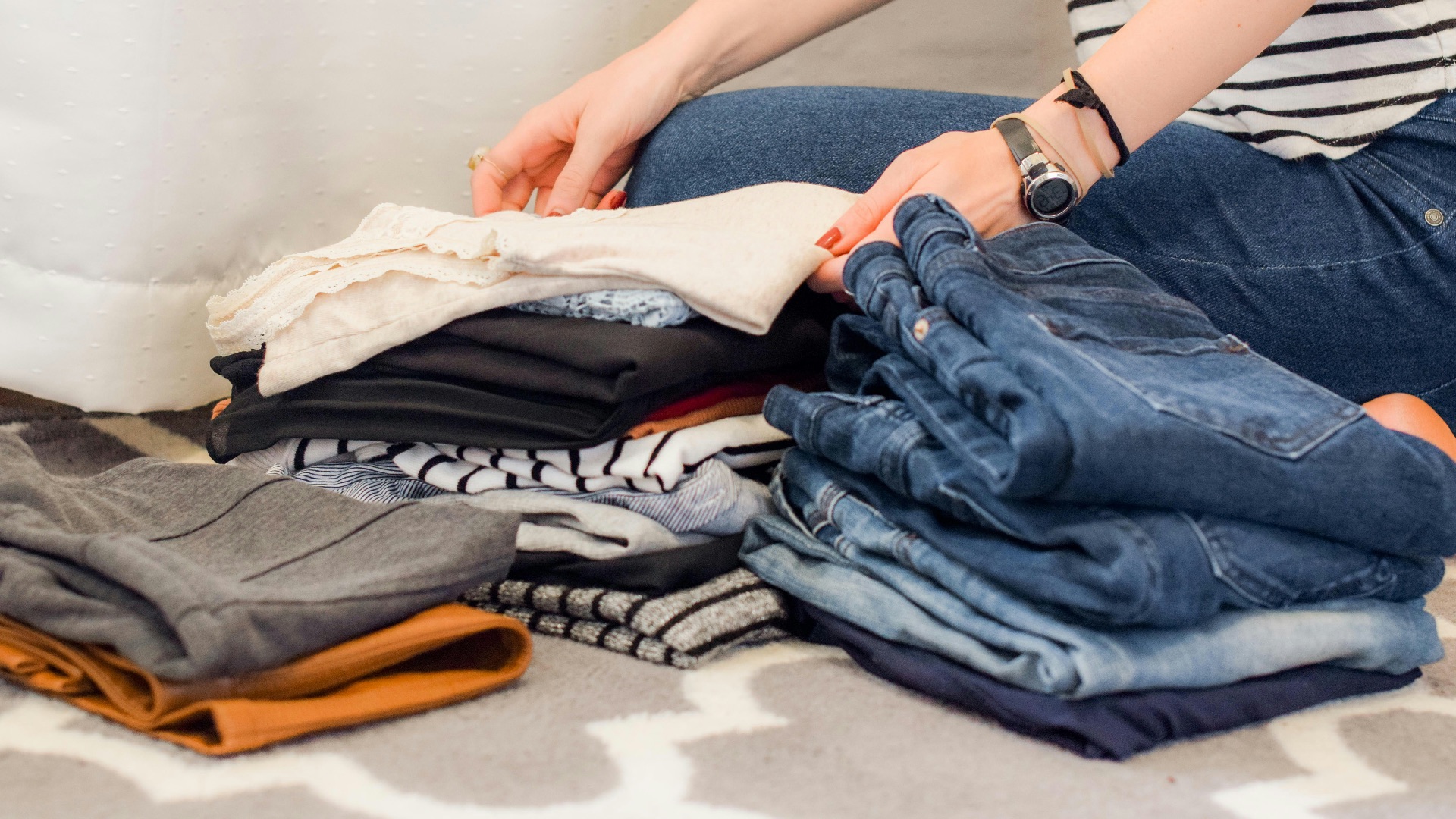
Basics might look, well, basic, but they're the support team that makes your outfits come together. If you don’t have solid everyday tees, neutral pants, or a dependable layer, you’ll keep trying to force combinations to work with pieces that were never meant to be the foundation. Trust us, a plain white tank can go a long way.
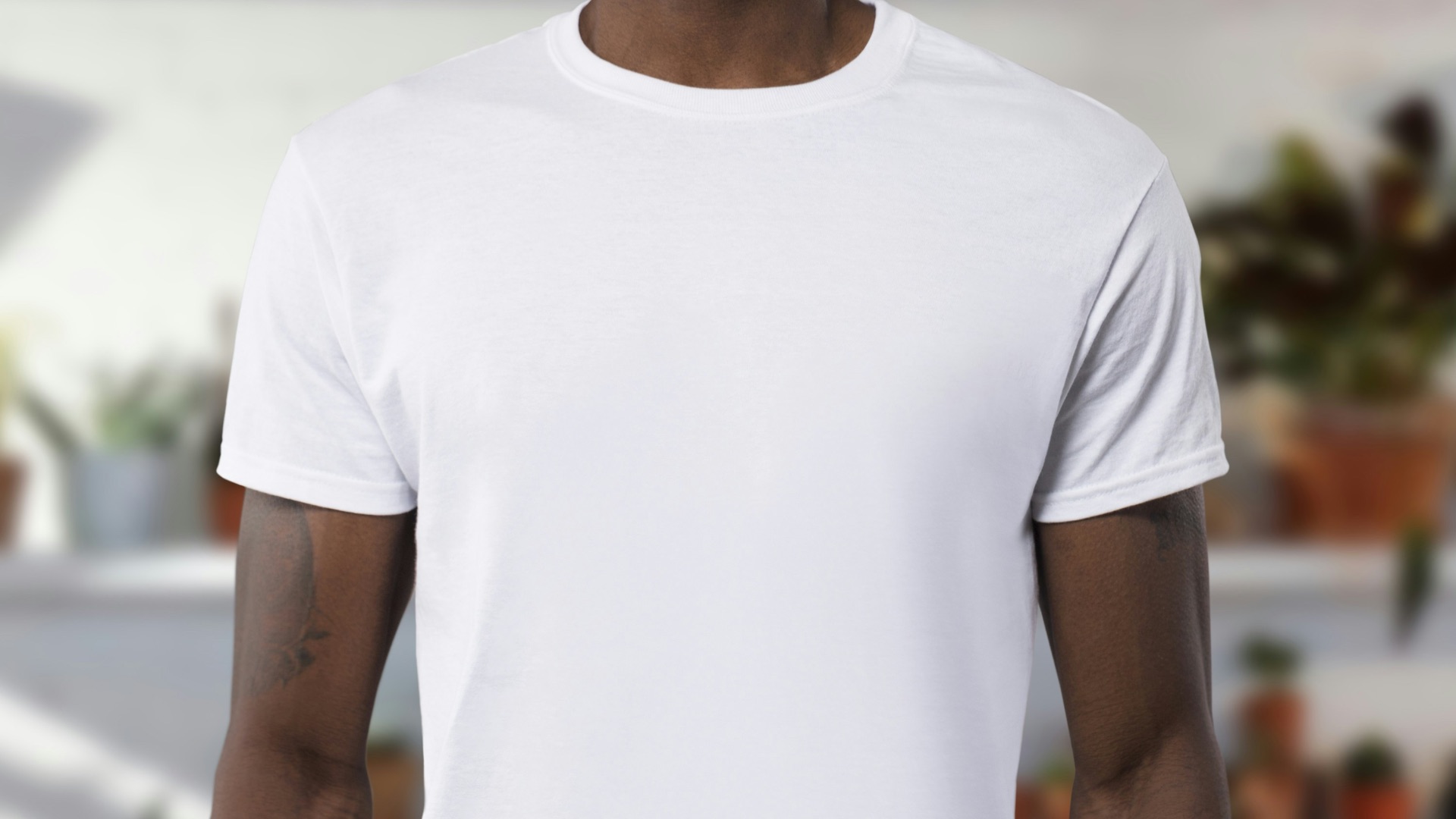
5. Your Closet Is Packed with Clothes You Rarely Wear
When your daily wardrobe is sharing space with outfits meant for weddings, vacations, and once-a-year dinners, it can feel like your closet is mocking you. You end up staring at clothes that don’t match your day and then feeling like you have nothing, which is a frustrating mental trick.
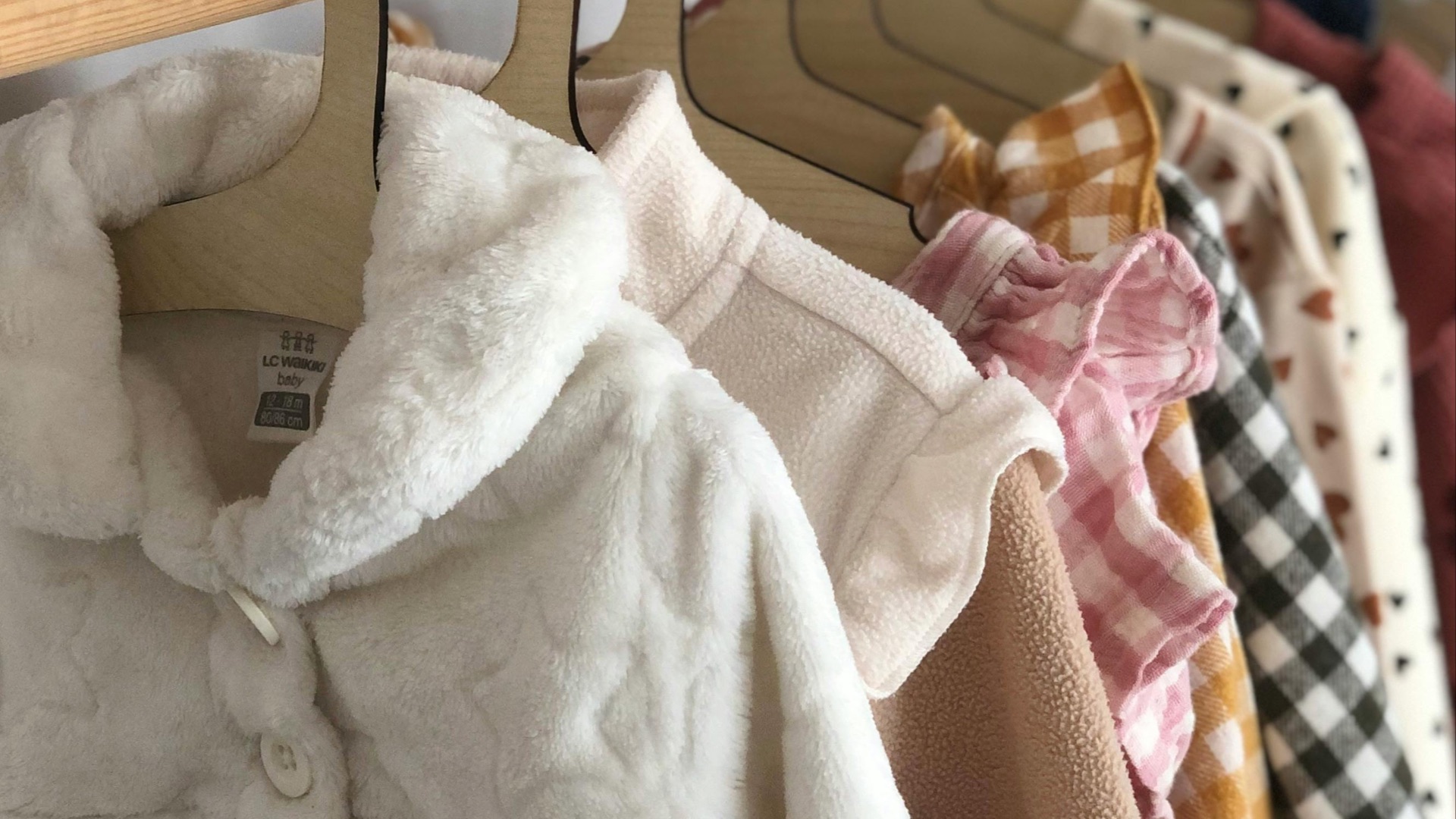
6. You Don’t Trust the Condition of What You Own
Nothing kills confidence faster than realizing your favorite shirt has a faint stain or your sweater has a hole in the armpit. If you can’t trust your clothes to look polished, you’ll hesitate every time you reach for them and keep switching outfits to avoid potential embarrassment. Do a quick quality reset: repair what’s fixable, clean what needs help, and let go of anything that can’t reliably show up for you.

7. You Own Too Many Near-Duplicates That Create Decision Fatigue
Five black sweaters sounds like a good idea until you’re standing there trying to remember which one actually looks best. After all, when you own items that are too similar, you end up comparing tiny details instead of making an easy choice, and the whole process feels oddly exhausting.
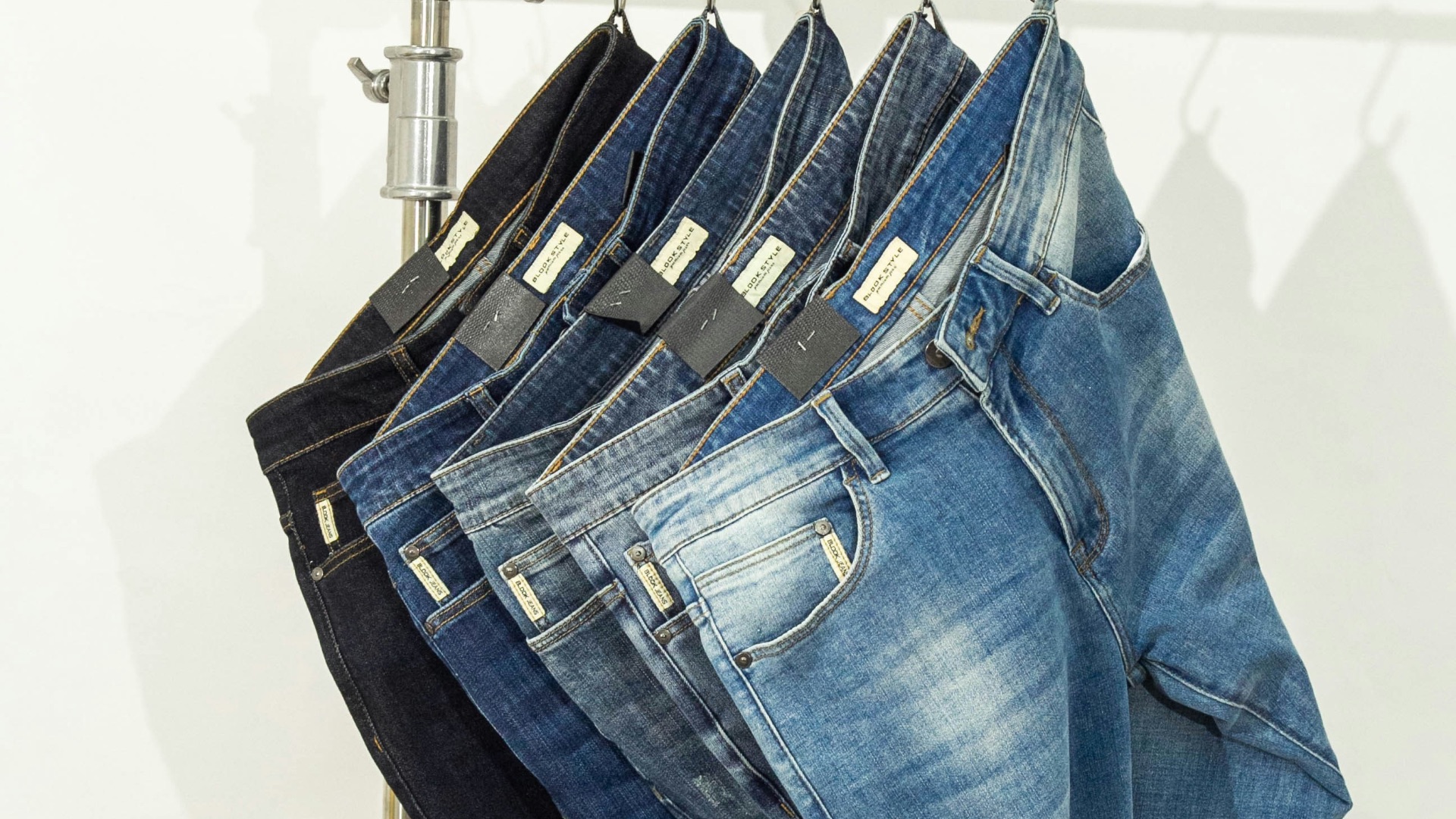
8. The Fabric Feels Annoying
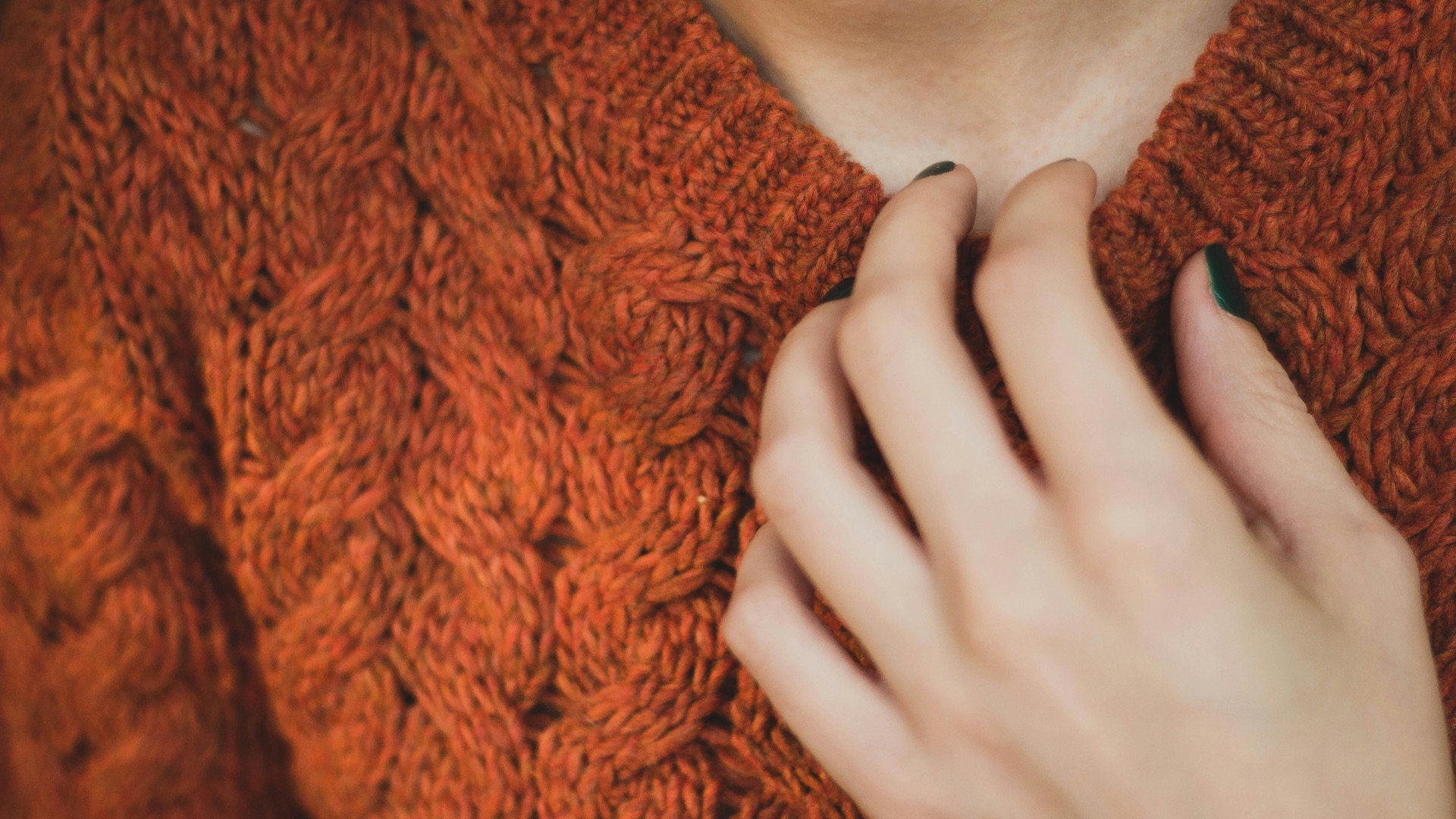
If something clings, overheats you, wrinkles on contact, or feels scratchy and stiff in the wrong places, your body will reject it even if your eyes like it. That’s when you start bargaining with yourself, trying to convince yourself it’s fine, and suddenly getting dressed becomes a problem.
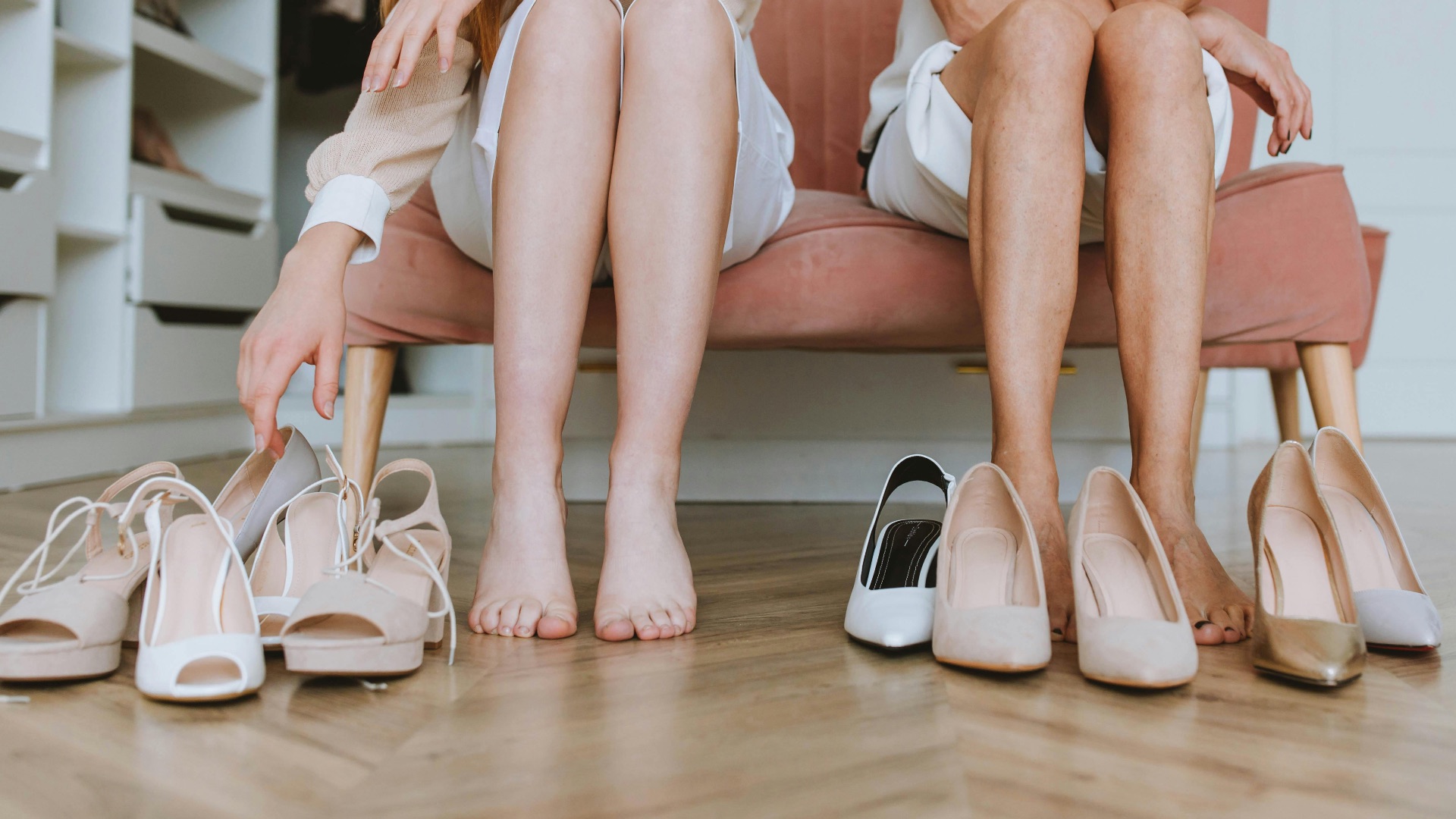
9. Your Shoe Options Are Making Everything Harder
Shoes aren’t just the finishing touch, but the biggest determiner of whether your footwear supports an outfit or ruins it. If the only choices are uncomfortable, too formal, too casual, or wrong for the weather, you’ll keep redoing outfits because nothing feels finished.
10. Your Closet Reflects a Fantasy Life, Not Your Real One
If most of your wardrobe is for a version of you that goes to stylish events every weekend, your everyday self is going to feel under-supported. You’ll keep running into clothes that don’t fit your workday, your commute, your comfort needs, or your personality, and then wonder why getting dressed feels impossible. When you're shopping, make sure you're choosing items you know you'll wear, not just hypothetically.
Ready to fix up your closet so you're not scrambling for options every time you head out? Read on.
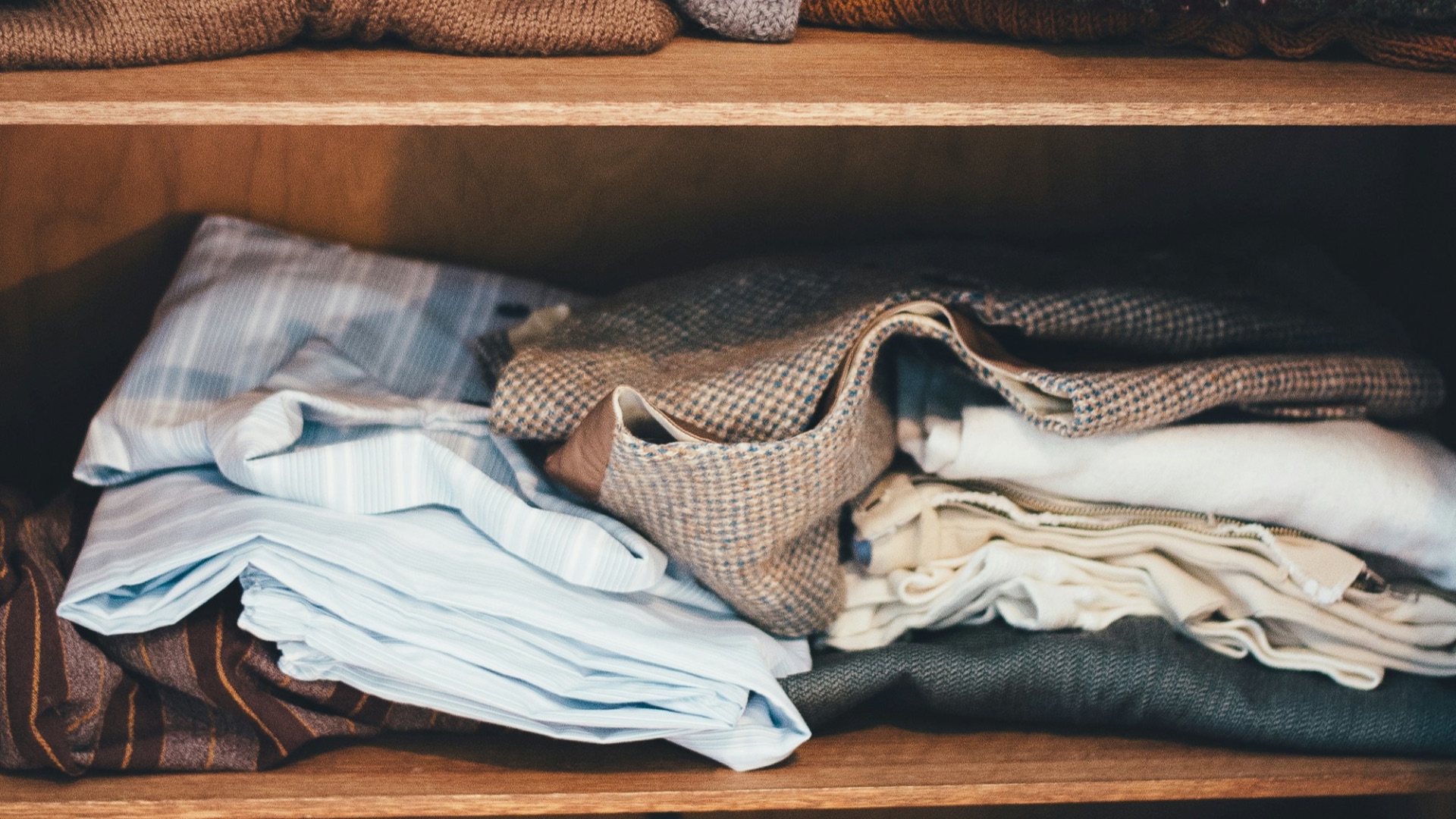
1. Invest in Better Storage Tools
When hangers are mismatched, shelves are overloaded, and bins are stuffed, your closet quietly becomes a daily irritant. Clothes fall off, sleeves get stretched, and anything delicate gets crushed, which means you’ll avoid half your wardrobe because it feels like a hassle. Switch to consistent hangers, add simple dividers or bins, and make sure every category has enough space to sit neatly without fighting.
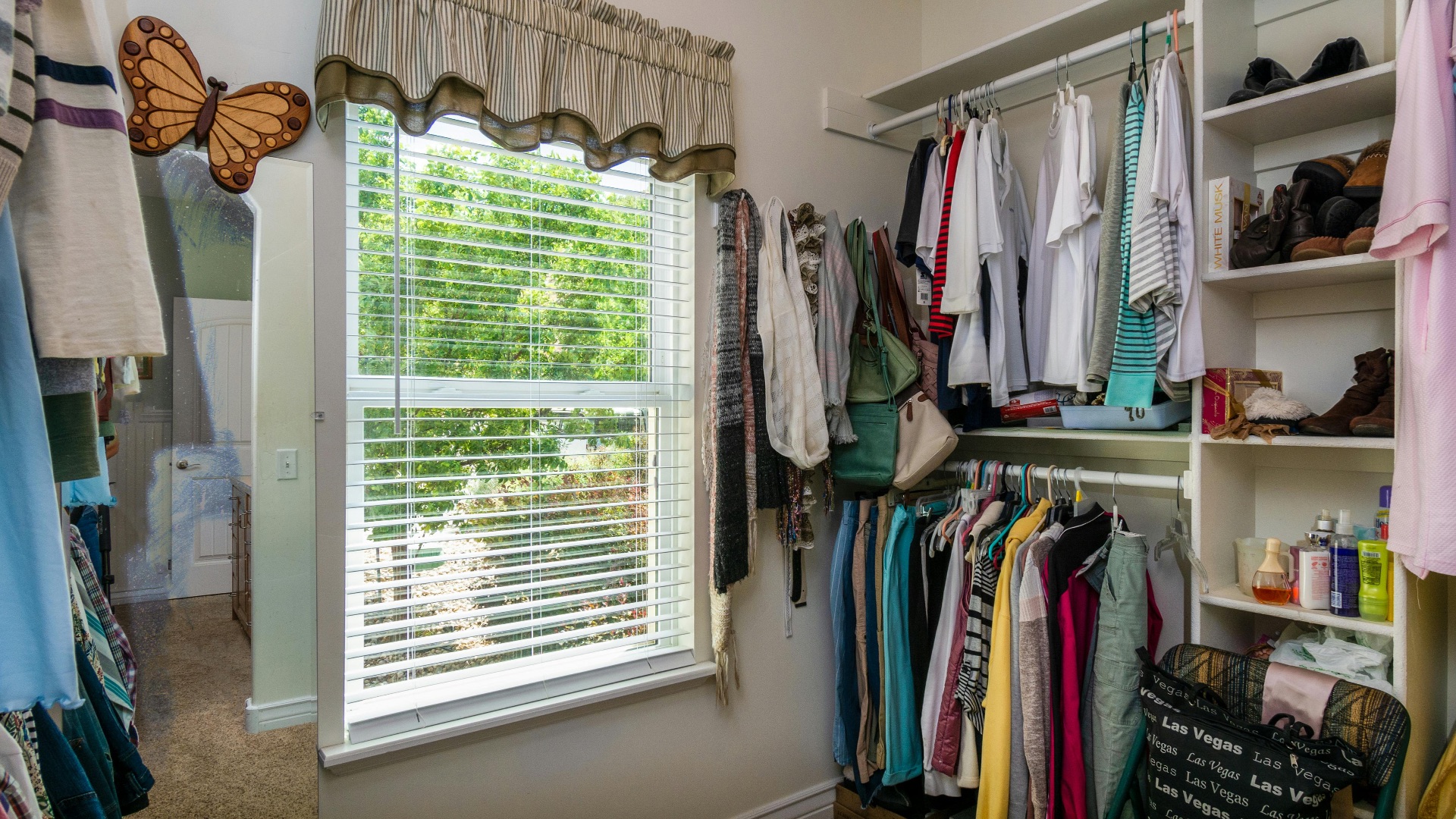
2. Don't Let Your Best Pieces Get Hidden Behind Clutter
If your favorites are buried, you’ll forget they exist and keep rotating items you don't actually want to wear. Visibility matters because you can’t choose what you can’t see, and outfit paralysis loves a closet that hides good options. Give your top-worn section breathing room, keep current-season favorites front and center, and treat your closet like a display instead of a storage unit.
 Shane Ryan Herilalaina on Unsplash
3. Invest in Good Closet Lighting
Dim lighting makes colors look off, hides fit issues, and turns outfit decisions into a guessing game. That’s when you walk into daylight and suddenly feel like your clothes look different than they did five minutes ago. Upgrade the bulb or add stick-on lighting so you can trust what you’re seeing and stop changing outfits out of uncertainty.
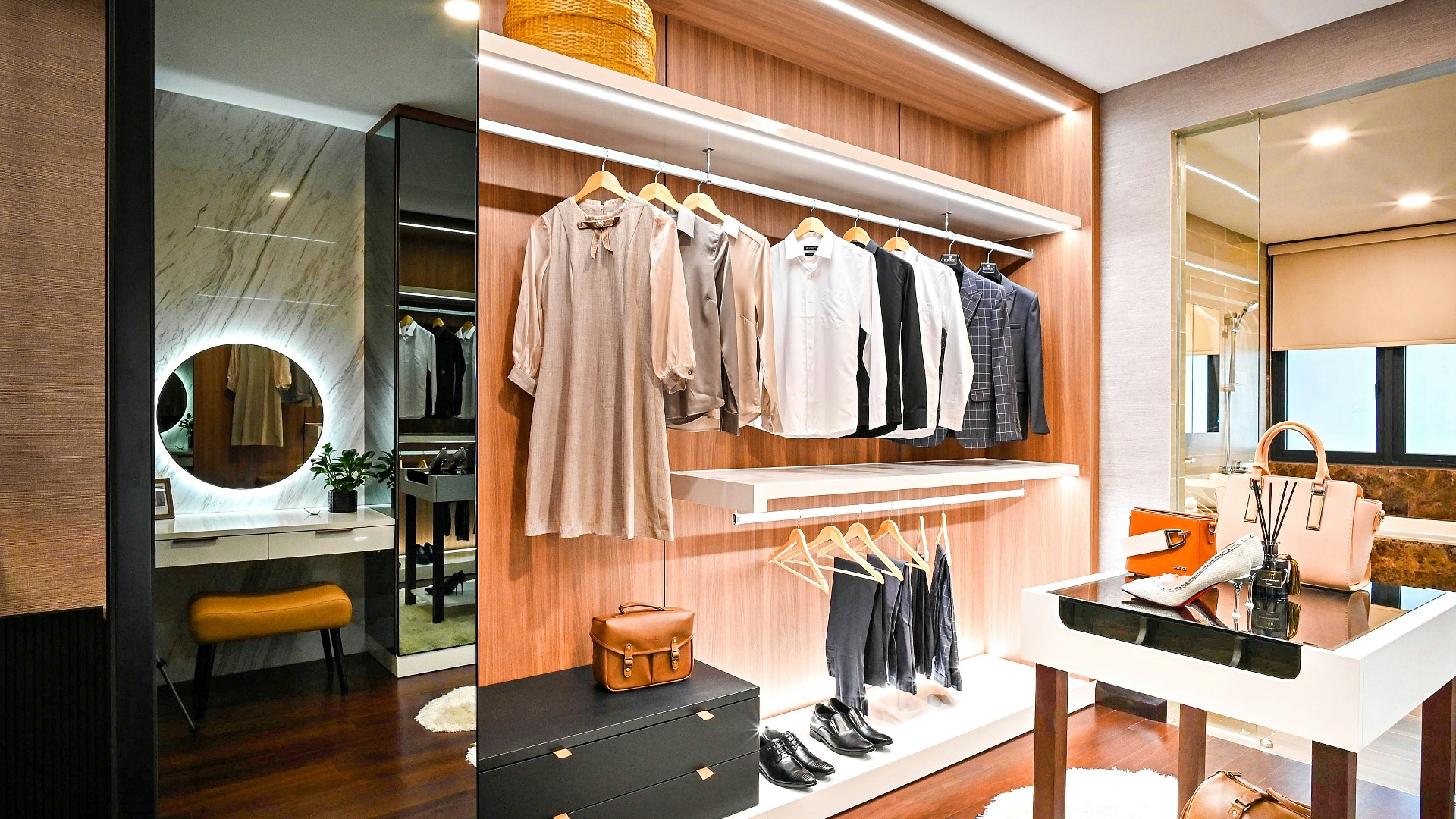
4. Keep Your Accessories Organized
When belts are tangled, jewelry is scattered, and bags are stuffed into random corners, styling becomes an extra chore you don’t have time for. You’ll default to skipping the finishing touches, then feel like your outfit looks incomplete, which triggers more outfit changes. Create one small, tidy station for everyday accessories and keep only your most-used items there so it’s easy to elevate an outfit in seconds.

5. Organize Off-Season Clothes
If heavy sweaters are wedged next to summer dresses, your closet starts feeling cluttered no matter how much you own. You end up scanning past things you can’t wear right now, which slows you down and makes choices feel harder than they need to be. Rotate by season and keep the current weather wardrobe in your prime space so your closet matches your day.
6. Choose a Better Color Palette
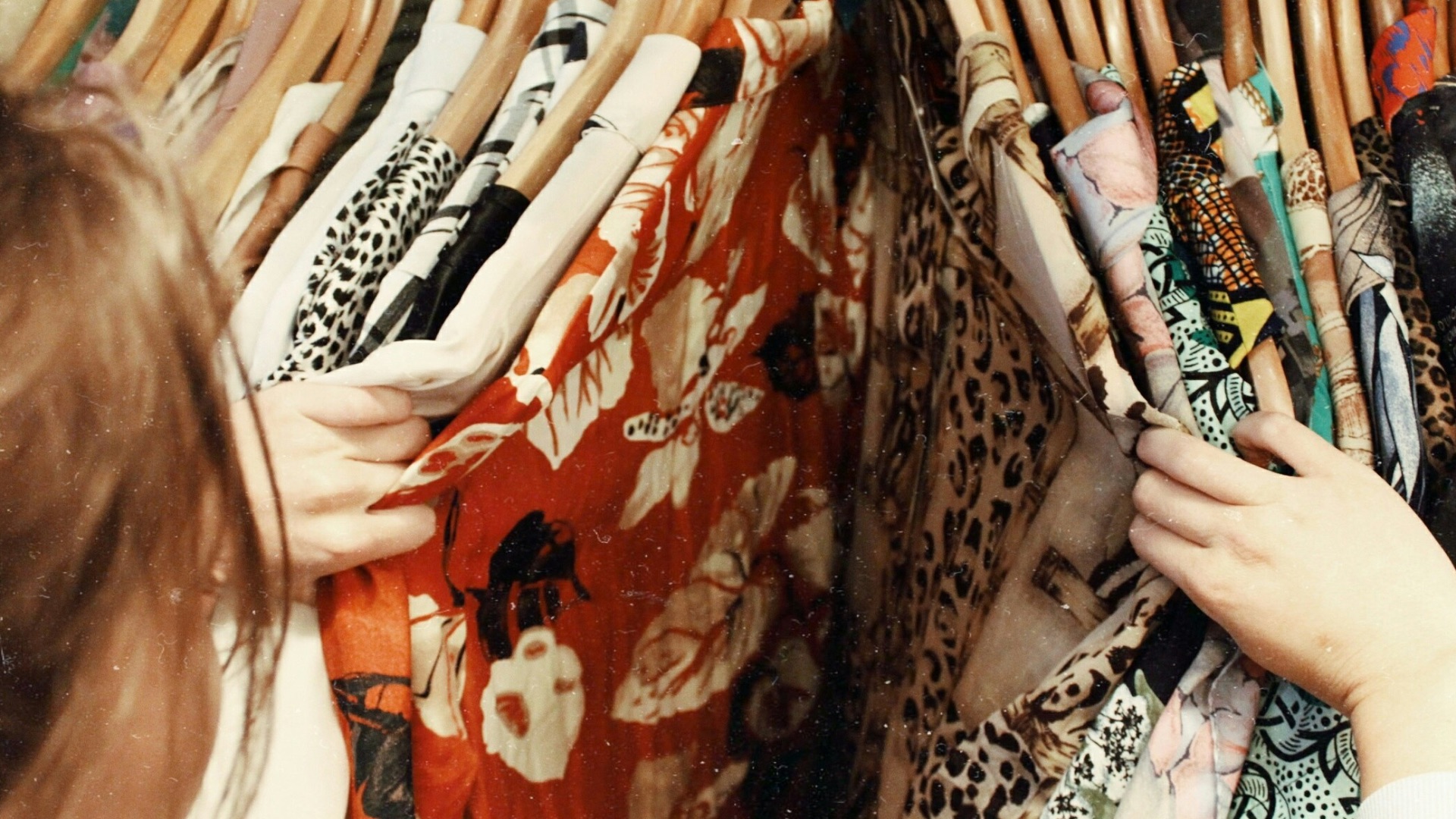
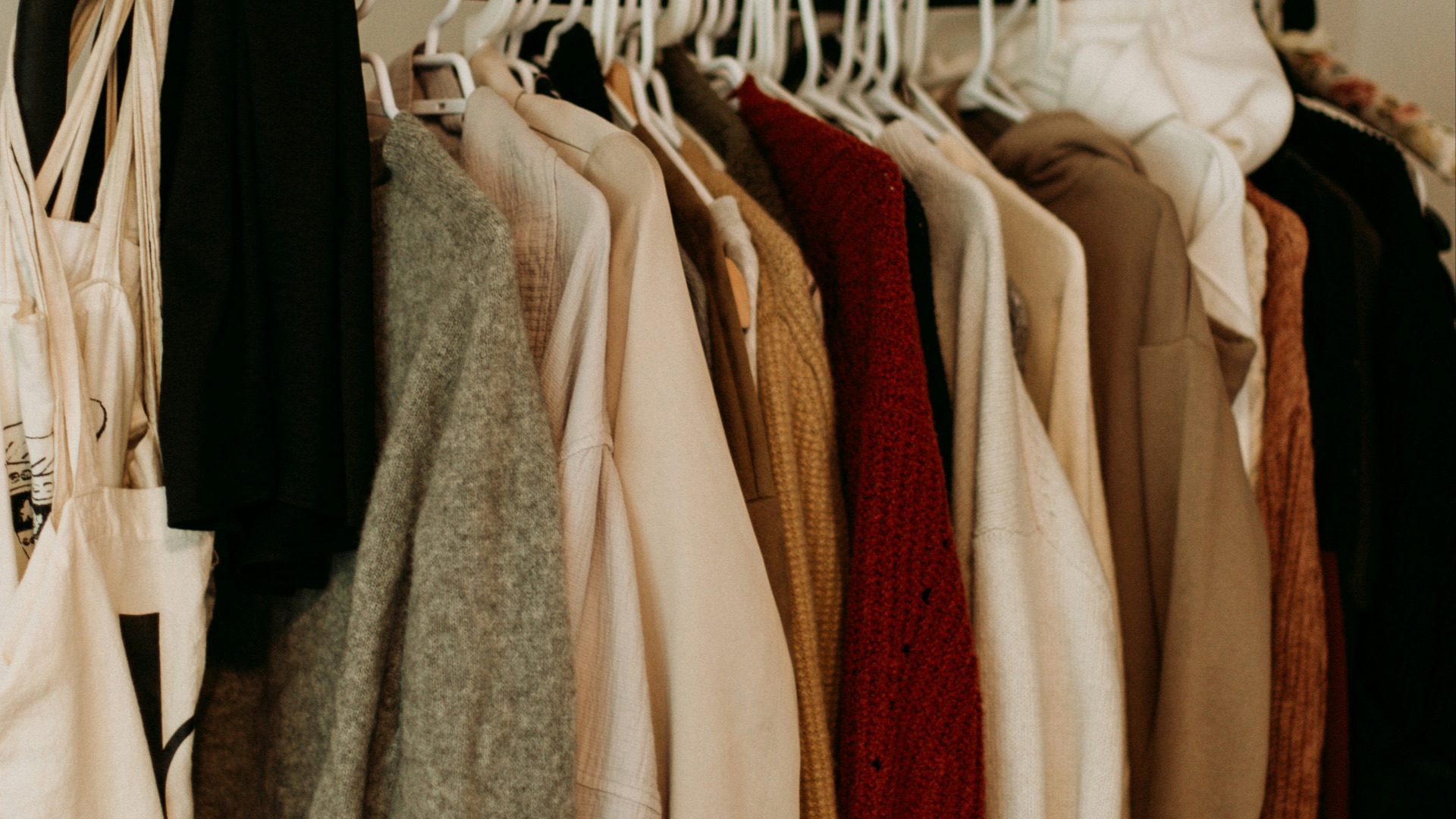
A closet full of random colors can be fun in theory, but it often creates constant pairing problems in practice. When your tops and bottoms don’t naturally coordinate, you’ll keep changing because every combo feels slightly off. Choose a small color framework you genuinely enjoy wearing, then slowly edit toward it so more outfits come together without effort.
 Priscilla Du Preez 🇨🇦 on Unsplash
7. Don't Reinvent the Wheel Every Morning
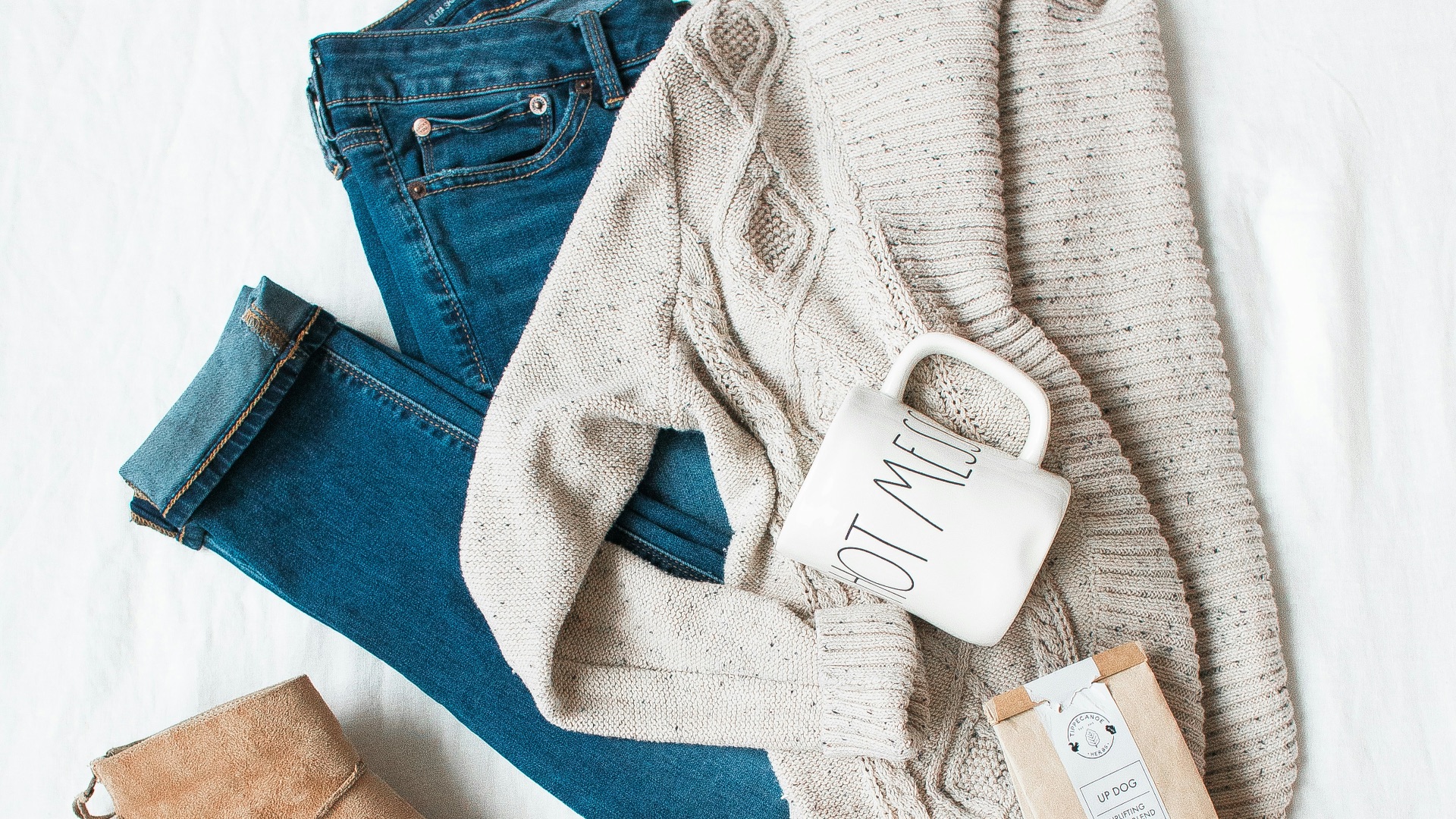
If you’re starting from scratch every single day, you’re forcing creativity on demand, and that’s a recipe for decision fatigue. The result is often a pile of rejected clothes and a rushed choice you don’t feel great in. Pre-plan a few outfits you know work, save them as quick notes or photos, and rotate them when you need a no-drama morning.
8. Keep Up with Laundry Days
If your go-to pieces are always in the hamper, you’re constantly improvising, and improvisation is where outfit paralysis thrives. That’s when you wear something you don’t love, then feel annoyed all day because you knew it wasn’t the right choice. Make sure to wash regularly or buy a second version of a true favorite so your closet doesn’t collapse when one item is unavailable.

9. Tailor Your Favorite Pieces
When clothes almost fit, you’ll keep thinking they should work, but the slight offness makes you feel frustrated every time you put them on. Pants that puddle, sleeves that hit awkwardly, or waists that gap can make an outfit feel sloppy even if the overall piece is good. An easy fix? Tailor a handful of your favorite items, and you’ll suddenly have more clothes that feel dependable and put-together.

10. Note Down Which Outfits Actually Work for You
Without paying attention to the good, you’ll keep repeating the same frustrating experiments and wondering why your closet feels unreliable. The outfits you love usually have patterns, and those patterns are incredibly useful once you notice them. Take 10 seconds to note what made a good outfit feel right, then use those notes to guide future shopping and closet edits.