Why Are Your Hands Always So Dry?
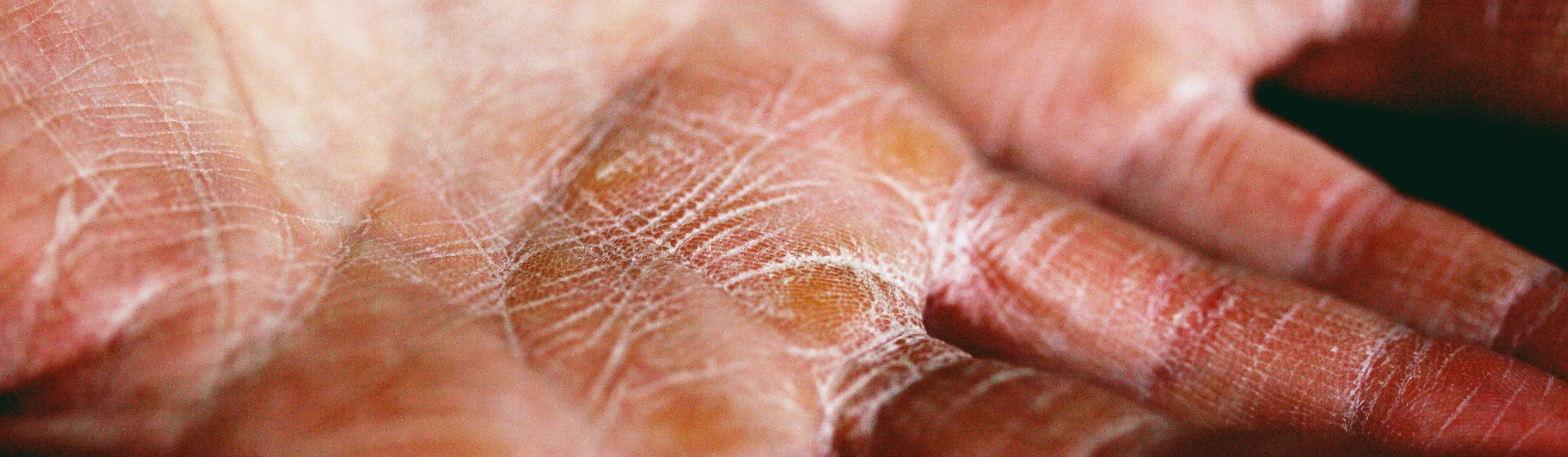
No matter how much hand cream you put on and how often, it seems like your fingers and palms are perpetually dry. Believe it or not, even if you think you're doing everything right, there's actually a surprisingly long list of reasons your hands might be struggling to stay moisturized—but don't fret, there are just as many ways to fix it. Here's a look at what's behind that dryness and, more importantly, what you can do about it.
1. You're Washing Your Hands Too Frequently
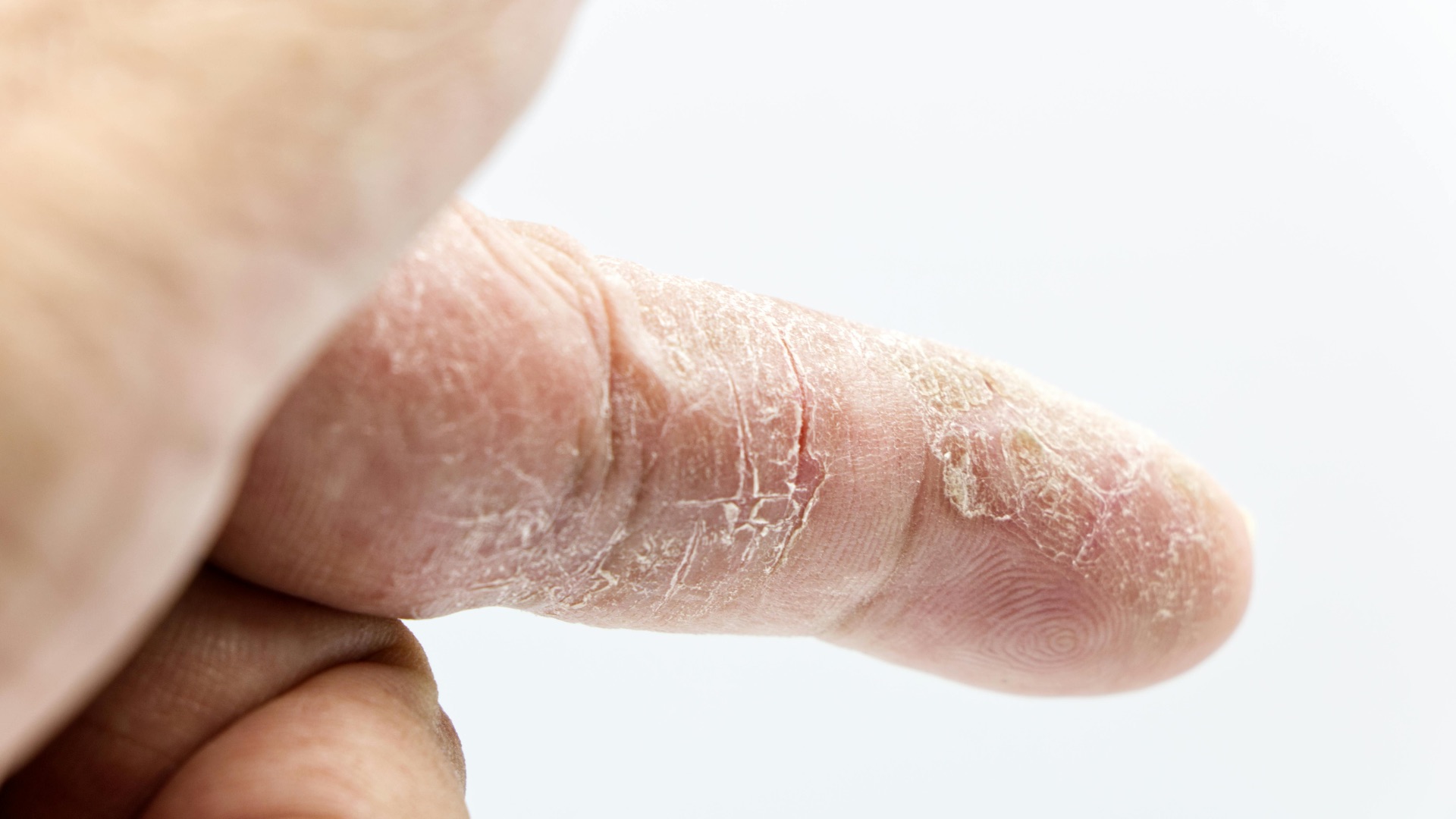
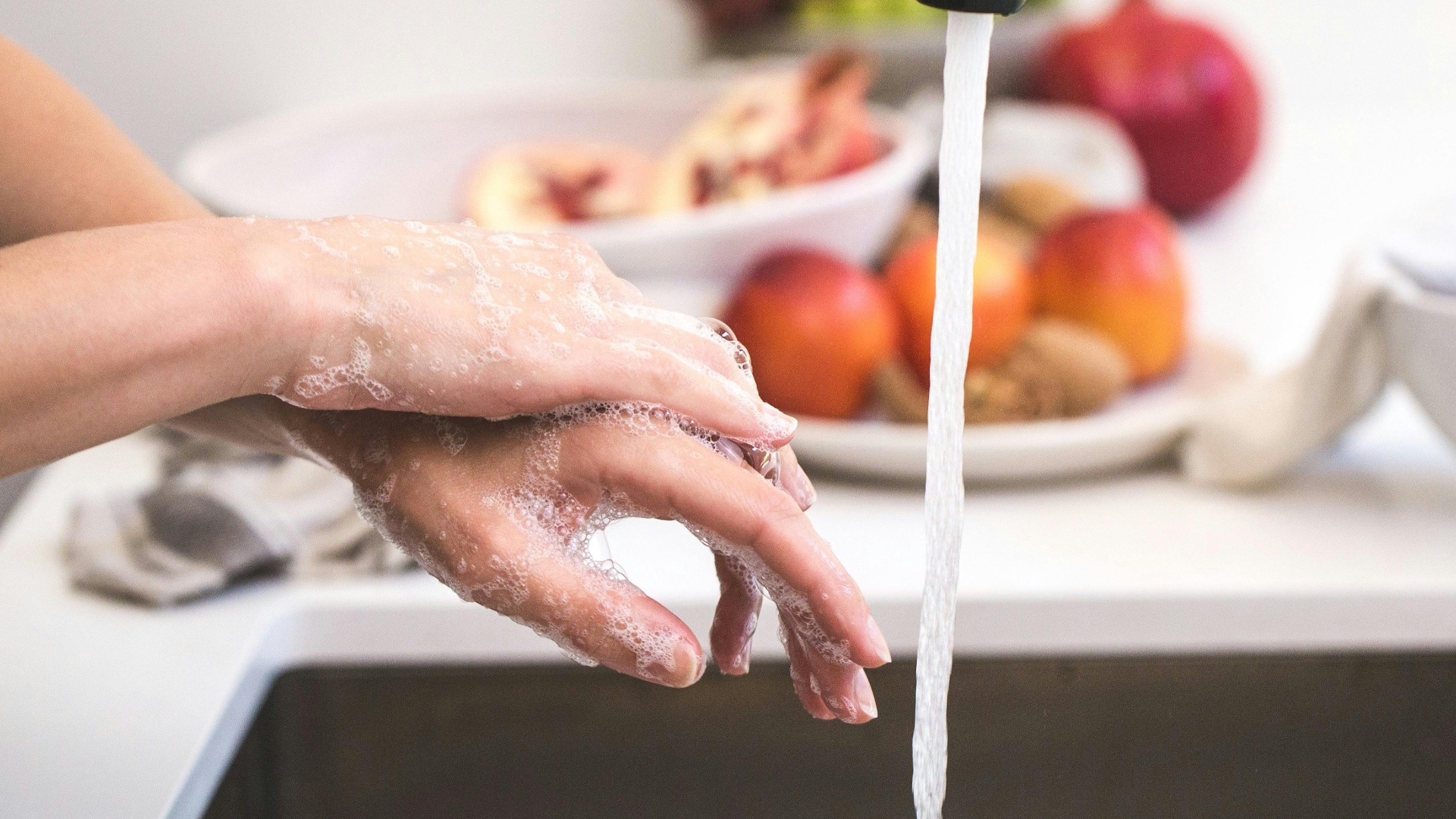
Washing your hands often is great for hygiene, but it's not so great for your skin. Frequent washing strips away the natural oils that keep your skin barrier intact, leaving it vulnerable to moisture loss. If your hands feel dry and tight after every wash, the frequency might be part of the problem.
2. You're Using Harsh Soaps
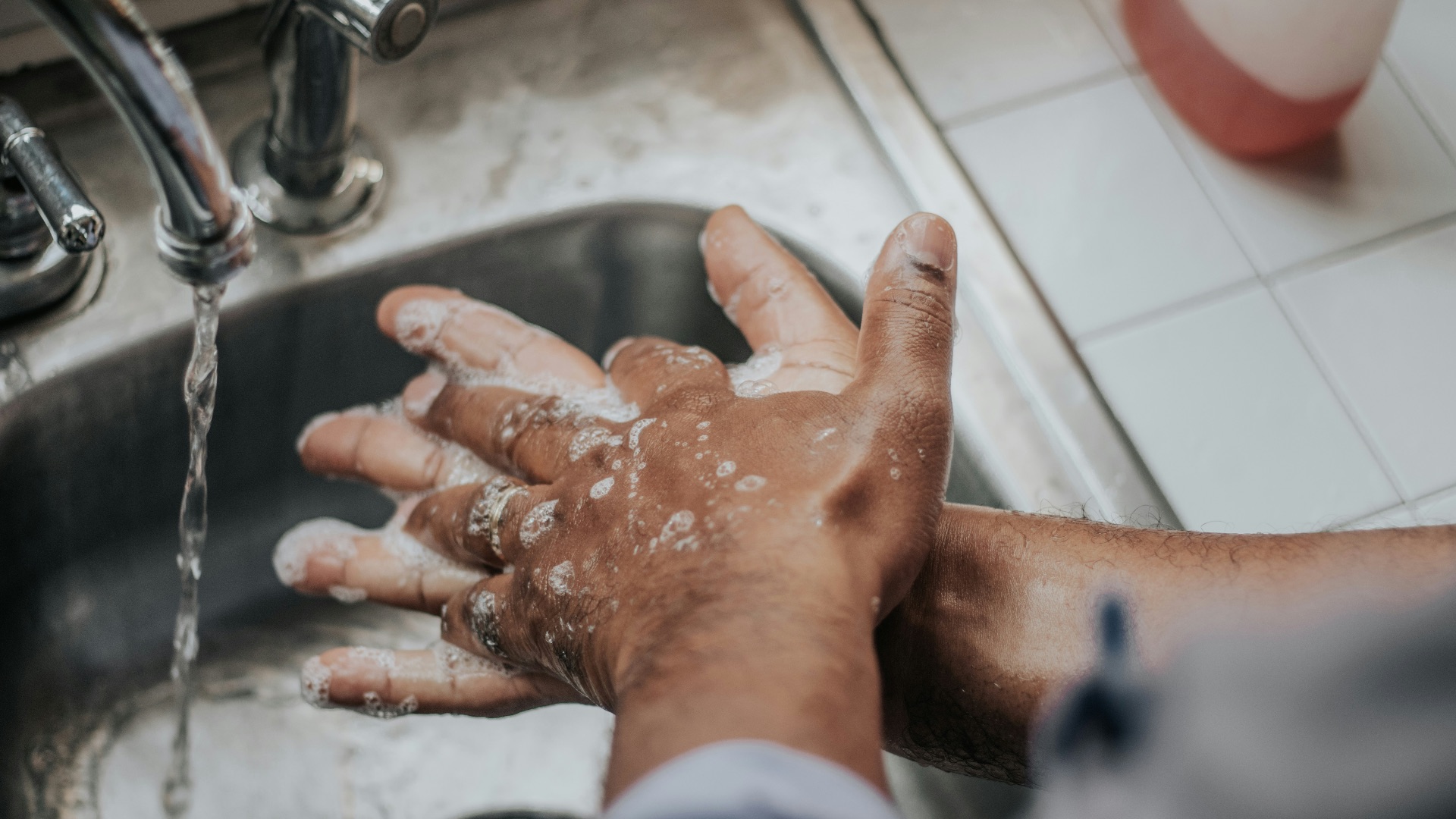
Not all soaps are created equal, and the ones loaded with sulfates and synthetic fragrances can be especially tough on skin. These ingredients disrupt the skin's natural pH and break down its protective lipid barrier, making it harder for your hands to retain moisture. Switching to a gentler, fragrance-free formula can make a noticeable difference pretty quickly.
3. The Weather Has Changed
Cold air holds less moisture than warm air, which means your skin is working harder to stay hydrated during the winter months. Add in the wind chill, and you've got conditions that are practically designed to wreak havoc on unprotected hands. Even people who don't usually deal with dry skin often find their hands suffer when the temperature drops.

4. Spending Too Much Time in Air-Conditioned or Heated Rooms
Both air conditioning and central heating pull moisture out of the air, and when the air is dry, your skin tends to follow. Spending long hours in these environments, whether at the office or at home, creates a constant cycle of dehydration for your skin. The lower the indoor humidity, the more your hands will feel the effects.

5. You're Not Drinking Enough Water
Hydration starts from within, and if you're not drinking enough water throughout the day, your skin is one of the first places that shows it. When the body is mildly dehydrated, it prioritizes water for vital organs, which means your skin gets whatever's left over. Upping your daily water intake won't fix dry hands overnight, but it's a solid part of the bigger picture.

6. Your Diet Lacks Essential Fatty Acids
Healthy skin needs healthy fats, and a diet low in omega-3 and omega-6 fatty acids can leave your skin looking and feeling dry. These nutrients play a key role in maintaining the skin's barrier function and keeping cells properly hydrated from the inside. Foods like salmon, walnuts, flaxseeds, and avocado are all great sources to work into your meals.

7. You Have a Skin Condition Like Eczema or Psoriasis
Chronic dry hands that don't respond to regular moisturizers might be pointing to an underlying skin condition. Eczema and psoriasis both affect the skin's ability to retain moisture and can cause dryness, flaking, and irritation that goes beyond what typical hand cream can address. If you're dealing with persistent symptoms, it's worth speaking with a dermatologist to get a proper diagnosis and treatment plan.
8. You're Regularly Exposed to Chemicals or Cleaning Products
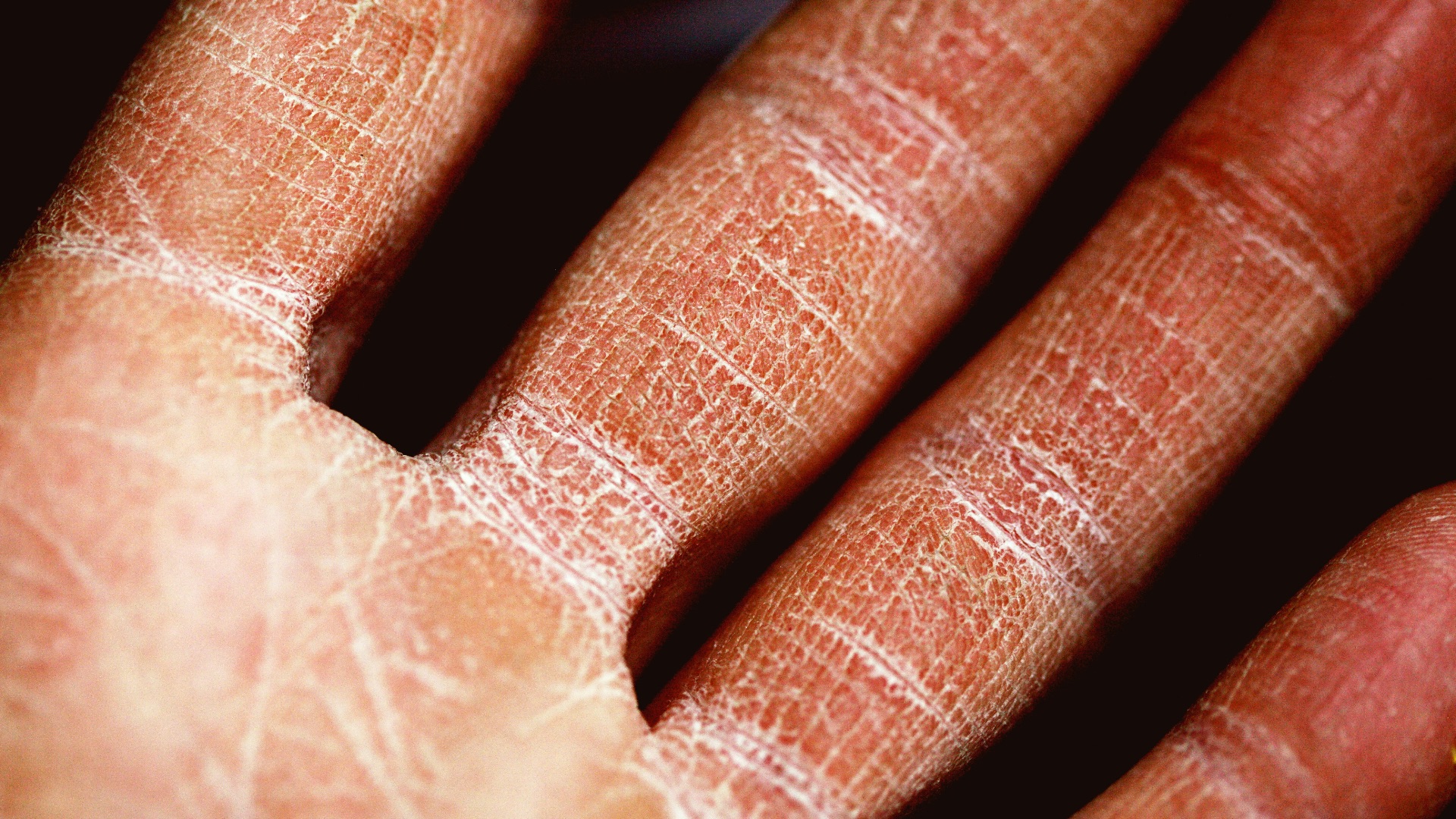
If your hands come into regular contact with cleaning agents, solvents, or other chemicals, that exposure adds up quickly. Many of these substances are highly alkaline or contain compounds that strip away the skin's natural oils with every use. Repeated contact without proper protection can cause what's known as contact dermatitis, a form of skin irritation that presents as dryness, redness, and cracking.
9. You're Skipping Gloves in the Garden or Kitchen
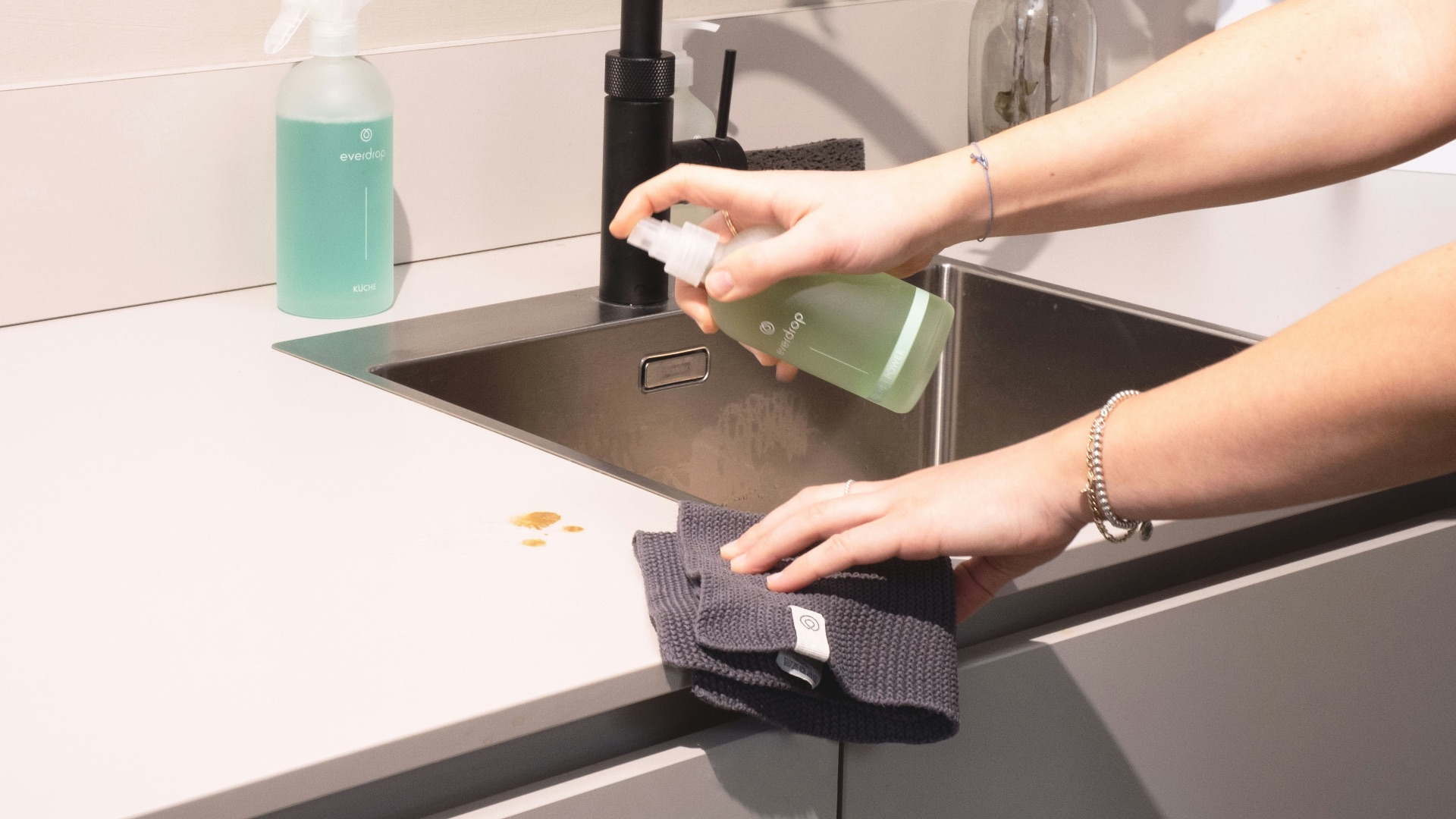
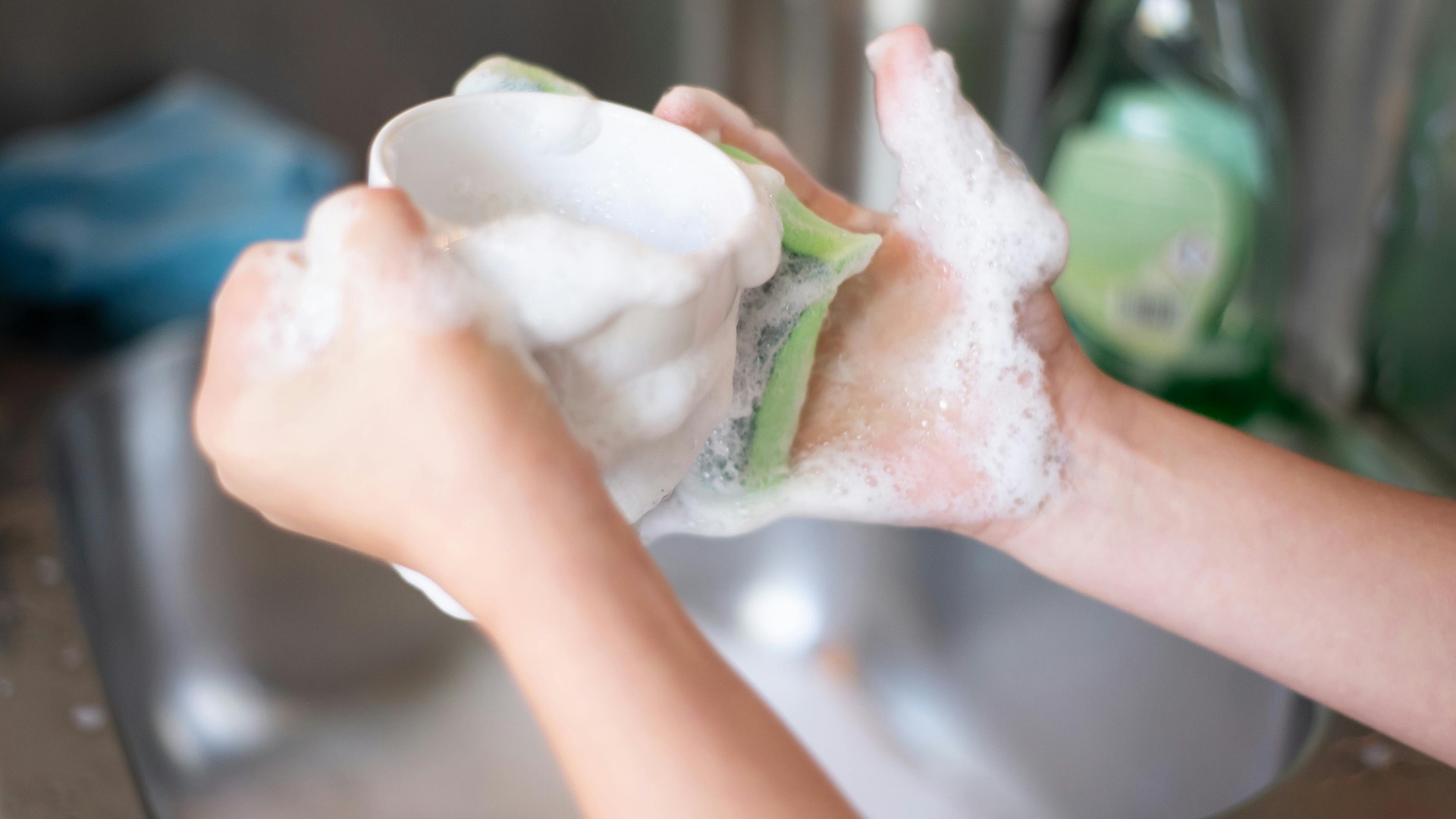
Soil, fertilizers, citrus juices, and even prolonged contact with water while washing dishes can all take a toll on the skin on your hands. Gardening without gloves exposes your skin to abrasive particles and potential allergens, while doing dishes barehanded means repeated wetting and drying that weakens the skin barrier over time. It's a small habit change, but wearing gloves for these tasks can save your hands a lot of grief.
10. You're Getting Older
Skin produces fewer natural oils as you age, which is why dry skin becomes increasingly common as the years go by. The hands are particularly susceptible because they're constantly exposed to the elements and get washed more often than most other parts of the body. It doesn't mean dry hands are inevitable, but it does mean your skin may need a little more care and attention than it did in your twenties.
Now that you know what's behind the dryness, it's time to do something about it. Read on to see how to keep your hands soft and comfortable all year round.

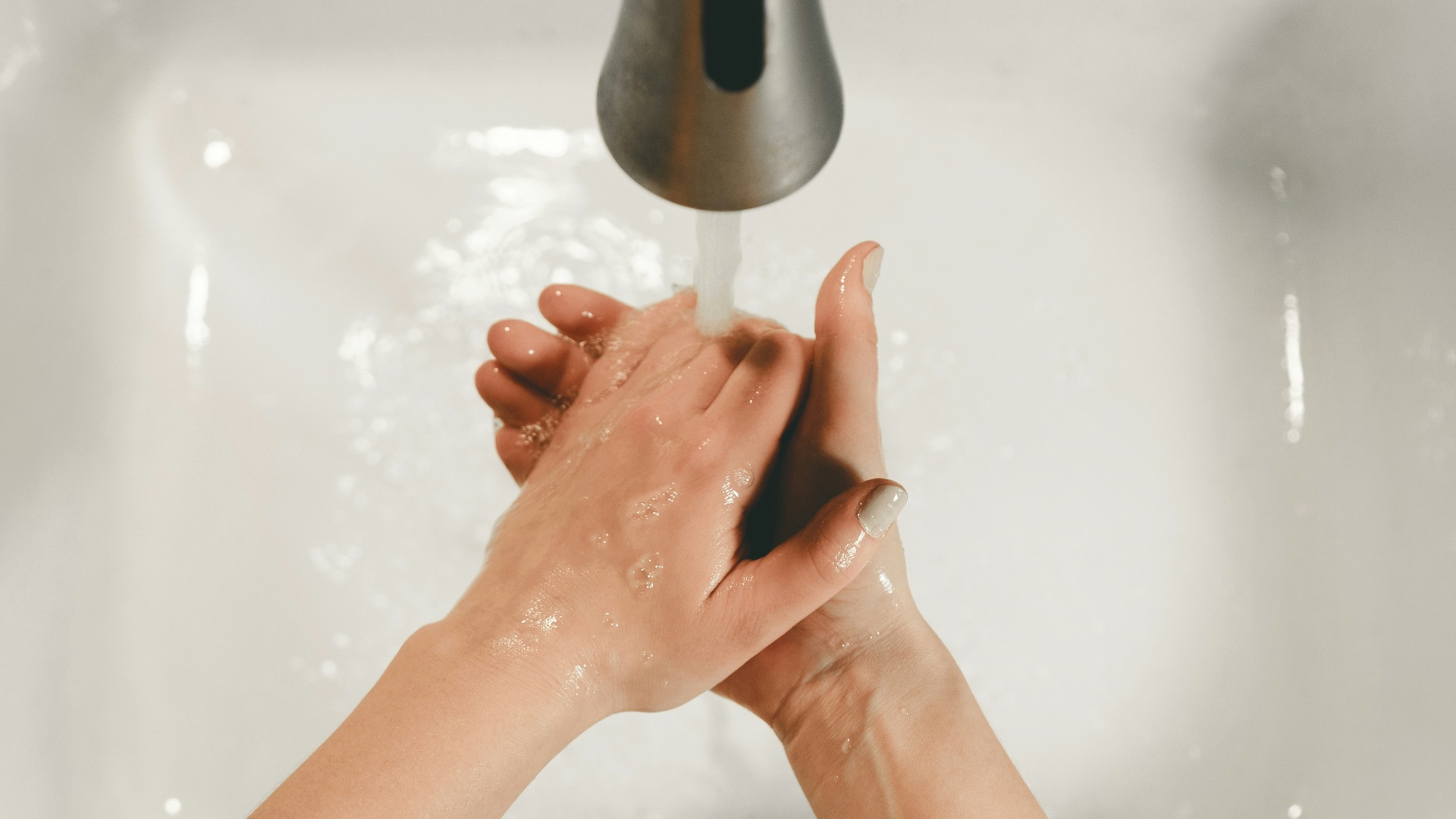
1. Moisturize Immediately After Washing
The best time to apply hand cream is right after you wash your hands, while your skin is still slightly damp. Moisture applied at this stage gets locked into the skin rather than sitting on top of it, making your lotion work significantly harder. Keep a small tube next to every sink so the habit is easy to stick to.
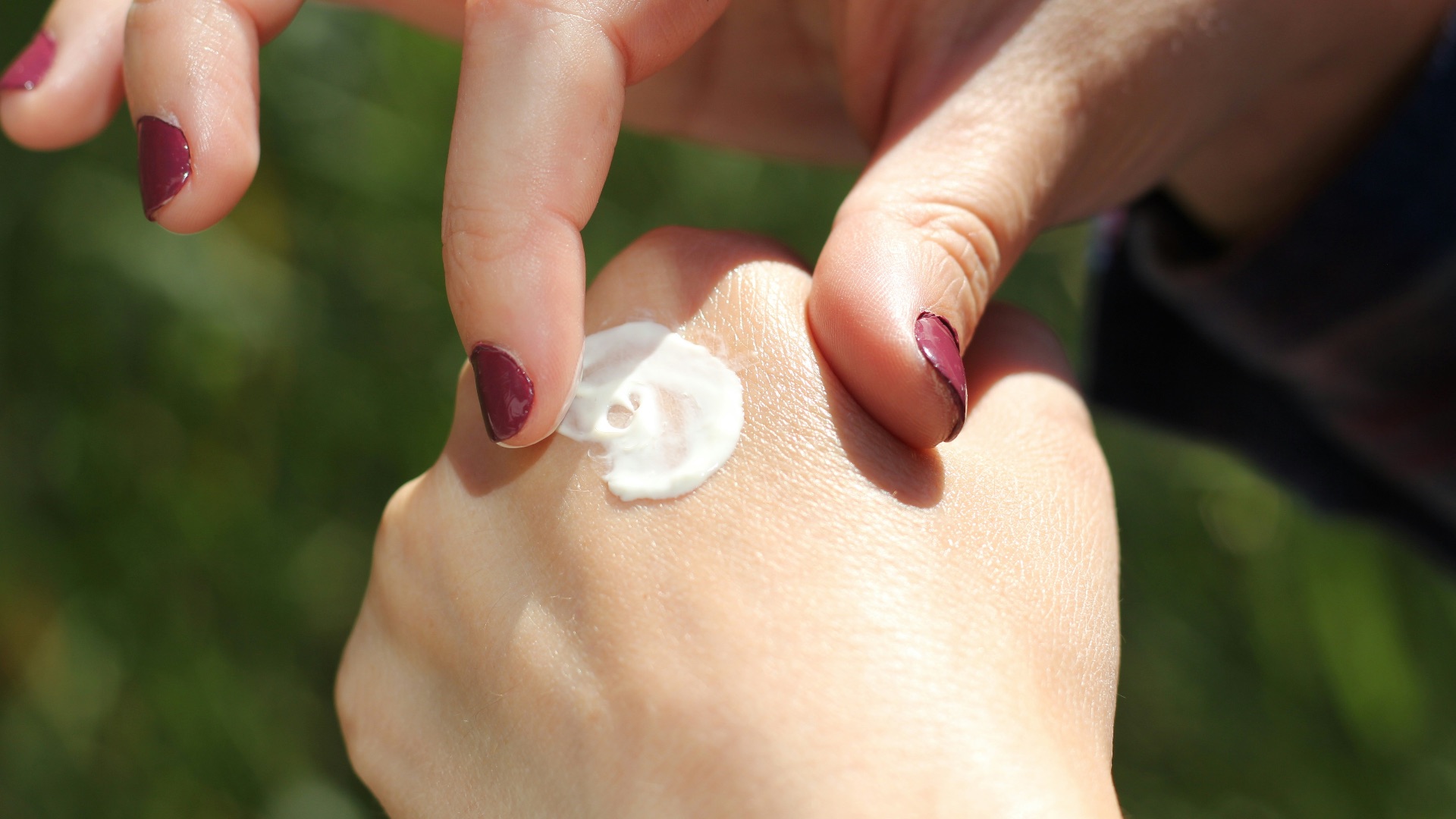
2. Choose a Hand Cream with the Right Ingredients
When it comes to hand creams, ingredients matter more than packaging. Look for formulas that contain humectants like hyaluronic acid or glycerin to draw moisture in, along with emollients like shea butter or ceramides to seal it there. Products with a thick, creamy consistency tend to work better for dry hands than lightweight lotions, which can evaporate too quickly.
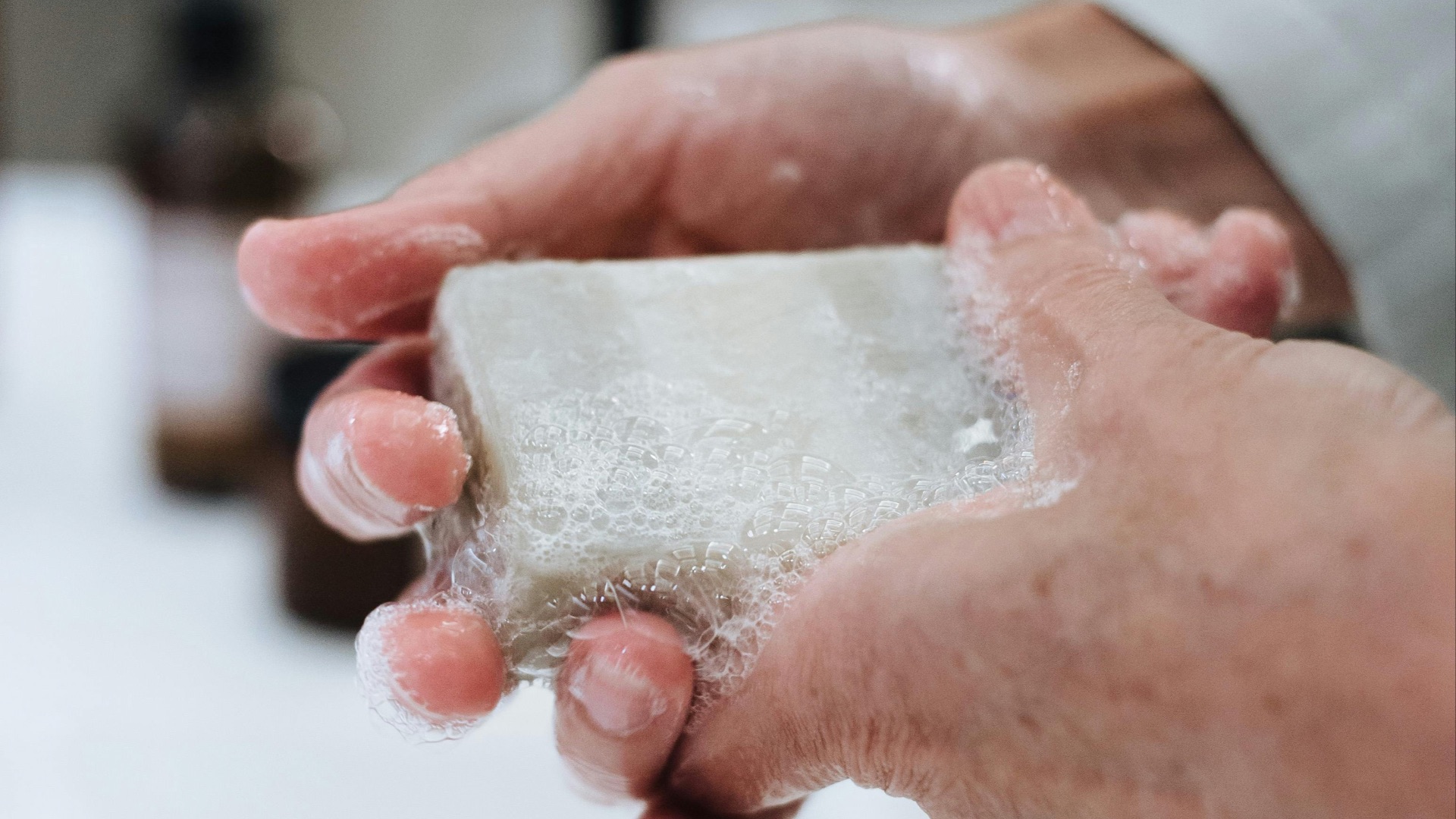
3. Swap Your Hand Soap for a Gentler Formula
Replacing your regular hand soap with a mild, sulfate-free alternative is one of the easiest upgrades you can make for dry hands. Gentle cleansers still do the job of removing dirt and bacteria, but without the harsh surfactants that break down your skin's natural oils. Fragrance-free options are especially worth considering if your hands are on the more sensitive side.
4. Wear Gloves in Cold Weather
Stepping outside without gloves in winter is basically an open invitation for dry, cracked skin. The combination of cold air and wind pulls moisture from your skin rapidly, and since your hands are almost always exposed, they tend to take the brunt of it. A pair of lined gloves can act as a simple but effective barrier between your skin and the elements.

5. Try an Overnight Hand Mask
If your hands need more intensive care, an overnight hand mask or a thick layer of moisturizer applied before bed can do a lot of heavy lifting while you sleep. Pairing it with a pair of soft cotton gloves helps the product absorb more deeply instead of rubbing off on your sheets. You'll likely notice a real improvement in softness within just a few nights of doing this consistently.
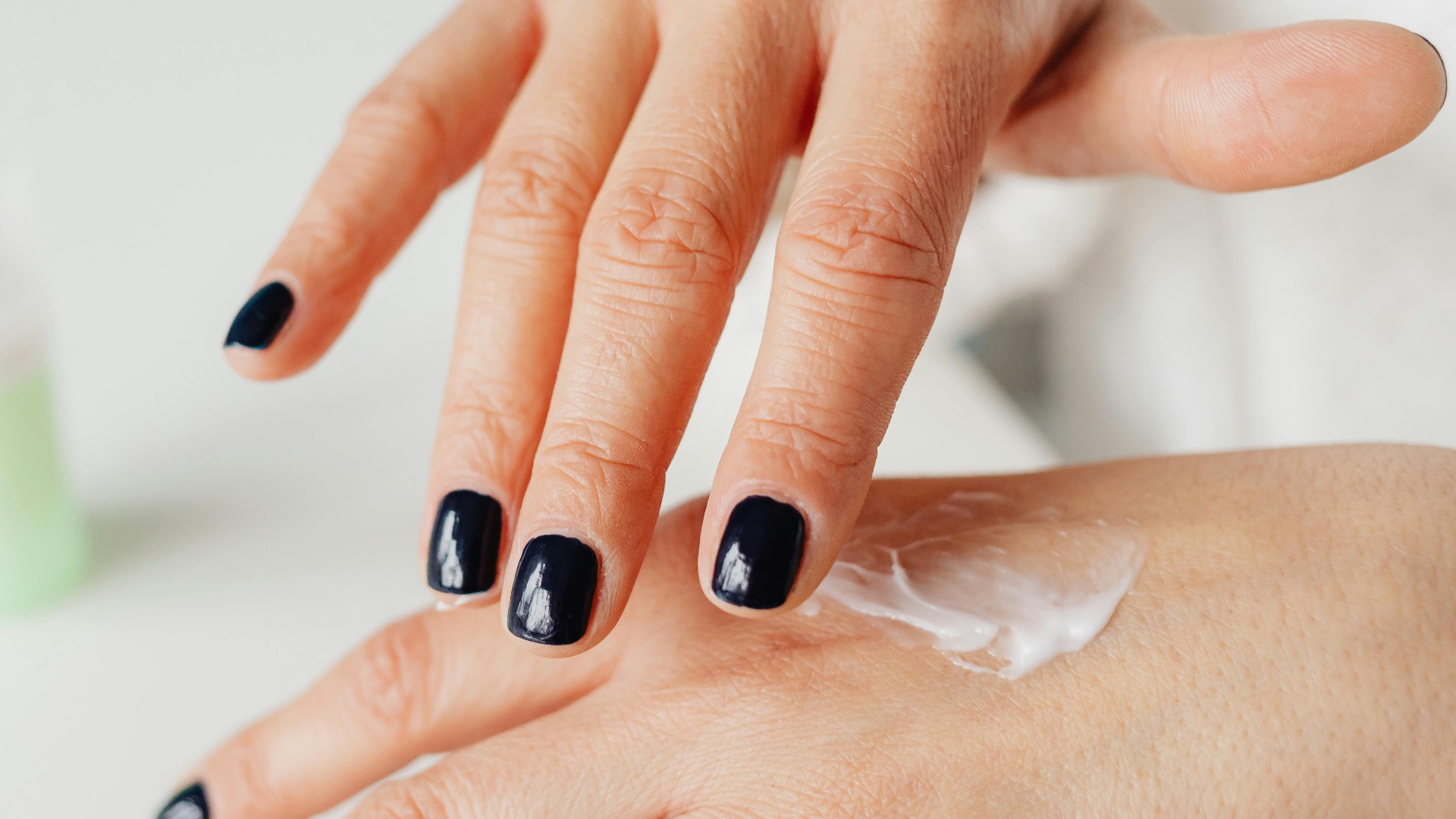
6. Use a Humidifier Indoors
Adding a humidifier to your bedroom or living space can help counteract the drying effects of heating and air conditioning systems. By raising the moisture level in the air, you're creating an environment that's less likely to pull hydration from your skin throughout the day and night. Even a modest increase in indoor humidity can have a meaningful effect on how your skin feels over time.

7. Protect Your Hands When Cleaning
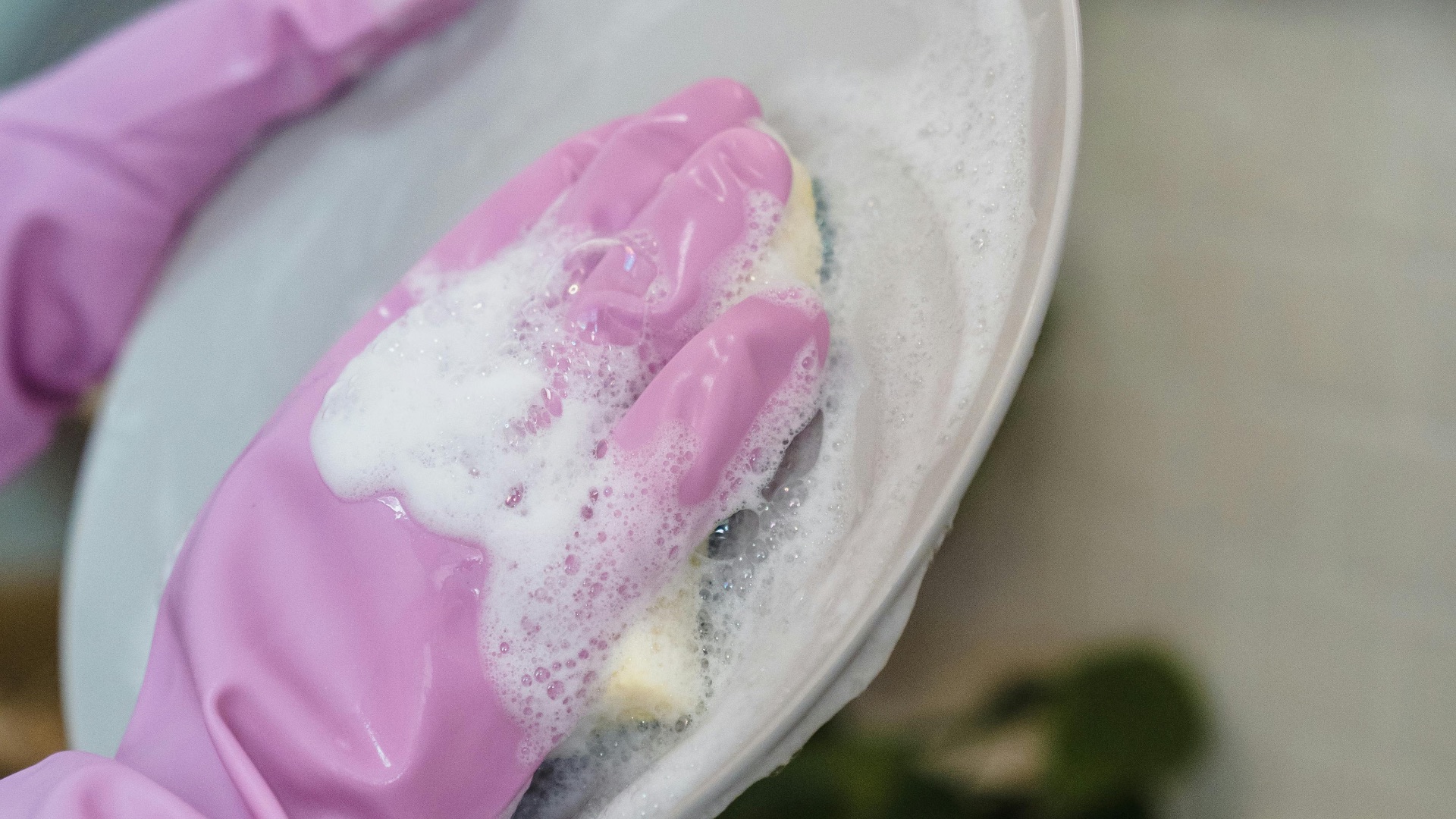
Rubber or nitrile gloves should be a non-negotiable part of your cleaning routine, especially when you're working with household products that contain bleach, ammonia, or other strong chemicals. These substances can cause significant damage to the skin barrier with repeated exposure, leading to dryness and irritation that's hard to reverse. It takes about two seconds to put gloves on, and your hands will thank you for it.
8. Stay Consistent with Your Water Intake
Drinking enough water each day supports your skin's ability to stay hydrated from the inside out, so it's worth making a conscious effort to hit your daily intake goals. While external moisturizers are important, they're most effective when your body is adequately hydrated in the first place. A good general target is around eight glasses a day, though your individual needs may vary depending on your activity level and climate.

9. Exfoliate Your Hands Once a Week
It's easy to forget that your hands can benefit from exfoliation just as much as your face. A gentle scrub once a week helps remove the buildup of dead skin cells that can make hands look dull and feel rough, and it also allows your moisturizer to penetrate more effectively afterward. Even a simple mixture of sugar and olive oil works just as well as anything you'd find on a store shelf.
10. See a Dermatologist If Nothing Seems to Be Working
If you've tried adjusting your routine and your hands are still persistently dry, cracked, or irritated, it's worth getting a professional opinion. A dermatologist can help identify whether an underlying condition like eczema, psoriasis, or contact dermatitis is responsible and recommend treatments that go beyond standard over-the-counter options. There's no reason to keep suffering through it when targeted treatment can make a real difference.