
Classic Frames That Still Turn Heads (and Those That Don’t)
Sunglasses trends tend to cycle, but not every style makes a successful comeback. Some vintage designs have found their way back into everyday fashion because they balance personality with wearability. Others, while iconic in their time, haven’t aged as well or simply don’t fit modern preferences. Understanding which styles are thriving again and which ones are fading can help you make smarter, more timeless choices. Here are 10 vintage sunglasses styles making waves and 10 faded fads.
1. Aviators
Aviators have remained relevant thanks to their clean, functional design. Created for pilots, they offer a flattering shape for many face types. Their lightweight frames and tinted lenses feel practical without looking outdated. You’ll still see them everywhere because they strike a balance between classic and current.
2. Wayfarers
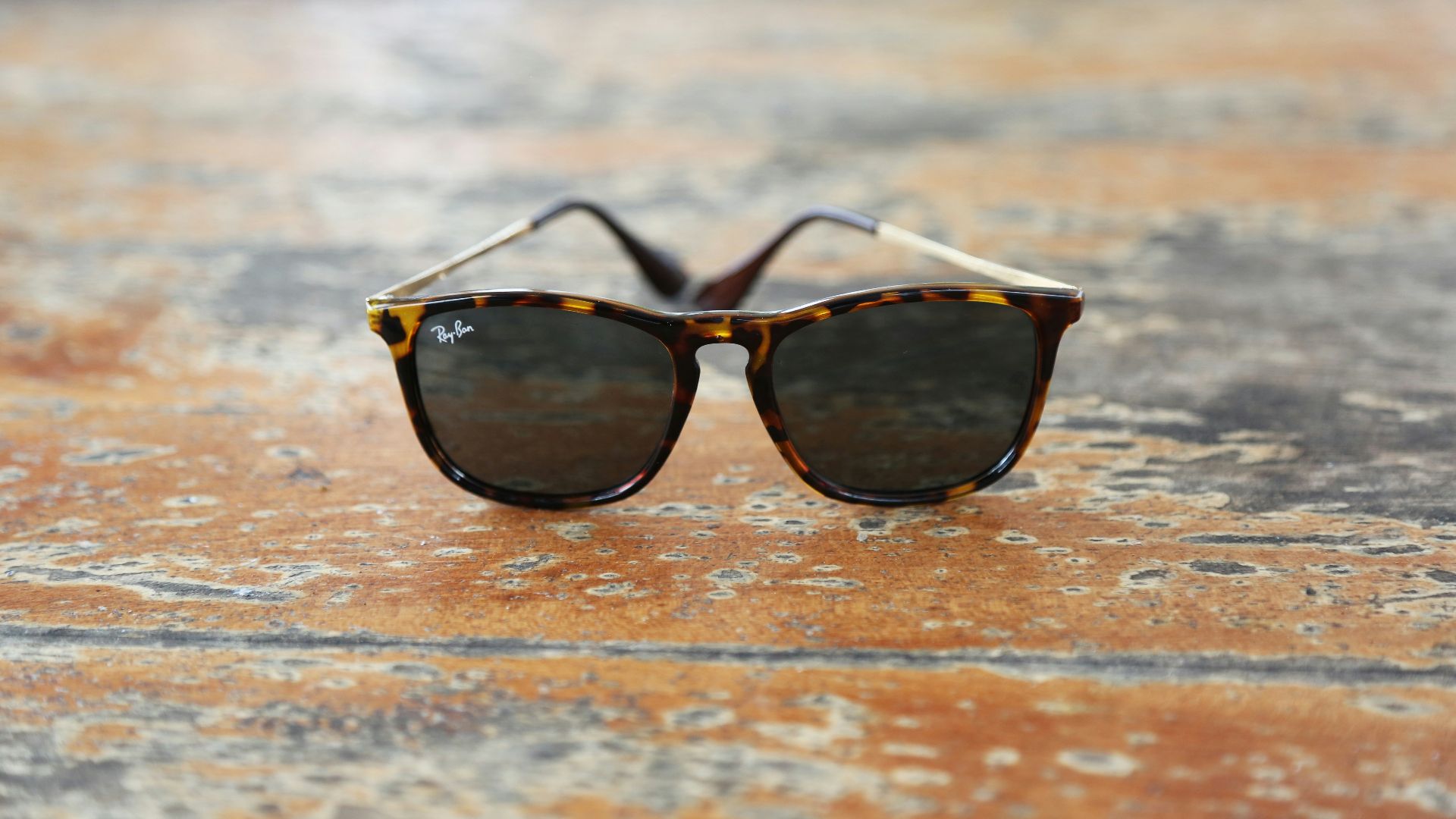
Wayfarers are one of the most recognizable sunglasses styles ever made. Their structured shape adds definition without being too bold. They work well with both casual and slightly dressed-up outfits. That versatility keeps them in steady rotation year after year.
3. Round Metal Frames
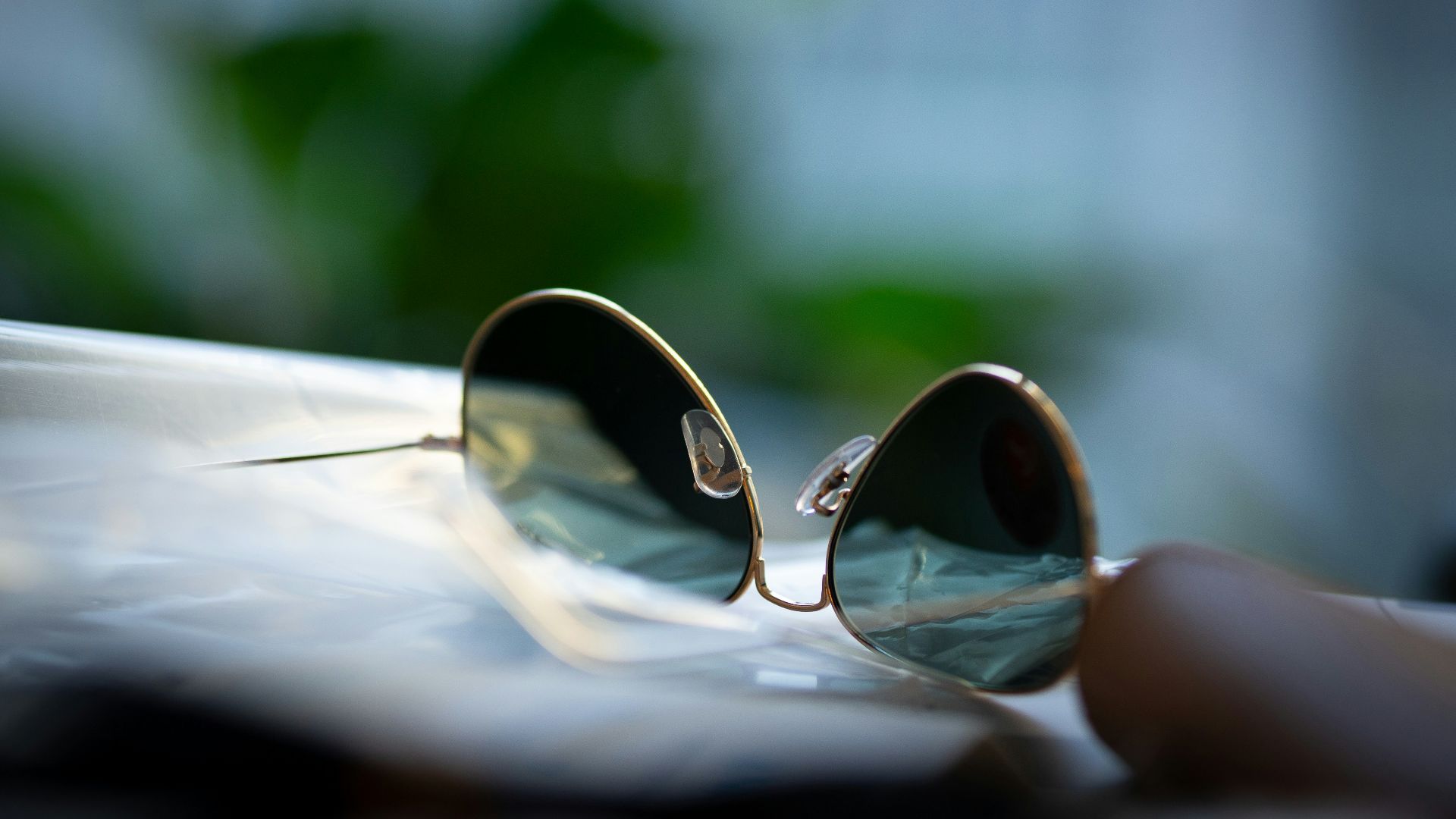
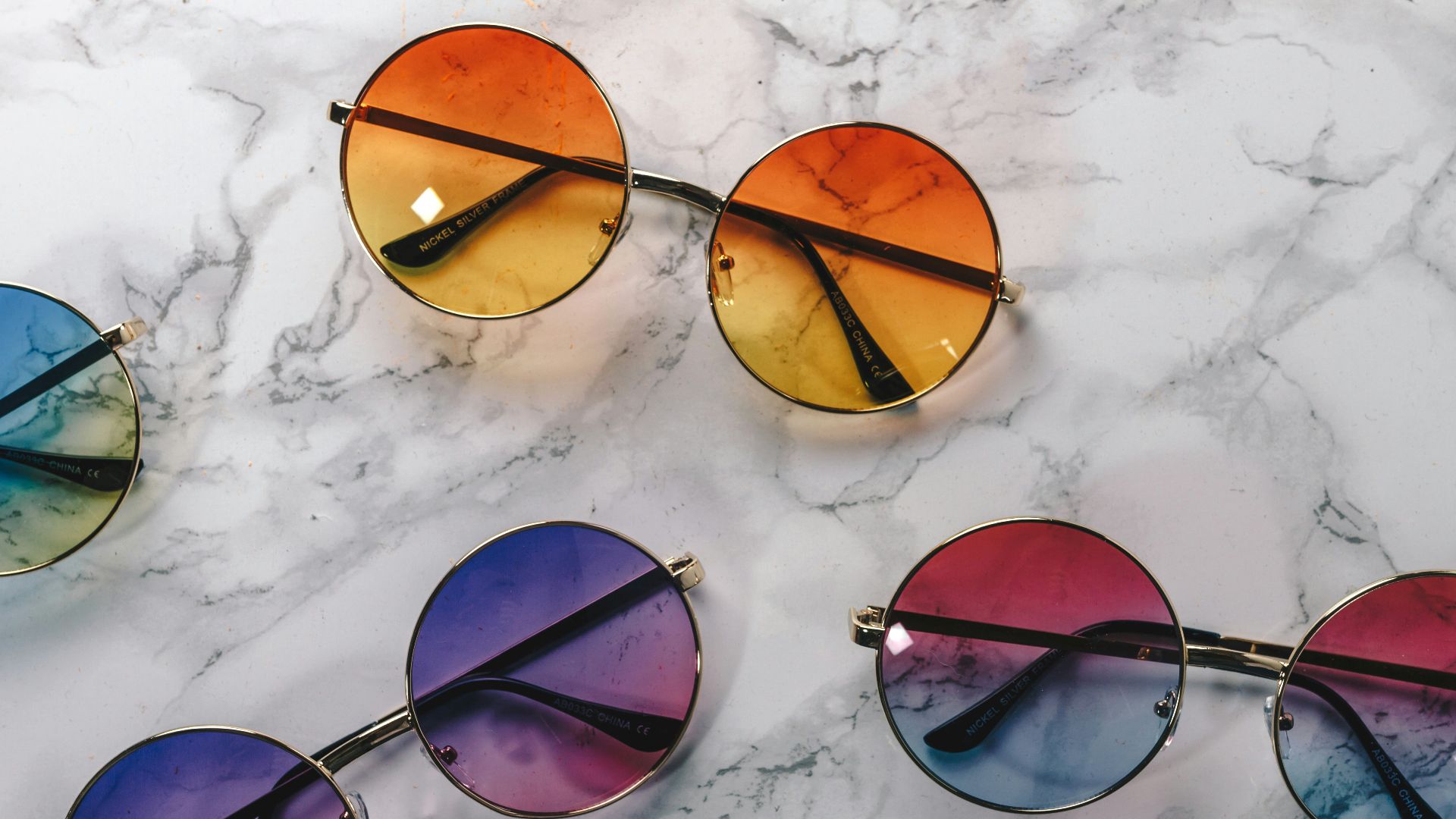
Round sunglasses bring a subtle vintage feel without going over the top. Thin metal rims keep the look light and wearable. They pair well with minimalist or retro-inspired wardrobes. Many people choose them for a softer, more relaxed aesthetic.
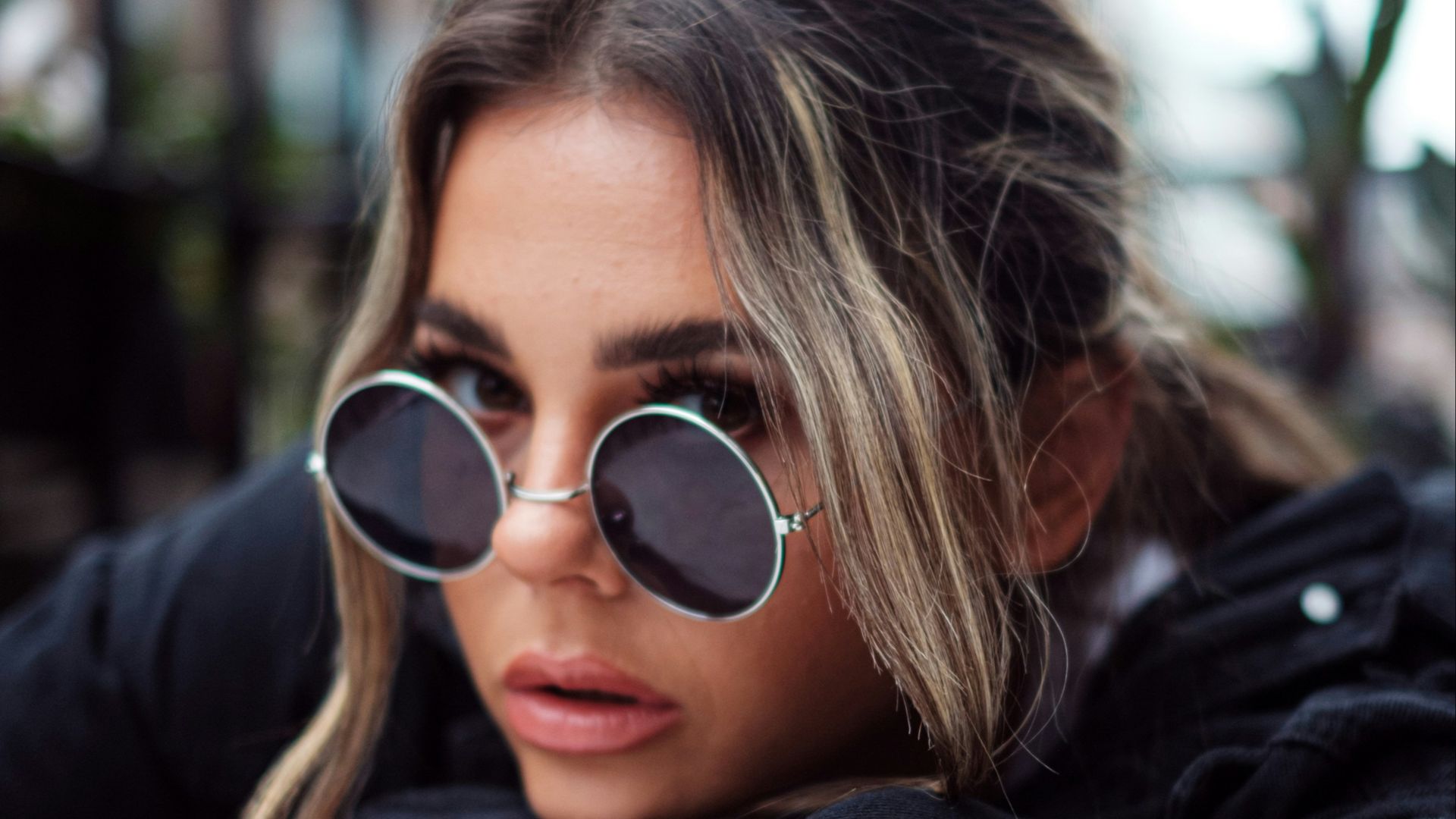 Ehimetalor Akhere Unuabona on Unsplash
4. Cat-Eye Sunglasses
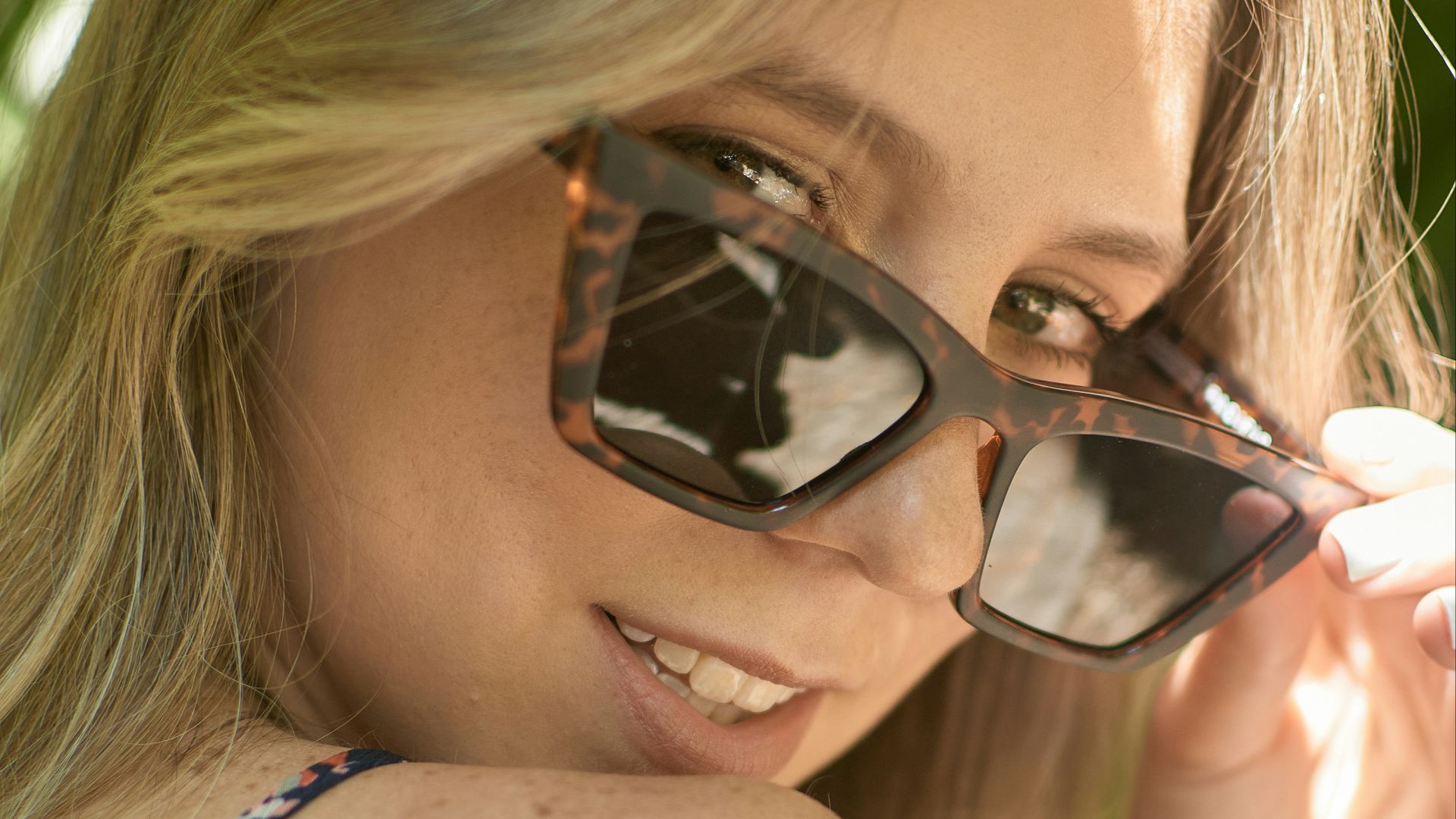
Cat-eye frames continue to appeal because of their slightly lifted corners. They add a touch of personality while still feeling polished. Modern versions often tone down the exaggeration for everyday wear. That update makes them easier to incorporate into different styles.
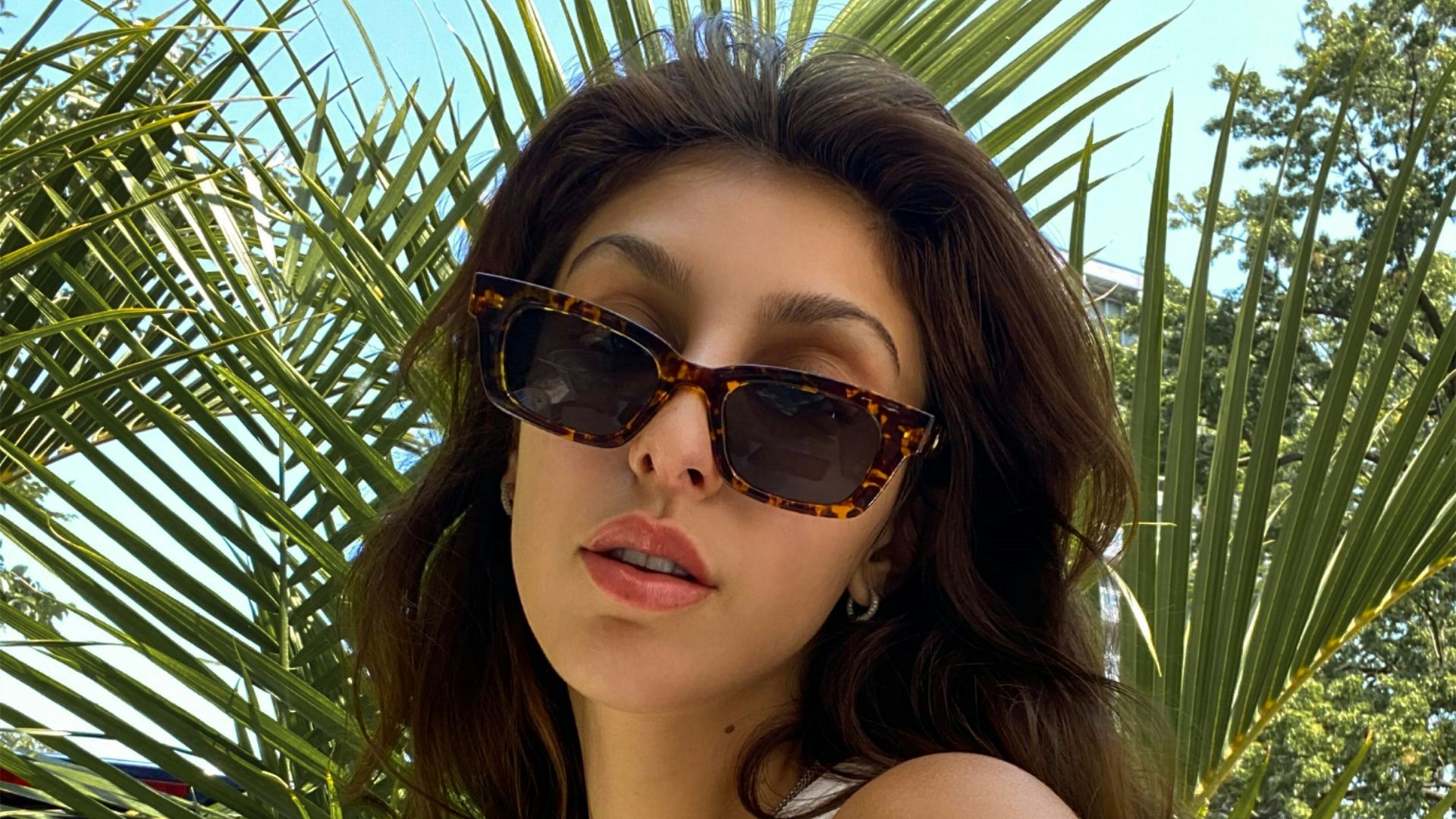
5. Oversized Glam Frames
Oversized sunglasses have made a strong return, especially in simple shapes. They provide both coverage and a sense of effortless style. Many designs now focus on clean lines instead of heavy embellishments. This shift keeps them feeling current rather than costume-like.
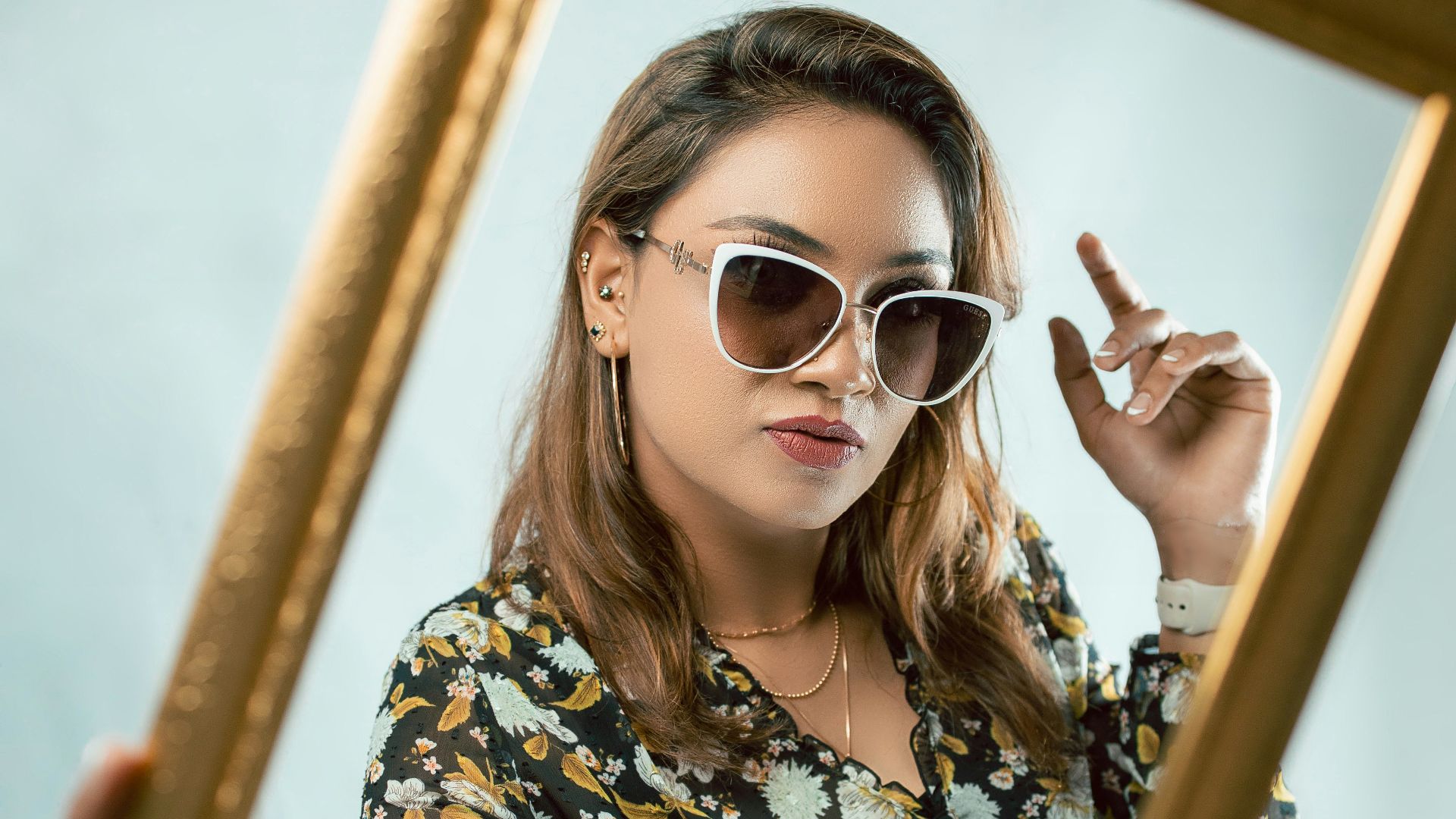
6. Rectangular 90s Frames
Slim rectangular sunglasses from the 1990s are back in a big way. Their narrow profile gives off a sleek, understated vibe. They work especially well with modern streetwear and minimalist outfits. The simplicity makes them easy to wear without much effort.
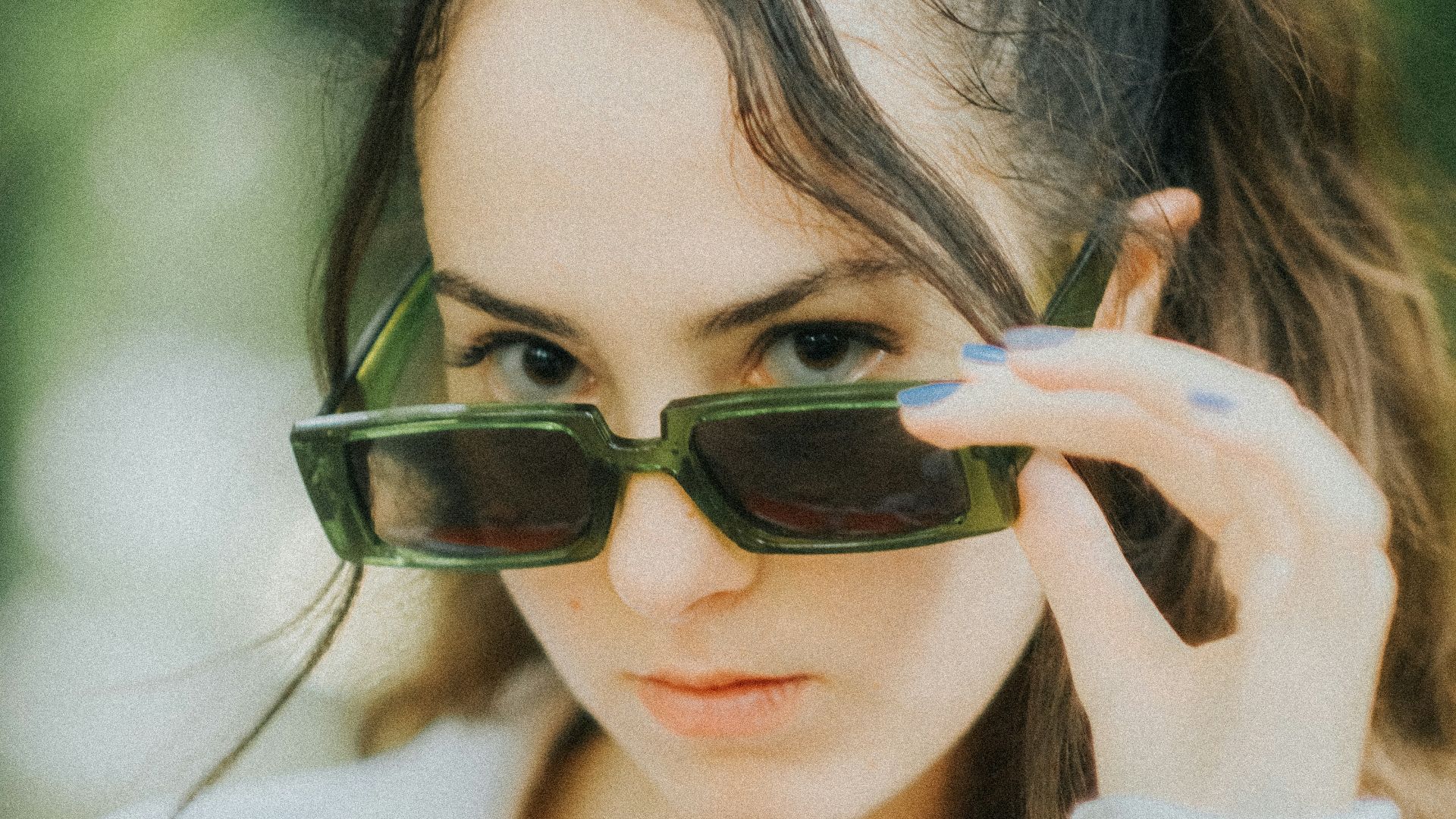
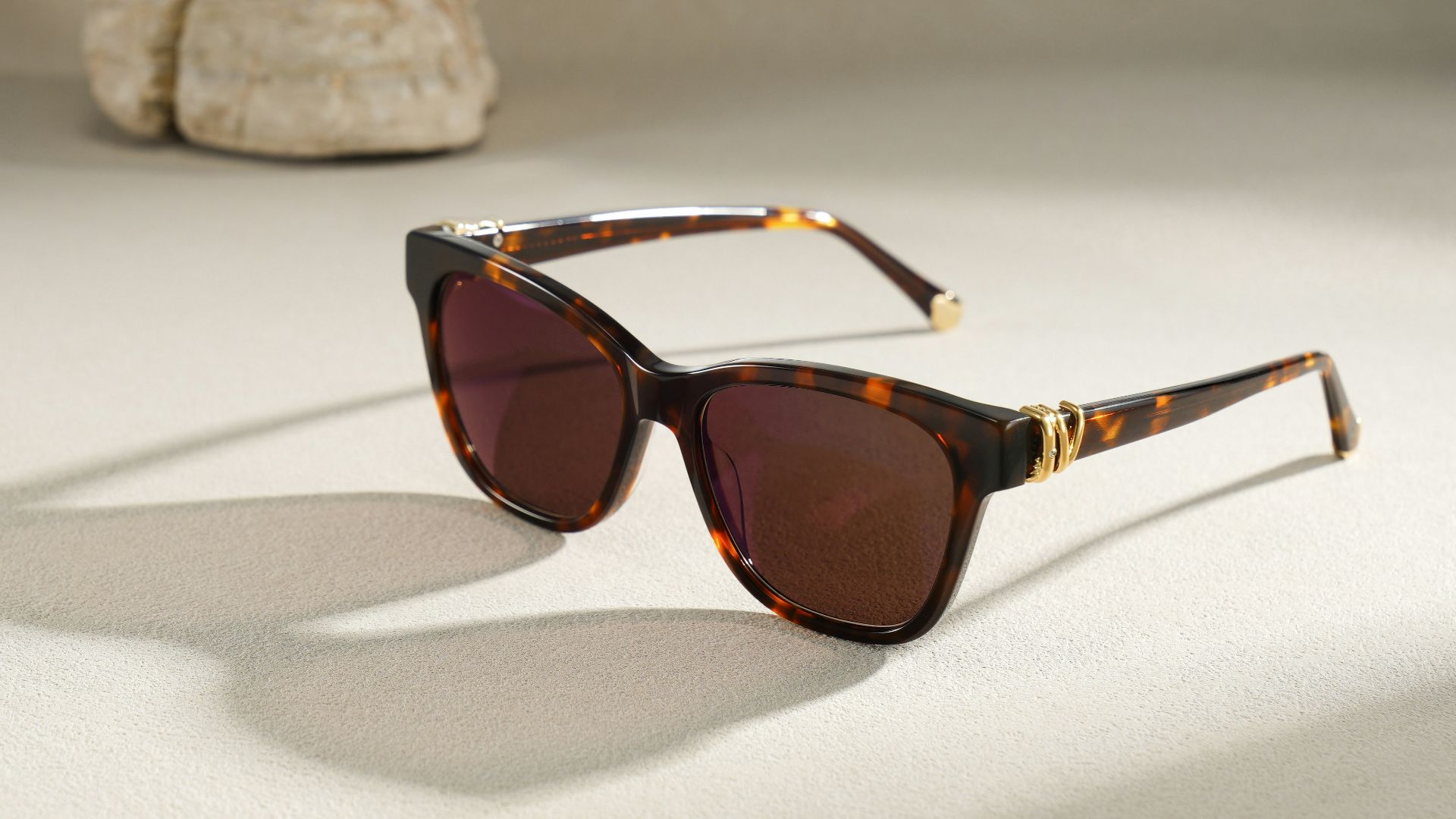
7. Tortoiseshell Designs
Tortoiseshell frames never fully disappeared, but they’re having a noticeable resurgence. The pattern adds warmth and visual interest without being too bold. It pairs well with a wide range of colors and styles. That flexibility keeps it relevant across seasons.
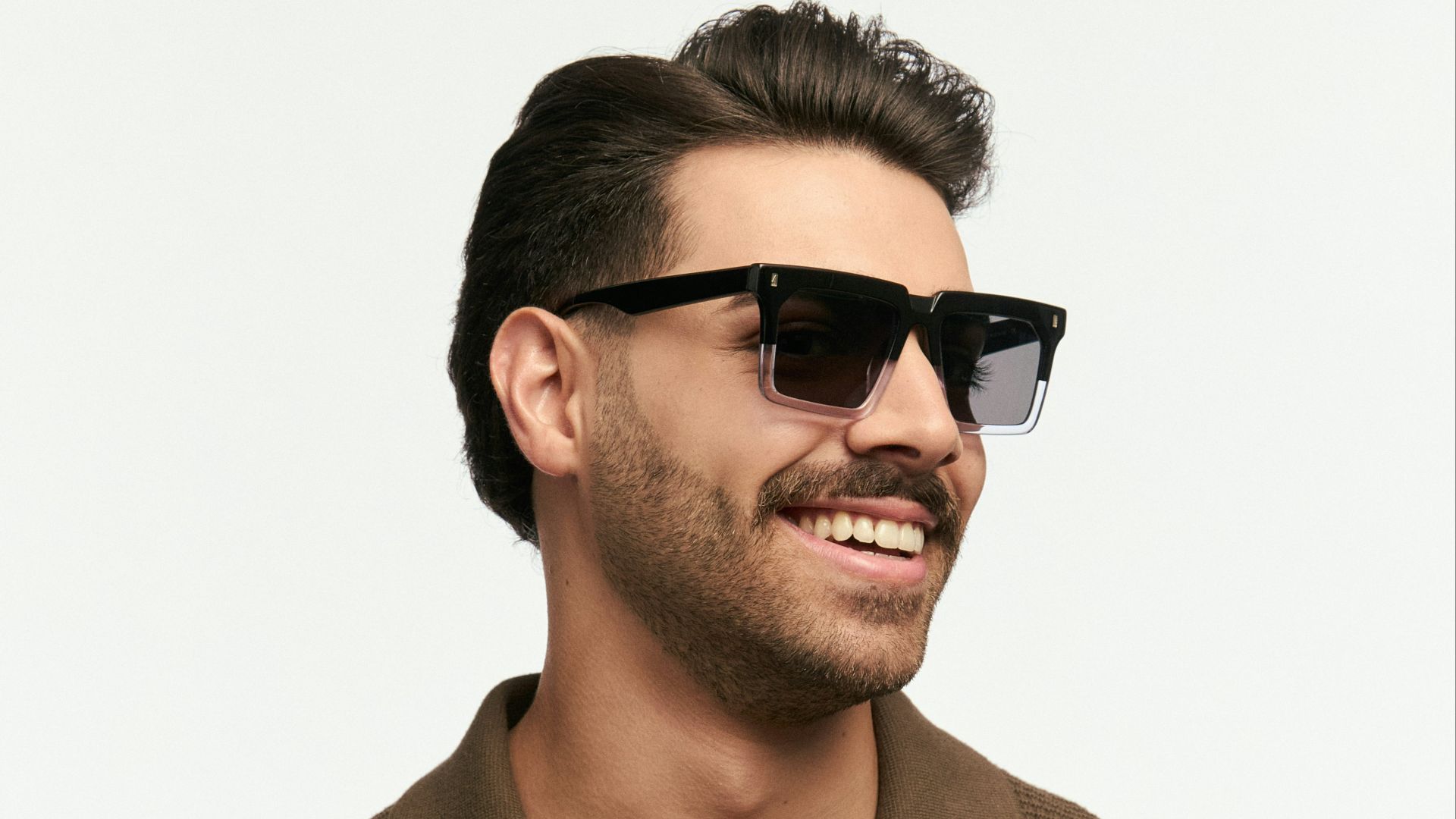
8. Square Frames
Square sunglasses offer a structured alternative to rounder styles. They create a sharp, confident look that many people prefer. Vintage-inspired versions often feature slightly softened edges. That adjustment makes them more wearable for everyday use.
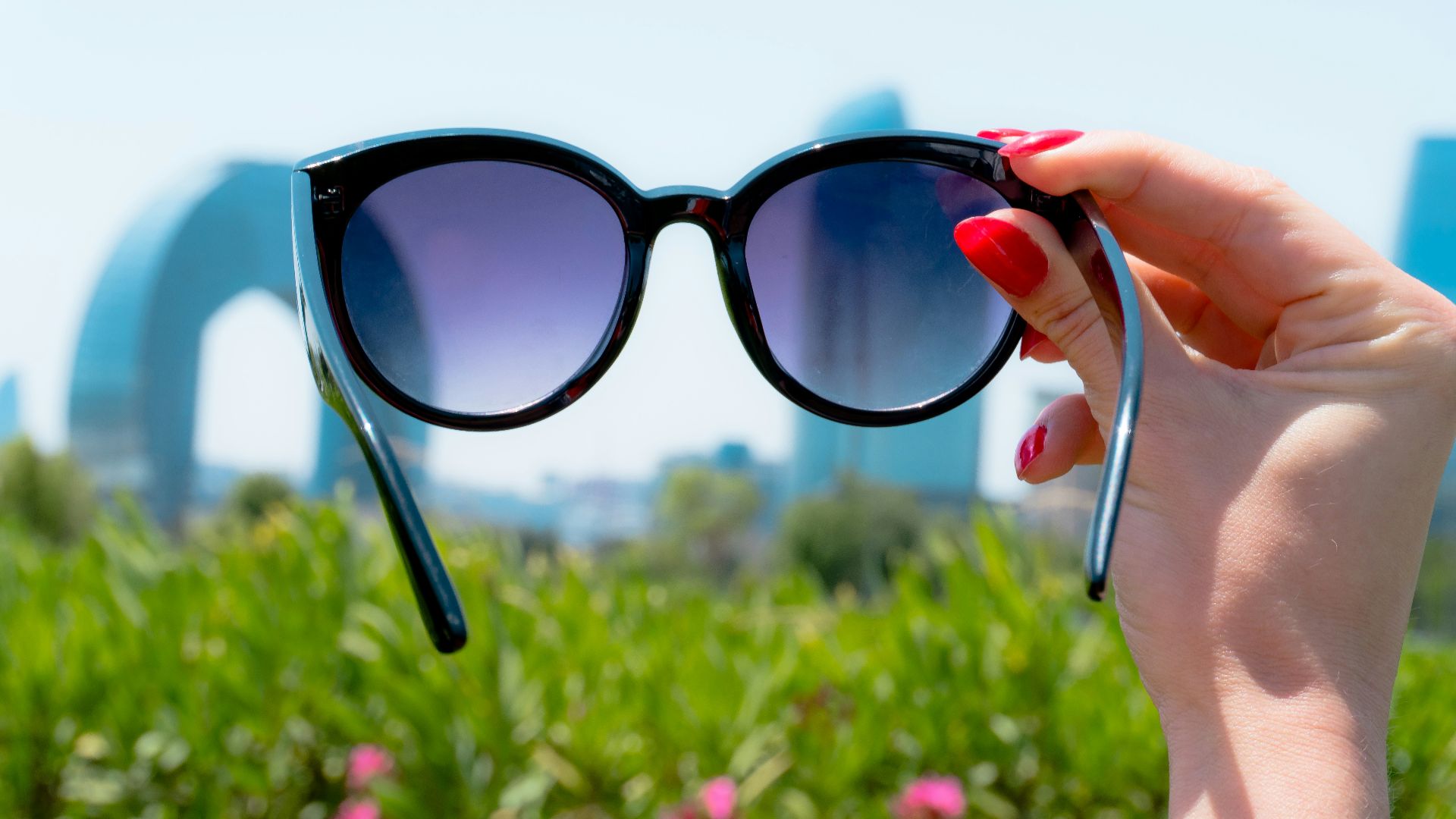
9. Gradient Lenses
Gradient lenses have returned as a subtle way to add dimension. They transition from darker to lighter tones, which feels less harsh than solid tints. This feature can also make it easier to see in varying light conditions. It’s a small detail that adds both style and function.
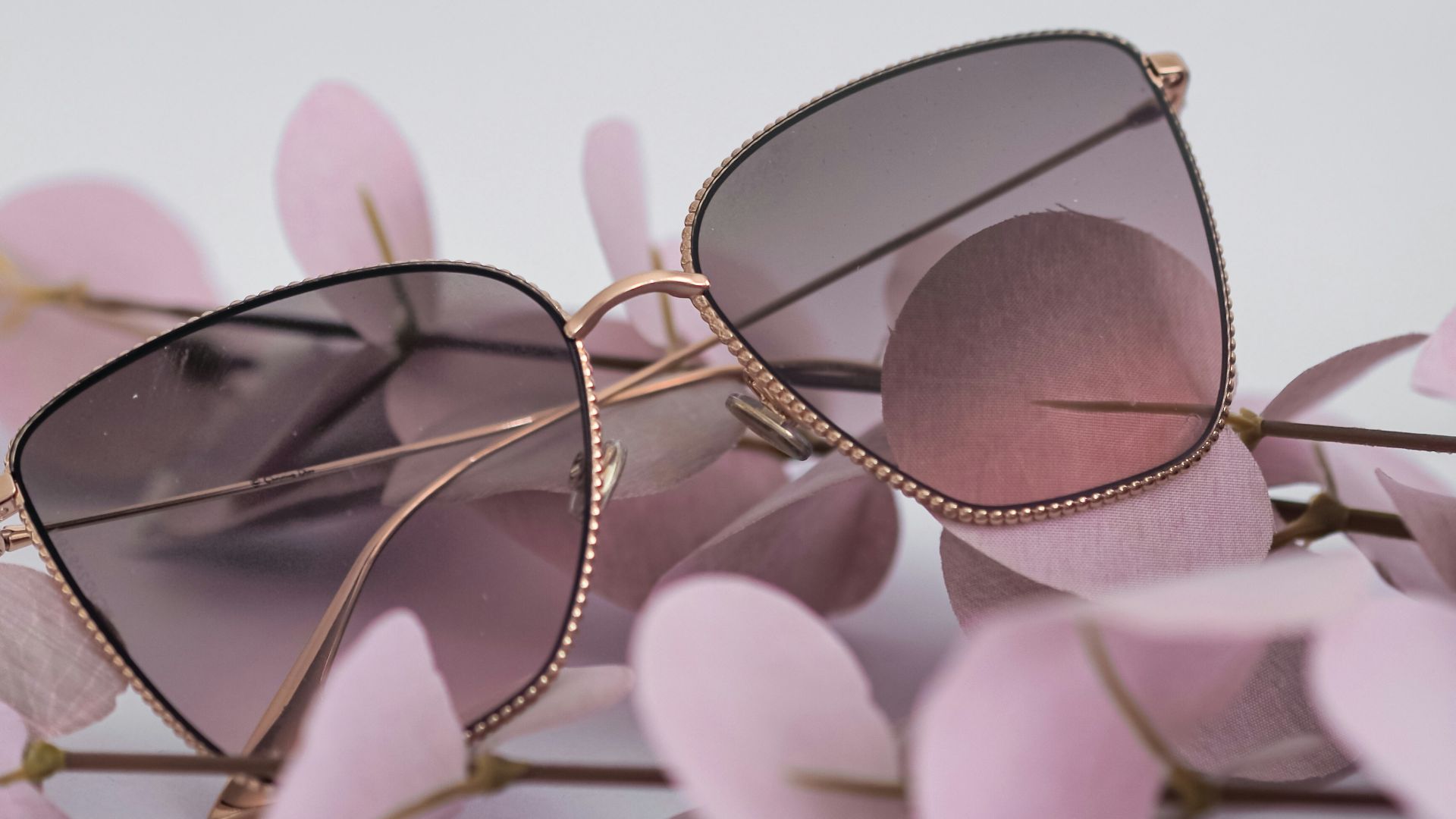
10. Thin Wire Frames
Minimal wireframes are gaining attention for their simplicity. They don’t overwhelm your face or outfit. Instead, they complement your look in a quiet, refined way. That understated approach fits well with current fashion preferences.
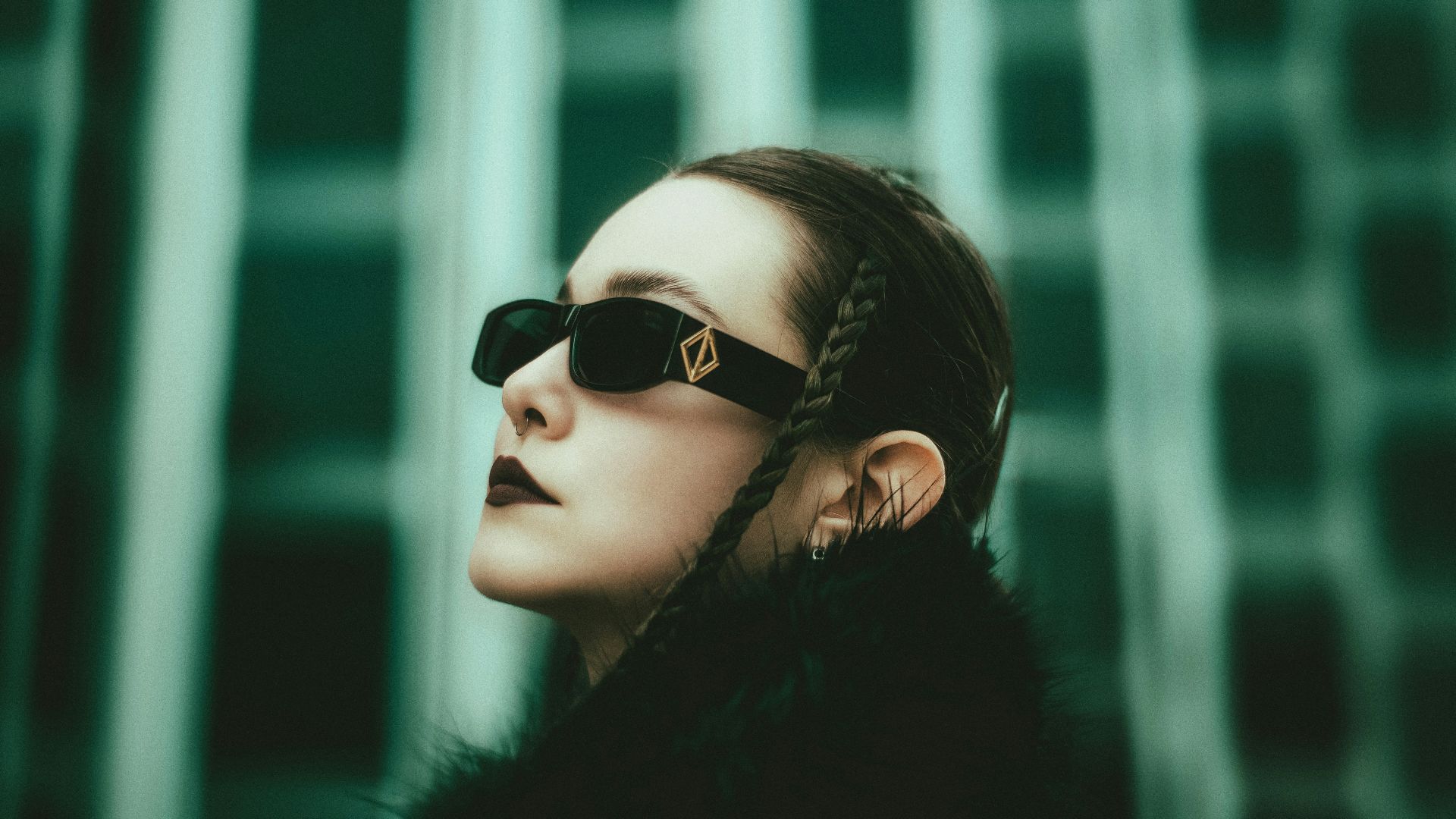
1. Tiny Matrix Sunglasses
Extremely small sunglasses had a brief resurgence, but they’ve lost momentum. Their limited coverage makes them less practical for everyday use. Many people found them more about appearance than function. As a result, they’ve started to fade again.
 Vitaliy Shevchenko on Unsplash
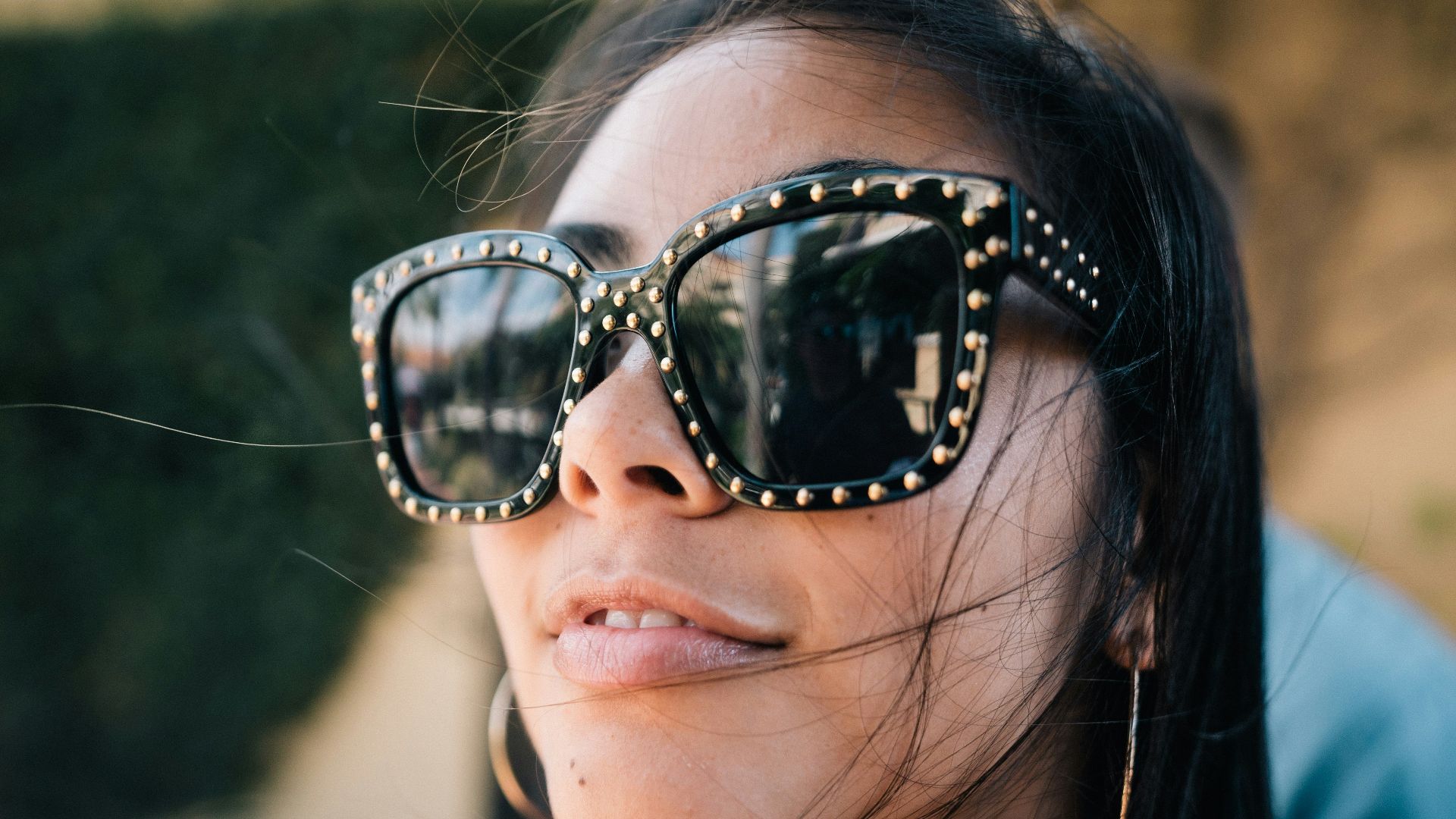
2. Heavily Embellished Frames
Frames covered in logos, gems, or bold decorations have fallen out of favor. They can feel overly busy and harder to style. Modern trends lean toward cleaner, simpler designs. This shift has made embellished options less appealing.
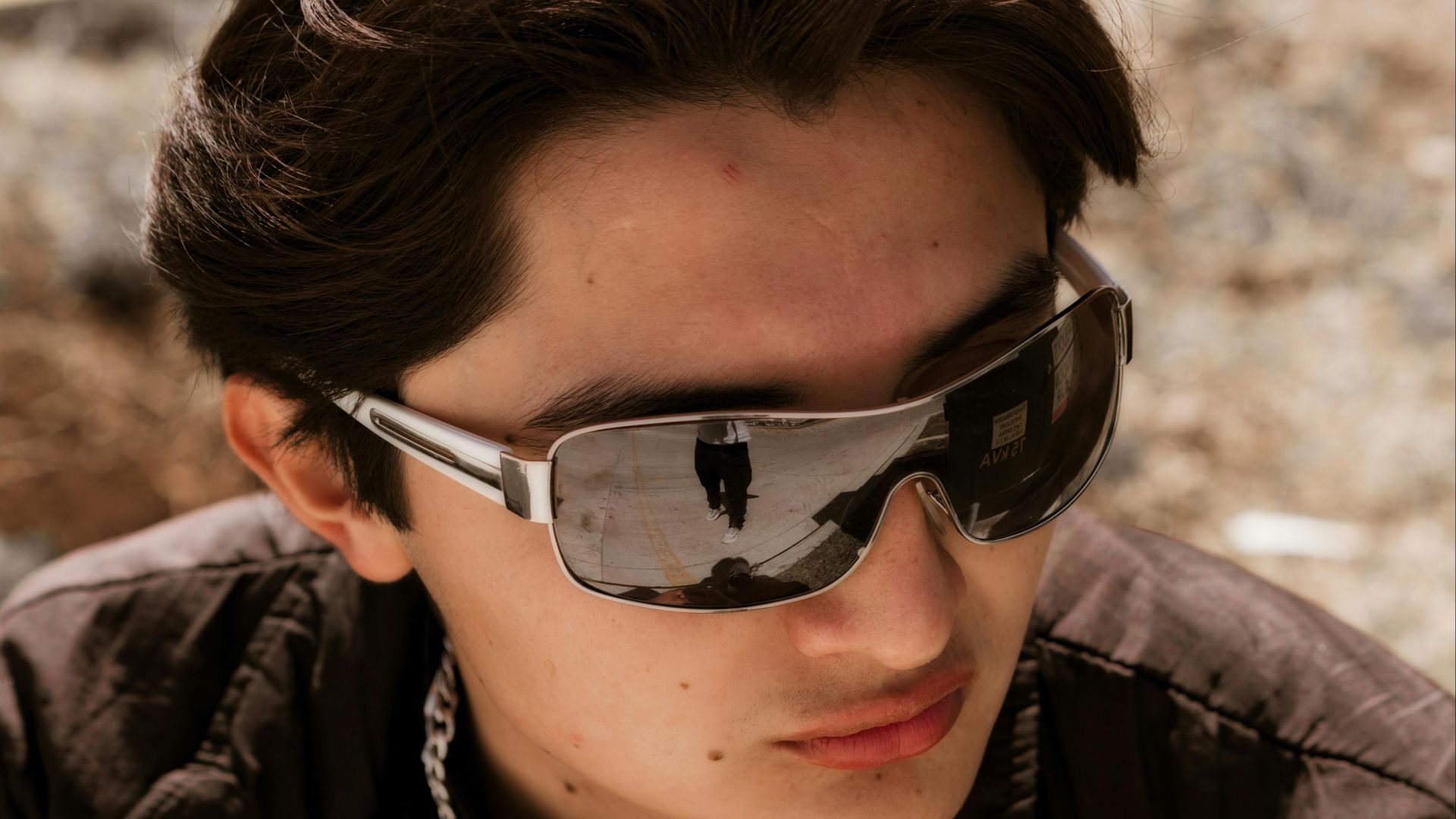
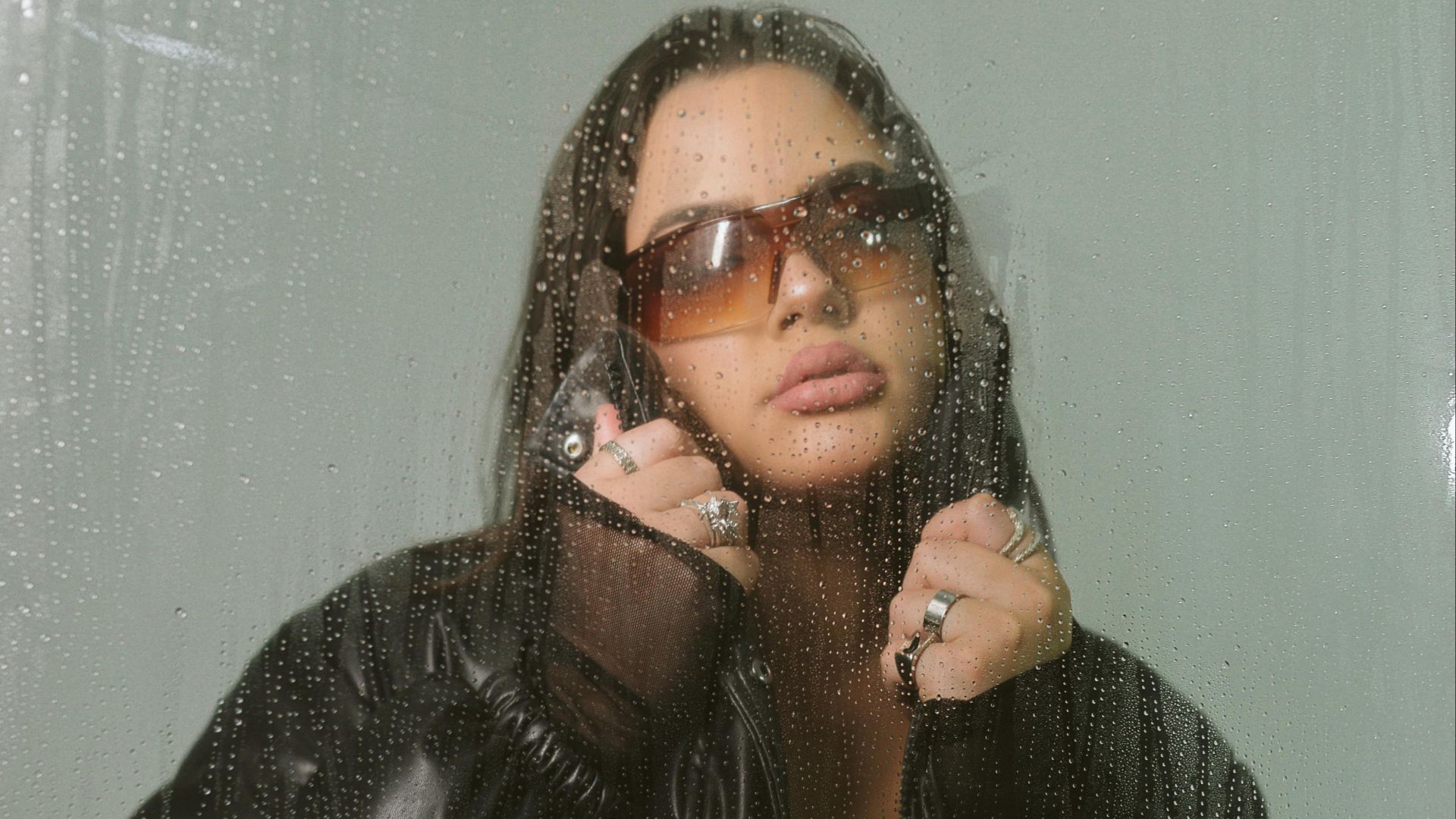
3. Shield Sunglasses
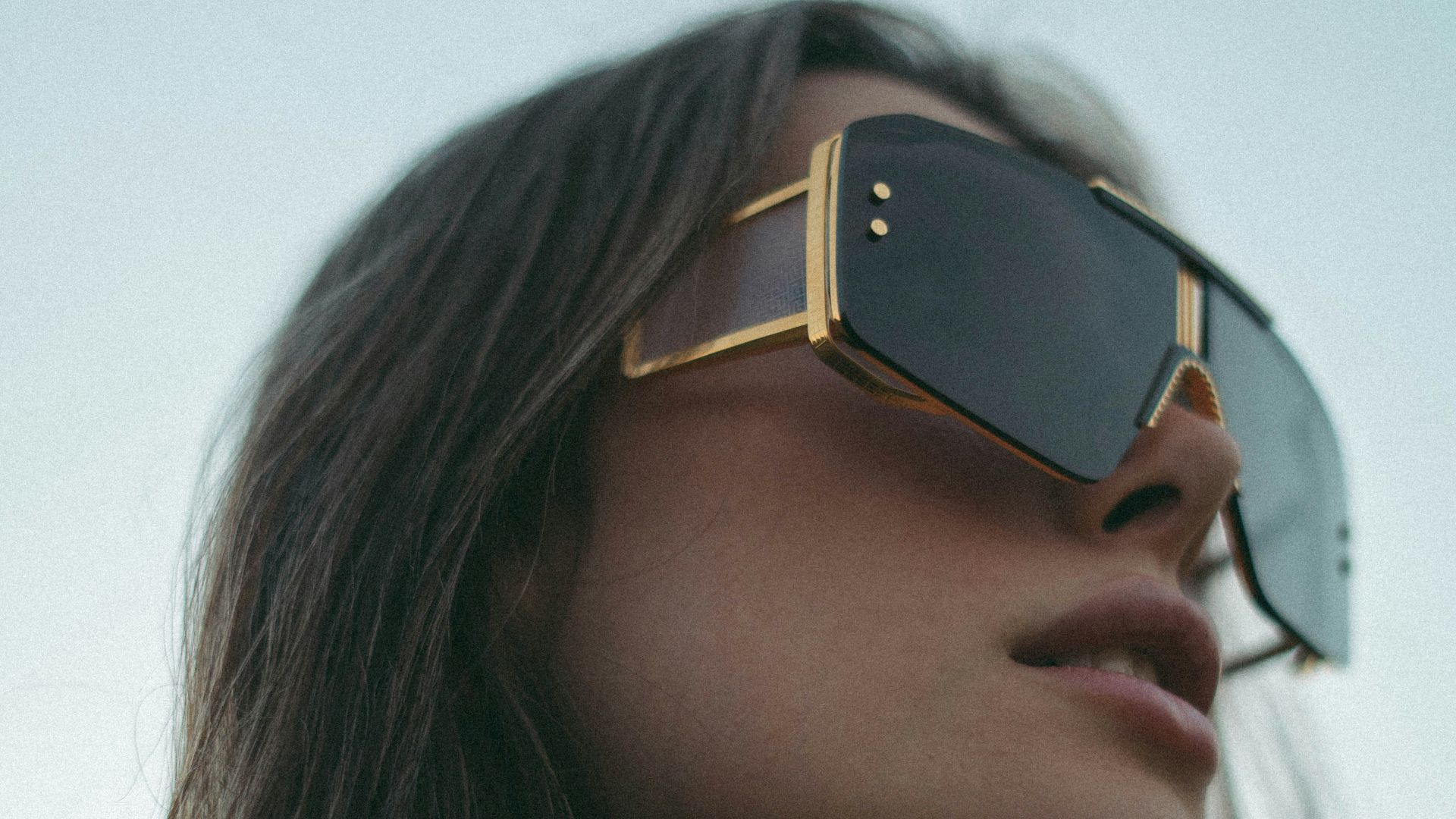
Large, single-lens shield styles were once popular in sporty and high-fashion circles. While they still appear occasionally, they’re less common in everyday wear. Their bold look can feel limiting in terms of versatility. Many people now prefer more adaptable styles.
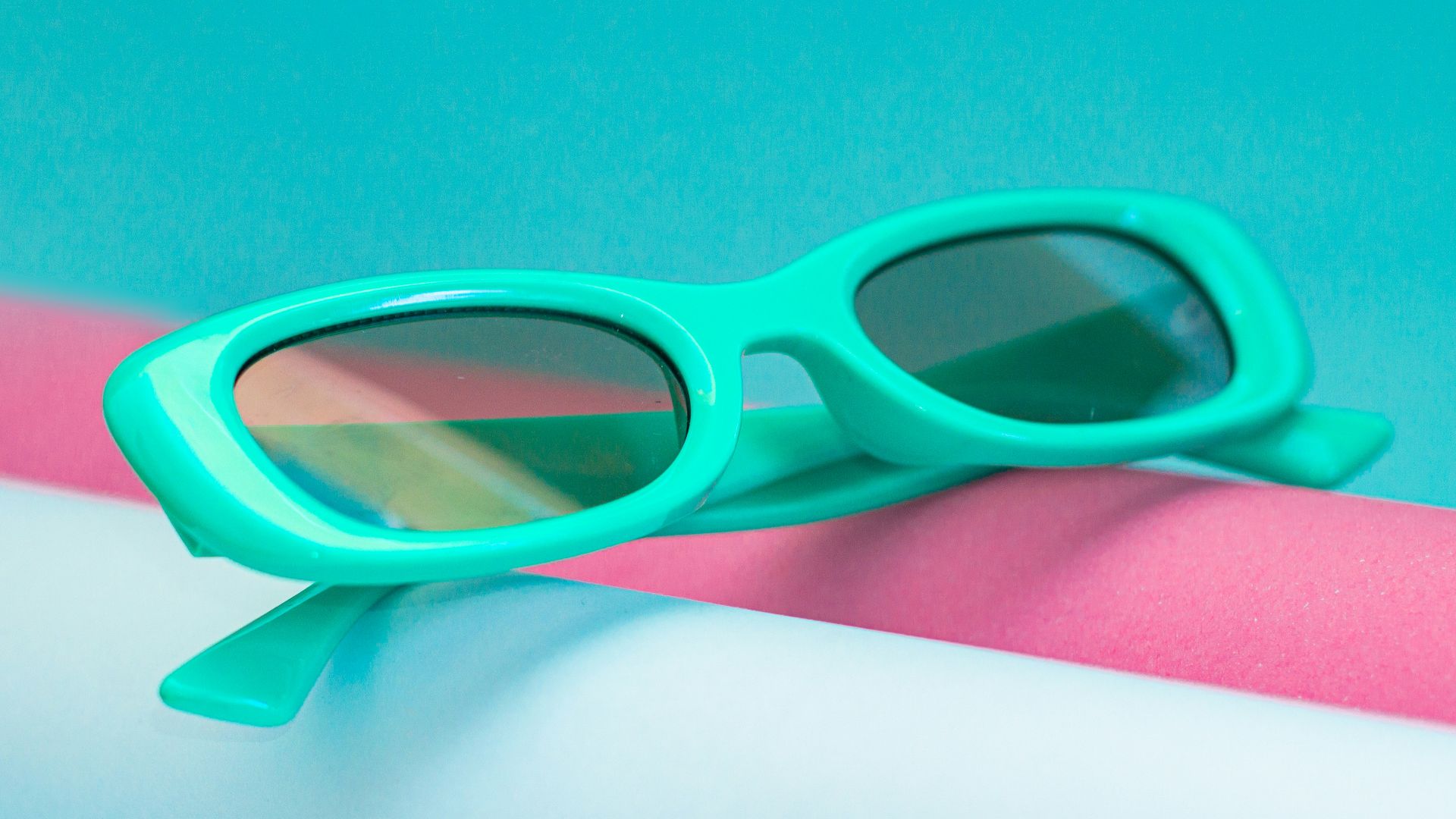
4. Neon-Colored Frames
Bright neon sunglasses had their moment, especially in the late 1980s and early 1990s. Today, they tend to feel dated rather than nostalgic. Neutral tones and subtle patterns have taken their place. That change reflects a broader move toward understated fashion.
5. Rimless Colored Lenses
Rimless sunglasses with brightly tinted lenses once stood out as a bold choice. Over time, they’ve lost popularity due to their fragile feel and niche appeal. They can also be harder to pair with everyday outfits. Most people now lean toward more structured designs.
6. Overly Angular Futuristic Shapes
Sharp, unconventional shapes were once seen as cutting-edge. However, they often lack long-term wearability. These designs can feel more like statement pieces than practical accessories. As trends shift, they’ve become less common.
 Alireza heidarpour on Unsplash
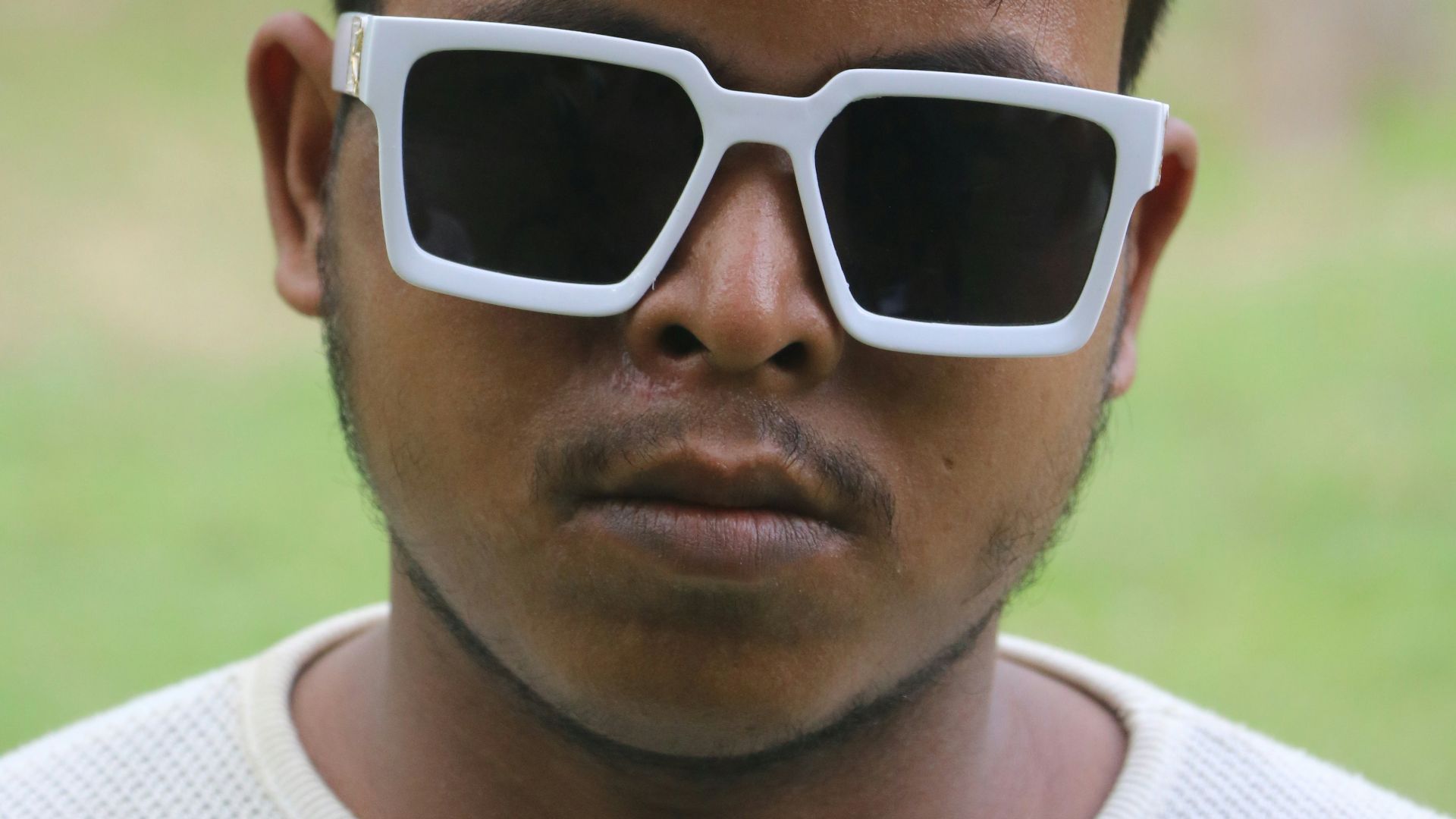
7. Thick White Plastic Frames
Chunky white frames were once a standout trend. While still recognizable, they don’t appear as often in current fashion. Their bold contrast can feel limiting when styling outfits. Softer tones have largely replaced them.
8. Logo-Dominated Styles
Sunglasses that prominently feature large brand logos have declined in popularity. Many people now prefer subtle branding or none at all. This shift reflects a broader interest in understated luxury. It’s less about the label and more about the design.
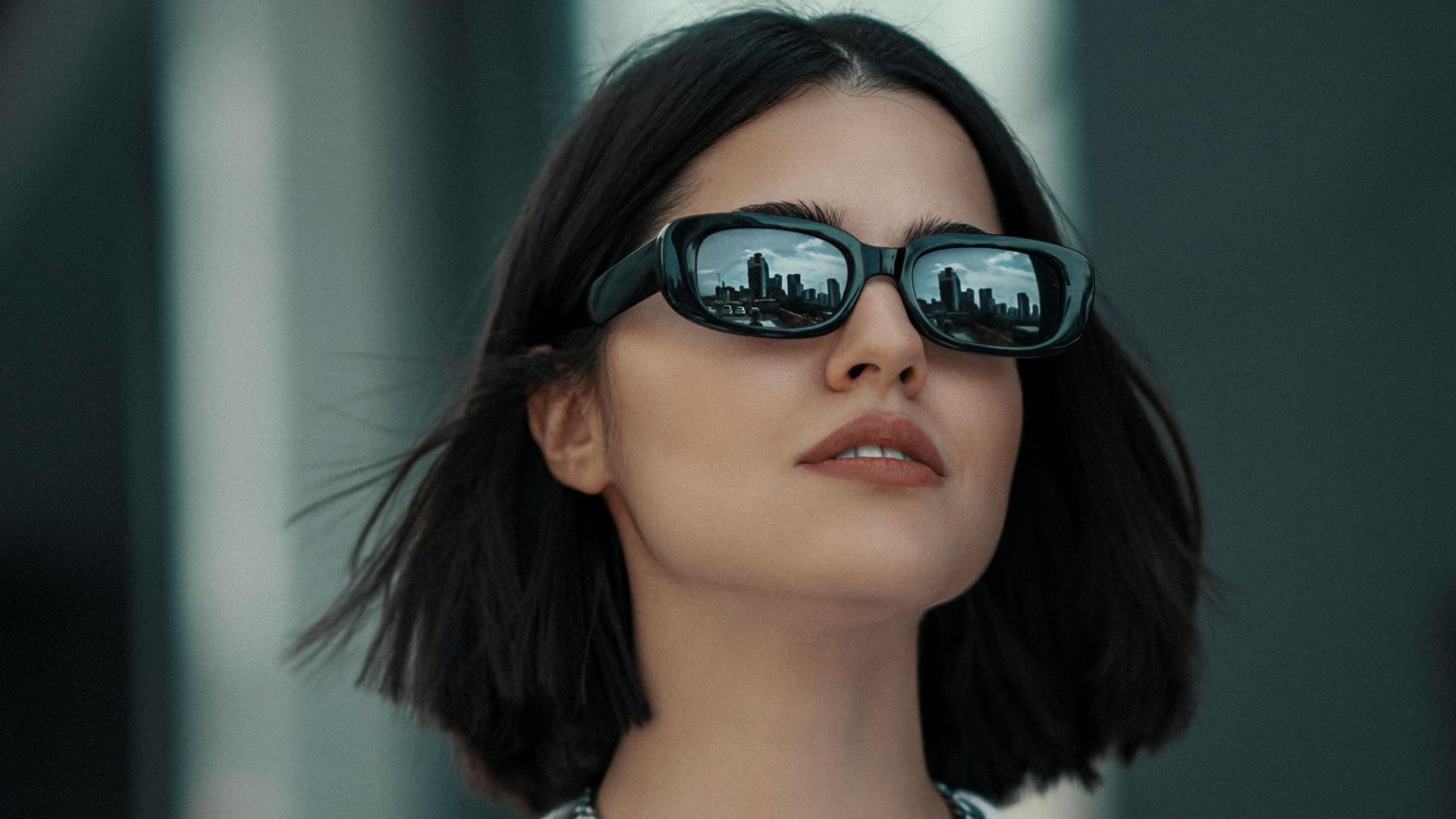
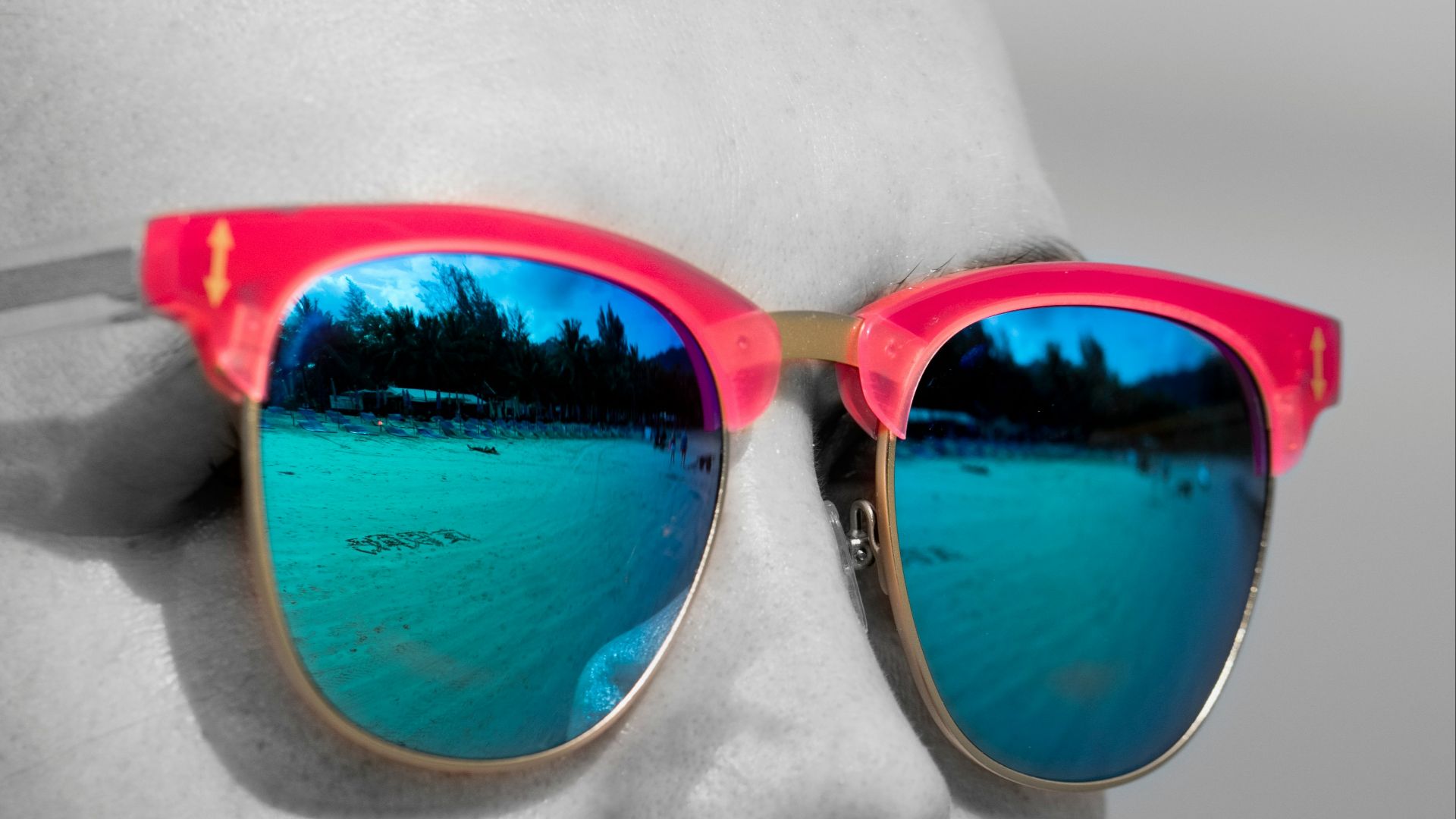
9. Colored Mirrored Lenses
Highly reflective mirrored lenses in bright colors were once everywhere. While still used in sports eyewear, they’re less common in casual fashion. They can feel too intense for everyday settings. More muted lens options have taken over.
10. Extreme Wraparound Styles
Wraparound sunglasses were designed for performance and protection. However, their tight, curved shape isn’t as popular for casual wear anymore. They can feel overly specific to certain activities. Most people now choose styles that transition easily between settings.