
Learn How to Tame the Swell
Humidity has a way of turning even a good hair day into some sort of crazy bird’s nest, and though it seems like there’s no way out of the twigs, frizz isn’t as unstoppable as it seems. The real fix usually comes down to a mix of smart prep, better product layering, and a few habits that most people never get taught. Come with us as we break down how to keep those flyaways at bay.
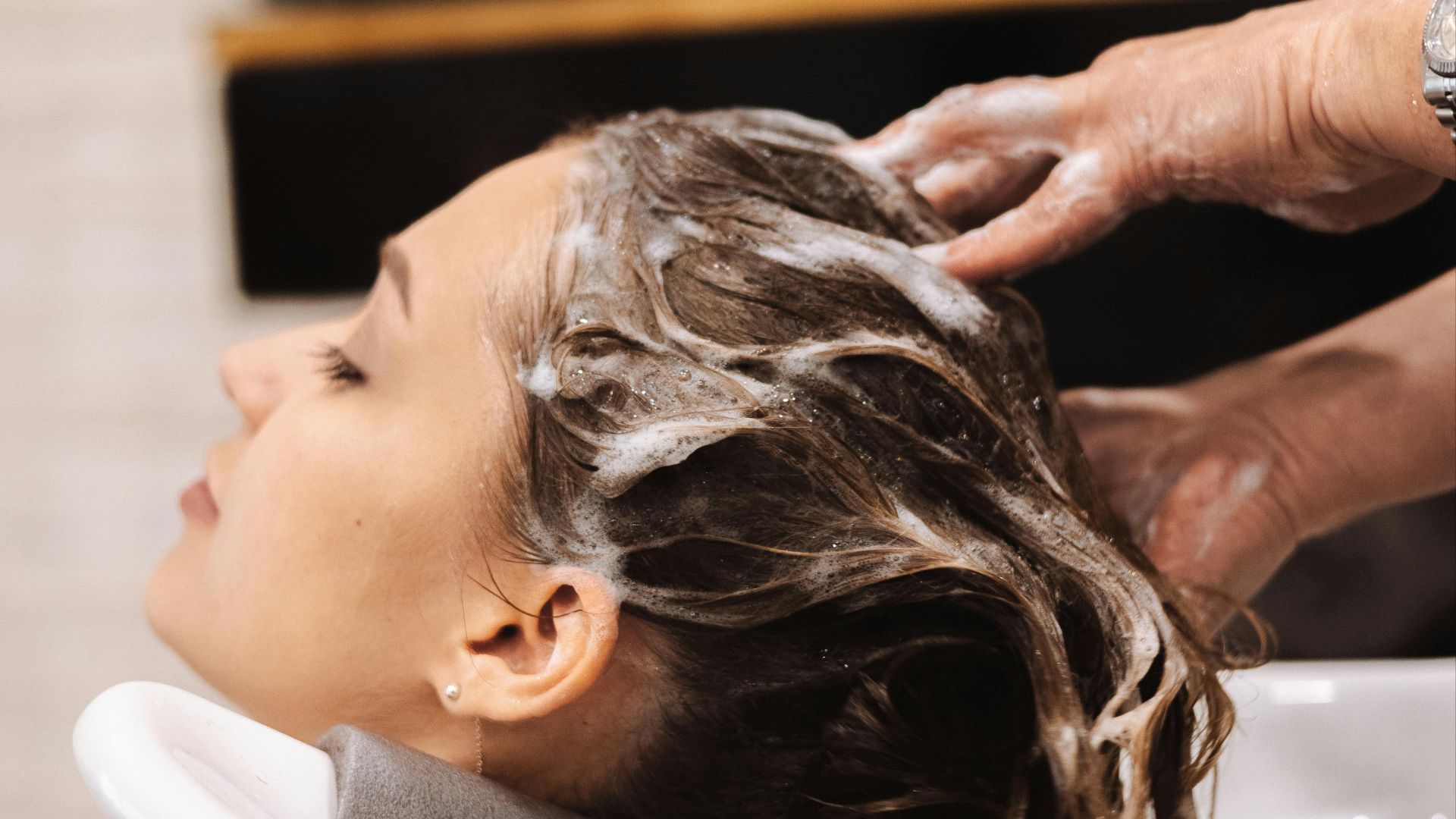
1. Start With a Moisturizing Shampoo
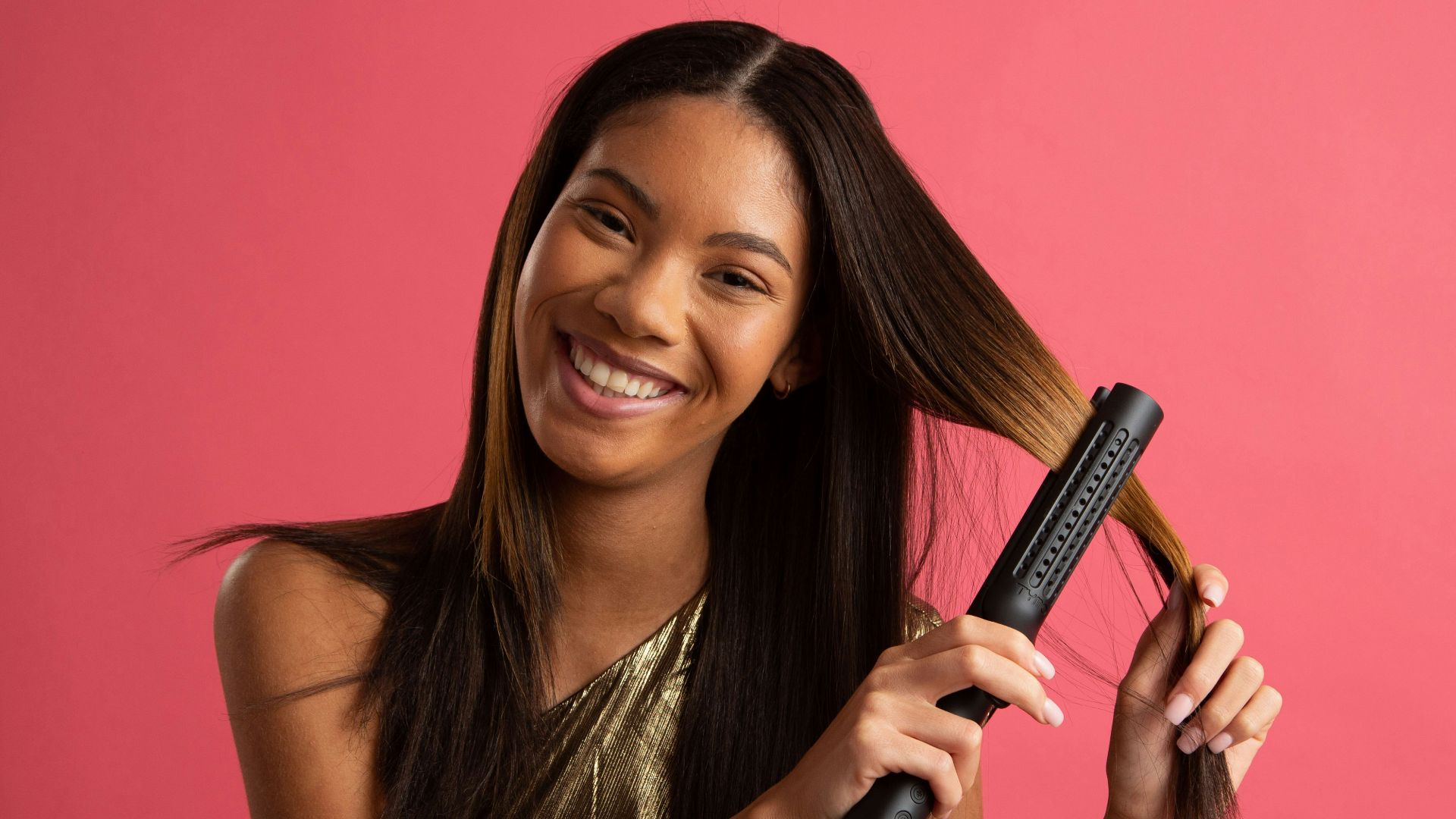
Frizz only gets worse when your hair’s stripped clean; dry strands pull moisture from the air as soon as humidity shows up. Luckily, a moisturizing shampoo helps keep the cuticle more settled, which gives your styling products a better surface to work with.

2. Use Conditioner
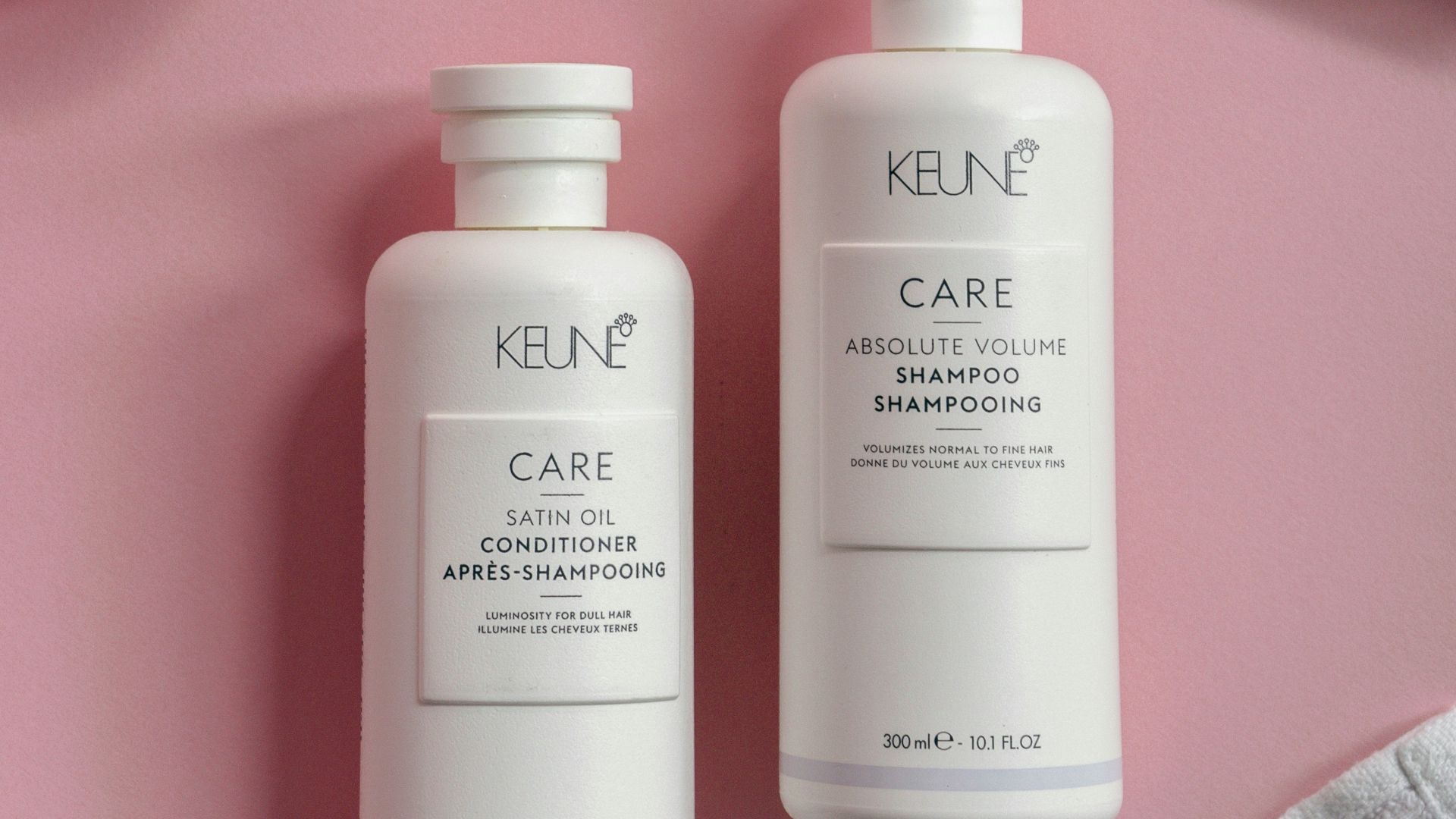
A lot of people skip this step because conditioner doesn’t always seem like a long-lasting fix. But it is—if you stick with it! Let your conditioner sit for a few minutes to soften the hair shaft and improve slip before you rinse. When your hair’s consistently conditioned, it puffs up less and holds its shape better.
3. Rinse With Cool Water at the End
A cold shower sounds like the last thing on your bucket list, but the final rinse can make more of a difference than people expect! Cool water helps the hair cuticle lie flatter, which reduces the rough texture that makes frizz look worse. It won’t transform hair on its own, but it does set up the rest of your routine.
 Chandler Cruttenden on Unsplash
4. Apply Styling Products to Soaking-Wet Hair
Many anti-frizz products work best before the hair starts drying. Depending on your hair type, when you apply them to soaking-wet (or damp) hair, you’re helping distribute the formula more evenly and lock in moisture before humidity gets a chance to interfere.
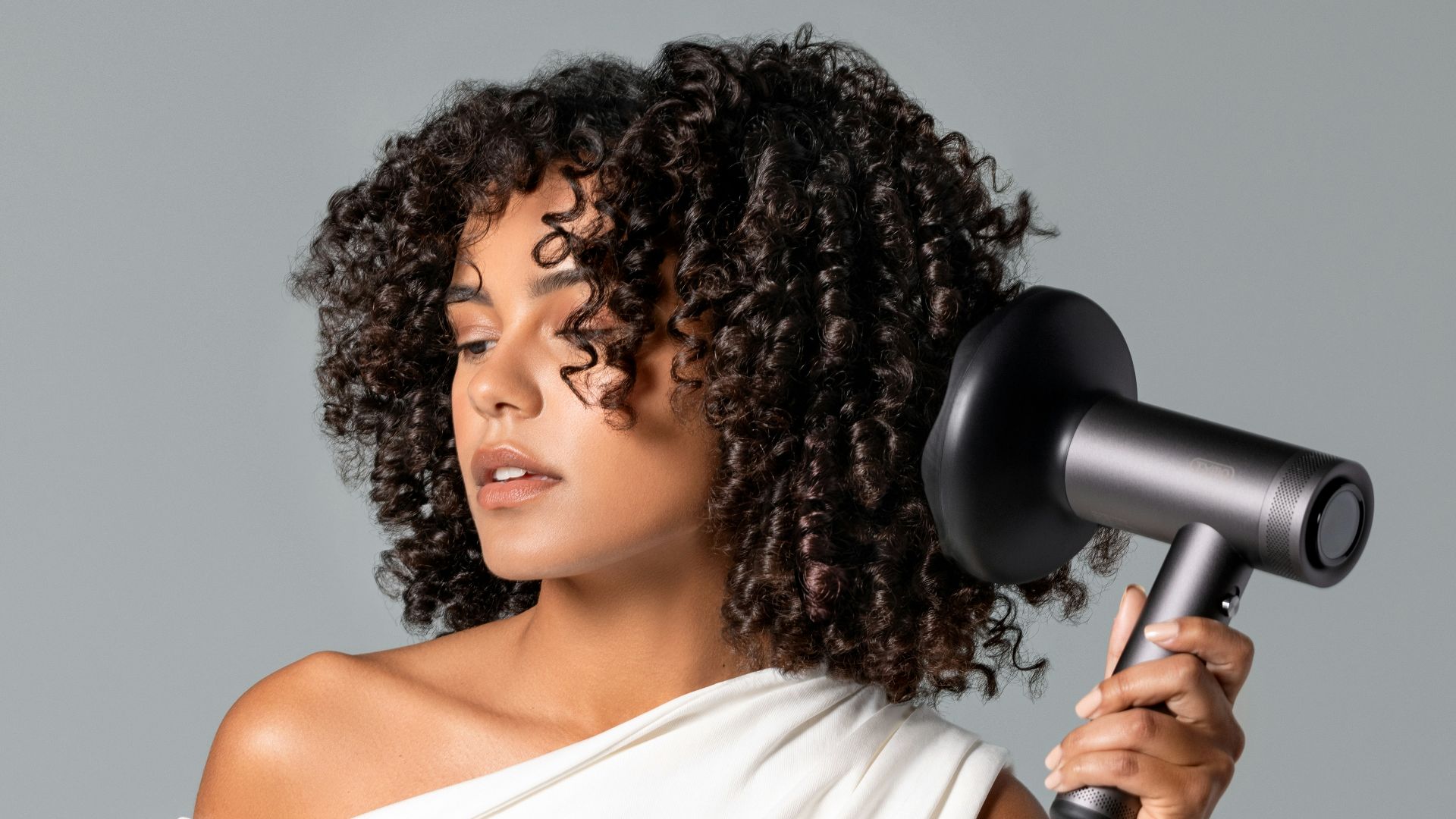
5. Layer Products in the Right Order
It doesn’t seem like it matters, but the product order definitely does. In general, use leave-in conditioner first, then any smoothing cream, and finish with a serum or oil if your hair needs extra sealing. That order helps you hydrate first and polish second, which gives a cleaner finish.
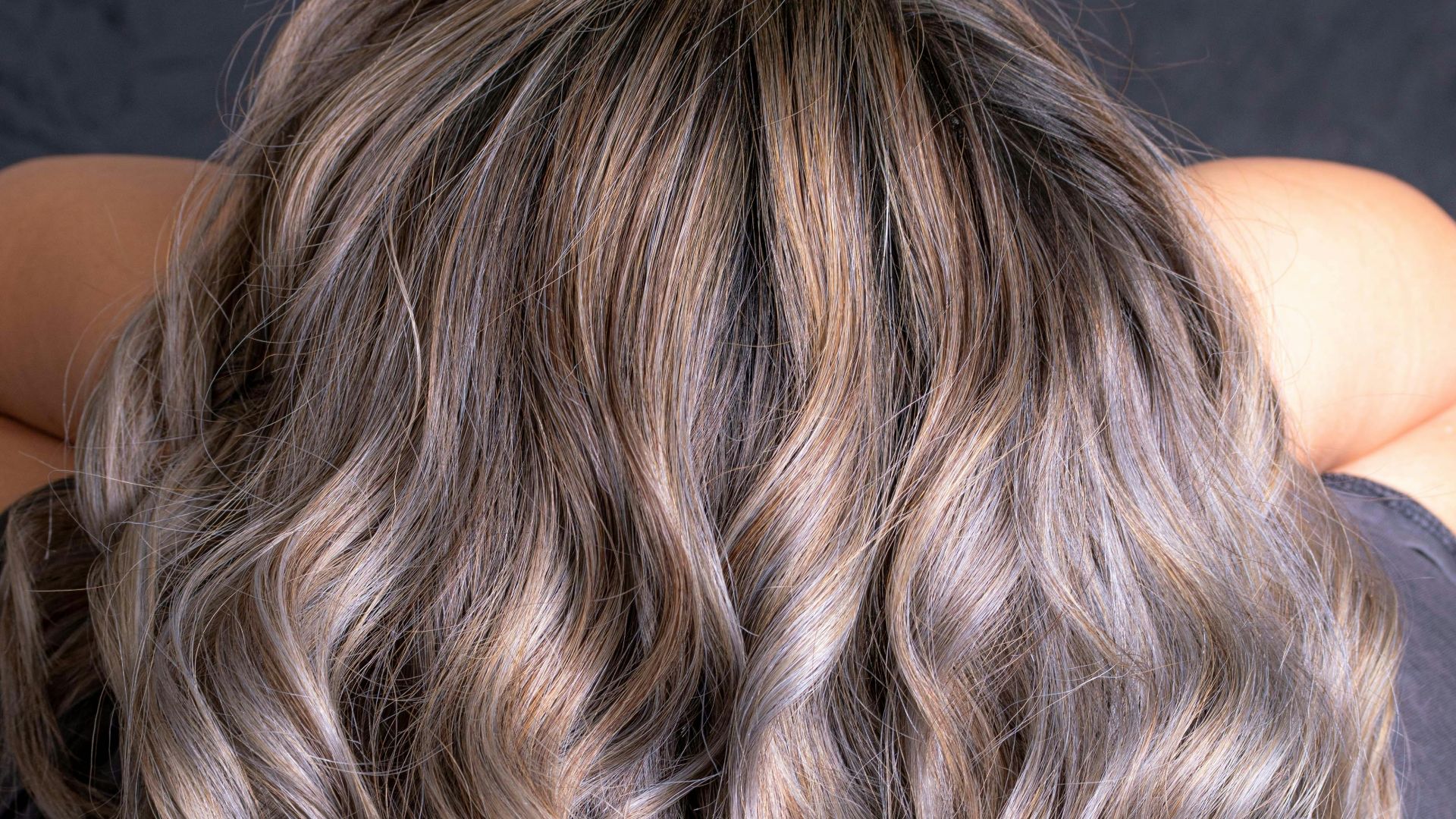
6. Don’t Skip Heat Protectant
Even if you’ve heard it before, we’re still going to say it again: protect your locks from the heat! People often think of heat protectant as a damage product, but it actually also helps with smoothness and control. A good formula creates a more even surface and can reduce the roughened texture that invites frizz later in the day.
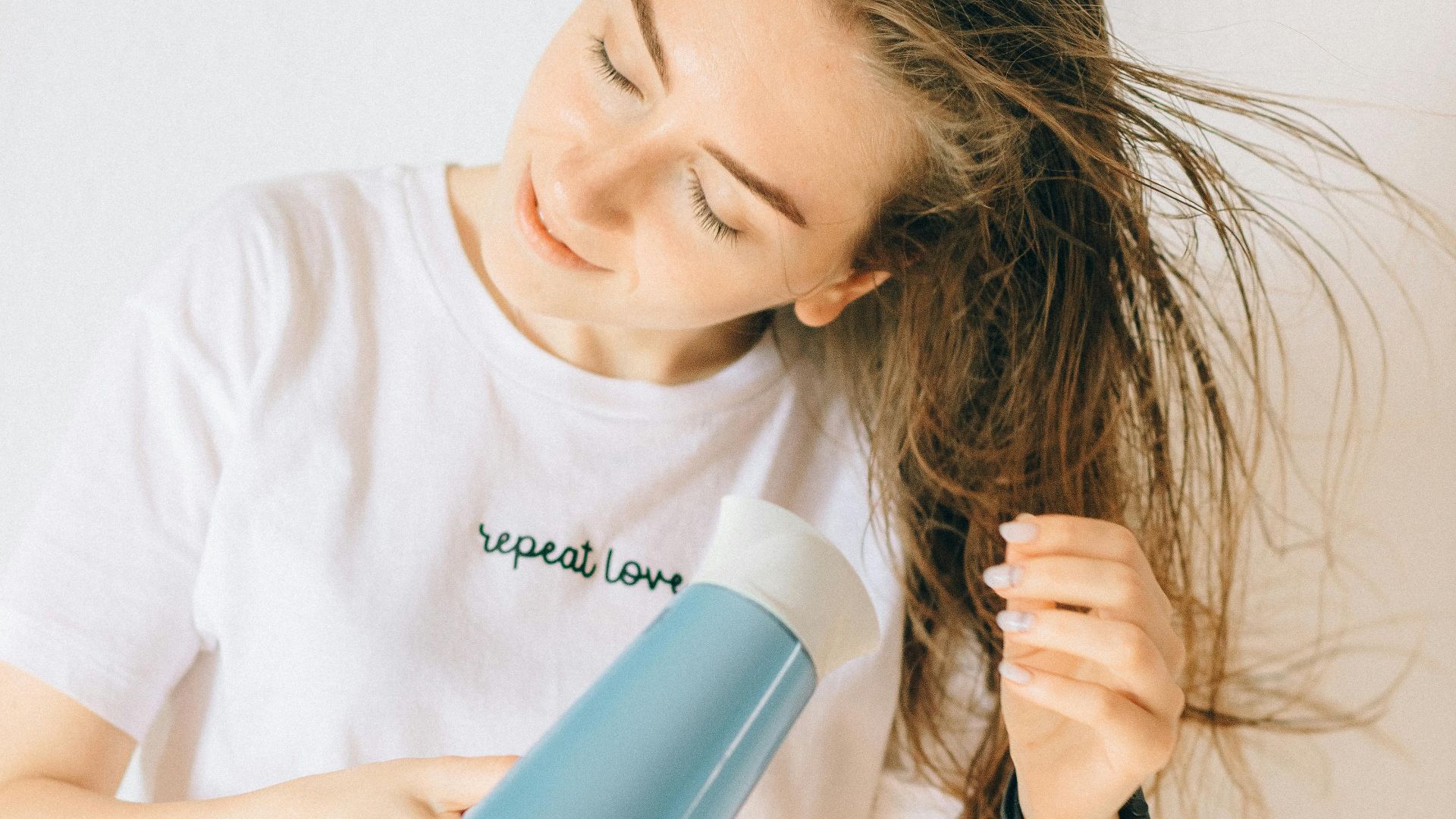
7. Rough-Dry Less Than You Think
Speaking of hair drying, the more aggressively you blast your hair around, the more likely you are to create fluff. Do yourself a favor and dry in sections, keeping the airflow directed downward instead of whipping hair in every direction.

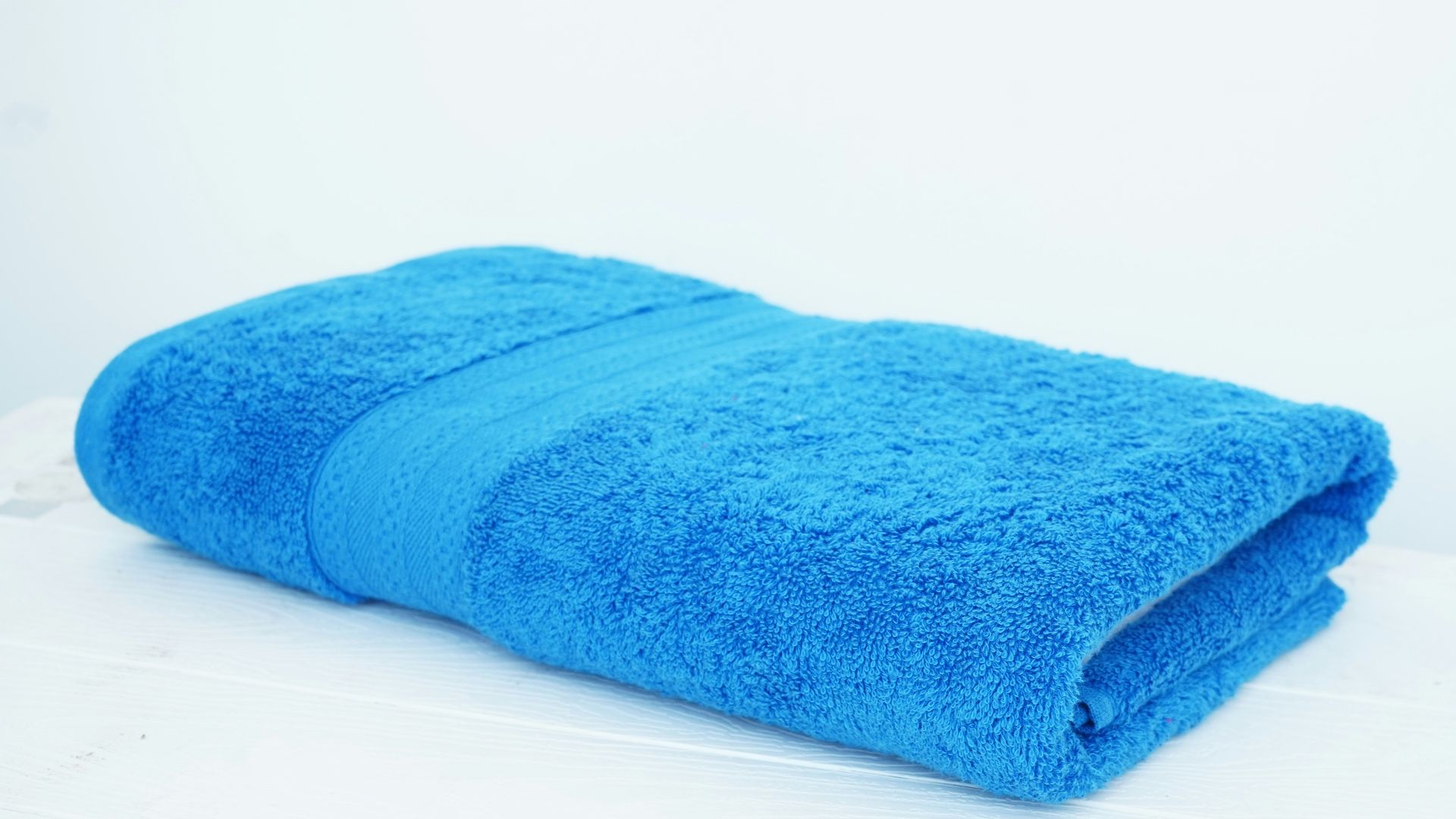
8. Use a Microfiber Towel
Regular bath towels can be surprisingly rough on the hair, especially when you rub instead of blotting. So, say hello to your new best friend: a microfiber towel or soft cotton T-shirt, either of which removes excess water with less friction. They also help preserve the pattern of your hair rather than fraying it.
9. Let Your Products Set First
One overlooked reason hair gets fuzzier boils down to impatience. If you keep brushing through it, flipping it around, or scrunching it after styling, you break up the product film that was holding everything together. Give your hair time to settle so the finish has a chance to perform.
 TONI&GUY PONDICHERRY on Pexels
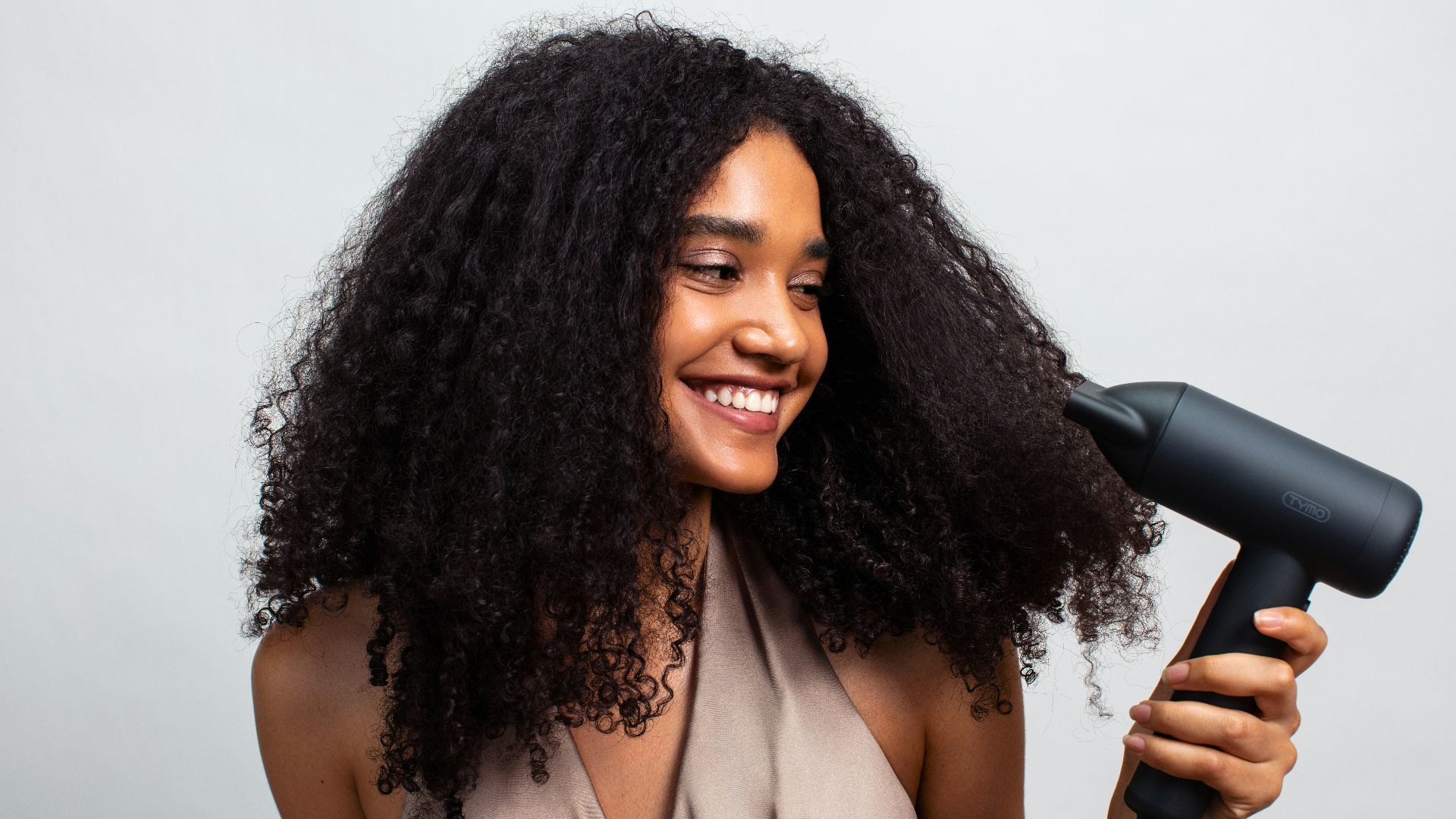
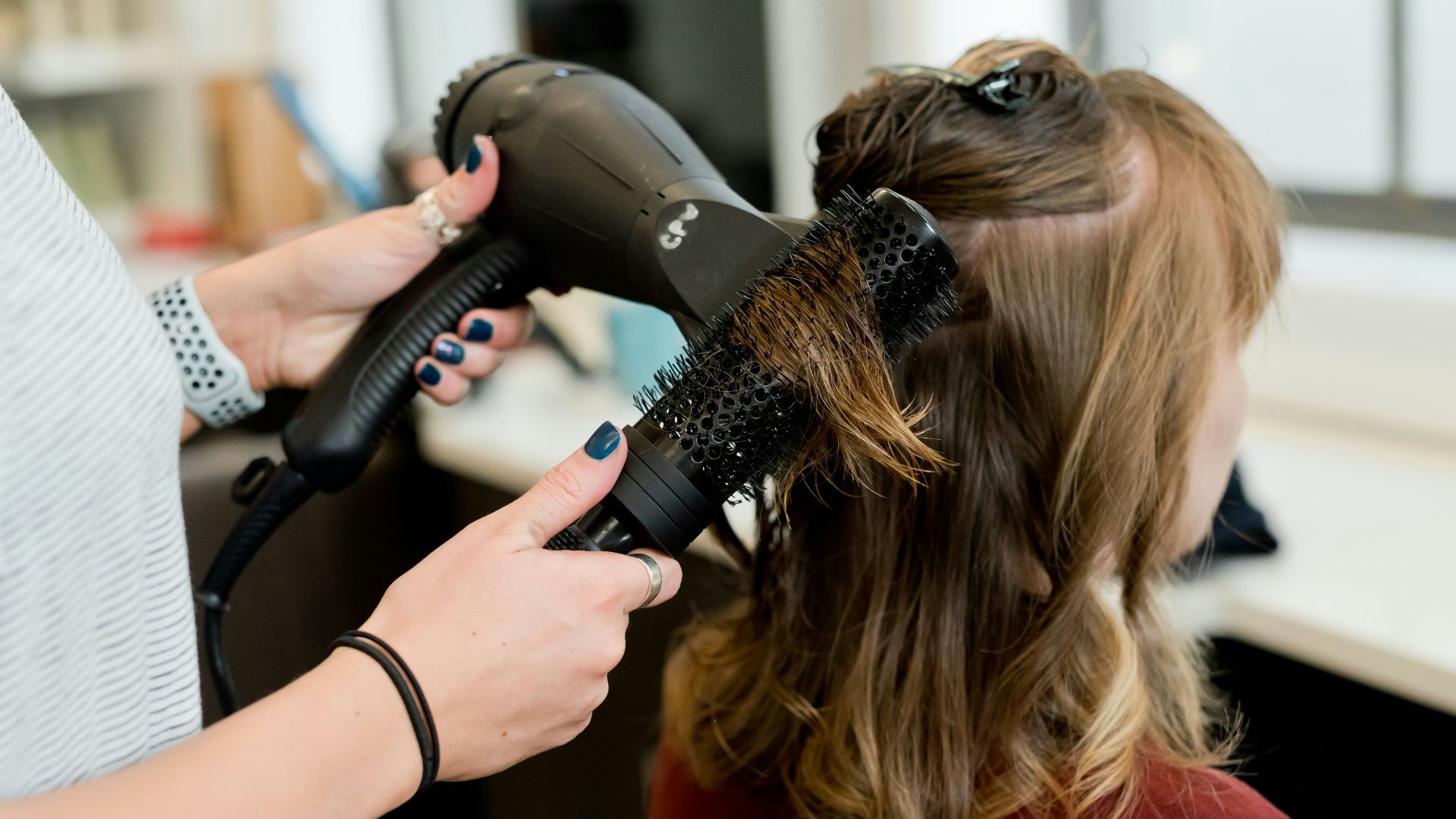
10. Use the Nozzle Attachment on Your Blow-Dryer
It’s probably in your junk drawer by now, but that little attachment does real work! The nozzle concentrates airflow so you can smooth each section with intention rather than blasting humidity into your roots and mid-lengths. Hair usually looks shinier and less frizzy when the air is directed where it needs to go.
11. Dry the Roots Completely
Damp roots can create problems fast in muggy weather, so you need to pay attention to them. Moisture sitting at the scalp area often causes swelling, and that makes the rest of the style lose structure. Getting the roots fully dry gives you a stronger foundation that lasts longer.
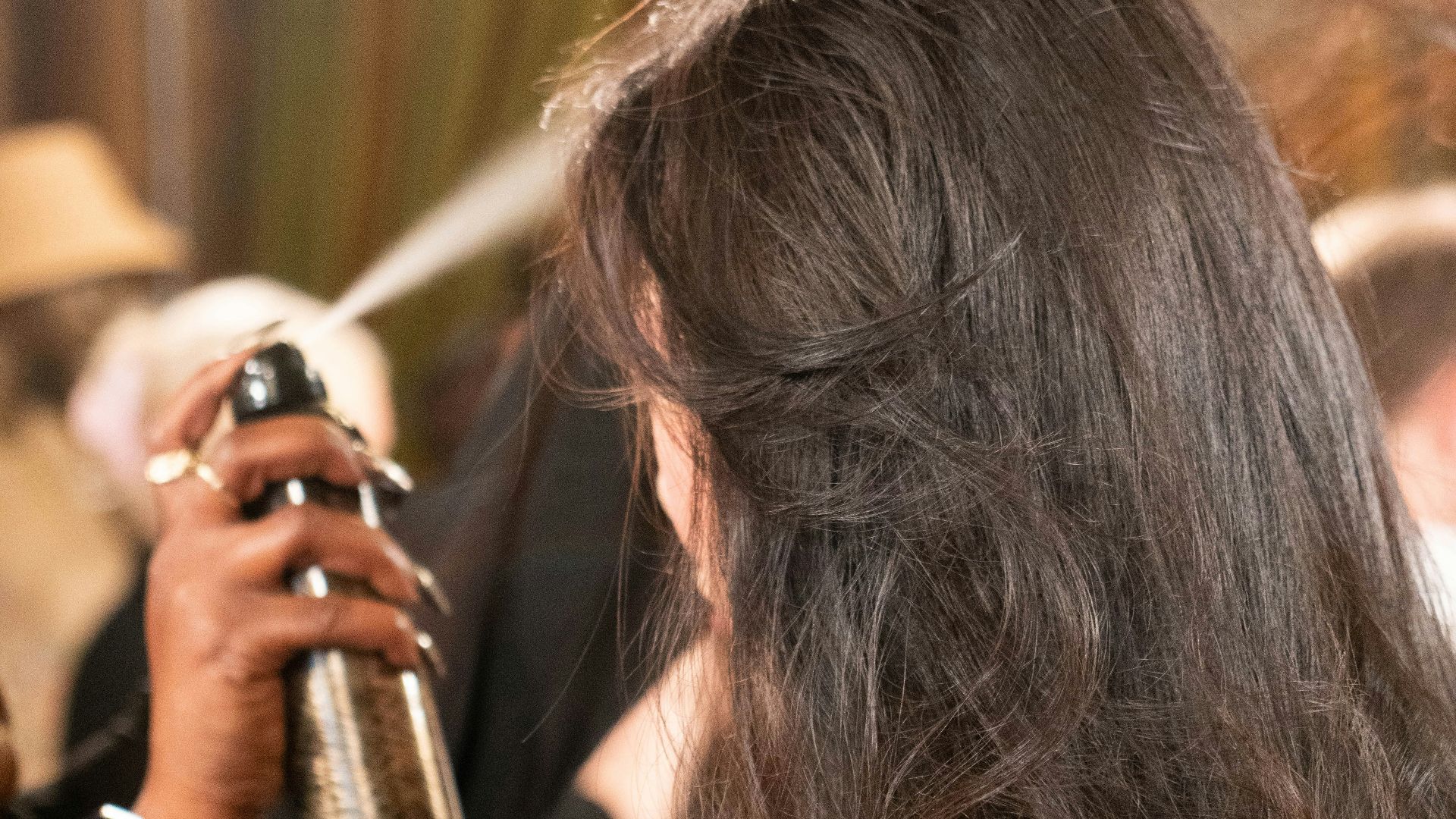
12. Try a Humidity-Blocking Finishing Spray
Not all hairsprays are about hold—some finishing sprays are designed specifically to resist moisture in the air, which helps prevent your style from expanding! Use a light mist at the end so you get protection without turning your hair stiff.

13. Sleep on Silk
We know it sounds a little bougie, but nighttime friction undoes a lot of careful styling before the morning even starts. A silk or satin pillowcase creates less drag than standard cotton, so your hair is less likely to get fried up while you sleep. It’s especially helpful if you wake up with fuzz around the crown.

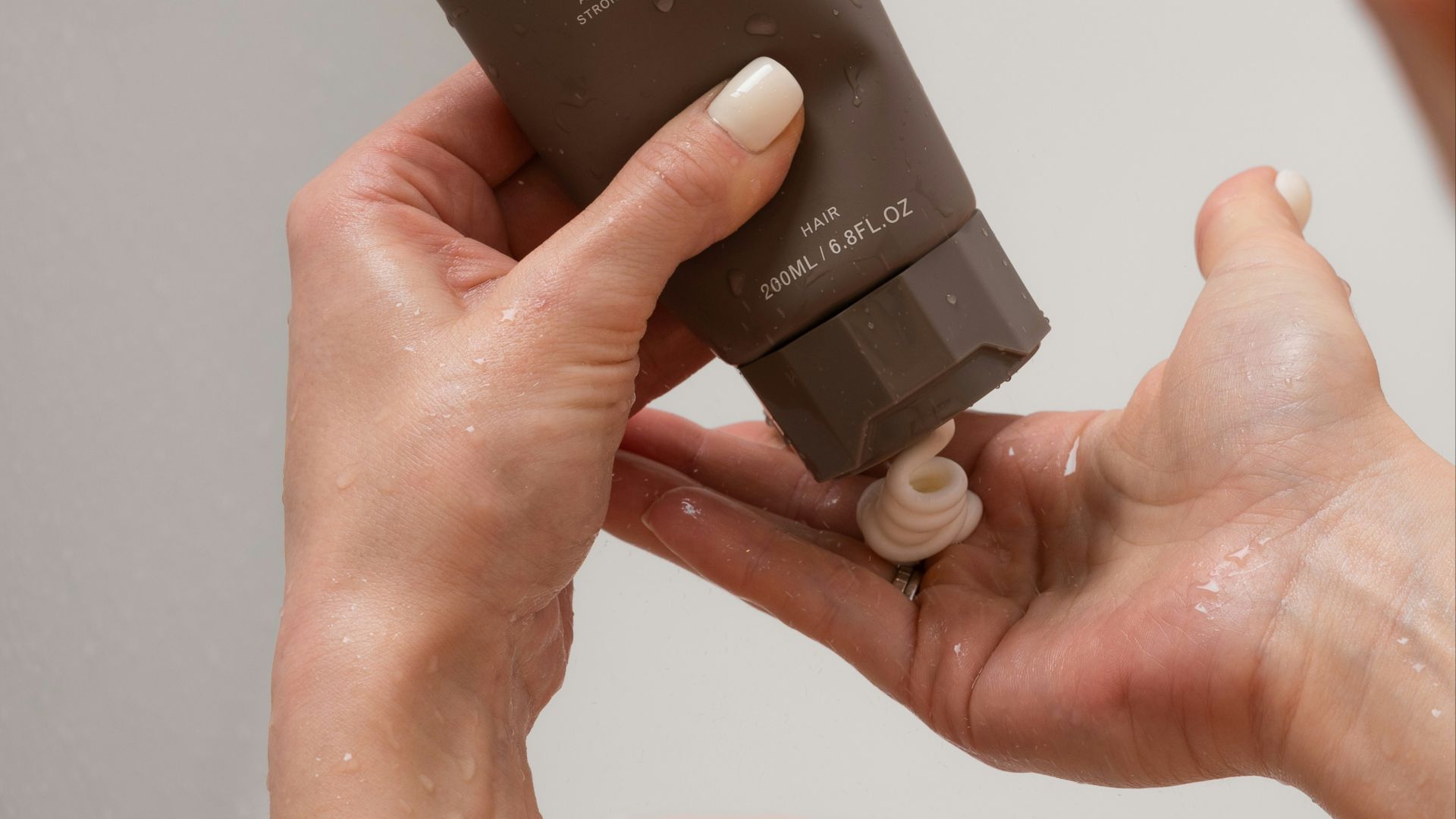
14. Use a Bit of Product on Your Hands First
Applying serum straight onto one area can actually leave greasy patches behind. Warm a small amount between your palms and then glide it lightly over the surface and ends for more even coverage. There’s a reason stylists themselves do it!
15. Edge Brush for Flyaways
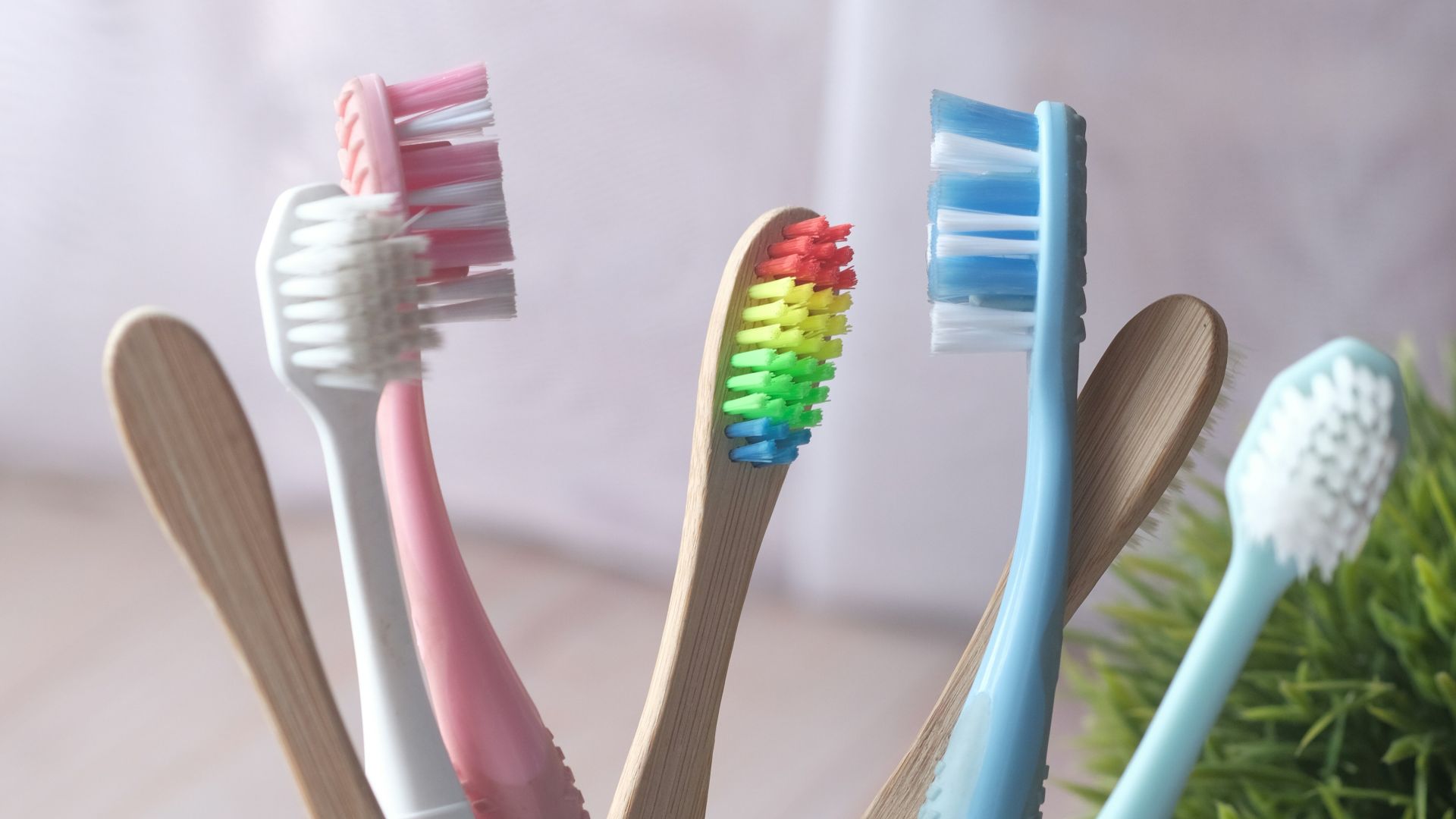
Believe it or not, a clean toothbrush or edge brush with a touch of styling cream can smooth flyaways—and with much more control than your fingers. It’s a simple backstage-style trick that works especially well around the hairline and part, so don’t be afraid to grab a spare brush next time you’re out.
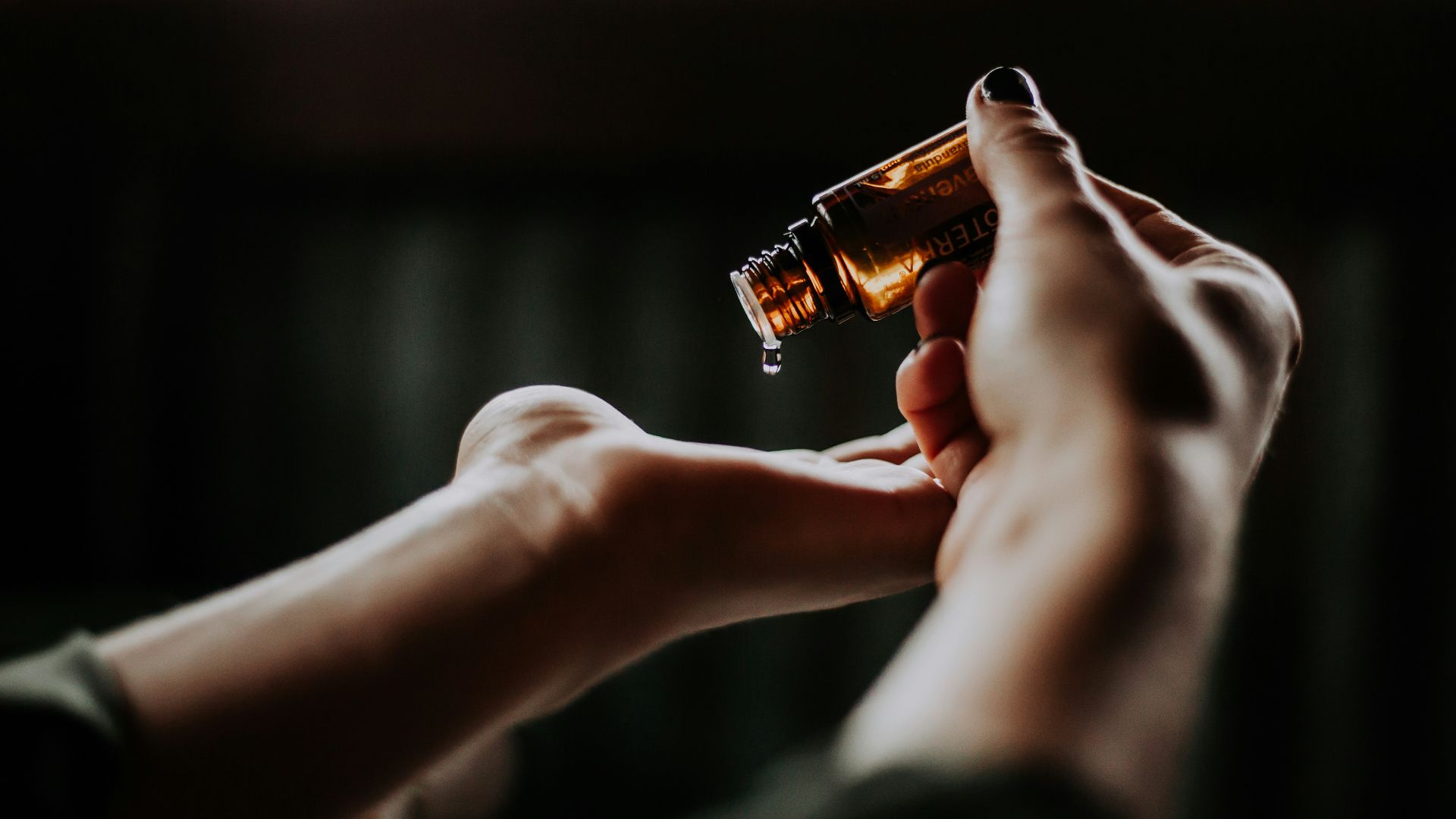
16. Don’t Overload With Oil
Oil can help with shine and softness, but too much of it can also backfire. It seems like a simple way to tame crazy hair, but heavy application may weigh hair down unevenly, attract dirt, and make you keep touching or restyling it throughout the day. A small amount on the mid-lengths and ends is usually enough.
17. Ask for a Humidity-Friendly Haircut
A good anti-frizz routine is easier when your haircut actually supports it. Some cuts remove bulk in smart places, but others accidentally create extra expansion by leaving too much weight in the wrong areas. A stylist who understands your texture will shape the cut so it behaves better before you even style it.
18. Clarify Occasionally, Not Constantly
Buildup from conditioners, oils, and styling products can stop anti-frizz formulas from working properly. An occasional clarifying wash resets the hair so moisture can penetrate more evenly again. However, just be mindful of how often you do it. Too much clarifying can leave hair dry and more reactive.
19. Set Curly or Wavy Hair Before Breaking the Cast
If you use gel or mousse, don’t rush to soften the finish while your hair’s still drying. Letting a cast form can protect the pattern and reduce frizz while humidity tries to break through. Once the hair is fully dry, you can gently scrunch it out for softness, not flyaways.

20. Carry a Frizz Emergency Kit
A little planning never hurt anyone! For your go-to kit, all you really need is a travel-size smoothing cream, a few pins, a silk scrunchie, and a mini brush in your bag. Even on the worst weather days, the right tools often keep your hair looking intentional instead of overwhelmed.