Think You're Using Dry Shampoo Correctly? Think Again
There's a reason why dry shampoo has long been a bathroom cabinet staple: it's fast, convenient, and can instantly revive day-old hair when you're in a rush. But as useful as it is, there's quite a bit of room for error when it comes to how you're applying it (and how often), and those mistakes can work against you without you even realizing it. Here's a look at the most common dry shampoo missteps, plus exactly what to do instead to keep your hair looking and feeling its best.

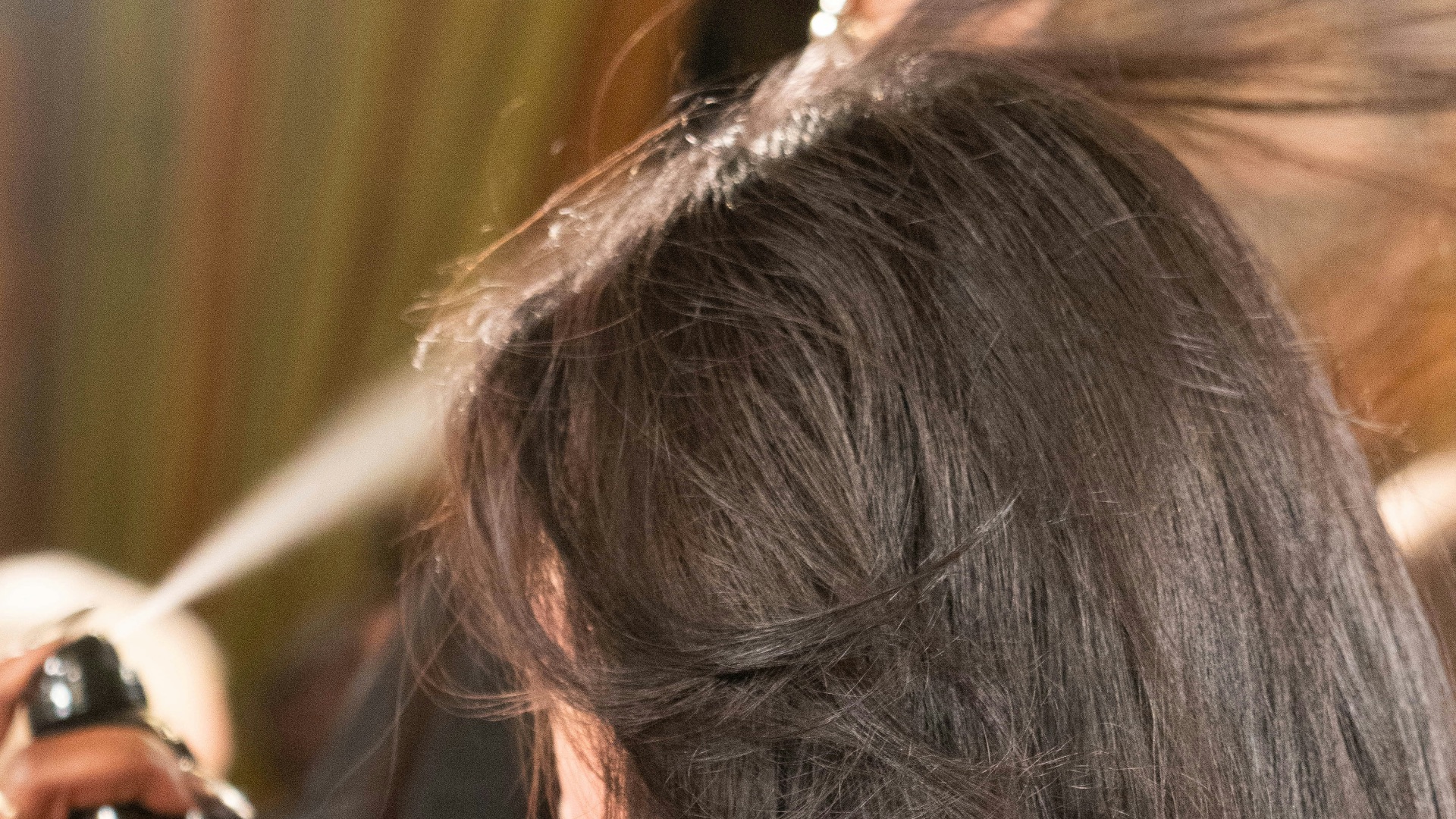
1. Spraying It Too Close to Your Scalp
Holding the can just an inch or two from your roots might seem like the most effective approach, but it actually leads to heavy product buildup in one concentrated area. The recommended distance is around six to eight inches from your scalp, which allows the formula to disperse evenly rather than landing in clumps. Spraying too close is one of the fastest ways to end up with that chalky, residue-heavy look that makes hair appear unwashed rather than refreshed.
2. Applying It to Already-Dirty Hair
Dry shampoo is designed to extend a blowout or freshen up slightly oily roots, not to substitute for washing hair that needs an actual thorough rinse. When you apply it to hair that's already loaded with oil, sweat, and product residue, you're essentially sealing all of that buildup into the scalp rather than addressing it. Over time, this can clog hair follicles, disrupt the scalp's natural environment, and even contribute to irritation or thinning.

3. Not Letting It Sit Before Brushing
One of the most common application errors is spraying and immediately reaching for a brush, which just moves the product around without giving it time to do its job. Dry shampoo needs at least 30 seconds to a full minute to absorb the oils on your scalp before you start working it in. Skipping this step means you're distributing an unevenly activated product, which results in patchy texture and less-than-ideal absorption.
4. Oversaturating One Section
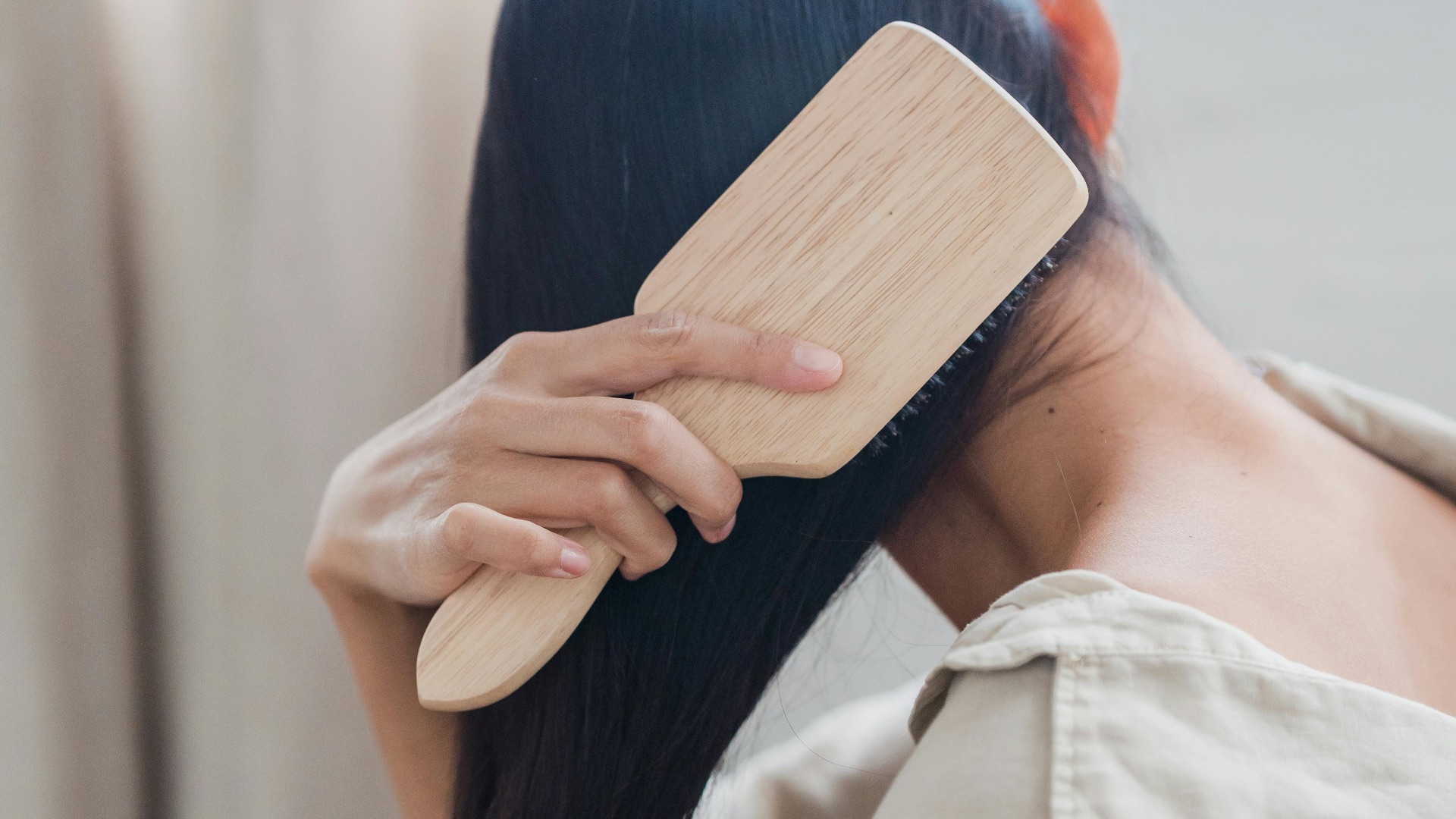
It's tempting to keep going over the same greasy patch until it looks completely matte, but piling on too much product in one spot creates a stiff, almost paste-like texture that's difficult to brush out. Dry shampoo works best when applied in light, even layers across the roots rather than in heavy doses on a single area. If one section is particularly oily, it's better to apply a small amount, let it absorb, and then add a little more if needed.
5. Using It Every Single Day
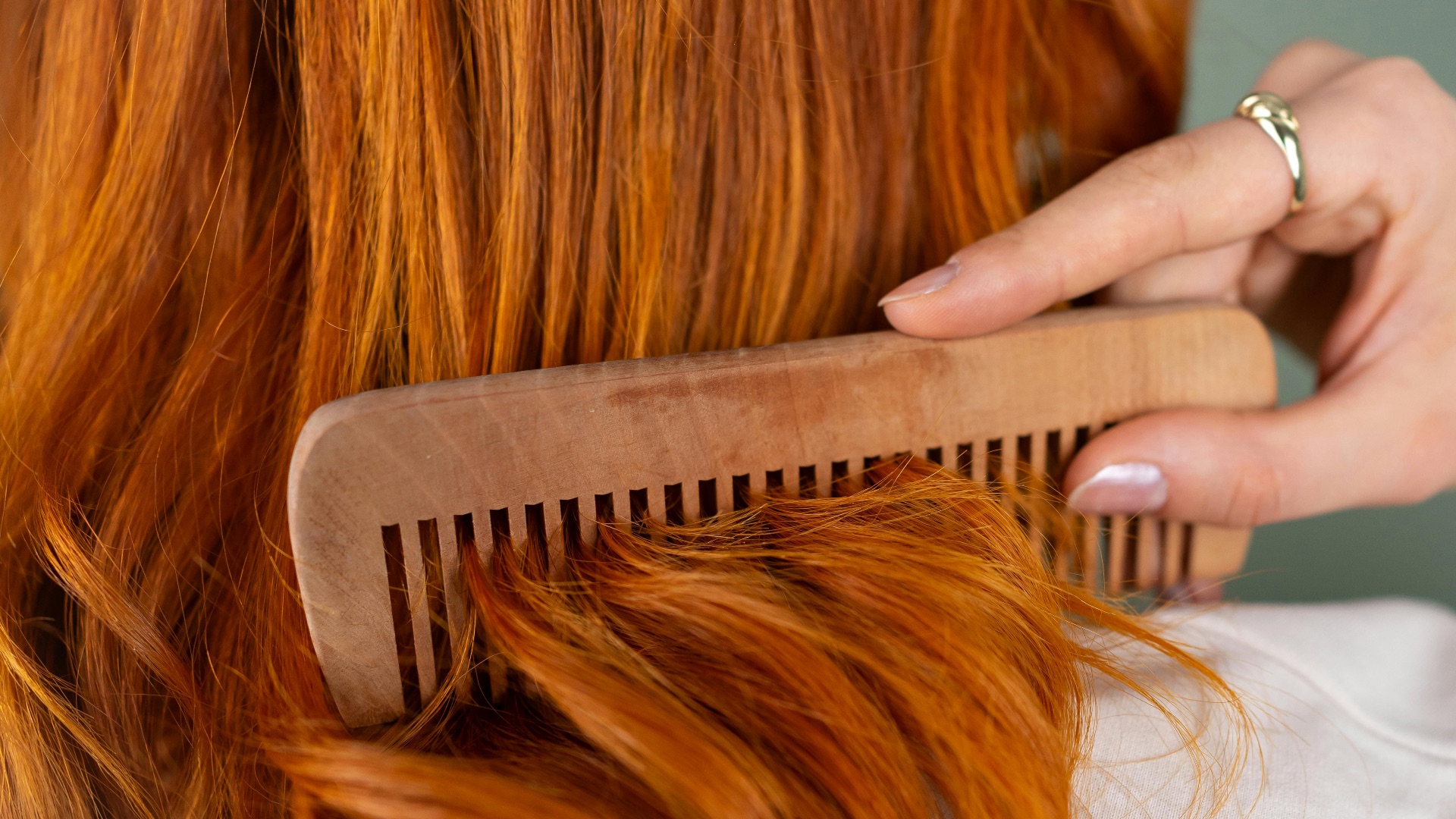
Daily dry shampoo use might feel like a time-saving habit, but it can seriously interfere with your scalp's natural oil balance over time. The product builds up with each application, and without a proper wash cycle to clear it away, that accumulation can lead to clogged follicles, scalp sensitivity, and even changes in hair texture. Most dermatologists recommend limiting dry shampoo to two or three uses between washes to keep your scalp healthy.

6. Ignoring the Roots Entirely and Spraying the Lengths
Dry shampoo is a roots-only product, and applying it to the mid-lengths or ends of your hair serves very little purpose while adding unnecessary buildup to strands that don't need it. The lengths of your hair don't produce oil the way your scalp does, so spraying them down with dry shampoo just weighs the hair down and leaves it looking dull. Keeping the application focused on the root area ensures you're getting the full benefit without any of the downsides.

7. Skipping Application the Night Before
Most people reach for dry shampoo the morning their hair looks oily, but applying it the night before is actually far more effective. When you spray it in before bed, the product has several hours to absorb excess oil while you sleep, resulting in noticeably better volume and texture by morning. Using it reactively rather than proactively means you're always playing catch-up with your hair instead of getting ahead of the grease.

8. Using a Formula That Doesn't Match Your Hair Color
Many drugstore dry shampoos are formulated with a white or light-colored base that shows up as obvious residue on brunette, auburn, or black hair. If you've ever wondered why your roots look powdery or ashy after application, the formula is likely the culprit rather than your technique. Tinted dry shampoos designed for darker hair tones are widely available and make a significant difference in how natural the finish looks.

9. Rubbing Instead of Massaging
There's a meaningful difference between aggressively rubbing dry shampoo into your scalp and gently massaging it in with your fingertips, and the technique you use affects the end result. Rubbing creates friction that can roughen the hair cuticle and cause frizz, while a light massaging motion helps work the product evenly into the roots without disrupting the hair's surface. Taking a few extra seconds to use the right motion keeps your style smoother and your hair in better condition.

10. Treating It as a Long-Term Substitute for Washing
Relying on dry shampoo for days on end without ever washing your hair might seem harmless, but the scalp needs regular cleansing to stay healthy. Extended buildup from dry shampoo, combined with natural oils and environmental debris, can disrupt the scalp microbiome and lead to issues like dandruff, itching, and even temporary hair loss in more extreme cases. Dry shampoo is a convenient in-between tool, not a permanent replacement for a proper wash routine.
Now that the mistakes are out of the way, let's jump into how to course-correct so your dry shampoo routine actually works for your hair instead of against it.

1. Hold the Can at the Right Distance
Correcting your spray distance is an easy fix that makes an immediate difference in how your dry shampoo applies. Hold the can about six to eight inches away from your scalp so the mist has room to fan out and settle evenly across the roots. This one adjustment alone can eliminate most of the patchiness and white cast that comes with improper application.

2. Use It on Hair That's Only Slightly Oily
The best time to reach for dry shampoo is when your roots are just starting to look a little flat or shiny, not when your hair feels heavy or visibly dirty. Applying it at that early stage means there's far less oil for the product to combat, and it can do its job properly without getting overwhelmed. If your hair has reached the point where it feels greasy to the touch, it's time to wash rather than layer on more product.

3. Give It Time to Absorb Before Styling
Building in a short wait time after application is a simple habit that dramatically improves the results. Once you've sprayed your roots, step away from the mirror for 30 to 60 seconds before touching your hair so the formula can bind to the oils on your scalp. After that brief pause, you can massage it in and brush through for a much cleaner, more natural finish.
4. Apply in Light, Even Layers
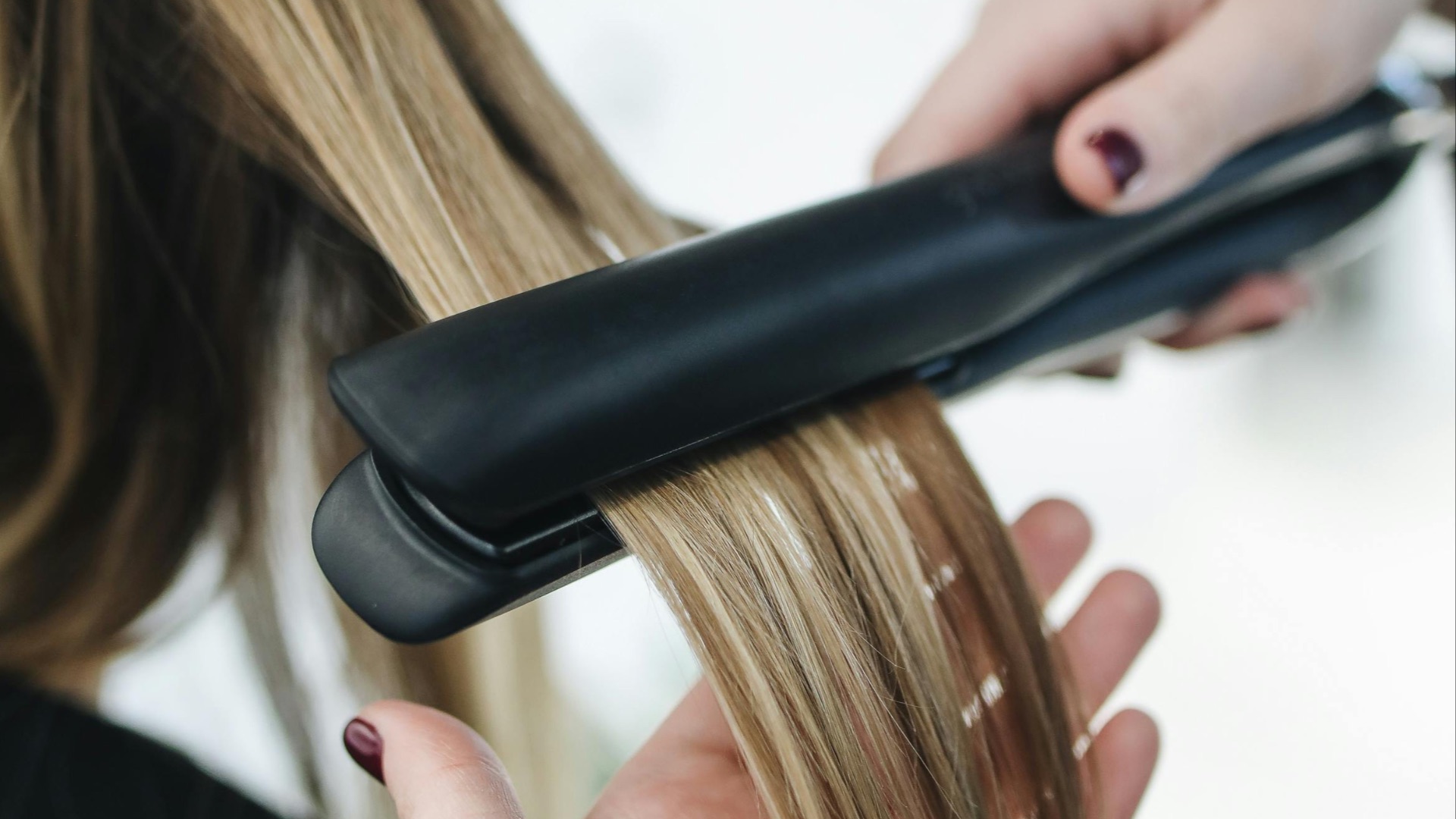
Rather than dousing one area with product, use short, sweeping sprays across the entire root zone for more balanced coverage. If you're still seeing oiliness after the first pass, wait for the initial application to absorb fully, then add a second light layer only where it's still needed. This approach gives you better oil control without the stiffness and buildup that comes with heavy-handed application.

5. Limit Use to Two or Three Times Per Week
Cutting back on how often you use dry shampoo gives your scalp the breathing room it needs to stay balanced and healthy. On the days you don't use it, try a gentle scalp massage or brushing to distribute natural oils down the hair shaft, which can extend the time between washes without any product at all. Keeping dry shampoo as an occasional tool rather than a daily crutch will make a noticeable difference in the overall condition of your hair over time.

6. Focus Application Strictly on the Roots
Redirecting your spray to just the root area is one of the simplest and most effective adjustments you can make to your routine. Section your hair in a few places and lift each section to spray directly at the base, which ensures the product reaches where the oil actually is. Your ends will look naturally healthy rather than weighed down, and the overall finish will be much more polished.
7. Start Applying It the Evening Before
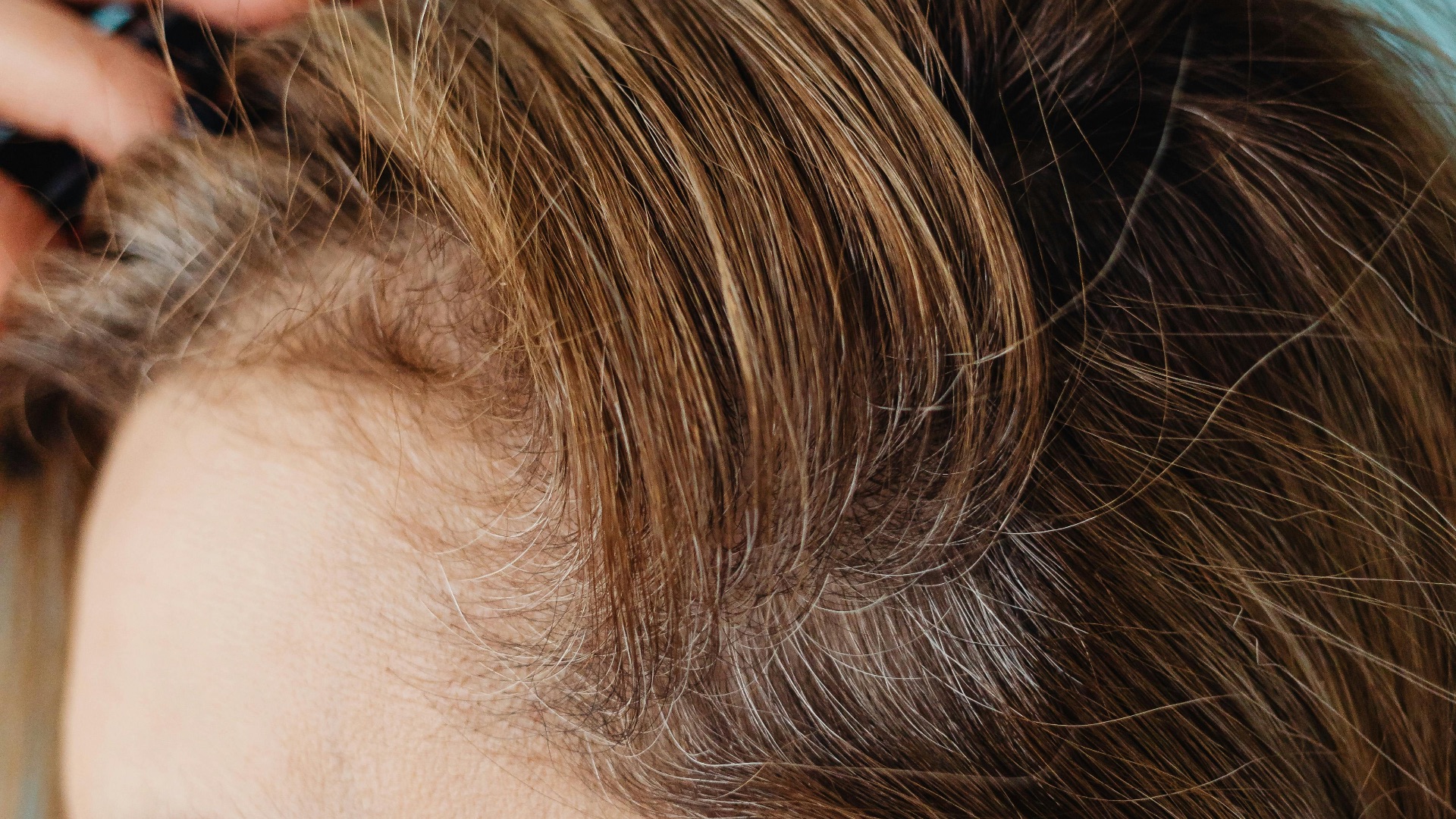
Shifting your dry shampoo application to the night before is a low-effort habit change with a noticeably high payoff. Spray it into your roots before bed, massage it in briefly, and let it work overnight while you sleep. By morning, your hair will have significantly better volume, texture, and freshness than if you'd applied it in a rush before heading out the door.

8. Switch to a Tinted Formula for Your Hair Color
If you've been dealing with a white or grayish cast at your roots, switching to a tinted formula is the straightforward solution. Look for options labeled specifically for dark hair or your particular shade, and you'll find that the residue issue essentially disappears. Several well-regarded brands now offer a range of shades from light brown to jet black, so finding a close match is easier than it used to be.

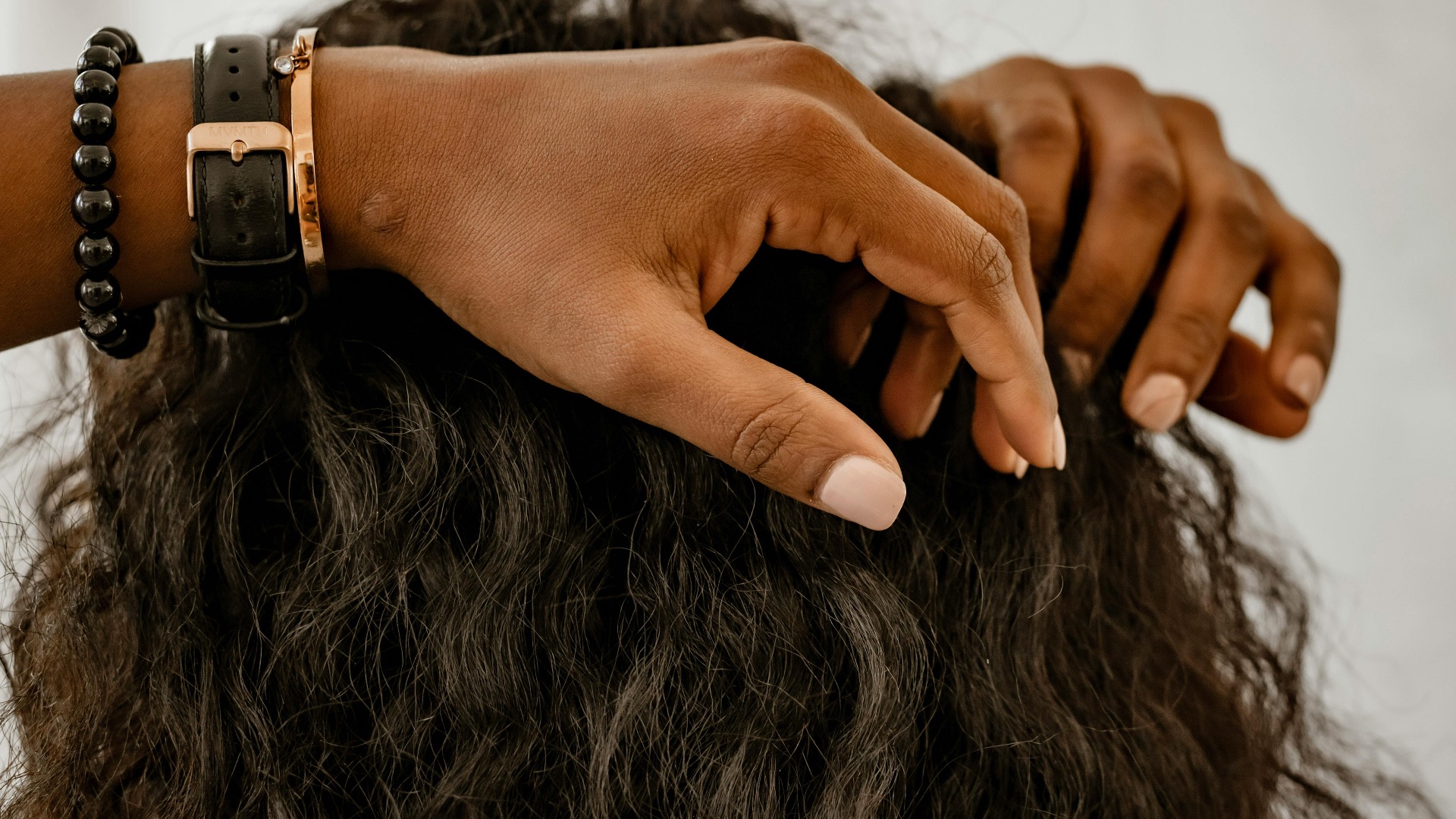
9. Use a Light Massaging Motion with Your Fingertips
Once you've given your dry shampoo a moment to absorb, work it into the roots using gentle circular motions with your fingertips rather than rubbing back and forth. This technique distributes the product more evenly, encourages oil absorption, and helps create volume without creating frizz or roughing up the hair cuticle. Finishing with a brush through the lengths keeps everything smooth and ensures no visible residue is left behind.
10. Commit to a Regular Wash Schedule
The most effective thing you can do for your hair's long-term health is to treat dry shampoo as a supplement to washing, never a replacement for it. Aim to wash your hair at least once or twice a week depending on your hair type, and use dry shampoo only in the days in between to maintain freshness. Sticking to a consistent cleansing routine keeps your scalp clear, your follicles healthy, and your dry shampoo actually performing the way it's supposed to.