Is Piercing Your Baby's Ears Worth the Risk?
Few parenting decisions spark as much debate as whether to pierce a baby's ears, and it's easy to see why: having it done young might bypass (most of) the pain, but inflicting what's essentially a wound on an infant's lobes could cause unwanted side effects. So, before you book that appointment, it's worth knowing what you might be signing up for. Here's a balanced look at the risks involved, along with some compelling reasons why so many parents still decide to go for it.
1. Infection Risk
Babies have developing immune systems that aren't yet fully equipped to fight off bacteria, making freshly pierced ears especially vulnerable to infection. If the piercing site isn't cleaned regularly and correctly, you can end up dealing with redness, swelling, discharge, and a very unhappy infant. In more serious cases, infections can spread beyond the earlobe or even heal over the earring back, which requires immediate medical attention.
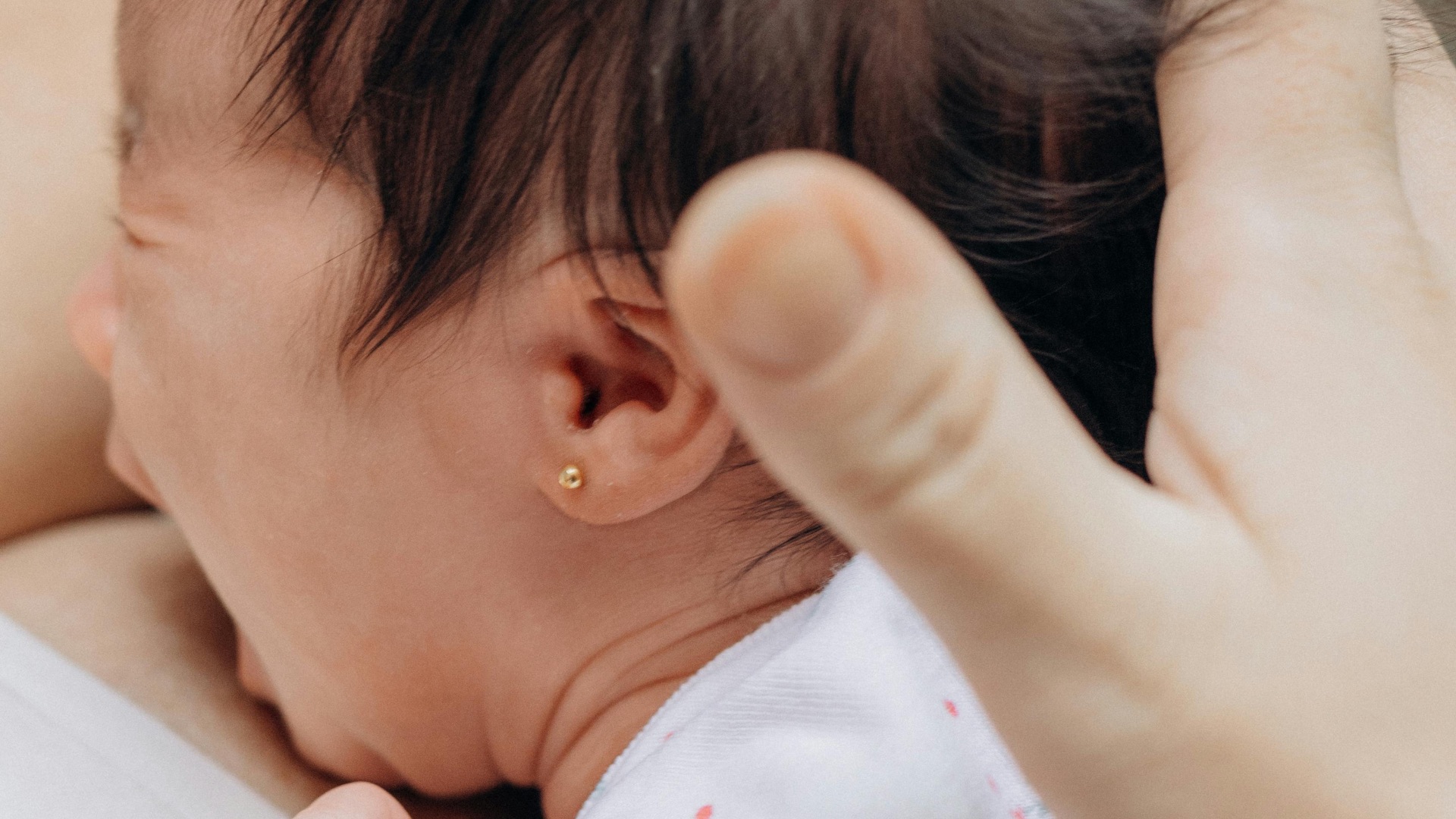
2. Allergic Reactions
Many low-quality earrings contain nickel, which is one of the most common contact allergens, and your baby's skin is far too sensitive to be dealing with that. An allergic reaction can cause itching, redness, and a rash around the piercing site that's difficult to soothe on a squirming infant. To avoid this, you'd need to stick exclusively to hypoallergenic metals like surgical-grade stainless steel, titanium, or 14K gold.
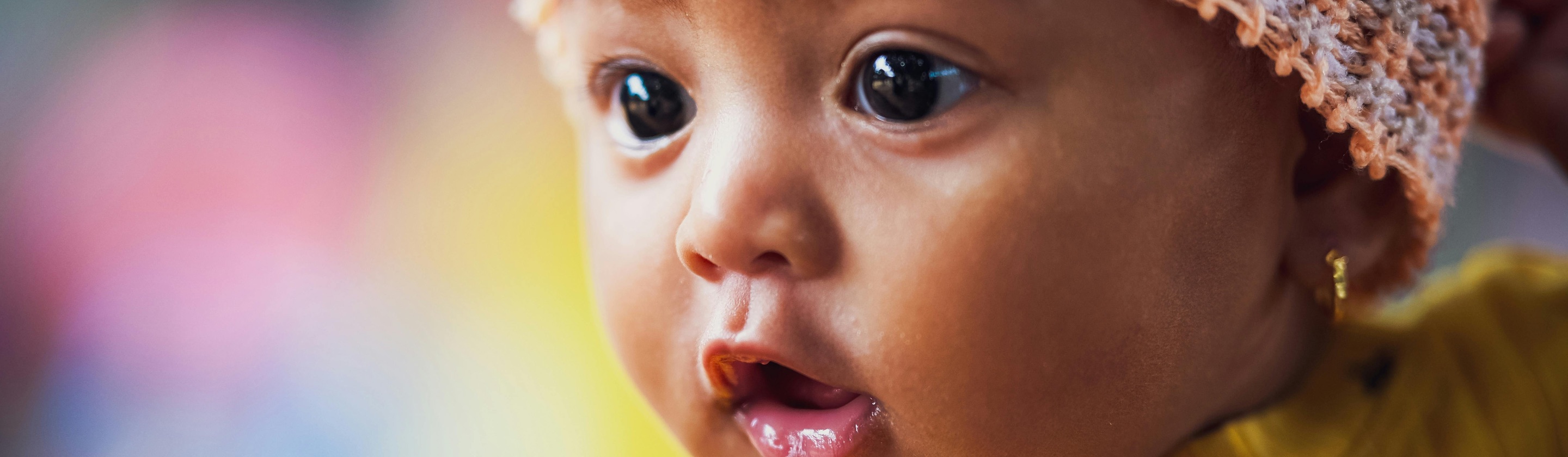
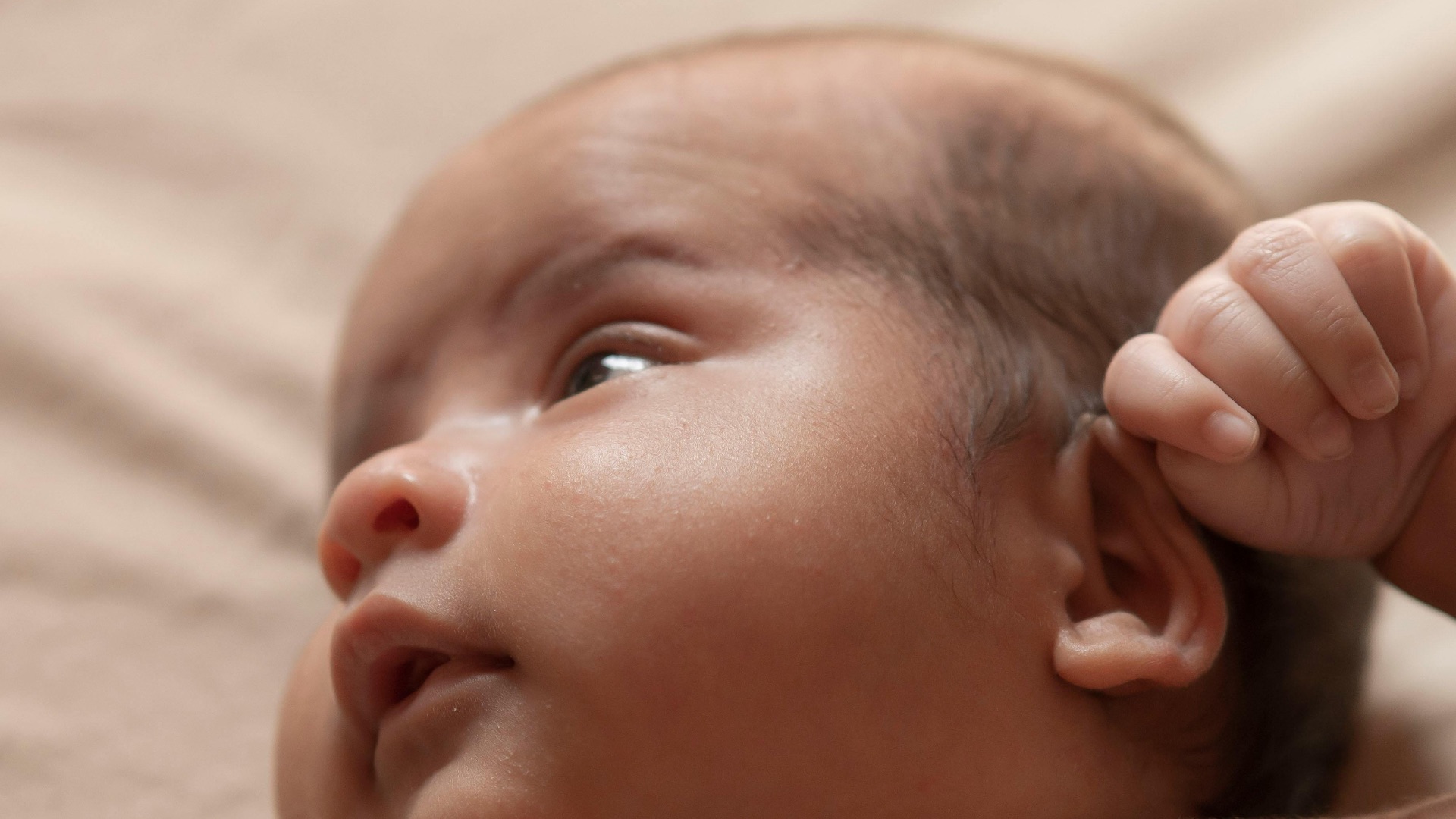 Luis Becerra Fotógrafo on Pexels
3. Choking Hazard
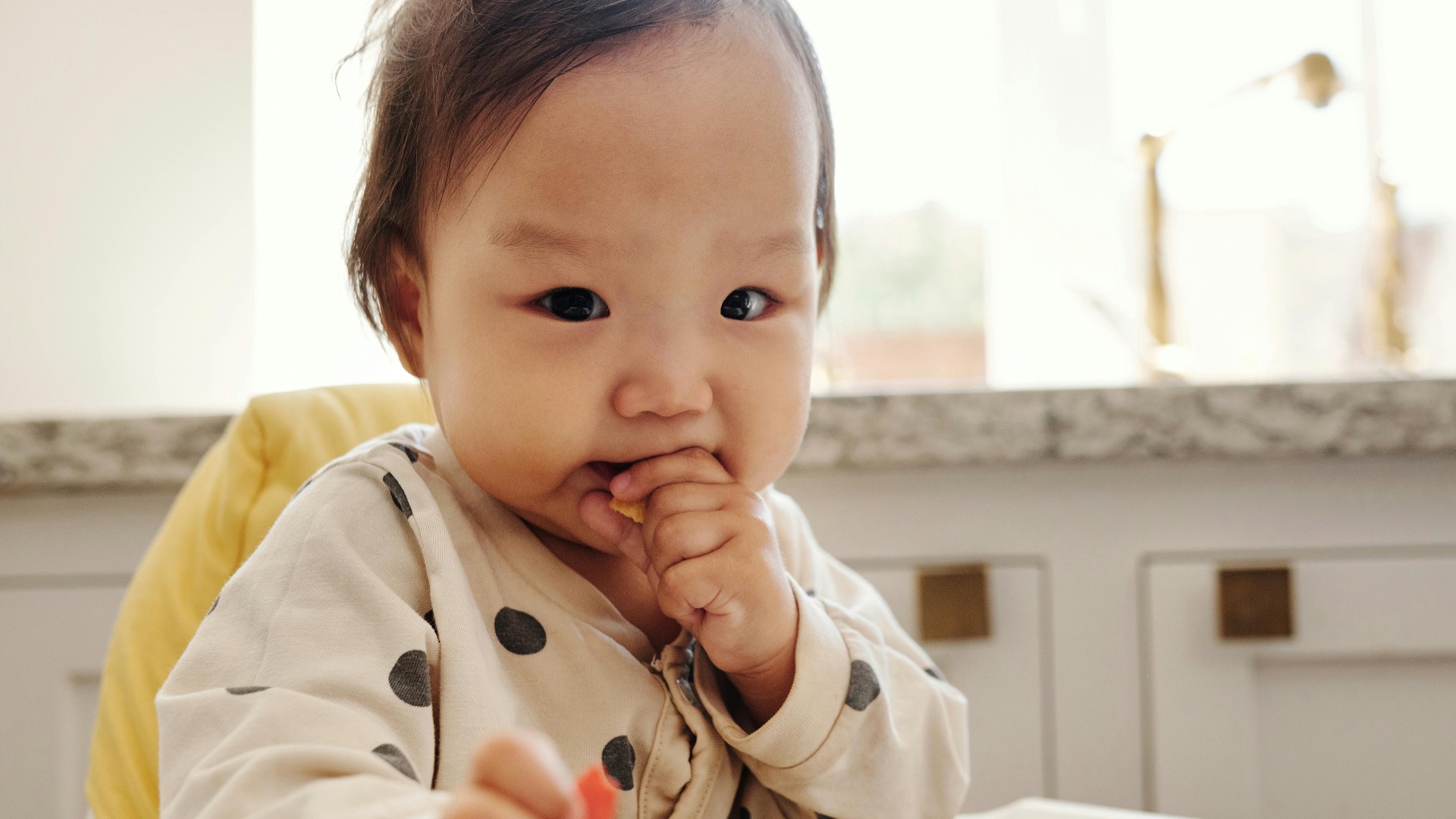
Small earring backs and stud components can easily come loose, and babies have an impressive talent for getting objects into their mouths faster than you can blink. A swallowed earring back is a genuine choking hazard that can also cause internal damage if it makes it past the throat. This risk is especially high during the stage when babies are constantly exploring the world with their hands and mouths.
4. Tearing and Trauma to the Earlobe
Babies don't understand that tugging on a shiny little object in their ear is a bad idea, and their own curious fingers can cause real damage if they pull on an earring. A caught earring, whether snagged on clothing or a blanket, can tear through the earlobe, which is both painful and potentially disfiguring. Repairing a torn earlobe may eventually require a minor surgical procedure.
5. Improper Placement
Piercing a baby's ear requires precision, and the cartilage and tissue of an infant's ear are still developing, which makes accurate placement tricky. If the hole is positioned incorrectly, it can look uneven as the ear grows, and fixing a poorly placed piercing isn't always straightforward. Choosing an inexperienced piercer or a general retail jewelry counter significantly increases this risk.
6. Difficulty Cleaning the Site
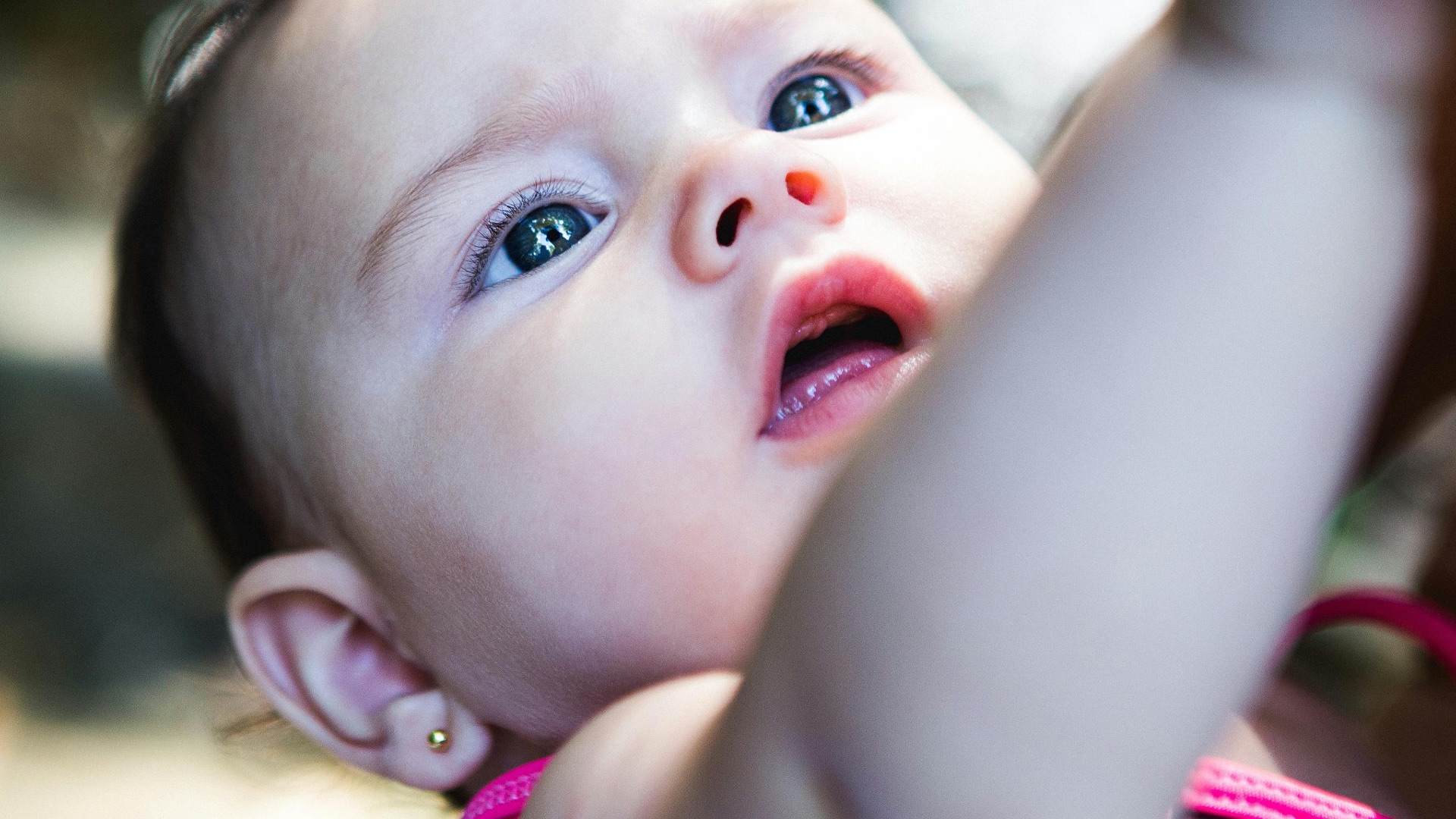
Keeping a piercing clean on an adult is manageable enough, but doing it on a wriggling, fussy baby is a whole different challenge. The cleaning process needs to happen multiple times a day during the healing period, and incomplete cleaning can lead to crusting, irritation, or infection. Many parents underestimate just how much daily maintenance a healing piercing requires before committing to the procedure.
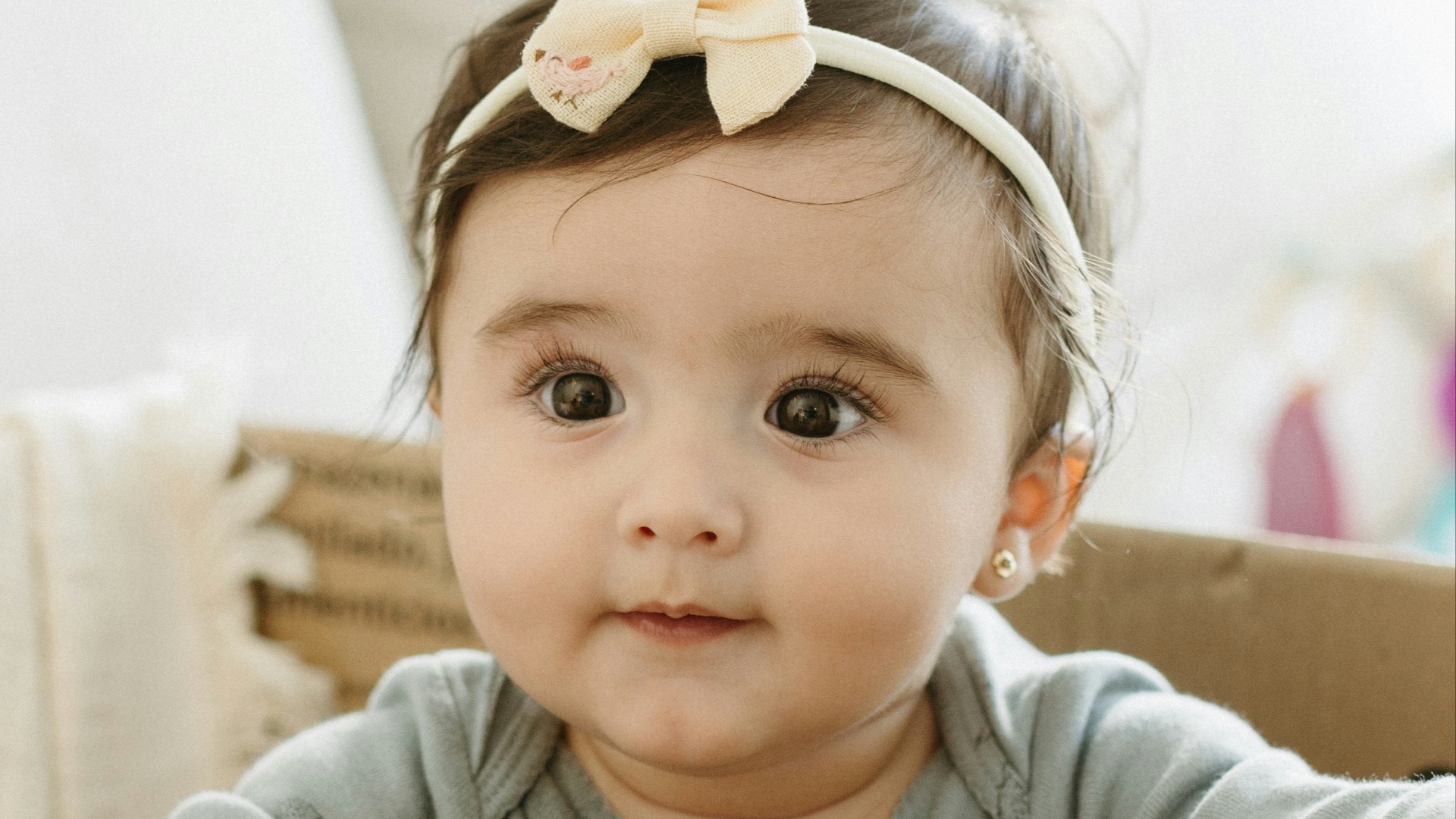
 Antoni Shkraba Studio on Pexels
7. Keloid Formation
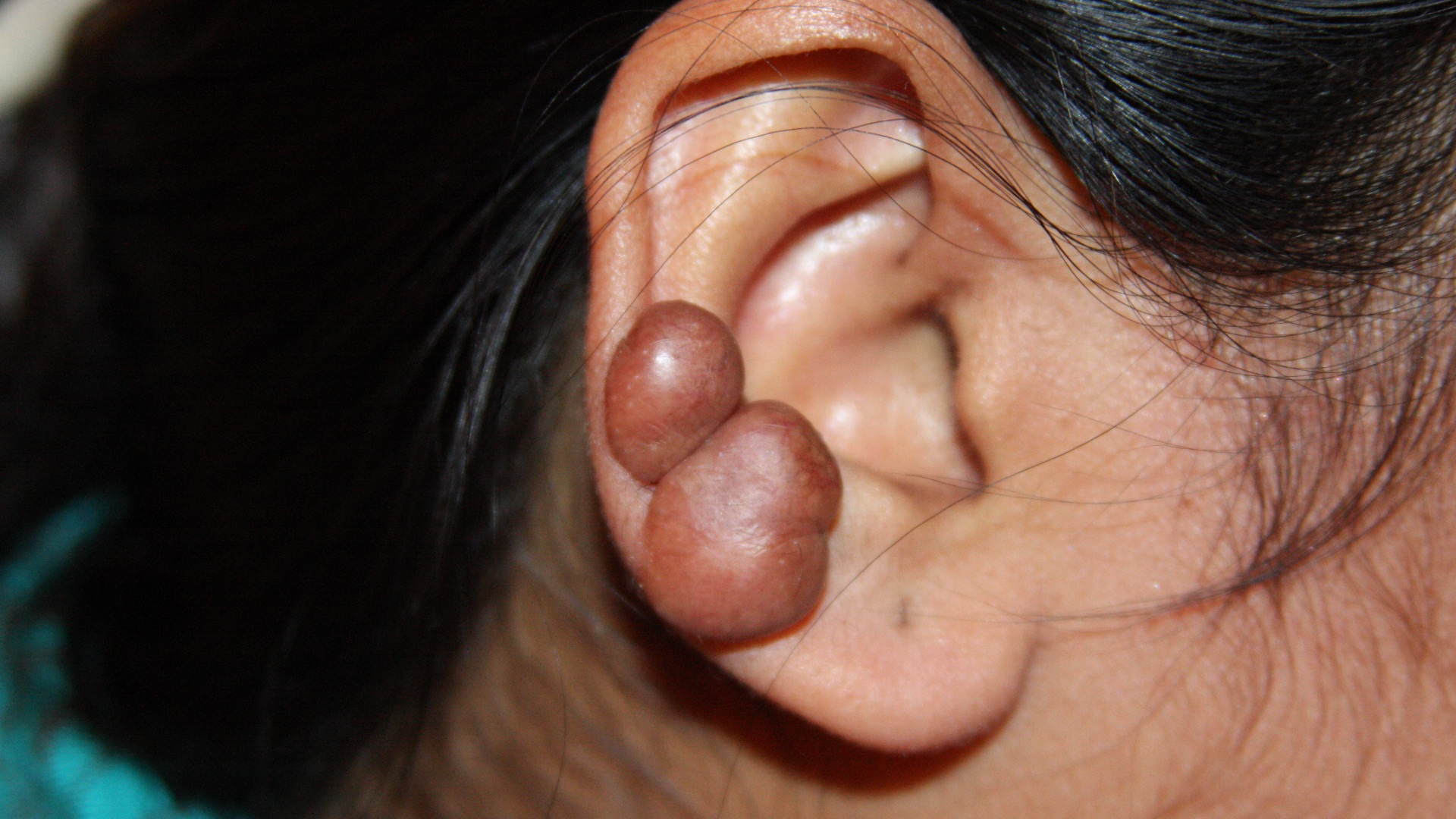
Some people are genetically prone to developing keloids, which are raised, overgrown scar tissue formations that can develop at a piercing site. You likely won't know whether your baby is prone to them until one actually forms, since keloid tendency isn't always predictable or apparent in infancy. Once a keloid develops, it can be difficult to treat and may require dermatological intervention to manage.
8. Pain and Distress
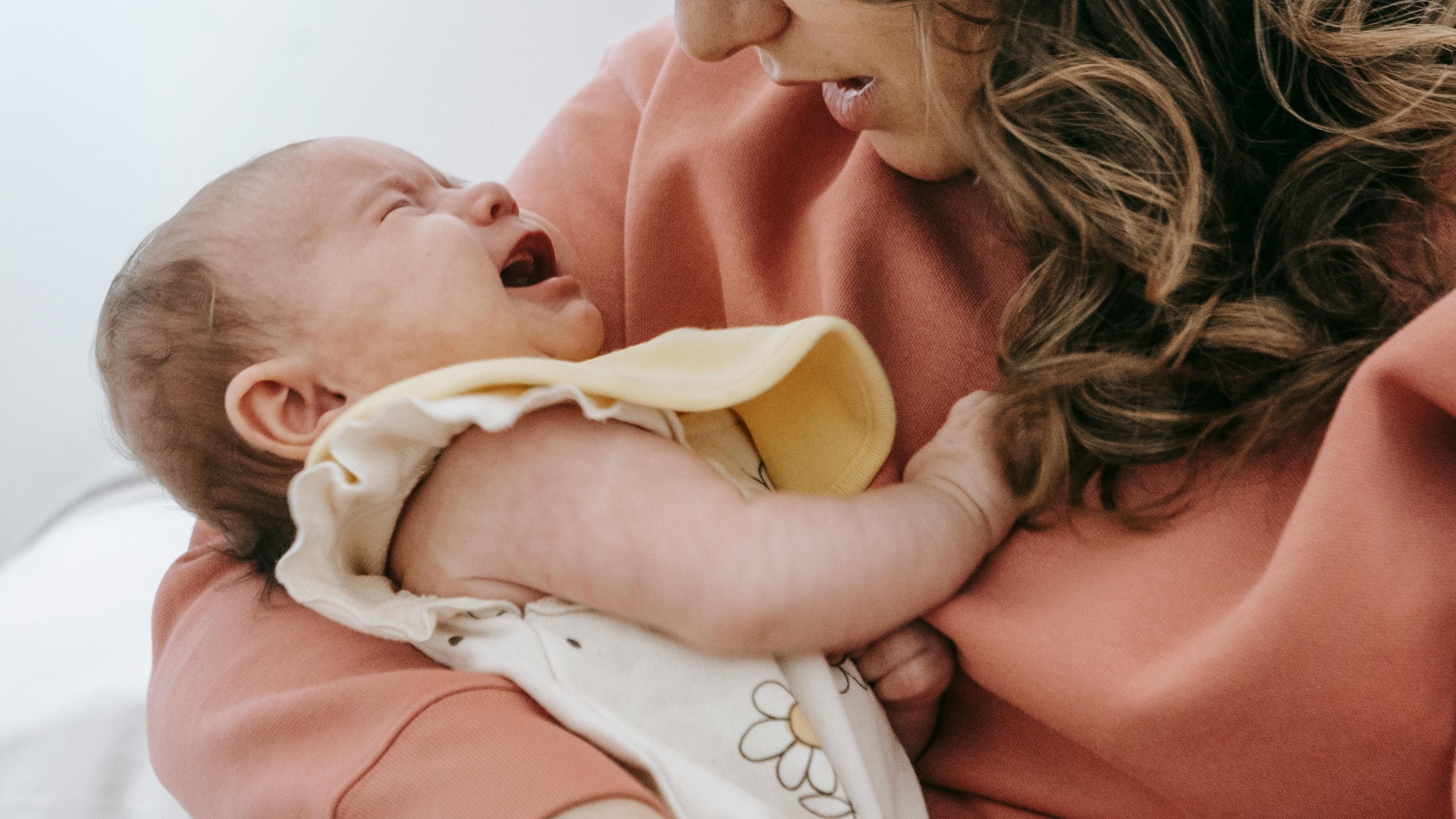
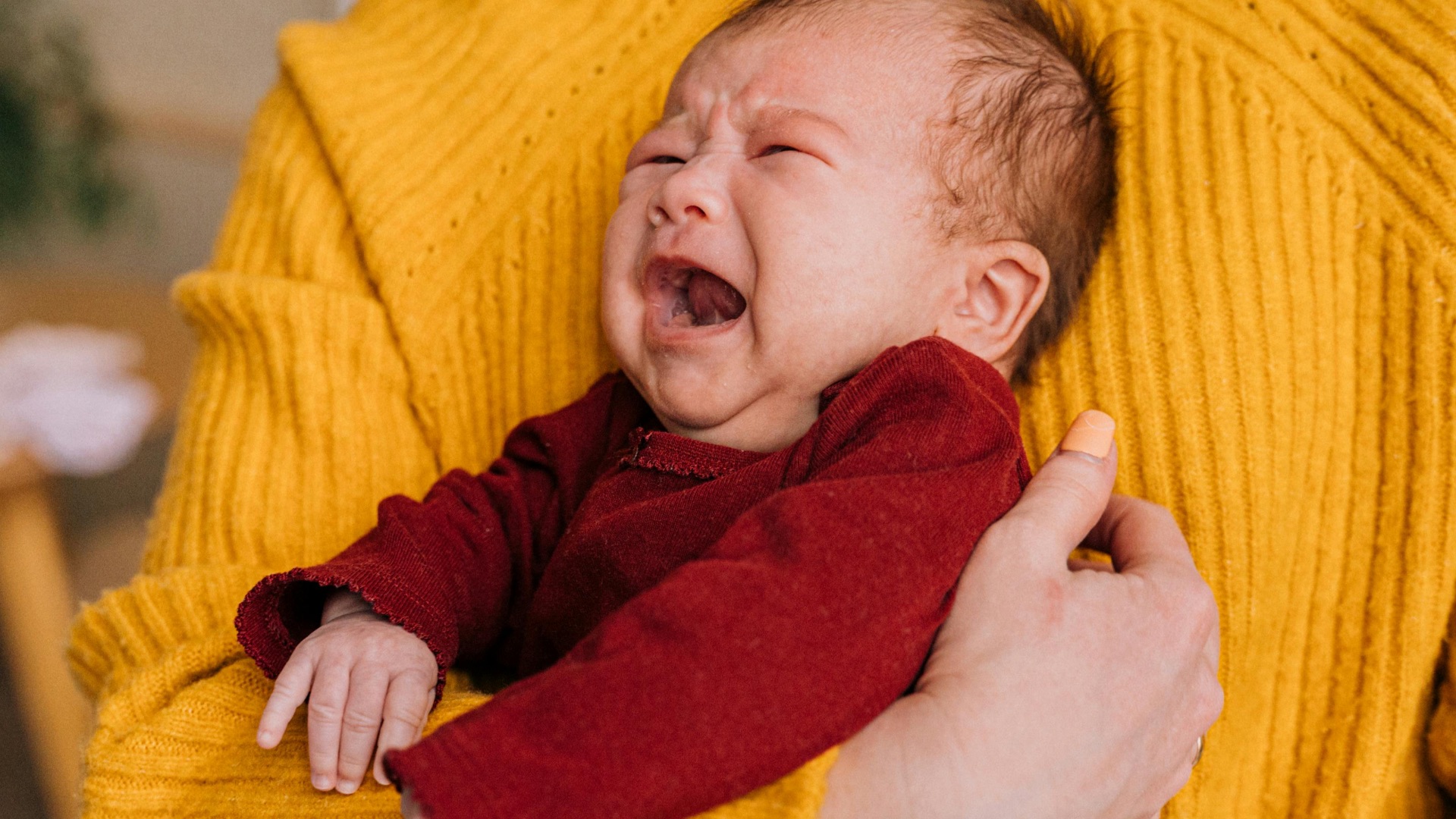
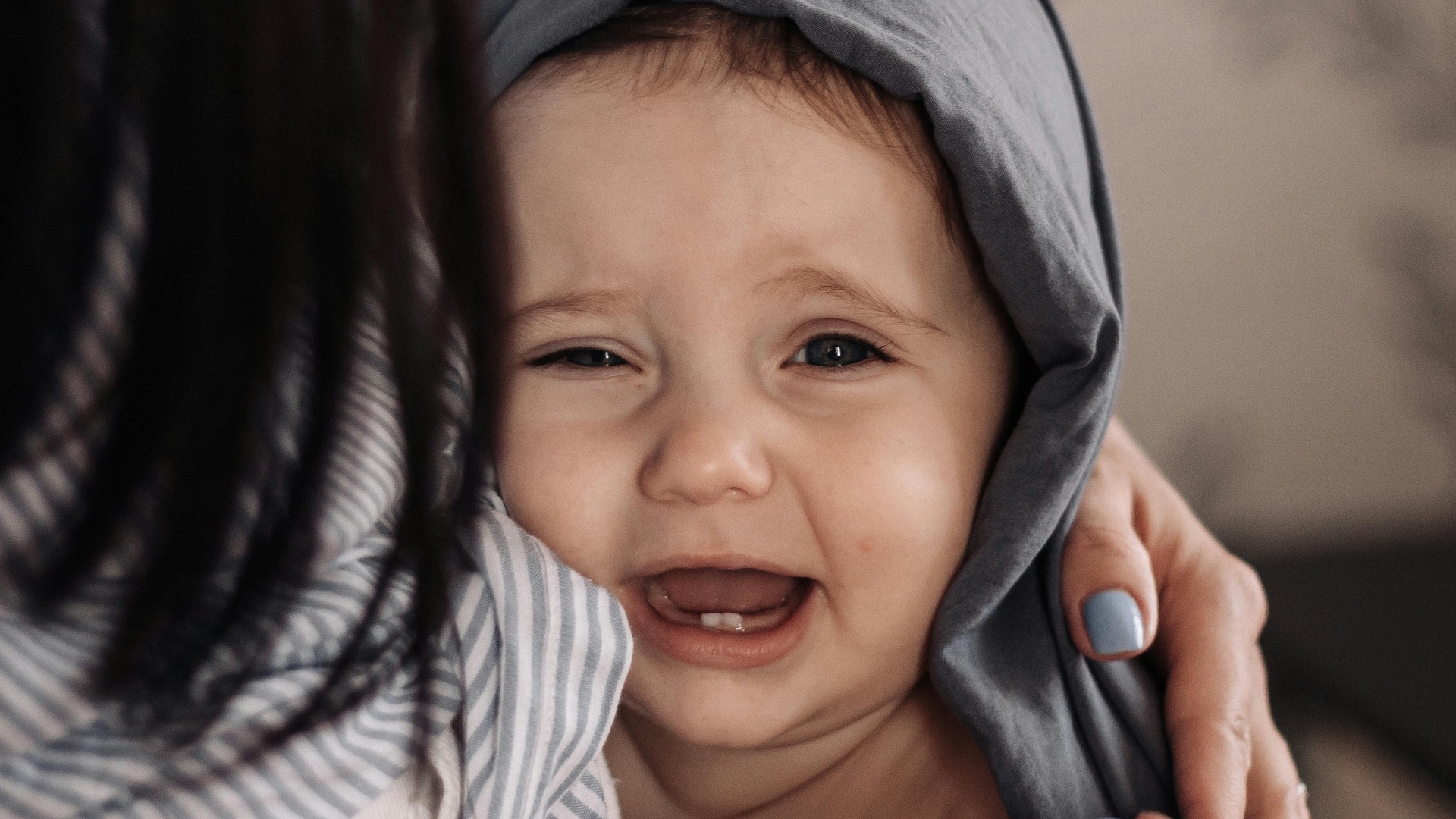
There's no sugarcoating it: getting ears pierced hurts, and your baby has absolutely no context for why a stranger is causing them sudden pain. The distress during and immediately after the procedure can be intense, and some babies remain unsettled for hours afterward. Unlike older children or adults, infants can't be reasoned with or prepared in advance, so there's no way to minimize the psychological impact of the experience.
9. Interference with Medical Procedures
Earrings need to be removed before many medical scans and procedures, including MRIs, and a baby who has just had a fresh piercing may not be able to have their jewelry removed safely without disrupting the healing process. In emergency medical situations, this can complicate and delay treatment unnecessarily. It's a less commonly discussed risk, but it's one worth factoring in if your child has any existing health conditions or anticipated medical needs.
10. Consent Considerations
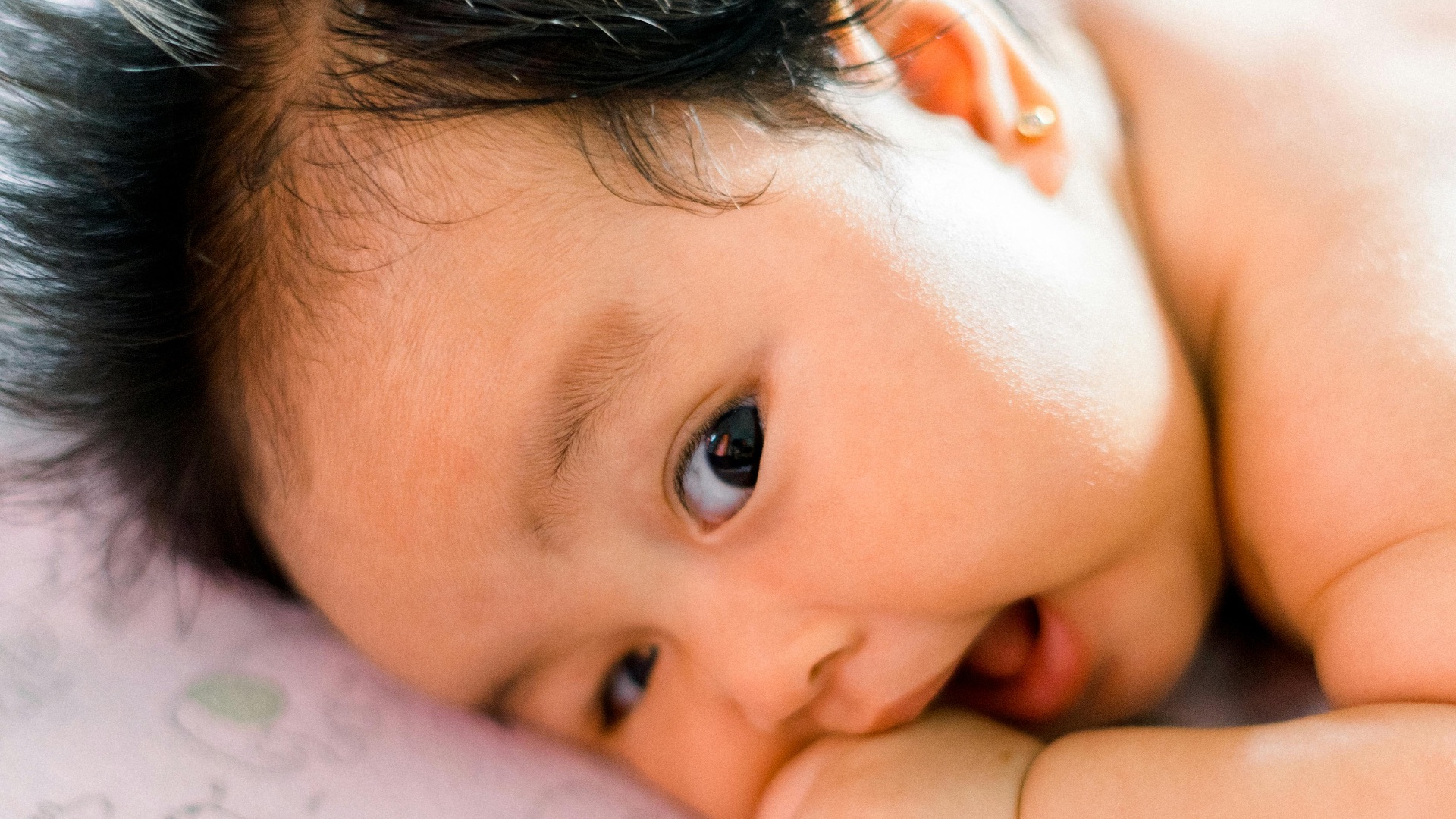
This one falls less in the category of physical danger and more in the realm of ethical considerations that more parents are starting to take seriously. Ear piercing is a permanent body modification, and some argue that it's worth waiting until a child is old enough to decide for themselves whether they want it done. It's a personal family decision, of course, but it's one that's increasingly part of the broader conversation around bodily autonomy for children.
Now that the risks are on the table, let's take a look at the other side of the equation to see why plenty of parents still choose to go ahead with the appointment.
1. Cultural and Family Significance
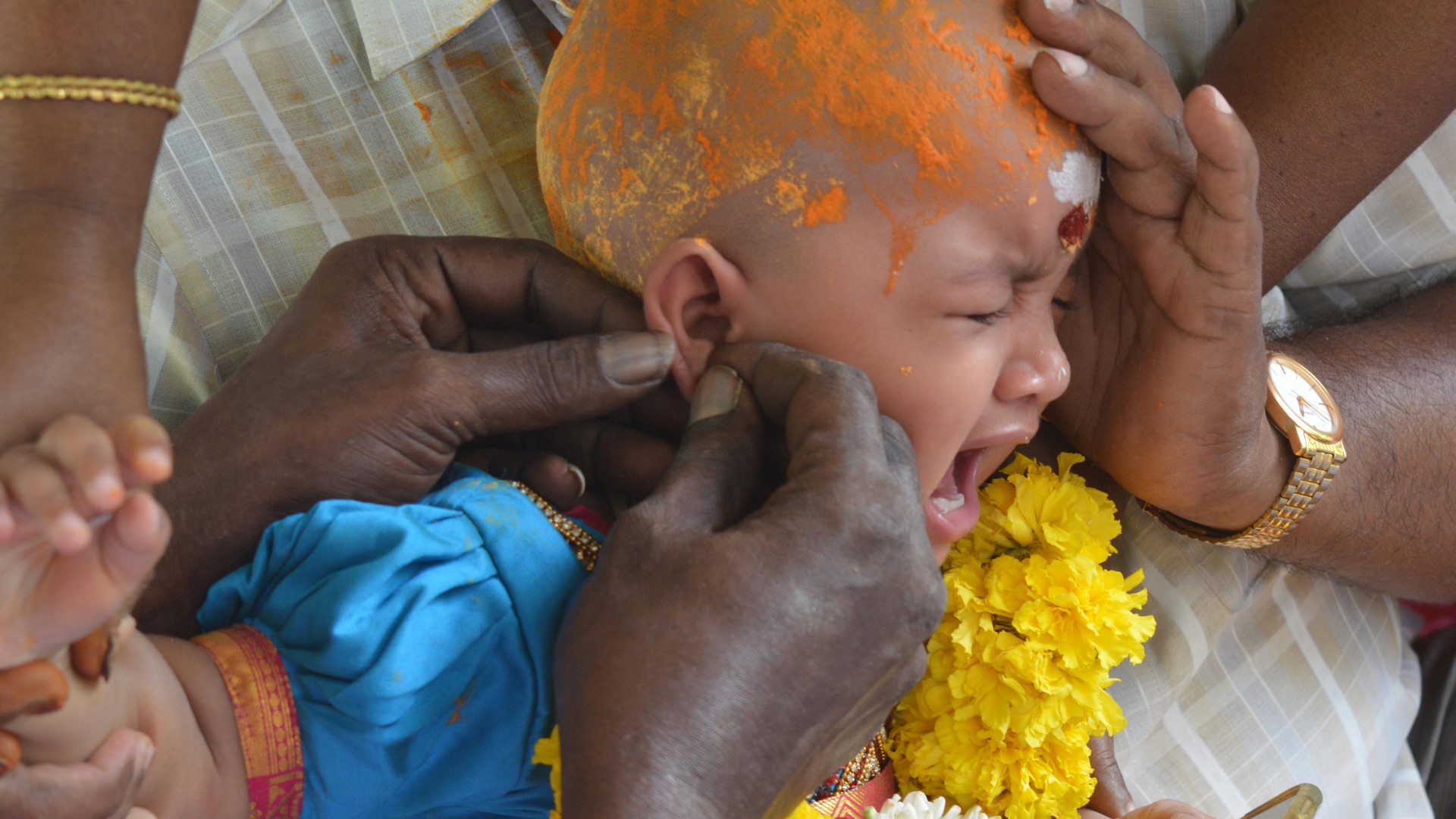
For many families, piercing a baby's ears is a deeply rooted cultural or religious tradition that carries real meaning across generations. In Latin American, South Asian, and various African and Middle Eastern cultures, it's a time-honored practice that marks a milestone and connects a child to their heritage. Honoring that tradition can be an important part of how families pass down identity and values.
2. Easier Healing in Infancy
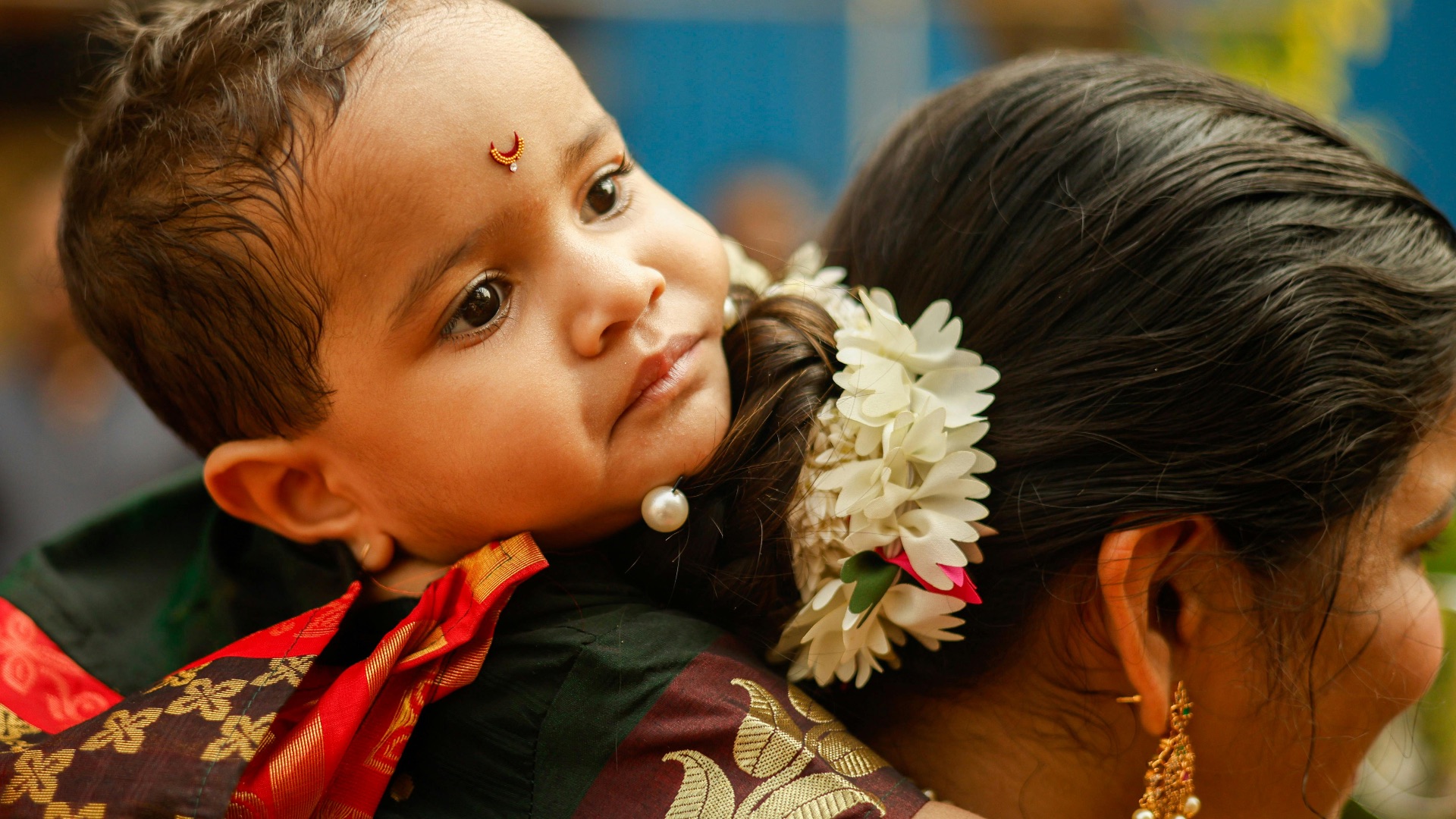
Counterintuitive as it sounds, babies often heal more quickly and efficiently from piercings than older children or adults do. Infant skin has a high cell turnover rate, and because babies aren't yet actively touching or fiddling with their ears, the piercing site is less likely to be disturbed during the healing process. Many professional piercers actually note that properly cared-for infant piercings tend to heal with fewer complications than those done on toddlers or school-aged kids.
3. The Baby Won't Remember the Pain
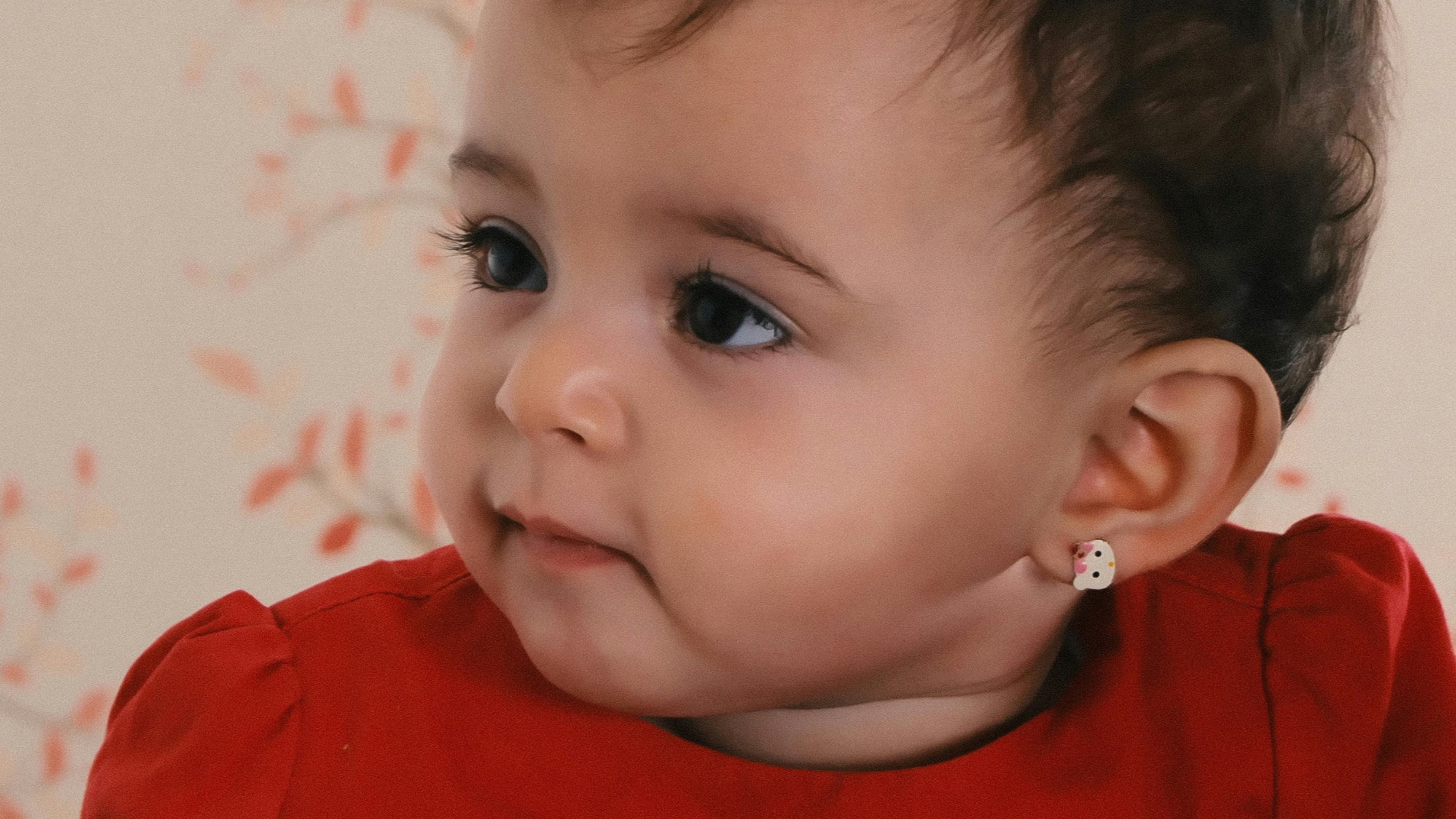
One of the most commonly cited reasons parents choose to pierce early is that infants don't retain memories of painful experiences the way older children do. There's no anticipatory anxiety beforehand and no lasting emotional memory of the event afterward; it's essentially over before the baby has any real framework for processing it. For parents who want their child to have pierced ears eventually, doing it in infancy spares them the fear and dread that often comes with being old enough to understand what's about to happen.
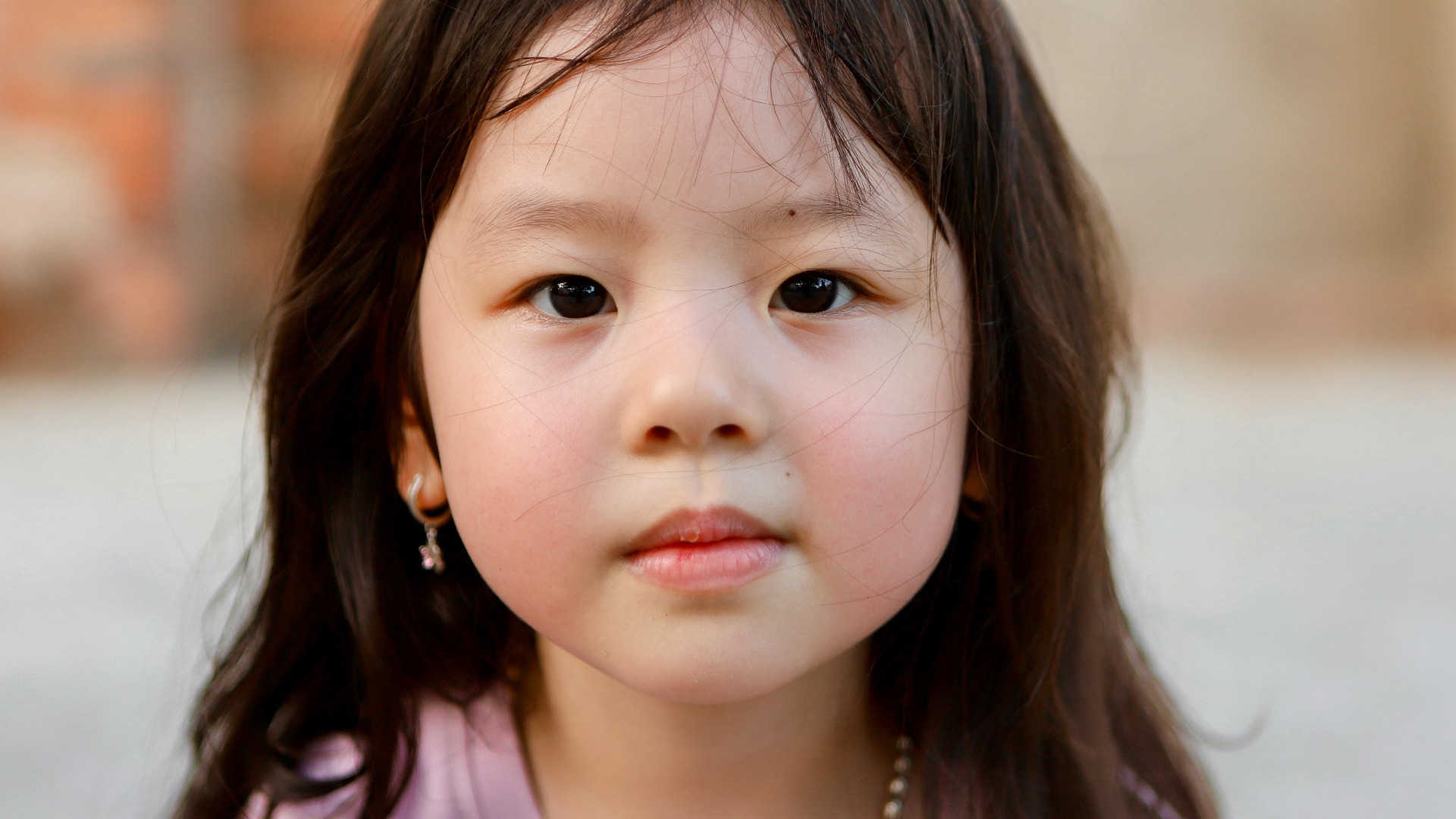 Vietnam Hidden Light on Pexels
4. Reduced Fidgeting
Toddlers and young children are notorious for touching, twisting, and pulling at new piercings, which is one of the leading causes of infection and complications. Babies, particularly newborns and infants under a few months old, simply don't have the motor control or the awareness to do that. This means the initial healing period may actually be easier to manage in terms of protecting the piercing site from interference.
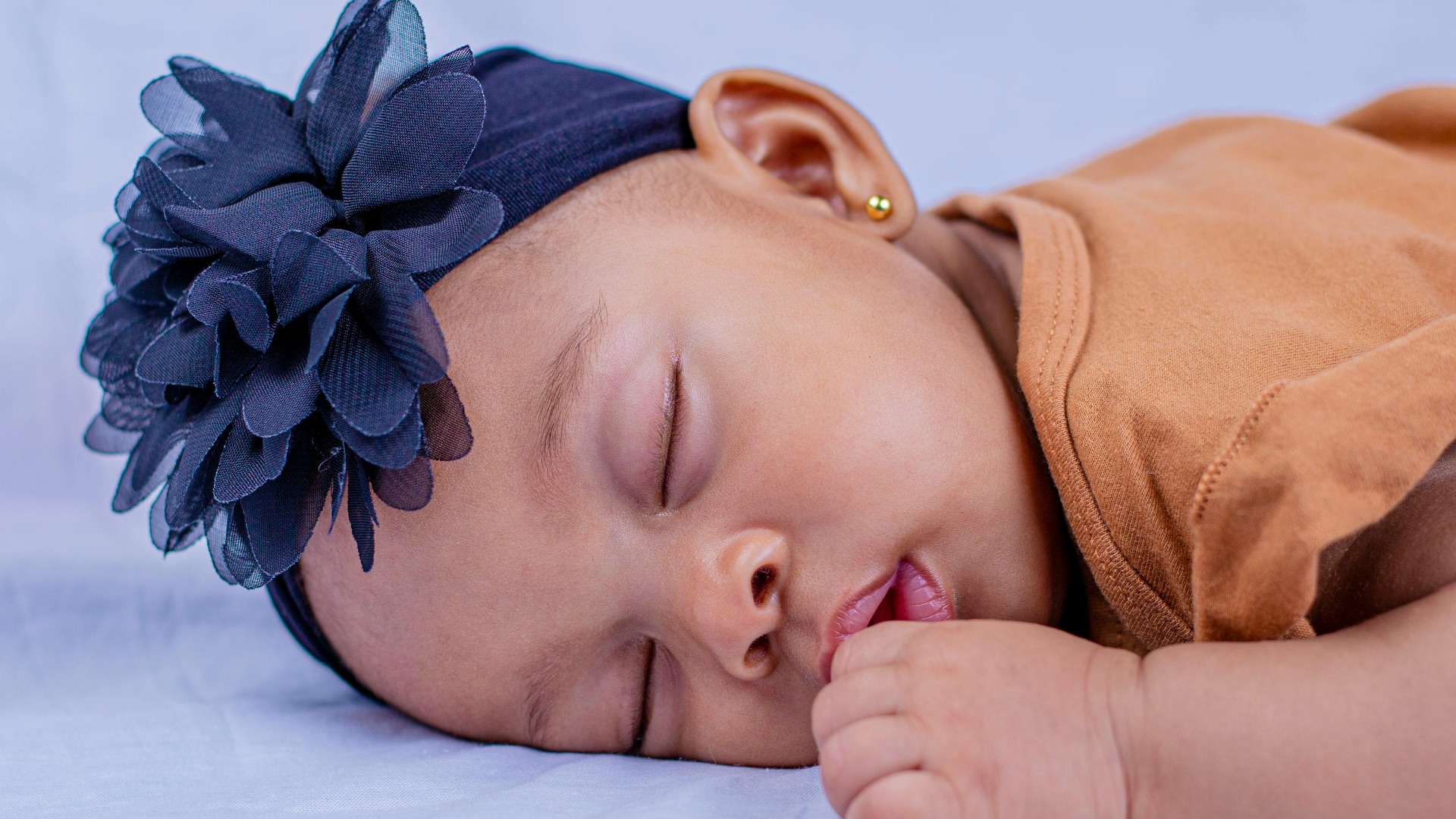
5. Avoiding the "Is That a Boy or a Girl?" Question
This might seem like a superficial reason, but many parents of baby girls report that strangers frequently misgender their child regardless of how they're dressed. Small earrings may thus serve as a visible cue that helps with gender recognition in social situations. That said, earrings are genderless, and you can choose to pierce your infant's ears regardless of whether they're a boy or a girl.
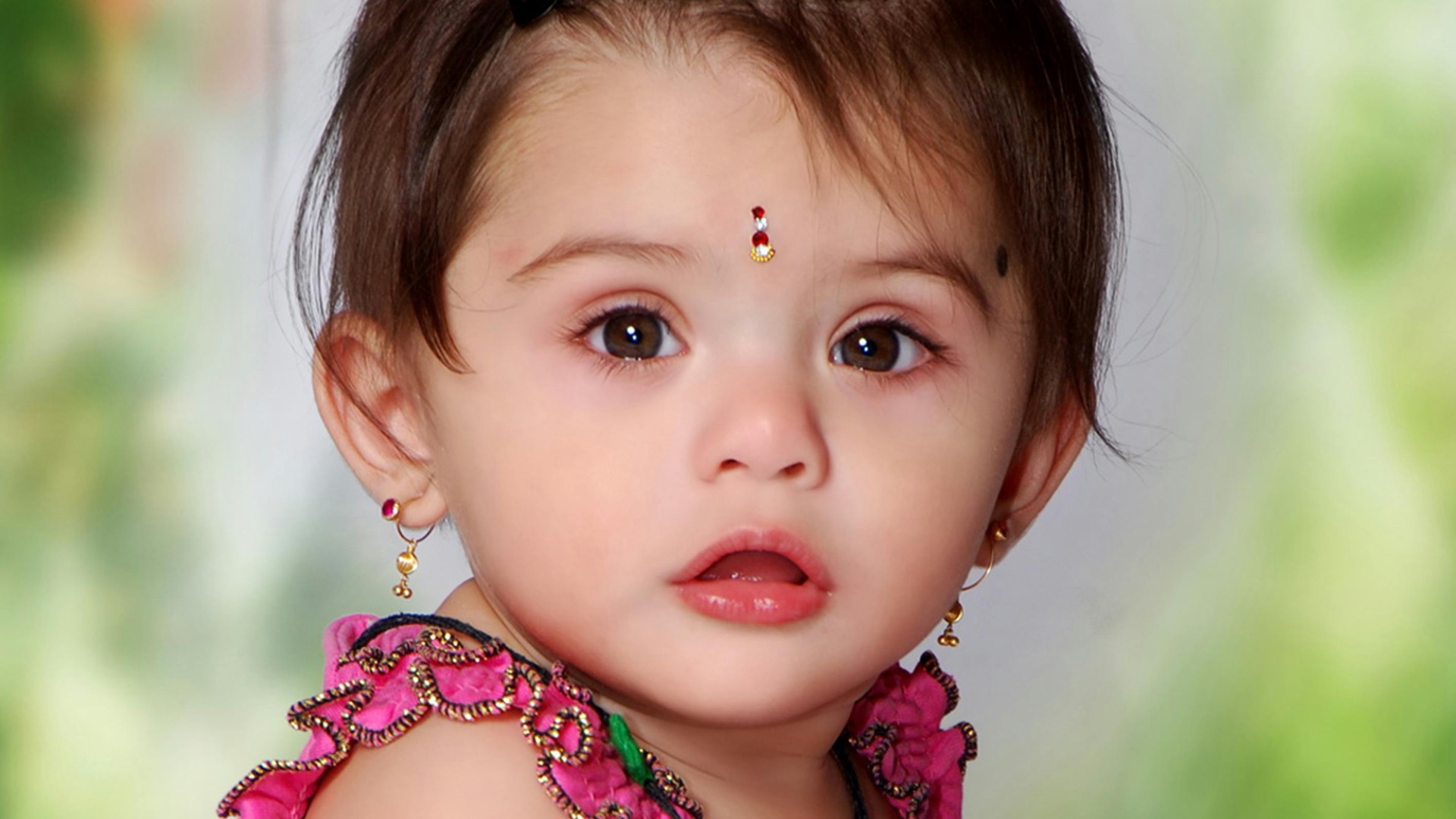
6. It's a Quick and Simple Procedure
When done by a skilled professional using the right equipment and jewelry, ear piercing is a fast procedure that's over in a matter of seconds. There's no recovery period that involves restricted activity, no special diet, and no follow-up appointments; it's often just a straightforward cleaning routine at home. Compared to many other minor procedures babies undergo in their first year, this one is relatively low-effort once it's done.
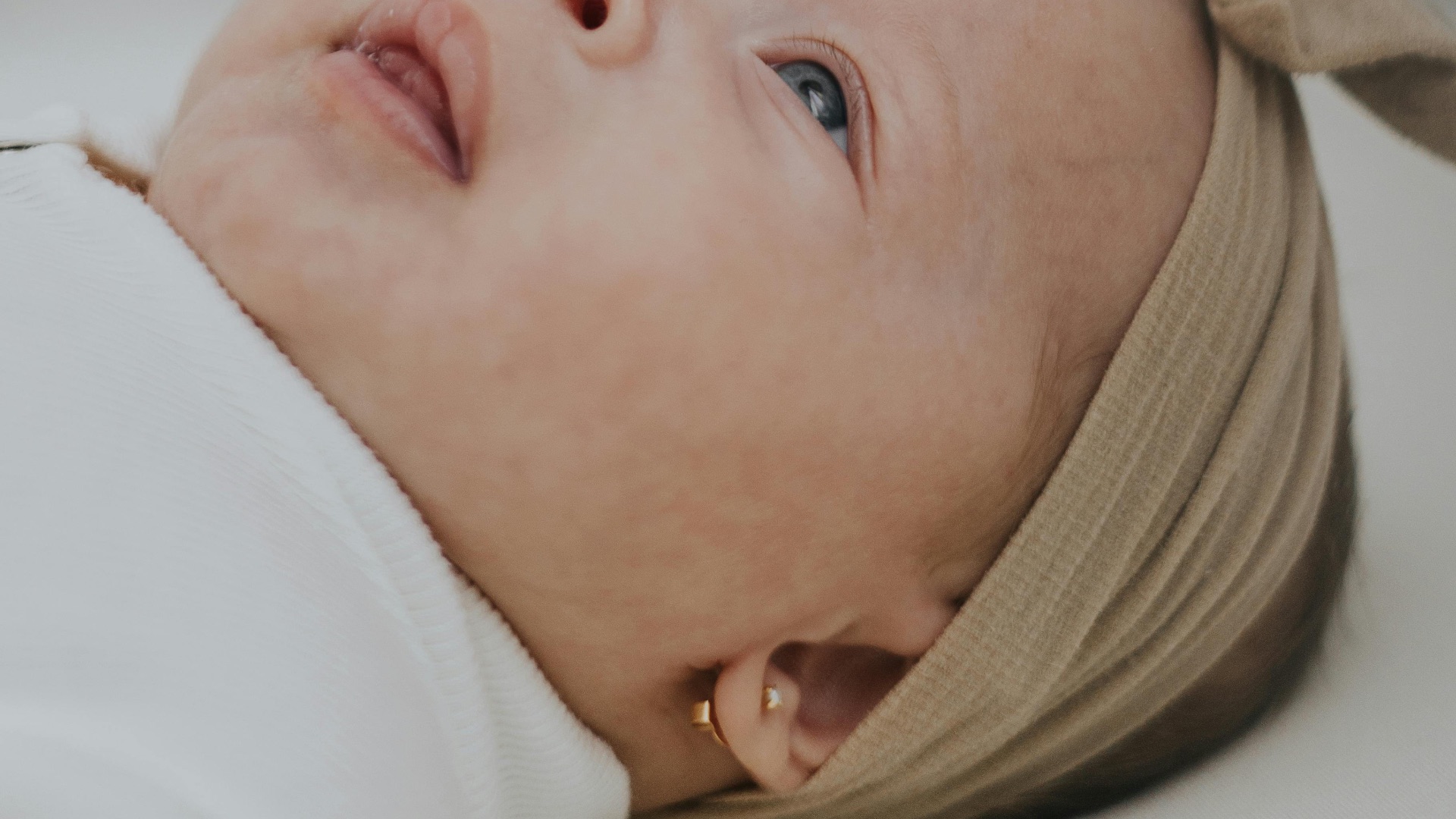
7. Wide Availability of Safe Options
The standard of care around infant ear piercing has improved considerably, with more pediatric offices, professional piercing studios, and trained technicians offering the service with proper sterilization protocols and appropriate jewelry. Hypoallergenic starter earrings specifically designed for infant use are now widely available, which reduces the risk of the allergic reactions mentioned in the dangers section. Parents today have more access to safer options than ever before, which makes it easier to minimize the risks if they do choose to proceed.
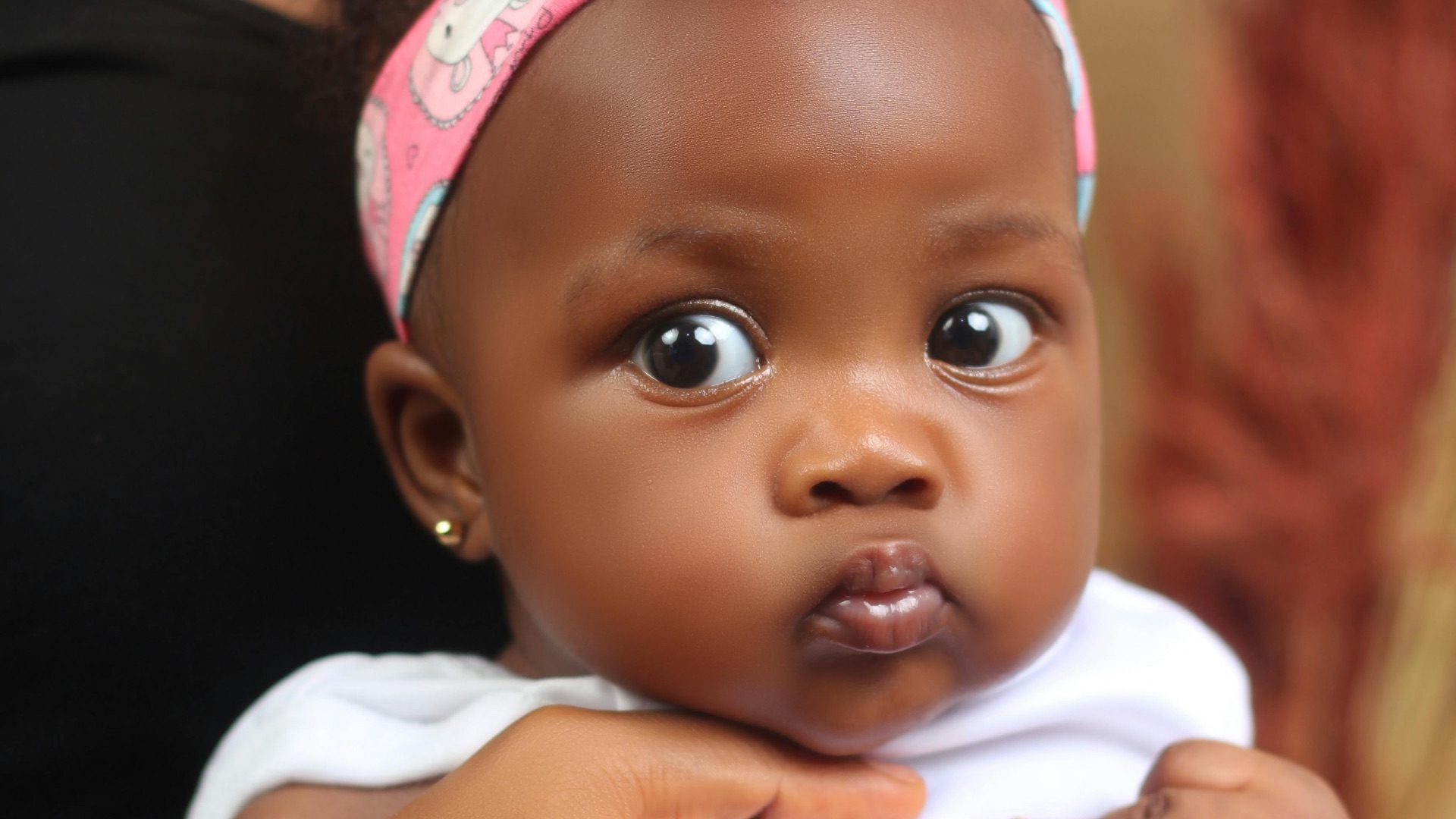
8. It Can Be Easier to Care for Than You'd Expect
Many parents who were nervous about the aftercare routine find that it becomes a quick and manageable part of the daily hygiene routine. Cleaning with a saline solution takes less than a minute and can be incorporated into bath time or diaper changes without much disruption. For most babies, the healing period passes without incident, and parents often report that they were surprised by how uneventful the process turned out to be.
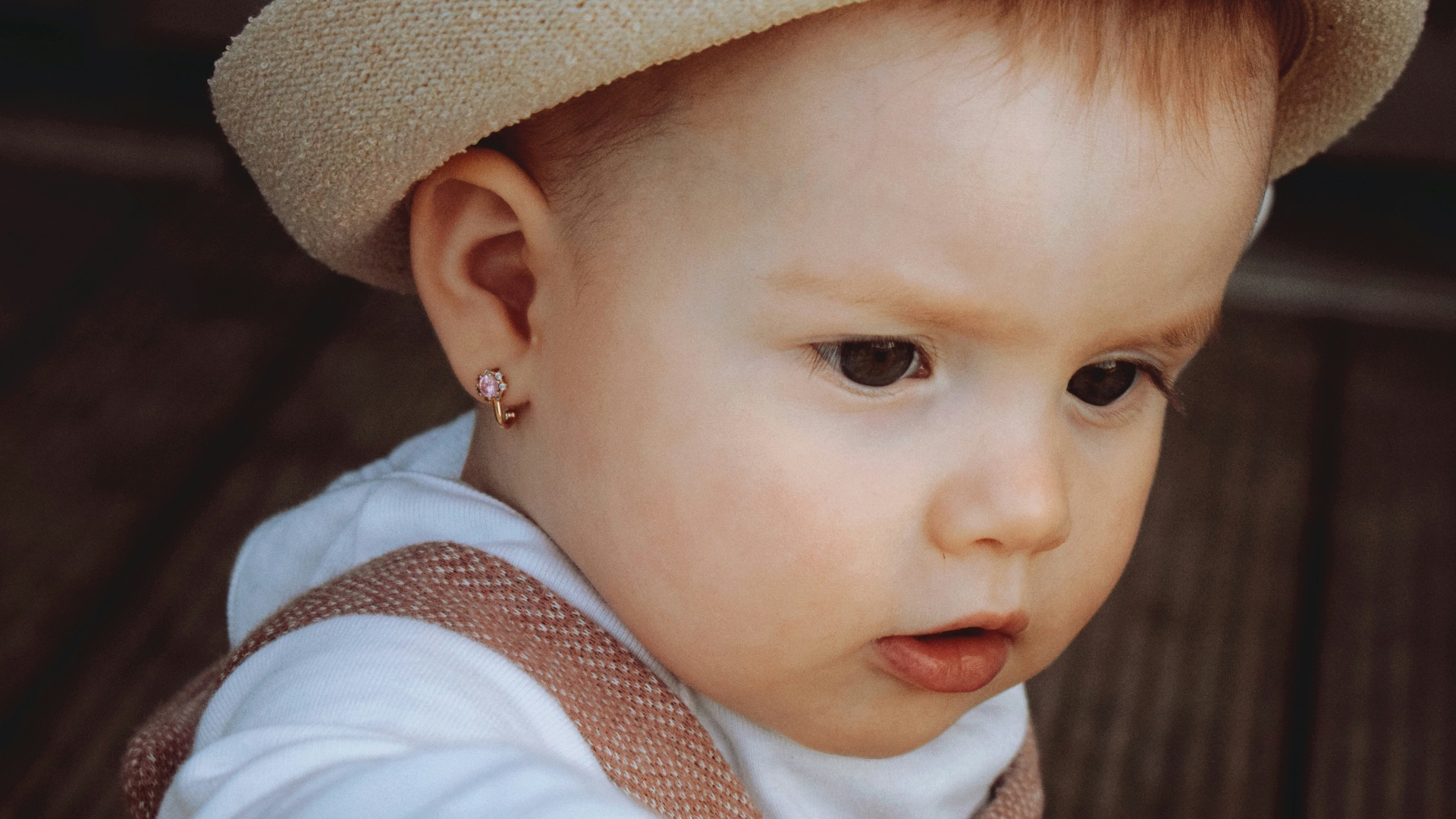
9. It Avoids the "Needle Fear" Stage
Children between the ages of about four and ten often develop a strong fear of needles and medical-style procedures, which can make getting ears pierced a genuinely traumatic experience if it's done during those years. Piercing in infancy sidesteps that developmental stage entirely, meaning the child grows up never having had to go through the anxiety of choosing to get it done. By the time they're old enough to be aware of their earrings, the piercing is simply a part of them.
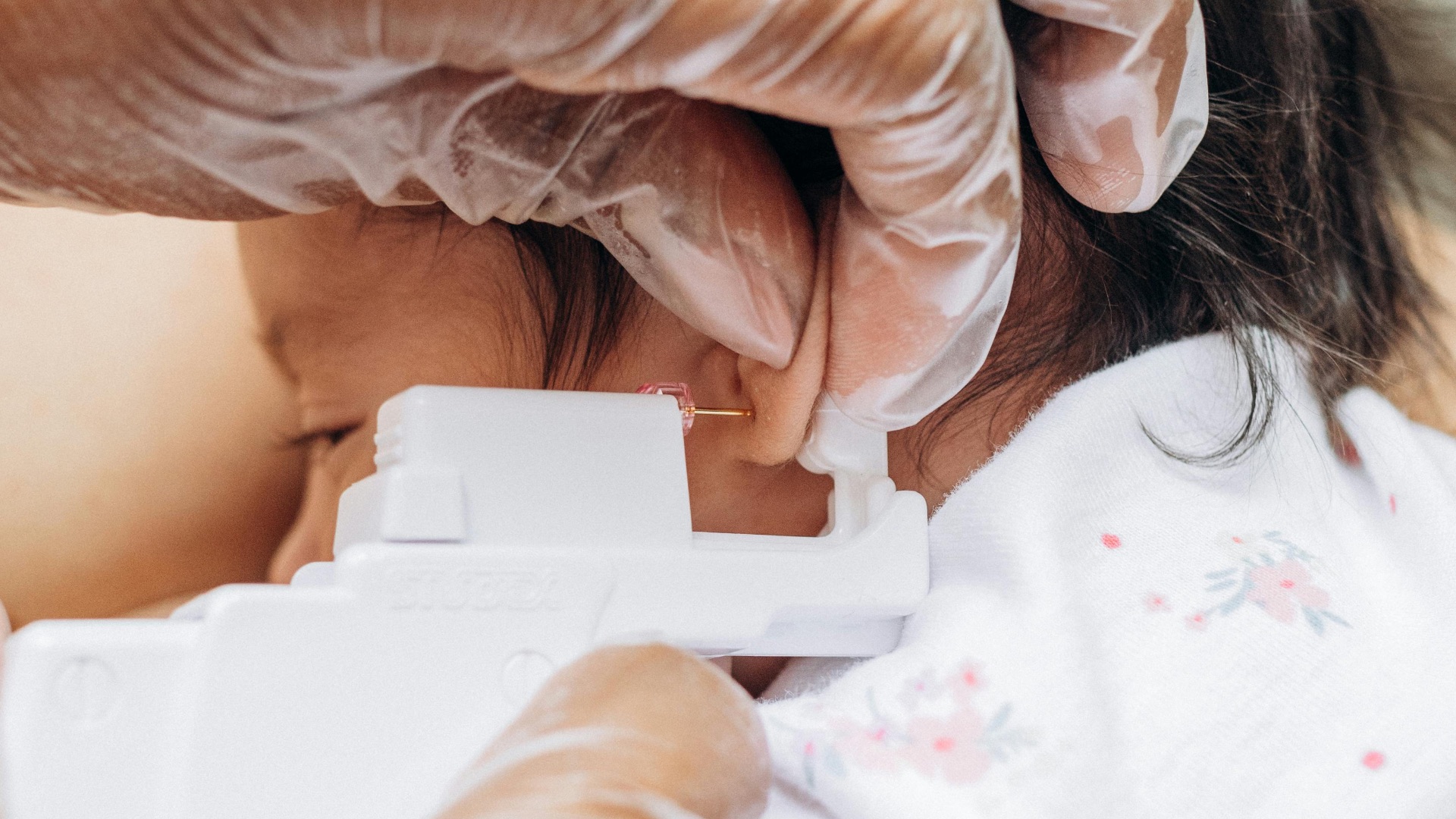
10. The Child Can Always Choose to Let Them Close
If a child grows up and decides they don't want pierced ears, the solution is as simple as removing the earrings and letting the holes close, which they often do completely, especially if the piercings were done in infancy and the child stops wearing earrings while the tissue is still young. This means the decision isn't as permanent as it might seem, and parents can reasonably frame it as reversible if circumstances or preferences change. It's not a guaranteed outcome for everyone, but for many people, infant piercings do close up without a trace.