
Looking The Part
Art has always attracted a certain kind of performance. Not the good kind, where somebody makes something strange and alive and worth arguing about. The other kind. The kind where people collect the right names, repeat the right phrases, and learn how to stand near a painting with their hands loosely folded like that alone proves something. Real taste is quieter than that, and usually a lot more specific. Here are 10 ways people fake taste with art, and 10 ways people actually have it.

1. Name-Dropping Famous Artists
This is the easiest move in the book. Someone mentions Basquiat, Rothko, or Caravaggio in the tone people use when ordering a very expensive bottle of wine, and suddenly the room is supposed to understand that we are dealing with a person of discernment. But knowing the approved names is not the same as seeing anything clearly.

2. Talking In Museum Gift Shop Language
You know the sound of it. Everything is “provocative,” “timeless,” “layered,” or “important,” but somehow nothing is being said. It is the verbal version of nodding thoughtfully in front of a wall label you did not actually read.
3. Buying Art To Match The Couch
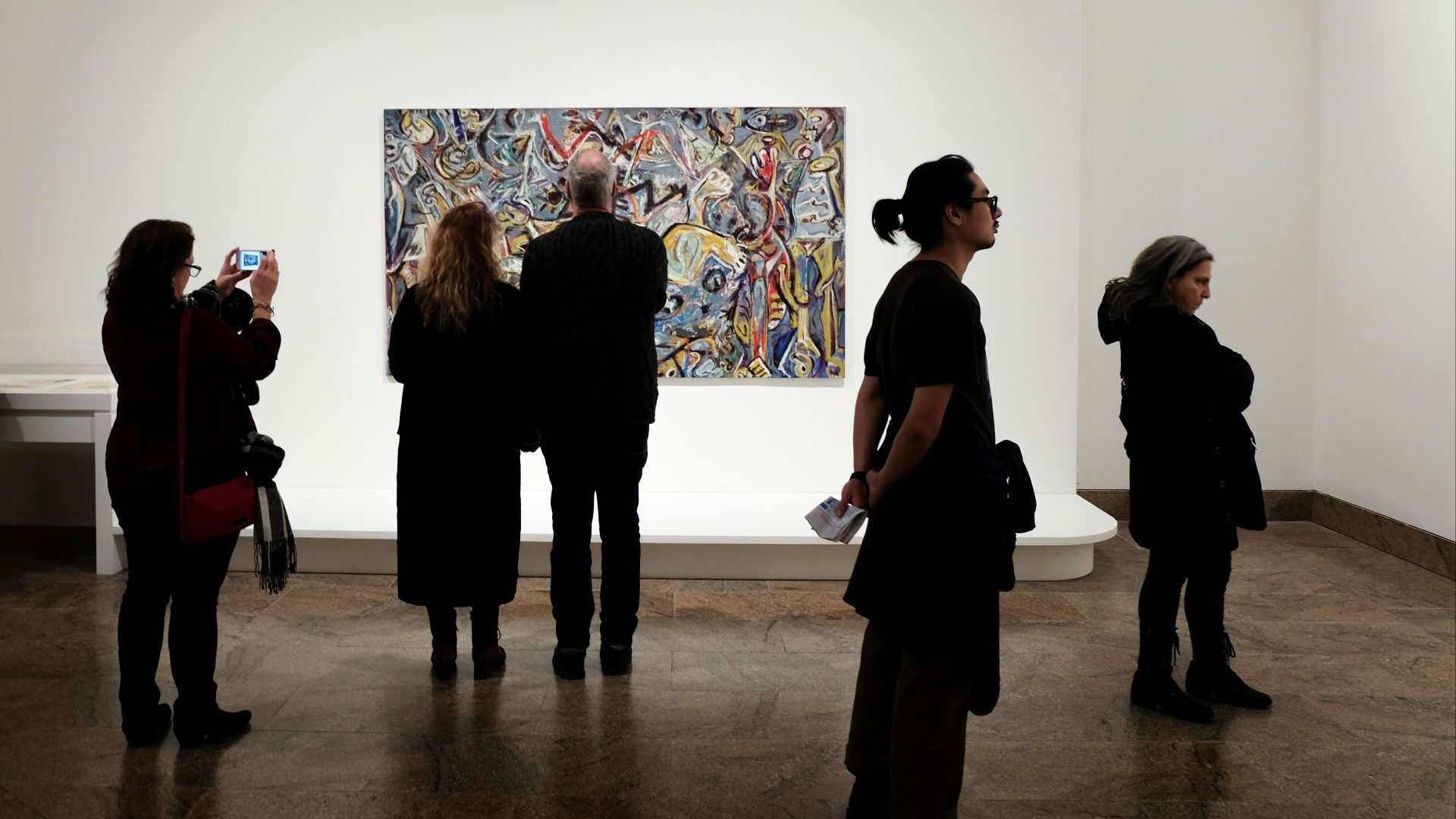
There is nothing wrong with wanting your home to look good. But some people treat art like a very large throw pillow with a better backstory. When the first question is whether the piece works with the rug, taste has already left the building.

4. Treating Price As Proof
A lot of people assume expensive art must be good because admitting otherwise feels socially dangerous. If it sold for a huge number, then surely it means something deep, right. Sometimes it does. Sometimes it means a few rich people agreed to keep a story going.
5. Confusing Minimalism With Sophistication
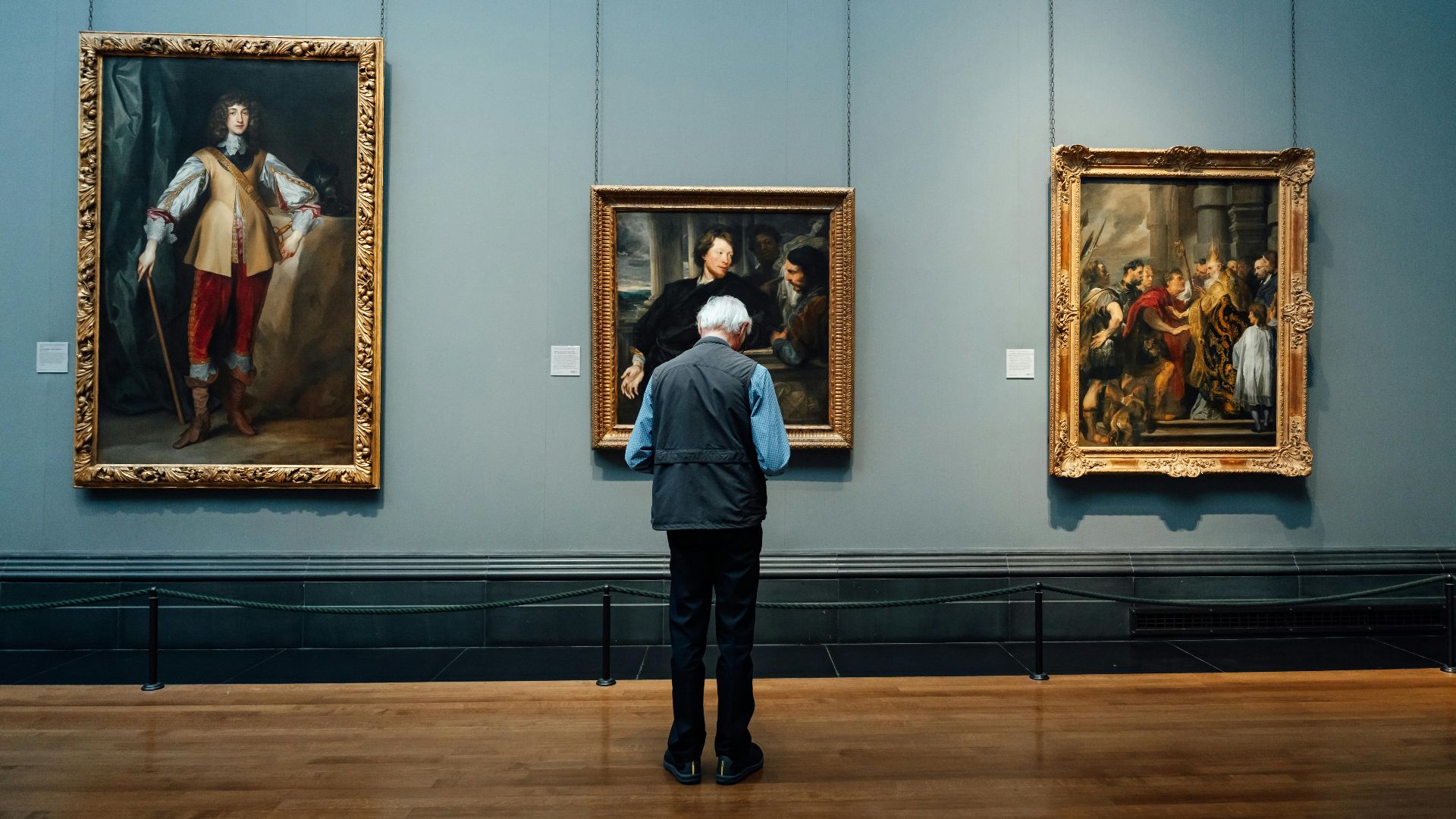
A white wall, a spare room, one severe object, and suddenly everyone is acting like restraint automatically equals refinement. Sometimes it does. Sometimes the space just looks like nobody finished unpacking, but nobody wants to be the first to say it.
6. Performing Confusion Like It Is Respect
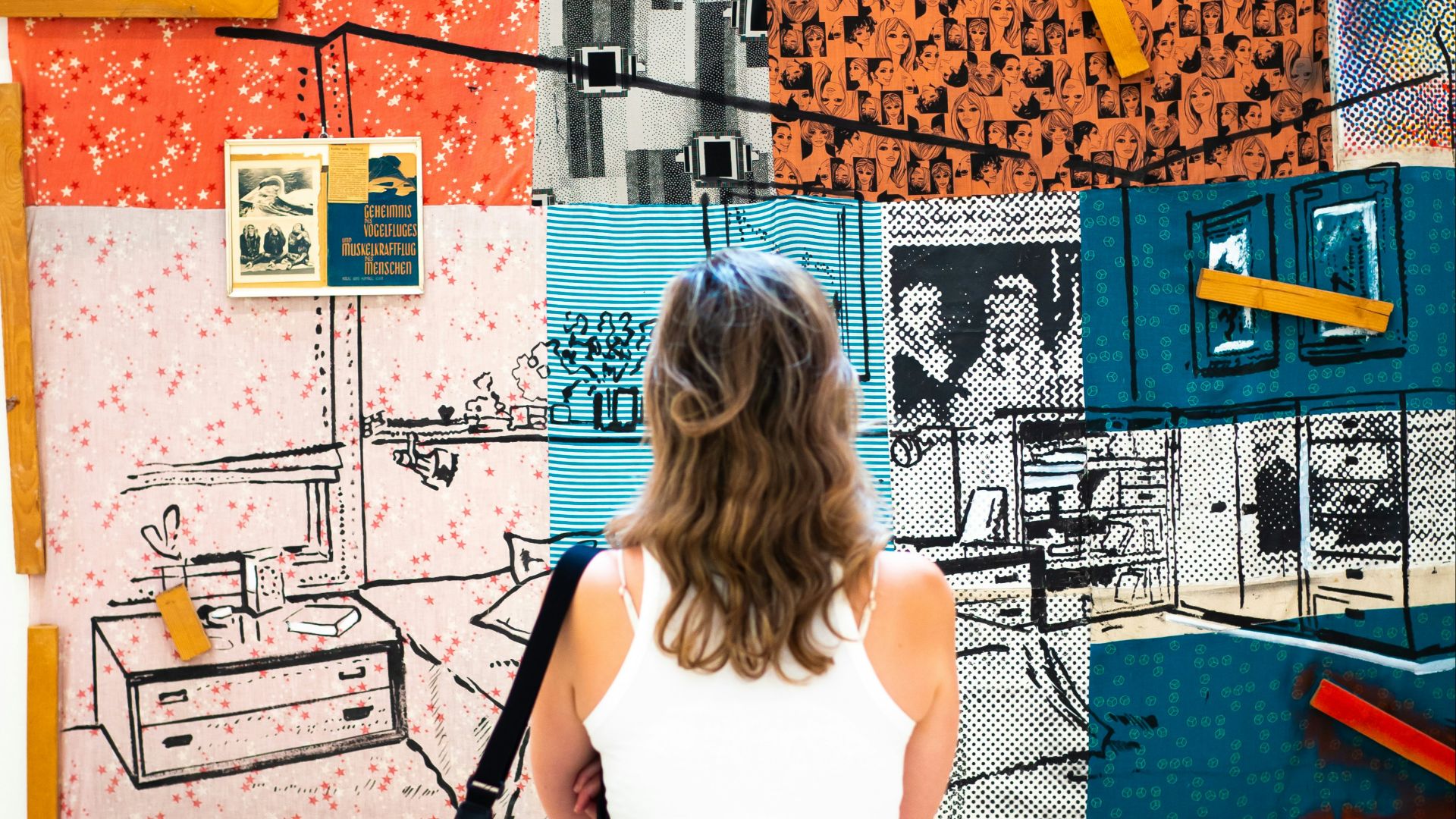
Some people think the more baffled they are, the more serious the art must be. So instead of asking what a piece is doing, they just stand there looking humbled by the mystery of it all. Real engagement is not the same as polite intimidation.
7. Repeating The Artist’s Intent Like Scripture
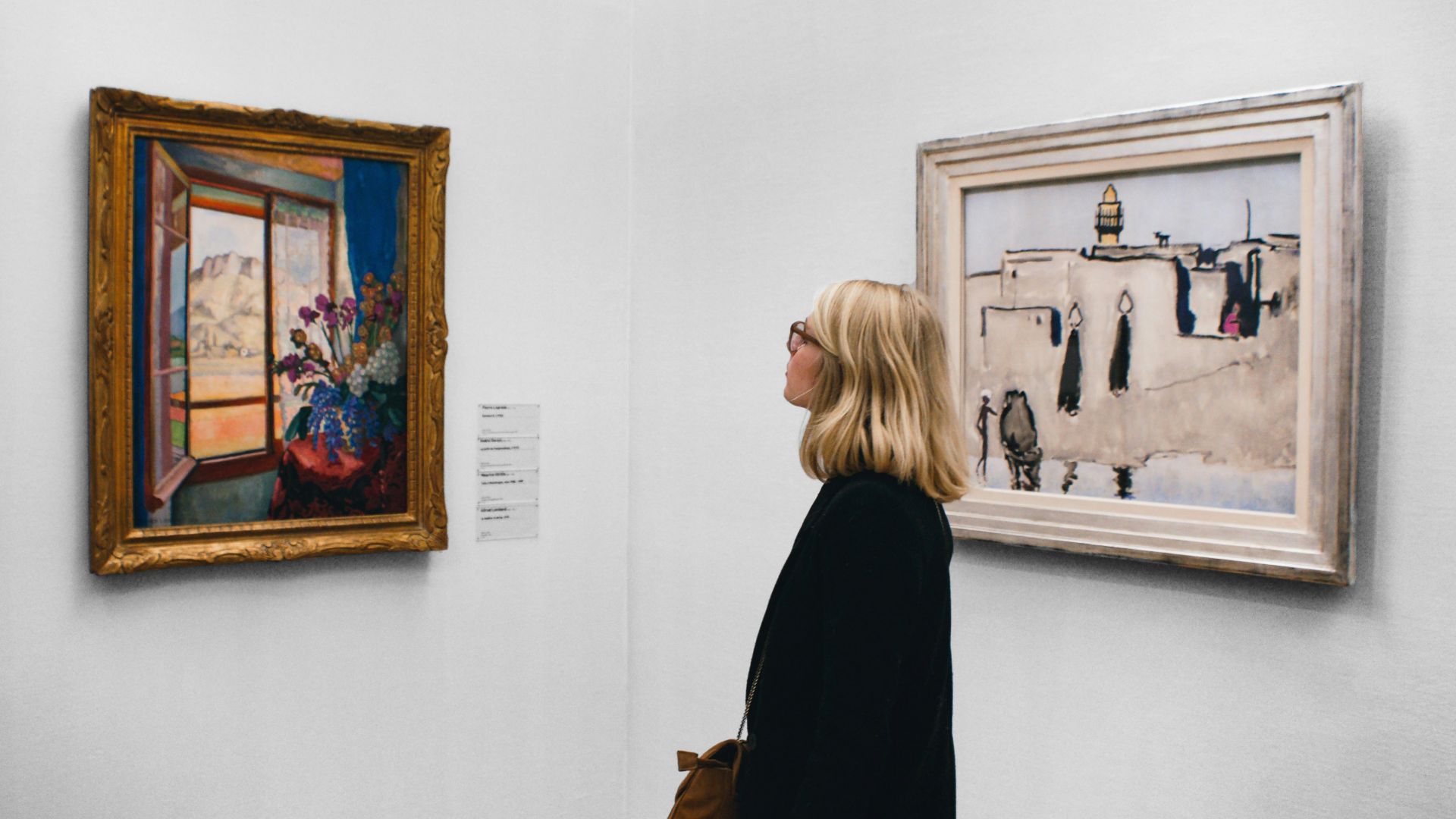
There is a certain kind of fake art talk that treats the artist statement like a final ruling from a higher court. If the artist says the pile of cinder blocks explores memory, then memory it is, no further thought required. That is not taste. That is outsourcing your own eyes.

8. Treating Obscurity As Quality
A lot of people use unfamiliarity as a shortcut. If nobody else has heard of the artist, then the taste must be rare and advanced. Sometimes that is true. Sometimes the work is just mediocre and hard to find.

9. Liking Art Mostly Because Other Smart People Like It
This one happens all the time and not just in galleries. People sense that a certain kind of person approves of a certain kind of work, so they line up emotionally before they have had a real reaction. Group approval can feel a lot like judgment if you are not careful.

10. Turning Taste Into A Personality Costume
Art becomes fake taste fastest when it stops being something a person loves and starts being part of the outfit. The books are arranged just so, the references are ready, the posters are framed correctly, and every preference looks suspiciously strategic. At that point, art is not doing much except helping someone manage their image.
The difference is not money, education, or whether somebody has ever used the phrase “negative space” without irony. Here are ten ways that real taste shows up.
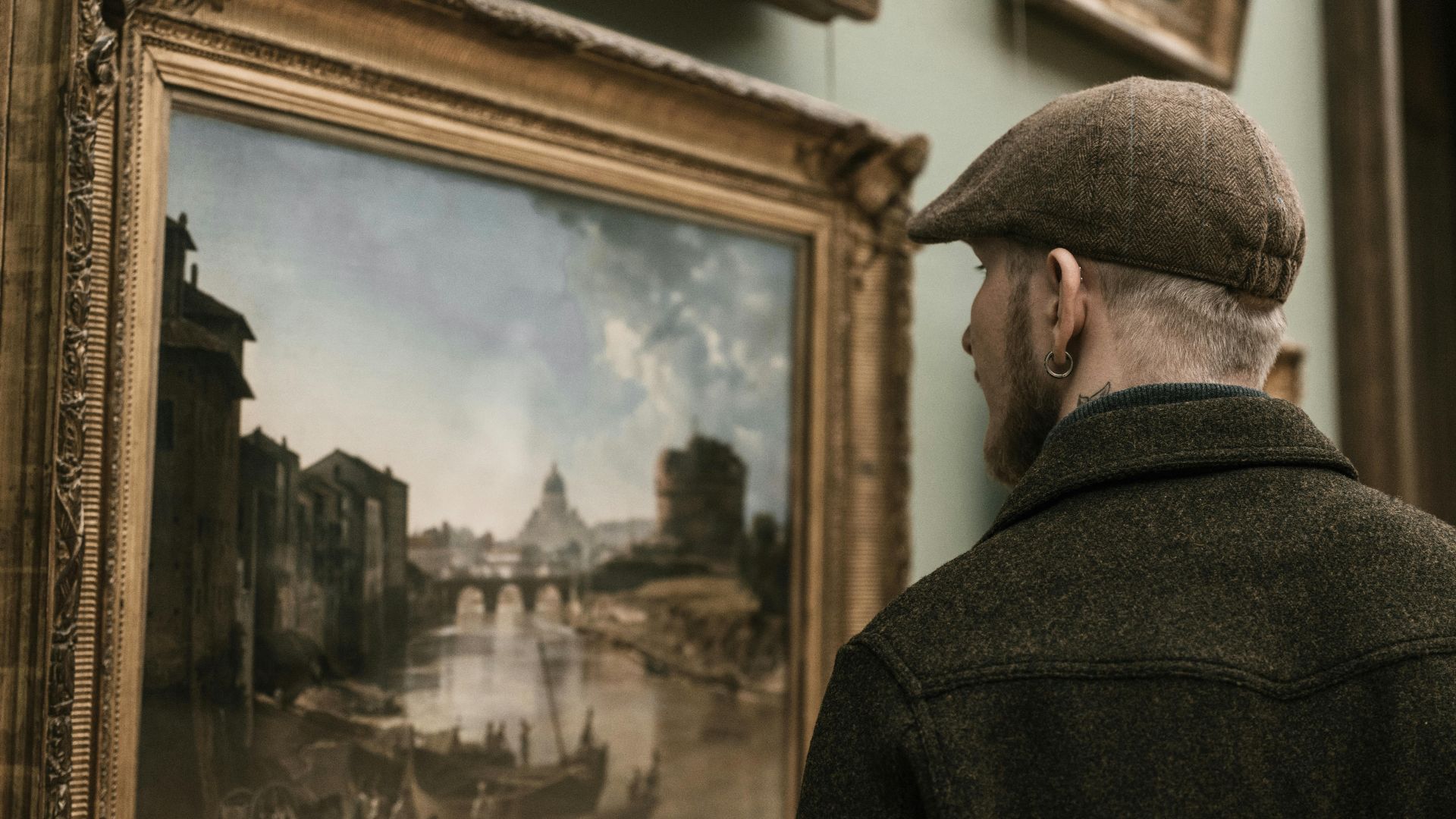
1. They Can Say What They Actually Like
This sounds simple, but it is rarer than it should be. People with real taste can usually tell you what draws them in, even if the answer is plain and unglamorous. They do not need to hide behind approved language to have a real response.
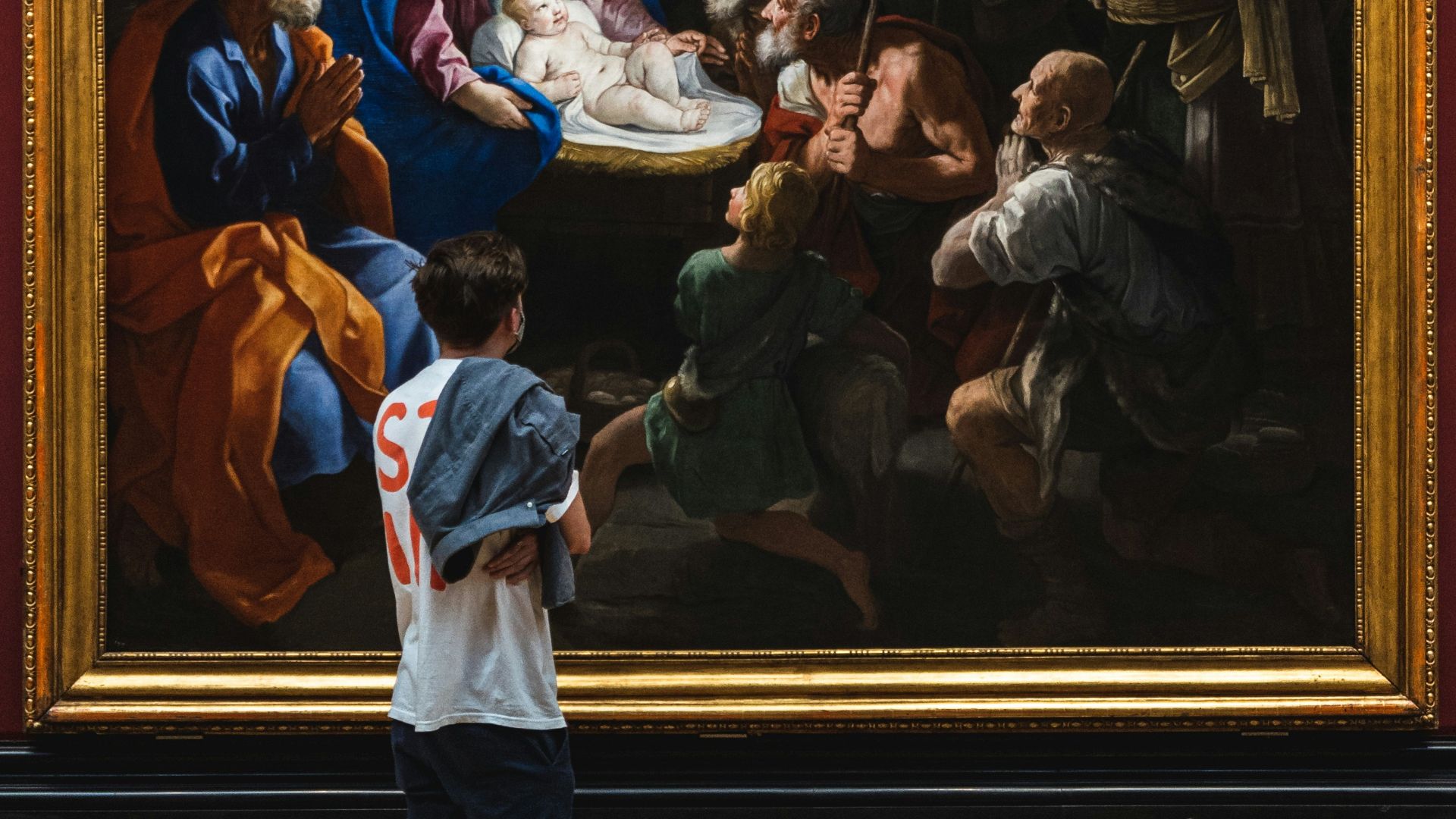
2. They Notice Specific Things
They do not just call a painting powerful and leave it there. They notice the odd color choice, the cramped composition, the cheap frame that somehow works, or the one ugly corner that keeps the whole thing from getting too polished. Specific attention is usually a better sign than polished vocabulary.
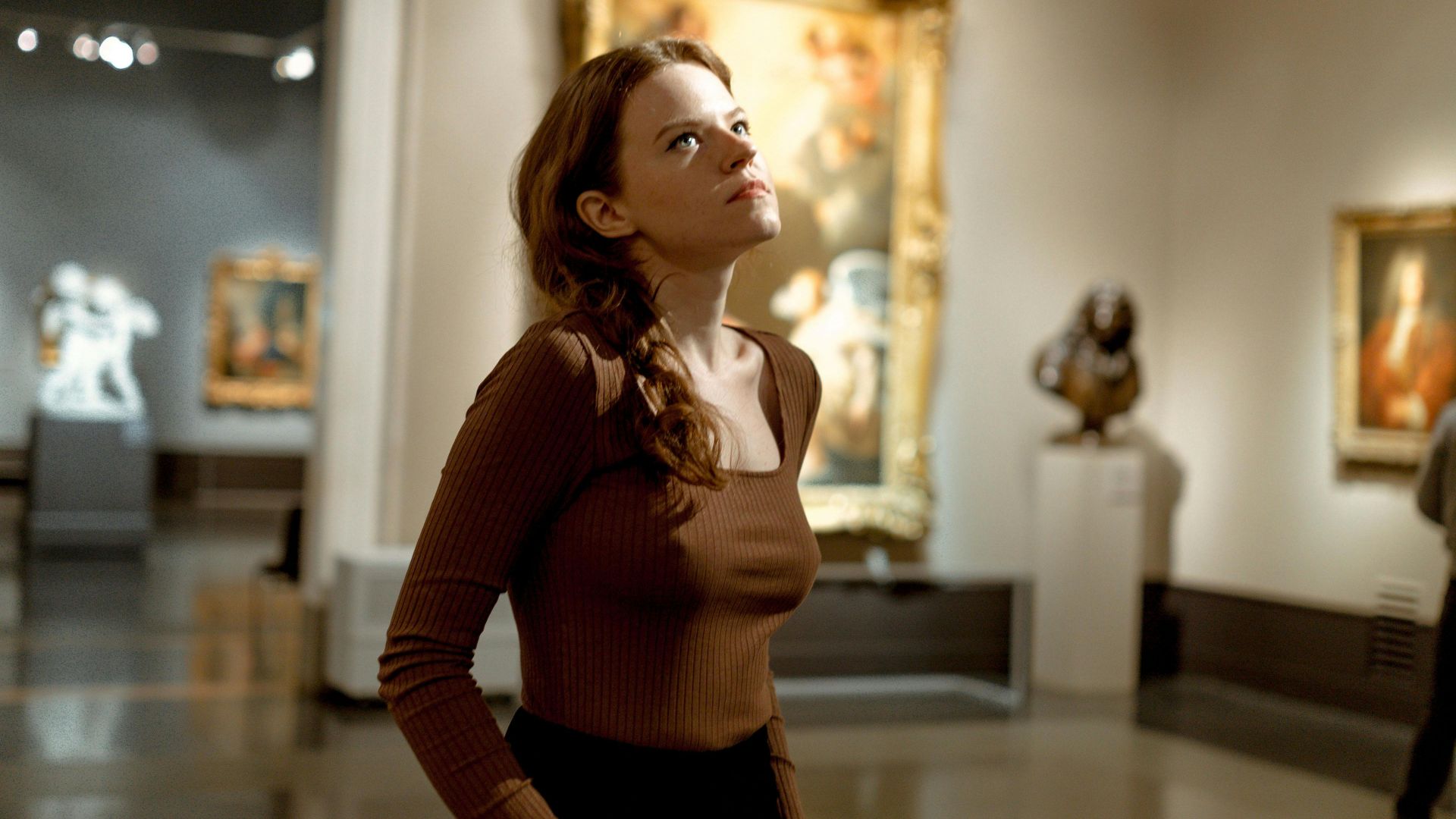
3. They Are Not Afraid To Dislike Prestigious Work
Real taste is not automatic agreement. Sometimes a famous work does nothing for you, and people with actual judgment can admit that without turning it into a speech. They trust their eye enough to risk sounding unimpressed.

4. They Do Not Need Everything To Look Expensive
A person with real taste can find something compelling in a flea market sketch, a strange photo in a hallway café, or a cracked ceramic object that somebody else would walk past. They are not only responsive to prestige signals. They can recognize feeling, wit, skill, or surprise without a price tag attached.
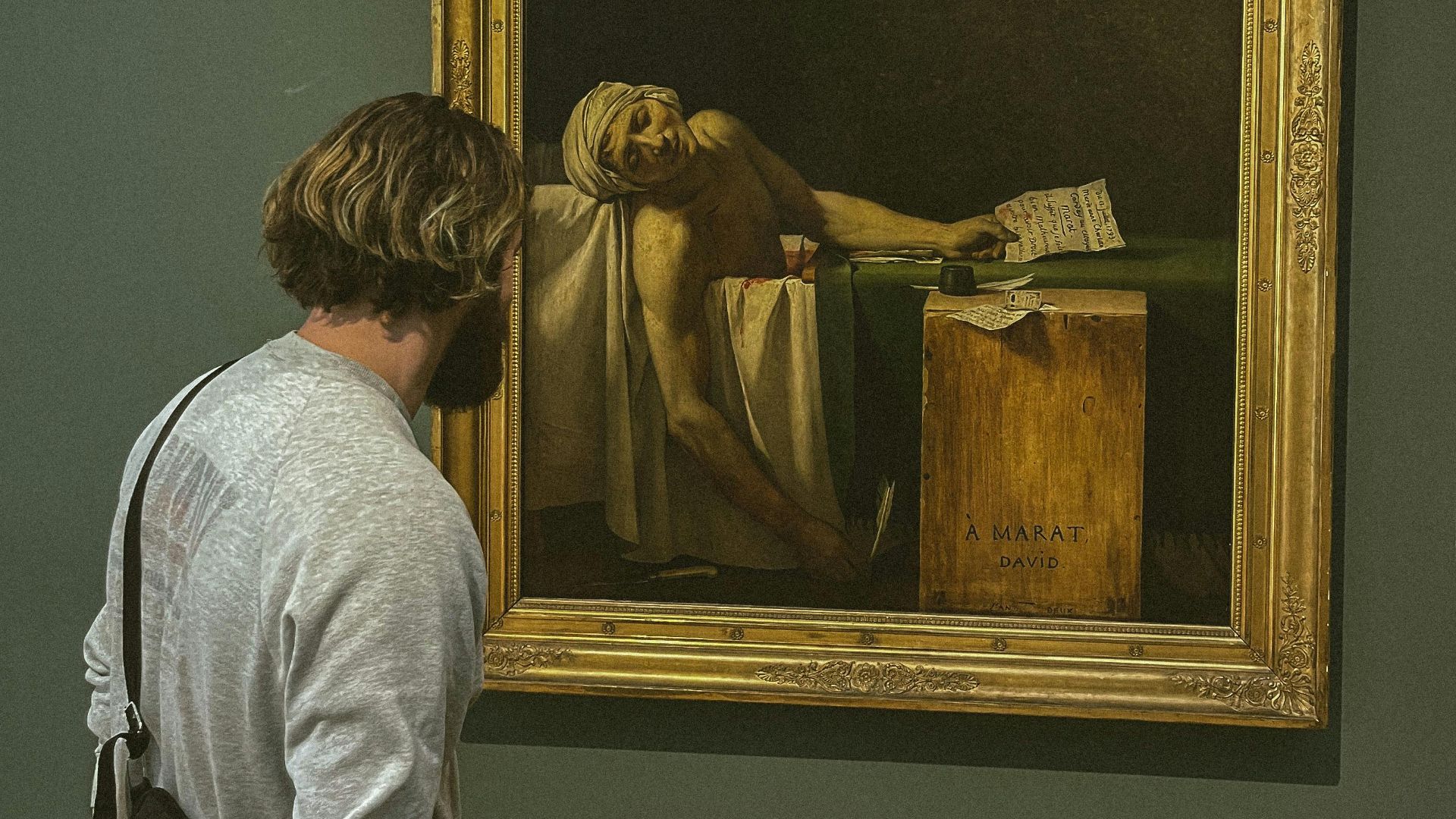
5. They Can Change Their Mind
This is one of the clearest signs. Real taste is alive enough to adjust. Someone can hate a work at first, come back six months later, and suddenly understand what it was doing without acting like the first response never happened.
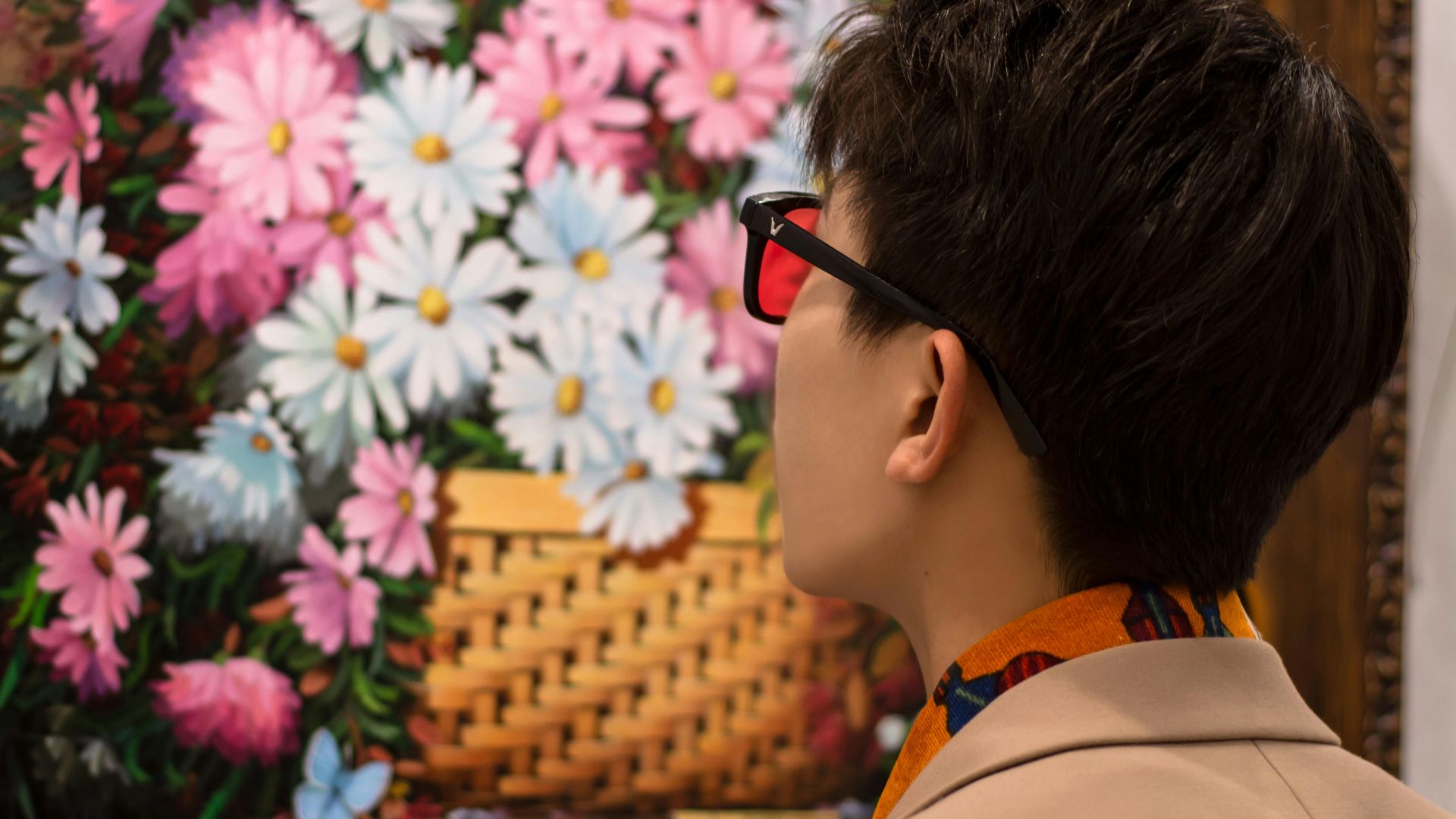
6. They Care About Context Without Hiding Inside It
Context matters. Knowing when something was made, who made it, and what conversation it entered can deepen the experience a lot. But people with real taste use context to sharpen their view, not replace it.
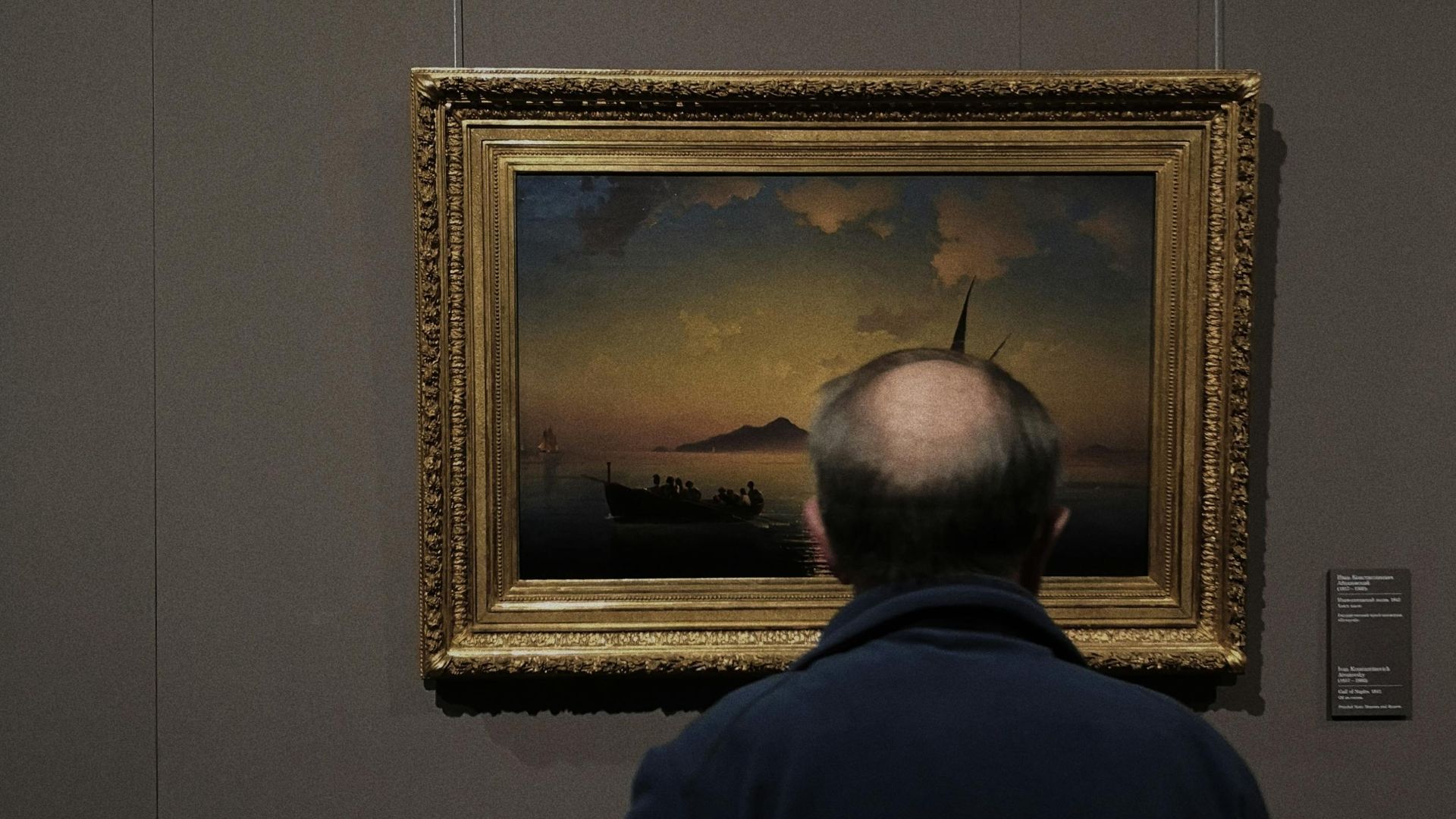
7. They Like Things For Their Own Reasons
Not because the artist is trending, not because a curator endorsed it, and not because it photographs well for social media. Their preferences have some backbone to them. Even when you disagree, you can usually feel that the opinion belongs to them.
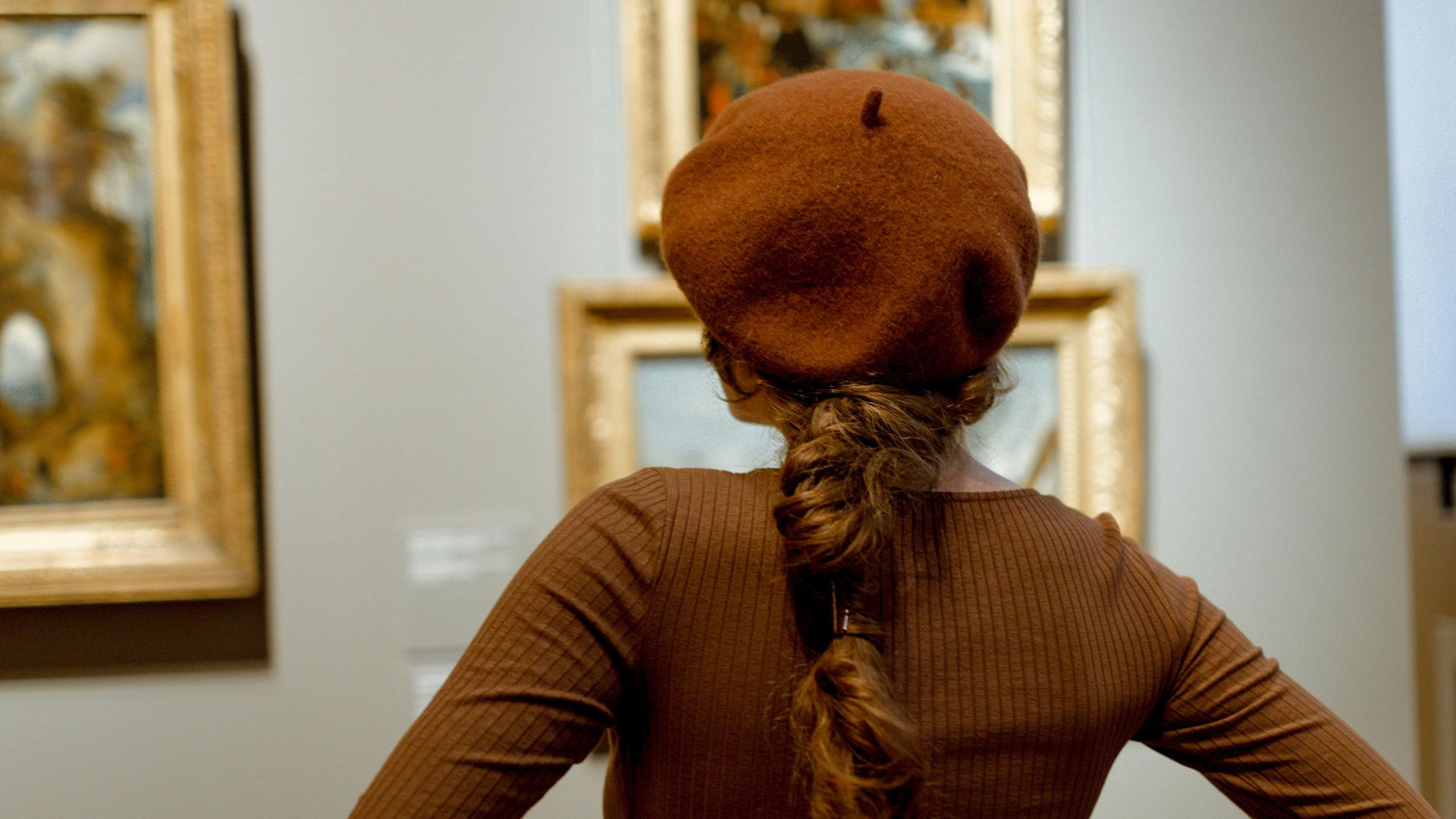
8. They Are Curious Without Being Showy
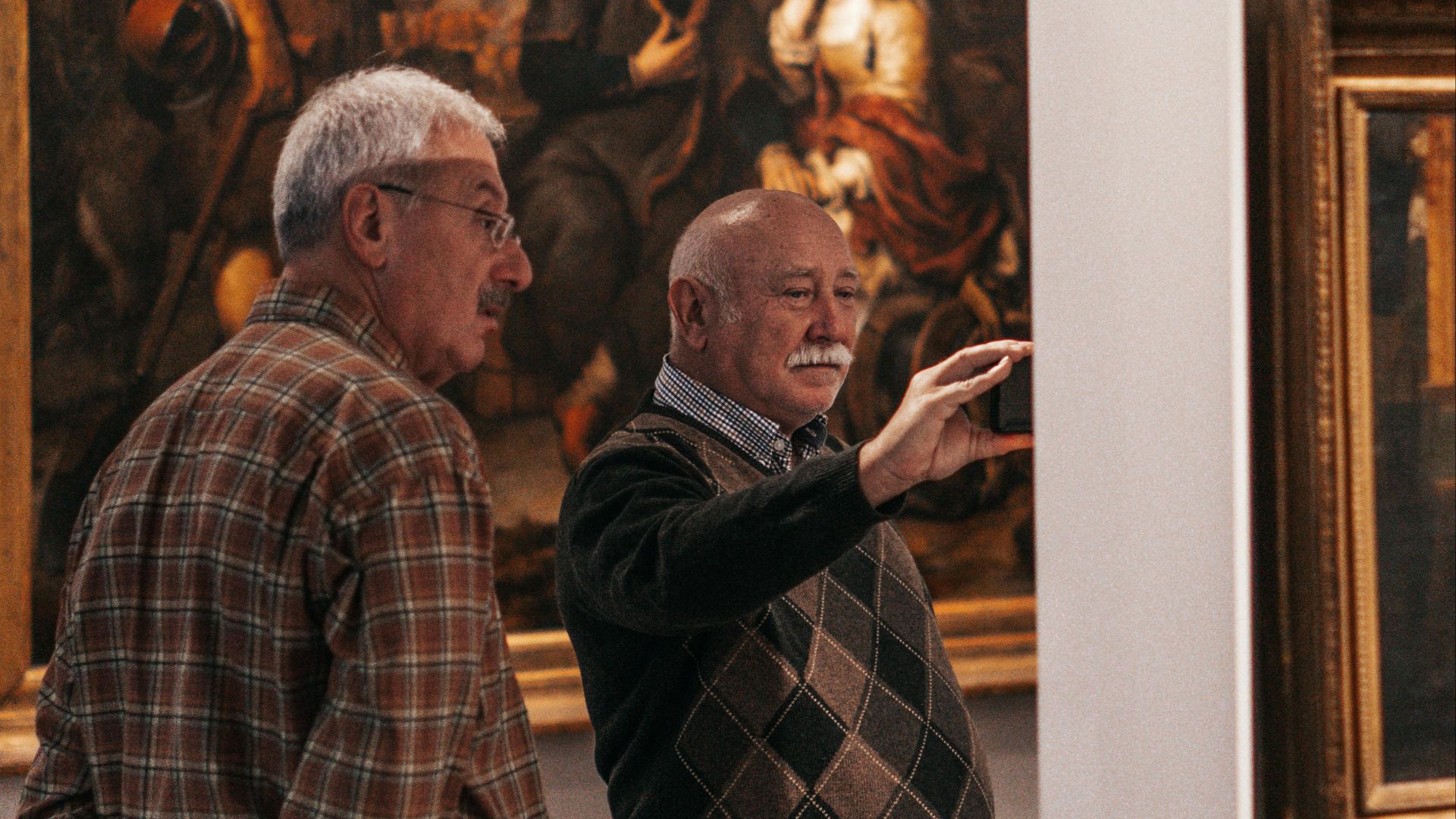
Real taste often comes with genuine curiosity. These are the people who will spend ten minutes looking at a small drawing in the side room, not because anyone is watching, but because something about it keeps tugging at them. That kind of attention is hard to fake for very long.

9. They Do Not Mistake Status For Depth
They know the difference between cultural importance and personal resonance. A work can matter historically and still leave them cold. Another can be minor, odd, or unfashionable and still feel unforgettable.

10. They Keep Looking
This may be the whole thing. People with real taste stay in the habit of looking, returning, comparing, noticing, and refining what they respond to over time. Taste is not a badge you earn once. It is closer to a relationship, and it only gets more convincing if you keep showing up.