When the Details Matter Most
Your wedding accessories shouldn’t feel like an afterthought, but they also shouldn’t feel like they’re competing with the rest of your look. The right pieces should elevate your dress; the wrong ones can distract, overwhelm, or date your photos faster than you expect. Knowing what to lean into—and what to avoid—can make all the difference. Here's how and how not to accessorize on your big day.
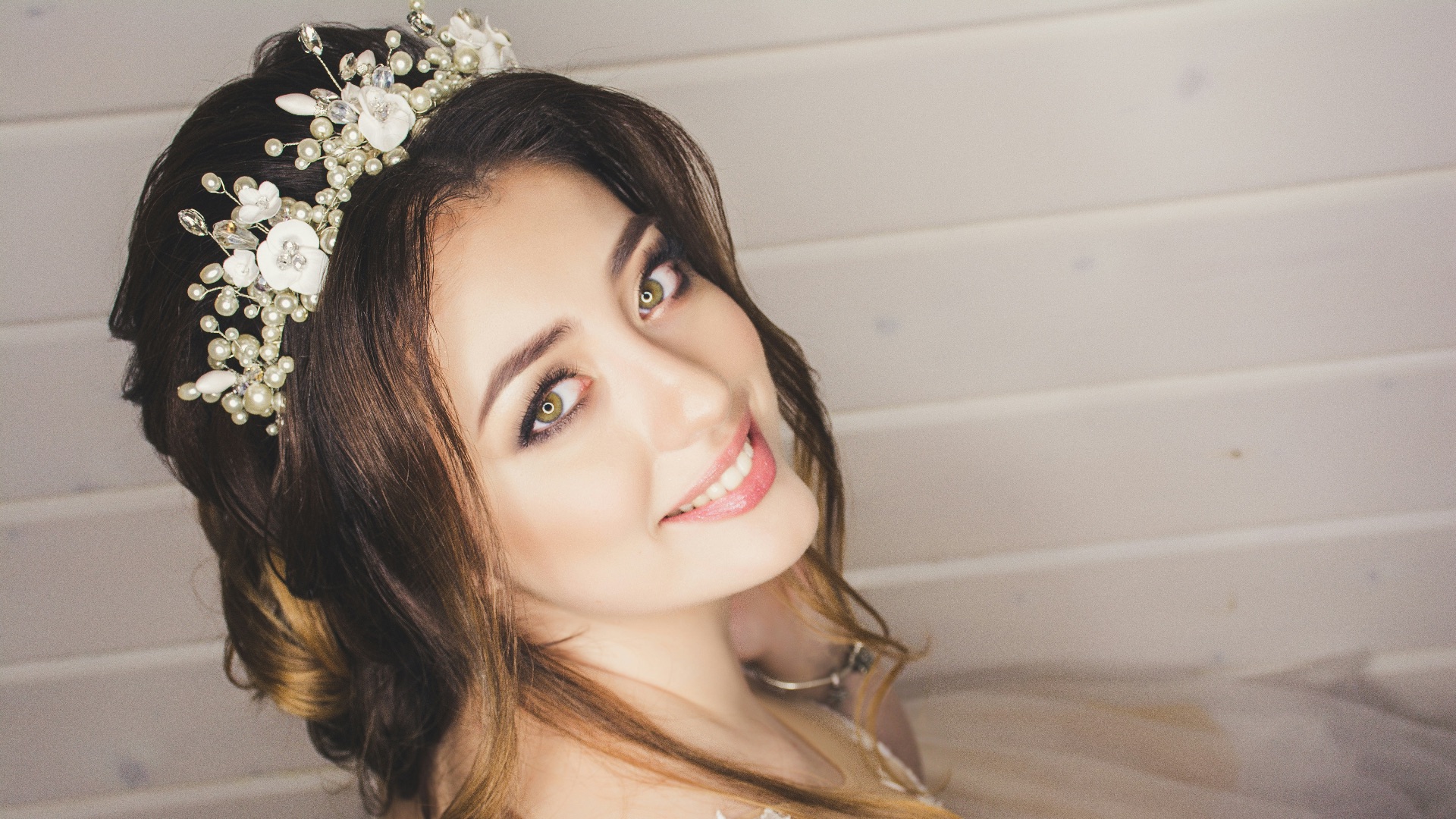
1. Don’t Wear Everything at Once
It’s tempting to include every meaningful or beautiful piece you own, especially if they all feel “special.” The problem is that too many accessories end up fighting for attention instead of working together. When in doubt, leaving one thing off usually makes the entire look feel more intentional.
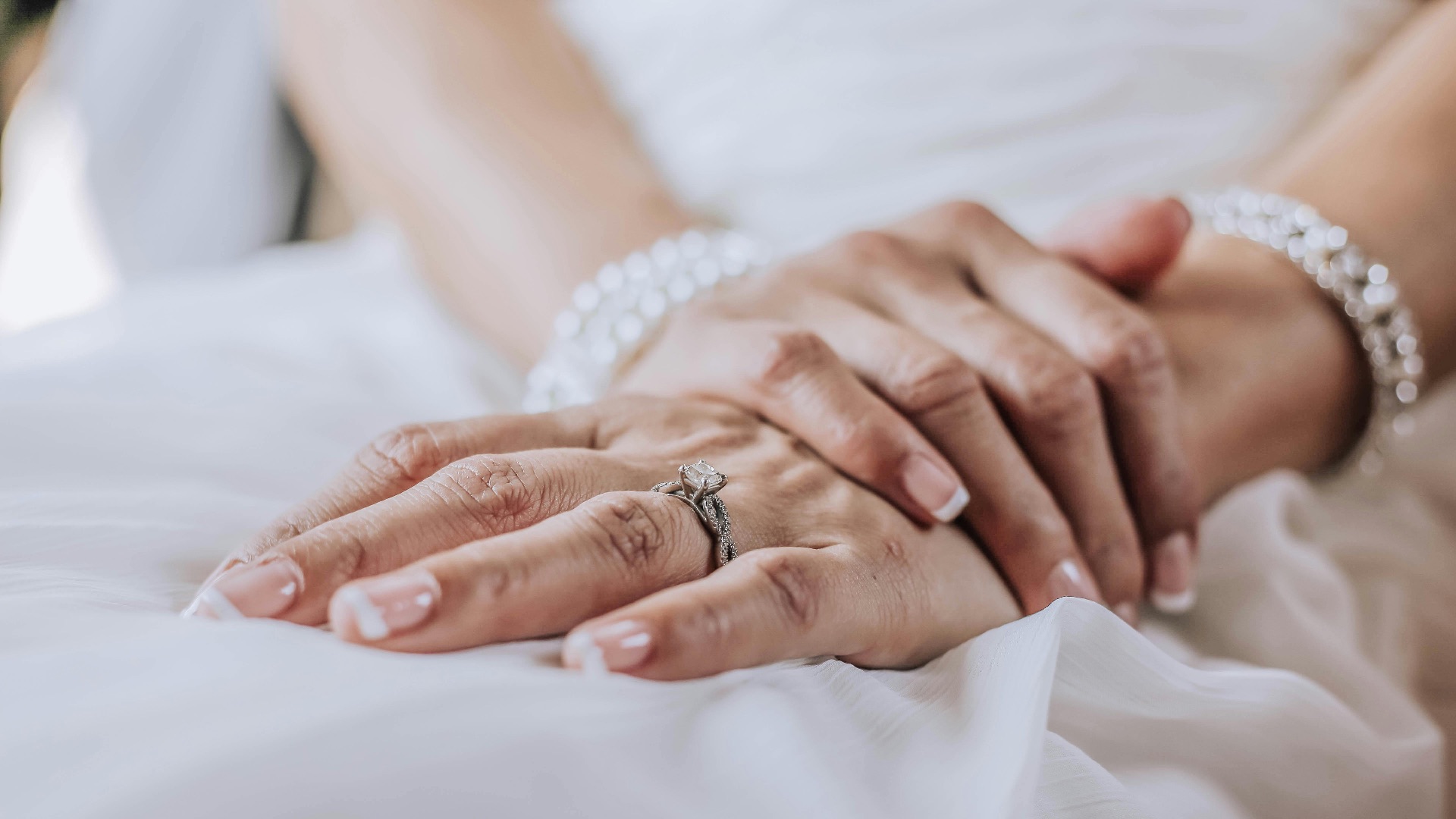
2. Don’t Choose Accessories Before the Dress
Accessories should respond to your dress, not the other way around. Picking jewelry or a headpiece too early can lock you into choices that don’t quite match the final look. Waiting ensures everything feels cohesive rather than forced.
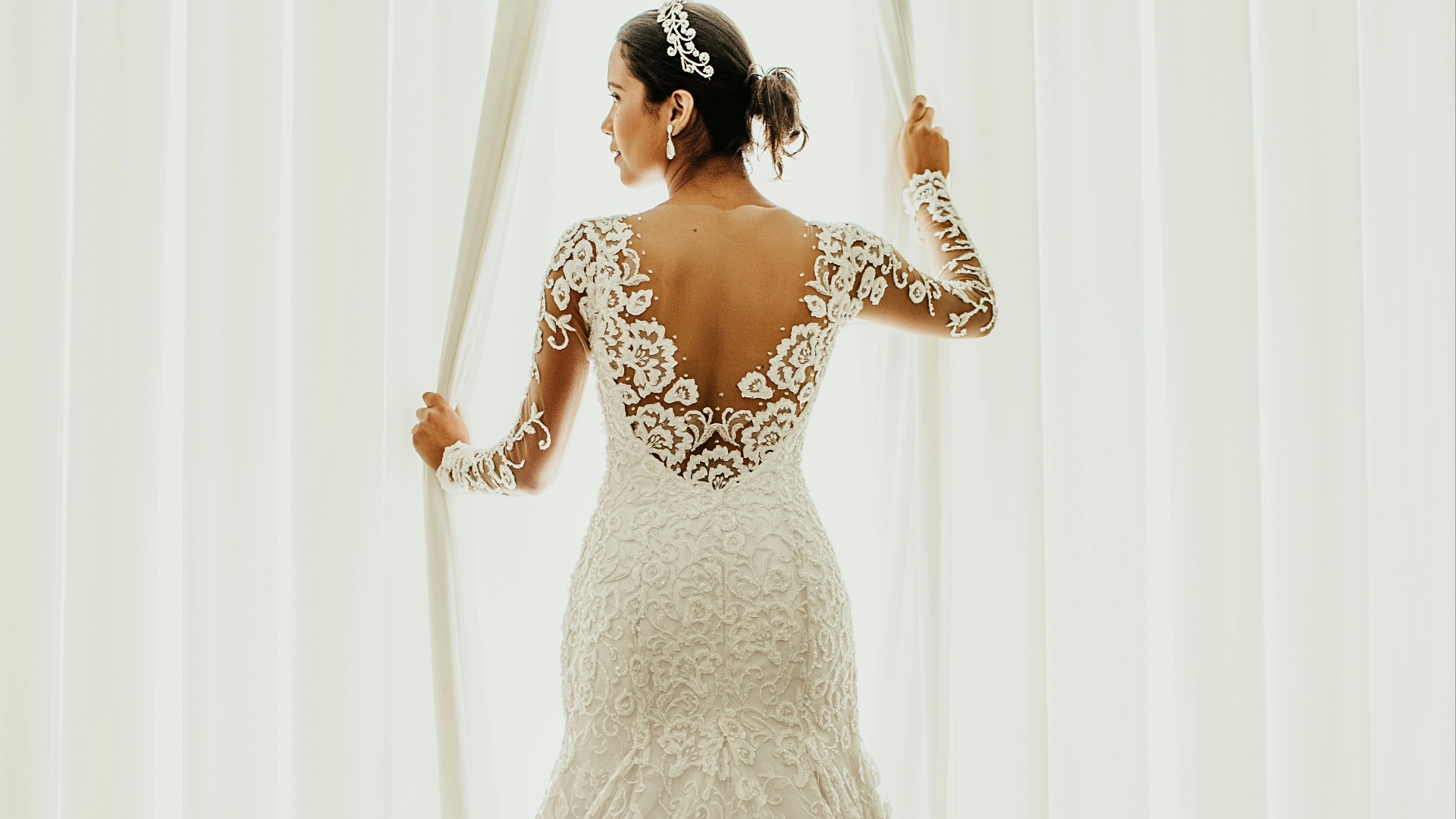
3. Don’t Ignore Comfort
An accessory might look stunning in photos, but that doesn’t matter if you’re constantly adjusting it. Heavy earrings, tight headpieces, or shoes you can’t walk in will pull you out of the moment. If it’s uncomfortable during a fitting, it won’t magically feel better on the day.
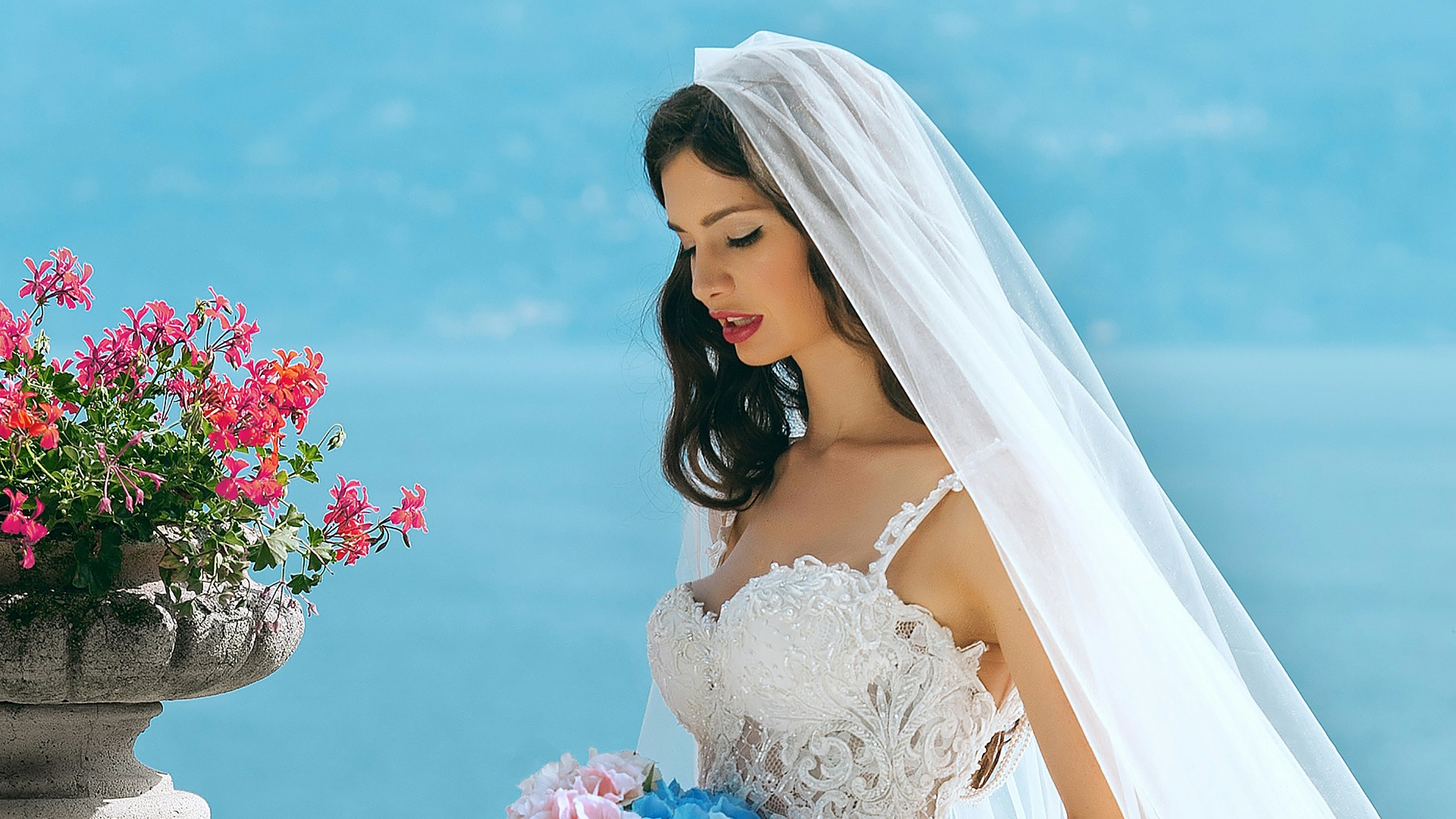
4. Don’t Let Trends Override Your Style
Wedding trends come and go quickly, even when they feel unavoidable in the moment. Choosing accessories that don’t reflect your personal taste can make the look feel disconnected from who you are. Years later, authenticity almost always ages better than trendiness.
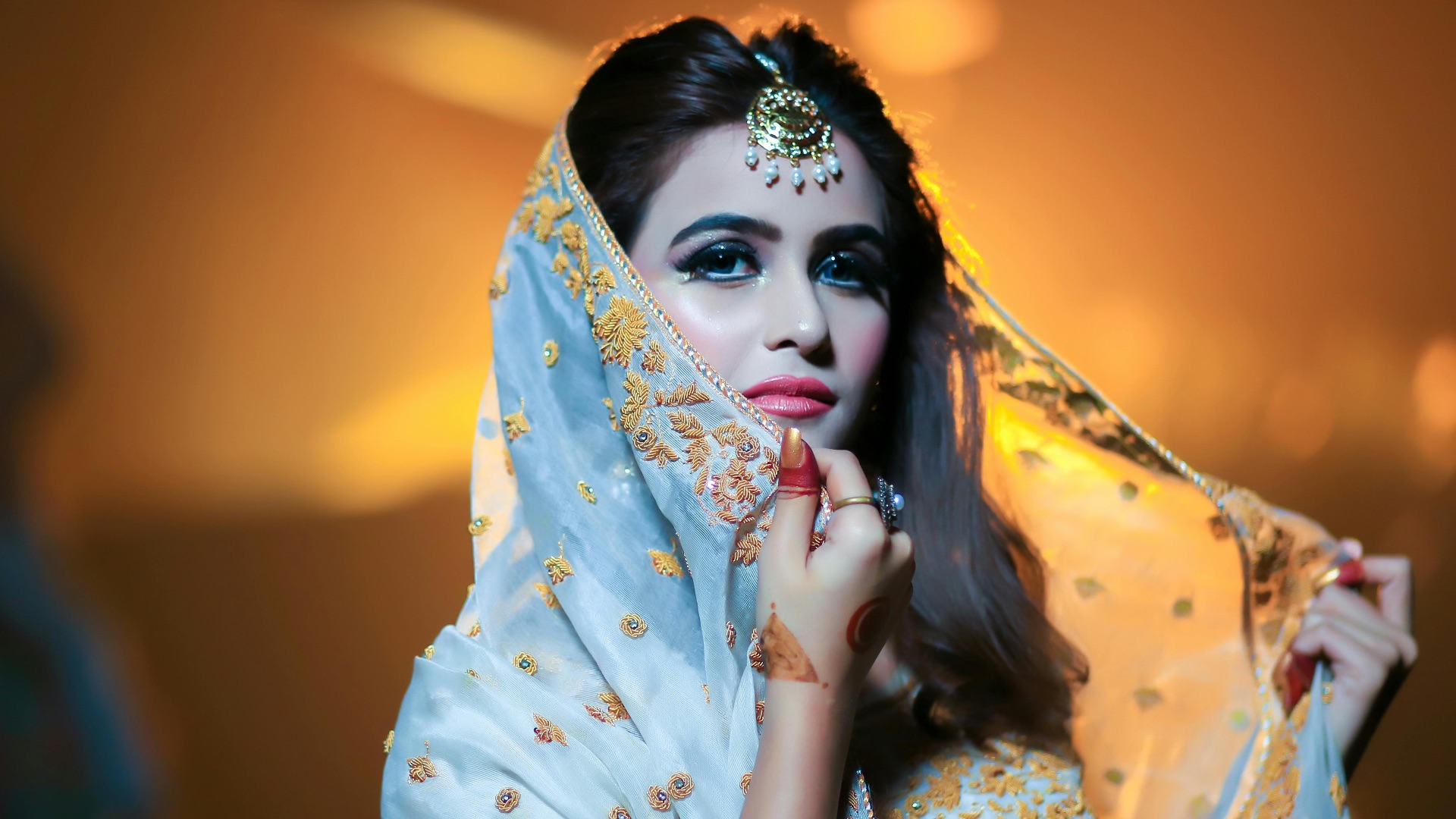
5. Don’t Overpower Delicate Details
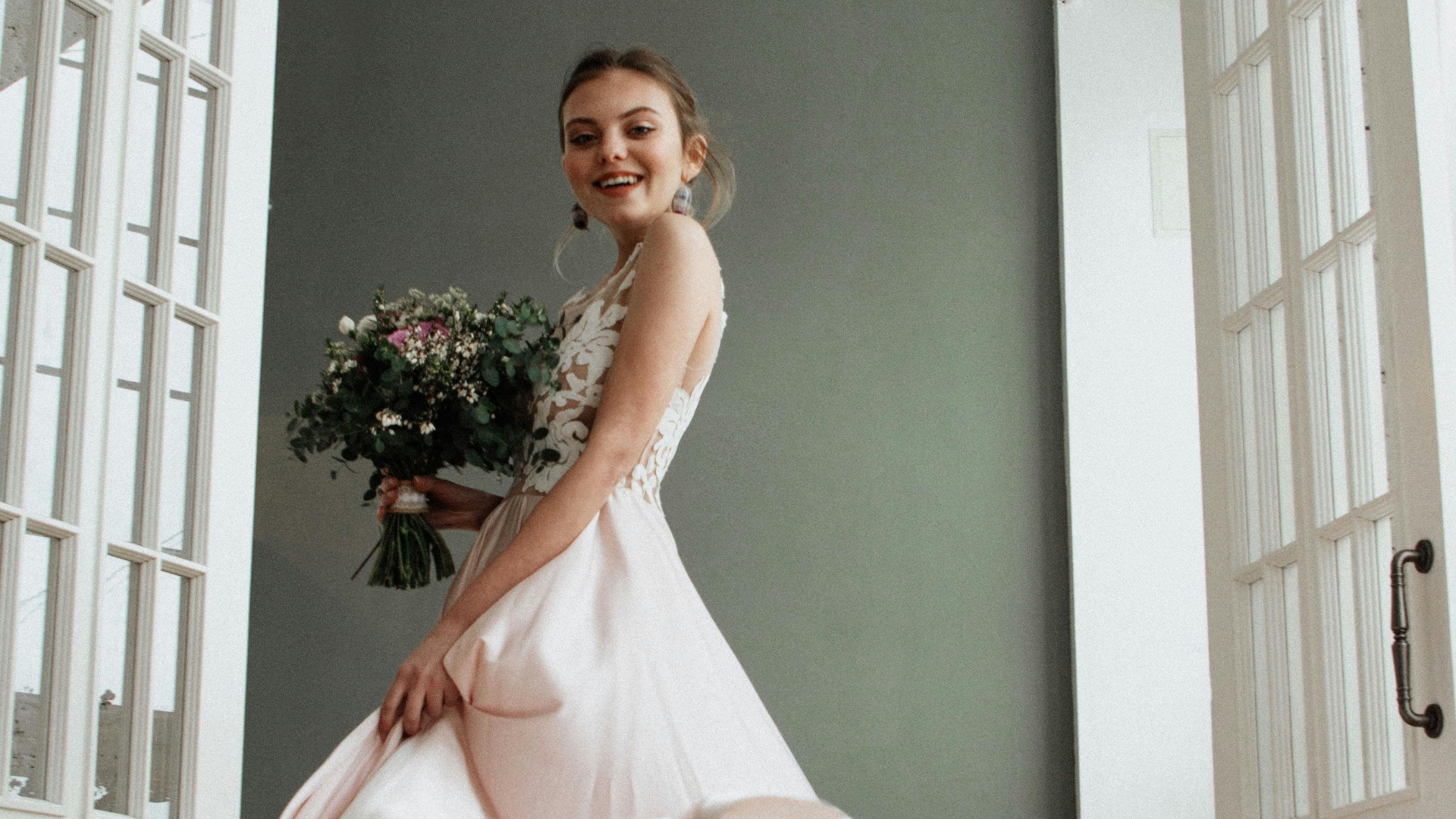
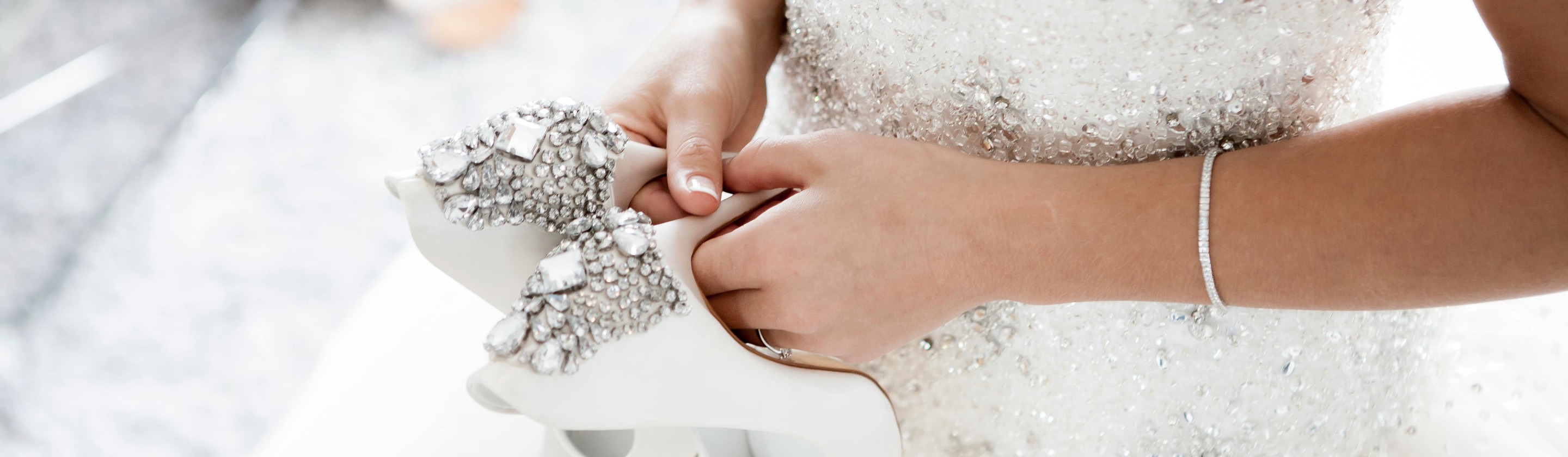
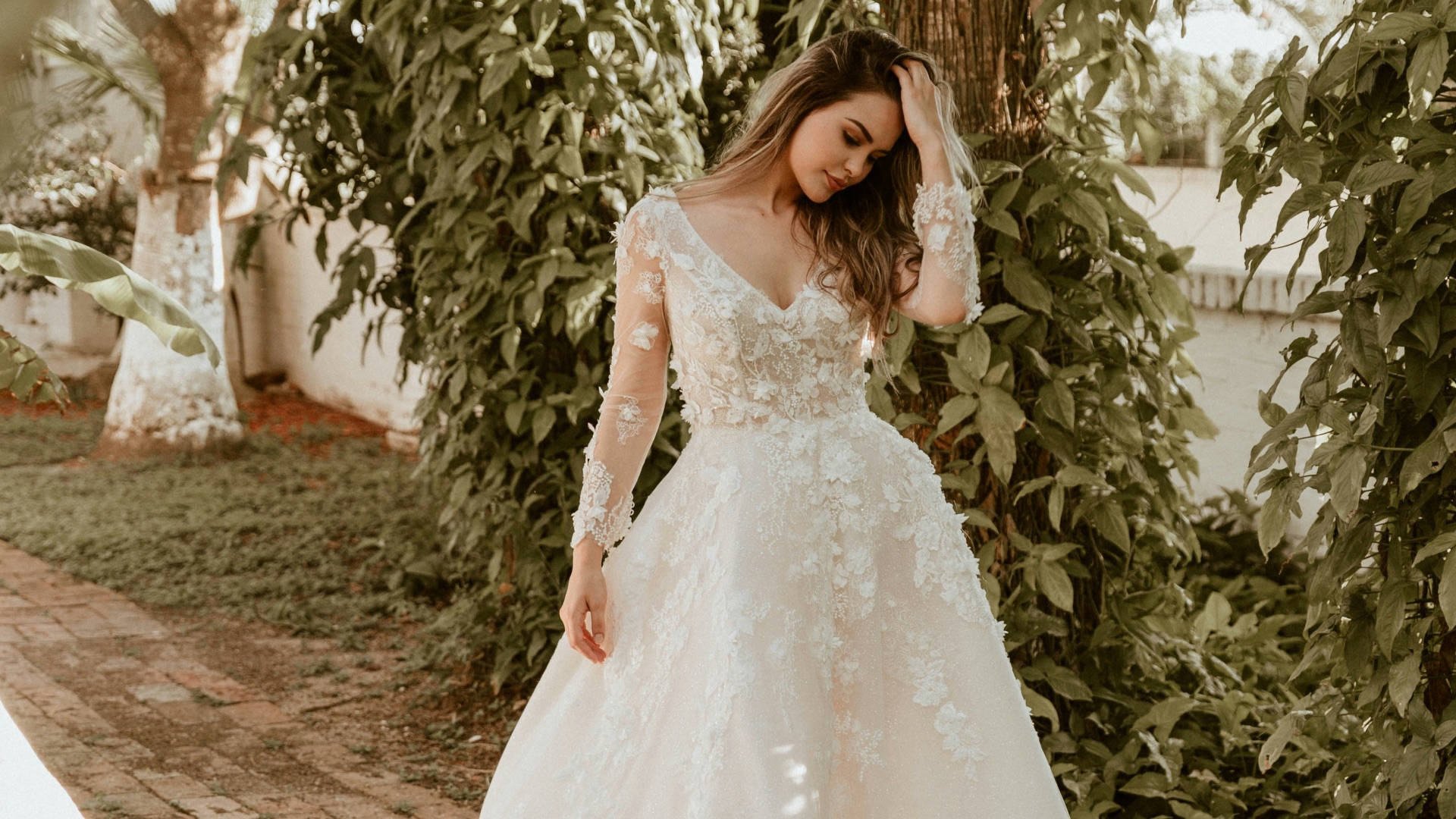
If your dress already features lace, beading, embroidery, or intricate textures, those elements deserve room to breathe. Adding bold or oversized accessories on top of that can make the overall look feel crowded rather than elevated. Instead of enhancing the dress, too much jewelry often competes with the very details you fell in love with.
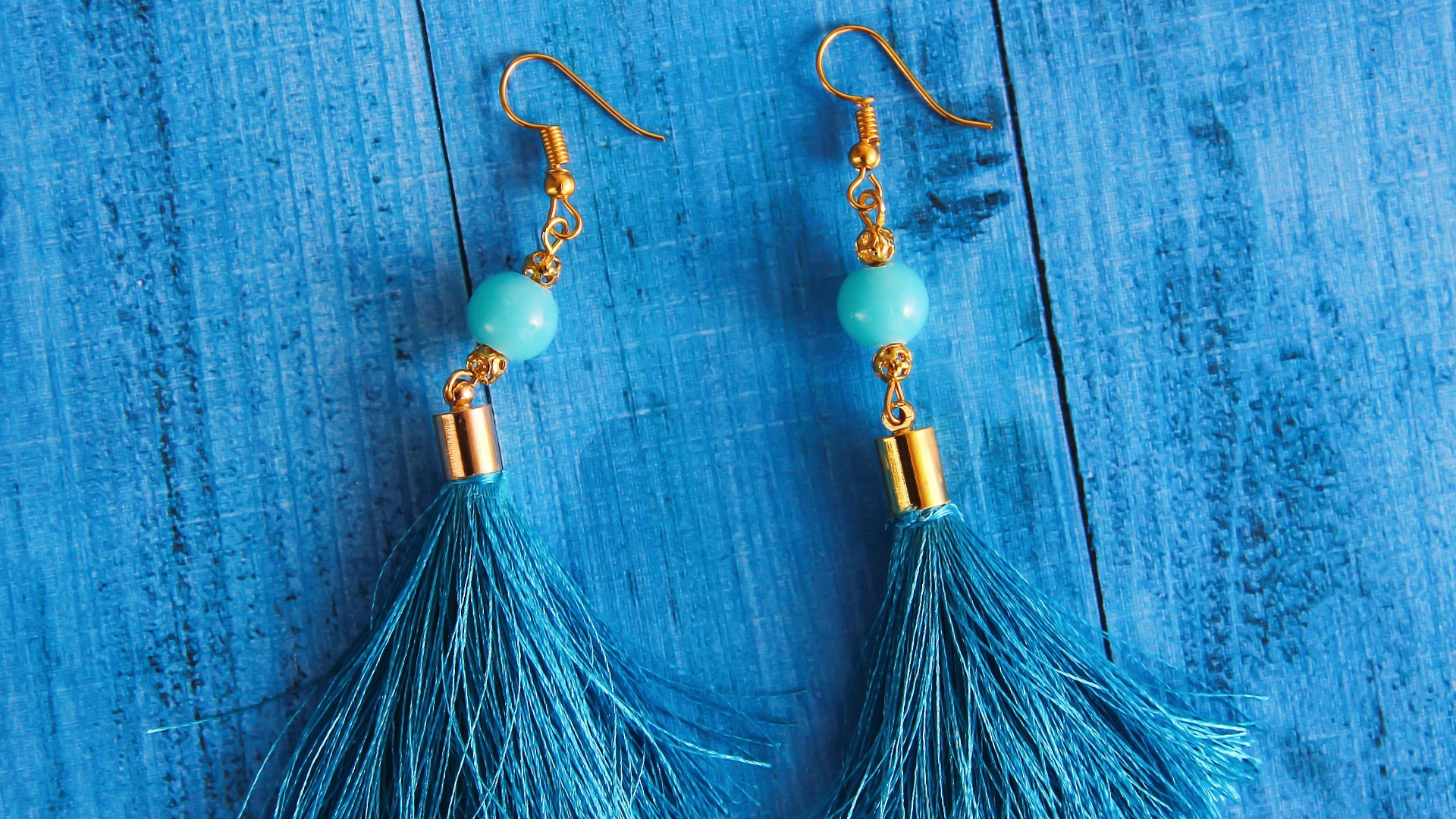
6. Don’t Forget About Balance
Accessories should work together visually, not pull attention in multiple directions at once. When one element is bold, such as statement earrings or a dramatic veil, the rest should soften to support it. Balance is what keeps the look elegant instead of overwhelming.
 Kateryna Hliznitsova on Unsplash
7. Don’t Skip a Full Try-On
Accessories rarely exist in isolation on the wedding day, even if they seem perfect on their own. Once hair, makeup, dress, and jewelry come together, small clashes can suddenly become obvious. A full try-on gives you the chance to adjust before the pressure is on.
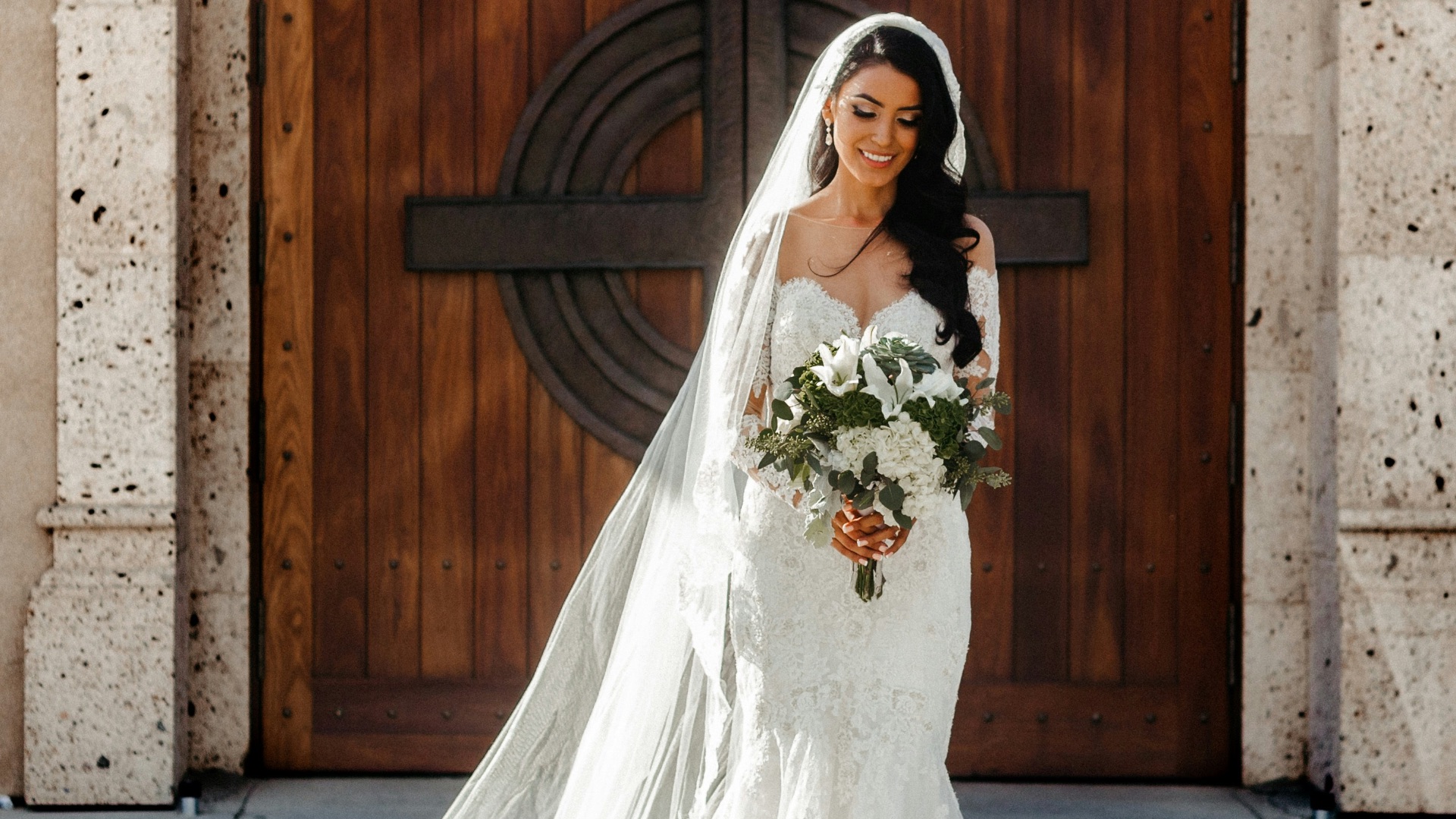
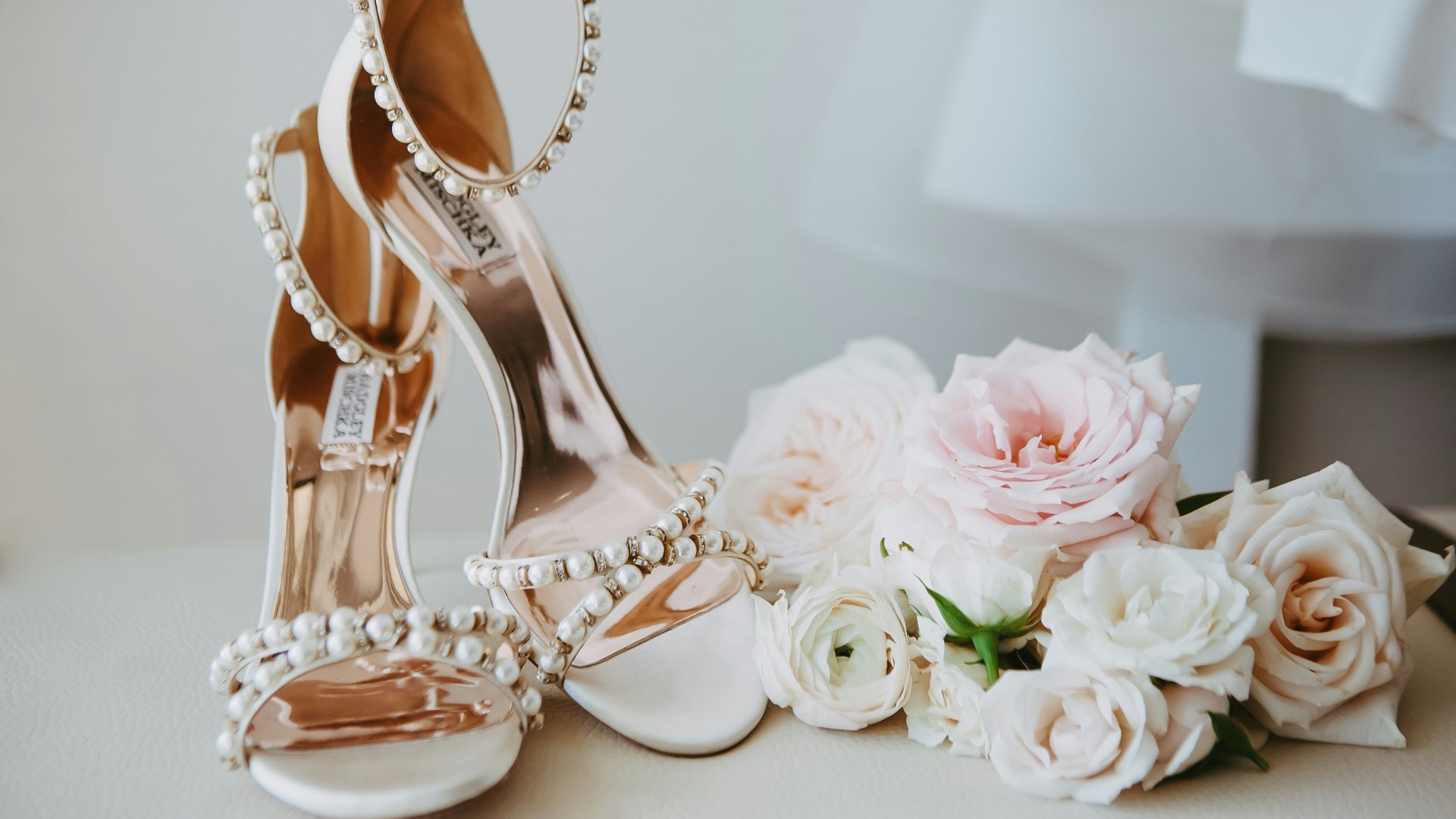
8. Don’t Choose Shoes You Can’t Realistically Wear
Wedding shoes aren’t just for walking down the aisle, even if you wish they were. You’ll be standing, walking, dancing, and moving constantly, often for hours at a time. If your shoes hurt during a short fitting, they’ll absolutely become a distraction on the day itself.
9. Don’t Forget Practicality
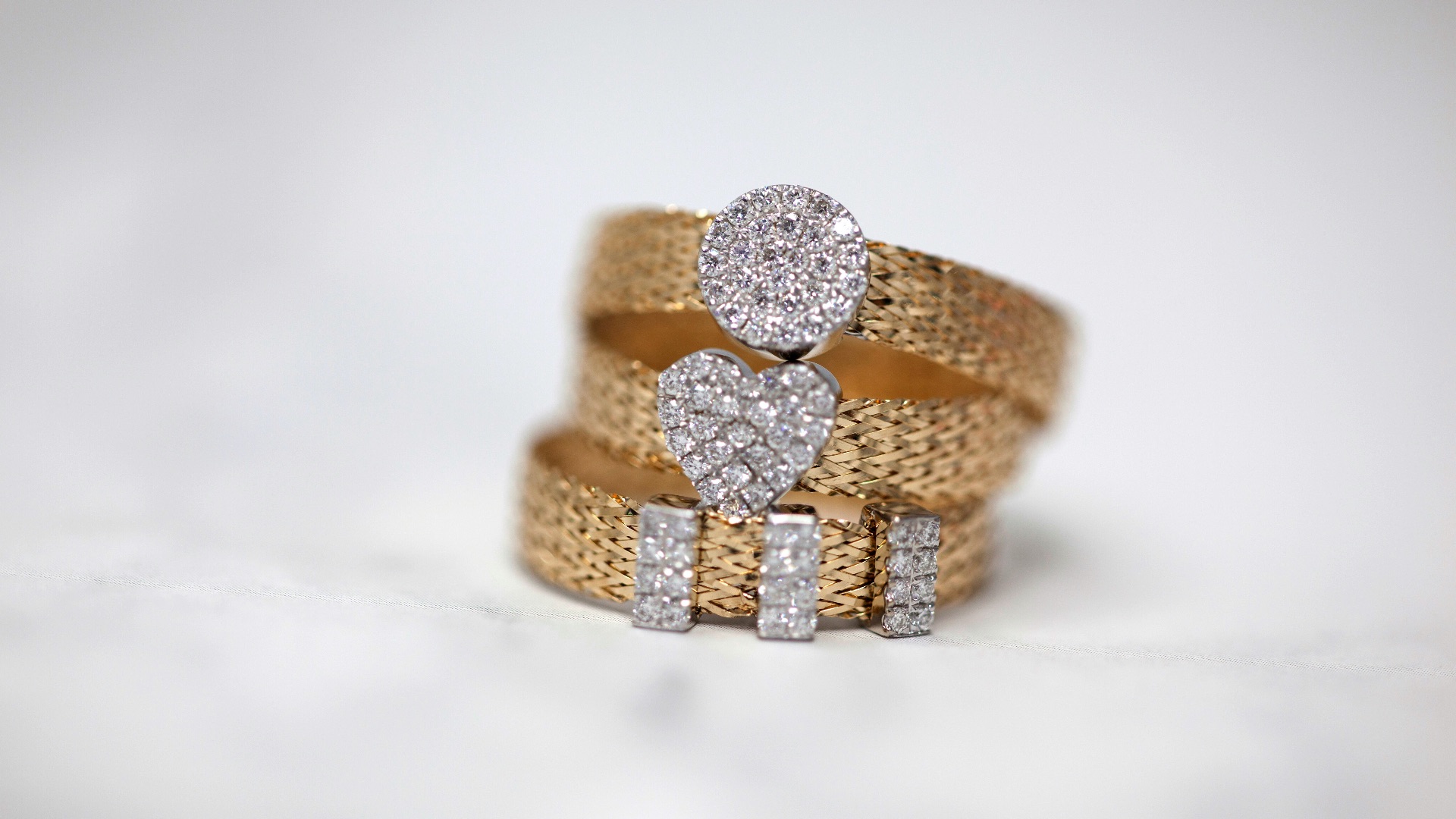
Accessories should fit the rhythm of your wedding day, not interrupt it. Oversized rings, noisy bracelets, or cumbersome bags can get in the way during hugs, photos, and movement. When small annoyances pile up, they’re harder to ignore than you expect.
10. Don’t Treat Accessories as an Afterthought
Leaving accessories to the last minute often leads to rushed decisions that don’t quite align with the rest of the look. These pieces frame your dress, your face, and your photos, so they deserve intention. Thoughtful planning shows up clearly when everything comes together.
Now that you know what not to do, let's jump into how you should accessorize on your big day.
1. Let One Piece Lead
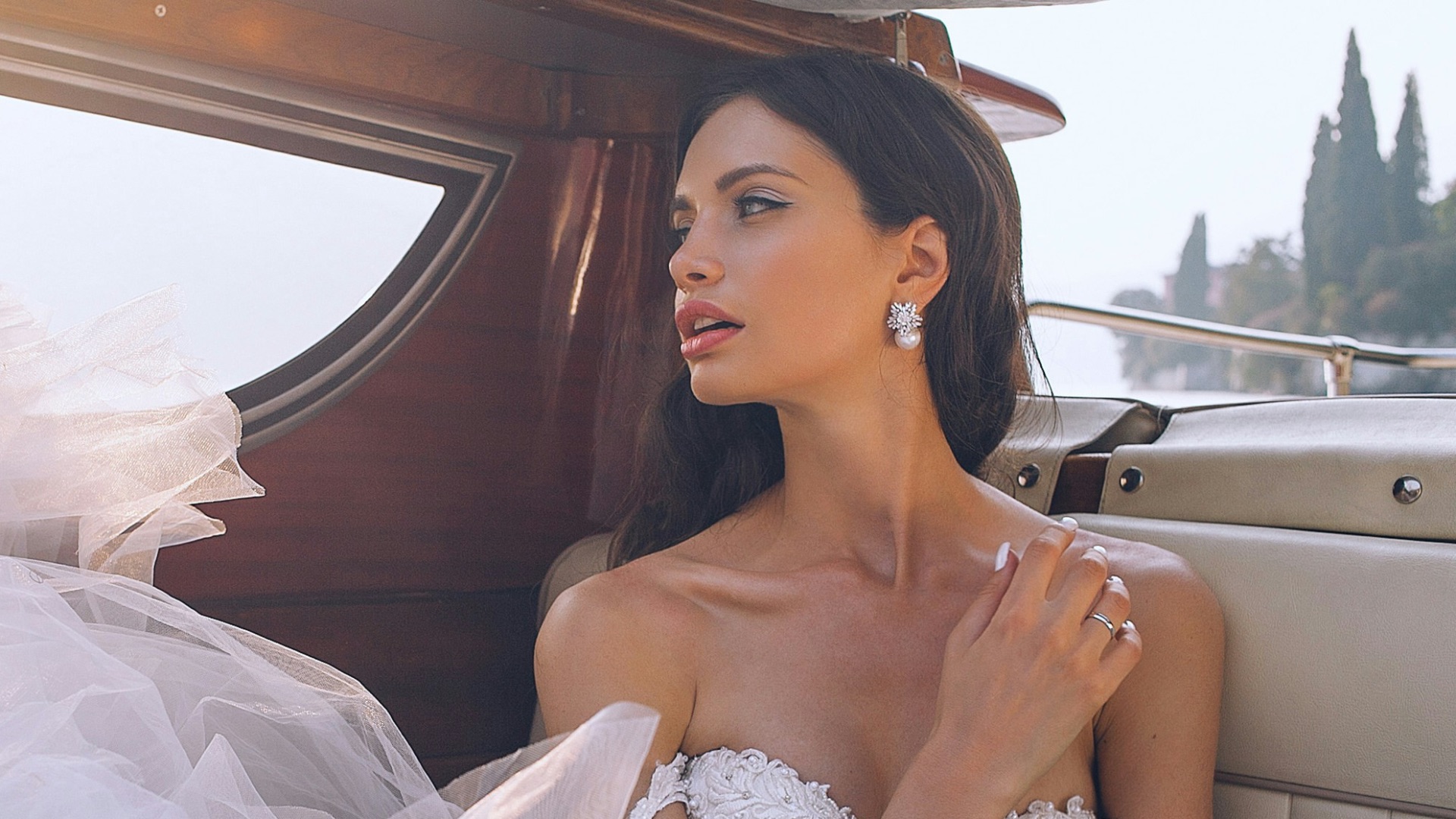
Choose one accessory to be the focal point, whether that’s earrings, a veil, or a hairpiece. Once that choice is clear, everything else can support it so it stands out. This creates a polished look without overwhelming the eye.
2. Match the Mood of Your Dress
A structured gown pairs well with clean, modern accessories, while a romantic dress benefits from softer details. When the tone aligns, the entire look feels intentional. Accessories should echo the dress, not compete with it.
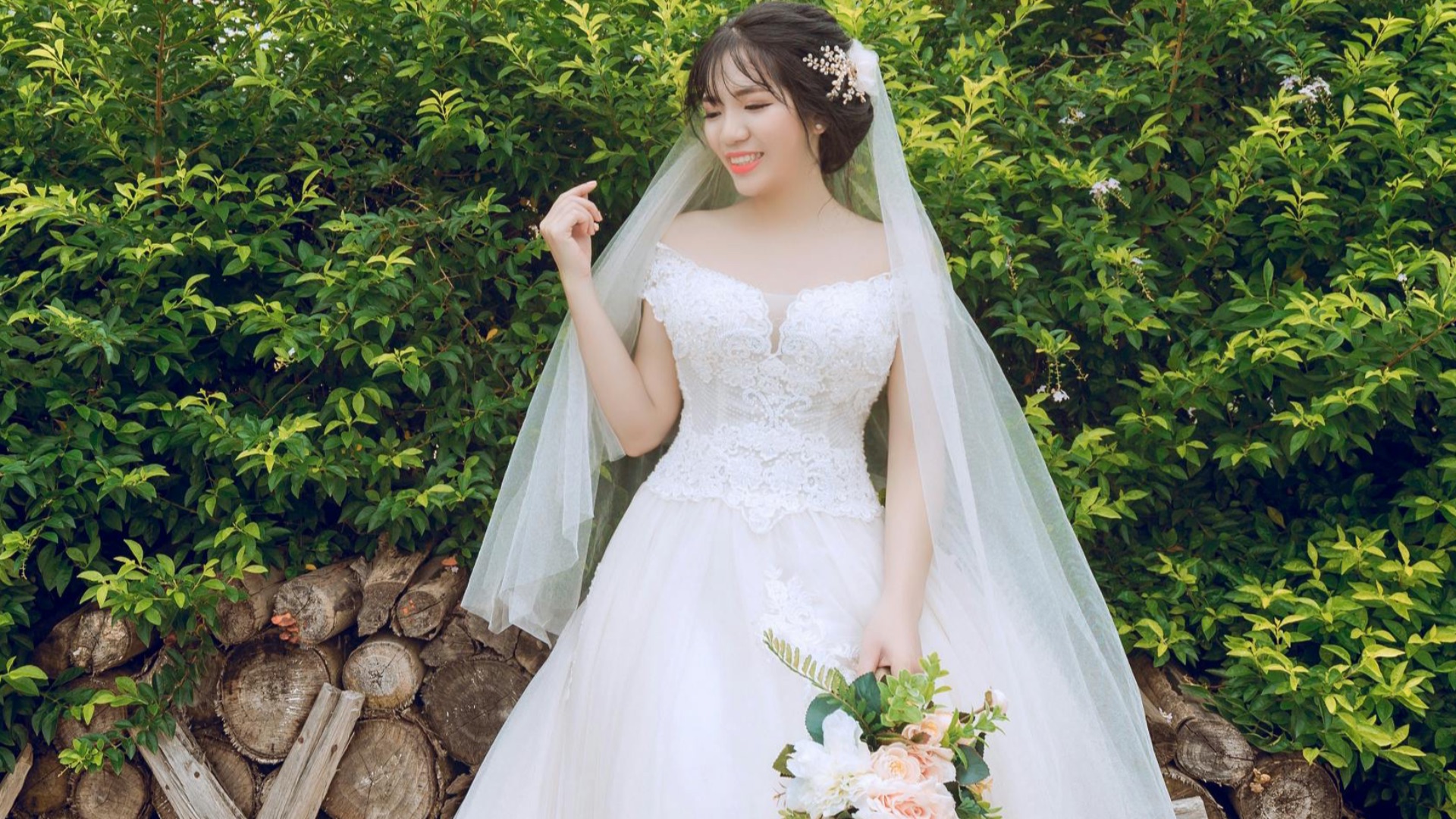
3. Consider Your Hairstyle Early
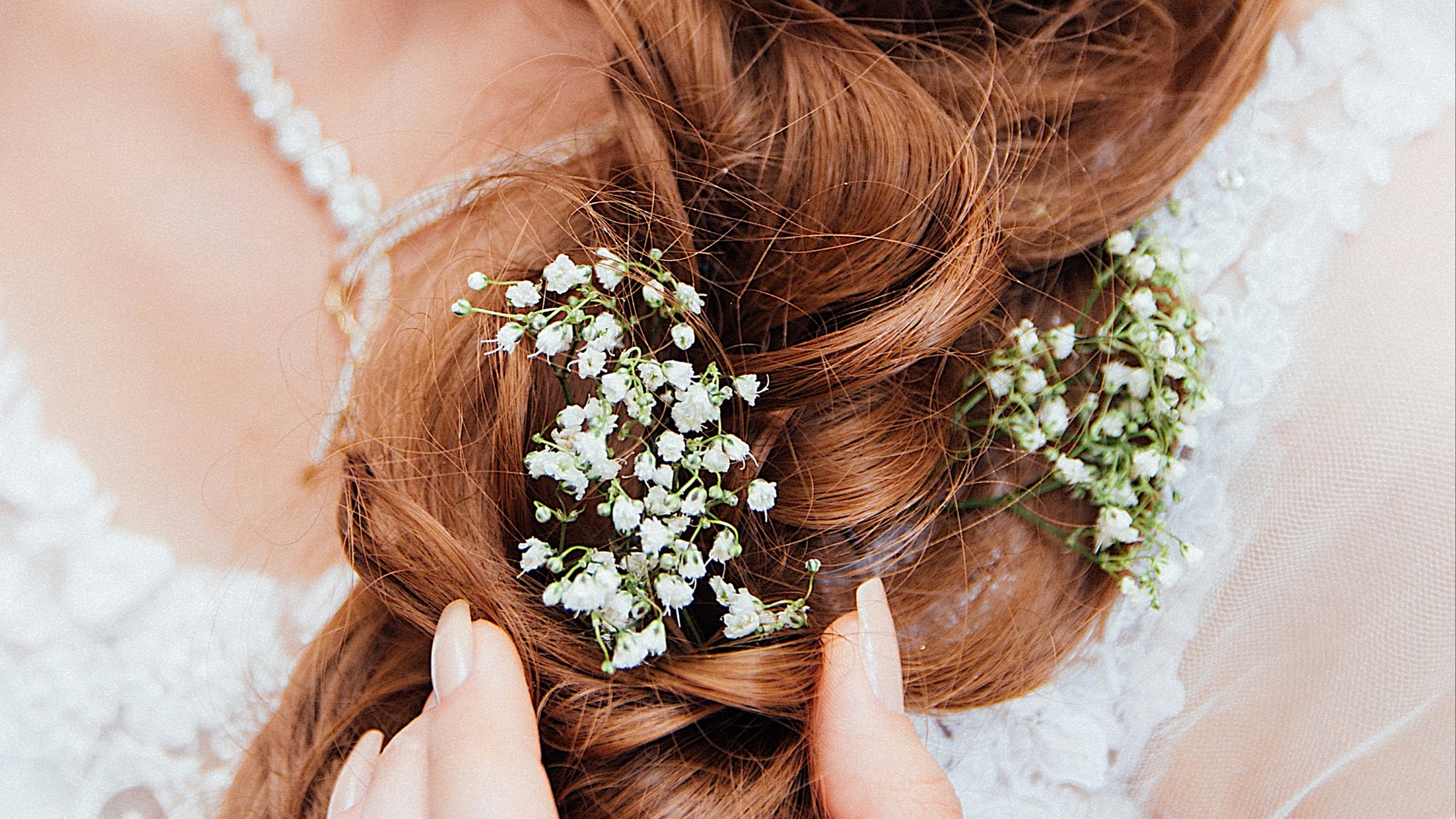
Hair and accessories work as a team; they shouldn't be separate decisions. For example, a sleek updo highlights statement earrings, while loose waves pair beautifully with delicate hairpieces. Planning them together avoids last-minute compromises.
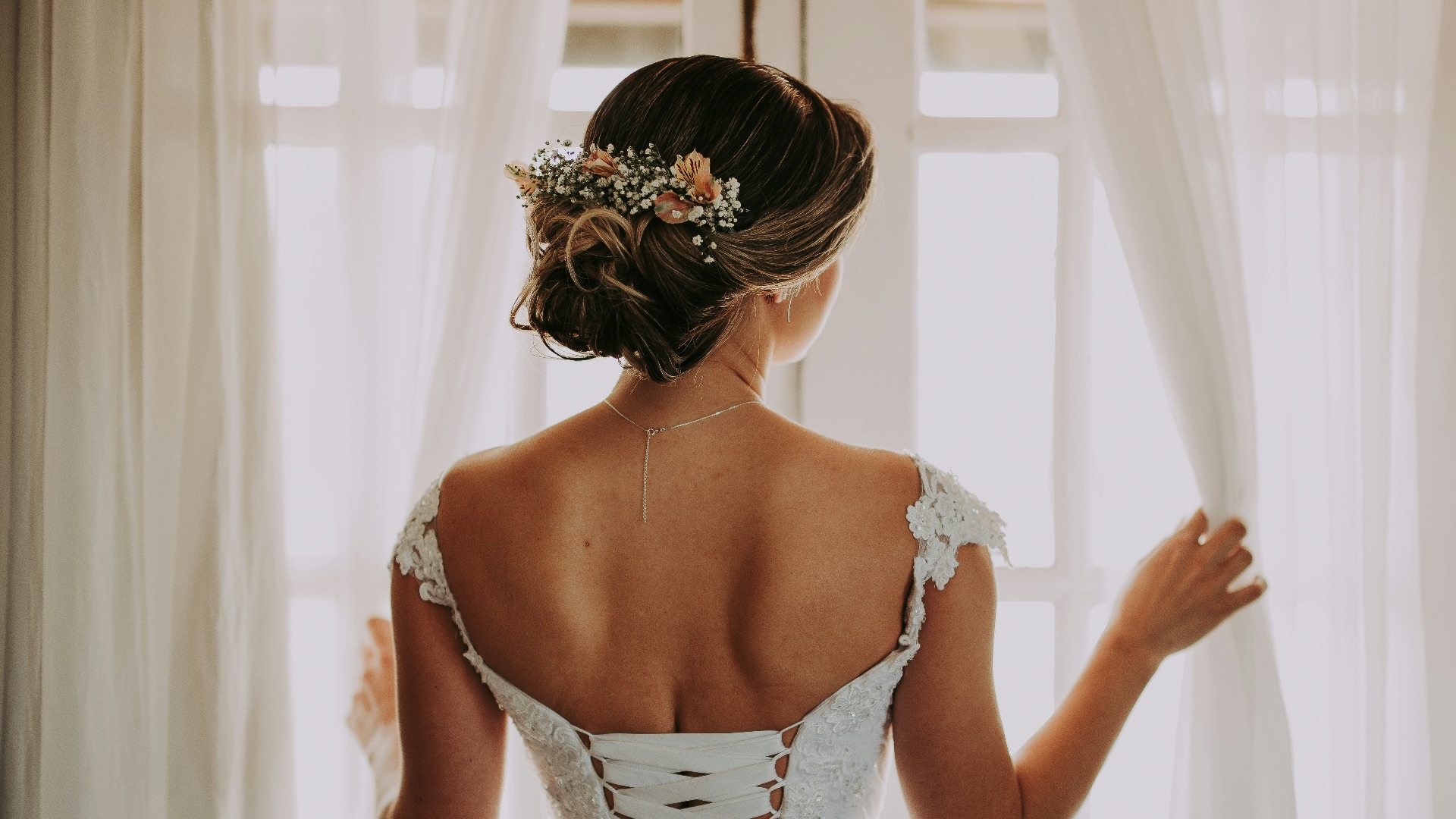
4. Use Accessories to Add Personality
Accessories are where your individuality can shine through most clearly. Whether it’s heirloom jewelry, a meaningful charm, or a subtle pop of color, these choices make the look feel personal. Those details often become the most cherished.
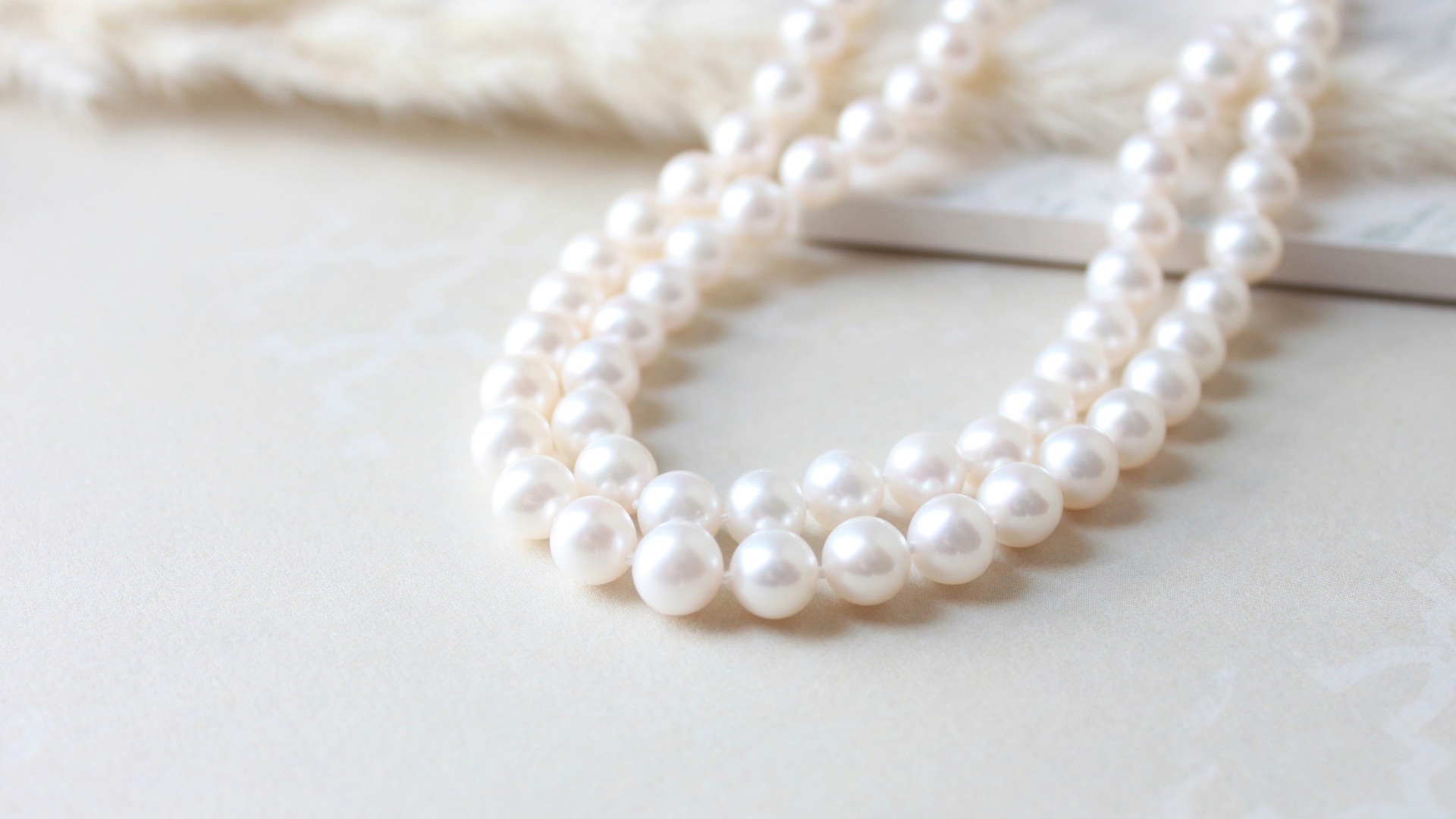
5. Think About Movement
Your accessories should move with you, not against you. Lightweight earrings, secure headpieces, and comfortable shoes allow you to stay present and comfortable all day long. You don't want to experience any discomfort on your big day, after all.
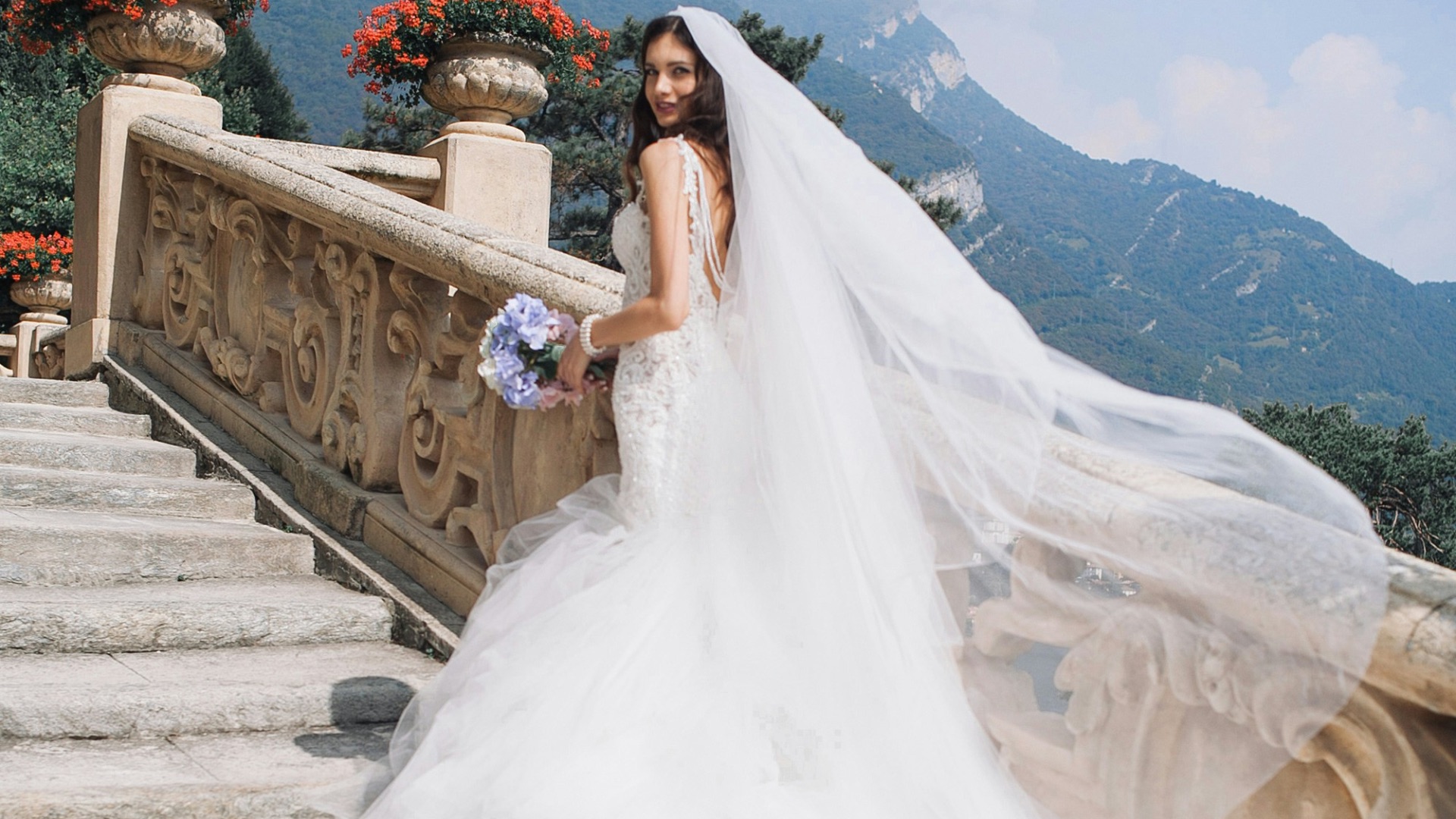
6. Keep Proportions in Mind
Scale matters more than people realize. Petite frames can be overwhelmed by oversized accessories, while bolder gowns can handle more presence. Proportion helps everything feel harmonious, so keep that in mind when you're planning your outfit.
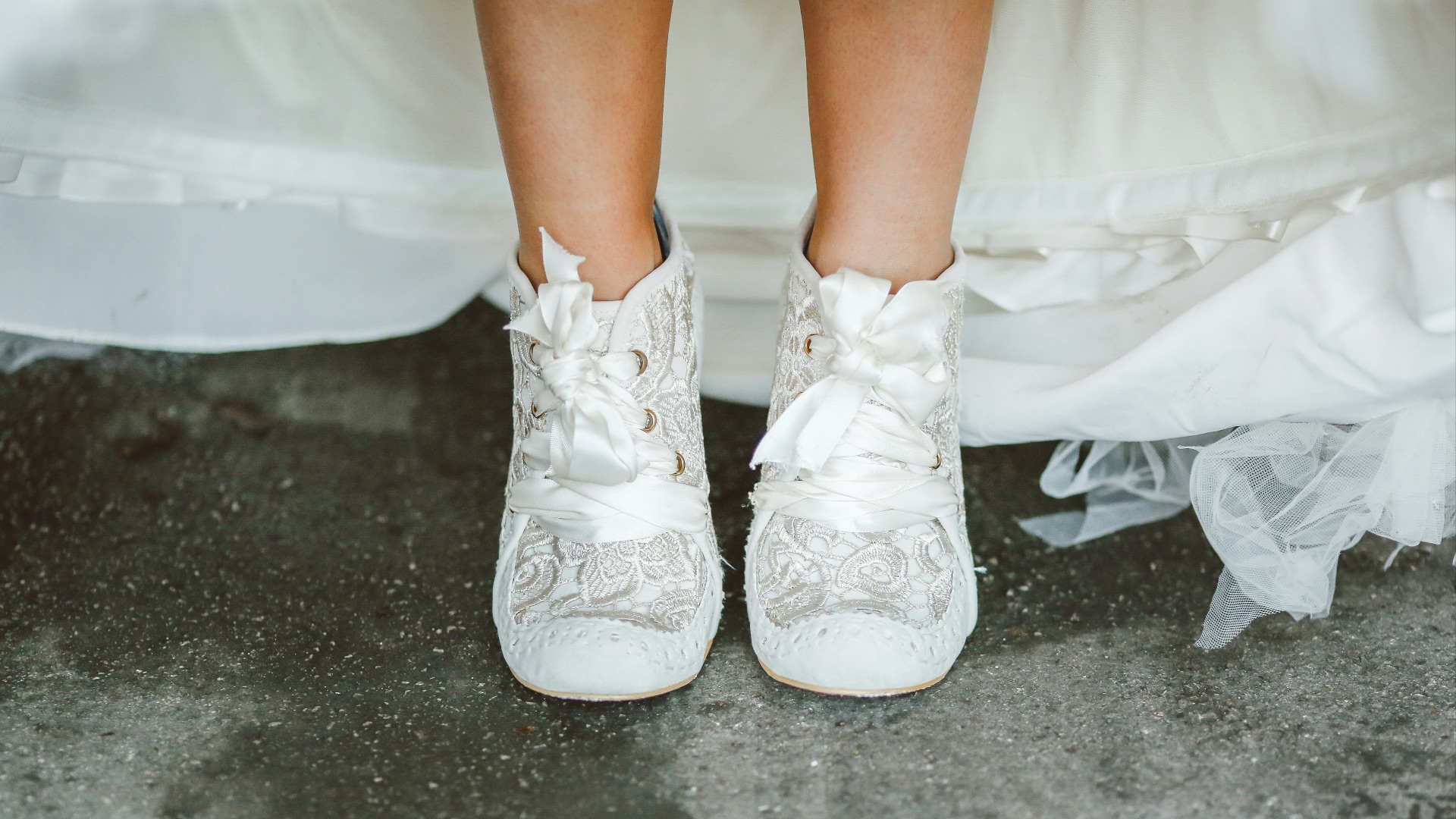
7. Choose Shoes You’ll Actually Wear All Day
As previously mentioned, it's important to choose comfortable shoes so you can keep moving all day long. And just because they're comfortable doesn't mean they're boring. When you can walk naturally and dance freely, it shows in photos and in how you carry yourself.
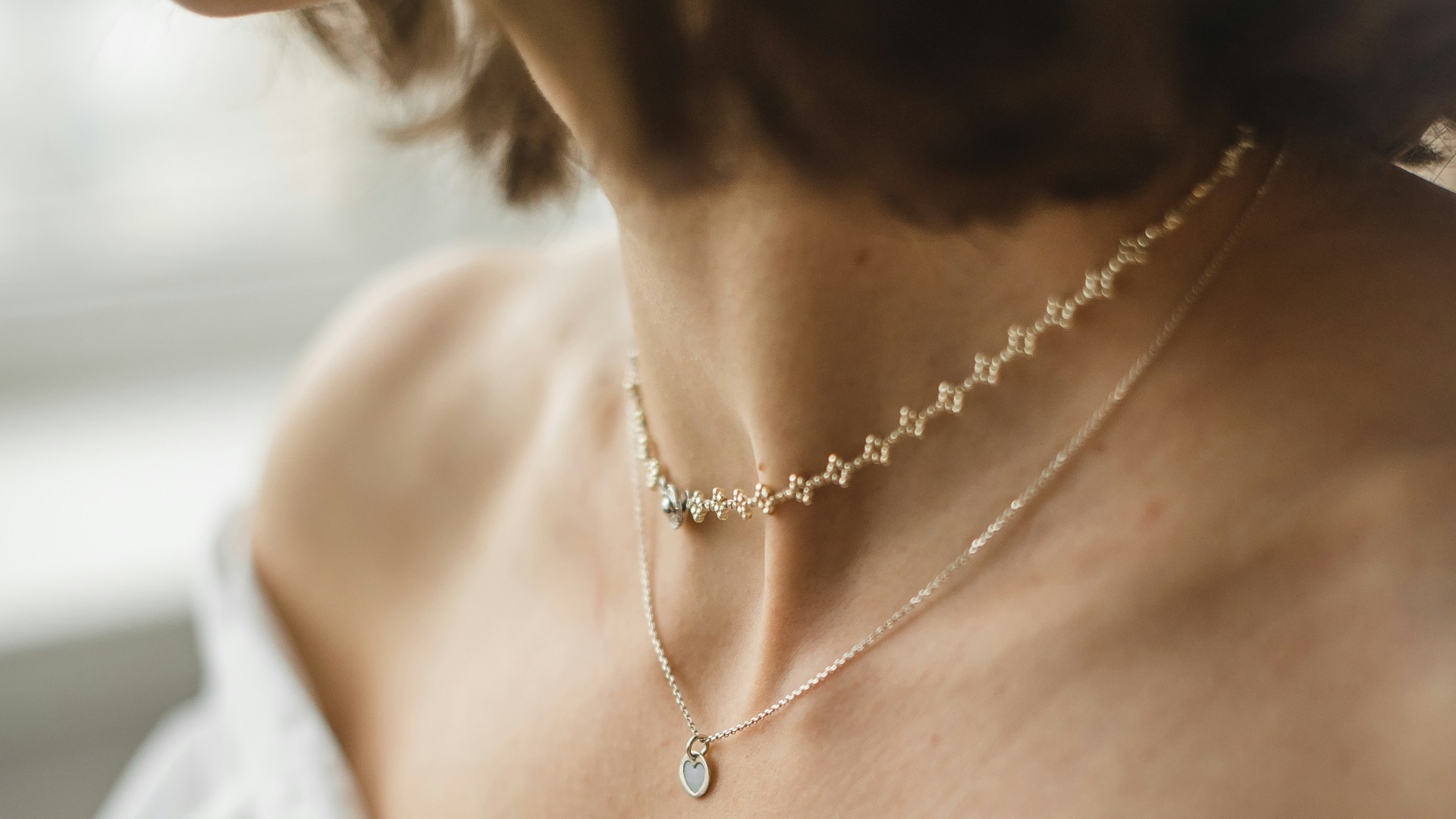
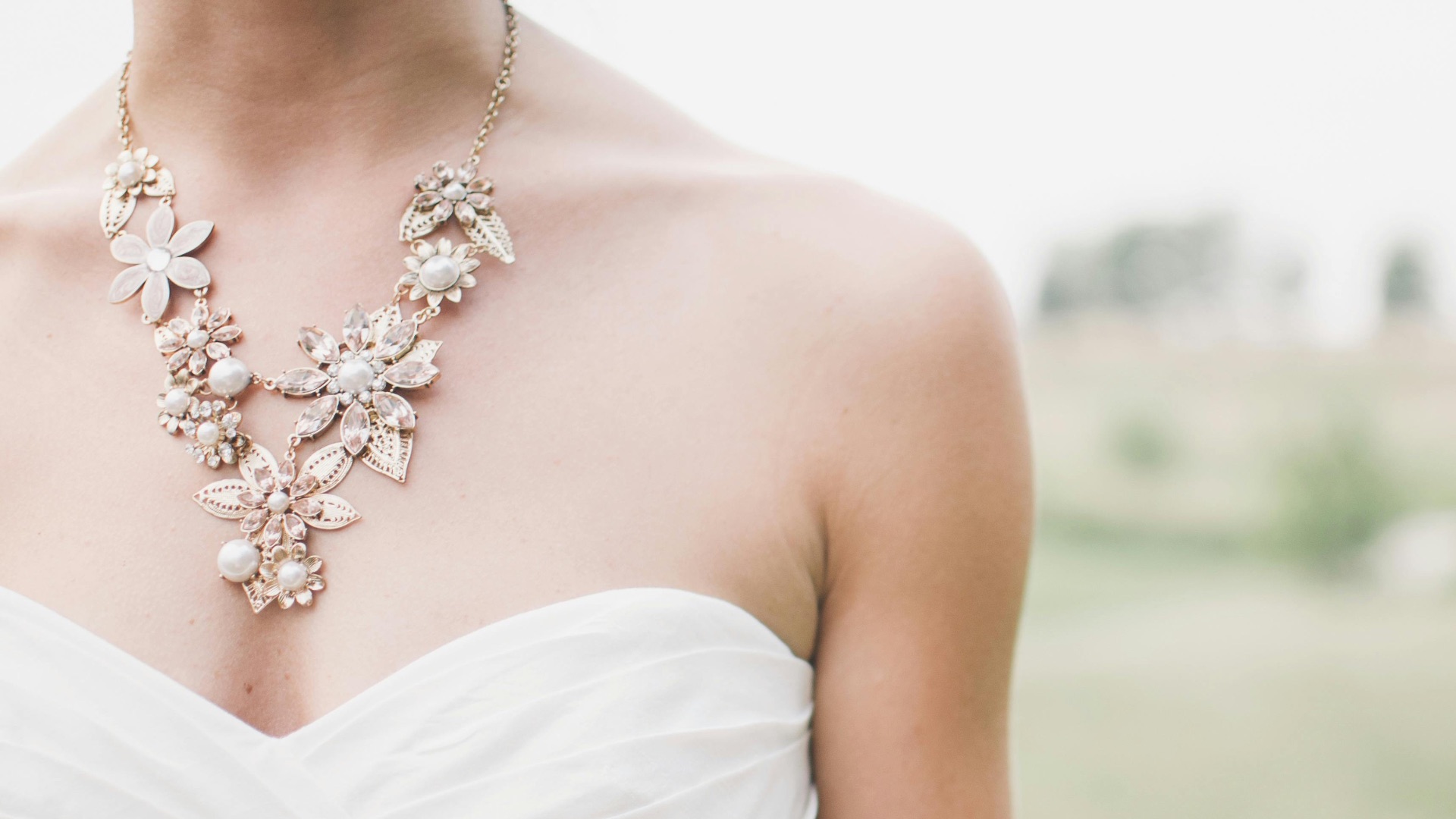
8. Let Your Jewelry Complement Your Neckline
Necklines naturally guide accessory choices. Strapless dresses leave room for necklaces, while high necklines often look best without one, unless you want to add something simple to elevate your look. The key is to choose a balance that works and complements everything else.
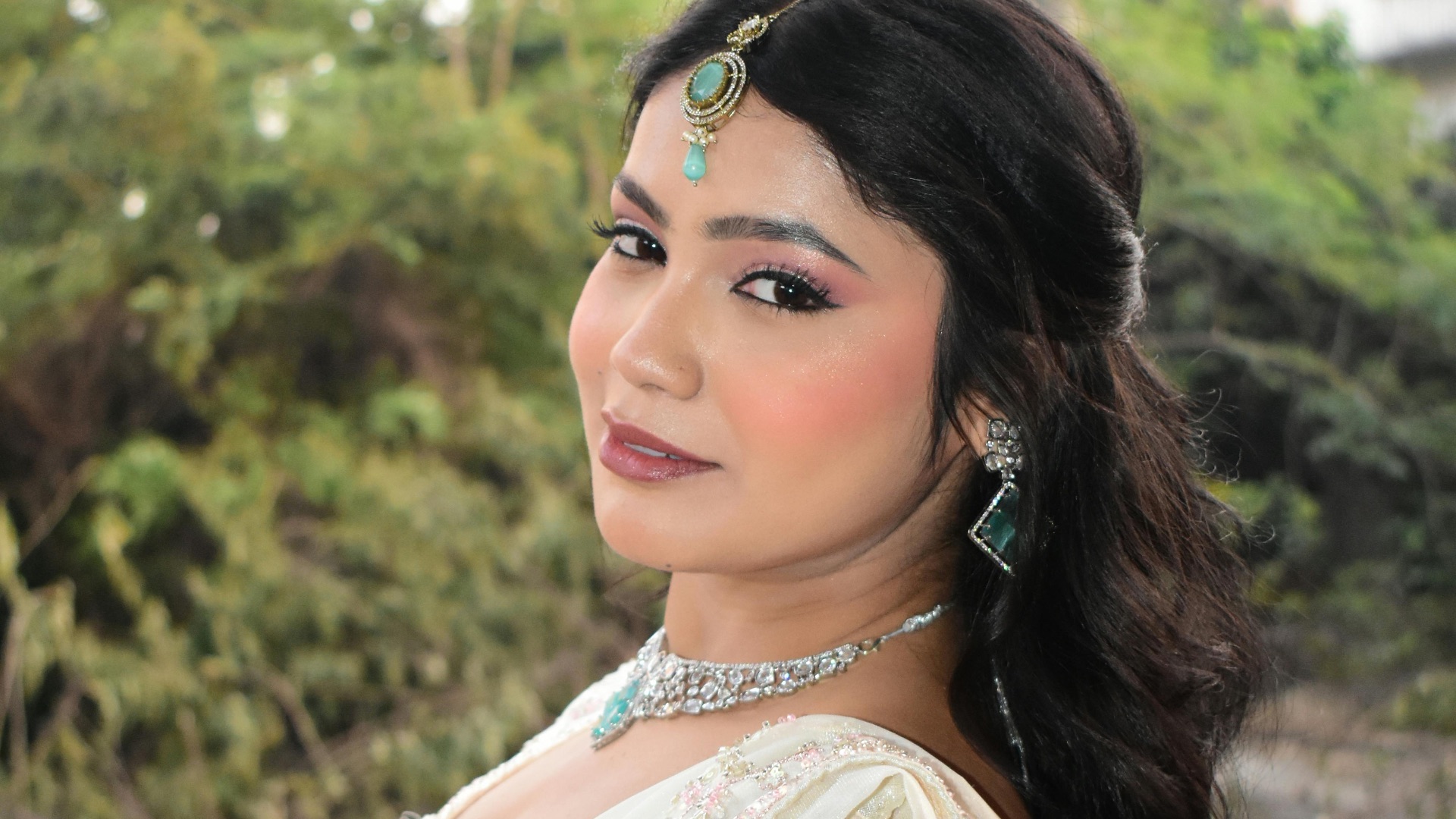
9. Test Everything in Natural Light
Accessories can look very different indoors versus outdoors. Trying everything on in natural light helps you see how metals, stones, and textures truly appear. This step can prevent surprises on the day of.
10. Trust When It Feels Finished
As you plan and try things on, there will come a moment when everything just clicks, and adding more would only distract or tip the balance. Learning to recognize that point is key: when the look feels effortless, it usually is.