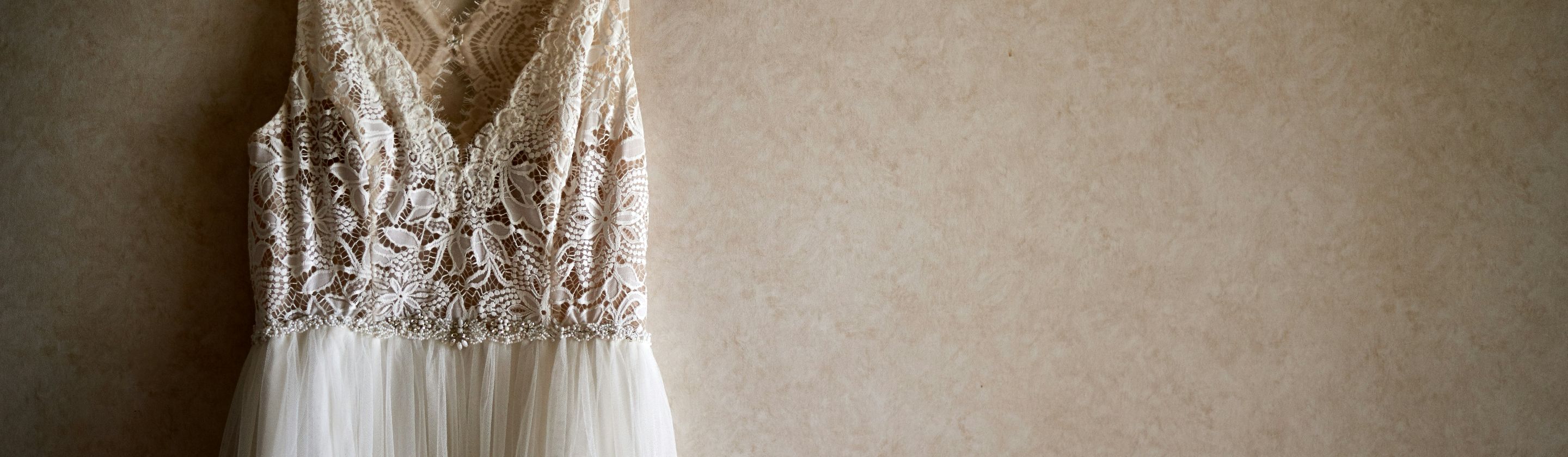
These Small Adjustments Make A Huge Difference
Most dresses come off the rack almost right, but they’re not always perfect, are they? Maybe the hem hangs a quarter-inch too long, the waist sits slightly higher than your natural waistline, or the straps dig into your shoulders. These minor imperfections compound throughout your big day, and the last thing you want to do is be uncomfortable in something you’re going to wear for hours on end. Here are twenty adjustments that can transform something decent into something you'll actually want to wear repeatedly.
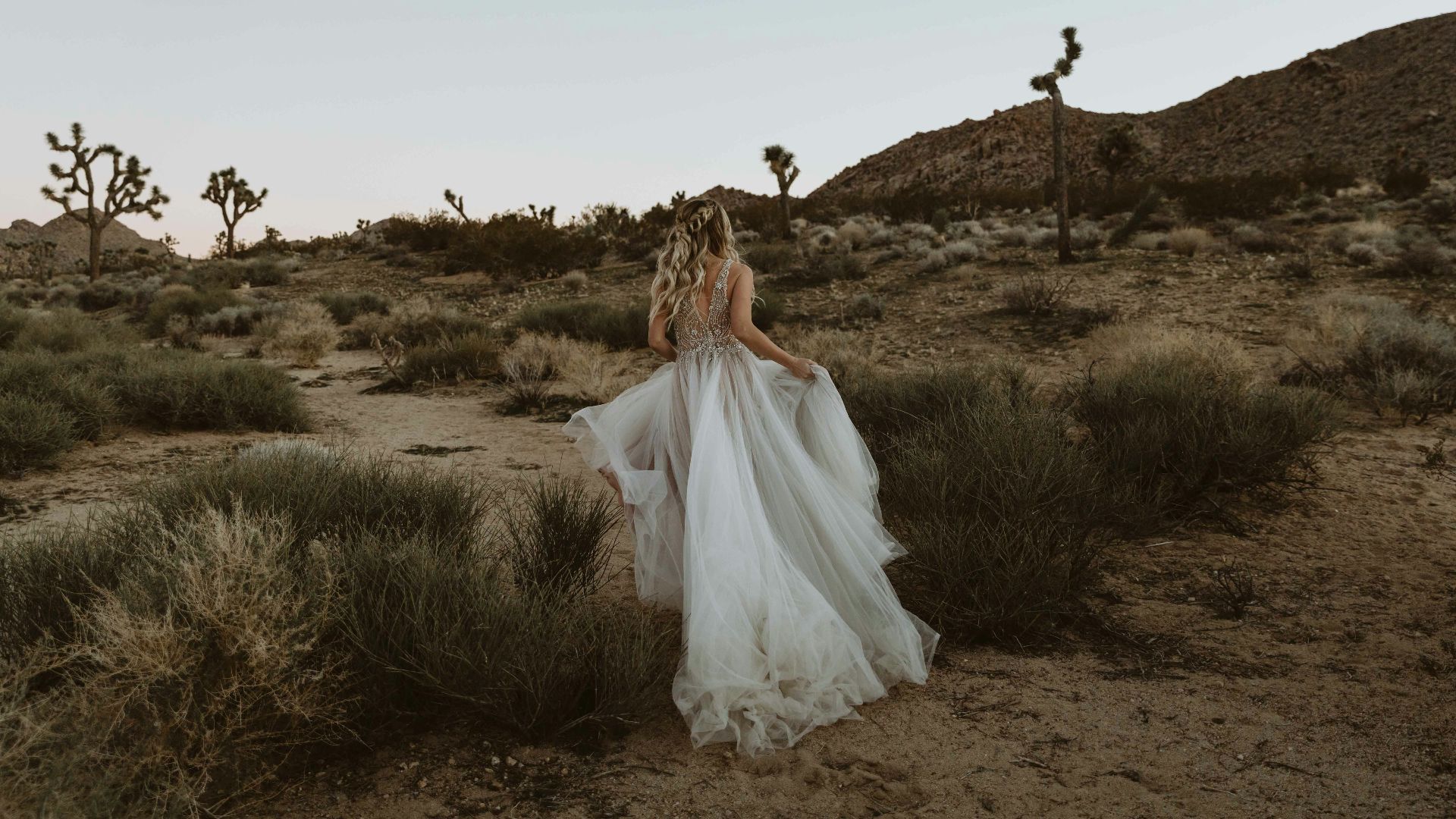
1. Fixing The Hem
Professional tailors measure wedding dress hems while you're wearing the shoes you plan to pair with the dress, which does, in fact, make a huge difference. A dress hem that’s one inch too short or too long changes how the dress moves and where the eye travels along your leg.

2. Fitting To Your Waist
Most commercial dresses are cut straight through the torso to accommodate the widest range of body types, so they rarely fit anybody perfectly. Taking in the side seams by just a half-inch on each side creates just a little more shape without feeling restrictive, and it prevents any frumpiness when you move or sit.
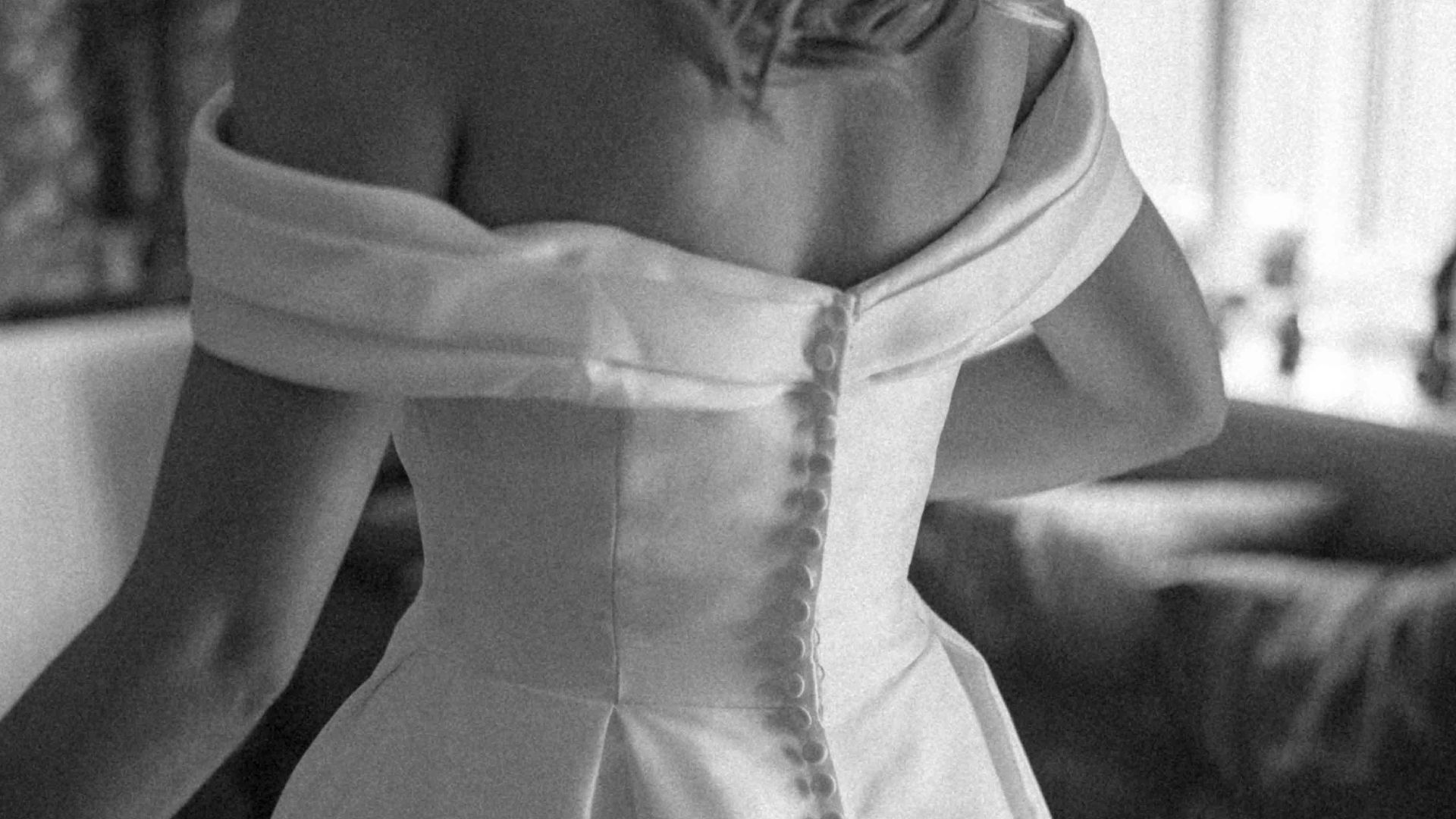
3. Adding A Slip Underneath
Sadly, Slips fell out of fashion sometime in the early 2000s, but they really can help make a good dress great. A good slip prevents the dress from clinging to your legs with static and adds a layer of opacity if the dress you’ve chosen is a little bit sheer.
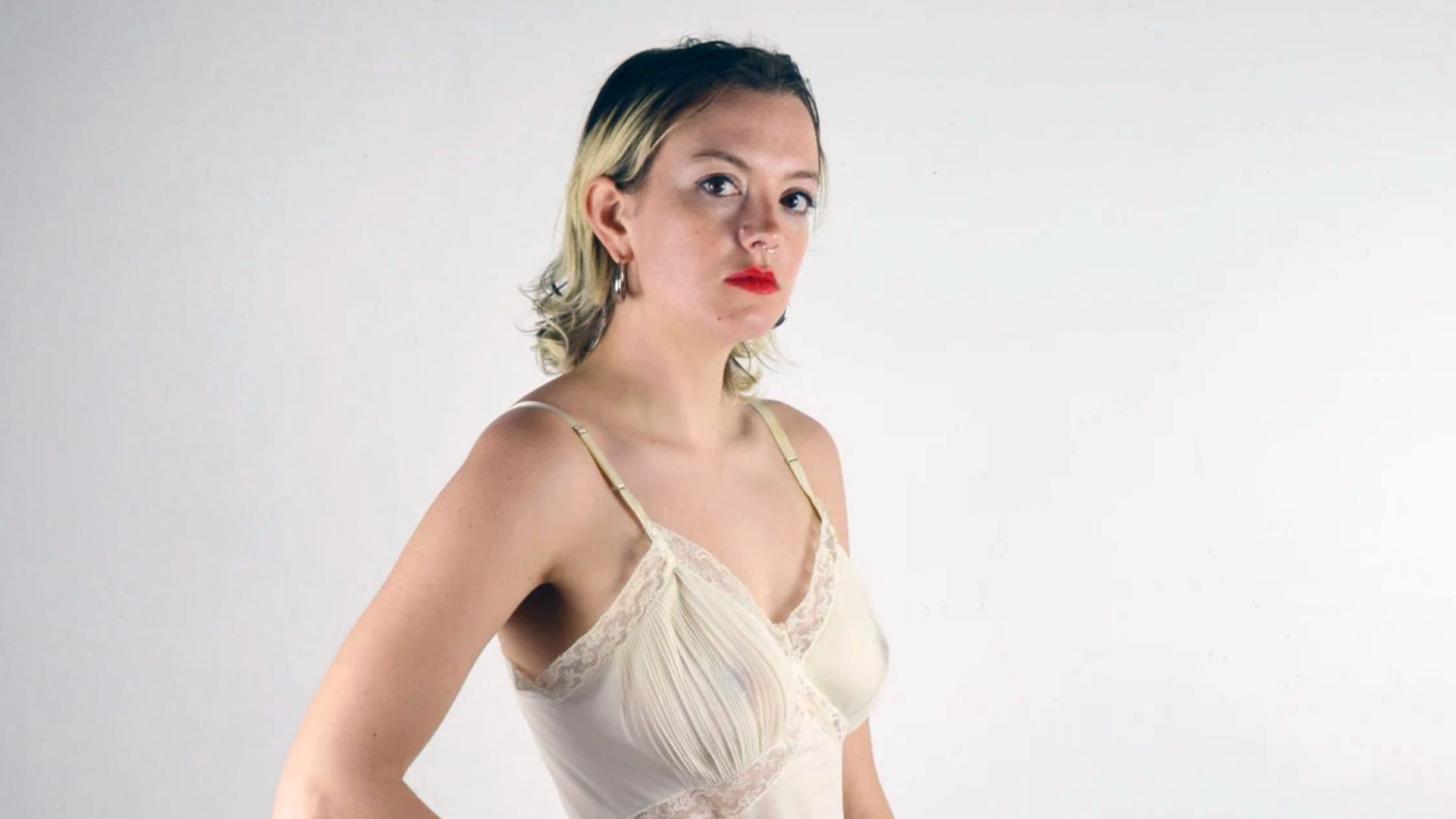
4. Replacing The Buttons
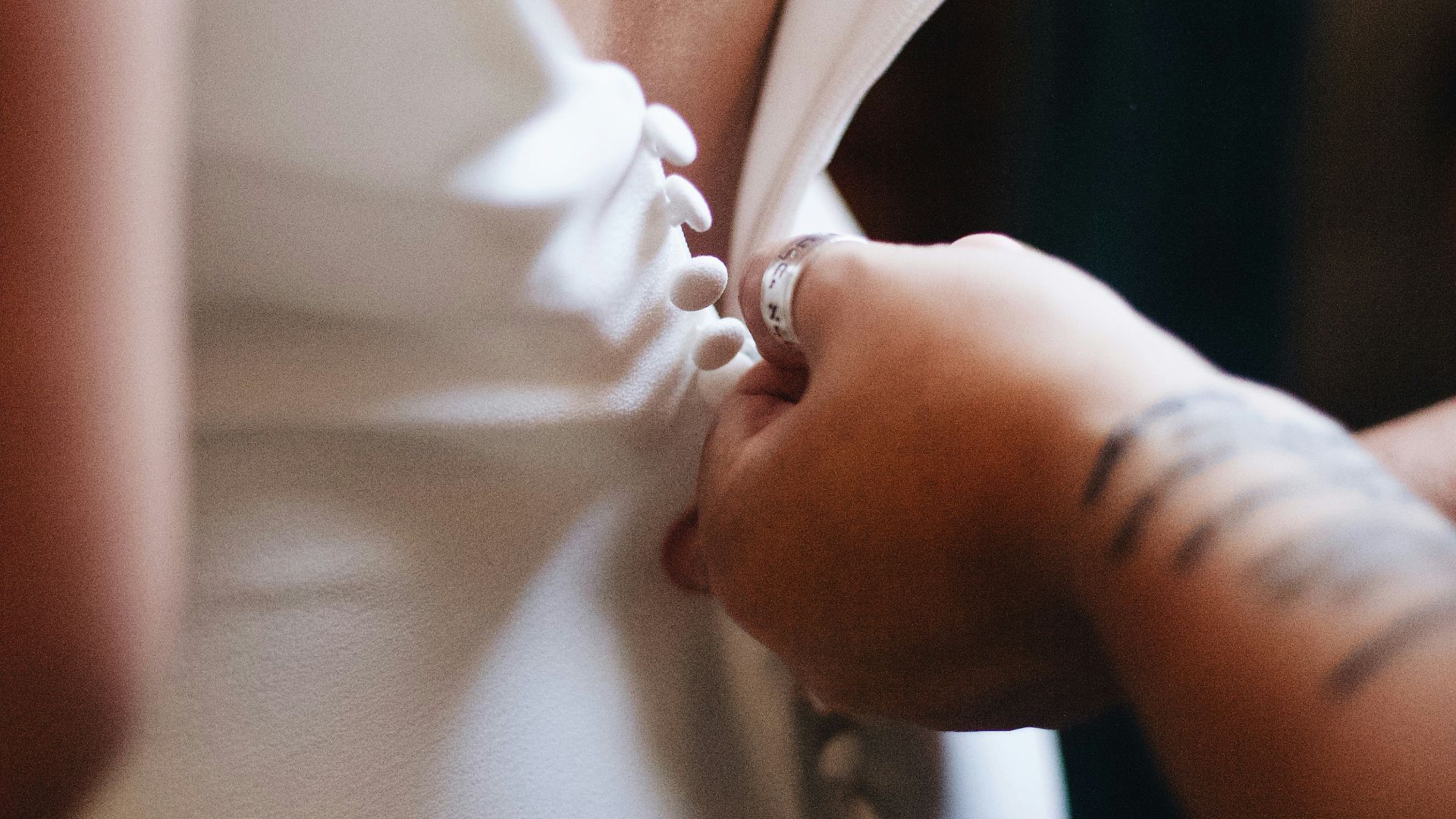
Cheap plastic buttons not only feel bad, but they also look bad. Swapping them for shell, horn, or covered fabric buttons makes any dress automatically look more luxurious. Higher-quality buttons can also help to prevent any possible breakage.
5. Shortening The Straps
Shoulder straps on ready-to-wear dresses are typically cut for someone slightly taller than average, so they often sit too low and create a sloppy, unfitted look through the bodice. Shortening them by even half an inch lifts the entire dress and changes how the neckline frames your collarbones.
6. Steaming Out The Warehouse Creases
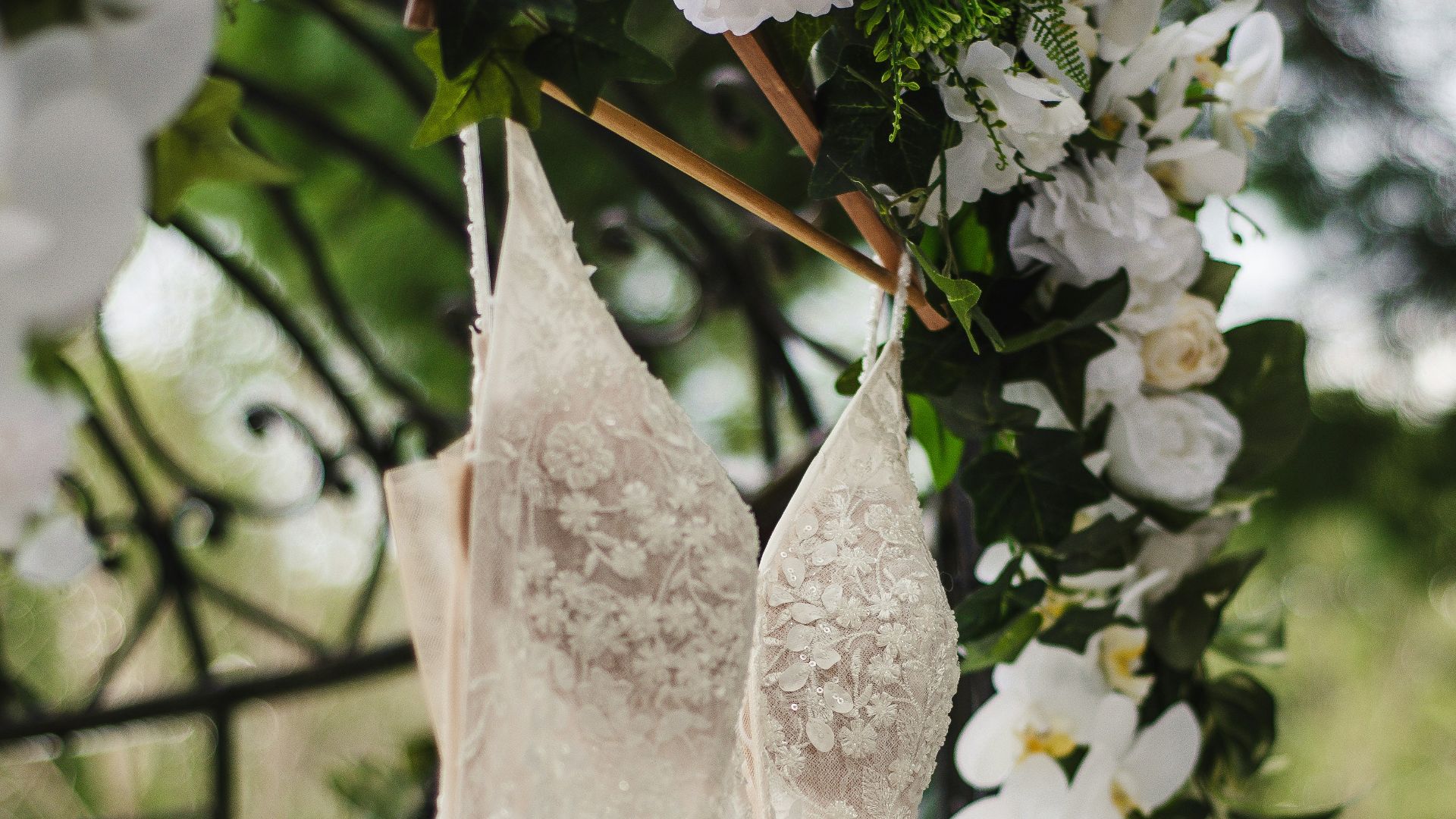
New dresses arrive with fold lines from being packed in boxes, and they definitely need to be dealt with. A handheld steamer works better than an iron for most fabrics because it doesn't flatten the textile or leave shiny marks on delicate materials.
7. Sewing In A Bra Strap Keeper
Some dresses come equipped with thread loops on the shoulders, which are meant to hold your bra strap in place. If the thread is cheap or the dress didn’t come with any, sewing a small snap or hook is in your best interest. You’ll be thankful that you’re not adjusting your bra throughout the day.
8. Adjusting The Neckline
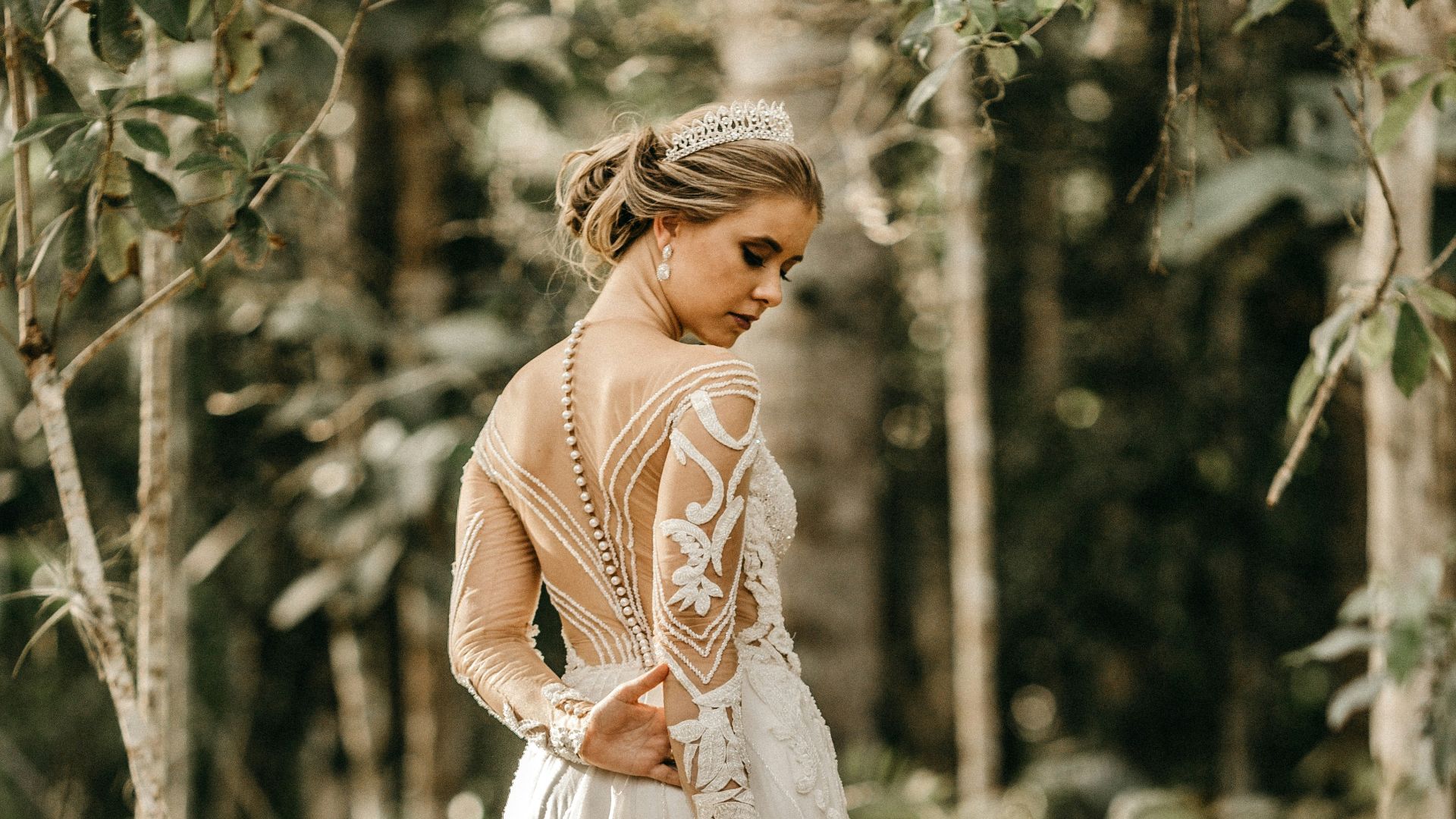
Picking a neckline that’s too low or too high for your body shape can cause constant irritation or require you to hold your hand over your bodice whenever you lean over. A tailor can raise a plunging neckline by adding a few inches of matching fabric or lower a conservative one by removing some of the lining.
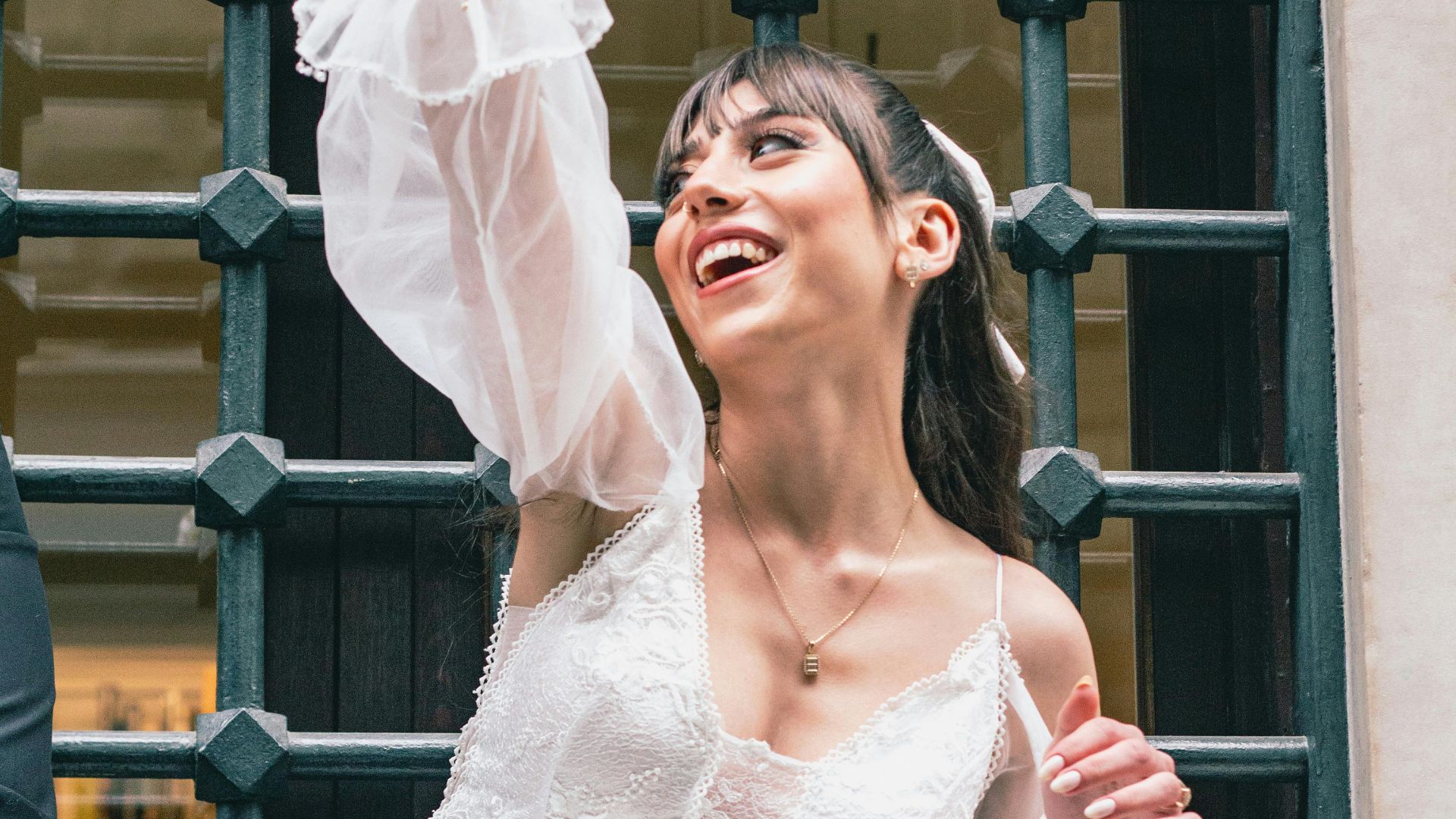
9. Adding Pockets
Dresses without pockets are a baffling design choice that forces you to carry a bag everywhere - even on your wedding day. A seamstress can add in-seam pockets to most dresses, depending on the style you choose. It may not seem like a big deal, but it’s well worth considering.
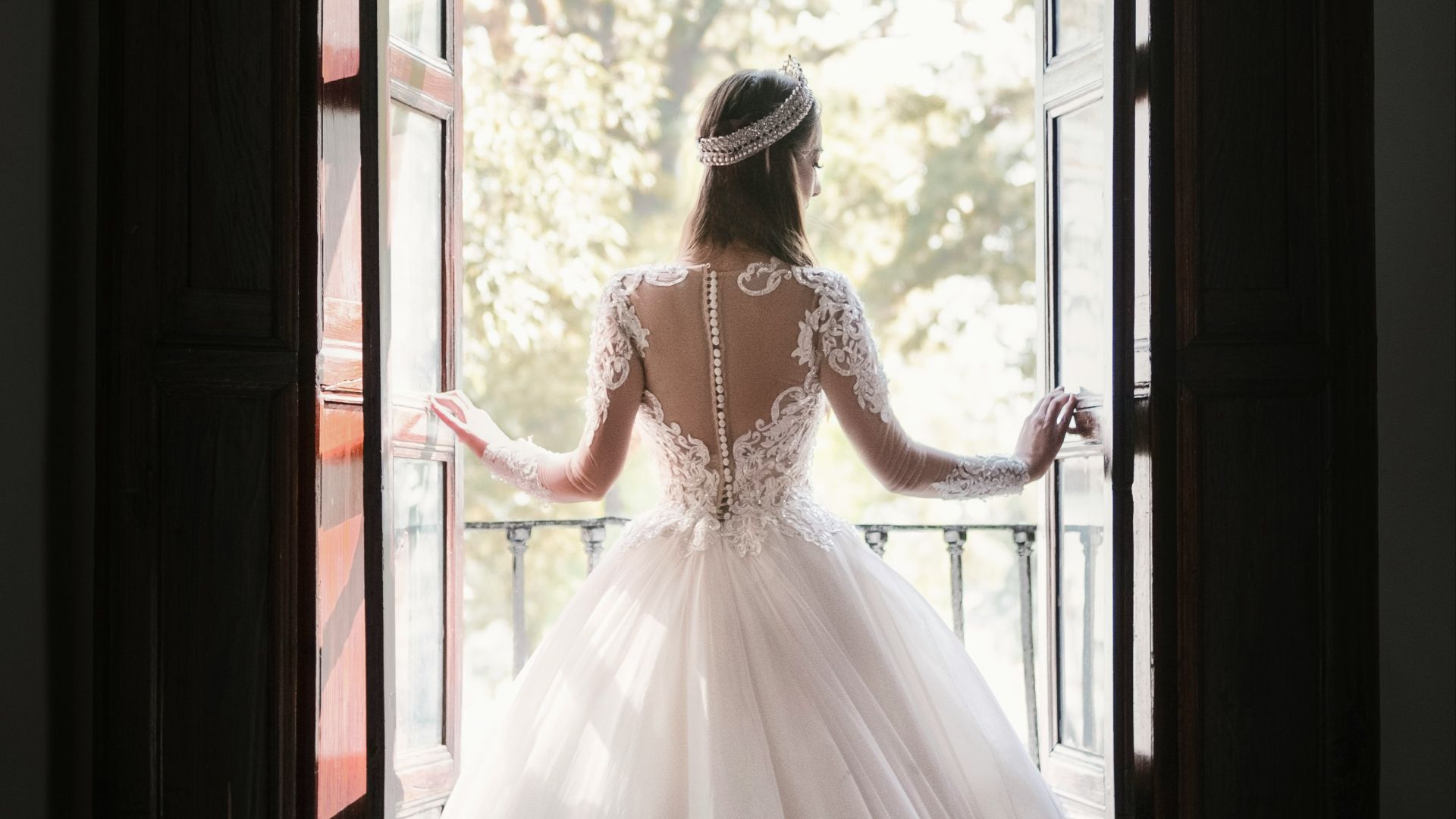
10. Fixing A Too-Tight Armhole
Armholes cut too high or too tight restrict movement and create that awful pulling sensation across your back as you’re moving. Letting out the armhole seam by even a quarter-inch provides surprising freedom of movement without making the dress look sloppy.
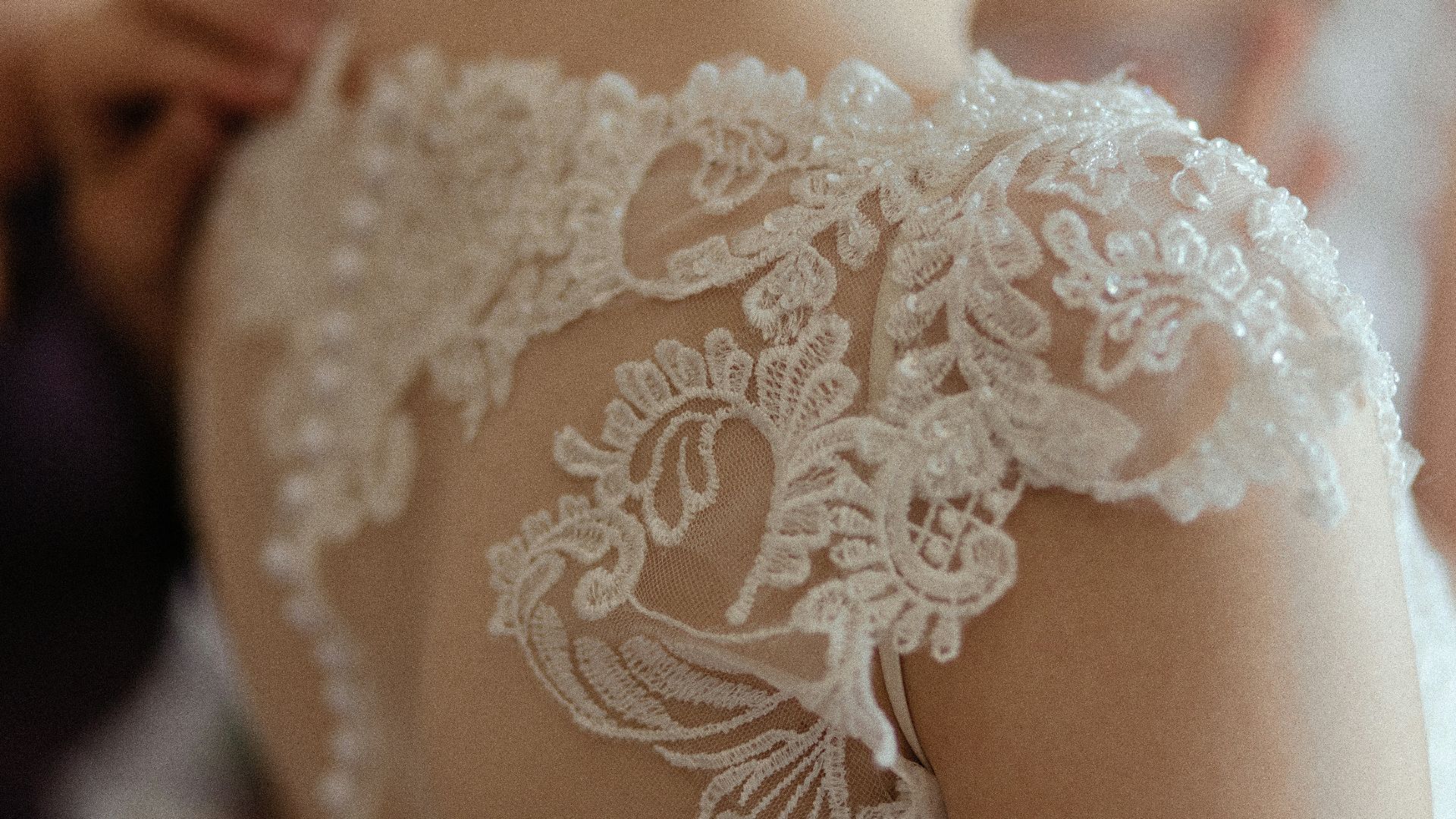
11. Lining A Scratchy Dress
Some of the most beautiful wedding dresses are also some of the most scratchy, which will irritate your skin. Adding a silk or cotton lining will make your dress feel much more comfortable and will prevent any redness from showing up on your skin throughout your day.
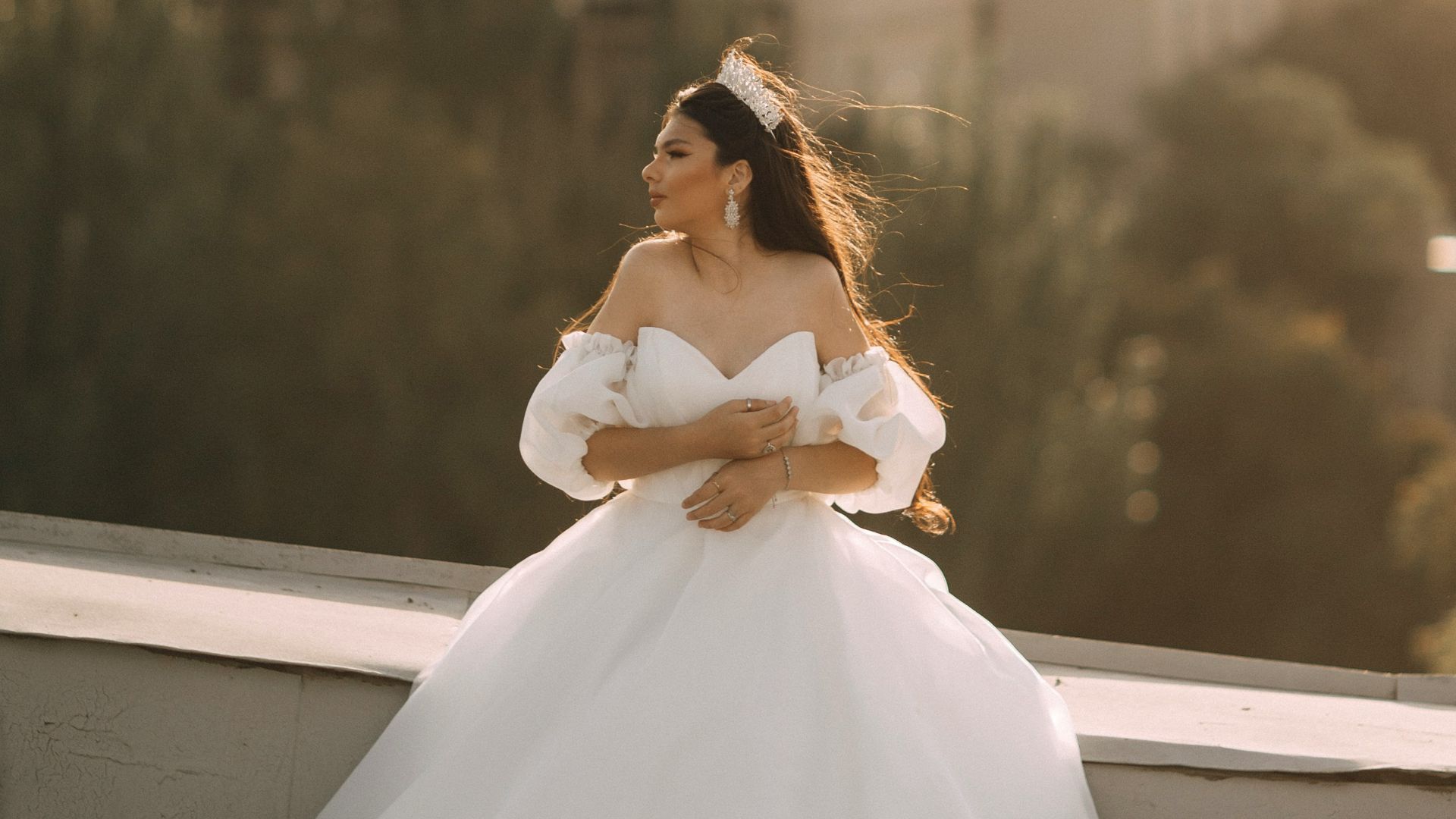
12. Tightening Loose Sleeves
Sleeves that gap at the armhole or slide down your shoulders look bad and feel worse. Taking in the sleeve cap and adjusting where it attaches to the bodice can change a dress’s entire appearance, and will make moving throughout your day much less annoying.
13. Adding Weight To The Hem
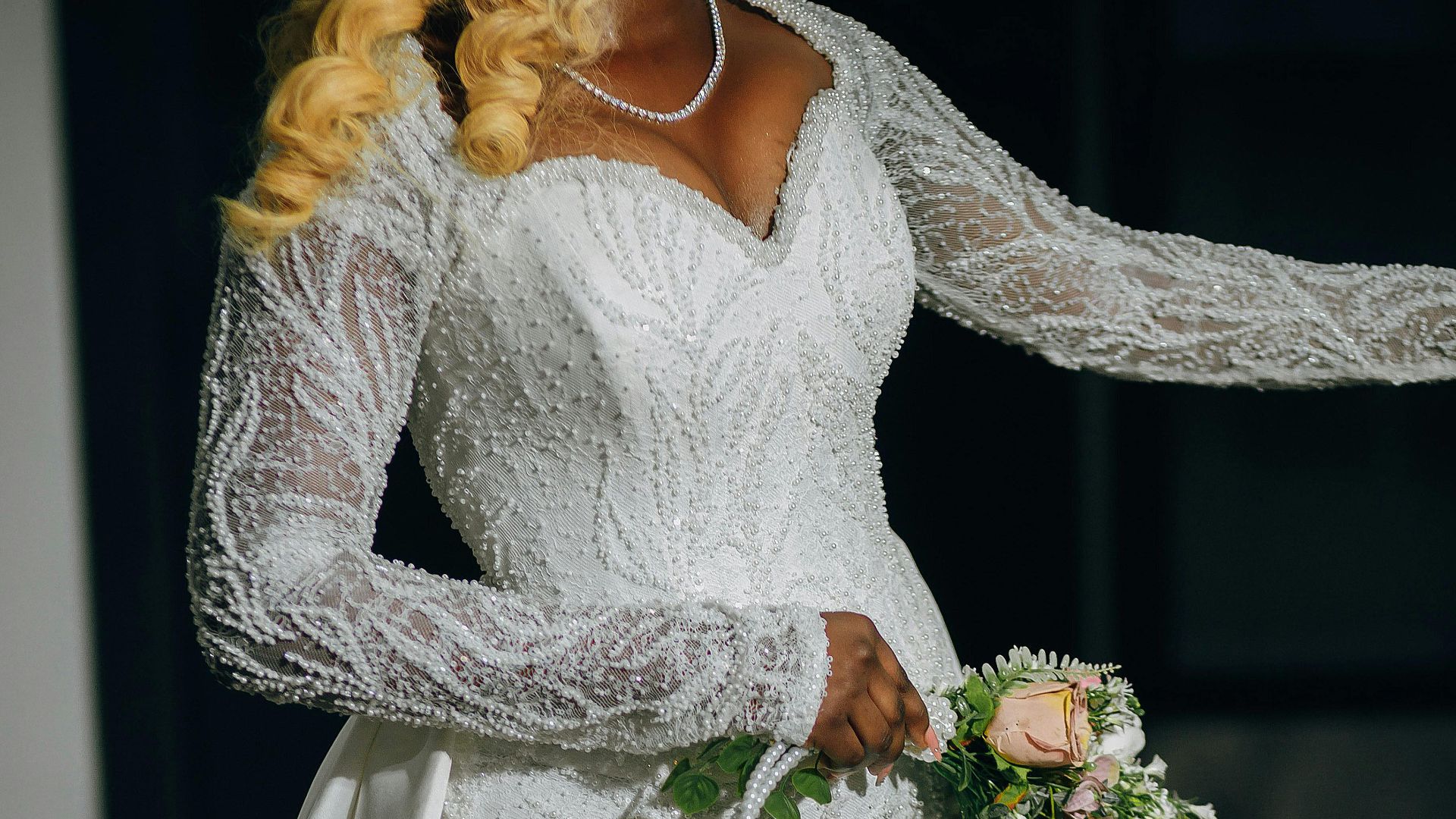
Lightweight fabrics blow around in the slightest breeze, which becomes annoying when you're trying to walk normally without your dress flying up. Small weights sewn into the hem corners keep everything in place without adding visible bulk or changing how the fabric drapes. Curtain weights from the hardware store work perfectly and cost around five dollars for a package of twenty.
14. Reinforcing Stress Points
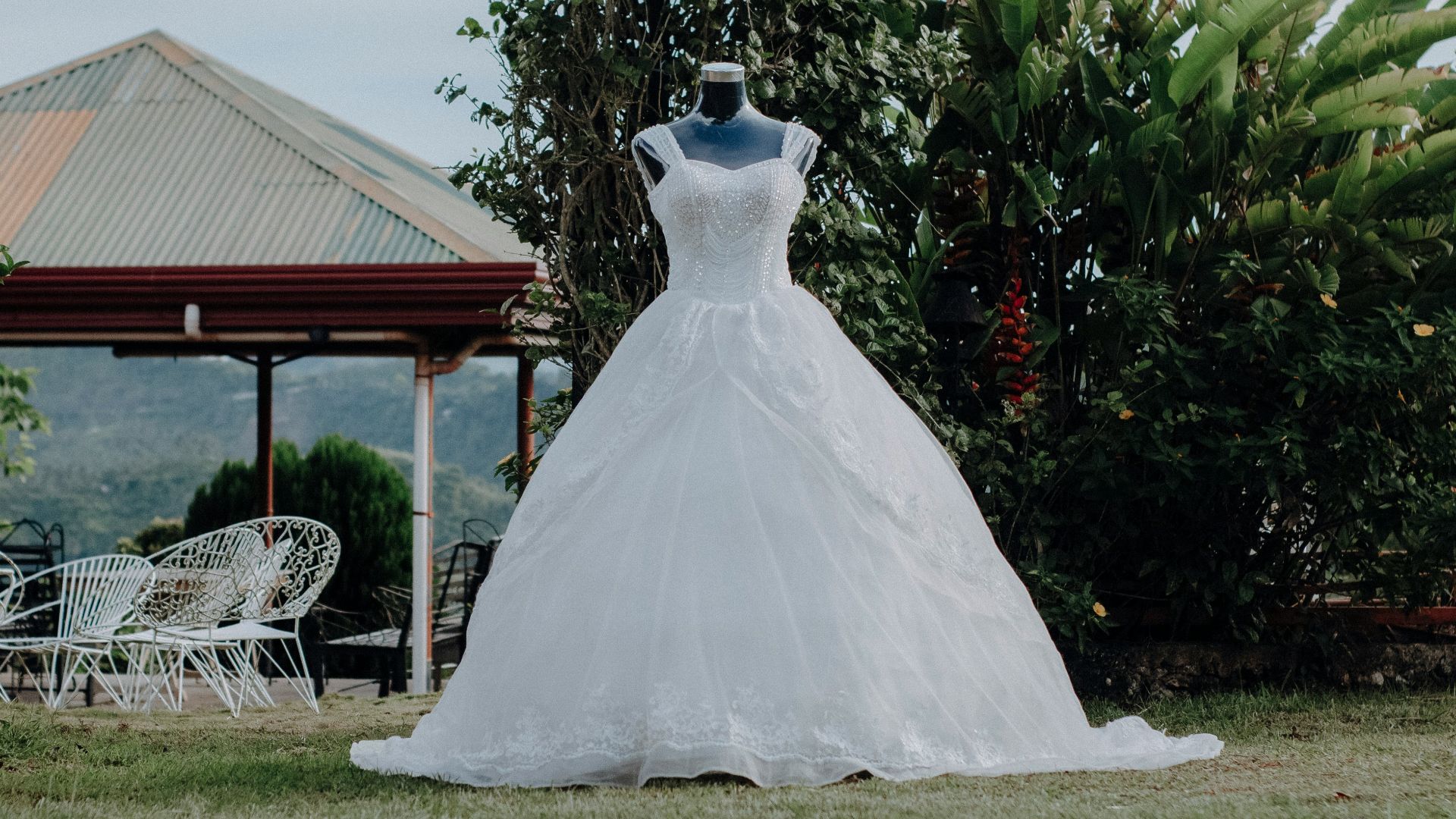
Underarm seams and side zippers are weak points on your dresses, meaning they’ll give out quite easily if you’re not careful. Reinforcing these areas with better stitching prevents any unwanted rips or mishaps.
15. Switching Out A Bad Zipper
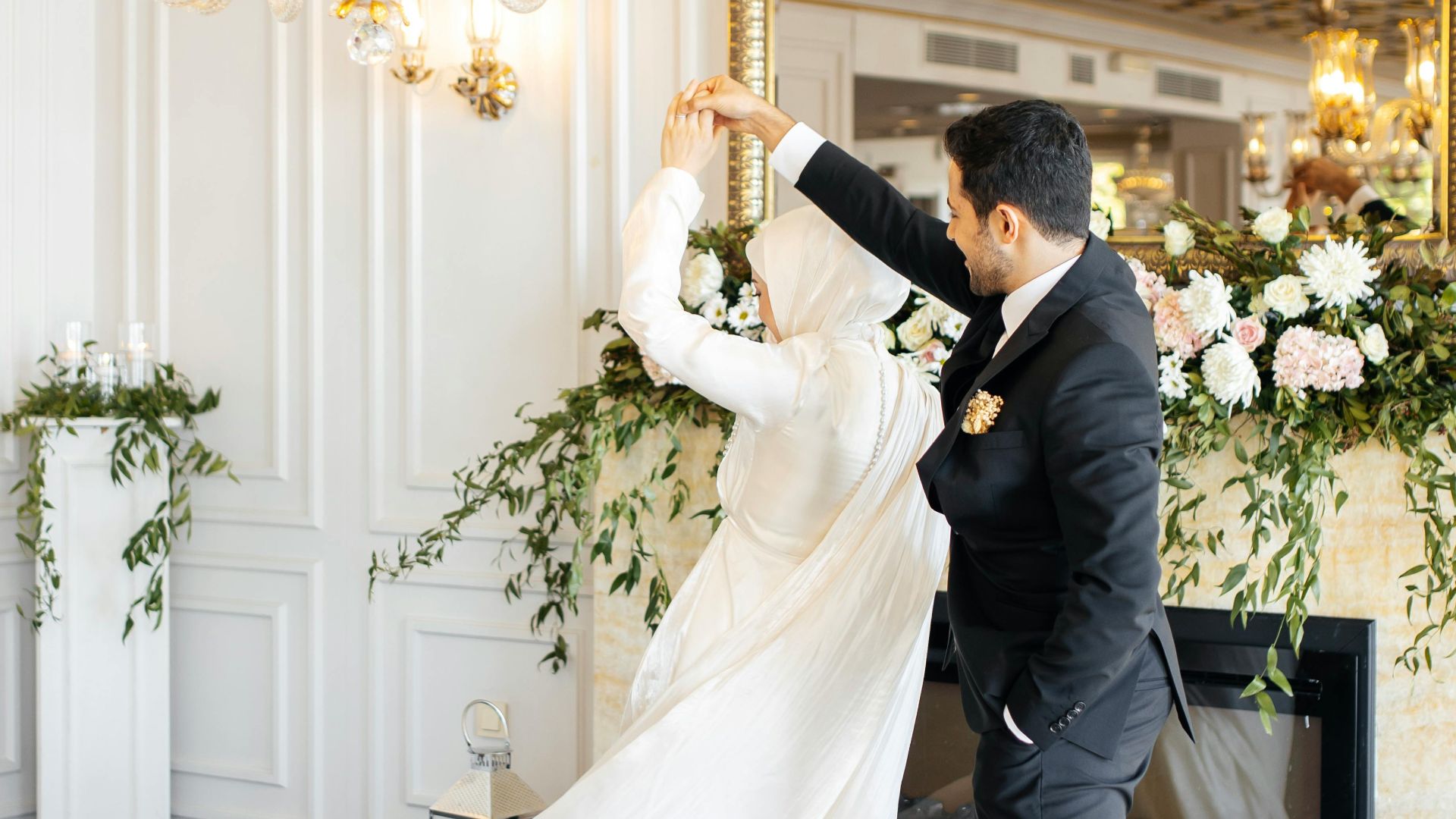
Low-quality zippers stick, separate, or break at the most inconvenient moments, and can ruin your big day. Metal zippers last longer than plastic ones and have a nicer weight and feel, and they're less likely to snag the fabric.
16. Adding Boning To The Bodice
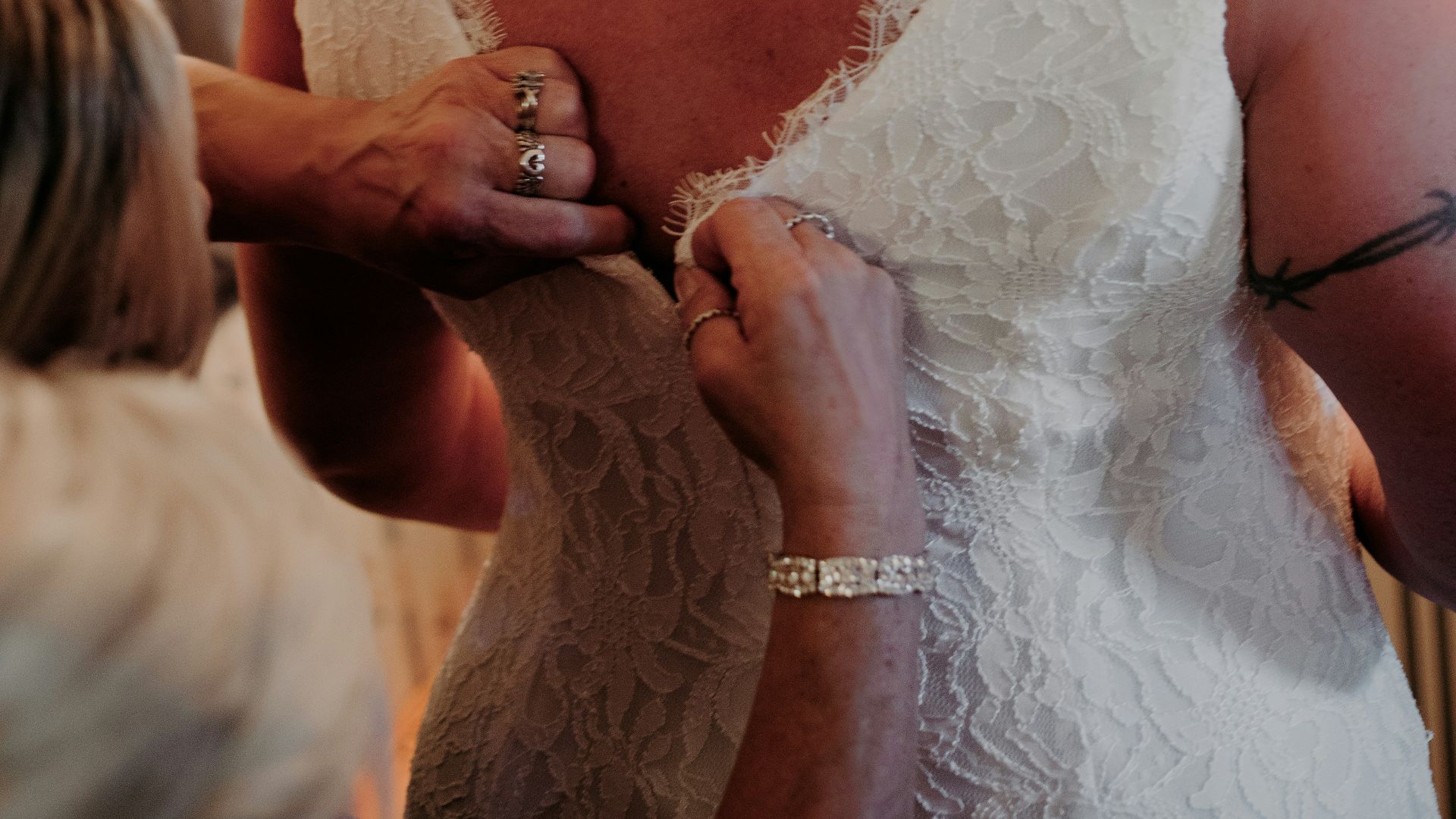
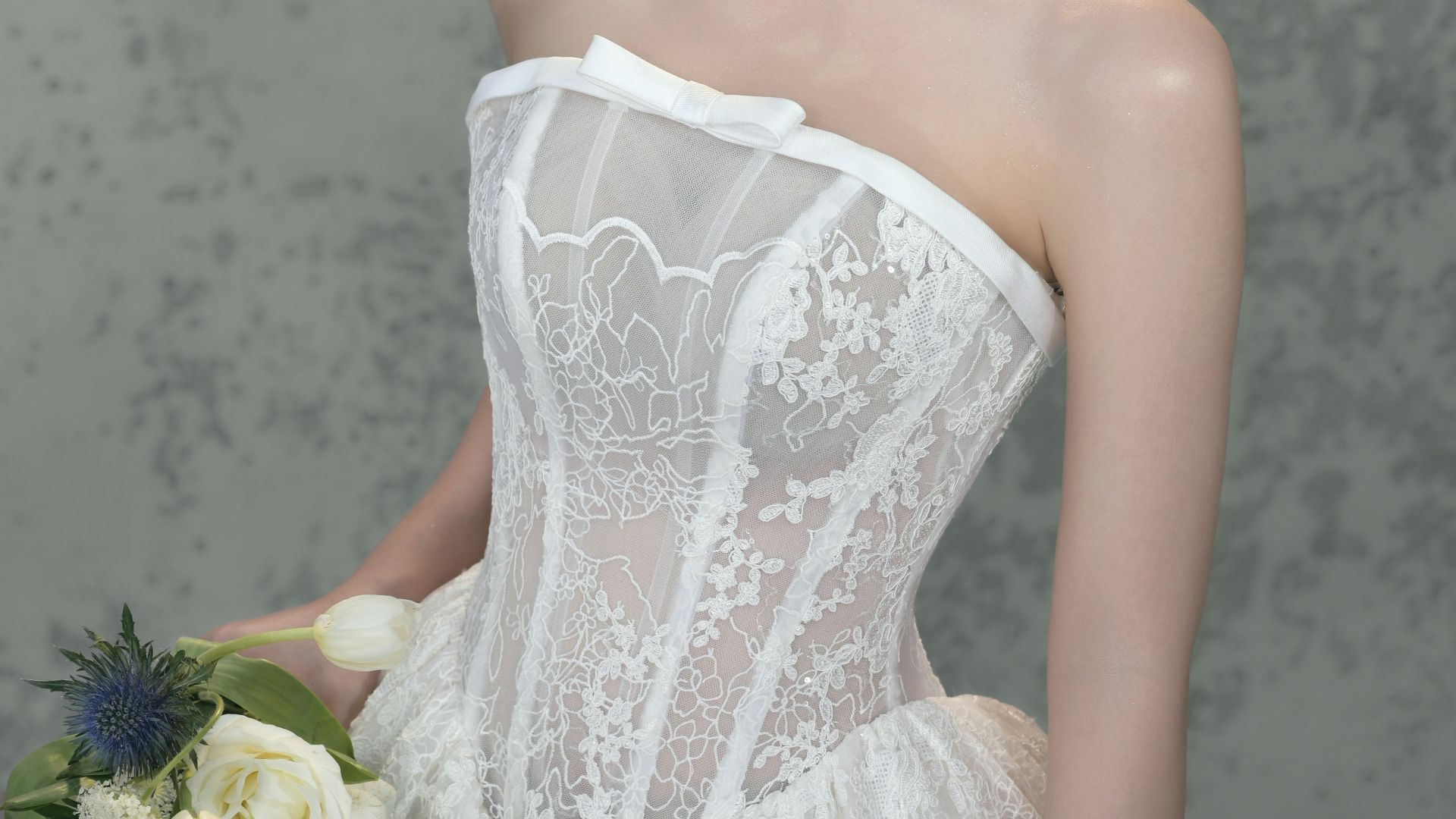
Structured bodices hold their shape and provide support, while unboned bodices tend to wrinkle and collapse throughout the day. Adding boning channels and plastic or steel boning, especially on strapless or backless dresses, will prevent your dress from losing its shape.
17. Customizing The Sleeve Length
Even if a dress is perfect in every other aspect, you’ll still notice if your sleeves are too long or too short. You’ll definitely want to invest some time into figuring out where you want your sleeve to hit on your arm, how it moves if you’re reaching for something, and how tight you want it to be.
18. Tapering The Skirt
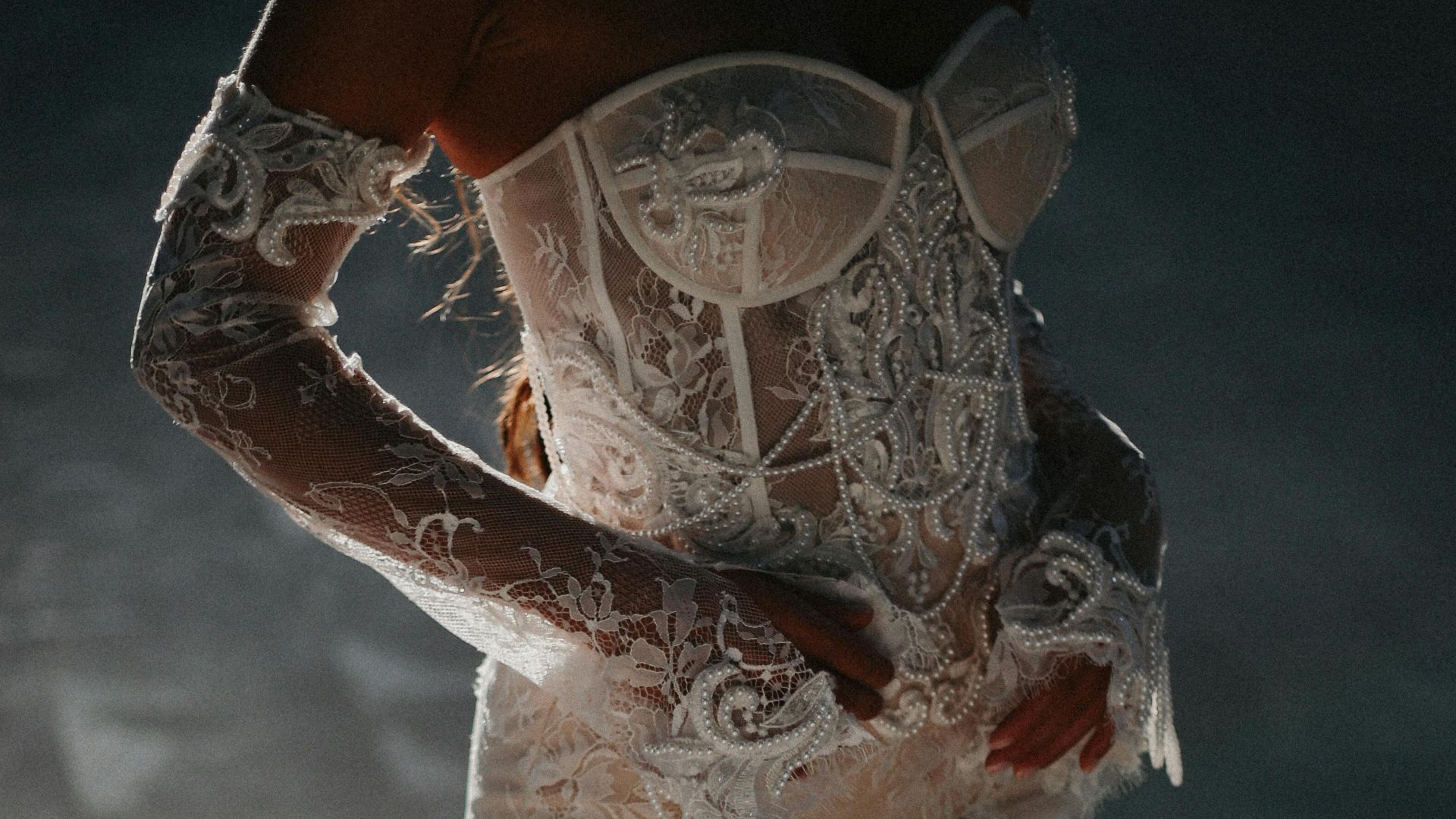
A-line skirts work beautifully on some body types but can overwhelm others, while pencil skirts can feel restrictive if cut too narrow. Adjusting the skirt taper to suit your proportions makes the difference between a dress that looks fine and one that looks specifically tailored for you.
19. Adding A Modesty Panel
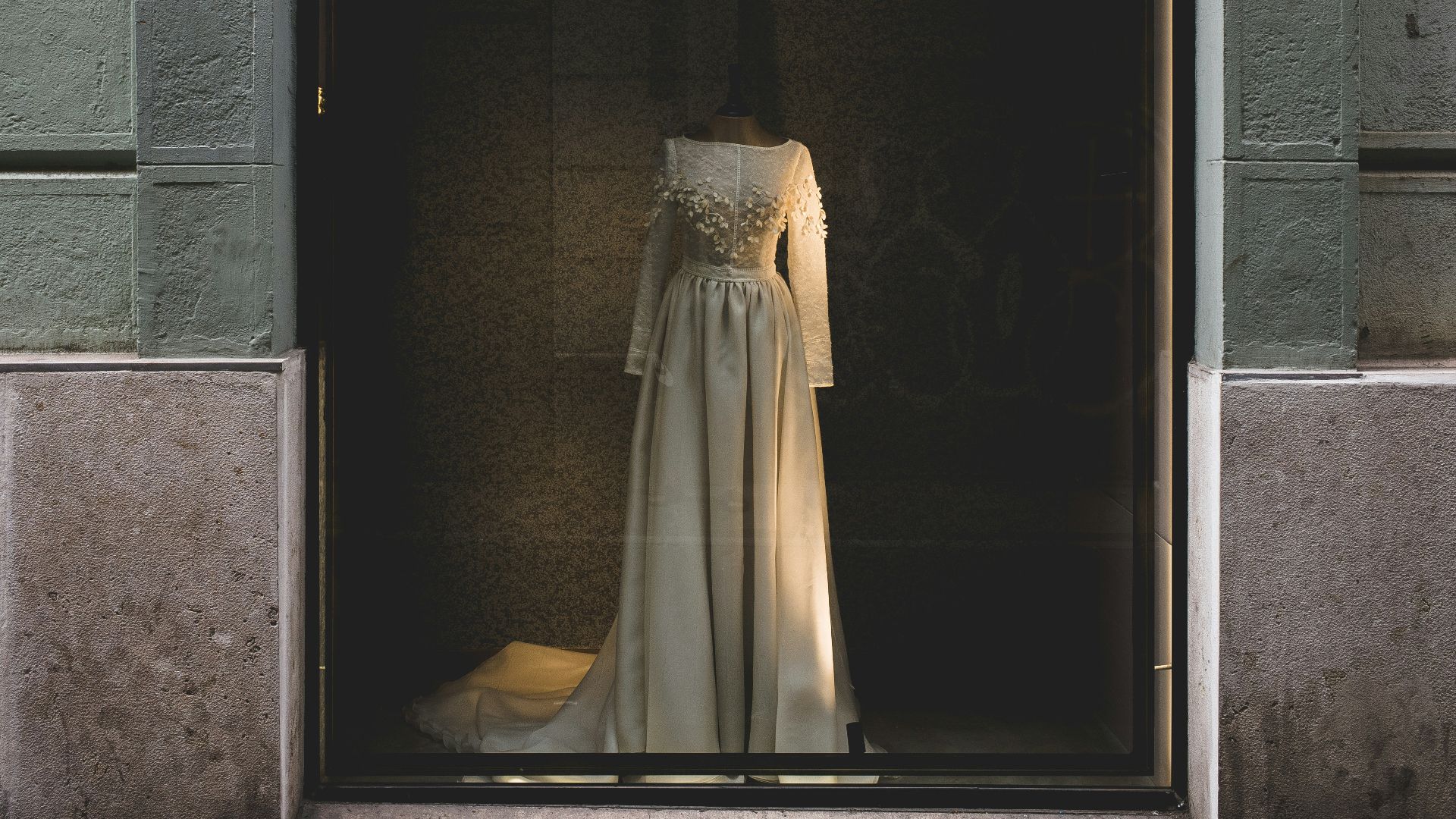
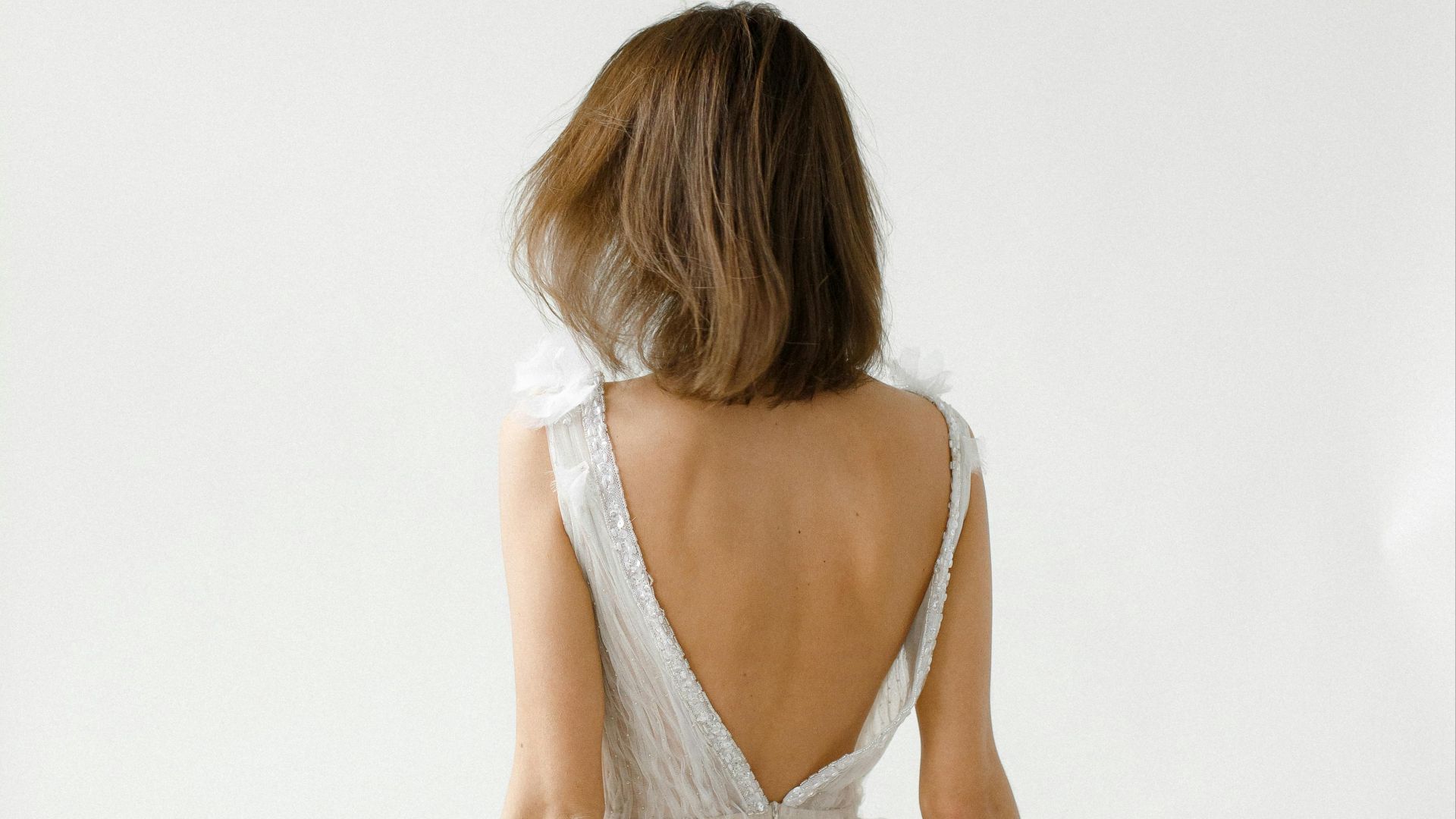
If you like the cut of a Backless or deep-V dress, but don’t want to show that much skin, a sheer mesh panel provides coverage without changing the overall design. It may seem like a small fix, but it will save you the worry of showing too much in the front and in the back.
20. Pressing With A Professional Finish
Home ironing rarely achieves the crisp finish that professional pressing provides, especially on structured dresses with multiple seams and darts. Commercial pressing equipment includes specialized tools for sleeves, collars, and curved seams that create a polished look impossible to replicate with a regular iron.