
Sharp Signals, Familiar Uniforms
Looking dangerous is usually not about looking violent. It is about looking unbothered, hard to read, and not worth testing. Clothes signal that quickly, which is why the same pieces keep showing up in every city and every era, especially online where people build an “edge” on purpose. Once you pay attention, the look is surprisingly consistent: heavy materials, sharp silhouettes, and cues borrowed from workwear, military gear, biker style, and anything that suggests protection or anonymity. There is a simple payoff, too. If an outfit hints at confrontation, people often give you space, and that space can feel like respect even when it is really just caution. Here are 20 things people wear to look dangerous.
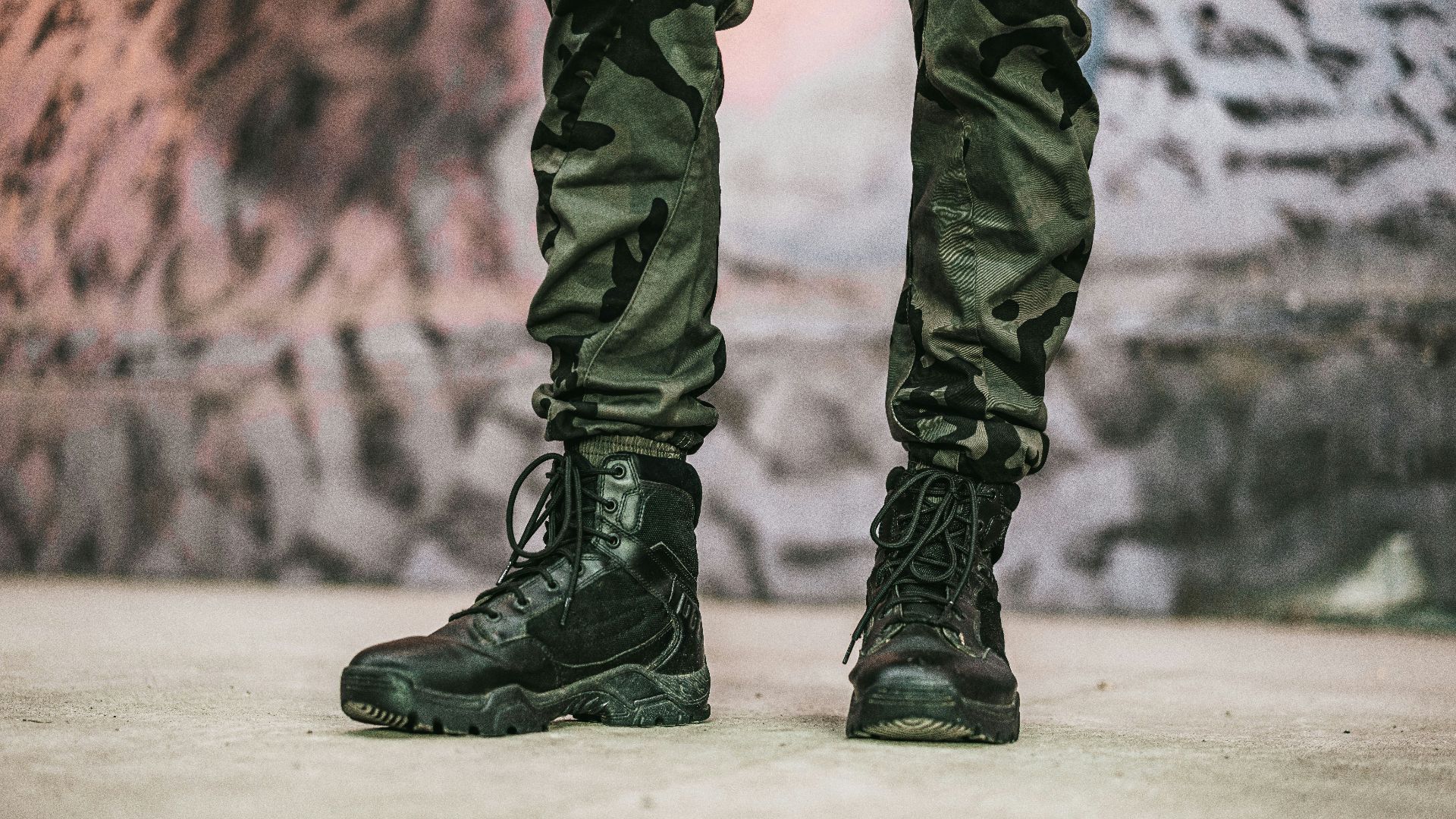
1. Black Tactical Boots
Tactical boots look like they are built for hard surfaces and harder days, even when they are only walking to coffee. The heavy sole, the shine, and the tight lacing read as prepared, and prepared often gets translated as trouble.
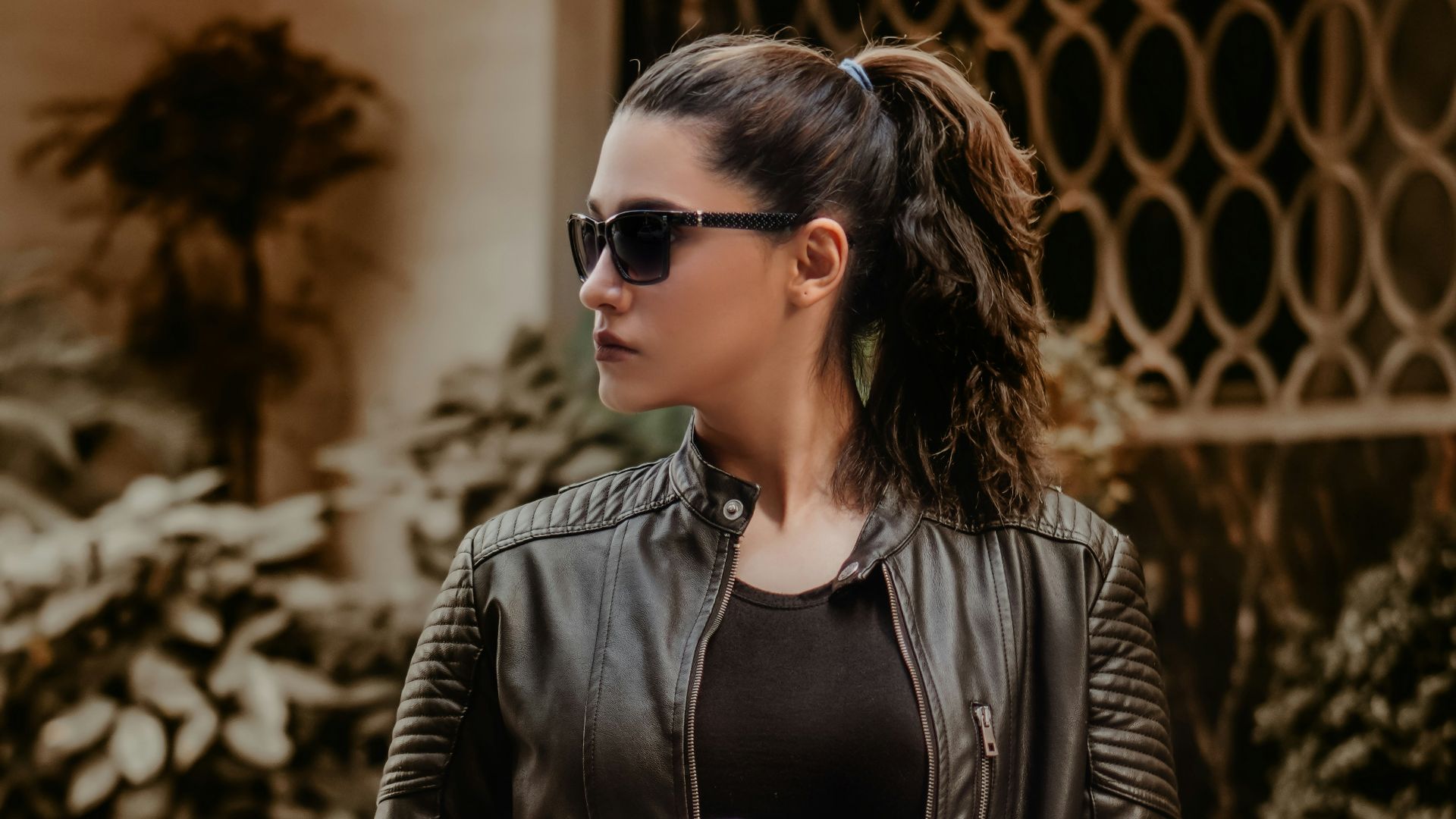
2. Leather Jackets
A leather jacket carries old associations with bikers, punks, and people who do not apologize for taking up space. The stiffness helps, too, because it sits on the shoulders like armor and makes even relaxed posture look more squared up.
 Ali Karimiboroujeni on Unsplash
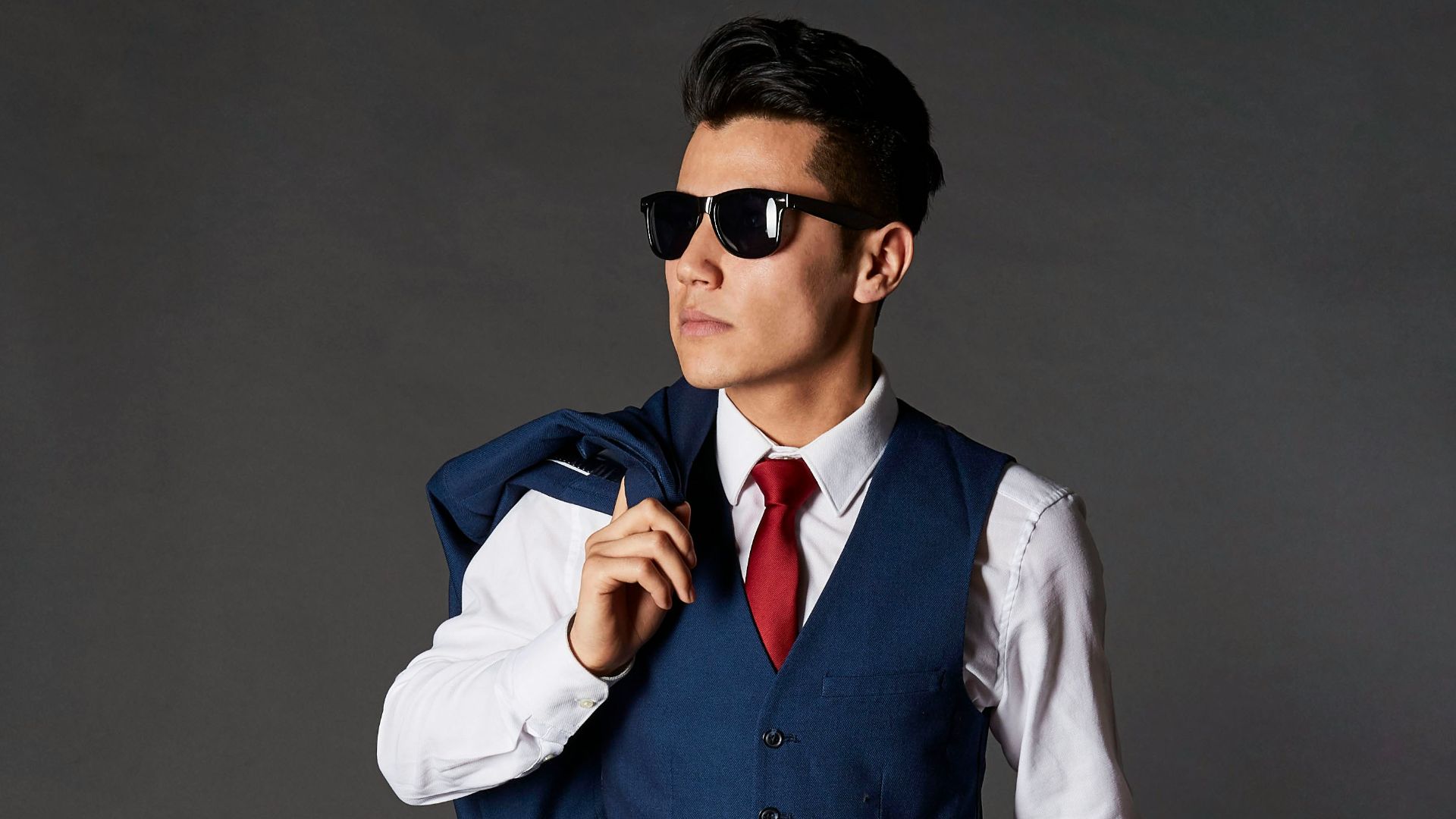
3. Dark Sunglasses Indoors
Sunglasses inside signal refusal: no eye contact, no friendliness, no need to explain yourself. It is a small move that makes other people do more work, because they cannot read your face, and that imbalance is the point.
4. A Shaved Head
A shaved head can be practical, but it also reads as deliberate and unsentimental. It strips away softness and styling cues, and it tends to make the whole look feel more severe, even with a plain T-shirt.

5. Heavy Chains
Thick chains bring weight and noise, which adds a physical presence before anyone speaks. They also pull from a familiar mix of street style and old-school tough-guy signaling, which is why they can make a simple outfit feel more confrontational.

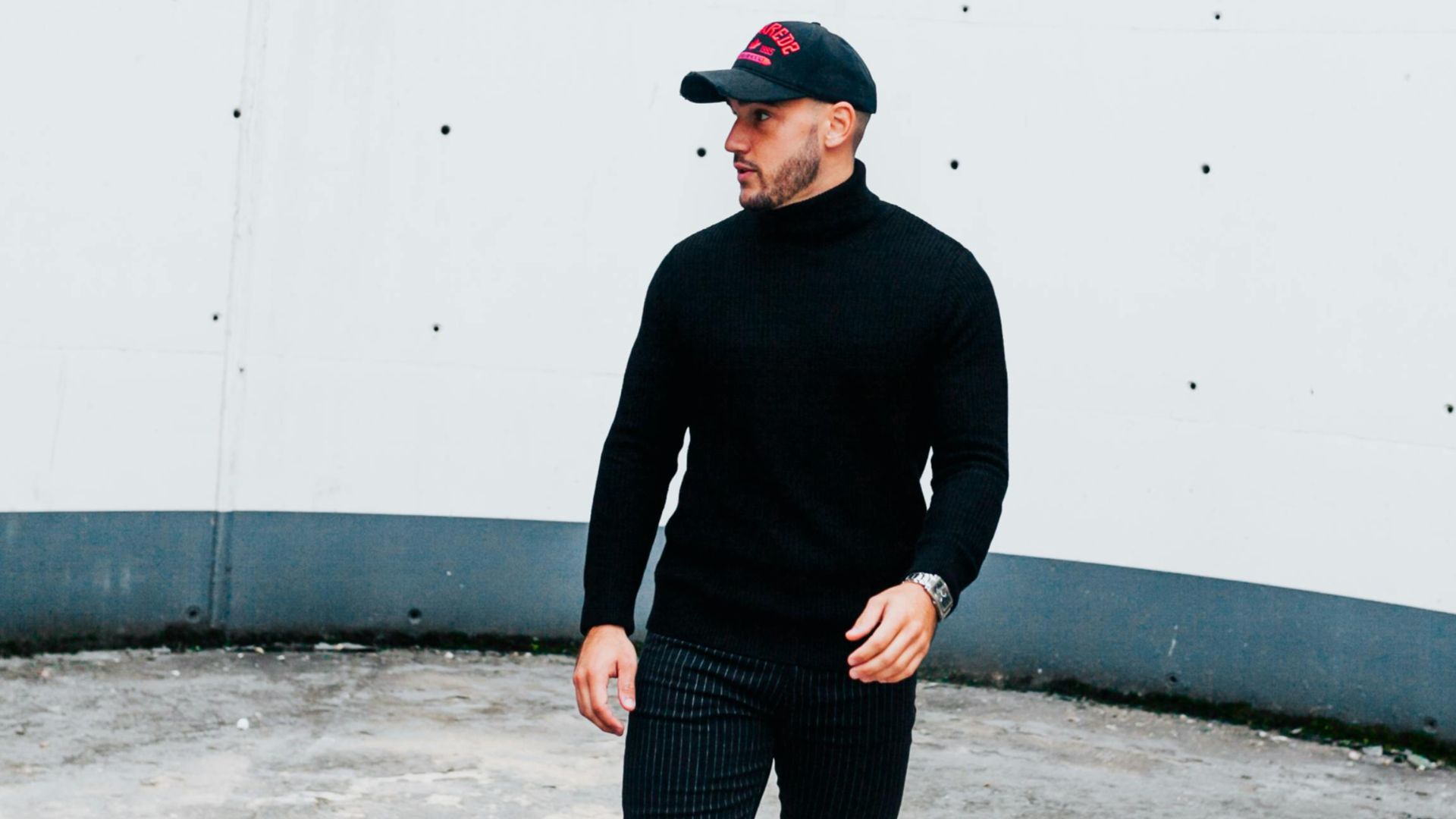
6. All-Black Everything
All black is the easiest shortcut to distance. It signals control, seriousness, and a lack of interest in being approachable, and it turns even basic clothes into something that looks intentional and a little closed off.
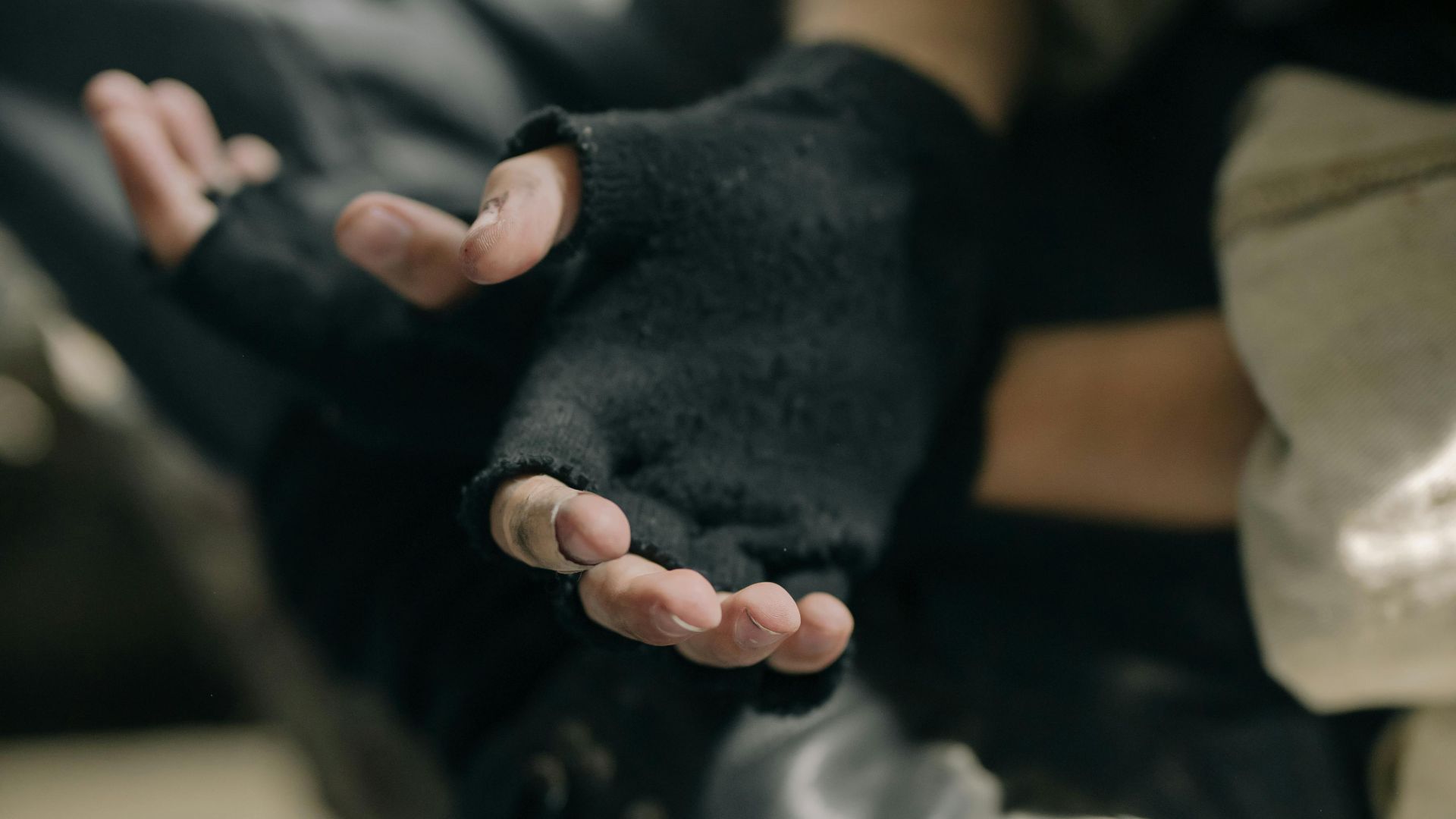
7. Fingerless Gloves
Fingerless gloves suggest that hands are meant for grip and impact, not just warmth. Most of the time it is just styling, but the signal is clear: ready for friction, ready for contact, ready to do something physical.
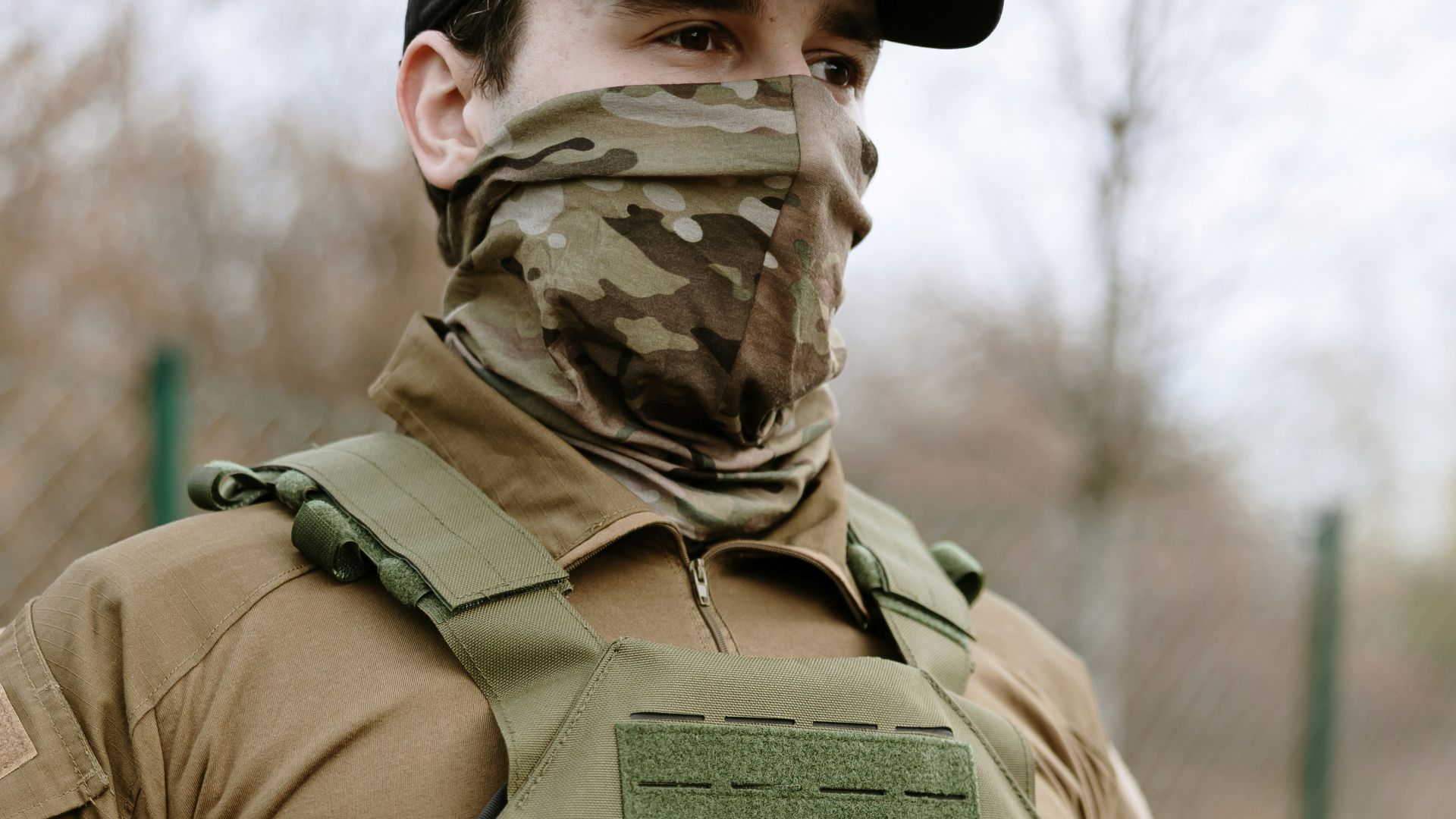
8. A Tactical Vest
A tactical vest looks like gear, and gear implies purpose. Even when it is worn as fashion, it borrows intensity from military and law-enforcement imagery, which is why it reads as loaded before anyone checks if the pockets contain anything.
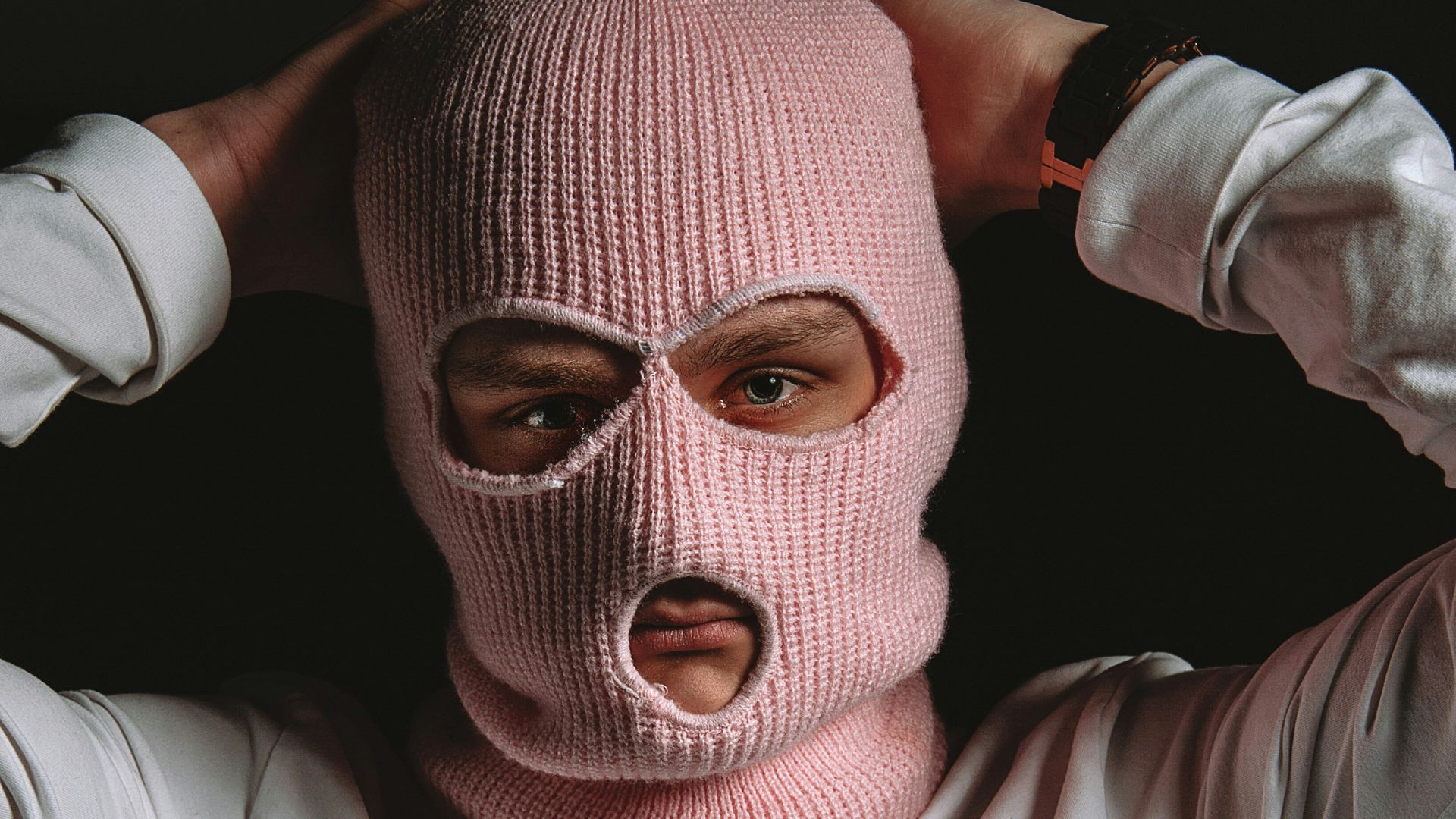
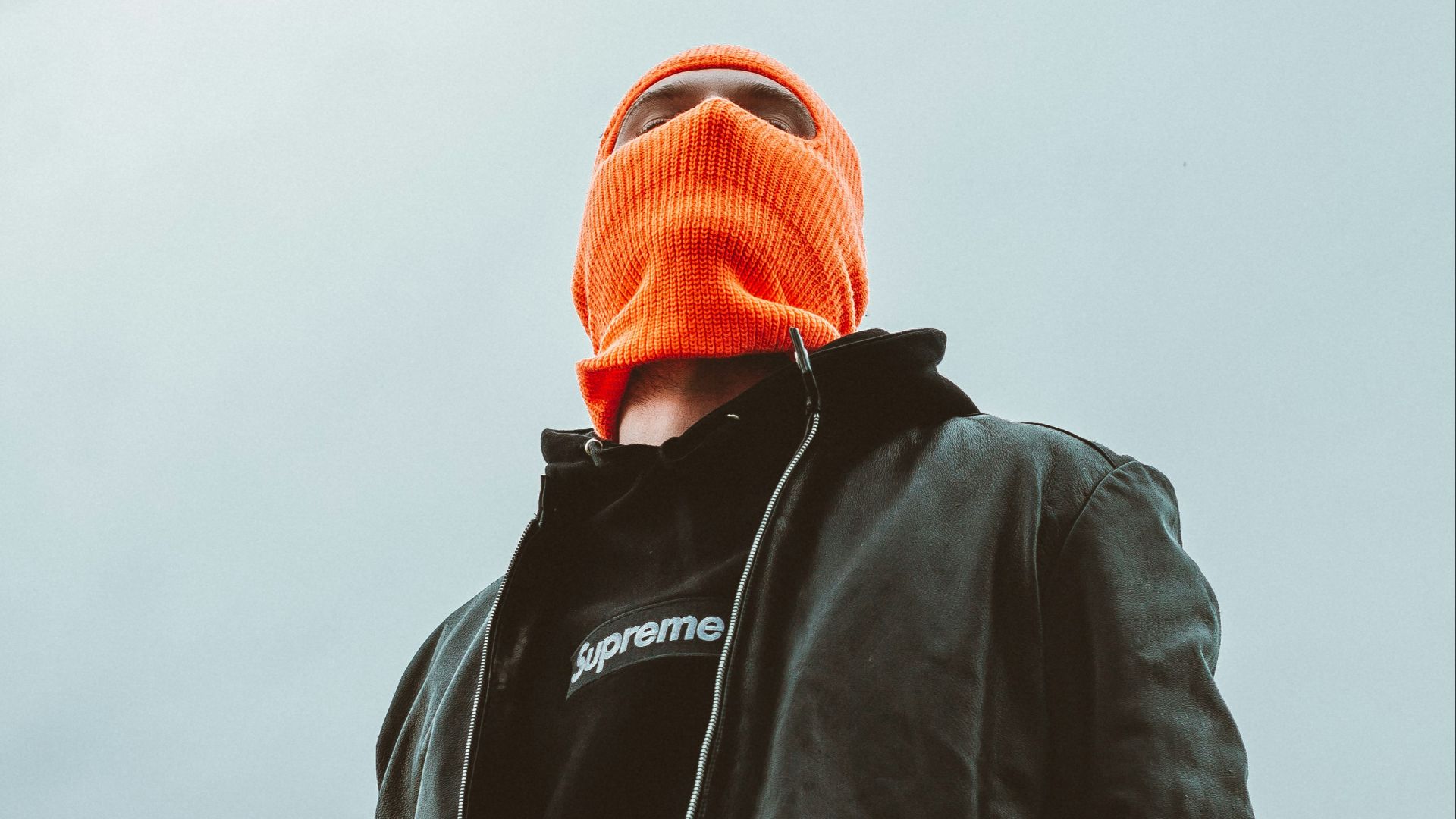
9. A Balaclava Or Face Covering
Covering the face changes the power dynamic immediately because anonymity makes people uneasy. It reduces human cues like expression and recognition, and that makes the wearer feel harder to predict, which is a big part of perceived danger.
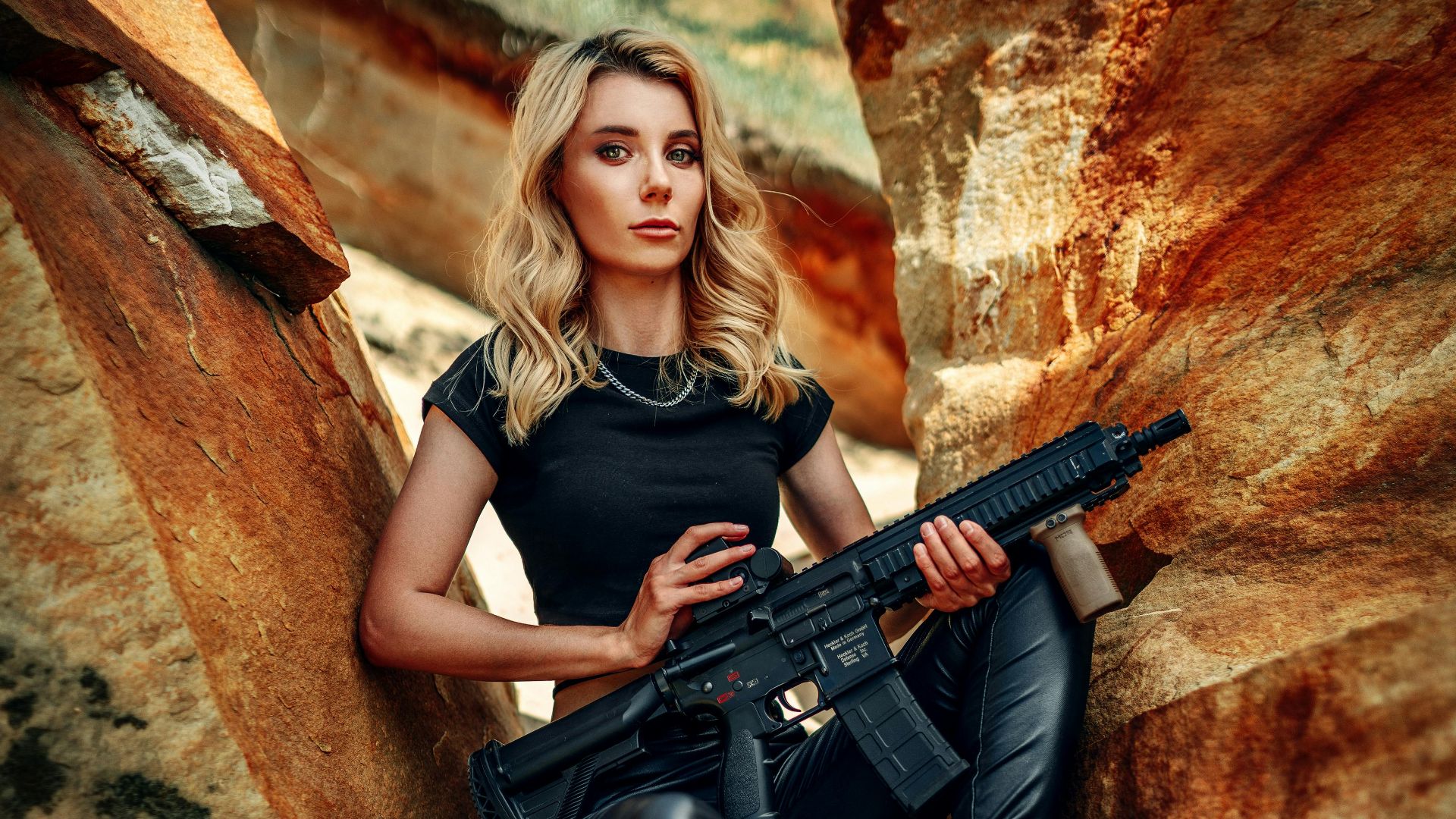
10. Combat Pants
Cargo and combat pants signal utility: pockets, stitching, and a fit that looks ready for movement. The message is not elegance, it is readiness, and readiness is a common stand-in for toughness.
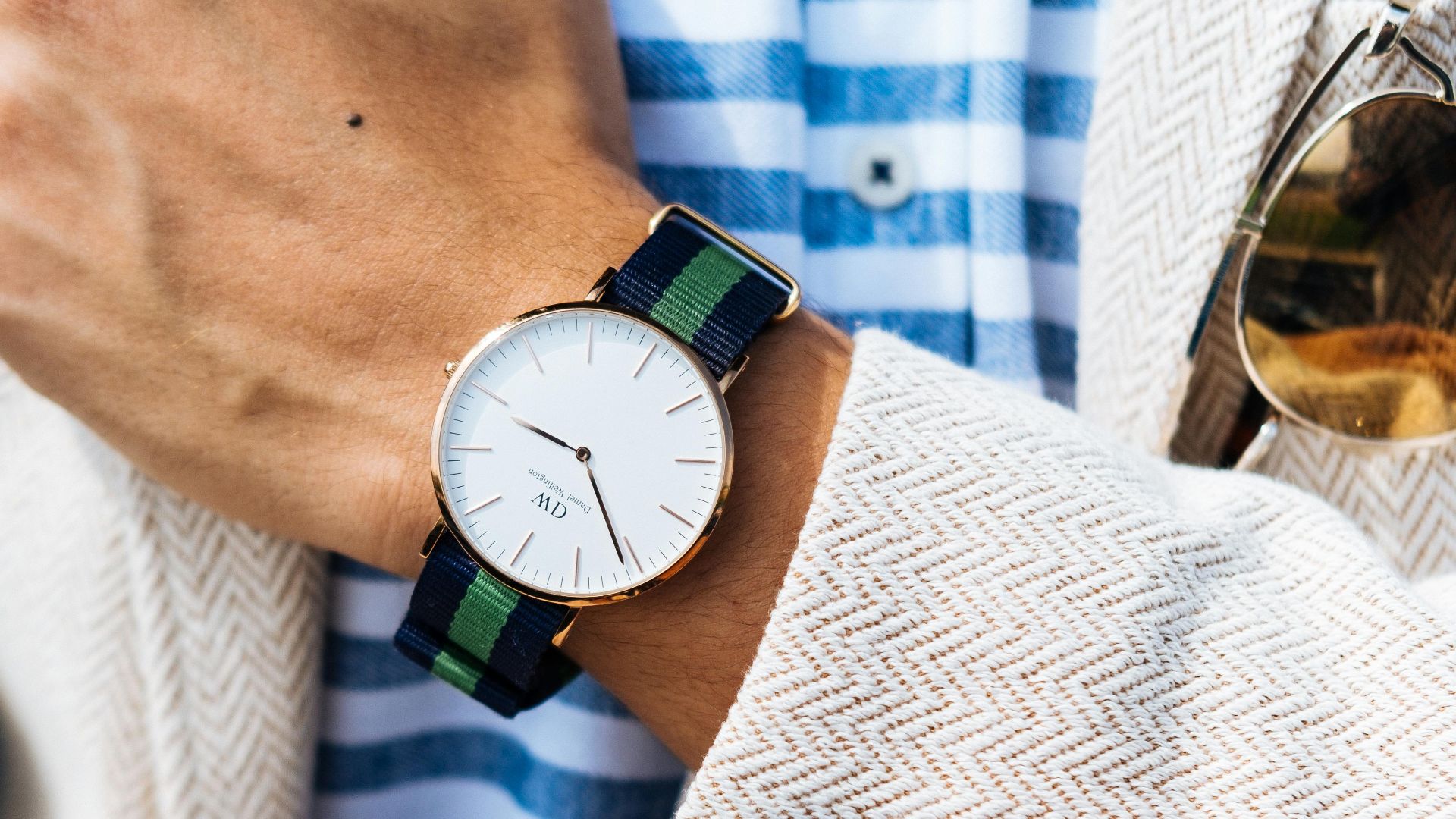
11. Big Watches
An oversized watch is a status signal that can also read as dominance, especially when it is paired with a confident stance. It suggests money, control, and a kind of impatience with other people’s time, which can feel intimidating up close.
12. Skull Imagery
Skulls are the simplest symbol for death, and they never really stop working. A skull on a shirt, ring, or belt buckle is doing the obvious job: hinting at danger, fearlessness, or indifference to consequences.

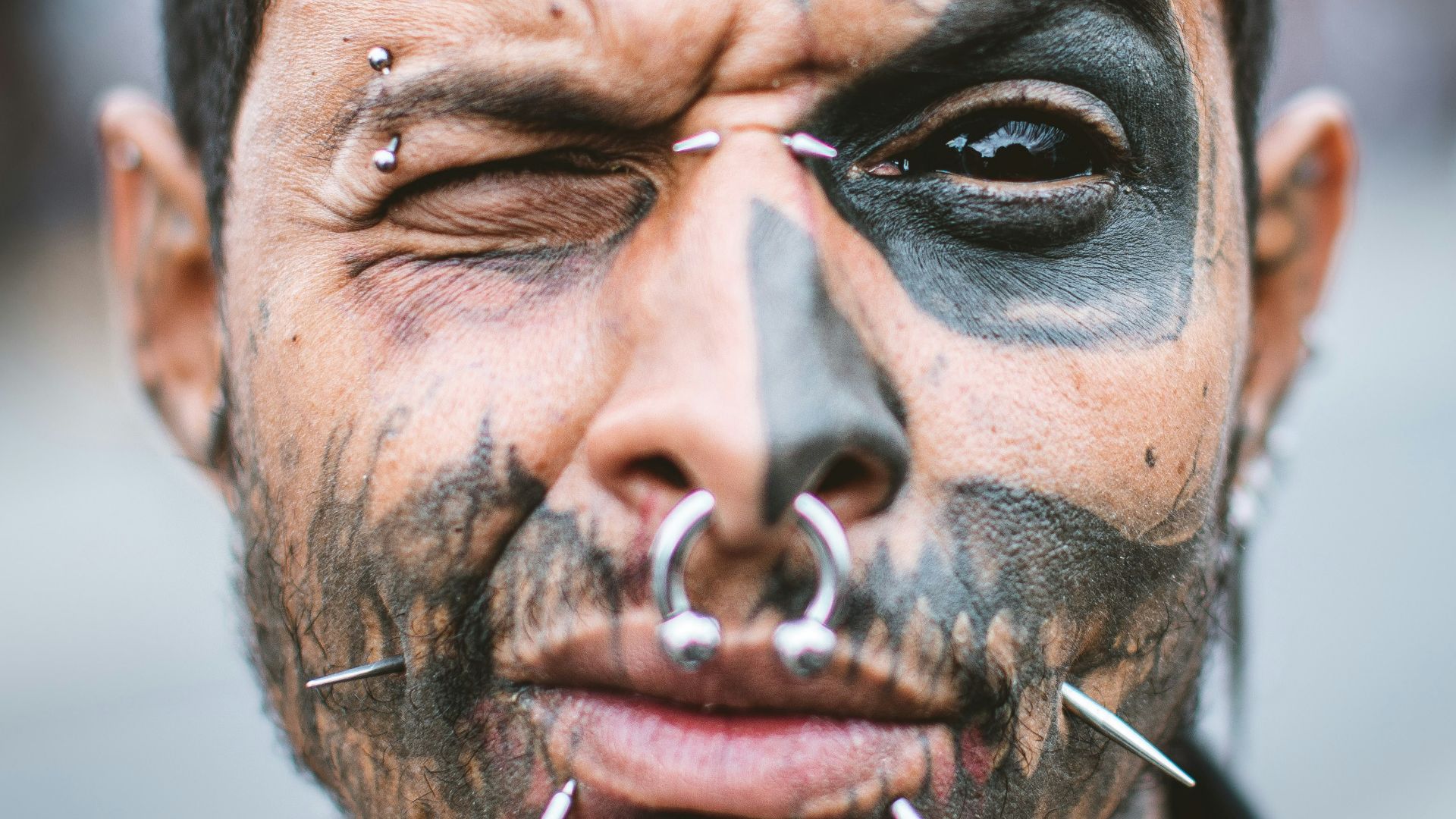
13. Face Tattoos
Face tattoos signal commitment and social defiance, whether that is the intention or not. People tend to read them as evidence of risk tolerance, and risk tolerance often gets interpreted as someone who will not back down.
14. Military Surplus
Camo, field jackets, patches, and worn-in surplus gear pull directly from combat associations. Even when it is thrifted and casual, it reads like toughness by proximity, like the clothes themselves carry a history you are supposed to respect.
15. A Long Coat
A long coat changes how someone moves through a space, because it swings, drapes, and takes up visual room. It adds drama and authority to the silhouette, and it often makes the wearer look like they came with intent, not just plans.
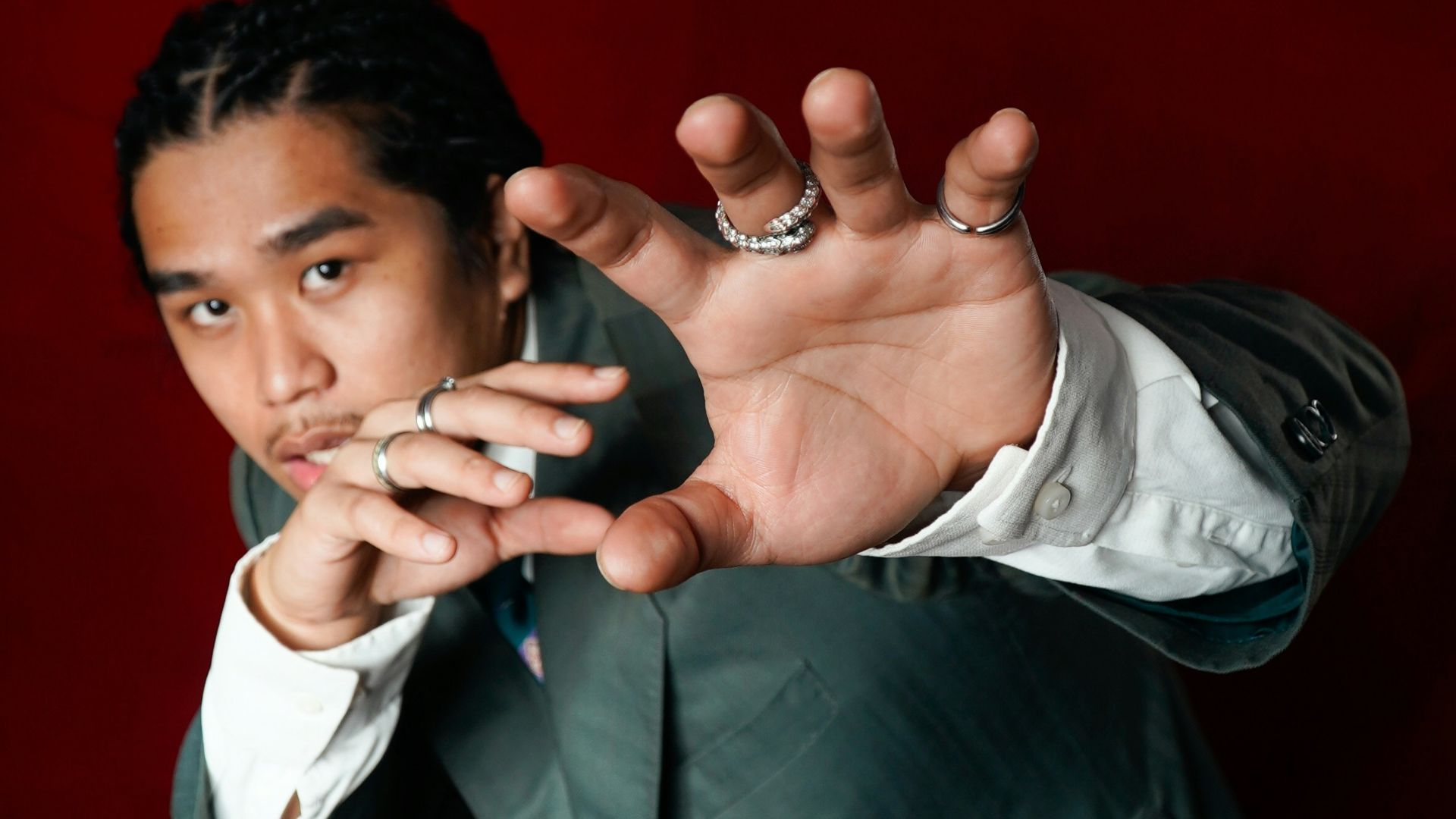
16. Rings That Look Like Weapons
Chunky rings with sharp shapes or heavy edges turn jewelry into a suggestion. They make hands look more dangerous, and since hands are where conflict happens, people notice, even if they do not consciously register why.
17. A Hoodie With The Hood Up
A hood reduces visibility and shadow-casts the face, which makes a person harder to read. In a lot of settings, that reads as withdrawal or defiance, and either one can make people cautious.

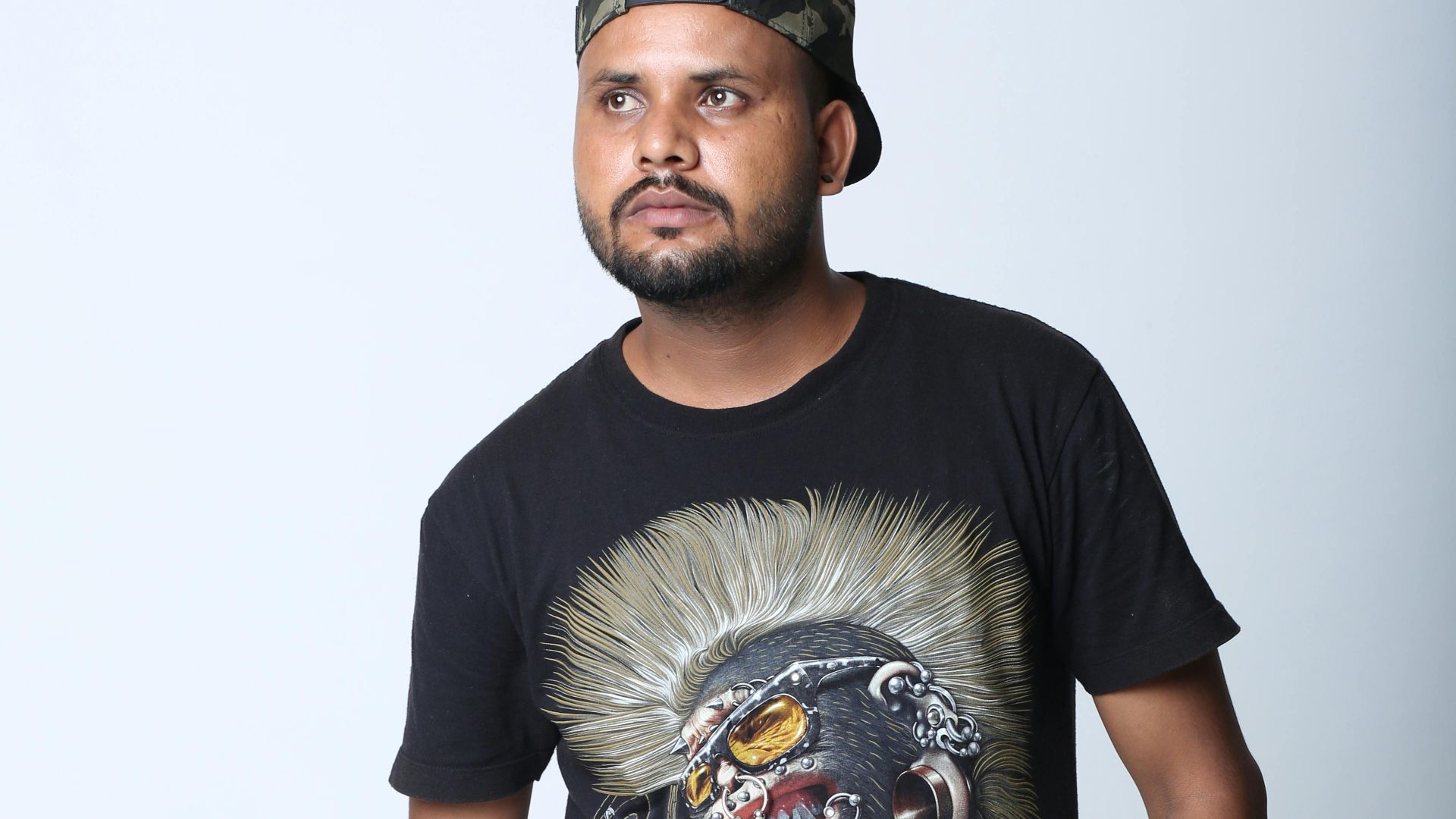
18. Graphic Tees With Aggressive Text
A shirt that announces threat, hostility, or violence is skipping subtlety. The bluntness is the point, because it sets a boundary without conversation and dares people to take it lightly.
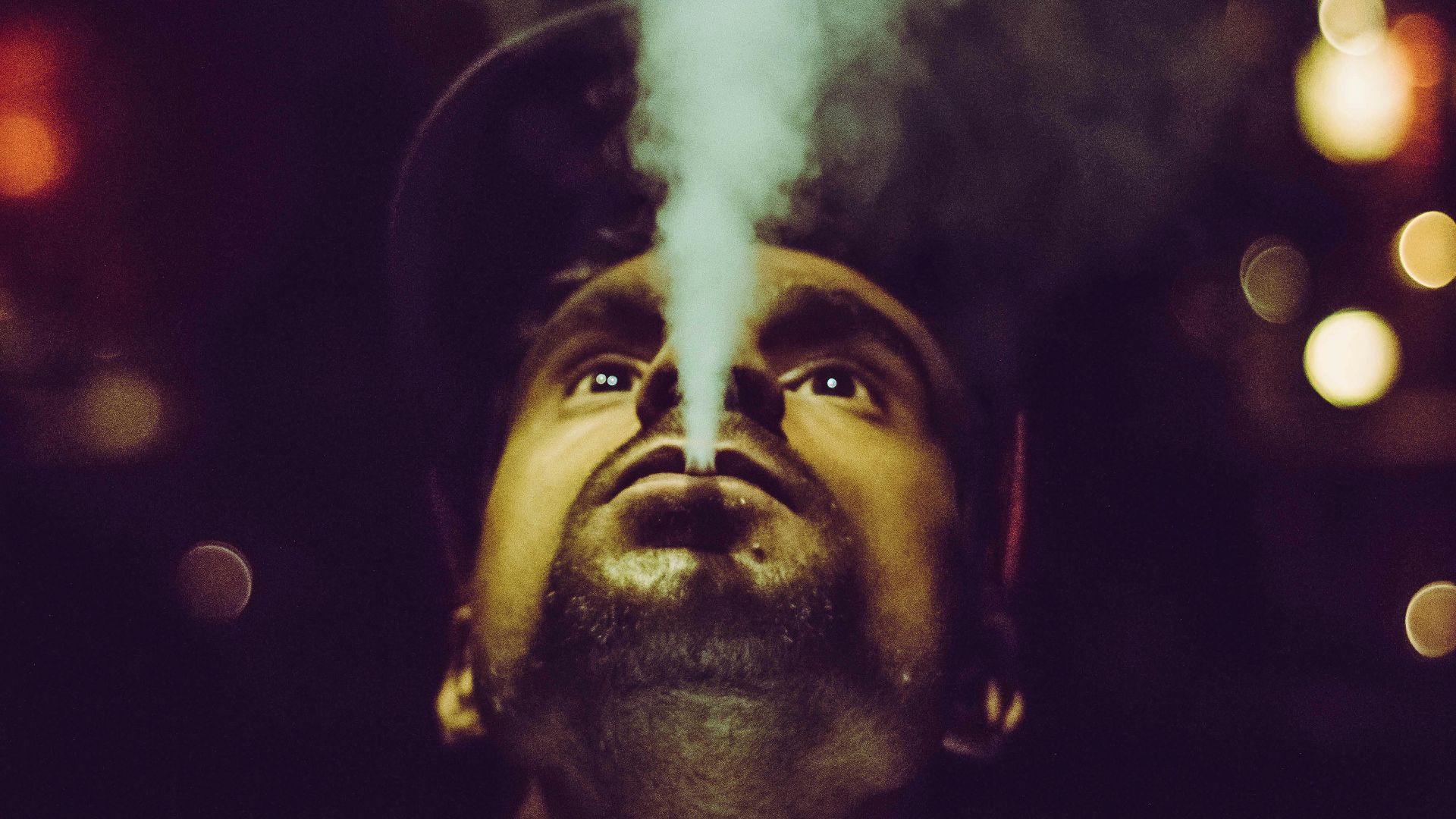
19. A Cigarette As A Prop
Smoking can read like disregard for consequences, which people often confuse with toughness. The slow movements, the pause, the casual stare, and the fact that it creates its own little cloud of space all feed the performance.
20. Visible Scars
Some people style around scars in a way that makes them part of the look, not something to hide. A visible scar suggests history and survival, and it invites the assumption that there is a story behind it that might not be gentle.