Shortcuts Worth Knowing About
Laundry is one of those tasks that never really ends. You finish one load and another pile magically appears. It eats up time and drains energy while somehow always feeling more complicated than it should be. But what if a few simple adjustments could make the whole process faster and less frustrating? Small changes to how you wash and dry your clothes can save you serious time and money. Ready to make laundry day more manageable? Let's get into it.

1. Use Ice Cubes In The Dryer
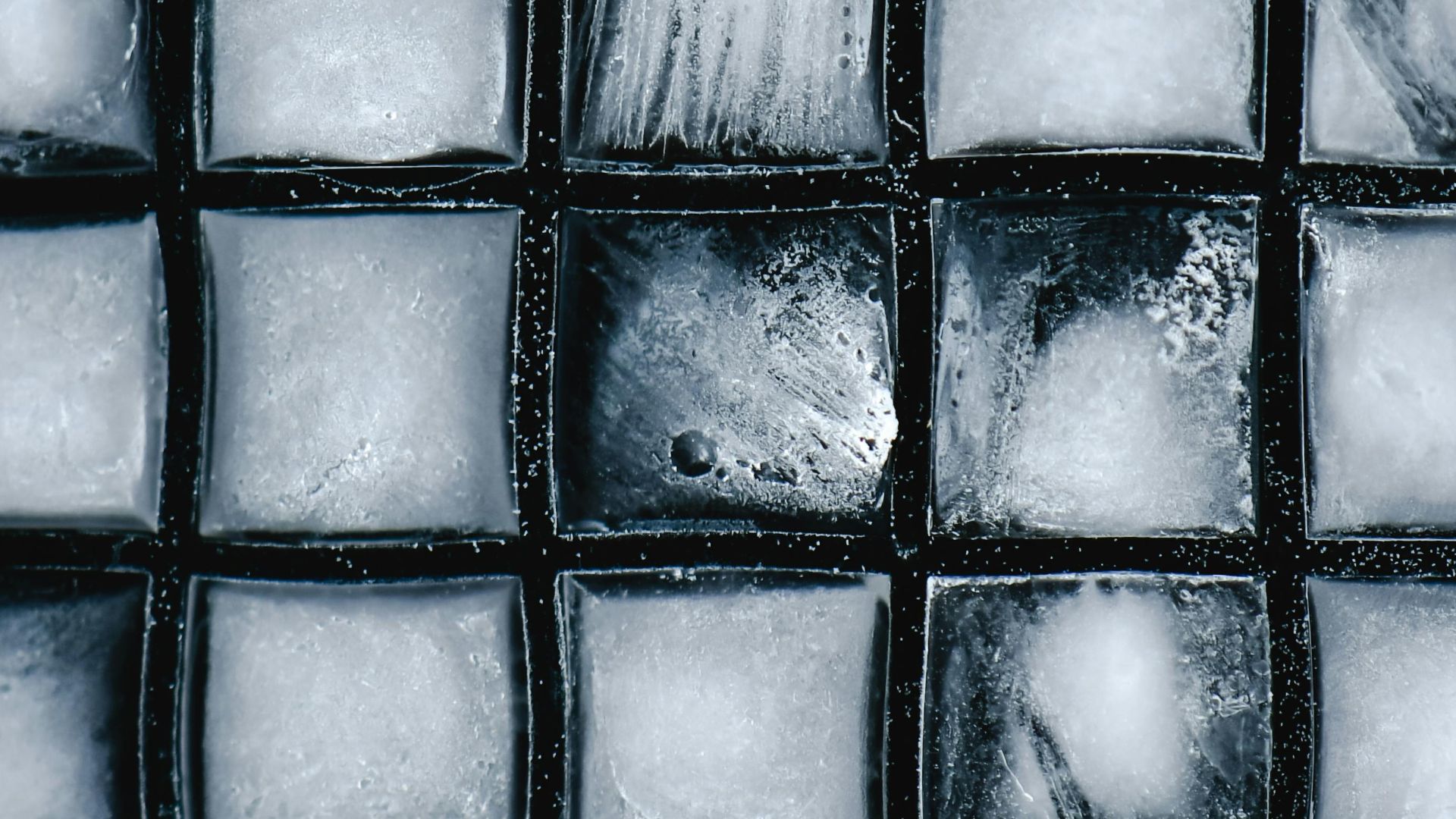
A quick fix hides in plain sight when clothes come out wrinkled and time feels tight: toss some ice cubes into the dryer. They create steam as they melt, which relaxes creases fast. It works best on small loads.
2. Add White Vinegar
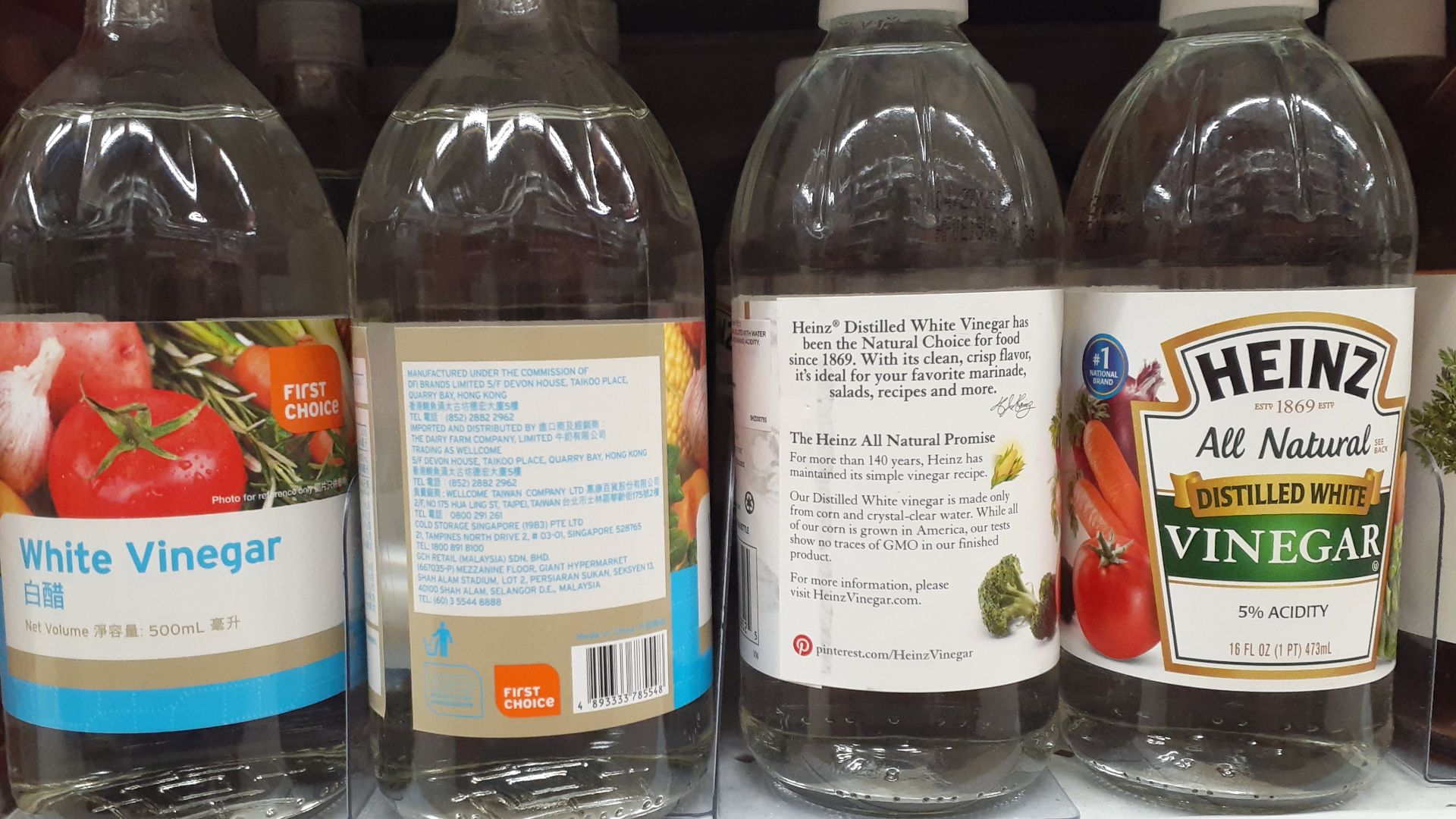
Towels sometimes feel stiff no matter how they’re washed. A half cup of white vinegar in the rinse cycle can change that by reducing buildup and softening fibers. It also cuts static, though it can’t remove detergent additives already used.
3. Wash Jeans Inside Out
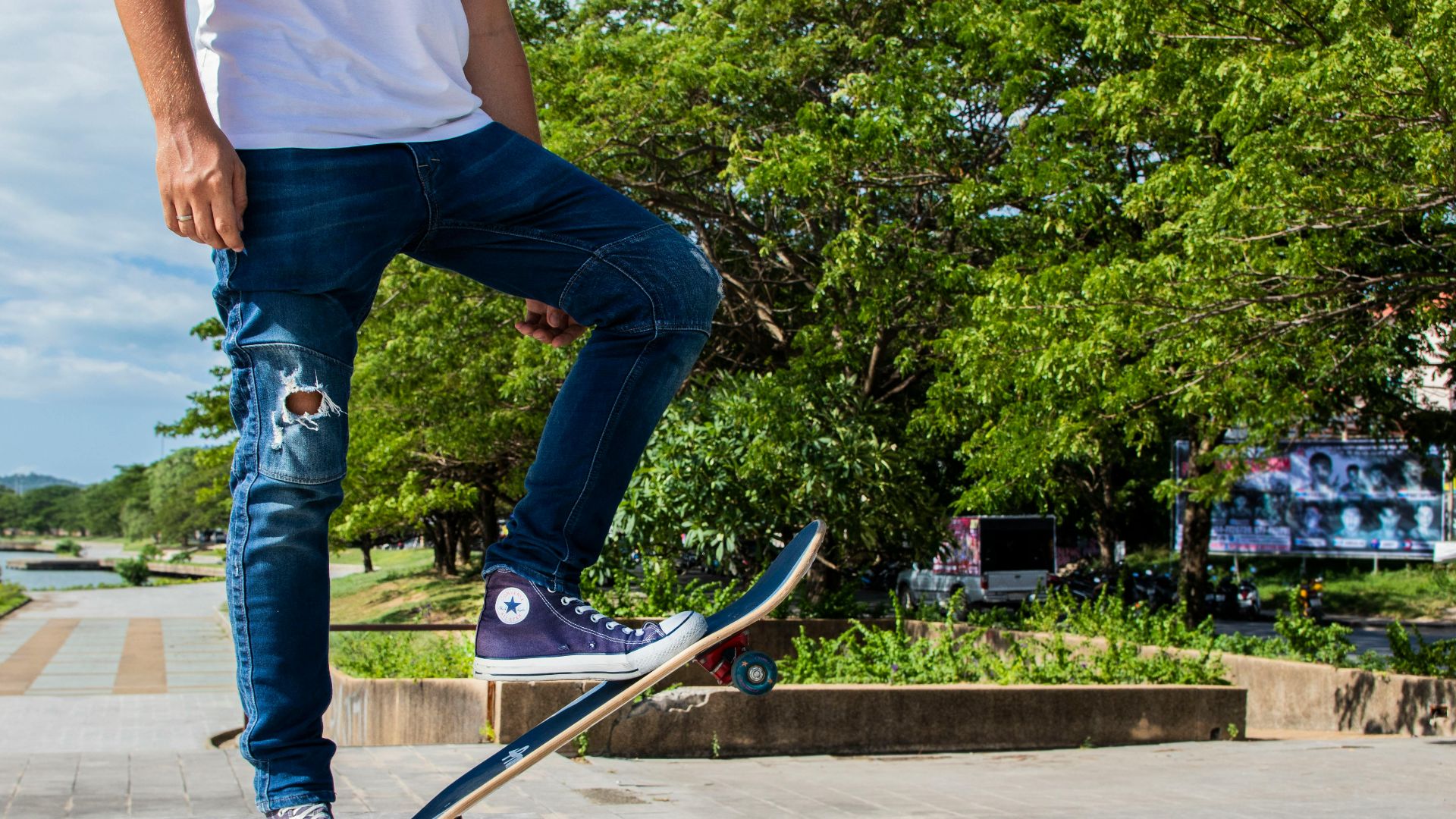
Before denim hits the washer, you should flip it inside out to protect the outer fabric. This helps maintain color and shields the surface from abrasion. Many denim brands encourage this simple habit because it keeps jeans looking newer and extends their lifespan.
4. Use Mesh Laundry Bags
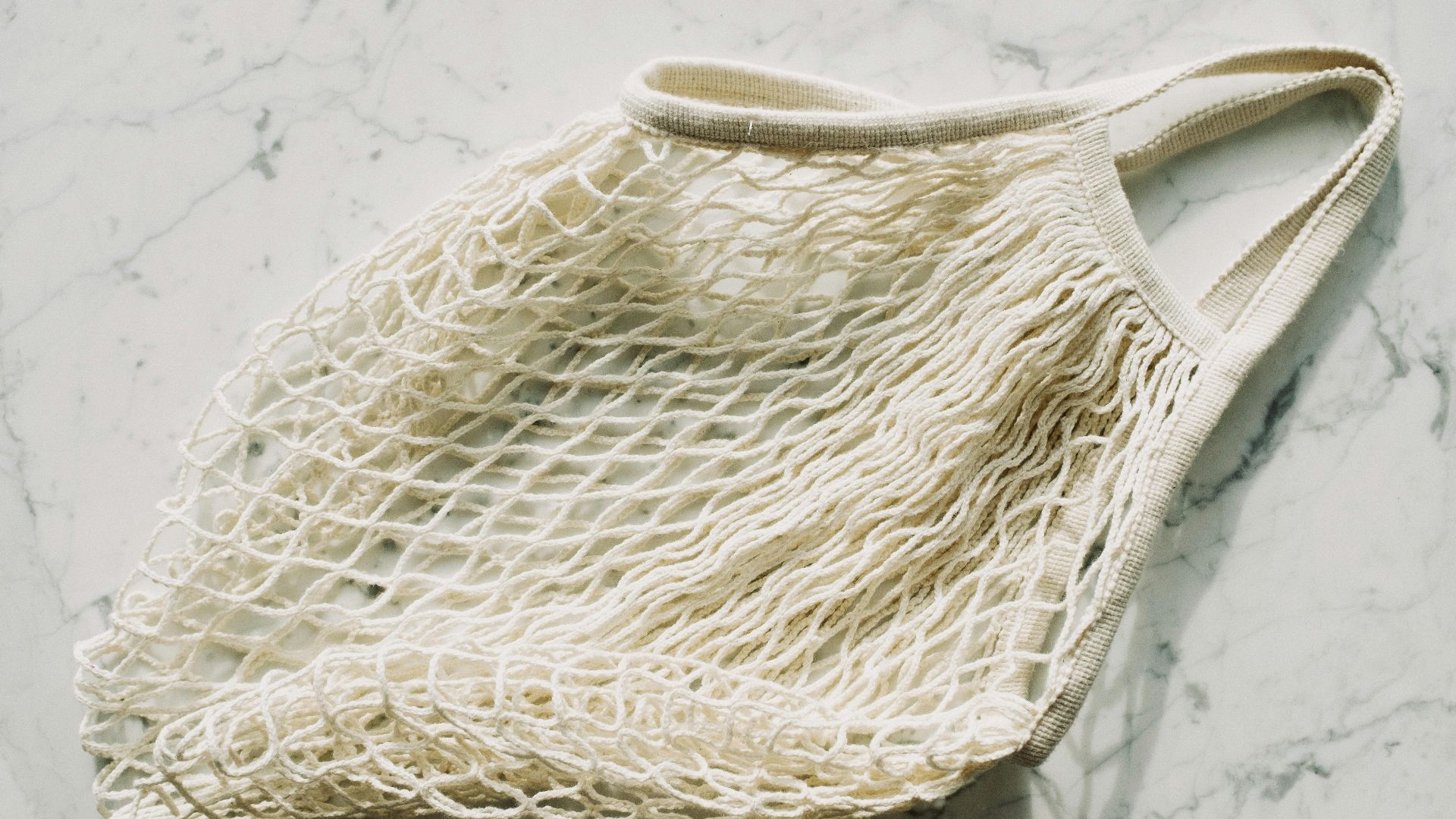
Some garments feel risky to wash, so mesh laundry bags calm that worry. They guard delicate pieces to keep small items from disappearing and tangling altogether. These bags last through many cycles and conveniently keep socks and underwear grouped instead of floating away.
5. Freeze Gum-Stained Clothes
Sticky gum trapped in fabric feels like a disaster until the freezer steps in. Cold temperatures harden the gum within one to two hours, making it brittle enough to scrape off. Any leftover residue can be treated with rubbing alcohol or stain remover.

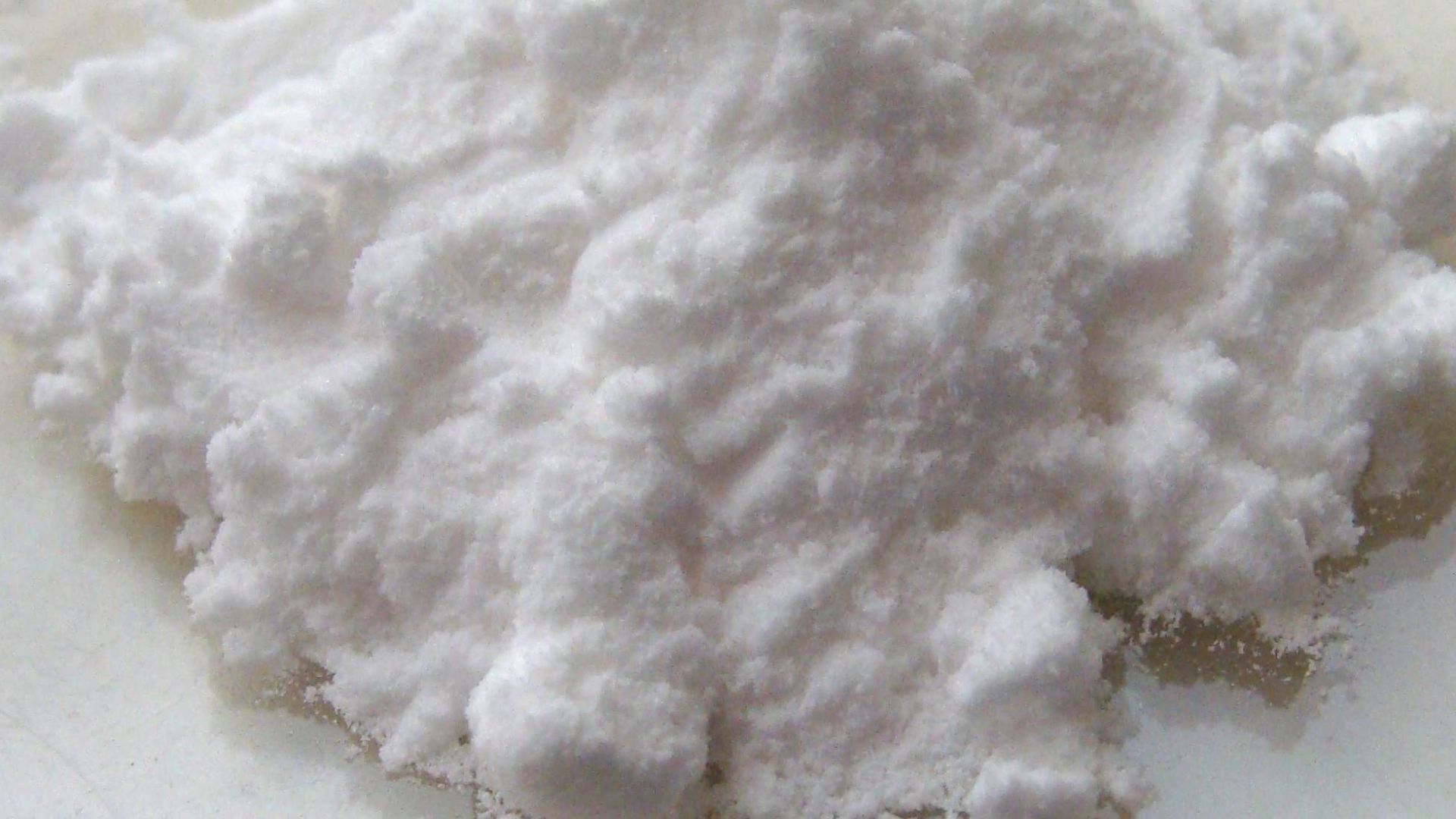
6. Add Baking Soda
Certain smells linger deep in fabric, especially in gym clothes and towels. Well, baking soda handles those odors by neutralizing them. Added directly to the wash or a presoak, it absorbs unpleasant scents and freshens fabrics naturally.
7. Dry With Wool Dryer Balls
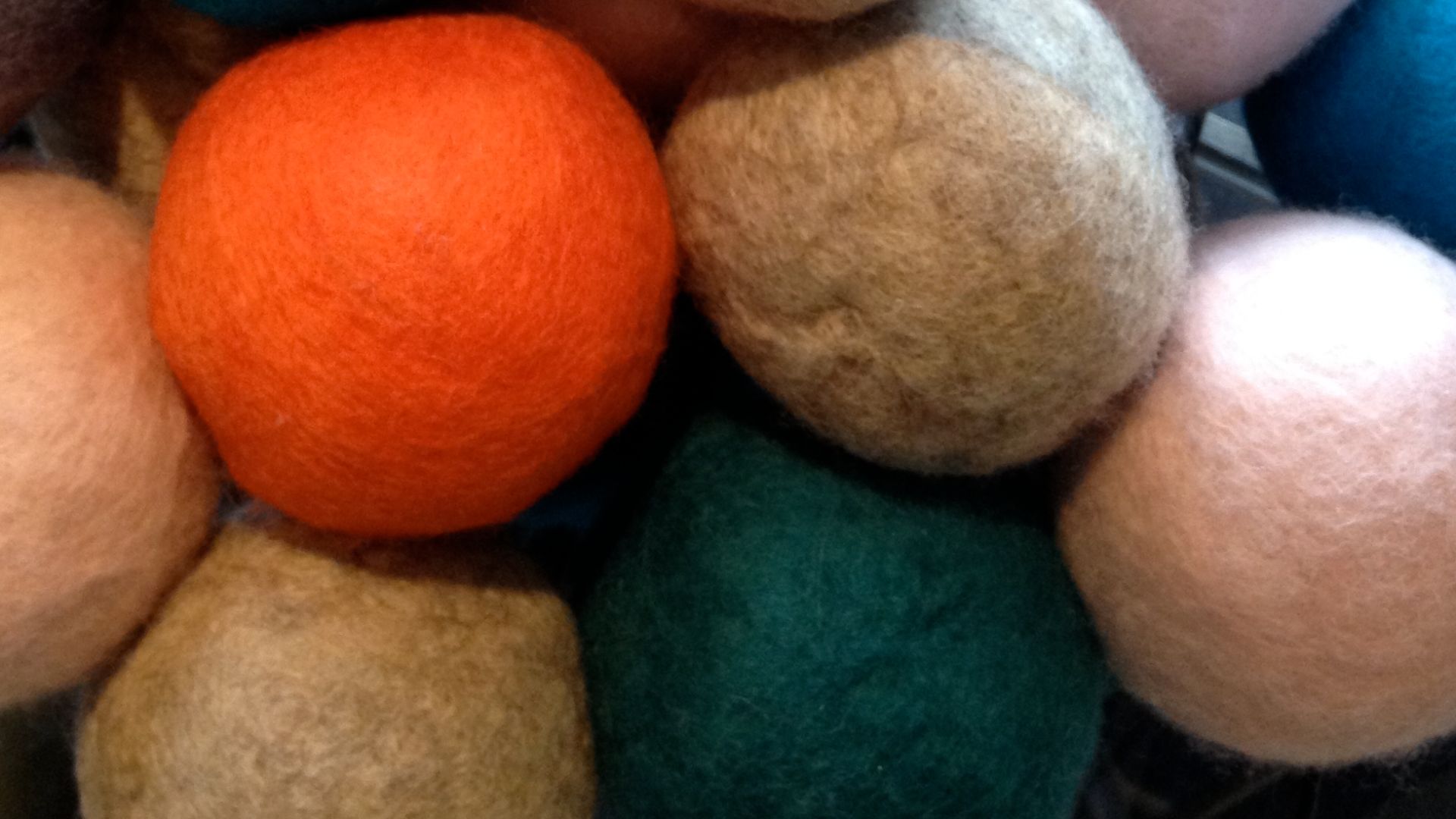
A load tumbling with wool dryer balls dries more efficiently because they separate fabrics and improve airflow. This reduces drying time while naturally softening clothes and cutting static without chemicals. Their durability makes them reusable for years.
 Christine Rondeau on Wikimedia
8. Pre-Treat Sweat Stains
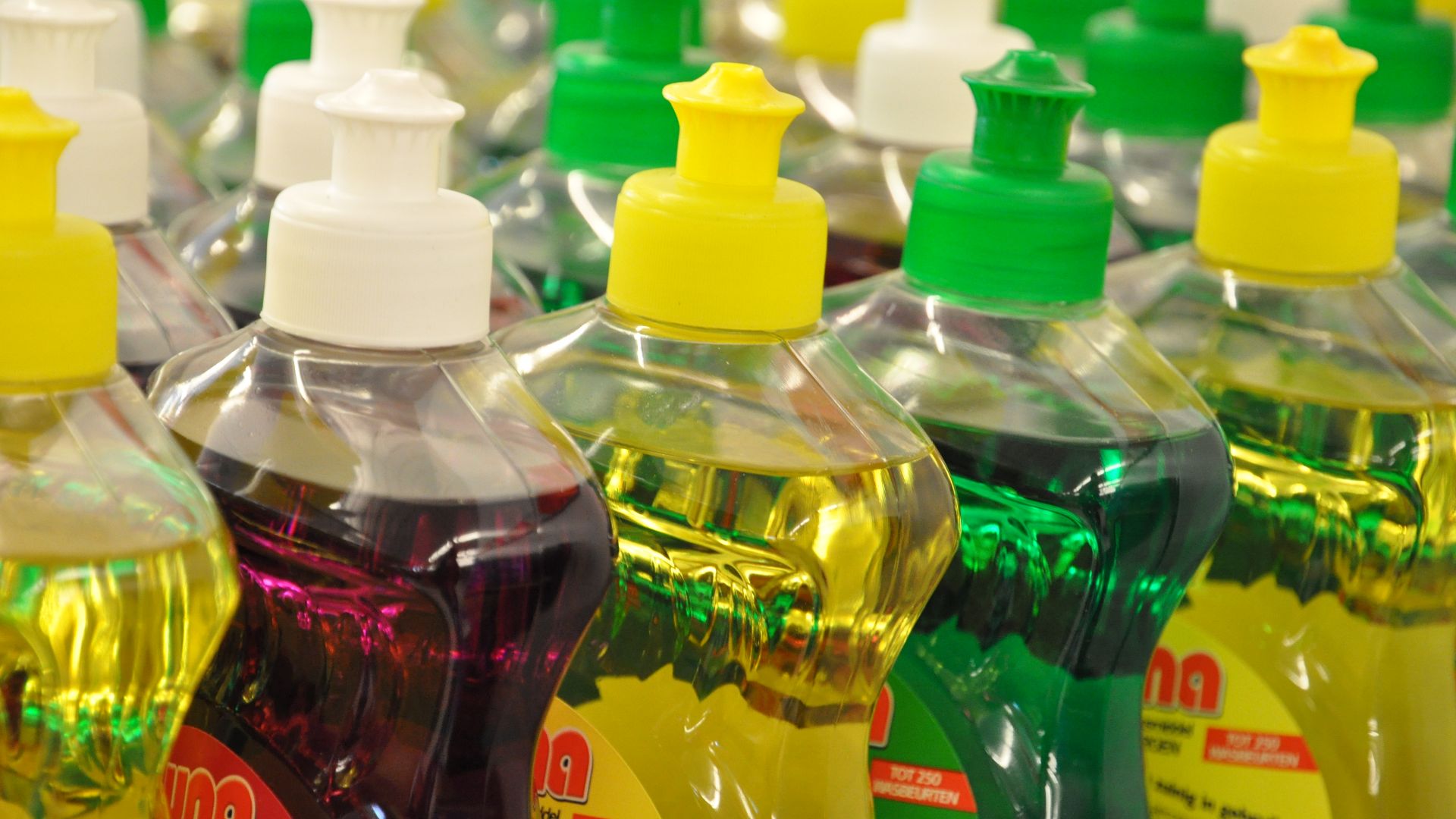
Although sweat stains look stubborn, dish soap diluted with water or oxygen-based stain removers all help lift protein-based marks when applied before a cold wash. By allowing solutions to sit first, you improve results and protect the fabric.
9. Zip Hoodies Before Washing
Snags usually come from avoidable details, like an open zipper rubbing against neighboring fabrics. Closing it first stops that problem. It’s best to let clothes run right side out. Many people do this specifically to guard the outer surface during the cycle.

10. Separate Lint-Prone Fabrics
When lint shows up on dark clothes, it usually comes from mixing them with fabrics that shed. Those loose fibers cling stubbornly to synthetics and take away the crisp look you expect. Needless to say, washing the categories apart stops the transfer.
11. Steam Clothes In The Bathroom
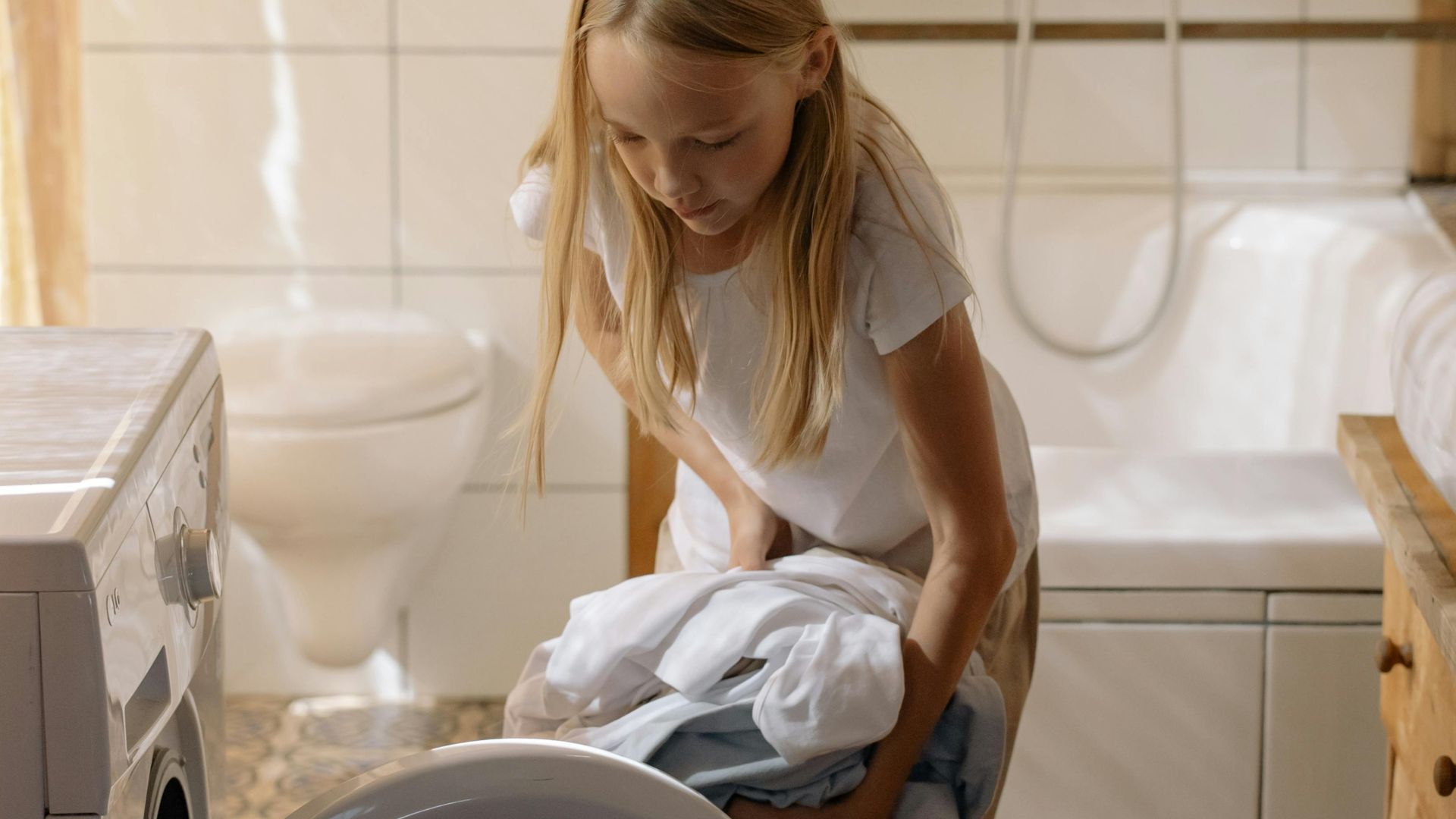
Wrinkles don’t always need an iron to disappear. Steam from a hot shower relaxes fabric fibers when clothes hang nearby. Delicate pieces benefit most since they avoid damage. It’s an easy trick you can use whenever a quick refresh is all you need.
12. Clean Your Washing Machine
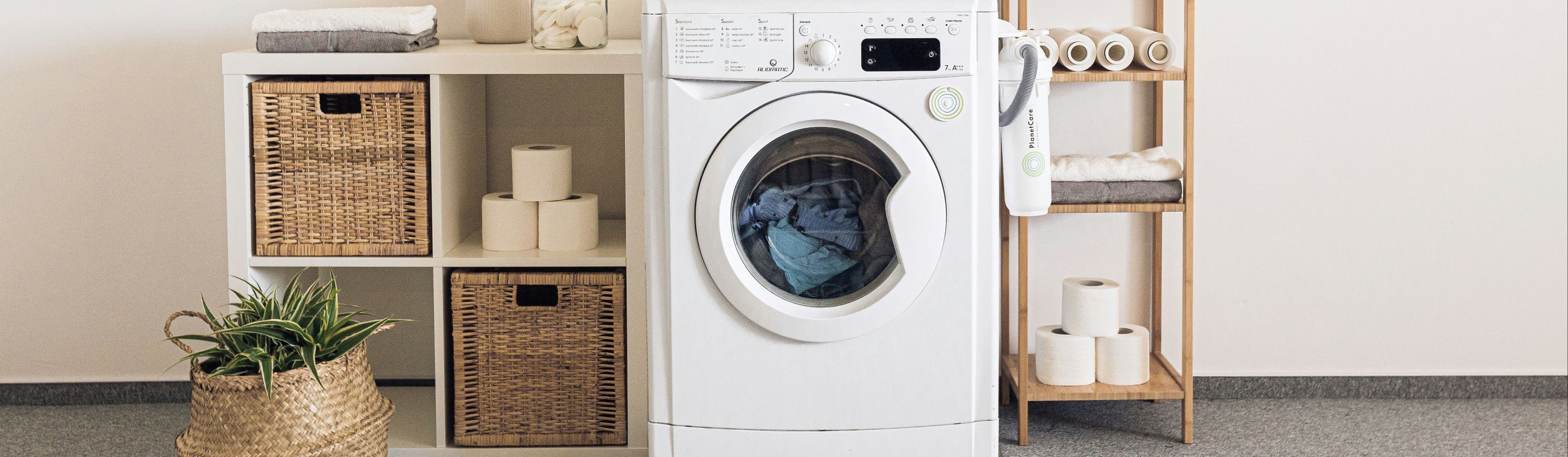
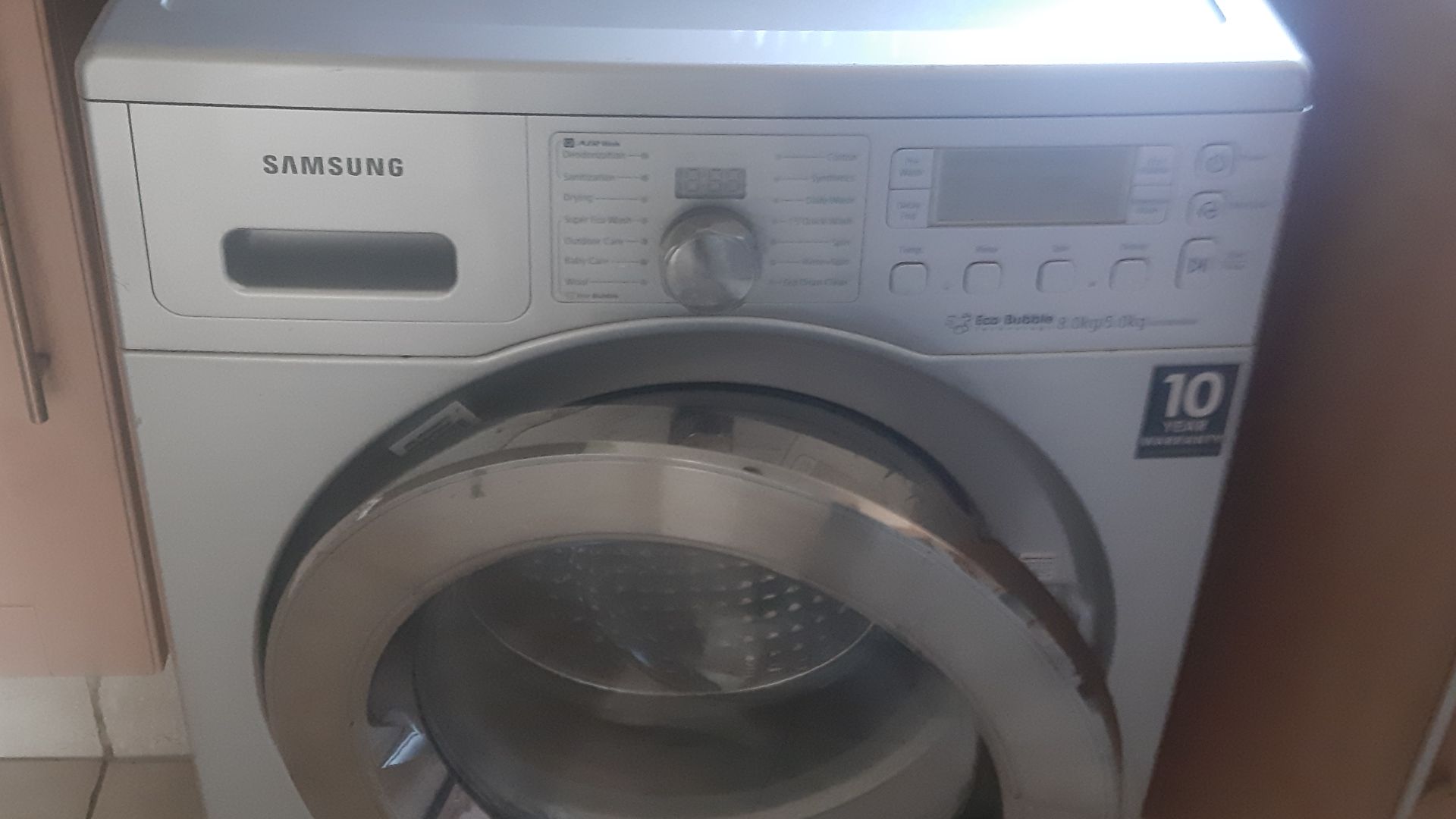
If you’ve noticed a musty scent after a wash, the machine itself may need attention. Layers of residue and mineral deposits form quietly inside the drum and gaskets. A monthly vinegar flush breaks them down and keeps those hidden smells from transferring onto fresh laundry.
13. Use A Dry Towel In The Dryer
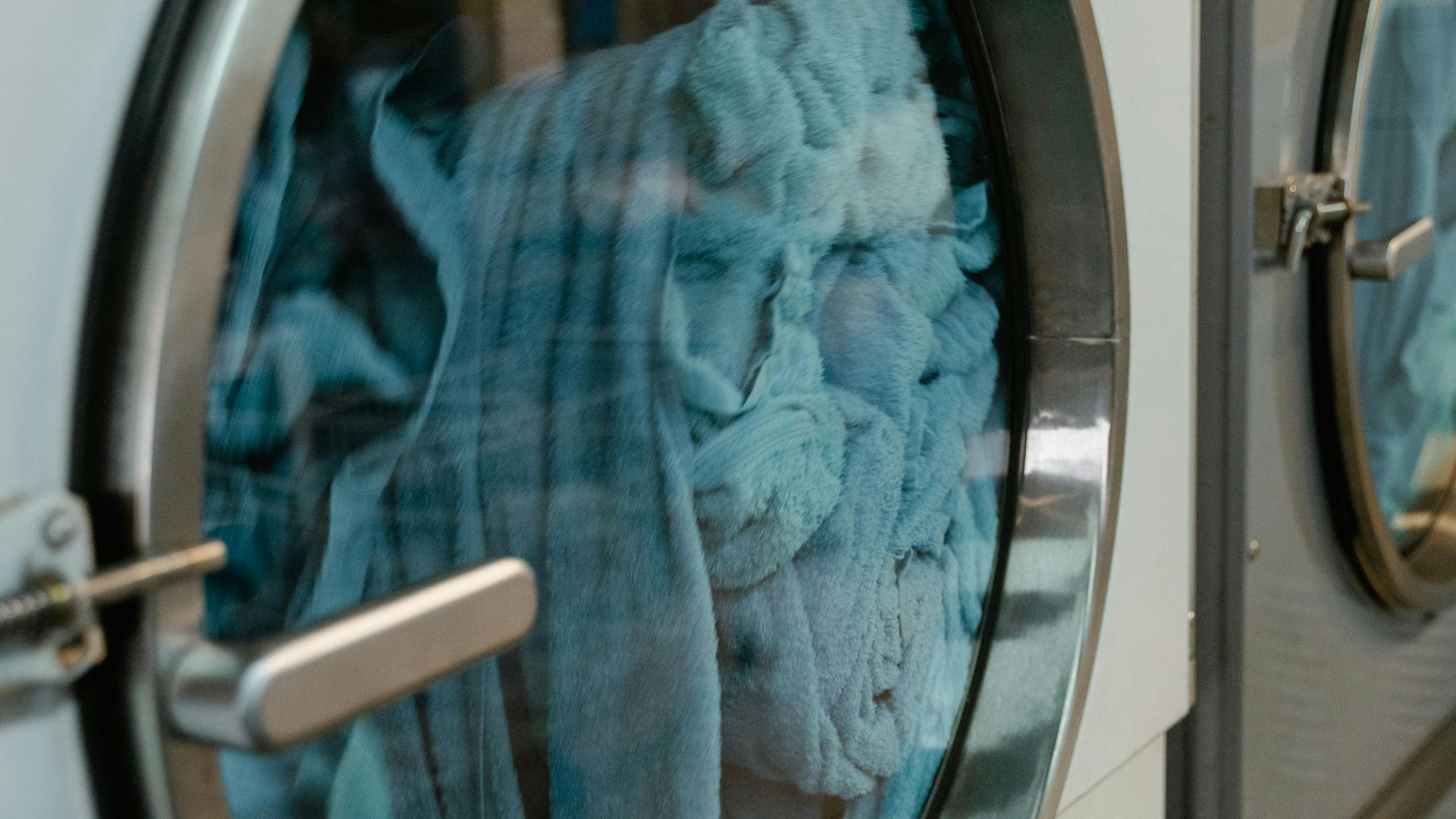
Dryers feel slow when moisture lingers, but a clean towel speeds things along. During the first 15 to 20 minutes, it pulls water from the rest of the load. Taking it out afterward lets everything finish drying much faster.
14. Air-Dry Workout Clothes
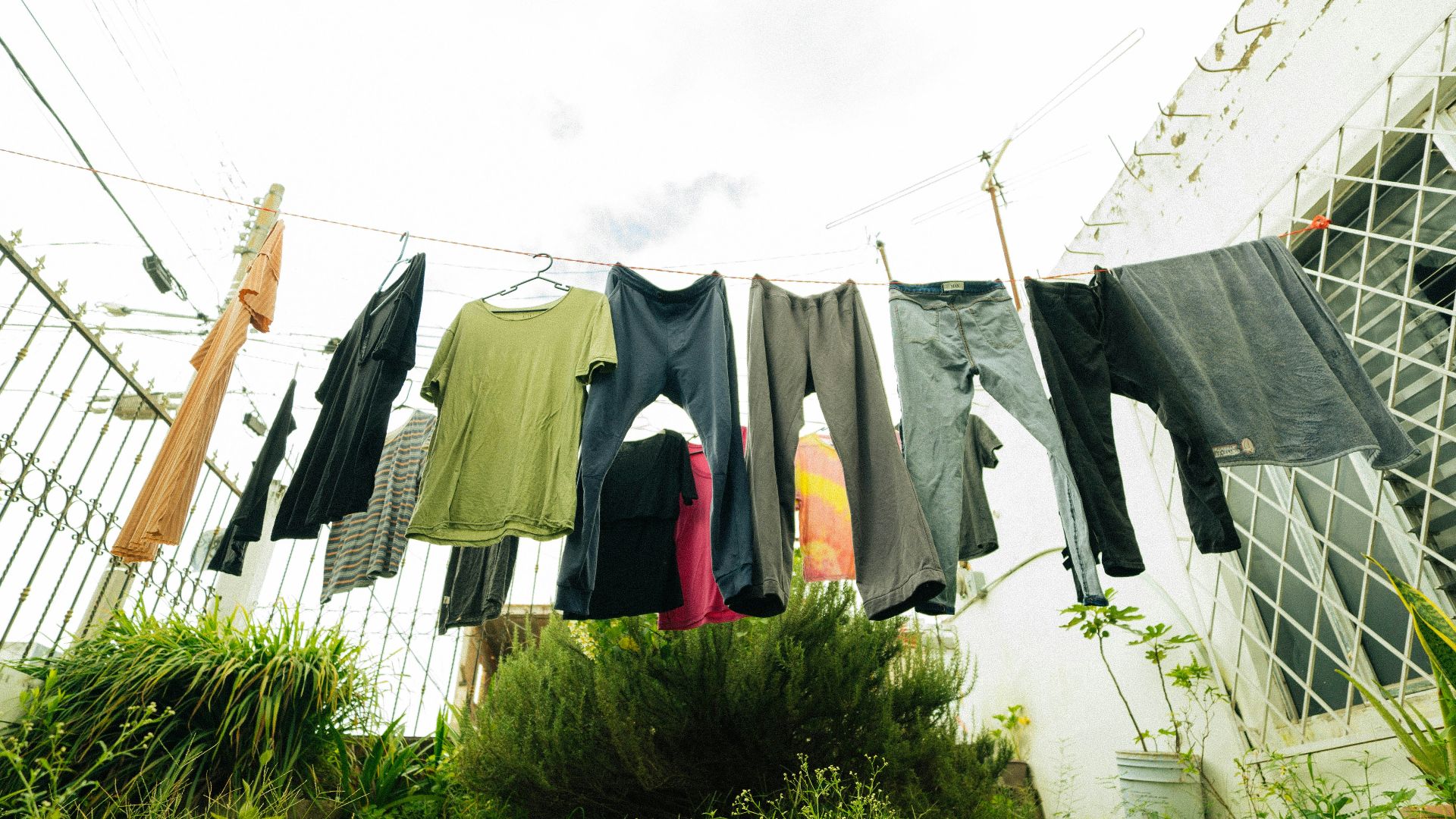
Athletic gear lasts longer when heat stays out of the picture. High dryer temperatures weaken synthetic fibers and elastic materials. Therefore, air-drying or using low heat is the way to go. It protects stretch and maintains fabric integrity with every wash and wear.
 Jonathan Castañeda on Unsplash
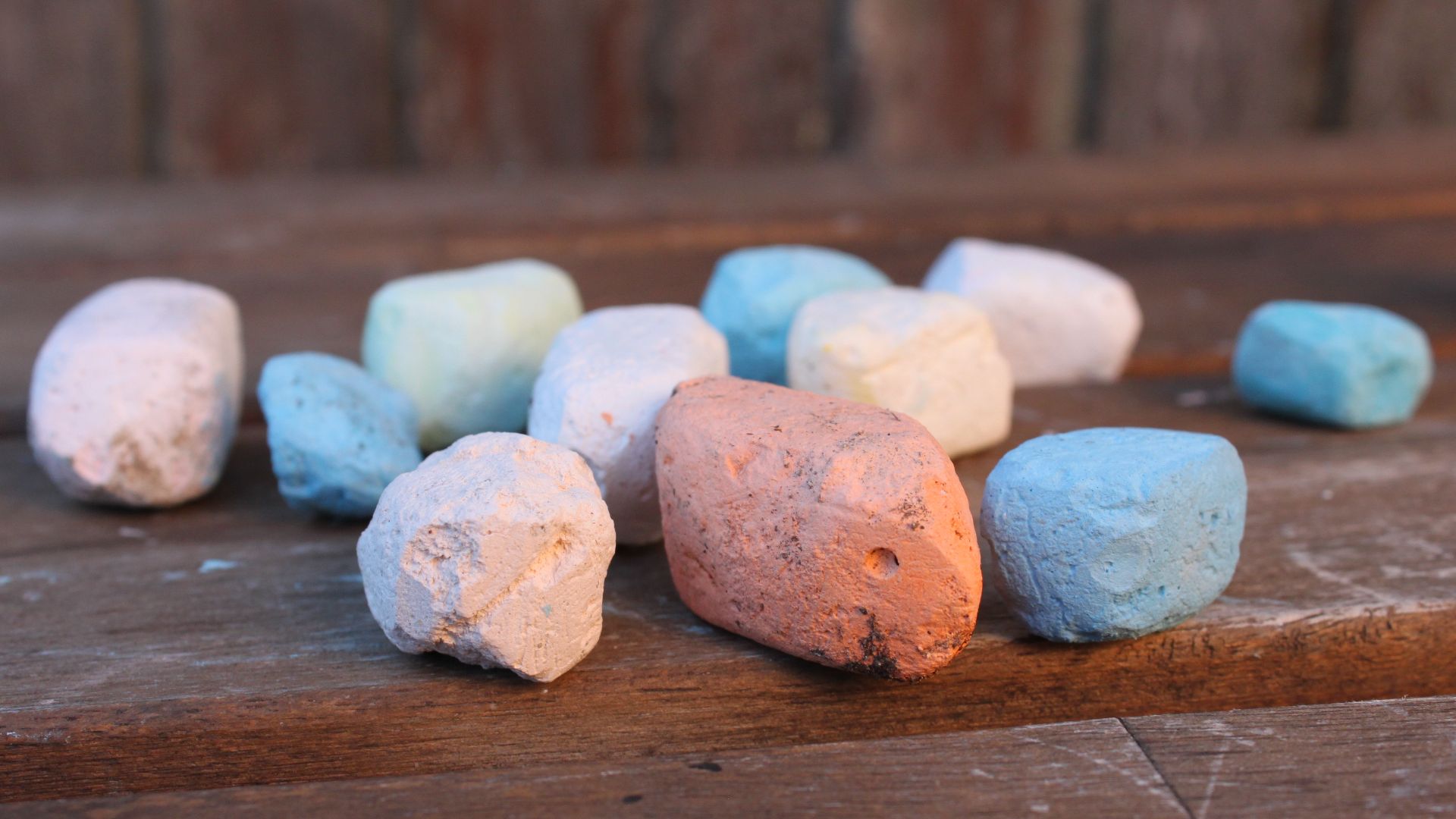
15. Use Chalk For Oil Stains
Chalk works like a quick rescue tool for new oil marks. When it’s applied right away, the powder lifts grease from the fabric surface. After a short rest, brushing it off and following with a cold wash improves stain removal without harsher products.
 Jeremy from Sydney, Australia on Wikimedia
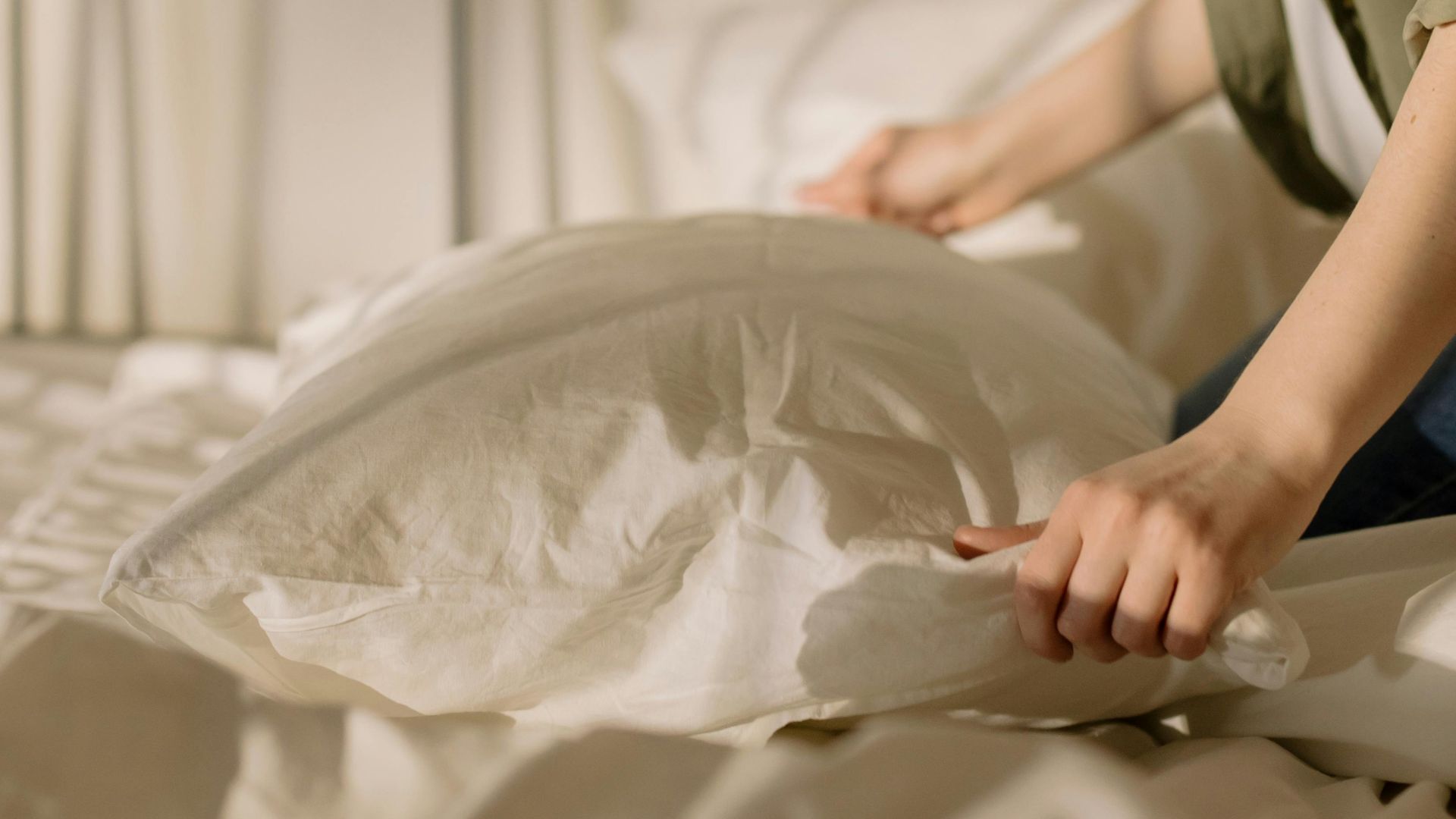
16. Wash Bedding Separately
Mixing heavy items like blankets or bedding with lighter garments leads to lint clinging where it shouldn’t. Heavier fabrics shed and tumble differently, sending fibers onto delicate clothes. That’s why people always wash these categories separately to protect lighter loads and align drying times.
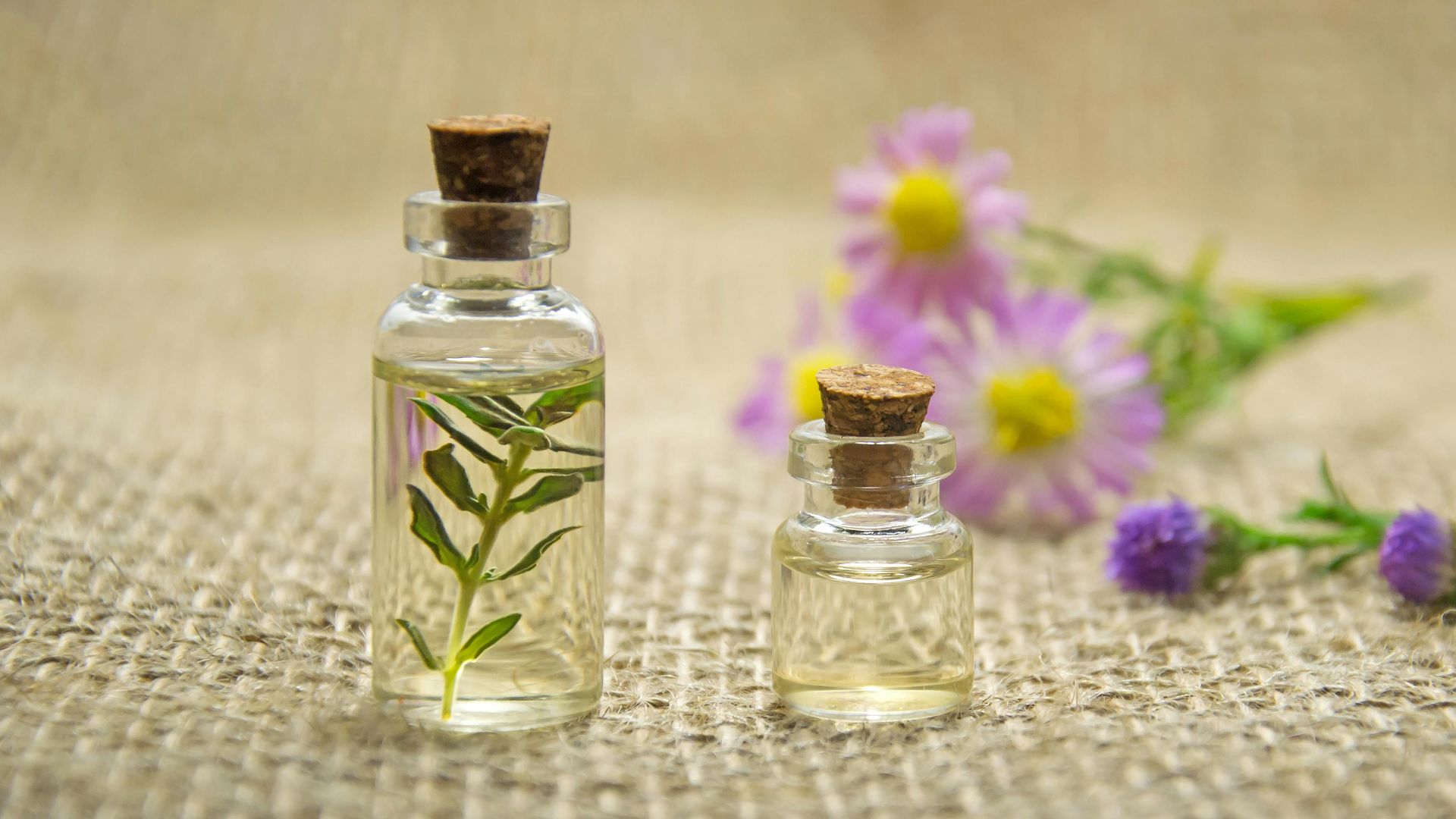
17. Add Essential Oils To Dryer Balls
Adding a few drops of essential oil turns wool dryer balls into a natural fragrance option. The scent disperses during the cycle. It’s a fresh alternative to synthetic dryer sheets while keeping clothes chemical-free.
18. Use Cold Water For Dark Fabrics
Dark garments stay vibrant longer when washed in cold water. Cold temperatures limit dye bleeding and fading. Care labels for dark pieces often recommend cold washes for this reason, and an added bonus is reduced energy use from skipping hot water.
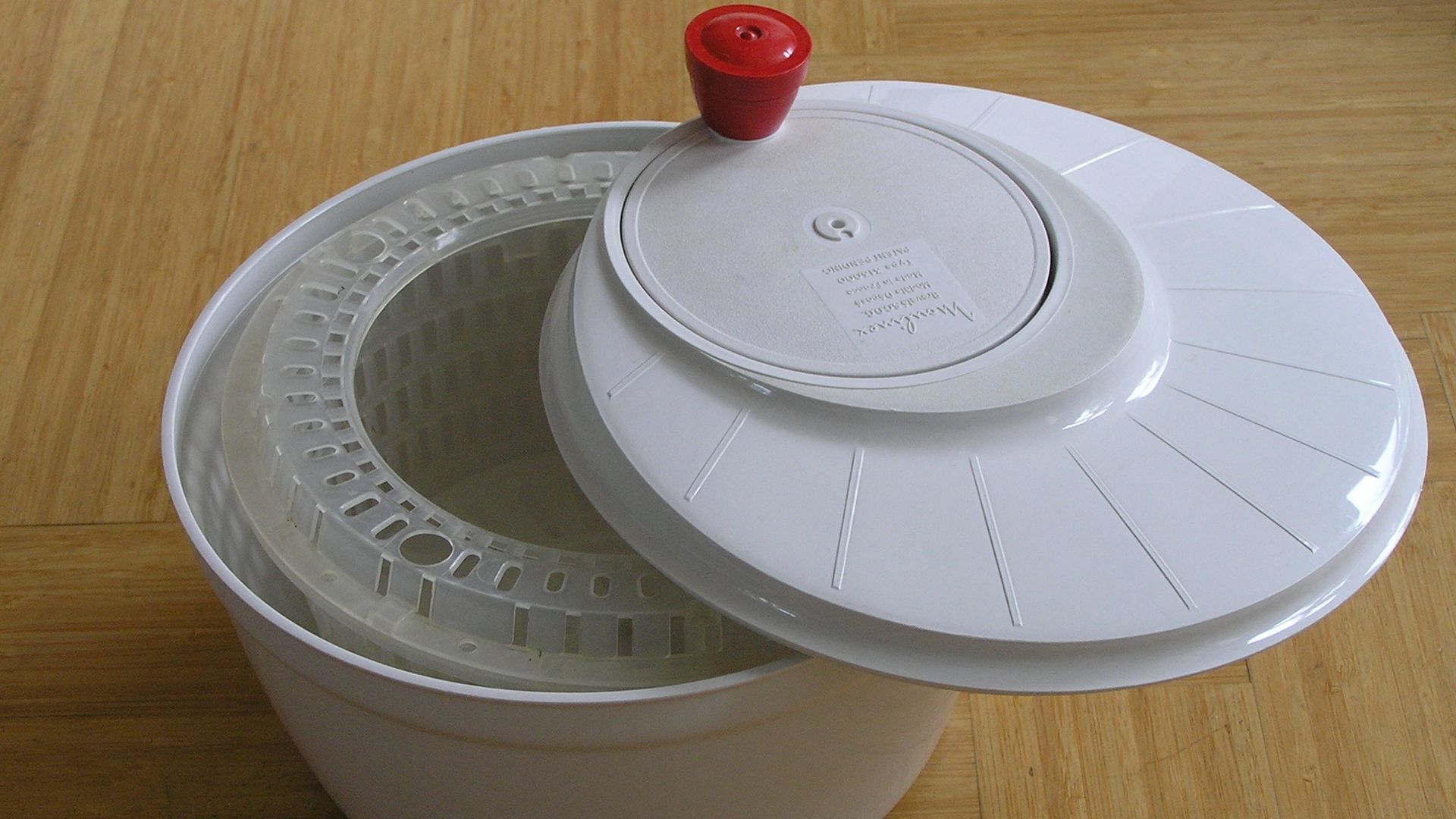
19. Use A Salad Spinner
If you’ve tried drying delicate items by pressing them in towels, a salad spinner feels like an upgrade. Its spinning action removes moisture without tugging on fragile fibers or exposing them to heat. Lingerie and knitwear benefit most.
20. Unbutton Shirts Before Washing
Before shirts enter the washer, unbuttoning everything helps preserve structure. Buttons and buttonholes avoid unnecessary stress, and open fronts allow better water circulation for cleaner results. This simple step reduces the chances of snags or damage and keeps shirts closer to their original shape.