Itchiness Isn’t Inevitable
Sometimes a fabric looks perfect on the hanger, then turns scratchy the moment it touches skin. There’s a reason certain materials behave this way, and the solutions aren’t always obvious. Each fabric has its own way of causing irritation, and understanding those quirks sets the stage for what comes next. So, let's look at the fabrics most likely to cause irritation, then explore how to soften them.

1. Wool
The first hint of trouble shows up the moment wool grazes your skin. Microscopic scales along each fiber lift and catch. Coarser grades make the sensation even sharper, and once heat and moisture settle into the fibers, the irritation only deepens.
2. Mohair
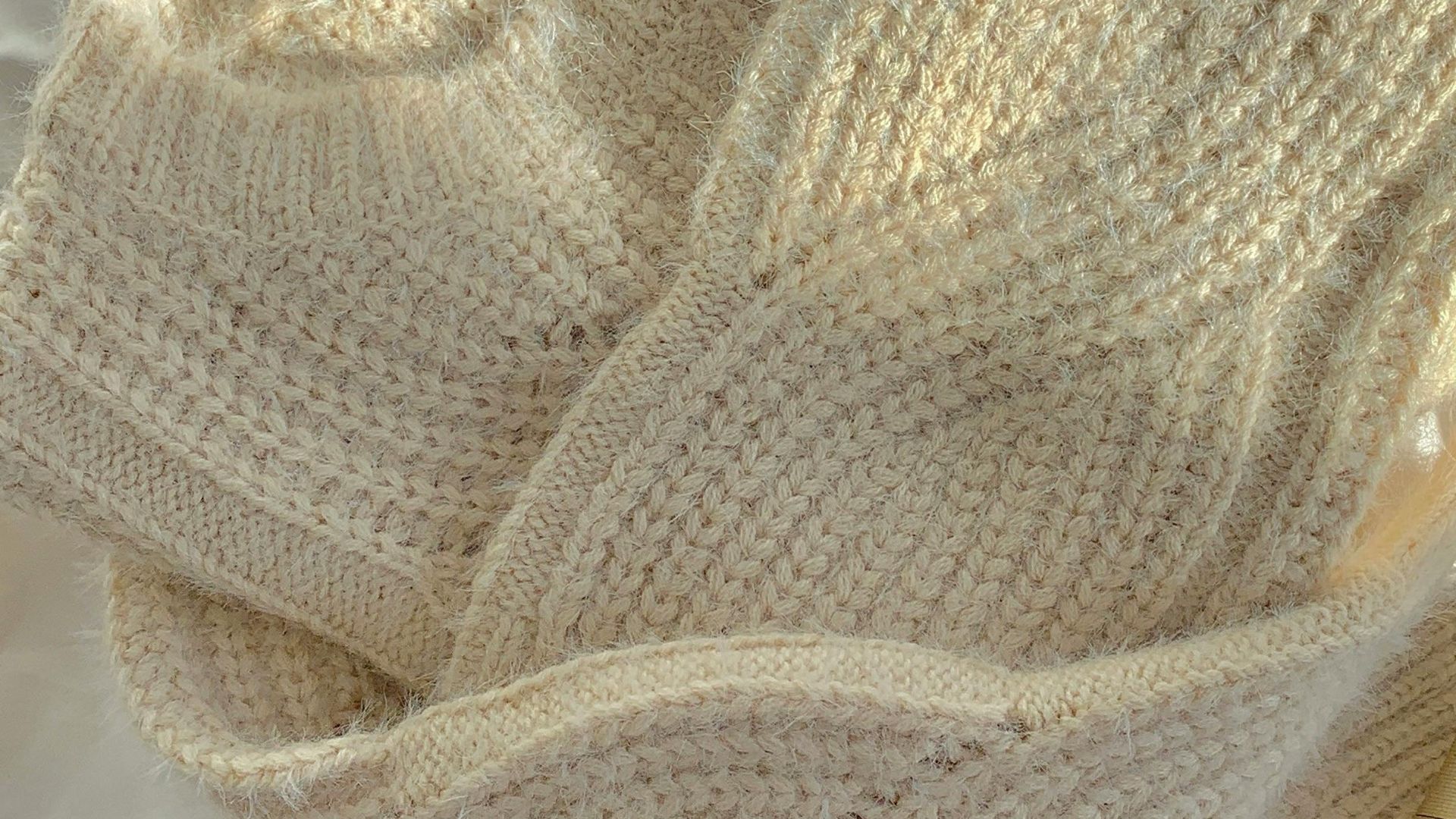
Running a hand over mohair reveals its story quickly. The Angora goat’s long, lustrous hairs don’t just glide; they press with a prickly edge that sensitive skin notices immediately. Those extended fibers keep brushing in firm little taps.
3. Polyester
Polyester traps heat almost instantly, and the warmth collects right where skin meets the surface. Without airflow, perspiration lingers and creates a sticky undertone. When the blend leans rough, that trapped heat mixes with a gritty drag that heightens irritation.
4. Nylon
This fabric builds up friction as hours pass because the material holds onto heat. The longer it stays close to the skin, the more that subtle rubbing becomes noticeable. Hosiery makes this especially clear, with tight contact amplifying every small shift and slide.
5. Acrylic
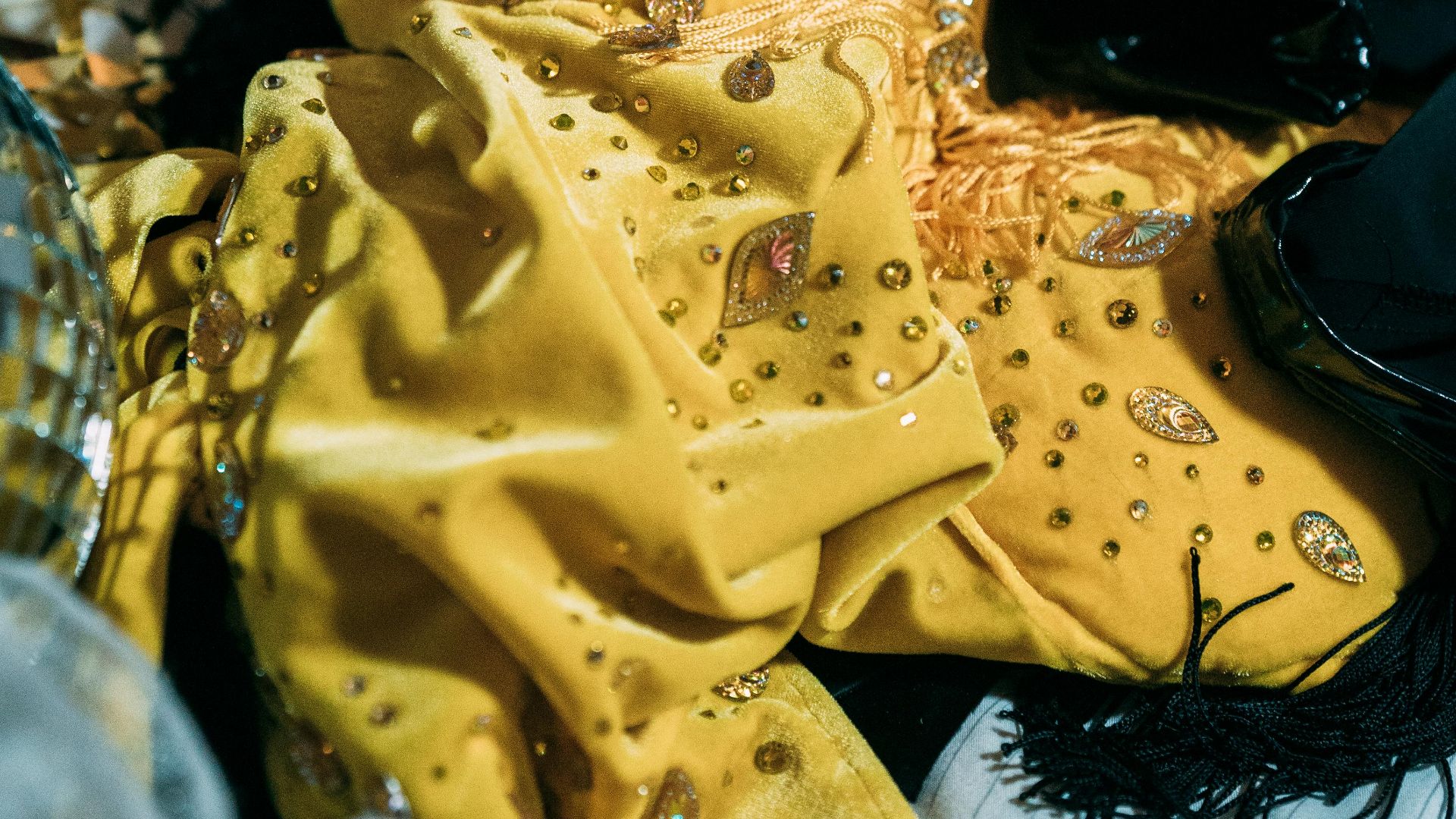
Think of a fiber trying to imitate wool but revealing its own attitude. Acrylic strands are naturally coarse, so clothing made from them carries a persistent roughness. Static also brings cling and tiny jolts that make the fabric feel jumpy and slightly abrasive every time it moves.
6. Rayon
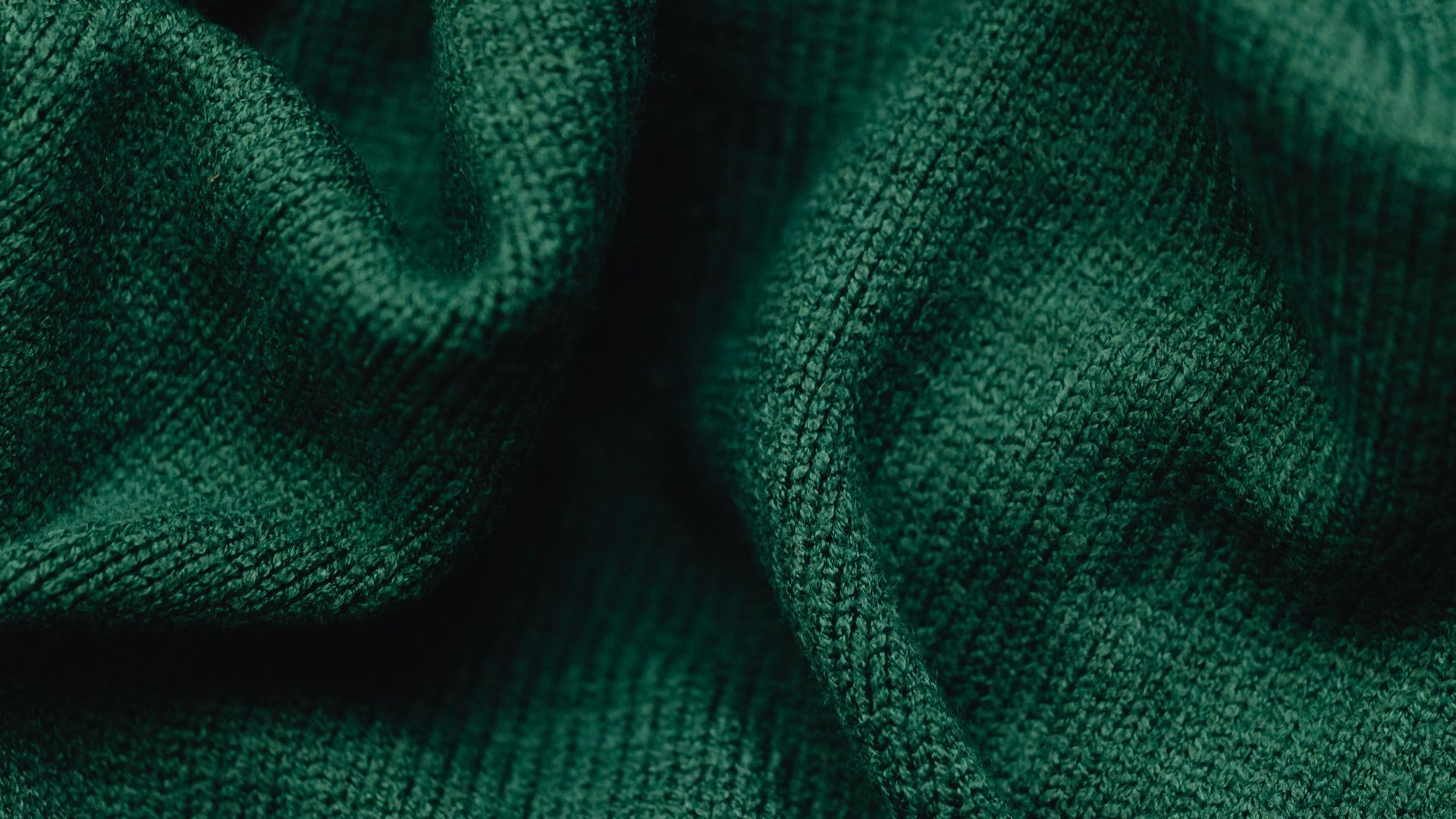
The trouble often shows up after the first few wears. The fabric made from cellulose turns scratchy when the finishing process falls short, leaving a faintly dry texture on the surface. With repeated washing, the fibers lose more smoothness and build a papery drag.
7. Velvet (Synthetic Blends)
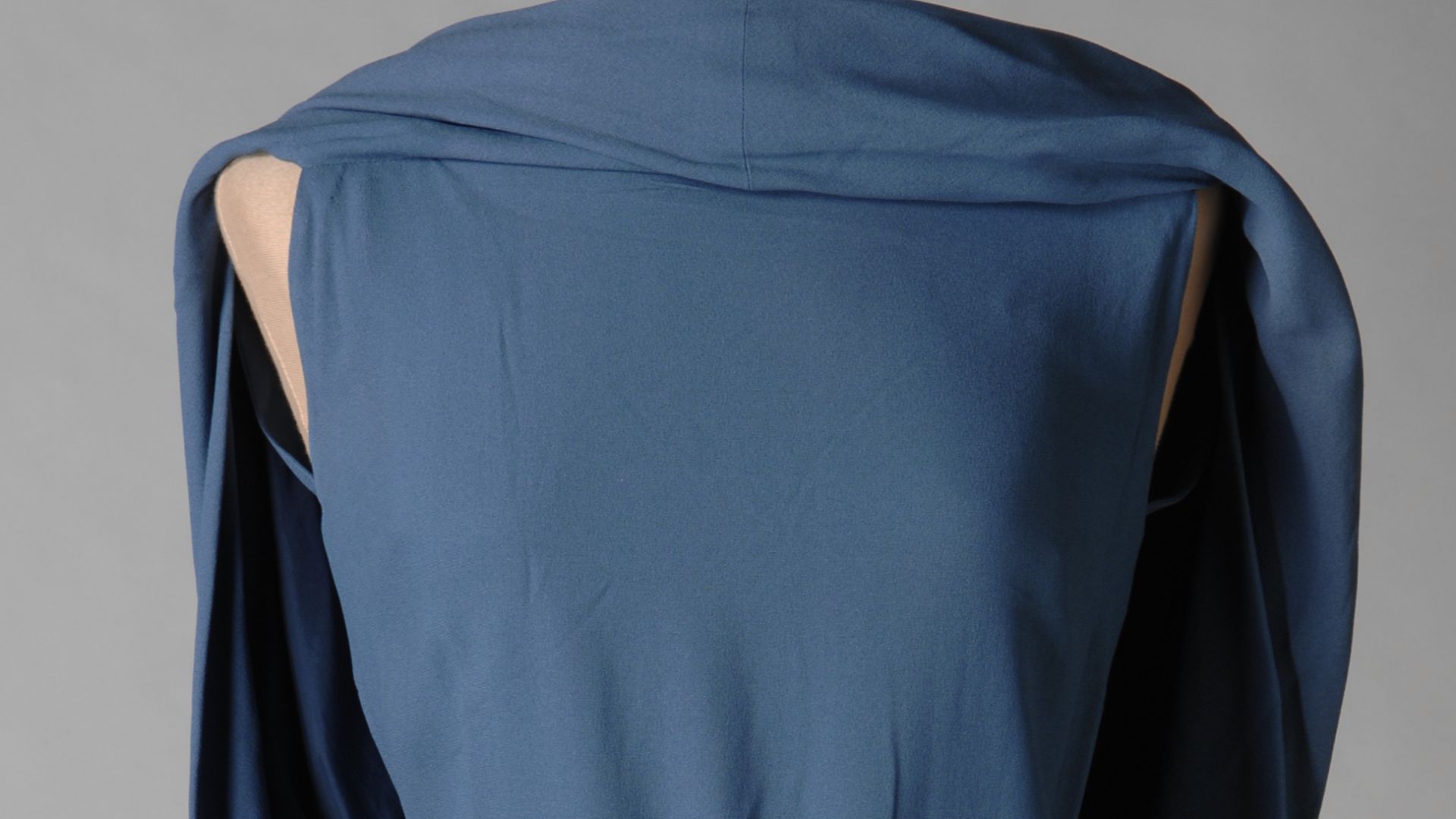
At a glance, synthetic velvet looks inviting. Once worn, the polyester pile traps warmth beneath the surface. Lower-grade versions shed tiny fibers that float and cling. They cause a persistent itch that contrasts sharply with the fabric’s plush appearance.
8. Cashmere (Low-Grade)
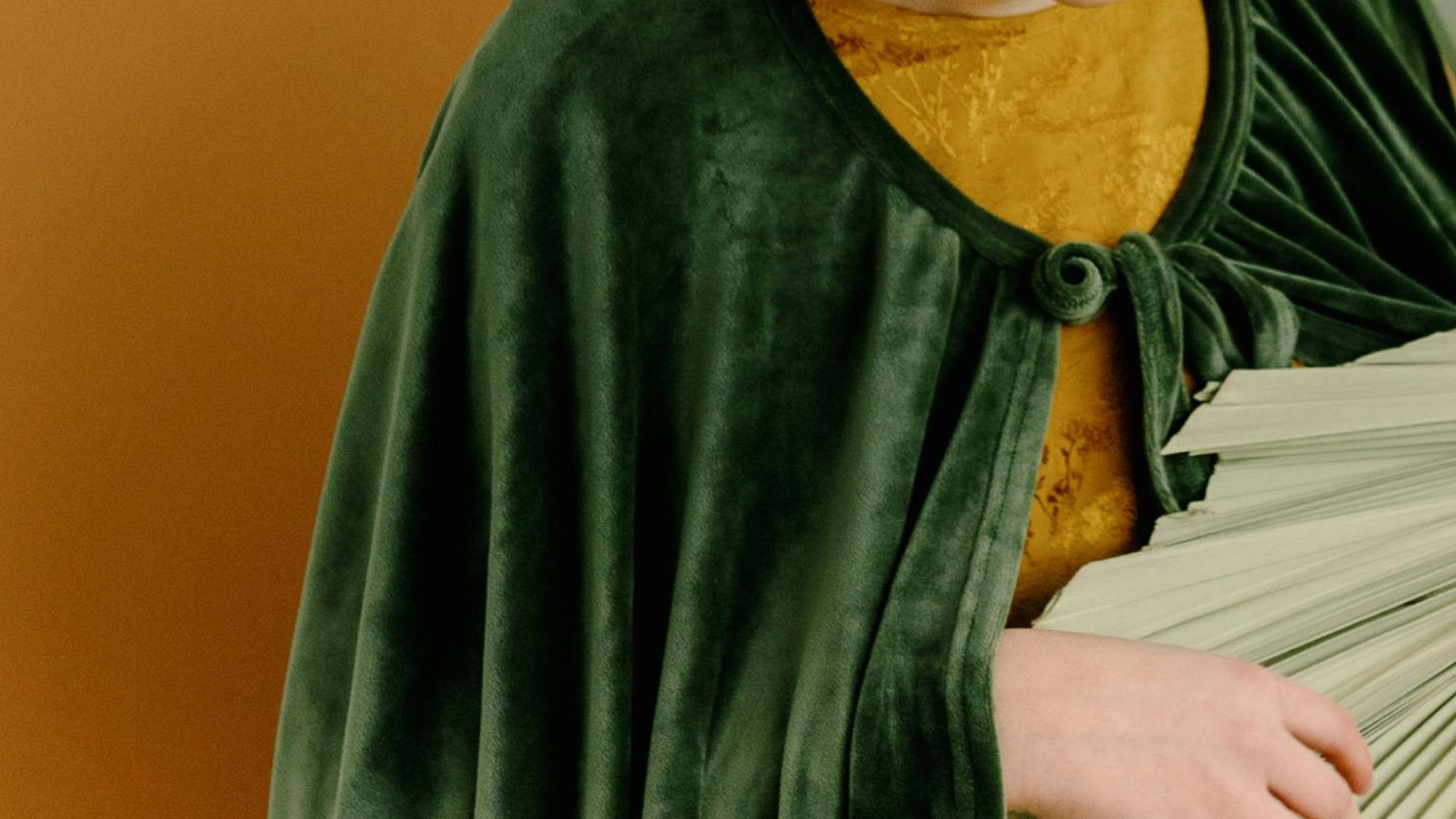
Low-grade cashmere can surprise anyone who expects instant softness. Although cashmere comes from a goat’s undercoat, the thicker fibers found in lower grades create a noticeable scratch when they touch skin. Those coarser strands actually interrupt the smooth feel people associate with cashmere.
9. Ramie
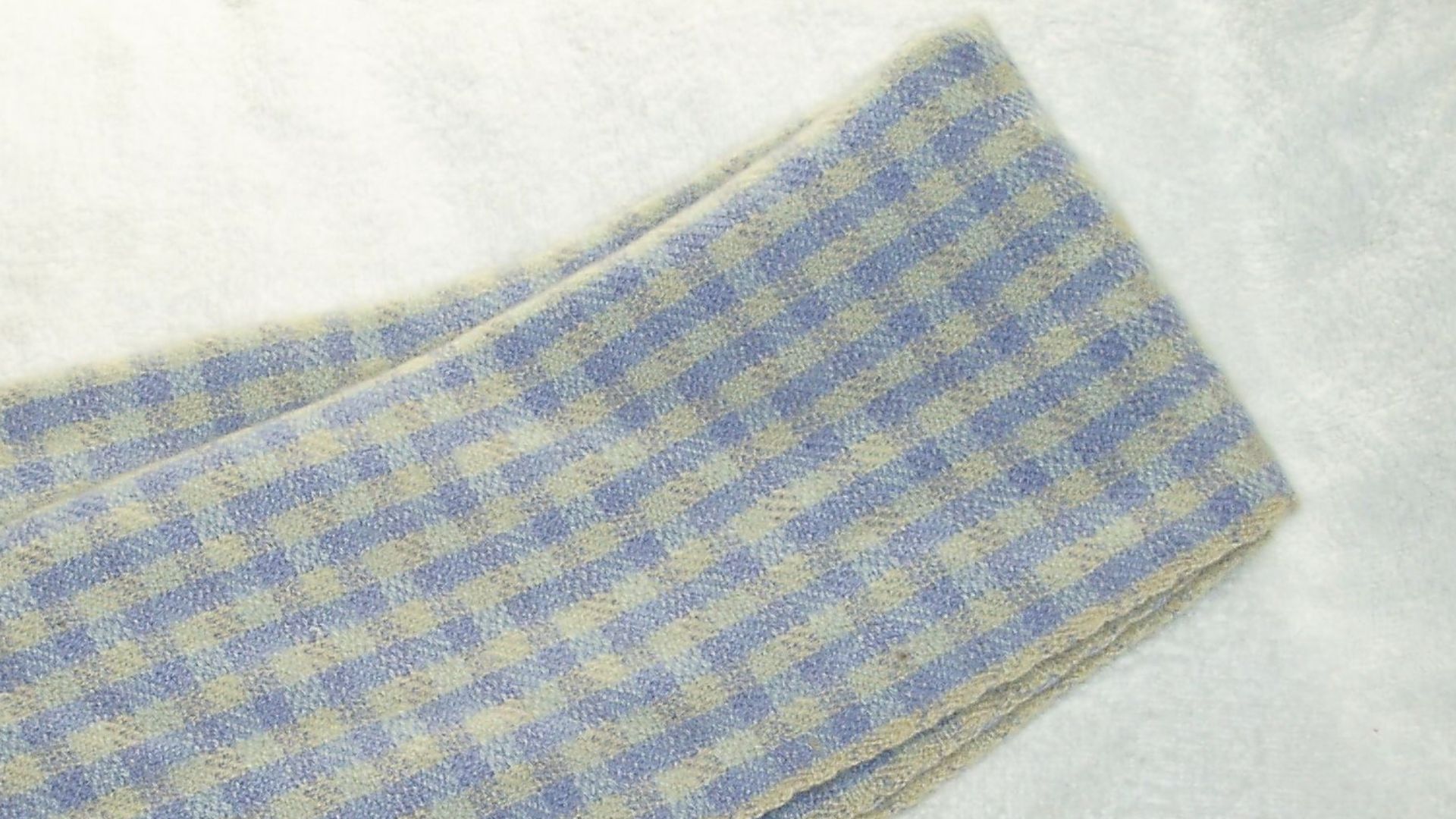
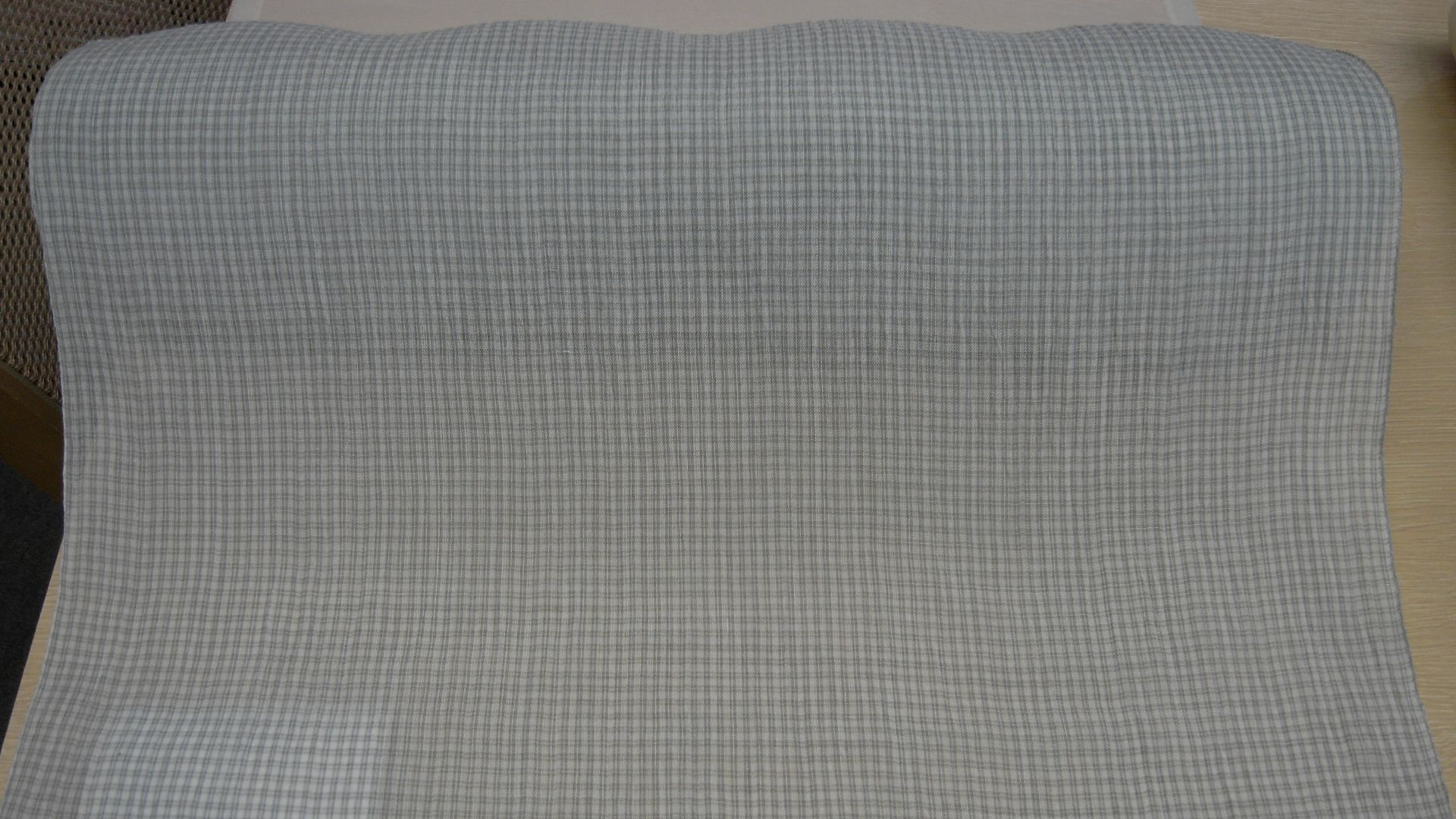
You can tell ramie isn’t soft right away. The fibers are coarse and stiff by nature, which gives the material a crisp feel that brushes the skin sharply. Because it doesn’t flex much, each shift in the fabric leaves a lingering scrape.
10. Denim (Heavy, Untreated)
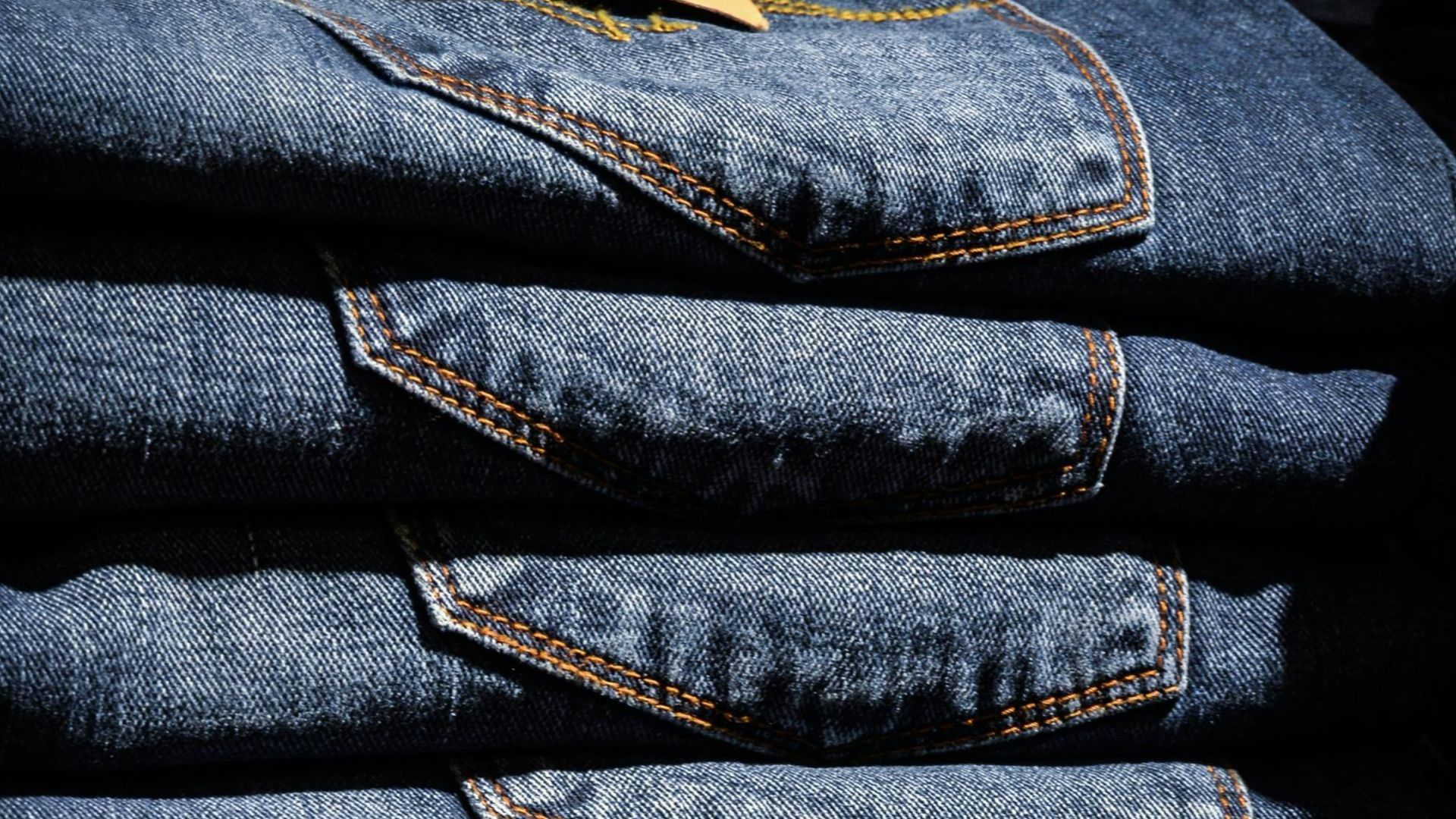
The heft gives it away immediately. Since heavy, untreated denim hasn’t gone through softening processes, the fibers are firm and unbending. The rigidity rubs against skin, especially at pressure points. Movement turns the stiffness into noticeable friction that grows more pronounced with time.
Now that the rough stuff has had its moment, it’s time for solutions that actually help. Curious how fast a texture can change? The next section walks through it.
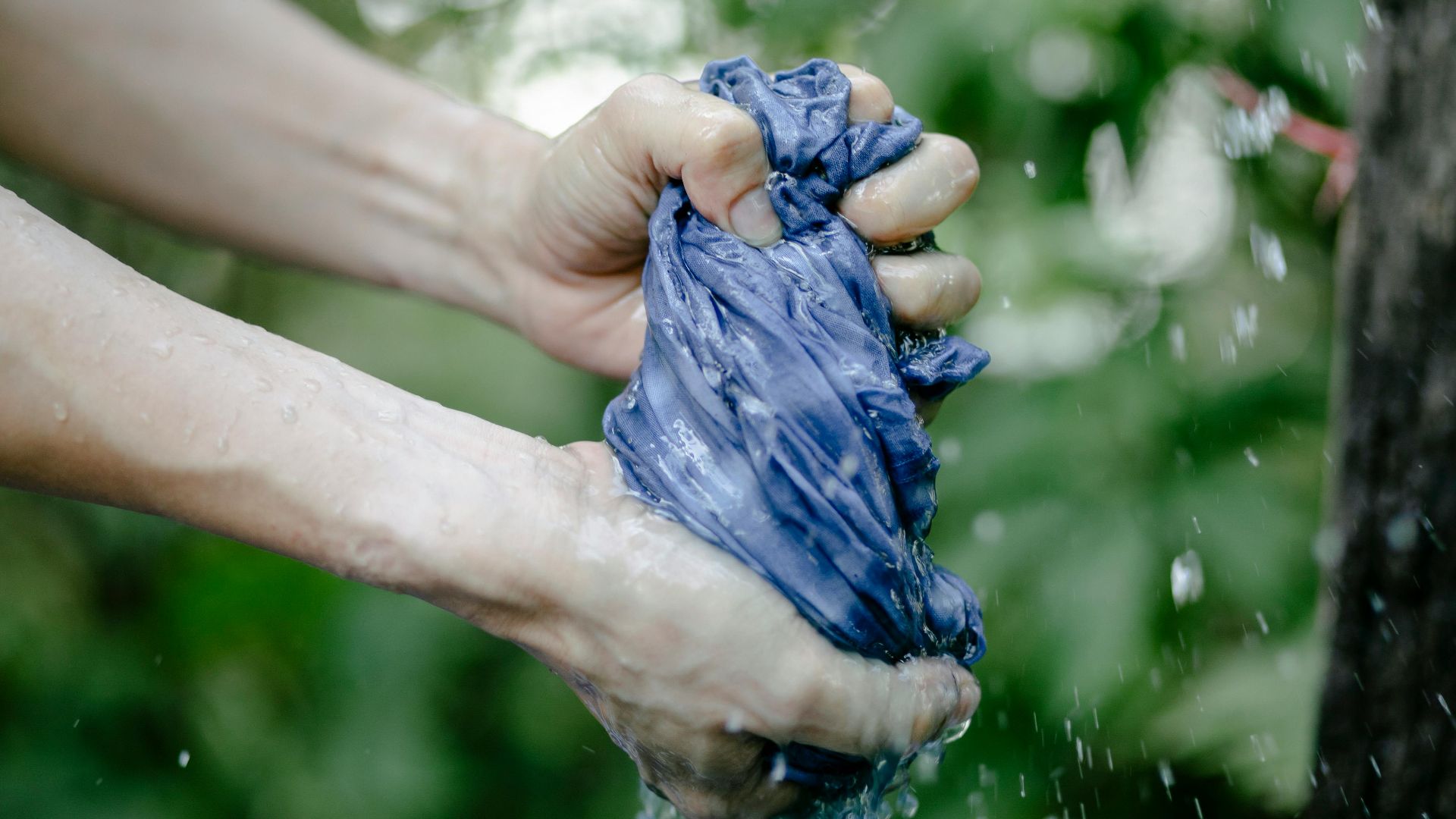
1. Soak Wool In Vinegar
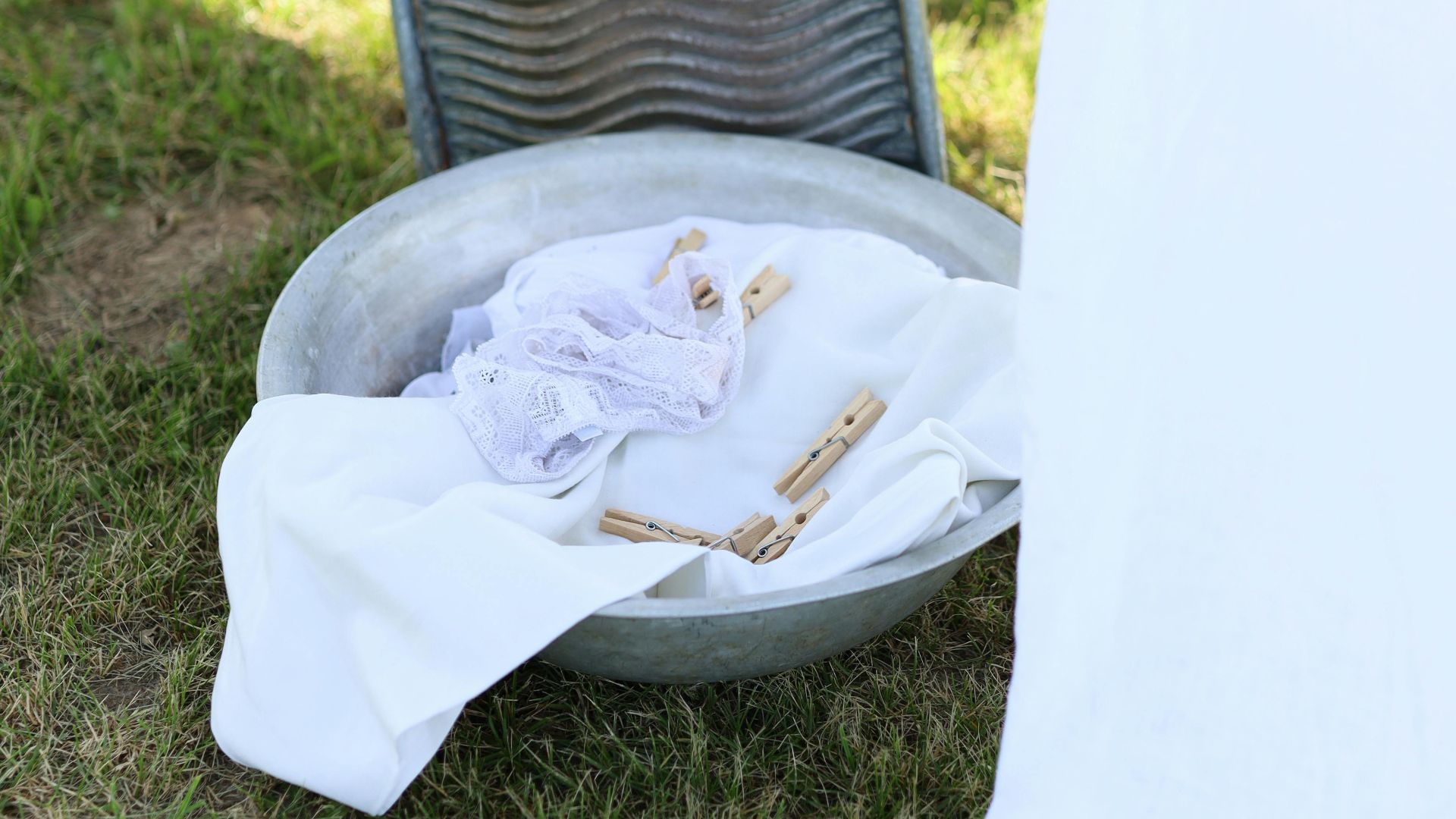
Soaking wool blends in vinegar relaxes coarse fibers before a gentle wash with mild detergent. Diluted hair conditioner or lanolin restores natural softness as the fabric air-dries. If itchiness lingers, a thin cotton layer underneath provides an extra barrier without adding bulk.
2. Hand-Wash Mohair
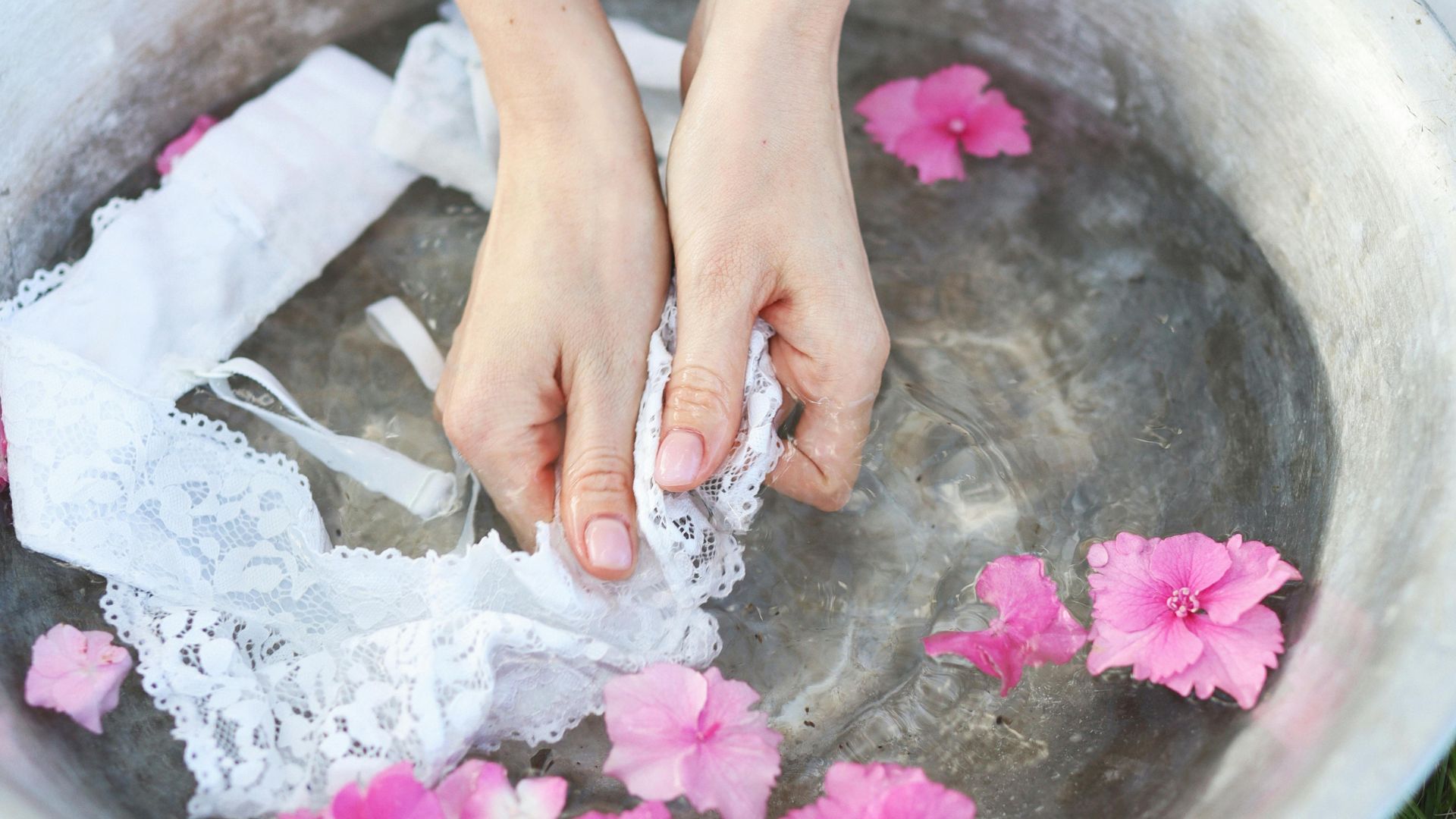
Mohair reacts better to gentle handling, which is why hand-washing is often recommended. Slower movement keeps the fibers from tangling or stressing, and cool water helps protect their structure. Without machine agitation, the material maintains a smoother feel that aligns with its delicate nature.
3. Add Dryer Balls For Polyester
Dryer balls keep clothes moving by creating space between them, which means less static and softer fibers. They even speed up drying time. Polyester ones last forever and feel like a low-effort upgrade that makes laundry noticeably smoother.
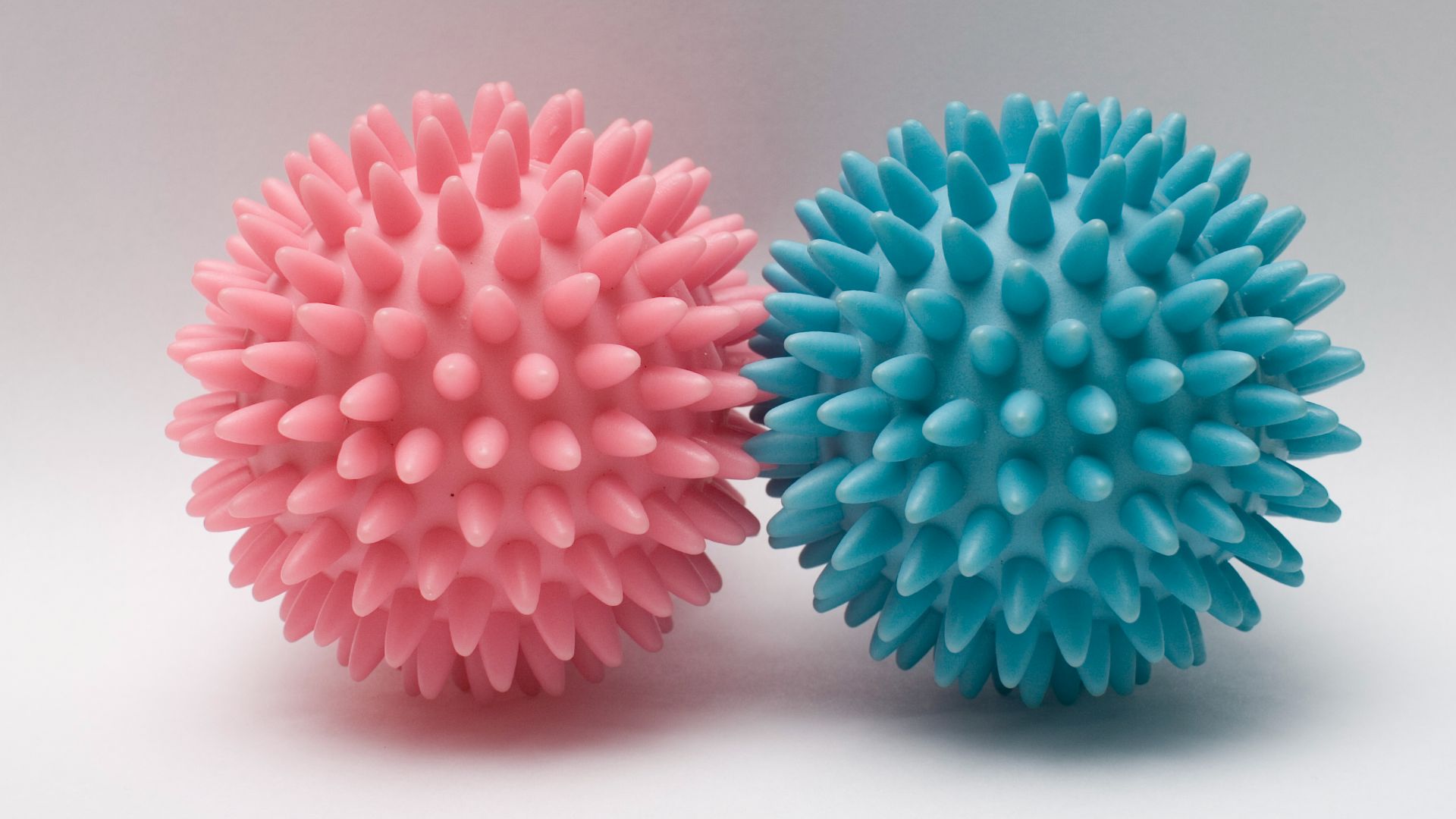 mjtmail (tiggy) from Gt. Manchester on Wikimedia
4. Use A Vinegar Rinse For Nylon
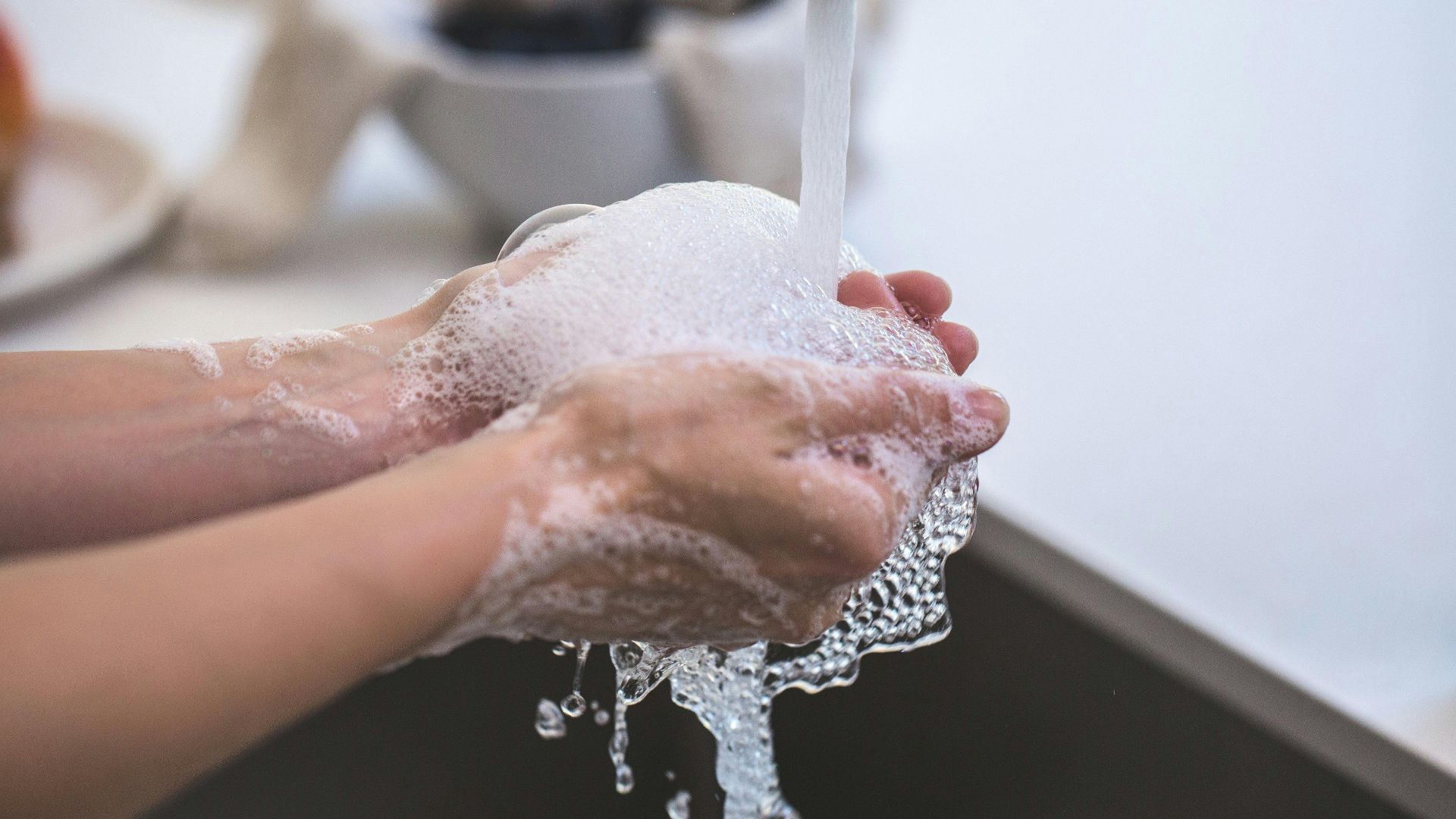
If you want a no-nonsense tweak for smoother laundry, vinegar is one of the easiest moves you can make. It neutralizes leftover detergent that can bother your skin and helps stop static from sticking around. The difference shows up fast.
5. Soften Acrylic With Vinegar Rinse
Acrylic fabric can feel itchy at first, but a gentle wash with fabric softener helps soften the fibers. A small splash of white vinegar in the rinse helps relax the fibers and ease rigidity. Let it air dry, then tumble on low heat for a smoother, softer feel.
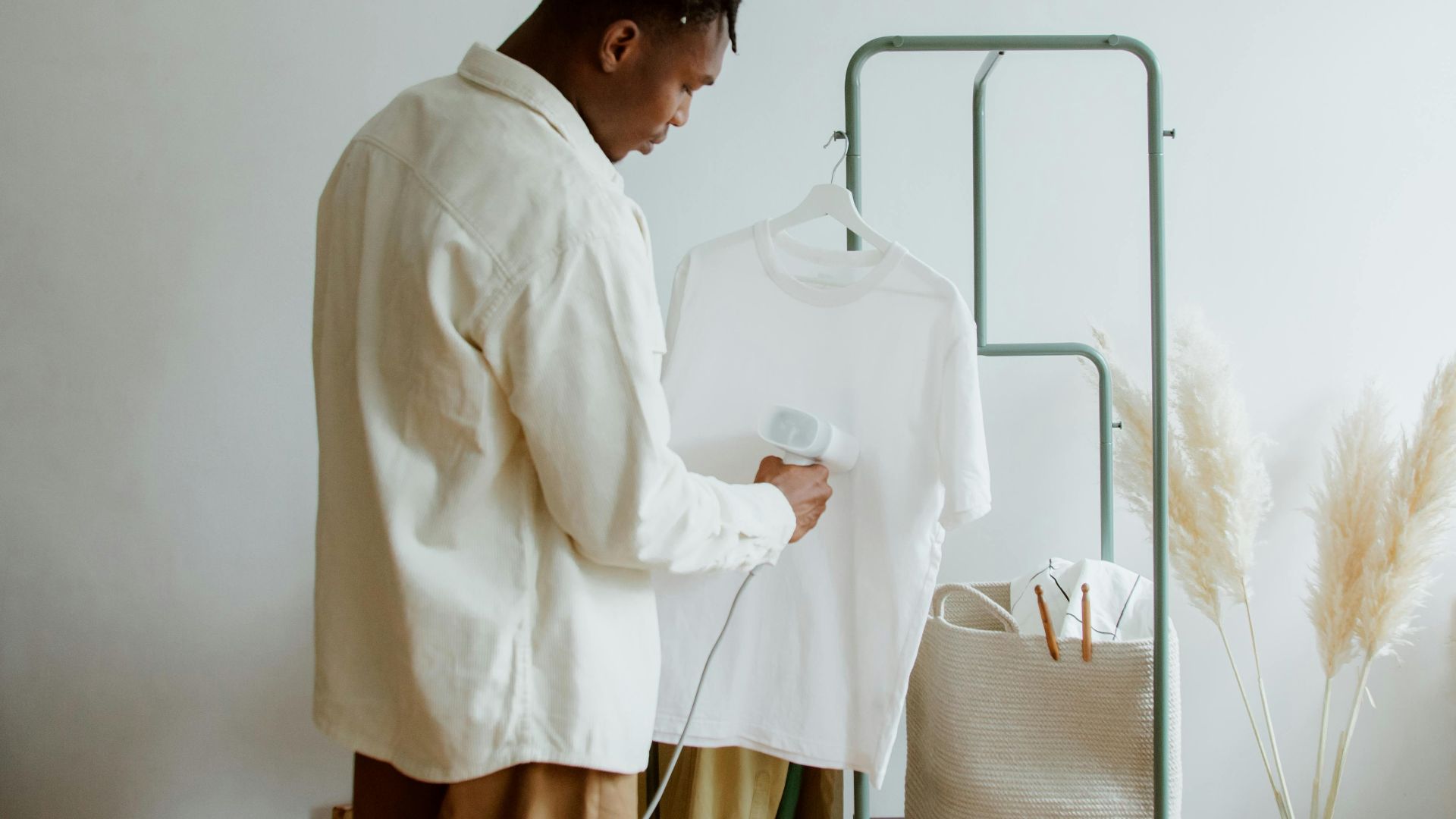
6. Steam Rayon Thoroughly
Rayon behaves differently when exposed to steam. The heat reaches into the fibers, relaxing them and easing stiffness while smoothing wrinkles naturally. The whole method works without the pressing force that can feel too harsh on delicate surfaces.
7. Wash Velvet Gently And Layer Up
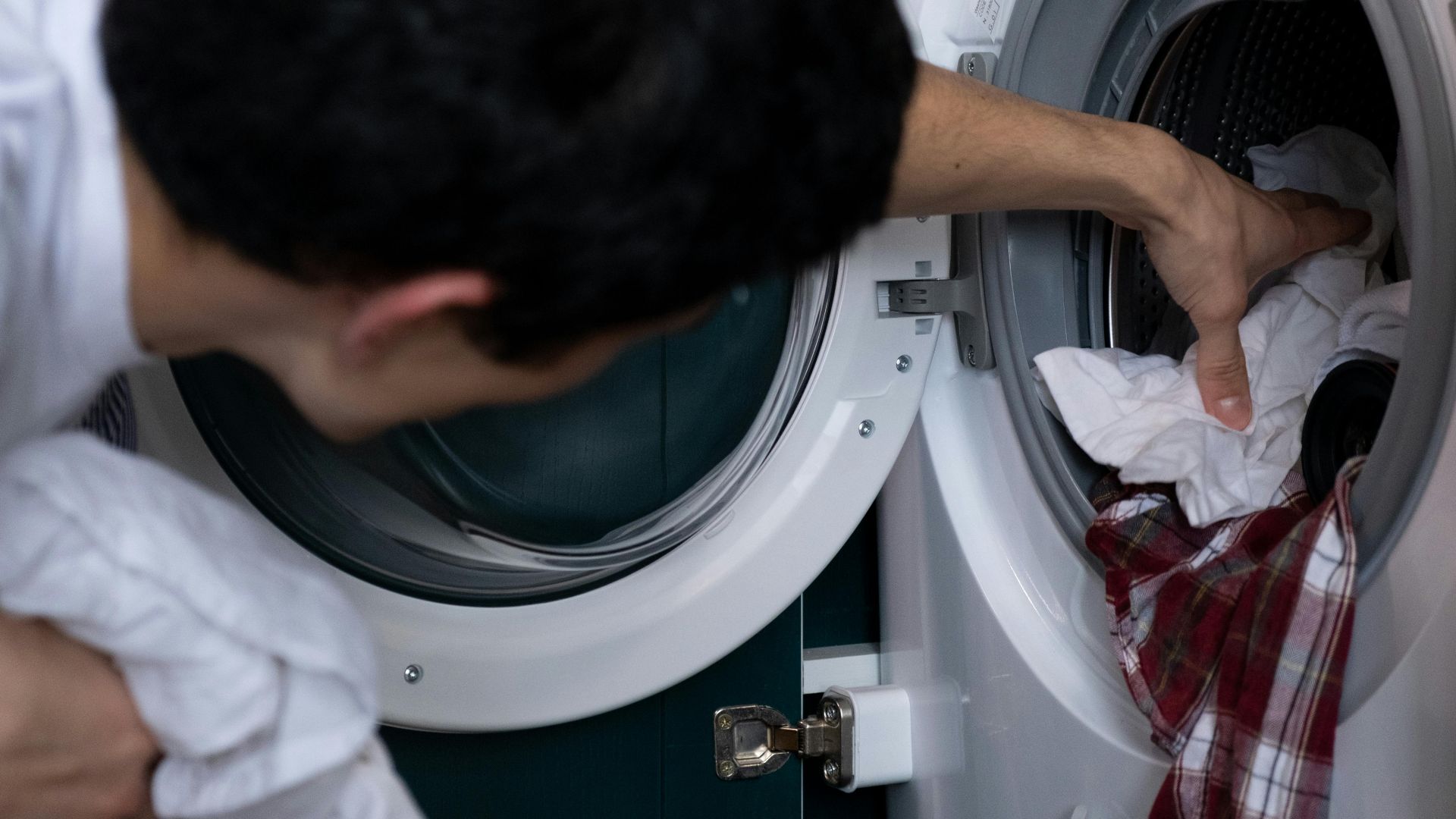
Wash velvet blends gently on a delicate cycle with mild detergent, add fabric softener, and air‑dry to relax fibers. A vinegar rinse or light steam can ease stiffness, while wearing a soft underlayer helps reduce irritation against the skin.
8. Brush Cashmere
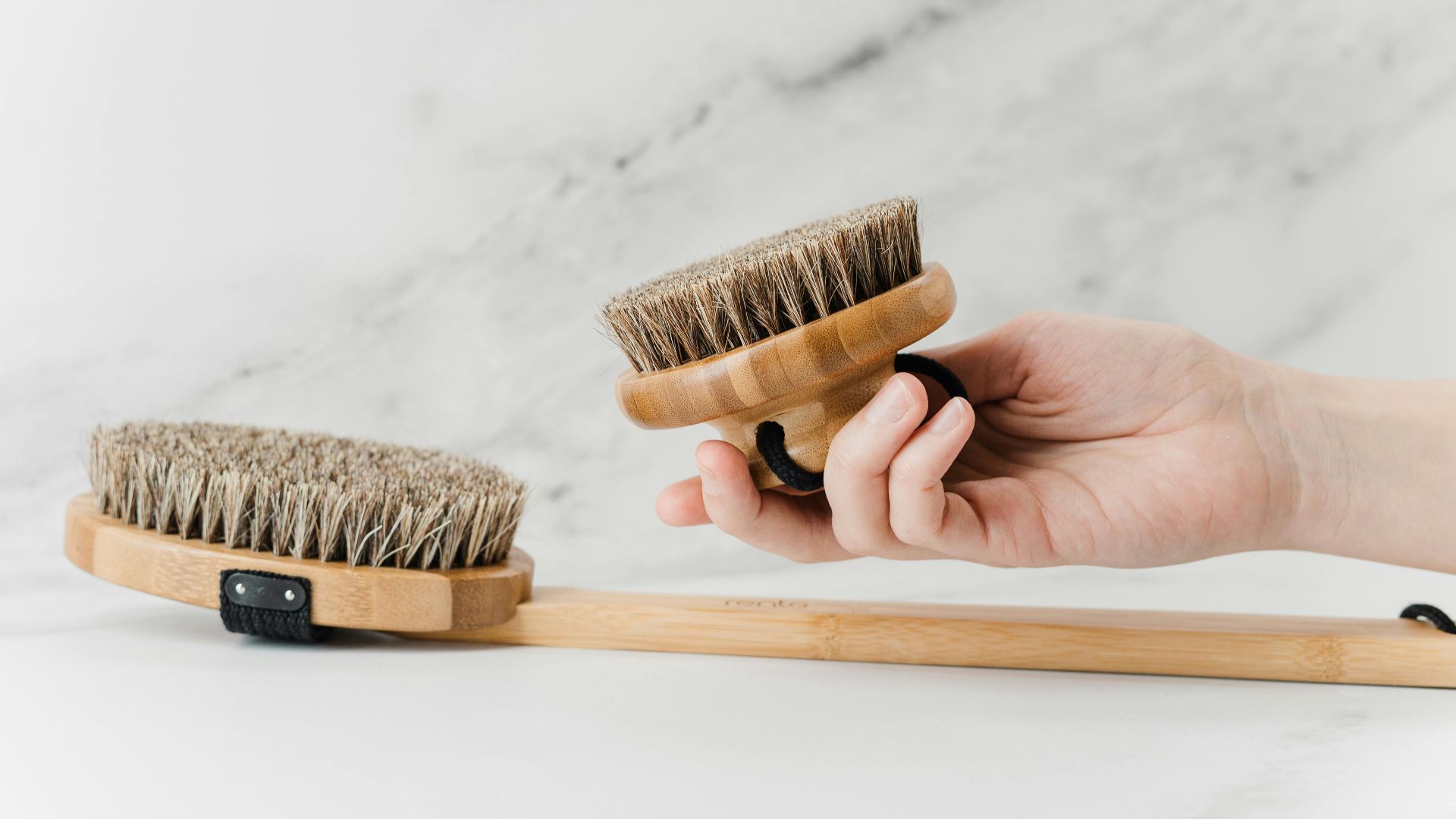
When cashmere starts feeling a little prickly, it’s usually stray fibers causing trouble. Running a brush over the surface clears them out before they irritate you. The motion smooths the fabric and keeps knits from matting. This gives the piece a more even, comfortable texture.
9. Soak & Condition Ramie Till It’s Silky
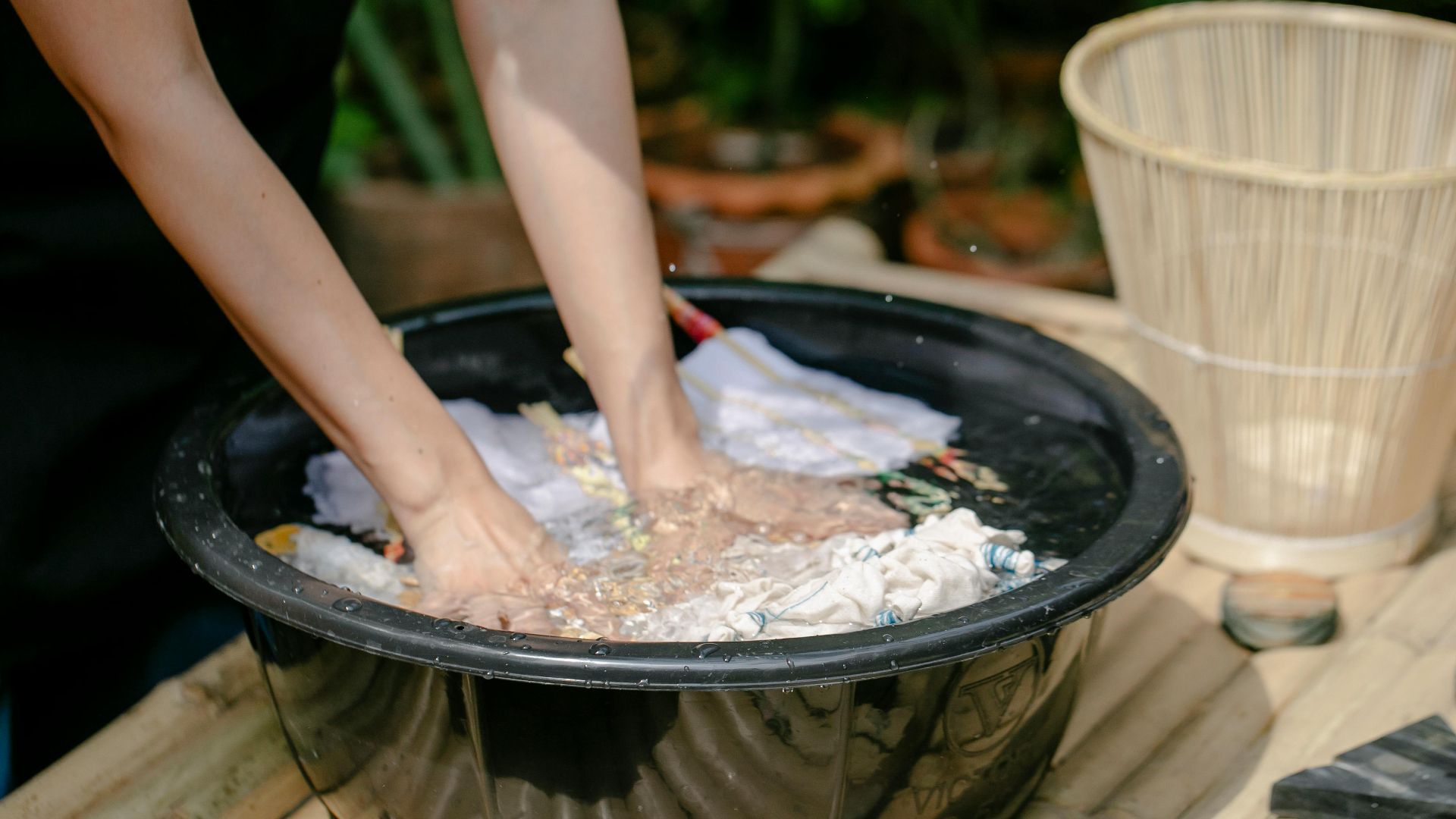
Soaking ramie loosens its naturally stiff fibers, preparing them to soften. Fabric conditioners then reduce surface friction while moisture treatments penetrate deep, gradually transforming the rough texture into something silky. The process works without compromising ramie's natural durability or structure.
10. Rinse Denim Twice After Washing
Heavy denim softens through regular wear and washing. Vinegar soaks or fabric conditioner relaxes stiff fibers, while tumble-drying with dryer balls accelerates the process. Consistent treatment transforms rigid fabric into something comfortable.