
Simple Style Rules That Hold Up
Getting dressed is rarely about reinventing yourself. Most days it’s about looking like you meant to leave the house, even if you got ready fast, even if you’re tired, even if the weather is doing something annoying. Trends can be fun, yet they also make people spend money chasing a look that doesn’t match their life, their body, or their calendar. The reliable rules are the ones that work whether you’re going to work, traveling, meeting friends, or just trying to feel like a functioning adult. They don’t require a perfect wardrobe, and they don’t demand that you dress like someone you don’t recognize. The point is to make outfits easier, repeatable, and more flattering without turning style into a performance. Here are twenty rules that hold up in everyday life and keep you out of the closet-staring spiral.
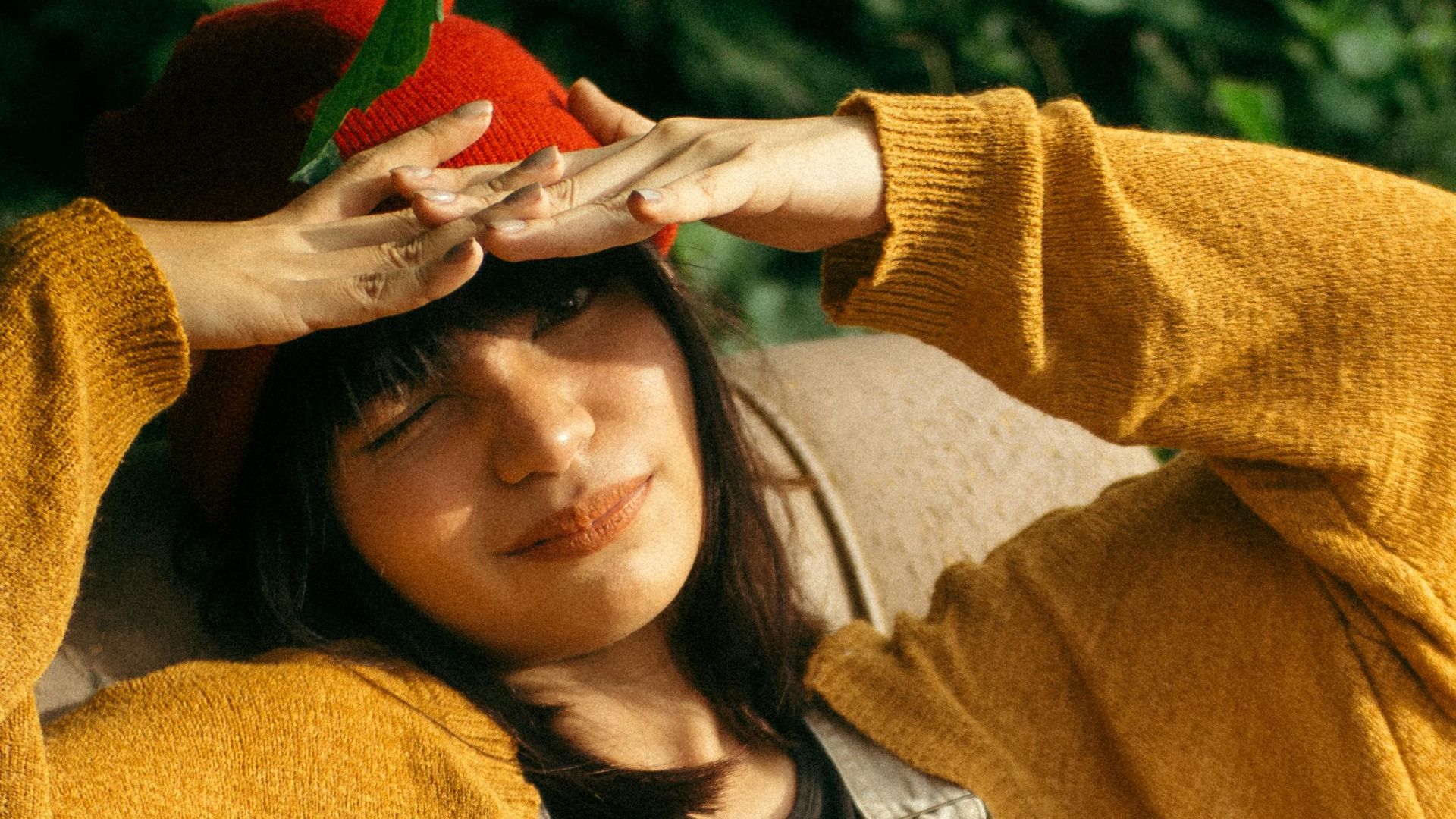
1. Start With Your Shoes
Shoes set the formality and the mood before anything else does. When the shoes look intentional, the outfit usually looks intentional. When the shoes look tired, even a good outfit can feel off.
2. Pick One Main Idea
An outfit works better when it has one clear focus, like clean minimal, sporty, polished, or relaxed. When you try to do three vibes at once, the look can feel accidental. One strong direction also makes accessories easier.
3. Fit Beats Brand Every Time
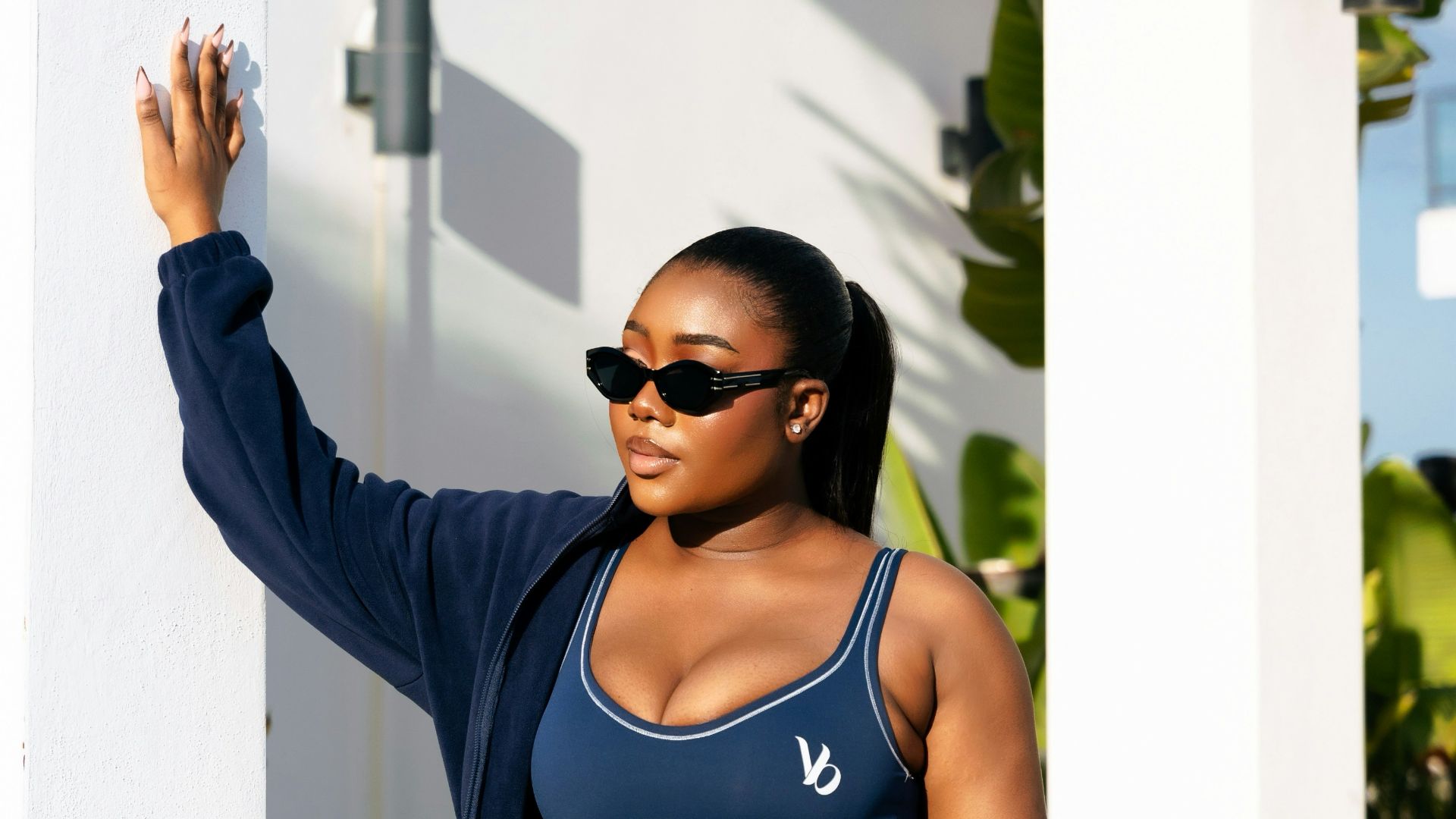
A well-fitting affordable piece looks better than an expensive item that pulls, sags, or fights your posture. Pay attention to shoulder seams, waistband comfort, and sleeve length, because those details are what people actually register. If you tailor one thing, make it the piece you wear most.
4. Use A Third Layer To Add Structure
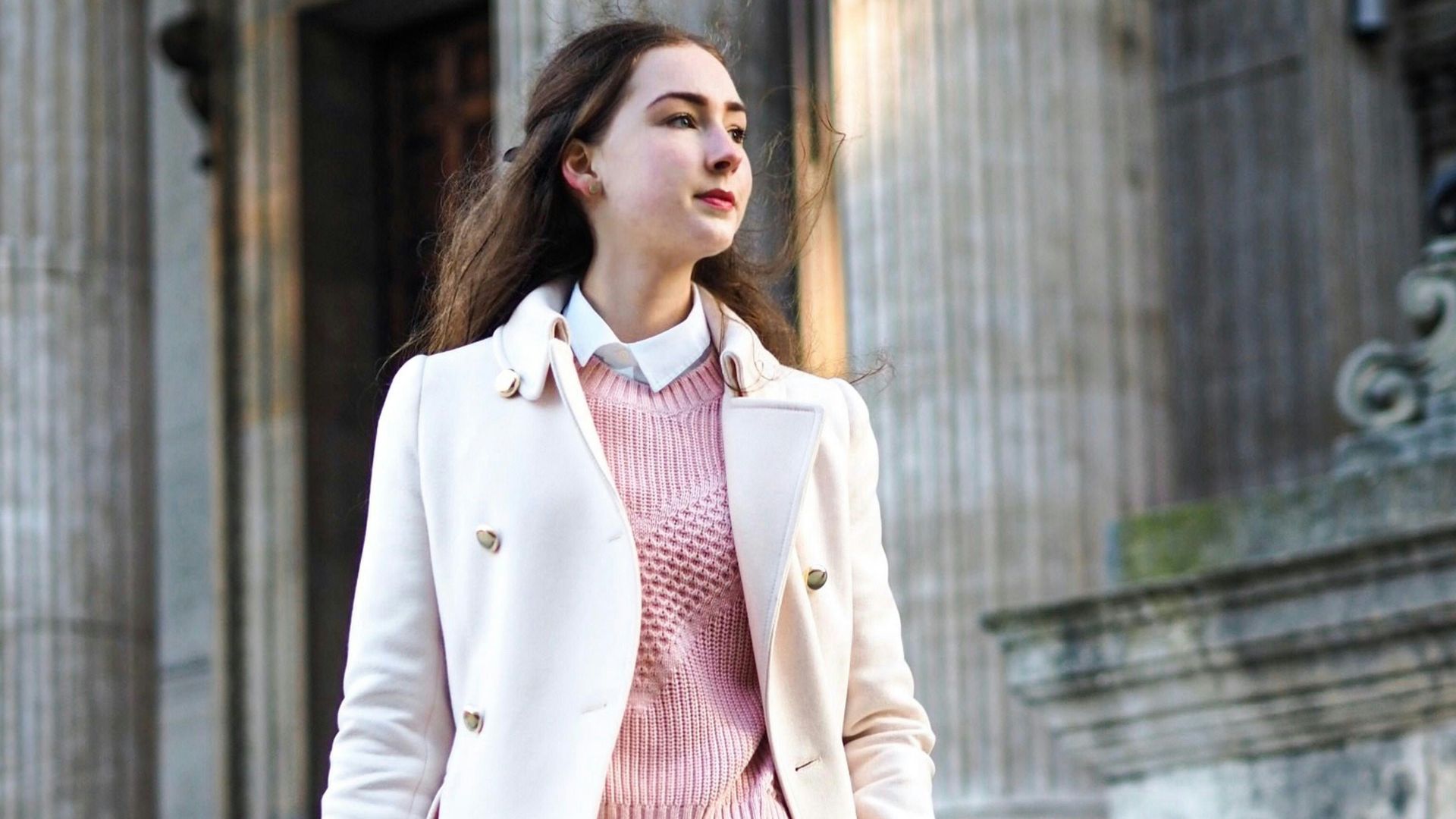
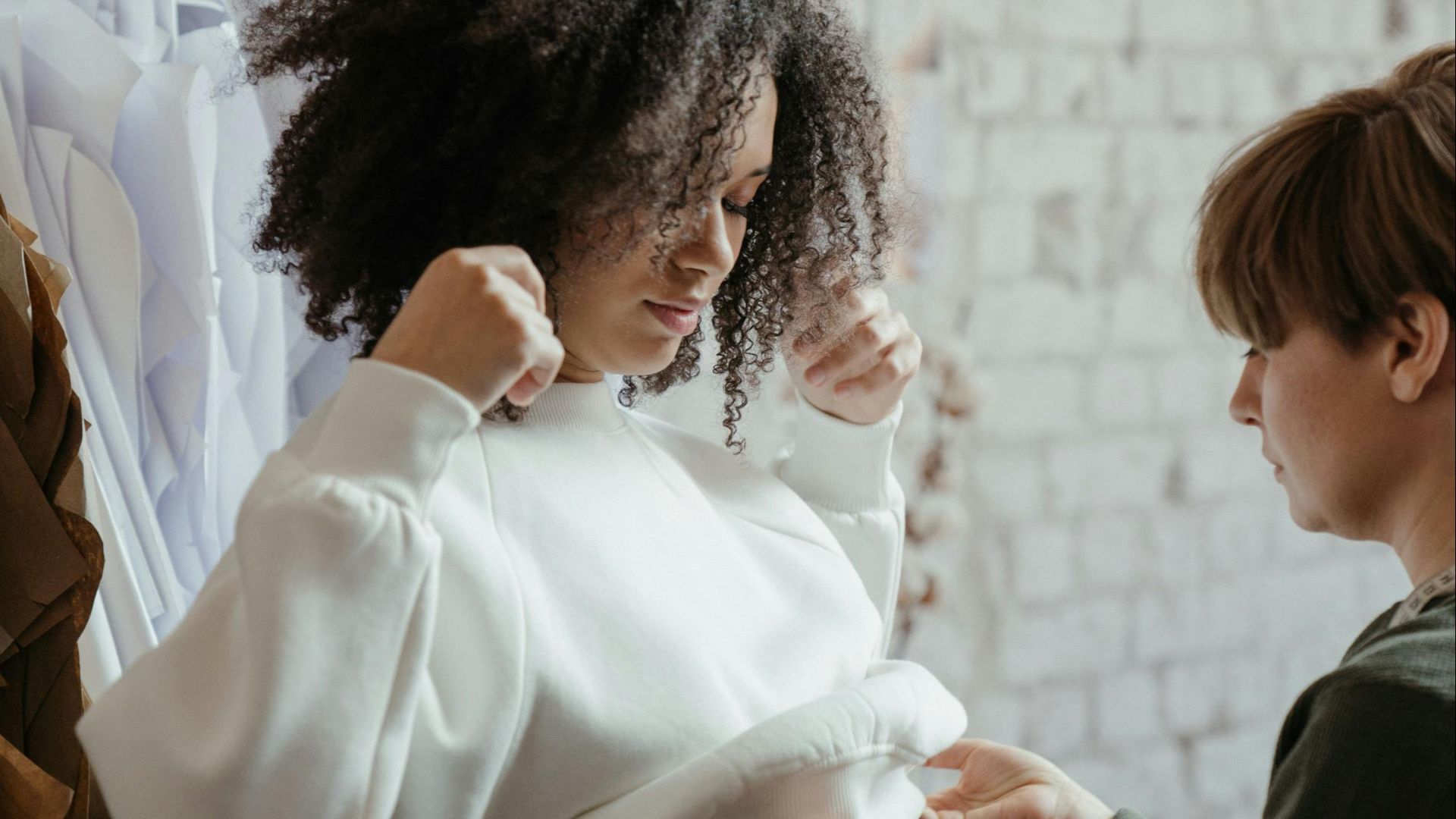
A jacket, overshirt, cardigan, or blazer gives your outfit shape and makes it look finished. It also solves the problem of feeling underdressed in spaces with mixed dress codes. Even a simple tee looks sharper under an outer layer.

5. Repeat A Color On Purpose
Repeating a color in two places makes an outfit look cohesive without trying too hard. That can be as simple as matching a belt to shoes or echoing a top color in a bag. The repetition reads as planning.
6. Keep Your Neutrals Consistent
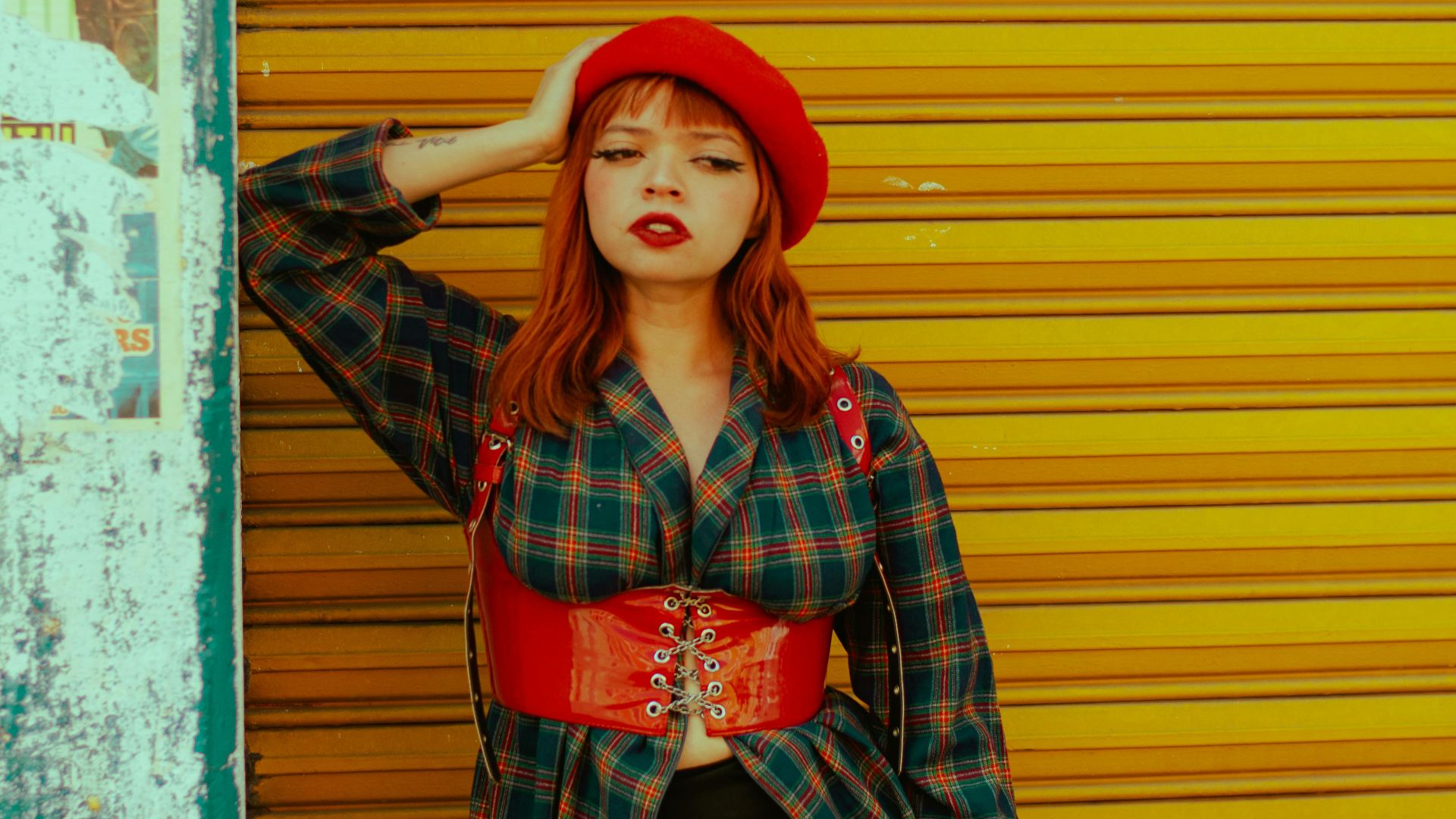
Neutrals do have undertones, and mixing warm and cool neutrals can look muddy. If your outfit is built on beige, cream, and brown, lean into warmth. If it’s gray, black, and navy, keep it cooler and cleaner.
7. Use Contrast Where You Want Attention
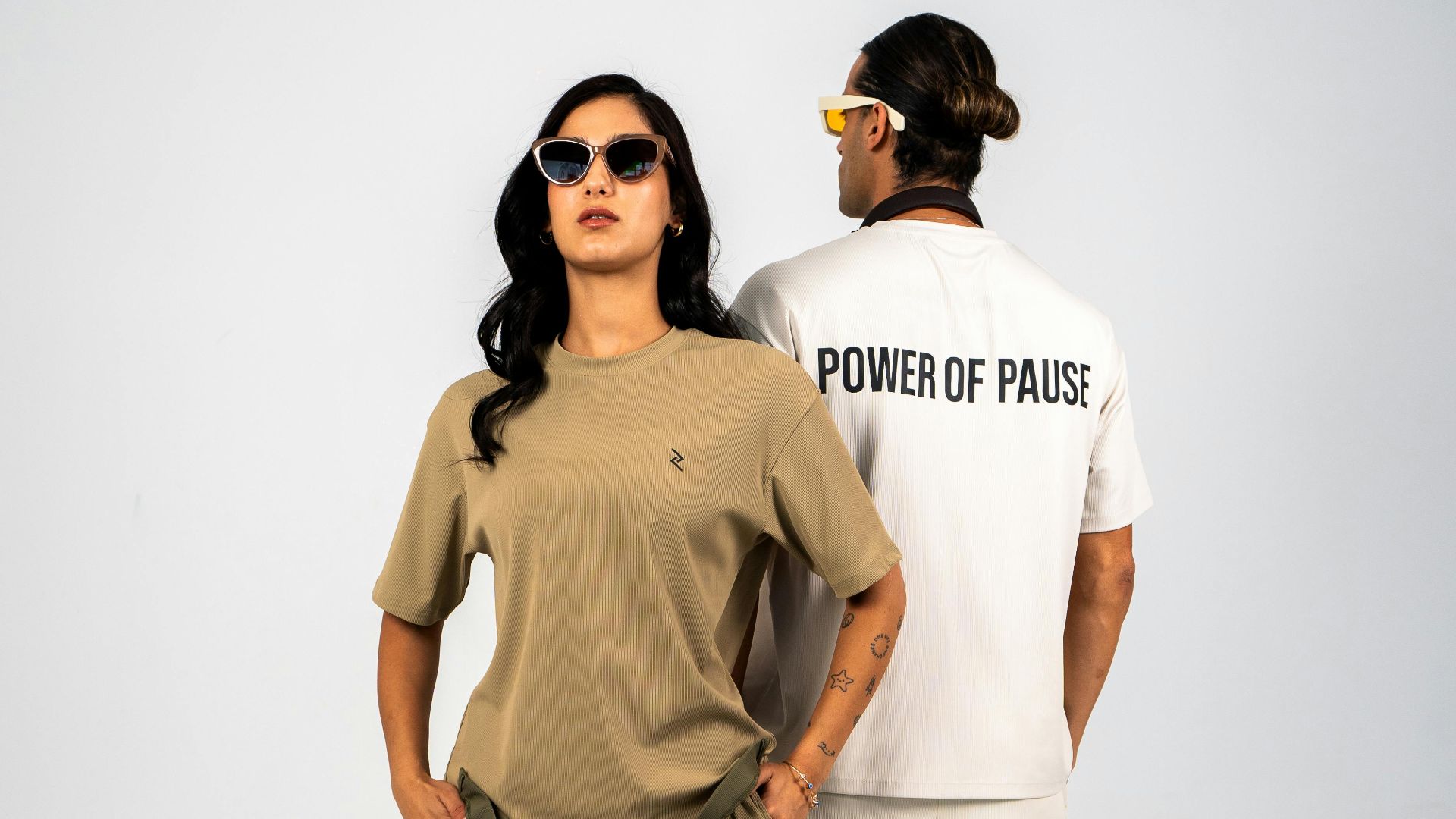
High contrast pulls the eye, so place it where you want focus, like your face, your waist, or your shoes. Low contrast feels calmer and often more expensive-looking. You can control the whole feel of the outfit just by how much contrast you choose.
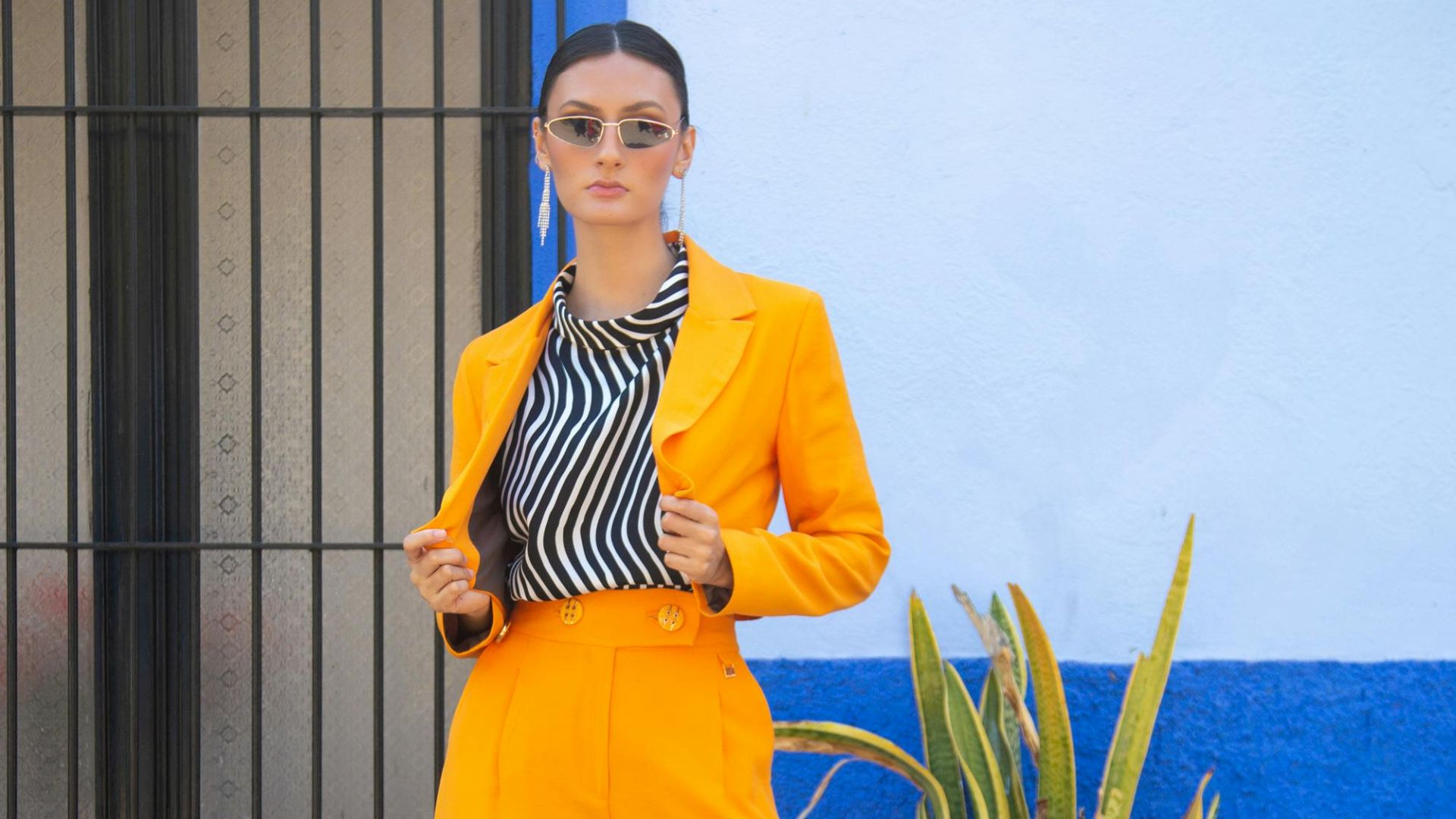
8. Balance Volume With Shape
If one piece is loose, let another piece define the outline. Wide pants often look best with a more fitted top, and an oversized sweater usually works better with a slimmer bottom. This keeps the look relaxed without looking swallowed.

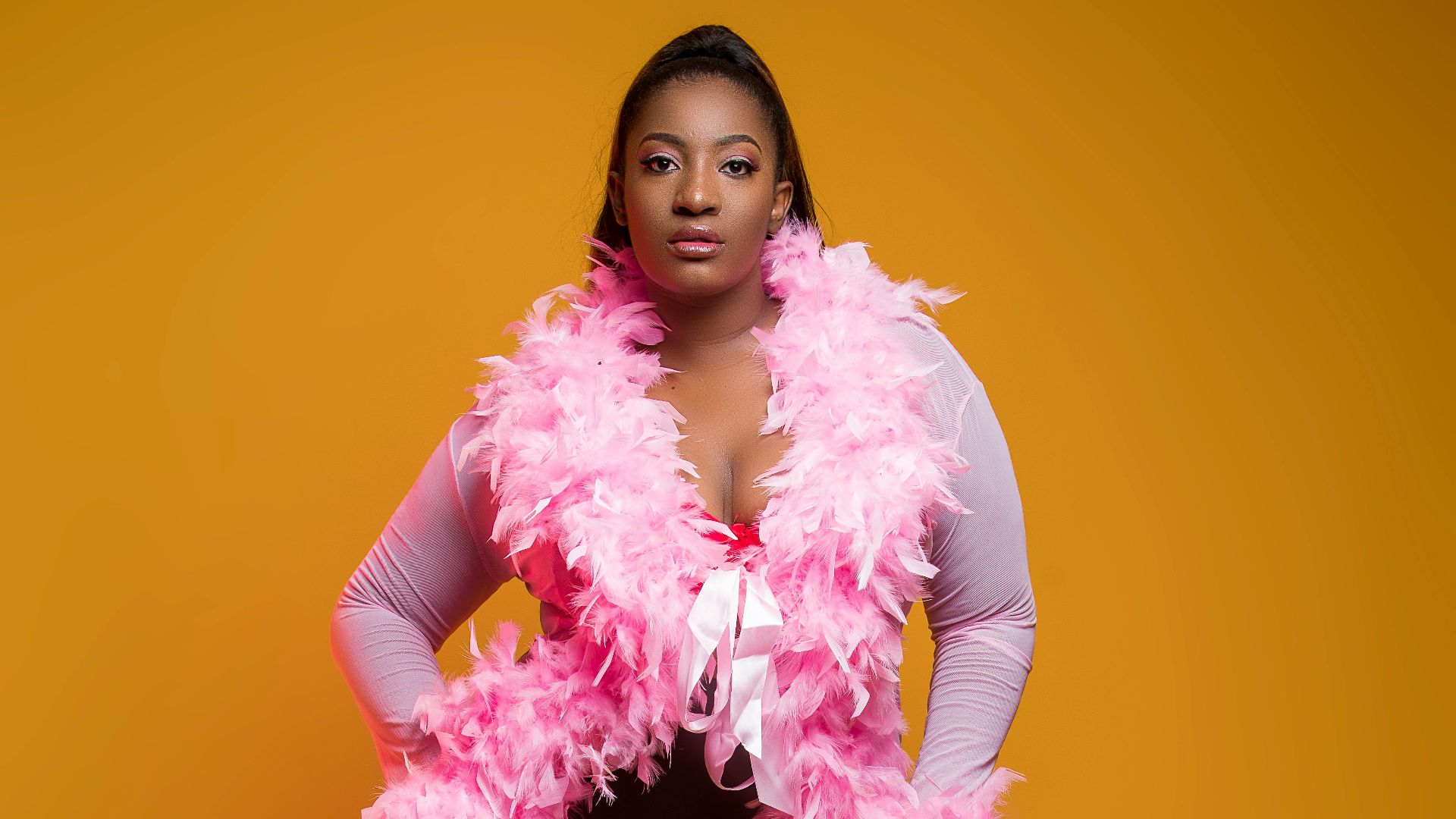
9. Make One Item The Statement
A statement can be a bold color, strong silhouette, or distinctive accessory. The rule is that only one item should do the heavy lifting, or the outfit becomes visually noisy. When one piece leads, everything else can support.
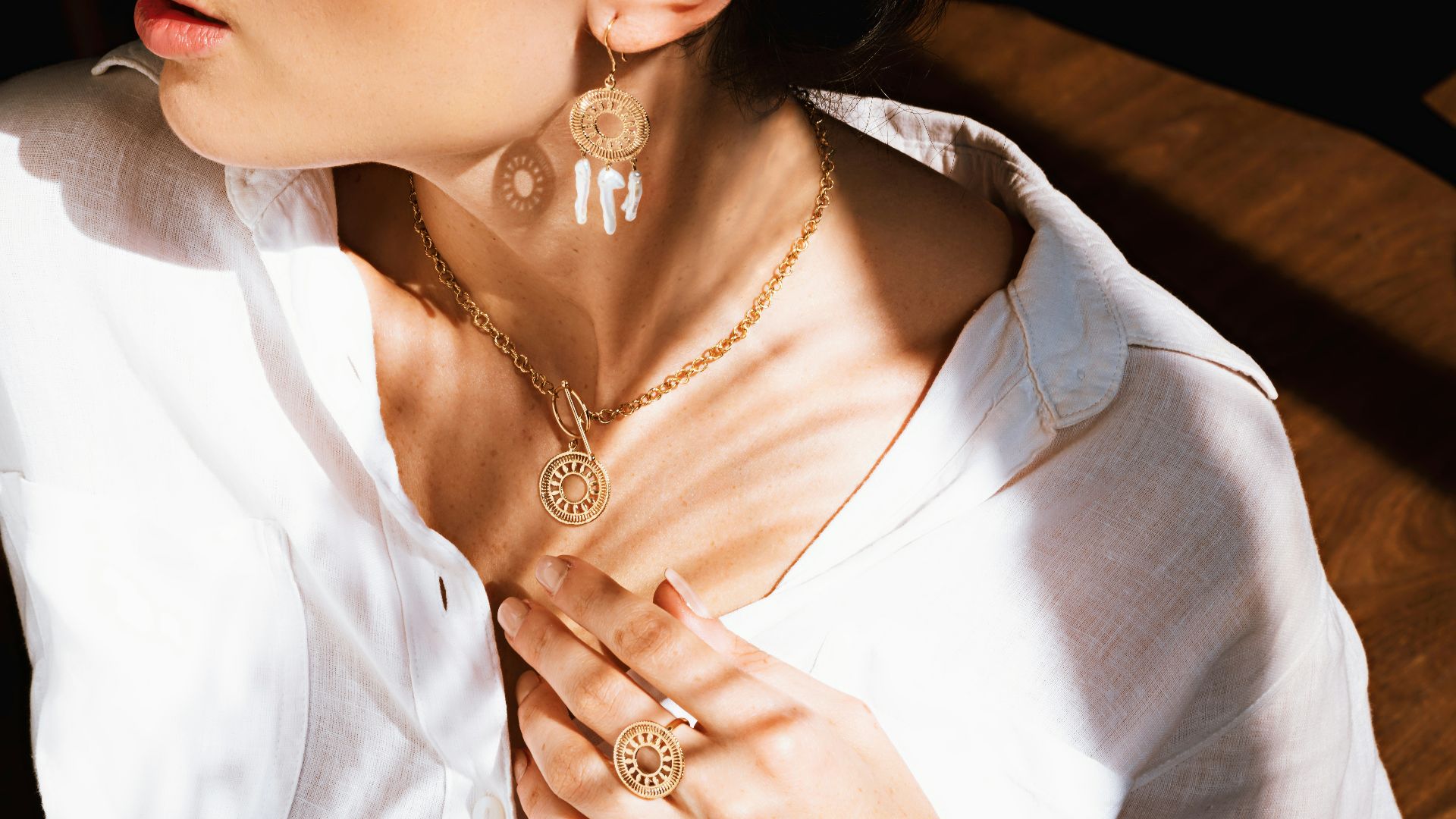
10. Keep Your Hardware In One Family
If you’re wearing gold jewelry, stick with gold hardware on your belt or bag when you can. The same goes for silver. This is not a strict rule, yet it’s an easy way to make an outfit feel pulled together.
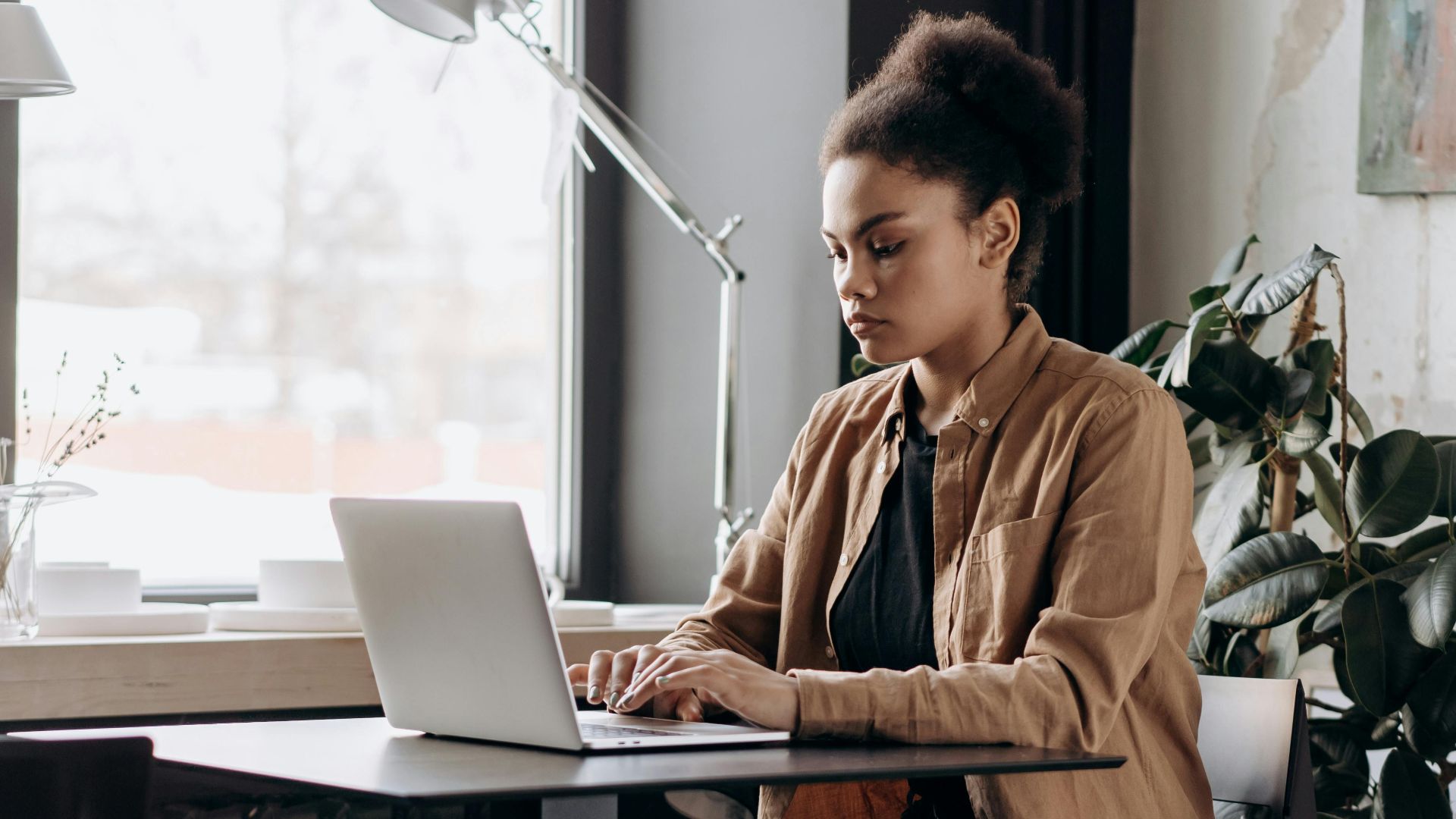
11. Match Your Outfit To Your Actual Day
A beautiful outfit that doesn’t survive your schedule will make you miserable. If you’re walking a lot, dress for walking. If you’re sitting in meetings, choose fabrics that don’t wrinkle instantly or cut into your waist.
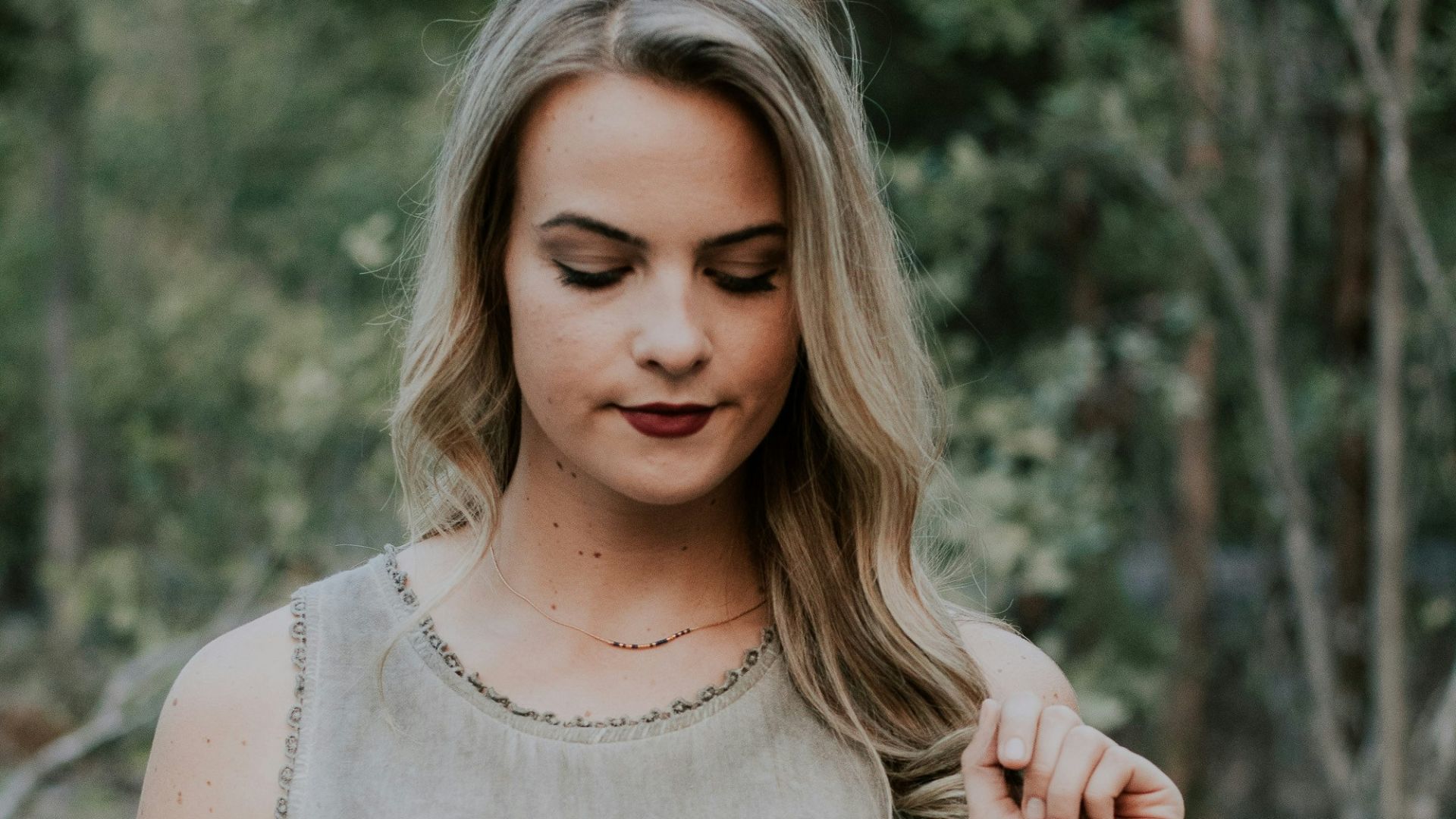
12. Protect Your Neckline And Collar Area
The collar area frames your face, so it’s worth keeping it crisp. A stretched crewneck, a warped collar, or a collar with visible wear makes the whole outfit feel older. This is one of the fastest ways to upgrade without buying anything new.
13. Prioritize Fabric That Moves Well
Fabric affects how expensive something looks, even more than the label. Stiff fabric that creases badly or clings in the wrong places can make an outfit look cheap. Choose materials that drape cleanly and recover after sitting.

14. Keep Your Basics Fresh And Replaced
Old tees, worn-out socks, and faded black pieces quietly drag everything down. Basics are supposed to disappear into the outfit, not announce themselves. Replacing a few core basics each year makes the whole wardrobe look better.
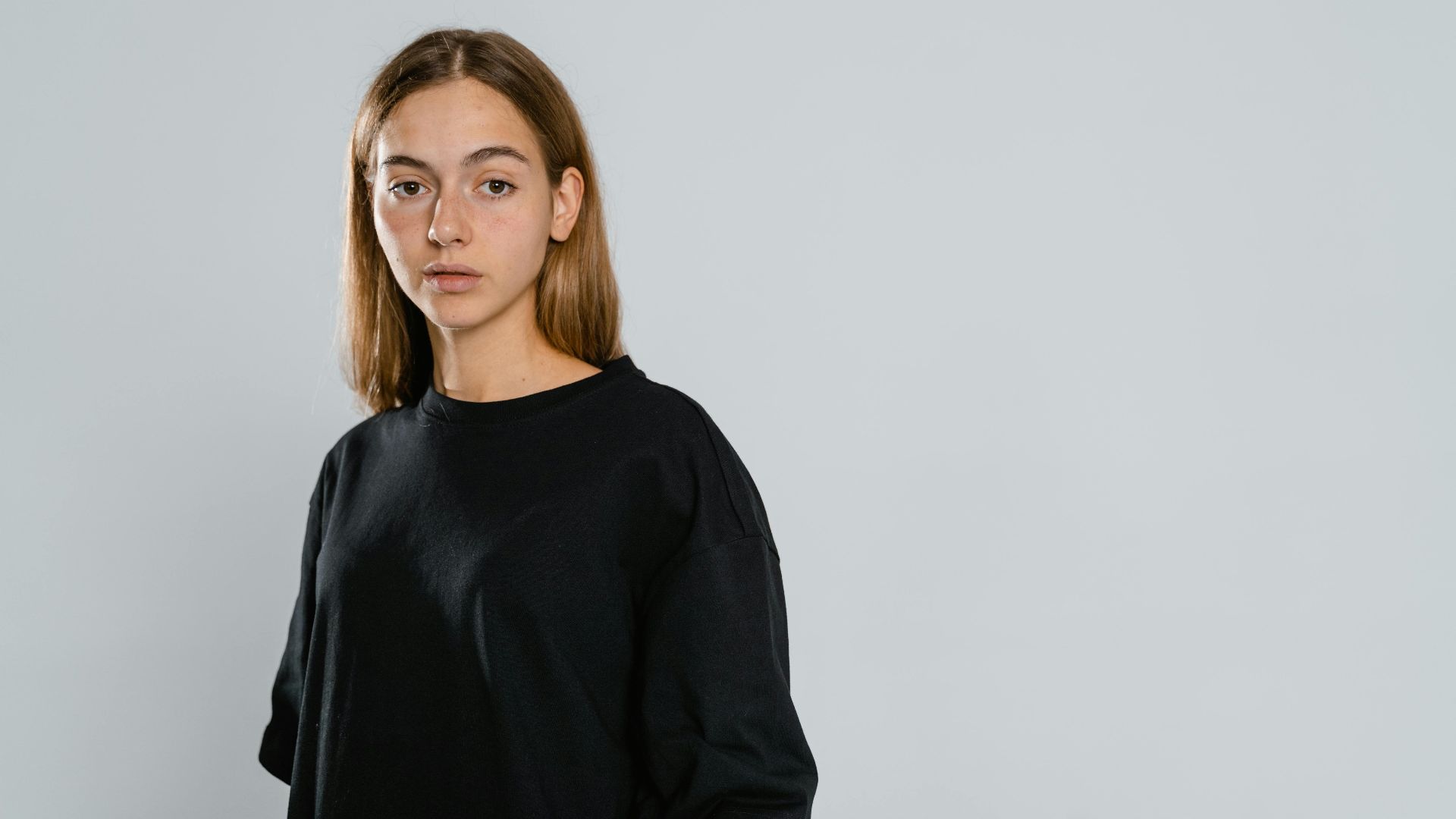
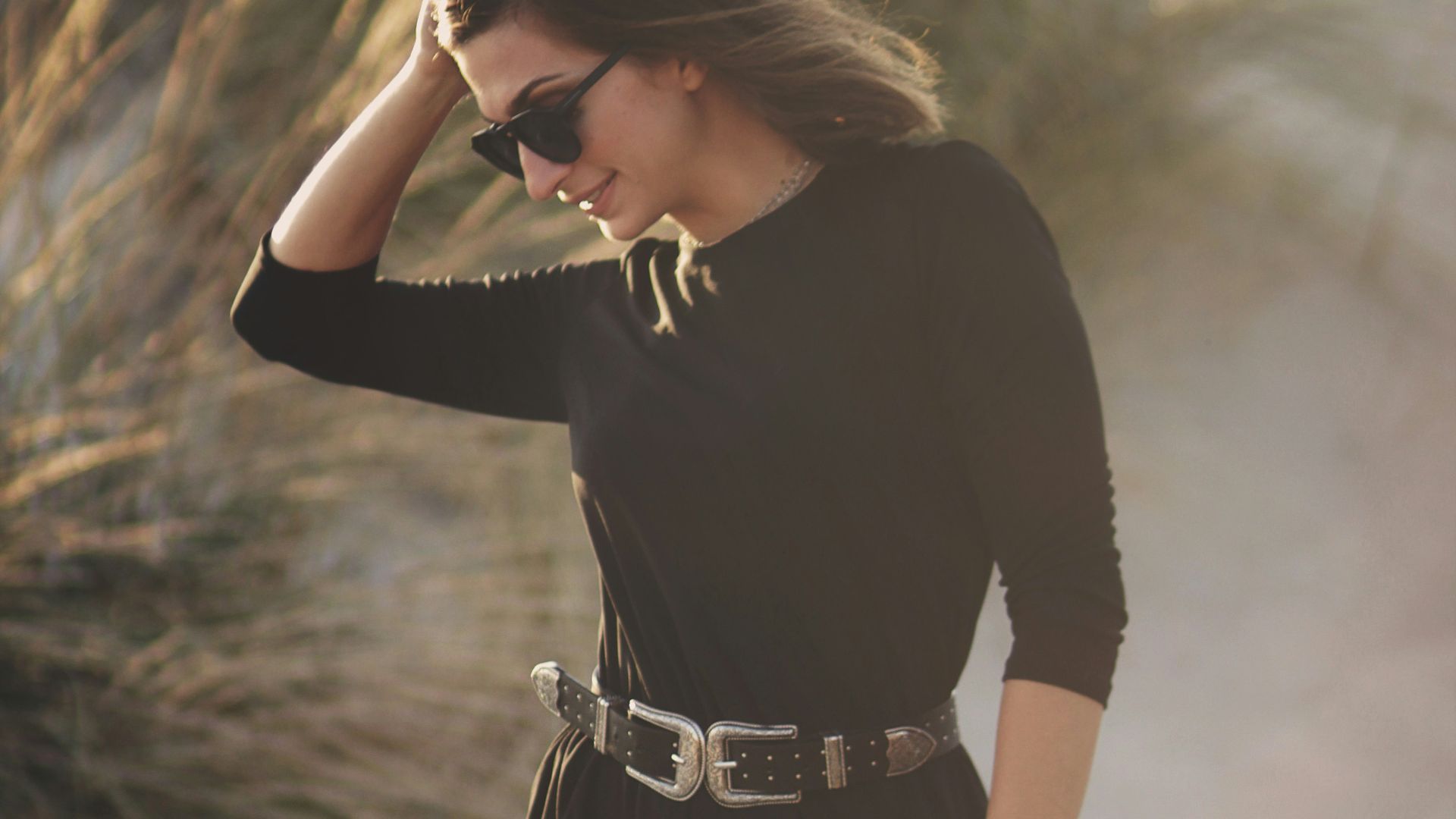
15. Use Belts Strategically
A belt can define shape, add polish, or break up a monochrome outfit. It can also create an awkward line if it hits the wrong spot or if the buckle is too big for the outfit. Use it as a deliberate choice, not an automatic add-on.
 Apostolos Vamvouras on Unsplash
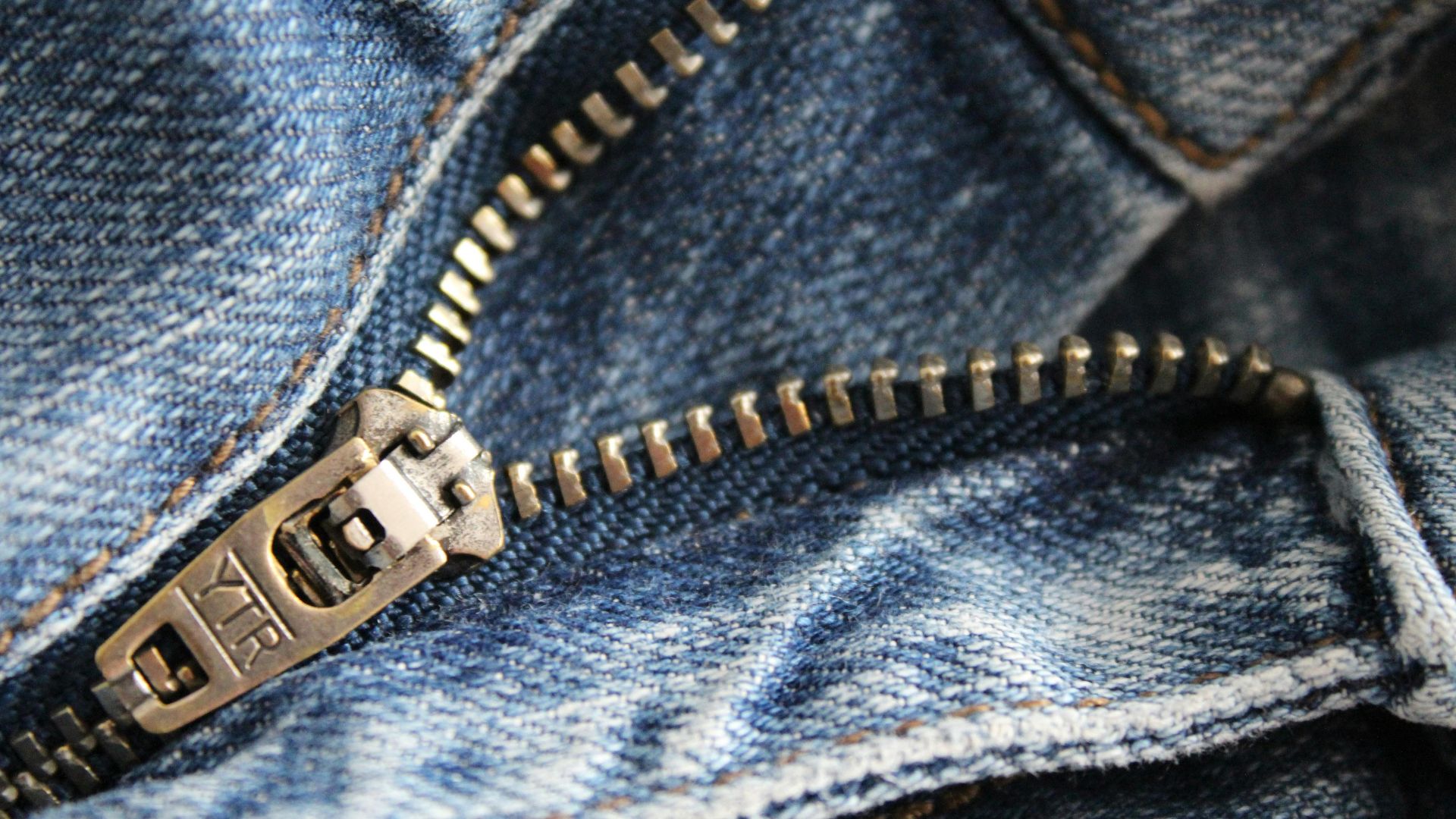
16. Treat Denim Like A Neutral
A good pair of jeans functions like a flexible foundation piece. Dark denim reads cleaner and slightly more polished, while light denim reads casual and relaxed. Either way, denim pairs best when you treat it as a base, not the star.
17. Let One Texture Carry The Outfit
Texture can do the job that pattern sometimes does, without feeling busy. Leather, knit, linen, suede, and denim add depth and make simple colors more interesting. When texture is the focus, keep the silhouette straightforward.
18. Make Your Outfit Look Intentional From The Back
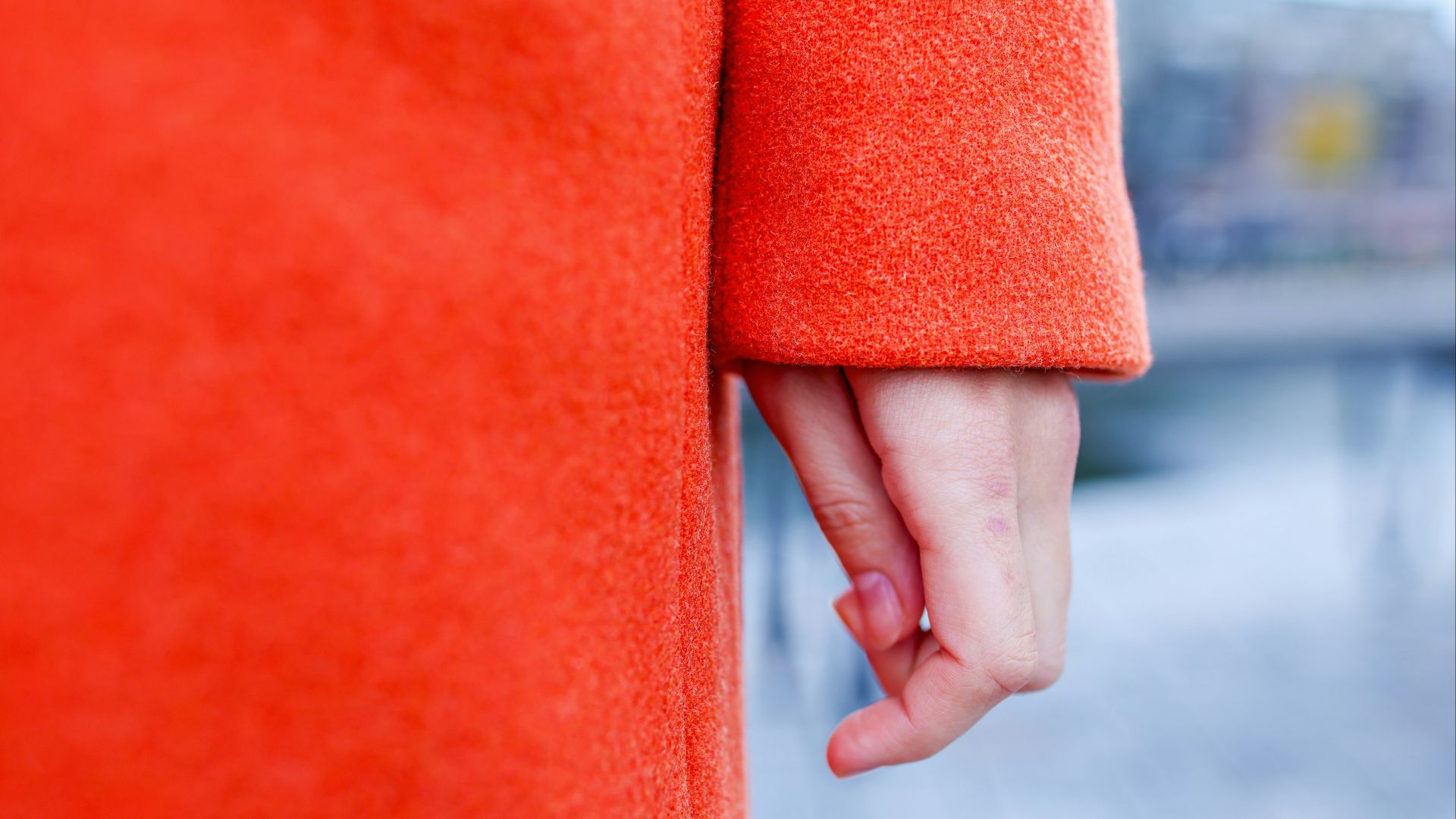
People see you from behind more than you think, especially in public spaces. A shirt that rides up, a jacket that bunches, or pants that sag changes the impression quickly. Do a quick back-check in the mirror before leaving.
19. Keep Grooming In The Same Level As The Outfit
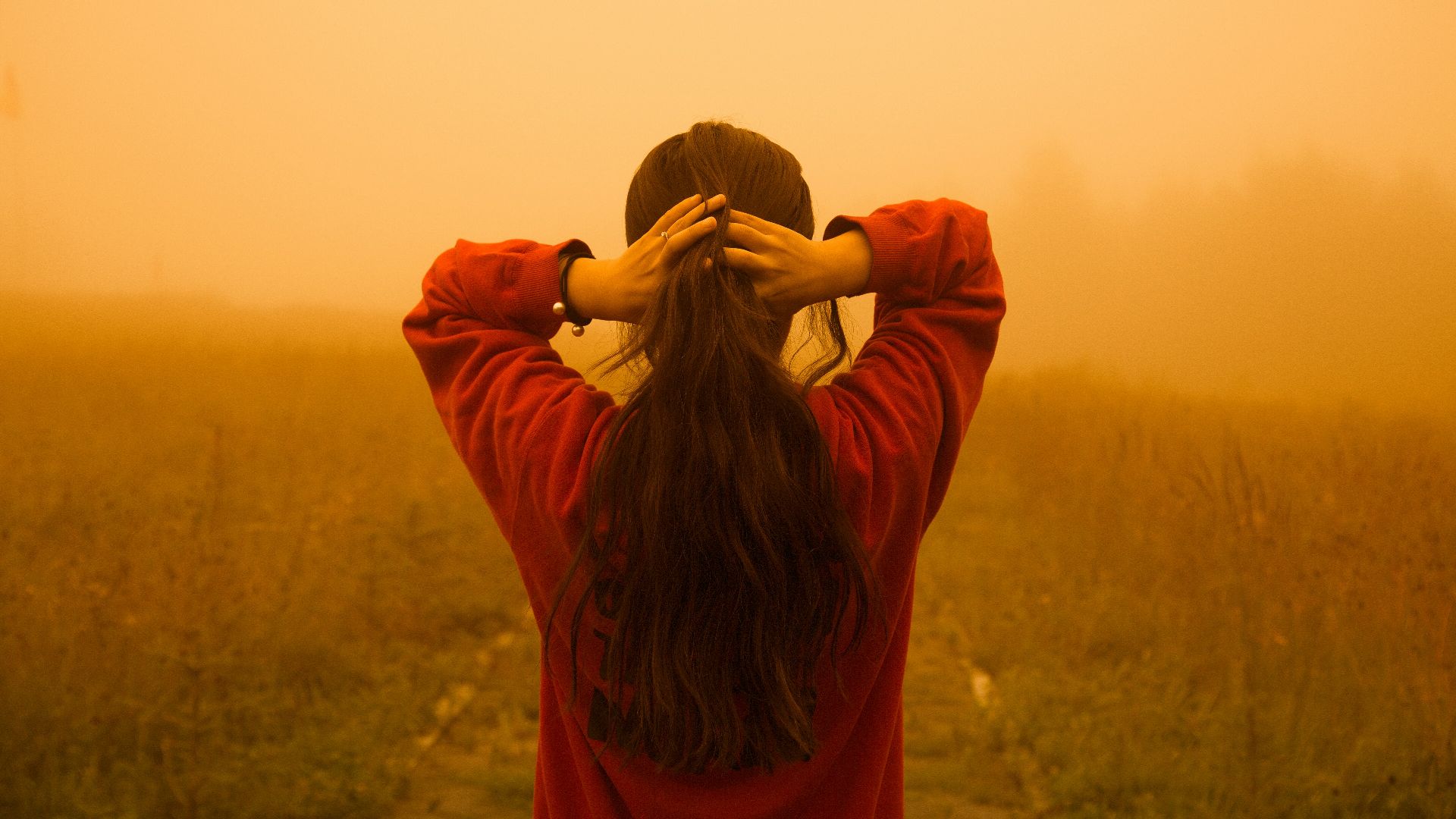
A polished outfit with messy hair can feel mismatched, and a casual outfit with clean grooming can still look sharp. You don’t need a full routine, just consistency. The goal is that your outfit and grooming look like they belong to the same person on the same day.
20. Build A Small Set Of Default Outfits
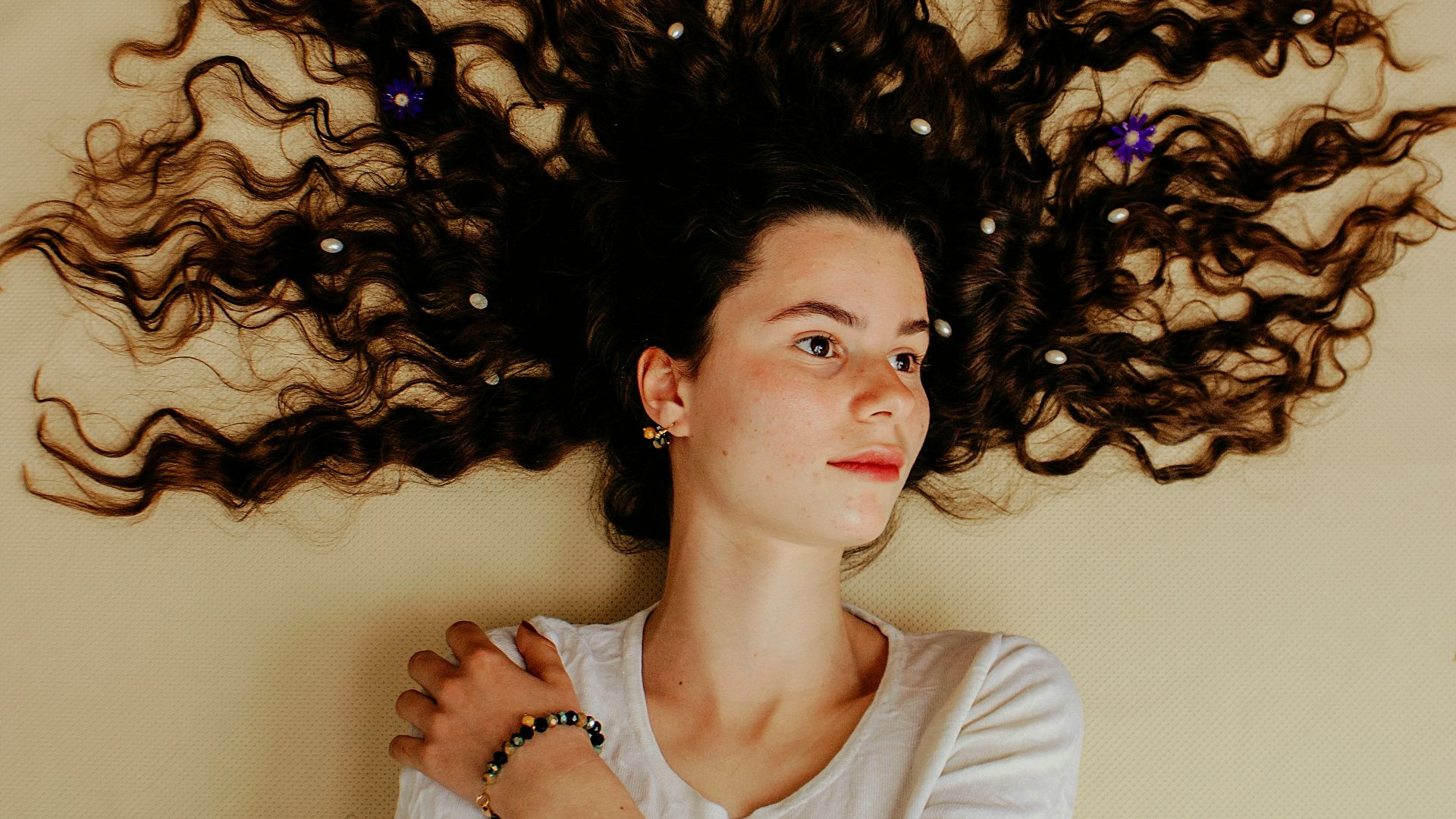
Decision fatigue is real, and default outfits save you on rushed mornings. Pick a few combinations that always work, like jeans and a crisp shirt, a knit set, or tailored pants with a tee and jacket. Once you have defaults, getting dressed stops being a daily puzzle.