
Style That Shifted the Definition of Grace
Modern elegance didn’t appear fully formed. It evolved through individuals who challenged expectations, blended restraint with personality, and made style feel intentional rather than decorative. These fashion icons didn’t just wear beautiful clothes; they changed how elegance was understood in their time. Their influence still shapes how you think about polish, confidence, and self-expression today. Here are 20 fashion icons who redefined modern elegance.
 Los Angeles Times on Wikimedia
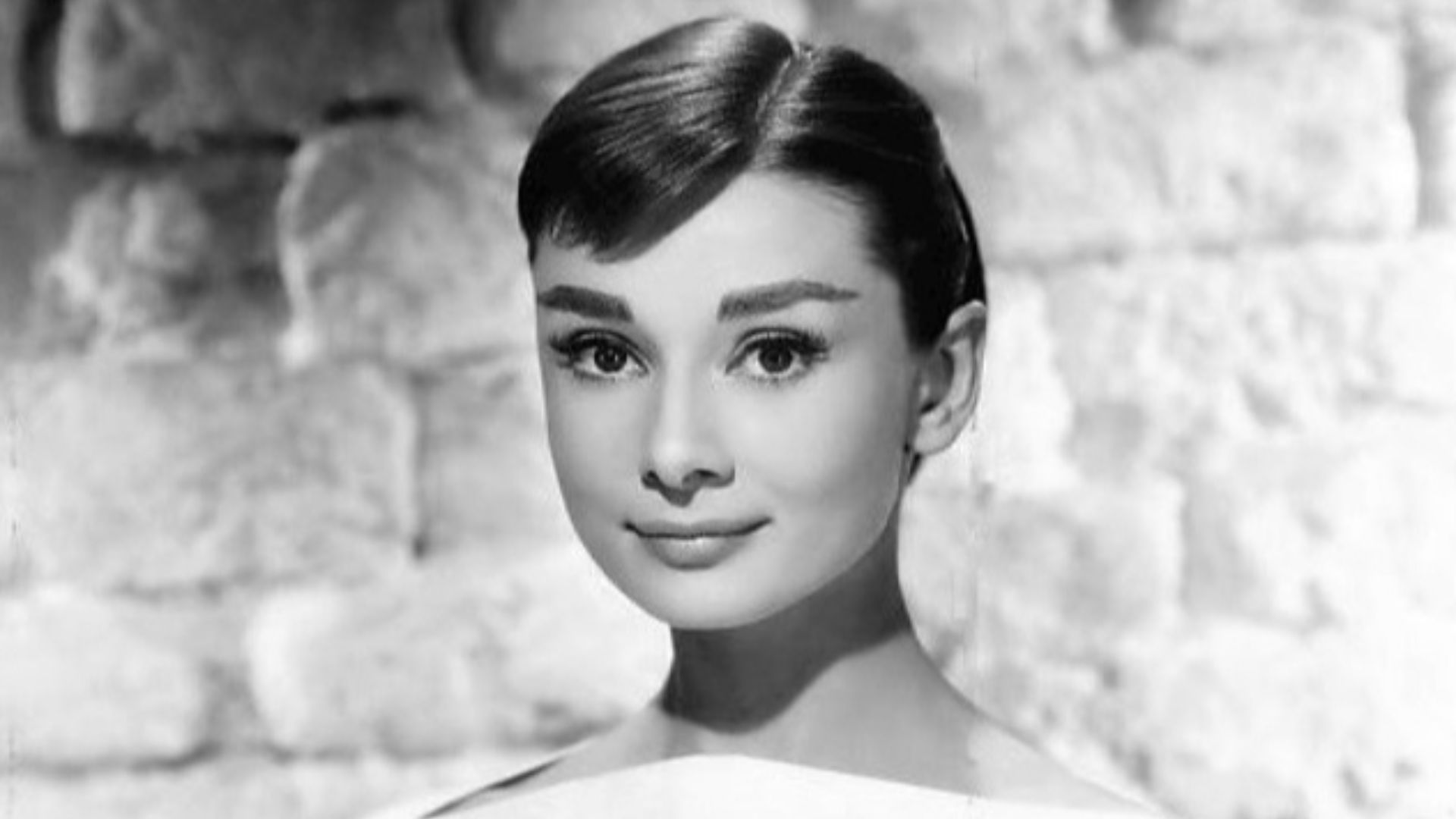
1. Audrey Hepburn
Audrey Hepburn made simplicity feel aspirational. Her clean lines, tailored silhouettes, and understated accessories shifted glamour away from excess. She proved elegance could be light, approachable, and quietly confident. Her style still feels timeless because it never tried too hard.
 Paramount-photo by Bud Fraker on Wikimedia
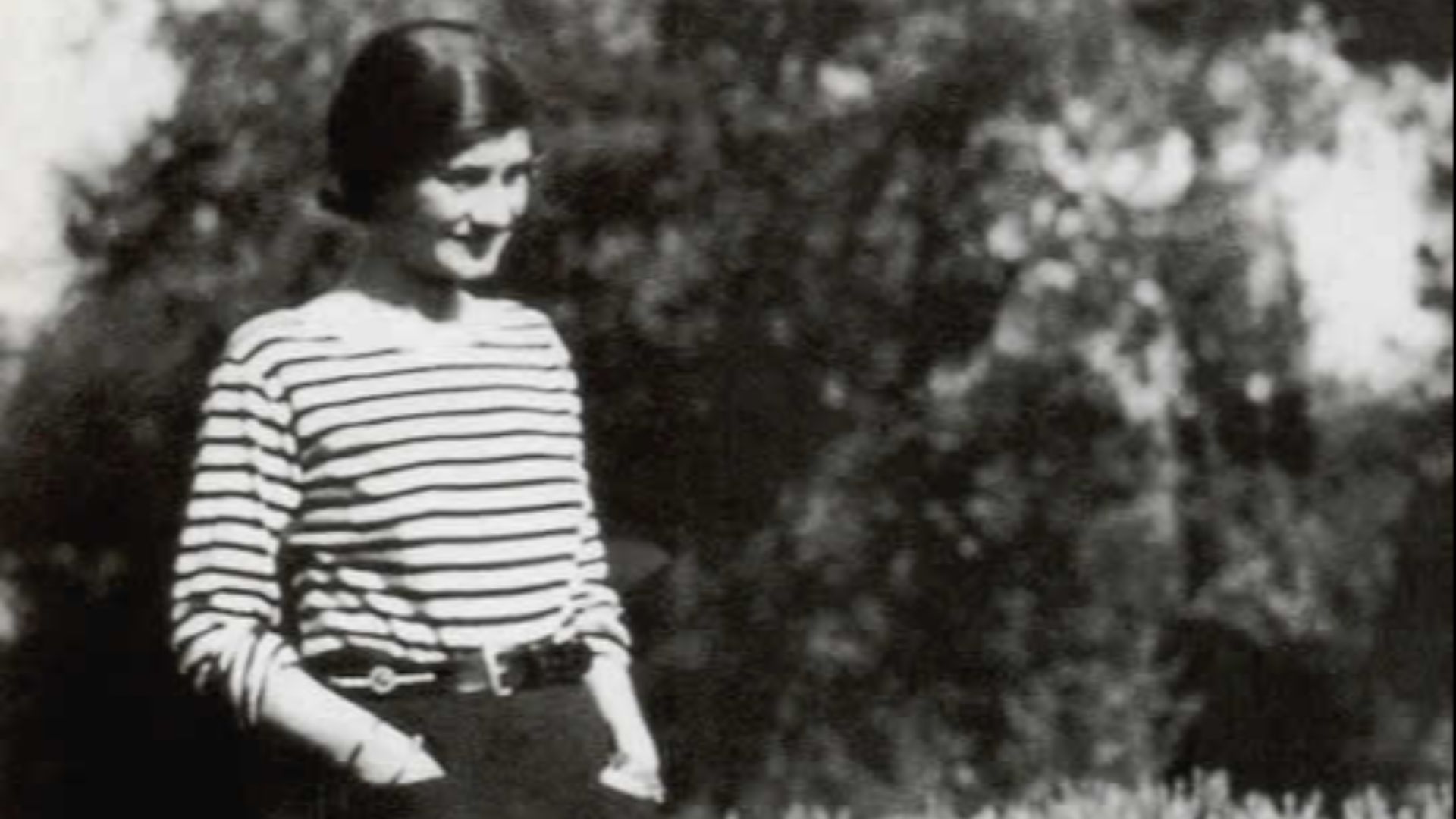
2. Coco Chanel
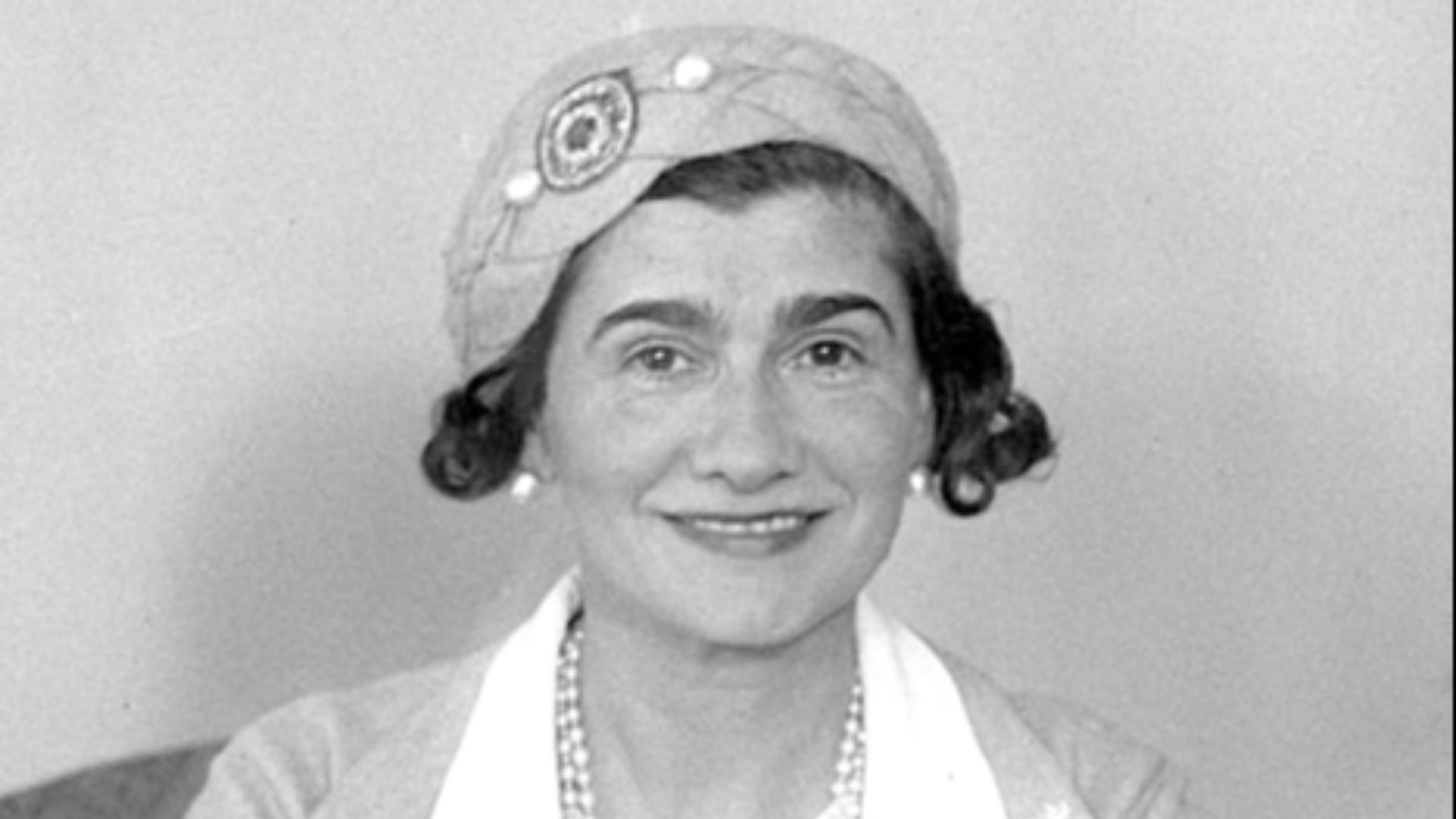
Coco Chanel redefined elegance by prioritizing comfort and freedom. She replaced corsets with relaxed tailoring and introduced menswear-inspired pieces into women’s fashion. Her vision made elegance practical rather than restrictive. That balance reshaped wardrobes across generations. She permanently changed how women moved through the world in their clothes.
 Unknown authorUnknown author on Wikimedia
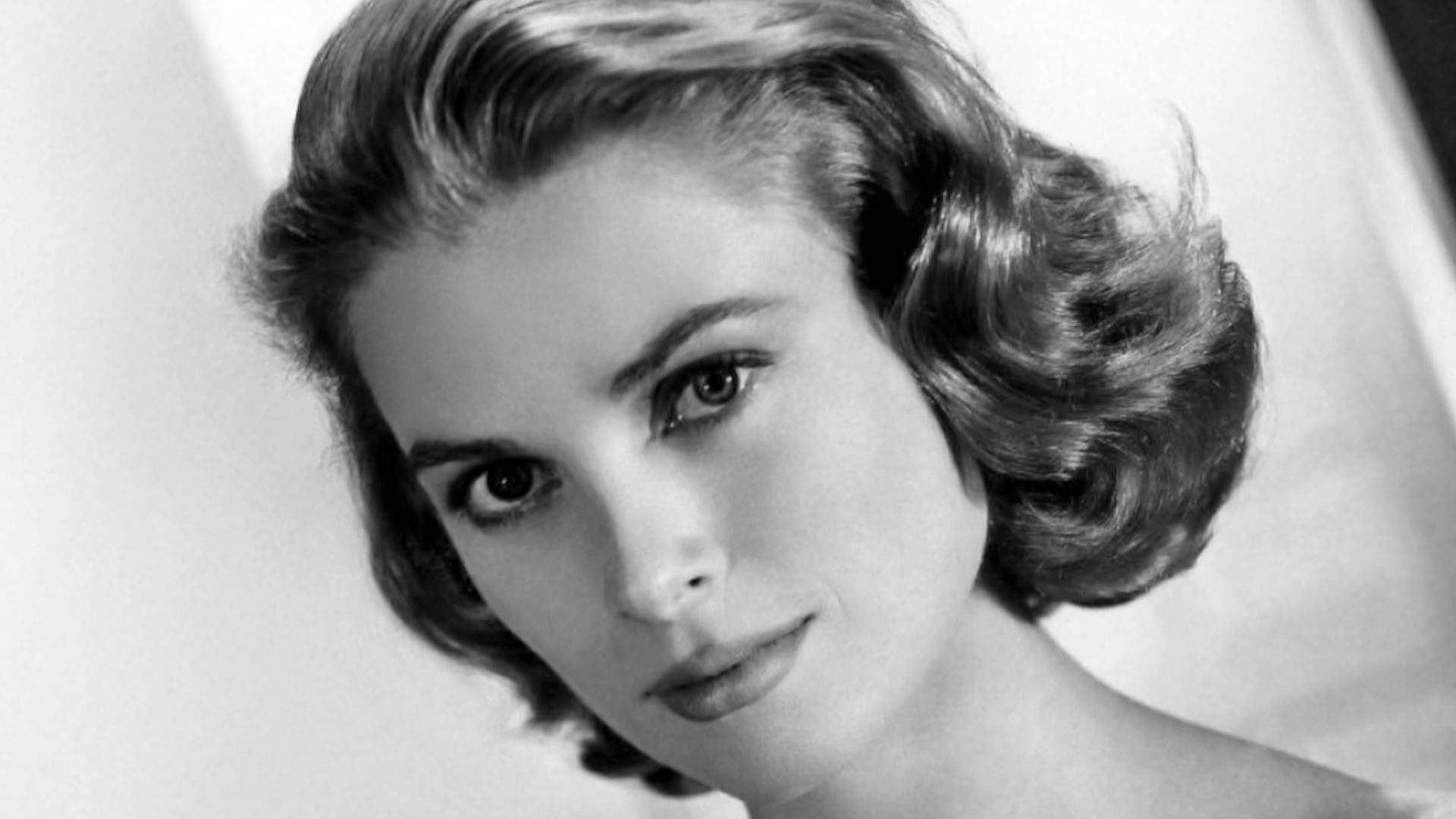
3. Grace Kelly
Grace Kelly’s elegance felt effortless and composed. Whether on screen or as a real-life princess, her style emphasized refinement without stiffness. She favored classic shapes and soft colors that photographed beautifully. Her influence lives on in bridal and formalwear.
 Metro-Goldwyn-Mayer on Wikimedia
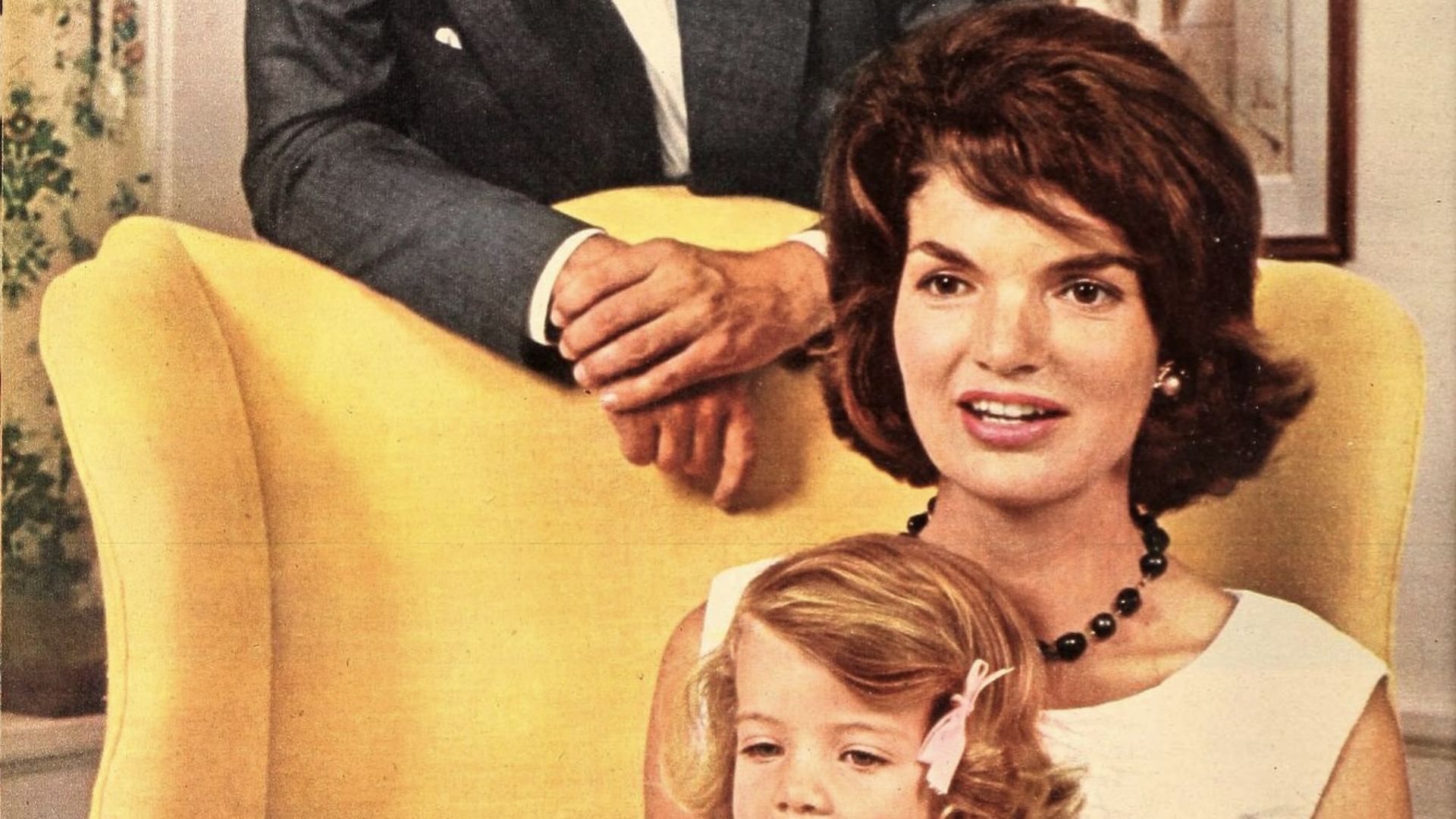
4. Jackie Kennedy Onassis
Jackie O brought political visibility to polished fashion. Her structured suits, pillbox hats, and oversized sunglasses became symbols of modern sophistication. She understood how clothing communicated authority and grace. Her style felt intentional without appearing forced. It set a standard for public-facing elegance that still resonates.
 Dell Publishing, 1960. Photograph by Jacques Lowe on Wikimedia
5. Yves Saint Laurent
Yves Saint Laurent changed elegance by redefining power dressing. He introduced tuxedos and tailored suits for women without stripping away femininity. His designs allowed elegance to coexist with strength. That shift expanded what a refined style could look like. He permitted women to dress with authority on their own terms.

6. Princess Diana
Princess Diana’s style evolved in public view. She moved from traditional royal dressing to confident, modern silhouettes. Her fashion choices felt personal and emotionally expressive. That evolution made elegance feel human and relatable. It showed how style could reflect growth rather than obligation.
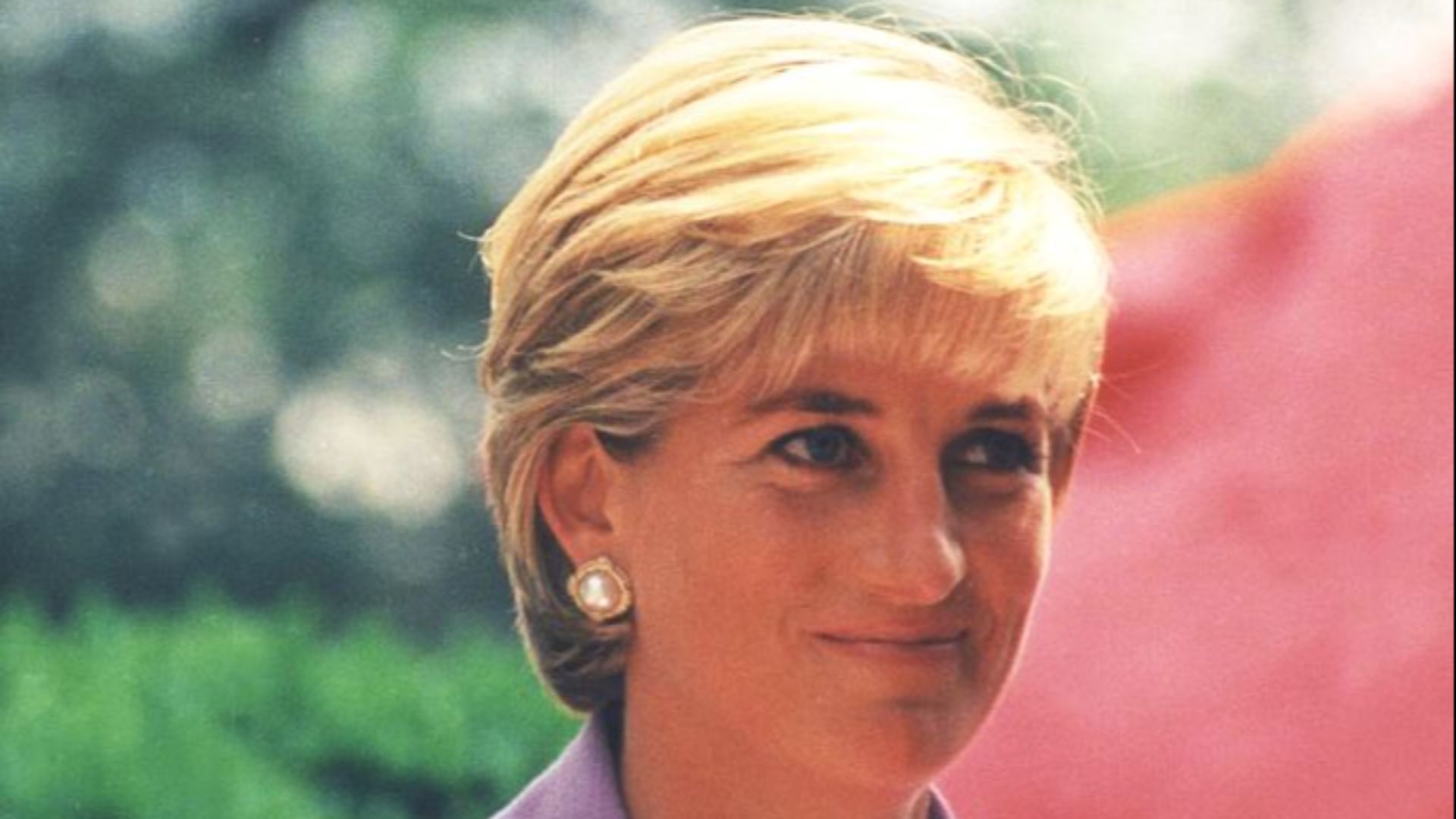 John Mathew Smith & www.celebrity-photos.com from Laurel Maryland, USA on Wikimedia
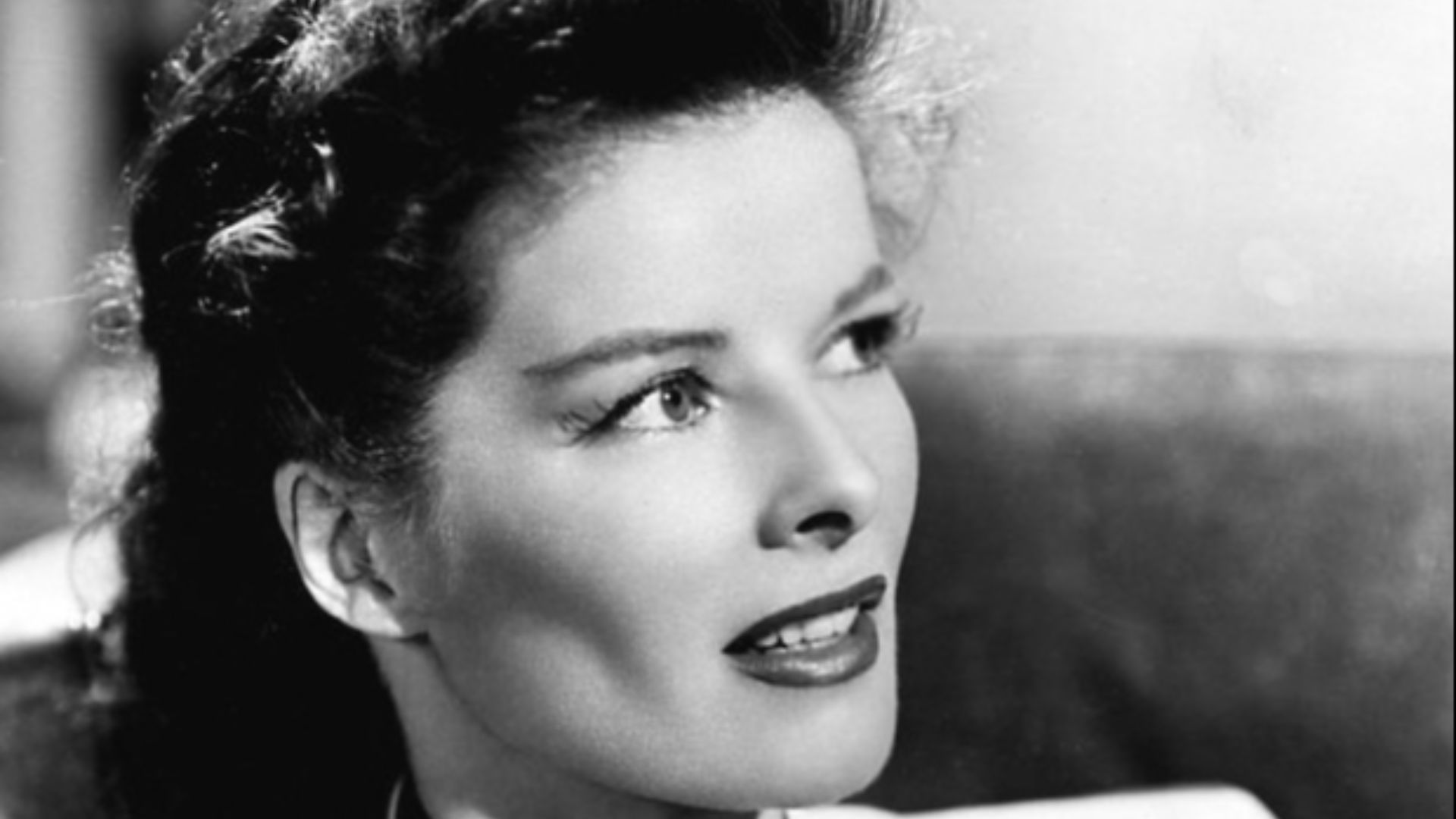
7. Katharine Hepburn
Katharine Hepburn rejected restrictive fashion norms. She embraced trousers, loose tailoring, and functional clothing long before it was widely accepted. Her elegance came from confidence rather than ornamentation. She proved that comfort and refinement weren’t opposites. Her influence helped normalize individuality as a form of grace.
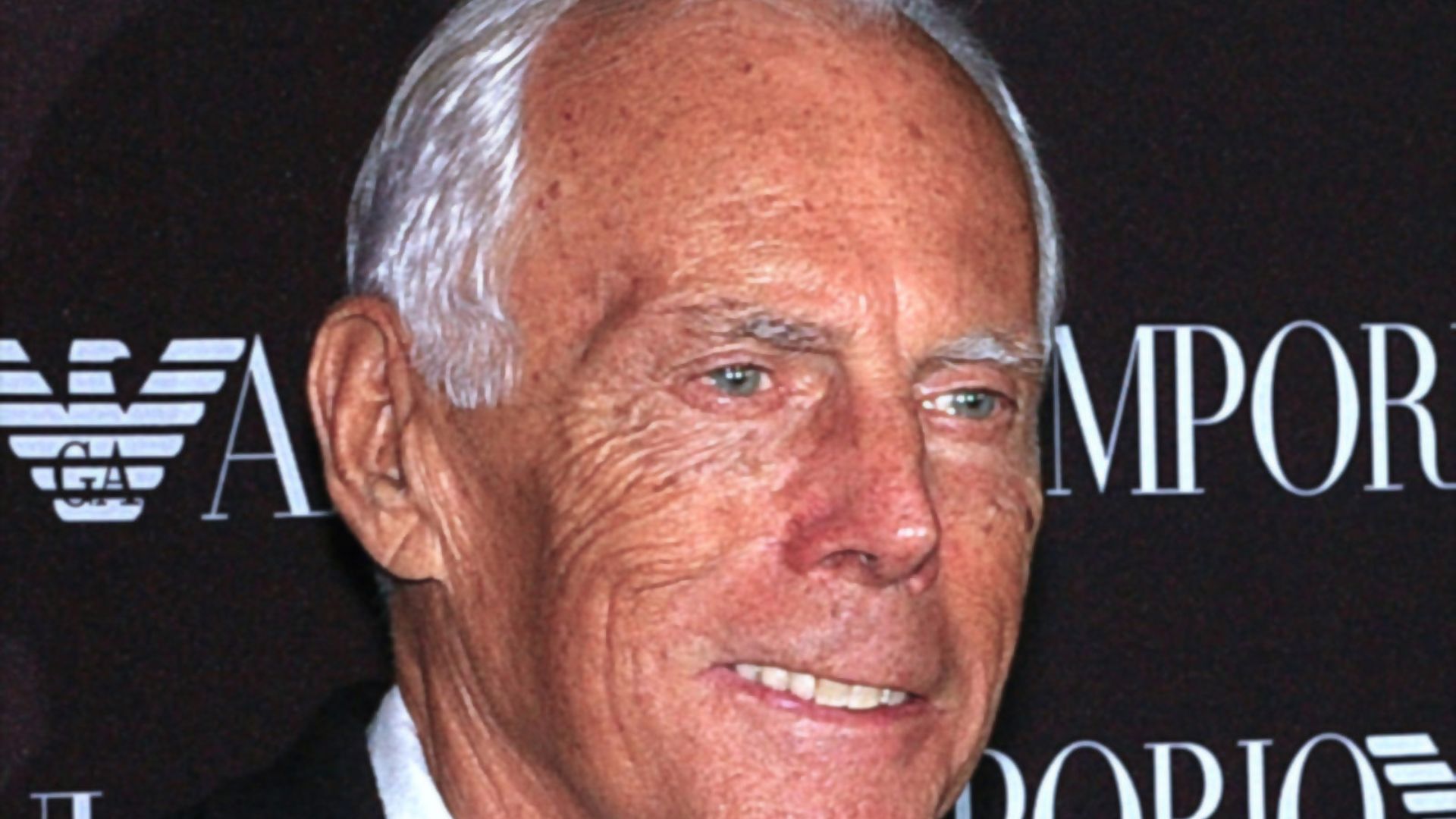
8. Giorgio Armani
Armani softened traditional tailoring and reshaped luxury. His relaxed silhouettes removed stiffness from formalwear. Elegance became fluid and wearable under his influence. This approach changed both menswear and womenswear permanently.
9. Jeanne Moreau
Jeanne Moreau embodied intellectual elegance. Her style favored dark palettes, strong tailoring, and minimal embellishment. She dressed with intention rather than trend awareness, and this restraint made her presence feel powerful and modern.
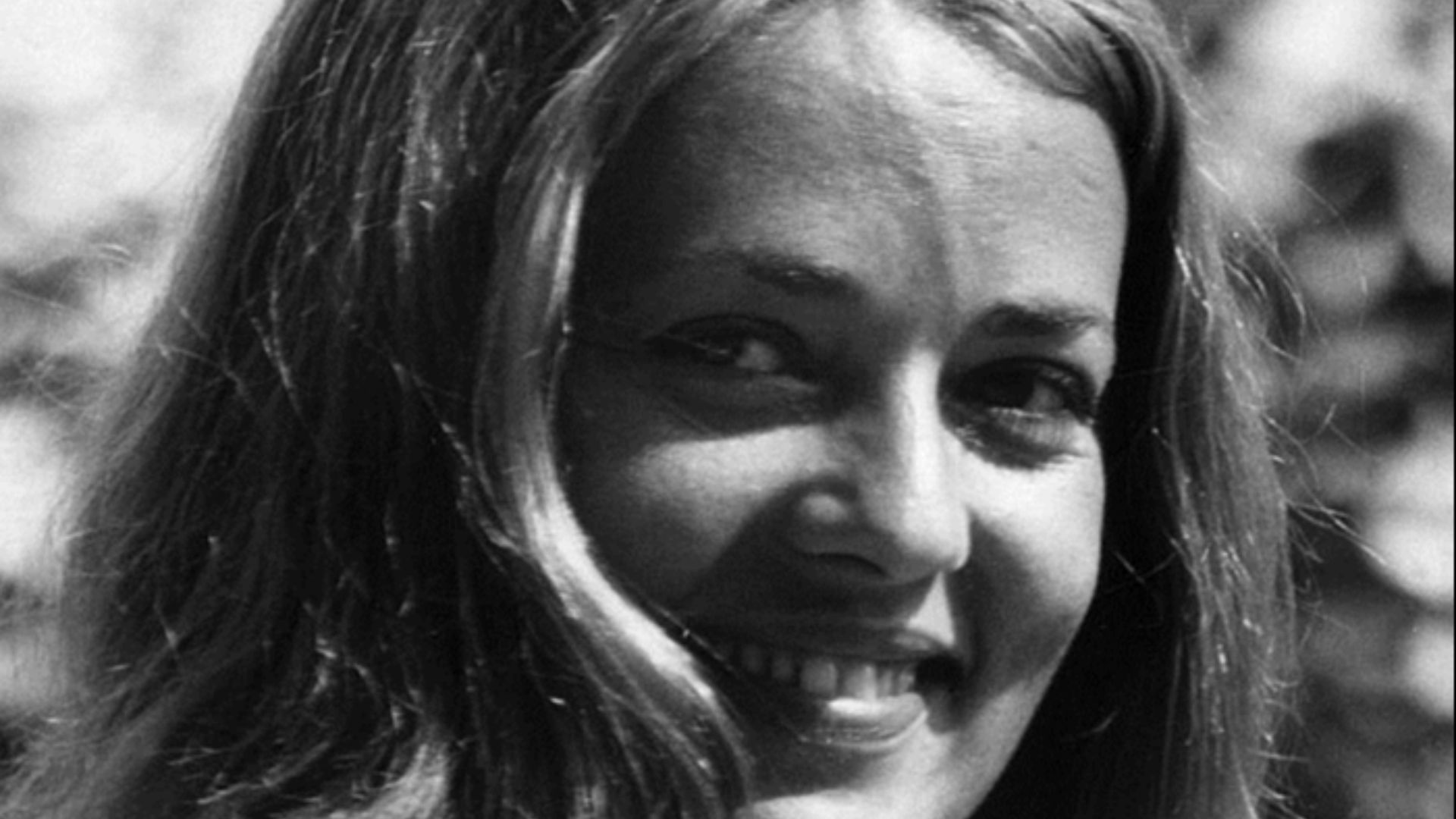 Mario De Biasi (1923–2013) on Wikimedia
10. Ralph Lauren
Ralph Lauren romanticized American elegance. He blended heritage, sport, and luxury into a cohesive vision. His designs made refinement feel accessible and aspirational. That aesthetic reshaped how casual elegance was understood globally. It also helped define an idealized lifestyle as much as a fashion look.
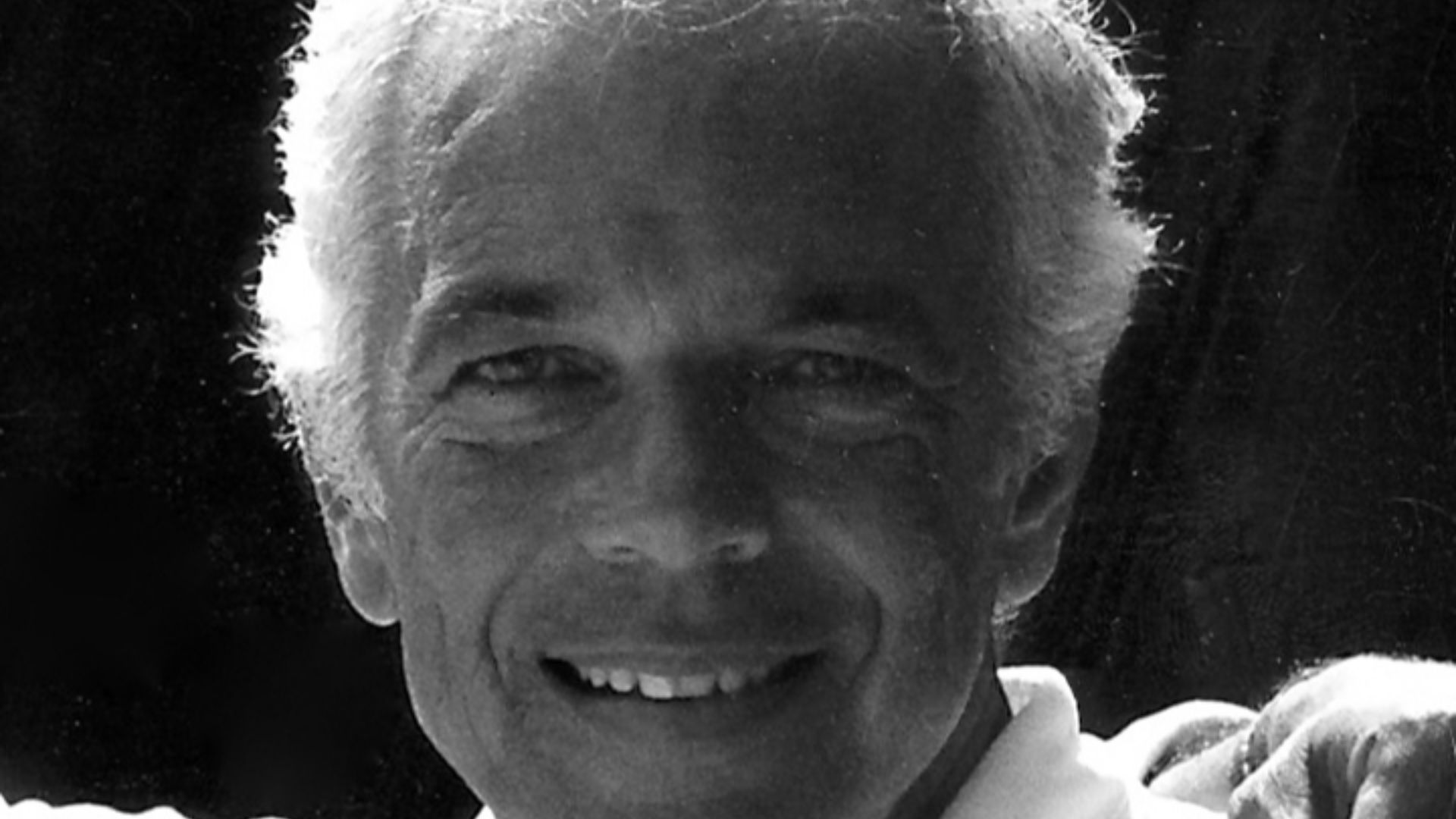 Arnaldo Anaya-Lucca on Wikimedia
11. Carolyn Bessette-Kennedy
Carolyn Bessette-Kennedy made minimalism feel emotionally resonant. Her monochromatic looks and clean tailoring rejected excess entirely. Elegance became about restraint and proportion. Her influence still defines modern bridal and evening style. She showed how subtle choices could leave a lasting cultural imprint.
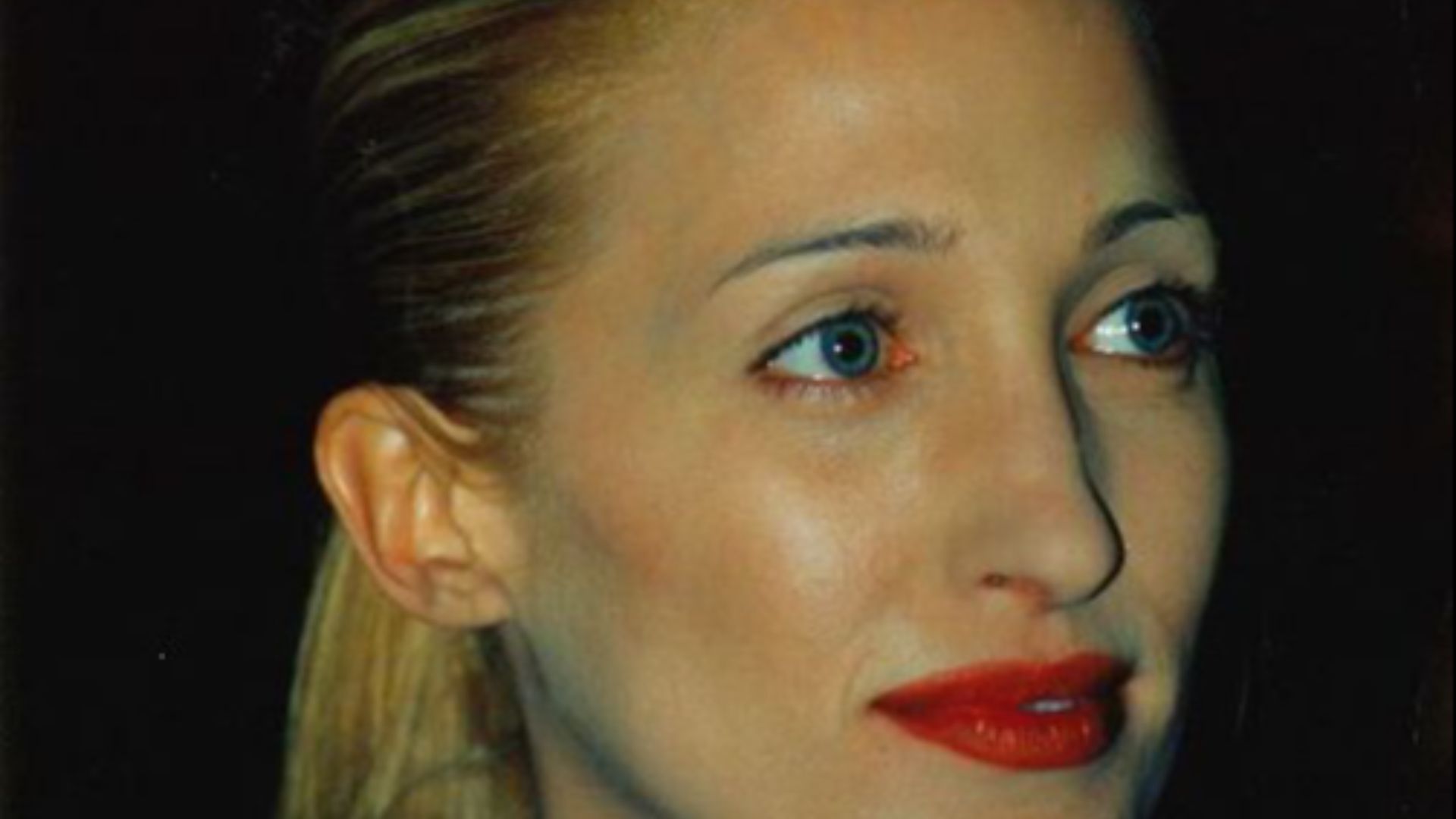 John Mathew Smith & www.celebrity-photos.com from Laurel Maryland, USA on Wikimedia
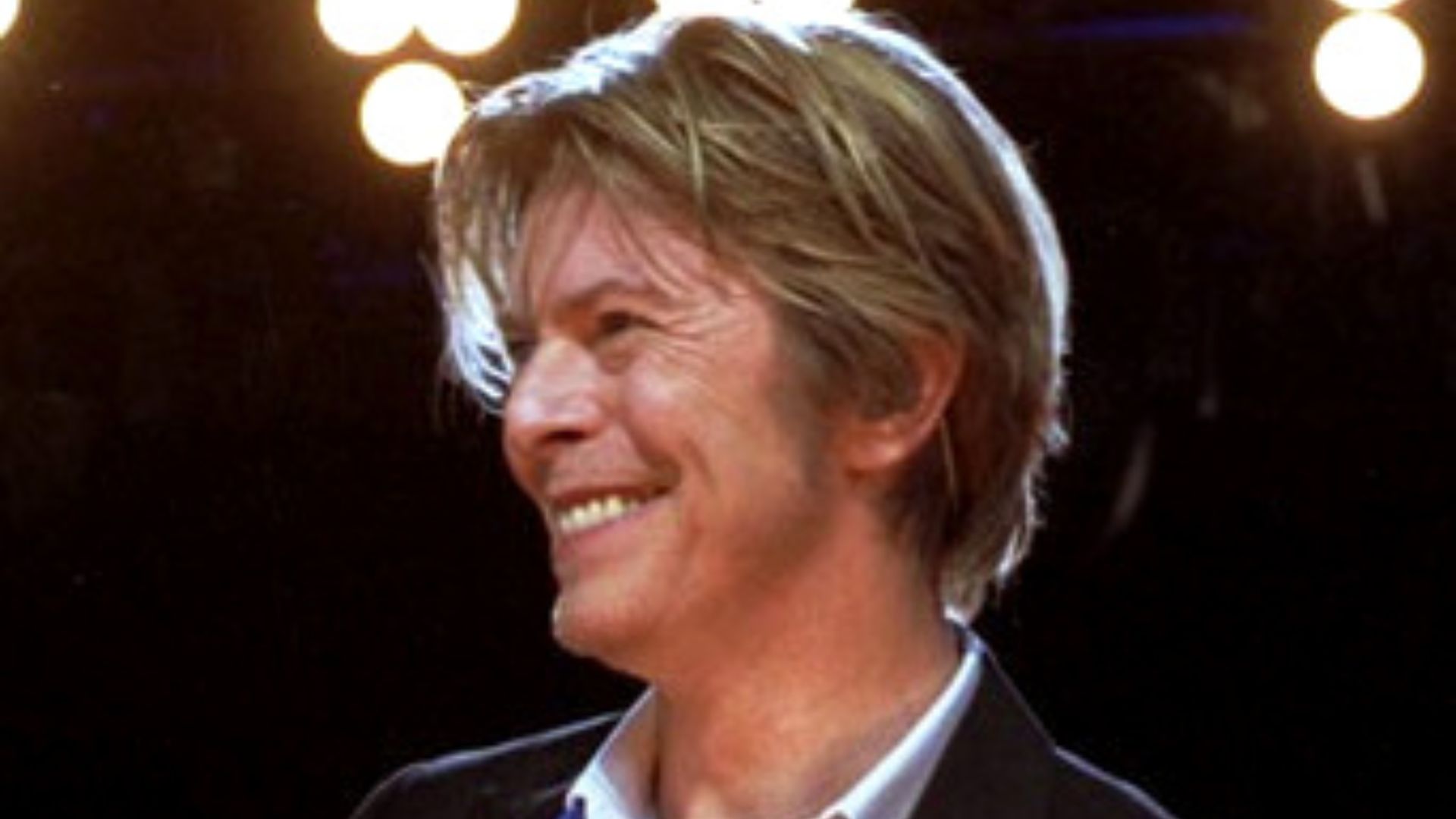
12. David Bowie
David Bowie expanded elegance beyond tradition. His fashion embraced theatricality, fluidity, and reinvention. Elegance became expressive rather than conservative. He proved refinement could coexist with bold self-definition.
13. Michelle Obama
Michelle Obama used fashion as quiet communication. She balanced approachability with authority through thoughtful styling. Elegance came from confidence and cultural awareness. Her choices reshaped expectations of modern public dressing, and she demonstrated how style could support leadership without overshadowing it.
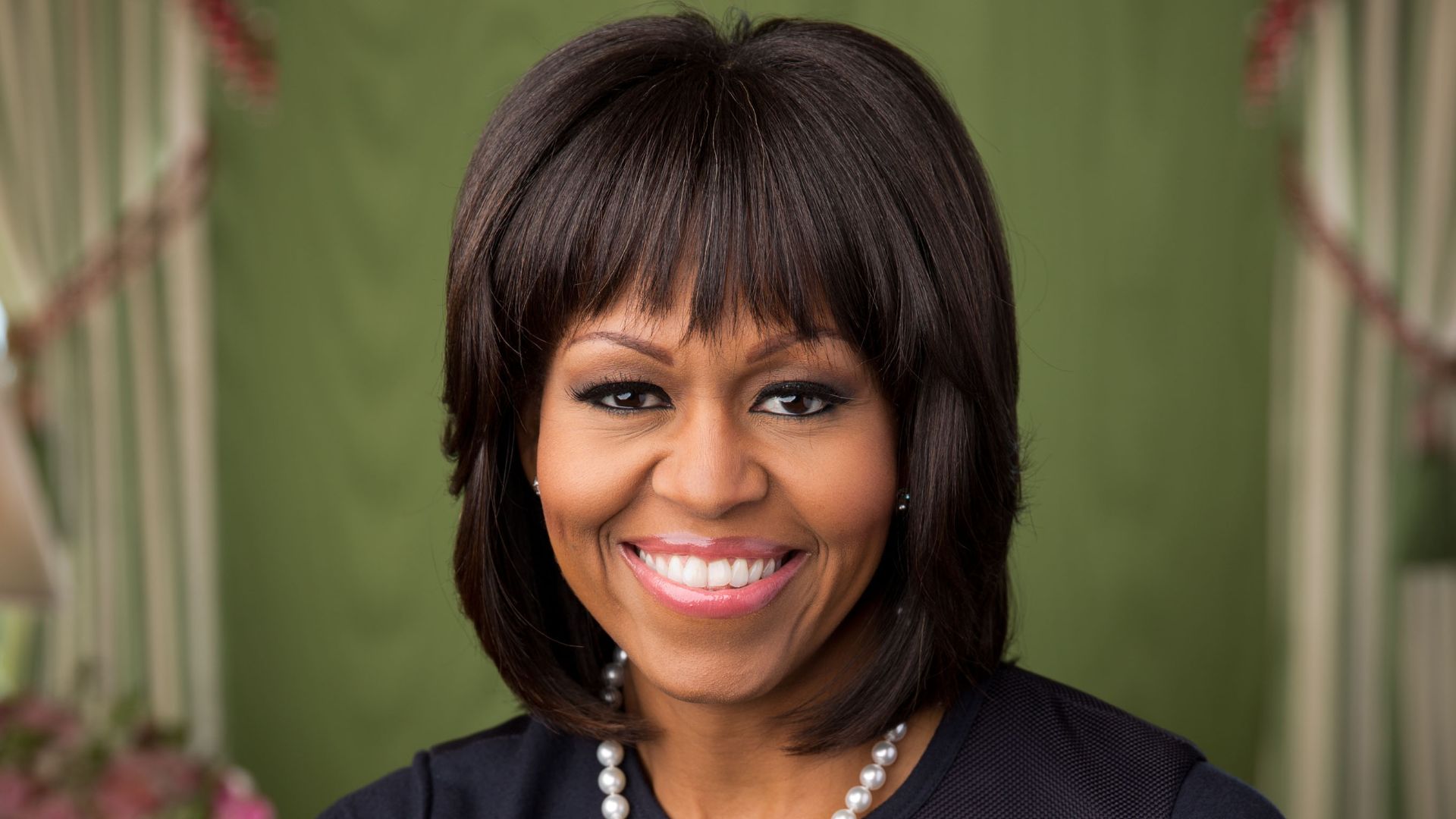 Official White House Photo by Chuck Kennedy on Wikimedia
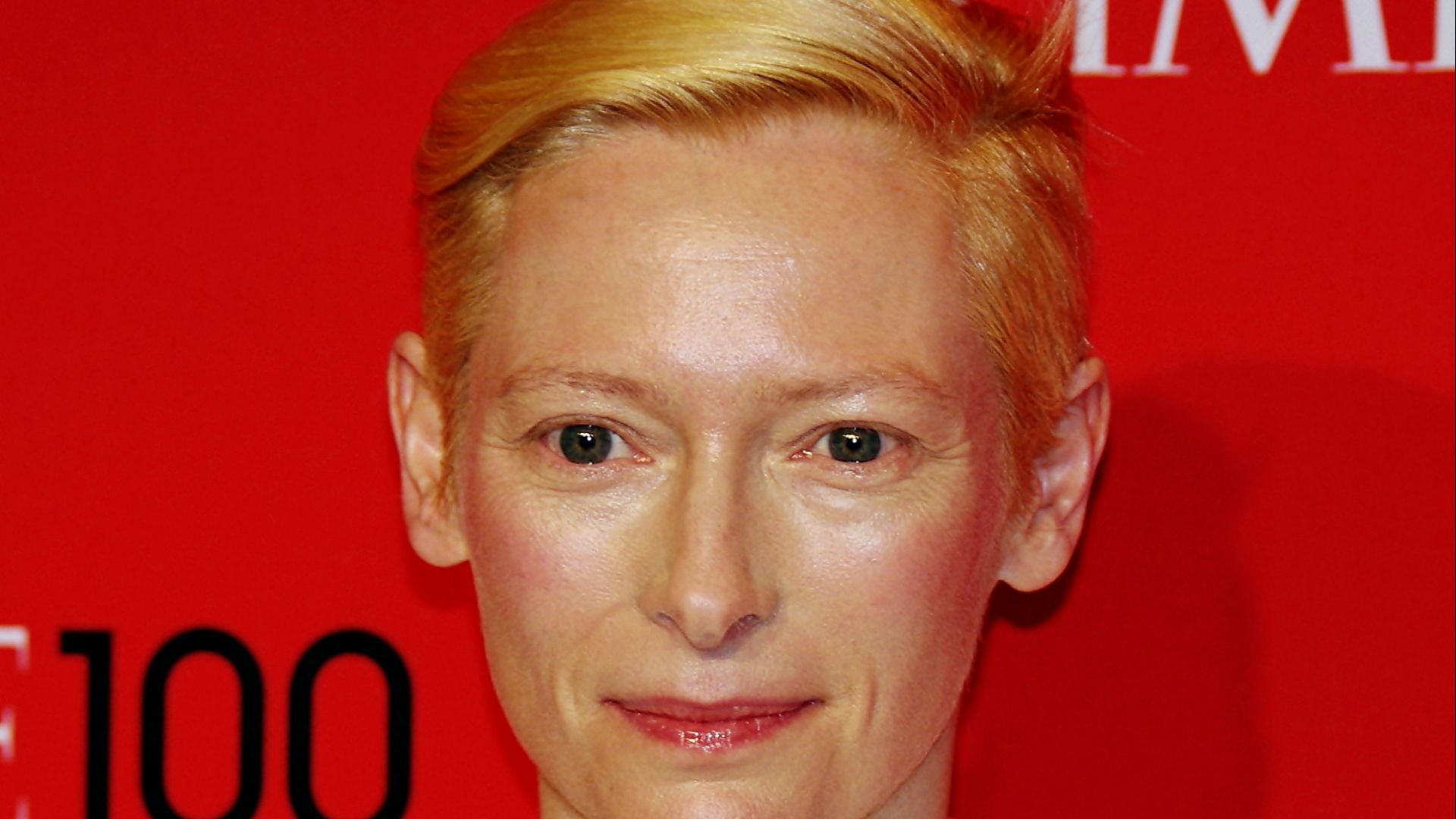
14. Tilda Swinton
Tilda Swinton challenges conventional beauty standards. Her androgynous style feels architectural and intentional. Elegance becomes abstract under her influence. She demonstrates how presence can redefine refinement, and her looks often feel more like statements than outfits.
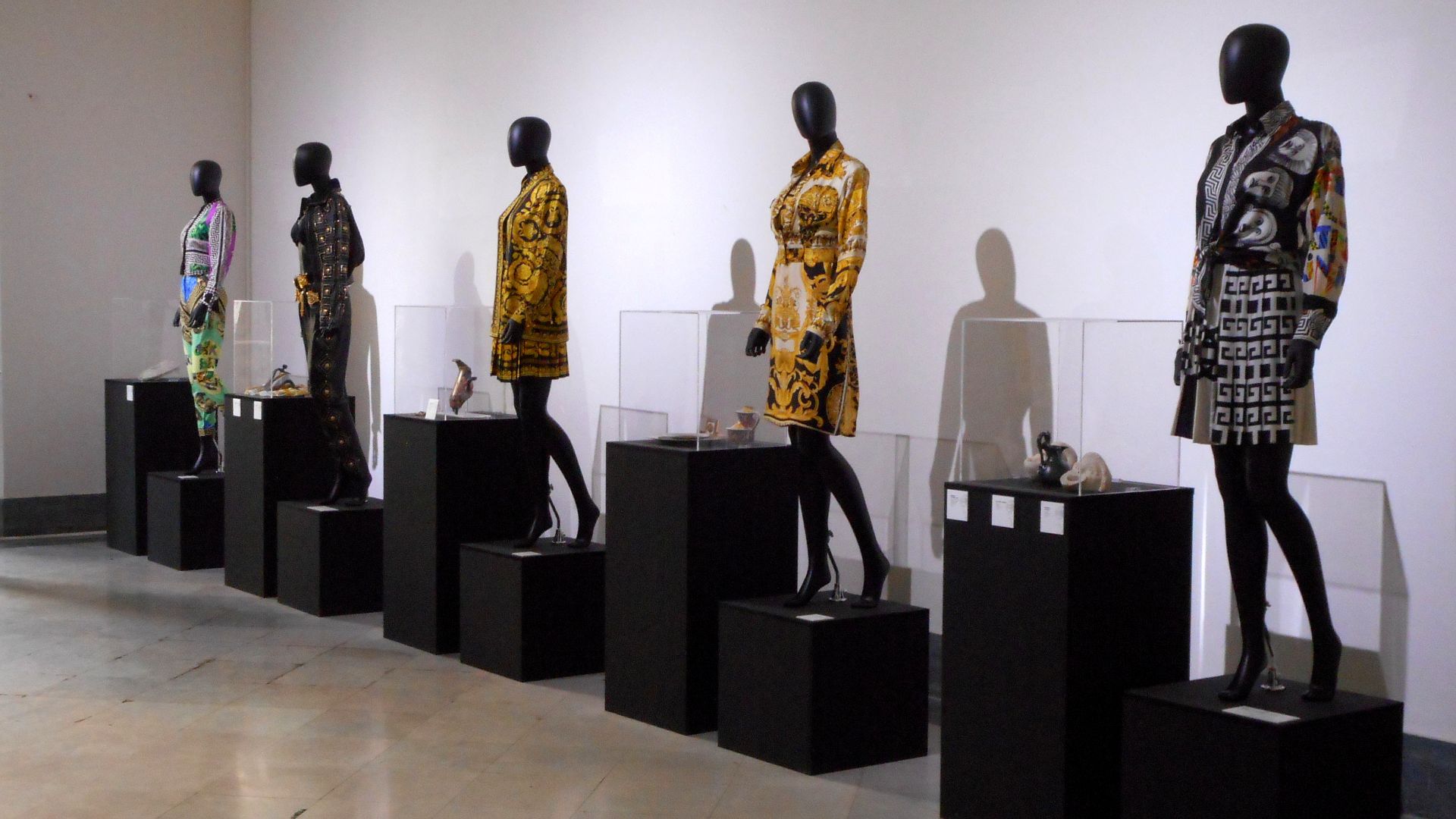
15. Gianni Versace
Versace reintroduced drama into elegance. His designs celebrated sensuality and boldness without apology. Elegance didn’t need to be subdued to be sophisticated. That confidence reshaped luxury fashion in the late 20th century. Ultimately, his work provethat d glamour could be fearless and refined at once.
16. Phoebe Philo
Phoebe Philo modernized elegance through functionality. Her designs prioritized real movement and daily wearability. Luxury became subtle and intelligent. This approach resonated with a generation seeking purpose in fashion.
 Markkapcic at English Wikipedia on Wikimedia
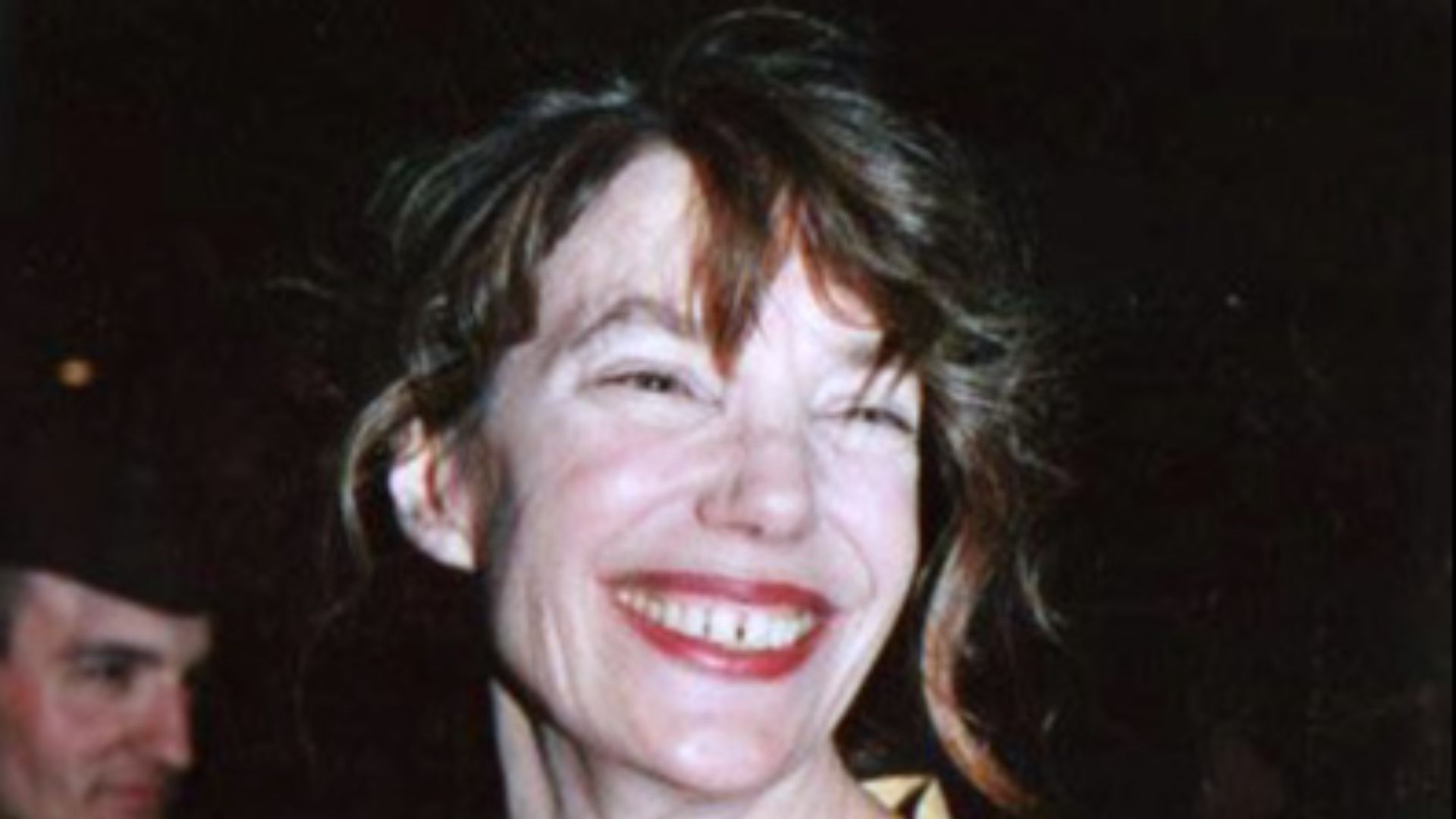
17. Jane Birkin
Jane Birkin’s elegance felt accidental and lived-in. She mixed casual pieces with timeless staples effortlessly. Her style rejected perfection, and this imperfection became part of her enduring appeal. She made nonchalance look genuinely chic.
18. Miuccia Prada
Miuccia Prada challenged traditional notions of beauty. She embraced awkwardness, intellect, and contradiction. Elegance became conceptual rather than decorative. Her work reshaped fashion’s relationship with taste. She proved that discomfort could be stylish when handled deliberately.
19. Victoria Beckham
Victoria Beckham evolved from trend-driven fashion to refined minimalism. Her later style emphasized tailoring, proportion, and restraint. Elegance became disciplined rather than flashy. This transition mirrored broader shifts in modern luxury. It also reframed her public image as a serious fashion figure.
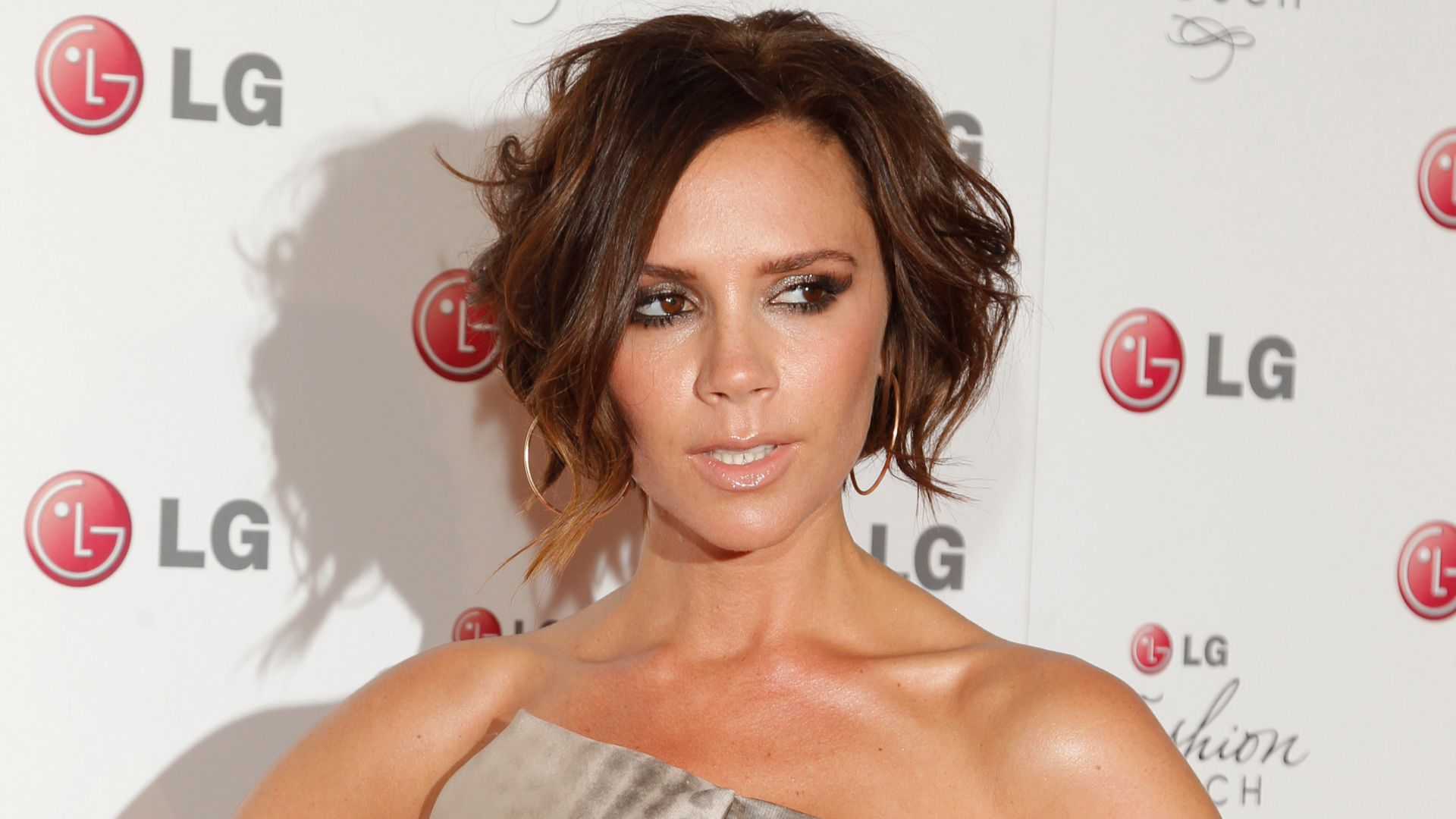
20. Naomi Campbell
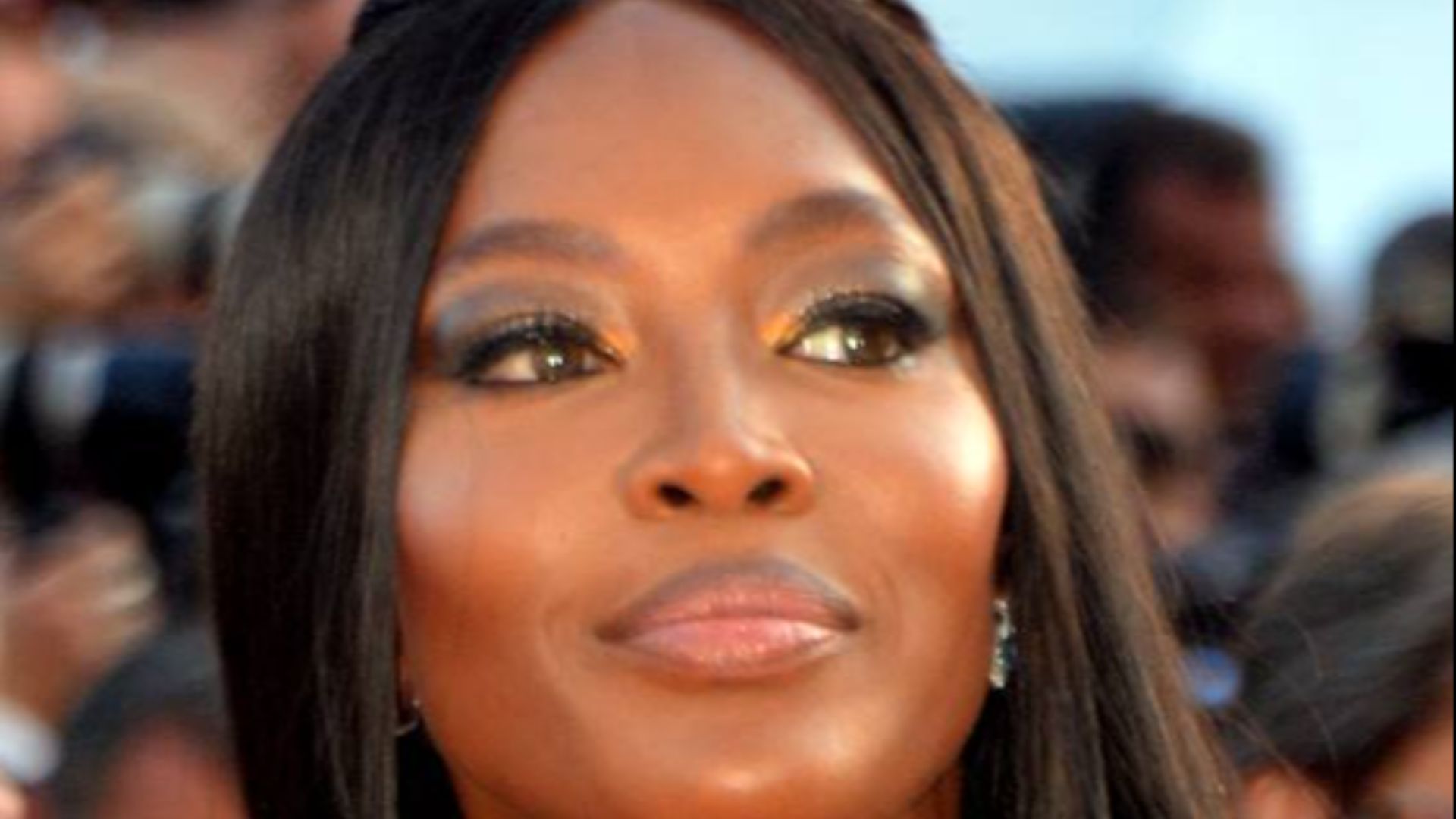
Naomi Campbell brought presence to every garment she wore. Her confidence transformed clothing into statements of power. Elegance became dynamic rather than passive.