
Less Is More
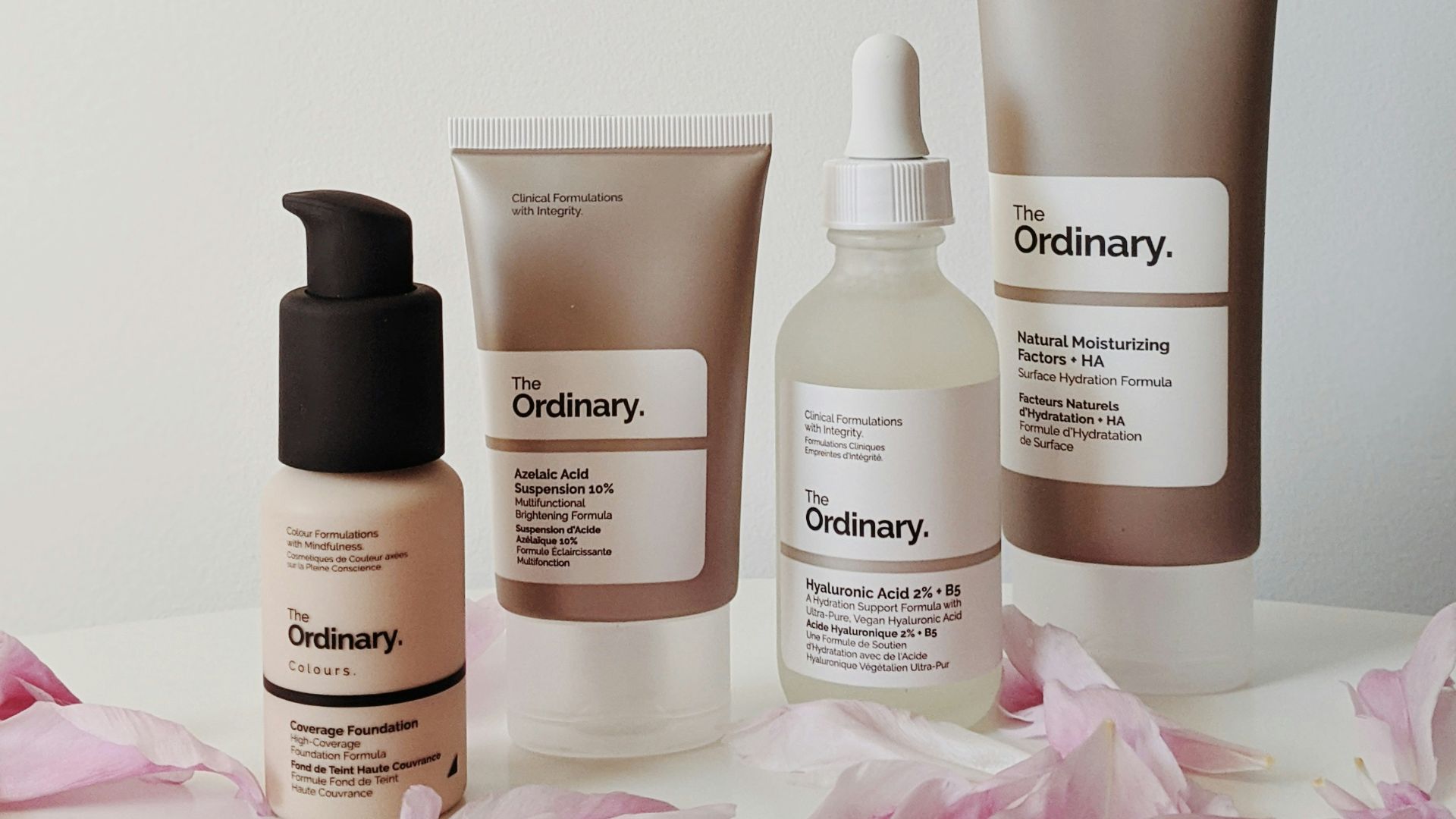
When every serum or acid you come across promises to solve all the issues you seem to see every time you look in the mirror, it’s only fair that you want to add it to your already 8-step-long skincare routine. But the truth is, continuing to pile on more and more serums can actually be worse for your skin instead of better. If you’re starting to feel like you’re drowning in hyaluronic acid, it may be time to simplify your routine.

1. Too Many Steps
If your morning routine has five steps before you even get to sunscreen, you might be doing extra work for minimal payoff. Layering too many products can cause them to clash, which may lead to some negative skin or makeup reactions. It’s also very time-consuming, especially when you’re trying to prepare for your day ahead.
2. Adding Multiple New Products
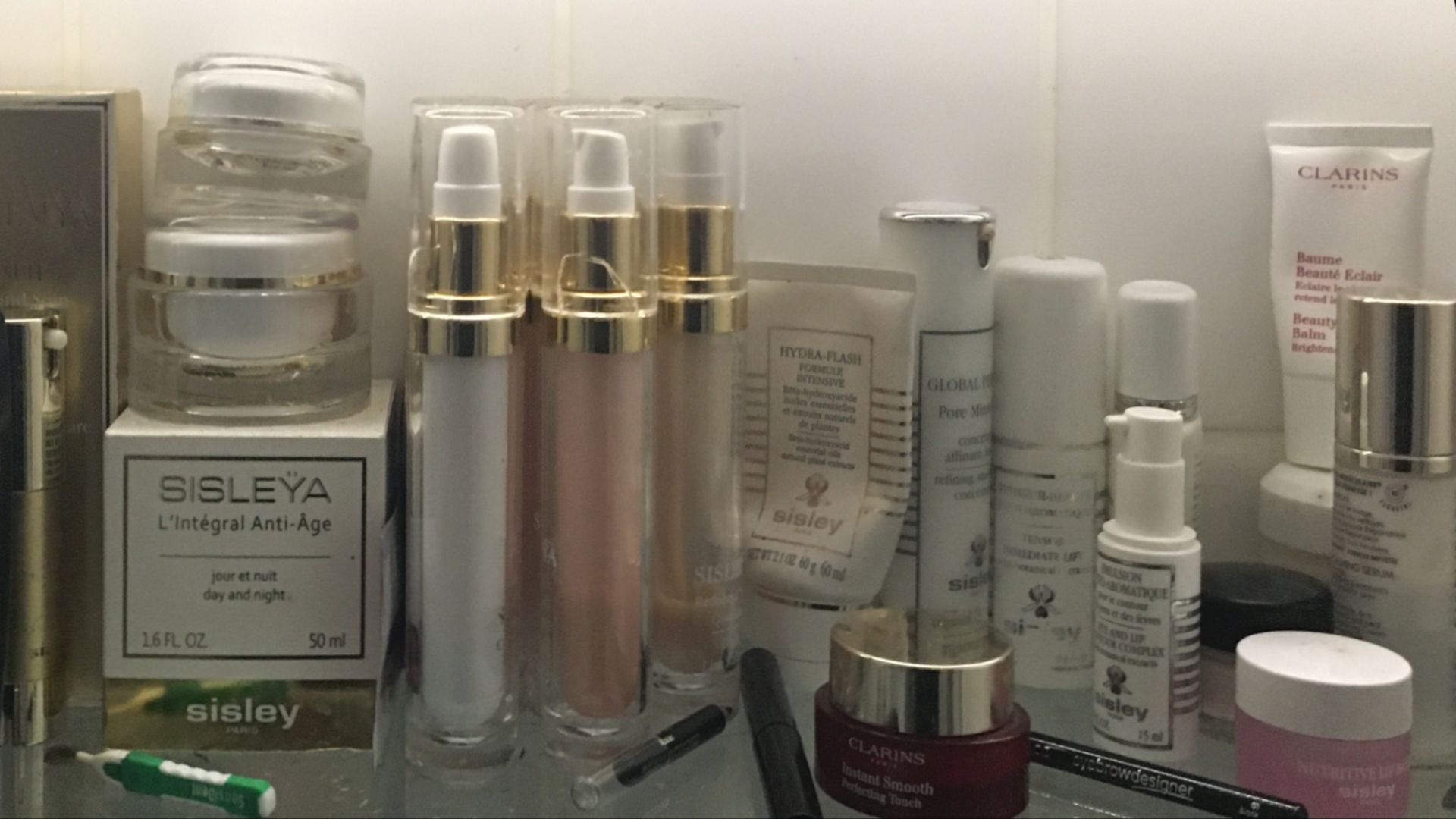
Adding three new products in the same week makes it impossible to tell what’s helping or harming. If irritation shows up, you’re left guessing which product caused it. You’re better off introducing a product over a longer period of time, and frankly, one at a time.
3. Avoiding The Patch Testing Step
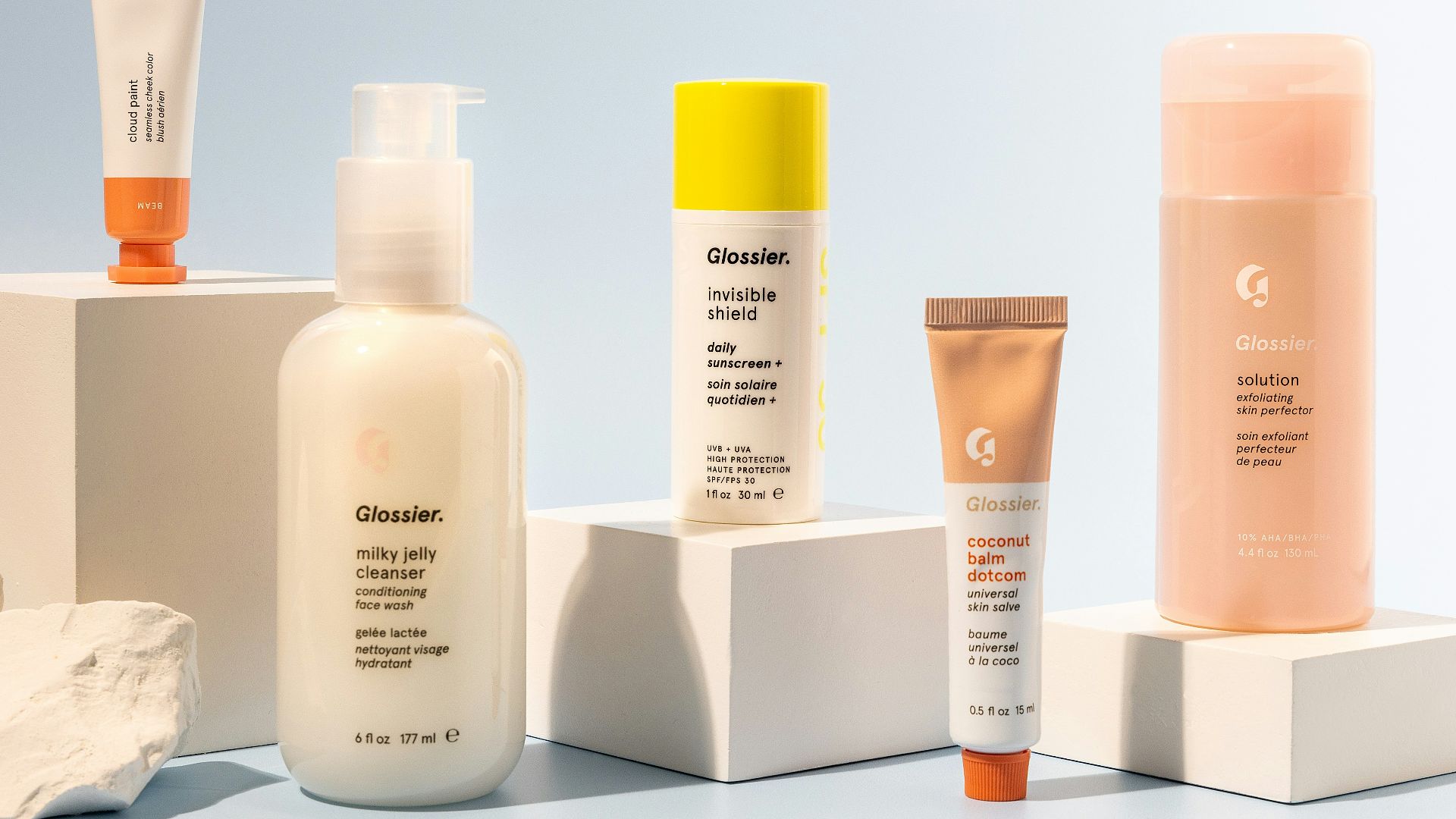
We know it’s exciting to get new products, but skipping patch testing can turn a “quick try” into days of redness or itching. Even products labeled gentle can cause a reaction in some skin types. Testing first also helps you feel more confident using it on your full face. We know it’s annoying, but it could save you some longer-lasting problems down the road.
 Enecta Cannabis extracts on Unsplash
4. Exfoliating Too Frequently
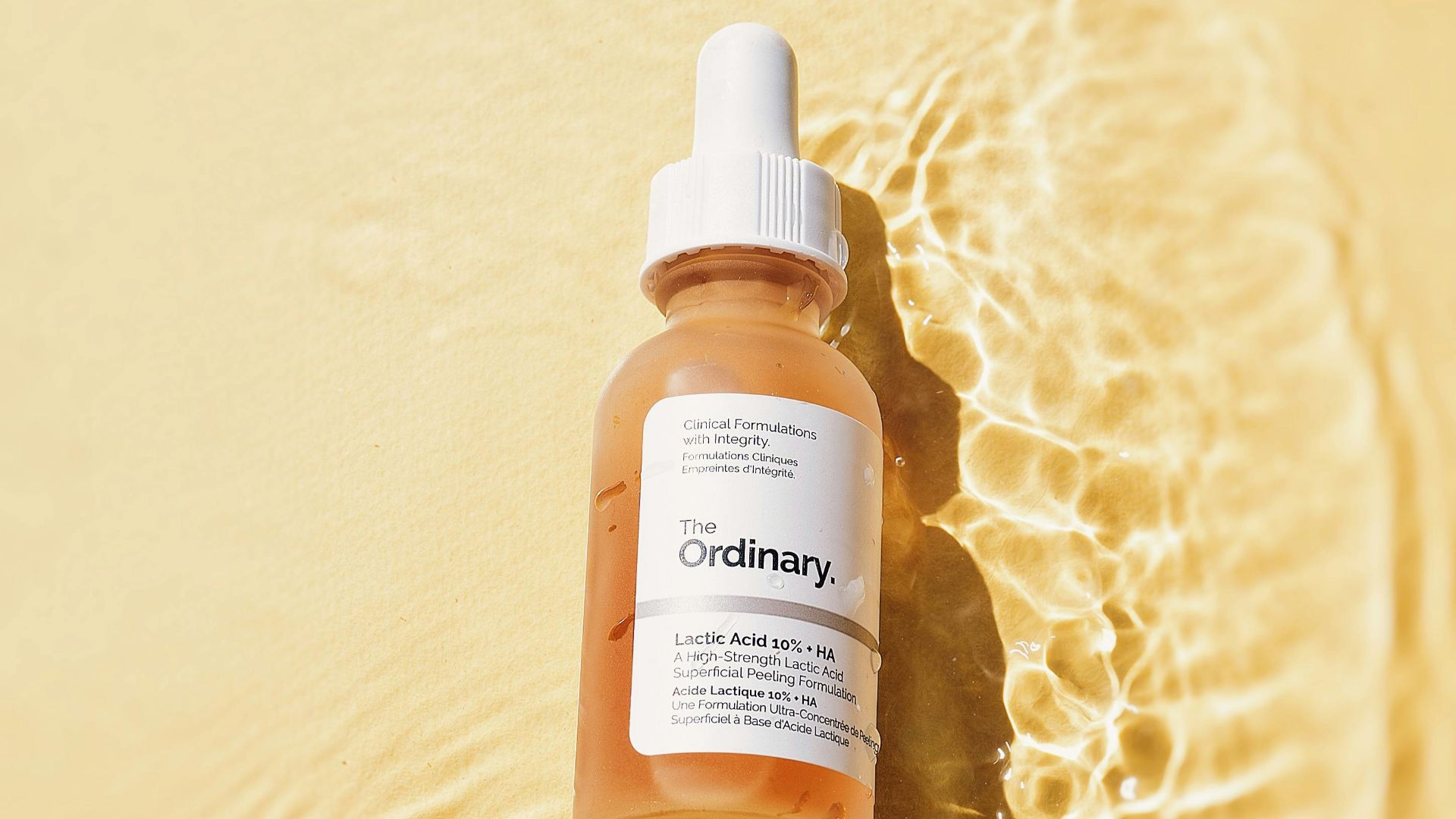
Daily scrubs or frequent acid use can leave your skin feeling rough, tight, or extra sensitive. Overdoing exfoliation can also make breakouts look worse by irritating the surface. If you notice that your skin is simultaneously dry and oily, that can be a clue that you’ve pushed too far. Giving your skin a break usually helps more than adding another exfoliant.
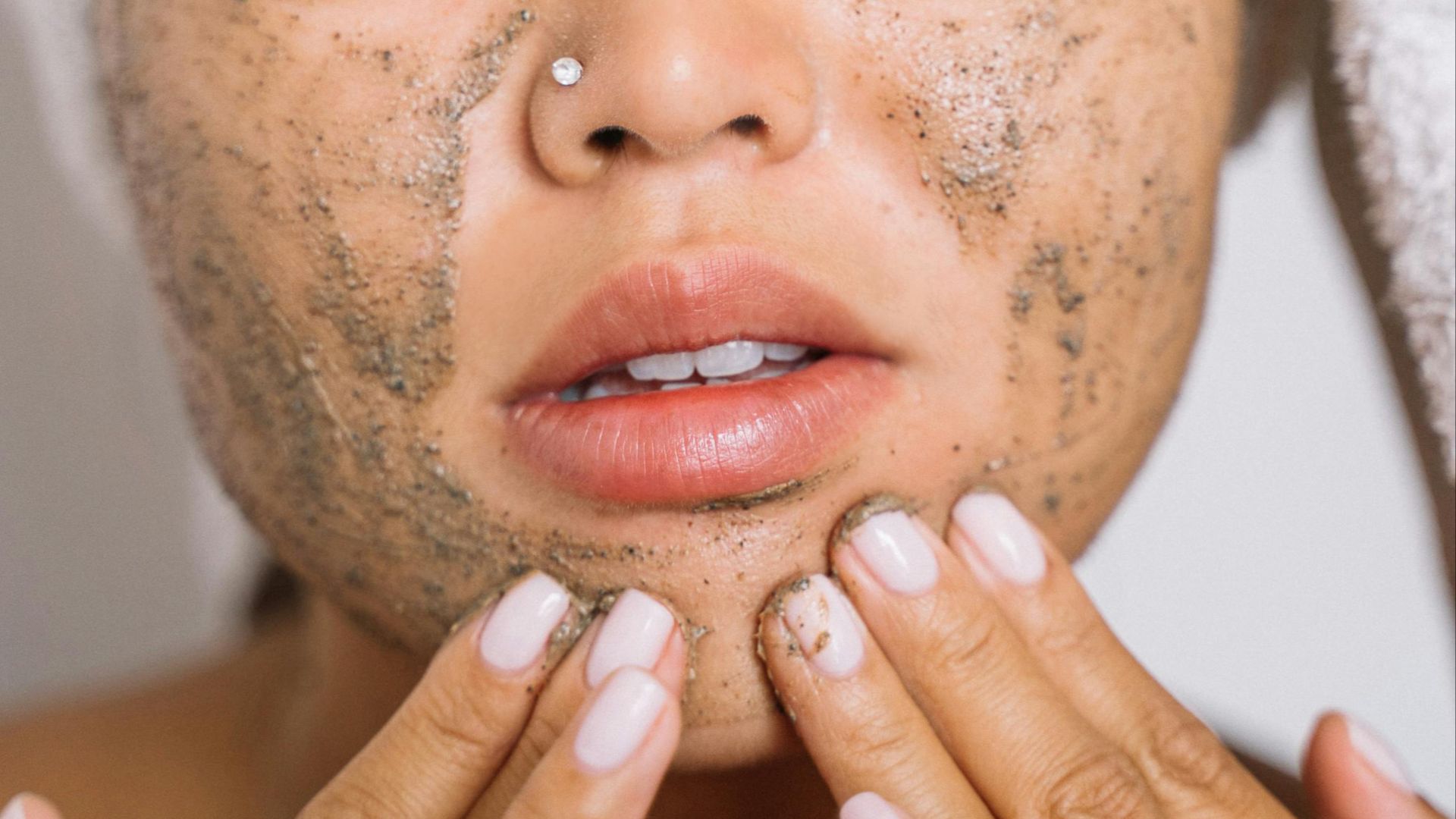
5. Scrubbing Too Hard
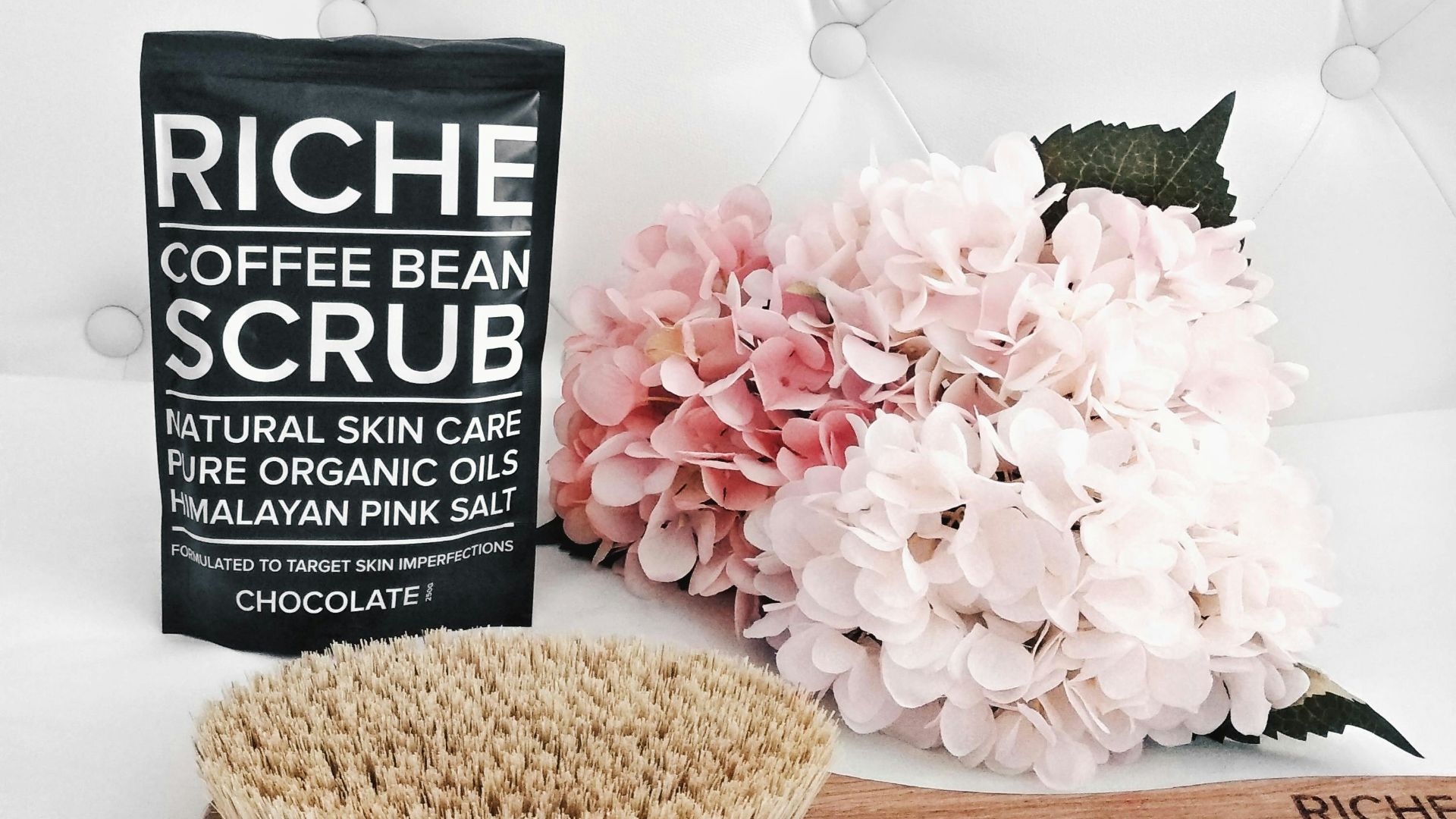
Cleansing should remove makeup and buildup without making your face feel raw afterward. Using harsh pressure, rough tools, or gritty scrubs can create irritation that strips your skin of its natural moisture. A gentler cleanse is usually the most you need on an average night.
6. A Stinging Sensation
When your usual moisturizer starts to sting, something is off. That discomfort can show up after too many activities, too much exfoliation, or overly harsh cleansing. This is not the time to add more treatments, we promise.

7. Facial Redness
Persistent redness can be your body telling you to slow down. This means no swapping products on a whim, or going extra hard on your acids or retinol - instead, this is a signal that you should dial it back.
 MUTHIA ASHIFA SALSABELLA on Unsplash
8. Skimping On Sunscreen
It doesn’t matter if your skincare routine is one step or six; you always need to finish with sunscreen. Sun exposure can worsen uneven tone, make your skin look more irritated, and interact negatively with certain skincare products.

9. Stacking Too Many Actives
Layering retinoids, exfoliating acids, and acne treatments in the same routine can push your skin into dryness fast. Even if each product is great on its own, combining several strong steps can increase redness, peeling, and sensitivity.
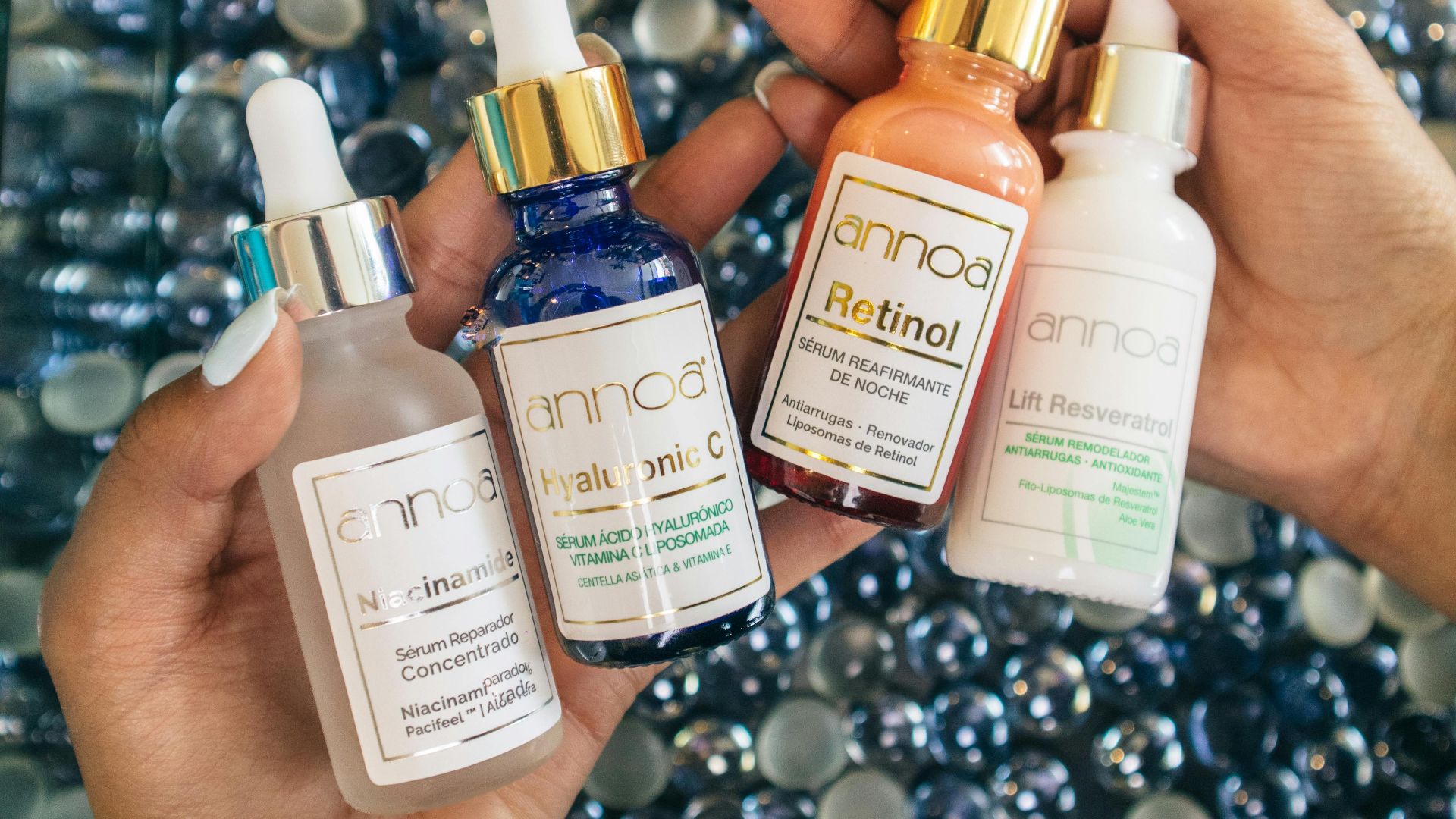
10. Multiple Serums
Multiple serums that all promise hydration, glow, and plumping can end up doing the same job. When you apply several similar formulas, you may get more stickiness and pilling without better results. It also becomes harder to notice which product is actually doing something for your skin, and which one seems ineffective.

1. Keep a Three-Step Core
Start with a gentle cleanser, a moisturizer, and sunscreen in the morning, then a cleanser and moisturizer at night. That basic structure is usually enough for many skin types and makes it easier to stay consistent. Once that feels easy, you can add in an extra step or two to address more specific issues.
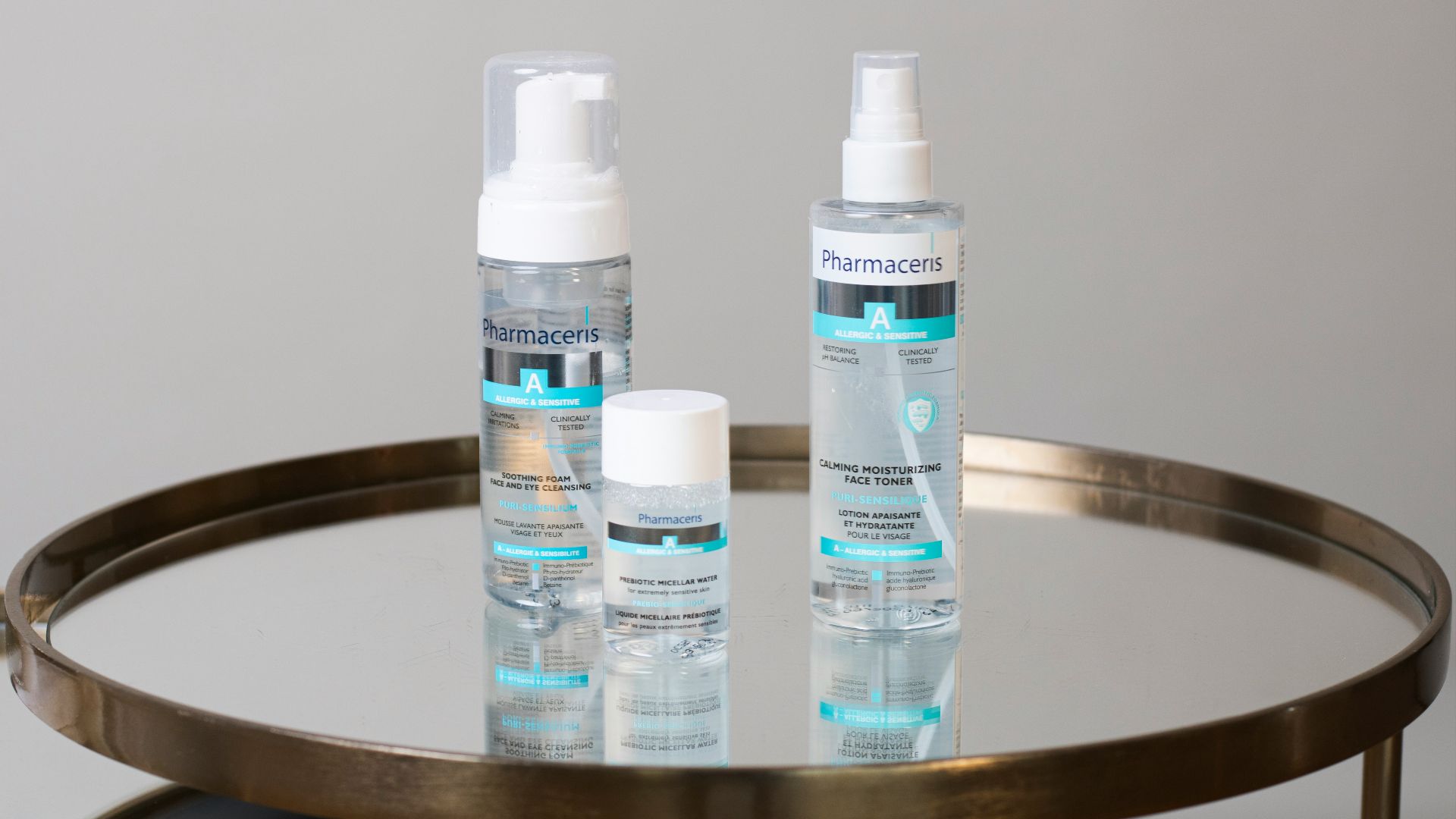
2. Use One Cleanser
Pick one cleanser that works for your skin and stick with it, instead of rotating through multiple formulas. Cleansing should feel comfortable, not tight, hot, or squeaky. Using your fingertips and avoiding aggressive scrubbing will also keep irritation down.
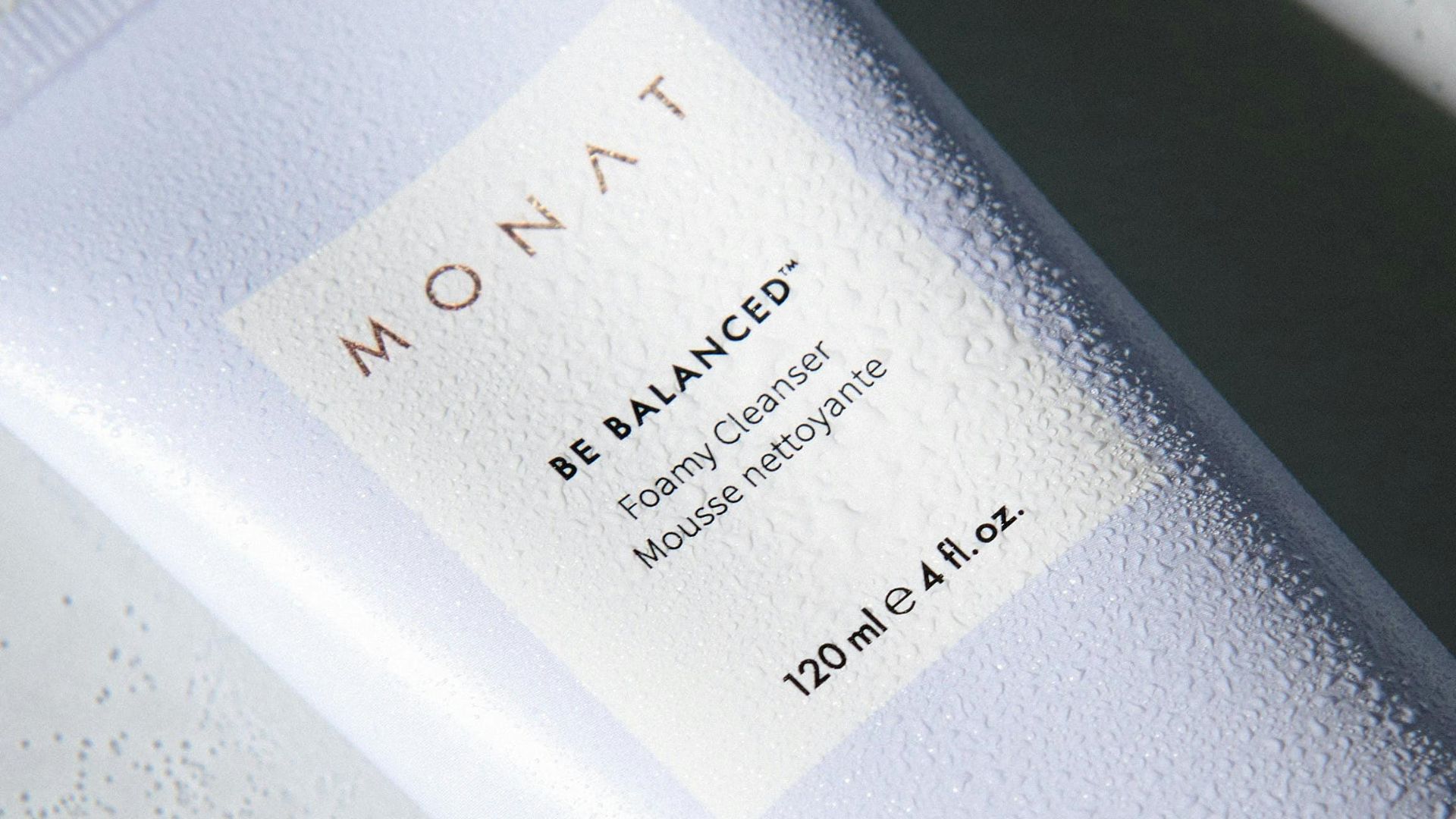
3. Live To Moisturize
Like cleansers, sticking to one moisturizer will save you time, money, and reliability. Apply it while your skin is still slightly damp so it spreads evenly and feels more comfortable. If you switch formulas constantly, it gets harder to know what your skin likes day to day.
4. Choose Multi-Task Products
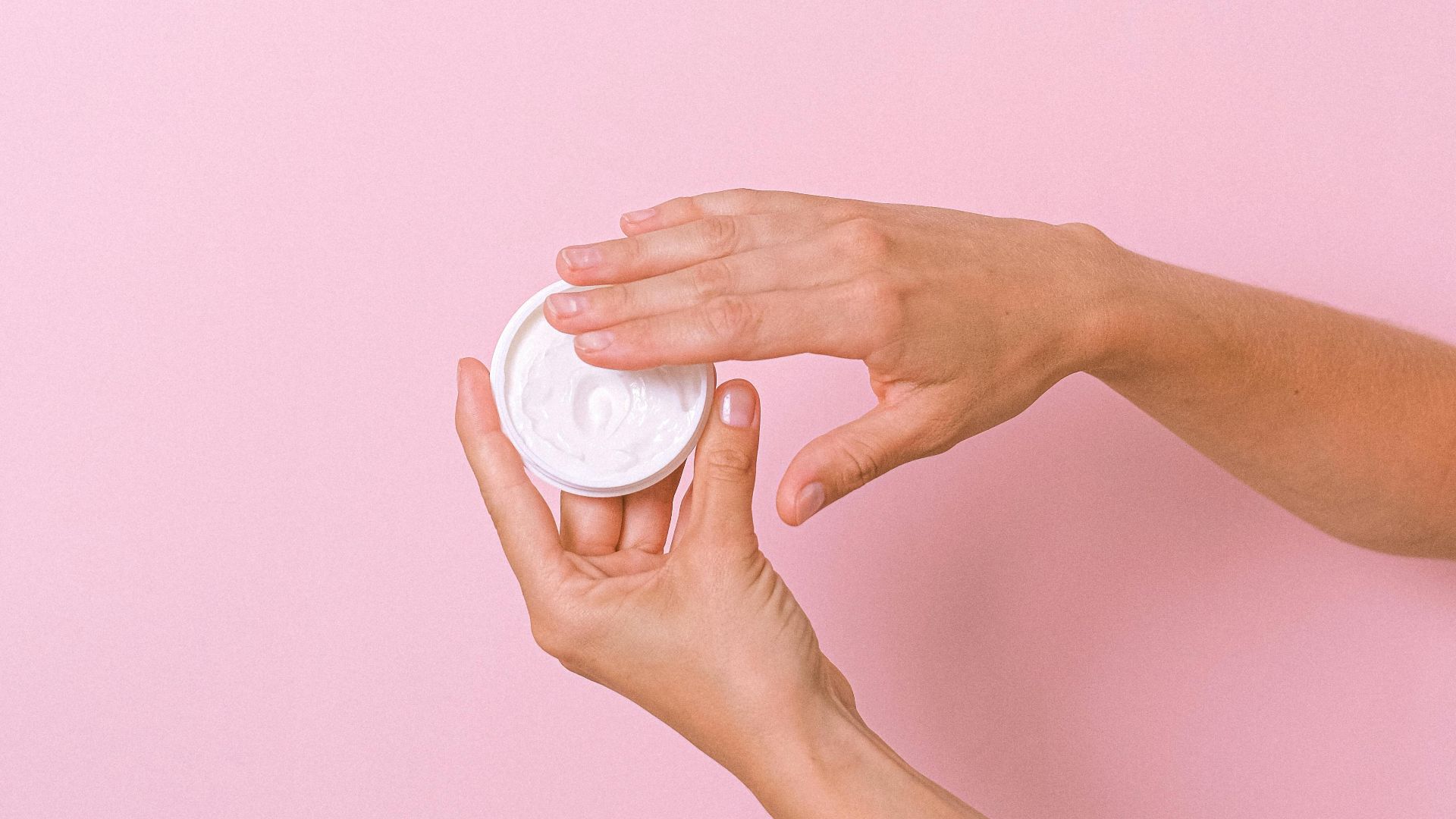
Look for products that do more than one job, like a cleanser that removes makeup well or a moisturizer that layers nicely under foundation. This allows you to save money, storage space, and keeps your skincare shopping as simple as it can get.
5. Skip Extra Tools
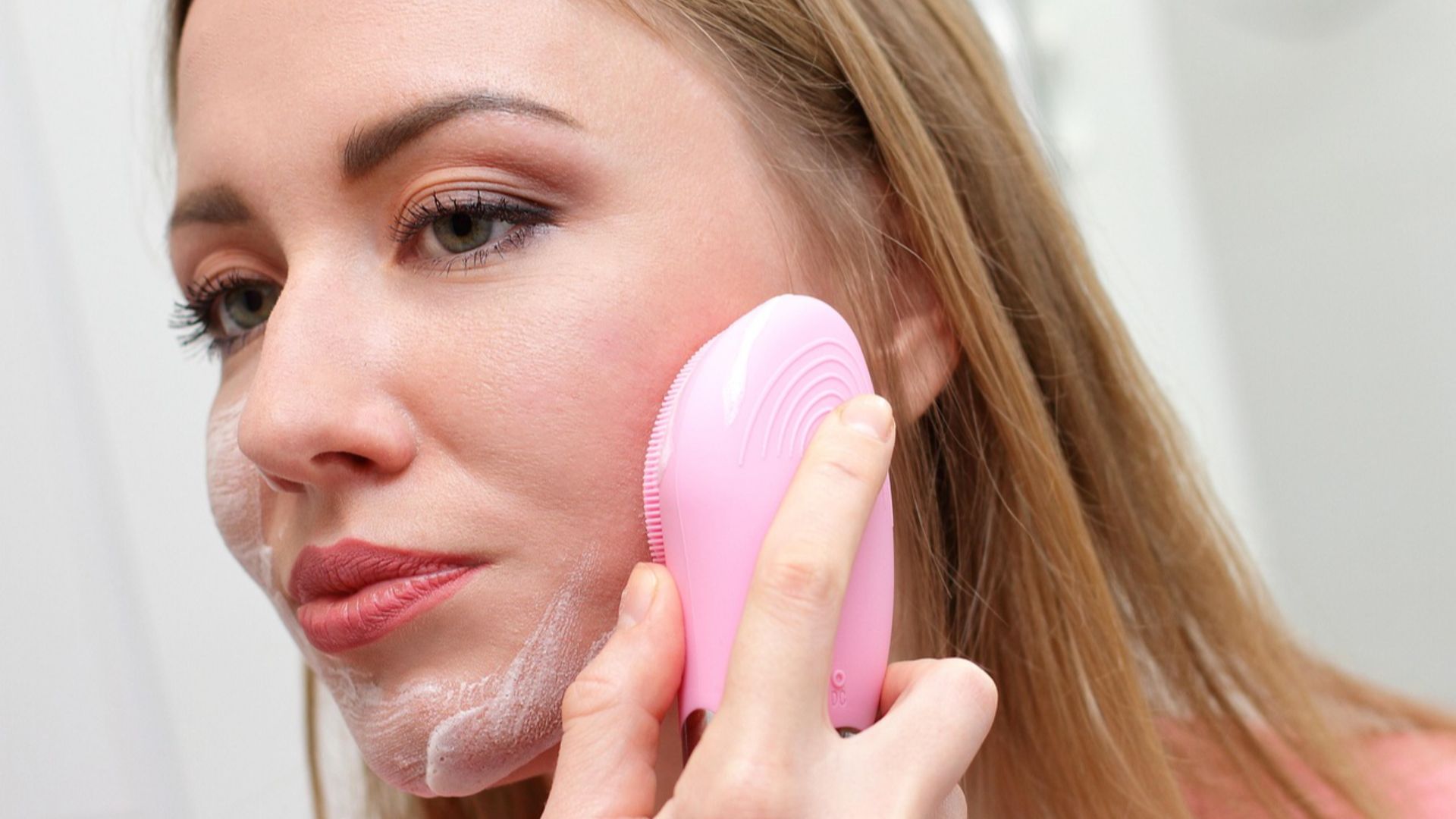
Your hands are just as effective as the expensive cleaning gadget, and take less time and money to clean. It’s best to keep these extra purchases to a minimum. Likely, it's not that your skin needs a skincare brush; it’s that your products aren’t working for you.
6. Go Fragrance-Free
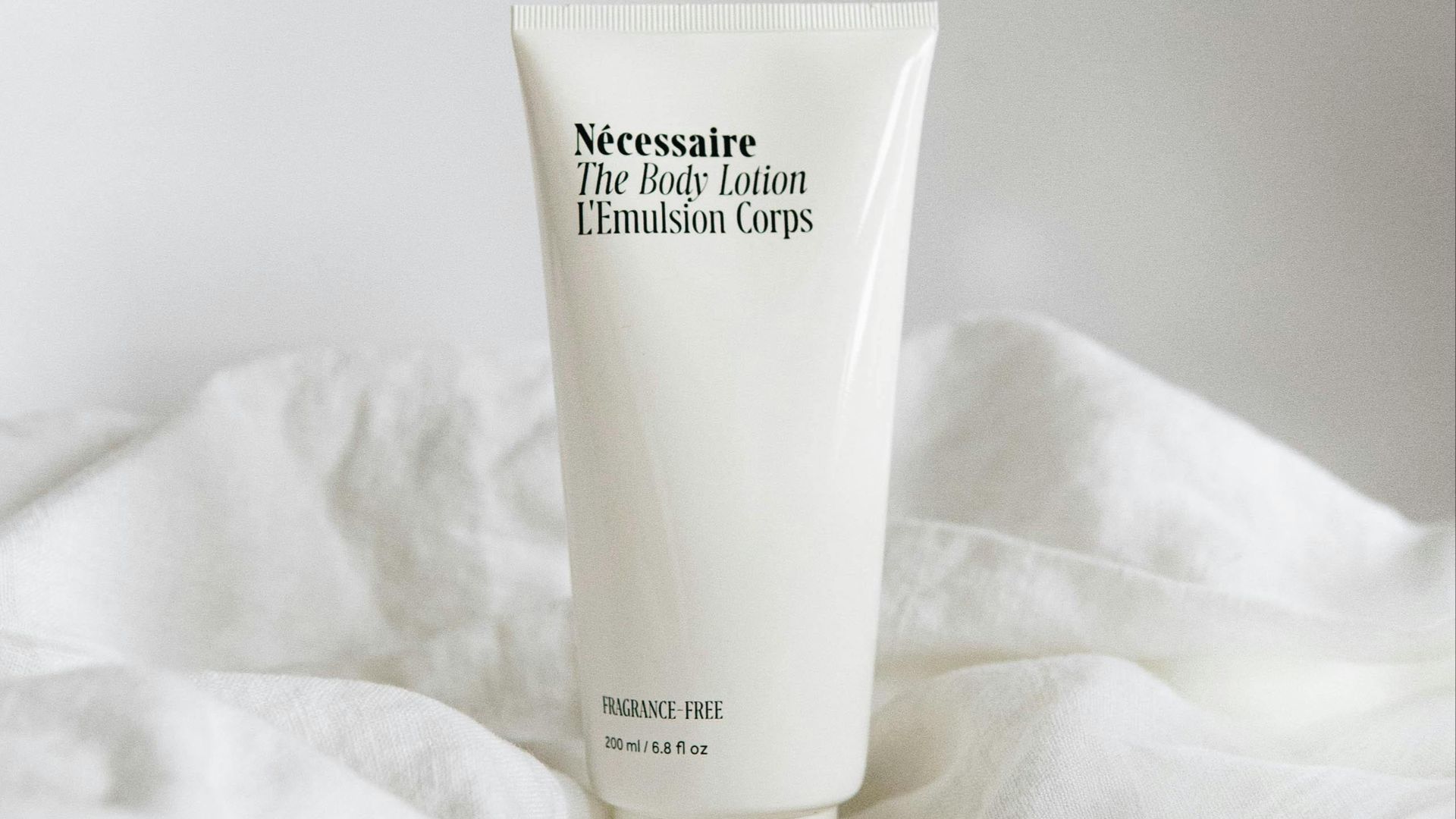
Fragrance is a common reason products feel “fine at first” and then suddenly irritating. Switching to fragrance-free basics can reduce the trial-and-error feeling that keeps routines complicated. This is especially helpful if you rotate products often or have sensitive skin.
7. Use the Right Amount
Using more products does not usually mean better results. Keeping application amounts to the bare minimum is usually the best-case scenario for your face and saves you more money in the long run.

8. Clean Your Makeup Brushes
If you wear makeup, dirty brushes and sponges may be the reason you’re struggling with congestion or breakouts. Aim to clean your brushes once a week to avoid any negative buildup. Clean tools also help your makeup apply more smoothly.

9. Pick One Active
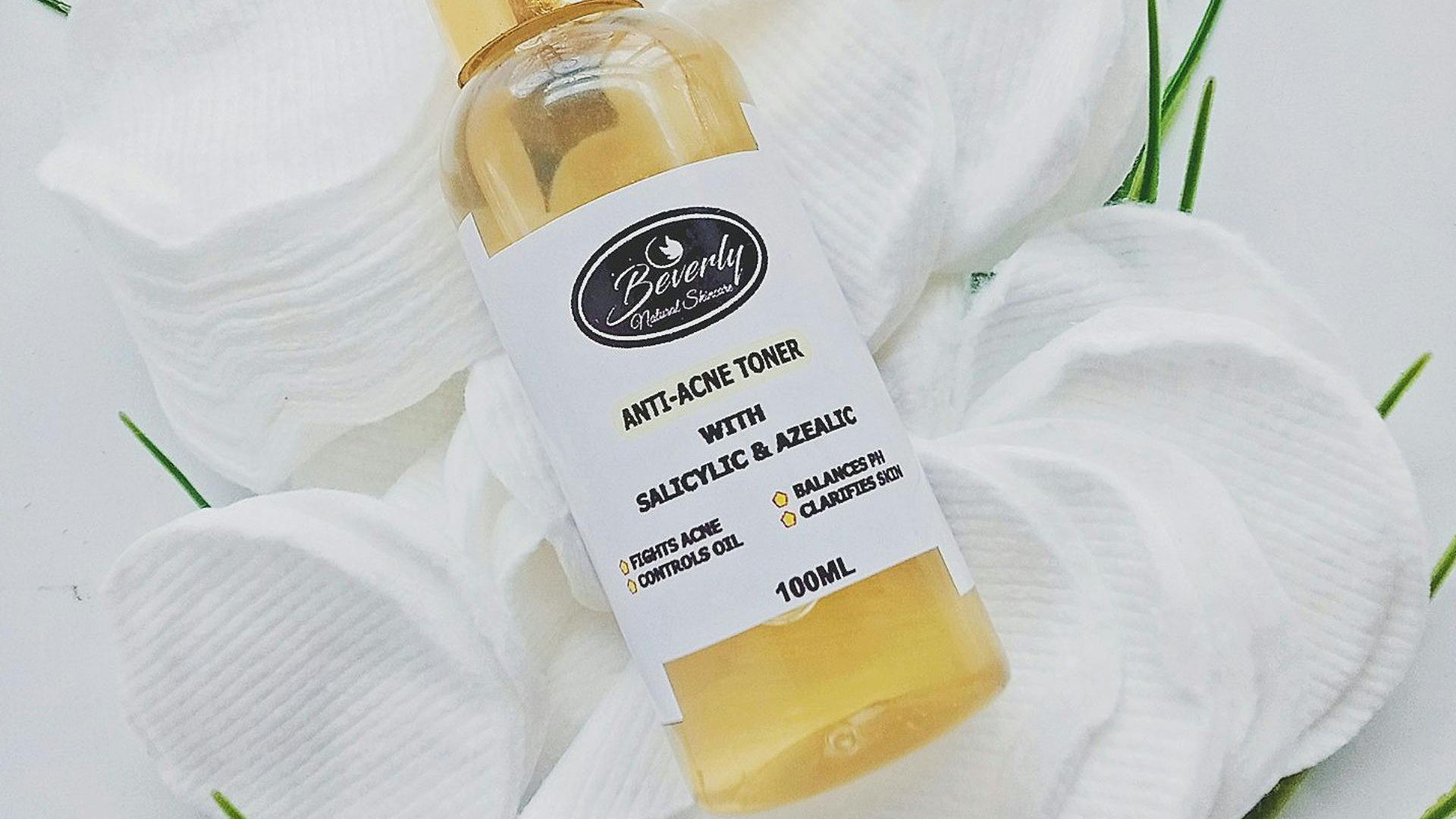
Decide what you want to focus on, like breakouts, uneven tone, or texture, and choose one main active ingredient for that goal. When you try to treat everything at once, it’s easier to end up with dryness and sensitivity. Keeping your “treatment” step simple also makes it easier to spot real progress.
10. Alternate Nights
If you use stronger products, rotate them across different nights instead of layering them all at once. This approach can help reduce irritation while still letting you benefit from treatments you like. On non-treatment nights, let your skin breathe, and simply stick to a cleanser and moisturizer.