
How Style Quietly Rewrites History
Fashion rarely announces itself as history while it’s happening. Most iconic looks begin as practical choices, cultural reactions, or quiet rebellions before they harden into symbols we recognize decades later. What makes these looks endure isn’t just aesthetics, but timing, power, and the way they captured something people felt but couldn’t always articulate. Here are 20 iconic looks that defined the last 100 years.
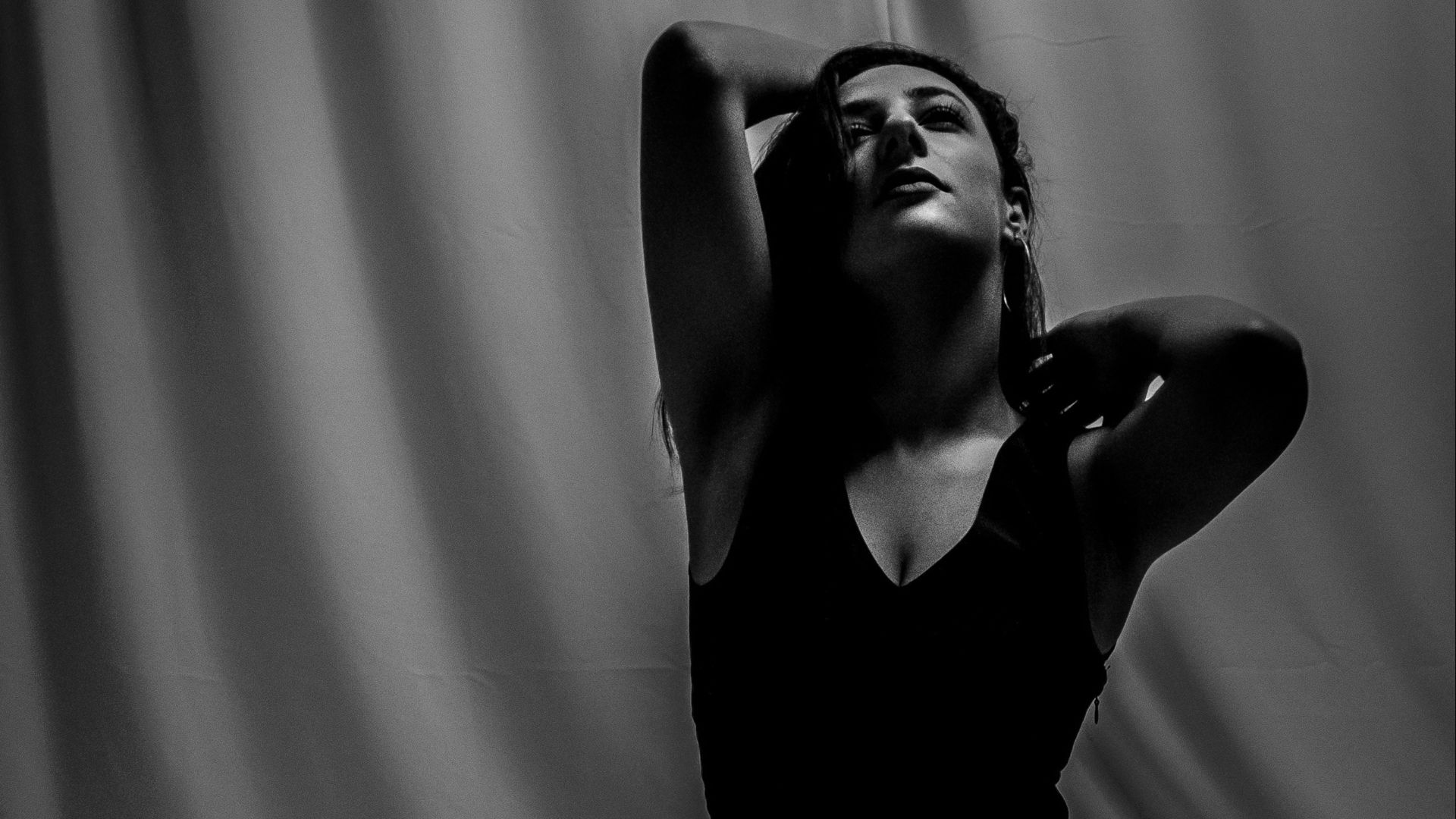
1. The Flapper Dress
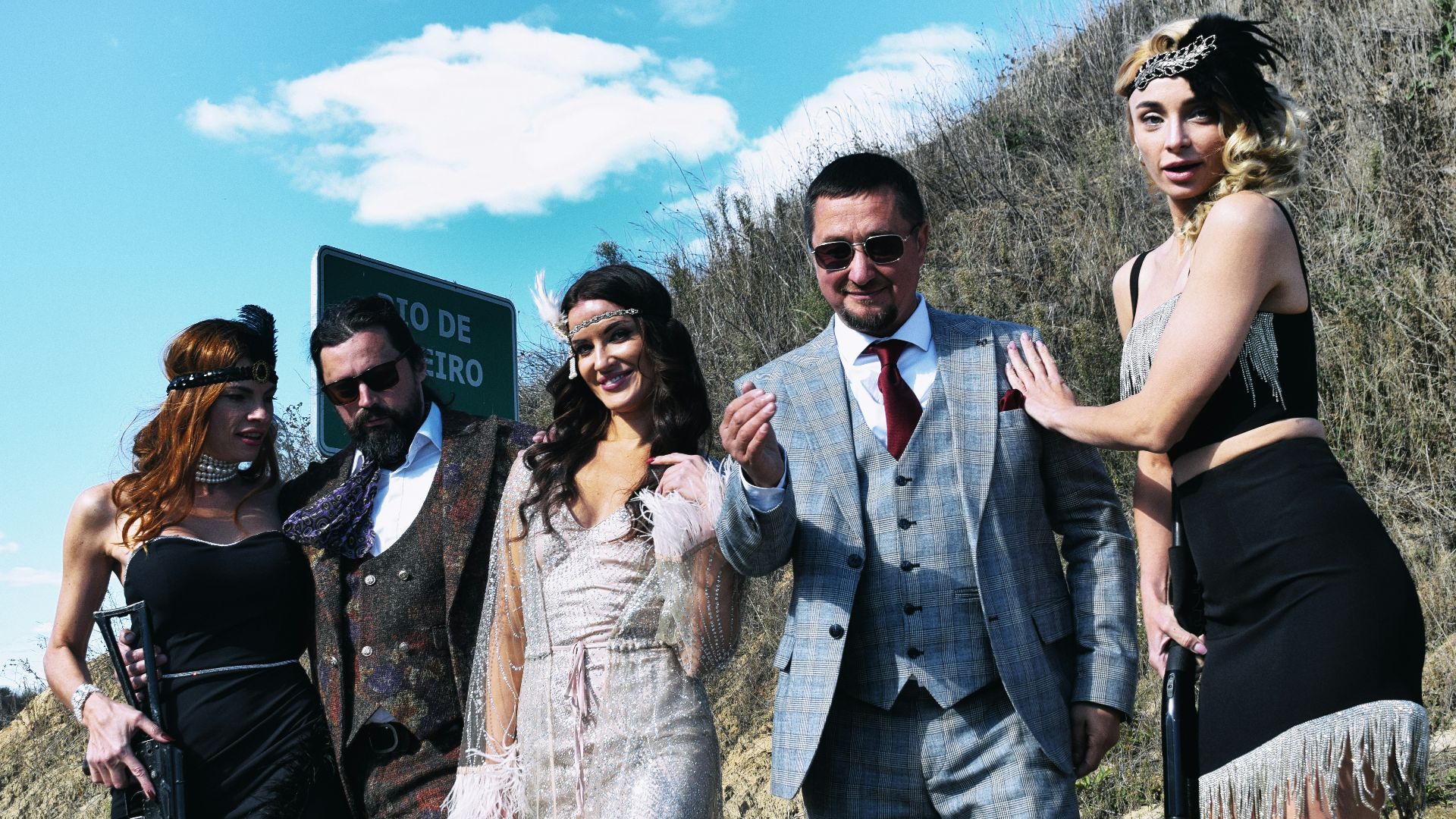
The flapper dress didn’t just shorten hemlines; it shortened the distance between women and autonomy. Its loose silhouette rejected corsets and the rigid expectations attached to them. Movement mattered more than decoration, which was a radical shift at the time. The look became inseparable from a generation redefining freedom, femininity, and public visibility all at once.
 Alexander Krivitskiy on Unsplash
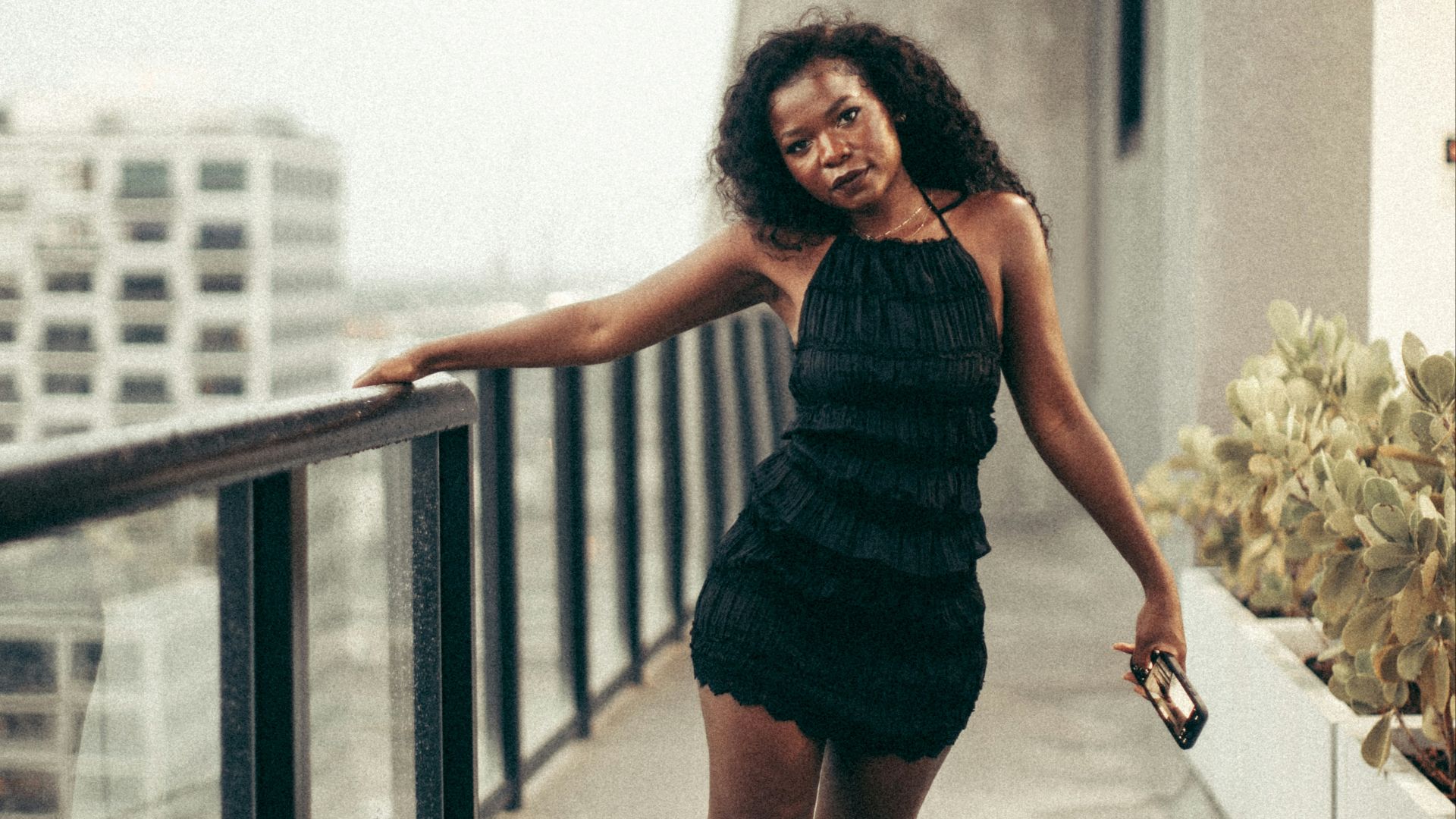
2. The Little Black Dress
When the little black dress entered the mainstream, black stopped being reserved for mourning or servants’ uniforms. Its simplicity made it adaptable, wearable, and quietly defiant. It allowed women to look elegant without excess. Over time, it became a uniform of independence that suggested restraint, confidence, and modernity in equal measure.
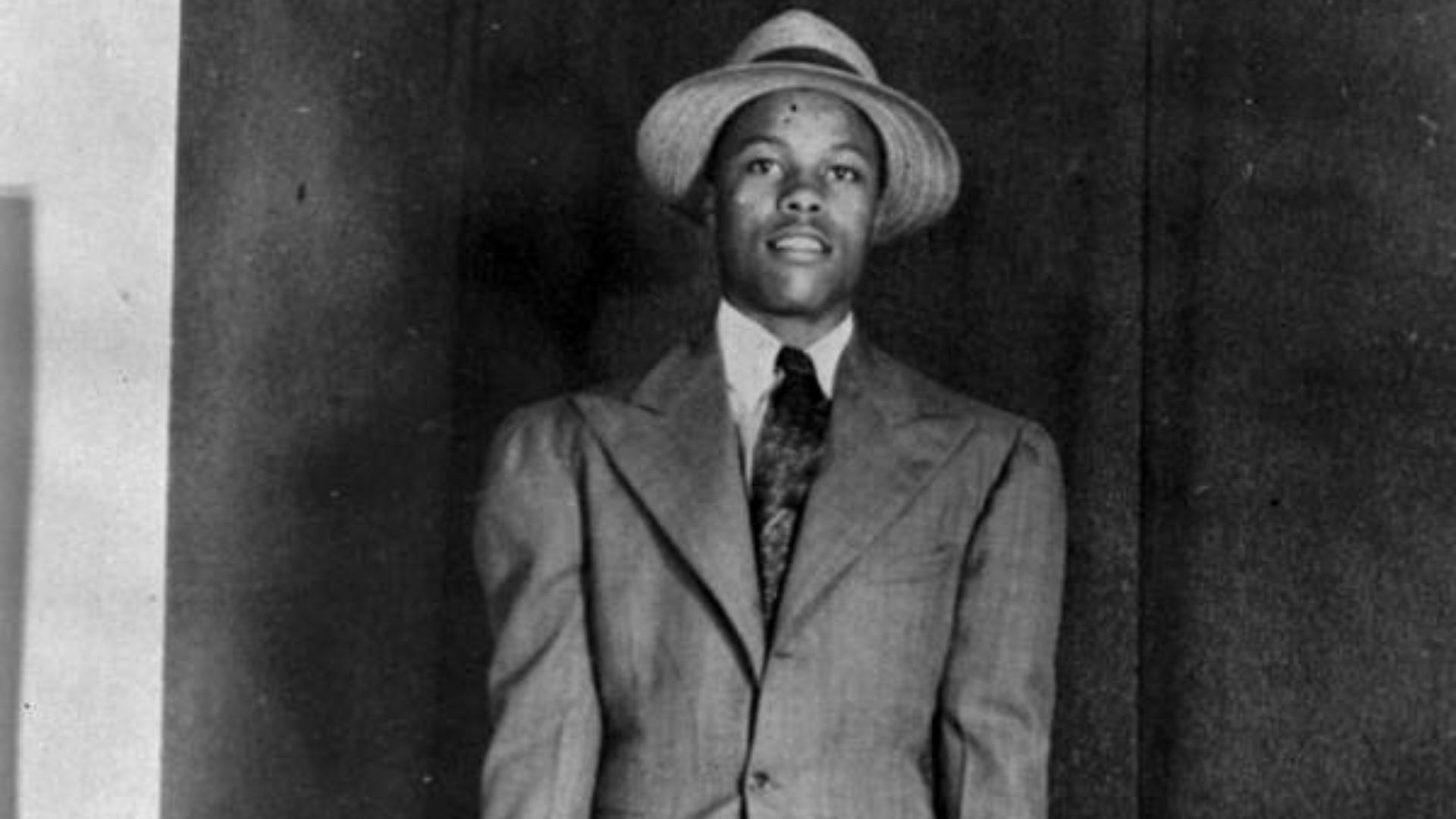
3. The Zoot Suit
The zoot suit exaggerated everything on purpose, from shoulders to trousers, refusing subtlety in a society that demanded conformity. It became a symbol of identity for marginalized communities, particularly Black and Latino youth. Authorities viewed it as threatening, which only sharpened its meaning. The look fused style with resistance in a way few garments ever have.
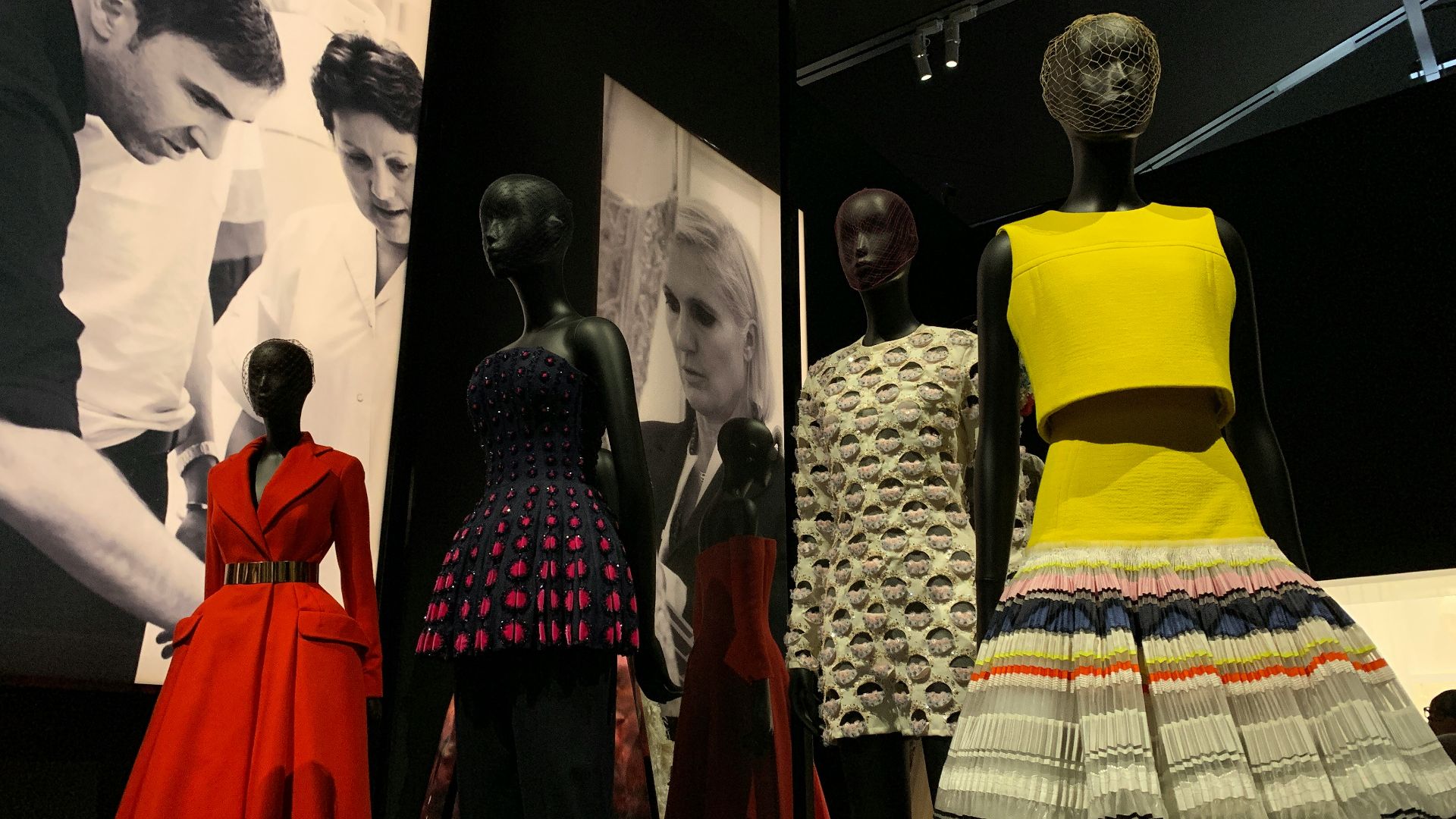
4. Postwar New Look
After World War II, Christian Dior’s New Look reintroduced excess through fabric, structure, and overt femininity. The cinched waist and full skirt marked a return to traditional gender roles after years of wartime utility. It was celebrated by some and criticized by others. That tension is exactly why the silhouette came to define an era negotiating comfort, control, and recovery.
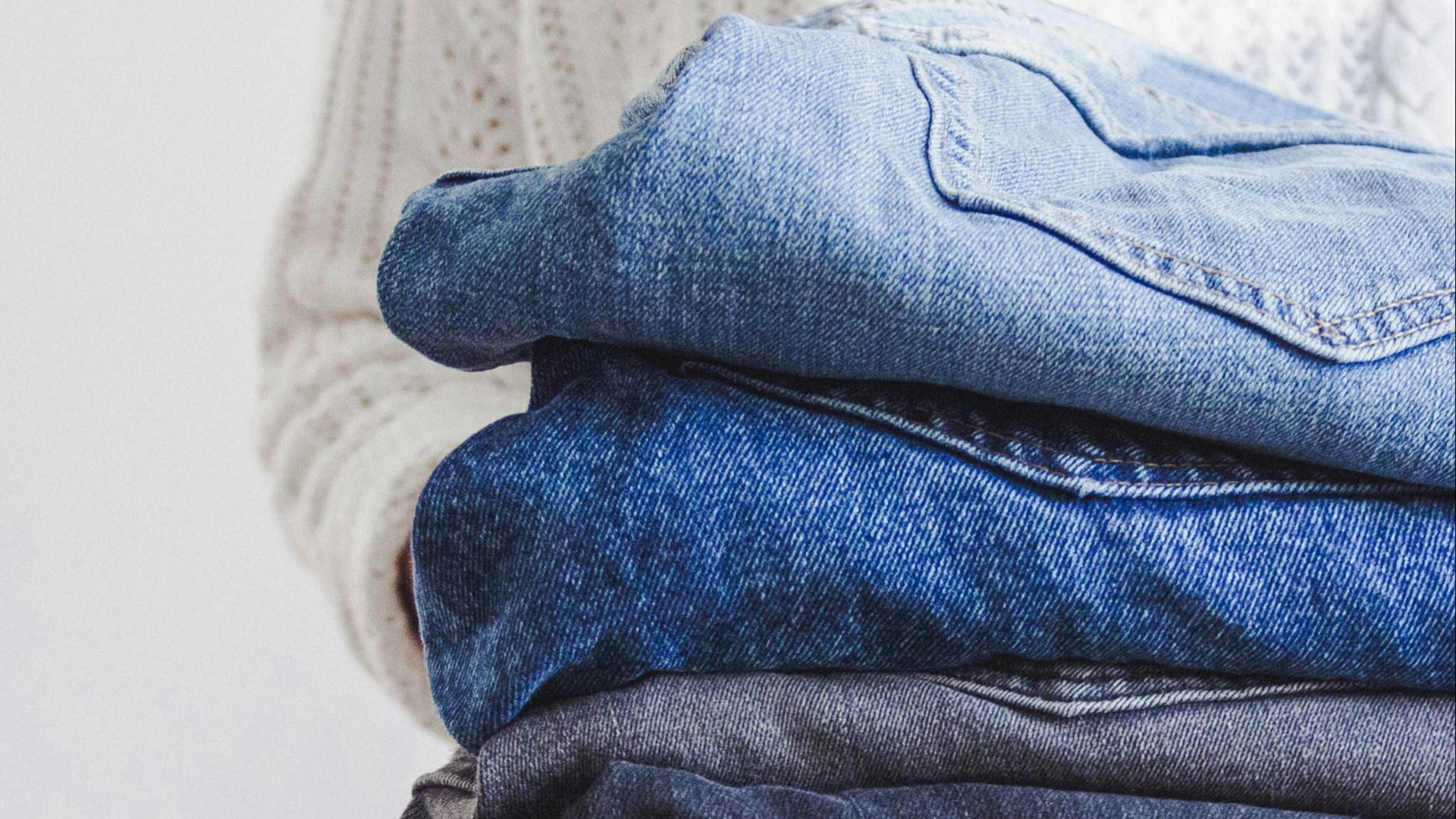
5. Blue Jeans
Once workwear for miners and laborers, blue jeans slowly crossed class boundaries. Their durability made them practical, but their adoption by youth culture gave them symbolic weight. Jeans became shorthand for rebellion without effort. Over decades, they transformed into a global uniform that still carries echoes of defiance.
 Maude Frédérique Lavoie on Unsplash
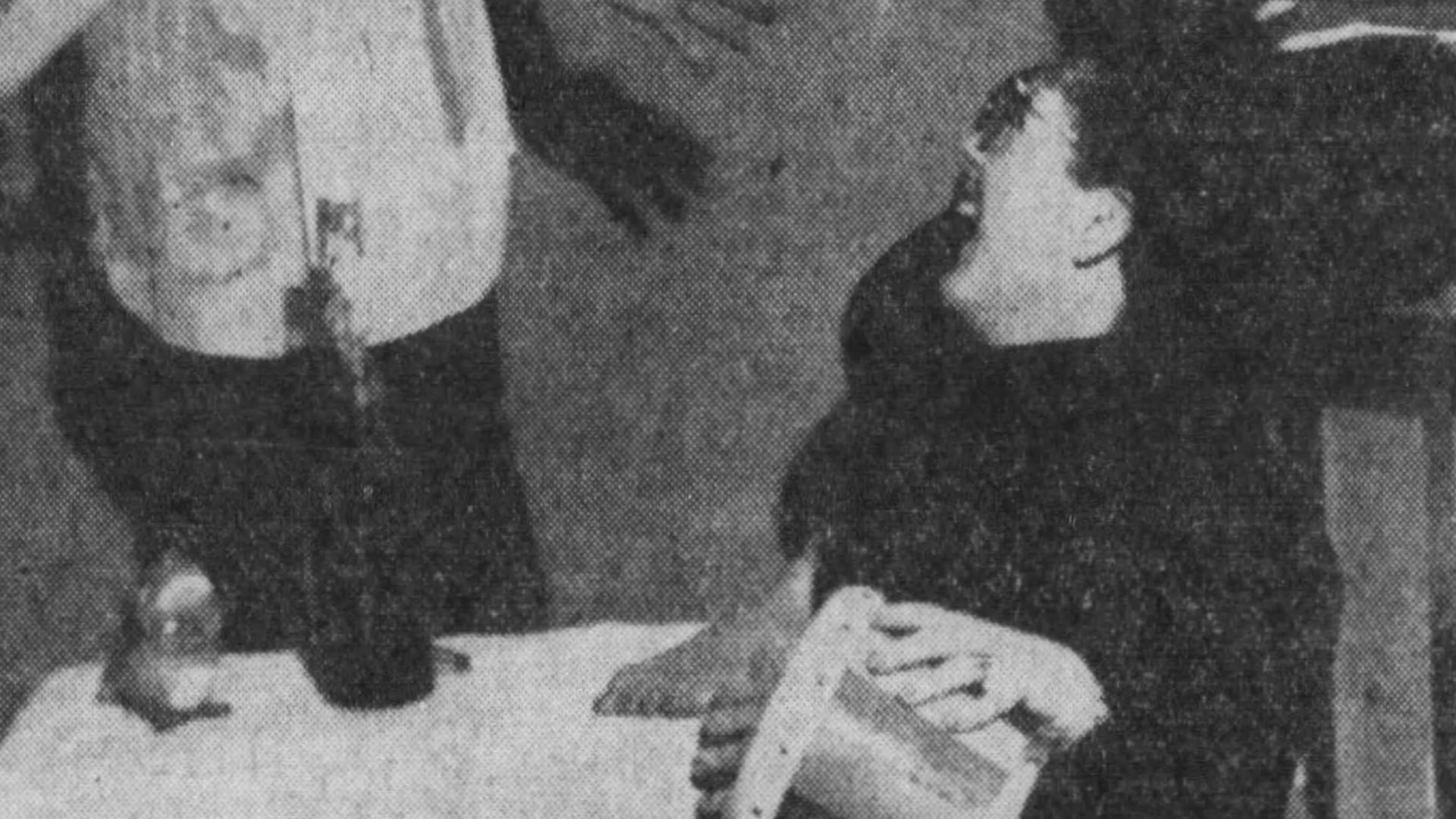
6. The Beatnik Black Turtleneck
The black turtleneck worn by beatniks was intentionally stripped down and intellectual. It rejected flashy consumption in favor of ideas, art, and nonconformity. The uniformity was the point, as dressing alike became a way to signal belonging to a counterculture that valued thought over spectacle.
 Rapid City Journal on Wikimedia
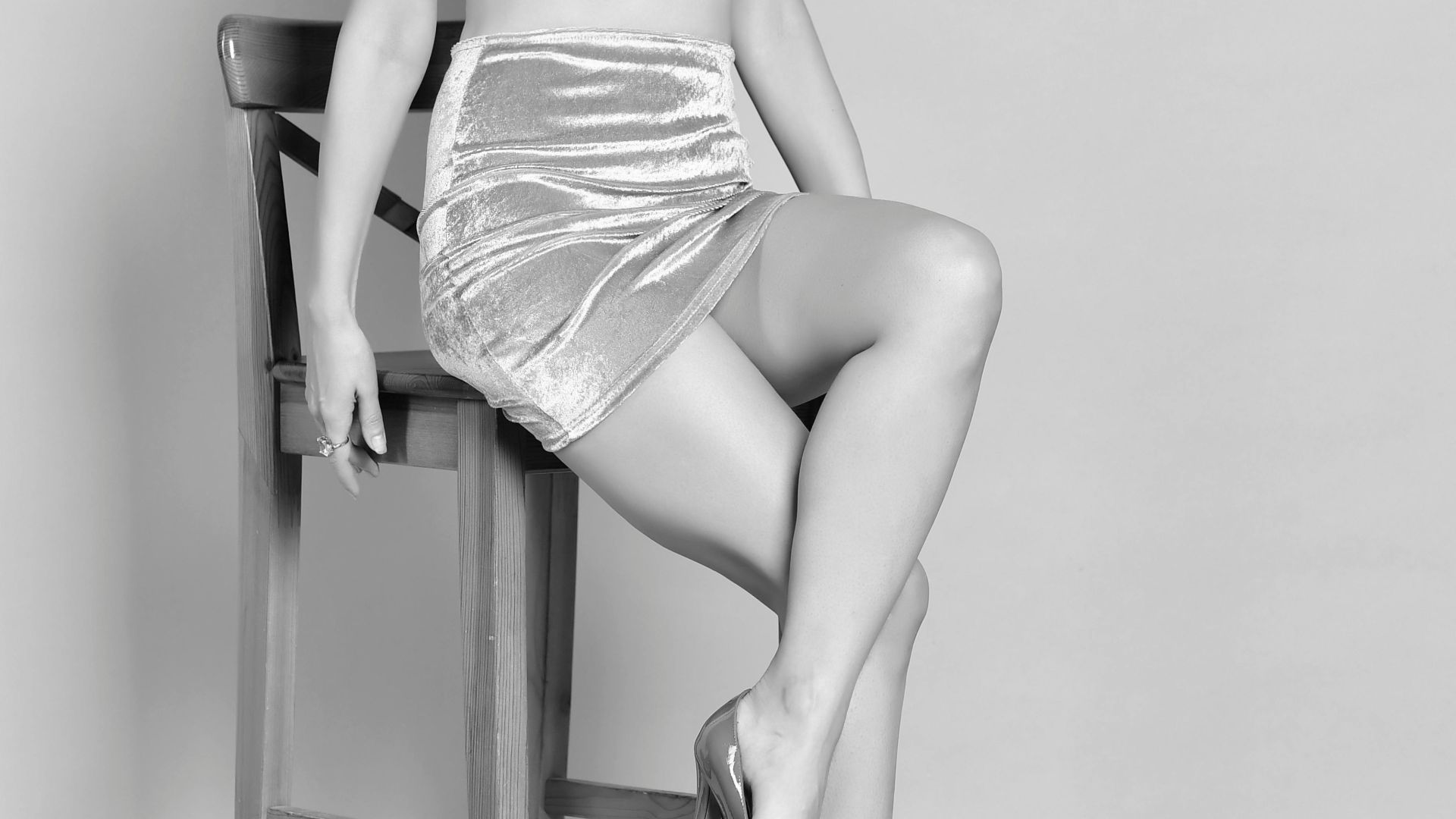
7. The Mod Mini Skirt
The mini skirt didn’t ask for permission. It aligned with youth culture, music, and a growing sense of sexual agency. Older generations saw it as shocking, which only amplified its power.
8. The Hippie Look
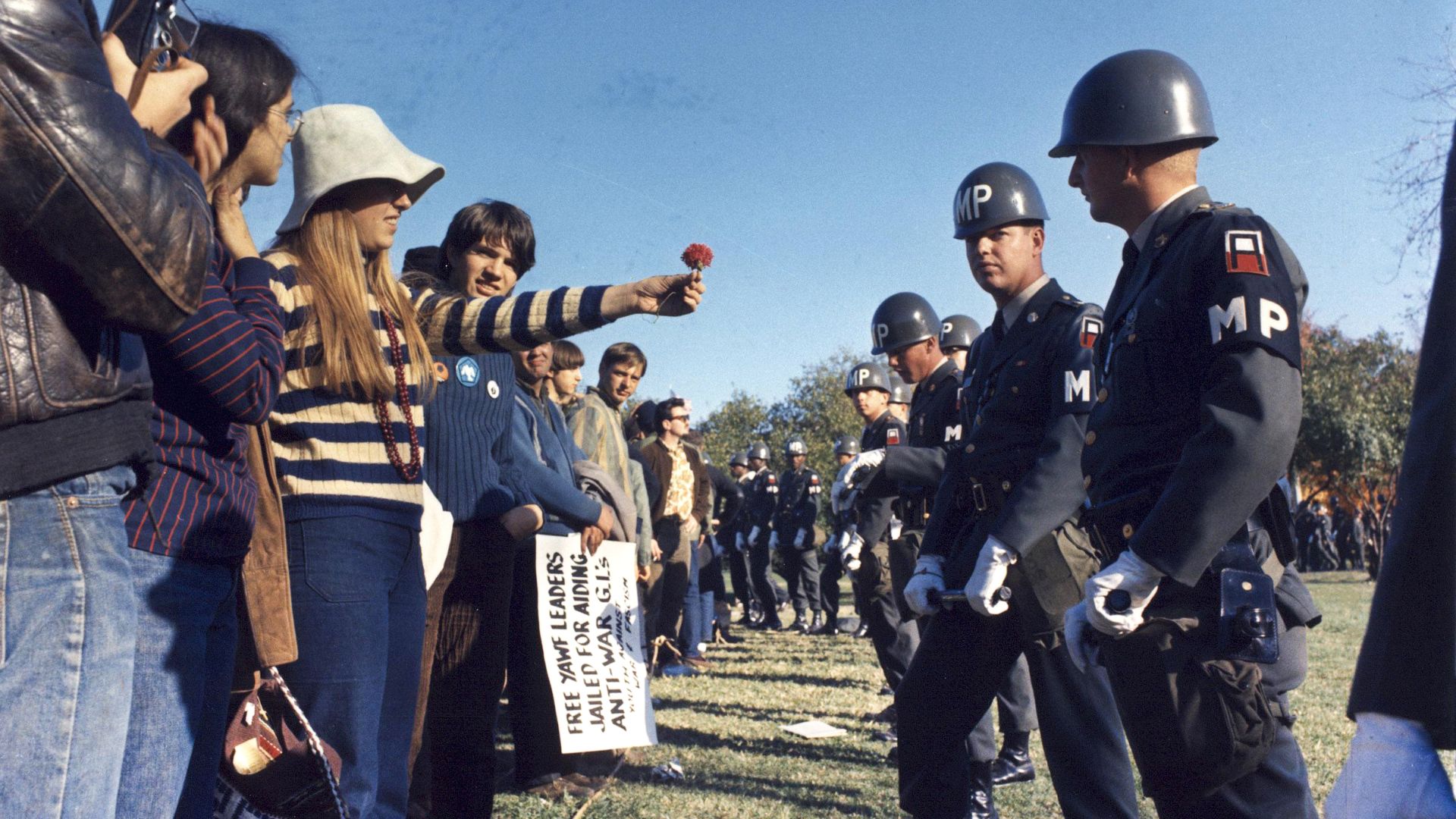
Flowing fabrics, natural fibers, and handmade details defined the hippie aesthetic. It rejected consumerism and embraced idealism, even when that idealism was messy. Clothing became political without needing slogans. The look embodied a generation’s desire to opt out of rigid systems rather than reform them.
9. Power Suits
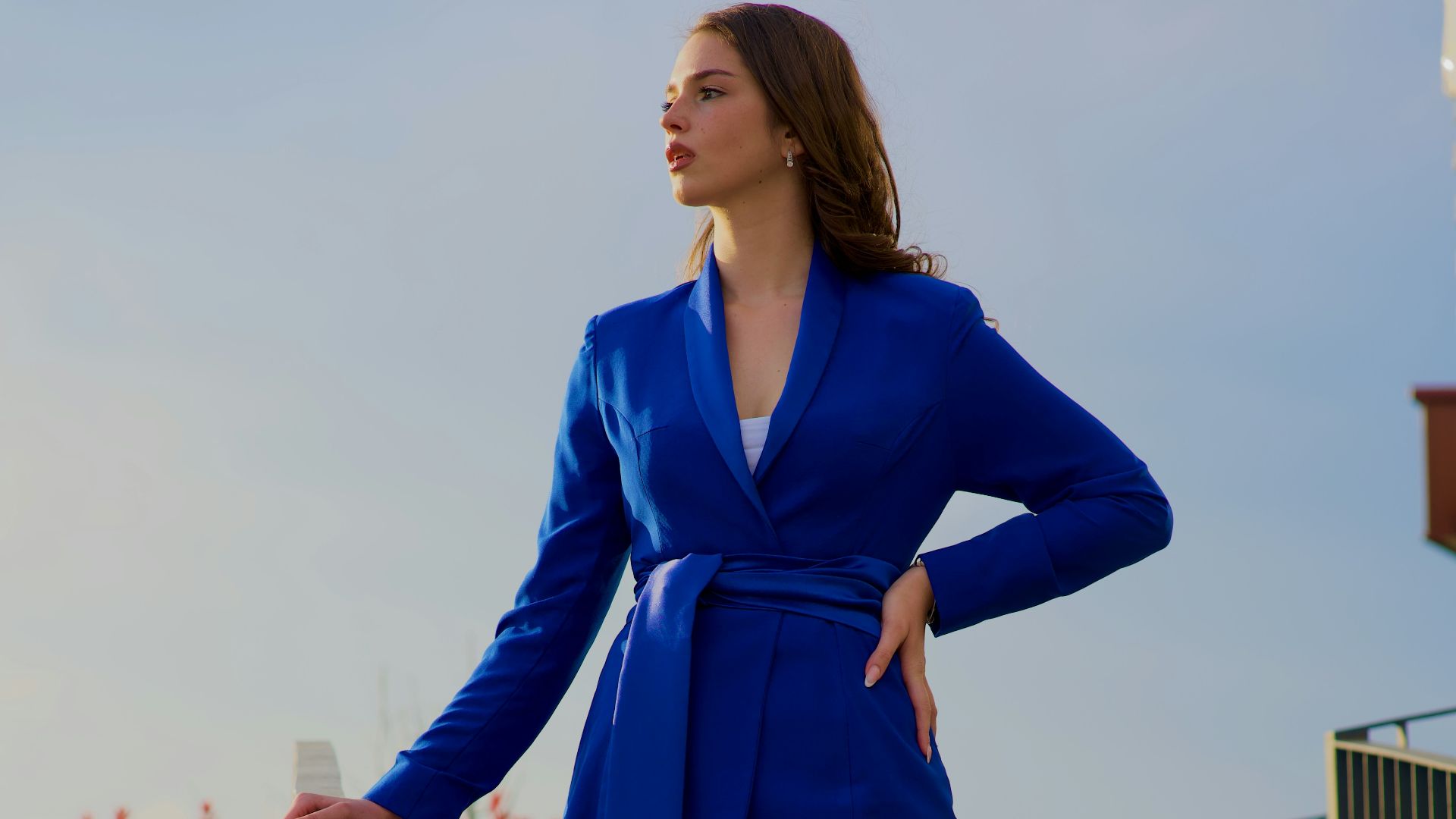
The power suit emerged as women entered corporate spaces that weren’t built for them. Broad shoulders and sharp tailoring borrowed authority from menswear. The look balanced assimilation with assertion. Dressing for power became a strategic act rather than a purely aesthetic one.
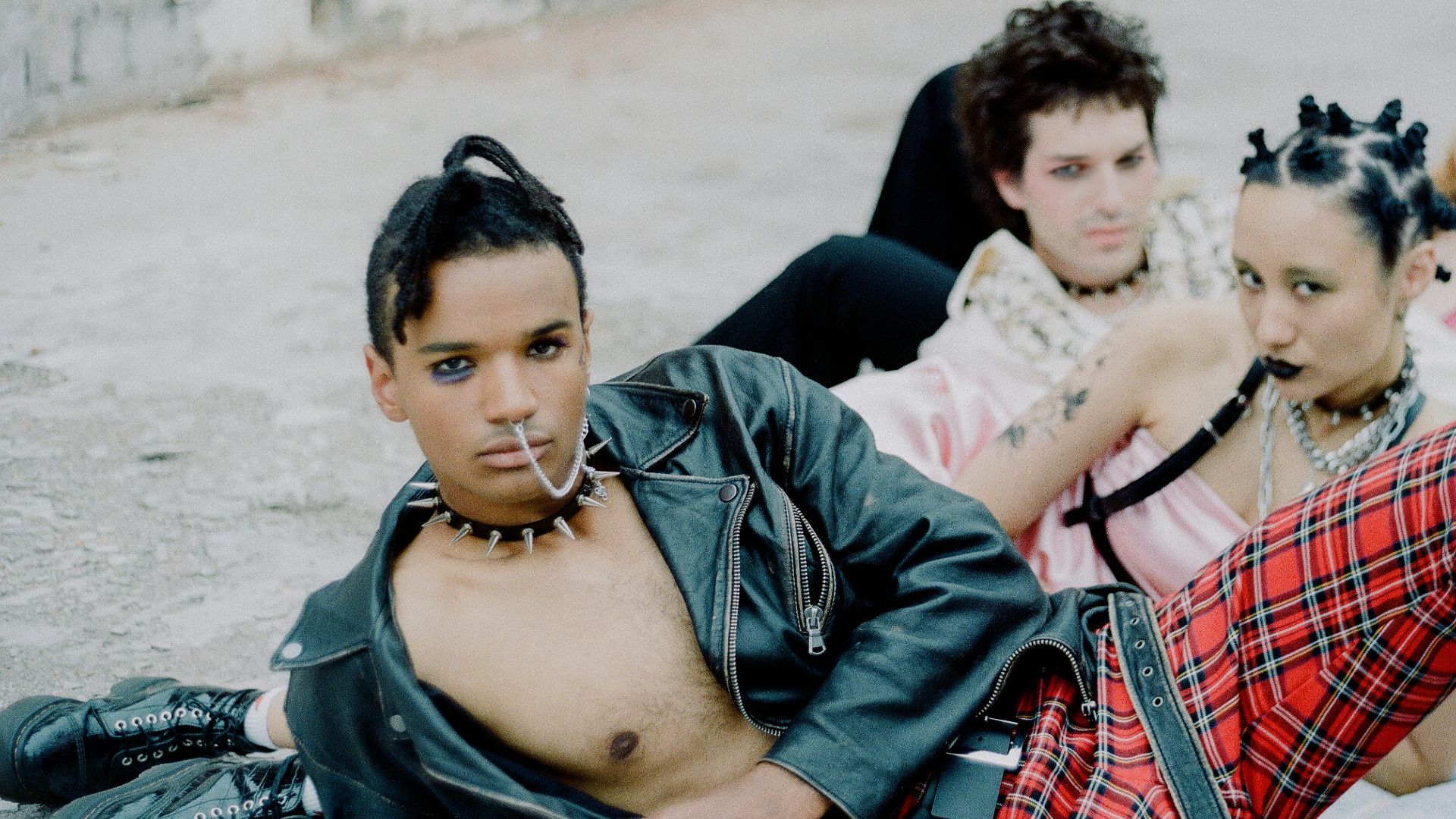
10. Punk Style
Punk fashion was intentionally abrasive, using safety pins, leather, and torn fabric to provoke discomfort. It rejected polish and embraced chaos. Nothing about it aimed to please. The style functioned as visual noise against systems that demanded obedience and refinement.
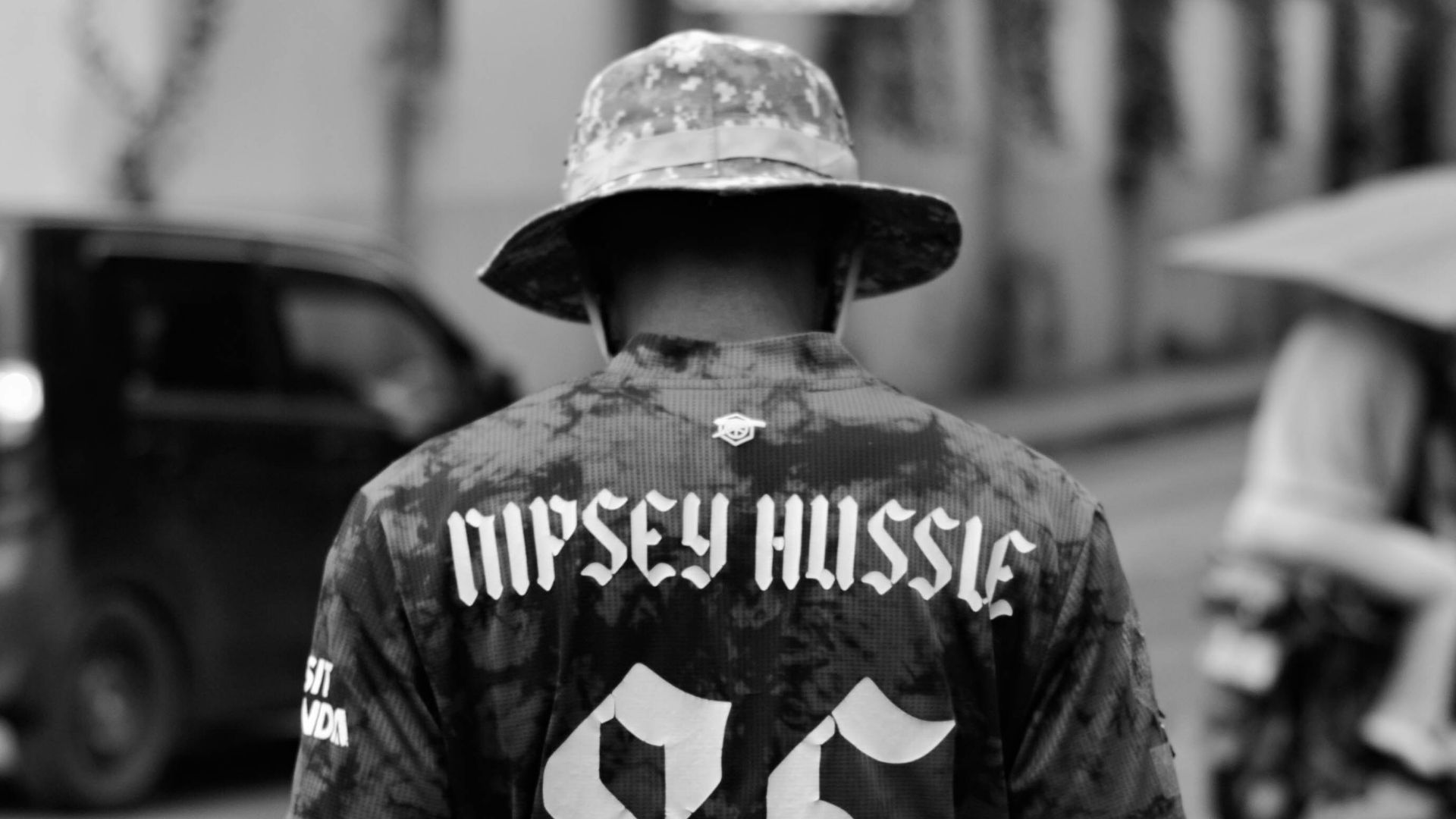
11. Hip-Hop Streetwear
Hip-hop style grew from self-expression, not runways. Oversized silhouettes, sneakers, and bold branding reflected both access and aspiration. The look challenged traditional luxury by redefining what status looked like.
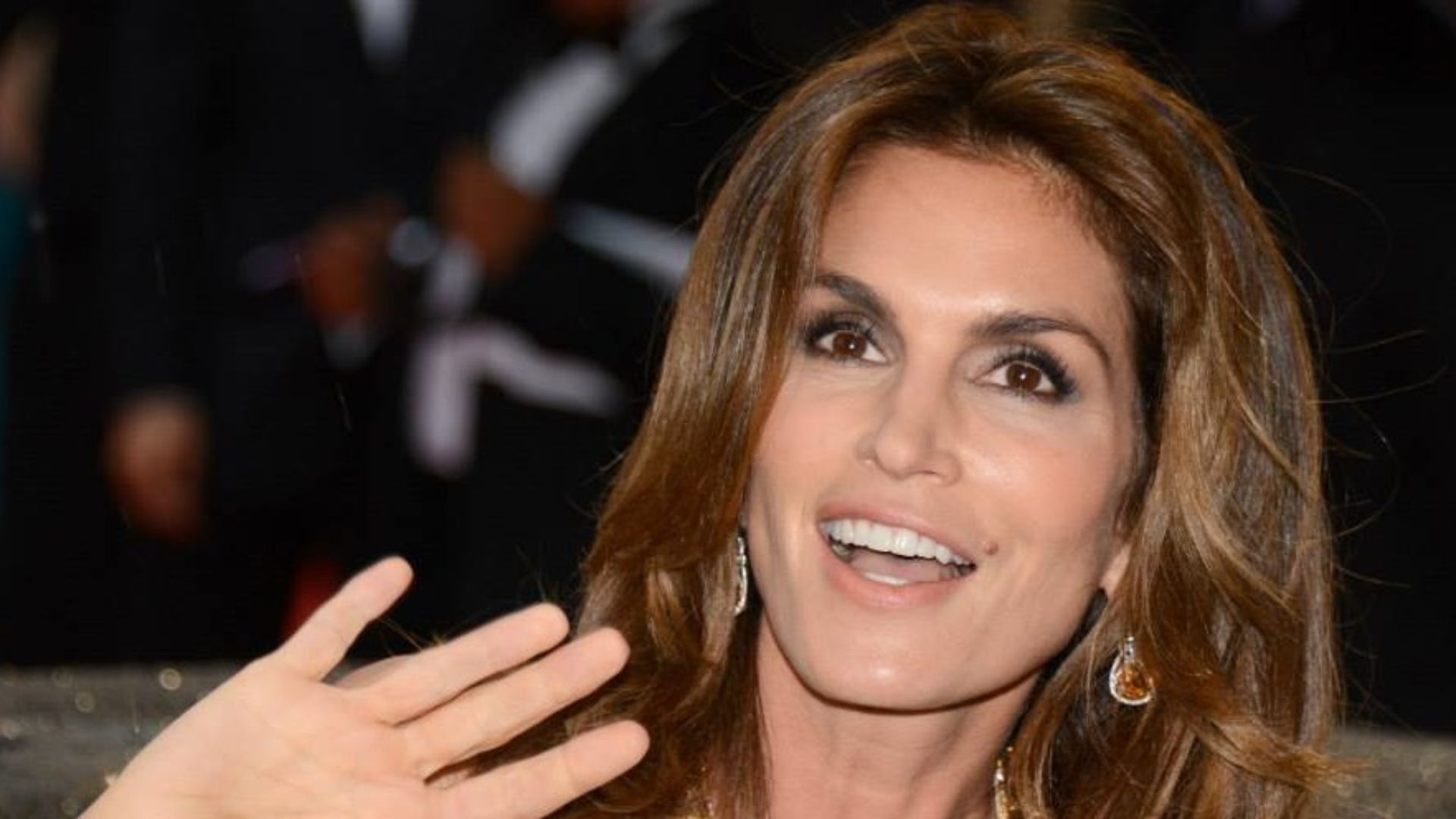
12. The Supermodel Era Look
In the late 80s and early 90s, fashion centered around recognizable faces as much as clothes. The look was glamorous, polished, and unapologetically aspirational. Clothing became inseparable from personality.
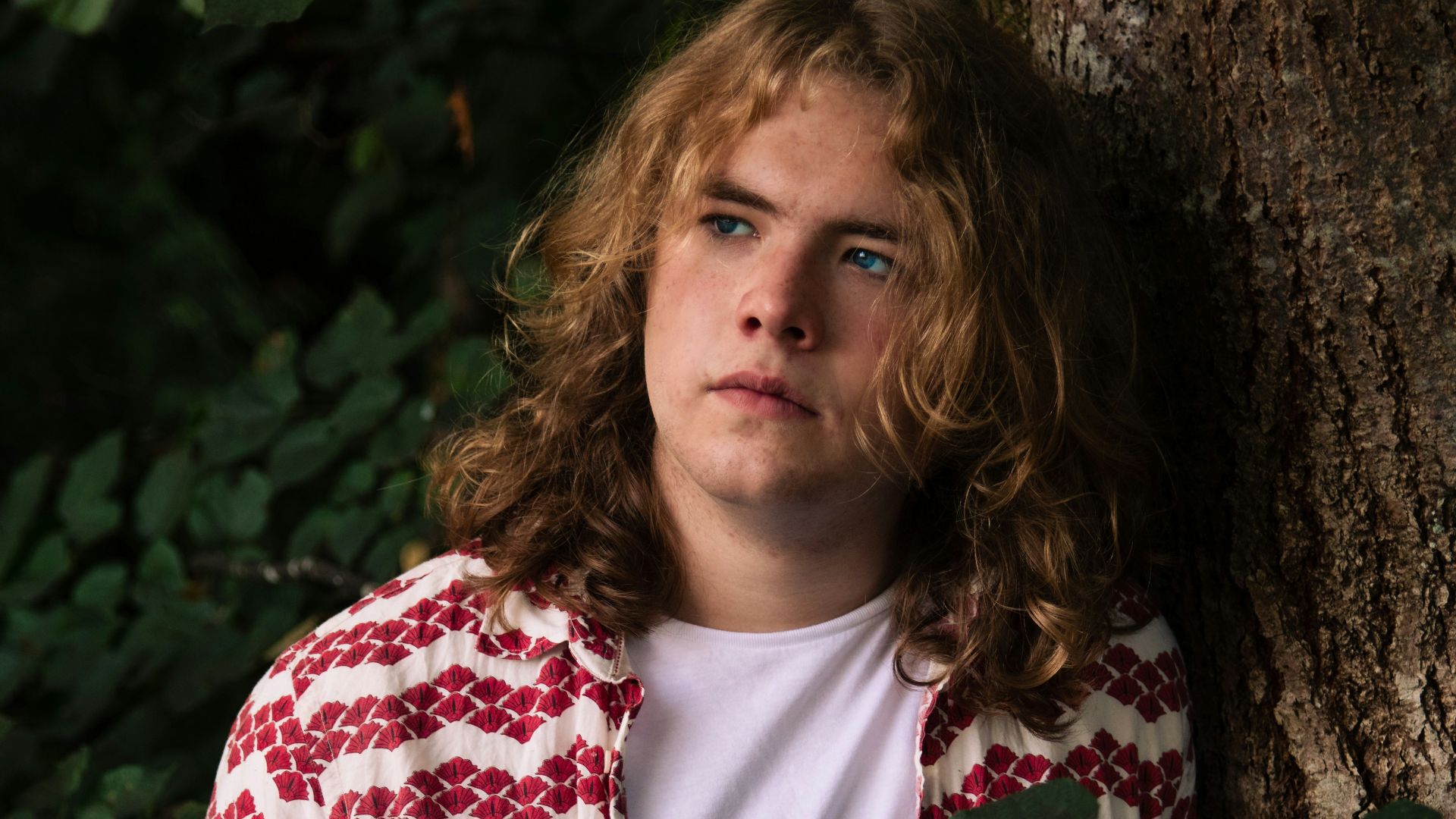
13. Grunge
Grunge looked accidental but wasn’t careless. Thrifted layers, flannel, and worn denim rejected excess by embracing imperfection. It blurred the line between fashion and anti-fashion.
14. Minimalist 90s Chic
Minimalism stripped fashion down to clean lines and neutral tones. Logos faded, silhouettes softened, and restraint became aspirational. The look suggested control rather than excess. In a decade saturated with media, quiet style felt powerful.
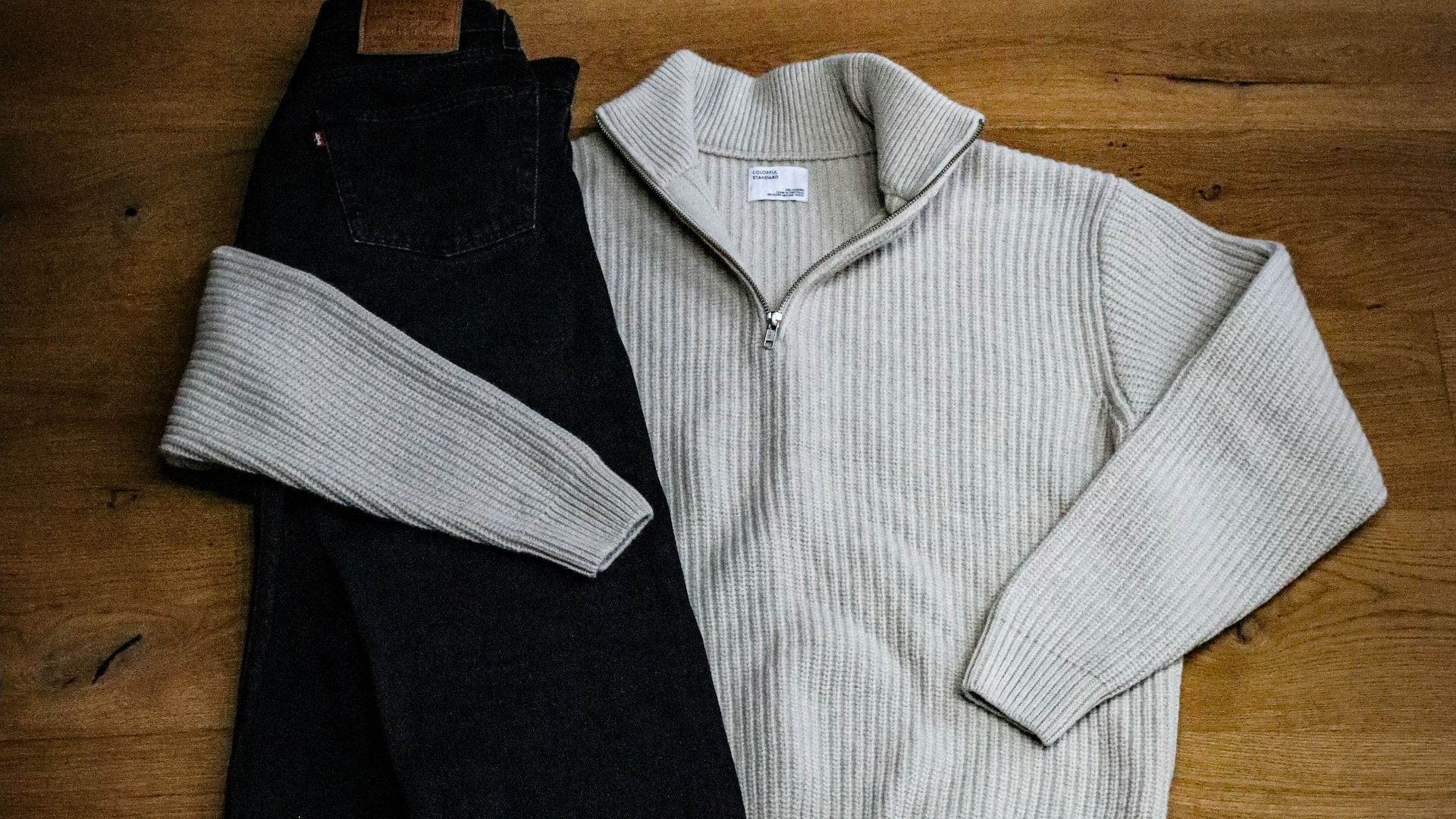
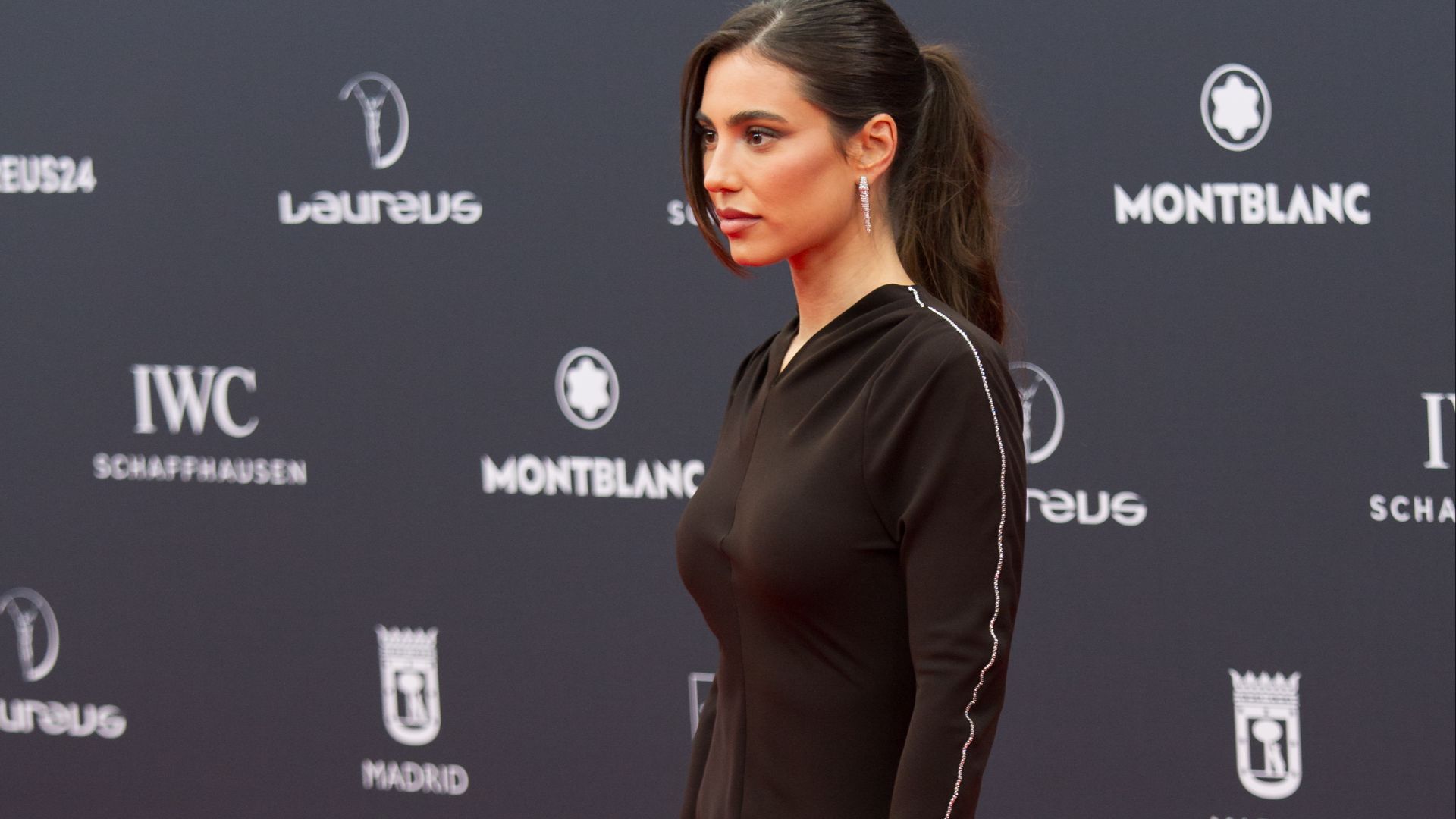
15. The Red Carpet Gown Era
Red carpet fashion transformed celebrities into walking moments. Dresses were designed for impact, photography, and memory. The look wasn’t about daily wear but cultural imprint.
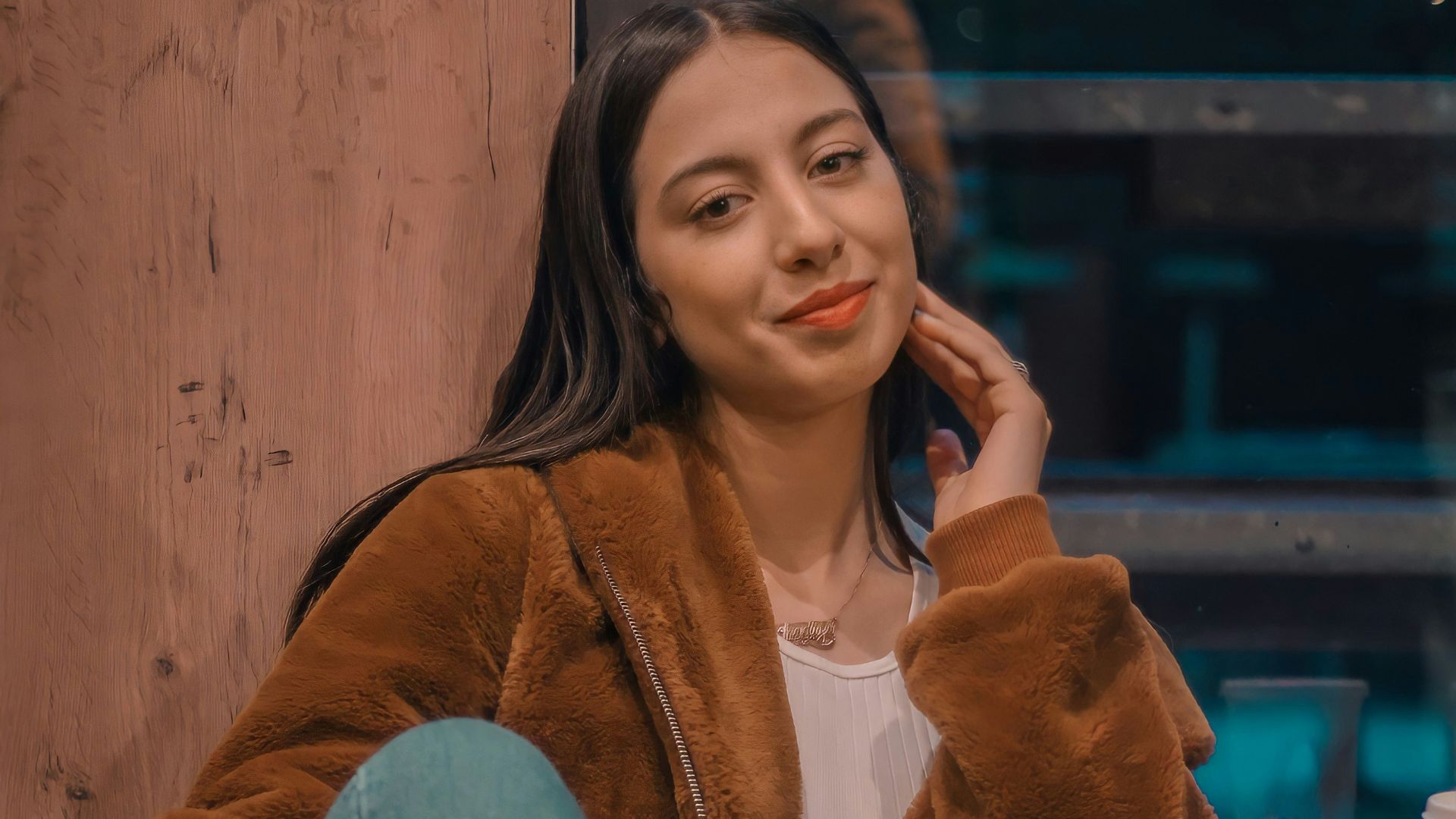
16. Indie Sleaze
Indie sleaze thrived on imperfection, flash photography, and a sense of chaos. It blurred the line between styled and lived-in. The look rejected polish without rejecting attention. Fashion reflected nightlife, spontaneity, and cultural overlap.
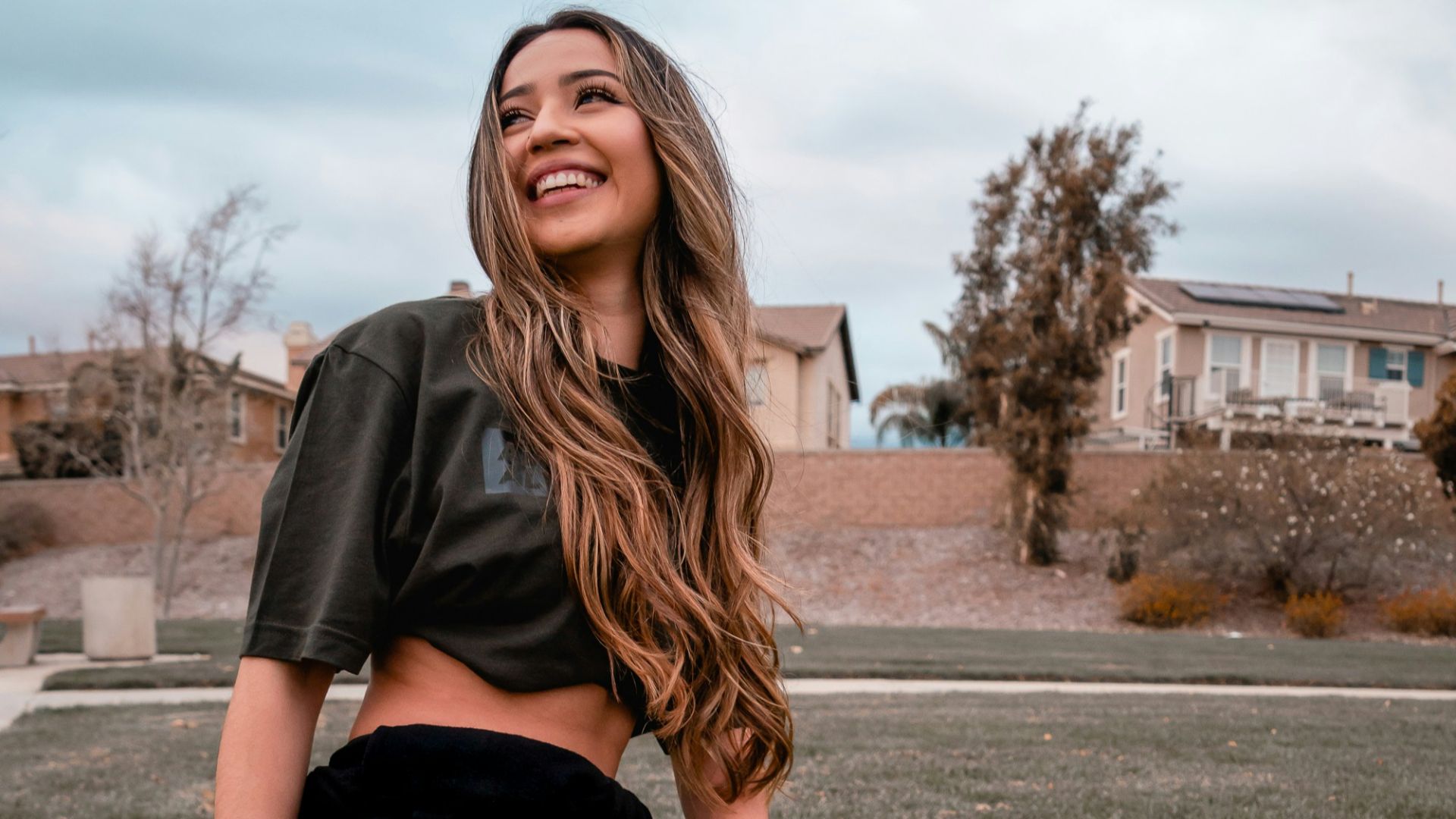
 Khalid Boutchich on Unsplash17. Athleisure
Athleisure erased the line between performance and leisurewear. Comfort stopped being private and became presentable. The look reflected changing ideas about work, wellness, and mobility.
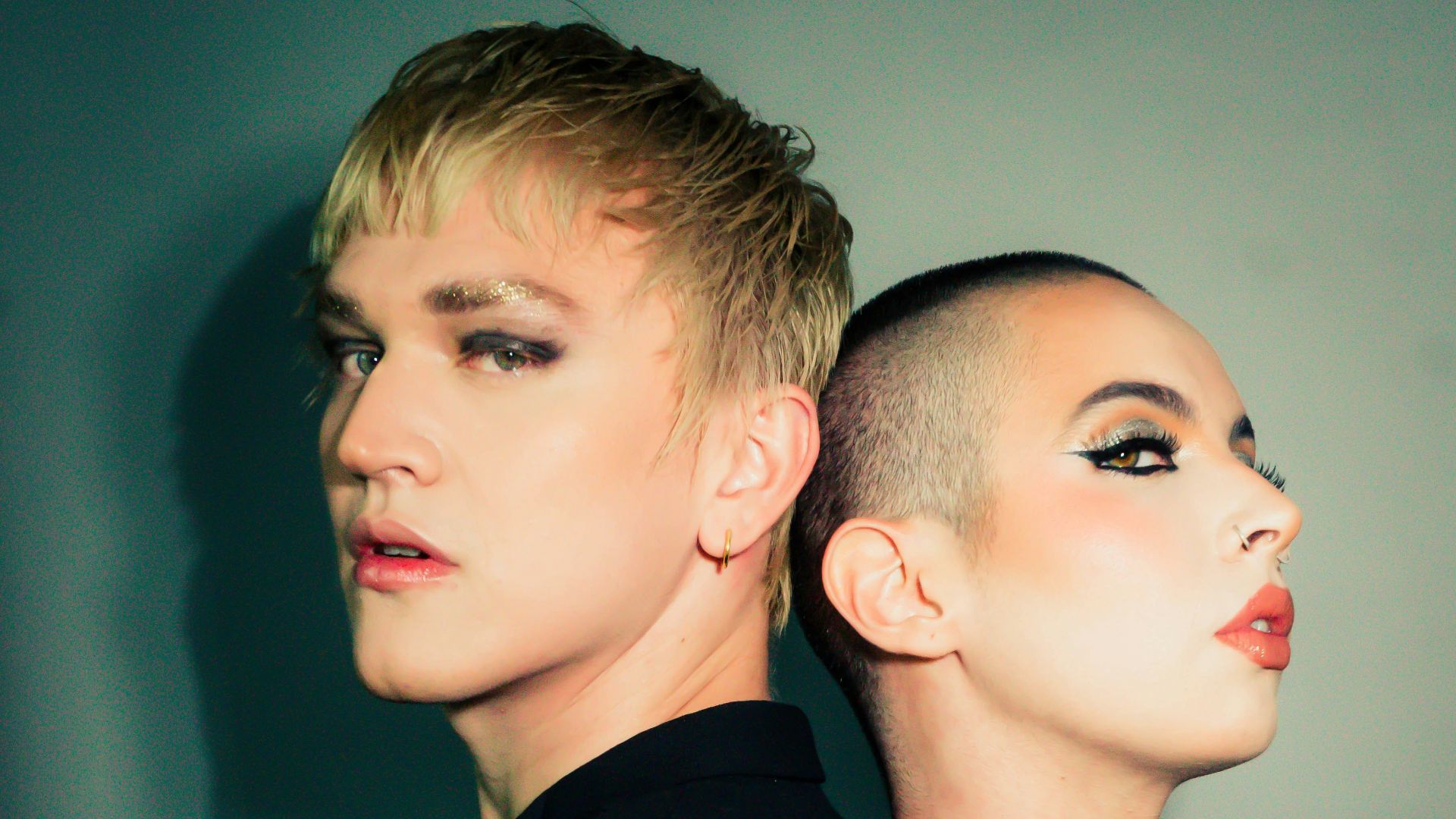
18. Gender-Fluid Fashion
Gender-fluid fashion questioned why clothing needed rigid categories at all. Designers and wearers pushed silhouettes beyond binaries, as the look prioritized expression over tradition.
19. Quiet Luxury
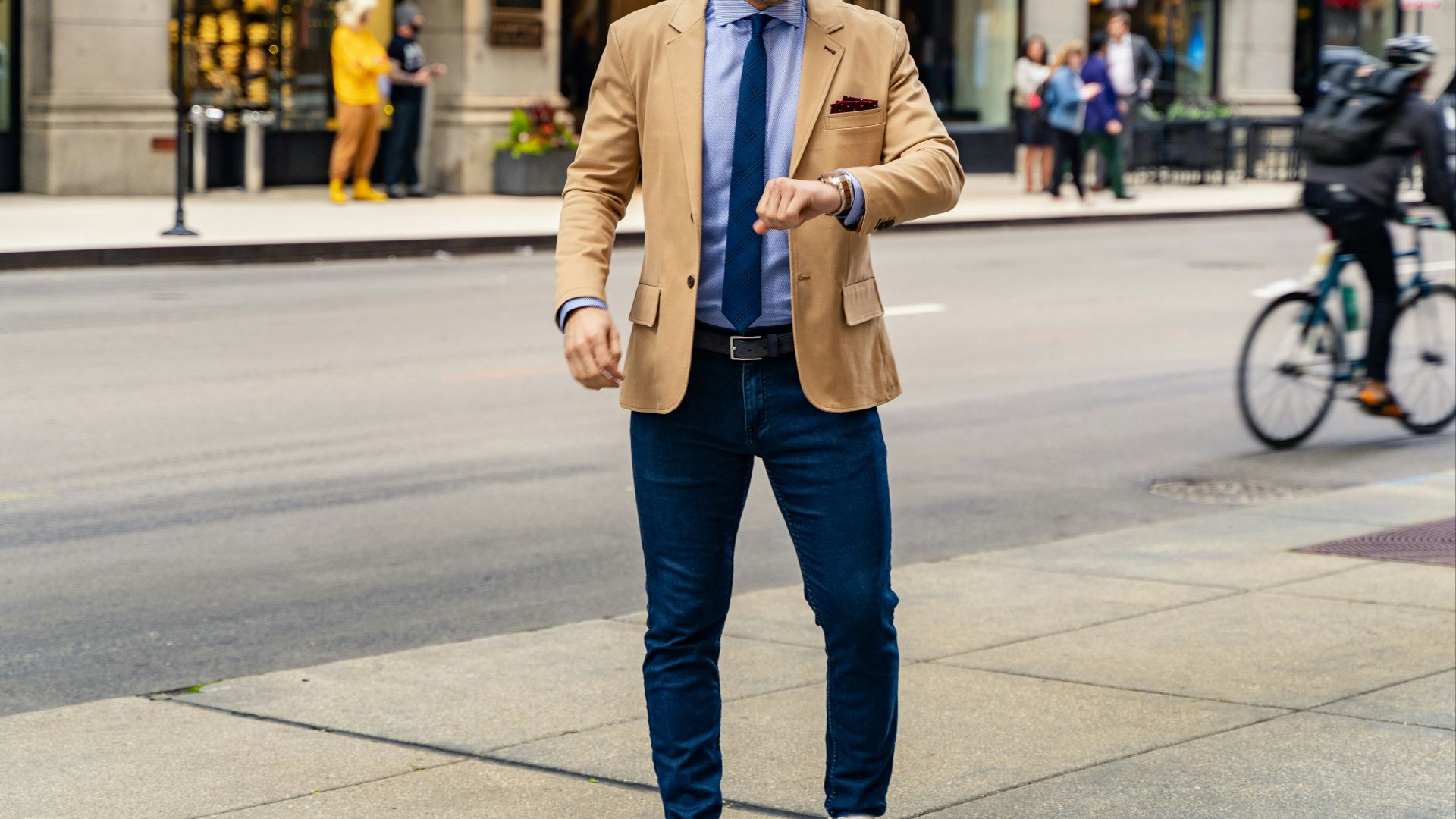
Quiet luxury favors subtle tailoring, muted palettes, and minimal branding. It signals wealth through discretion rather than display. The look rejects obvious markers in favor of coded ones.
20. Digital-Era Maximalism
Maximalism in the digital age feeds on visibility, experimentation, and speed. Looks are designed to circulate, remix, and evolve online. Style becomes both personal expression and content in an attention-driven landscape.