Separating the Smart Buys From the Short-Lived Buzz
Trends move fast, but not all of them deserve the same level of investment. Some reflect lasting changes in how people live, work, and shop, while others are built almost entirely on novelty and social media momentum. The difference usually shows up a year later, when certain purchases are still useful, and others feel embarrassing. Paying attention to longevity, practicality, and quality helps cut through the noise. It also makes trend-watching a lot less expensive. Here are 10 trends worth splurging on and 10 that'll be gone by next year.
 Karolina Grabowska www.kaboompics.com on Pexels
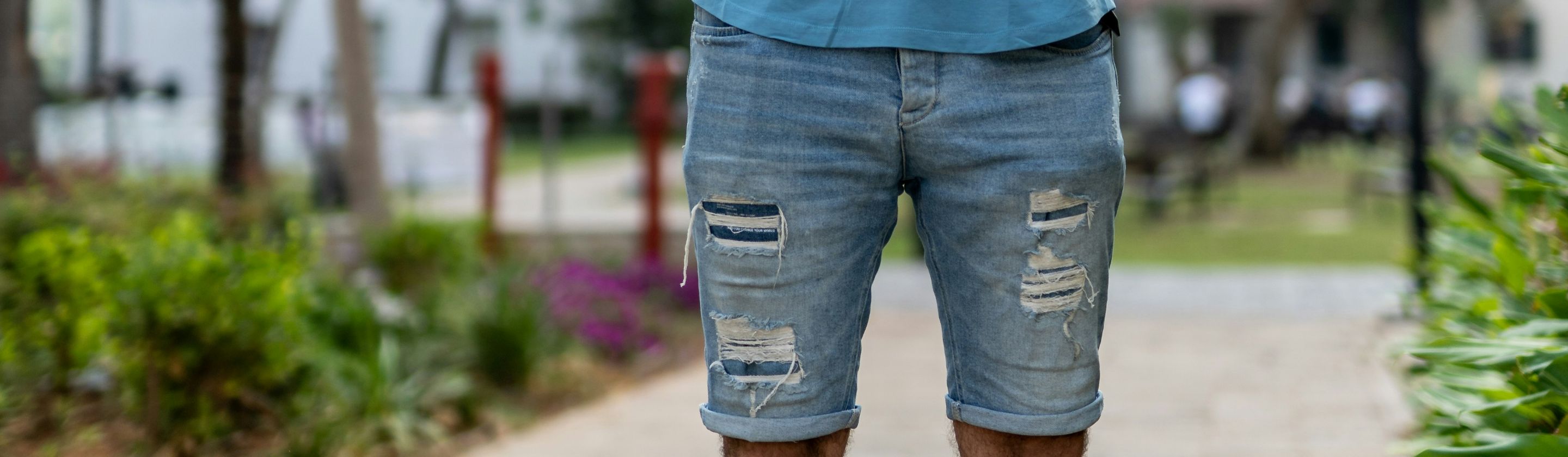
1. High-Quality Basics With Better Construction
Well-made staples are having a quiet comeback as shoppers grow tired of disposable clothing. People are paying closer attention to fabric weight, stitching, and how items hold their shape over time. Spending more upfront often means replacing items less frequently. That long-term value is hard to ignore, and these pieces also mix more easily with changing styles.

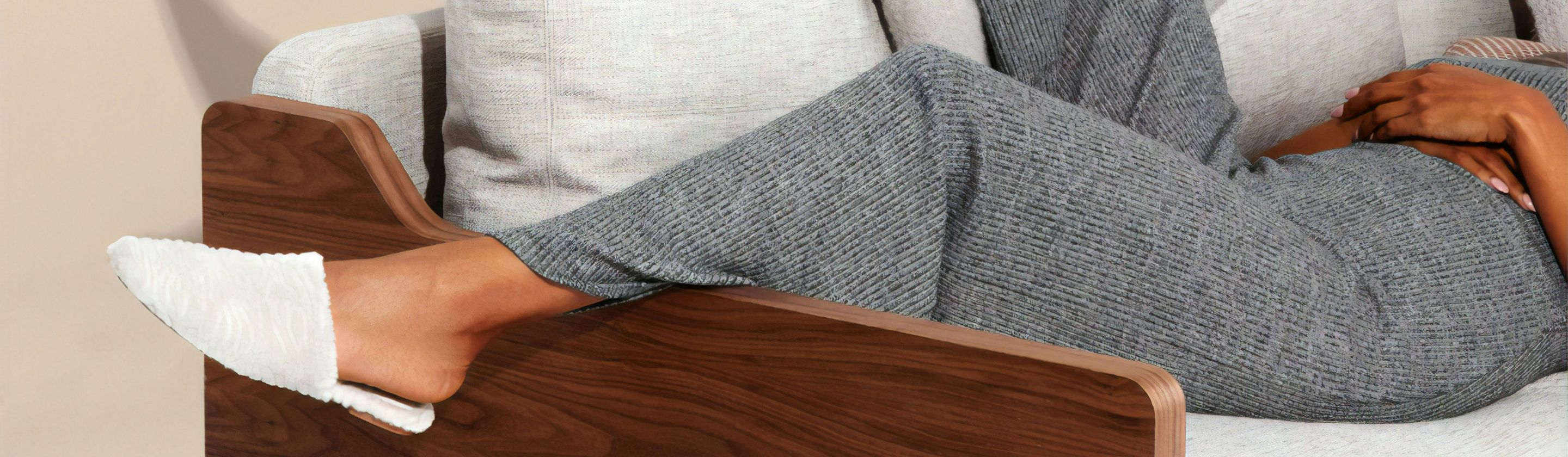
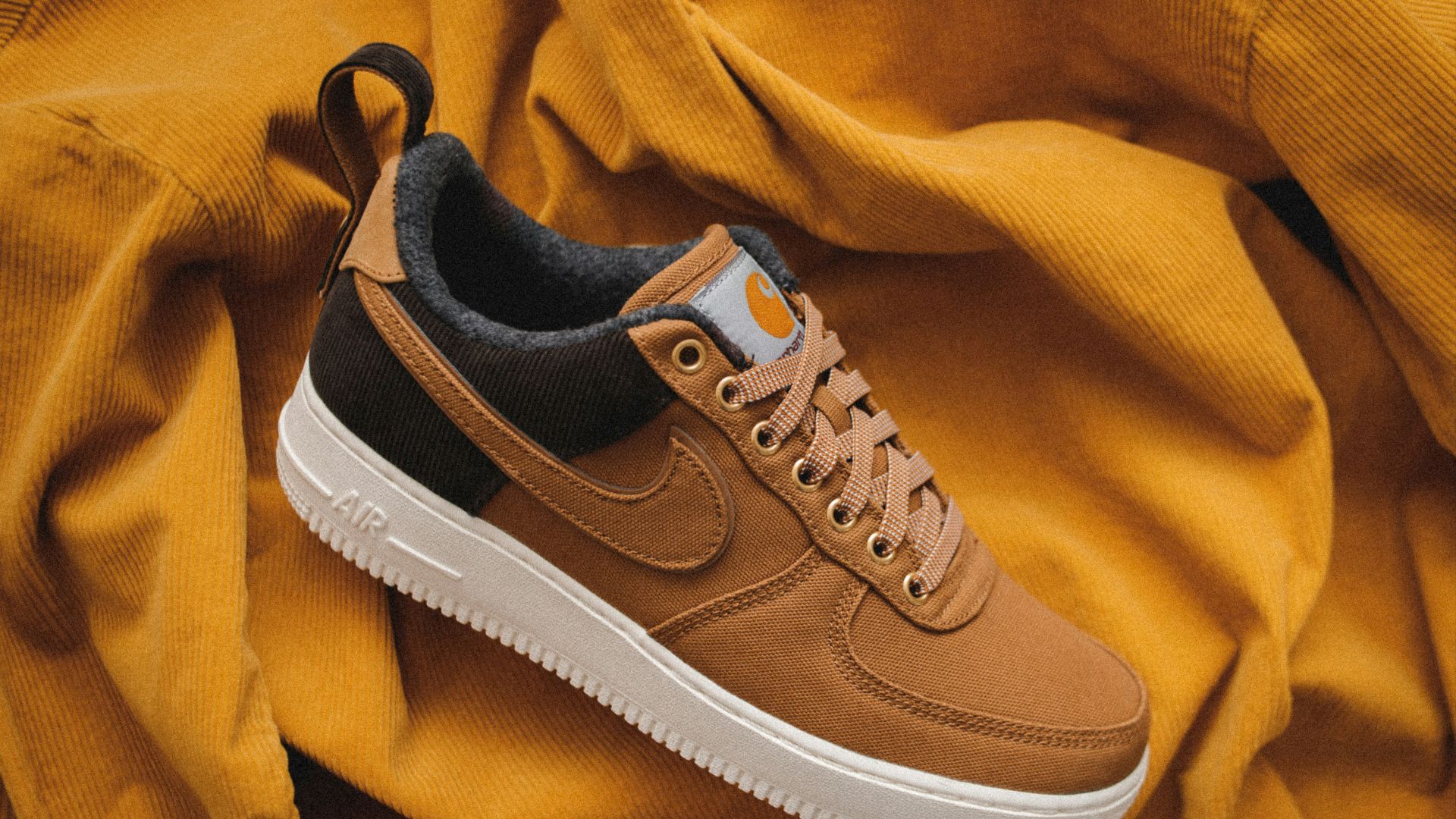
2. Comfortable Yet Polished Footwear
Shoes that balance support with style are no longer a niche category. Brands are responding to how people actually move through their days. Comfort is becoming a baseline expectation rather than a bonus. Investing here improves daily life in subtle ways. Furthermore, pain-free footwear tends to earn repeat wear.
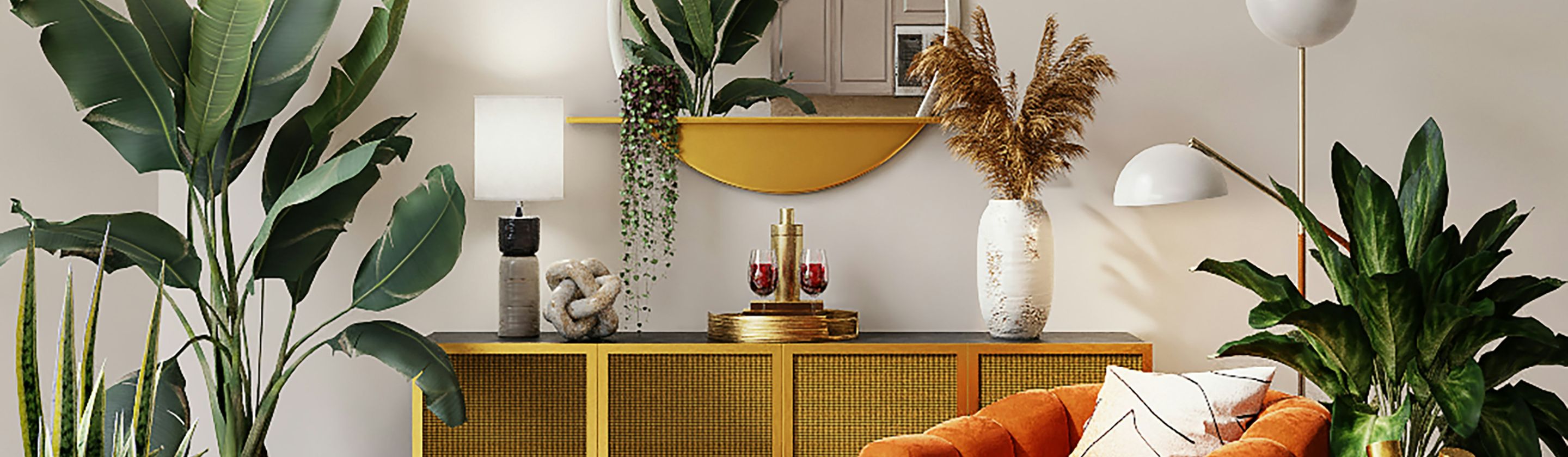
3. Furniture Designed for Smaller, Flexible Spaces
Modular sofas, expandable tables, and hidden storage are becoming household essentials. Living spaces are being asked to serve multiple purposes at once. Furniture that adapts reduces the need for constant upgrades. This flexibility makes the higher price tag easier to justify.
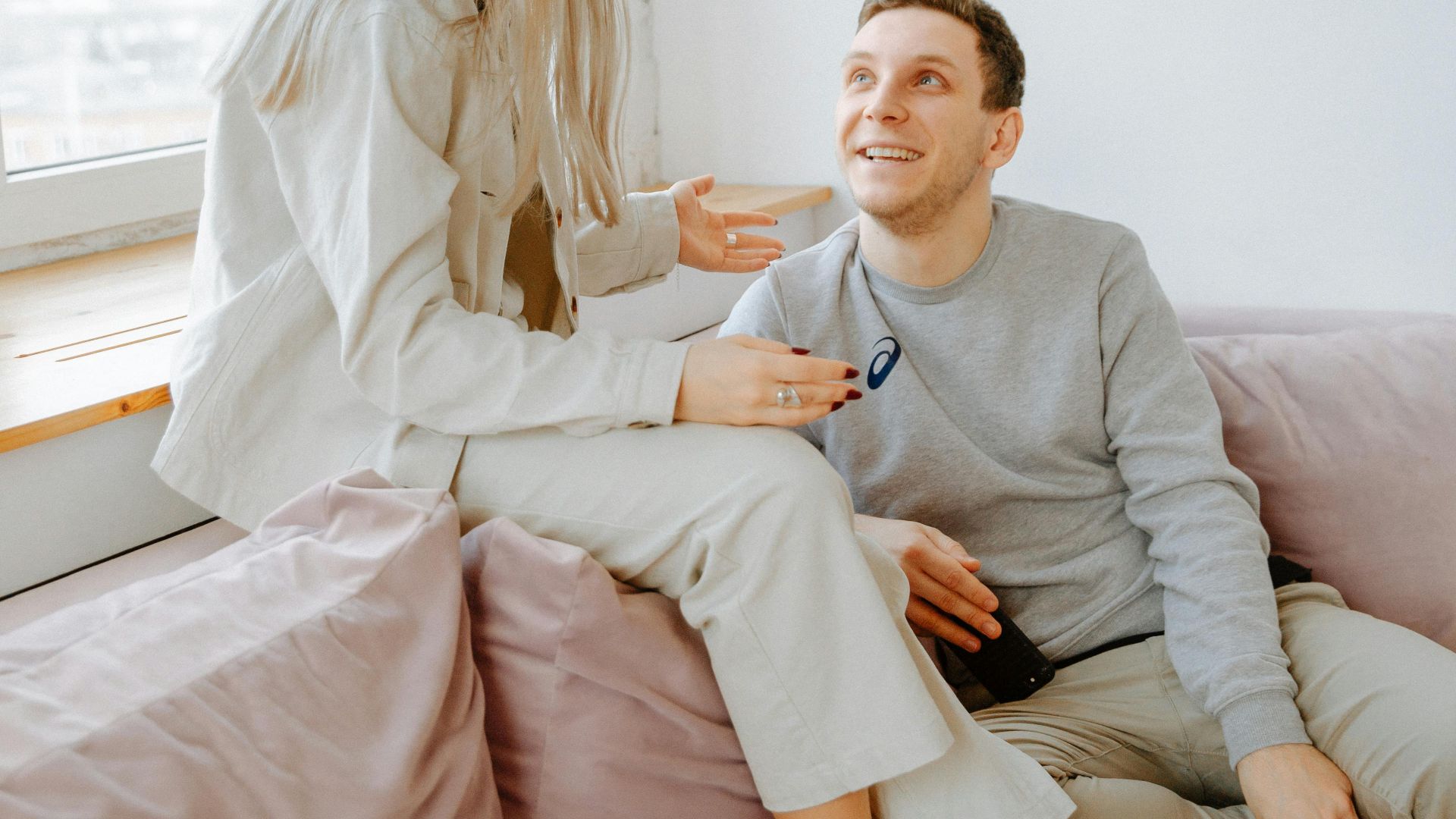
4. Experiences Over Physical Objects
Travel, classes, and events are replacing impulse buys for many people. Experiences don’t create clutter or buyer’s remorse in the same way. They often hold emotional value long after the moment passes. The shift toward spending on memory-making rather than accumulation feels increasingly permanent.
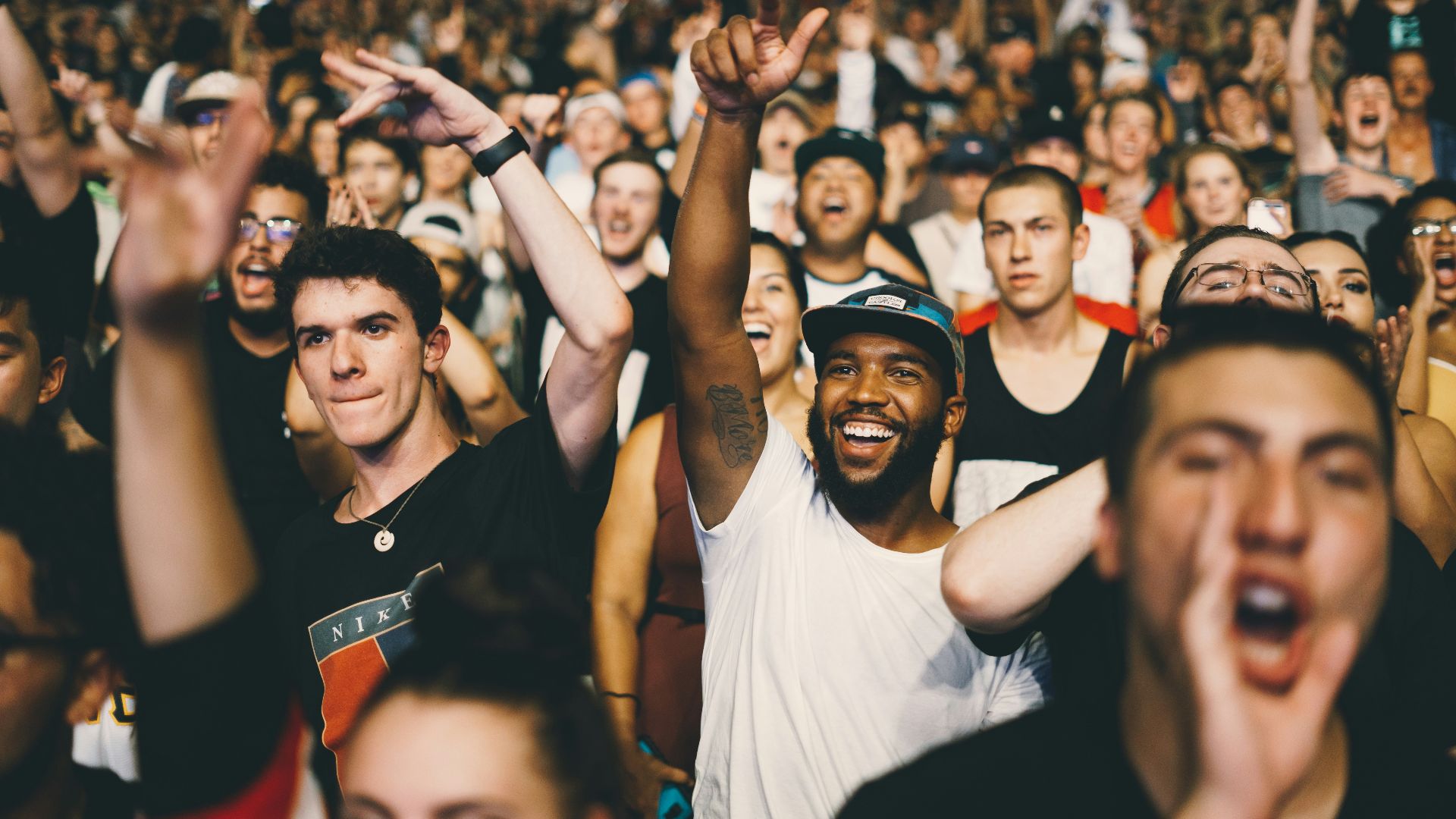
5. Technology That Genuinely Saves Time
The novelty phase of smart tech has worn off. What remains are tools that actually streamline routines and remove friction from daily tasks. Consumers are becoming selective about what earns a spot in their homes. If it saves time consistently, it’s worth the investment.
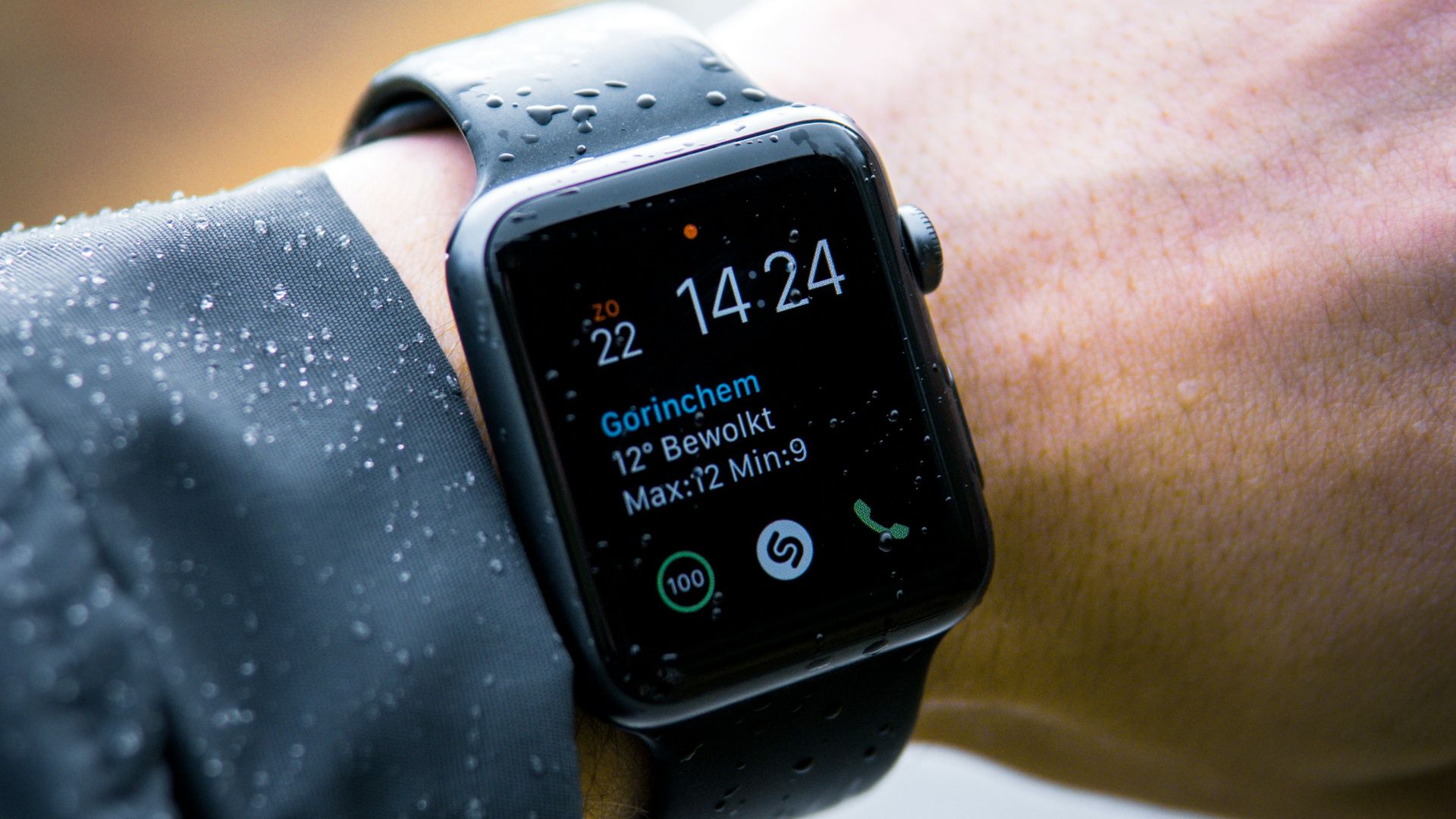
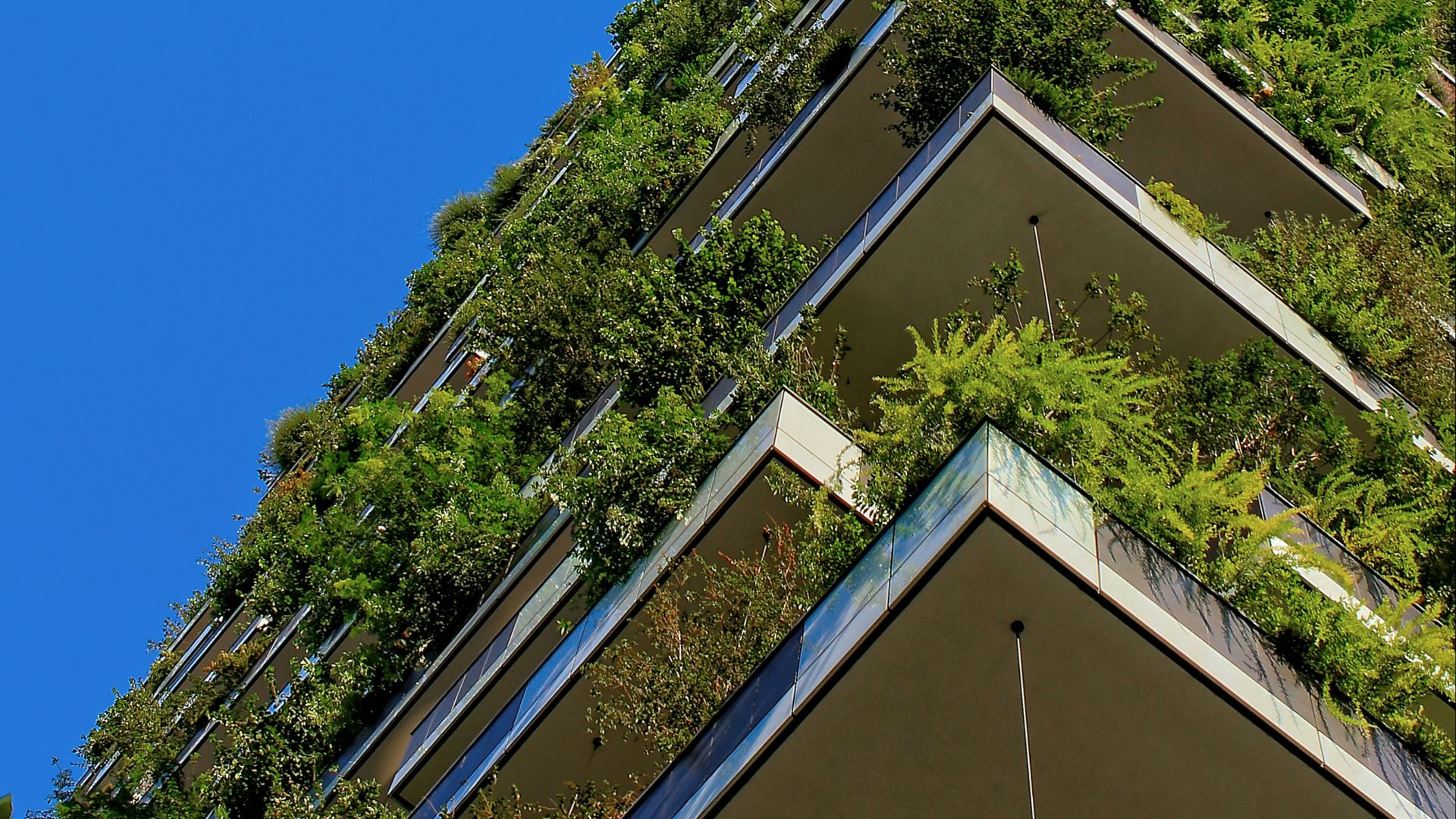
6. Sustainable Materials With Real Durability
Sustainability claims are under more scrutiny than ever. Products that truly last are gaining trust over trend-driven alternatives. Durability often aligns naturally with responsible sourcing, as buyers are learning to spot substance over marketing language. Longevity is becoming part of the sustainability conversation.
 Ricardo Gomez Angel on Unsplash
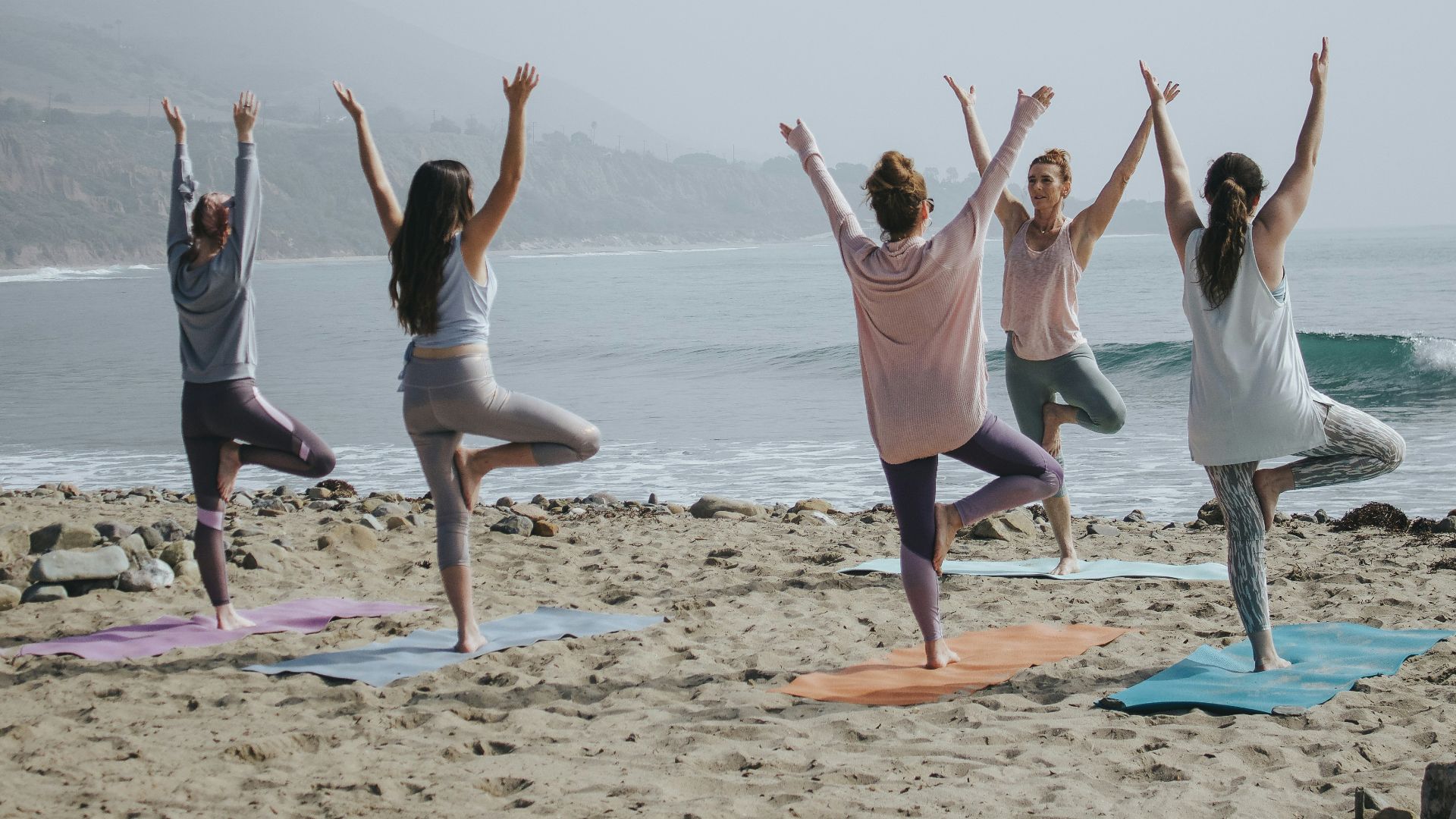
7. Personalized Health and Wellness Solutions
One-size-fits-all wellness advice is losing relevance. People want approaches tailored to their habits, bodies, and schedules. Customization increases engagement and results. That makes these services feel more valuable. The shift reflects broader expectations across industries.
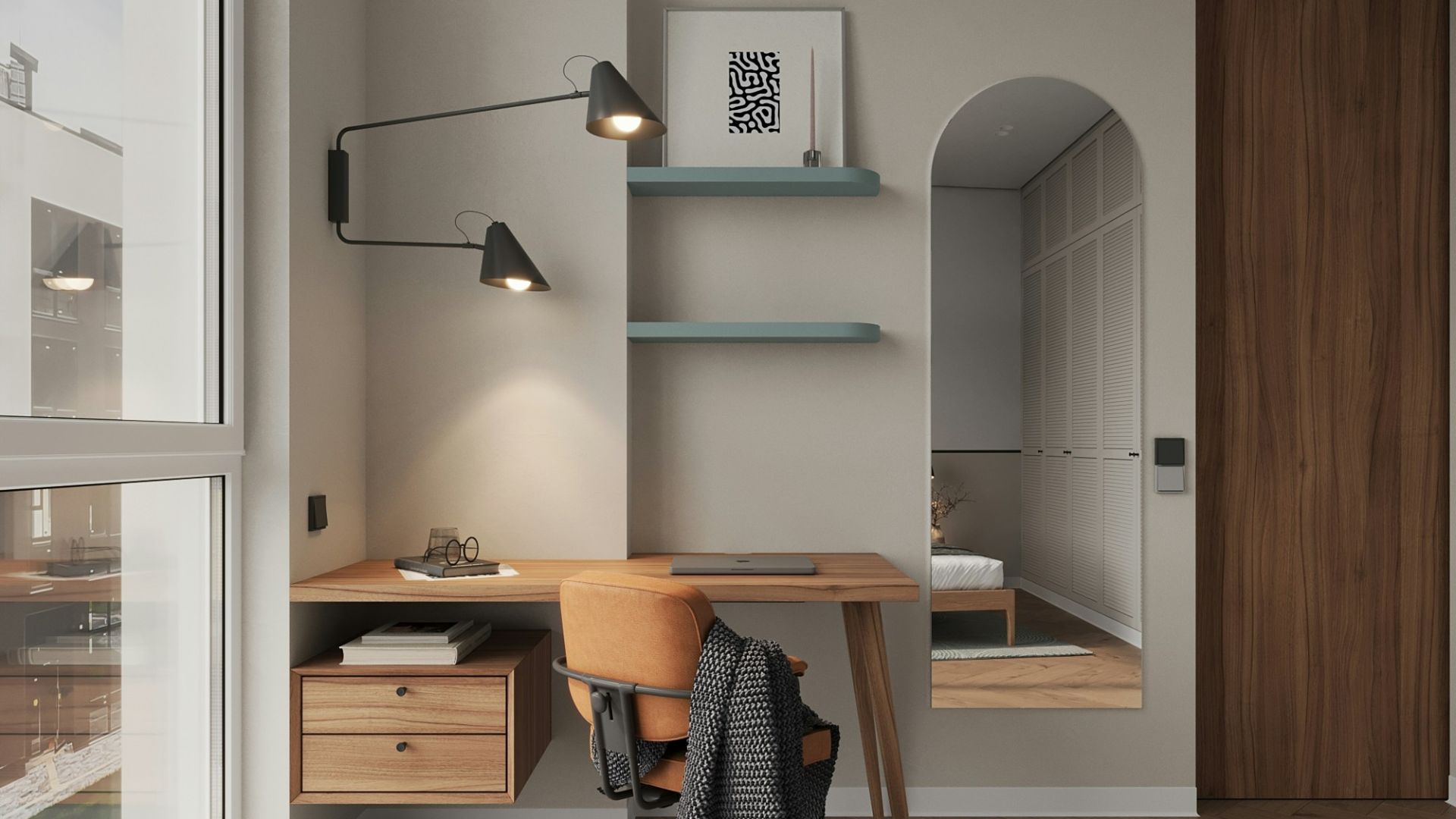
8. Timeless Home Finishes
Bold interiors age quickly, while classic ones evolve more gracefully. Neutral tones and natural materials provide flexibility as tastes change. They allow personality to come through without locking a space into a specific era. This approach also holds resale value better, as longevity wins over shock value.
9. Education and Skill Development
Learning is being reframed as a form of self-investment. Online courses and workshops offer practical returns beyond entertainment. Skills carry forward regardless of trends. That makes them a smart use of discretionary spending. Remember, knowledge compounds over time.
 Desola Lanre-Ologun on Unsplash
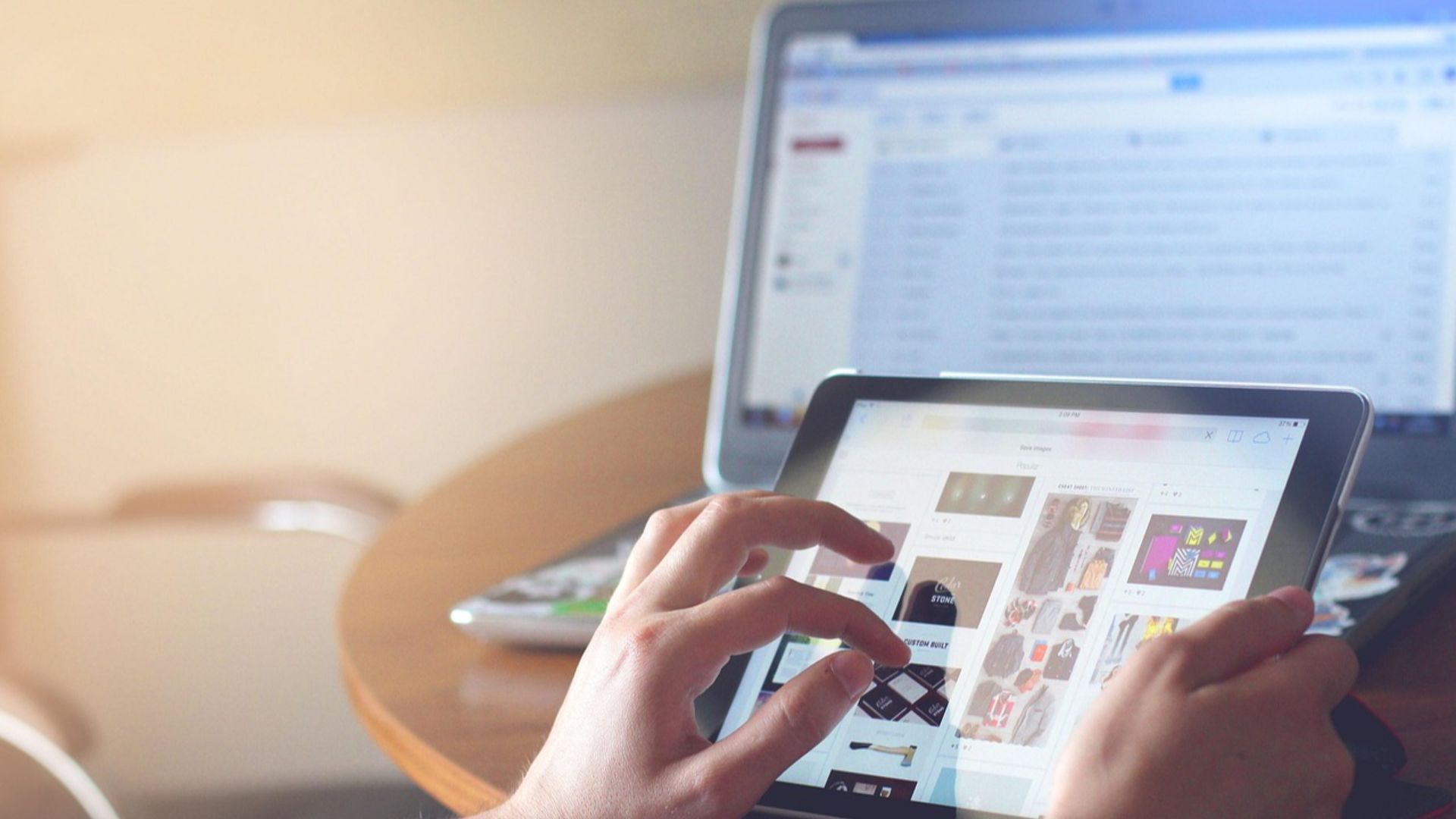
10. Reliable Everyday Tech
Flashy features matter less than consistency now. People want devices that integrate smoothly into daily routines. Longevity, support, and usability guide purchasing decisions, turning reliability into the real selling point.
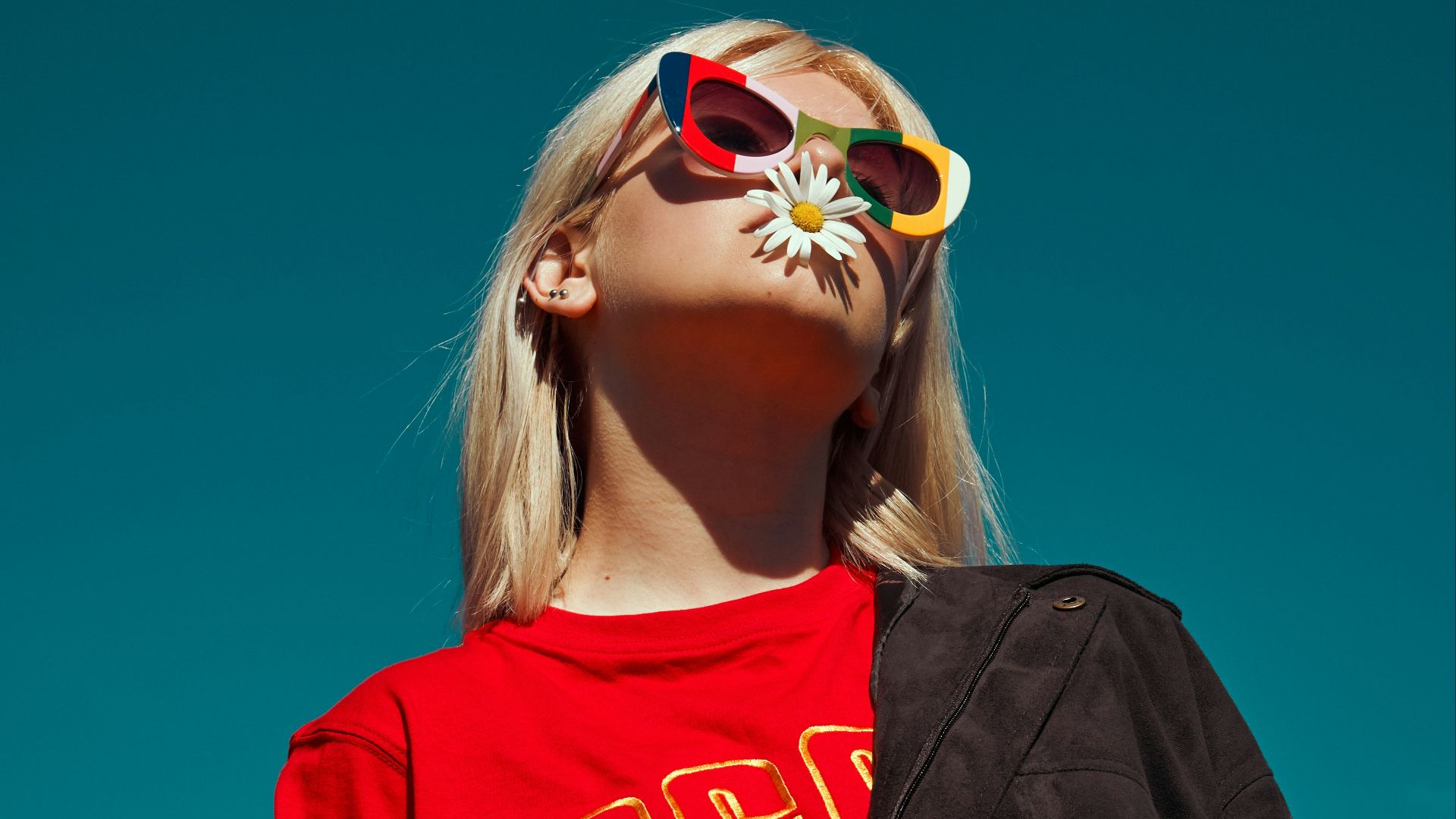
1. Ultra-Specific Microtrends
Aesthetics built around narrow ideas burn out quickly, as they thrive on novelty rather than usability. Once the internet moves on, the appeal collapses. Real life rarely supports these trends, and longevity is never part of the plan.
 Katsiaryna Endruszkiewicz on Unsplash
2. Disposable Fashion Drops
Speed-driven releases create urgency but little attachment. Quality is often sacrificed for fast turnaround. Consumers are noticing the tradeoff more quickly, and are already starting to steer clear.

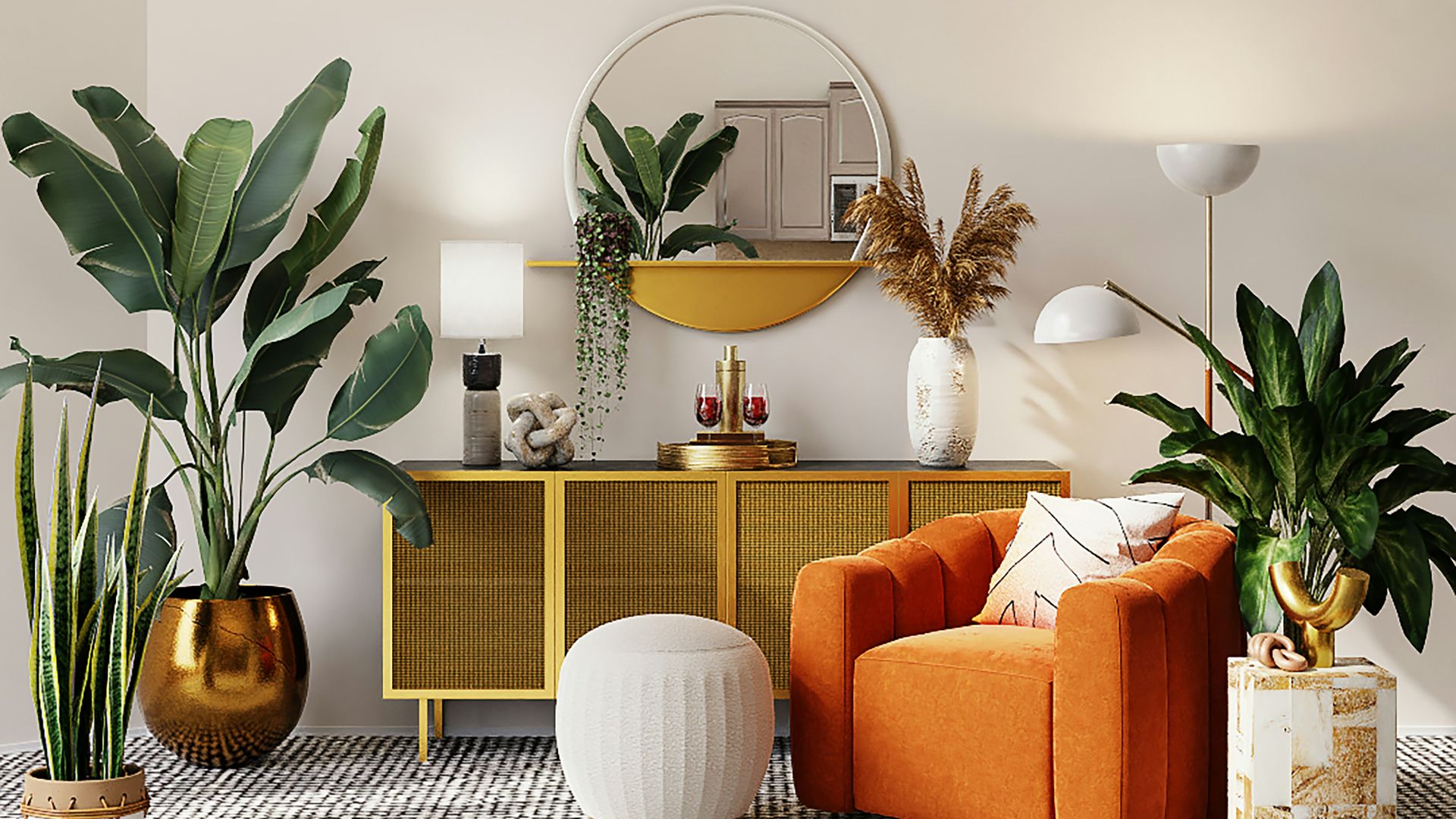
3. Overdesigned Home Decor
Decor that prioritizes impact over comfort ages poorly. What looks striking online can feel impractical day to day. Excessive detail becomes visual noise over time, especially as people want spaces that support living. Function is regaining importance.
4. Gimmicky Wellness Products
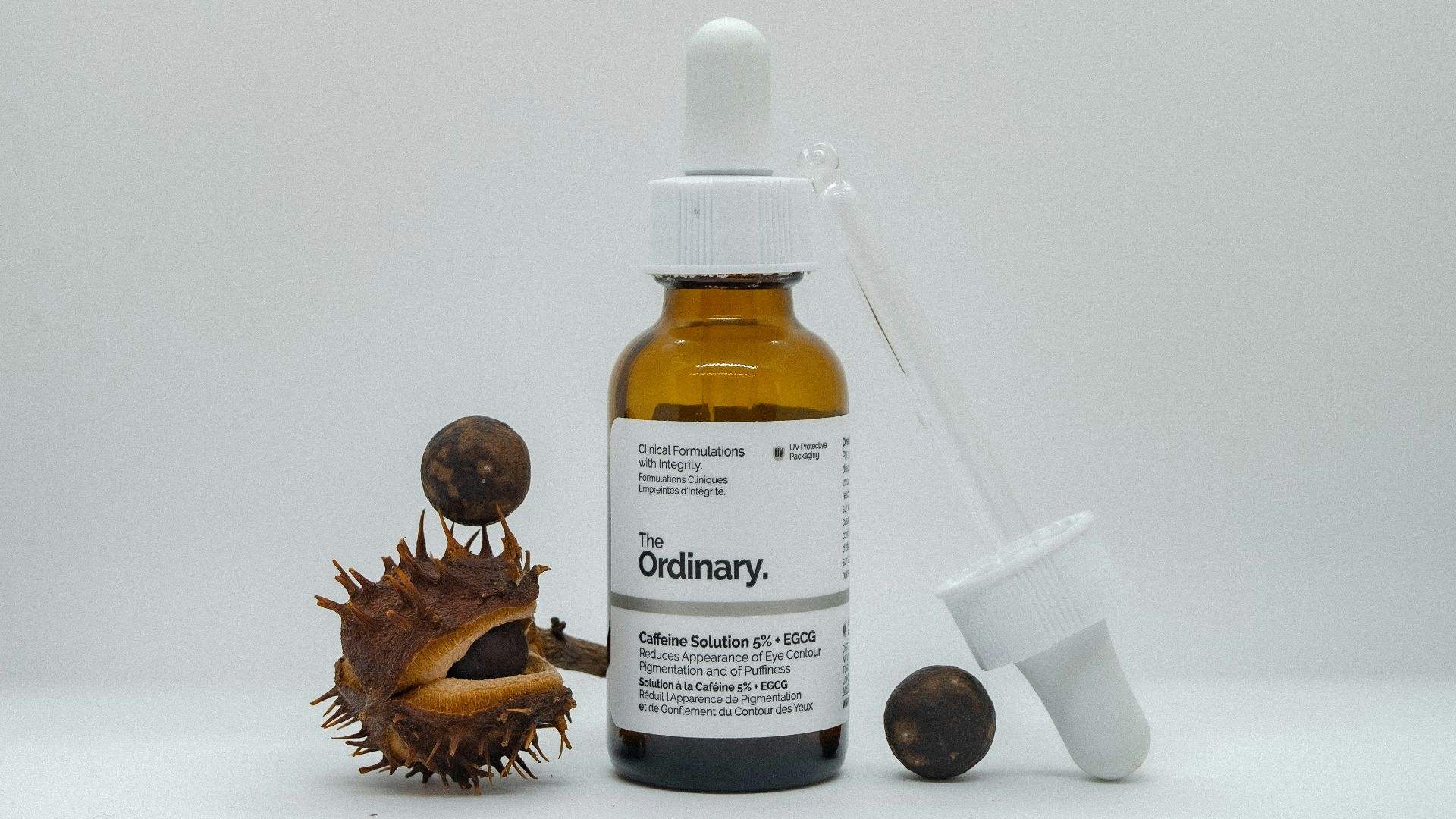
Quick fixes promise big results with minimal effort. Many of these products rely on buzzwords rather than evidence. Consumers are becoming more skeptical, resulting in the market correcting itself.
5. Excessive Branding
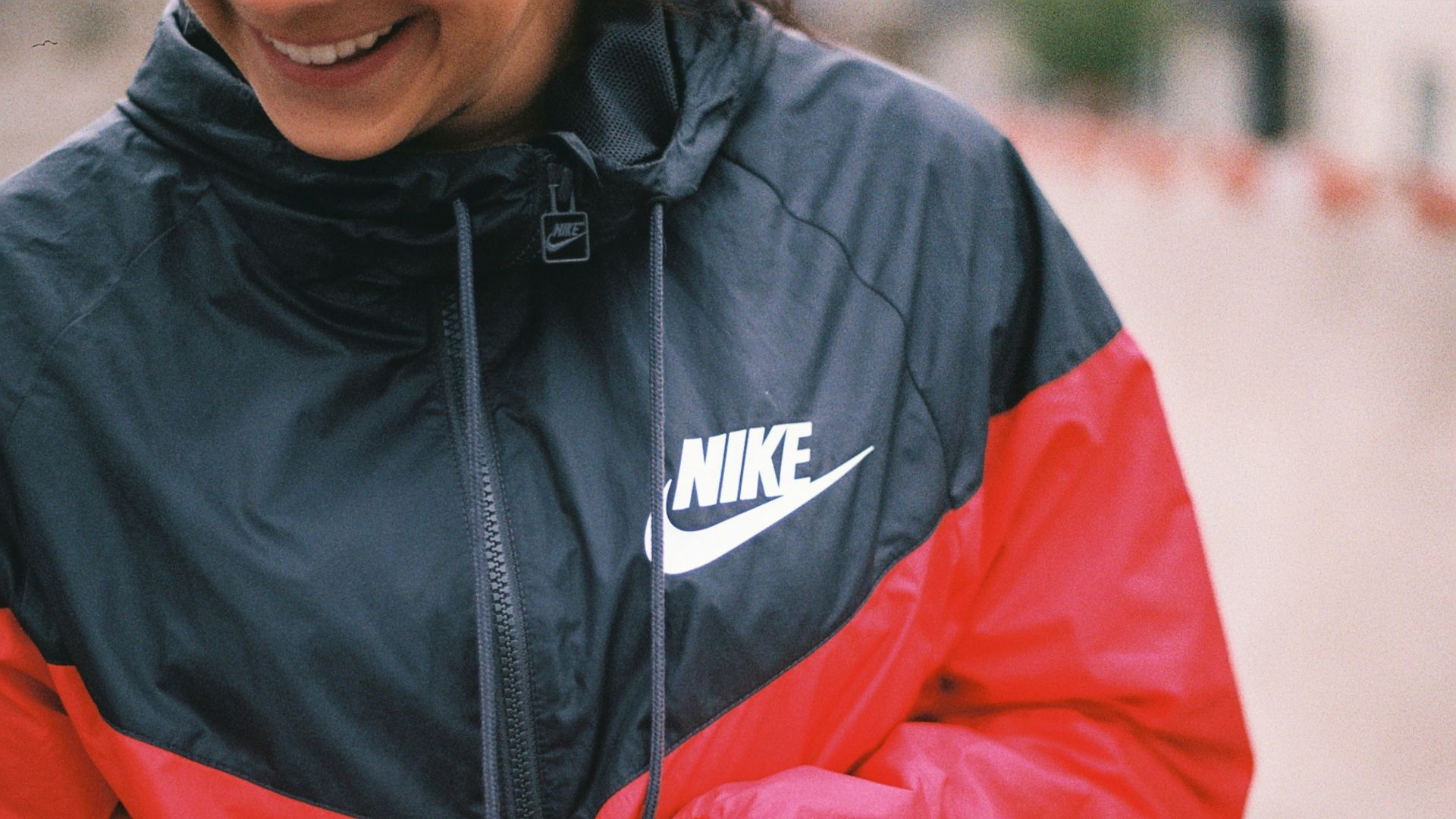
Oversized logos feel dated faster than subtle design. Loud branding often limits versatility, and shoppers are gravitating toward quieter pieces. Identity is being expressed through quality and subtlety.
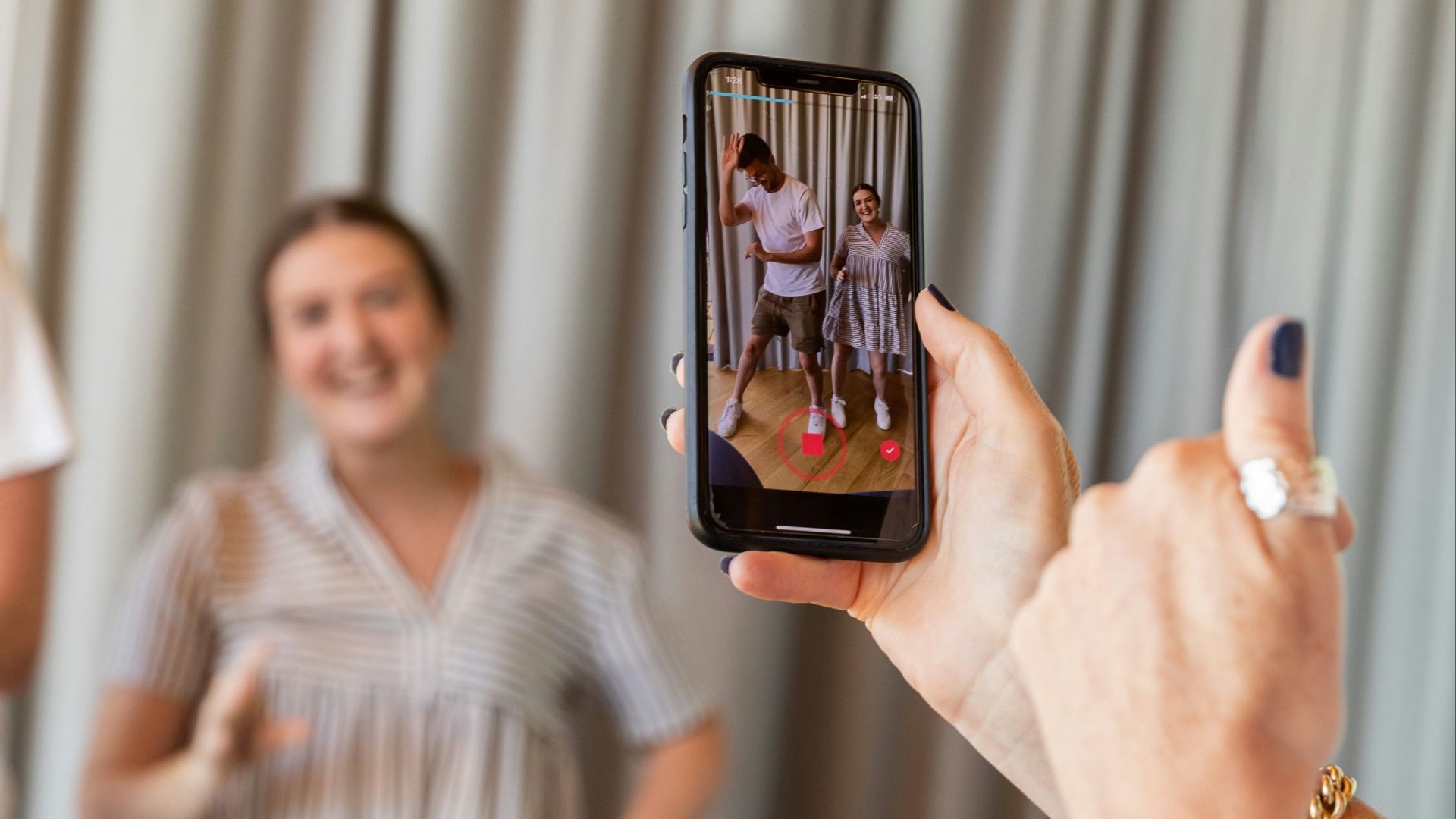
6. Influencer-Driven Must-Haves
Products popular solely because of endorsements rarely last. Once sponsorships dry up, interest fades. Authentic usefulness matters again because influence without value has a short shelf life.
 S O C I A L . C U T on Unsplash
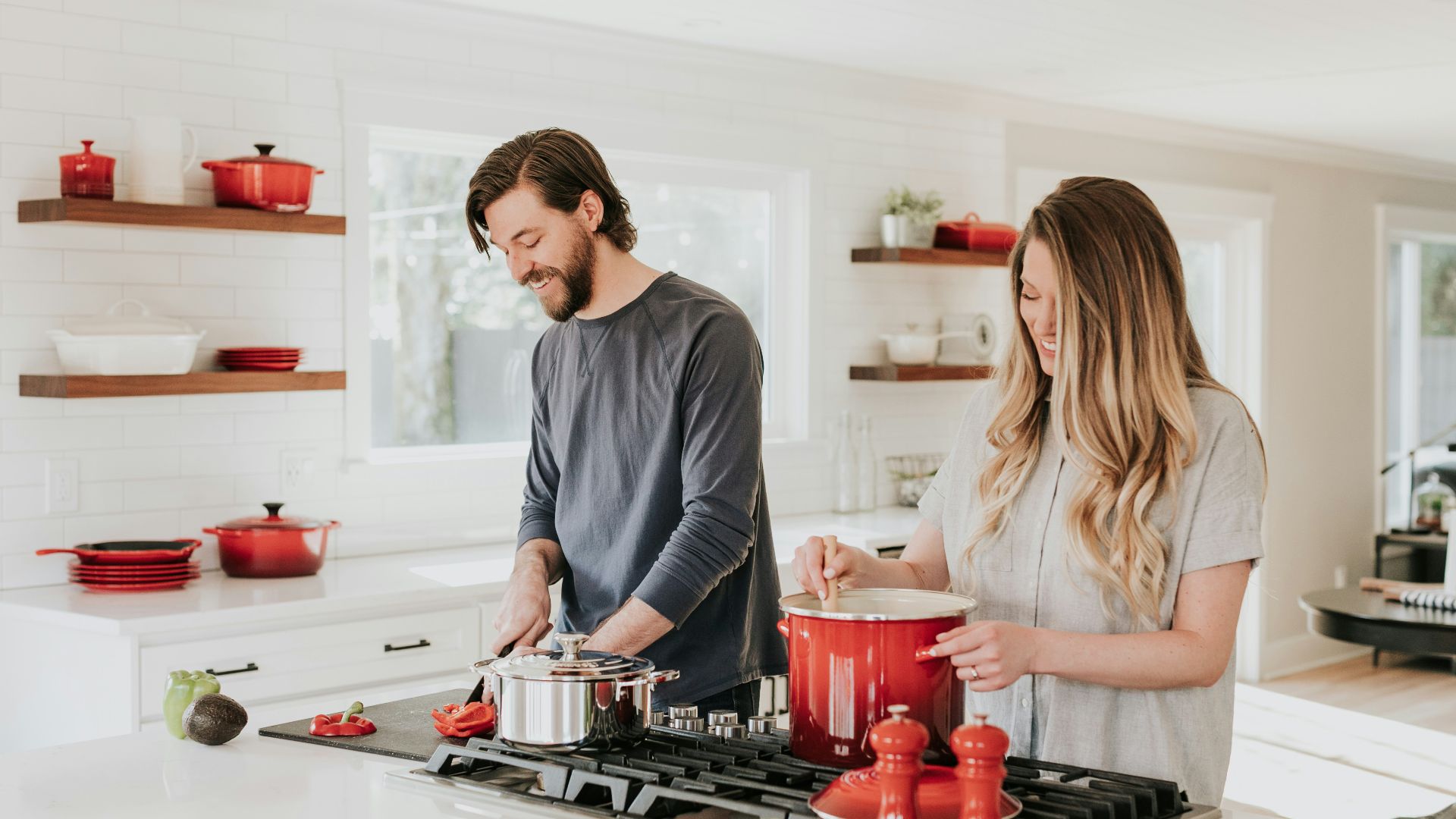
7. Novelty Kitchen Gadgets
Single-purpose tools clutter drawers quickly, and the initial excitement wears off after a few uses. Storage becomes the real issue. Multi-use items win out, as they always should have when it comes to meal prep and cooking.
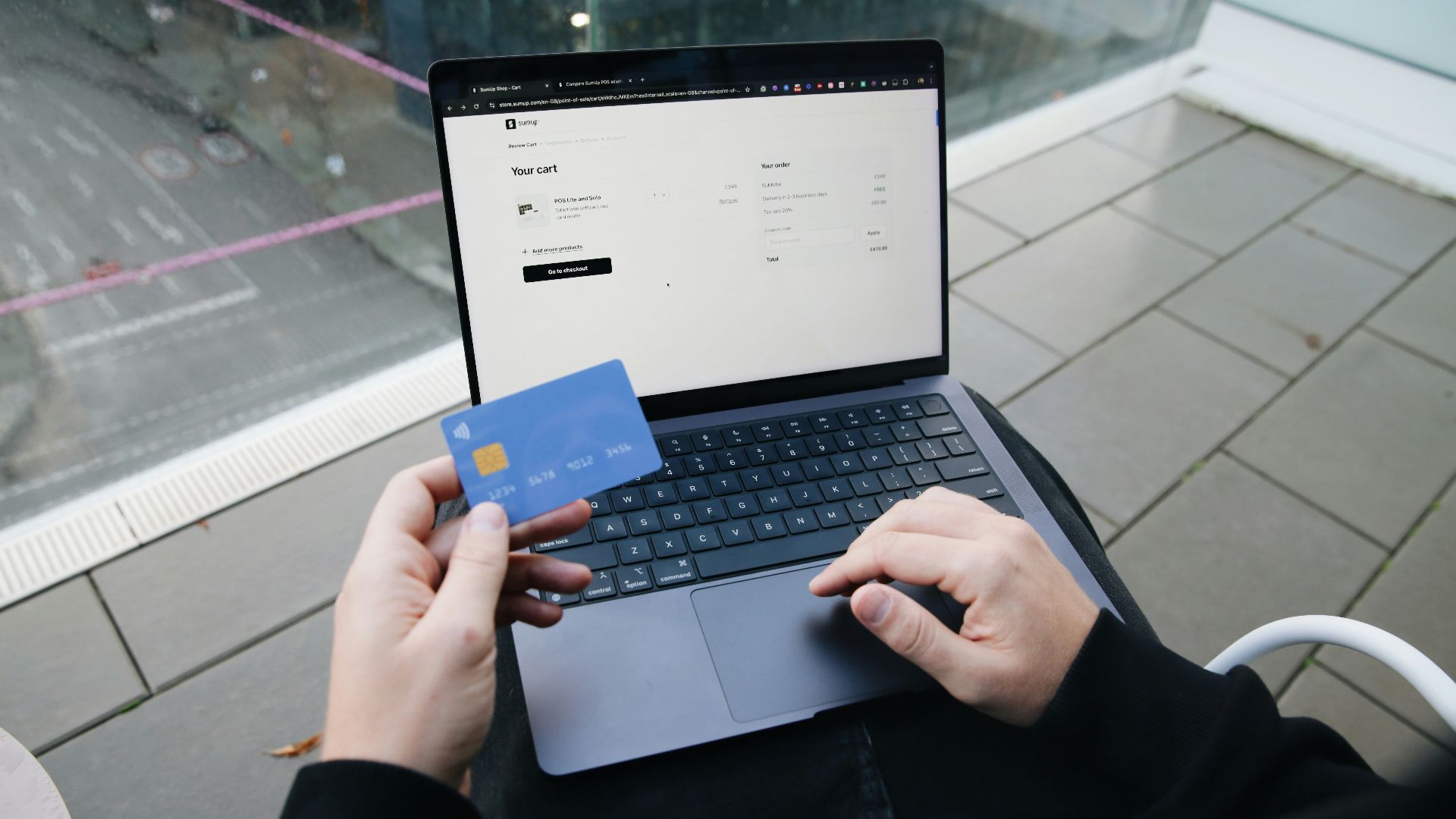
8. Algorithm-Chasing Products
Items designed purely to go viral lack staying power. They’re optimized for clicks, not ownership. Once the trend cycle ends, relevance disappears and you're left with nothing of worth.
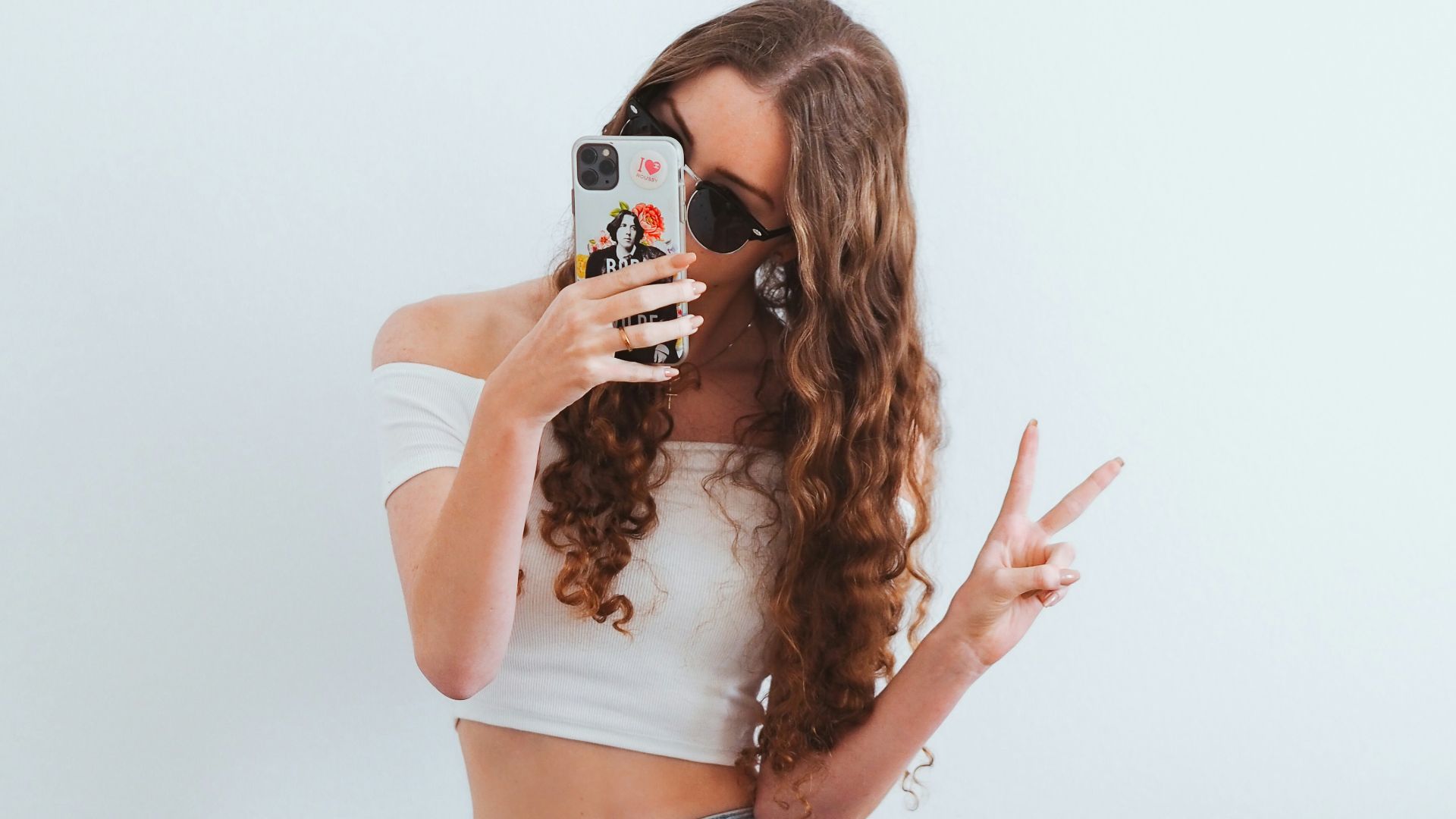
9. Overly Themed Aesthetics
Hard-committed themes leave little room to evolve. Taste changes faster than decor budgets, so flexibility matters, and neutral foundations age better.
10. Constant Upgrading for Its Own Sake
Annual replacement culture is losing appeal in favor of incremental improvements. Consumers are stretching product lifespans intentionally, recognizing that satisfaction comes from stability.