

A Label with Plenty of Baggage
Few country-of-origin labels provoke as much of a reaction as “Made in China”; you've probably put down something as soon as you scanned the label. But why does it evoke such a response? More often than not, people tend to avoid things that were made in China simply because they believe it'll be low quality, but a label alone rarely tells you everything about how an item was designed or manufactured. And believe it or not, some of the better quality (and even designer goods) clothes, accessories, skincare, and makeup that you own probably also came from Chinese factories. Let's take a deeper dive into why people have such a strong opinion about "Made in China" items, and why you shouldn't let it influence your decision so quickly.
1. Concerns About Product Quality
Some consumers have bought inexpensive Chinese-made items that broke, faded, or stopped working sooner than expected. Those experiences can make them cautious about purchasing anything carrying the same label again. When several disappointing products come from similar online marketplaces, shoppers may begin treating the country of origin as a warning sign.
2. Fear of Counterfeit Goods
China has long been associated in the public mind with imitation designer products, unauthorized electronics, and copied brand names. Shoppers may worry that an item isn’t authentic, especially when its price seems unusually low or the seller has limited information. This concern is more common on third-party marketplaces where different vendors can list nearly identical merchandise.
3. Uncertainty About Safety Standards
Parents and pet owners may hesitate when buying toys, dishes, cosmetics, or other products that come into close contact with the body. Past recalls involving lead, contamination, or unsafe components have made some consumers more attentive to manufacturing origins. Even when a specific item meets current standards, earlier incidents can continue shaping public opinion.

4. Worries About Working Conditions
Some buyers avoid Chinese-made products because they’re concerned about long hours, low wages, or unsafe factory environments. They may feel uncomfortable purchasing something when they can’t determine how workers were treated. Limited supply-chain information makes it difficult for the average shopper to know which factories follow responsible labor practices.
5. A Desire to Support Domestic Jobs
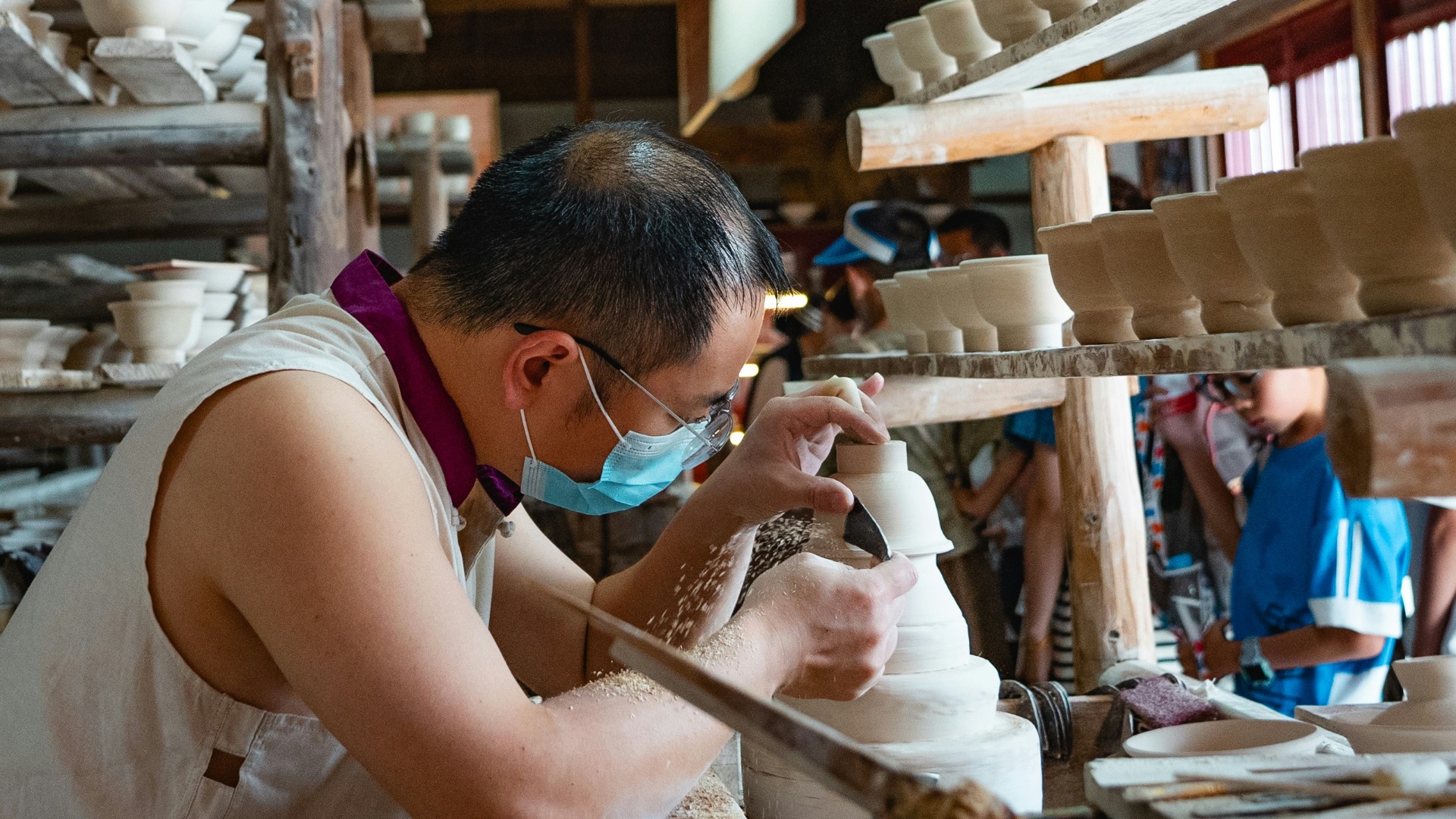
People often choose locally made goods because they want their spending to benefit workers and businesses within their own country. Buying domestic products can feel like a direct way to support manufacturing communities that have lost factories over the years. For these shoppers, avoiding imports is primarily an economic decision rather than a judgment about product quality.
6. Environmental Concerns
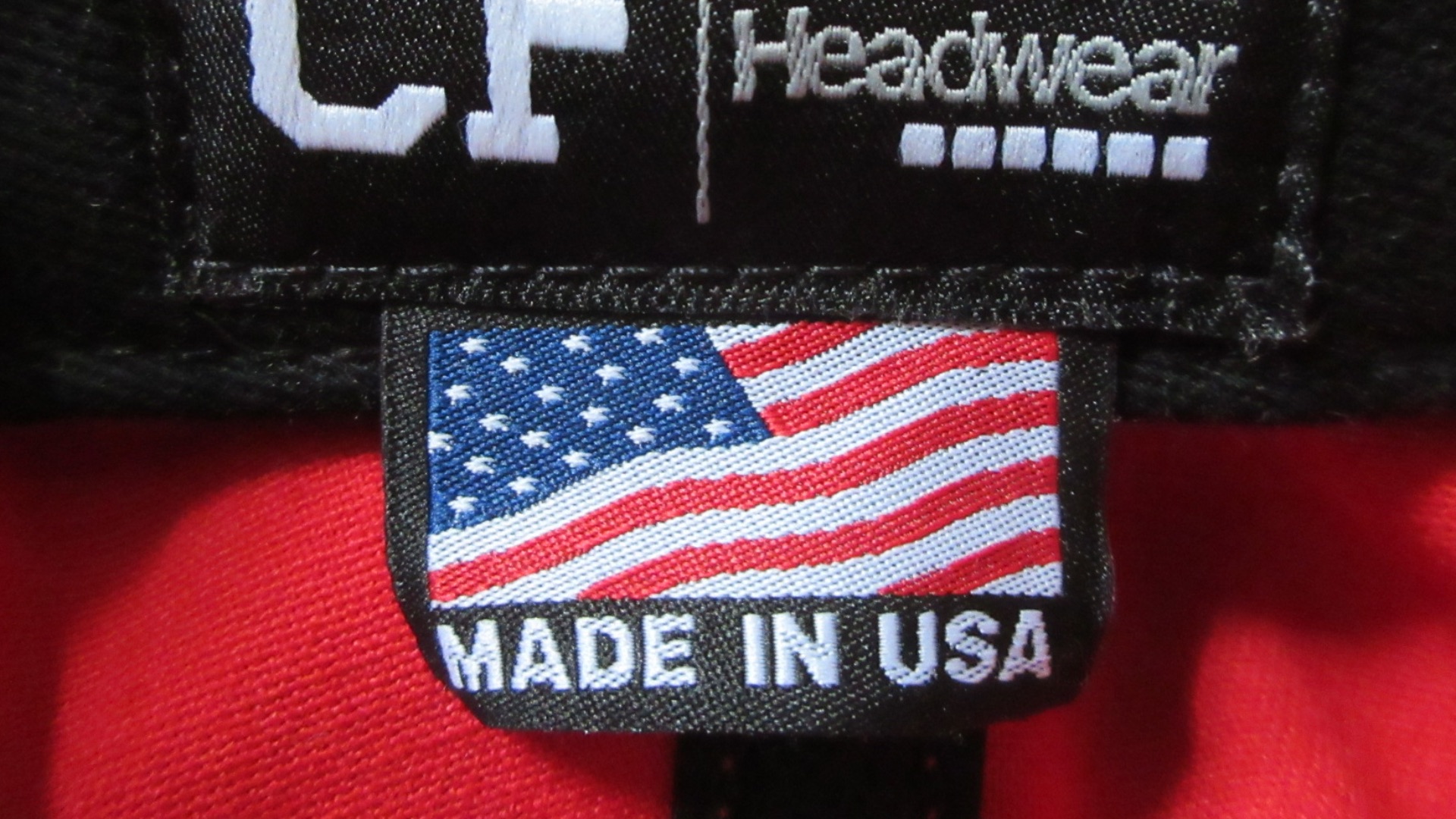
Long-distance shipping, large industrial facilities, and unclear environmental practices can discourage environmentally conscious consumers. Some people worry that imported goods create more emissions than comparable products produced closer to home. Others question whether factories operate under environmental rules that are as strict as those in their own country.
7. Limited Confidence in Online Sellers
Many low-cost items manufactured in China are sold through unfamiliar websites or marketplace accounts with little history. Product photos may be heavily edited, descriptions can be vague, and customer service may be difficult to reach. Buyers sometimes blame the manufacturing label when the larger issue is an unreliable retailer.

8. Difficulty Returning Defective Products
A bargain can become less appealing when returning it requires expensive international shipping or weeks of communication. Some shoppers have dealt with sellers who offered only partial refunds or asked them to keep a faulty item. These experiences can create lasting hesitation about purchasing imported products from unknown companies.

9. Political and Ethical Objections
International relations, trade disputes, and human rights concerns can affect what people feel comfortable buying. Some consumers use purchasing choices as a way to express their political or ethical beliefs. They may avoid Chinese-made goods even when doing so costs more or limits their options.
10. The Belief That Low Prices Mean Low Quality
Chinese manufacturing is often associated with inexpensive merchandise, which leads some shoppers to assume the products must be poorly made. Very low prices can raise reasonable questions about materials, durability, and quality control. However, the price usually reflects decisions made by the brand and retailer as much as the location of the factory.
While these concerns aren’t entirely invented, applying the same judgment to every Chinese-made product ignores how varied the country’s manufacturing industry actually is. Let's flip the script and look at why you shouldn't avoid every "Made in China" item.
1. China Produces Products at Every Quality Level
Chinese factories manufacture everything from disposable accessories to advanced electronics and industrial equipment. The final quality depends heavily on the materials, design requirements, budget, and inspections established by the company placing the order. A factory can produce a cheap version for one brand and a premium version for another.

2. Many Well-Known Brands Manufacture There
A large number of respected global companies rely on Chinese factories for complete products or individual components. These businesses often impose detailed technical requirements and conduct several stages of testing. Rejecting every Chinese-made item could therefore mean avoiding products from brands that consumers already know and trust.
3. The Brand Controls Many Manufacturing Decisions
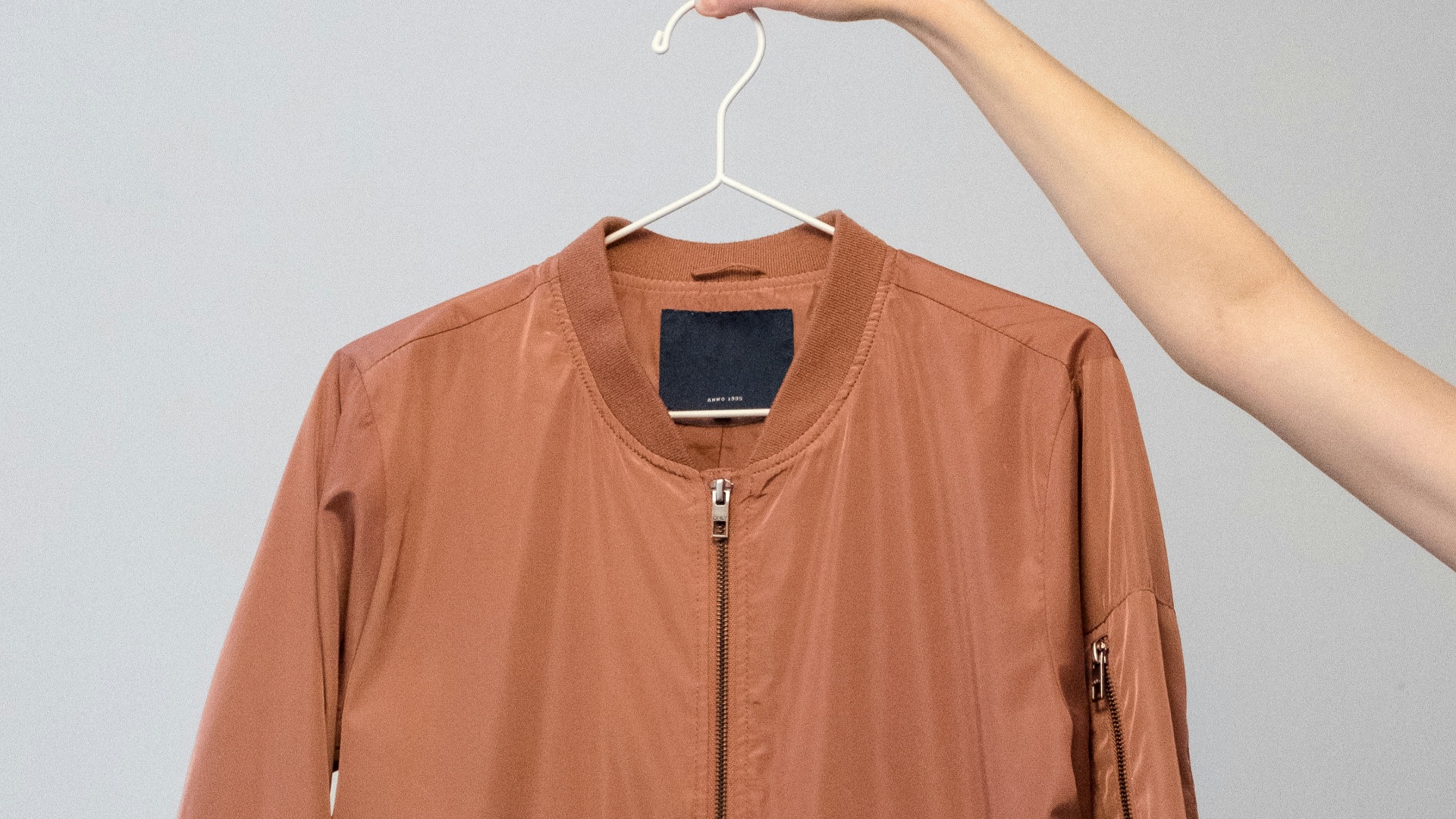
Factories generally build products according to the specifications and price targets provided by their clients. When a company demands extremely low costs, manufacturers may have to use cheaper materials or simpler construction methods. Poor quality can be the result of a brand’s choices rather than evidence that workers in a particular country lack skill.
4. Manufacturing Expertise Can Be Highly Advanced
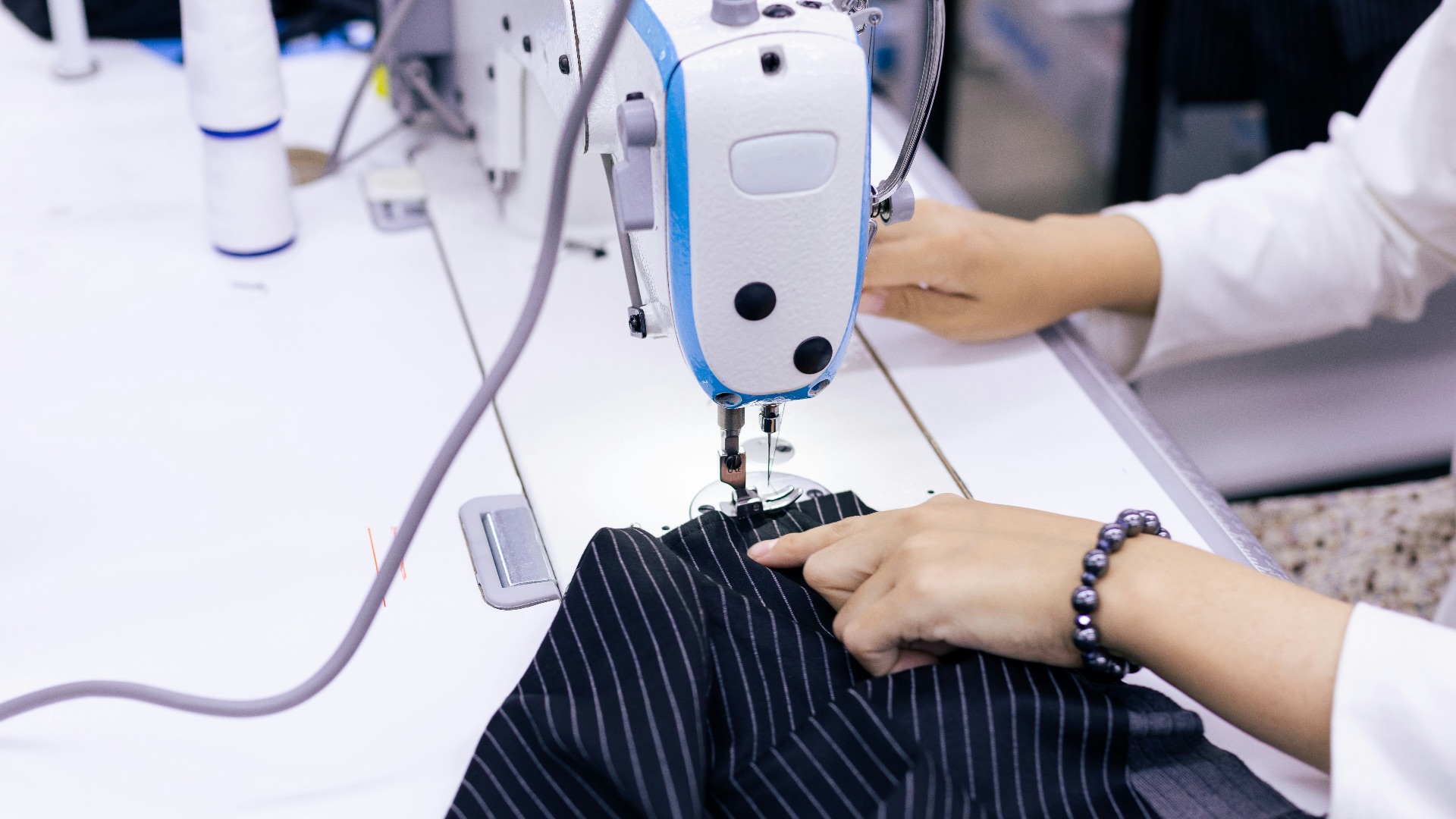
Decades of large-scale production have allowed many Chinese manufacturers to develop specialized knowledge, efficient processes, and sophisticated equipment. Certain regions contain dense networks of suppliers that can produce complex items with remarkable precision. In some industries, finding the same level of experience elsewhere isn’t easy.
5. Country of Origin Doesn’t Guarantee Quality
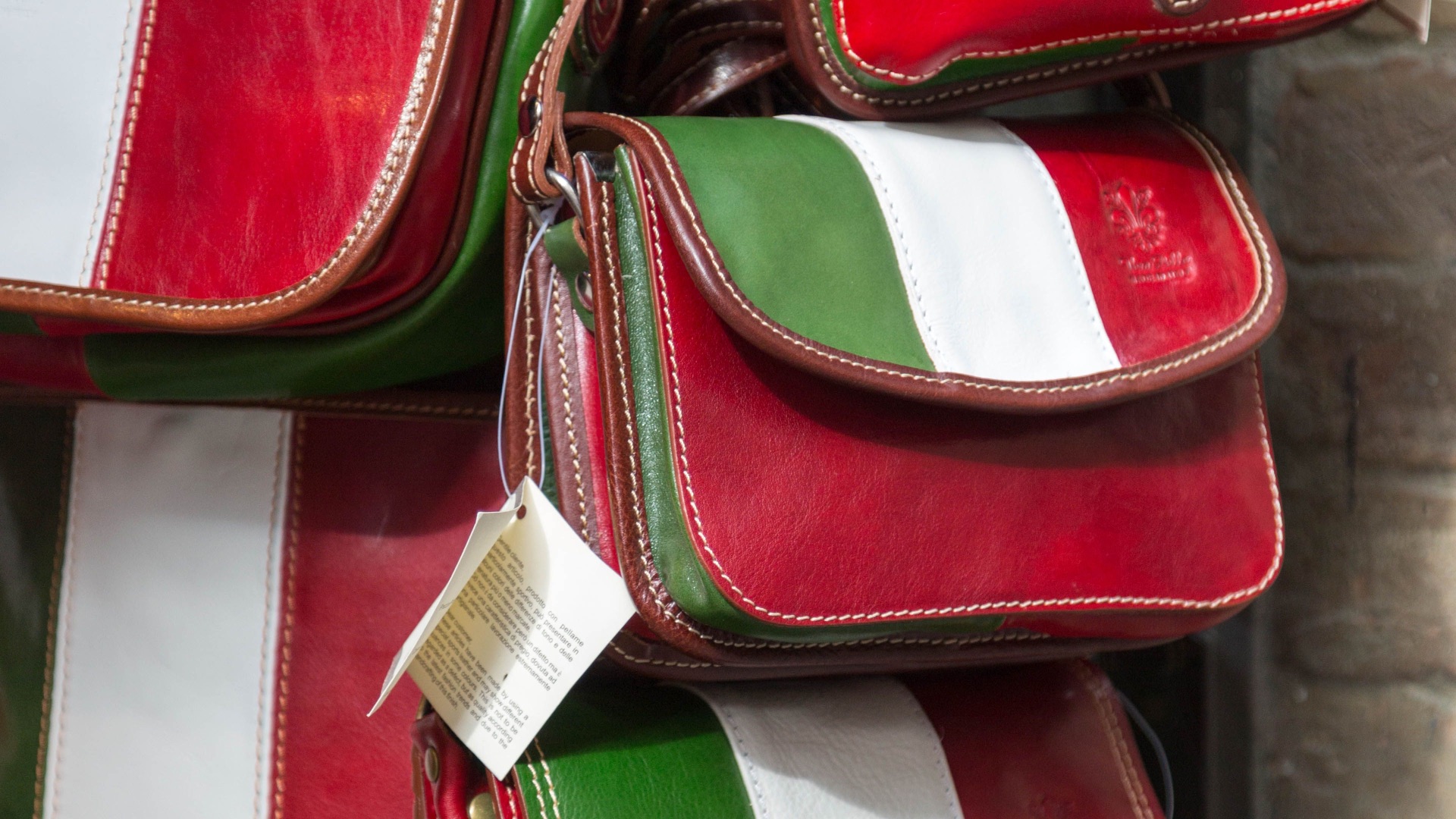
An item made in the United States, Canada, Italy, or any other country can still be disappointing. Domestic labels don’t automatically ensure excellent materials, ethical treatment, or careful construction. Shoppers should examine the actual product instead of assuming one national label is always superior to another.
6. Reviews Offer More Useful Information
Verified customer reviews can reveal whether an item performs well, arrives as described, and lasts through regular use. Details about stitching, battery life, sizing, or construction are more relevant than the country printed on the package. Looking for patterns across many reviews provides a stronger basis for a purchase.

7. Certifications Can Confirm Safety
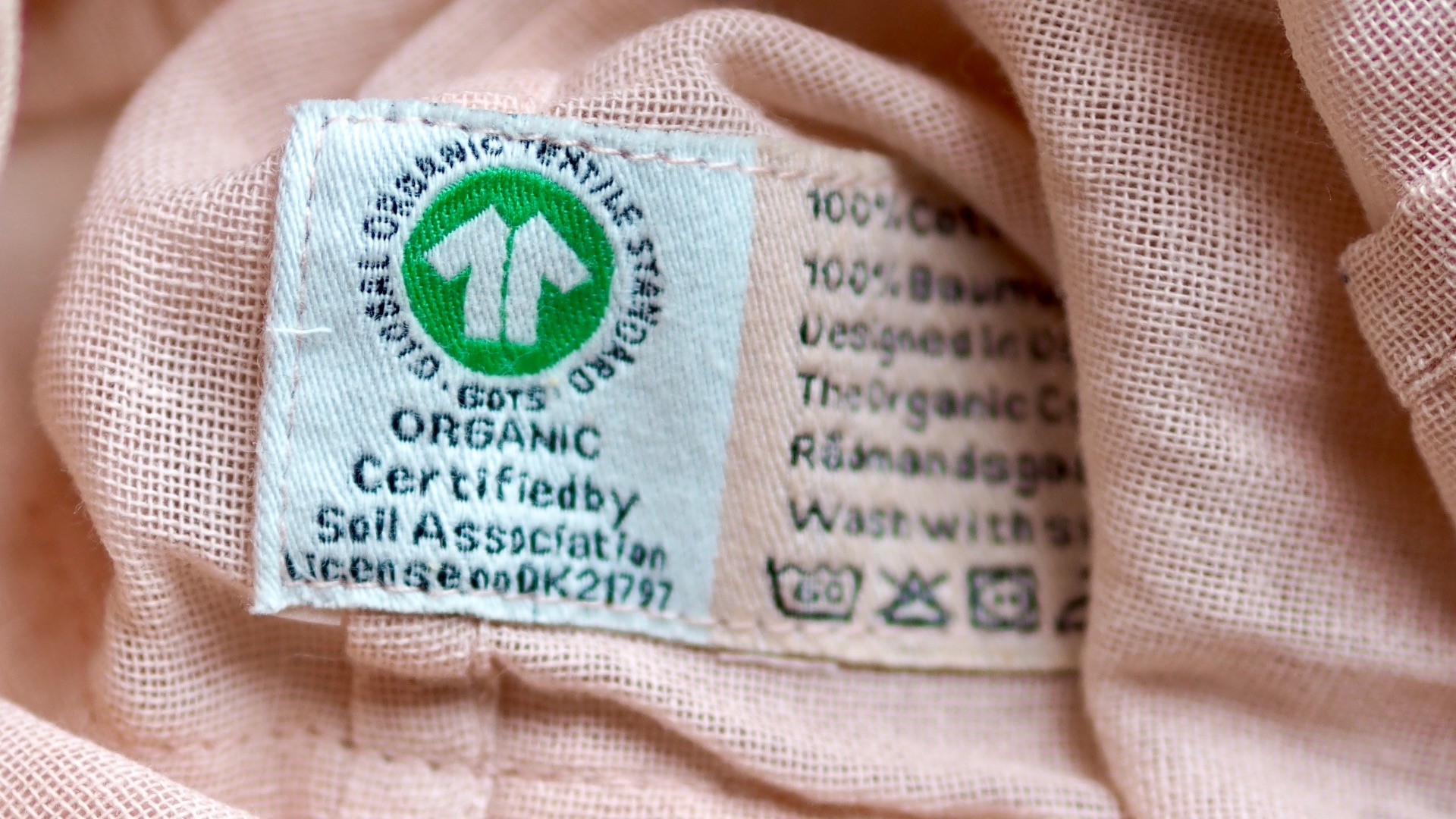
Reputable products may carry recognized certifications showing that they’ve met specific electrical, chemical, or safety requirements. Depending on the category, independent testing can tell you far more than a manufacturing label does. Checking certification details is especially valuable when buying children’s products, appliances, protective gear, or personal-care items.

8. Affordable Products Can Serve a Real Purpose
Not every purchase needs to last for decades or use premium materials. A low-cost storage bin for a garage sale or party decoration for Halloween may meet someone’s needs perfectly well. Automatically dismissing affordable imports can make everyday necessities less accessible to shoppers working within limited budgets.

9. Supply Chains Are More Complicated Than Labels Suggest
A product assembled in one country may contain materials and components sourced from several others. Likewise, an item labeled as domestically made may still depend heavily on imported parts. The final label reveals where a certain stage occurred, but it doesn’t always explain the full manufacturing process.
10. Evaluating Products Individually Leads to Better Choices
The most practical approach is to consider the seller, warranty, materials, reviews, certifications, and intended use. These factors offer concrete information that can help you avoid unsafe or poorly made goods. Treating each purchase individually allows you to remain cautious without rejecting an enormous category of products based on one label.