
When Fashion Confidence Meets Good Judgment
Taking a style risk can make an outfit feel personal, modern, and far more memorable than simply following a reliable formula. However, not every bold choice creates the effect you hoped for, especially when fit, proportion, comfort, or practicality are ignored. The first 10 risks below often reward thoughtful experimentation, while the second 10 are much harder to make work consistently.

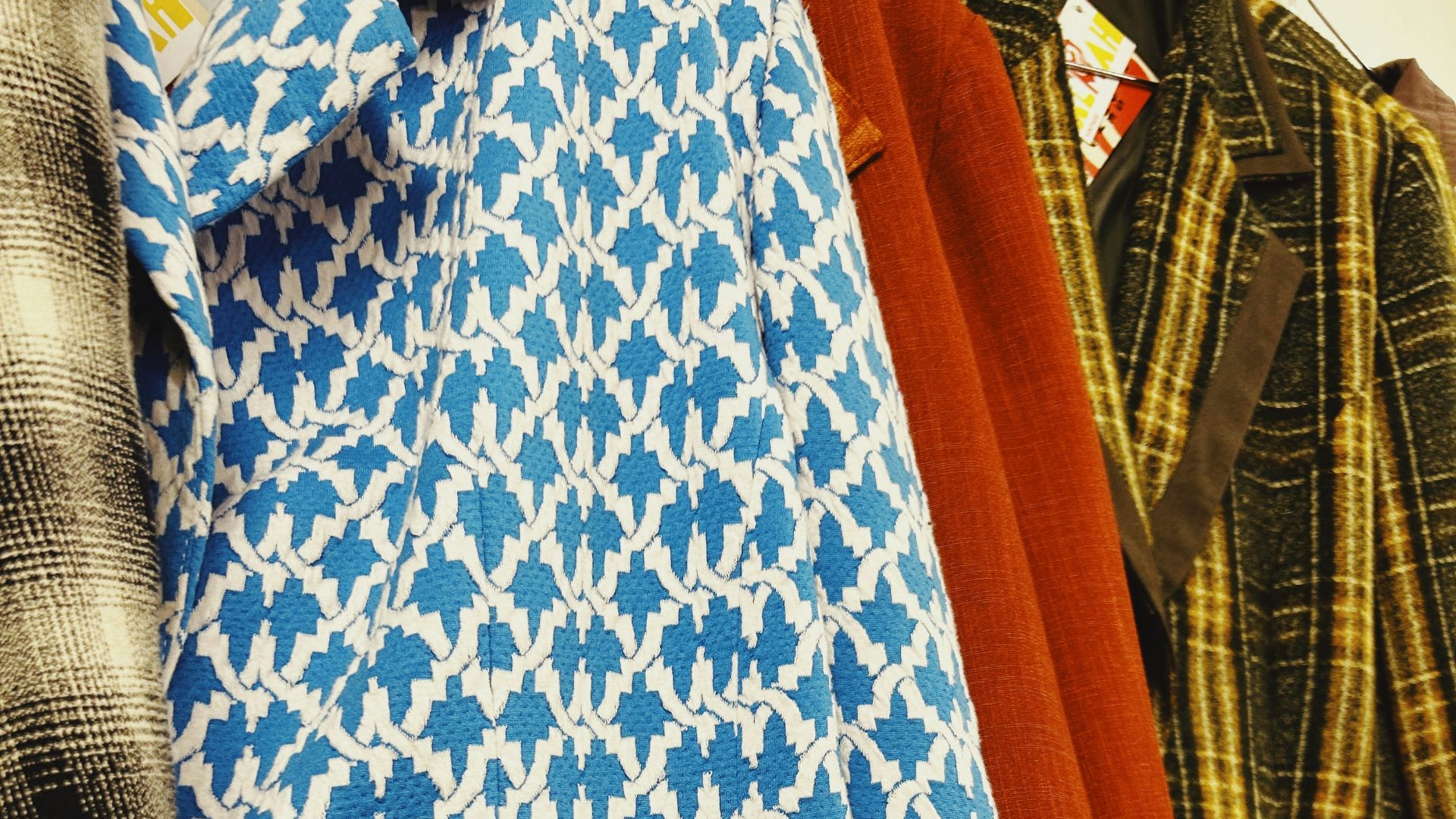
1. Mixing Prints With a Shared Color
Combining prints can look intentional when both patterns contain at least one similar color. The connection gives the eye something consistent to follow, even when the scale or design of each print is different.
2. Wearing an Oversized Blazer
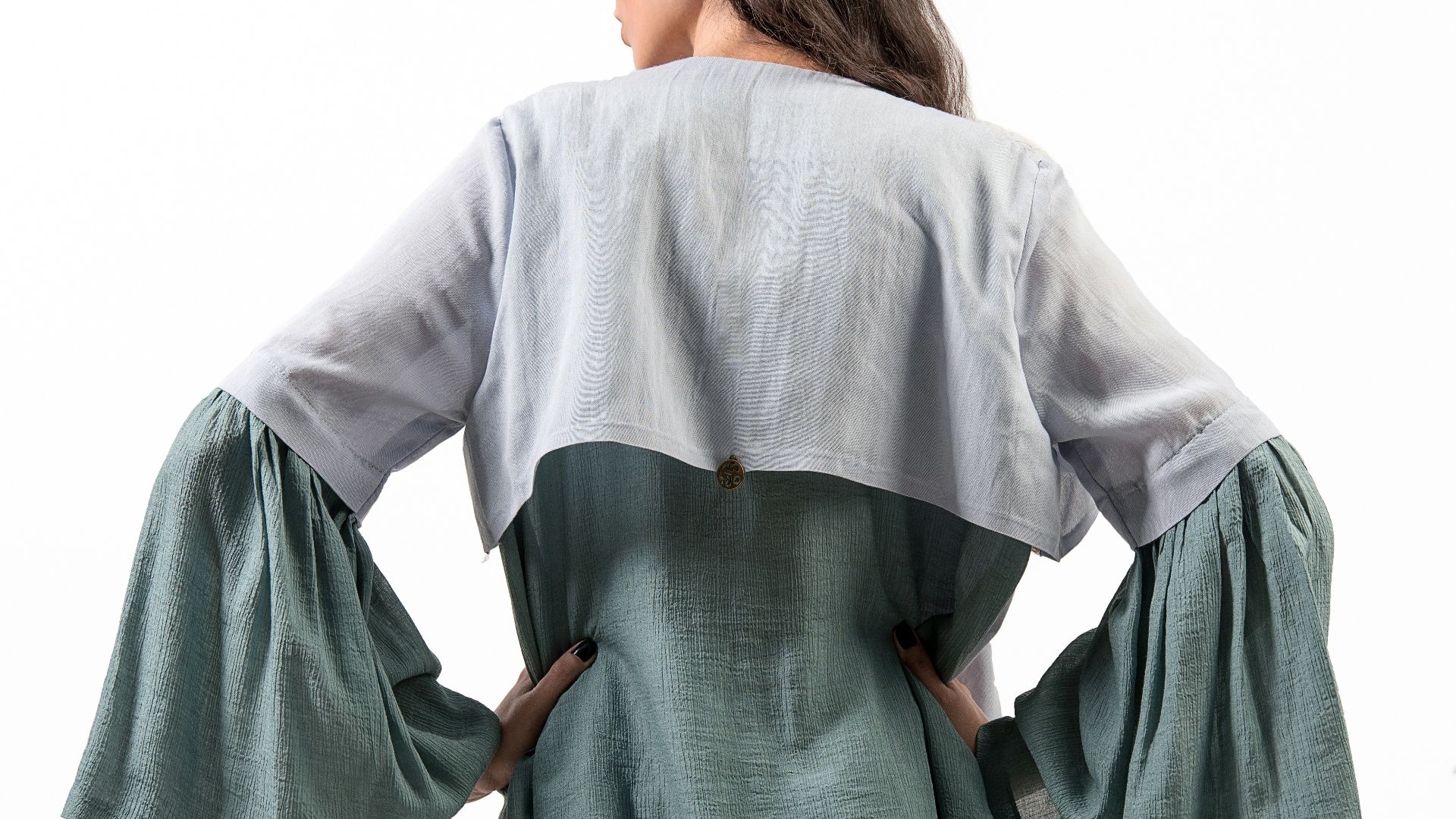
An oversized blazer can add structure and a relaxed sense of confidence to a simple outfit. The most flattering versions still fit properly through the shoulders, even if the body and sleeves are deliberately roomy. Pairing one with fitted trousers, a narrow skirt, or a close-cut top helps keep the proportions balanced.
 Katsiaryna Mikhailouskaya on Unsplash
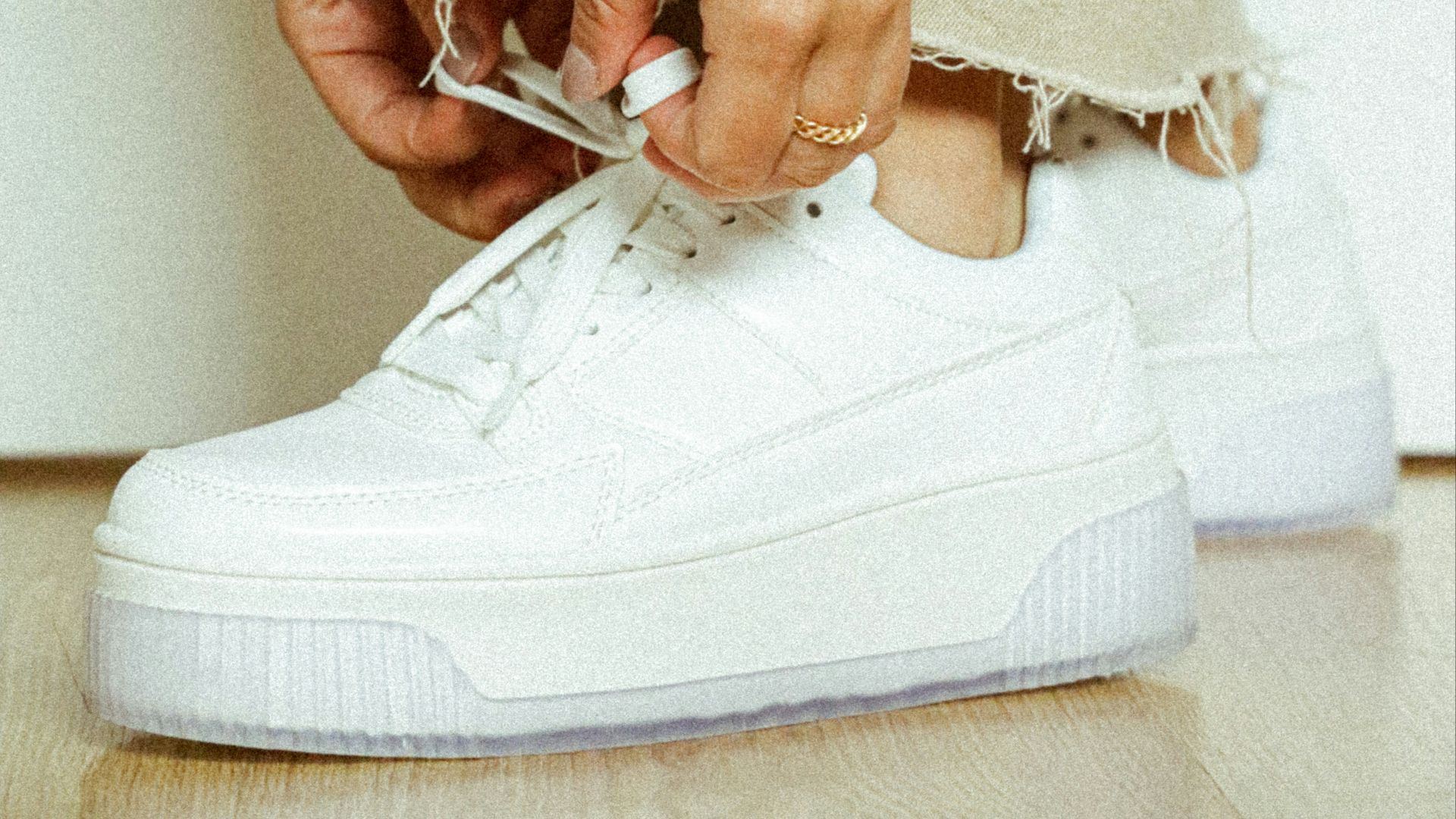
3. Pairing Sneakers With Tailoring
Clean sneakers can make a suit or tailored separates feel less formal without making them look careless. This works best when the shoes are in good condition, and the clothing has a modern, intentional fit.
 Ihssan Rami Azouagh on Unsplash
4. Trying a Bold Monochromatic Look
Dressing almost entirely in one strong color can produce a polished result when the shades and textures vary slightly. A deep red suit, for example, may feel more sophisticated when paired with a softer burgundy knit or a darker leather accessory. Keeping the silhouette fairly simple prevents the color from competing with too many other details.

5. Wearing Metallics During the Day
Metallic clothing and accessories don’t need to be reserved for evening events. A silver flat, gold bag, or subtly reflective skirt can add interest to denim, knitwear, and other everyday fabrics. The risk usually pays off when the metallic piece is treated as an accent rather than combined with several equally shiny items.

6. Combining Masculine and Feminine Pieces
Mixing traditionally masculine tailoring with softer or more delicate clothing can create an outfit that feels current and individual. A structured vest over a flowing blouse or heavy loafers with a lightweight dress offers a clear contrast without appearing costume-like.
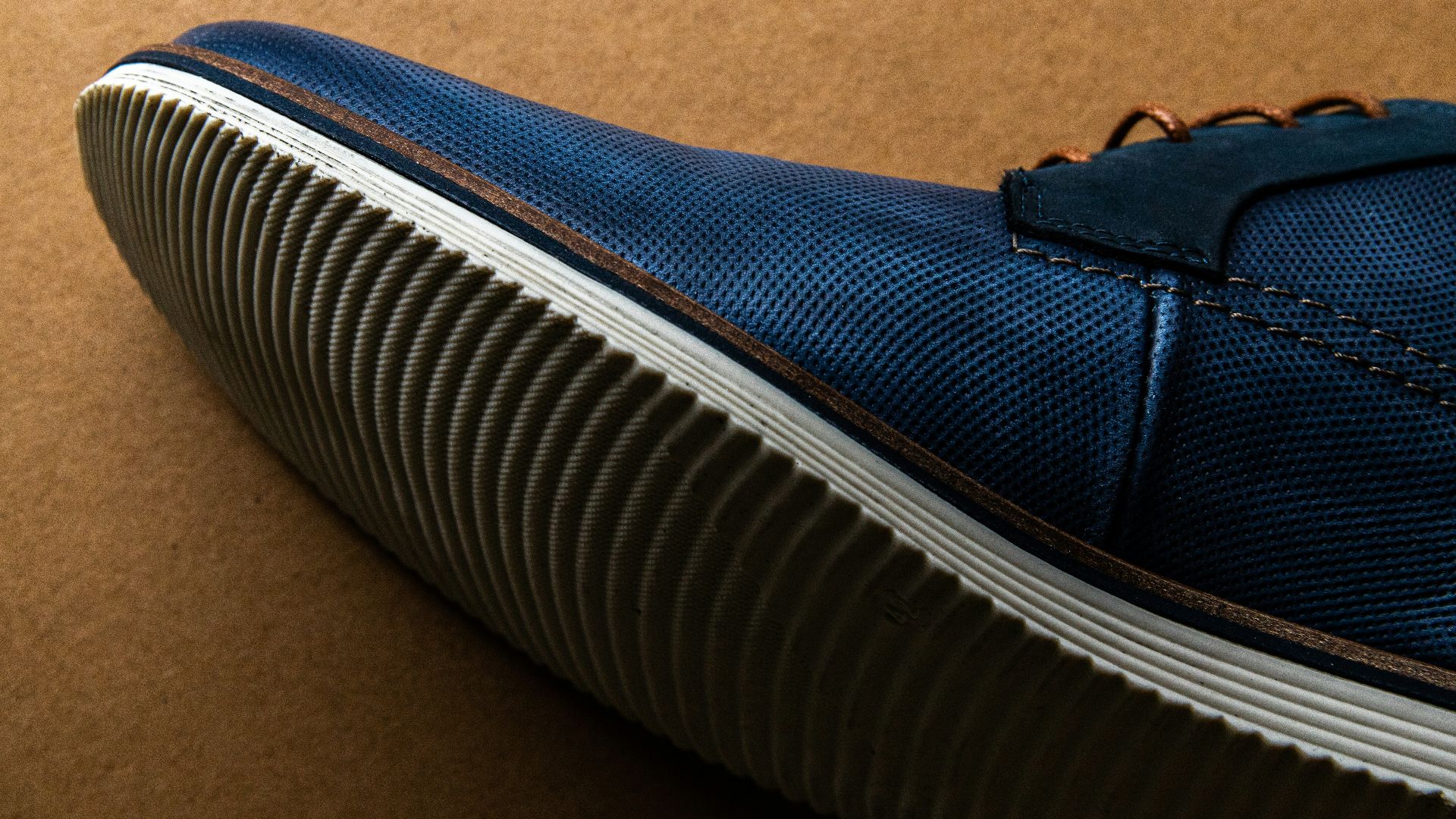
7. Choosing an Unexpected Shoe Color
A shoe in cobalt blue, bright green, or deep red can transform clothing you’ve worn many times before. Because footwear occupies a relatively small part of the overall outfit, it’s a manageable place to experiment with color.
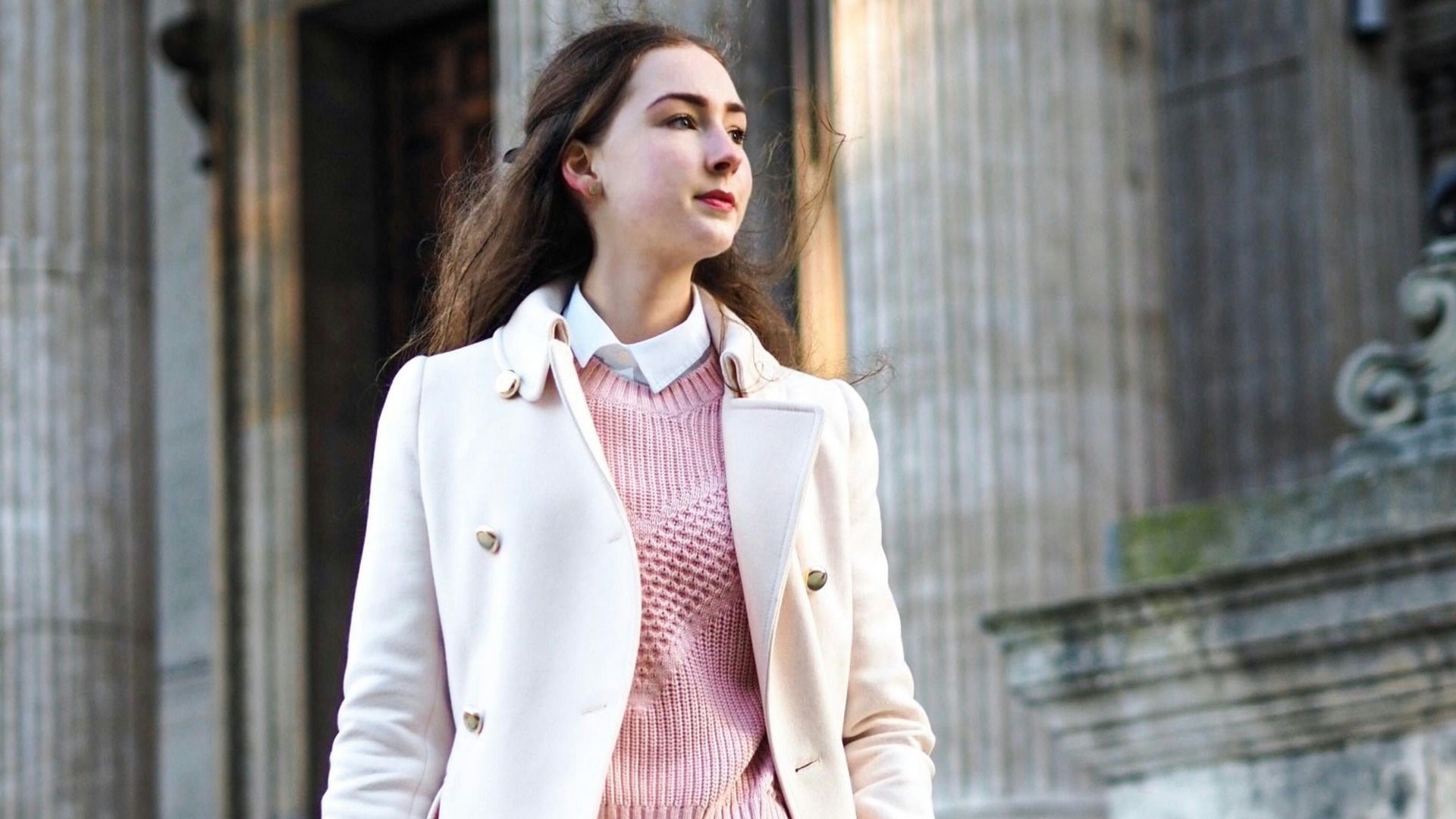
8. Wearing White Outside of Summer
White jeans, coats, boots, and sweaters can look especially fresh during fall and winter. The key is selecting substantial fabrics that suit colder weather rather than relying on lightweight summer materials. Cream, ivory, and soft white shades are often easier to combine with seasonal colors such as brown, gray, olive, and navy.

9. Layering Different Clothing Lengths
A long shirt beneath a cropped jacket or a midi dress under a shorter coat can add depth to an outfit. This approach works when the visible layers create clear lines rather than bunching unpredictably around the body.
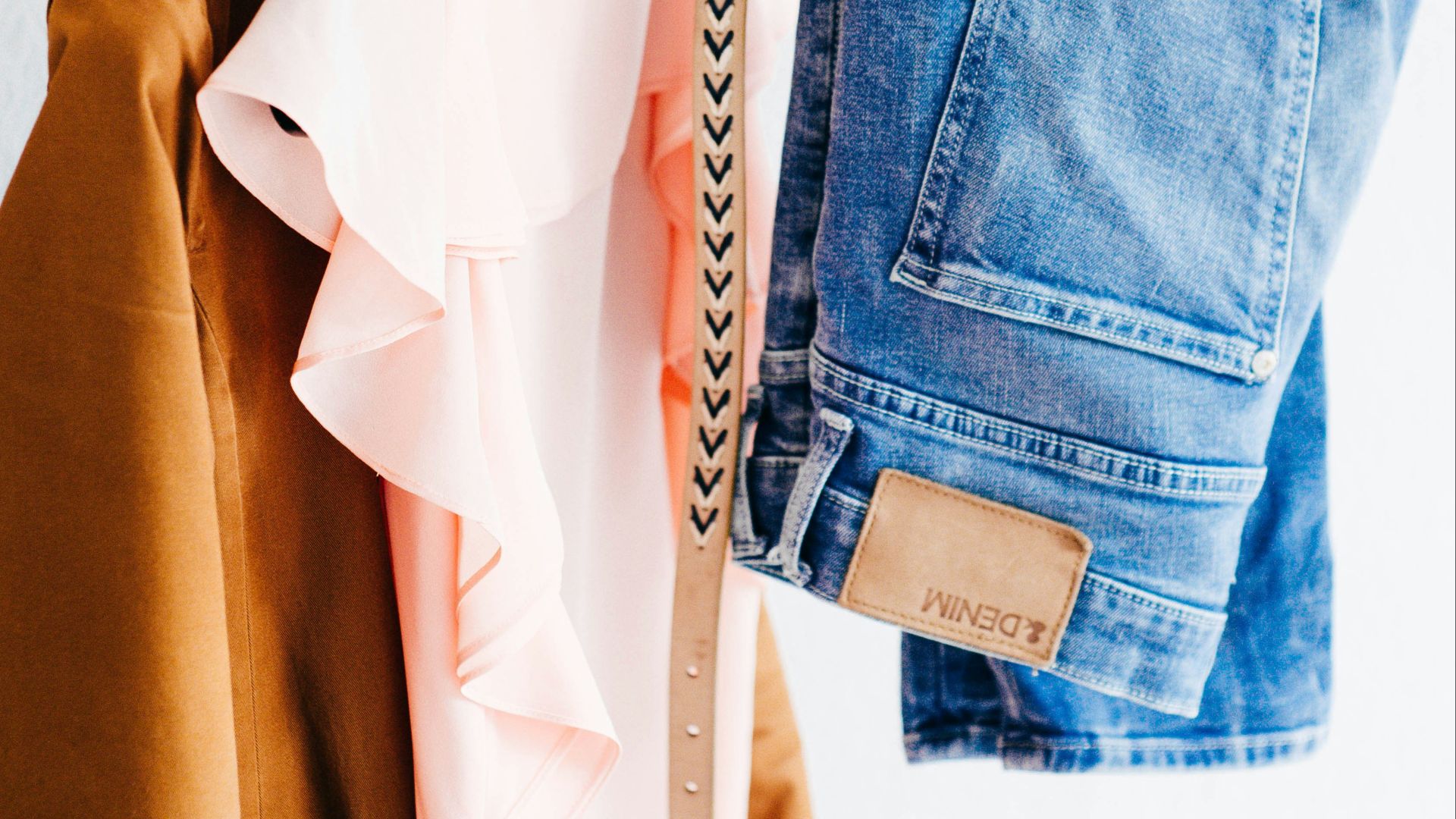
10. Wearing a Statement Coat Regularly
A bright, patterned, or unusually shaped coat can become surprisingly practical because it covers much of what you’re wearing underneath. Neutral clothing suddenly feels more finished when the outer layer provides the personality.
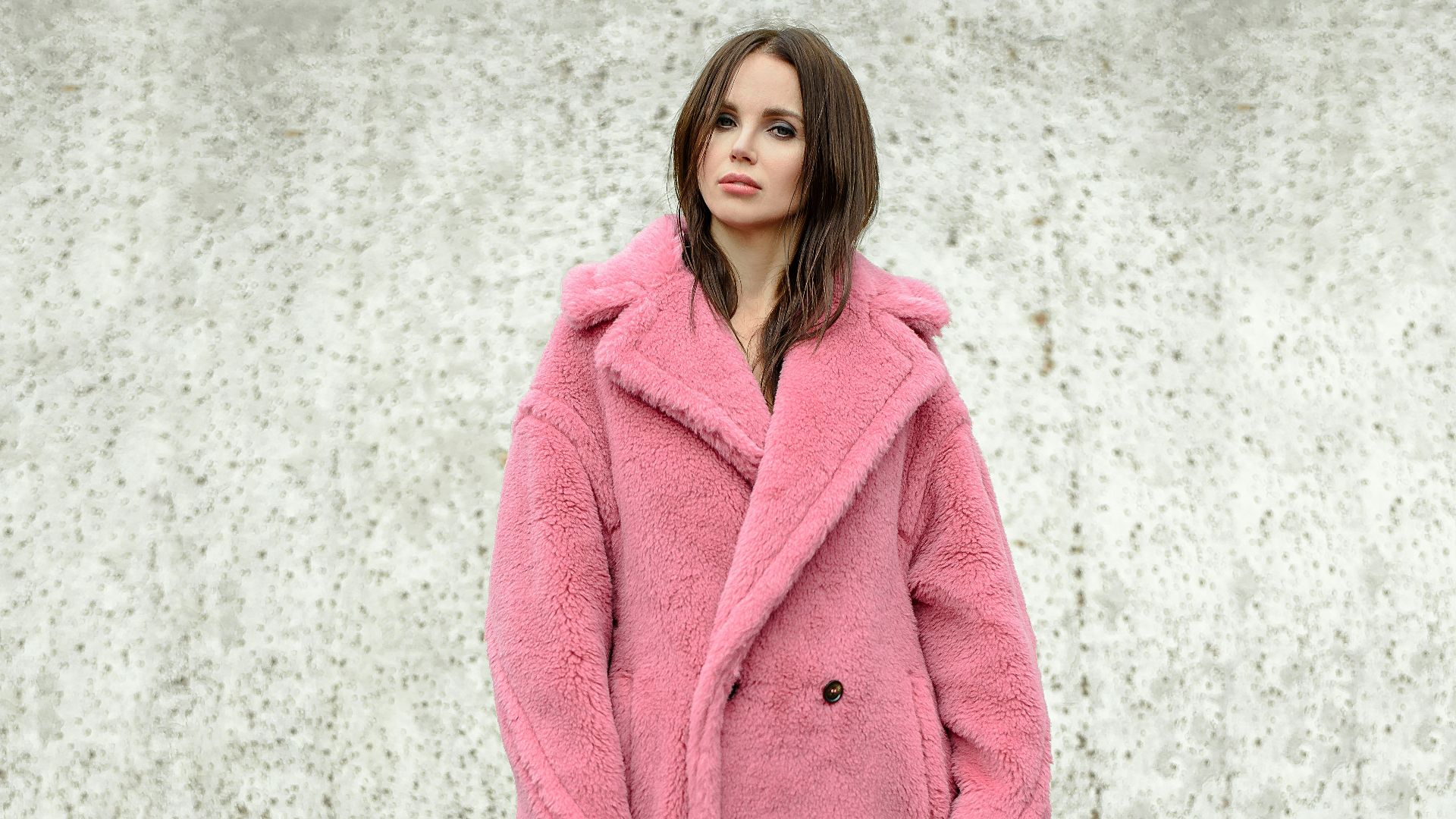
1. Wearing Shoes You Can’t Walk In
Shoes that cause pain or change the way you walk rarely improve an outfit for long. Even an impressive heel quickly loses its appeal when you’re uncomfortable, distracted, or searching for somewhere to sit. A lower heel, supportive insole, or better-fitting design usually creates a more confident result.
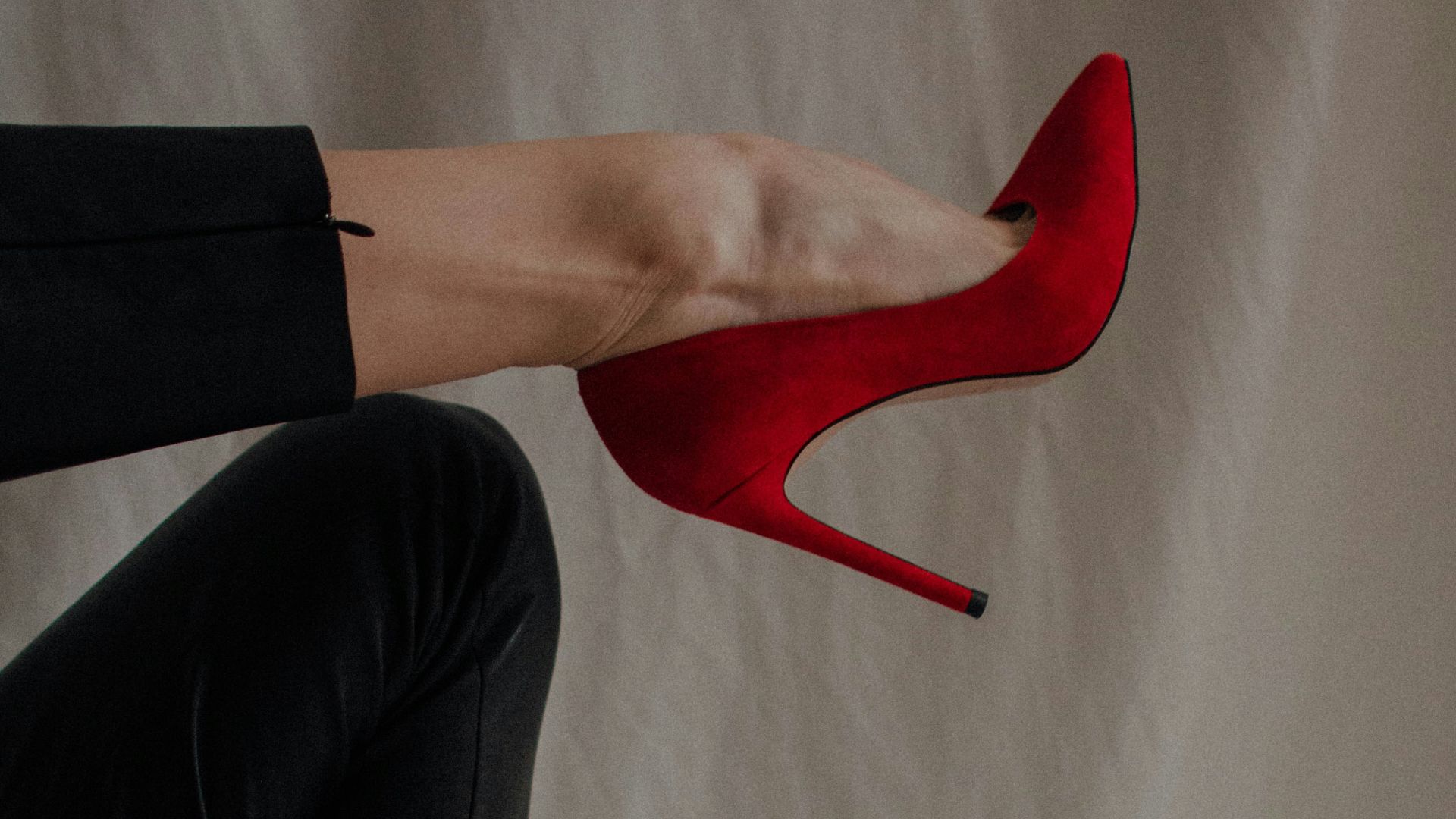
2. Sizing Down for the Label
Buying a smaller size for emotional satisfaction often leads to pulling, gaping, or restricted movement. Clothing sizes vary significantly among brands, so the number on the tag isn’t a reliable measure of how something should fit. Choosing the size that sits correctly on your body will nearly always look more polished.

3. Wearing Every Trend at Once
Combining several major trends can make an outfit feel dated surprisingly quickly. Dramatic cutouts, exaggerated proportions, bold accessories, and unusual footwear may each be effective alone, but together they can compete for attention.
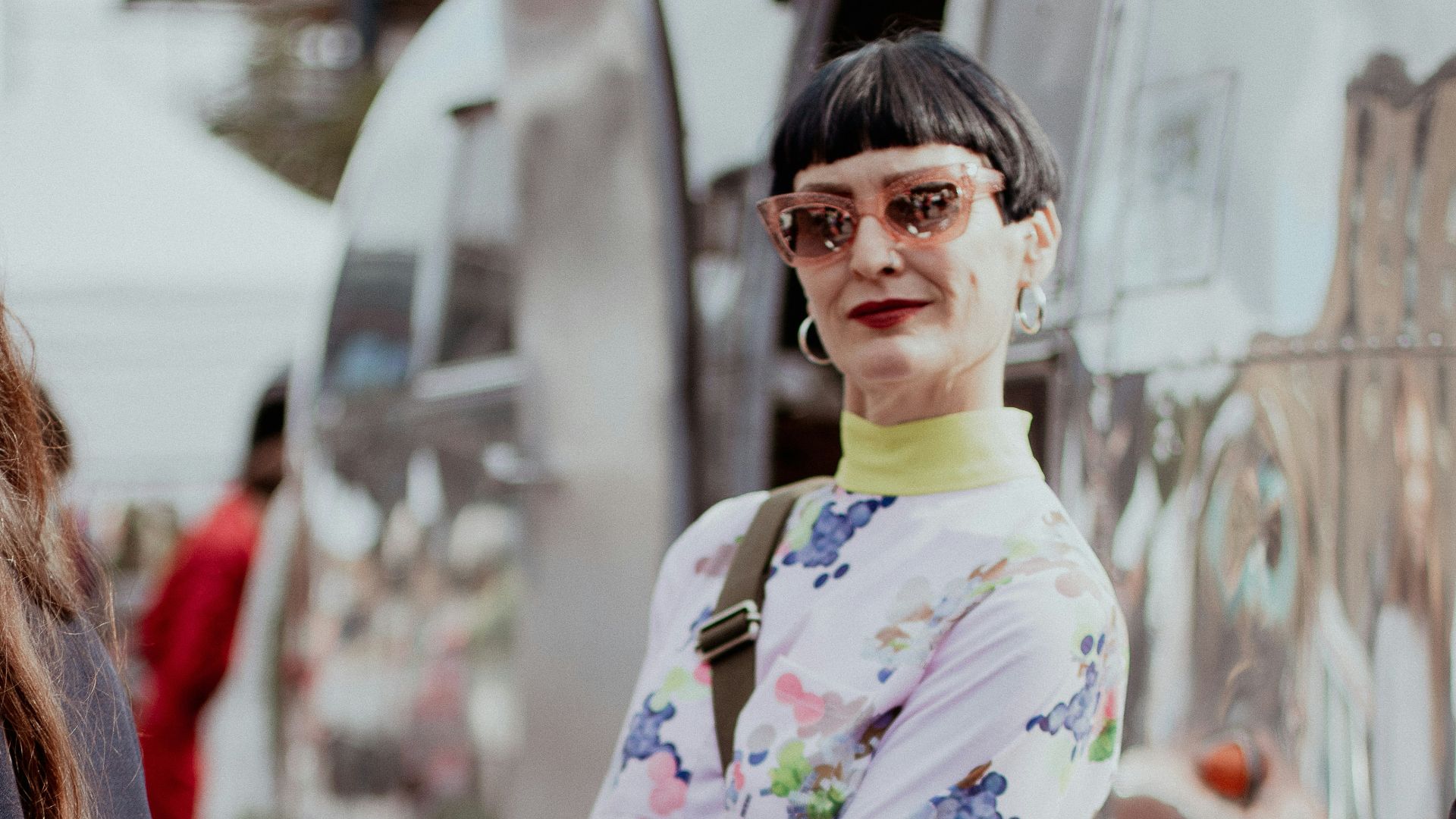
4. Ignoring the Dress Code Completely
Standing out isn’t always the same as dressing appropriately. Wearing something extremely casual to a formal event or an elaborate outfit to a relaxed gathering can make you feel self-conscious throughout the occasion. You can still interpret a dress code creatively without disregarding the expectations of the setting.
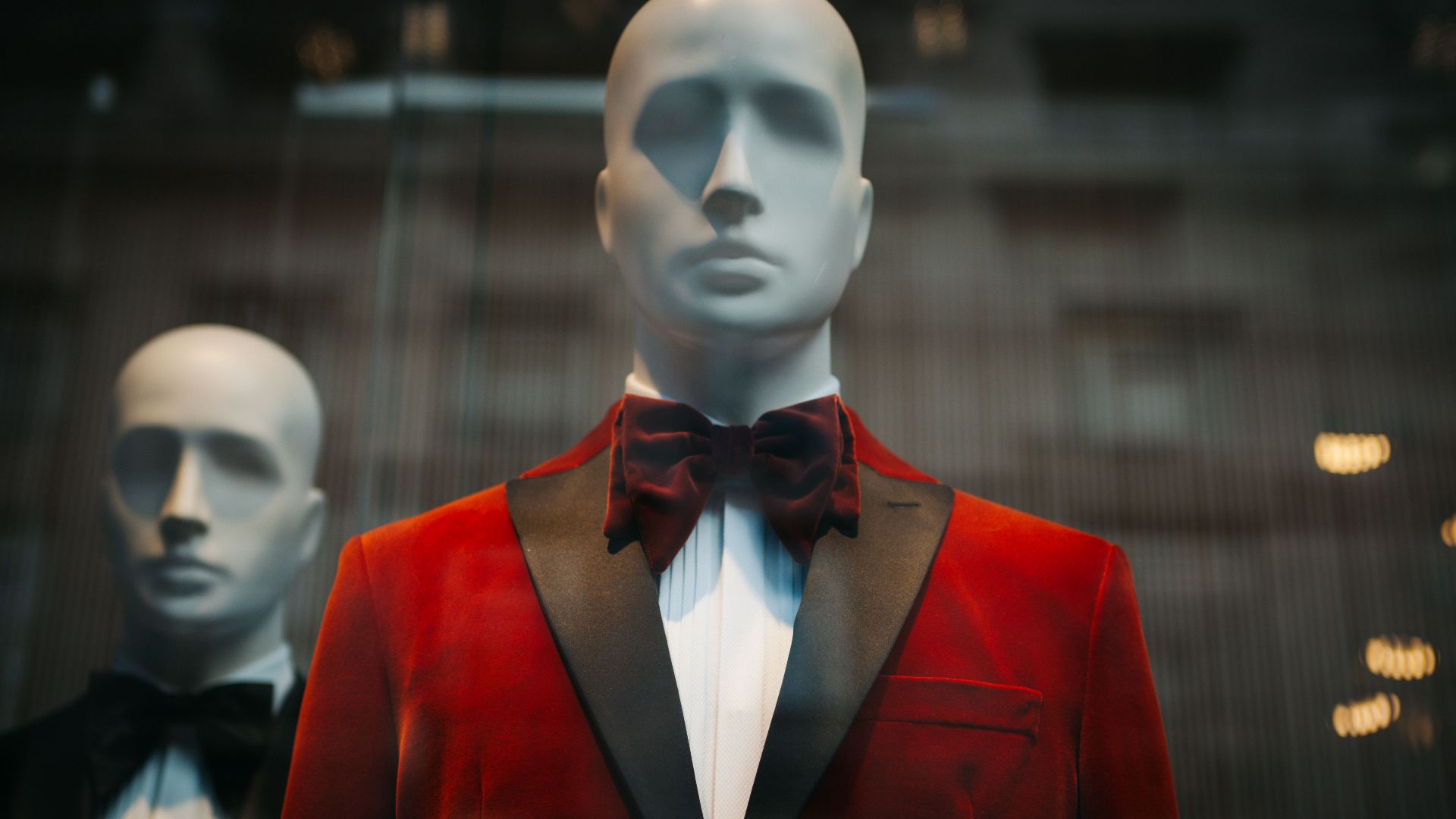
5. Choosing Sheer Clothing Without Testing It
Fabric that looks slightly transparent in a fitting room may become much more revealing in daylight or under flash photography. Checking the garment under several lighting conditions can prevent an uncomfortable surprise later.
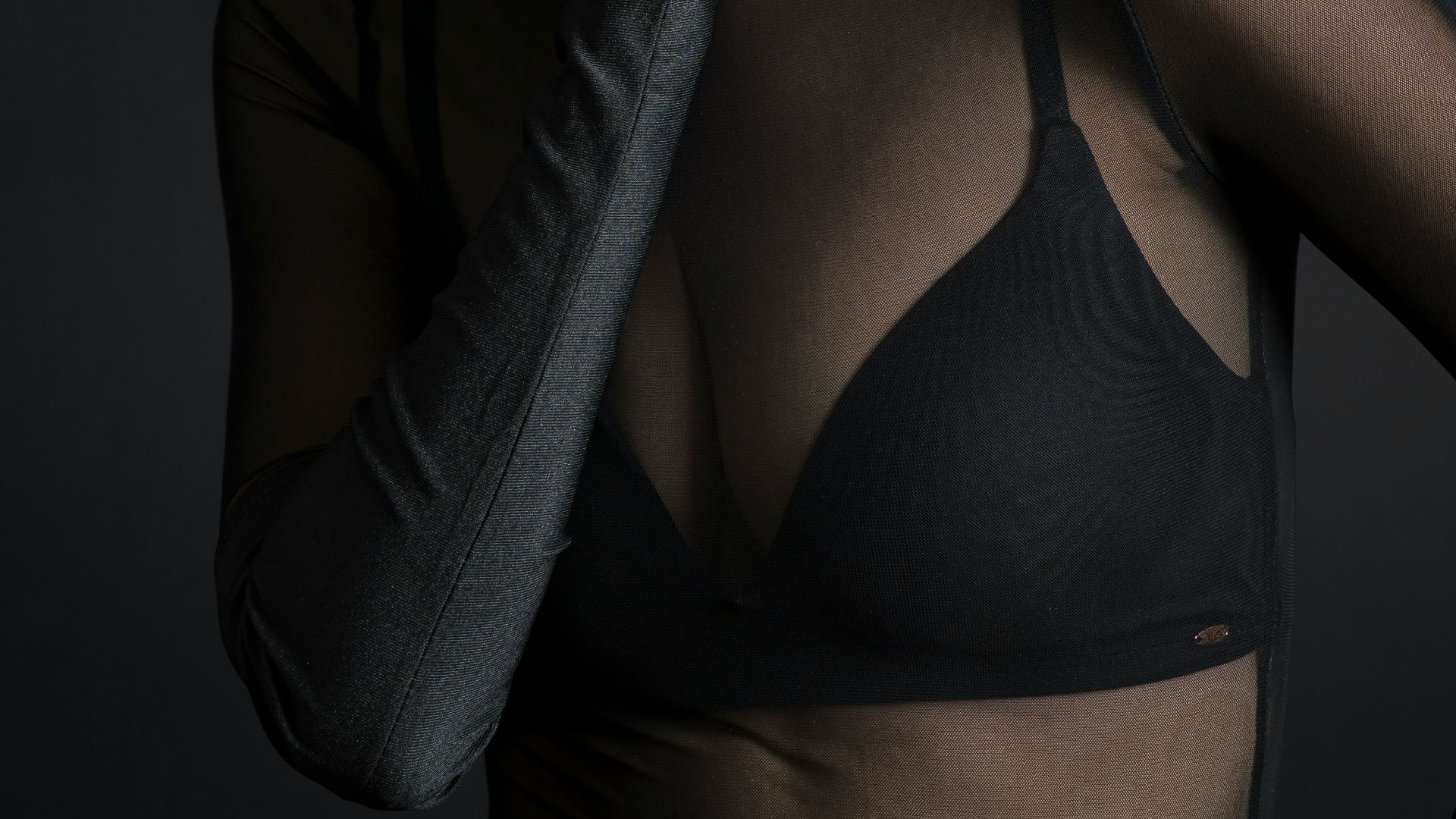
6. Forcing an Extreme Low Rise
Very low-rise pants can be difficult to sit, bend, and move in comfortably, particularly when the waistband isn’t designed for your proportions. Constantly adjusting your clothing makes even a fashionable outfit seem less effortless.
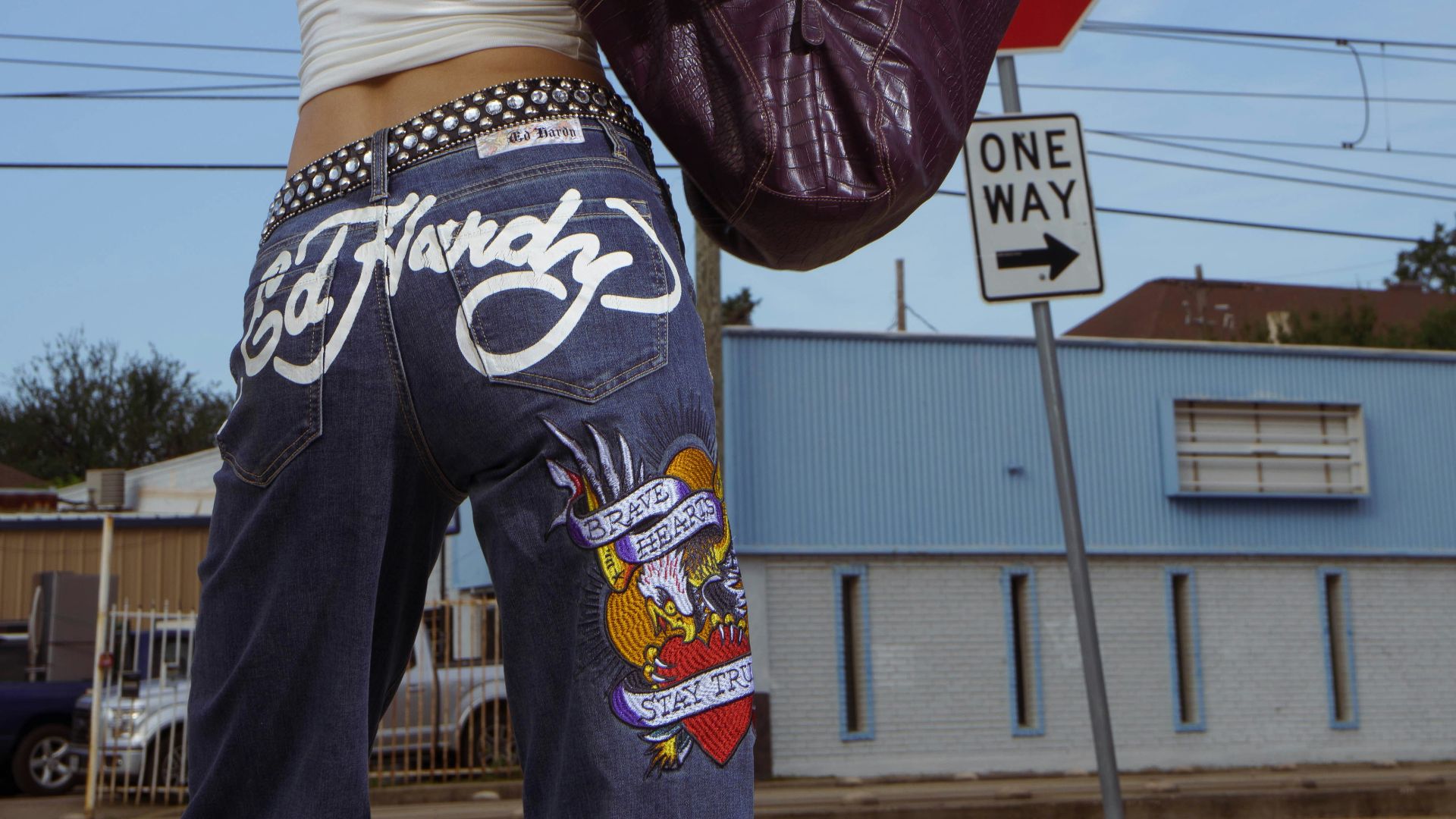
7. Wearing Unsecured Oversized Accessories
Extremely large hats, bags, earrings, or belts may look striking in photographs, but become inconvenient during normal activity. A slightly scaled-back version usually preserves the visual impact while remaining wearable.
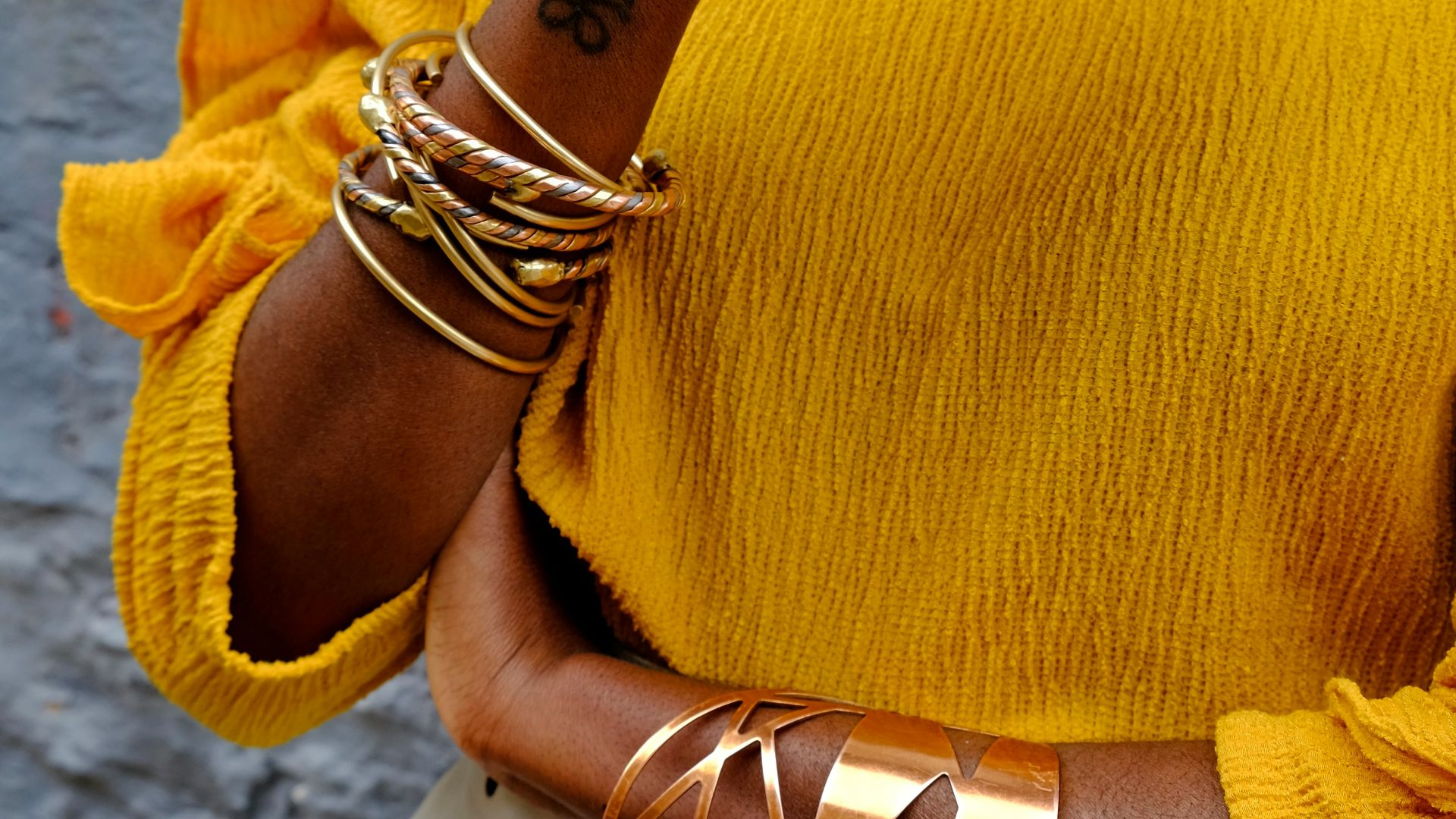
8. Copying a Celebrity Outfit Exactly
An outfit that succeeds on a red carpet, stage, or professionally styled photo shoot may not function well in everyday life. Tailoring, lighting, posing, and custom construction all affect how celebrity clothing appears.
9. Wearing Delicate Fabrics in the Wrong Setting
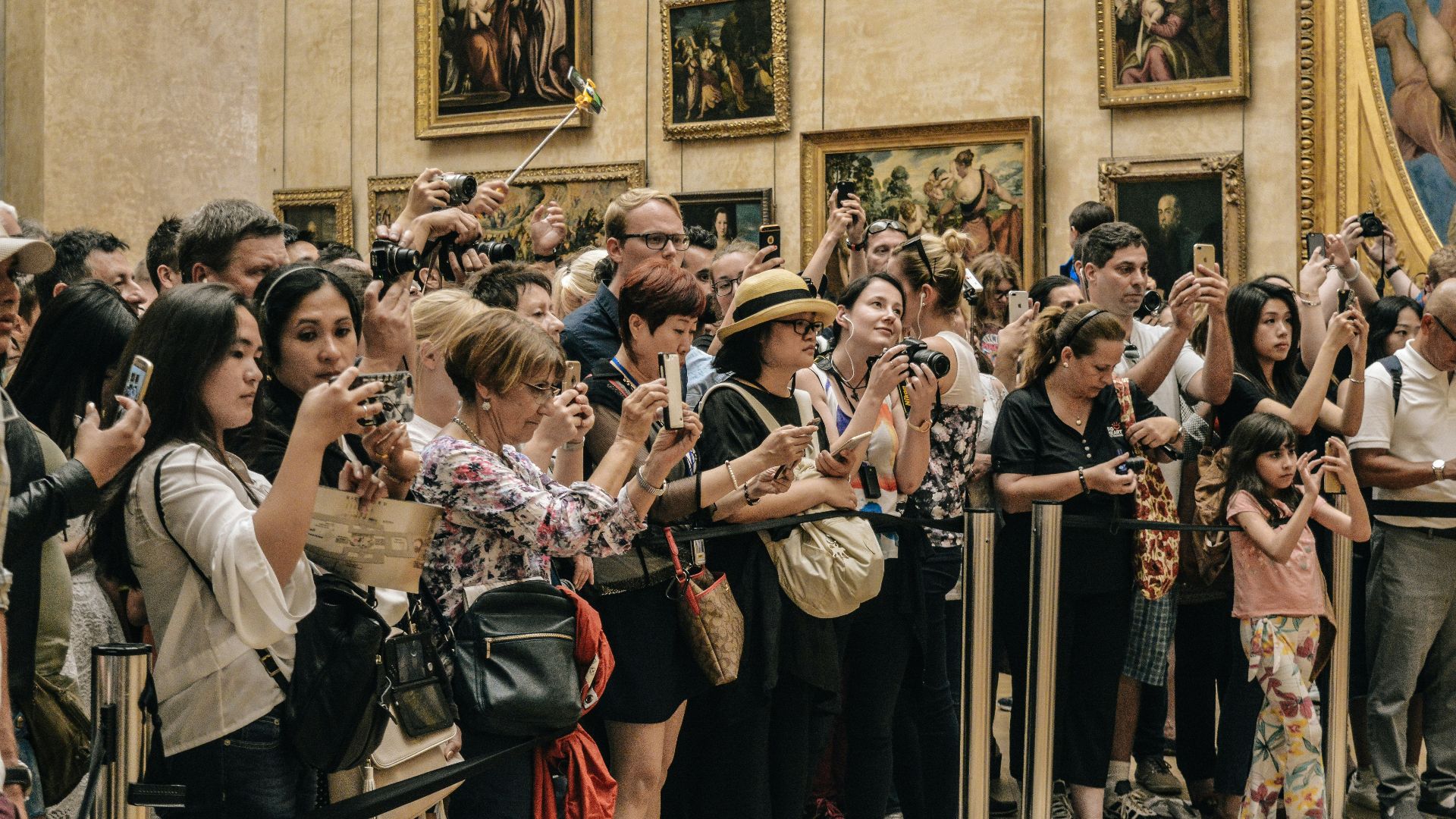
Silk, lace, fine knits, and loosely woven fabrics can be beautiful, but they aren’t suited to every activity or environment. Crowded transportation, outdoor seating, rough surfaces, and unpredictable weather can quickly damage them.
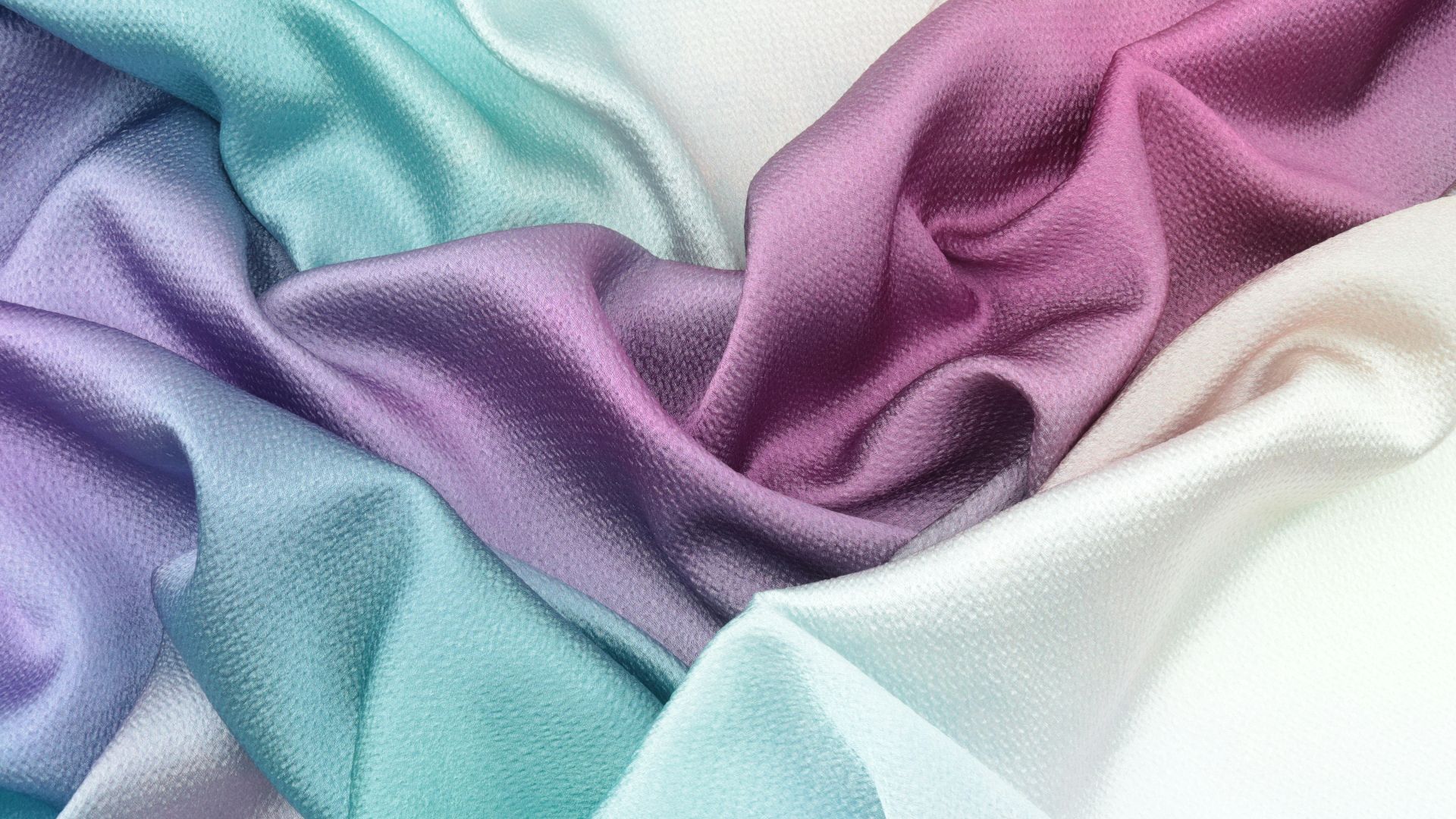 Divazus Fabric Store on Unsplash
10. Using Clothing as a Practical Safety Hazard
Extra-long sleeves, trailing hems, unstable platforms, and dangling accessories can catch on doors, stairs, equipment, or furniture. The dramatic appearance isn’t worth the risk of tripping or becoming tangled during ordinary movement.