Summer Ready: 10 Fabrics That'll Make You Overheat & 10 Sweat-Wicking Ones That Won't
Summer Ready: 10 Fabrics That'll Make You Overheat & 10 Sweat-Wicking Ones That Won't
What You Wear Can Make or Break Your Summer Comfort
When summer hits, you might revert to your usual outfit—t-shirt and shorts, of course—without even checking what it's made out of. Who cares, right, as long as it doesn't cover too much skin? But contrary to that popular belief, what you wear matters just as much as how much you wear. Even cropped shirts and pants could be made out of fabrics that trap heat and moisture against your skin, while seemingly "warm" fabrics can actually actively pull moisture away and let your body breathe. To make sure you don't accidentally overheat basking in the balmy weather, here are 10 materials you should avoid, and 10 sweat-wicking ones to choose instead.

1. Polyester
Polyester is a synthetic fabric that doesn't allow much airflow, so heat tends to build up close to your body. It also doesn't absorb sweat well, which means moisture sits on your skin instead of evaporating. You'll often notice this fabric feeling sticky and uncomfortable within minutes of stepping outside on a hot day.
2. Nylon
Nylon shares many of the same problems as polyester because it's another synthetic material with poor breathability. Manufacturers love it for its durability and stretch, but those same tightly woven fibers block air from circulating. If you've ever worn nylon leggings on a warm afternoon, you probably remember how quickly they started to feel uncomfortable.
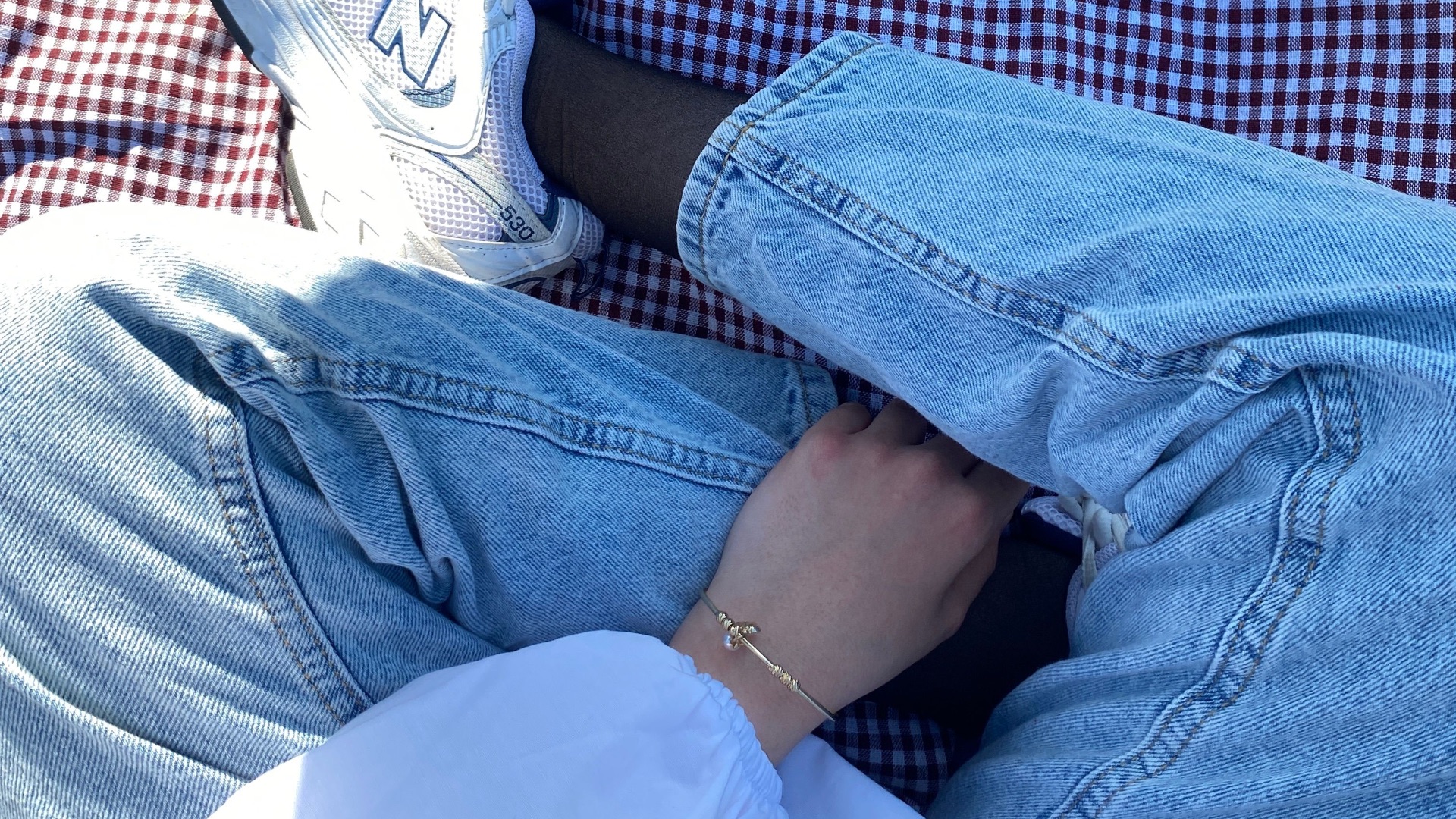
3. Denim
Denim is thick, heavy, and made from tightly woven cotton fibers that don't let much air pass through. This density traps body heat rather than releasing it, making jeans a poor choice for scorching days. Even lighter-weight denim options still hold onto warmth far more than looser, thinner fabrics do.
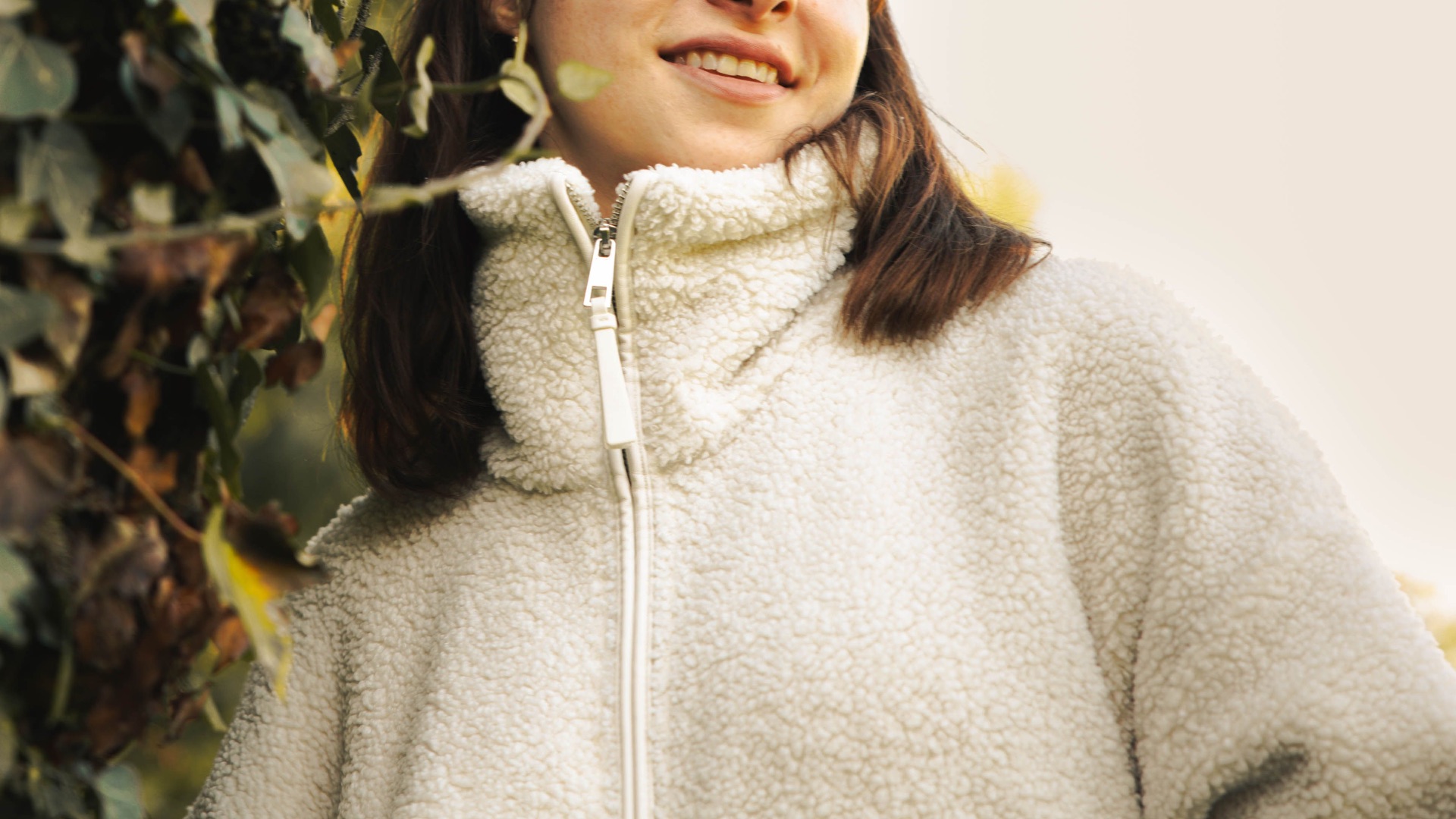
4. Fleece
Fleece was designed to trap warmth, so it's essentially the opposite of what you want when the goal is staying cool. Its fuzzy texture creates insulating air pockets that hold heat close to your body. Save your fleece pullovers and blankets for cooler months, because they'll work against you in summer weather.
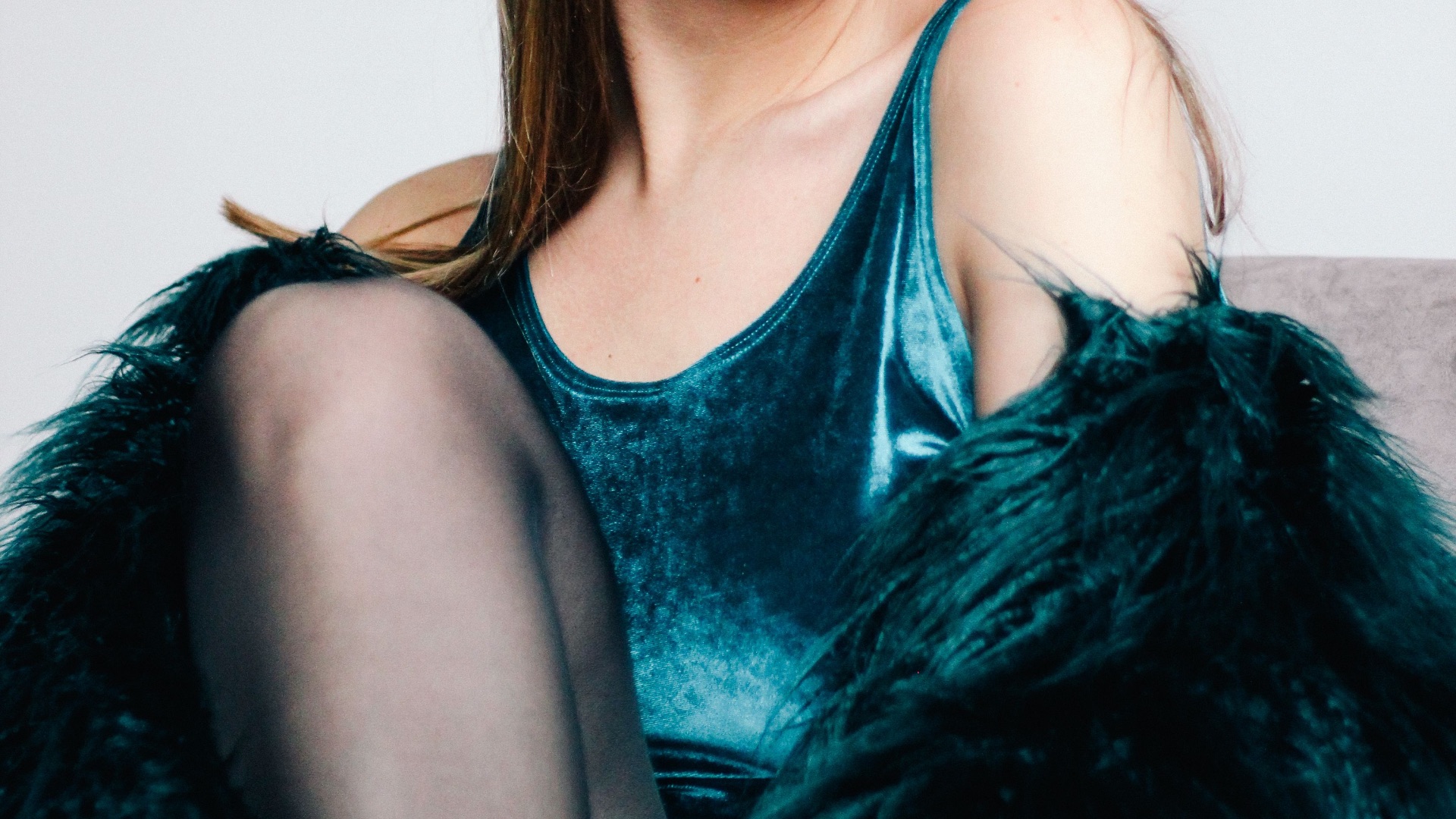
5. Velvet
Velvet's dense pile and heavy weave make it one of the least breathable fabrics you can wear. The fabric was originally designed for colder seasons, and its structure simply isn't built to release heat. Wearing velvet in summer often leads to overheating fast, especially in humid conditions.
 Maryia Plashchynskaya on Pexels
6. Wool
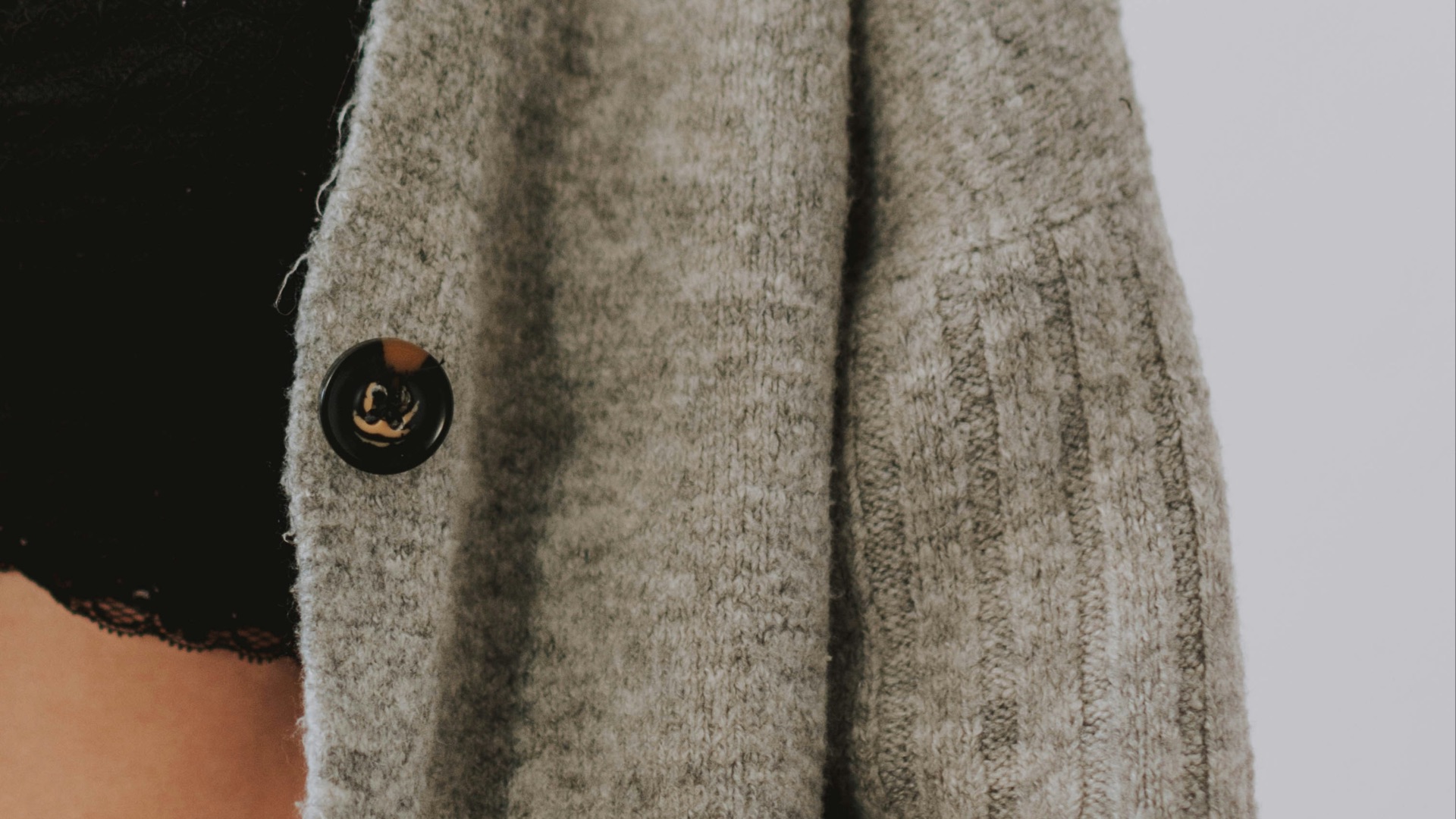
Wool is prized for its insulating properties, which is exactly why it's a poor match for summer temperatures. Even lighter wool blends tend to trap warmth against the skin rather than letting it escape. Unless you're dealing with an unusually cold summer evening, wool probably isn't your best bet.
7. Satin
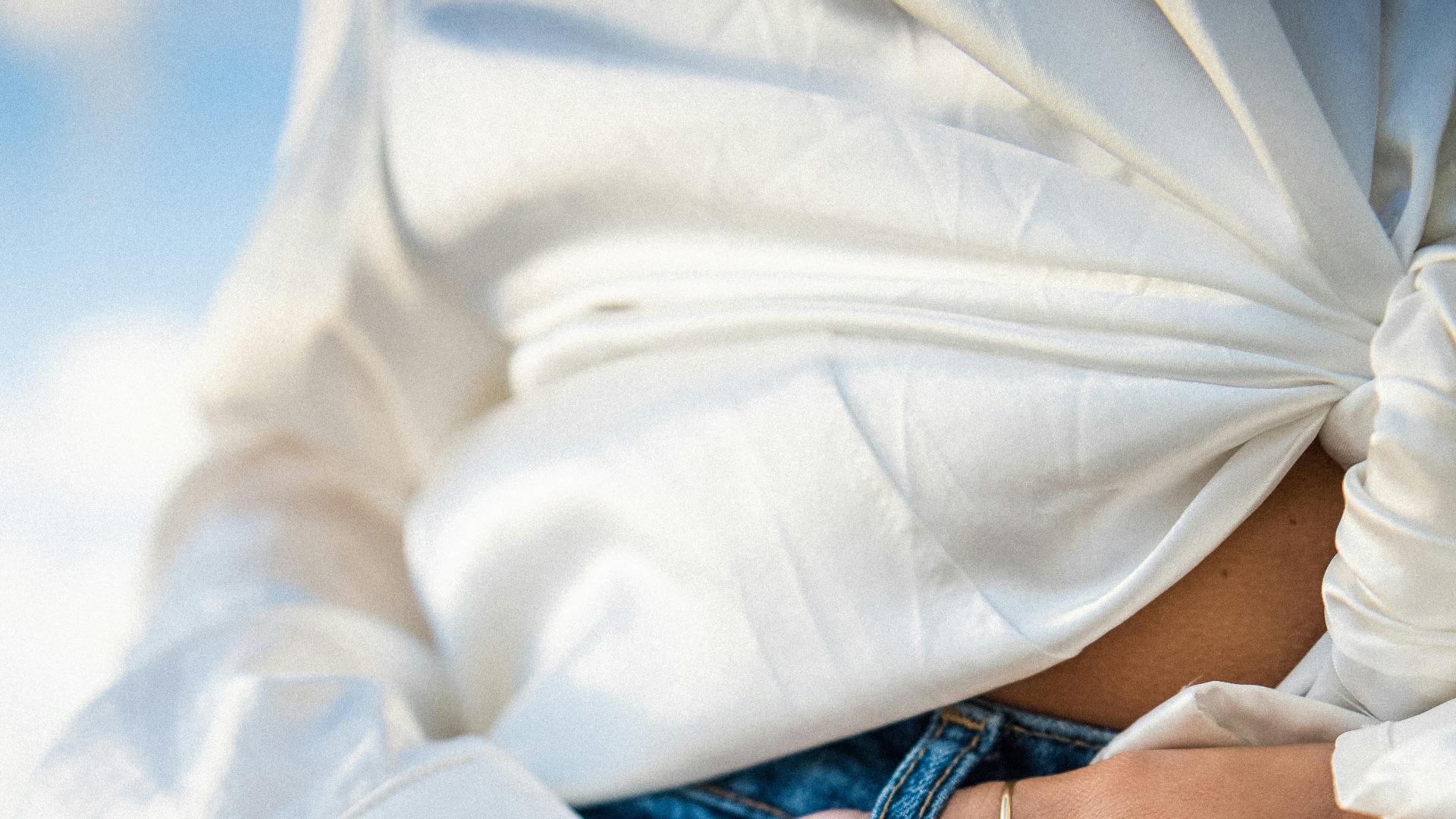
Satin has a smooth, tightly woven surface that doesn't allow for much air exchange. While it looks elegant and feels soft, this fabric traps heat and doesn't absorb sweat effectively. Many people find satin clothing clings uncomfortably once they start perspiring.
8. Rayon
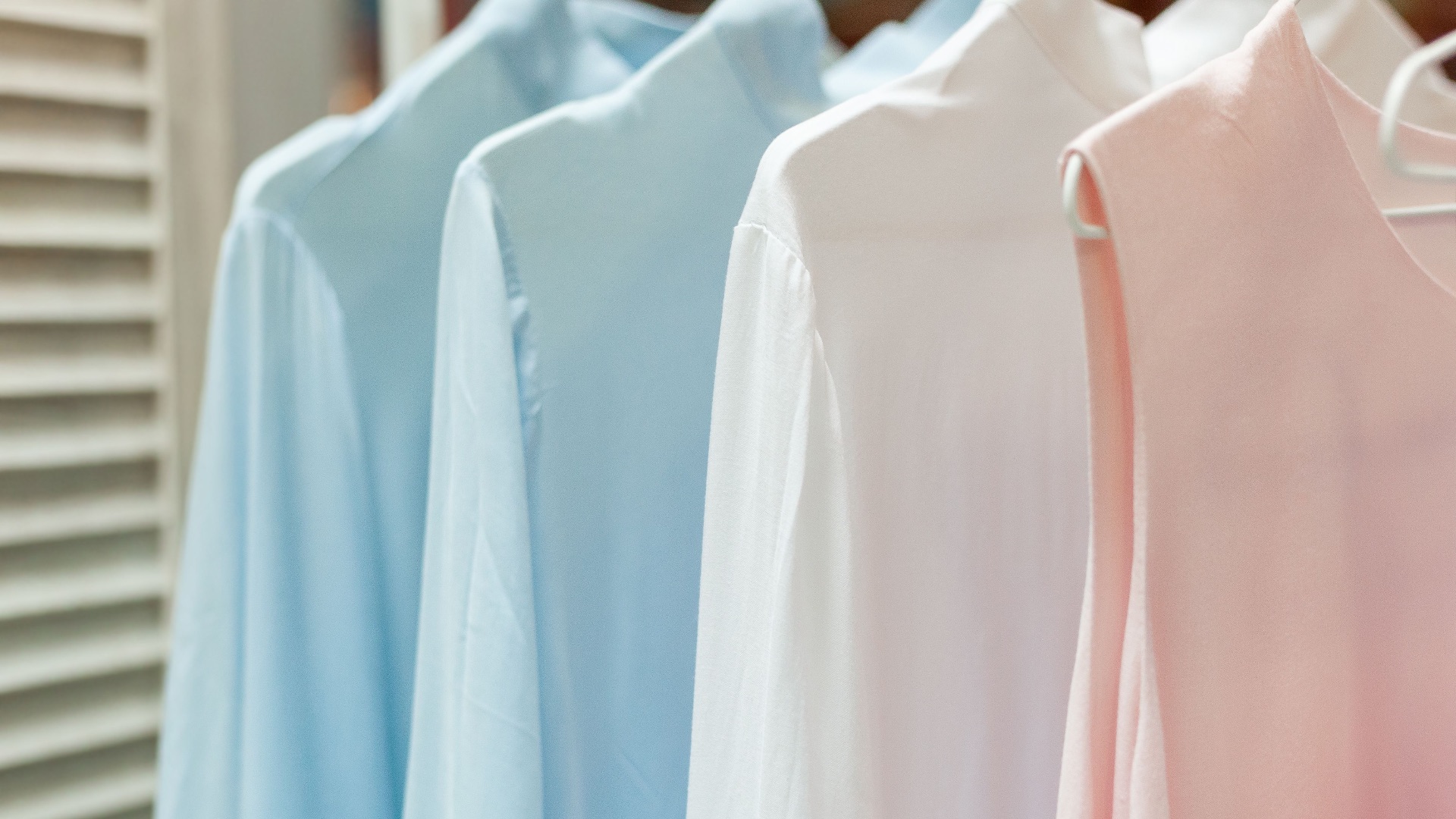
Rayon is often marketed as a breathable option, but it actually retains moisture rather than wicking it away. Once sweat soaks into rayon, the fabric can feel damp and heavy for a long time. This makes it a surprisingly poor choice for anyone planning to be active outdoors.
9. Acrylic
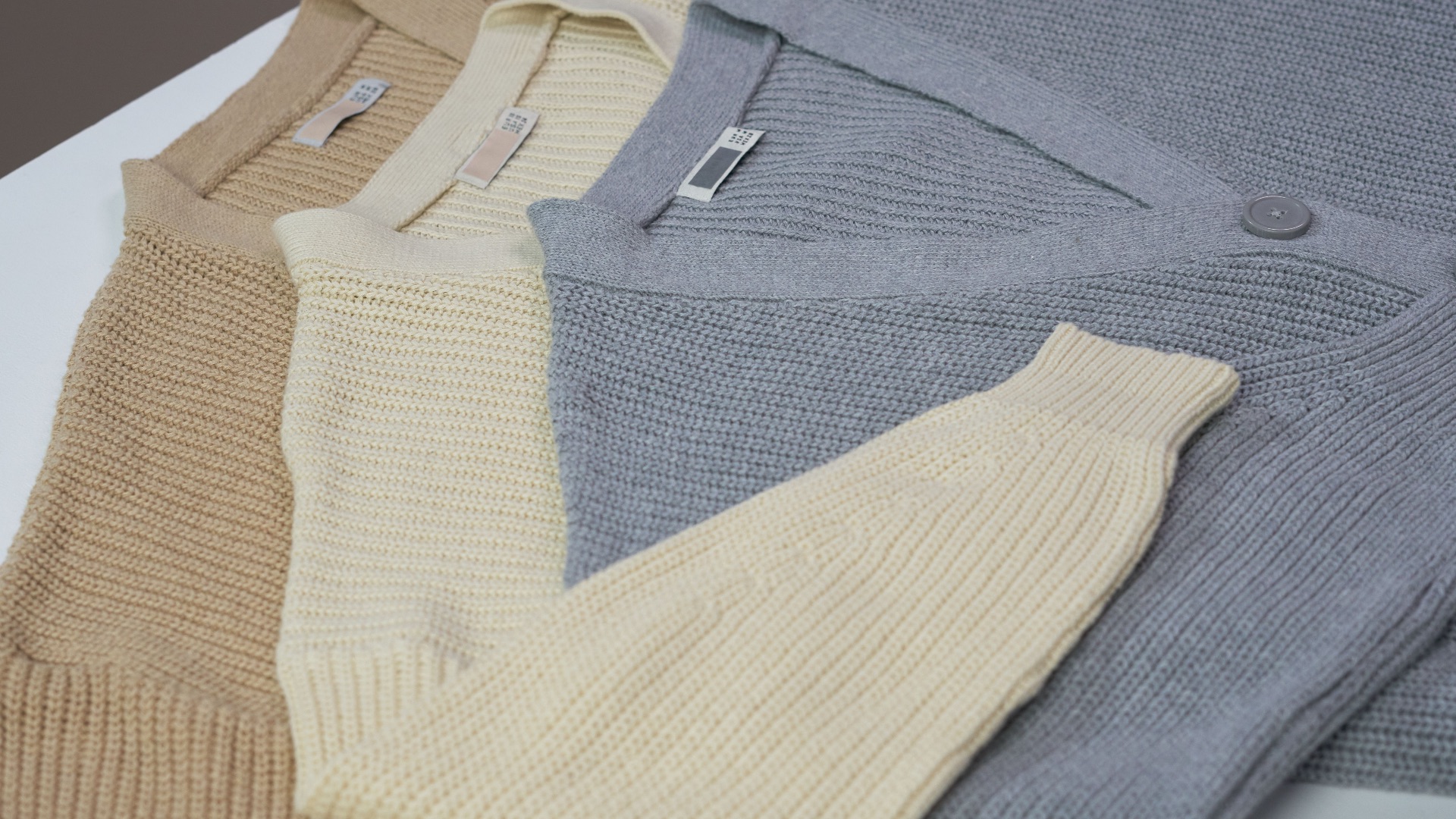
Acrylic is a synthetic fiber often used as a wool substitute, and it carries many of the same heat-trapping qualities. It doesn't breathe well, and it tends to hold onto both heat and odor after a sweaty day. Choosing acrylic sweaters or cardigans for summer outings is rarely a comfortable decision.
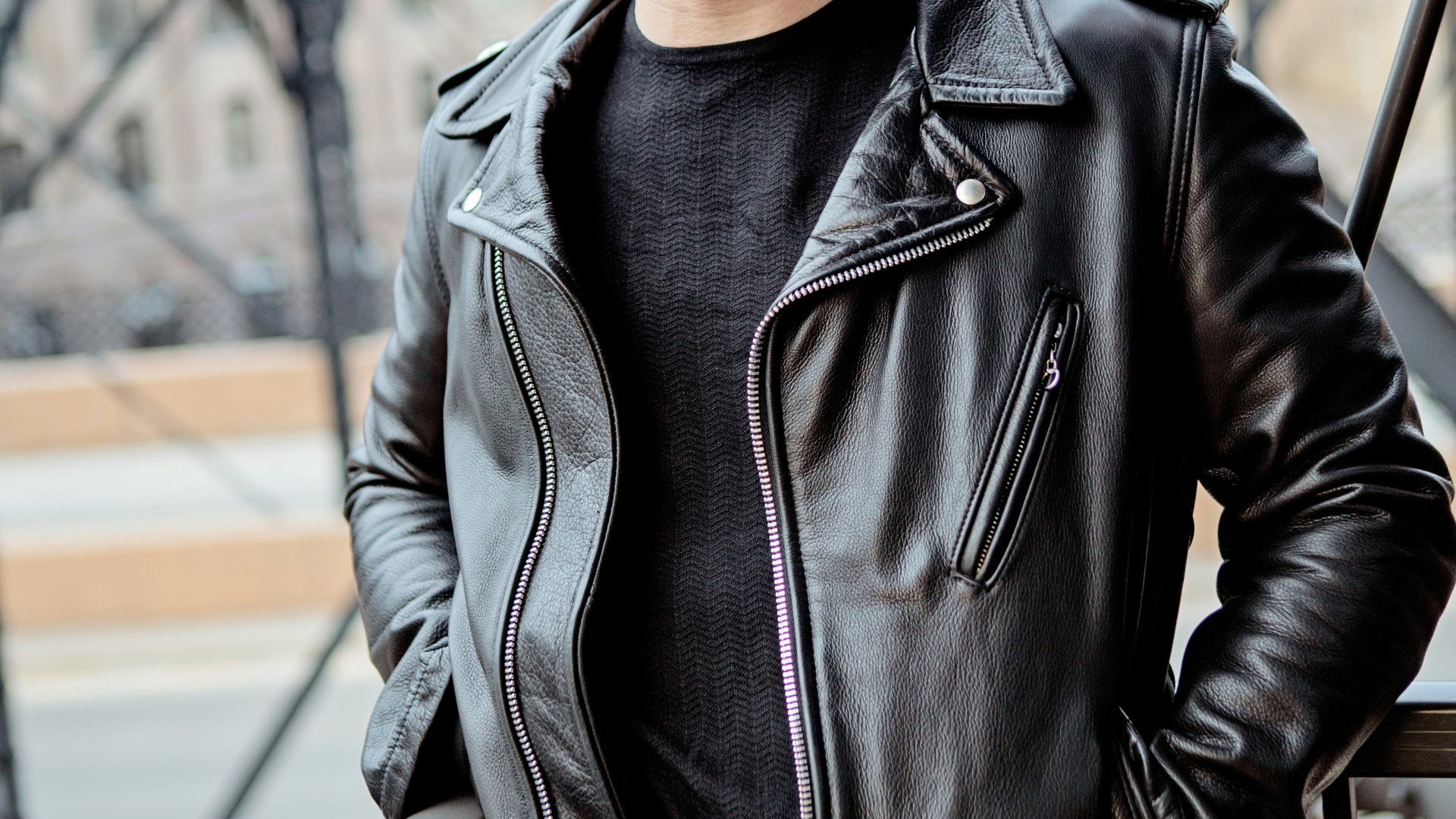
10. Leather
Leather is thick, non-porous, and essentially blocks airflow entirely, making it one of the worst choices for hot weather. Whether it's a jacket, pants, or accessories, leather traps heat against your skin with nowhere for it to escape. Save your leather pieces for fall and winter, when their insulating qualities actually work in your favor.
Now that you know which fabrics to avoid, it's worth switching gears to the materials that will actually help you stay comfortable. These next 10 options are designed with breathability and moisture management in mind, so your summer wardrobe doesn't have to work against you.
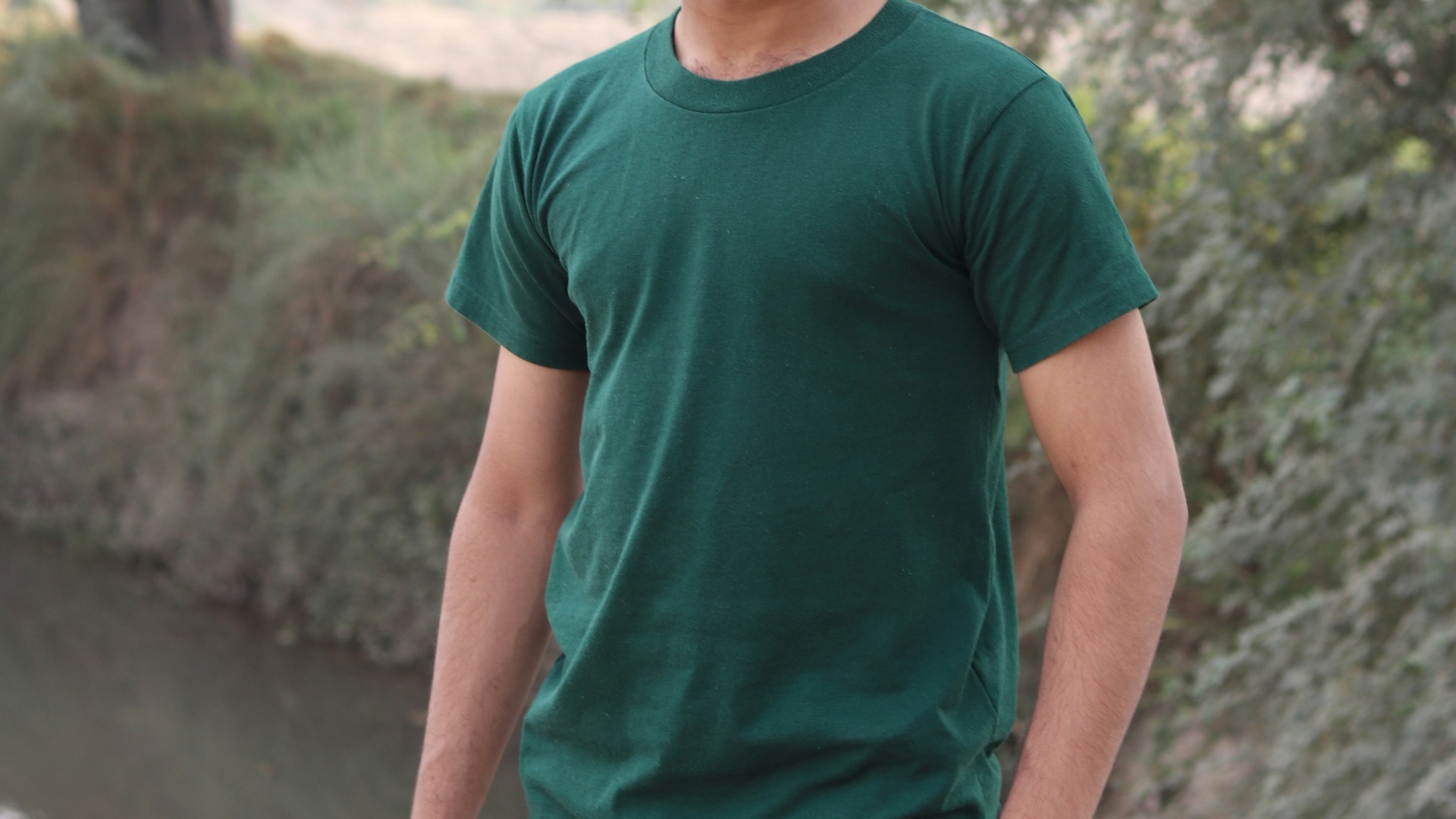
1. Cotton
Lightweight cotton is a reliable summer staple because it's breathable and allows air to circulate freely against your skin. It absorbs moisture rather than trapping it, which helps you feel drier throughout the day. Just keep in mind that heavier cotton weaves won't perform quite as well as thinner, looser ones.
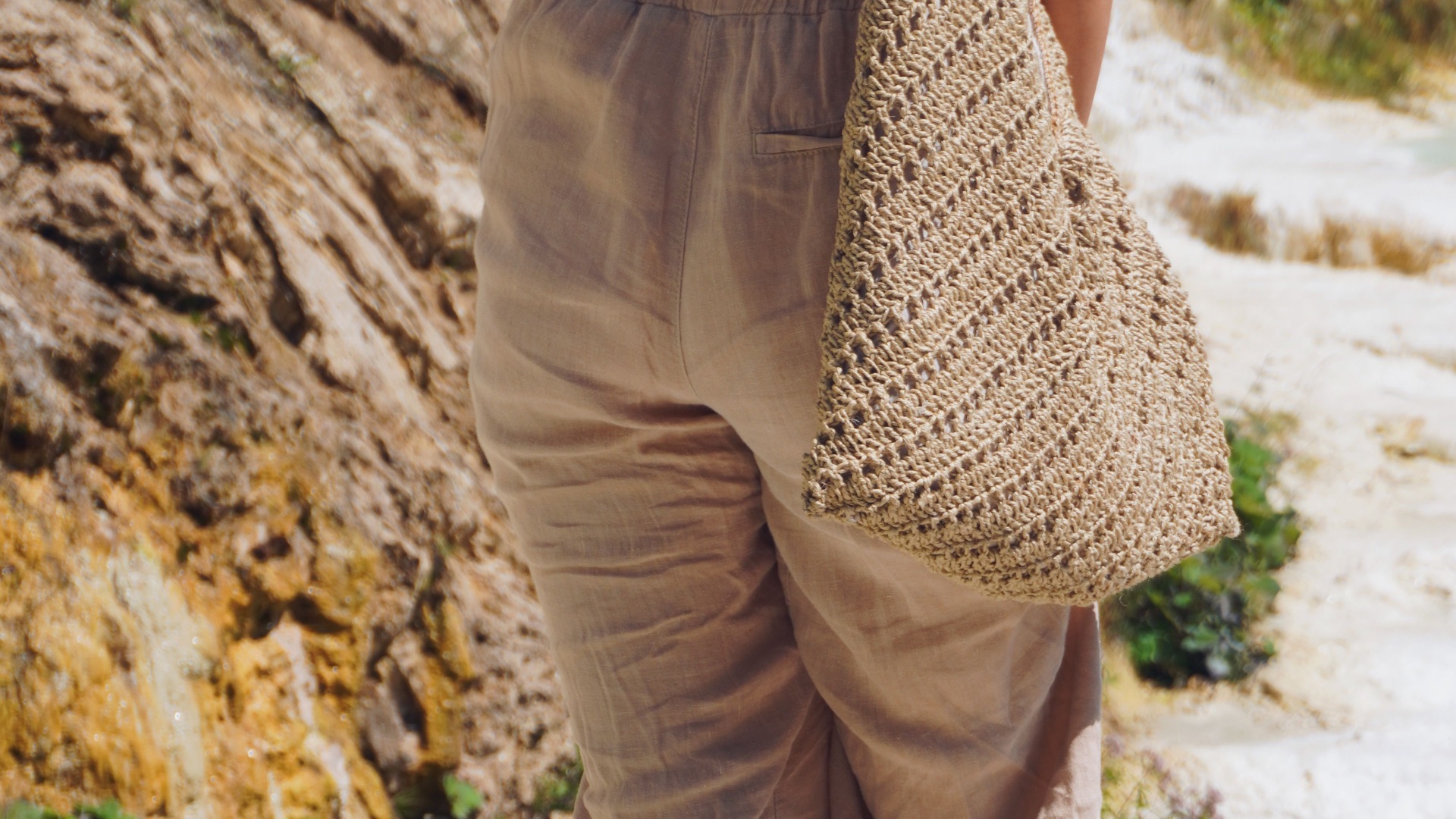
2. Linen
Linen is one of the most popular warm-weather fabrics thanks to its loose weave and natural breathability. It wicks moisture away from your body efficiently and dries quickly, which keeps you feeling fresh even in humidity. Many people also appreciate that linen gets softer and more comfortable with every wash.
3. Bamboo
Bamboo fabric has gained popularity in recent years because of its natural moisture-wicking properties and soft texture. It's also naturally breathable, allowing heat to escape rather than build up against your skin. On top of that, bamboo tends to be resistant to odor, which is a nice bonus during sweaty summer days.
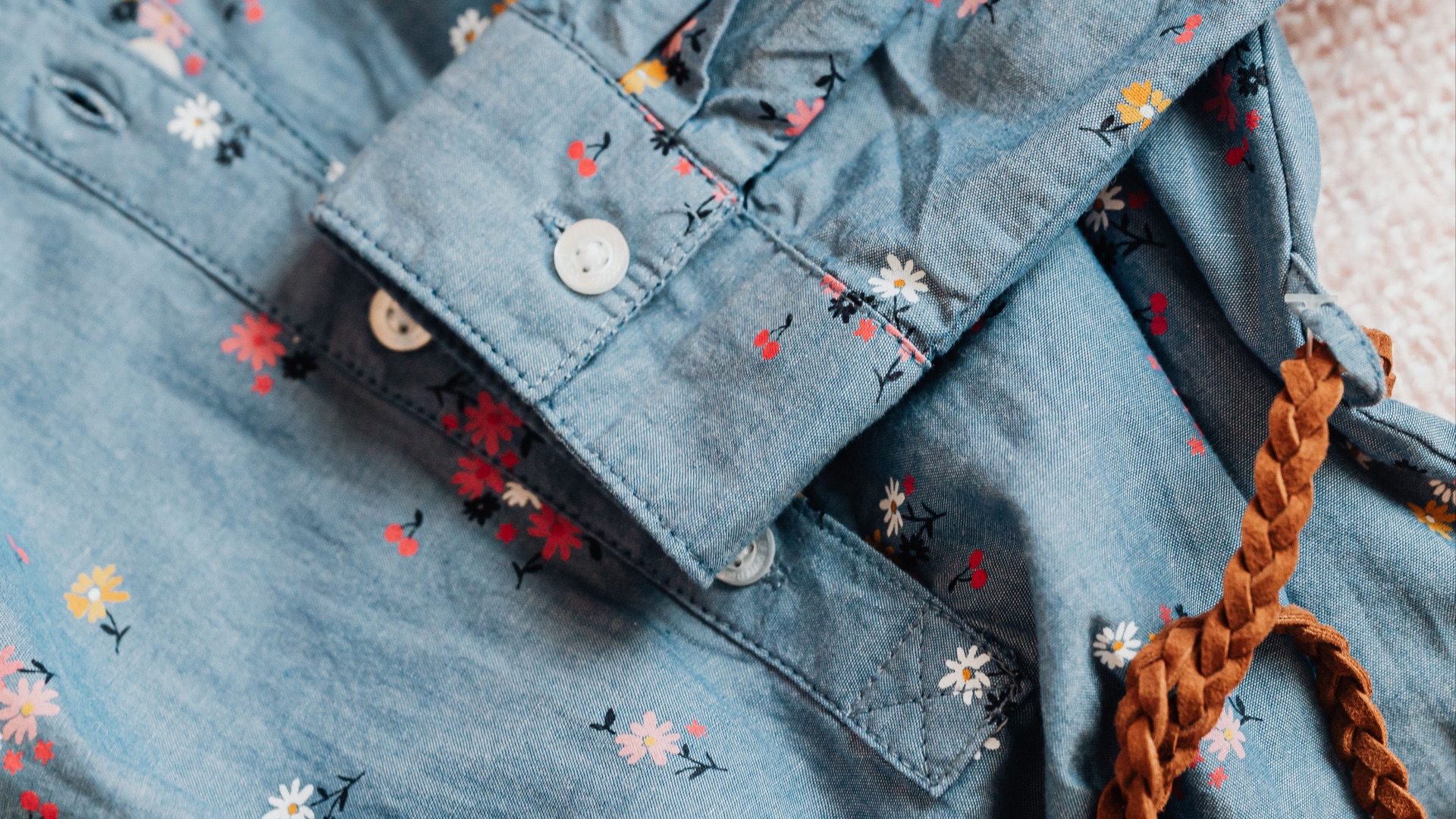
4. Chambray
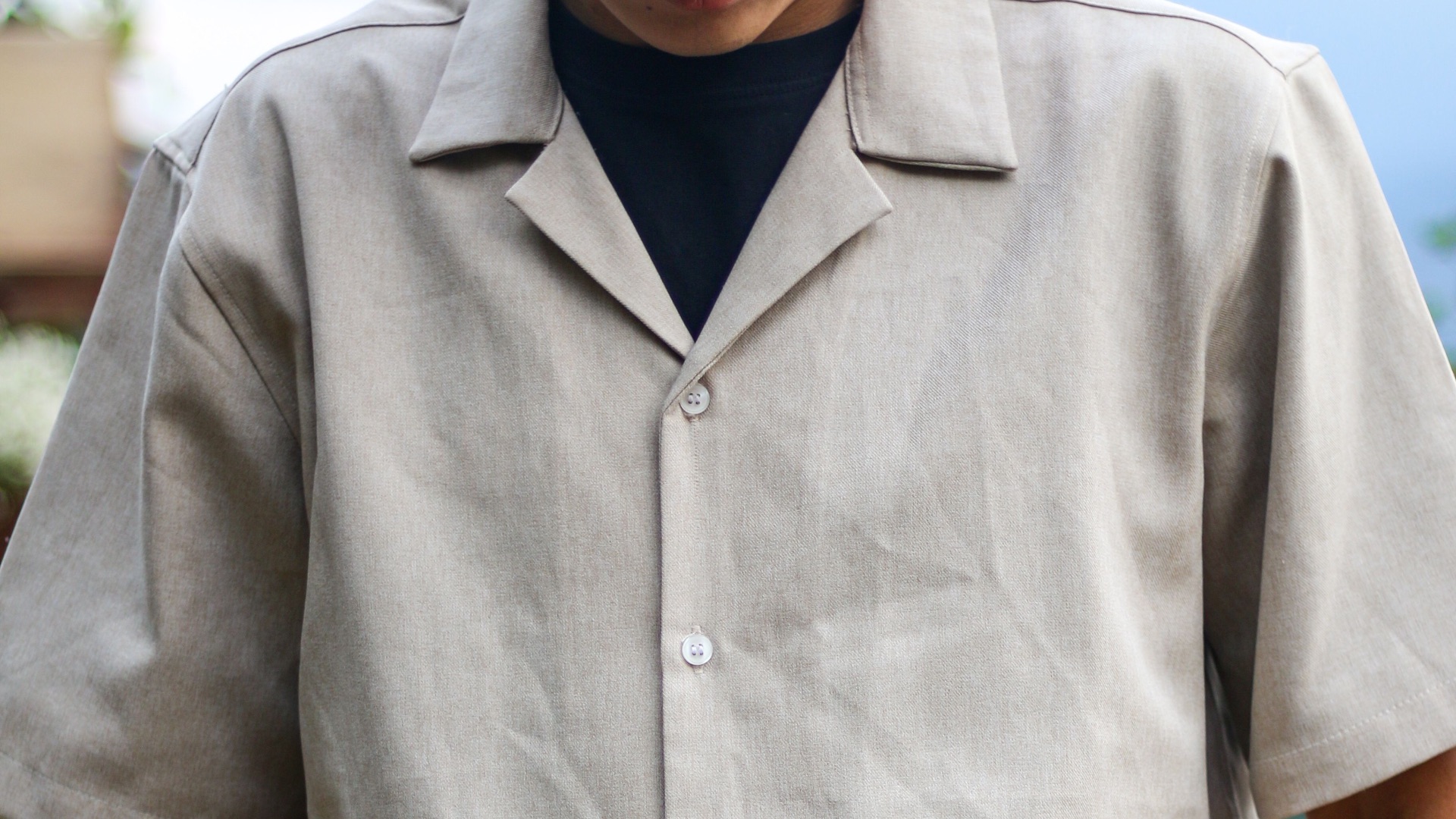
Chambray looks similar to denim but behaves completely differently when it comes to temperature regulation. It's woven from lightweight cotton, which makes it far more breathable and comfortable in the heat. You'll find chambray shirts and dresses are a smart alternative whenever you want that denim look without the added warmth.
5. Merino Wool
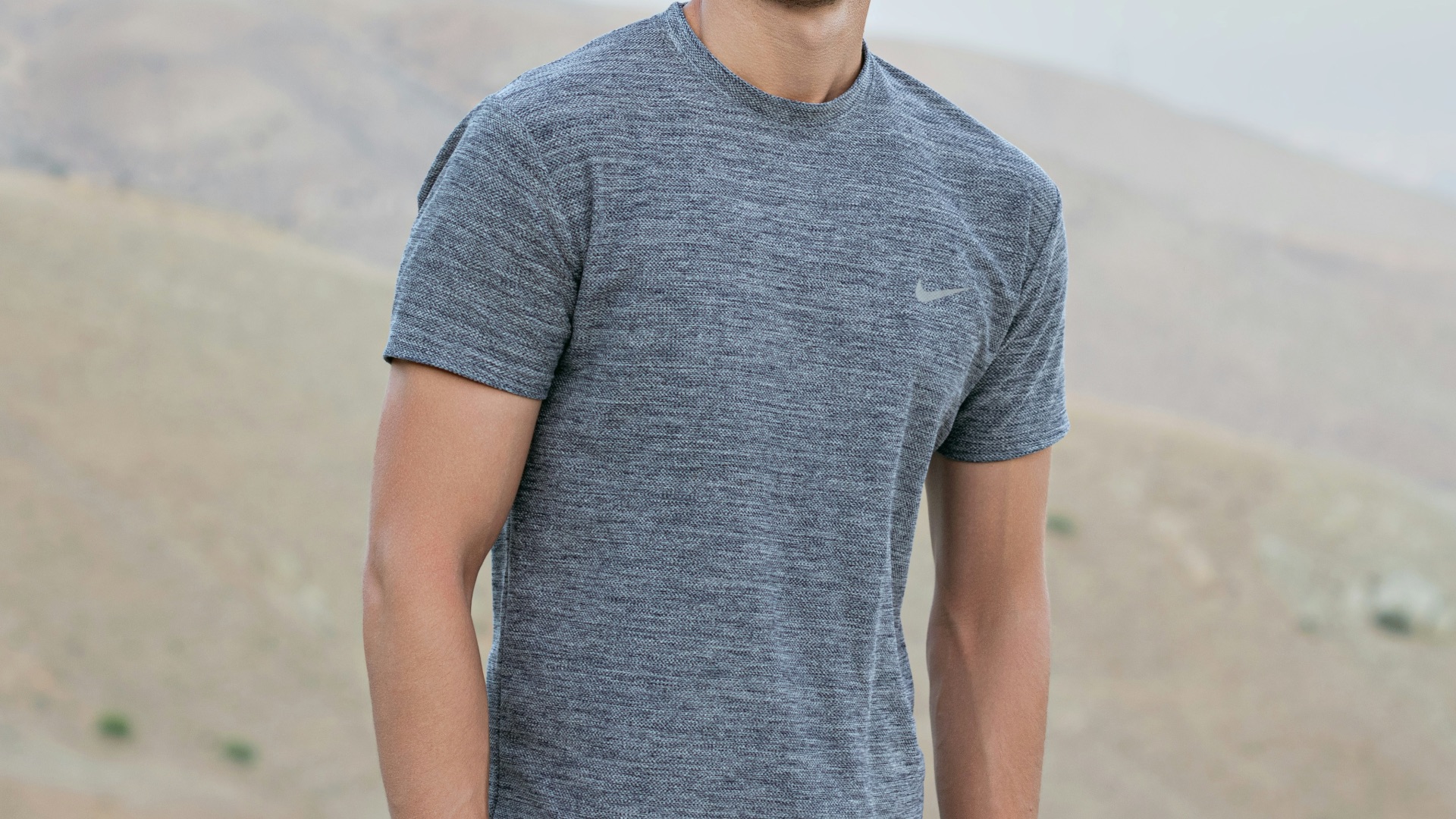
It might seem surprising, but merino wool is actually excellent for summer wear because its fine fibers wick moisture and regulate temperature. Unlike traditional wool, merino doesn't trap heat the same way, and it naturally resists odor buildup. Many athletes choose merino wool base layers specifically because they perform well in warm conditions.
6. Modal
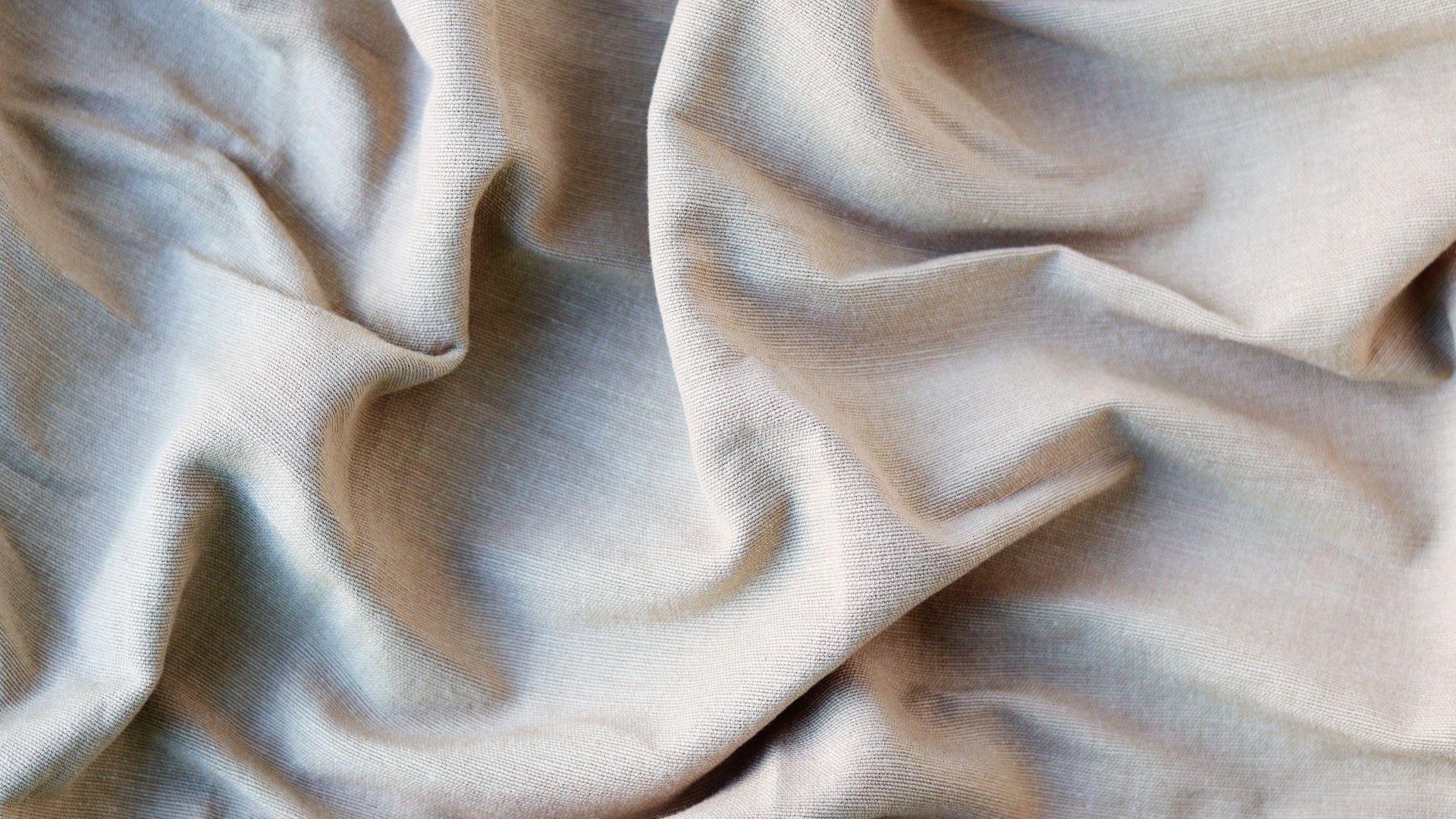
Modal is a semi-synthetic fabric made from beech tree fibers, and it's known for being soft, lightweight, and highly breathable. It absorbs moisture efficiently and dries fast, so you won't feel weighed down after sweating. This fabric also resists shrinking and holds its shape well, making it a practical choice for summer clothing.
7. Seersucker
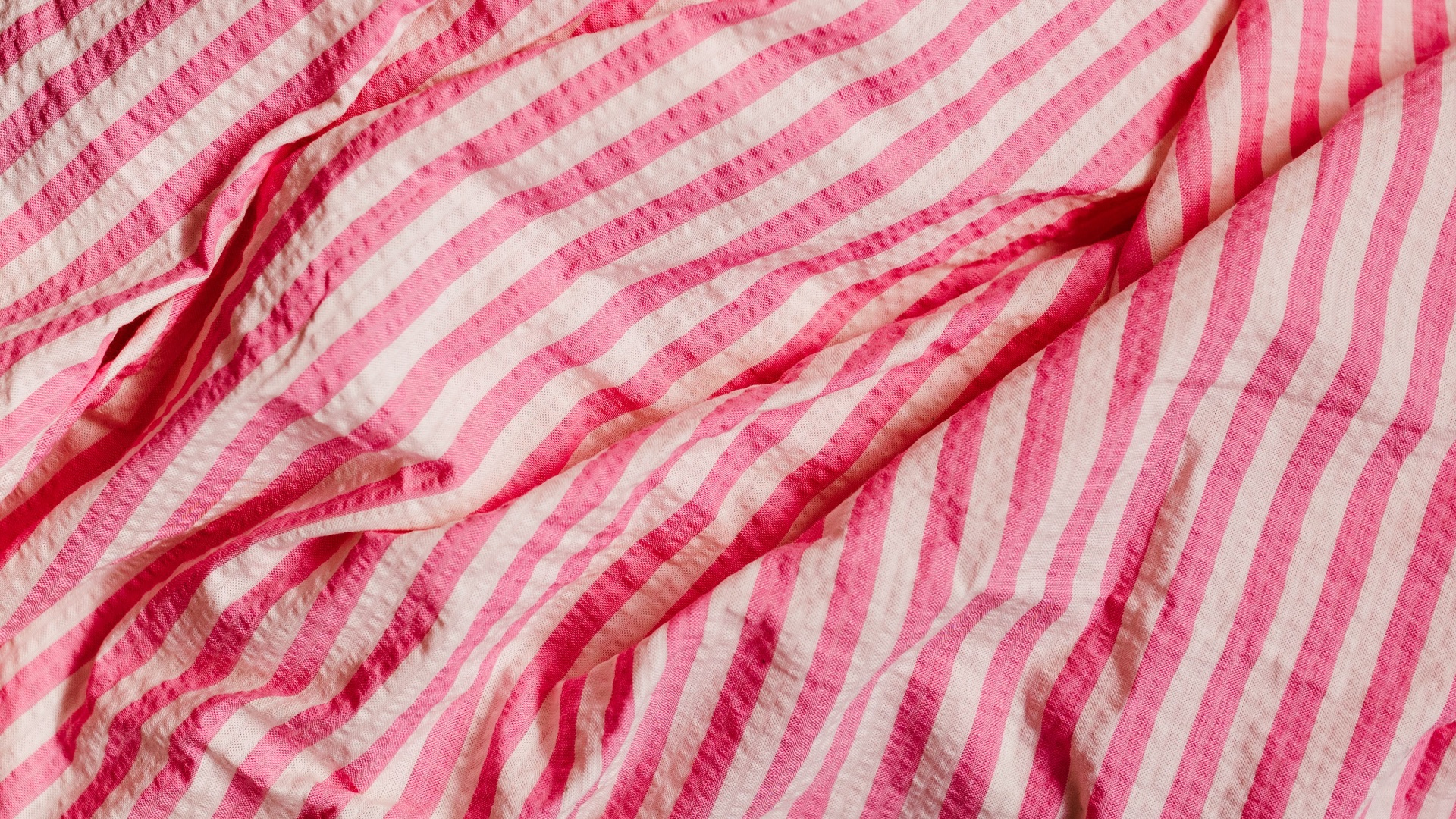
Seersucker's puckered texture creates small pockets of space between the fabric and your skin, encouraging airflow. This design has made it a classic warm-weather choice for generations, particularly in humid climates. The slightly bumpy weave also means it rarely clings to your body, even when you're sweating.
8. Performance Polyester Blends
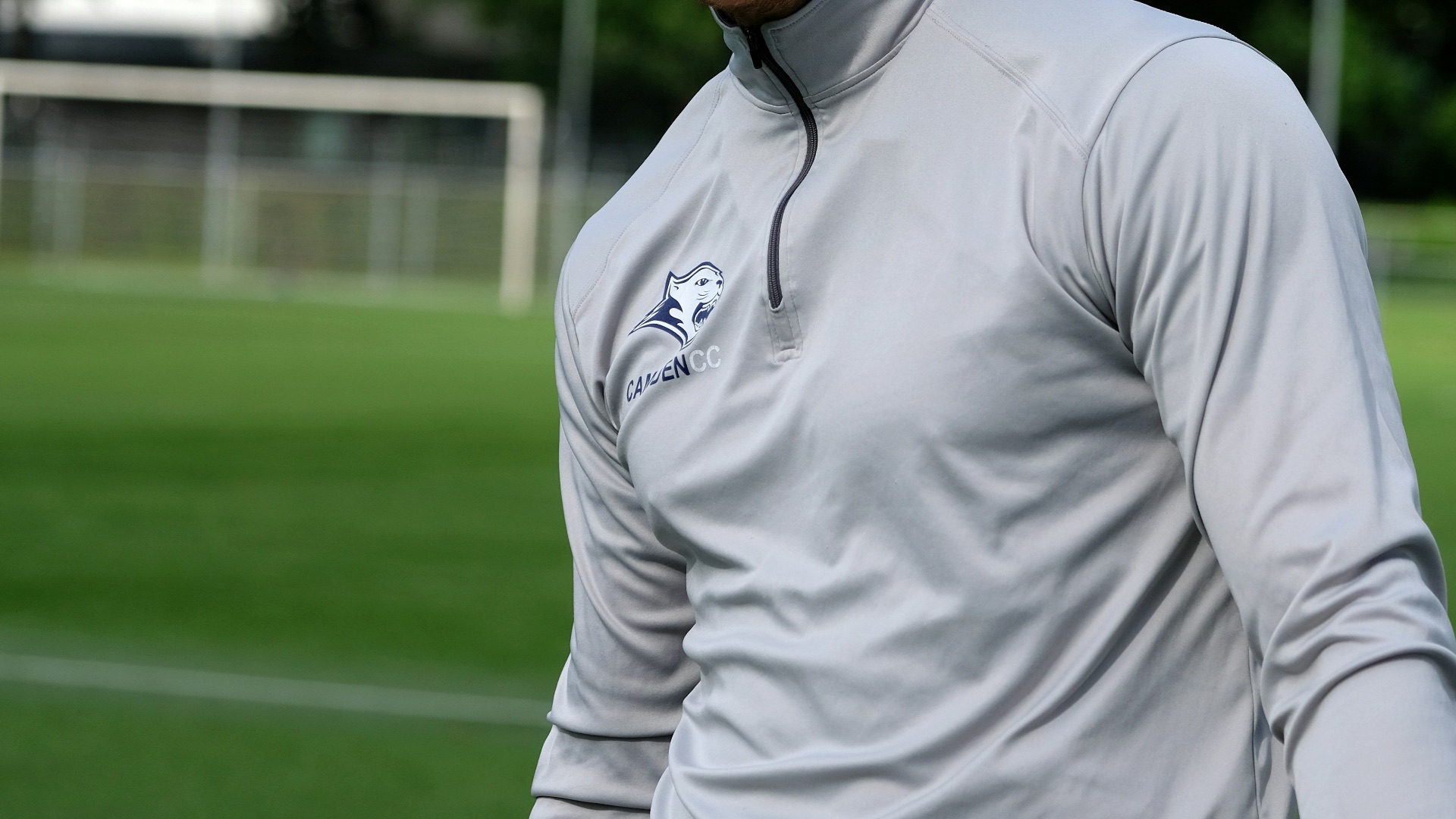
While standard polyester traps heat, specially engineered performance blends are built with moisture-wicking technology in mind. These fabrics pull sweat away from your skin and push it to the surface, where it can evaporate quickly. You'll often see these blends used in athletic wear for exactly this reason.
9. Hemp
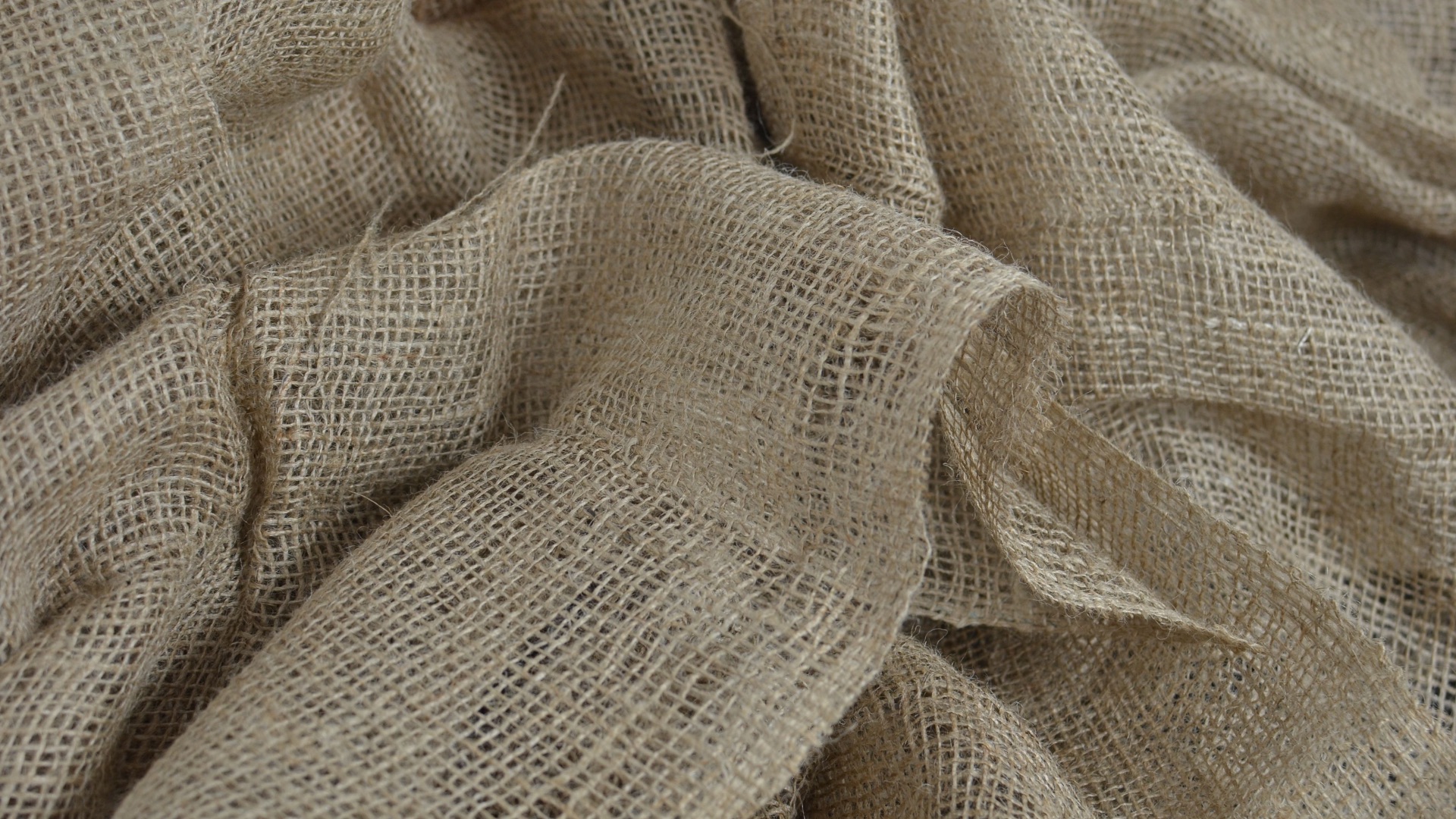
Hemp fabric is naturally breathable and gets softer with every wash, making it increasingly comfortable over time. It wicks moisture effectively and has natural antibacterial properties that help control odor during hot days. Hemp is also durable, so your summer clothing can hold up to frequent wear without losing its cooling benefits.
10. Tencel
Tencel is made from wood pulp fibers and stands out for its exceptional moisture absorption and smooth texture. It regulates temperature well, keeping you cool when it's hot and preventing that clammy feeling other fabrics can cause. Because it's also biodegradable, Tencel appeals to anyone who wants a sustainable option alongside genuine comfort.