When Function Became Fashion
Many clothing styles now associated with runways, streetwear, and carefully planned outfits began as answers to ordinary problems. Soldiers needed protection, workers needed durable garments, athletes needed freedom of movement, and travelers needed convenient storage, proving that some of fashion’s longest-lasting ideas earned attention because they worked before they ever looked stylish. Here are 20 fashion trends that started as practical solutions.
1. Trench Coats Protected Military Officers
The trench coat developed from waterproof outerwear worn by British military officers, particularly during World War I. Its storm flaps, adjustable cuffs, deep pockets, and belted construction helped protect wearers from wet, windy conditions.

2. Blue Jeans Survived Demanding Work
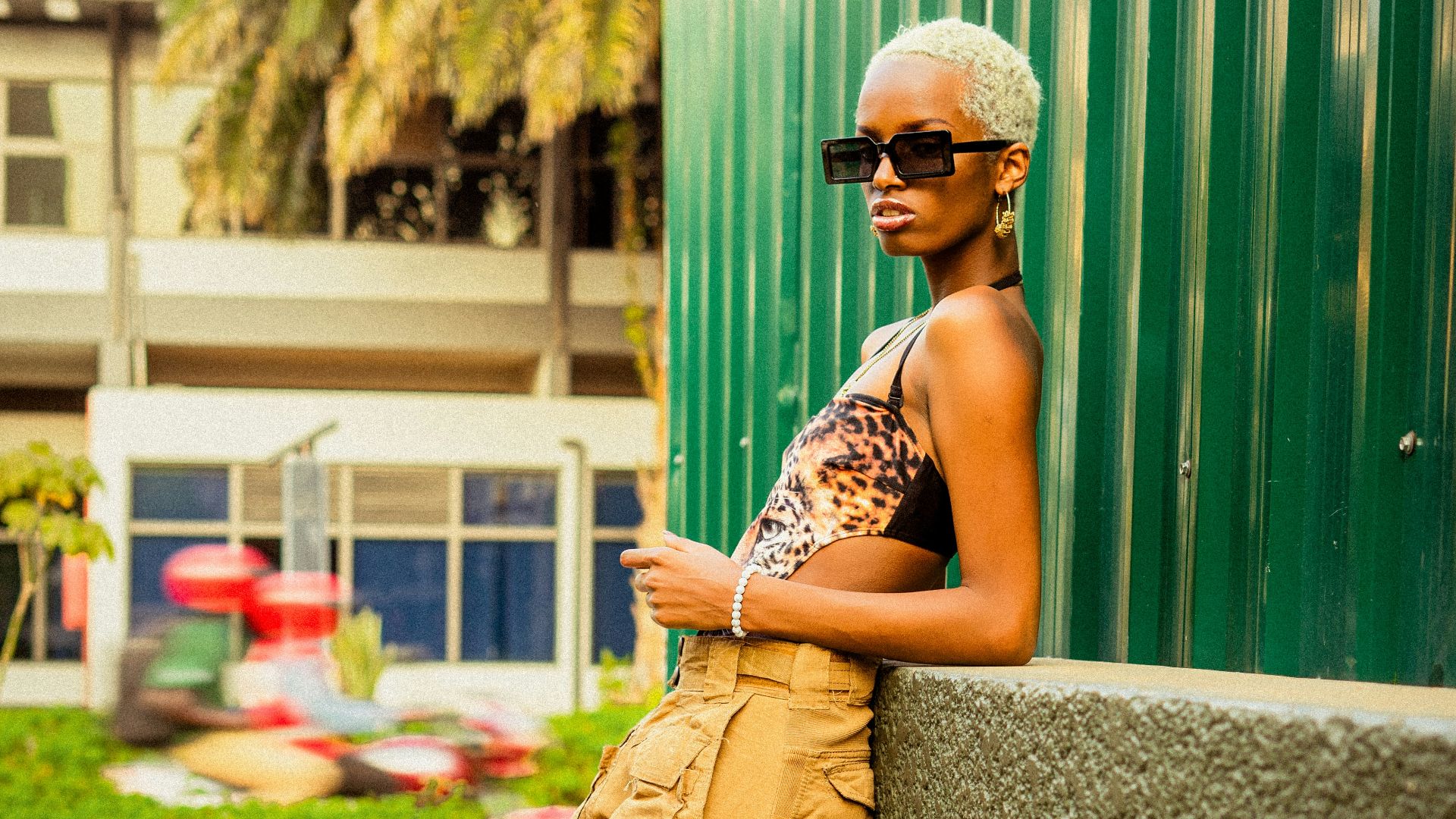
Denim pants reinforced with metal rivets were created to withstand the physical demands placed on miners and other laborers during the 19th century. Jeans eventually moved beyond work sites and became one of fashion’s most adaptable everyday garments.
3. Cargo Pants Added Essential Storage
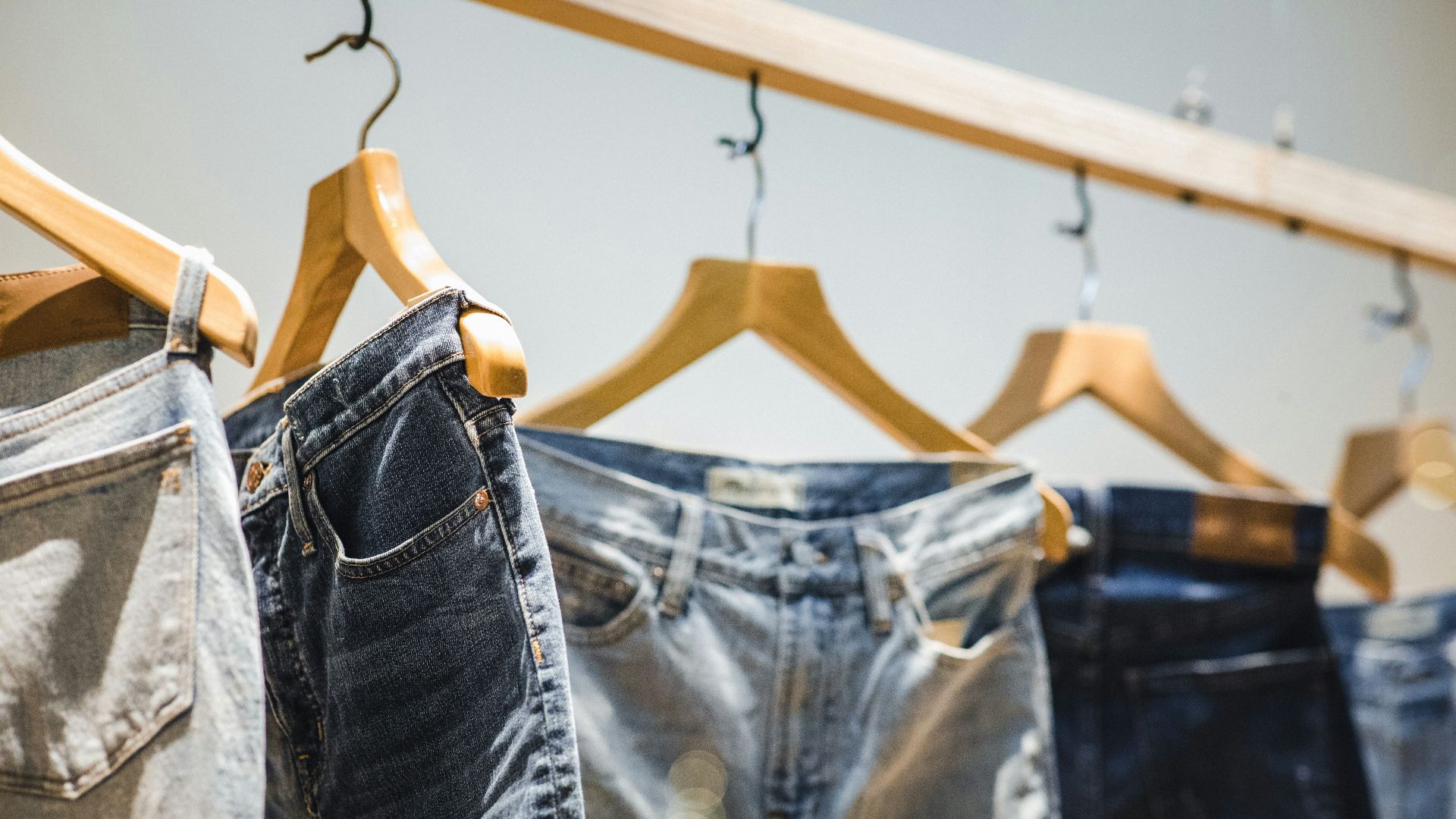
Cargo pants were developed for military use, with large thigh pockets allowing soldiers to carry maps, supplies, and other equipment without using their hands. The roomy cut also supported movement during physically demanding tasks.
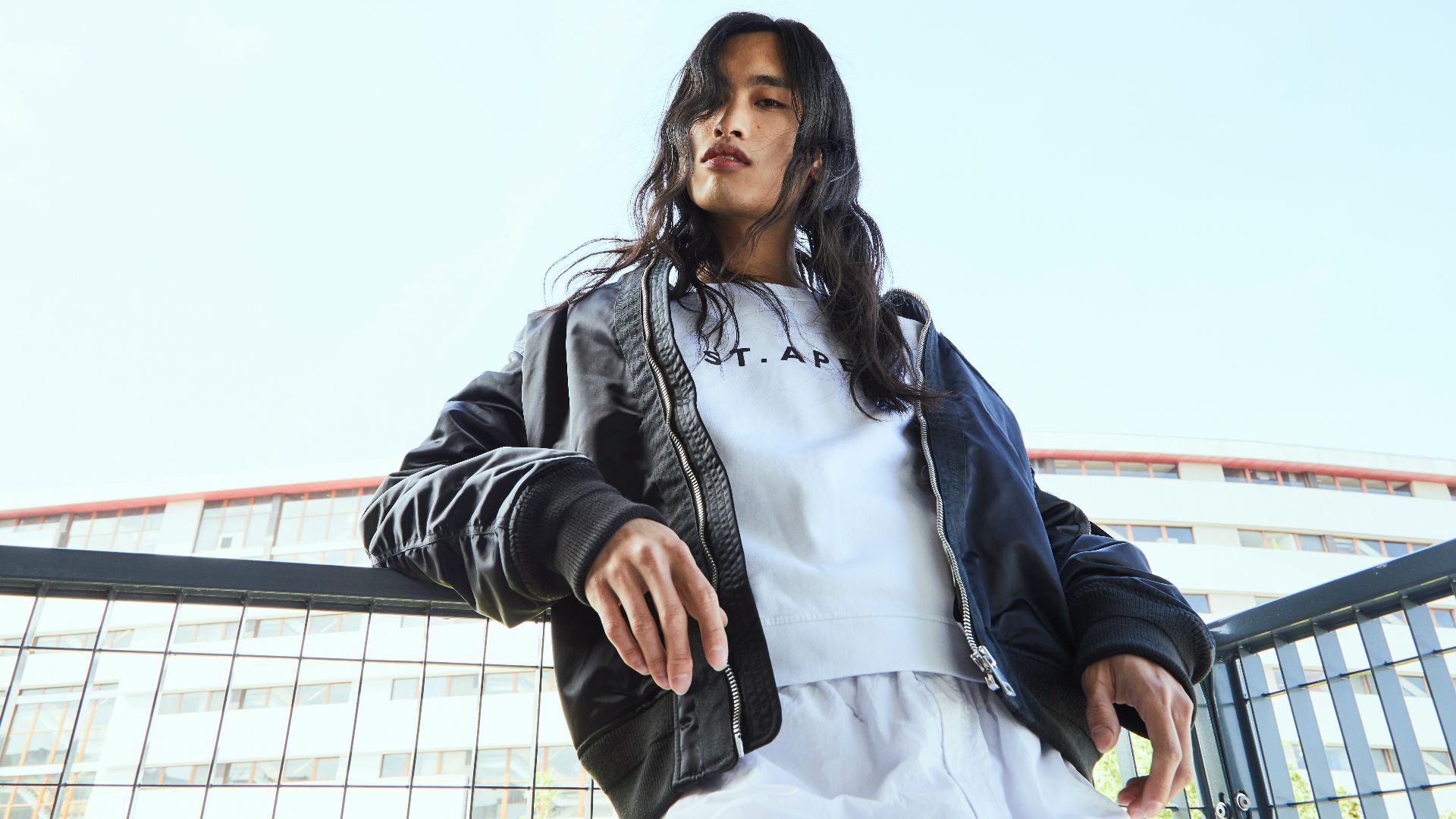
4. Bomber Jackets Kept Pilots Warm
Early military aircraft often had open or poorly insulated cockpits, so pilots needed jackets that provided warmth without restricting movement. Their shorter shape eventually became popular because it worked well with casual clothing and layered outfits.
 Frank Uyt den Bogaard on Unsplash
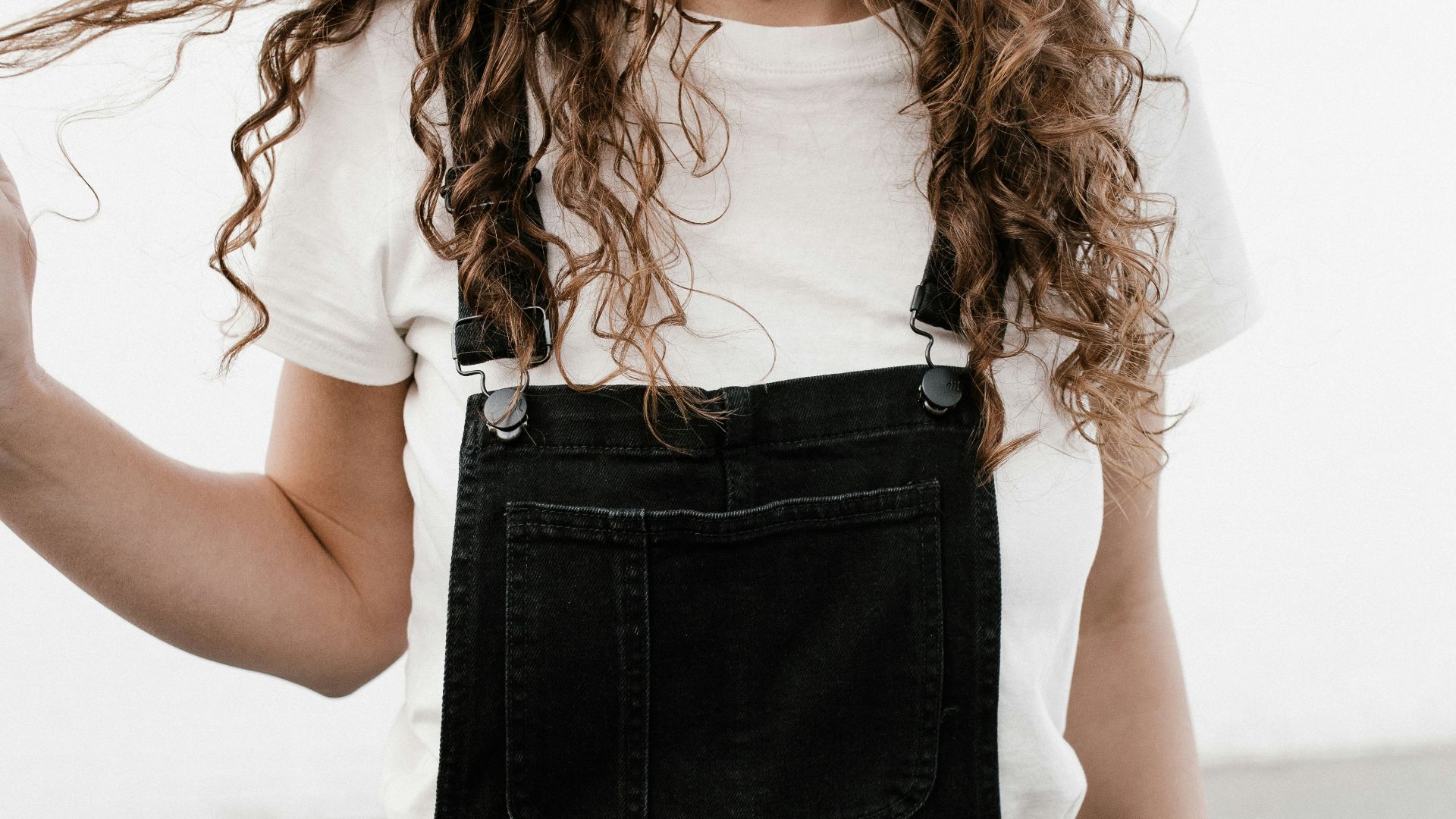
5. Overalls Shielded Workers’ Clothing
Overalls served as protective garments for farmers, mechanics, railroad workers, and laborers whose jobs exposed their clothes to dirt and damage. Shoulder straps helped keep the garment secure without requiring a tight waistband. Fashion later embraced overalls for their relaxed fit, recognizable construction, and ability to function as a complete outfit.
6. Pea Coats Withstood Harsh Sea Weather
Sailors wore heavy double-breasted pea coats to protect themselves from cold temperatures, strong winds, and ocean spray. The overlapping front offered additional insulation, while the wide collar could be raised around the neck.

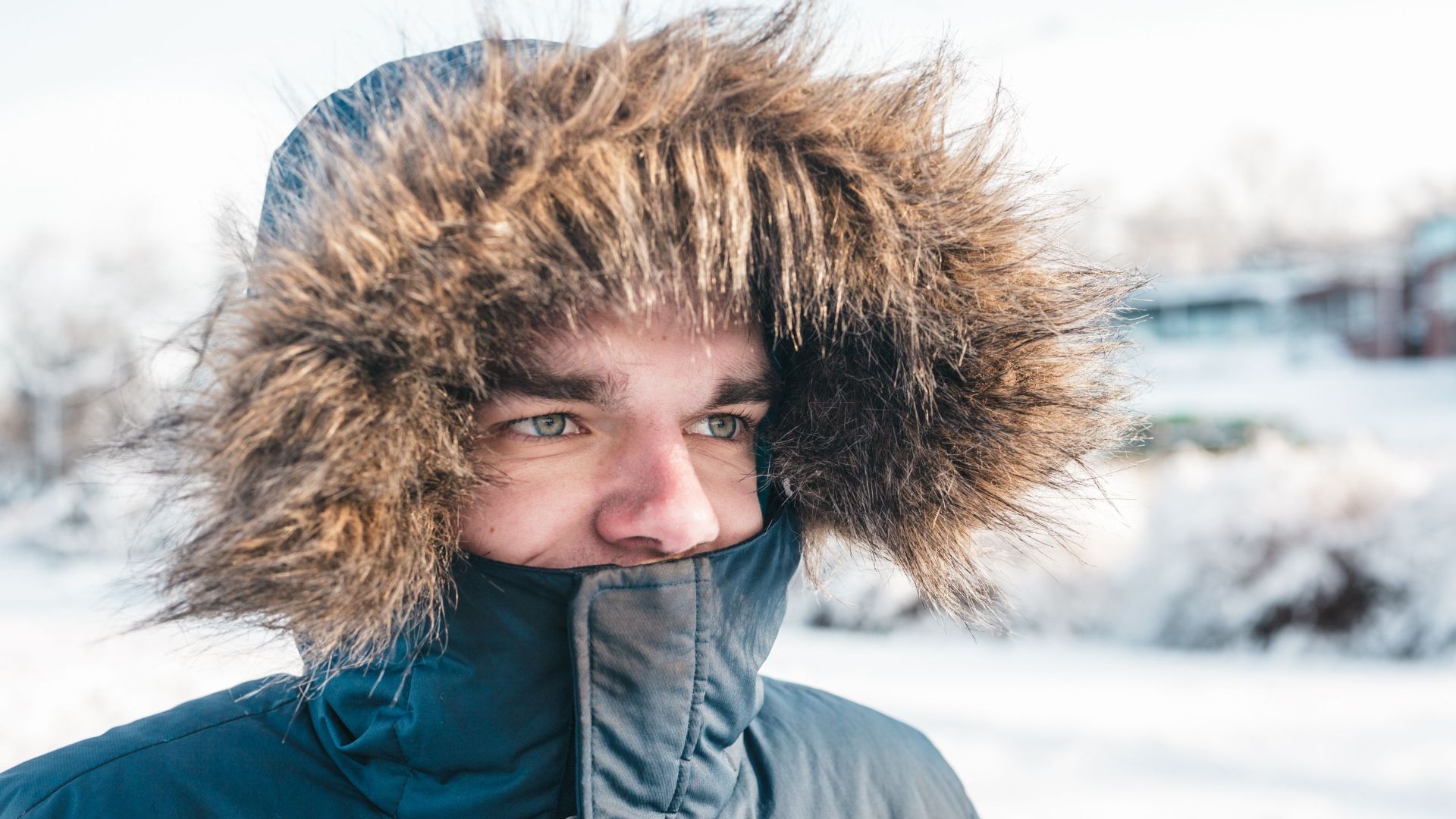
7. Parkas Provided Protection in Extreme Cold
Indigenous Arctic communities developed hooded outer garments that offered essential protection against freezing temperatures and severe winds. Later military and expedition clothing adopted similar principles with insulated linings, longer hems, and protective hoods. Modern parkas remain fashionable largely because those functional features still perform well during difficult winter weather.
8. Cardigans Offered Removable Warmth
The cardigan’s buttoned or open front made it easier to put on and remove than a pullover sweater. Its name became associated with the Earl of Cardigan, a British military commander whose troops wore knitted jackets. Over time, the convenient extra layer entered everyday wardrobes because it could handle changing temperatures without disrupting an entire outfit.

9. T-Shirts Began as Undergarments
The basic T-shirt evolved from lightweight undergarments worn beneath uniforms and work clothing. Its short sleeves, simple neckline, and lack of buttons made it inexpensive to produce, easy to wash, and comfortable in warm conditions.

10. Hoodies Kept Laborers Comfortable
Hooded sweatshirts were produced for workers and athletes who needed warmth while remaining active in cold environments. The attached hood protected the head without requiring a separate hat, while the soft material allowed comfortable movement.

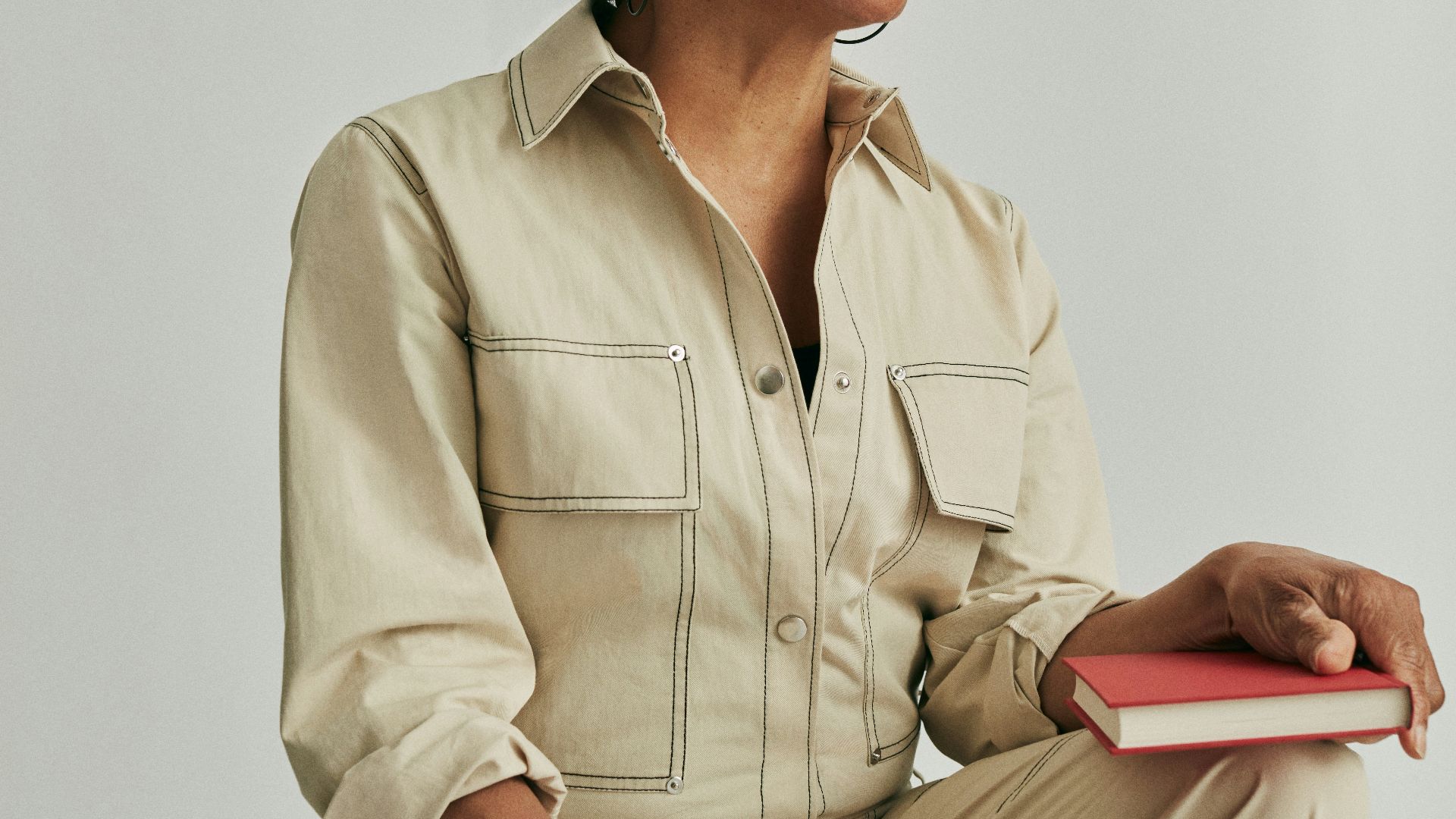
11. Jumpsuits Simplified Dangerous Work
Jumpsuits were designed as one-piece garments for parachutists, mechanics, aviators, and others who needed clothing that wouldn’t catch easily on equipment. Covering the torso and legs also protected the wearer’s ordinary clothes underneath.
 Centre for Ageing Better on Unsplash
12. Sneakers Improve Athletic Performance
Rubber-soled footwear gave athletes greater flexibility, cushioning, and grip than rigid everyday shoes could provide. Different sports encouraged manufacturers to refine their designs for running, basketball, tennis, and other activities.

13. Wristwatches Made Time Easier to Check
Pocket watches required wearers to reach into their clothing, which wasn’t convenient for soldiers coordinating maneuvers or handling equipment. Attaching a watch to the wrist allowed the time to be checked quickly while leaving both hands available.

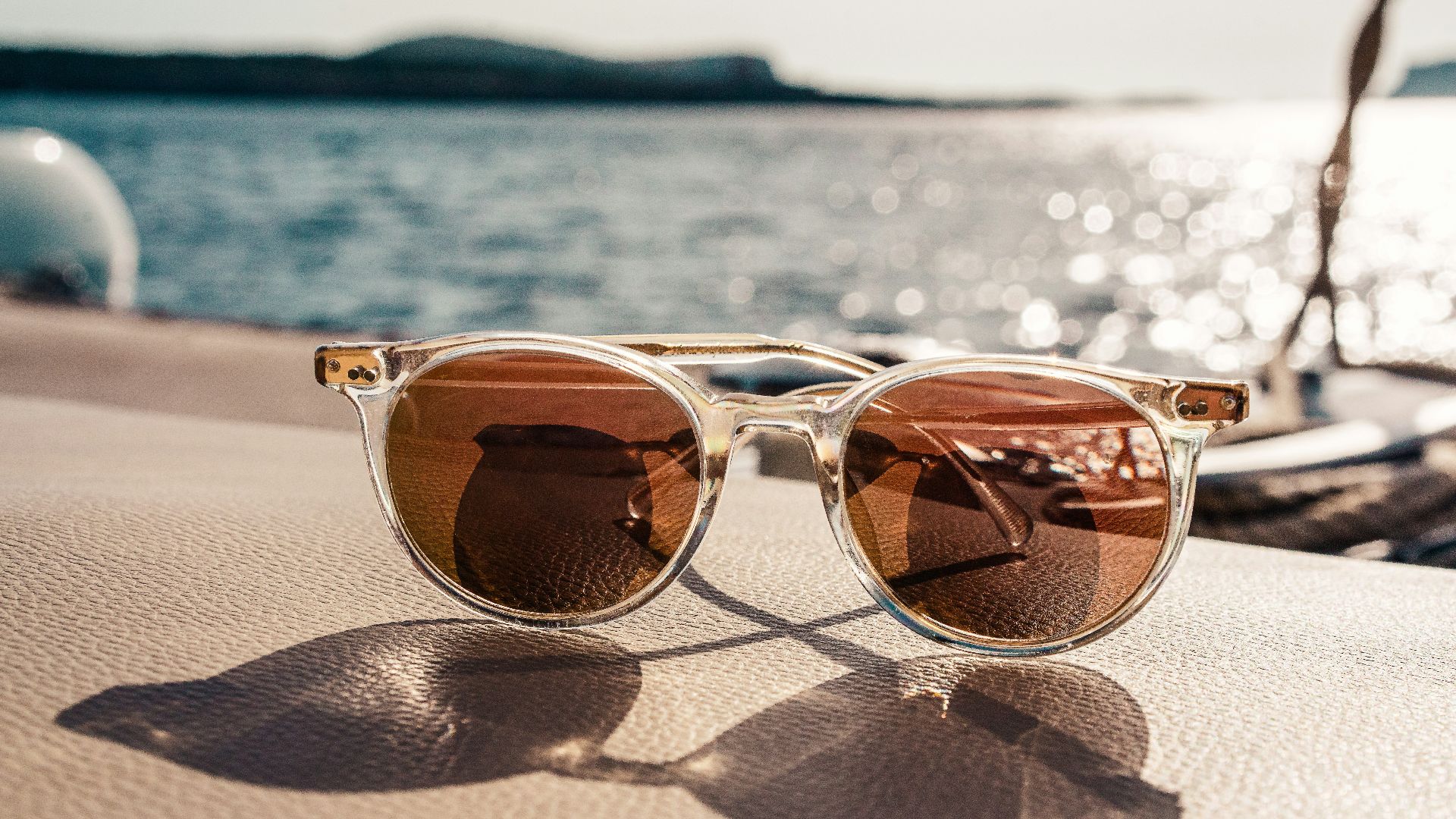
14. Sunglasses Reduce Uncomfortable Glare
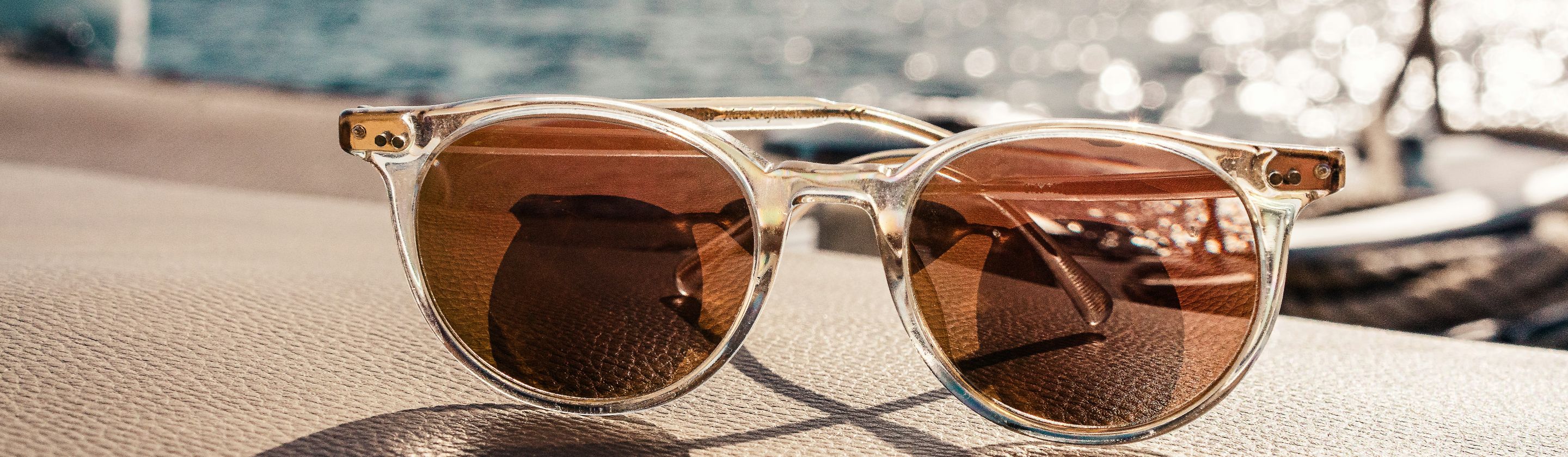
Tinted eyewear developed into a practical method of protecting the eyes and reducing glare in bright conditions. Pilots, drivers, athletes, and outdoor workers particularly benefited as lenses and frames became more effective.
 Sebastian Coman Travel on Unsplash
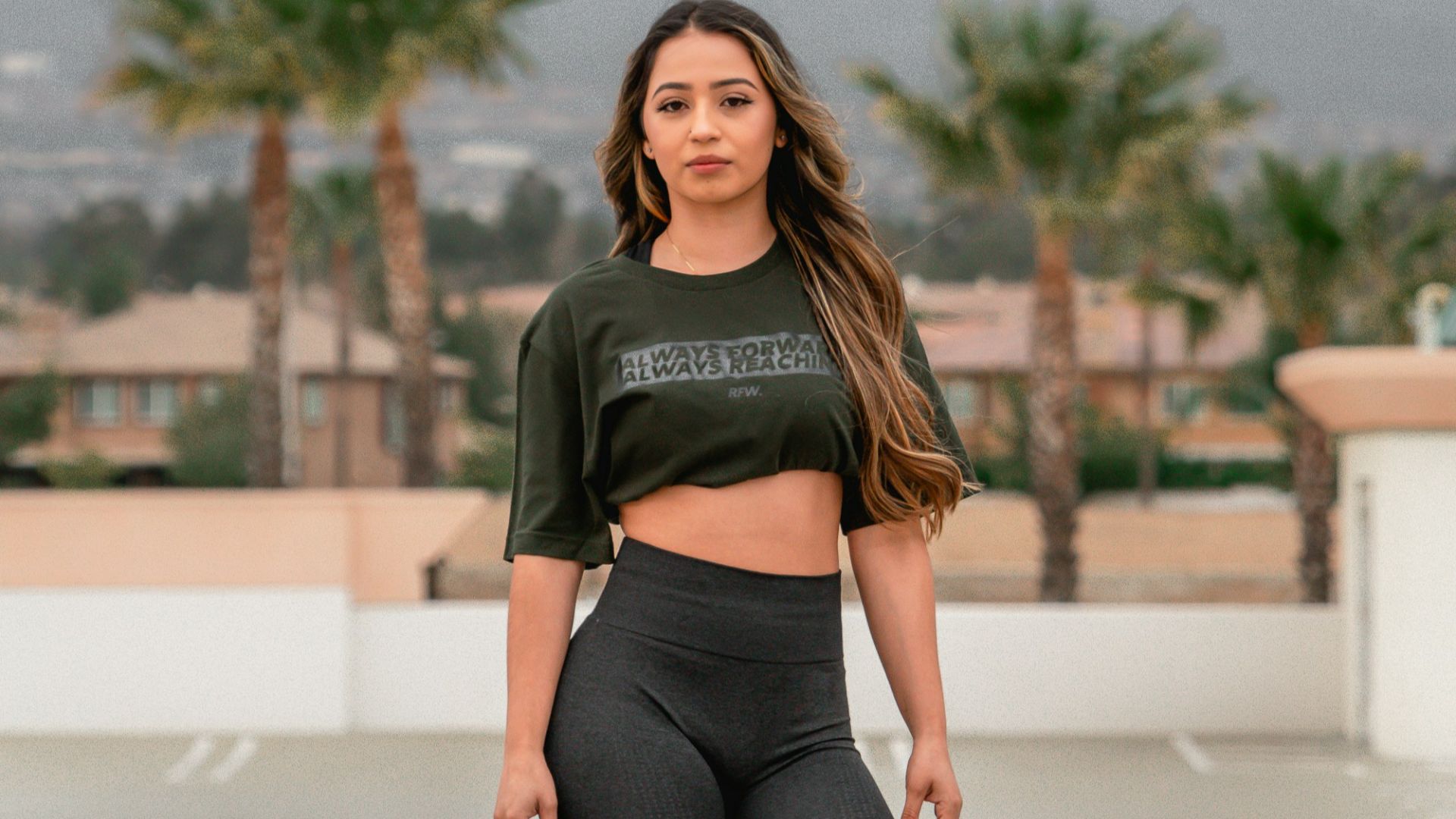
15. Leggings Allowed Easier Movement
Close-fitting leg coverings have served practical roles in military dress, cold-weather clothing, dance, and athletic wear across different periods. Stretch fabrics later allowed leggings to move comfortably with the body while providing coverage without bulky material.
16. Polo Shirts Helped Players Stay Cool
The modern polo shirt emerged from efforts to make sports clothing lighter and less restrictive. Short sleeves, breathable knitted fabric, and a softer collar allowed players to move more comfortably than they could in formal long-sleeved shirts.

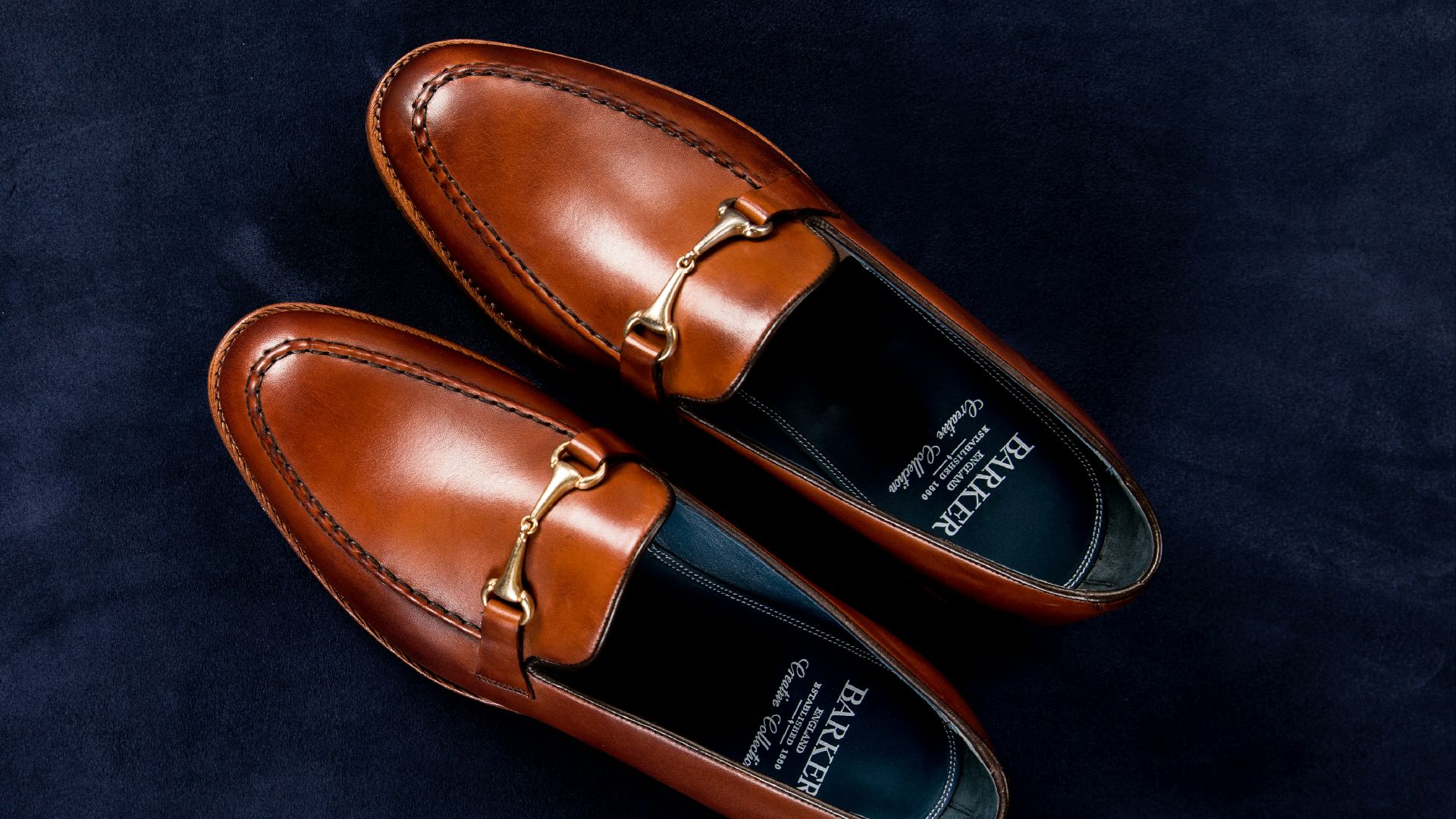
17. Loafers Made Shoes Easier to Wear
Slip-on shoes removed the need for complicated lacing, buckles, or fastening systems while still providing more structure than slippers. Loafer-style footwear drew influence from practical moccasins and European slip-on designs.
18. Belt Loops Replaced Suspenders
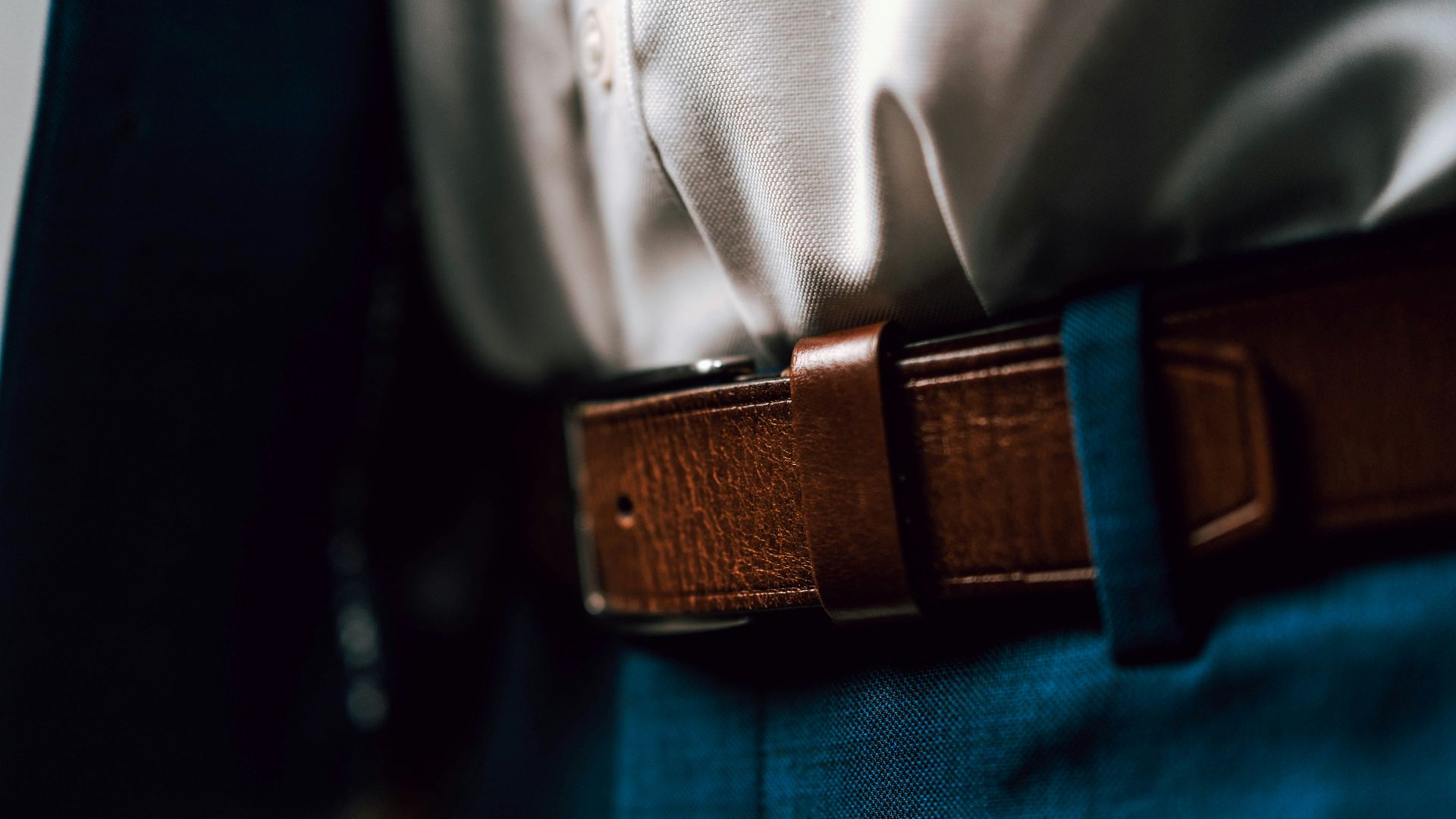
As men’s trousers changed during the early 20th century, belt loops offered a simple alternative to buttons and suspenders. A belt could adjust the fit while remaining less visible beneath jackets and outer layers.
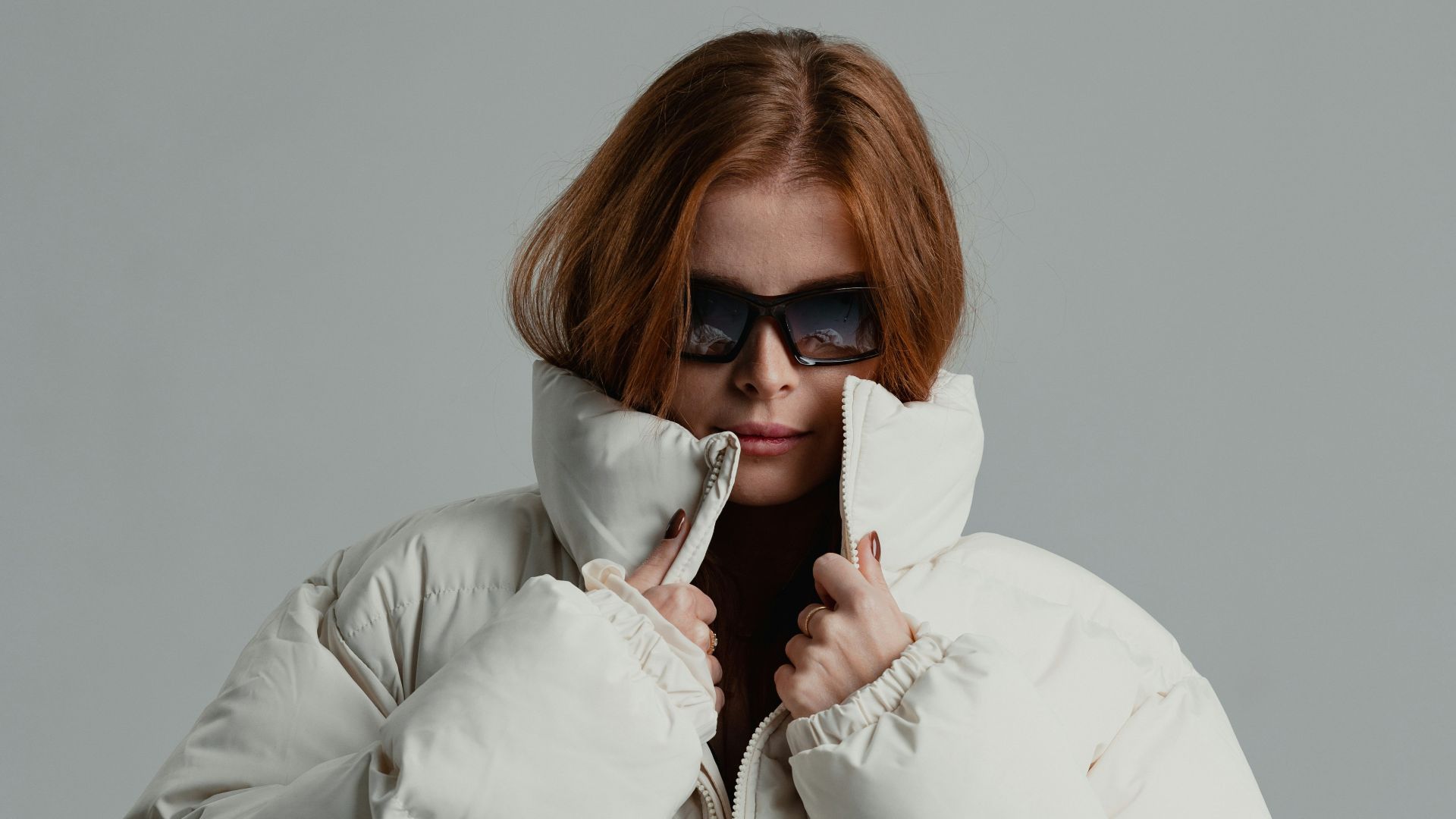
19. Puffer Jackets Used Lightweight Insulation
Down-filled jackets were created to provide substantial warmth without the overwhelming weight of traditional heavy coats. Quilted compartments prevented the insulating material from gathering in one section and leaving other areas exposed.
20. Clothing Pockets Freed People’s Hands
Pockets developed as secure places to carry money, tools, keys, and personal belongings close to the body. Their shapes and placement changed as garments became more fitted and daily necessities evolved.