Art Never Stays In Style
Whether it’s something personal or purely for decoration, tattoos have long been a bodily modification many folks desire. In the United States, popular tattoo looks moved from sailors and sideshow performers to custom shops, television, celebrity culture, and social media. The dates below show when these styles were especially common in mainstream American fashion and beauty culture. They don’t mark the beginning of tattooing, or the first time a design appeared somewhere else in the world. Many of these looks also stuck around longer than one decade, then came back later with a different feel. These 20 tattoos were especially tied to the decades that loved them.
1. Sailor Flash of the 1920s and 1930s
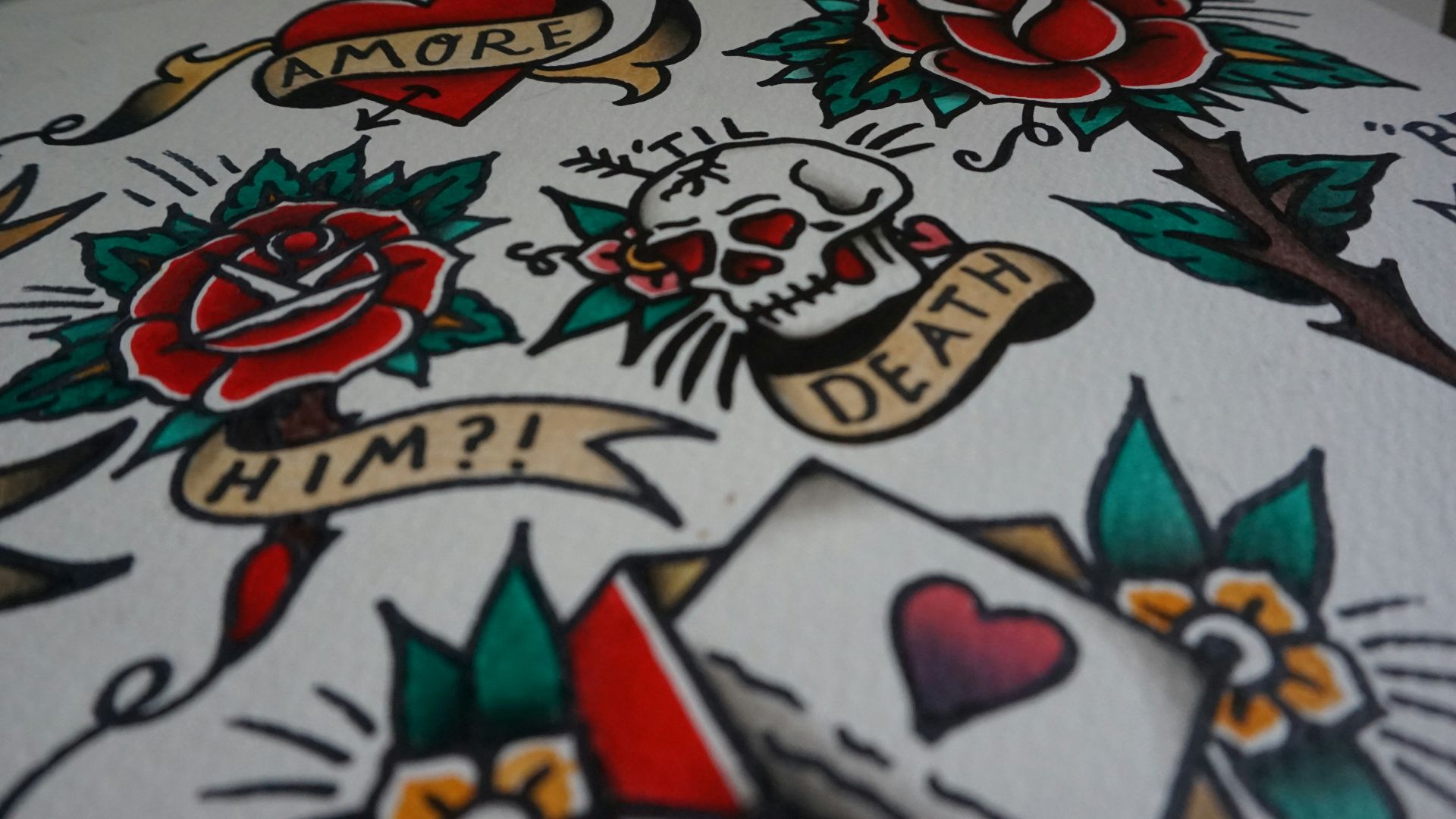
Early American tattoo artists often traveled along the East Coast and worked in port cities, where sailors made up a steady part of their business. Anchors, ships, eagles, hearts, and roses were easy choices for compact flash designs, and their thick outlines are still a big part of traditional tattooing.
2. Tattooed-Lady Body Suits of the 1920s
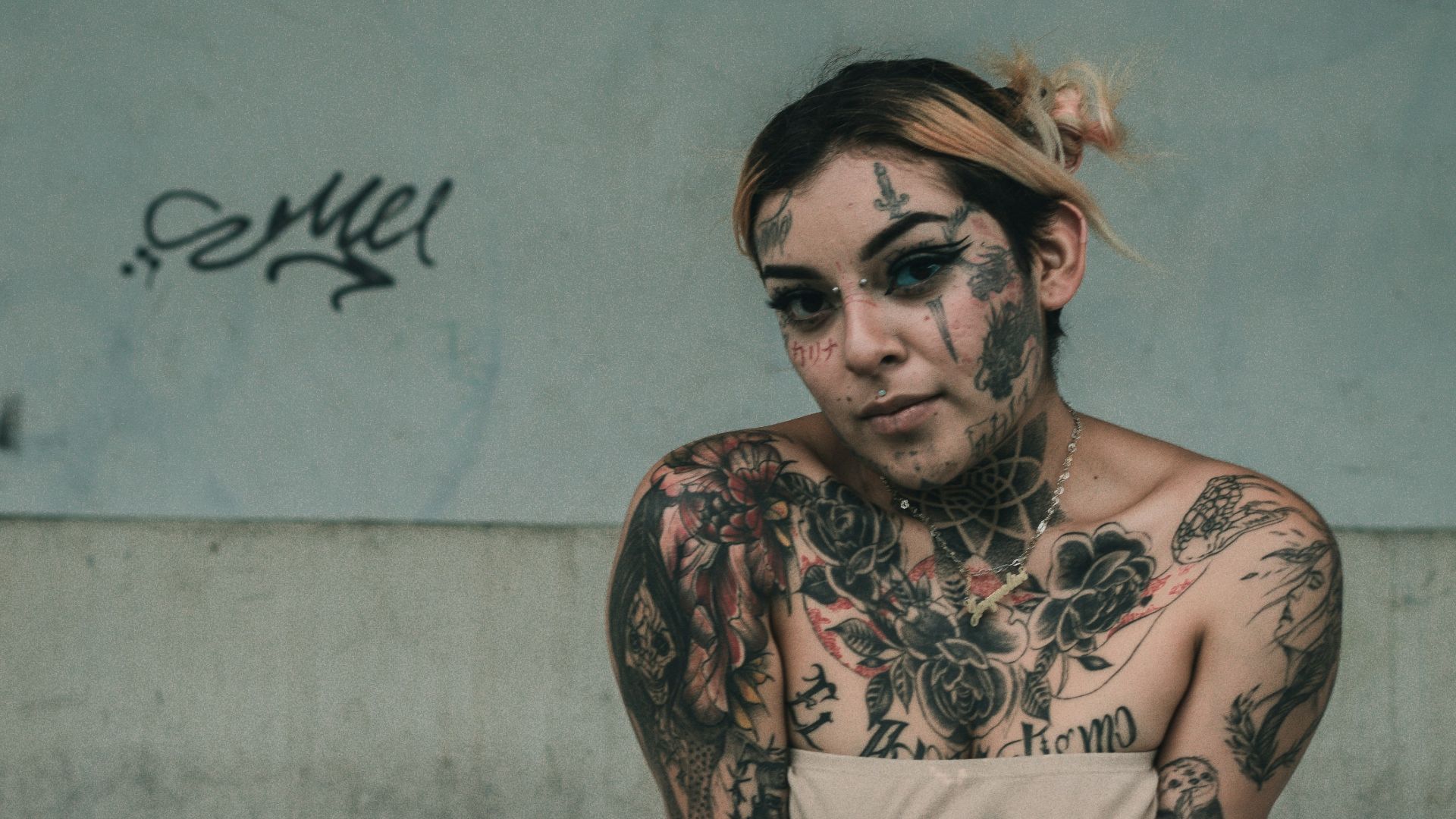
Tattooed performers drew crowds at sideshows, where large, planned collections of images covered much of the body. Eagles, roses, horseshoes, and other colorful designs made the performer part of the attraction, long before visible tattoos became a familiar fashion choice.
3. Cosmetic Eyebrows of the 1930s
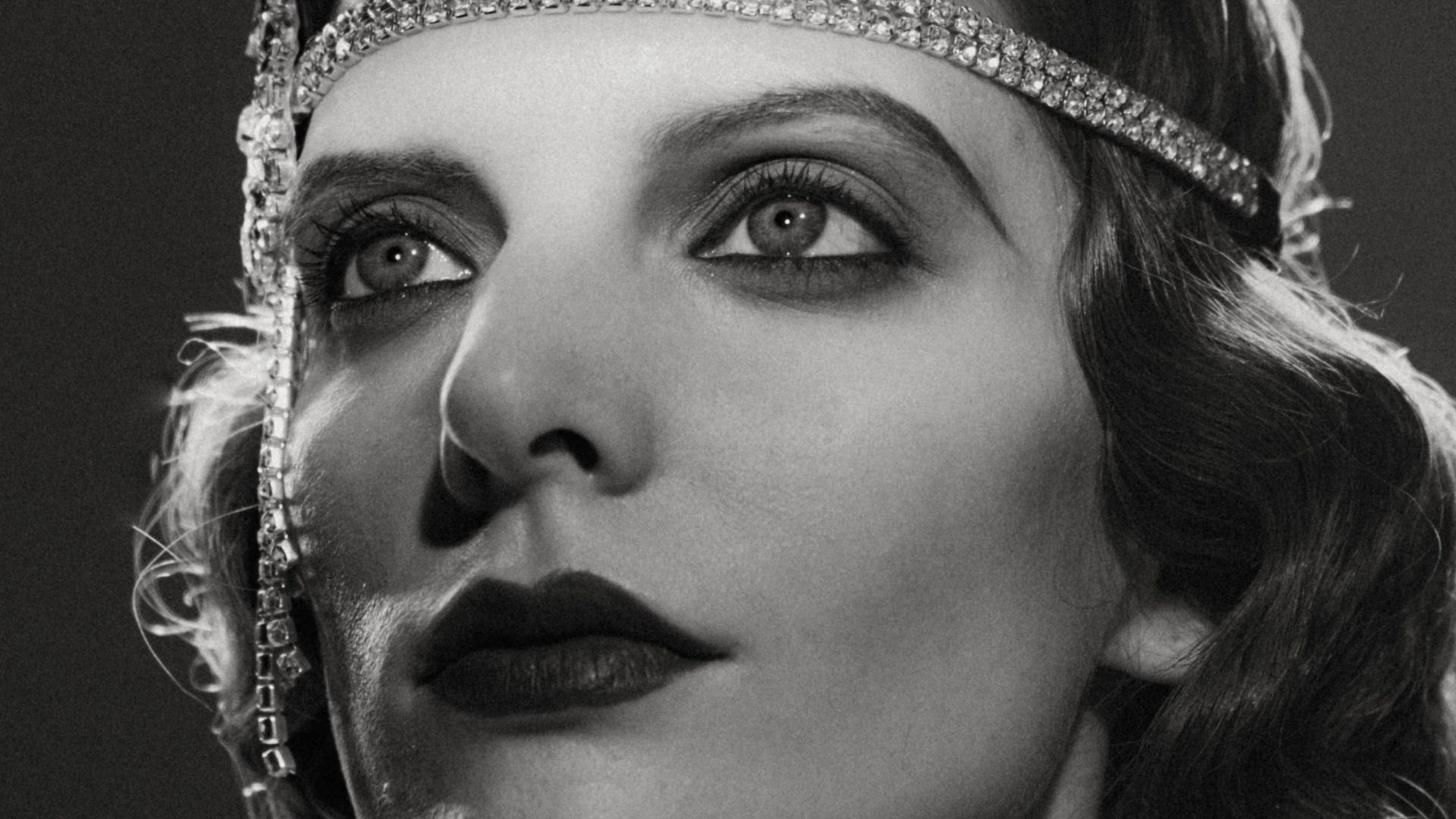
Thin, sharply shaped brows were fashionable in the 1930s, and some women used cosmetic tattooing to keep that look in place. While permanent makeup has changed a lot since then, the appeal of a simpler beauty routine hasn’t gone away.
4. Navy Anchors of the 1940s
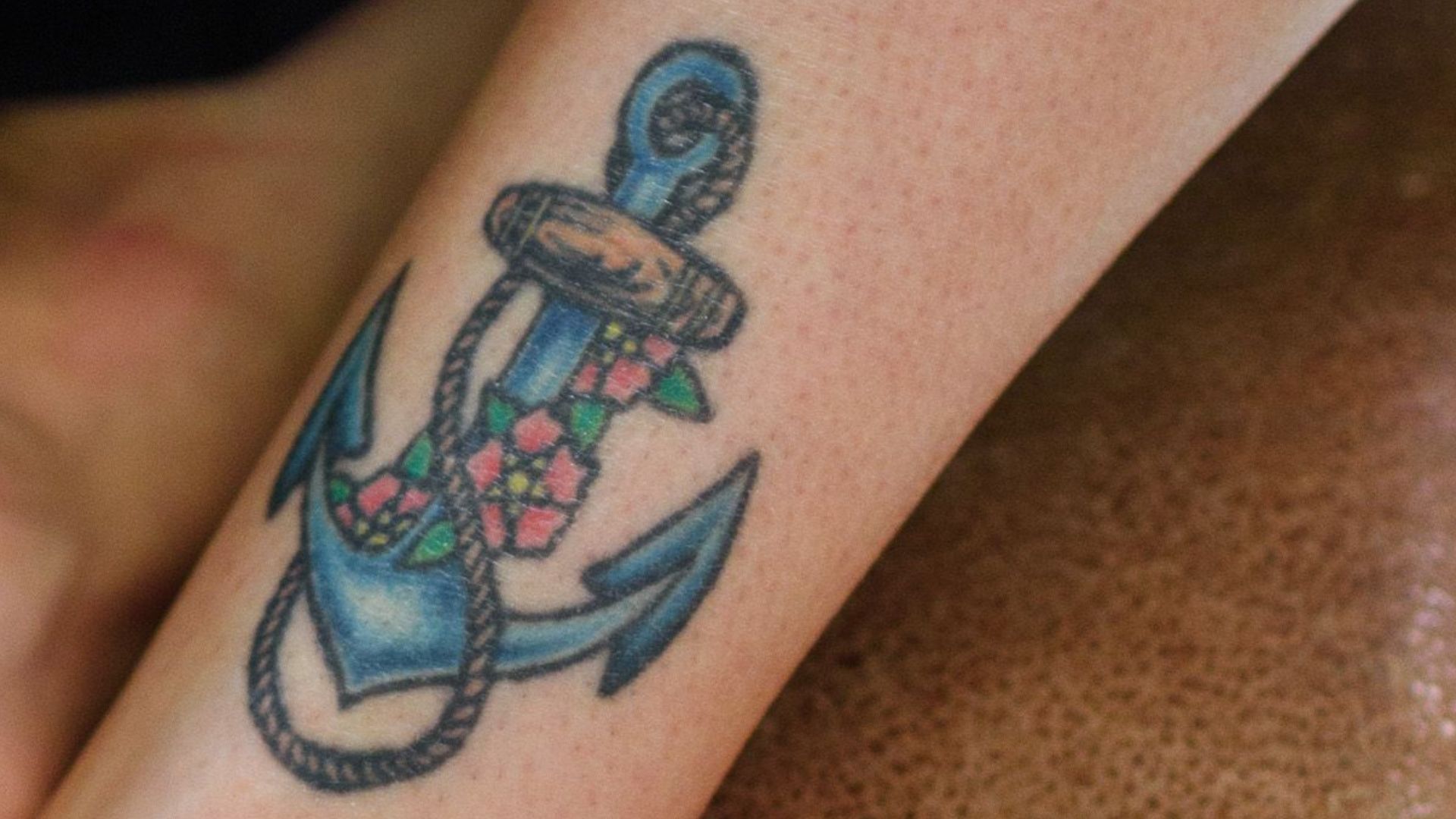
Anchors became a well-known naval tattoo during World War II, when tattoo culture reached a wider American audience. The design was sturdy, meaningful, and easy to see, which helped it become one of the classic images still found on flash sheets.
5. Earned Sailor Milestones of the 1940s
For many sailors, a tattoo marked a seafaring achievement instead of simply adding decoration. A shellback turtle showed that someone had crossed the equator, while a swallow was traditionally linked to 5,000 nautical miles traveled.
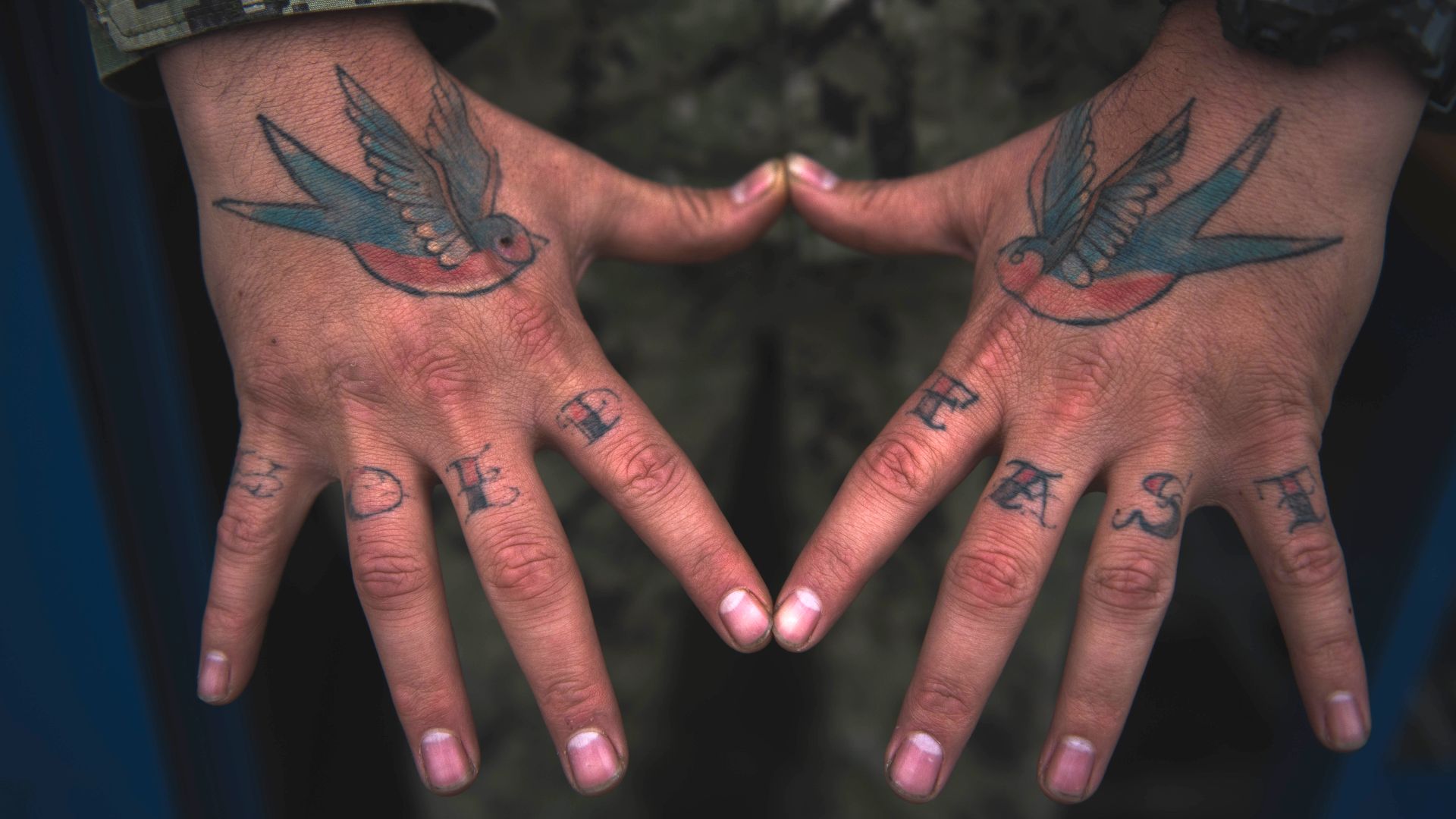 Levingston M Lewis on Wikimedia
6. Patriotic and Unit Tattoos of the 1940s
Flags, eagles, ship names, unit references, and wartime slogans helped service members carry part of their experience with them. A tattoo might refer to a military job, a location where someone served, or the people waiting at home, so even a simple design could hold a lot of meaning.
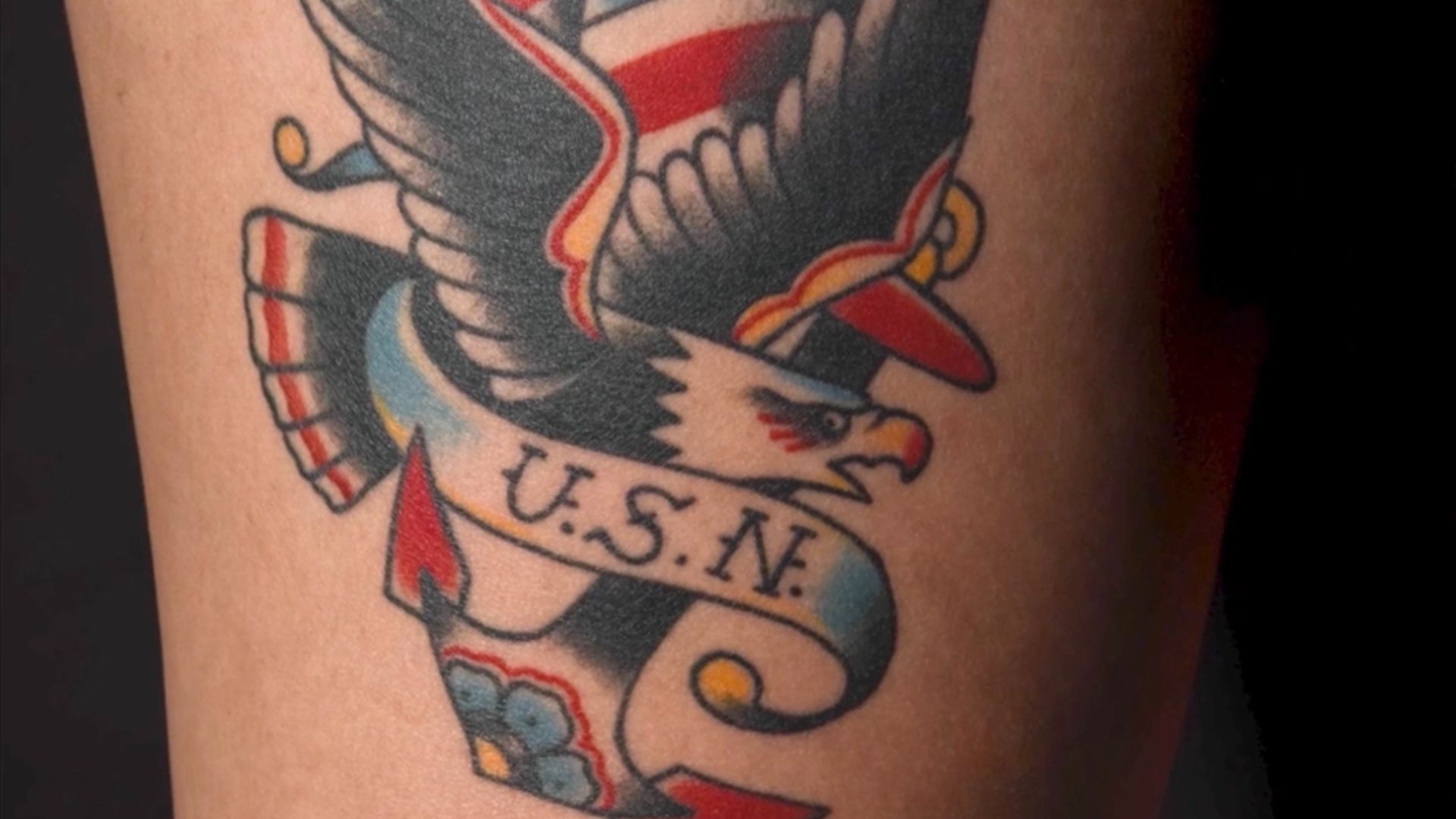 Mass Communication Specialist 3rd Class Brandon Richardson on Wikimedia
7. Pin-Ups and Cartoon Characters of the 1940s
Wartime flash had room for glamour and humor, too. Pin-up girls, mermaids, and cartoon characters such as Betty Boop and Bugs Bunny appeared in tattoo shops, adding some fun to a very serious period in American life.
8. Sparrows, Hearts, and Roses of the 1950s
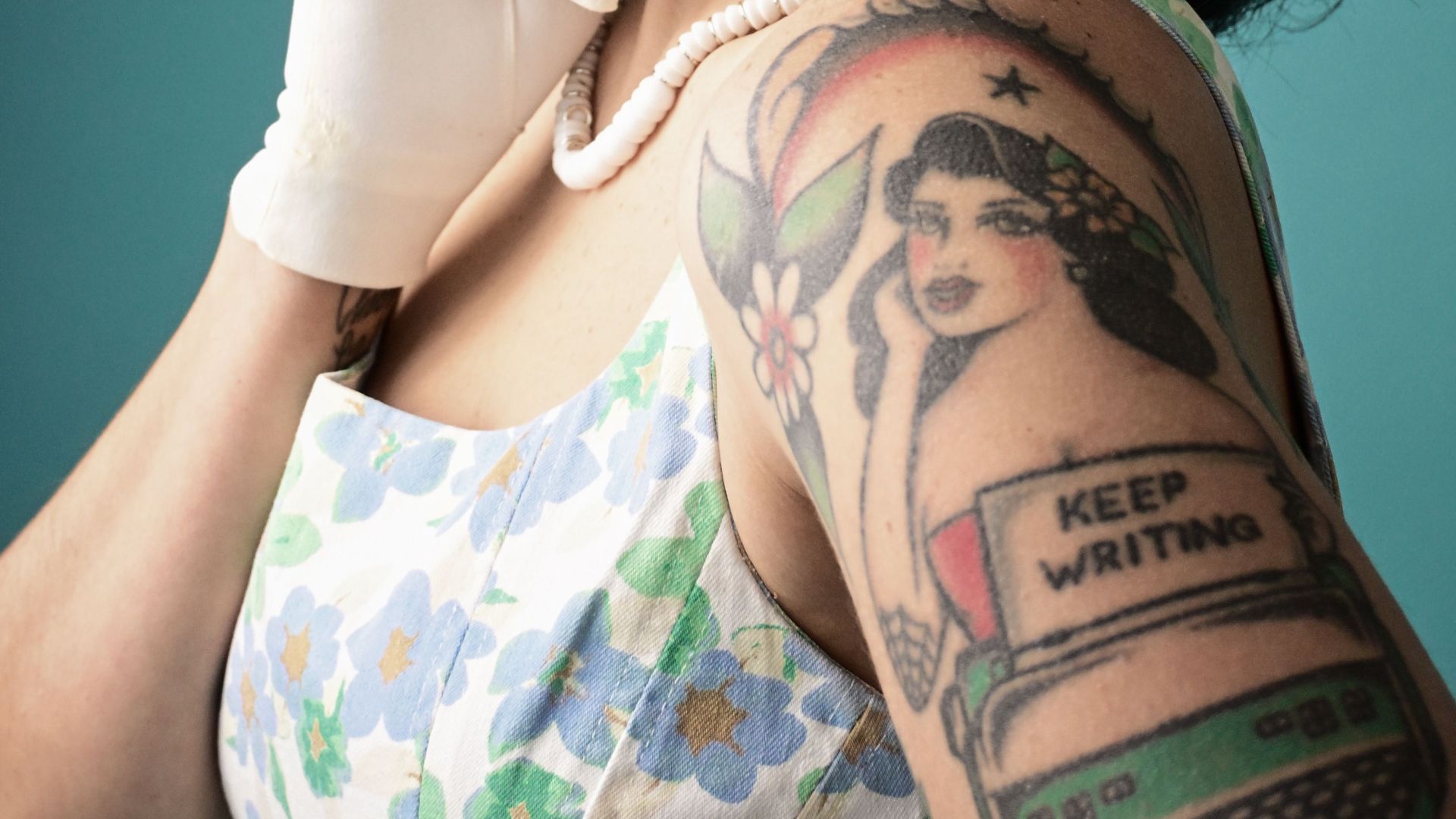
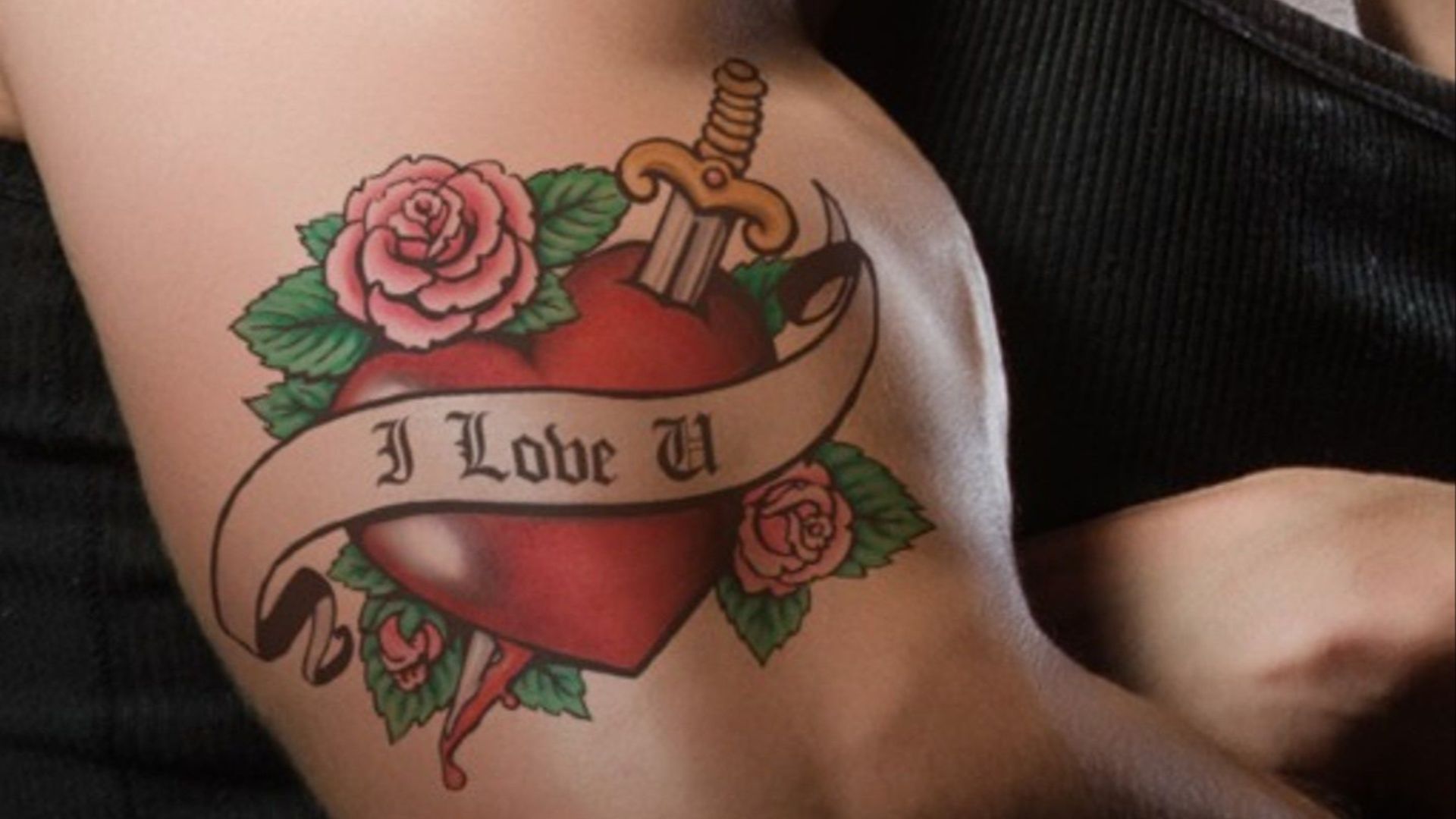
The 1950s kept traditional flash going with sparrows, hearts, roses, and other small designs that people could choose from. They had a clean and simple look about them, and they later became some of the most familiar images in American traditional tattooing.
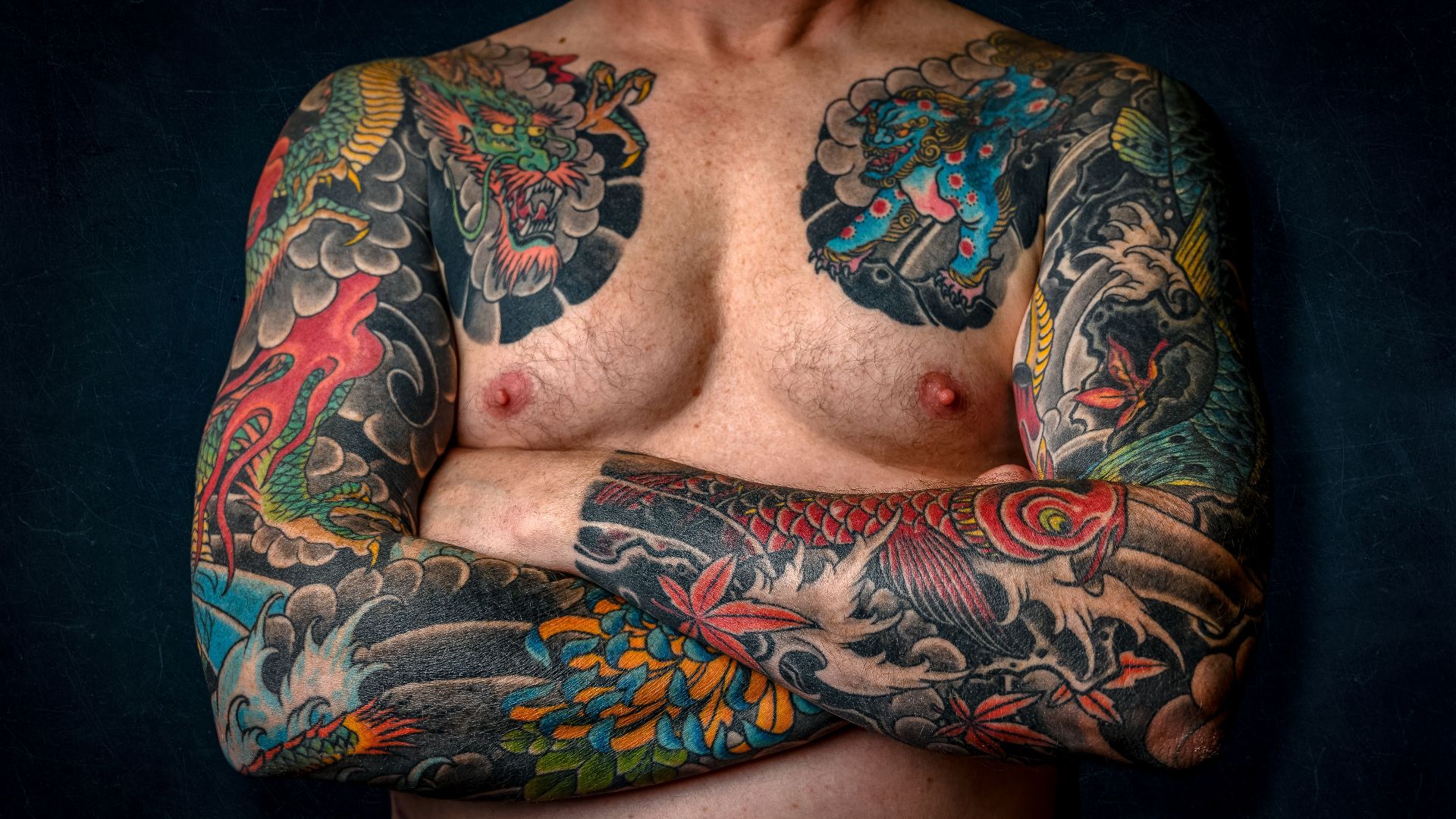
9. Japanese-Influenced Custom Work of the 1970s
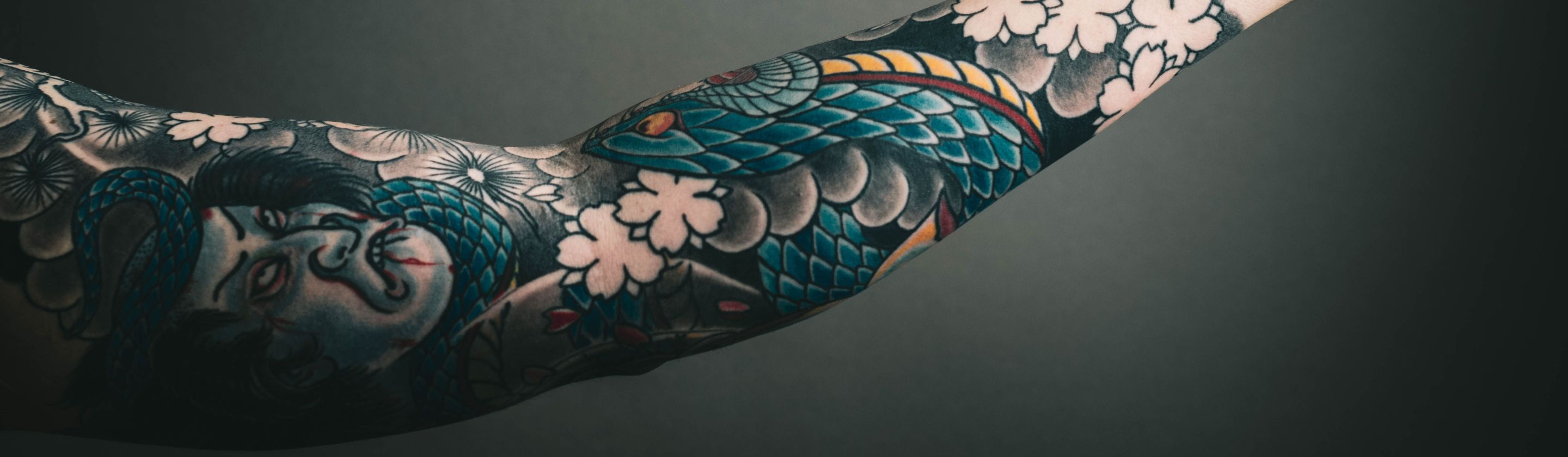
During the 1970s, influential American artists studied Japanese tattooing and brought its large-scale approach into custom work. Dragons, koi, tigers, and flowing background details helped tattoos move across the body in a more connected way, instead of the patchwork-esque style of the early and mid-20th century.
10. Blackwork and New-School Energy of the 1980s
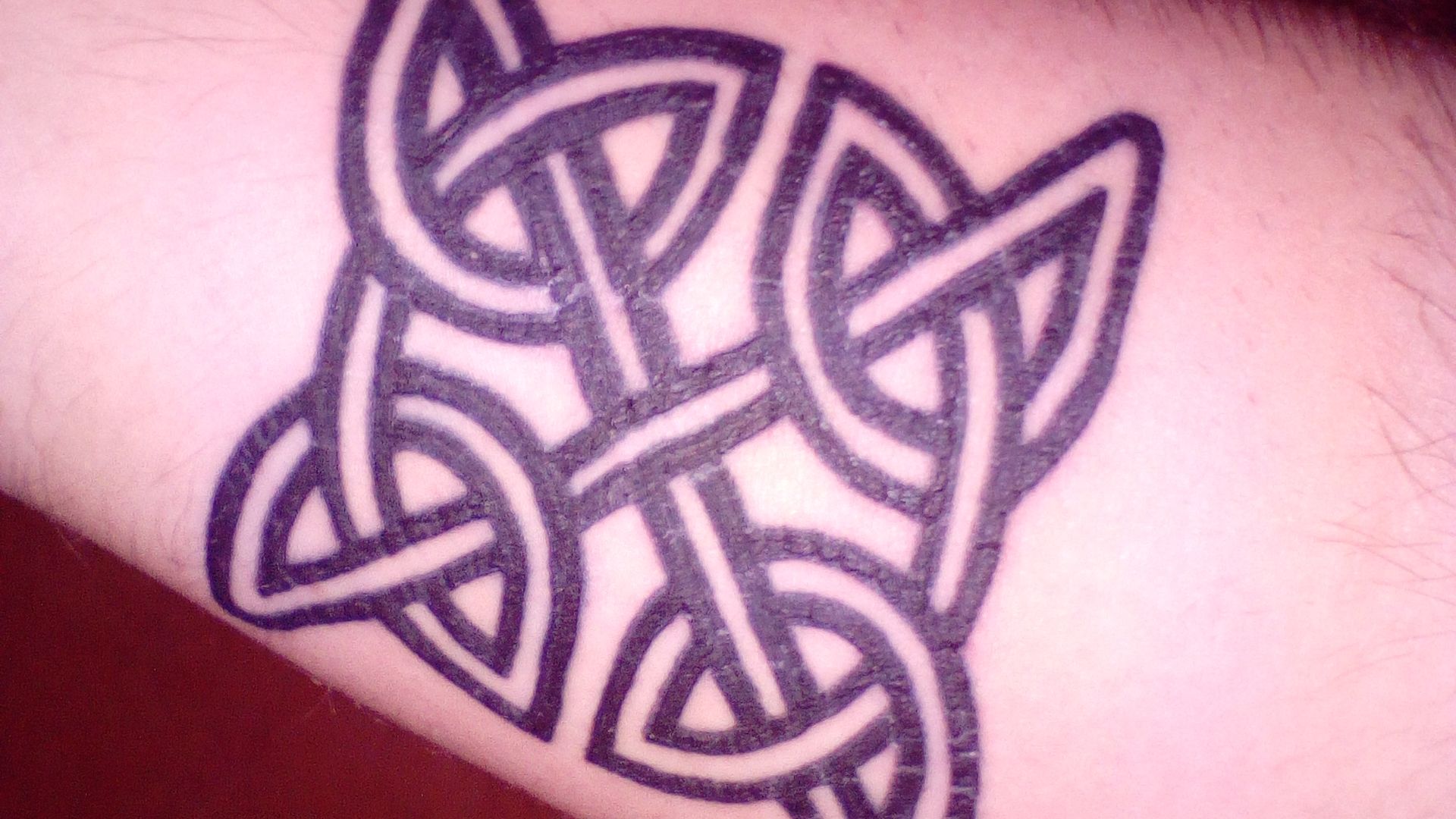
The 1980s made room for bolder graphic tattooing, including large black designs, Celtic-knot patterns, and geometric shapes. Cartoon-like New School work also started to take shape, using exaggerated forms and bright color to make tattoos feel closer to pop art.
11. So-Called Tribal Armbands of the 1990s
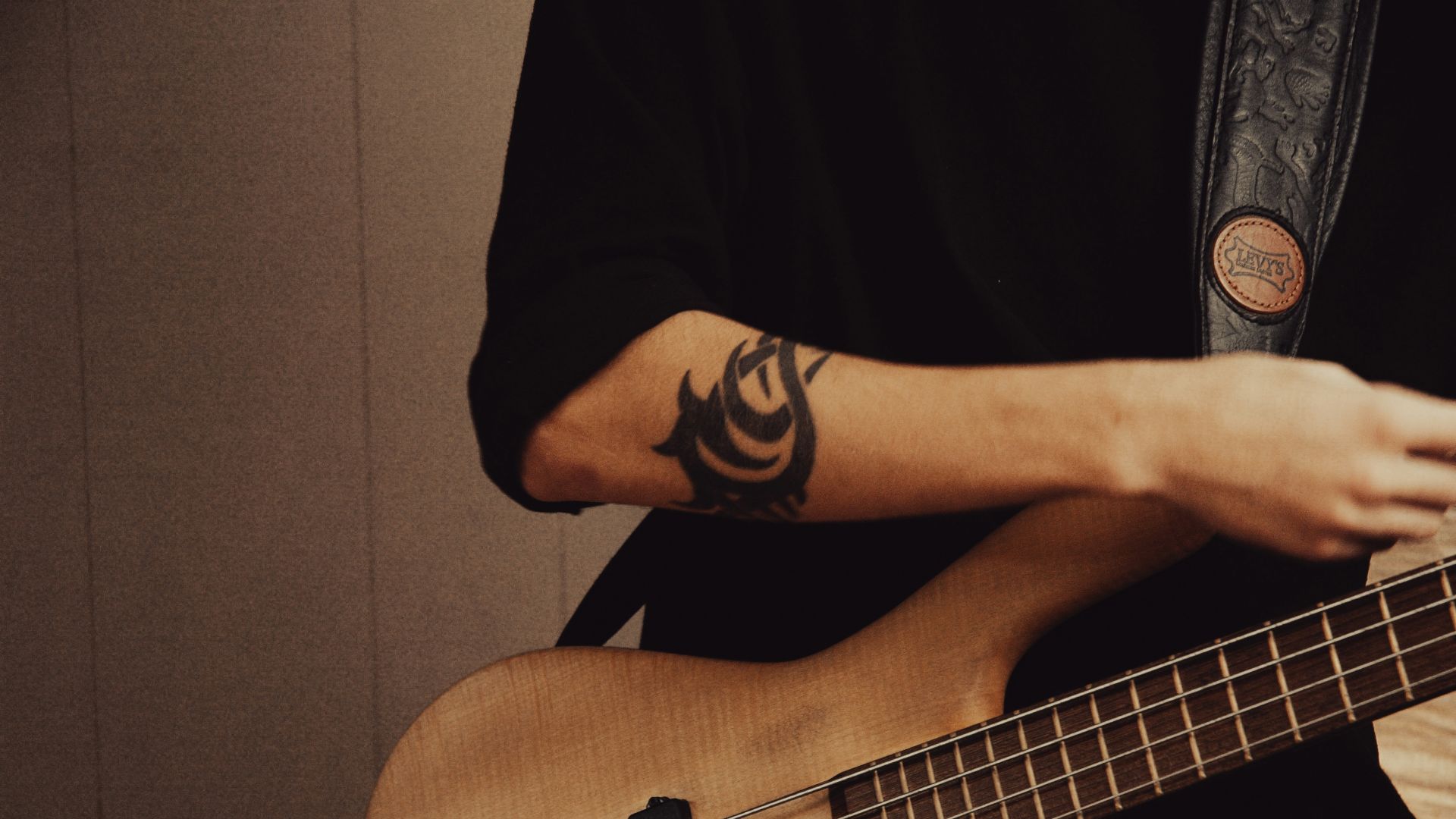
The black armband commonly labeled “tribal” became one of the decade’s most visible tattoo trends. That label blurred separate cultural traditions, borrowing from Indigenous communities and Māori culture. Many celebrities, from Mike Tyson to George Clooney, popularized this style.
12. Barbed-Wire Armbands of the 1990s
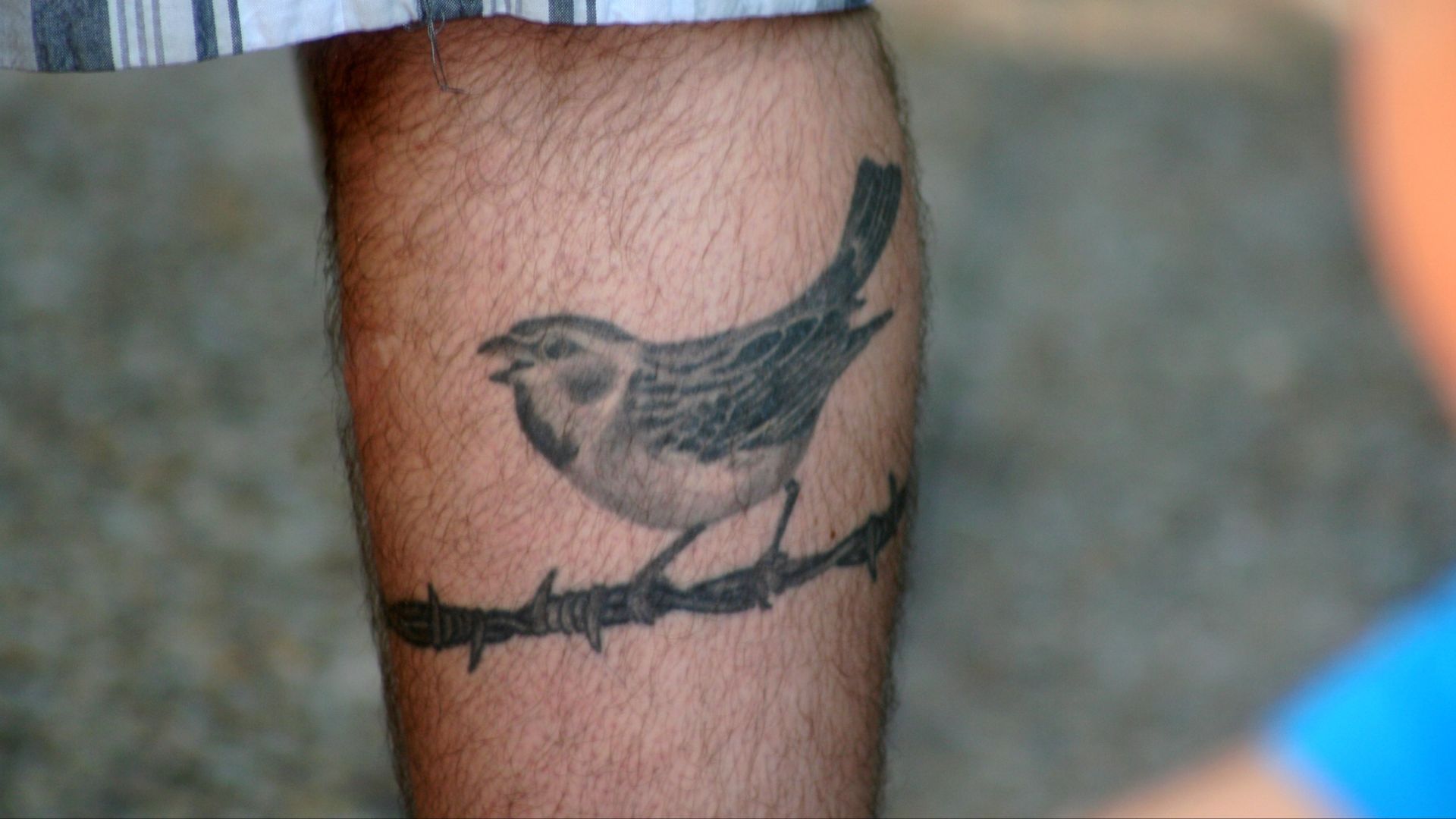
Barbed wire wrapped around an upper arm became popular after it reached celebrity culture. It was bold, easy to recognize, and easy to show off with a tank top, which made it a natural fit for the tougher 1990s look.
 Tony Alter from Newport News, USA on Wikimedia
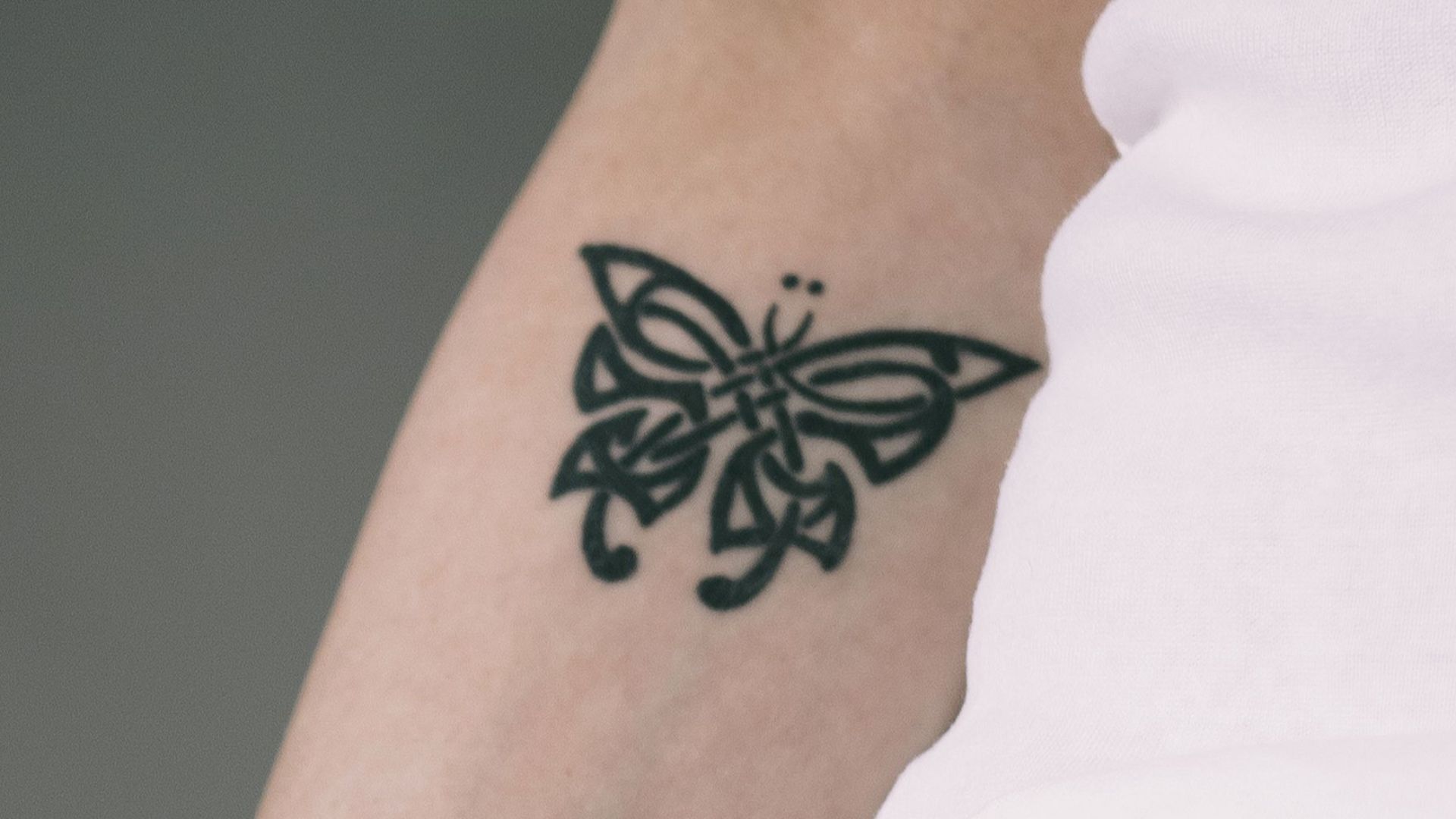
13. Butterflies of the 1990s
Butterflies appeared on shoulders, ankles, hips, and lower backs in bright color and fine black outlines. The design could feel delicate, bold, or symbolic, and it’s become popular again in recent years.
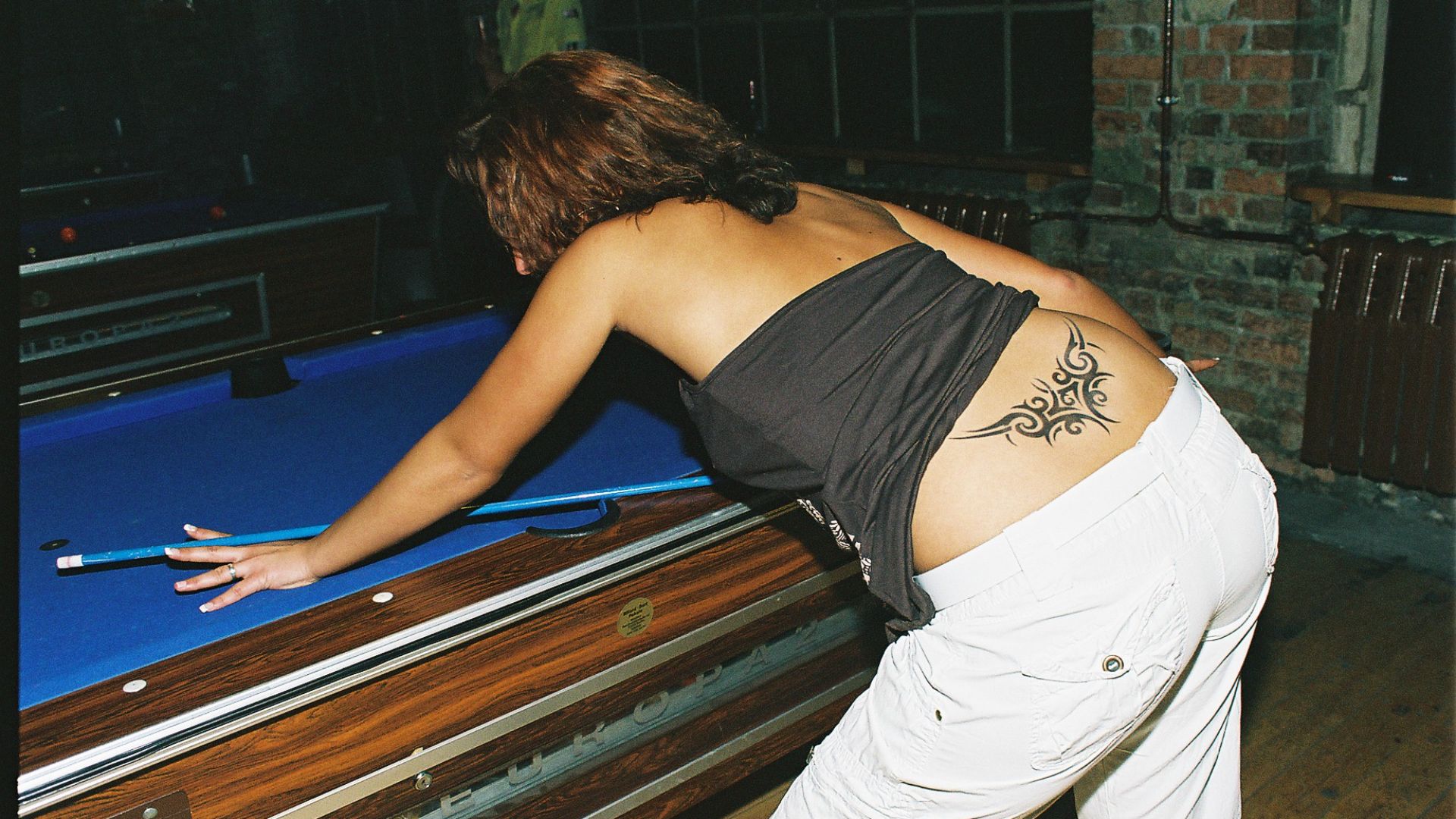
14. Lower-Back Tattoos of the Late 1990s
Low-rise jeans and cropped tops kept lower-back tattoos in plain view, making the placement a bold style choice. The derogatory nickname that followed was used to shame women, while the current revival has given the placement a more confident second life.
 Ralf Roletschek (User:Marcela) on Wikimedia
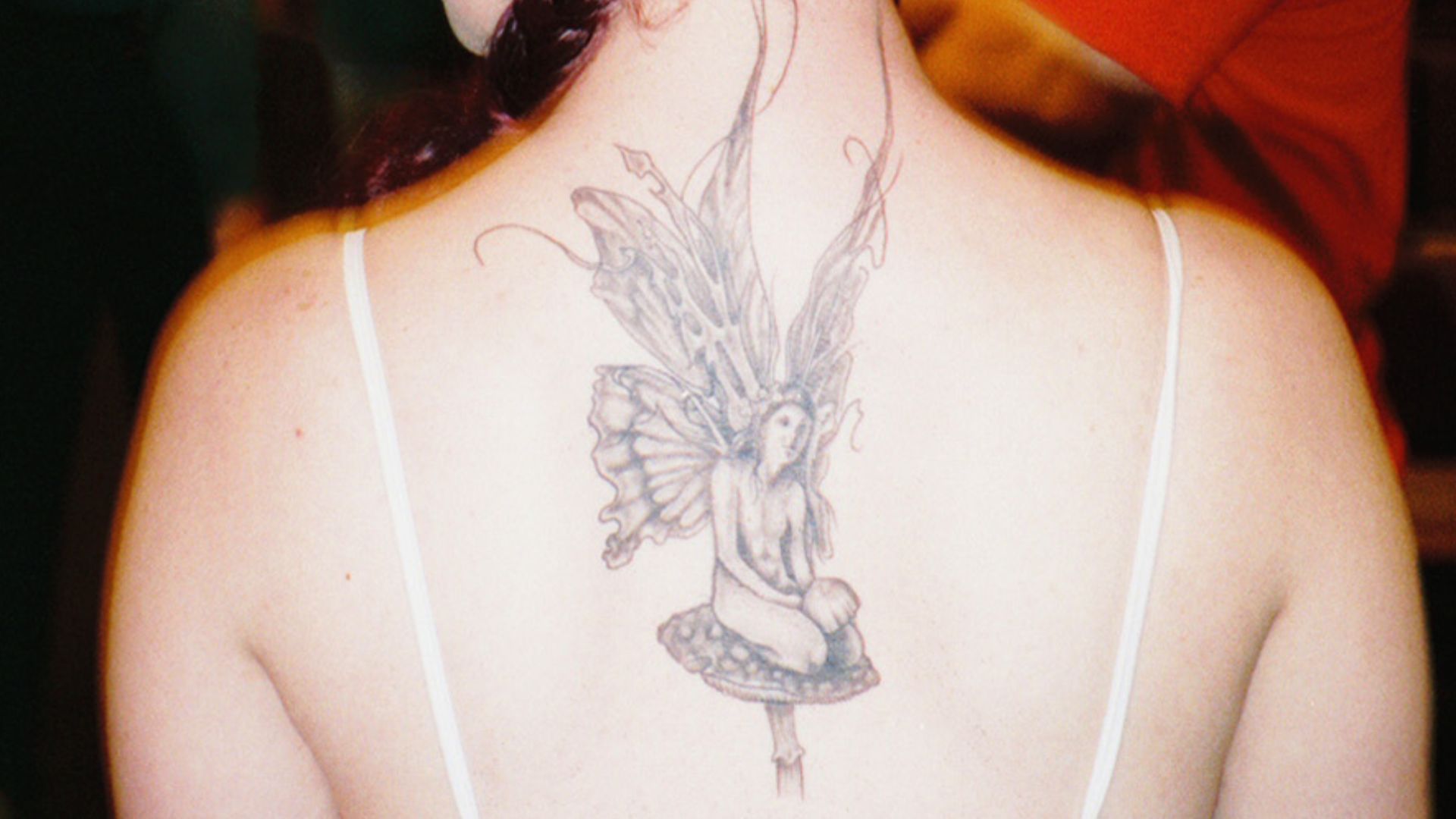
15. Fairies, Stars, and Swirls of the Early 2000s
Early-2000s tattoo trends leaned heavily into fantasy, with fairies, butterflies, stars, and decorative swirls appearing in visible spots. The designs worked with the era’s glossy, playful look, when sparkle and a little extra detail were both part of the fun.
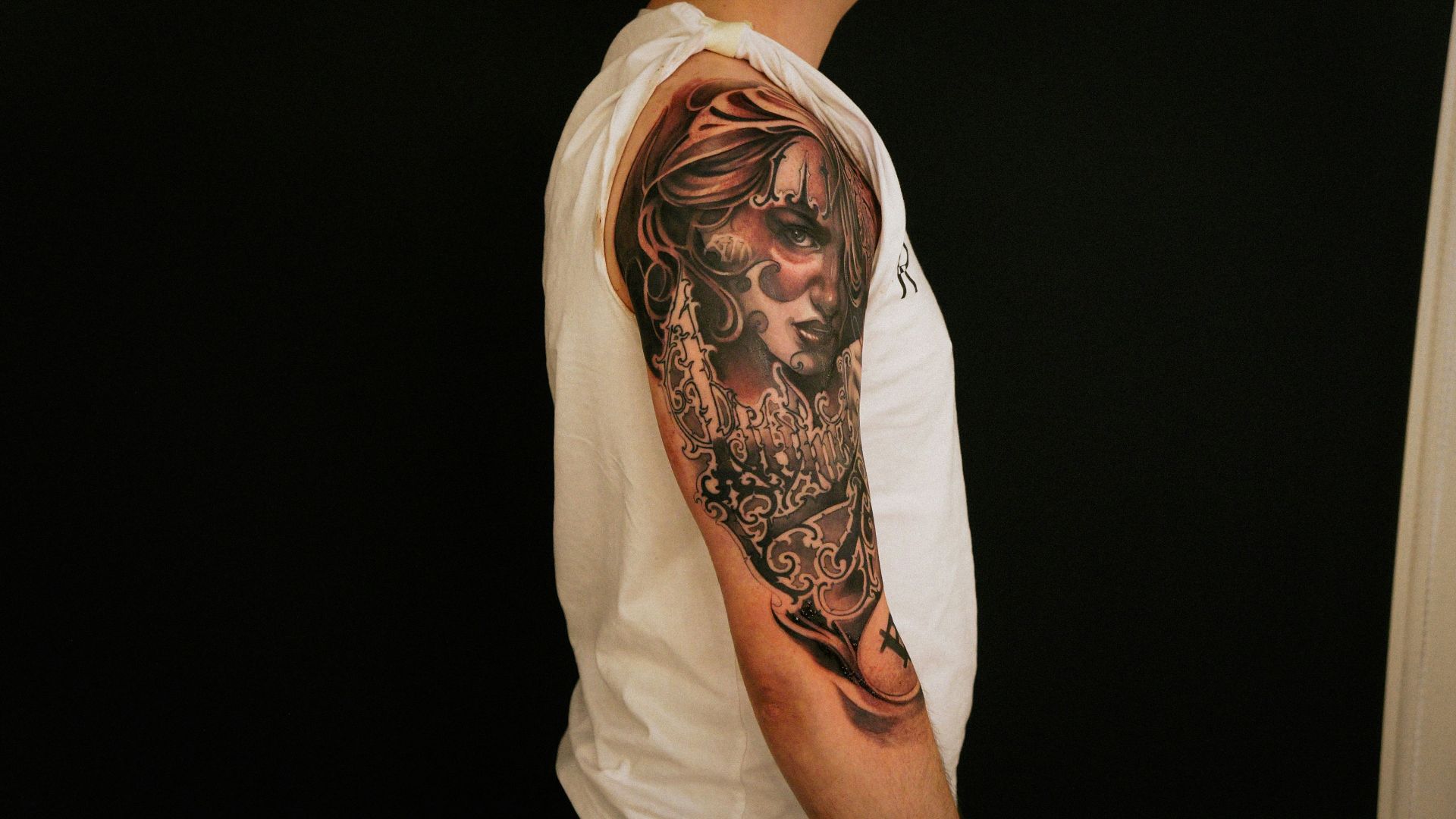
16. Custom Reality-TV Pieces of the Mid-2000s
Tattoo reality shows introduced a broad audience to custom work and the personal stories behind it. More people started choosing tattoos based on family memories, personal milestones, or favorite images, instead of picking a pre-drawn design from the wall.
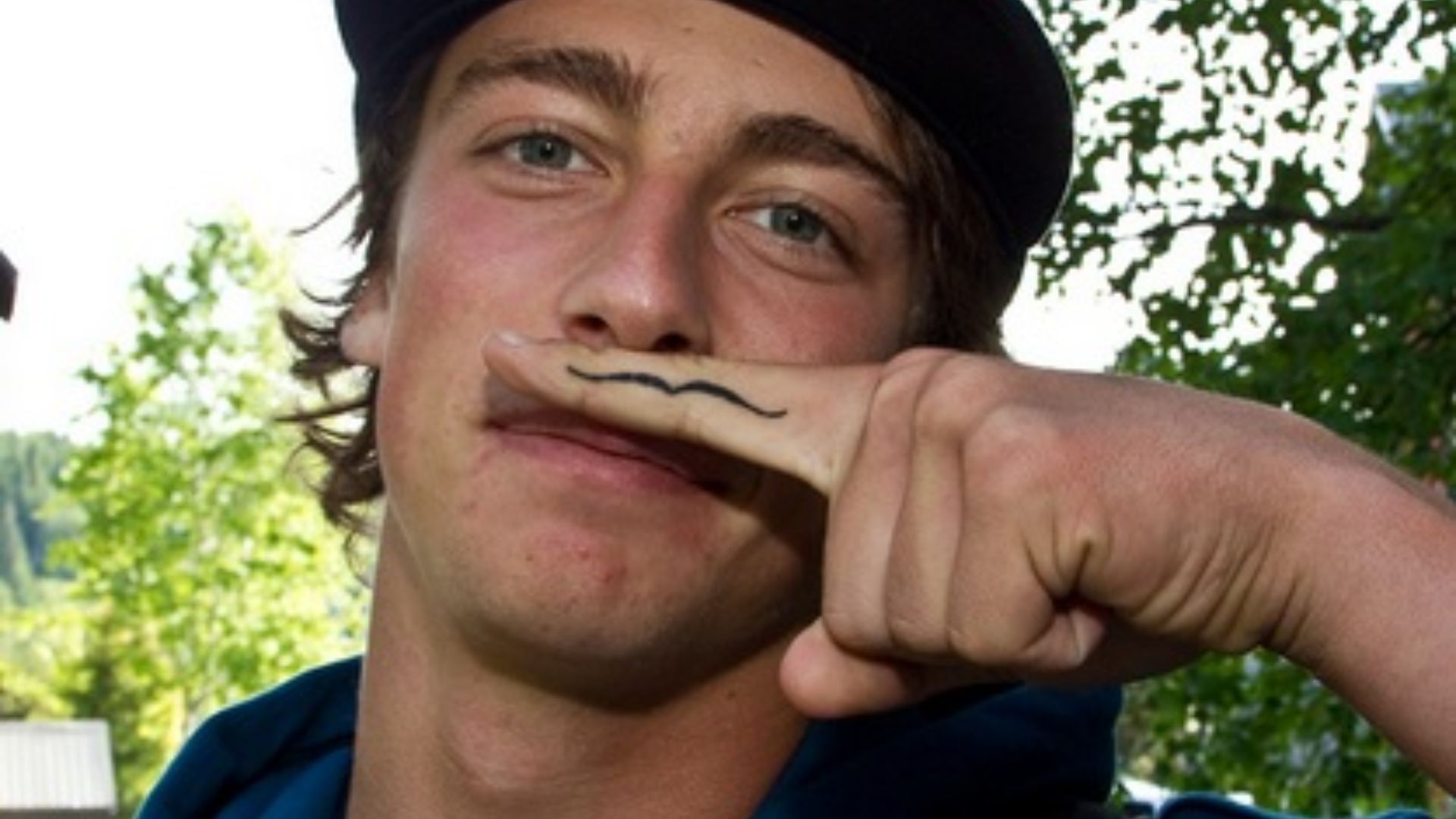
17. Infinity Symbols and Finger Mustaches of the 2010s
Early social media could turn a tiny tattoo into a widely copied trend. Infinity symbols, miniature anchors, and finger mustaches became familiar online, matching the fast-moving, highly shareable culture of the decade.
 Camp of Champions on Wikimedia
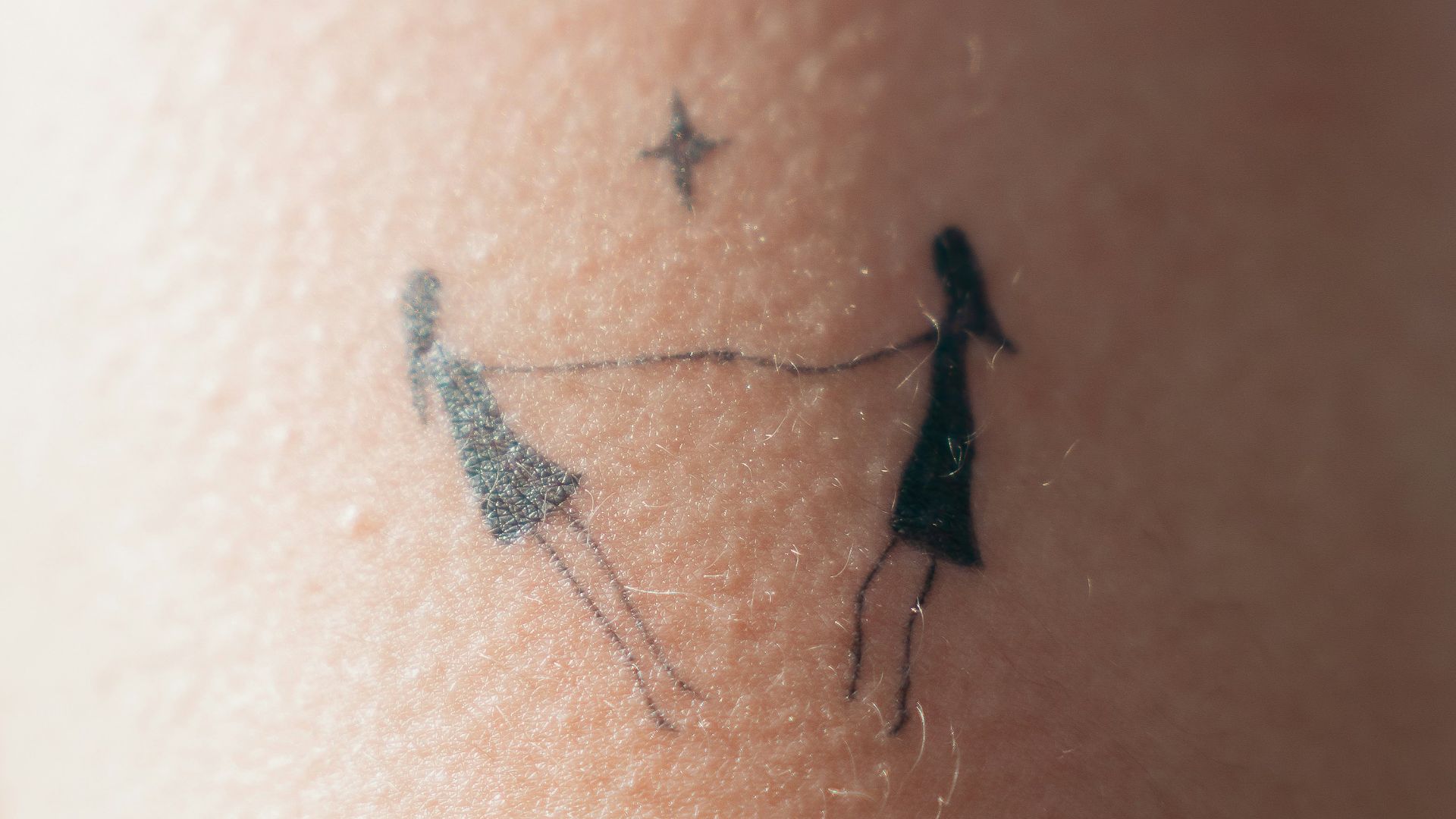
18. Geometric and Minimalist Tattoos of the 2010s
Fine-line arrows, moons, triangles, and neat symmetrical patterns gave tattoos a simpler look. A small black-ink tattoo could feel personal without covering a whole limb, which made this style especially appealing to people getting their first piece.
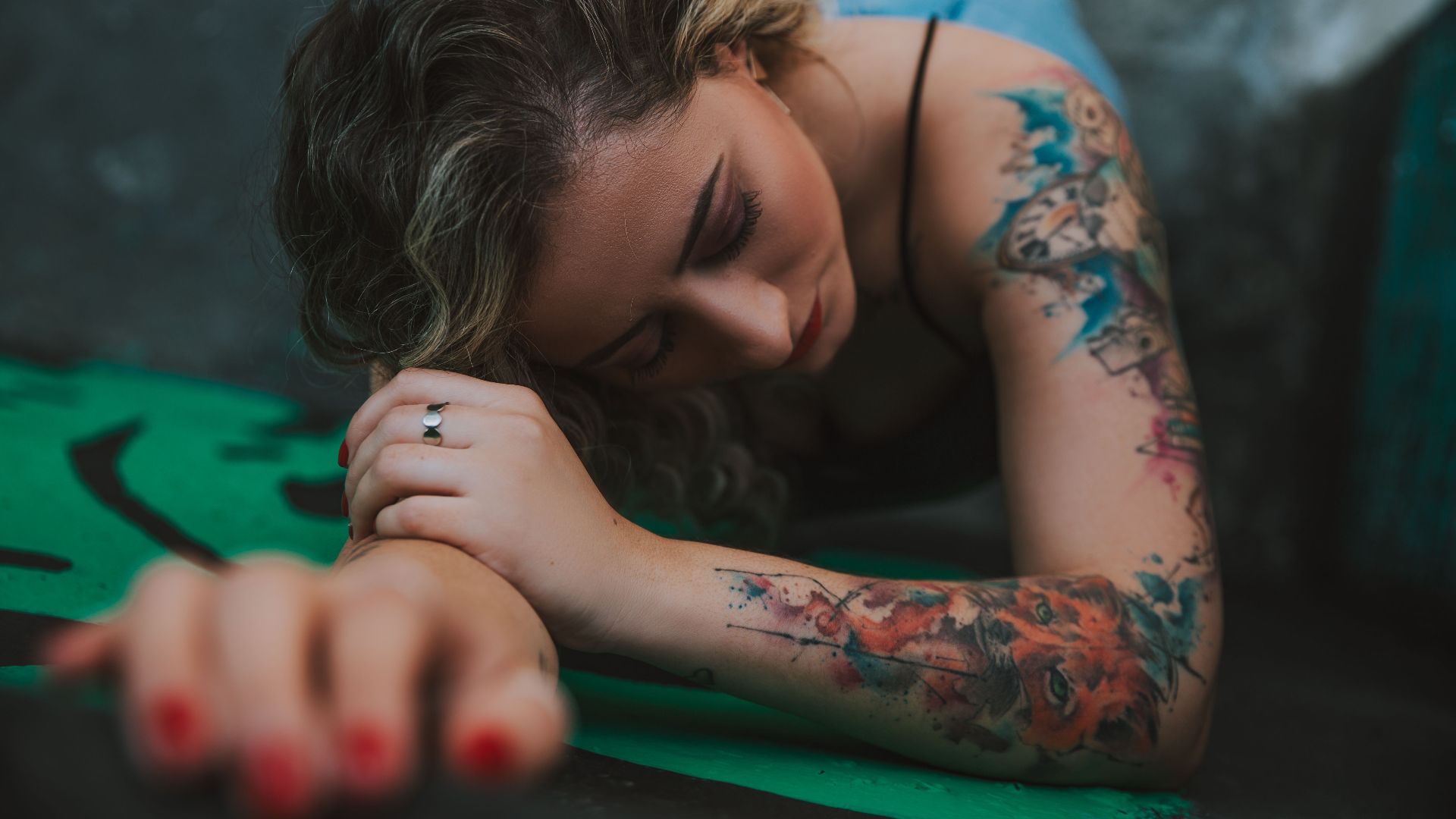
19. Watercolor Tattoos of the 2010s
Watercolor tattoos used soft color changes, loose washes of ink, and painted-looking splashes around flowers, animals, and abstract images. They offered a lighter look than tattoos with dense shading and heavy outlines, which helped them stand out during the decade.
 Criativa Pix Fotografia on Pexels
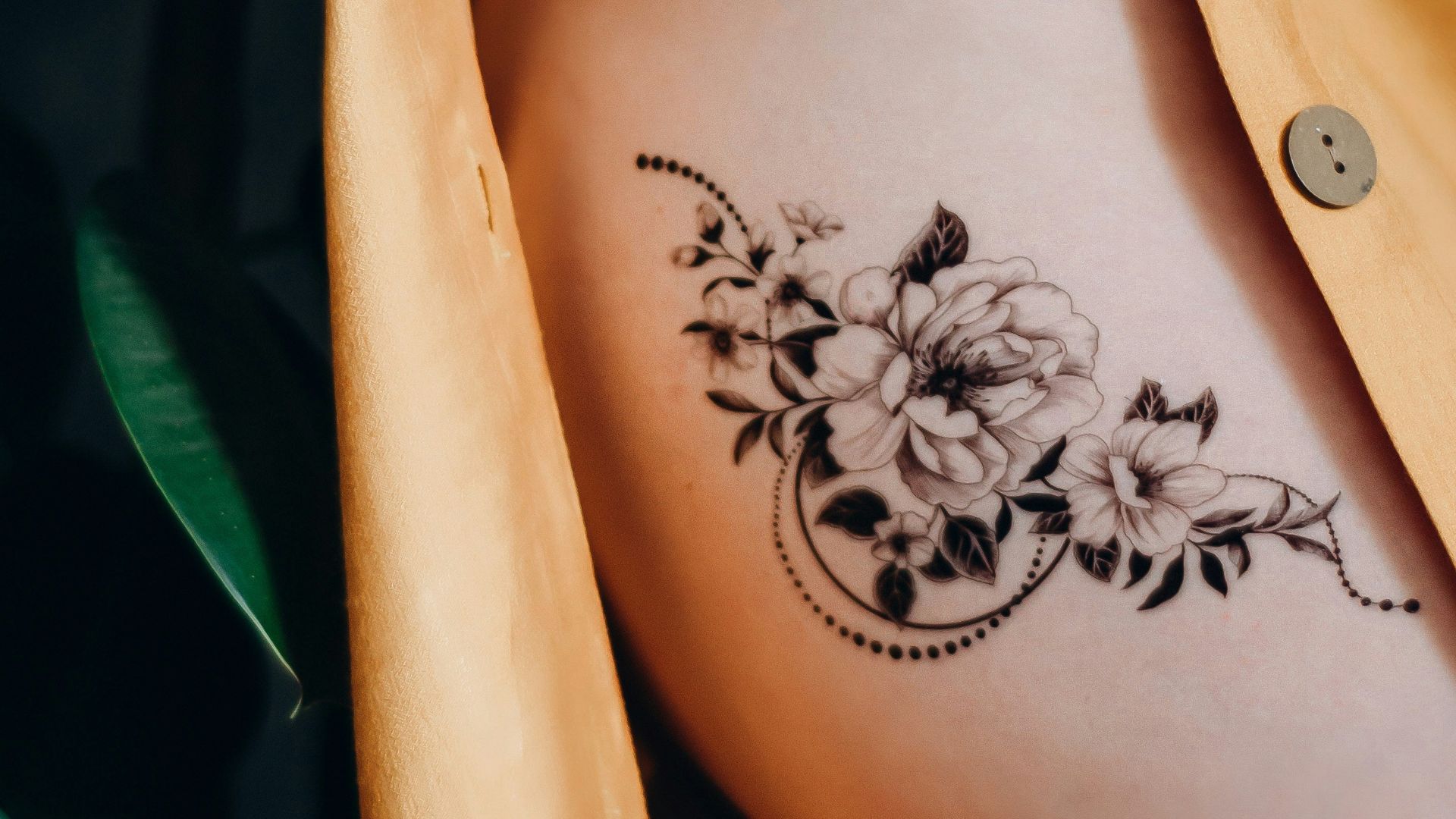
20. Microrealism and Fine-Line Florals of the 2020s
Finer needles and more precise techniques have made tiny realistic tattoos, especially pet portraits, a major current trend. Fine-line florals have become another popular choice, showing that a tattoo can be detailed and expressive while still leaving plenty of skin visible.