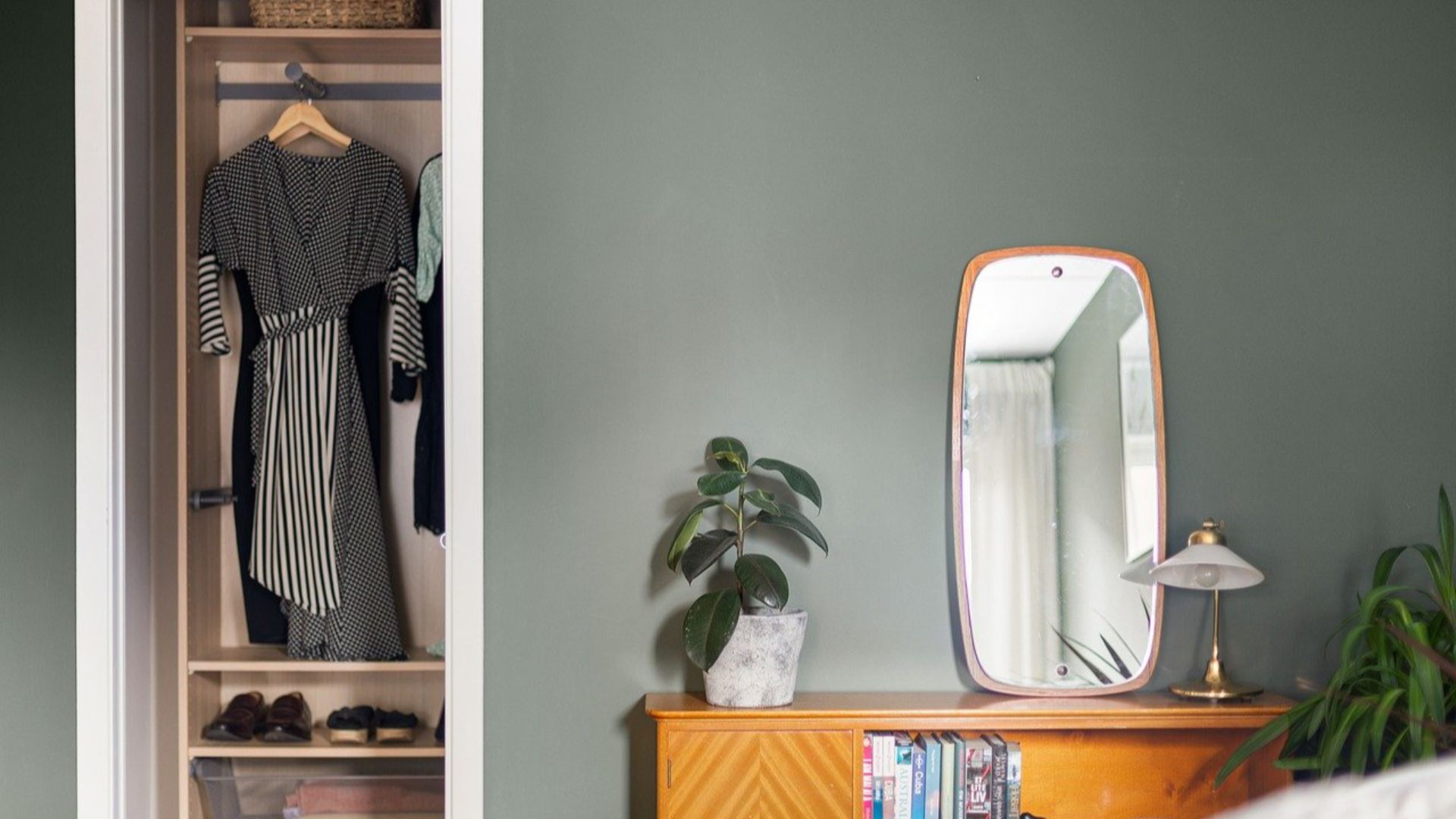

Quality Hangers Can Transform Your Closet
A neatly organized closet can be rejuvenating. It makes your mornings calmer and your home feel more stable. It doesn't matter if you have a small wardrobe or a massive walk-in; decluttering will make a big difference. The thing is, it's not about simply throwing away items. You need to create a reliable system that actually works. Here are 20 tips for decluttering and organizing your closet.

1. Start With a Blank Slate
Remove everything from your closet before organizing it. Emptying the space lets you gauge what you own, and you can wipe down shelves, vacuum the floor, and fix any small issues. This practice also lets you envision how you want your closet to look.

2. Sort by Category
By separating clothes into categories, like tops, pants, dresses, and accessories, you can methodically break down your wardrobe to make it easier to find and access certain items. It's also easier to spot duplicates and evaluate what you have too much of.
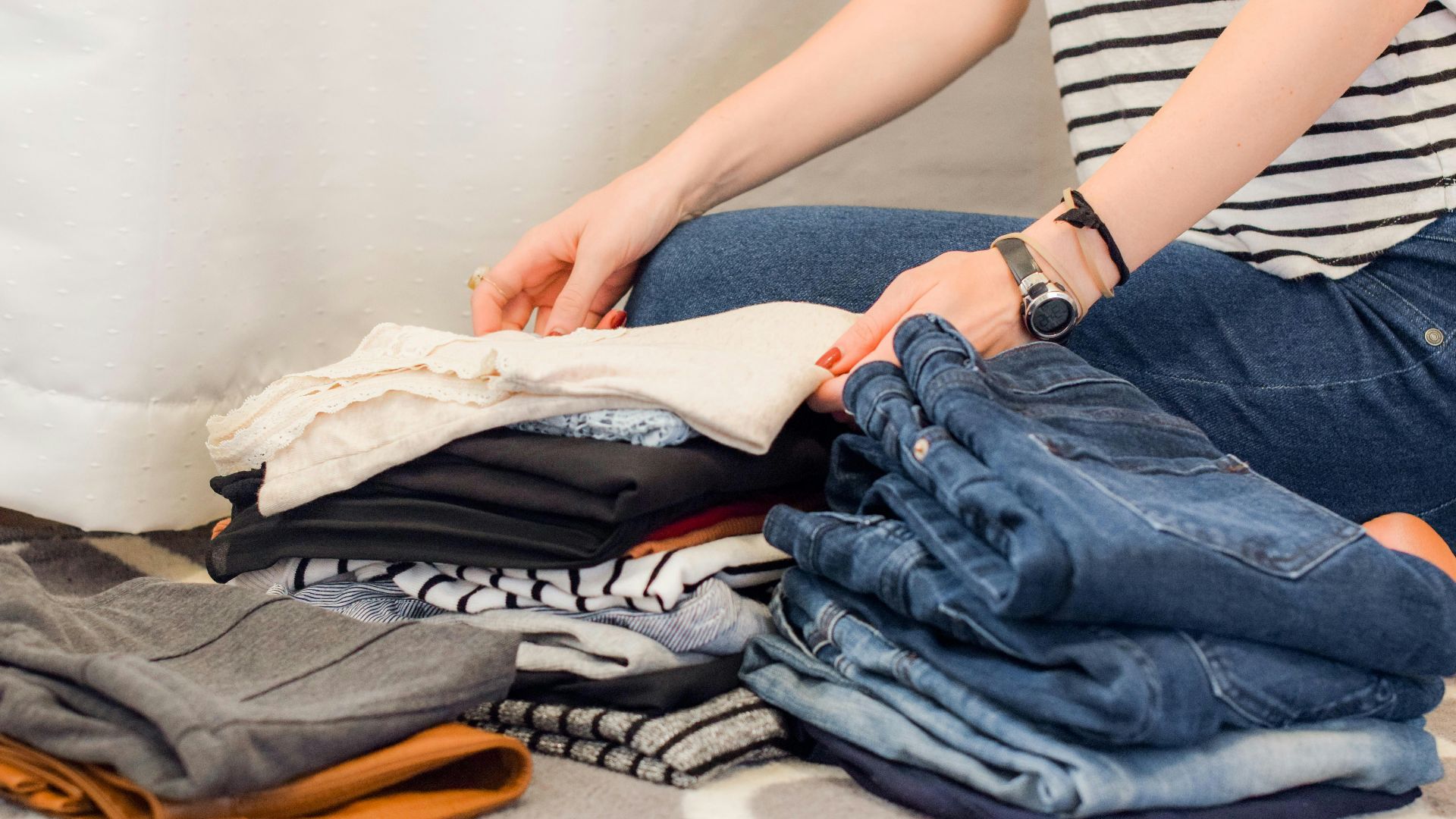
3. Use the "Keep, Donate, Toss" System
As you sort items, decide which should stay, be donated, or be thrown away. Be honest about what you actually wear and which garments are essential to your wardrobe. If you haven't worn something in a year, then you don't need it.
4. Try Everything On
Fit and comfort are more important than price or sentimental value when organizing your closet. Trying on your clothes can help you determine if something doesn't fit anymore or maybe doesn't work for your current style or body type.

5. Evaluate Your Lifestyle
Your closet should reflect your lifestyle, not your past. If your daily life involves remote work, then you should prioritize clothes that match this lifestyle. Align your wardrobe with your present needs to prevent having to deal with future clutter.

6. Buy Quality Hangers
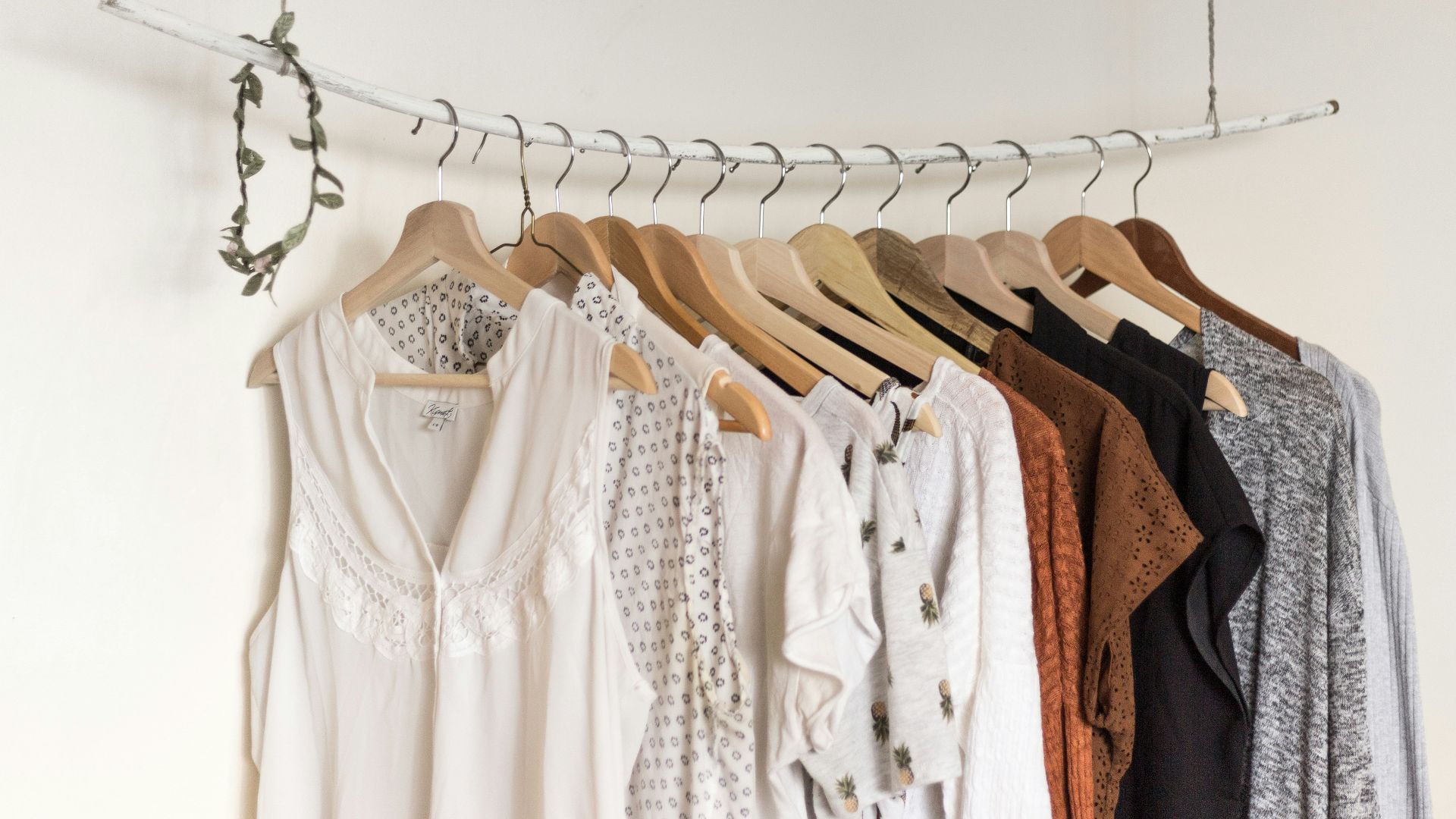
Uniform, sturdy hangers can make your wardrobe look neat and cohesive when hanging. Thin velvet hangers can also save space and prevent slippage, whereas wooden ones can support heavier items.

7. Use Vertical Space
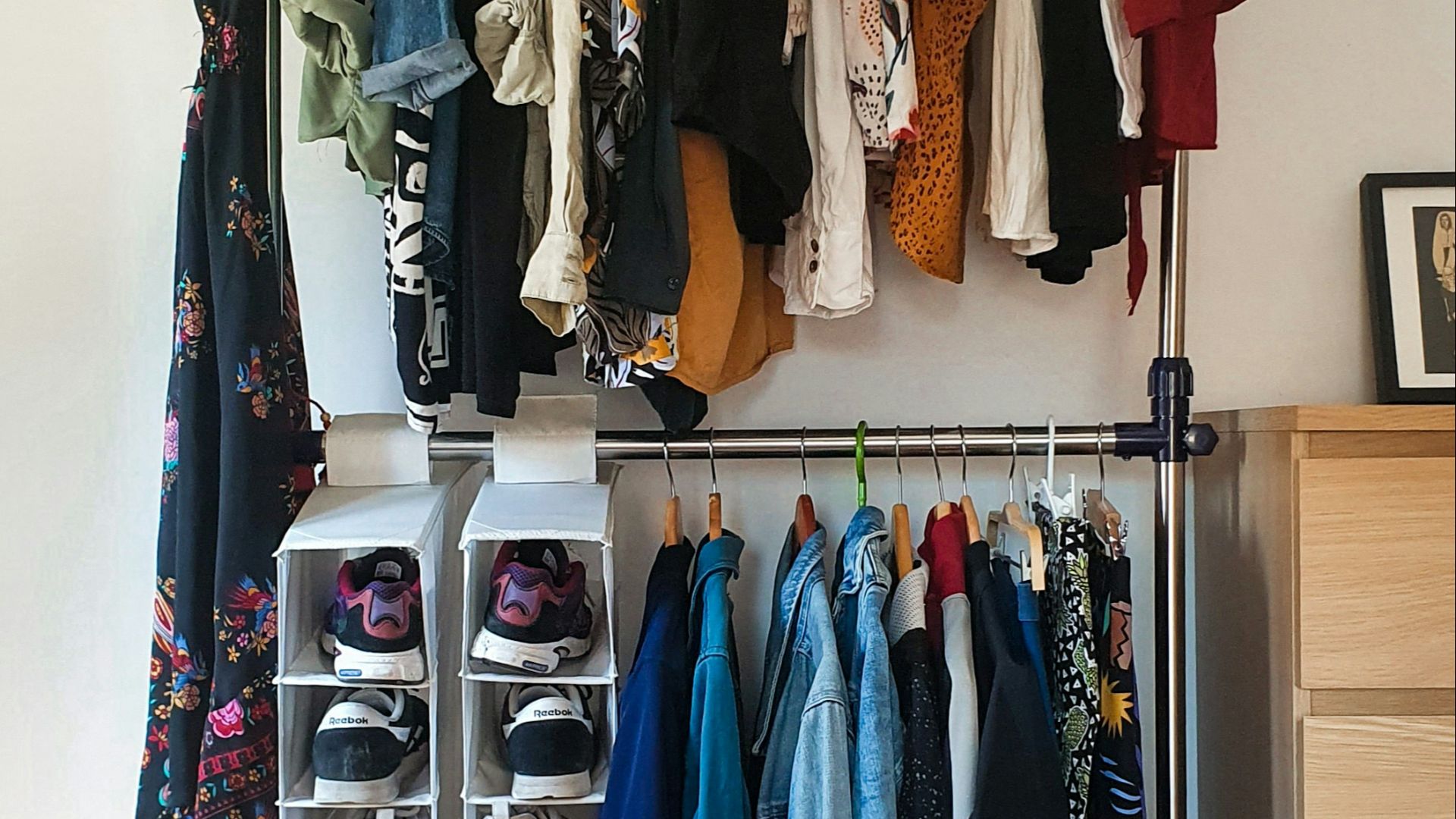
Optimize the height in your closet with double rods, higher shelves, and organizers. Vertical storage lets you maximize your closet's square footage and ensures an efficient space.
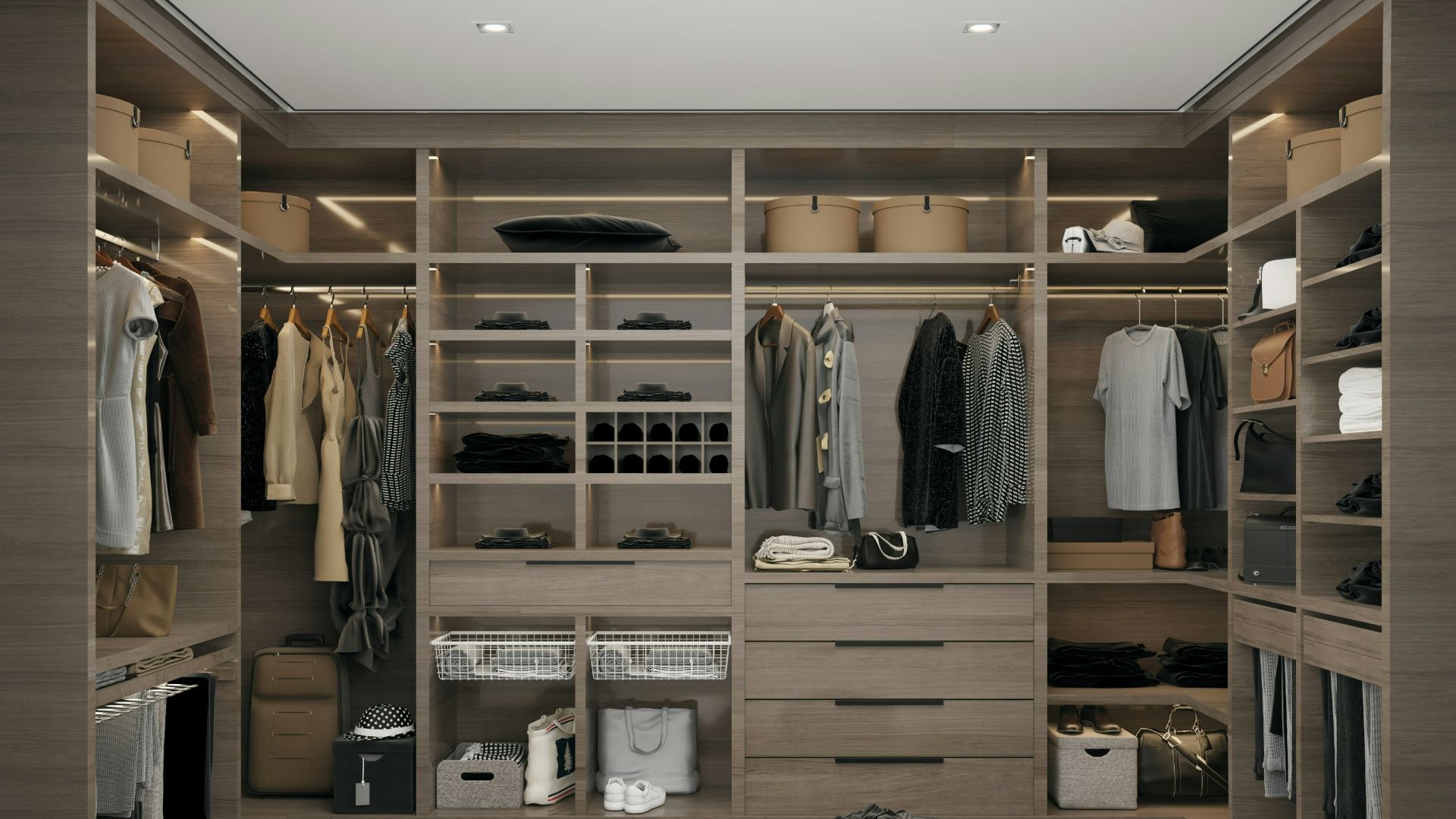
8. Store Based on Frequency of Use
Arrange your wardrobe with the items you wear most often at eye level for easy access. Specialty items should be stored higher or deeper in your closet.
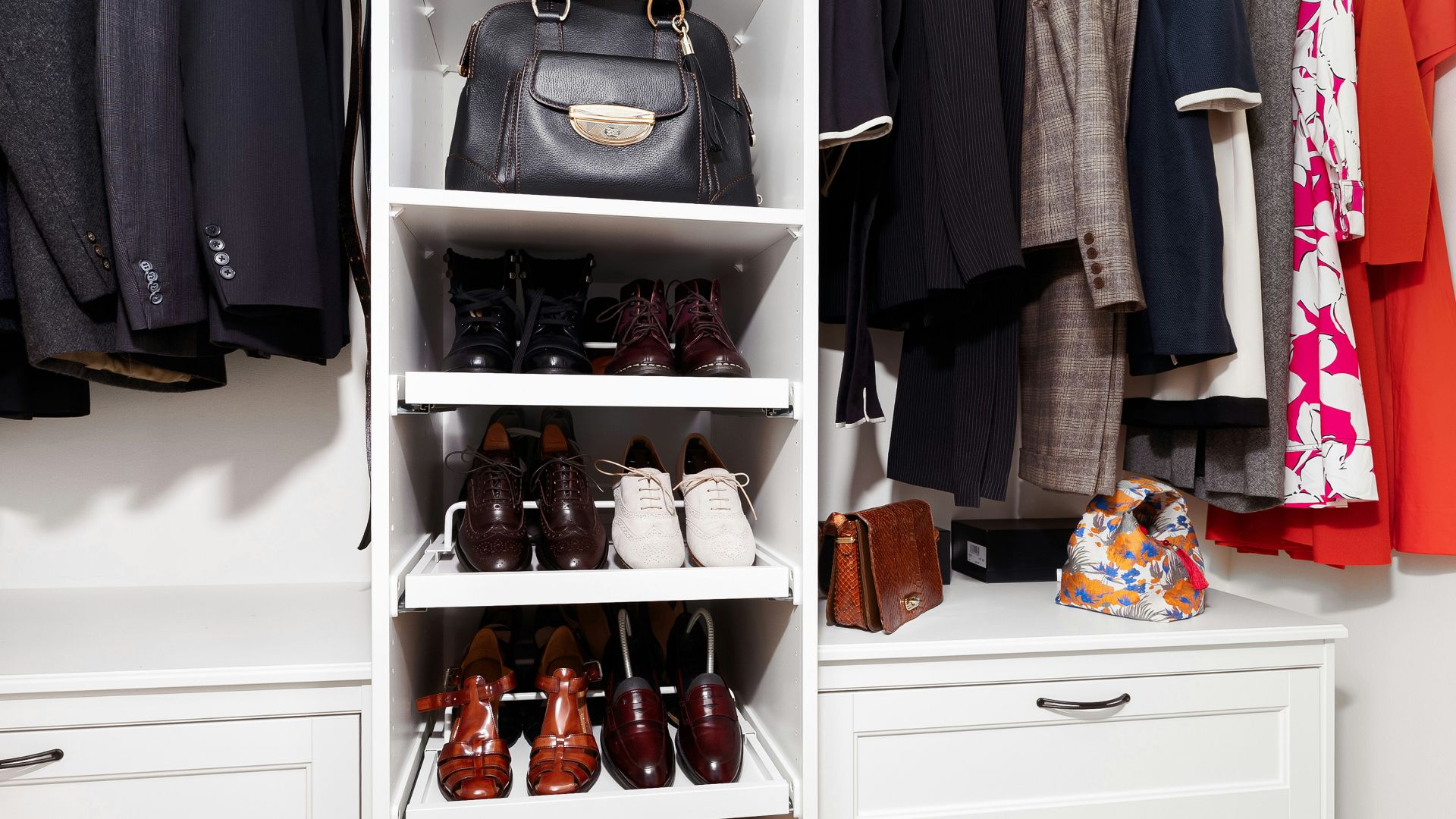
9. Sort by Color
Once your wardrobe is categorized, sort by color within each section. You can use a light-to-dark gradient system to create a nice visual flow, and it will also help you find what you're looking for faster and with less frustration.
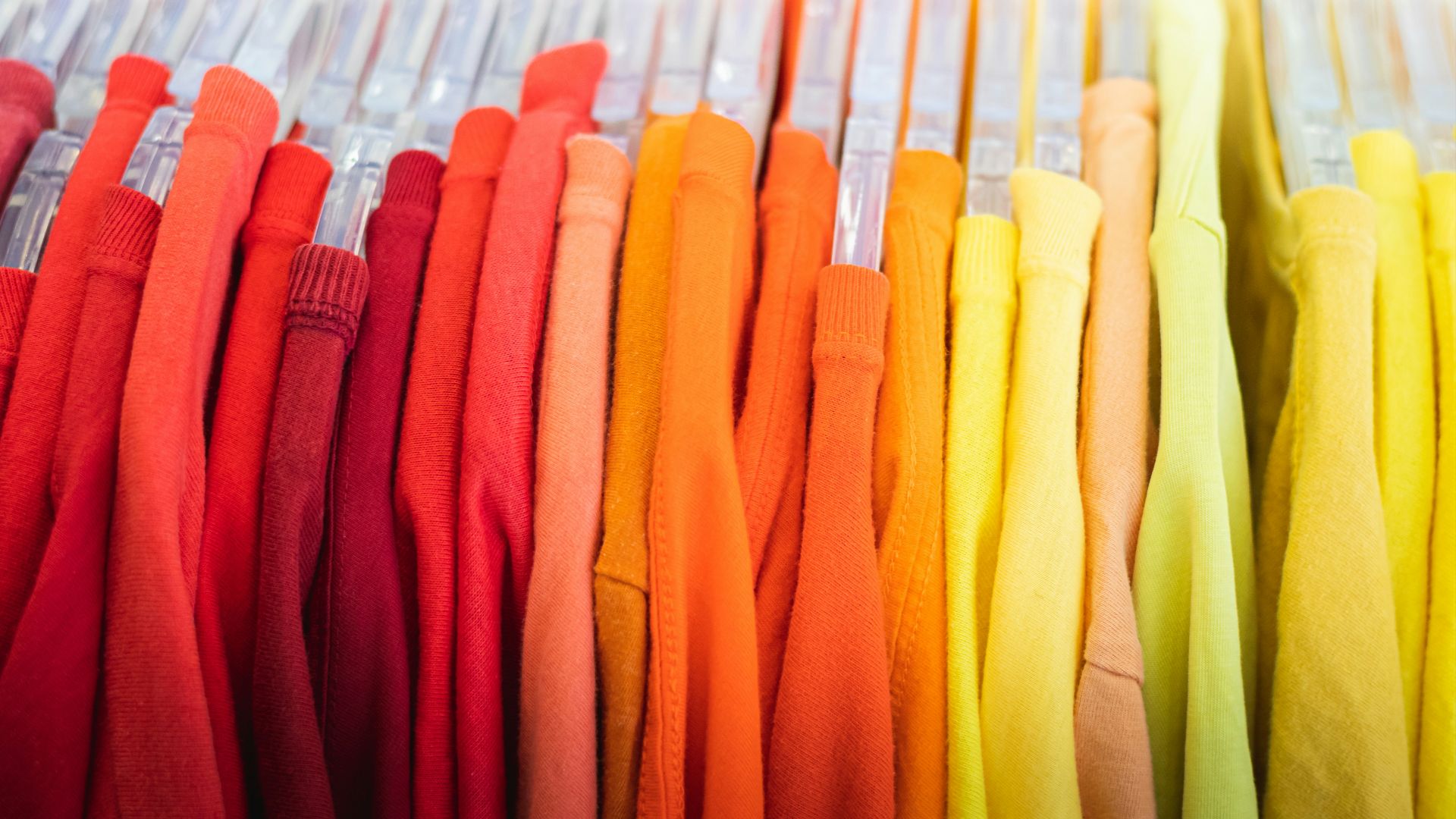
10. Use Drawer Dividers
Socks, belts, or scarves can become easily cluttered over time. Use fabric bins and drawer dividers to organize these items neatly. This will keep them visible and prevent duplication.
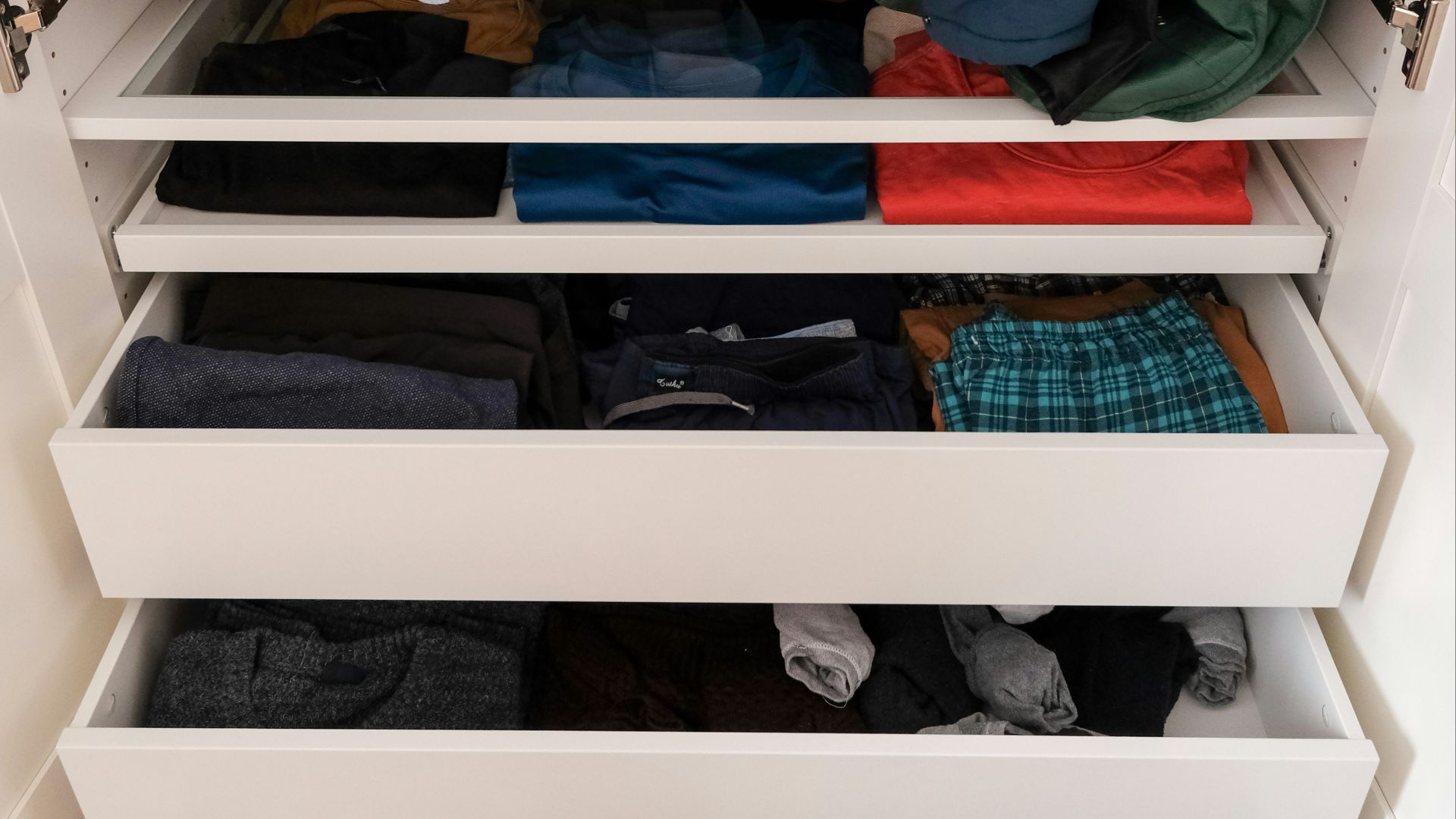
11. Store Shoes Strategically
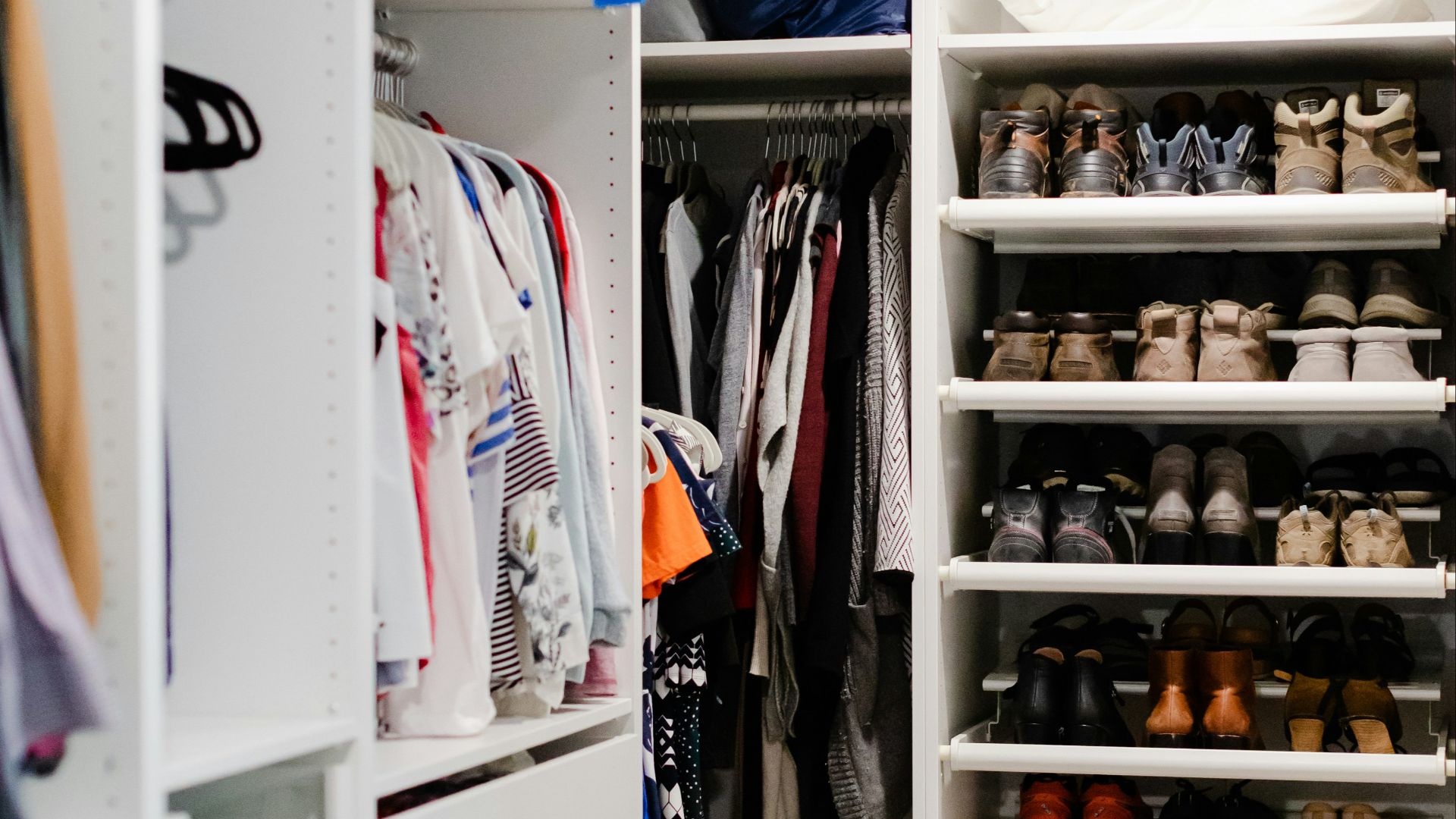
Whether you use over-the-door organizers, boxes, or racks, ensure each pair of shoes is visible and accessible. Keep your in-season shoes at the forefront of your wardrobe, and make sure shoes are clean before storing them to protect their materials.
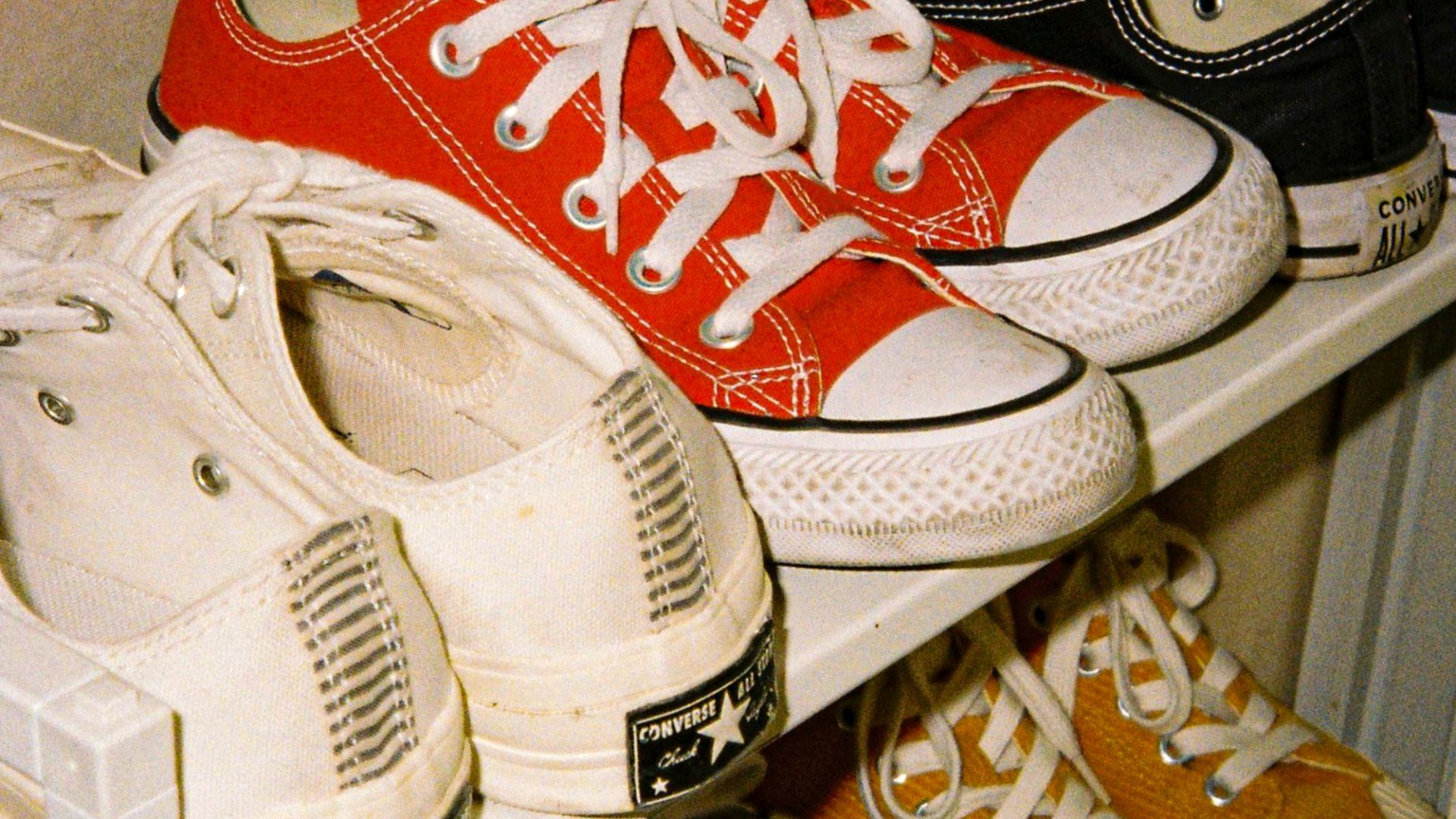
12. Label Everything
Labeling helps you keep order in your closet. Use tags or stick-on labels for bins, baskets, and boxes, as these will act as quick visual cues, so that you know where everything belongs.
13. Implement a Seasonal Rotation
Keep current-season articles of clothing and items in your main closet, or at least at eye level. Pack the rest into labeled bins for storage. This will keep your closet light and functional.
14. Use Clear Storage Containers
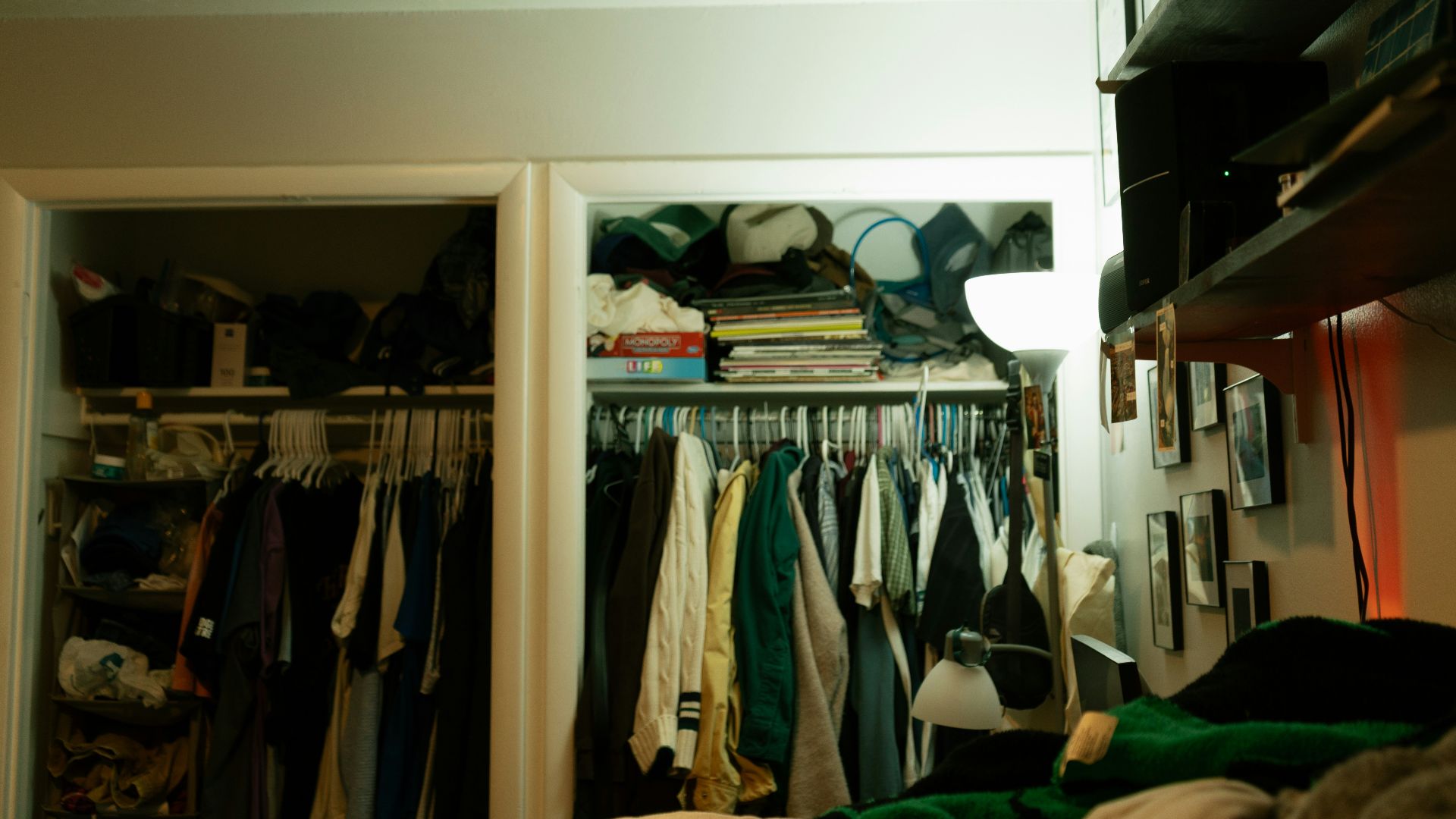
Transparent bins are easily identifiable and eliminate frustrating guesswork. Store purses, folded sweaters, or off-season shoes in clear containers to maintain their visibility and keep them organized.

15. Declutter Regularly
Make decluttering your closet a regular habit to prevent it from becoming an obnoxious chore. Every few months, scan your closet and remove items you no longer wear. Perform regular check-ins to make sure the space doesn't get cluttered over time from neglect.
16. Curate a Capsule Wardrobe
A capsule wardrobe is incredibly useful and helpful. It focuses on quality, versatility, and staple pieces that can be mixed and matched with ease. This method saves time on deciding what to wear and reduces overflow. Build your capsule wardrobe around your timeless pieces that serve multiple purposes.
 Priscilla Du Preez 🇨🇦 on Unsplash
17. Use Hooks and Wall Storage
Use hooks for hats, scarves, and bags, especially if you are dealing with limited shelving. Wall-mounted storage units maximize surfaces and keep your most commonly used accessories within reach. This is a low-cost way to make your closet more organized.

18. Keep a Donation Box in Your Closet
Keep a small donation bin in your closet, so when you try something on and find that it no longer fits, you can place it in the box immediately. This donation box helps streamline your decluttering process and prevents unwanted clothes from staying in your clothing rotation.
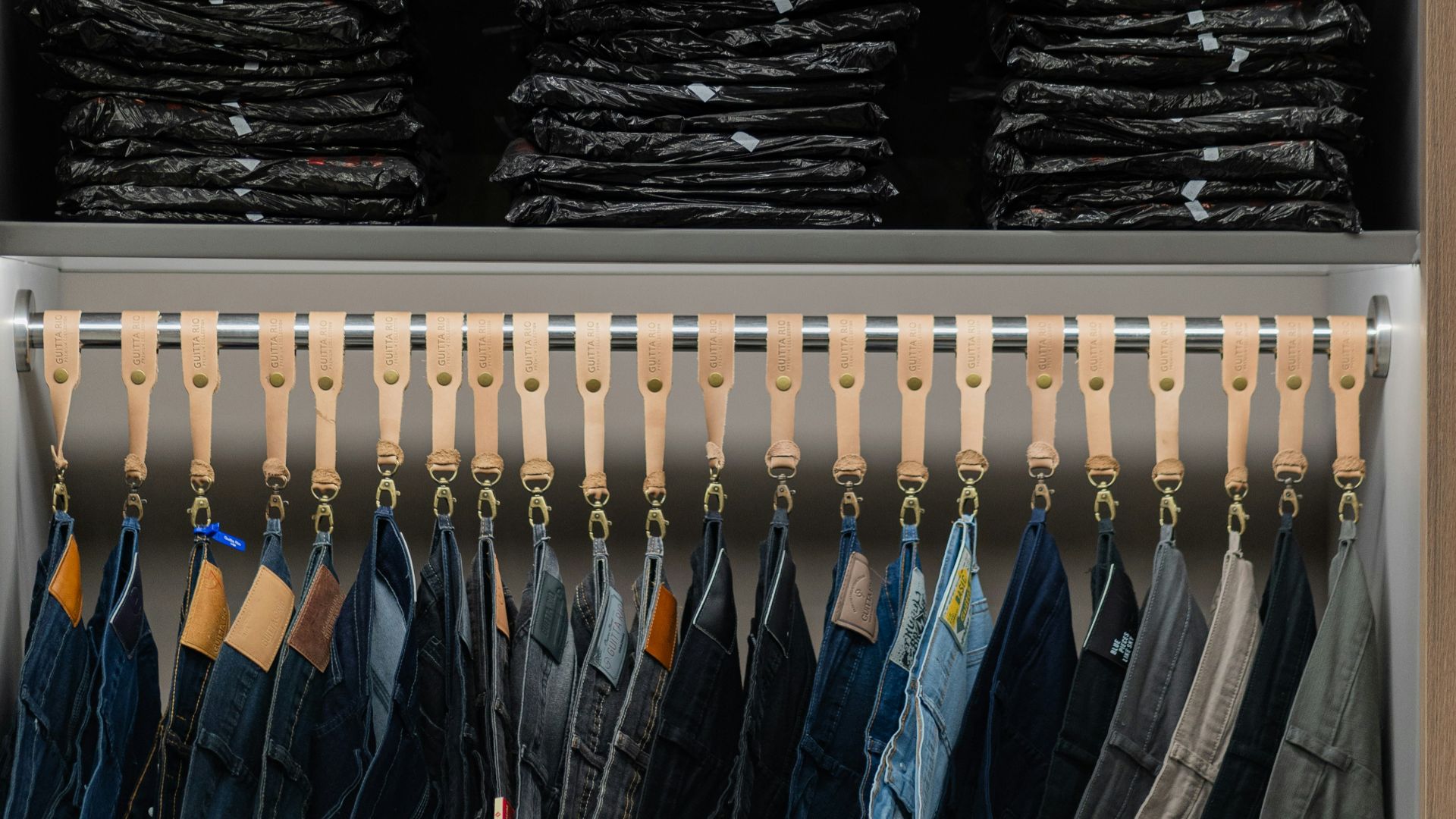 Rodrigo Rodrigues | WOLF Λ R T on Unsplash
19. Install Good Lighting
Good lighting will help you find clothes quickly and make it easier to select outfits and keep the space organized. Bright, even lighting can be achieved with LED strips or motion-sensor lights.

20. Celebrate Your Organizational Efforts
After your closet is clean and organized, take some time to celebrate your accomplishment. Taking pride in your new closet will make you motivated to maintain it regularly. Celebrate your effort by keeping it nice and tidy and being committed to clothes shopping more thoughtfully. This will help keep your closet decluttered on an ongoing basis.