
Achieve a Fresh Look Without Buying a New Wardrobe
You don't need an expensive shopping spree to make your wardrobe feel new and different. Small adjustments to styling, organization, tailoring, and accessories can alter how familiar pieces look and make getting dressed more fun and interesting again. The most useful updates usually work with what you already own, which keeps the process practical rather than turning it into another expensive project. Here are 20 small changes that can make your entire closet feel new.
1. Invest in New Hangers
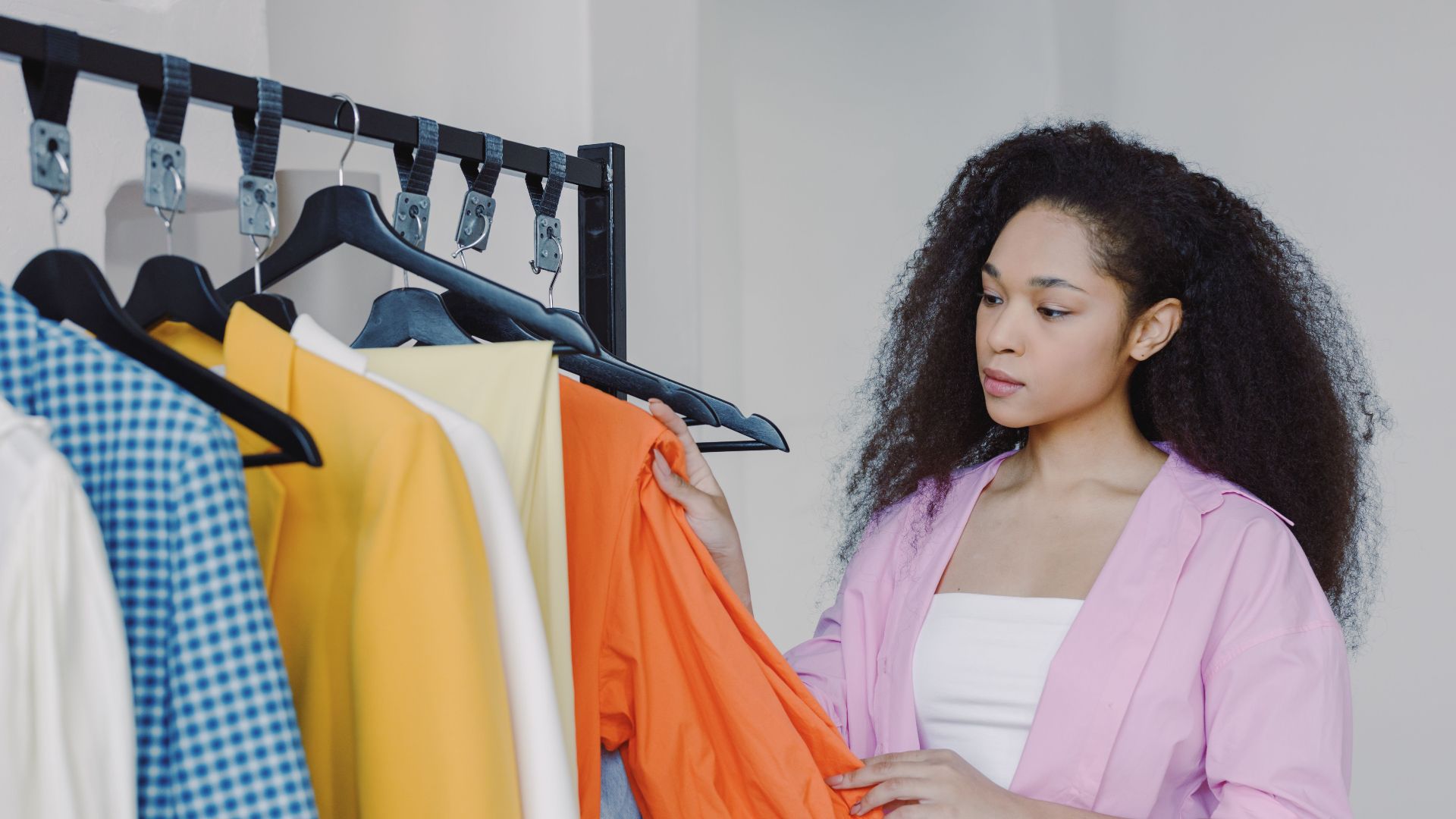
Matching slim hangers can instantly make a closet look far more organized and also create extra room on the rail. They also help garments sit more evenly, making it easier to see what you actually own. Once your clothes are displayed more clearly, forgotten pieces tend to become much easier to spot.
2. Reorganize Wardrobe By Category
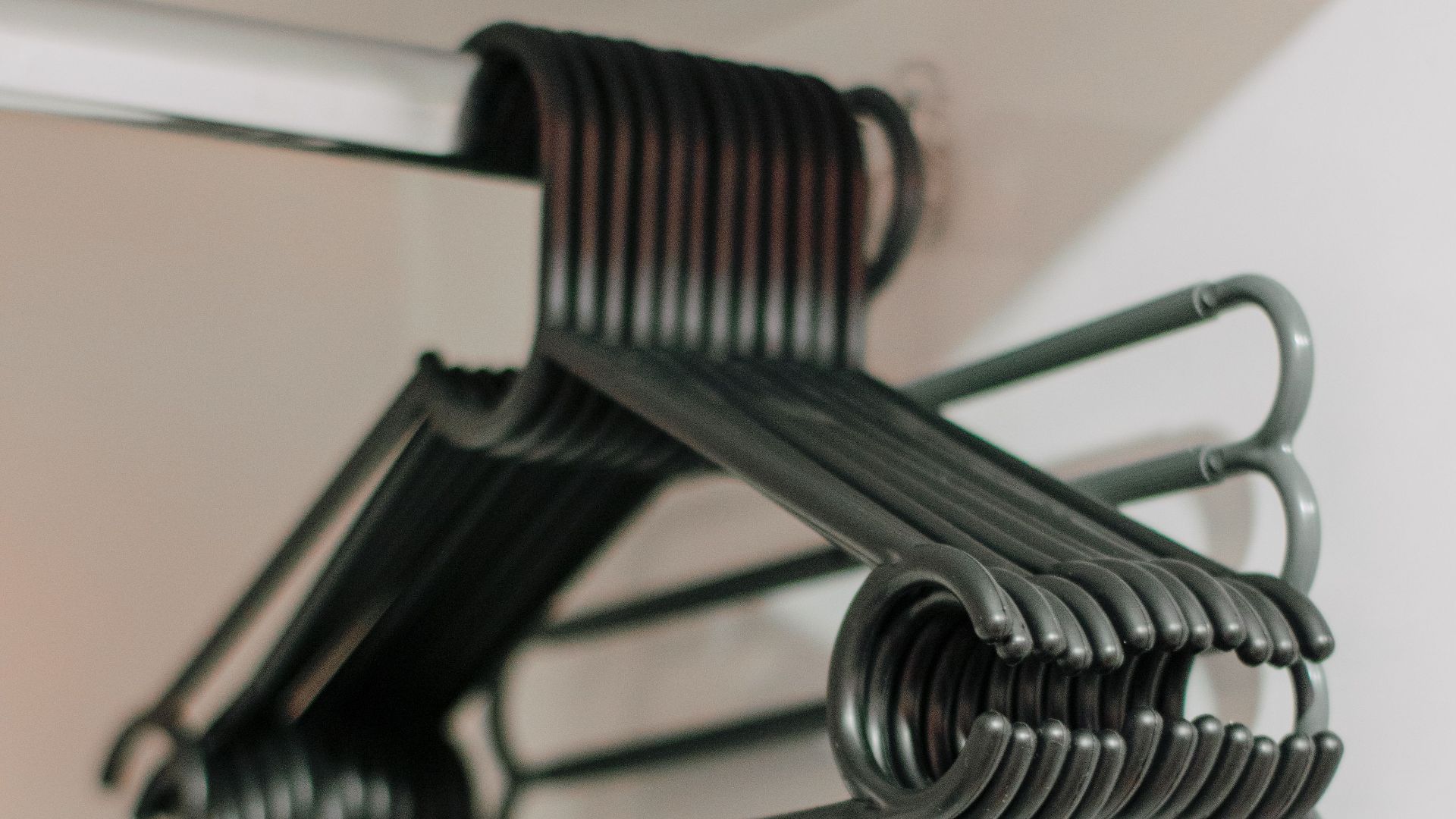
Grouping shirts, pants, dresses, jackets, and skirts together can make outfit planning feel less hectic. You can also arrange each category by color to make it easier to spot combinations more quickly. A better wardrobe system often makes the wardrobe itself feel different, even though nothing new has been bought.
3. Cuff Your Jeans In a New Way
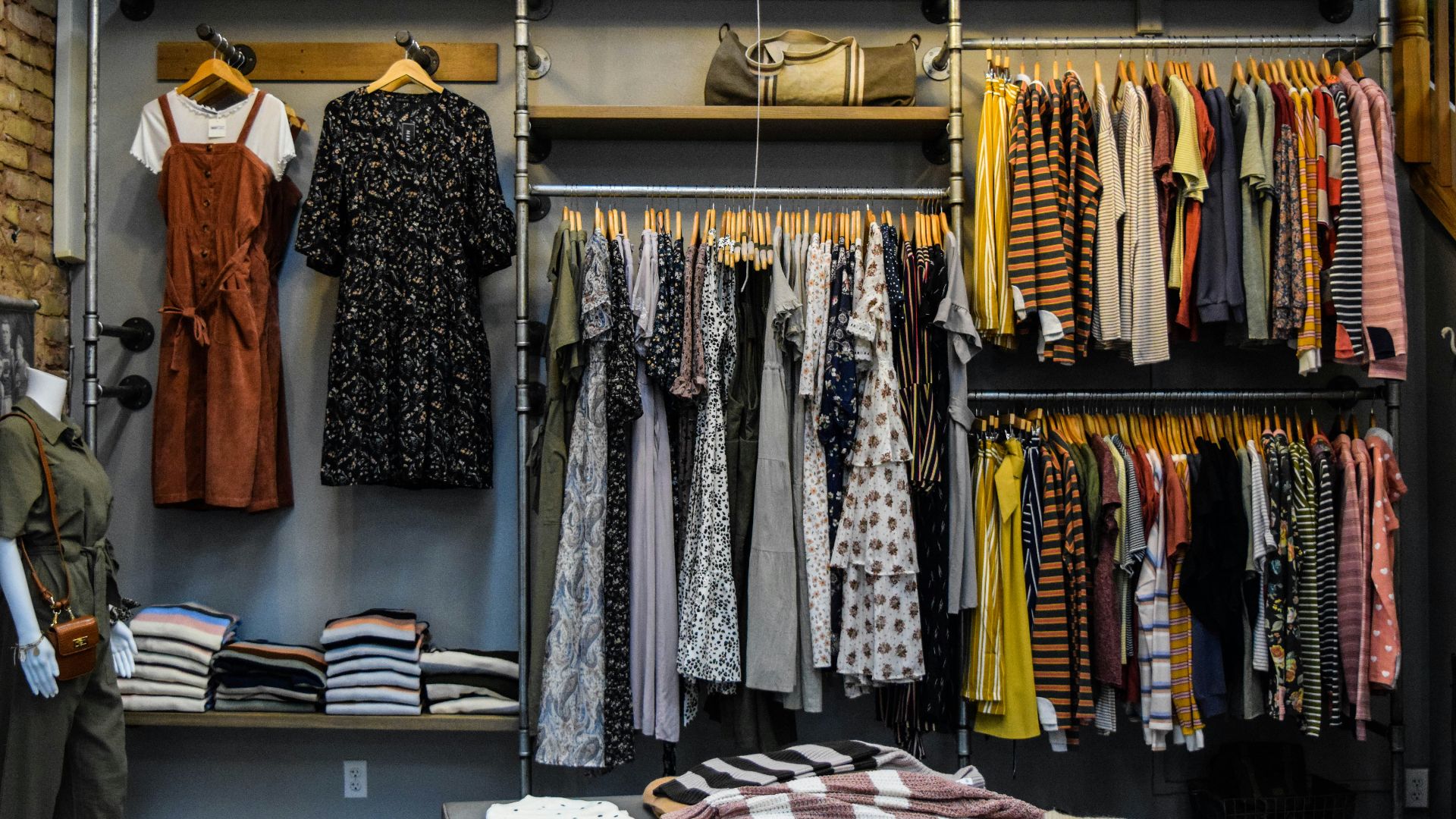
A slight change at the ankle can completely alter the proportions of an outfit. Try a narrow single cuff, a wider fold, or leaving the hem uncuffed depending on the shoes you're wearing. This works especially well with straight-leg and relaxed jeans, which allow more room for experimentation.

4. Tuck In Tops More Strategically
Changing how you tuck in a shirt can refresh boring outfits without costing you anything. Different fabrics respond differently, so it's worth trying a few approaches instead of automatically wearing every top the same way.
5. Roll Your Sleeves Thoughtfully
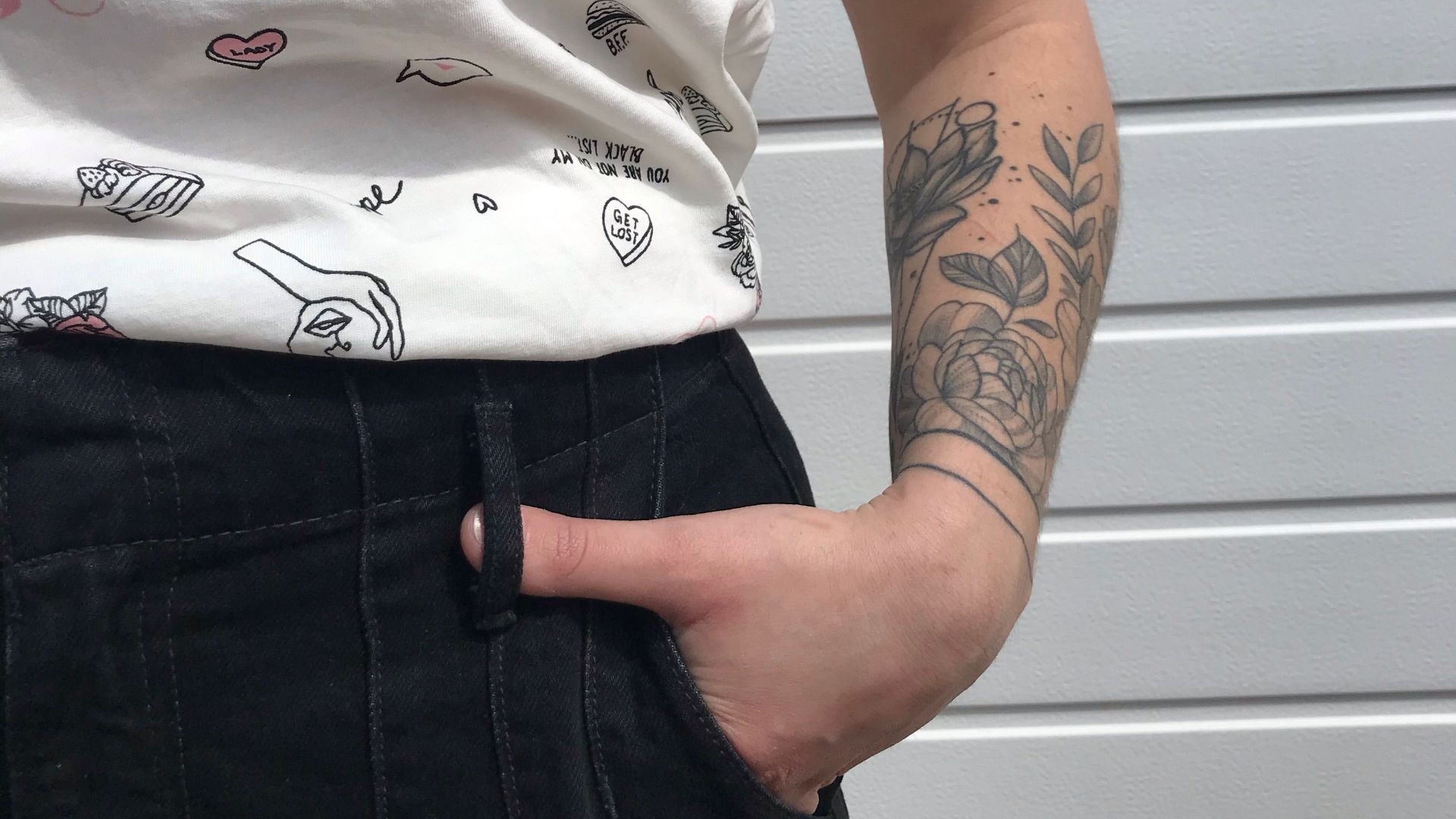
Styling your sleeves is an easy detail to overlook, yet it affects the overall shape of an outfit. Rolling a button-down to the forearm can look less formal, whereas pushing up sweater sleeves can look breezier. The key is adjusting the look to be deliberate rather than simply rumpled.

6. Replace The Buttons On A Jacket
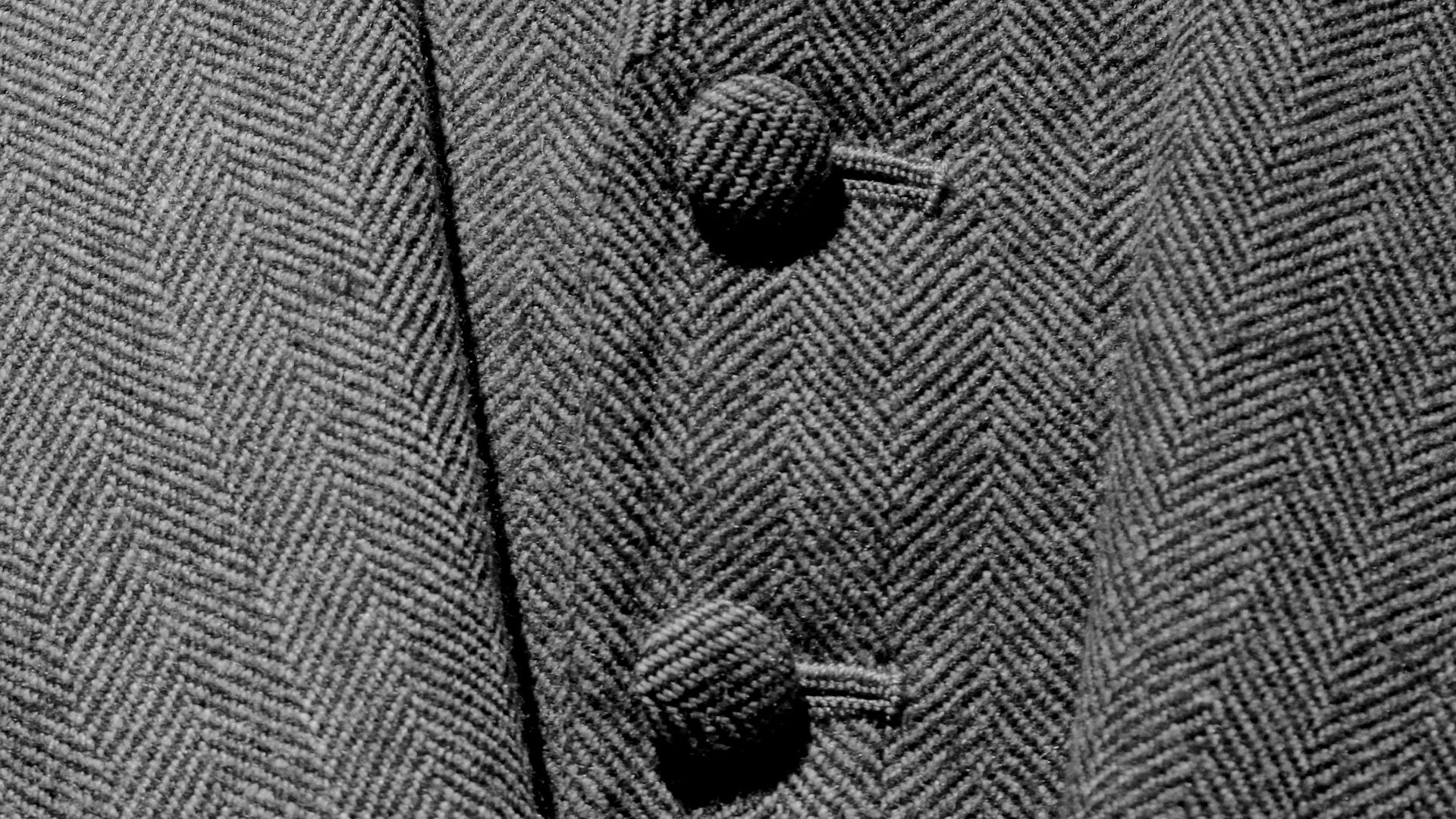
Replacing basic buttons can give a jacket, blazer, or cardigan a noticeably updated look. Metal, horn-style, or fabric-covered buttons can alter the mood without requiring major alterations.
7. Wear a Belt With Pieces You Normally Wear Loose
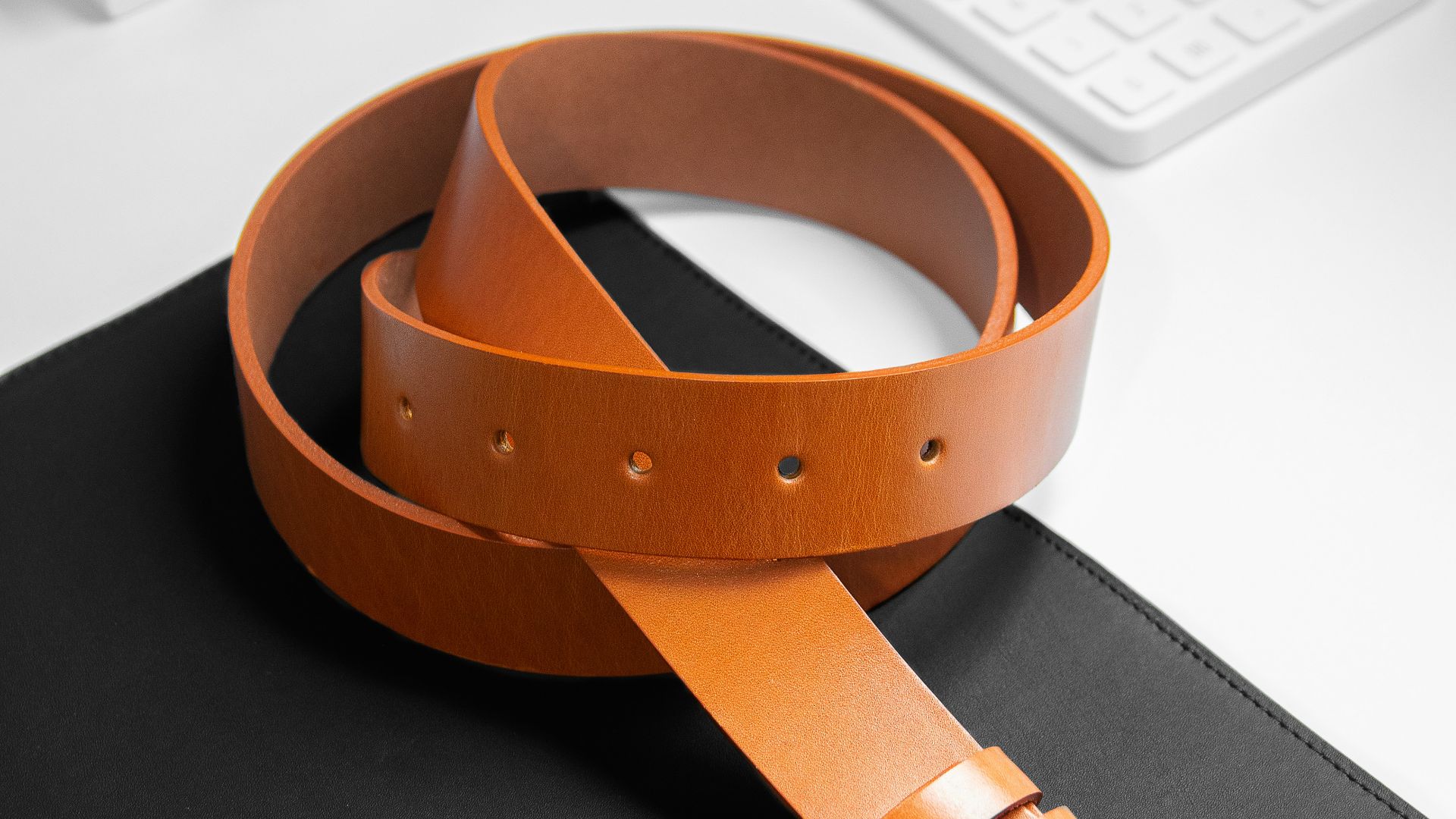
A belt can transform the shape of dresses, long shirts, cardigans, and large jackets. Cinching the waist creates a different silhouette and can make an old, boring piece of clothing feel more tailored.
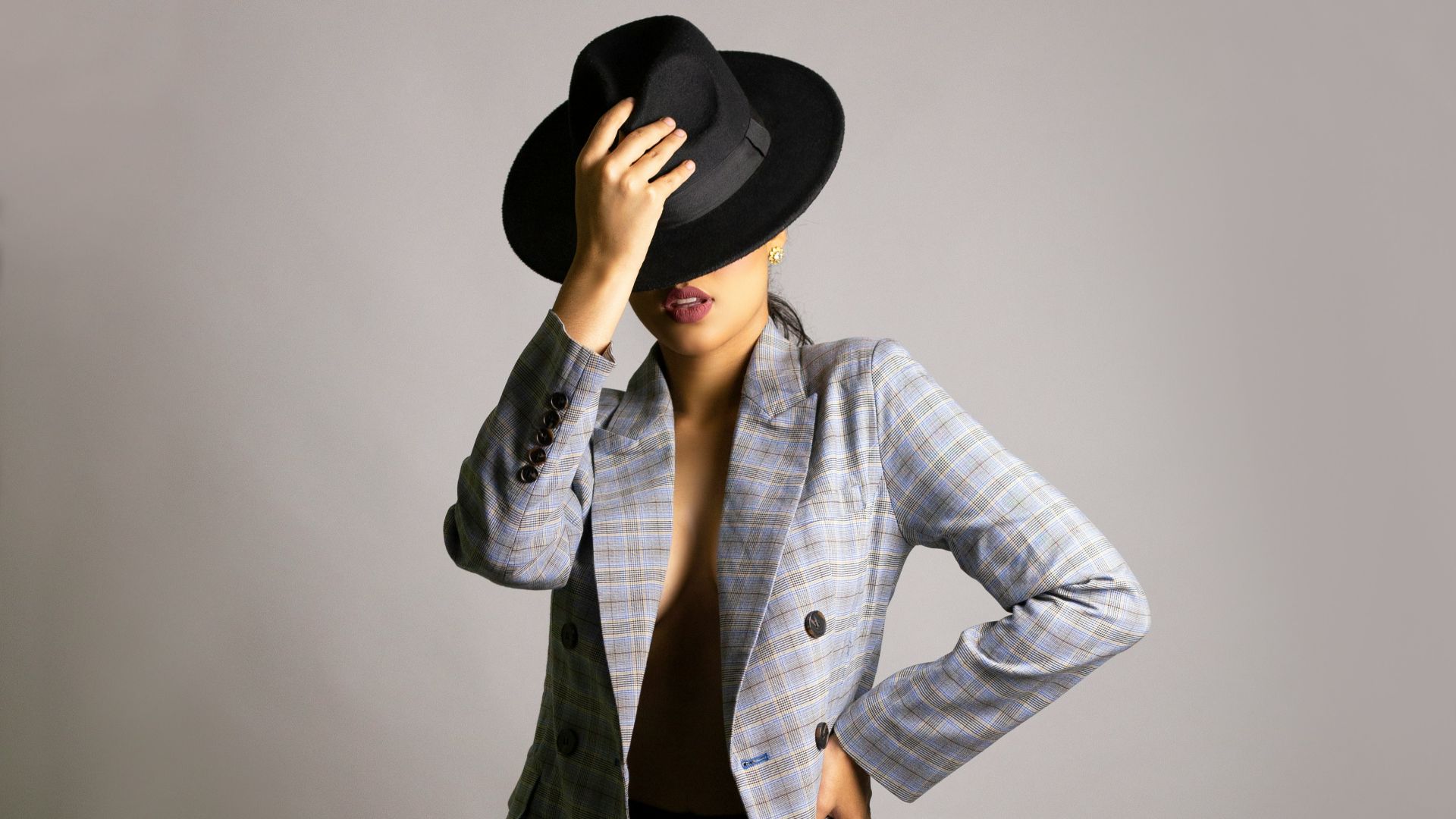
8. Wear A Blazer With Casual Basics
A blazer doesn't have to only be paired with dress pants or office clothes. Putting one over a T-shirt, tank, or simple knit turns familiar casual pieces into a more polished item.
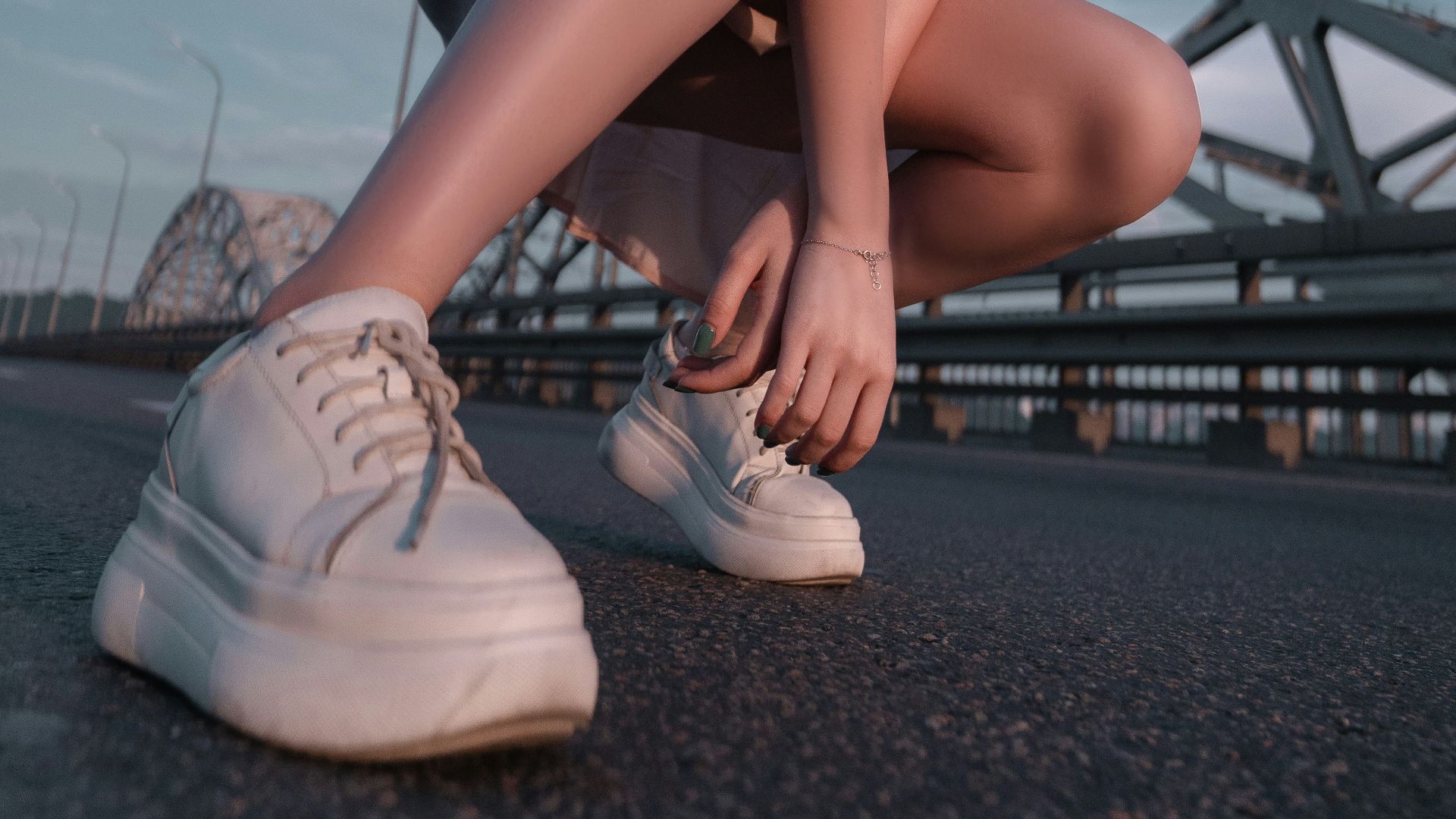
9. Pair Dressy Pieces With Sneakers
Items you typically reserve for formal occasions can become more wearable with everyday shoes. A skirt, tailored trousers, or simple dress can feel much less predictable when paired with clean sneakers. The contrast also helps stretch the number of situations in which those pieces can realistically be worn.
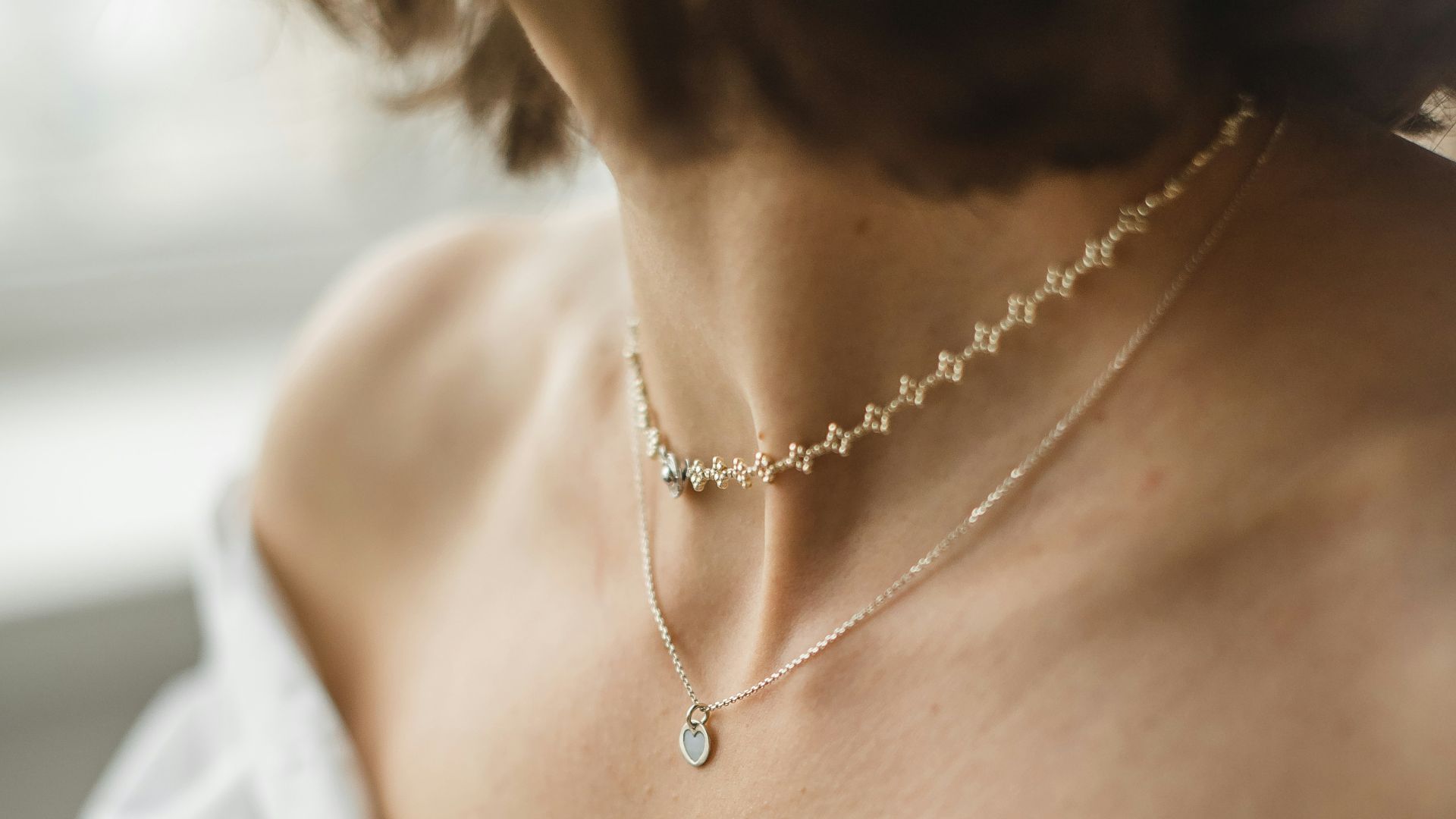
10. Rotate Your Accessories
Wearing the same necklace, earrings, bag, or belt every day can make outfits feel repetitive even if the clothing changes. Use a few accessories for a week or two and bring less-used options into regular rotation. That small reset can make familiar combinations look unexpectedly fresh.
 Kateryna Hliznitsova on Unsplash
11. Shorten Extremely Long Hems
A minor alteration can completely change how a garment sits on the body. Hemming pants, skirts, or sleeves to a more flattering length can make older pieces look sharper and much easier to style. Tailoring is especially important for clothes you already like but rarely wear because the proportions feel slightly off.
12. Layer Shirts Under Dresses
A sleeveless dress can take on a new role when worn over a fitted T-shirt, turtleneck, or even crisp button-down. This approach also makes some warm-weather pieces practical during cold months.
 Michael Satterfield on Unsplash
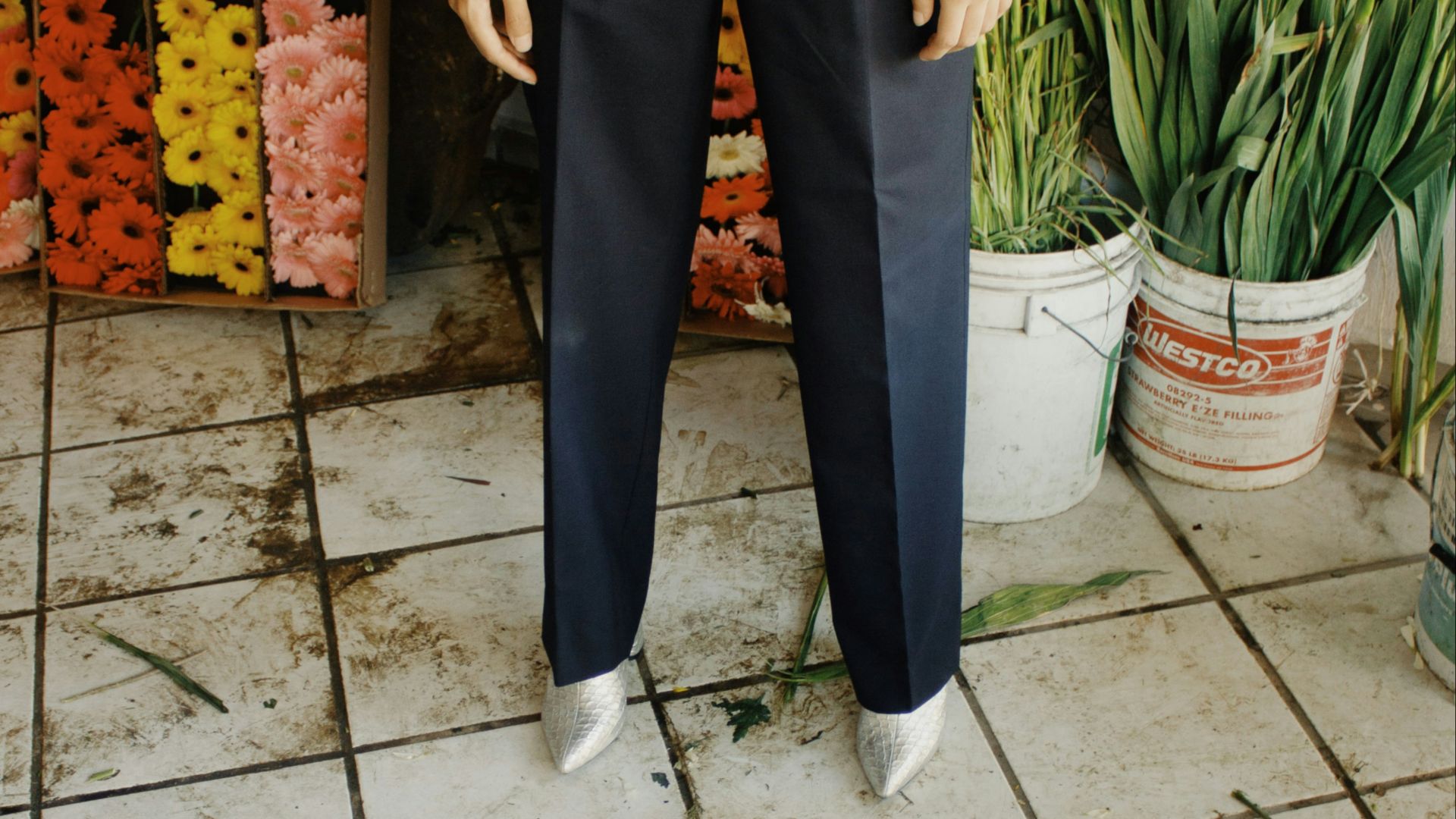
13. Try A Different Shape of Shoe
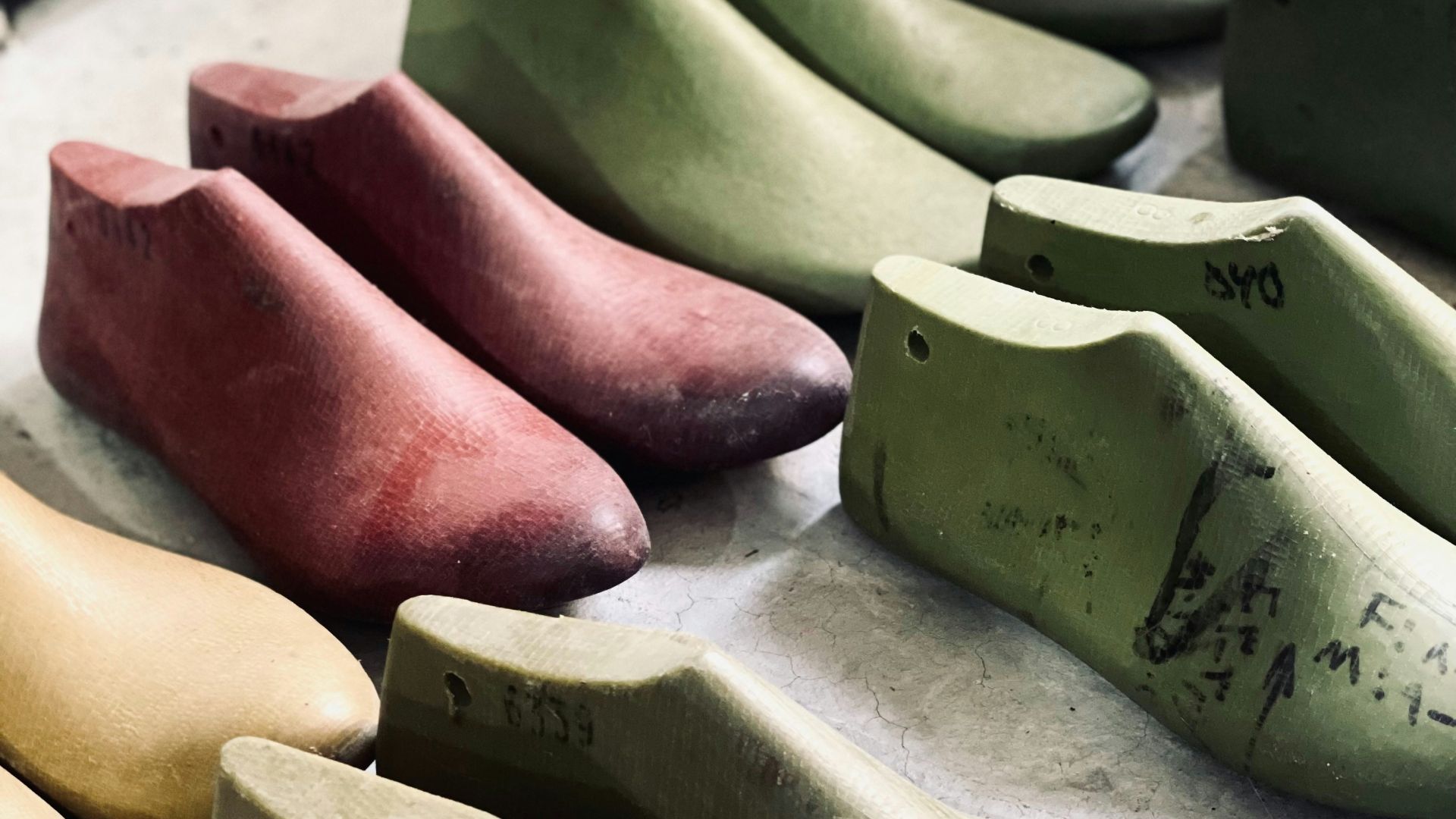
Switching from round-toe shoes to pointed, square, or almond shapes can noticeably change an outfit's overall impression. The clothing may stay the same, but footwear changes proportions and formality.
14. Style With Scarves
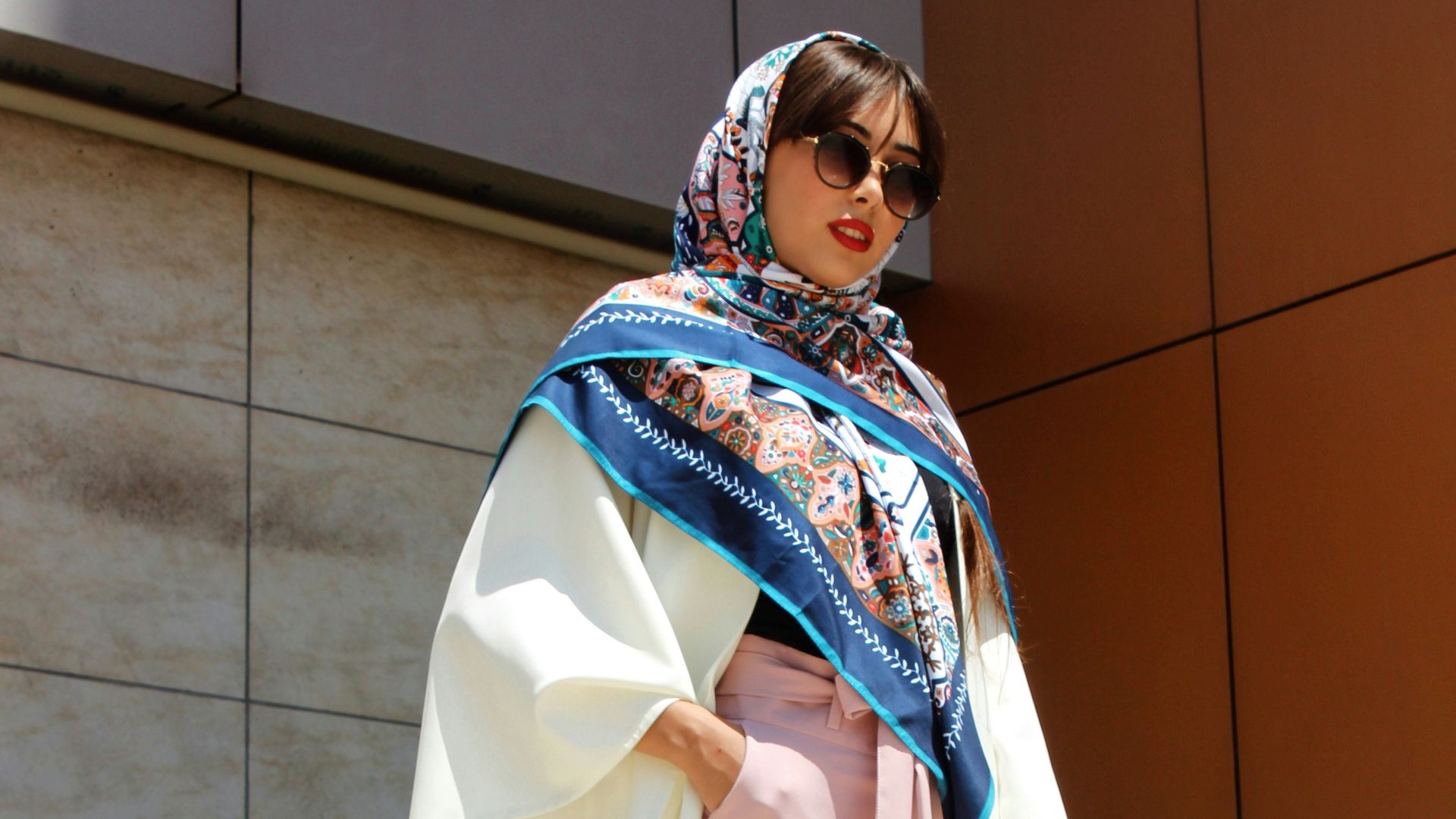
Scarves don't have to stay wrapped around your neck. A small one can be tied onto a handbag, worn in the hair, or used as a simple belt with specific outfits. These variations make an accessory you already own feel more versatile without requiring anything complicated.
15. Mix Textures Frequently
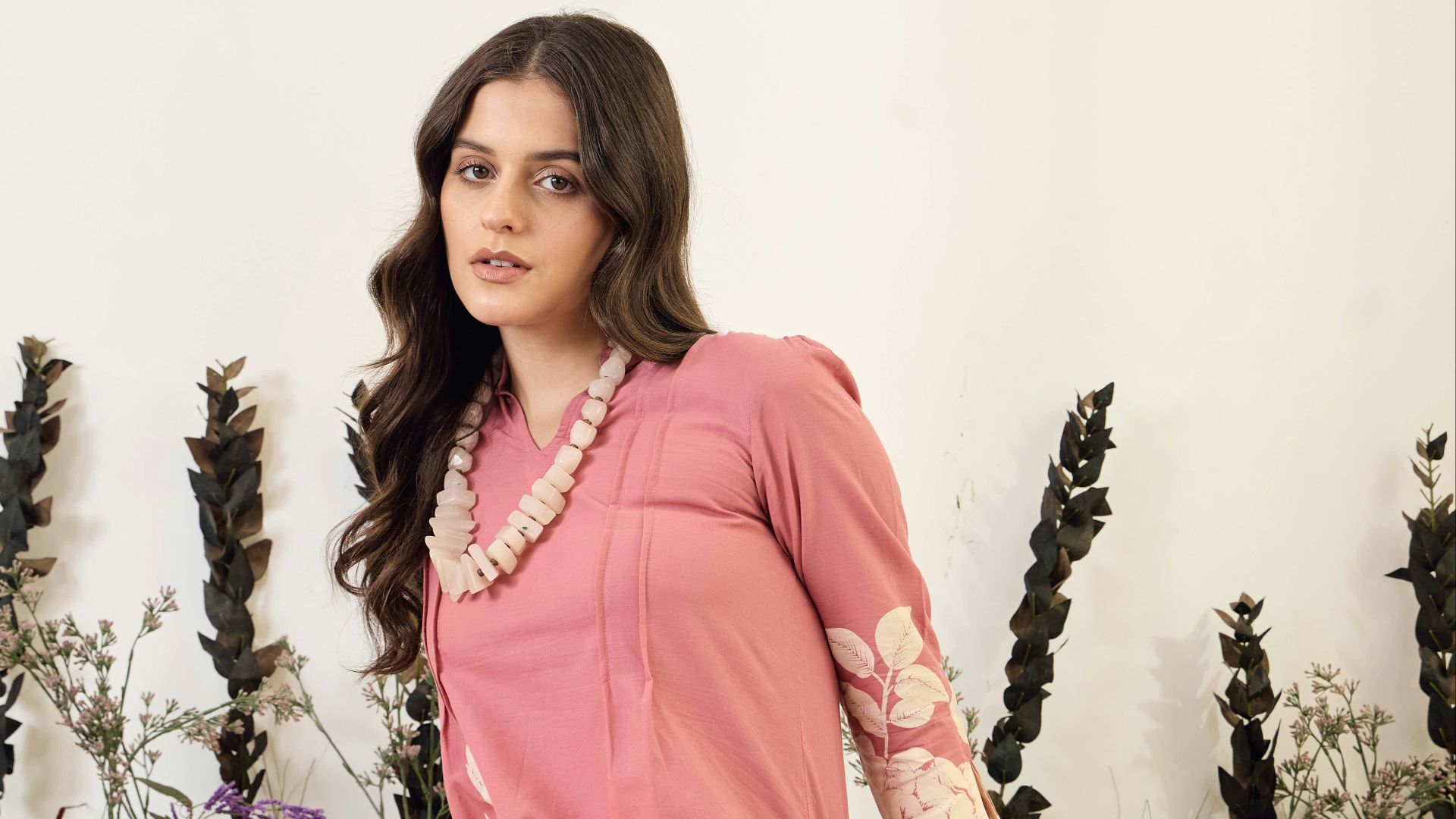
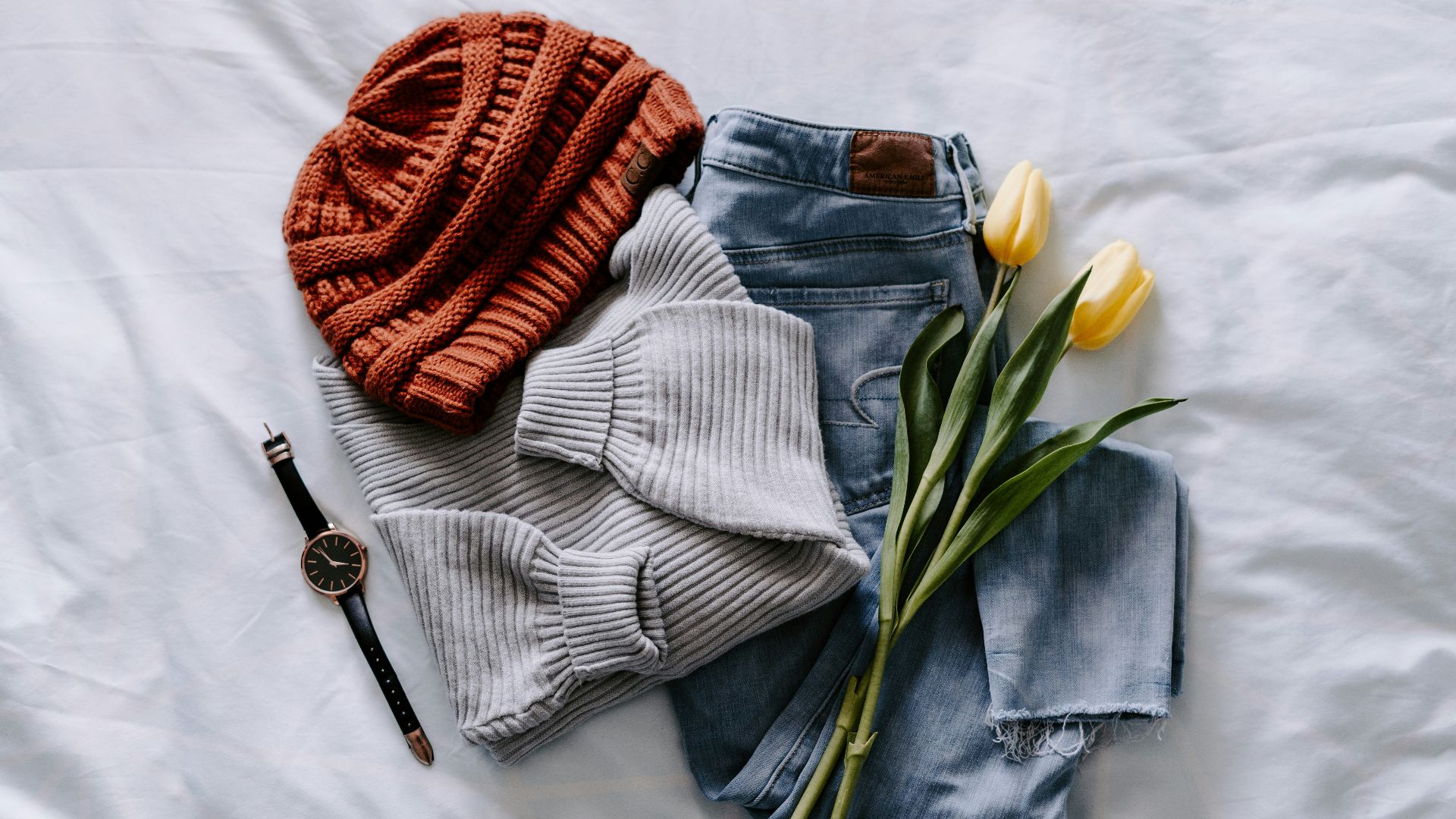
Combining denim, knitwear, leather, silk-like fabrics, or cotton can make simple outfits look and feel more interesting. Texture becomes especially useful when you're wearing similar colors from head to toe.

16. Wear Matching Sets Separately
Matching sets are convenient, but wearing the pieces together every time limits their usefulness. Pair the top with jeans or the bottom with a matching sweater to create entirely different combinations.
17. Wear Seasonal Pieces In Other Months
Some clothing labeled as seasonal works perfectly well outside its usual window. Lightweight dresses can be layered in the early winter, while certain sweaters work on cool spring evenings.
18. Create A Few Outfit Formulas
Repeating a structure doesn't mean repeating the same outfit. You can use formulas such as straight-leg pants with a fitted top and jacket, then vary the individual pieces each time.

19. Throw Away Pieces You Never Wear
A crowded closet can make it harder to appreciate the clothing you genuinely like. Removing items that no longer fit, suit your lifestyle, or make you feel comfortable gives the remaining wardrobe more visibility.
20. Take Photos of Your Best Outfits
Taking quick photos of combinations you enjoy creates a useful personal reference for busy mornings. Over time, you'll see which pieces work in several ways and which ones rarely appear at all.