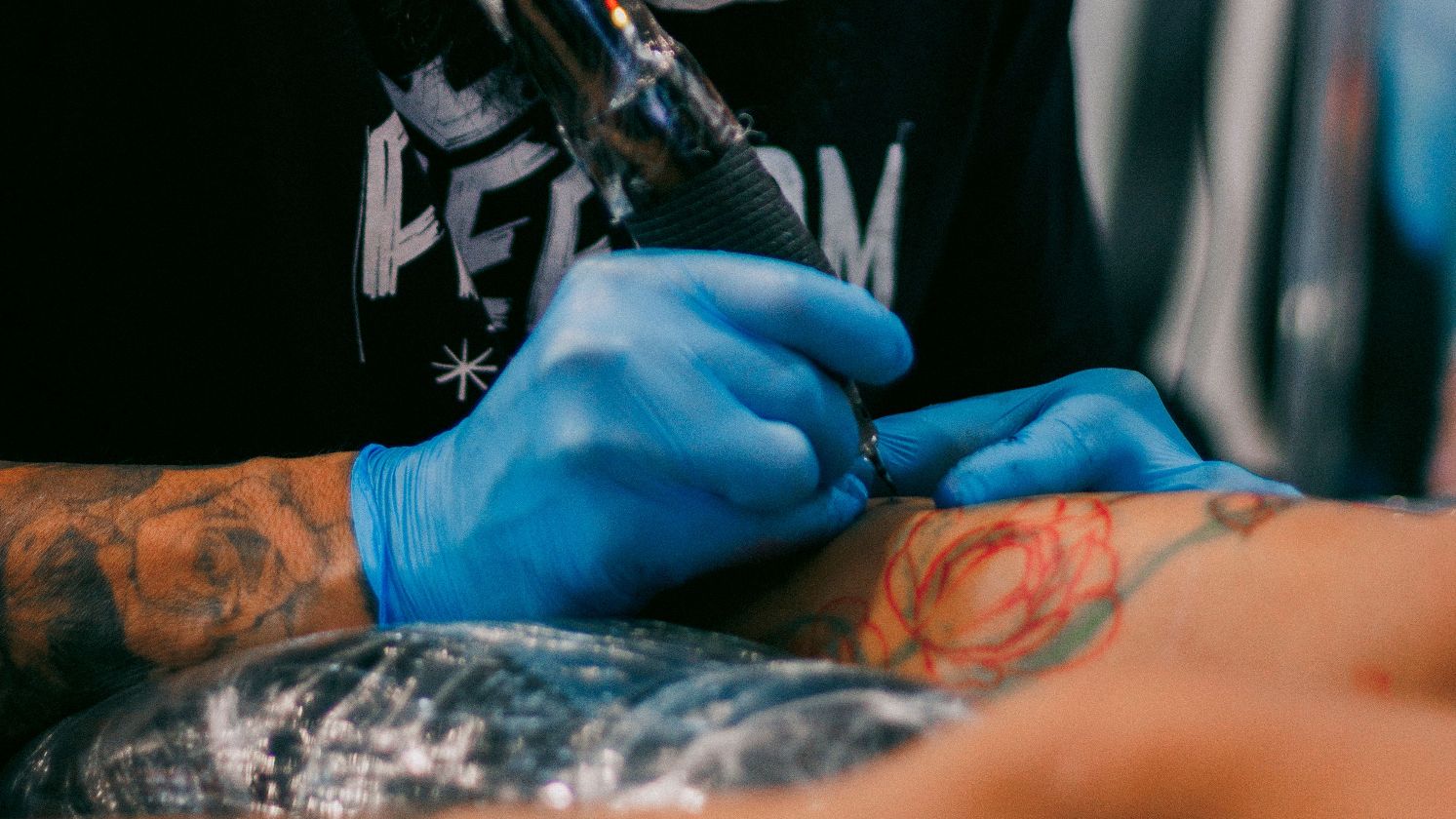
The Symbolism They Didn't Google First
Plenty of popular tattoo designs get chosen because they look striking on a shop wall, with almost nobody asking what the symbol actually meant before it became a trend. Some of the most common ones started out as something closer to forbidden, tied to sacred ritual or a strict set of religious rules never meant to end up on a stranger's forearm. The gap between the original meaning and the modern one isn't small in most of these cases, it's almost the opposite of what people assume. Here's 20 tattoo designs with symbolism that's almost off-limits, and totally different from what people think today.
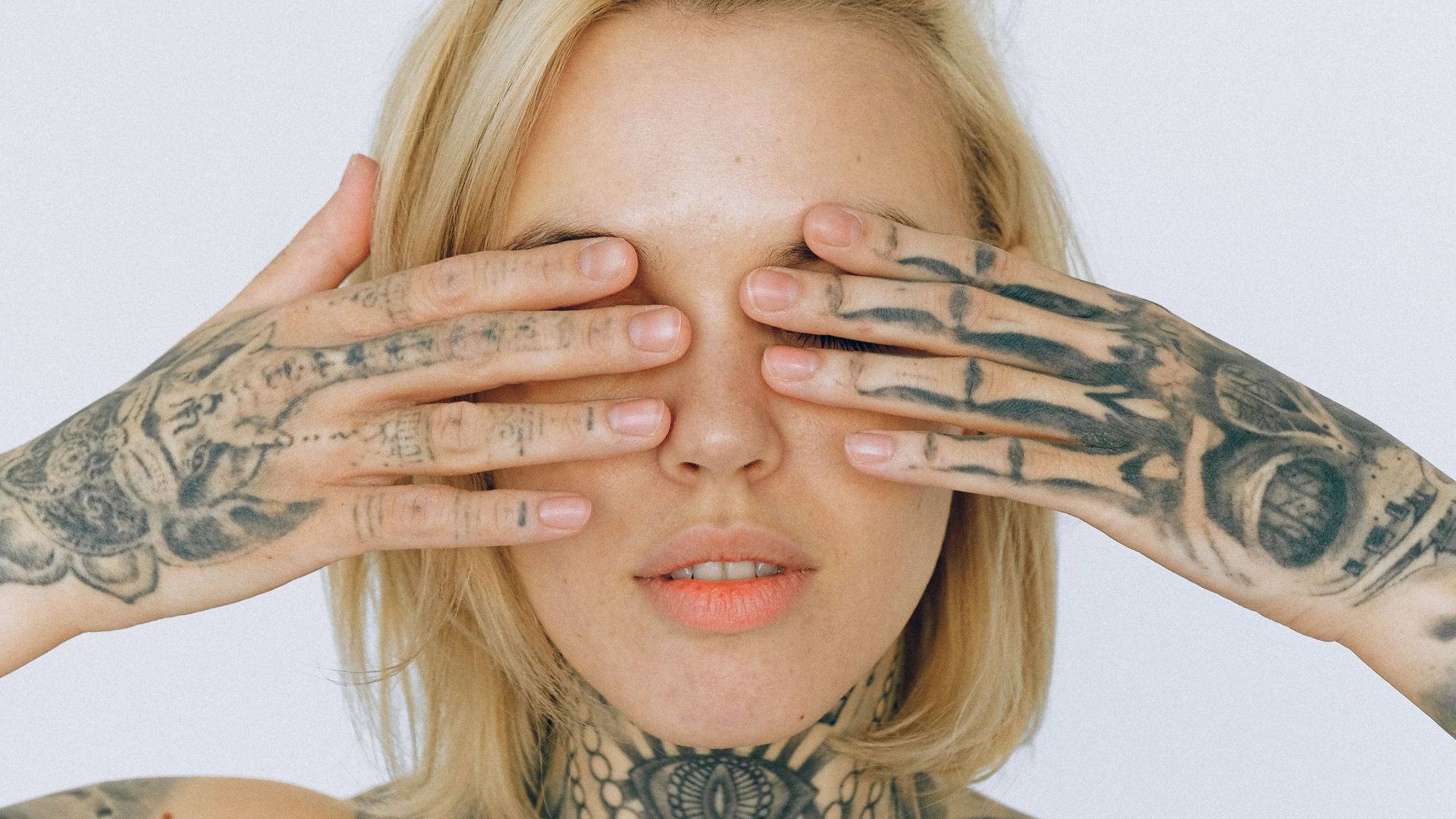
1. Ankh
The ankh shows up constantly in jewelry stores and tattoo shops as a simple stand-in for "life" or "vitality." In ancient Egypt, the symbol was considered sacred enough that it was reserved almost exclusively for depicting pharaohs and gods in the afterlife, not something an ordinary person would have worn.
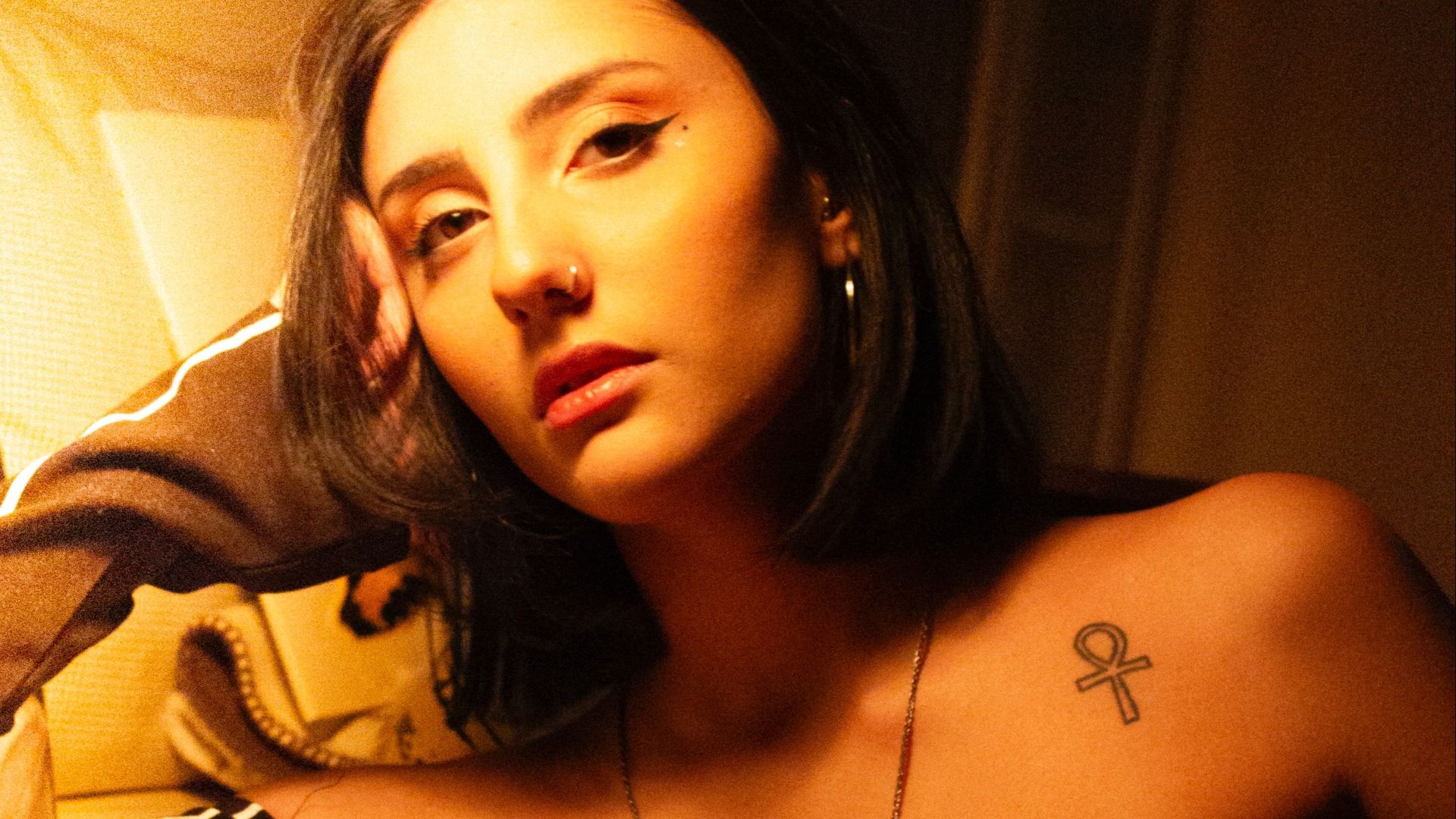
2. Scarab Beetle
A scarab beetle tattoo gets picked today mostly as a good-luck charm with an Egyptian flavor. The original symbol was placed directly over the hearts of mummified bodies as part of death and judgment rituals, tied specifically to the afterlife rather than everyday fortune.
3. Hannya Mask
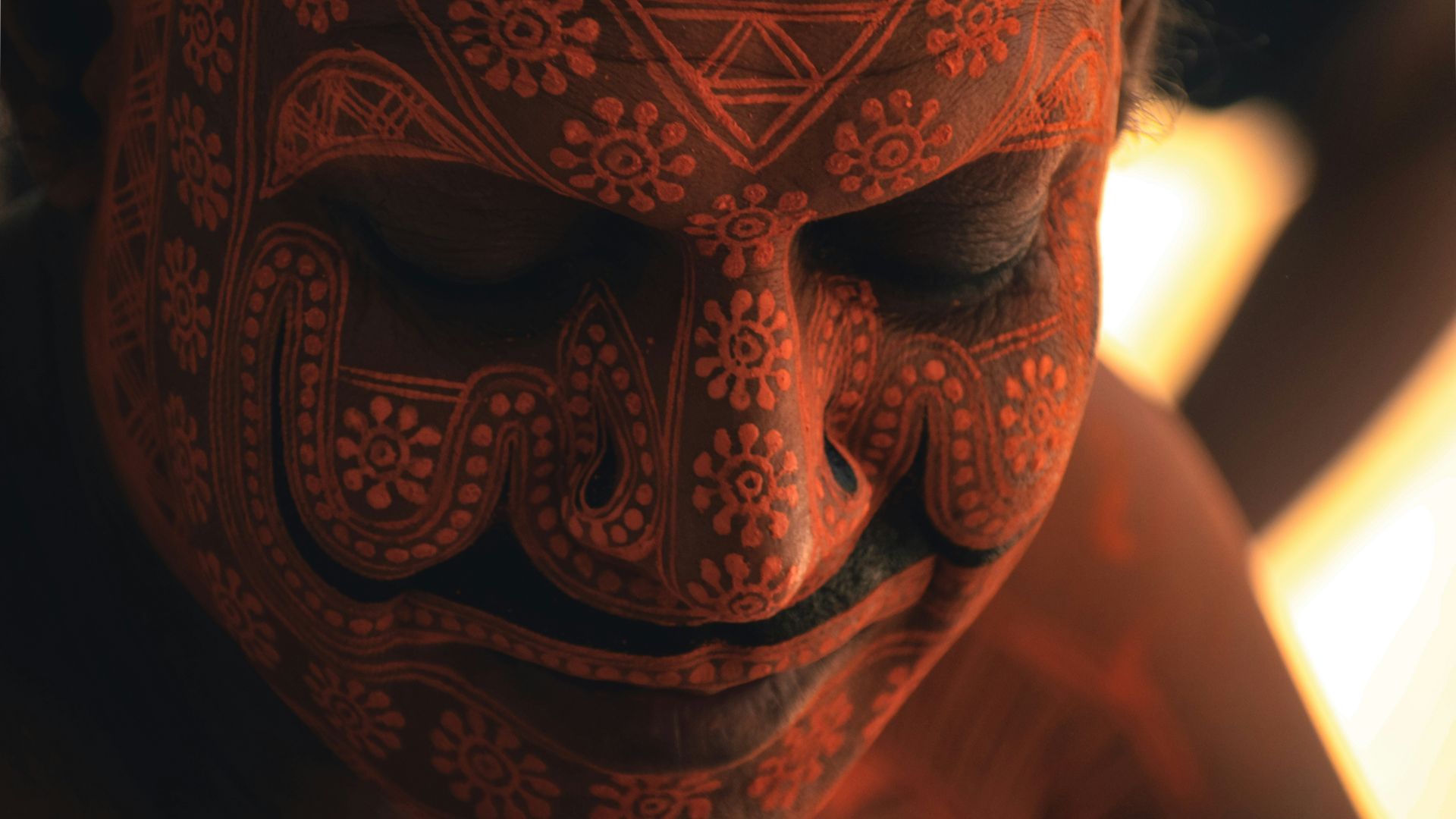
The Hannya mask reads to most people as a fierce, stylish design, something intimidating to look at. In Japanese Noh theater, it specifically represents a woman transformed into a demon by jealousy and grief, a symbol built around female rage that traditional culture treated as too dangerous to depict casually.
4. Medusa
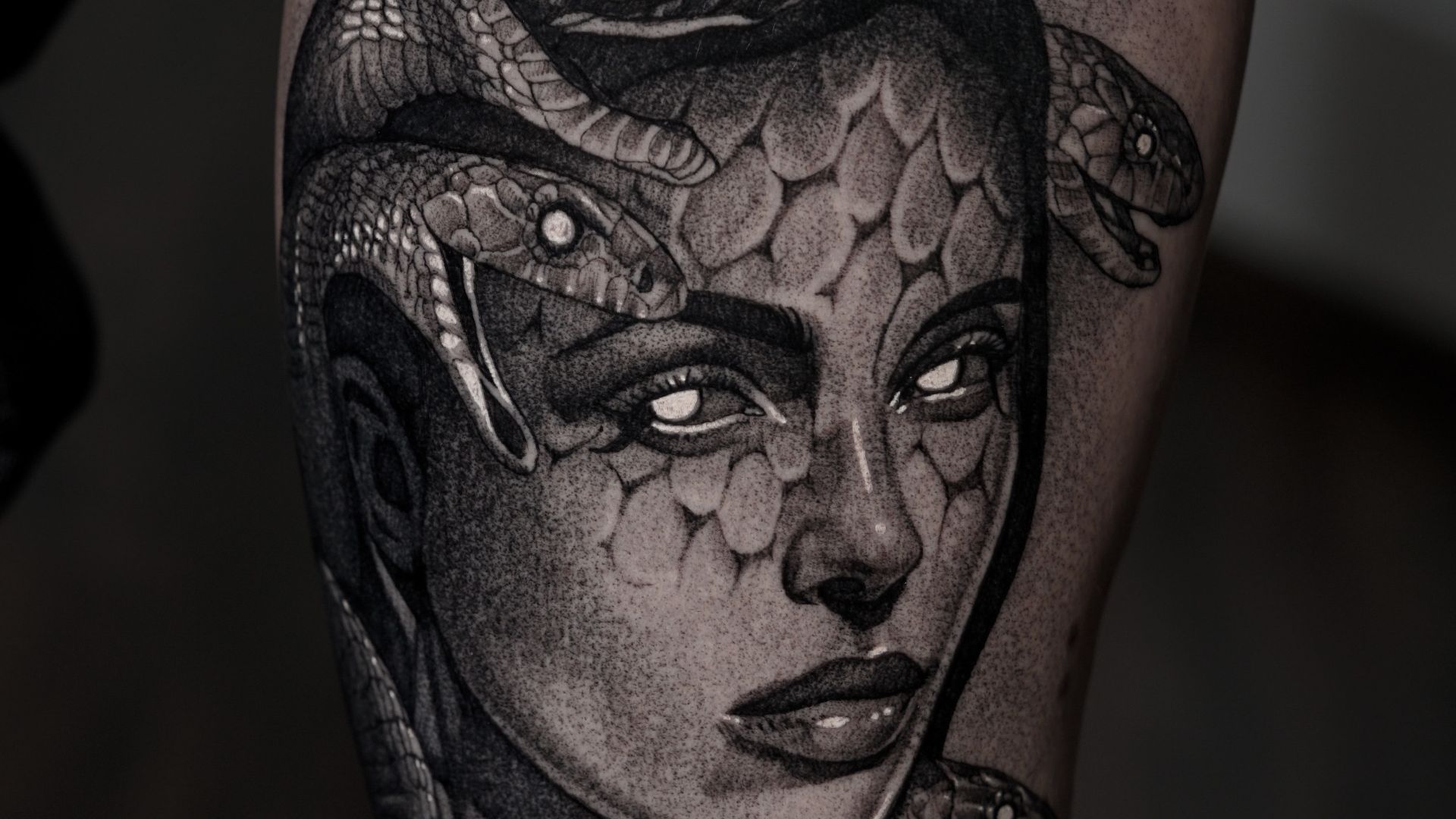
Medusa tattoos have become shorthand for reclaiming power after being wronged, especially among women. In the original Greek myth, she's a woman punished after being assaulted by Poseidon and then cursed by Athena for it, a story about victim-blaming long before it became a symbol of strength.
5. Ouroboros
The snake-eating-its-tail design gets treated as a tidy visual metaphor for the cycle of life. Historically, it comes out of alchemical and Gnostic traditions considered heretical knowledge, restricted to practitioners rather than meant for public display.
6. Pentagram
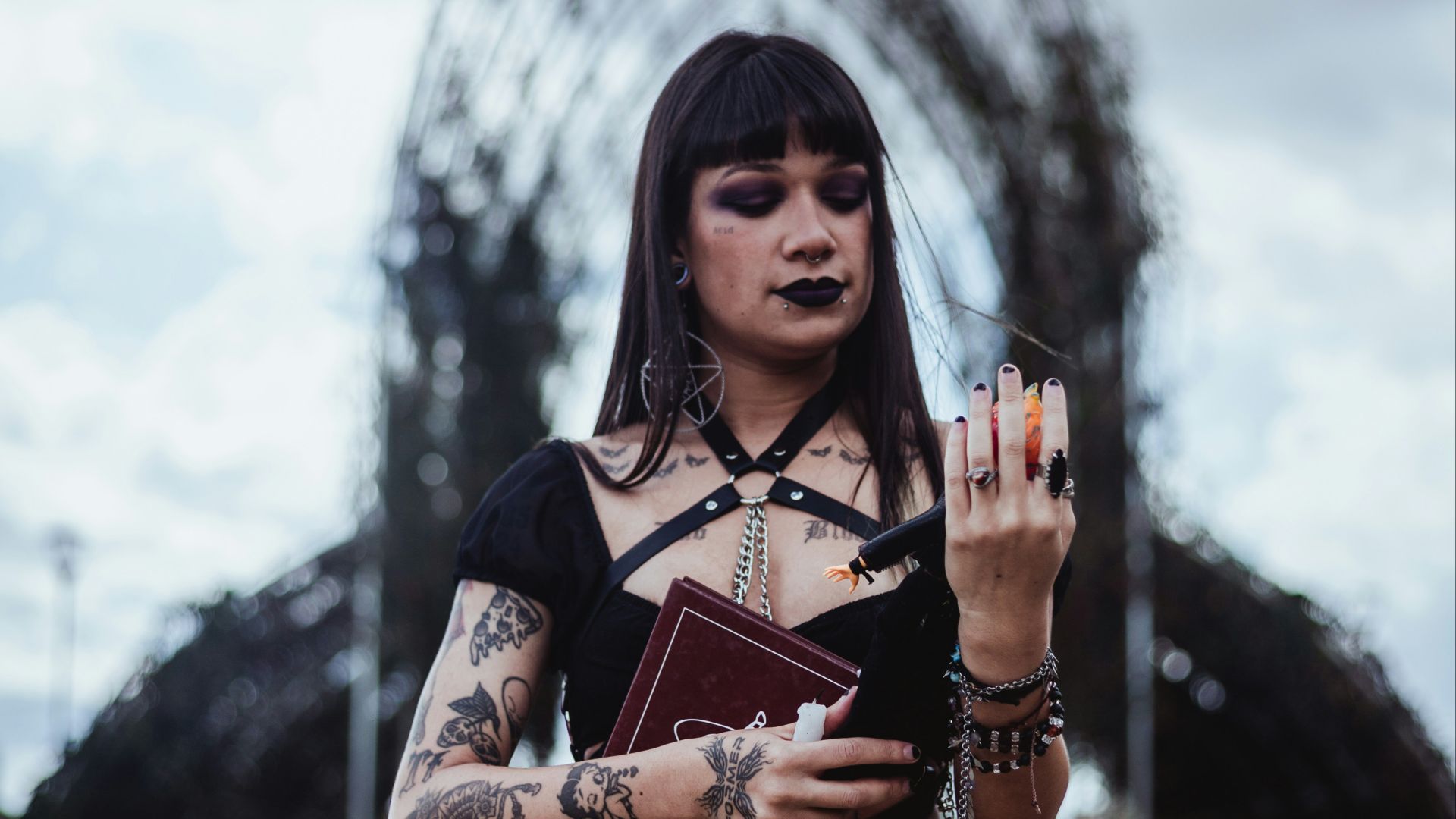
A pentagram tattoo today often reads as little more than band merchandise or a nod to witchy aesthetics. In certain occult traditions, the symbol was tied to specific ritual knowledge meant only for initiates, and the inverted version in particular carried associations serious enough to get someone treated as a heretic in earlier centuries.
7. Third Eye
The third eye symbol has become a stand-in for spiritual awakening in a fairly casual, wellness-culture sense. In tantric and esoteric traditions, that same imagery represents knowledge considered too advanced to hand to anyone who hadn't been properly initiated first.
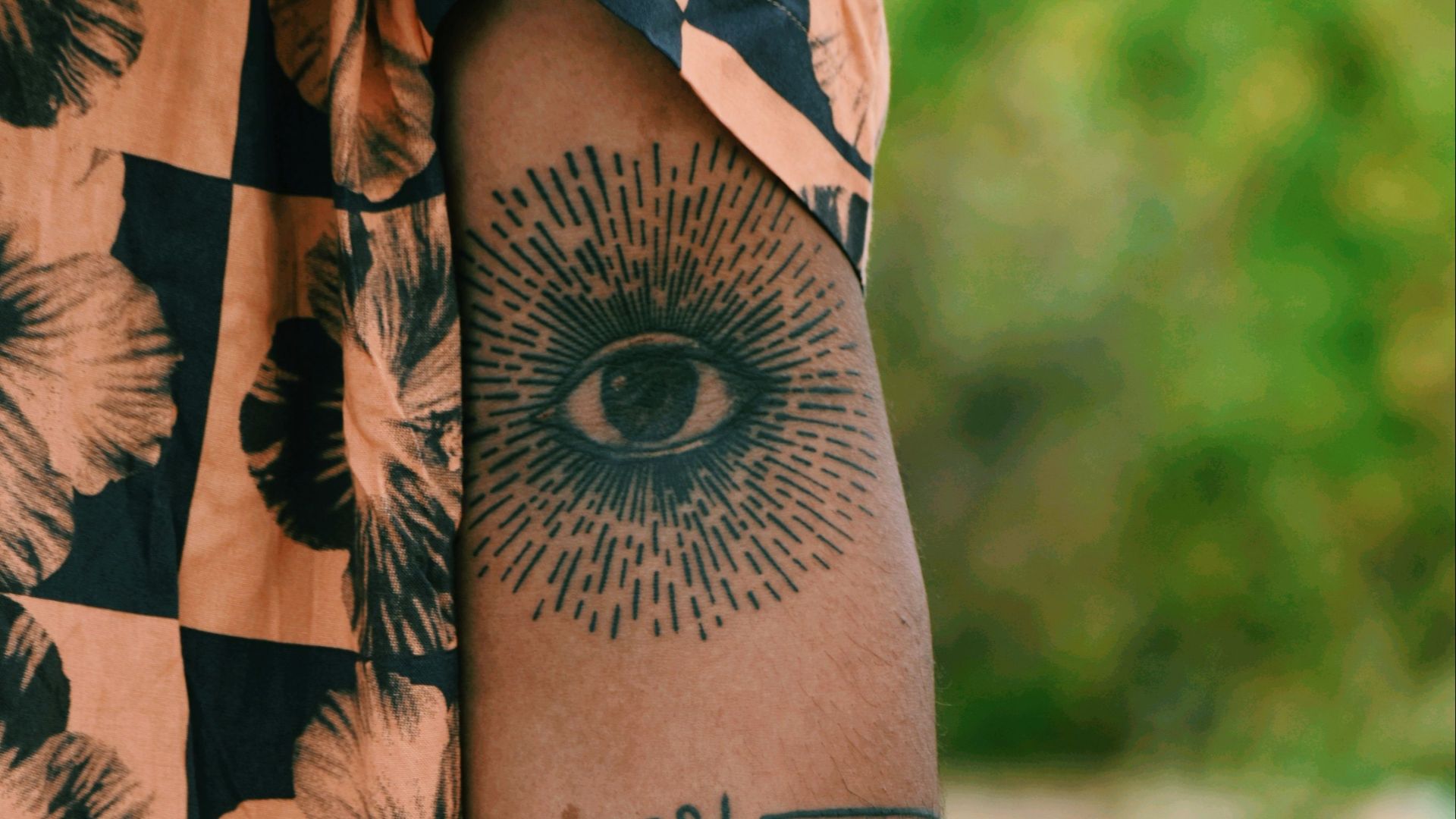
8. Buddha's Face
Tourists get Buddha tattoos assuming they're a peaceful, spiritual choice. In several Buddhist-majority countries, tattooing his image, especially below the waist, is considered so disrespectful that visitors have actually been arrested or deported over it.
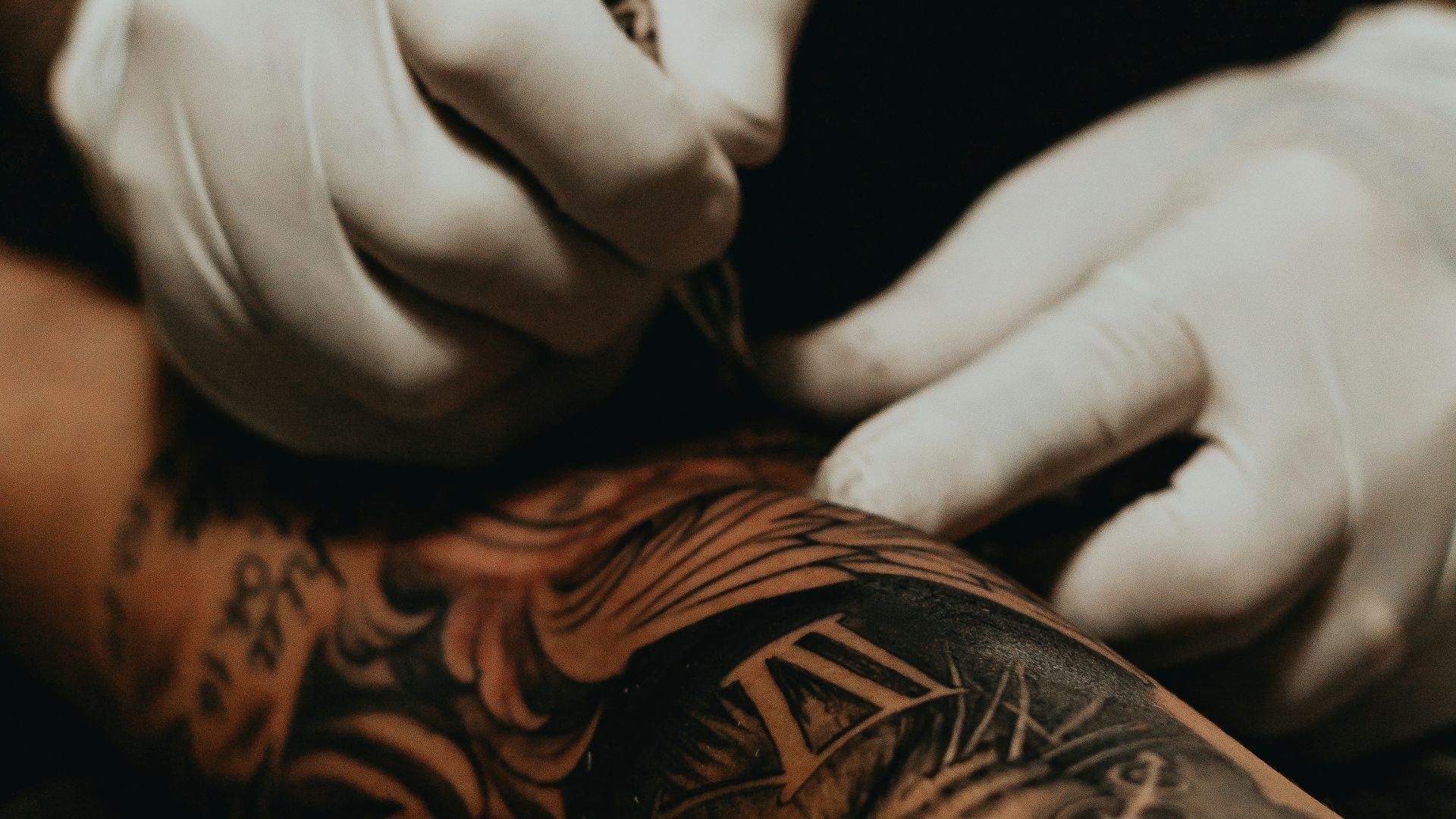
9. Sak Yant
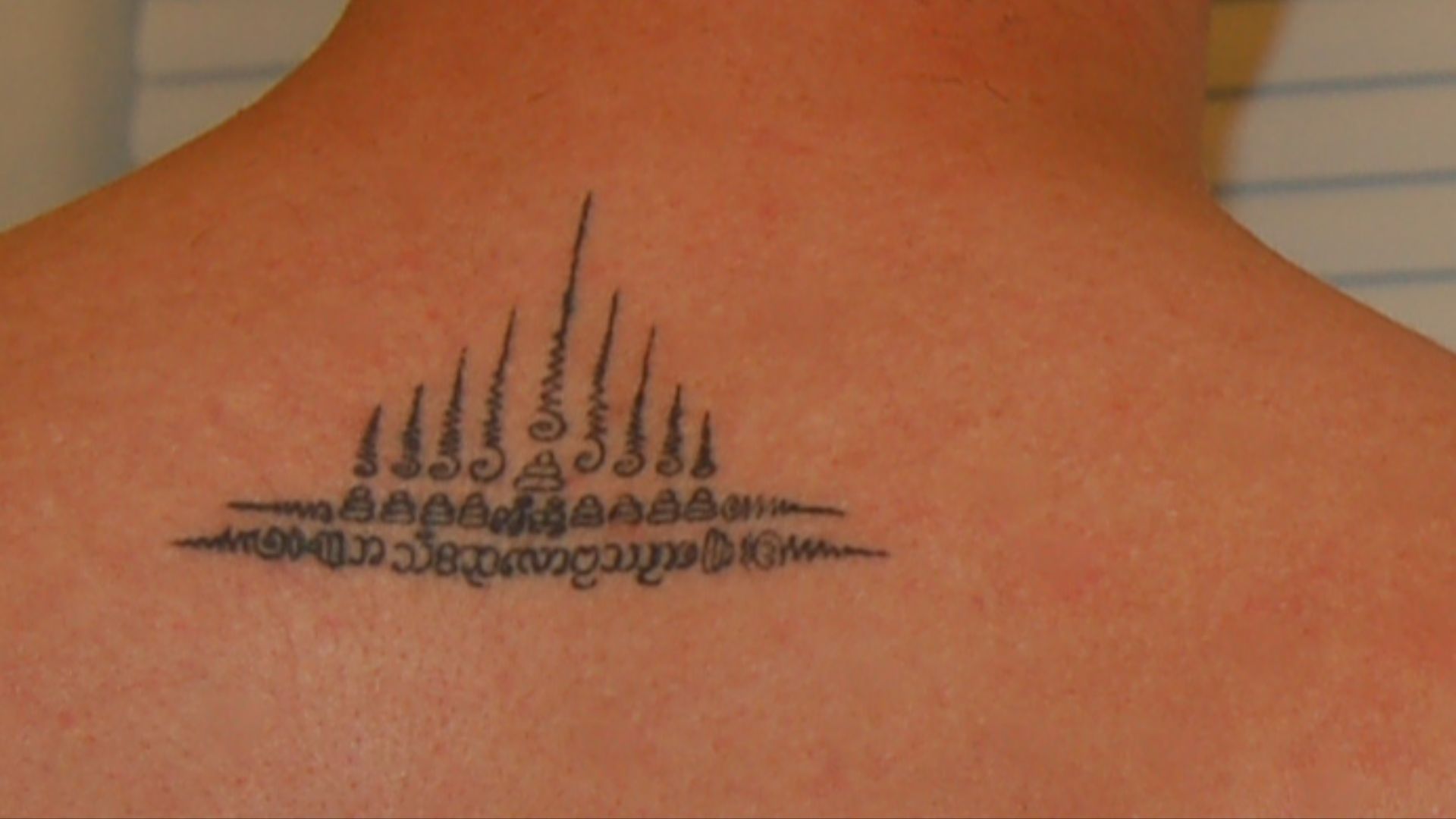
Sak Yant designs have become popular purely for how intricate and meaningful they look. The originals are sacred geometric patterns applied only by ordained monks in specific rituals, and getting one from an unauthorized tattoo shop is considered a serious cultural offense in Thailand.
10. Om Placement
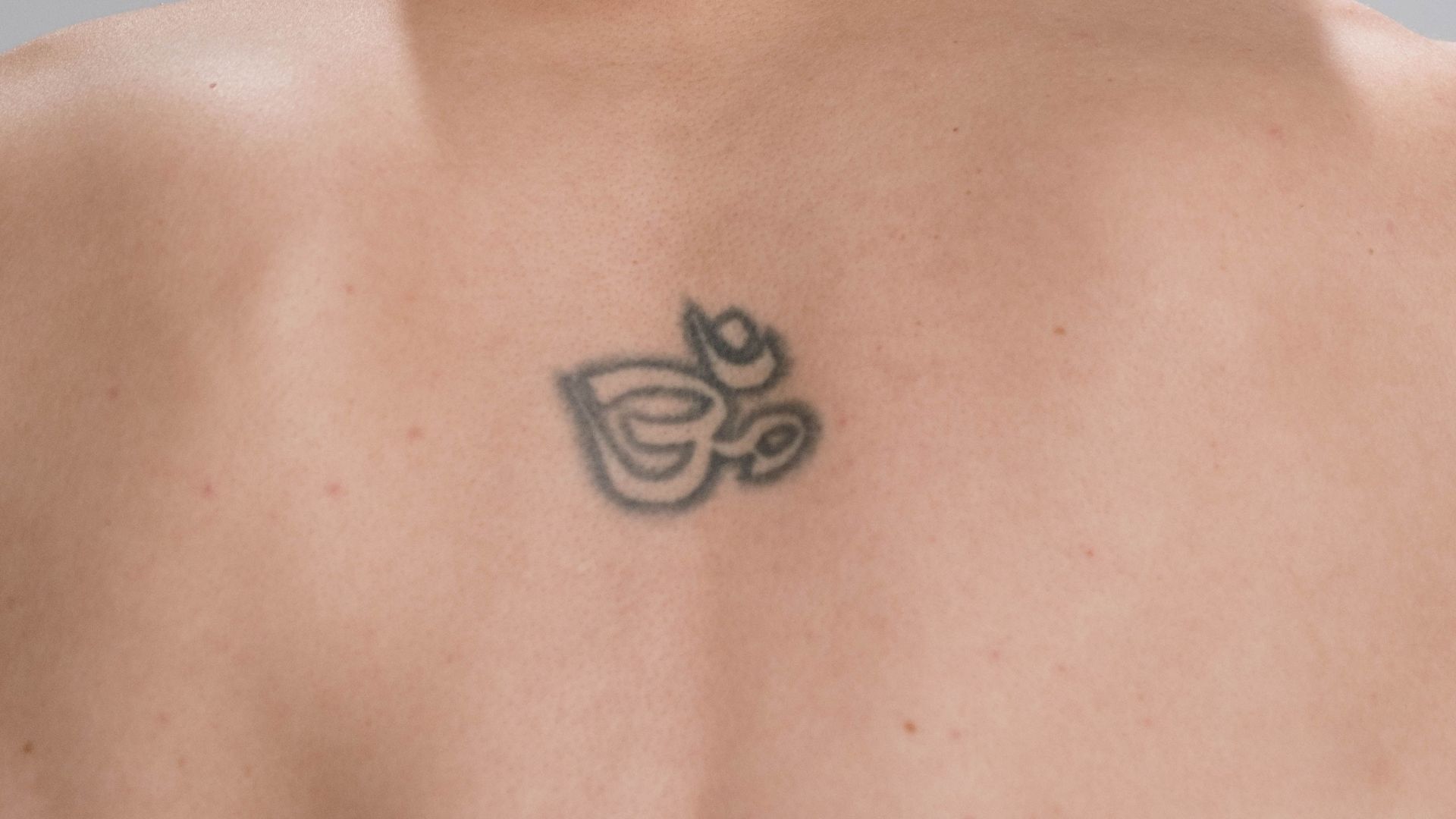
The om symbol gets tattooed on ankles and feet fairly often without much thought. In Hindu tradition, the feet are considered spiritually low, so placing one of the religion's most sacred sounds there specifically is viewed as an insult rather than a tribute.
11. Rosary Beads
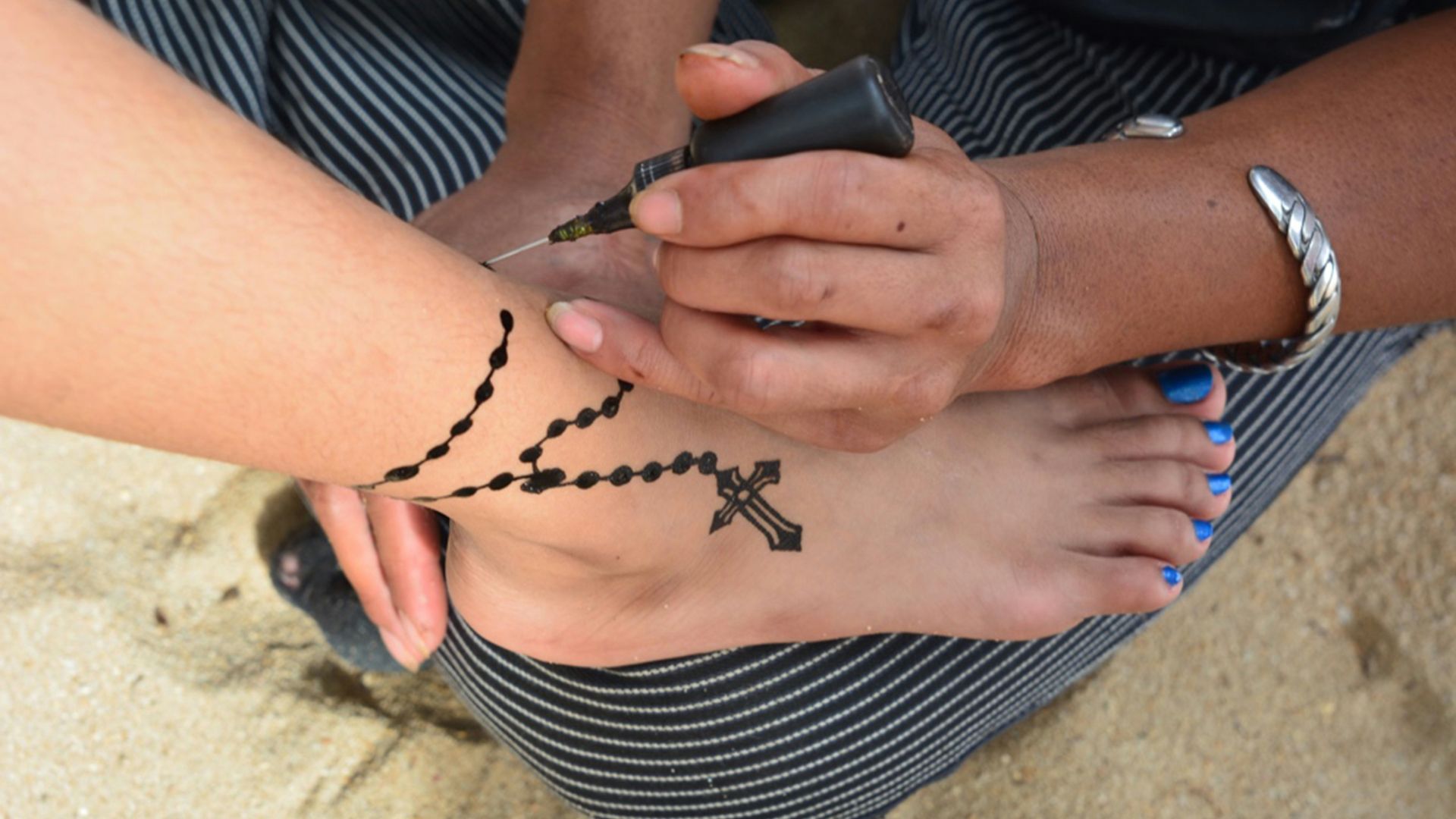
Rosary tattoos wrap around wrists and ankles constantly as a stylish nod to faith or heritage. A rosary is a blessed sacramental object in Catholic tradition, and permanently replicating one on skin has historically been viewed by the church as bordering on sacrilege.
12. Inverted Cross
People get an inverted cross assuming it signals rebellion against religion. The symbol actually originated as the Cross of Saint Peter, worn upside down because Peter reportedly felt unworthy of being crucified the same way as Christ, making it a mark of humility rather than defiance.
13. Owl
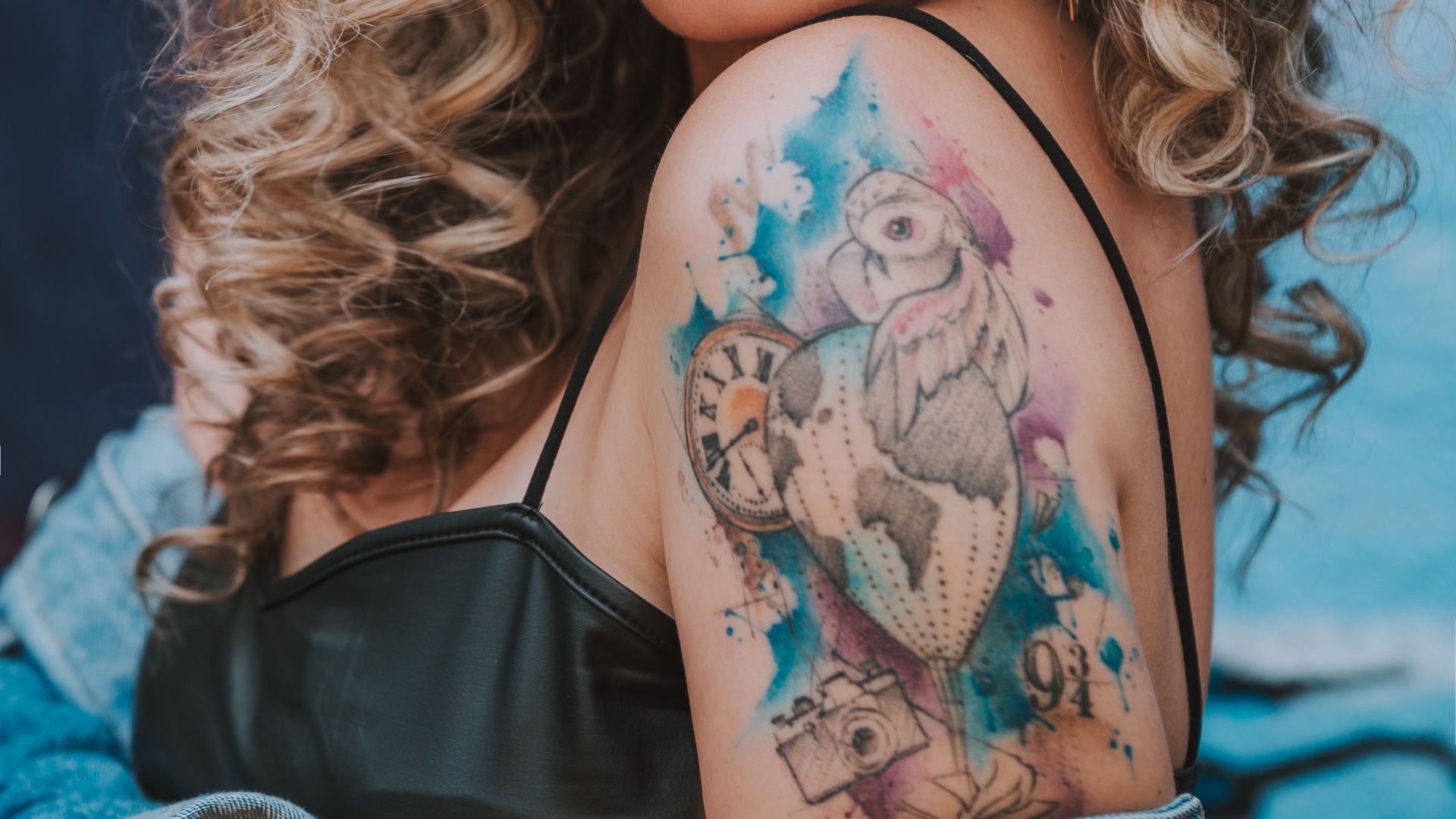
An owl tattoo today usually gets chosen to represent wisdom or a love of night creatures. In a lot of older folk traditions, owls were considered omens of death or messengers from the underworld, something to fear rather than admire.
 Criativa Pix Fotografia on Pexels
14. Snake
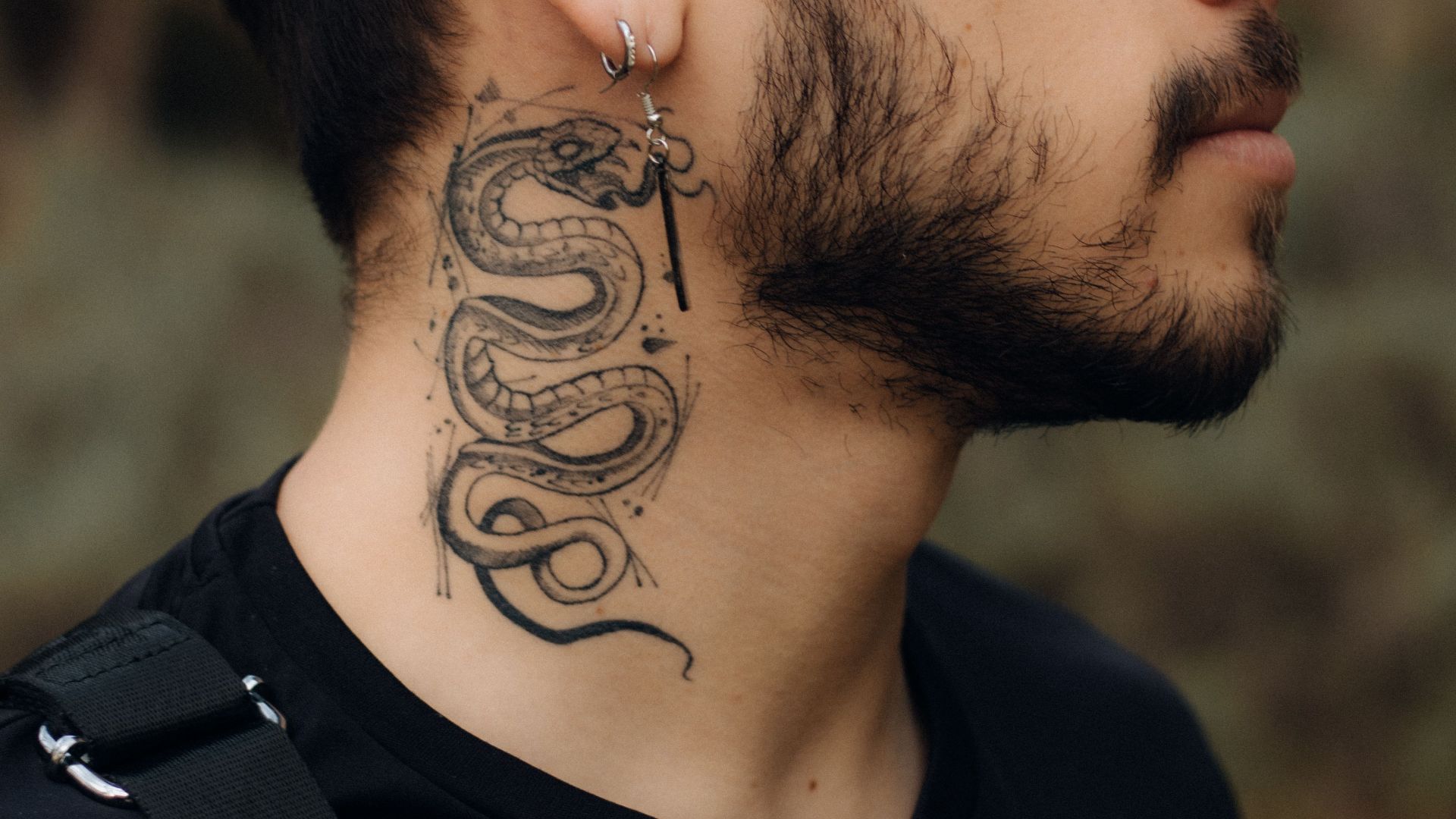
A snake tattoo in Western culture almost always leans on the Garden of Eden association with temptation and danger. In several other traditions, including Hindu and Aztec belief systems, the same animal represents healing and rebirth, treated as sacred rather than sinister.
15. Cicada
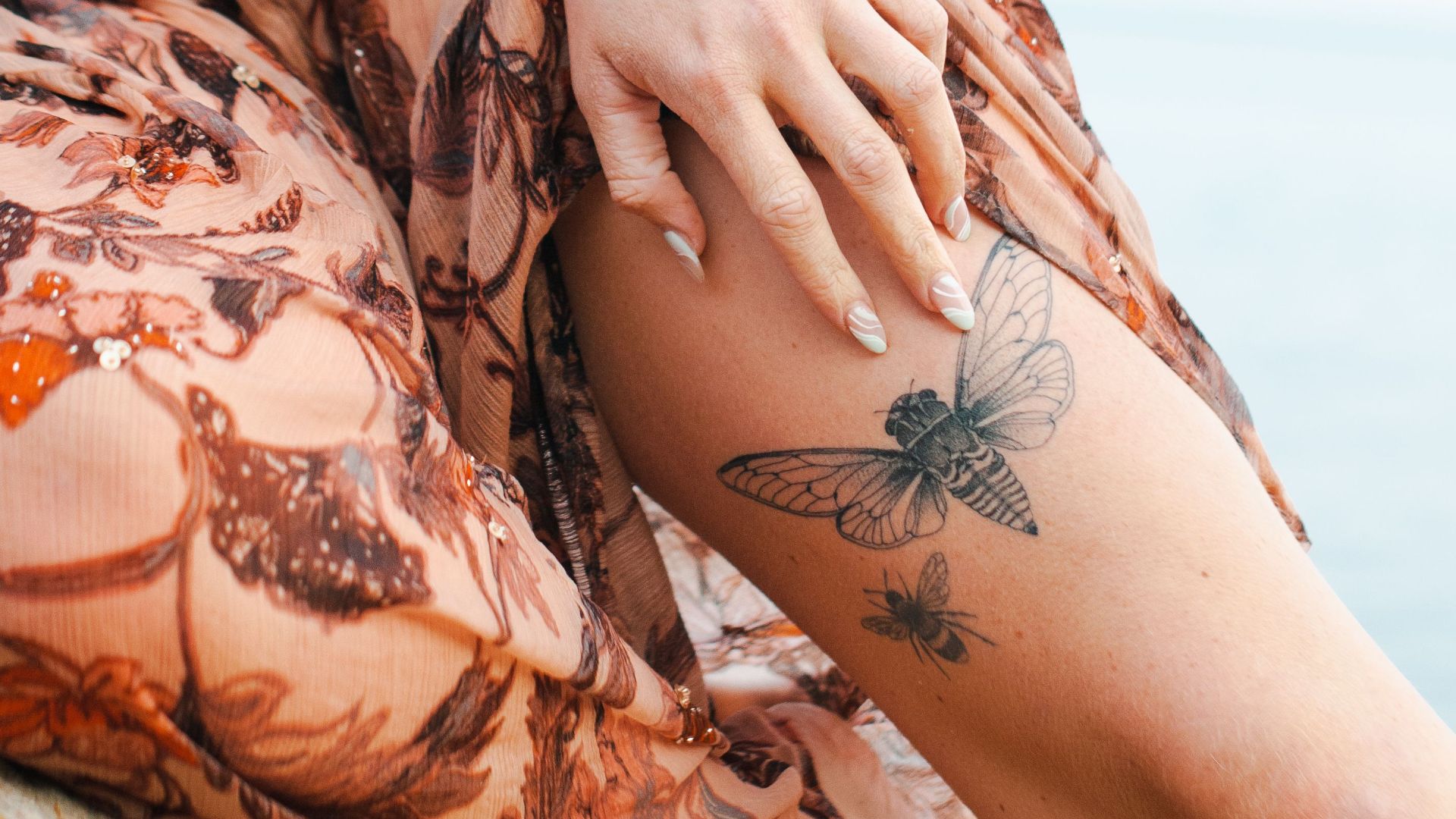
A cicada tattoo tends to get picked for its transformation symbolism, emerging from the ground after years underground. In Chinese burial tradition, jade cicadas were placed directly in the mouths of the dead as a specific symbol tied to rebirth in the afterlife, not just a metaphor for change.
16. Winged Skull
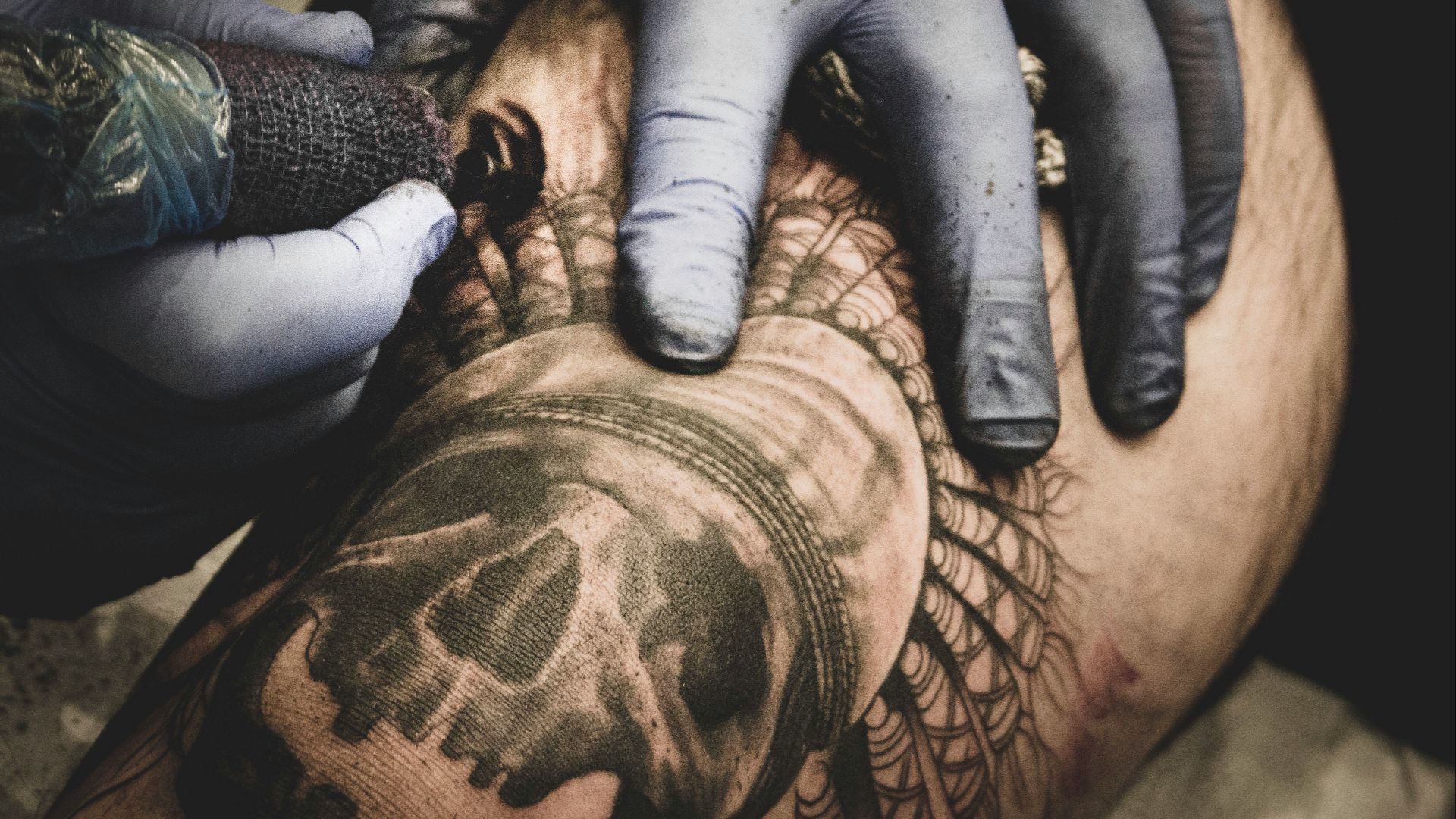
A winged skull reads today as a tough, vaguely rock-and-roll design. On old gravestones, the same image specifically represented the soul taking flight after death, a piece of funerary art rather than an edgy fashion statement.
17. Skull and Crossbones
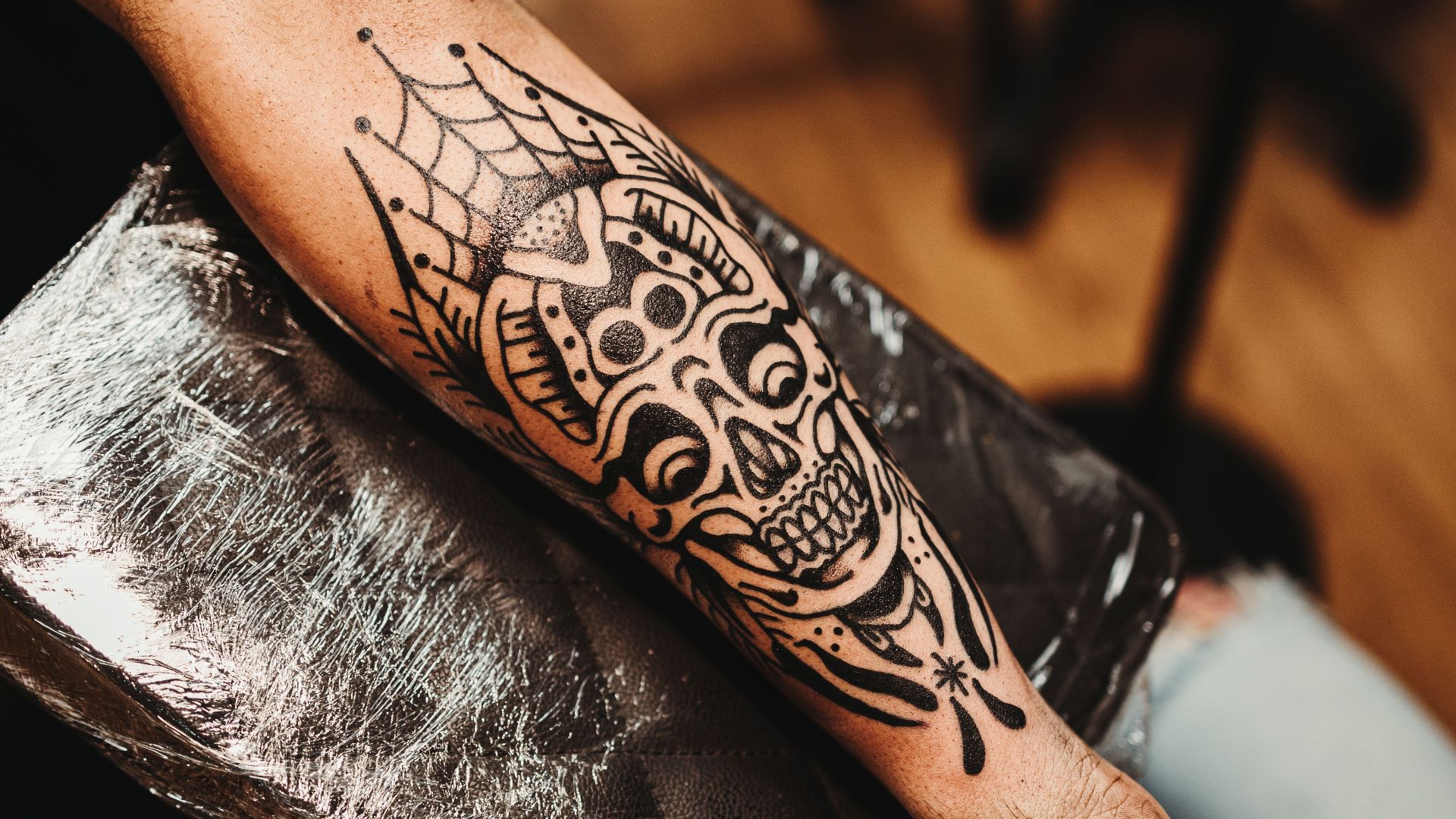
The skull and crossbones gets worn now as a general symbol of rebellion or pirate aesthetics. Historically, it functioned as a literal poison warning and a memento mori on tombstones, meant to stop people in their tracks rather than look cool.
18. Yakuza-Style Sleeve
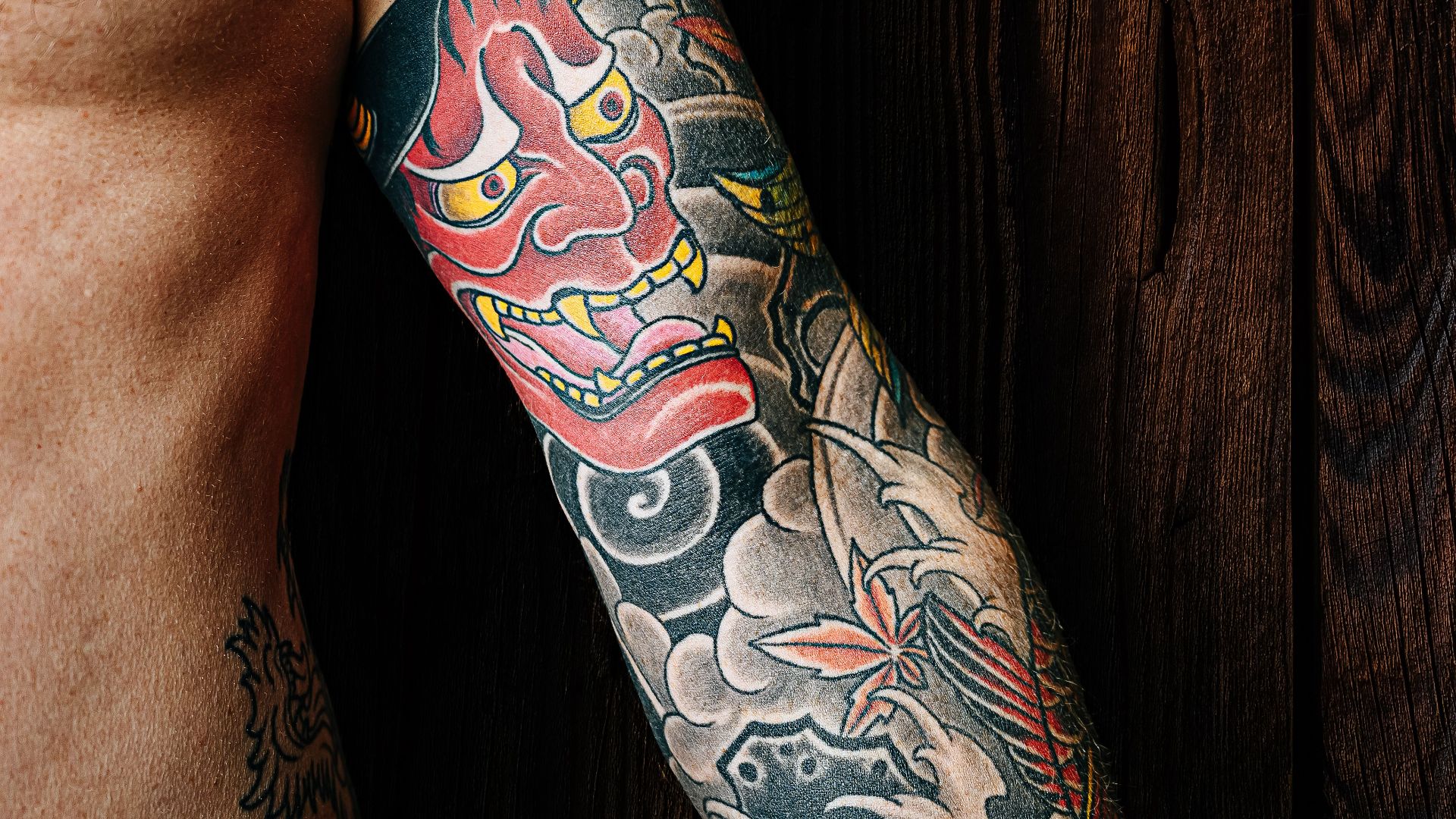
Full-body irezumi sleeves have become a popular Western tattoo style purely for the artistry involved. In Japan, that same style of tattooing specifically marked criminal affiliation for decades, and it's still enough to get someone turned away from public bathhouses today.
19. Teardrop
A teardrop under the eye reads to most people as an edgy, emotional design choice. Within prison culture, it carries a specific meaning tied to having killed someone or served significant time, a history that's caused real problems for people who had no idea what they were signing up for.

20. Five-Point Crown
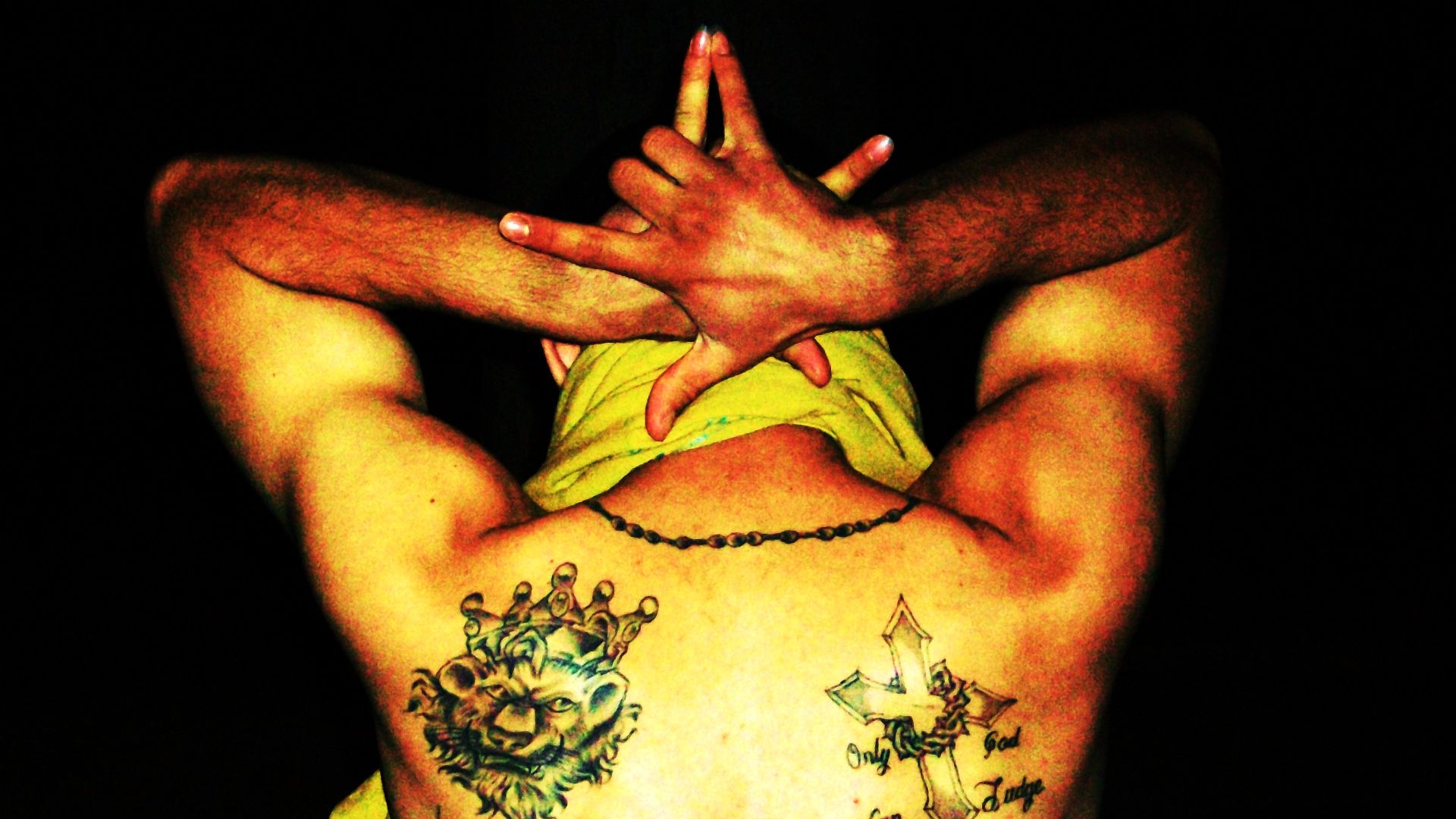
A five-point crown tattoo often gets chosen as a symbol of self-worth or personal royalty. In certain contexts, the same design is specifically associated with the Latin Kings gang, a meaning most casual wearers never intended and often don't realize they're carrying.