Find a Haircut That Fits Your Maintenance Preference
A haircut can look amazing on day one, but how it behaves weeks later is just as important, especially if you prefer stretching out salon visits. Some styles maintain their shape as the hair grows because their layers, length, and overall structure blend naturally, while others depend on exact proportions or carefully controlled volume. Here are 10 hairstyles that tend to grow out gracefully and 10 that usually need more frequent touch-ups.
1. Long Layers
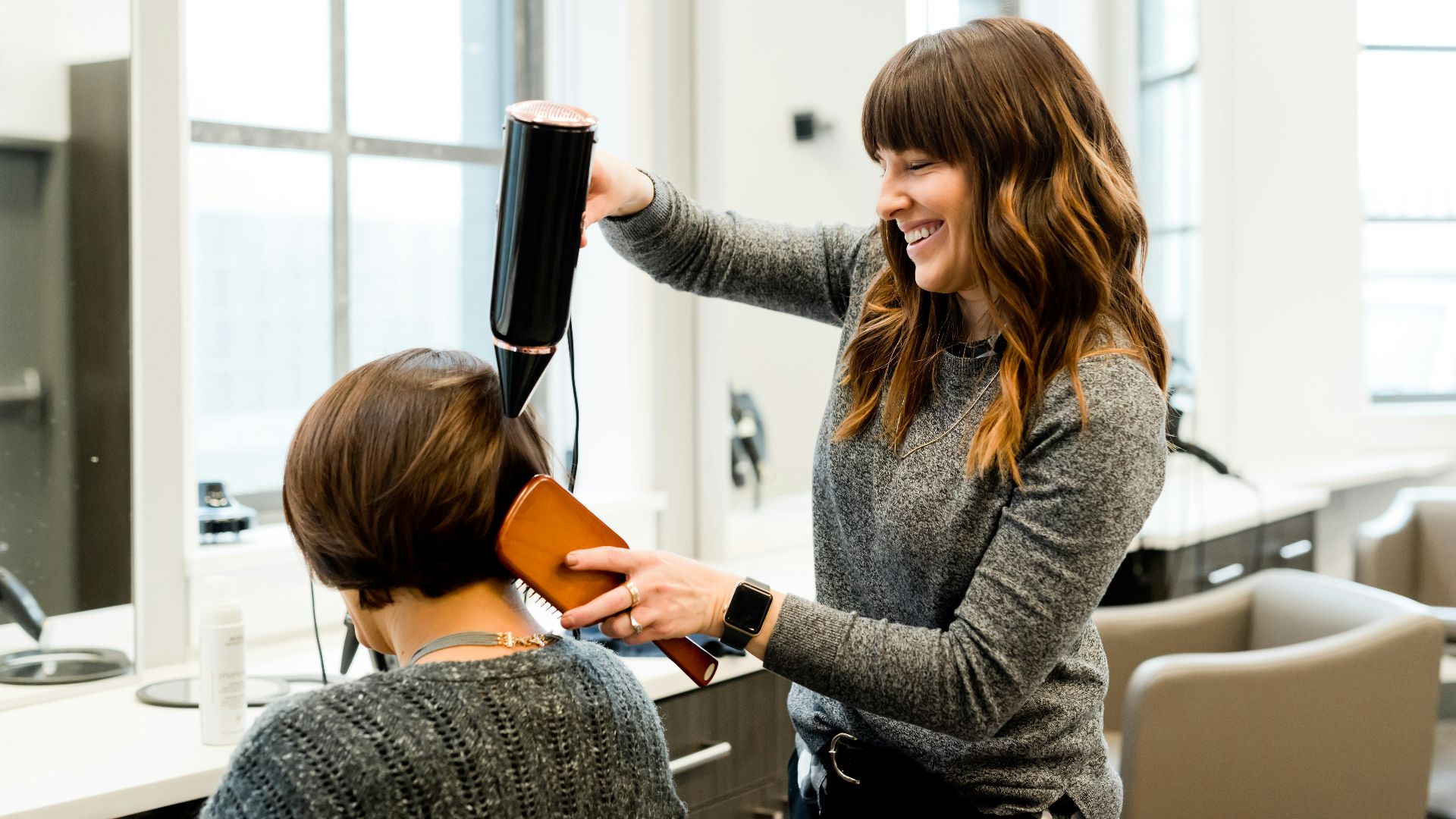
Long layers can be forgiving because the differences between lengths are gradual rather than rigidly defined. As your hair grows, the layers lengthen without dramatically changing the silhouette. Regular trims are still a good idea for dealing with split ends, but you won't need constant reshaping.

2. A Collarbone-Length Lob
A lob that reaches the collarbone transitions smoothly into longer hair, making it one of the easier medium-length cuts to maintain. Even after weeks of growth, the shape of this hairstyle can still look intentional because there isn't a severe line that loses its balance.
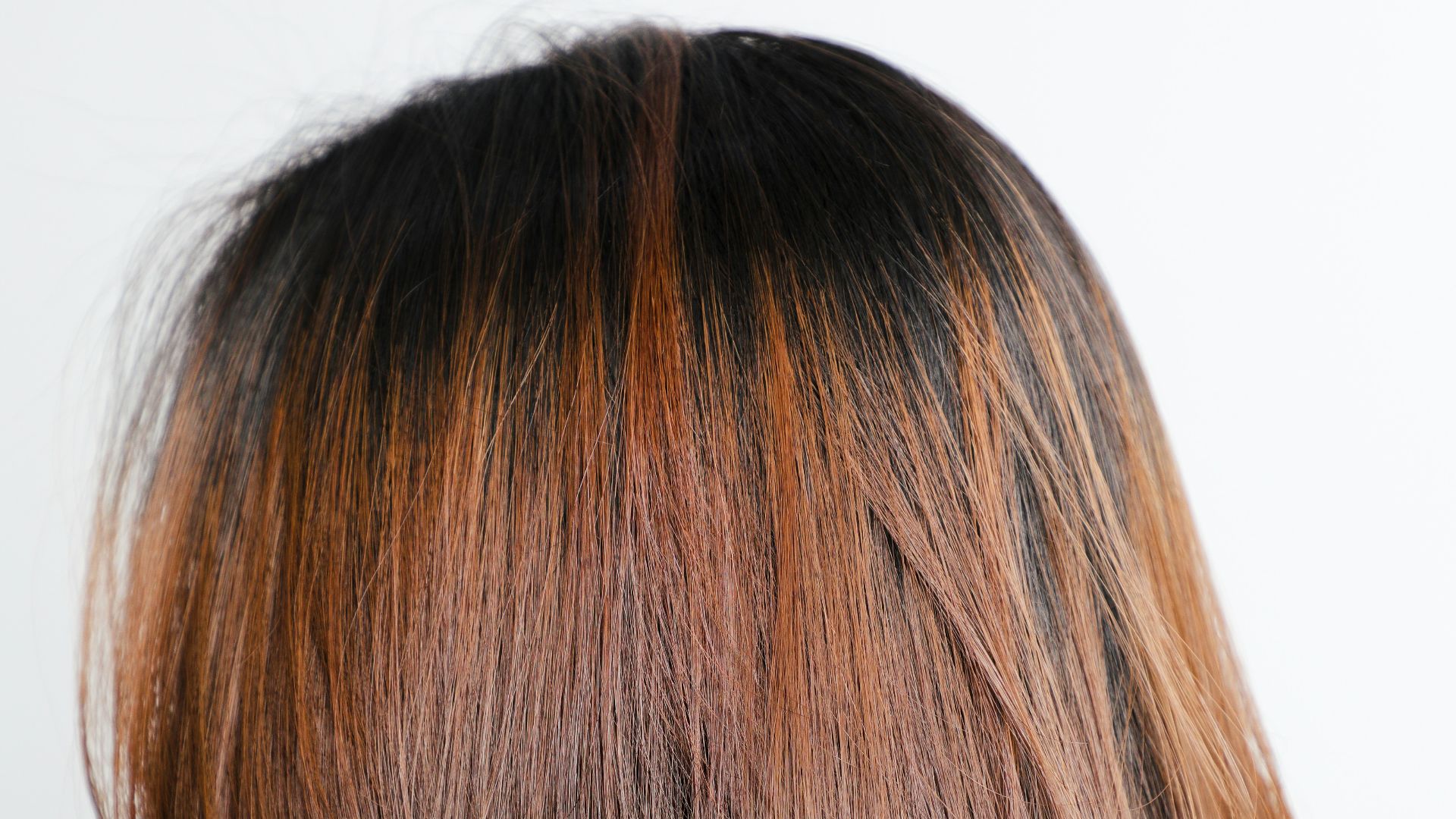 Dwi Agus Prasetiyo on Unsplash
3. Soft Face-Framing Layers
Gentle face-framing pieces can grow attractively as they gradually blend into the rest of the hair. Unlike very short front layers, they don't create an awkward stage once they grow past their original position.
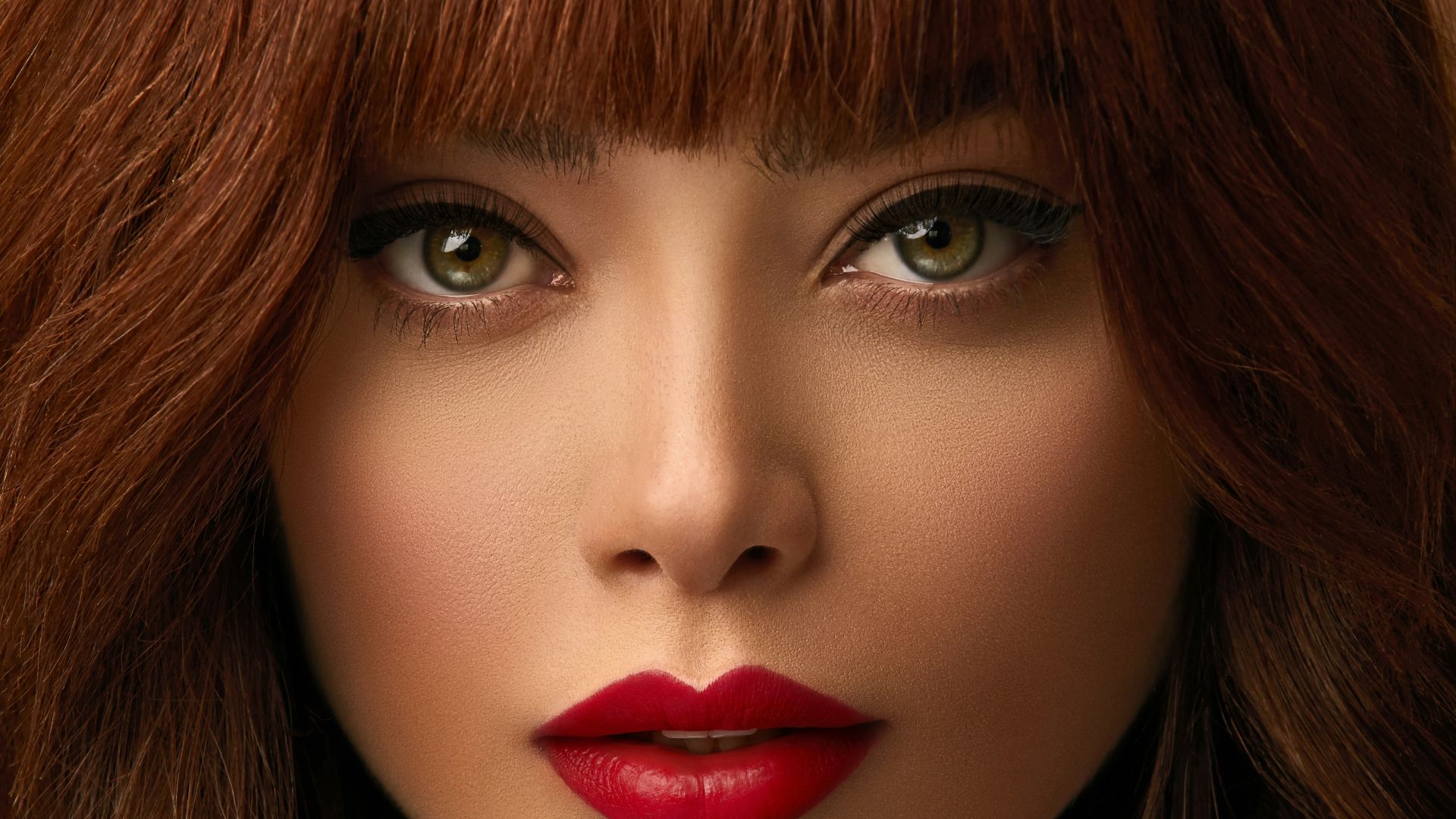
4. A Blunt Cut on Long Hair
The word "blunt" screams high-maintenance, but a straight perimeter on longer hair can remain neat for some time. Growth occurs evenly across the ends, so the basic shape stays recognizable even as the overall length changes.
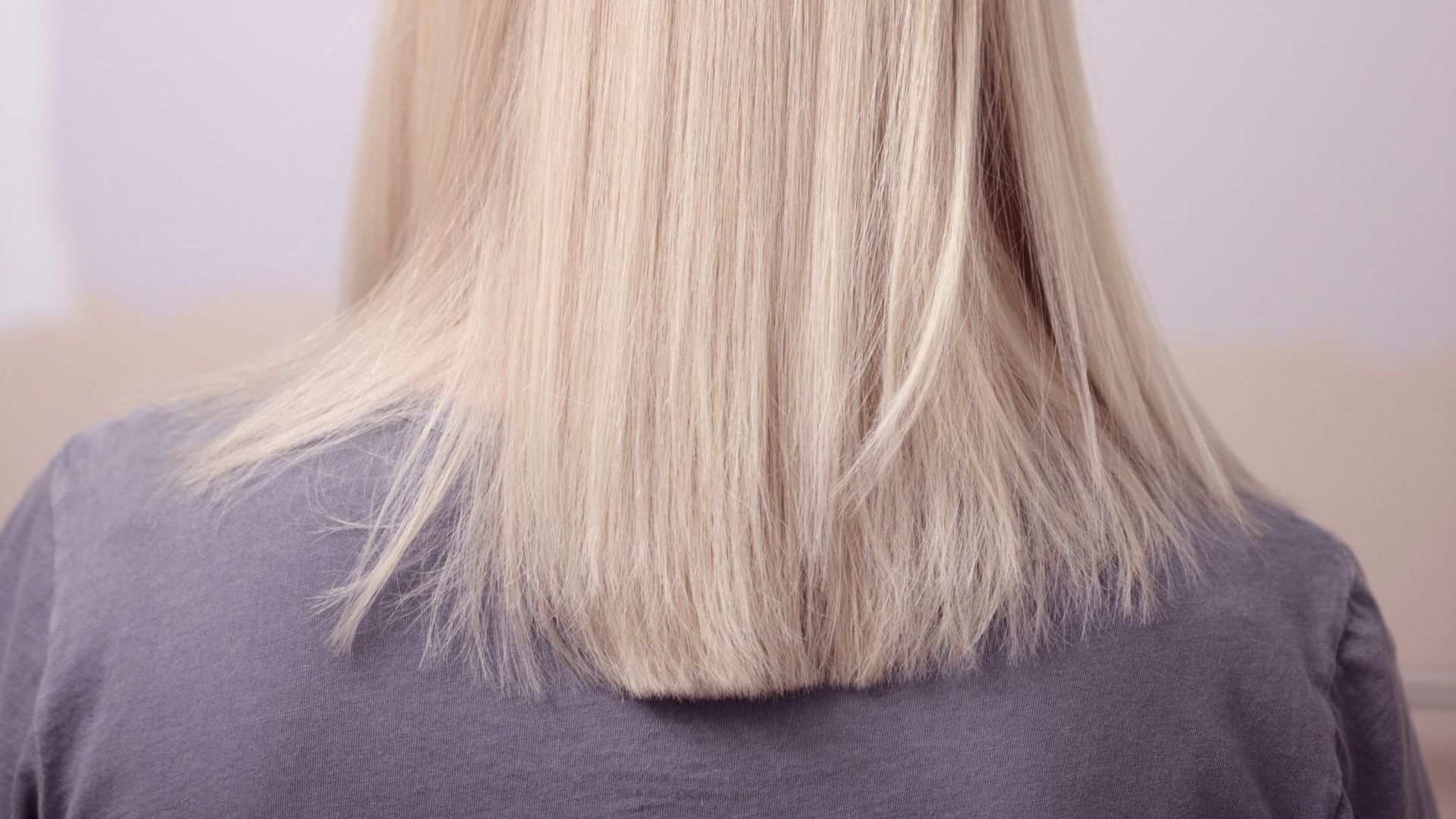
5. The Shag
A shag is designed around varied layers, movement, and a relaxed finish, giving it lots of flexibility as it grows. Extra length can add to its loose texture rather than making the cut look messy and overgrown.
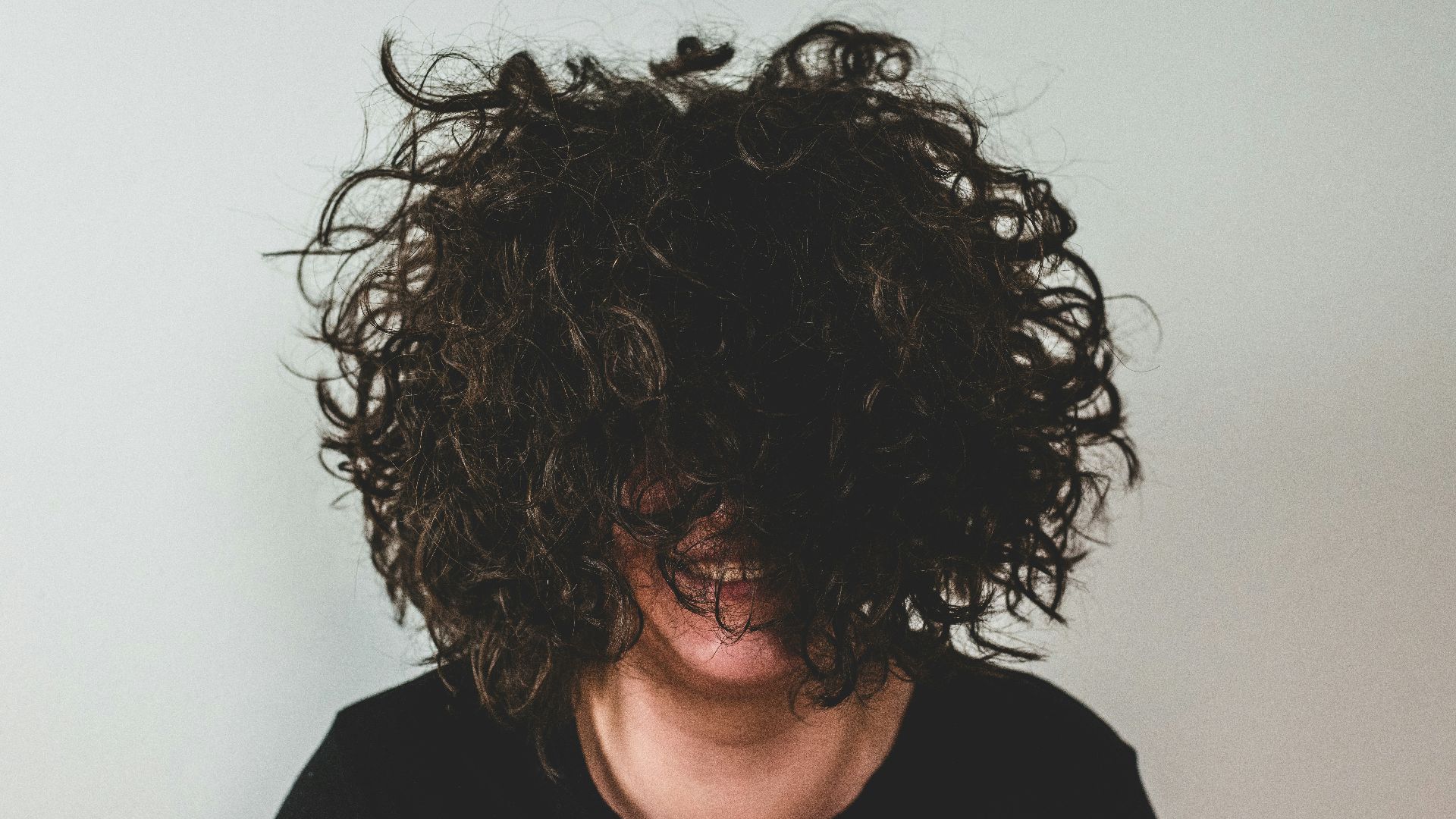
6. Long Curtain Bangs
Curtain bangs can be easier to grow than shorter fringe since they're meant to part and blend to the sides. As they grow, they can transition into face-framing layers without requiring an abrupt change in styling.
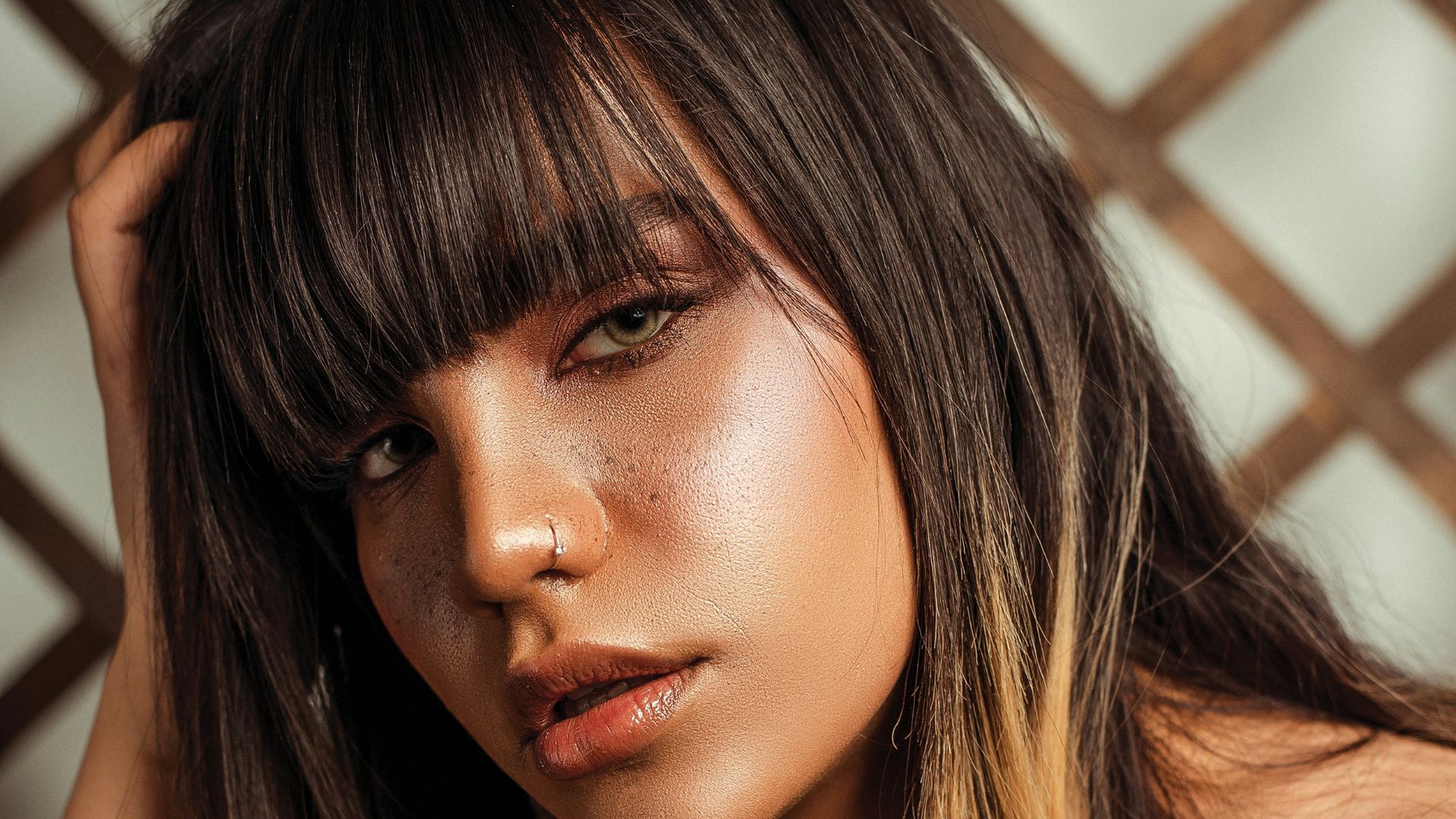
7. A One-Length Midlength Cut
Hair cut and styled to one length around the shoulders or lower can retain a simple, balanced appearance as it grows. Since there aren't many short layers to deal with, the overall structure changes slowly rather than suddenly.
8. Loose, Rounded Layers
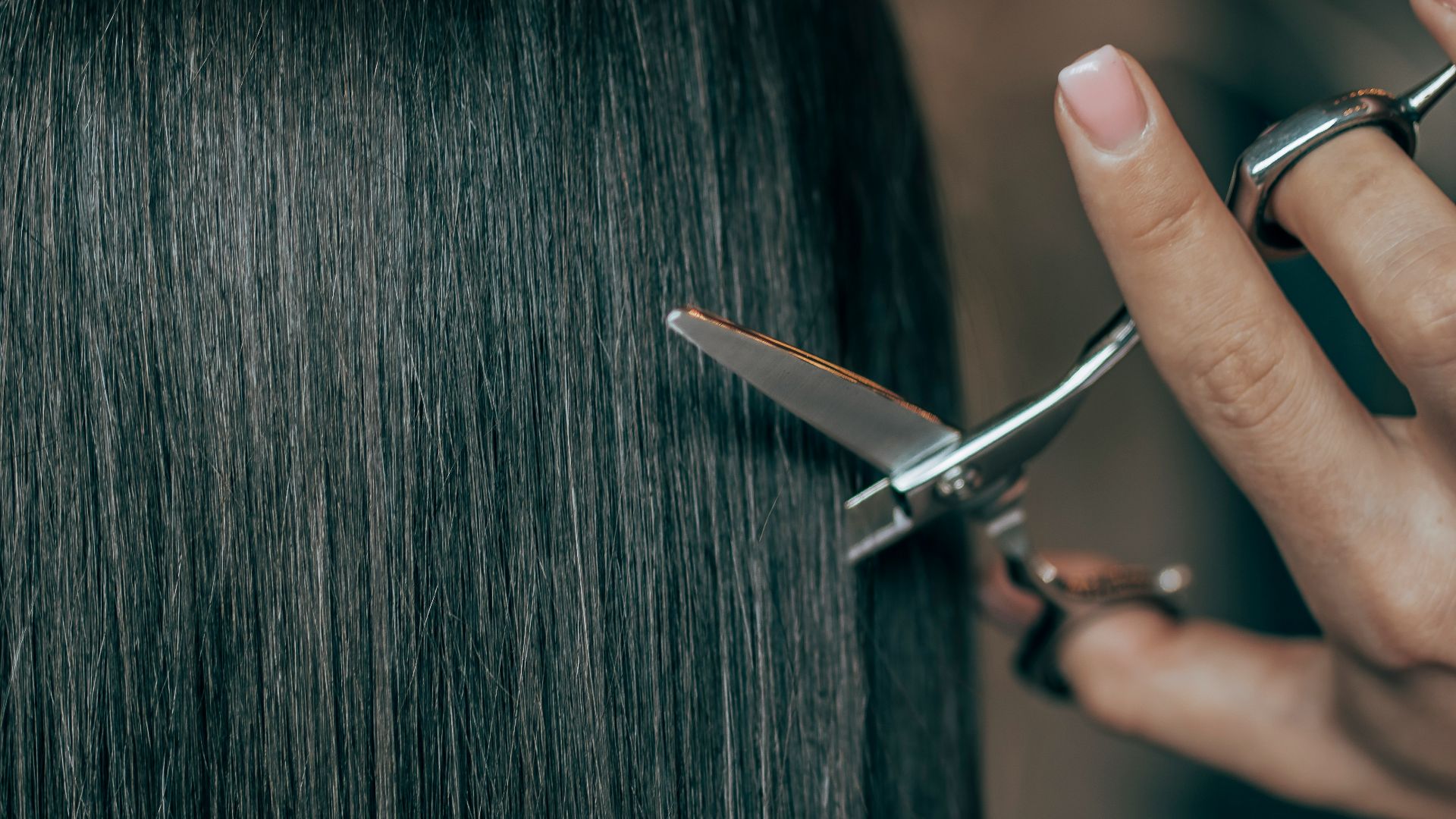
Rounded layering distributes movement through the hair without the need for sharply separated sections. As the layers lengthen, the transition usually stays soft and cohesive. This style can be especially useful for thicker hair since it removes weight while still allowing the cut to grow naturally.
9. A Long Bob With Minimal Layering
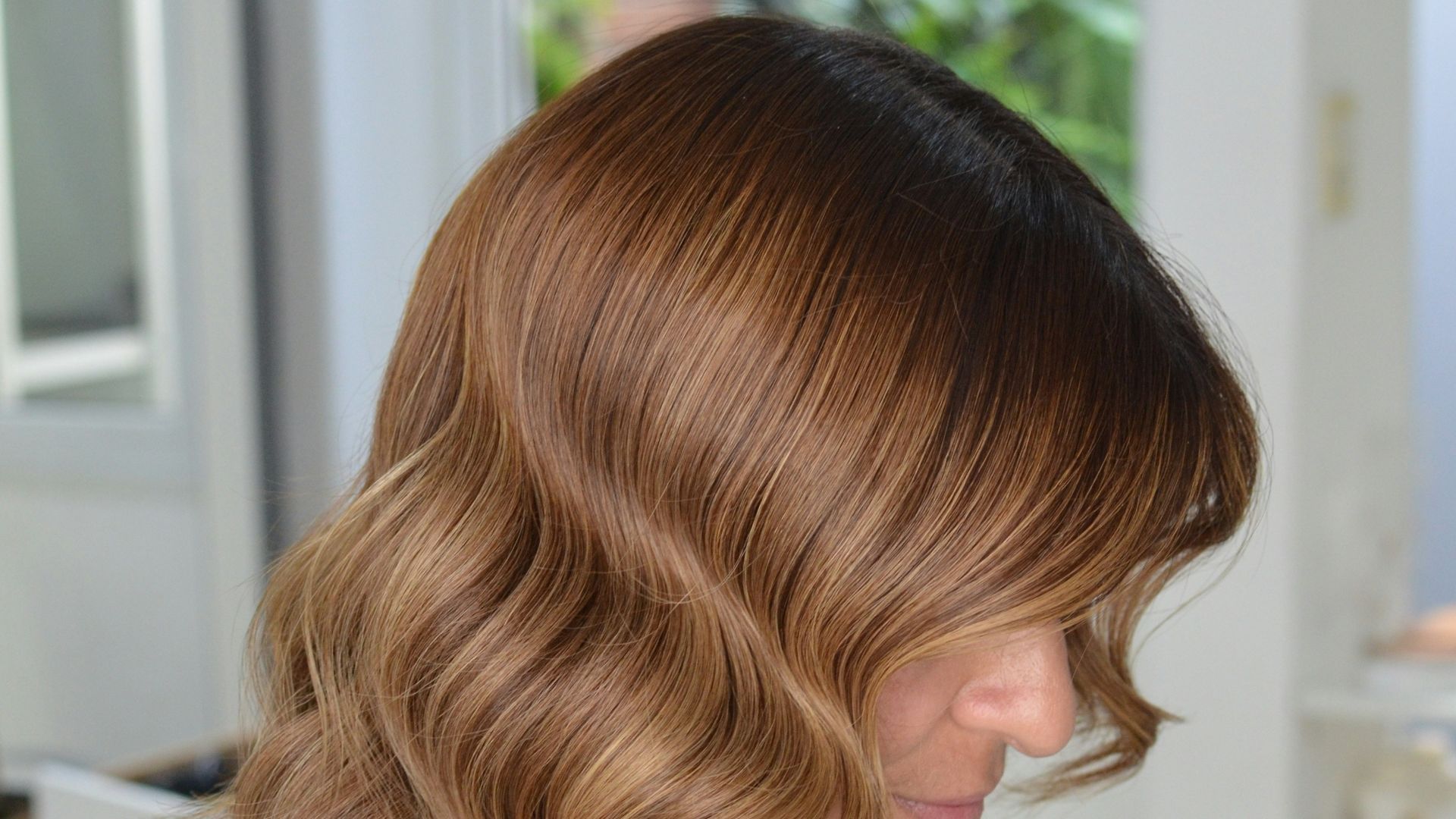
Keeping a long bob mostly one length can make the grow-out period much easier than it would be with a highly sculpted version. Once the hair passes the original line, it begins to resemble a simple medium-length cut rather than an obviously overdue one.
10. Long Natural Texture With Strategic Shaping
Curly and coily hair can grow in a lovely manner when the original cut uses balanced shaping instead of very stern geometry. Because natural texture creates volume along with movement, modest changes in length don't always alter the look dramatically.

1. A Precise Chin-Length Bob
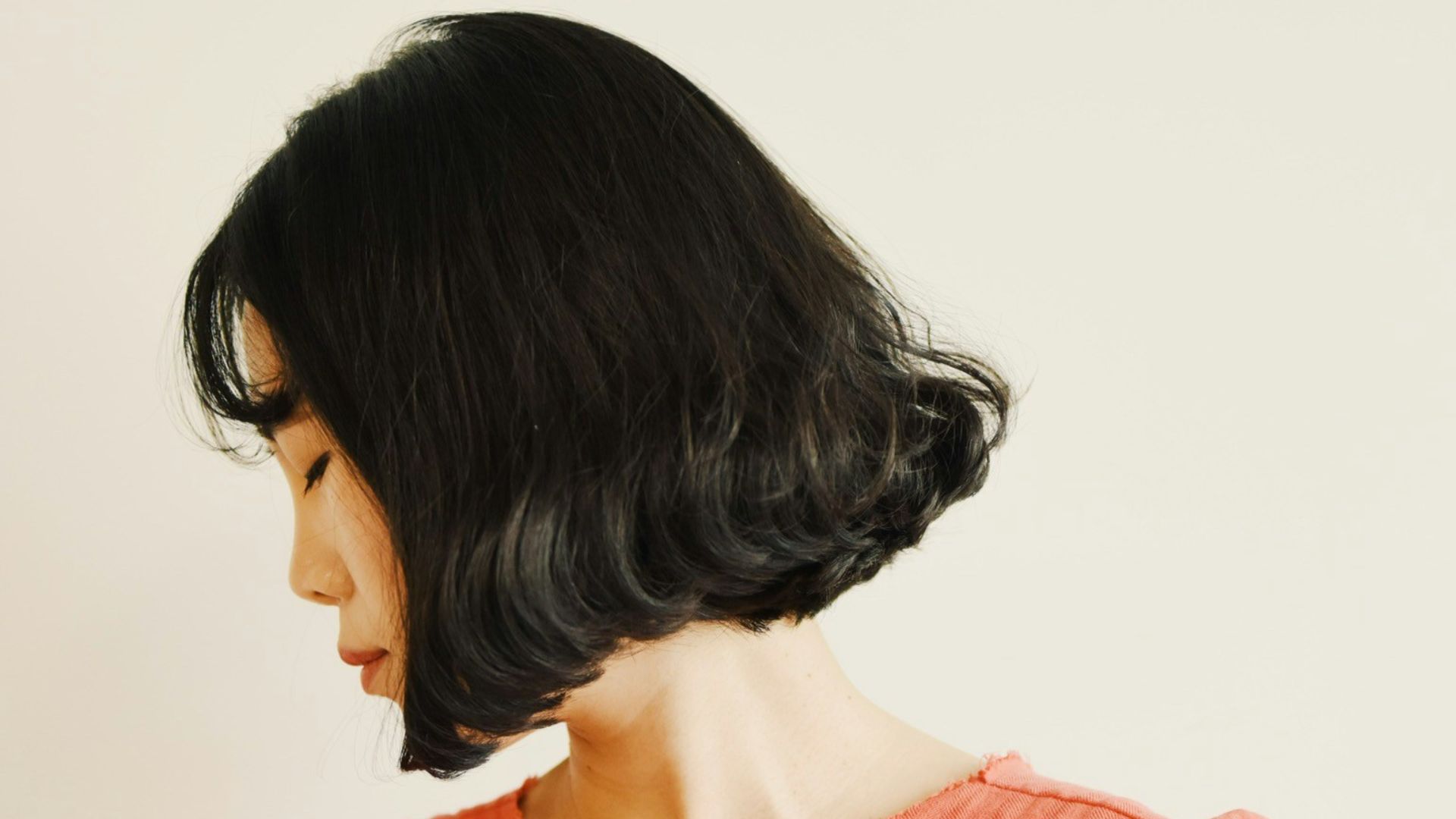
A sharp-looking chin-length bob relies heavily on proportion, meaning even modest growth can change its intended shape. Once the ends drop below the chin, the cut may start to feel heavier or less defined around the jawline. Maintaining that crisp outline usually requires a steady diet of salon appointments.

2. A Classic Pixie Cut
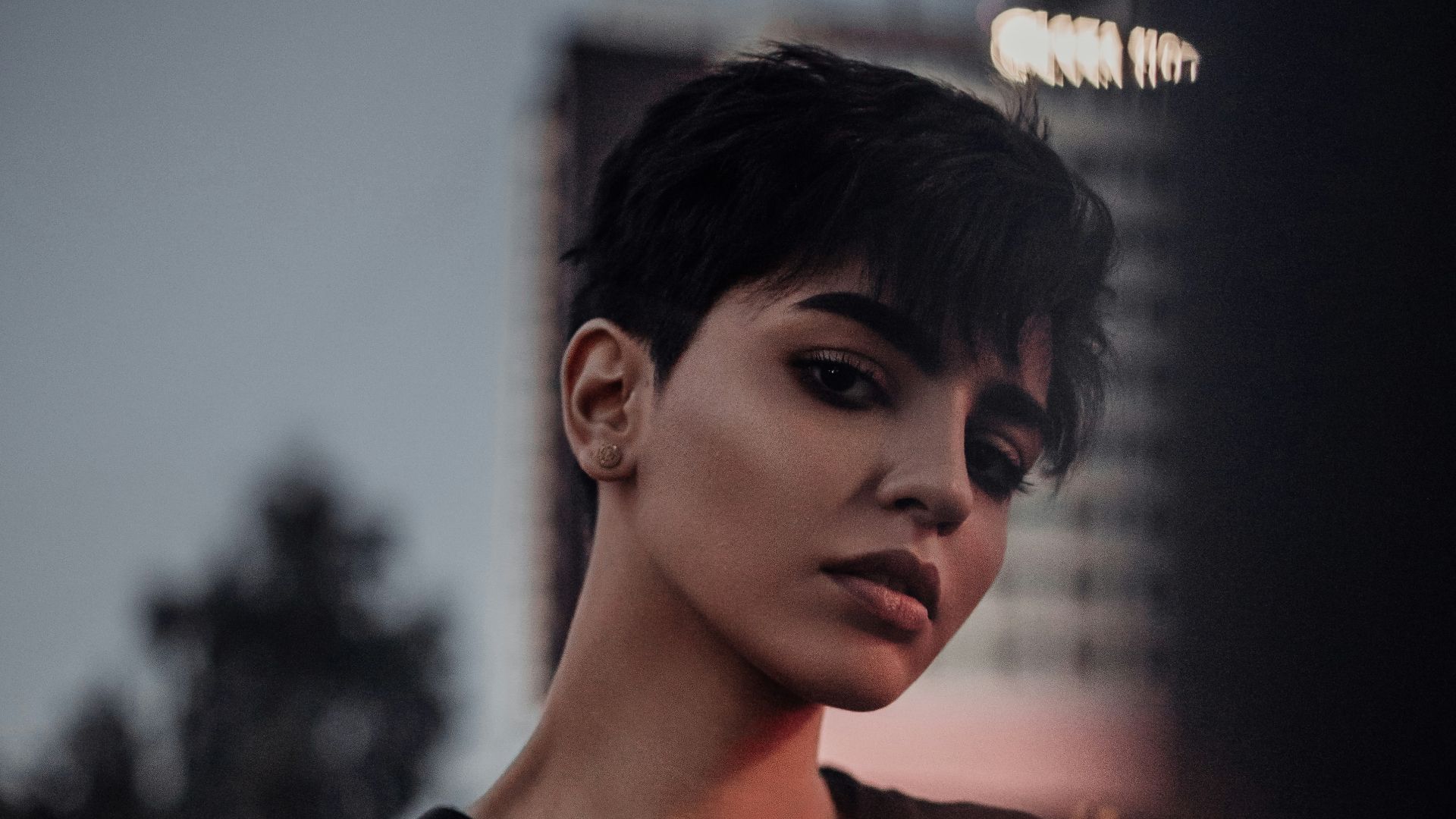
Classic pixie cuts rely on carefully controlled length around the sides, crown, and neckline, so growth becomes noticeable rather quickly. Hair that gains only a small amount of length can alter the balance of the entire style.
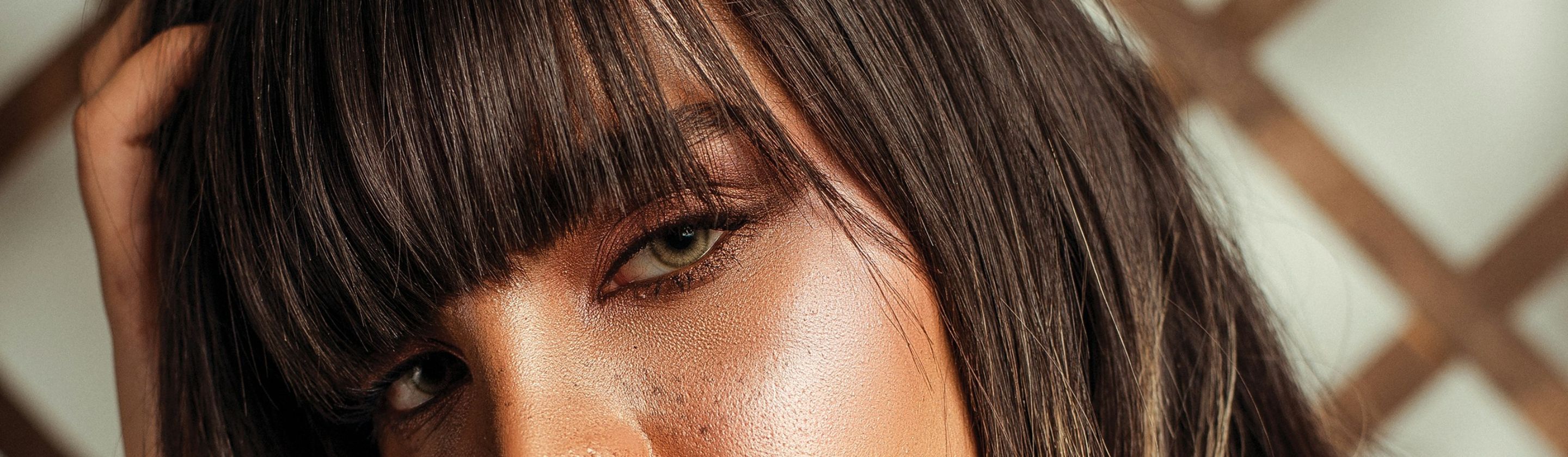
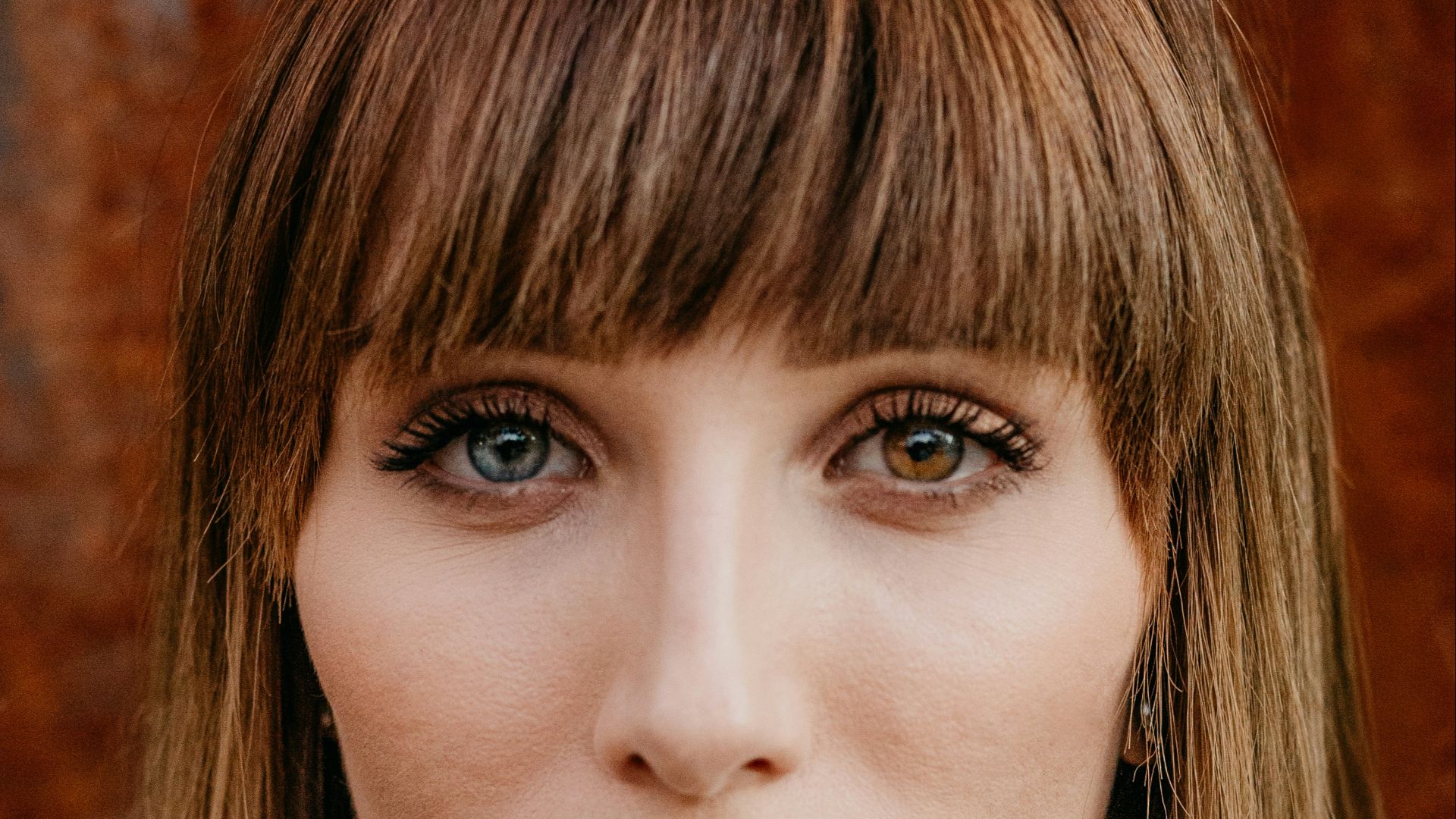
3. Micro Bangs
Micro bangs sit above the eyebrows, making their exact length pivotal to the style. Since hair grows continuously, even a few weeks can change where the fringe falls and how dramatic it looks. Anyone committed to maintaining that short line should be prepared for frequent trimming.
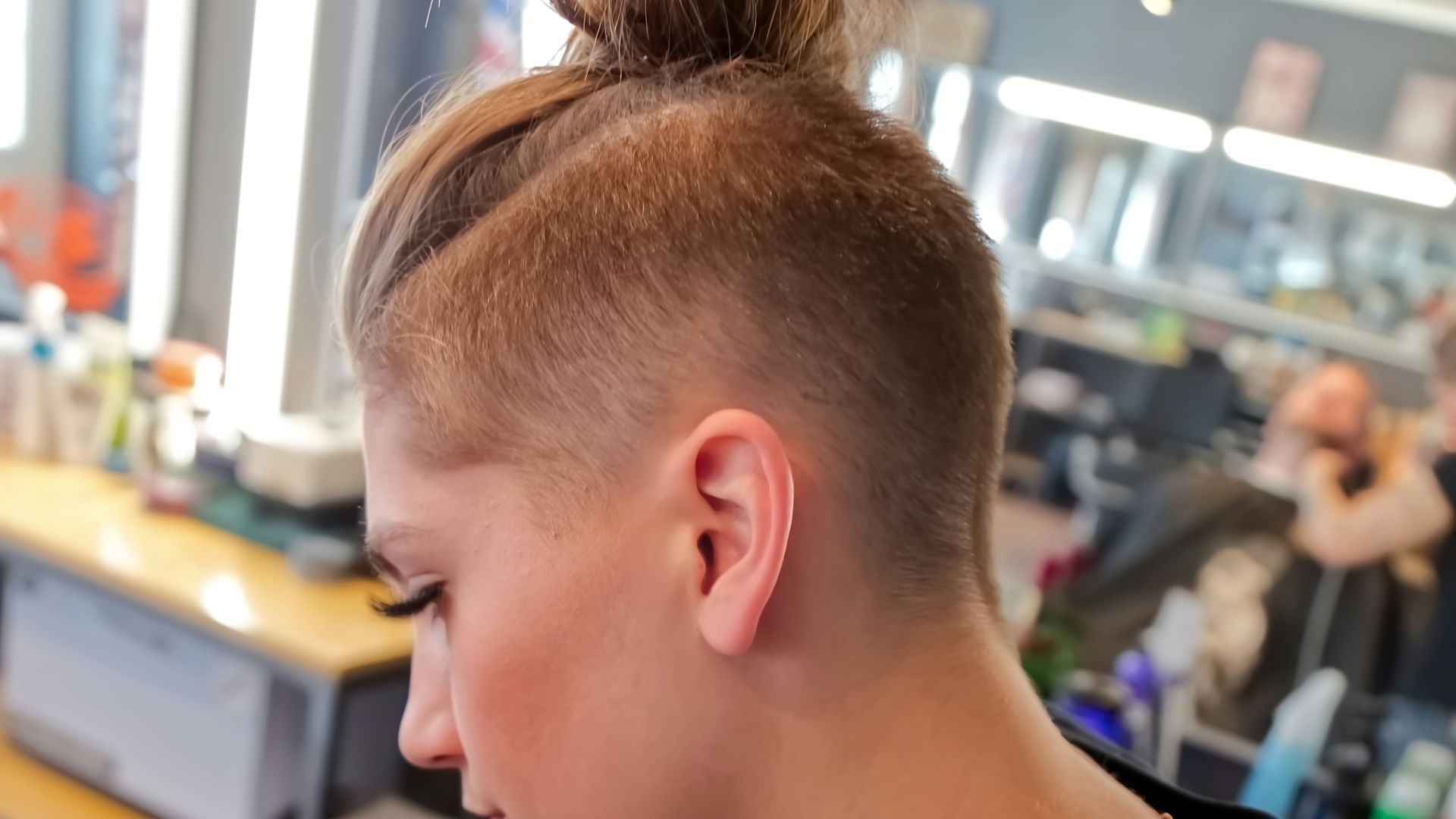
4. A Sharp Undercut
Undercuts create contrast by keeping one section of hair substantially shorter than the rest. As the shaved or clipped area grows, that contrast quickly looks far less precise.
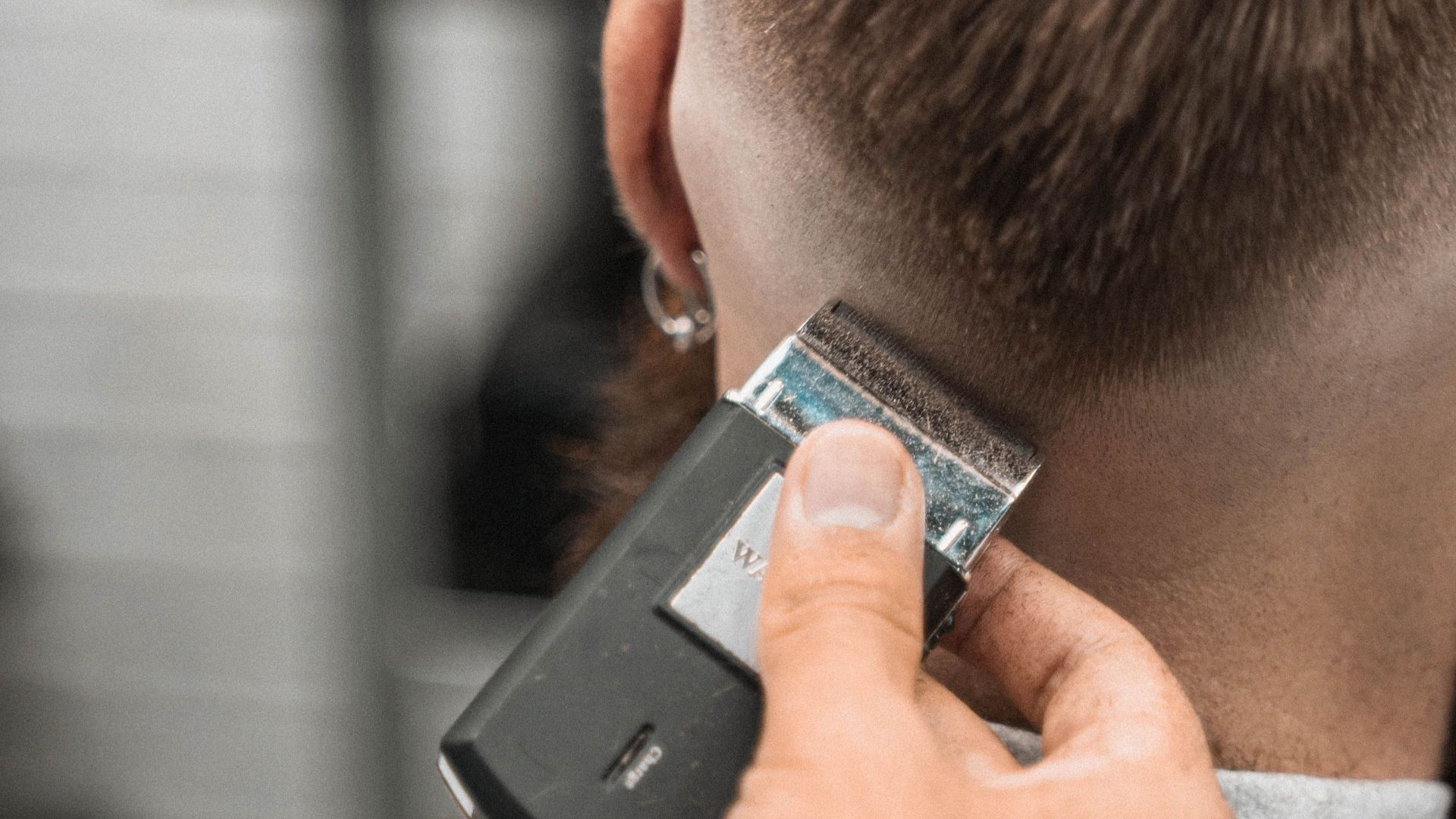
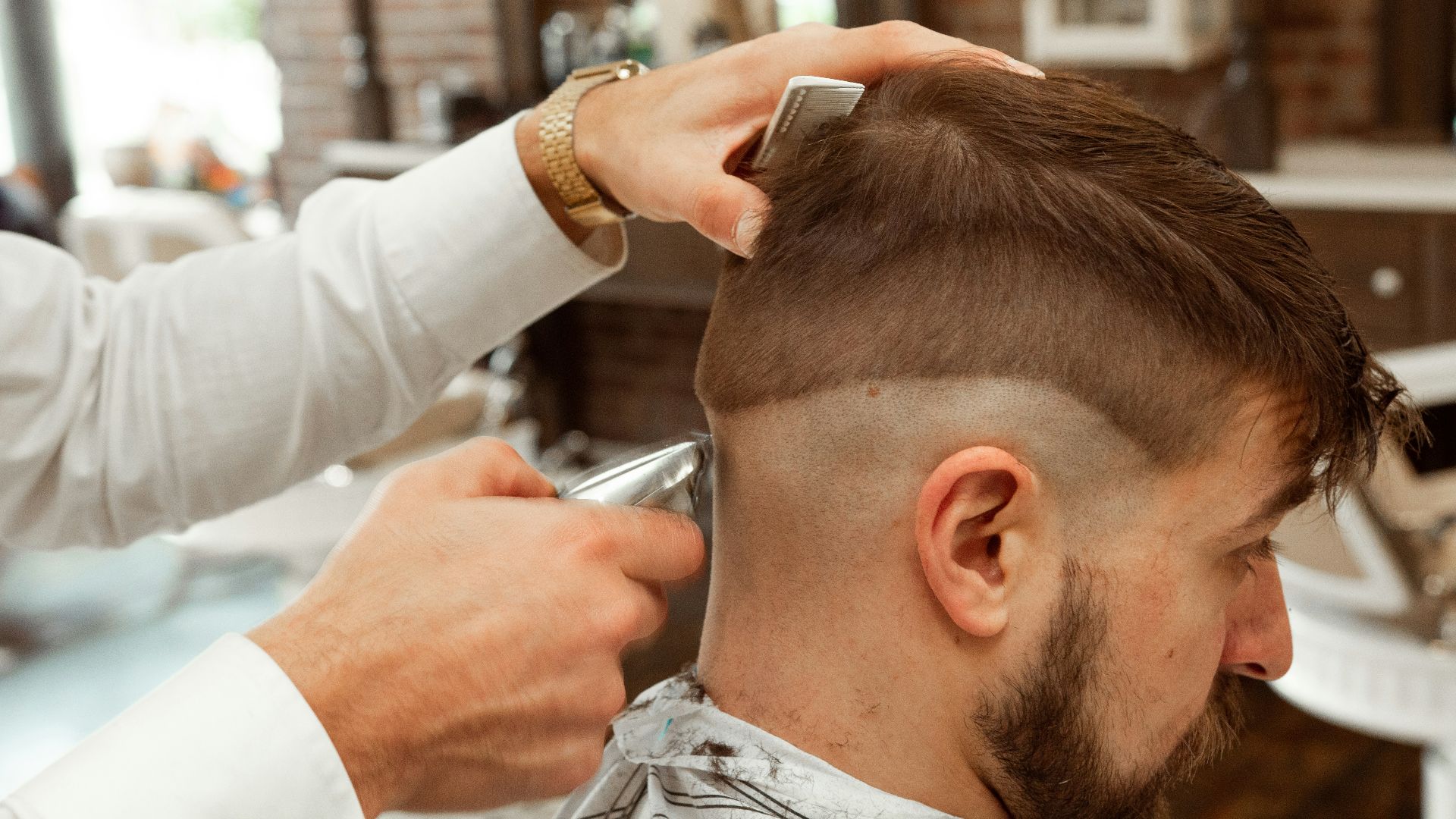
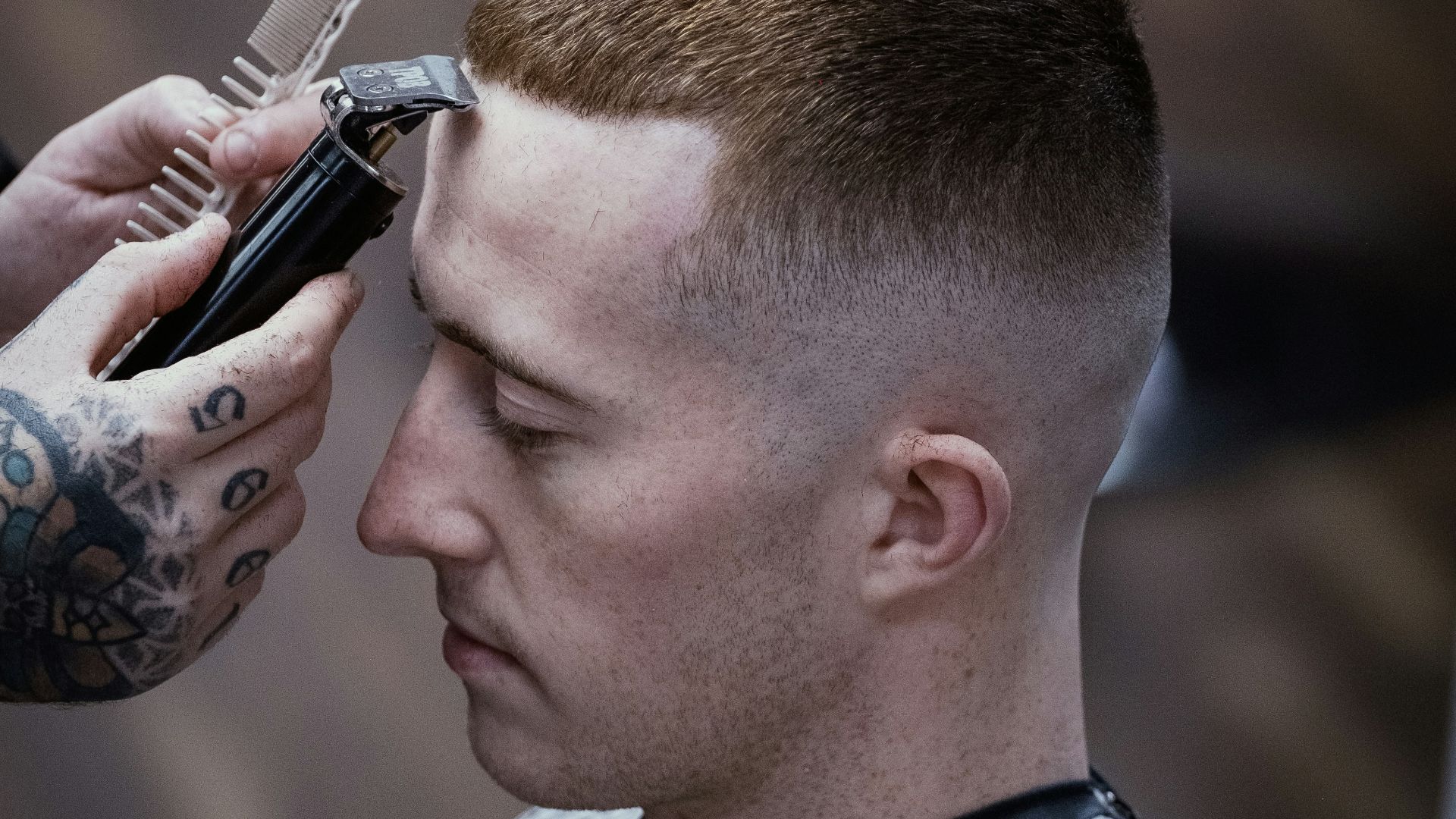
5. A Skin Fade
Skin fades are among the most maintenance-heavy short styles because the effect depends on an extremely smooth transition from bare or nearly bare skin into longer hair. New growth becomes visible very fast, especially around the temples and neckline. Keeping the fade looking freshly blended often means salon appointments every few weeks or even sooner.
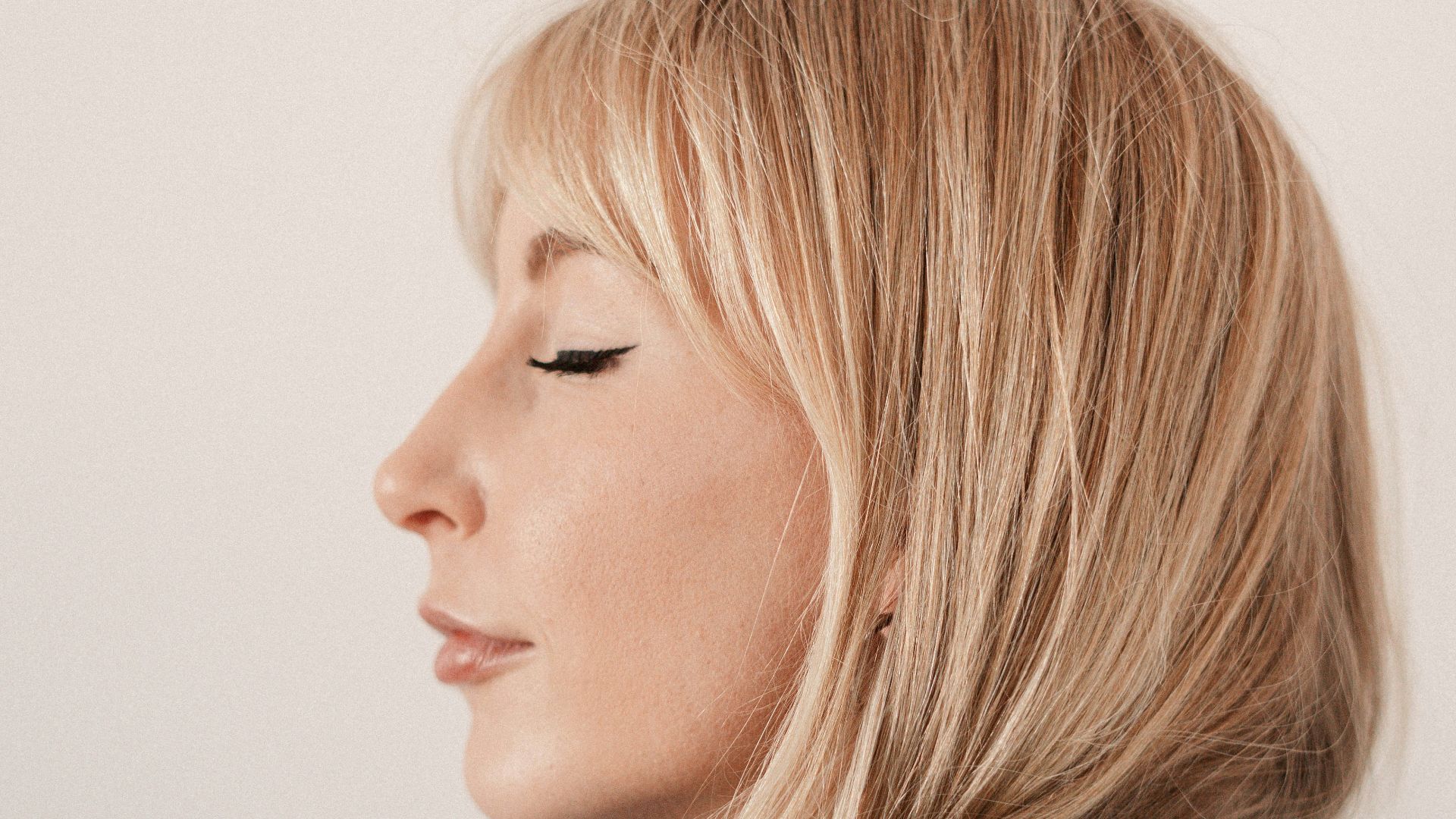
6. A Geometric Bob
Angular or geometric bobs need exact lines, careful weight distribution, and a clearly defined shape. As the hair lengthens, those proportions may shift enough to make the design look softer or uneven. If precision is the goal, you'll need regular reshaping from a professional to maintain it.
7. Straight-Across Bangs
Full bangs cut directly across the forehead often demand attention because their position affects both visibility and the overall balance of the haircut. As they start reaching the eyebrows or eyelashes, they can appear noticeably different from the intended style.

8. A Very Short Buzz Cut
Buzz cuts may be simple to style, but they're surprisingly unforgiving if you expect the length to remain uniform and extremely short. Even a slight amount of growth changes the look because there isn't much hair to disguise it.
9. A Sculpted Asymmetrical Cut
An asymmetrical haircut depends on deliberate differences in length, so those proportions must stay controlled for the design to maintain its intentional look. As both sides grow, the visual relationship between them can become less obvious or balanced.
10. A Tapered Neckline
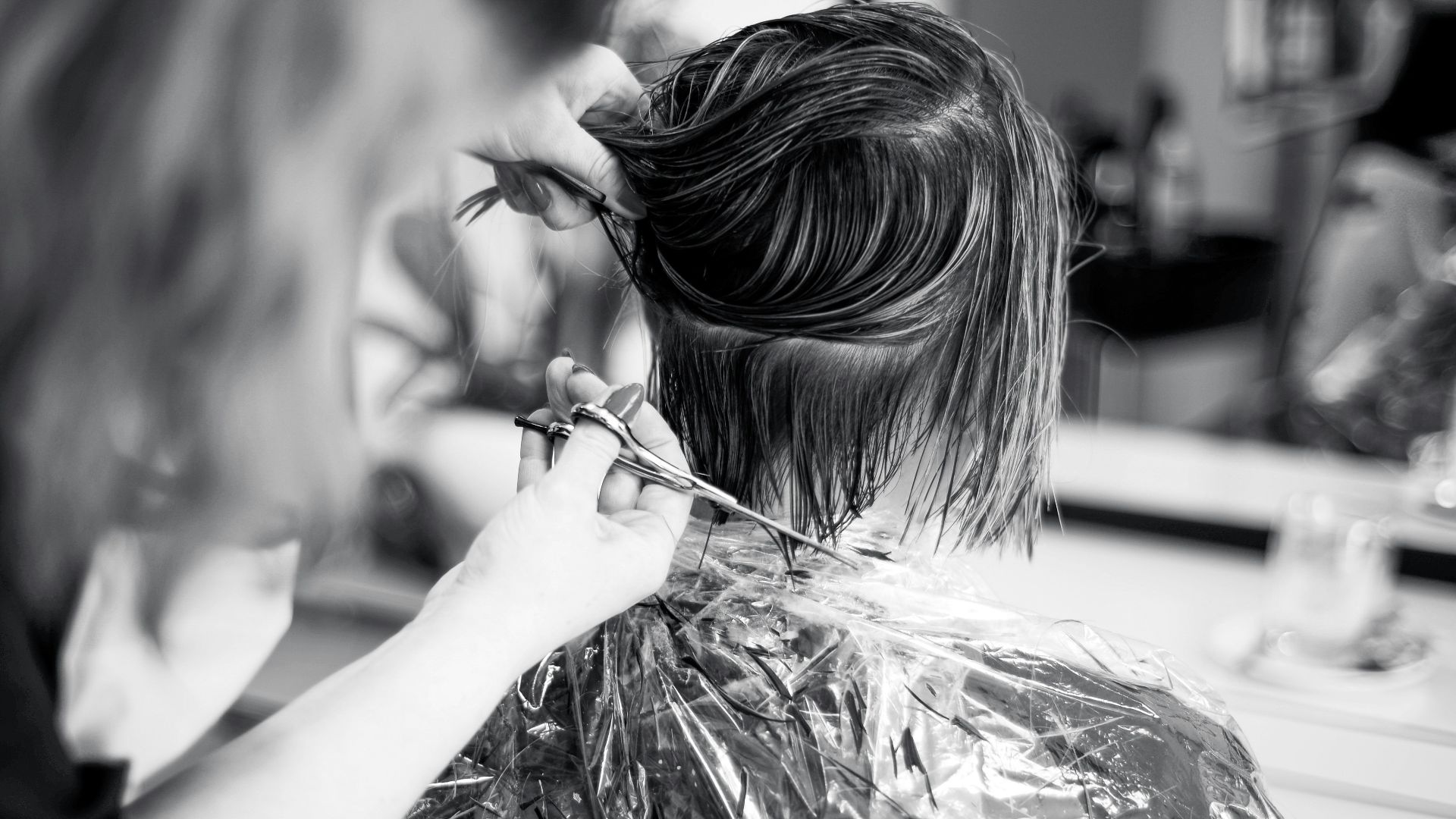
A neatly tapered neckline gives short hairstyles a nicely polished finish, but the area tends to show regrowth fast. Hair along the neck can become visibly fuzzy before the rest of the haircut appears long.