Beauty Might Just Be Forever
Ideas about beauty have changed dramatically across centuries, yet some historical figures became famous in part for their striking appearance. Their looks were praised by contemporaries, preserved in portraits and sculptures, and sometimes woven into the legends that followed them long after their deaths. Since photography didn’t exist for much of history, our impressions often come from paintings, busts, engravings, and other artistic renditions shaped by the styles and expectations of their time. The 20 figures below were all remembered for their beauty, offering a fascinating look at the faces, fashions, and features that captivated people in different eras.
1. Nefertiti
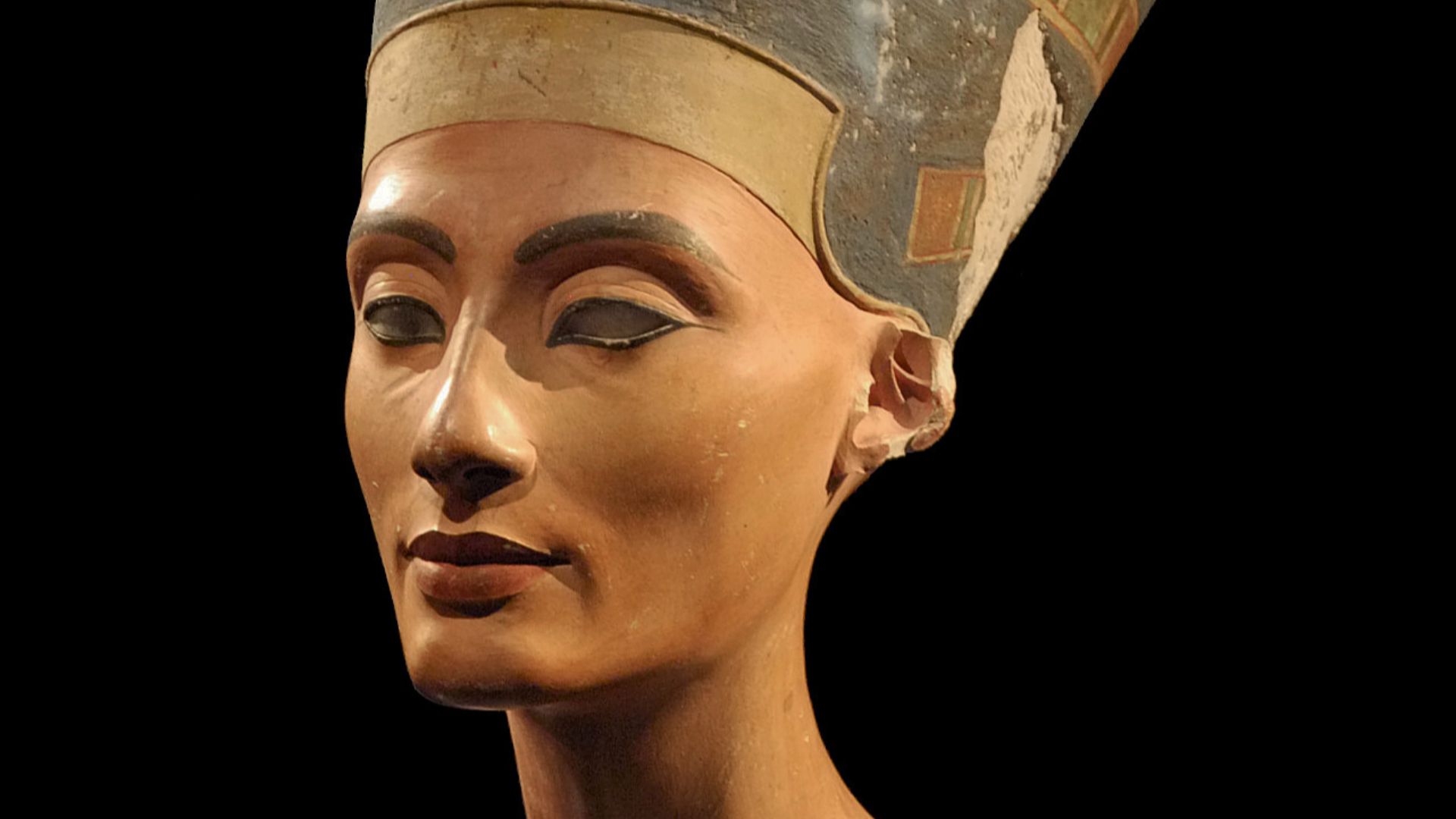
More than 3,000 years after her lifetime, this 18th dynasty queen is best remembered by a bust painted in her likeness. Sporting a blue cap crown, her long neck and well-proportioned features are a masterclass in artistic quality in the ancient world. While we can’t know for sure what she really looked like, we can imagine she must’ve been quite beautiful.
2. Hatshepsut
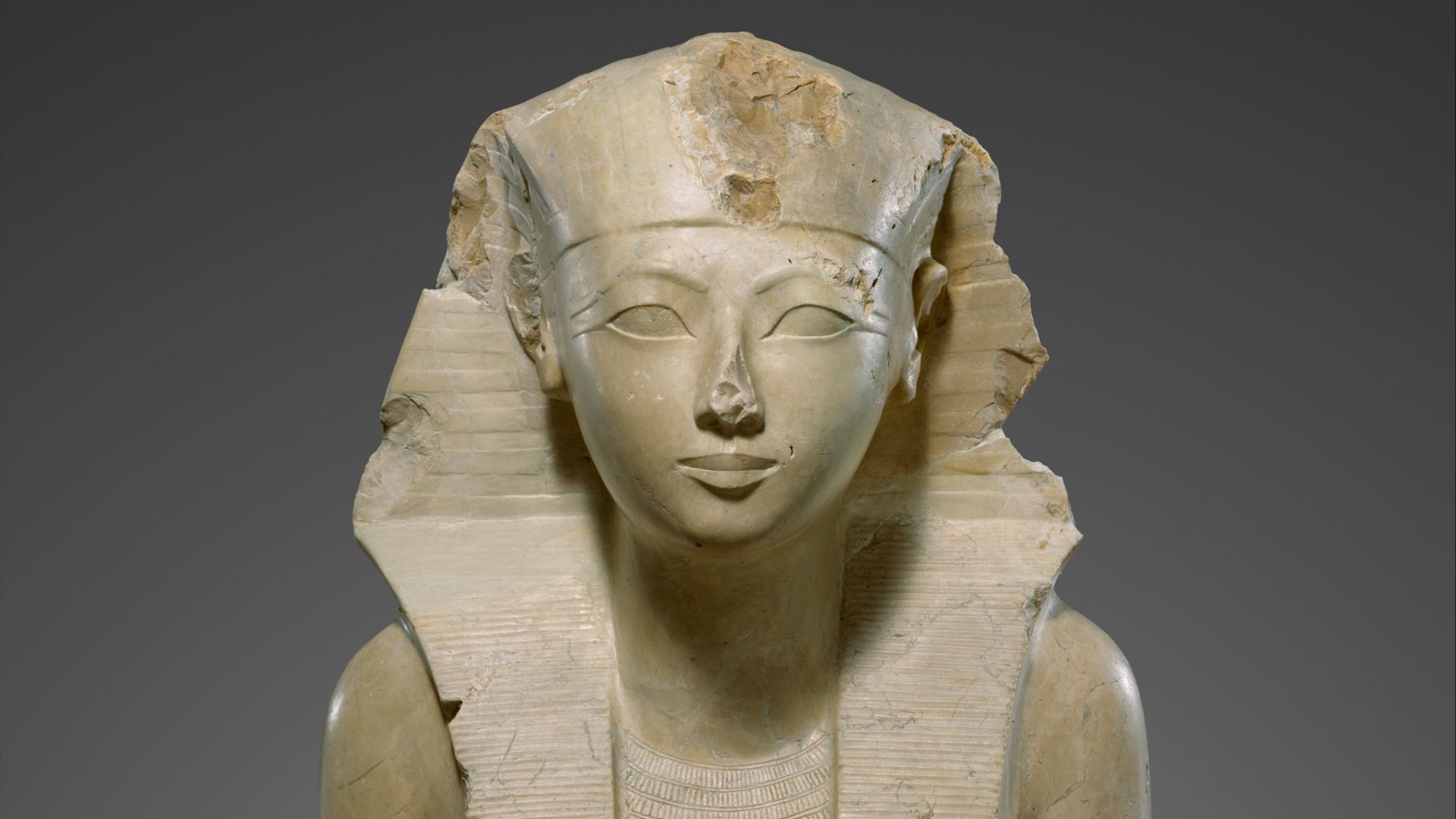
Hatshepsut ruled Egypt as the sixth pharaoh of Egypt’s 18th dynasty. While there was an attempt to remove her from the histories, a few statues of her survived. She’s often depicted with both masculine and feminine features; her full face and wide eyes make us wonder just how gorgeous she really was.
3. Cleopatra VII
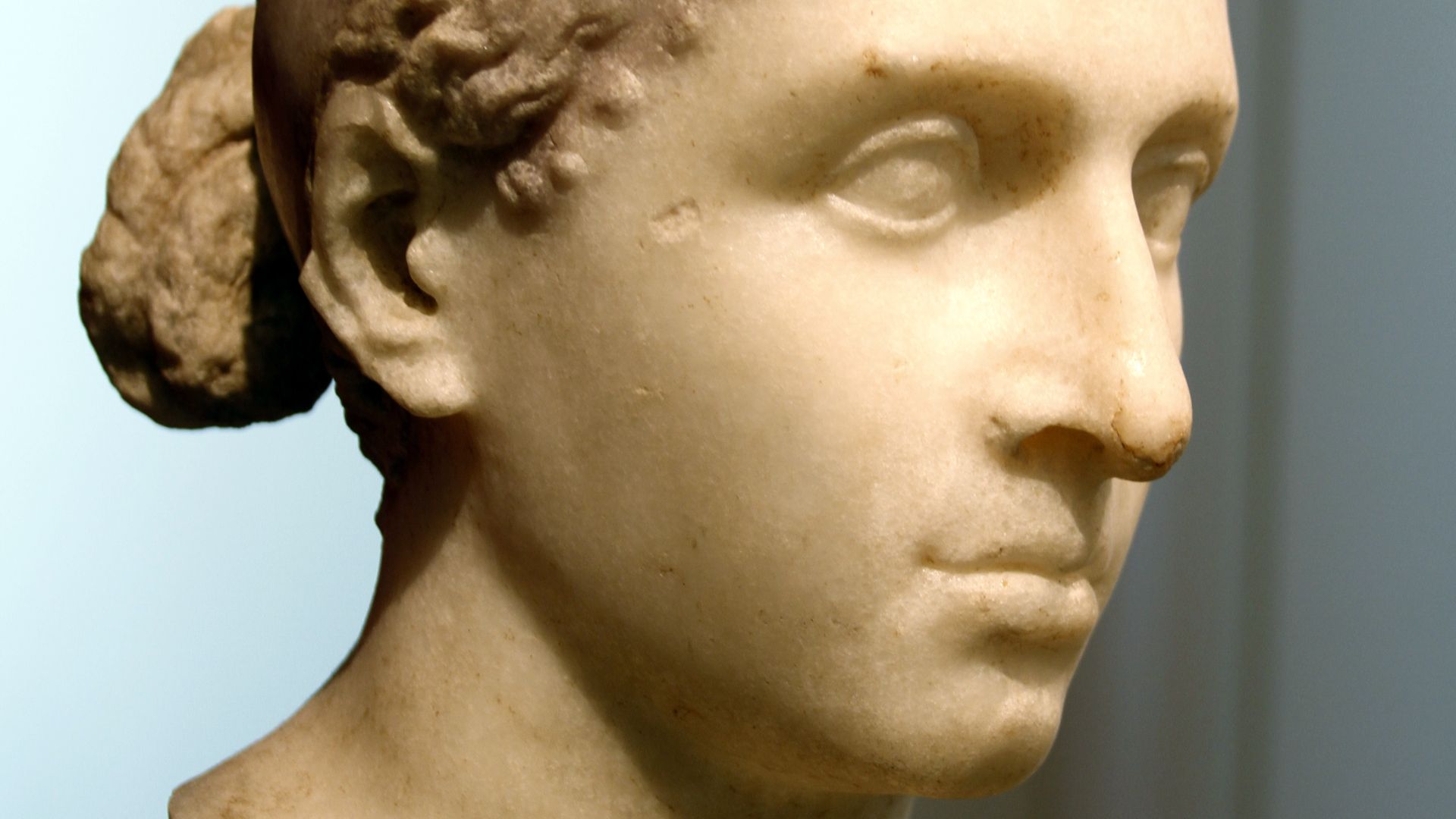
Known to us as the last Hellenistic pharaoh, Cleopatra VII’s surviving likeness exists on a collection of coins and sculptures issued during her reign. This side profile shows her having sharp, angular facial features. While cited as being quite beautiful, her likeness goes against the romantic, feminized version of her we see in popular culture.
4. Augustus
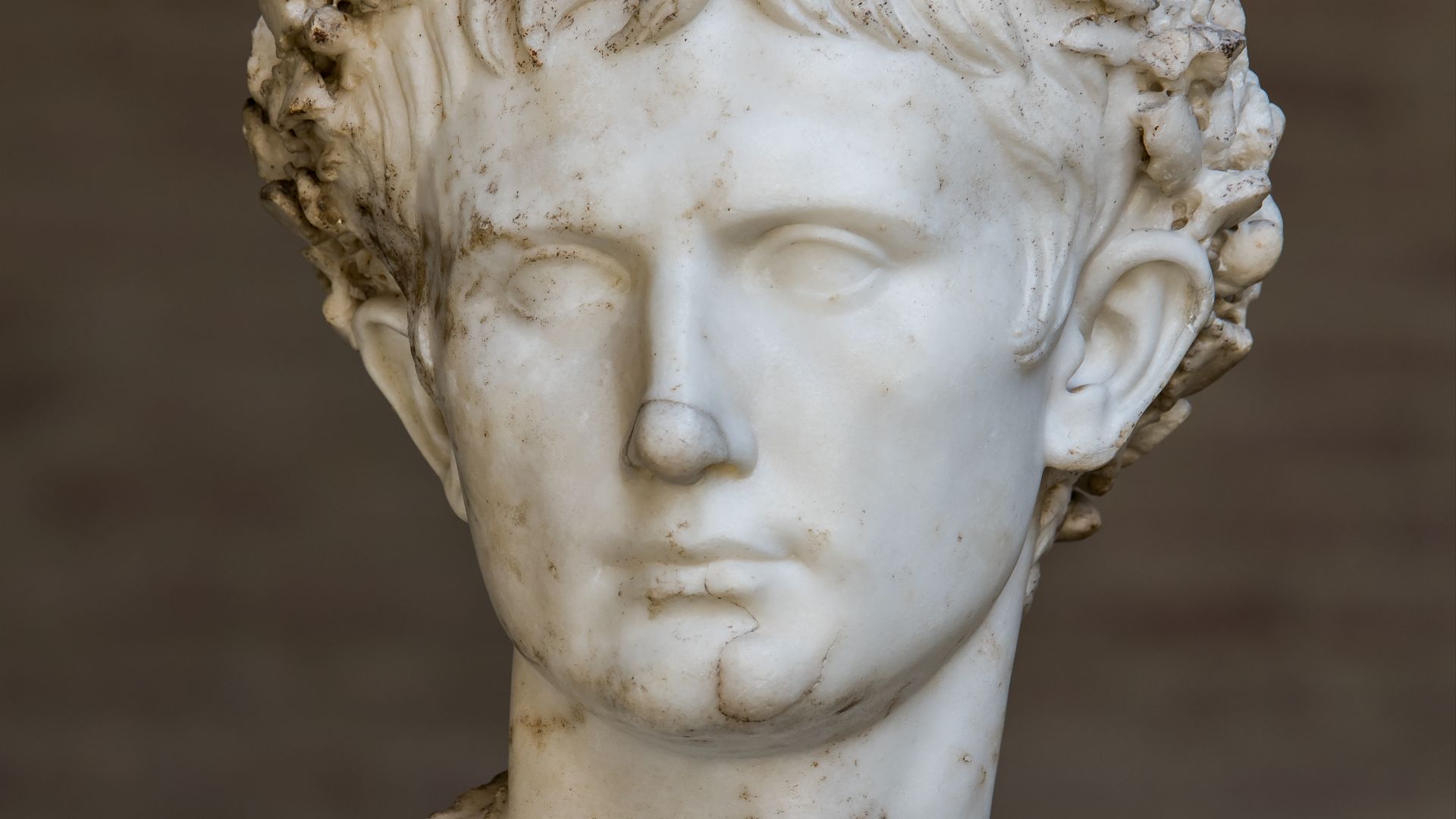
Gaius Octavius was the founder and first emperor of the Roman Empire. Many sculptures and portraits of this trailblazer depicted him eternally youthful. His strong jaw and nose are featured prominently across all renditions, pushing this image of a forever handsome first ruler of one of the world’s largest empires.
5. Empress Theodora
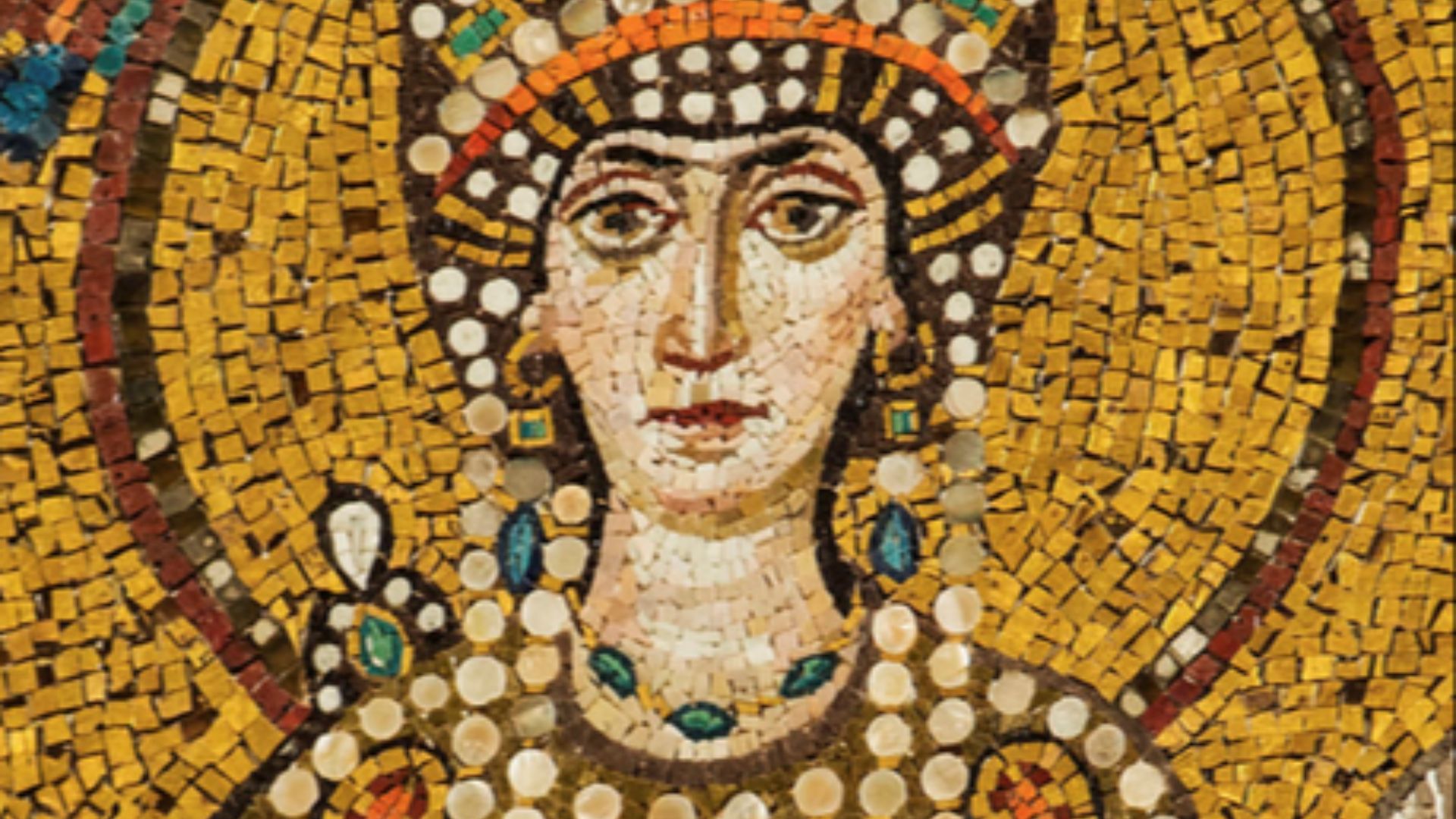
Empress Theodora appears in a famous sixth-century mosaic at Ravenna, sporting a crown, jewelry, and richly patterned clothing. The front-facing pose and the way her clothes frame her face beautifully while still conveying her authority as Eastern Roman Empress.
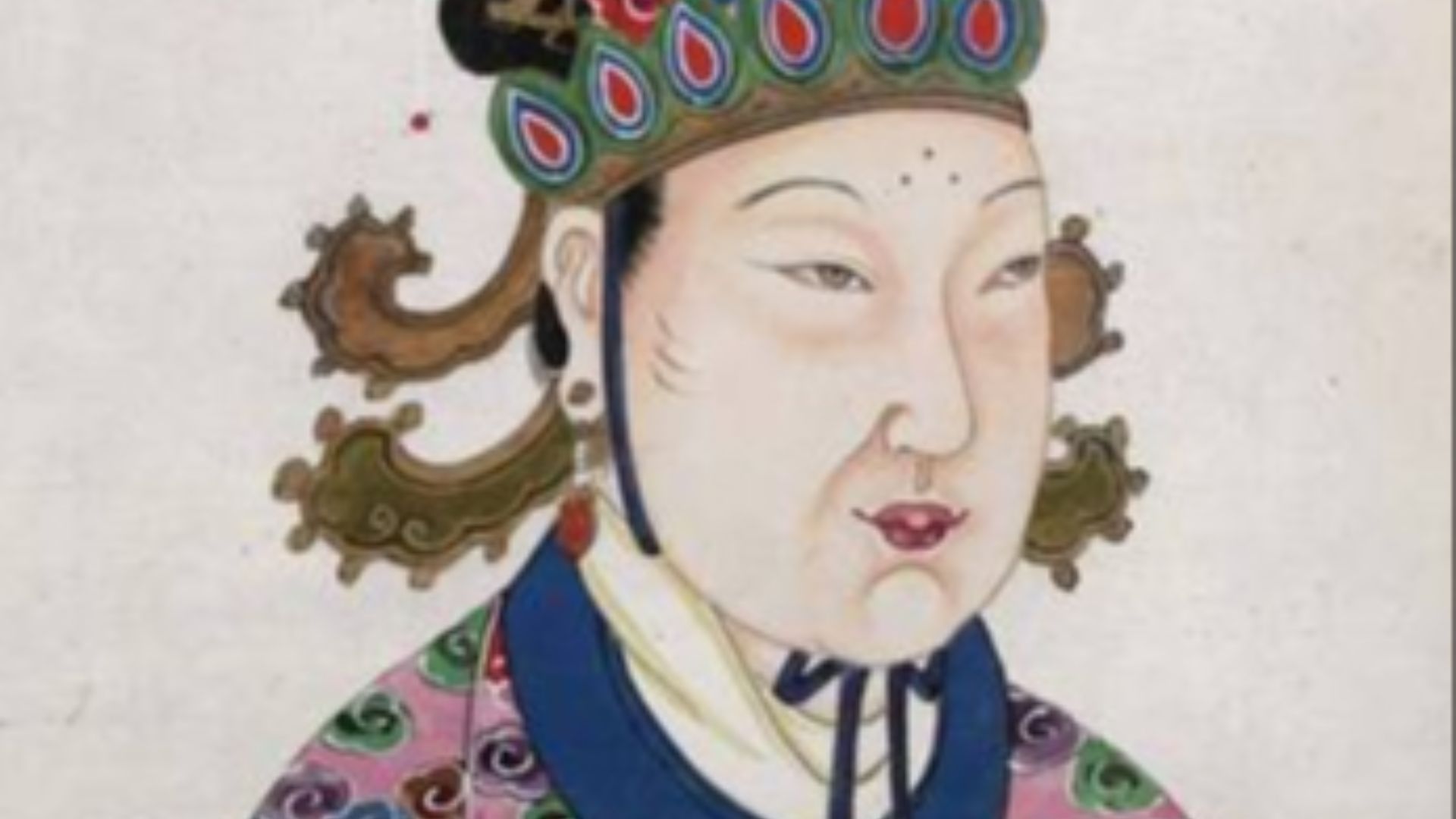
6. Wu Zetian
Wu Zetian became the only woman in Chinese history to rule in her own name as emperor, and the images of her are largely associated with her position of power. She was said to be a remarkable beauty, with striking facial features and a captivating presence.
 Unknown authorUnknown author on Wikimedia
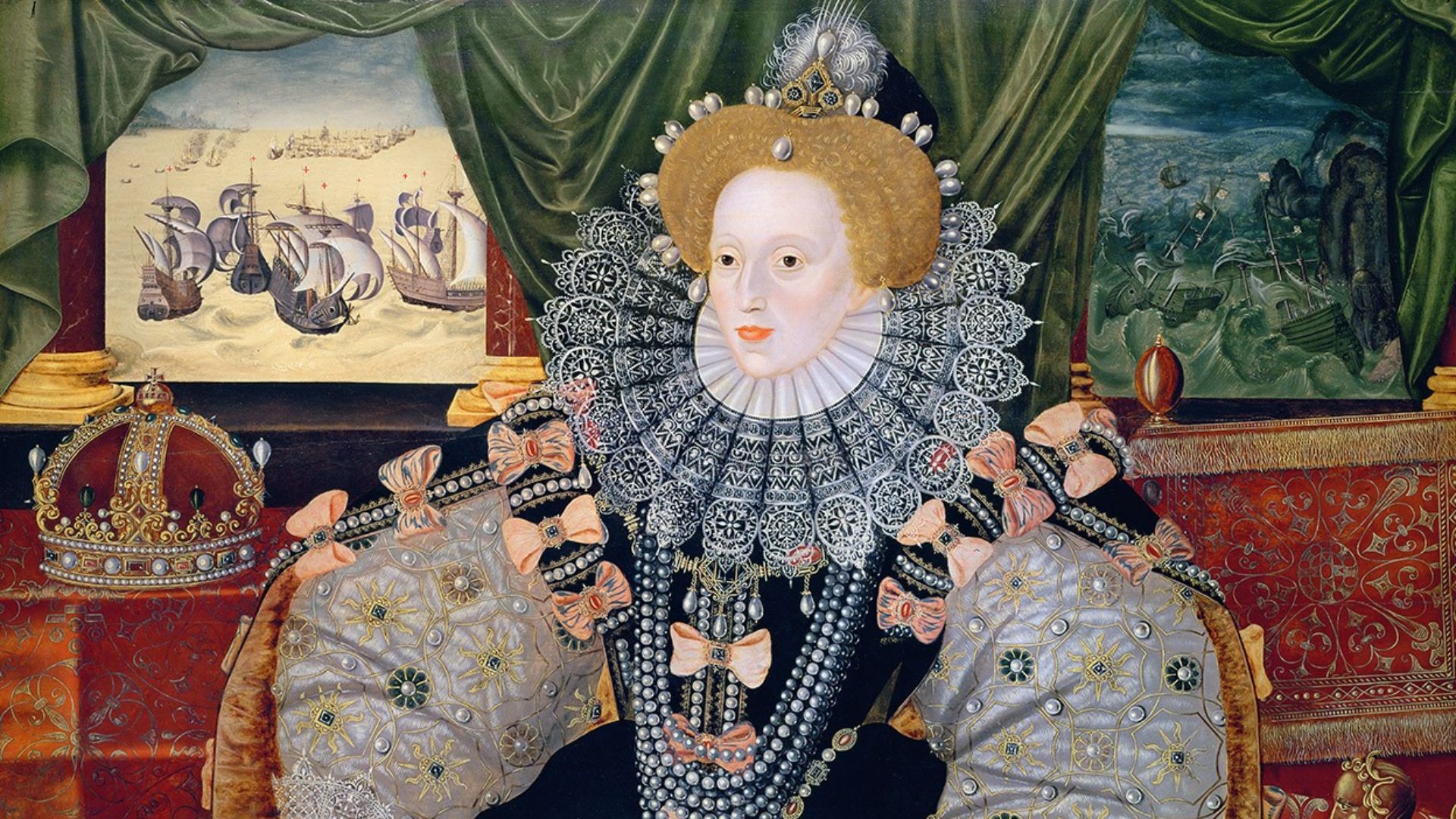
7. Elizabeth I
Like any good politician, Elizabeth I knew that public image was part of ruling, and her official portraits reflected that. Elaborate ruffs, pearl jewelry, and pale cosmetics put the queen’s face inside a theatrical frame. While her very pale skin and high hairline may not be common beauty standards today, it was all the rage in the Victorian era.
 Formerly attributed to George Gower on Wikimedia
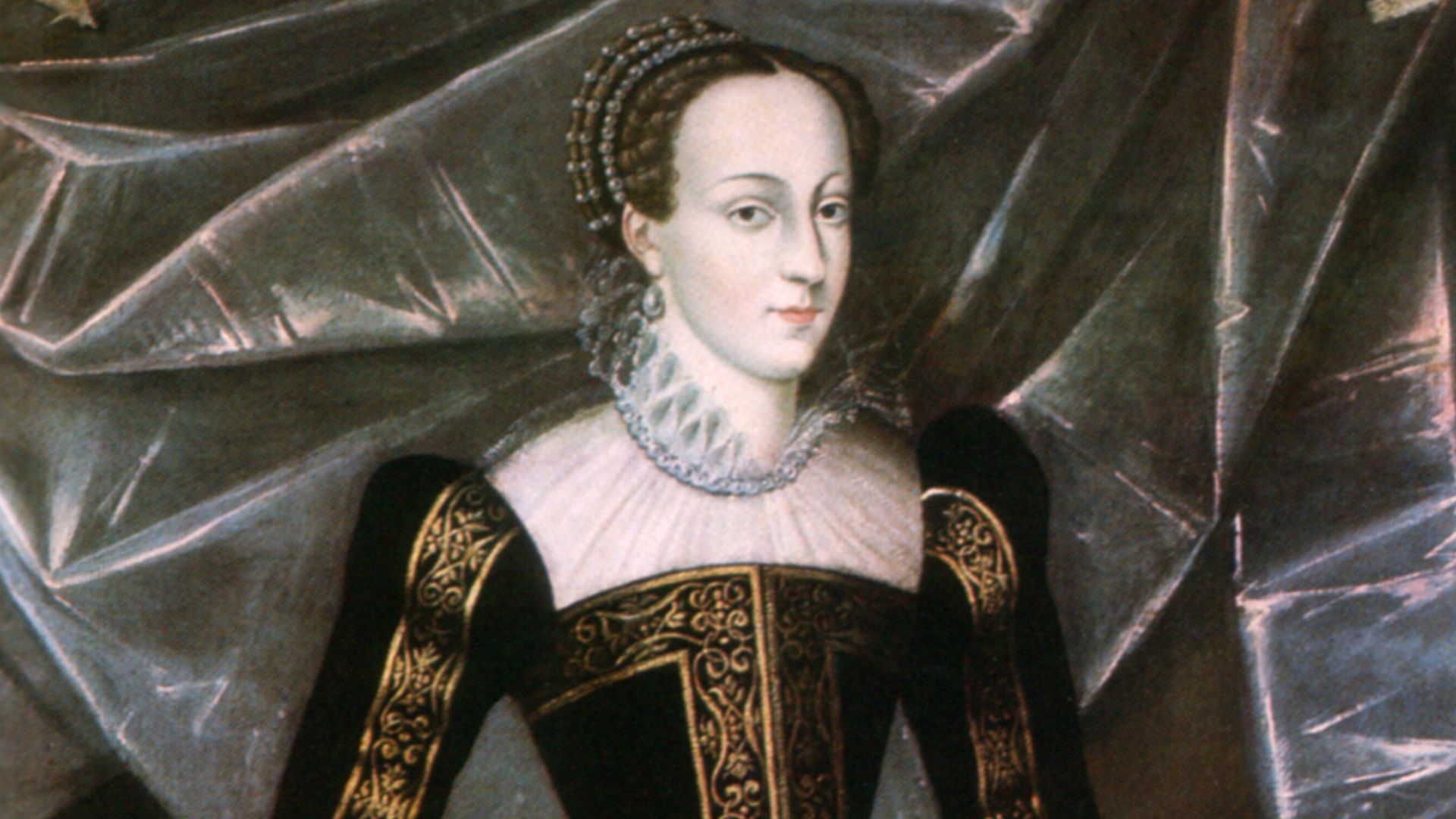
8. Mary, Queen of Scots
Mary, Queen of Scots spent much of her youth at the French court, and her surviving portraits reflect the polished, formal style of 16th-century royal image-making. She’s depicted with an oval-shaped face, a strong nose and doeish eyes.
 Unidentified painter on Wikimedia
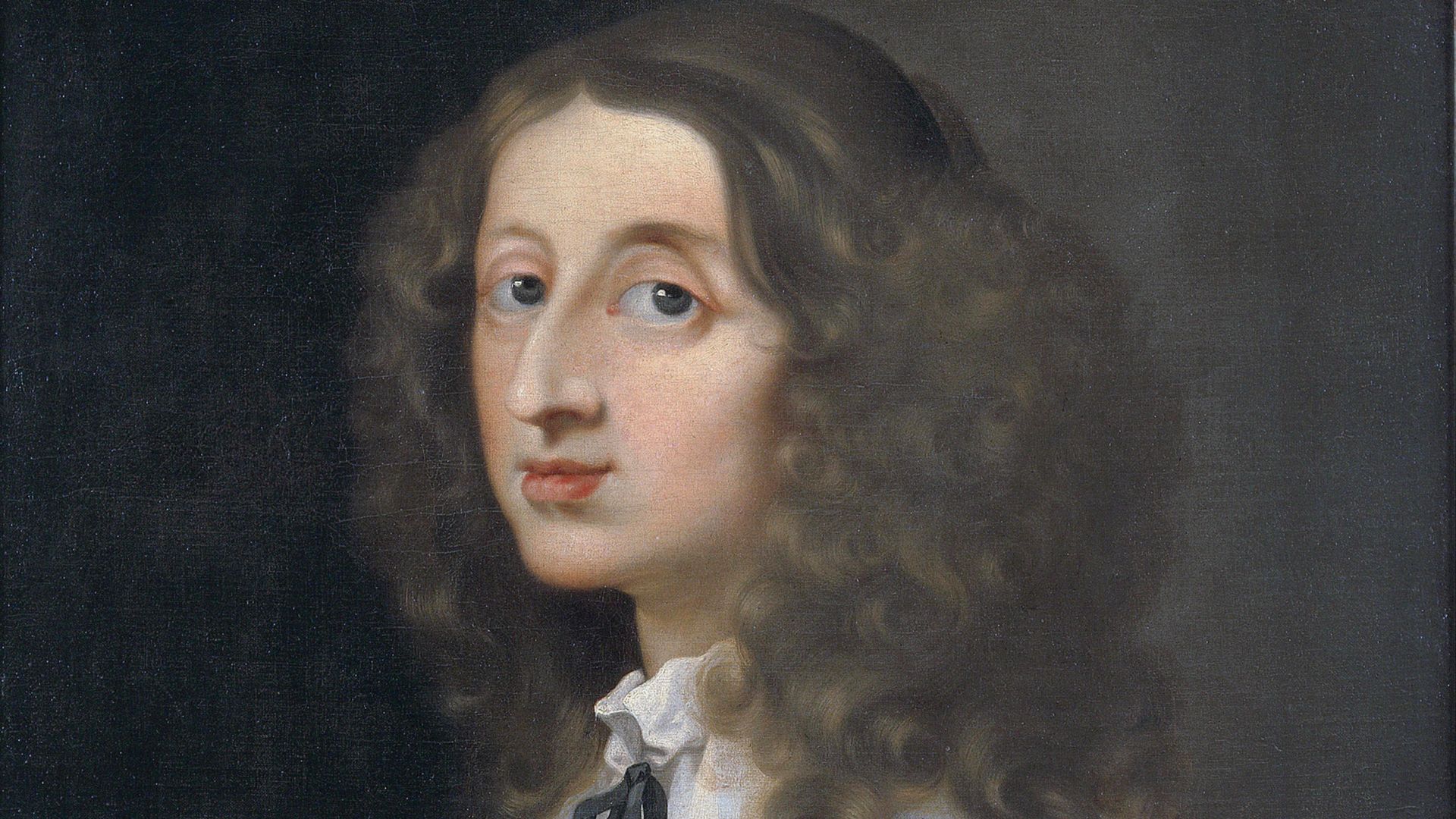
9. Queen Christina
Queen Christina of Sweden took the throne as a child and abdicated as an adult, leaving behind portraits that don’t fit the soft, conventional royal ideal. Her high forehead, close-cropped curls, and direct expression make her quite striking.
 Sébastien Bourdon on Wikimedia
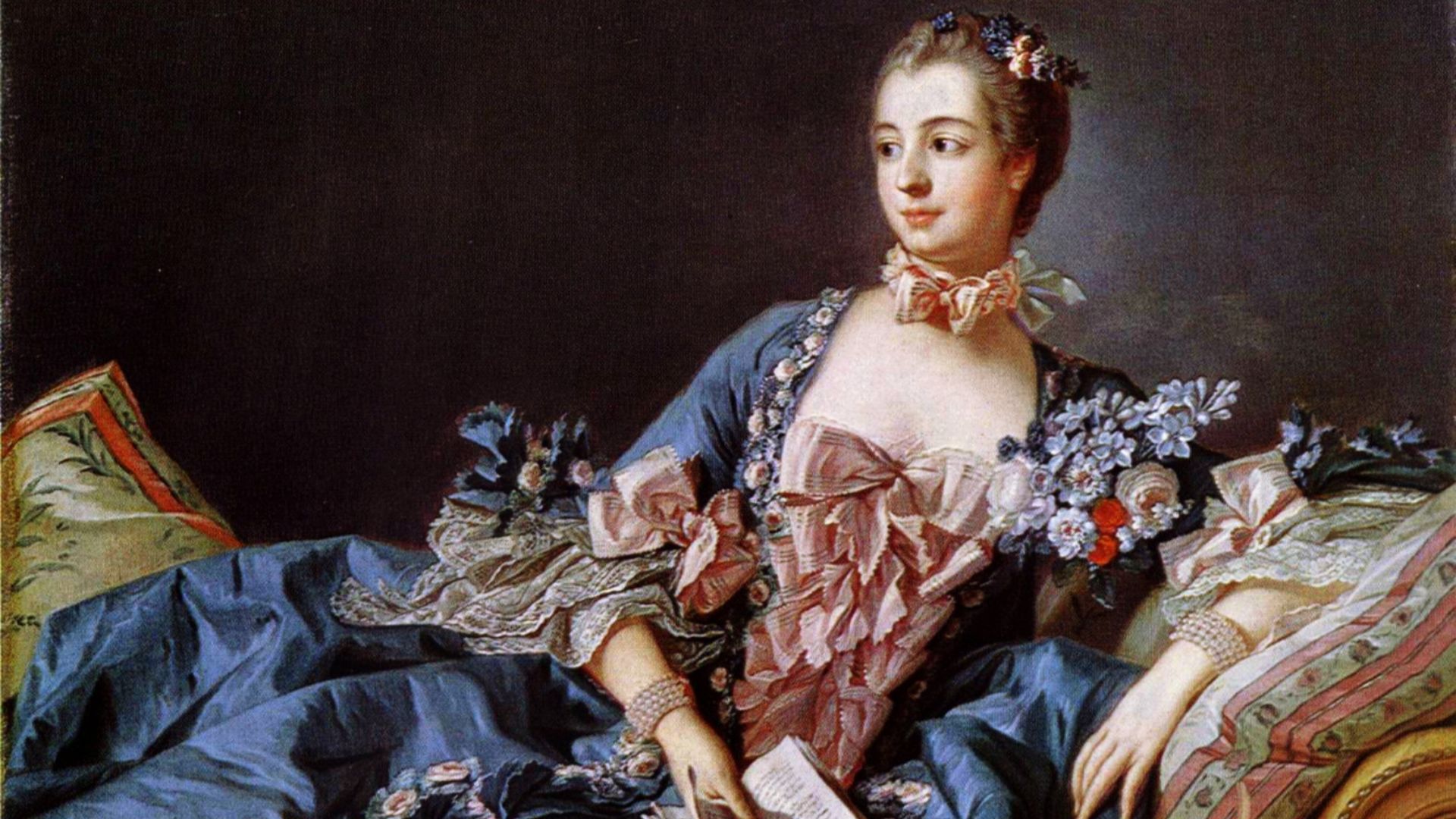
10. Madame de Pompadour
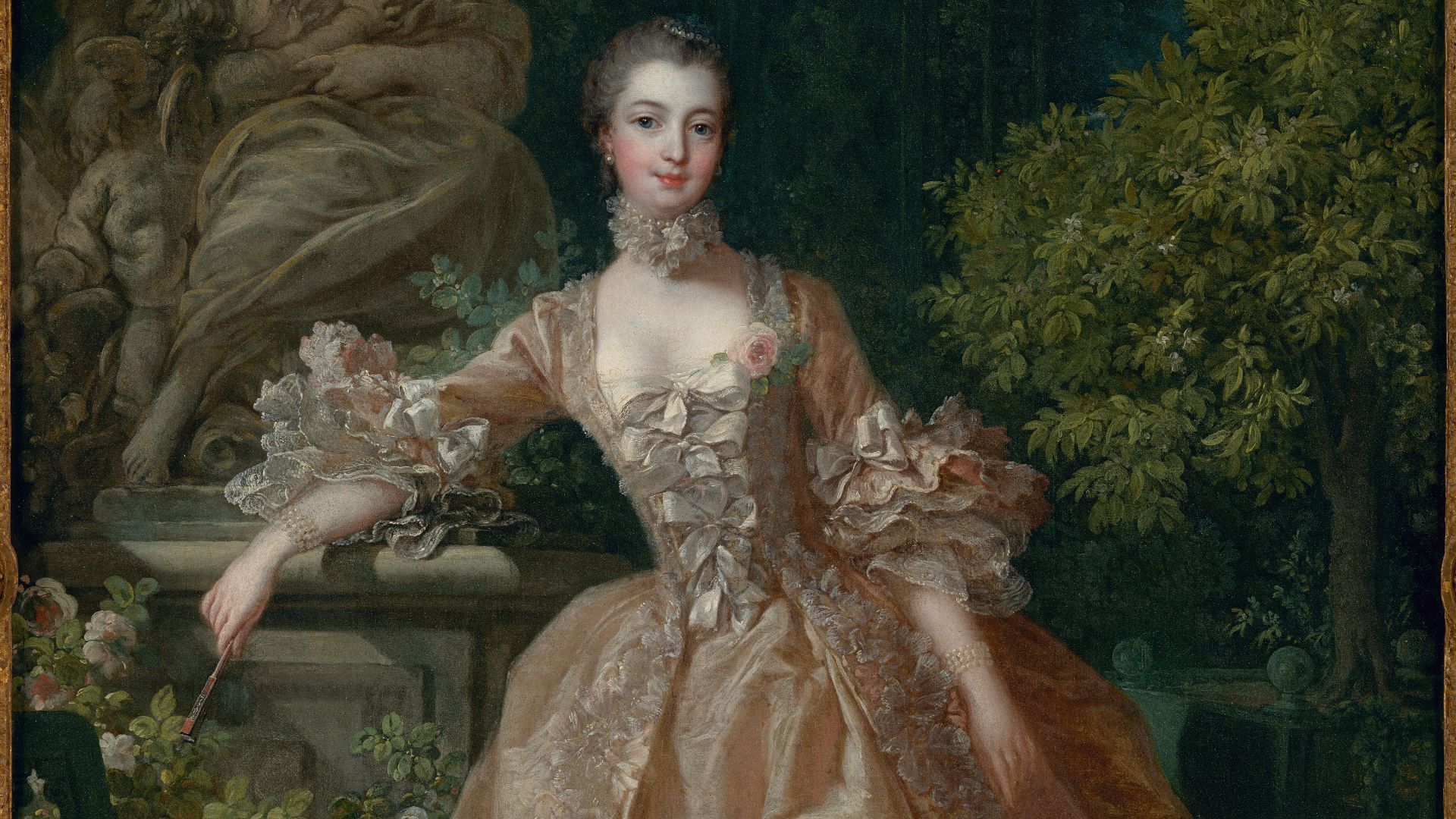
Madame de Pompadour was a major patron of the arts and an important figure at the French court. She’s often depicted with pearls, bows, books, flowers, and silk fabrics, but the real masterpiece was her face. Her cherub-like features and excellent fashion sense tell us that she was quite a beauty in her prime.
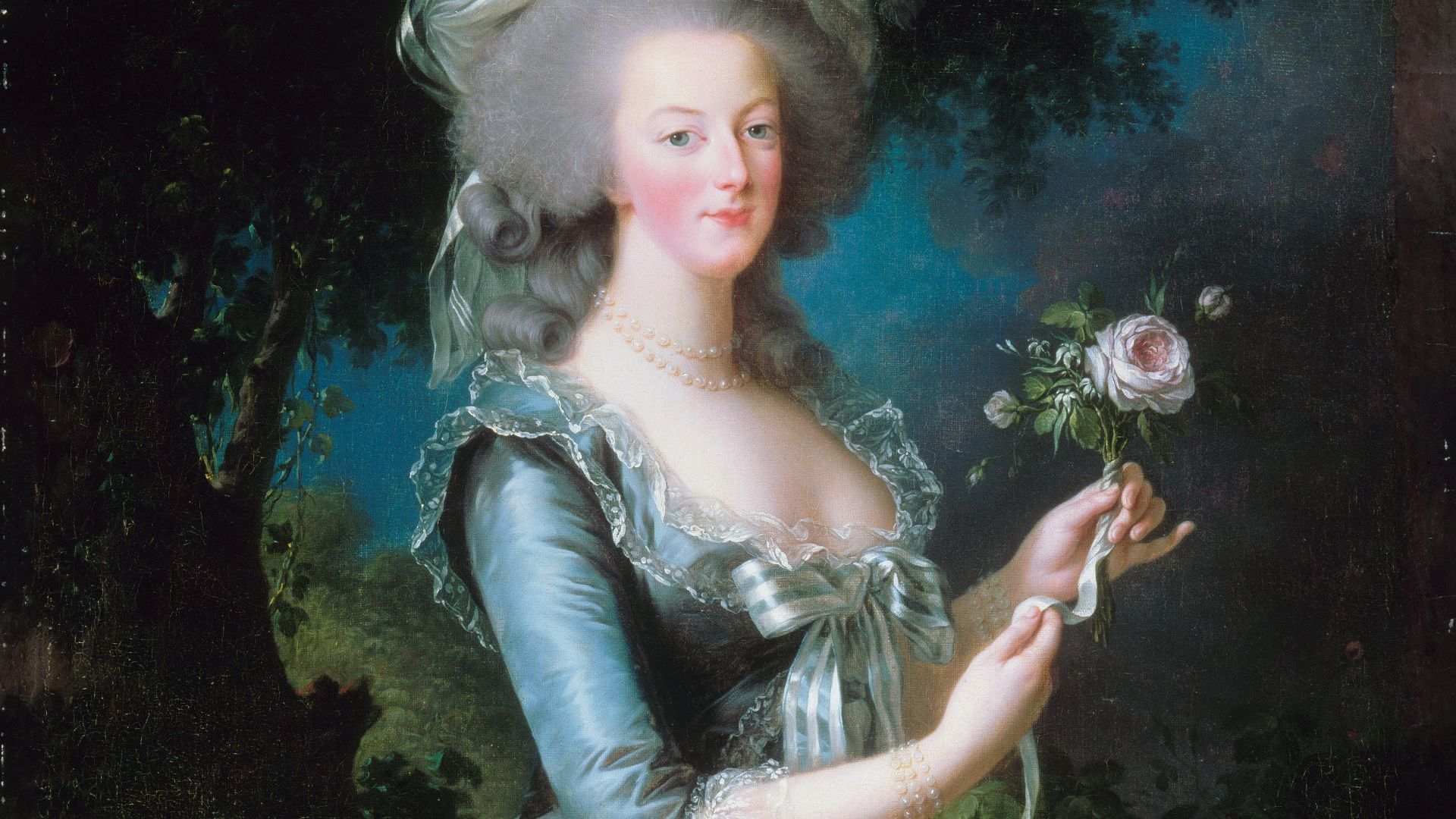
11. Marie Antoinette
Like Madame de Pompadour, Marie Antoinette’s portraits showed her in many lace and frills. While she was often scrutinized by the public, there’s no doubting that she was stunning.
 Élisabeth Louise Vigée Le Brun on Wikimedia
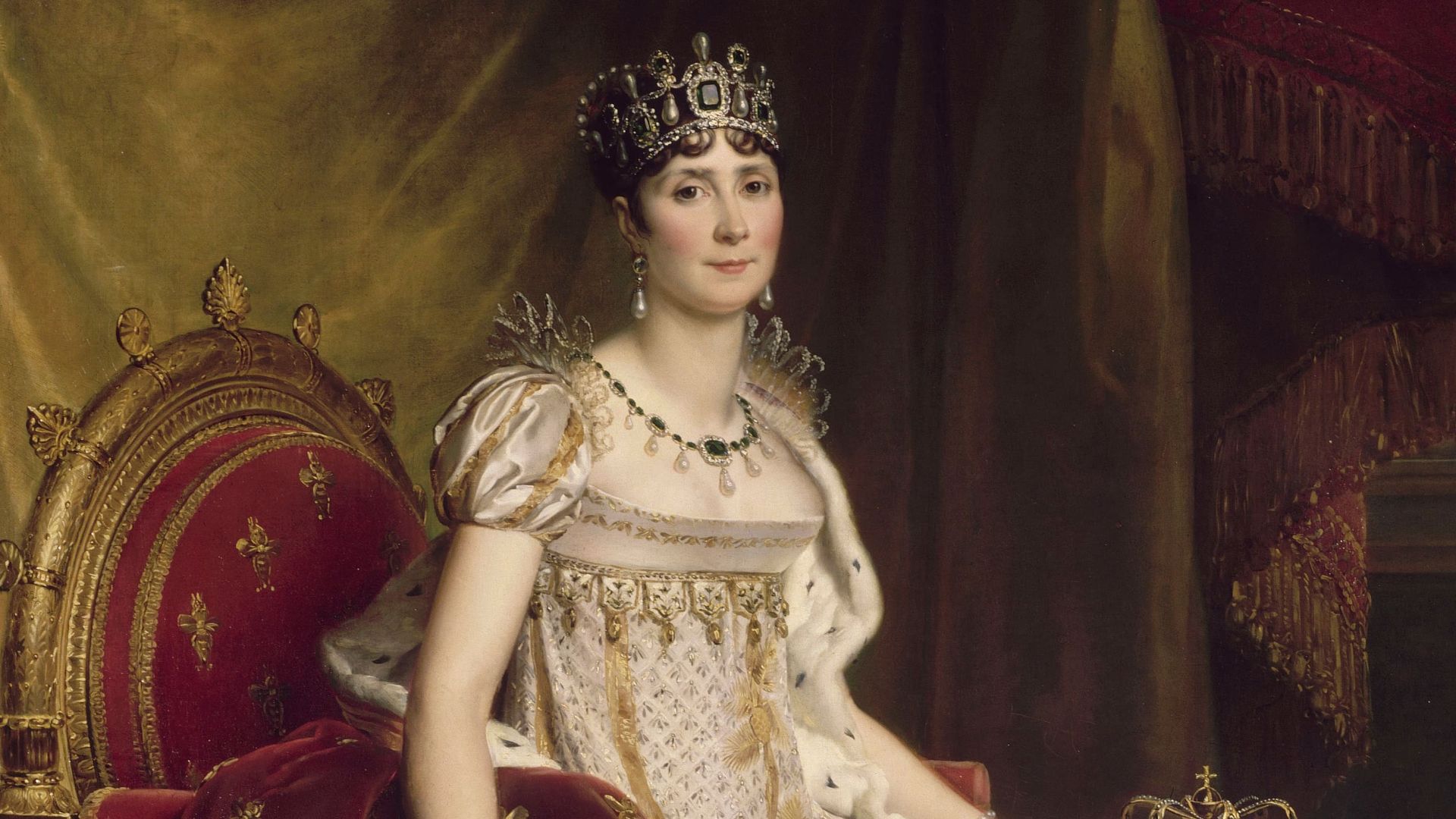
12. Joséphine Bonaparte
After marrying Napoleon, Joséphine Bonaparte became Empress of the French, and official portraits often place her in high-waisted white gowns that defined the Empire style. Her soft facial features and gentle curls give her a romantic and naturally beautiful feel.
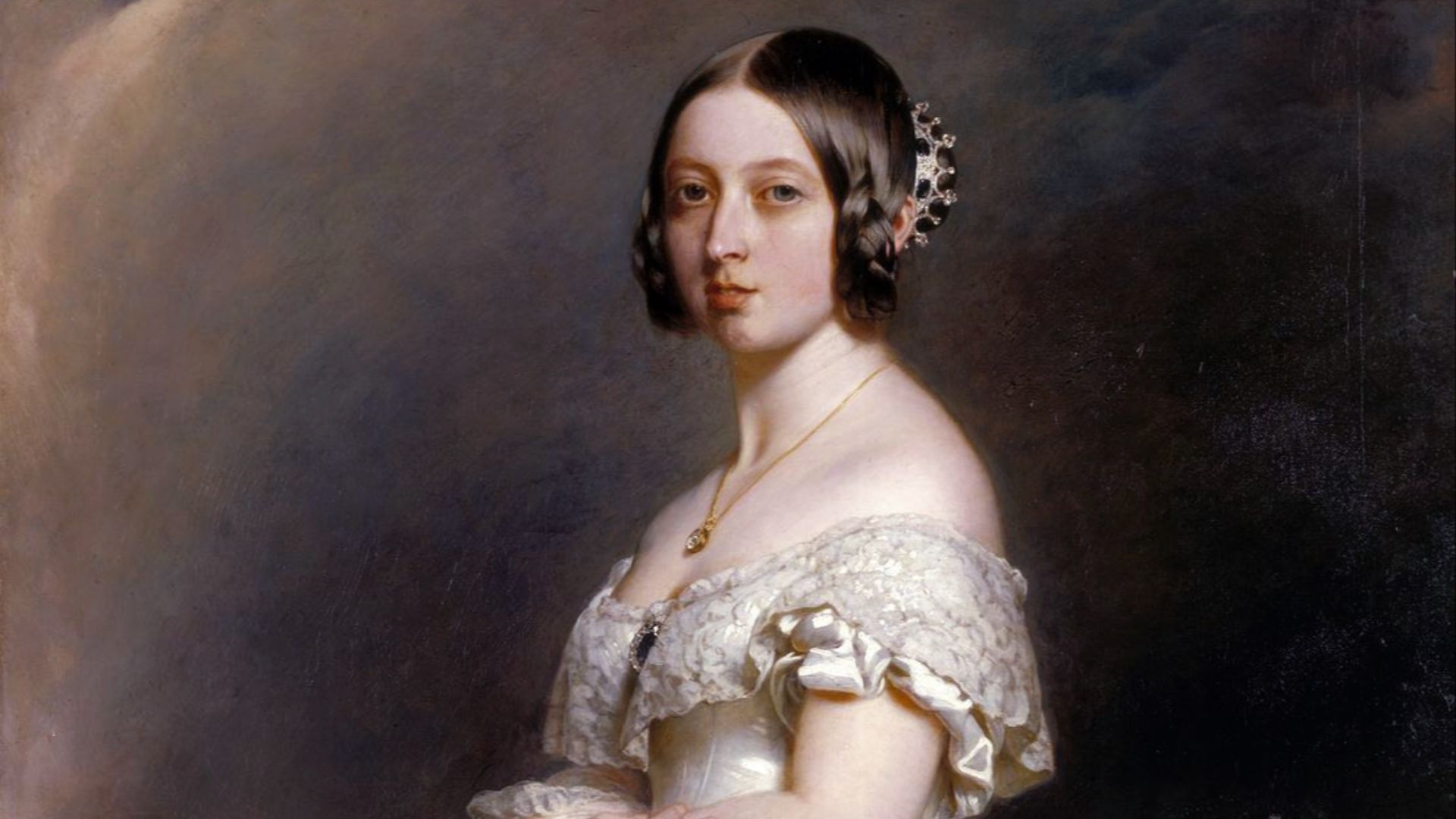
13. Queen Victoria
Queen Victoria reigned through the rise of photography, so the public could see her image change from young monarch to widow and matriarch. While looking a little matronly later in life, her rounded face and striking eyes continued to showcase just how powerful she really was.
 Franz Xaver Winterhalter on Wikimedia
14. Empress Elisabeth
Empress Elisabeth of Austria built a celebrated public image around her exceptionally long hair and slim silhouette. In photographs and paintings, that hair frames her face and draws attention to her delicate profile and the long line of her neck.
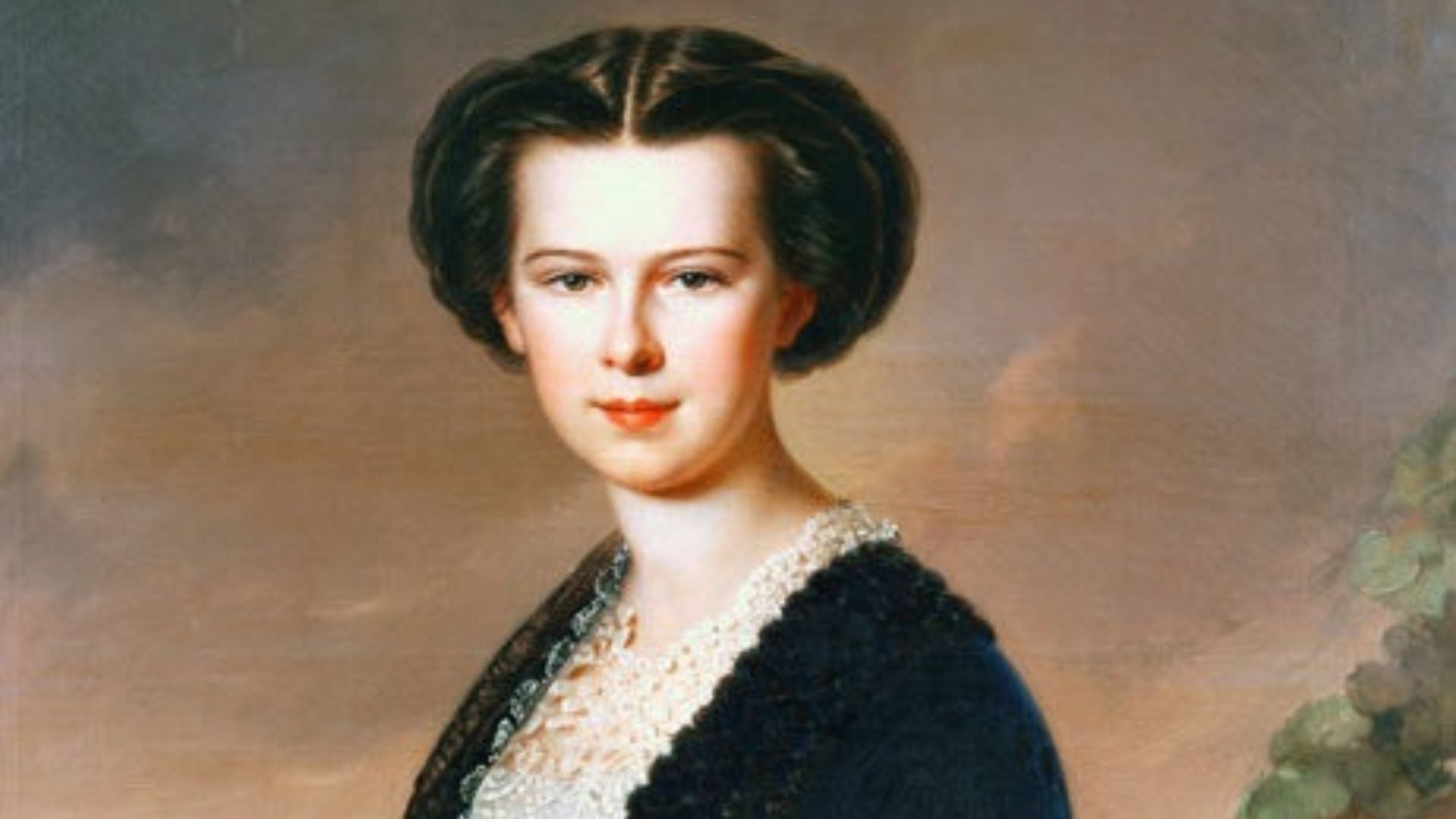 After Anton Einsle on Wikimedia
15. Frederick Douglass
Frederick Douglass understood that photography could be a powerful form of self-representation, and he sat for portraits throughout his life. His images are notably formal, with a level gaze, dark suit, and controlled expression that make every detail of his face feel deliberate.
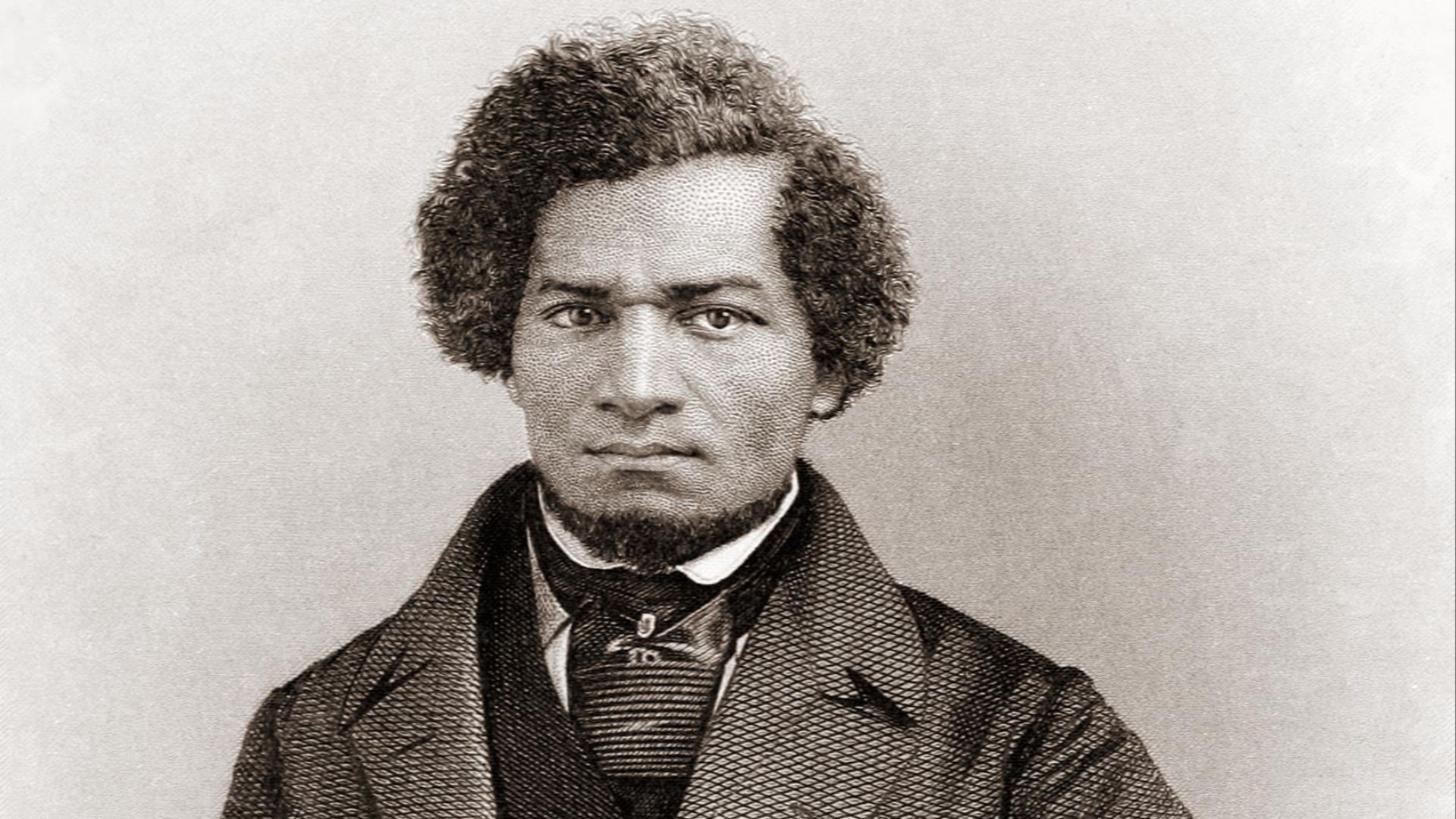 Engraved by J.C. Buttre from a daguerreotype. on Wikimedia
16. Sojourner Truth
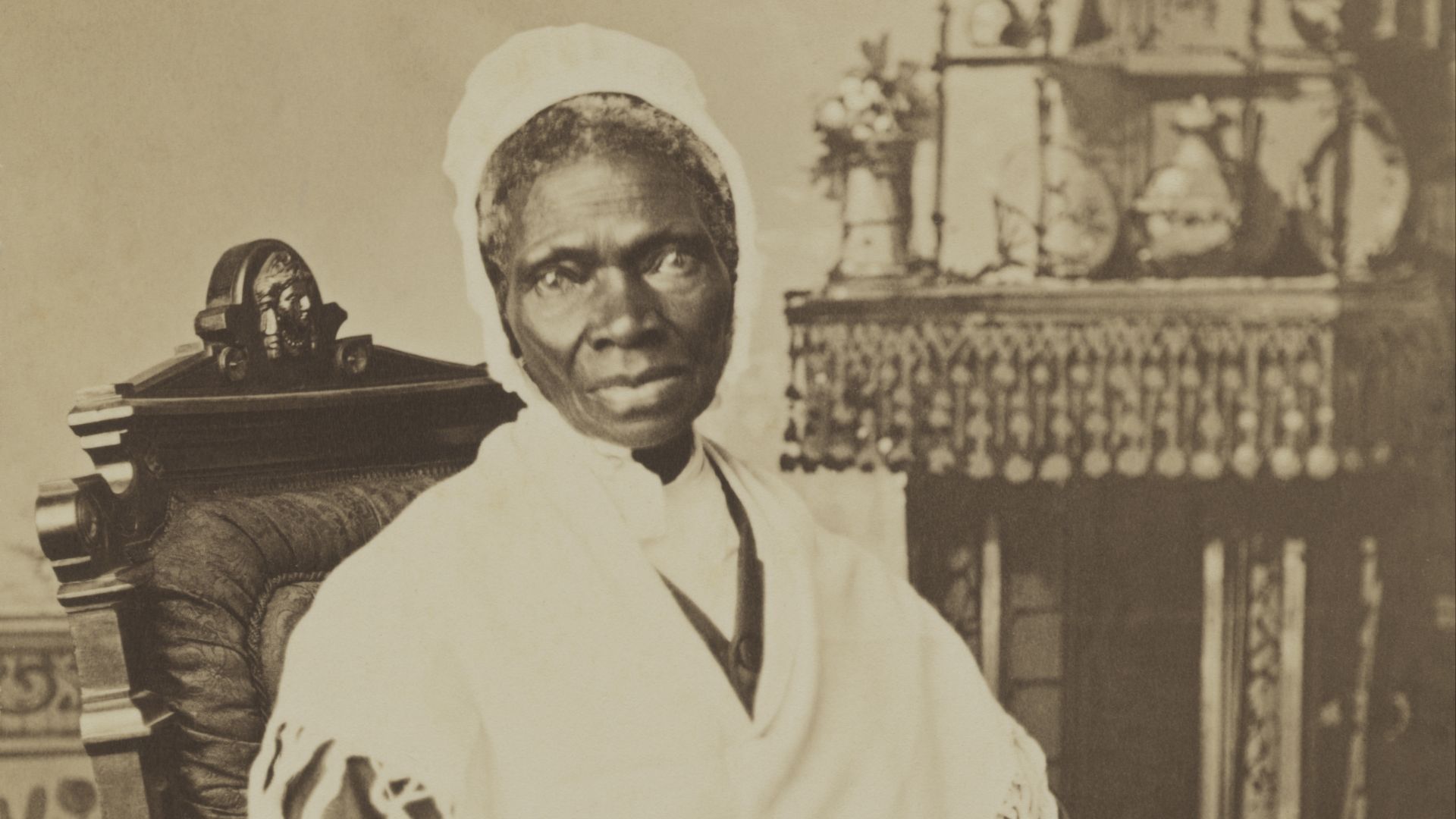
Sojourner Truth sold photographic portraits as part of her work and used the income to support herself and her activism. In many images, a bonnet, shawl, and upright posture create a composed frame that draws attention straight to her face and gives the photograph a calm, formal feel.
17. Ida B. Wells
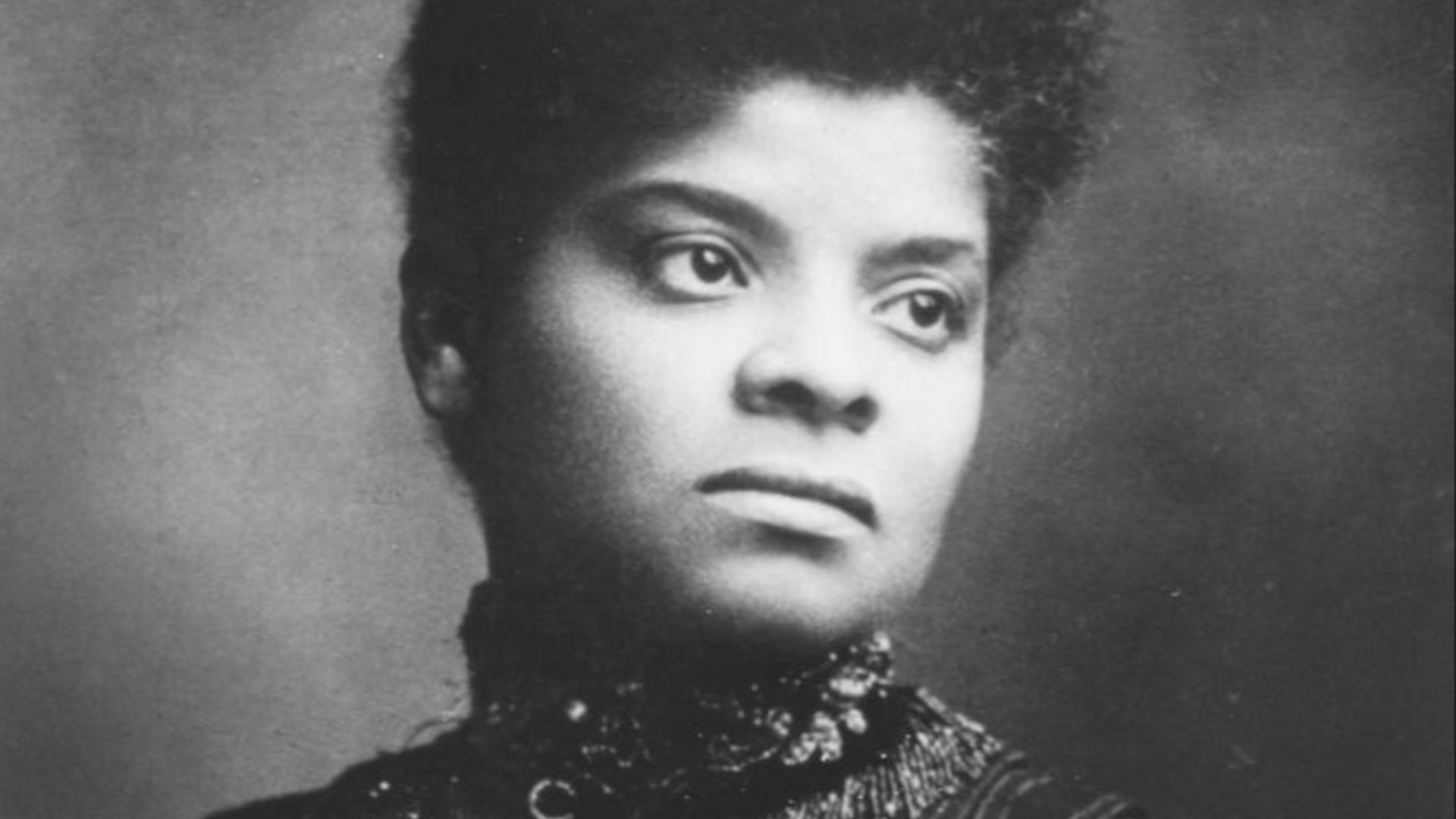
Ida B. Wells used a polished public image alongside her work as a journalist and activist. Her portraits often show a neat hairstyle and high-collared clothing around an alert, direct expression, giving the image a clean, modern structure.
18. Frida Kahlo
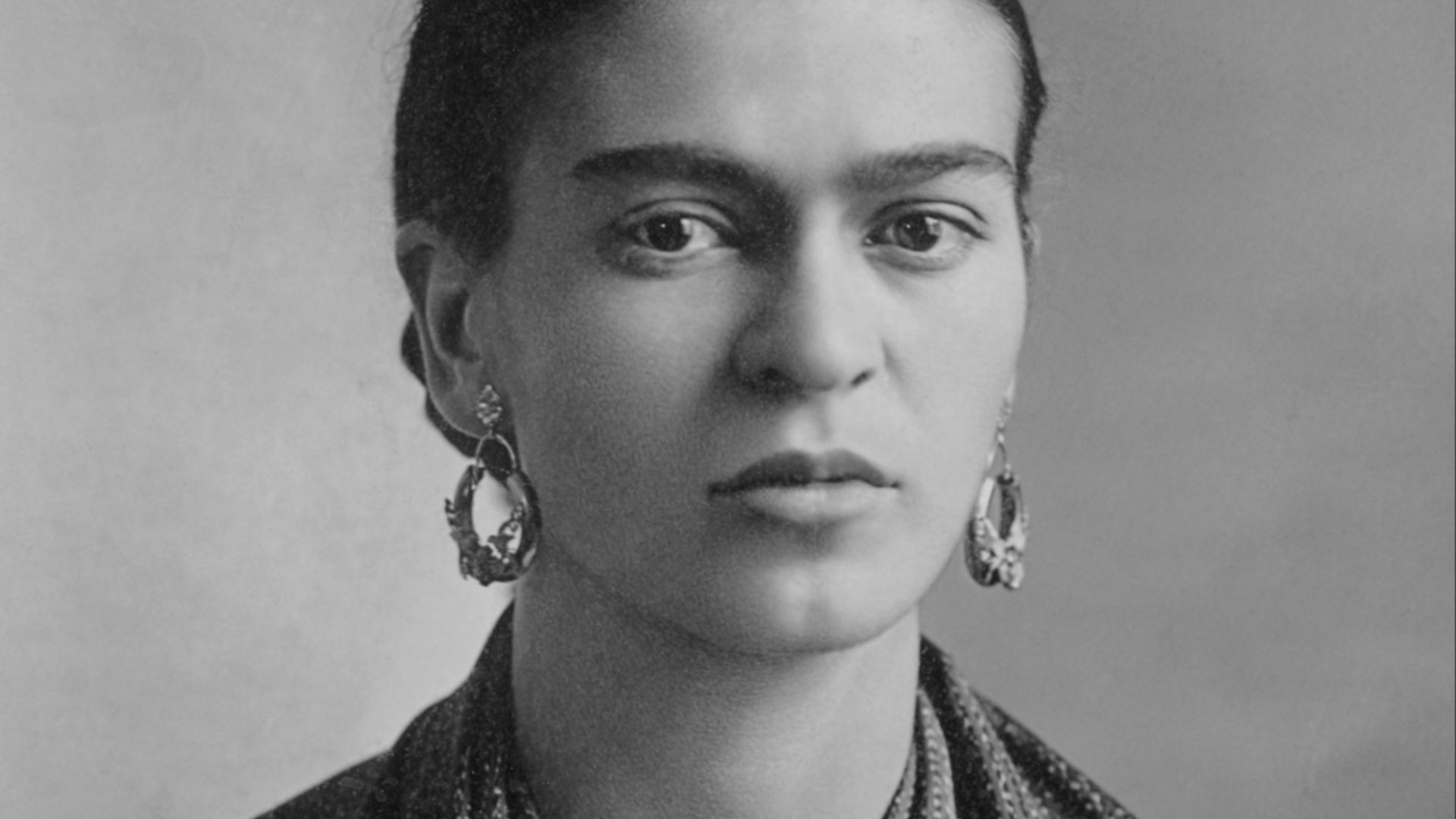
Self-portraiture was central to Frida Kahlo’s art, leaving a personal record of the face she chose to show the world. Her brows, braids, jewelry, and flowers were part of a visual language that made her individuality look fully deliberate.
19. Georgia O’Keeffe
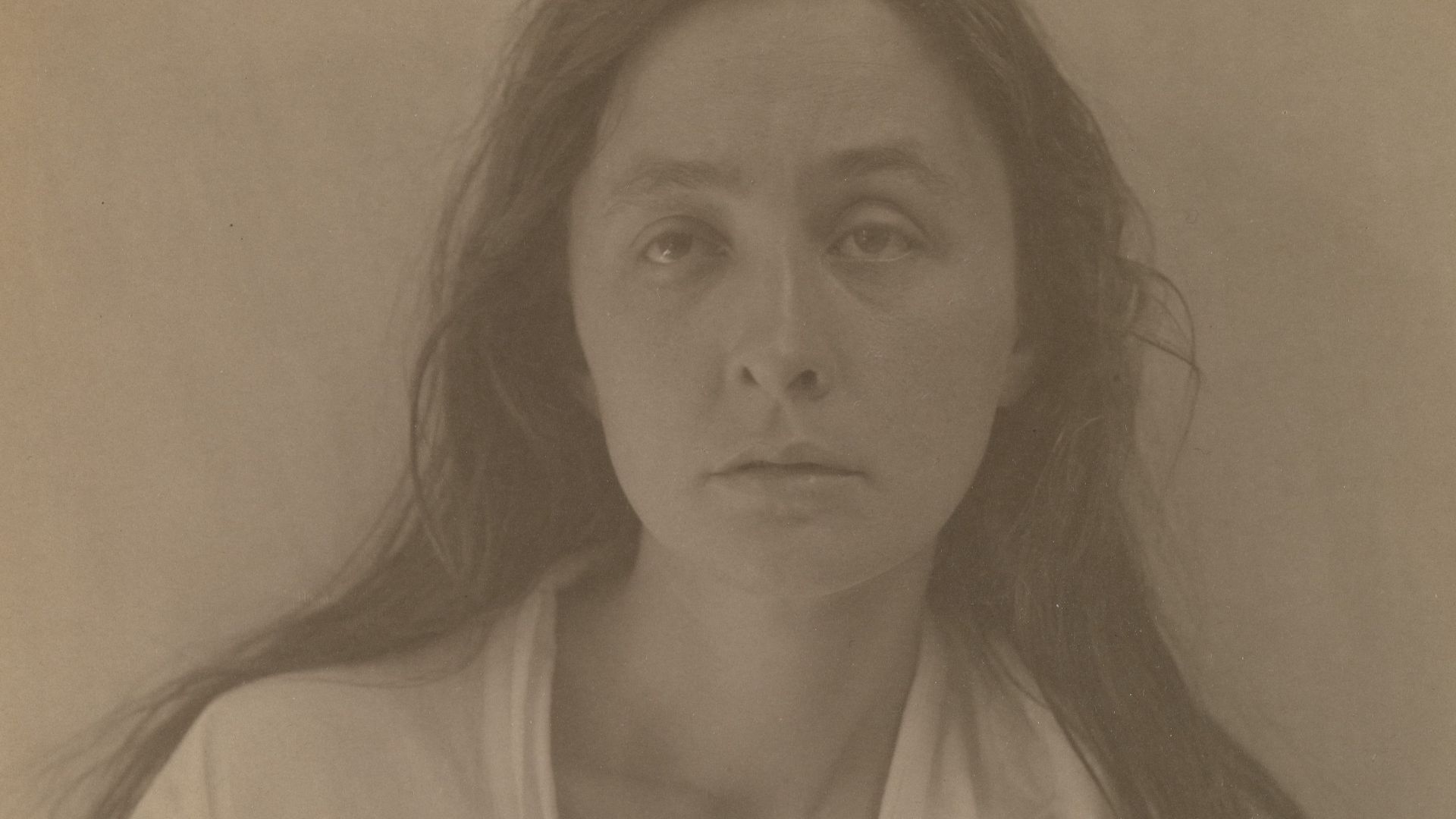
Georgia O’Keeffe’s public image was shaped by both paintings and photographs, and her later portraits are especially known for pared-back clothing and spare surroundings. That simplicity puts the attention back on her unmistakable presence, showing how much restraint can do.
20. Zora Neale Hurston
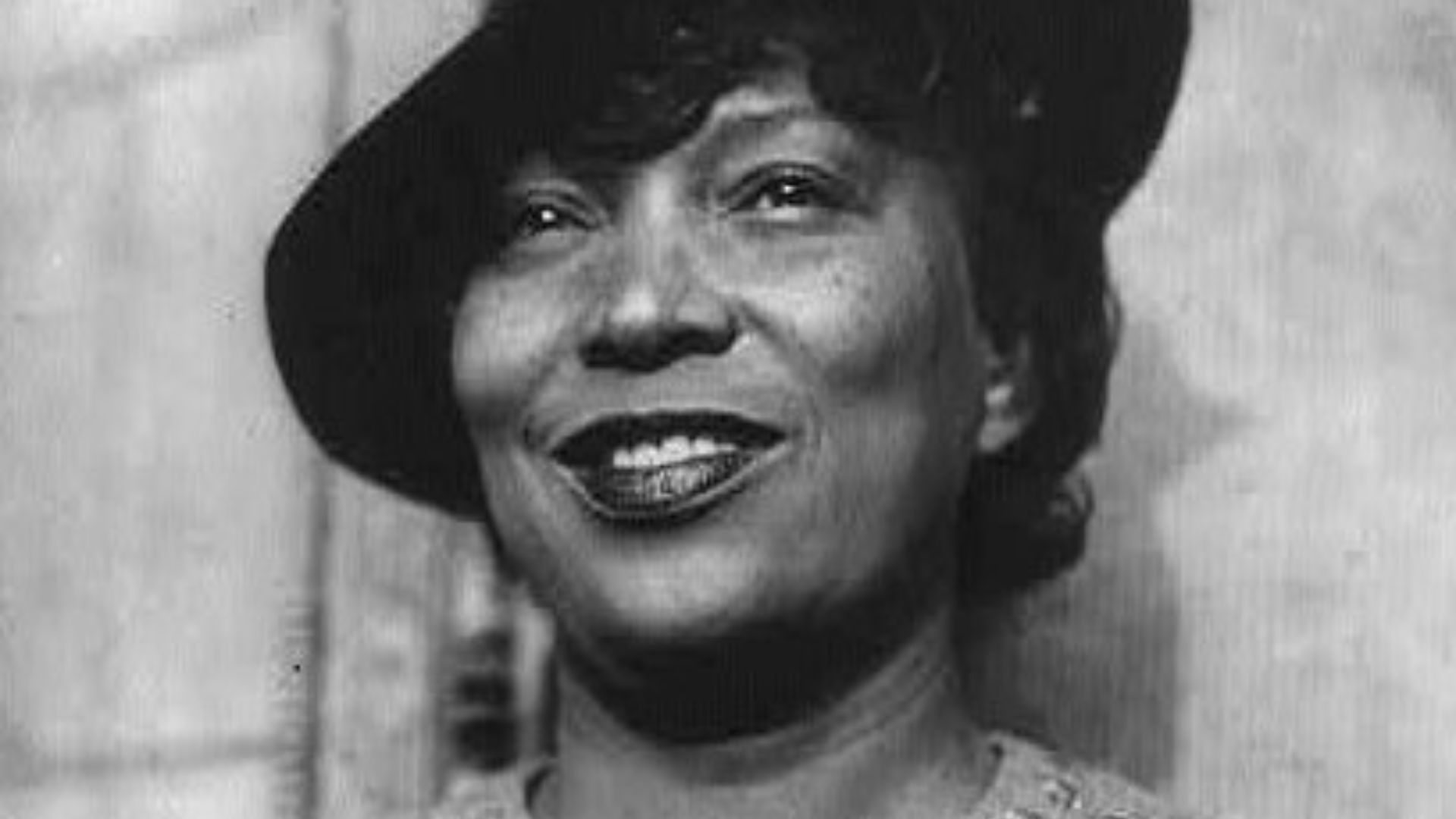
Zora Neale Hurston’s photographs show a writer and anthropologist who was fully at ease with a camera. Whether she wears a hat, a scarf, or a simple dress, the image doesn’t feel overworked, and her expression carries it with relaxed confidence.
 Unknown authorUnknown author on Wikimedia