When Utility Stopped Being Just Utility
Workwear was never designed to impress anyone. It was built to hold up, break in, get dirty, and keep doing its job without asking for much admiration along the way. That is part of what made fashion want it so badly. The minute style started borrowing from uniforms, chore coats, coveralls, cargo pockets, steel-toe silhouettes, and hard-wearing fabrics, the appeal was obvious: workwear came with built-in credibility, the kind that looks earned even when it has been very carefully styled. Sometimes the shift happened on runways, sometimes through designers polishing up blue-collar staples until they looked newly expensive, and sometimes through whole fashion cycles built around the fantasy of usefulness. Here are 20 times workwear became high fashion.
1. The Chore Coat
The chore coat started as practical French workwear, but fashion kept returning to it because the shape is almost annoyingly effective. Once designers began cutting it in better fabrics, sharpening the fit a little, and letting that boxy structure read as intentional rather than purely functional, it stopped looking like a work jacket and started looking like taste.
2. Carpenter Pants
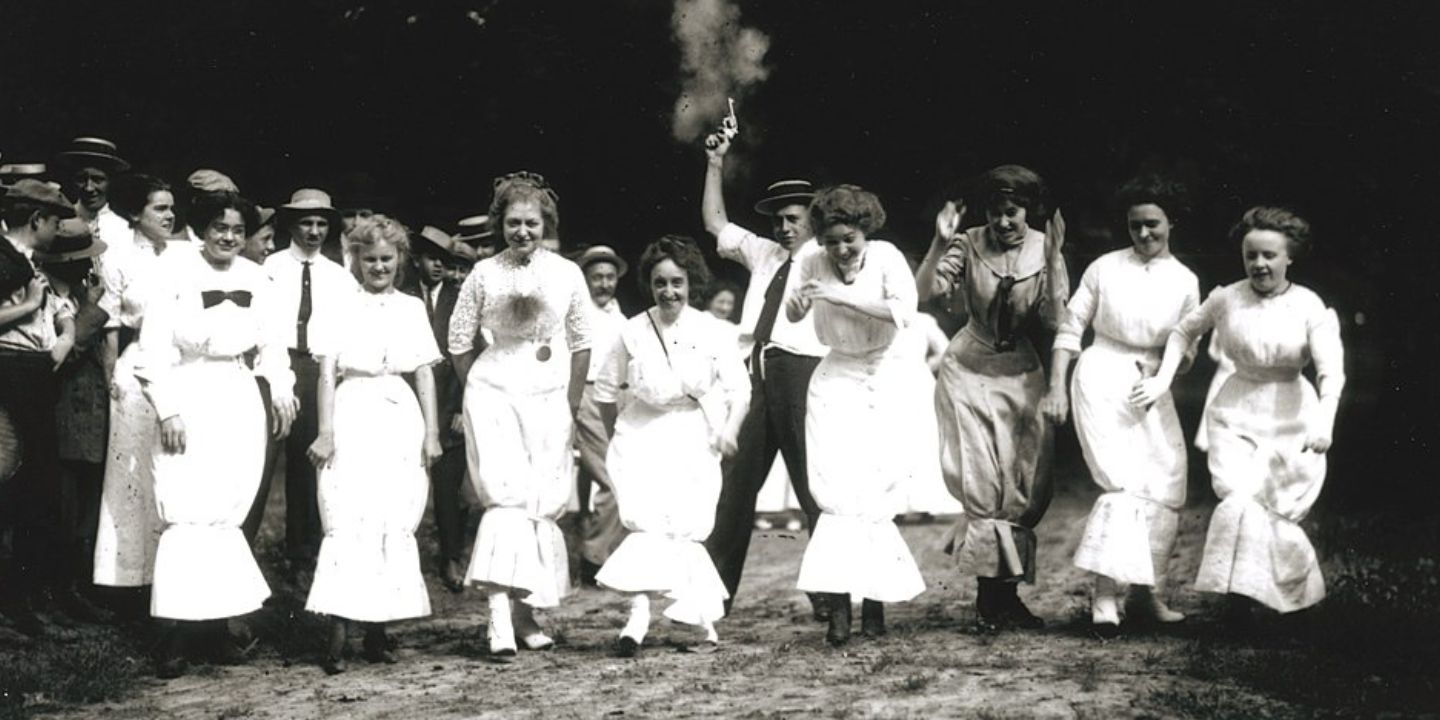
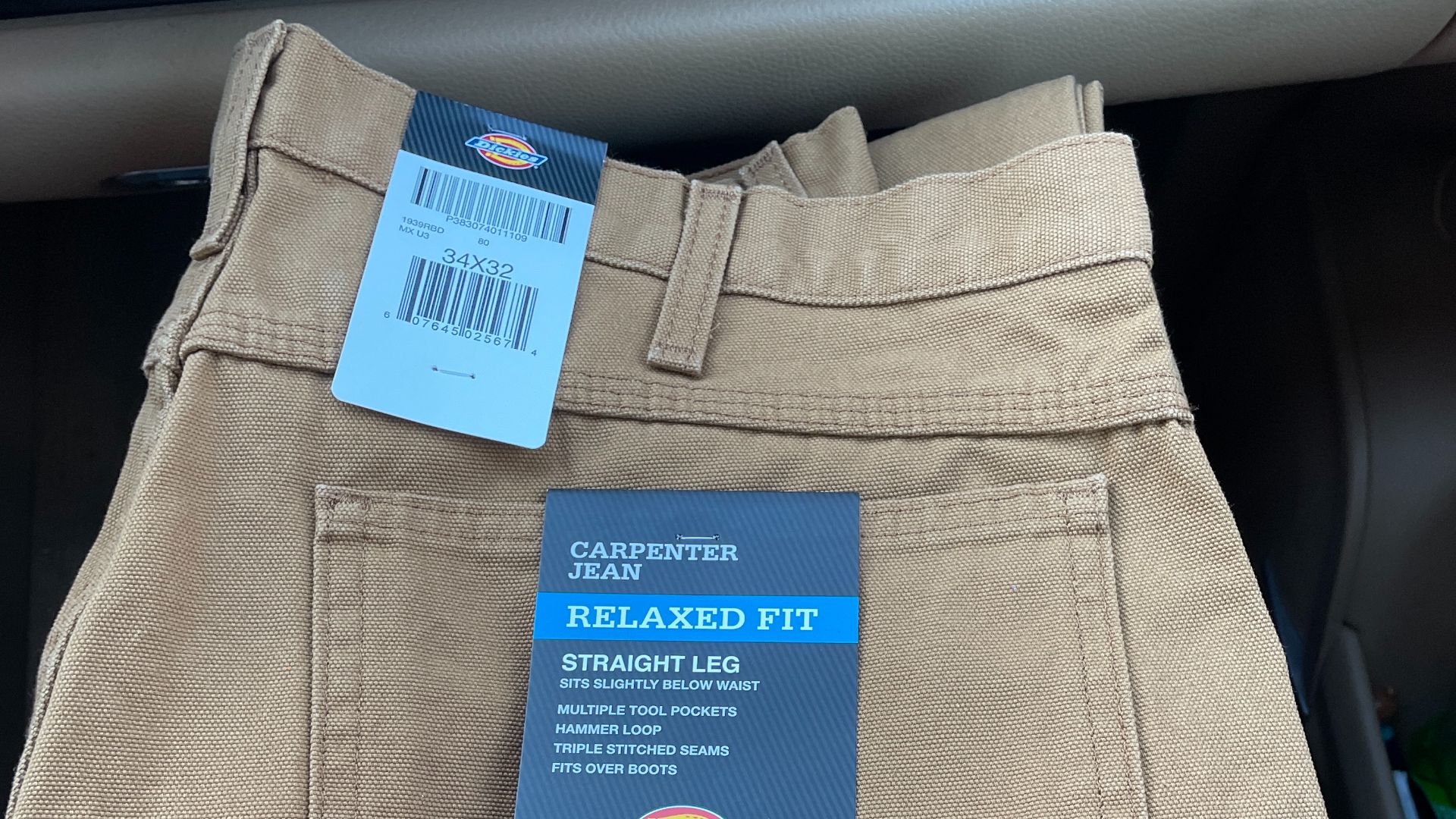
Carpenter pants were built around movement, tools, and durability, not elegance. Then fashion took the loops, the reinforced seams, the loose leg, and the whole unbothered silhouette and turned them into something directional. The appeal was never subtle—it was the pleasure of wearing something that looked like it had a purpose, even when the only tool involved was a phone.
 commons.wikimedia.org on Google
3. The Boiler Suit
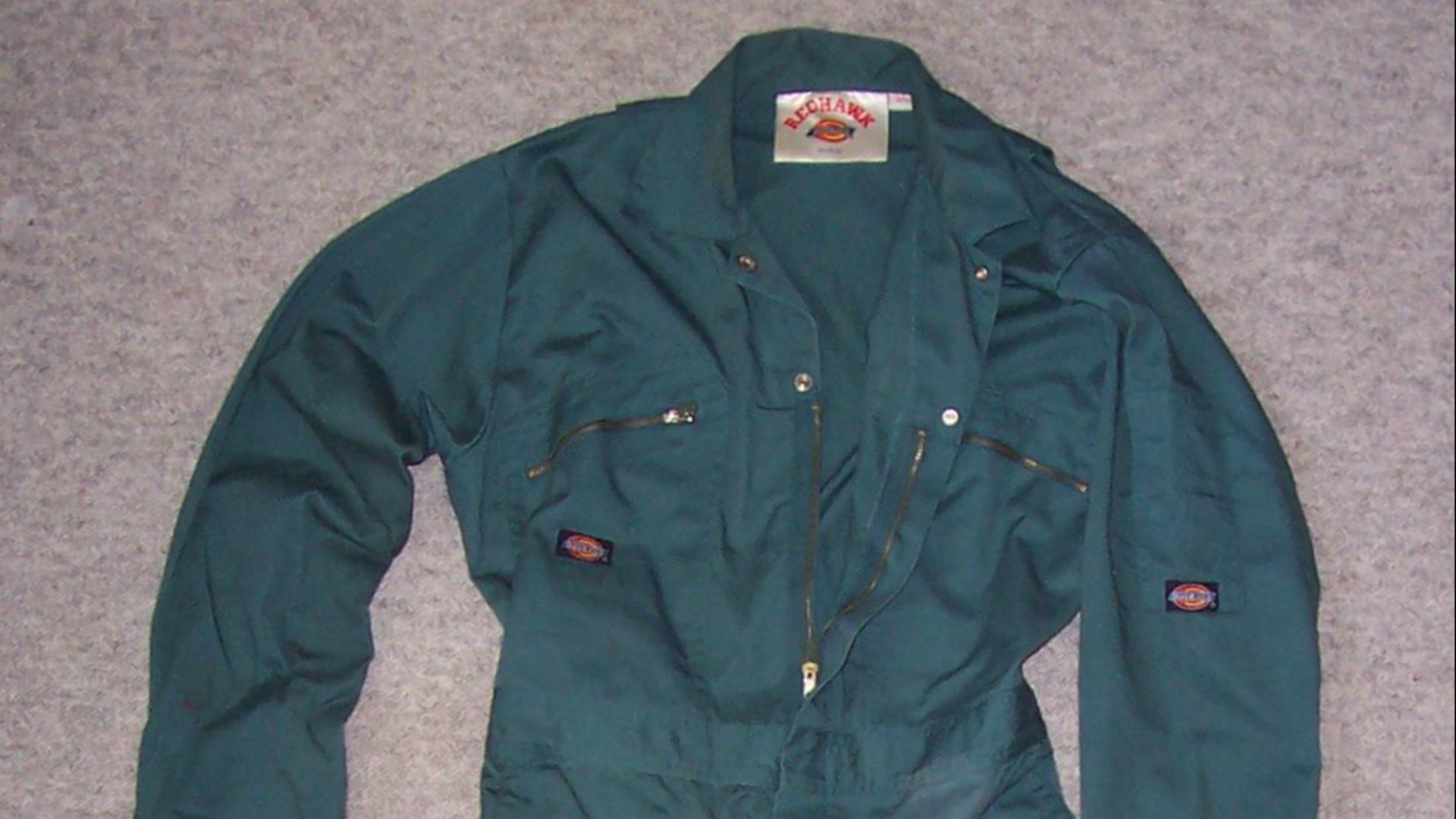
A boiler suit already has the confidence of a complete idea, which is probably why fashion fell for it so hard. Designers kept reviving it because one zip or one row of buttons could suddenly make a whole outfit feel structured, severe, and oddly chic. It still carried the ghost of labor, but now with better lighting.
 User Stuz on en.wikipedia on Wikimedia
4. Denim Overalls
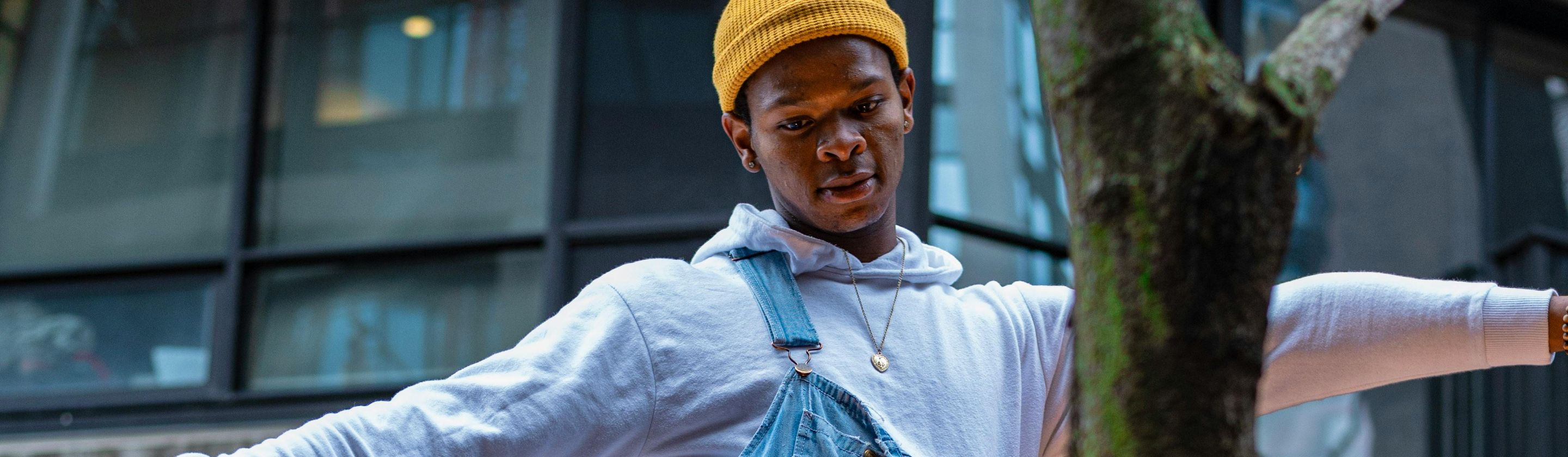
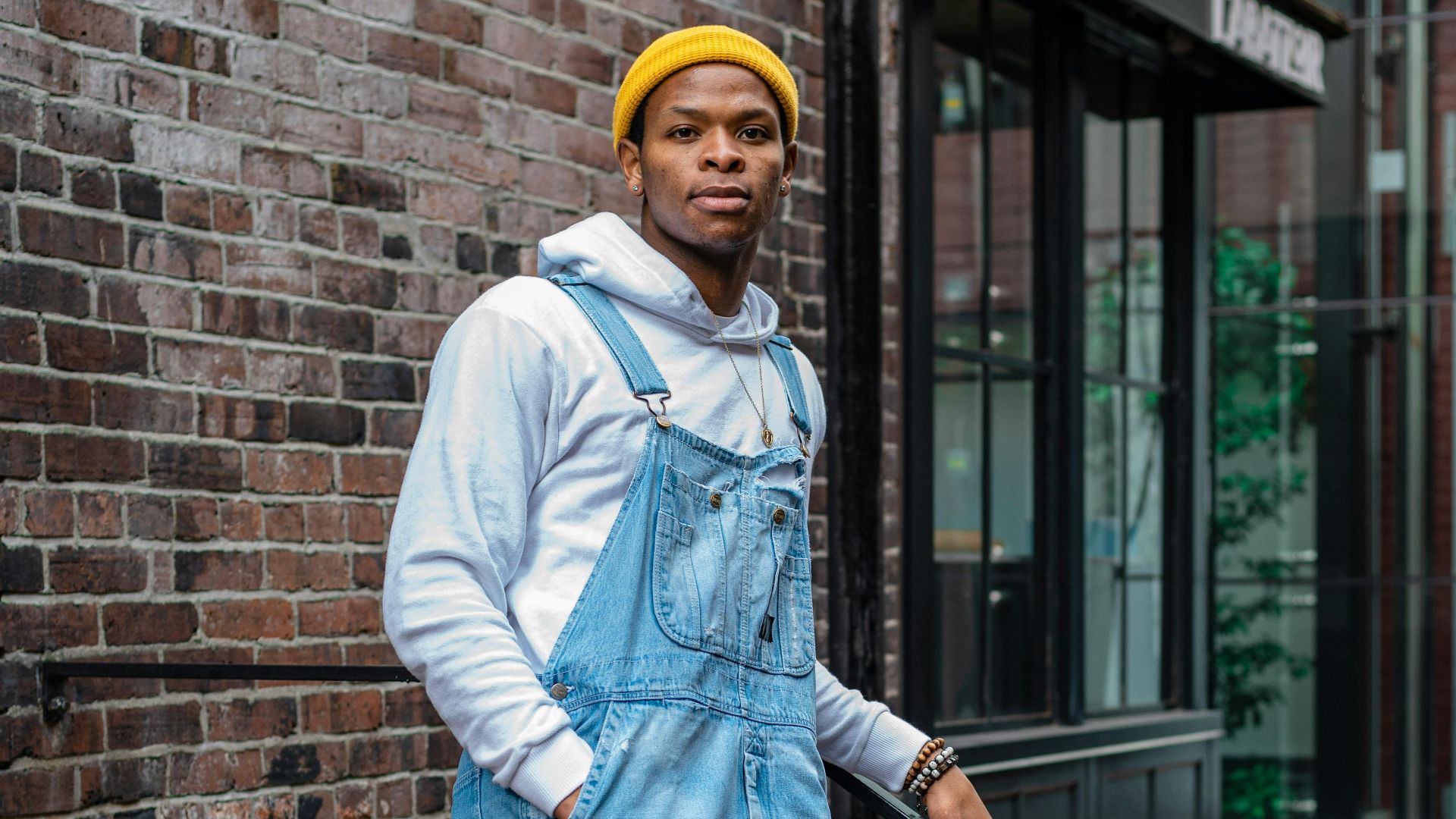
Overalls were practical for obvious reasons, but fashion has always loved the tension between their usefulness and their awkward charm. Once styled with the right proportions and just enough self-awareness, they stopped reading as purely rural or utilitarian and started feeling playful, referential, and expensive in the very specific way fashion likes to be expensive.

5. The Utility Jumpsuit
The jumpsuit is one of fashion’s favorite thefts from labor. In its original form, it was about efficiency and coverage, but once it landed in luxury collections, it became a way to look simultaneously capable and styled within an inch of your life. The fantasy was always the same: practical clothes, minus actual practical demands.
6. Steel-Toe Boots
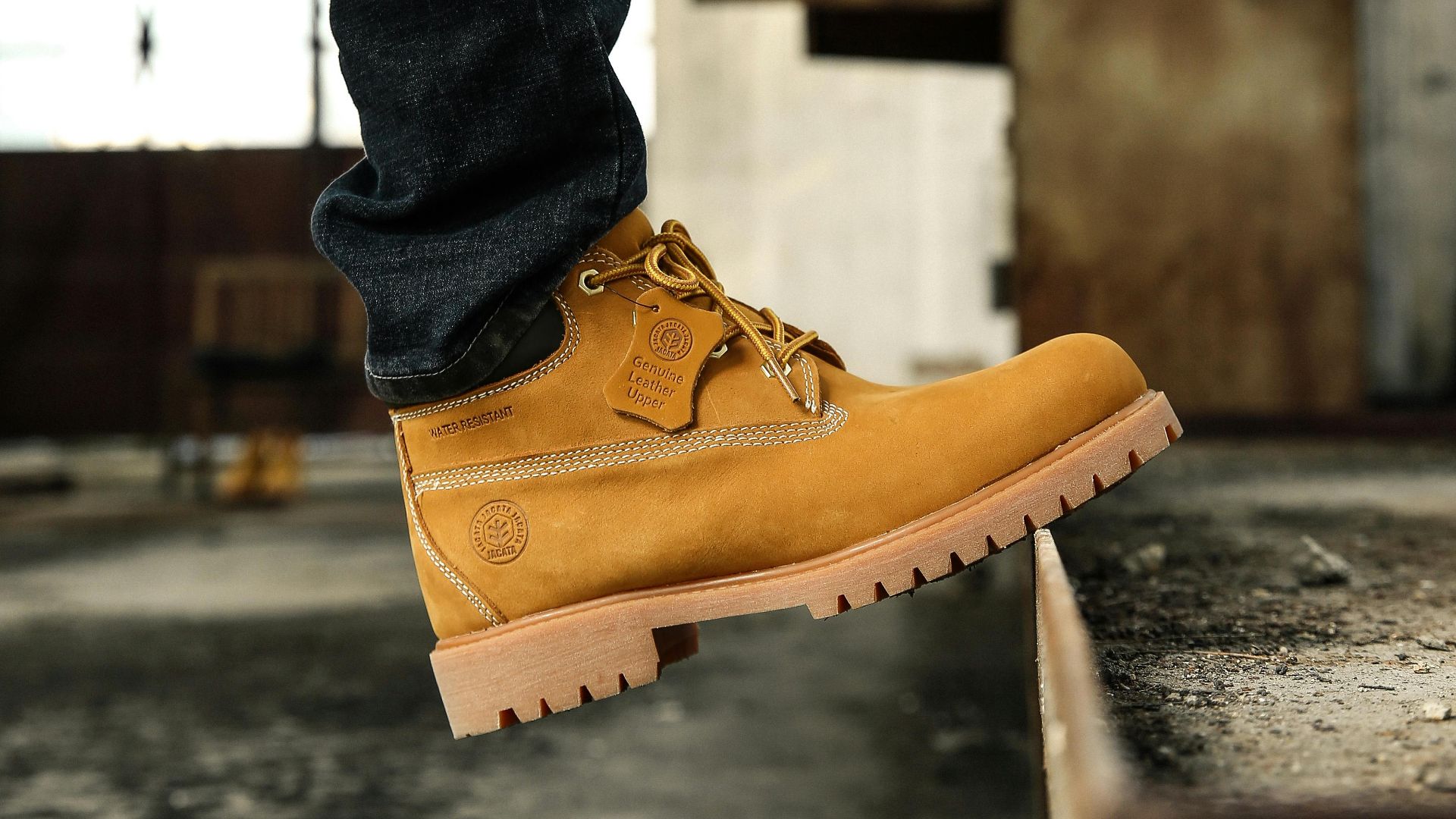
Heavy-duty boots carried enough visual authority that fashion barely had to change them to make them desirable. The bulk, the tread, the stiffness, and the industrial feeling all translated surprisingly well once they were paired with softer or more expensive pieces. They still looked like they could survive a job site, which was exactly the point.
7. Cargo Pants
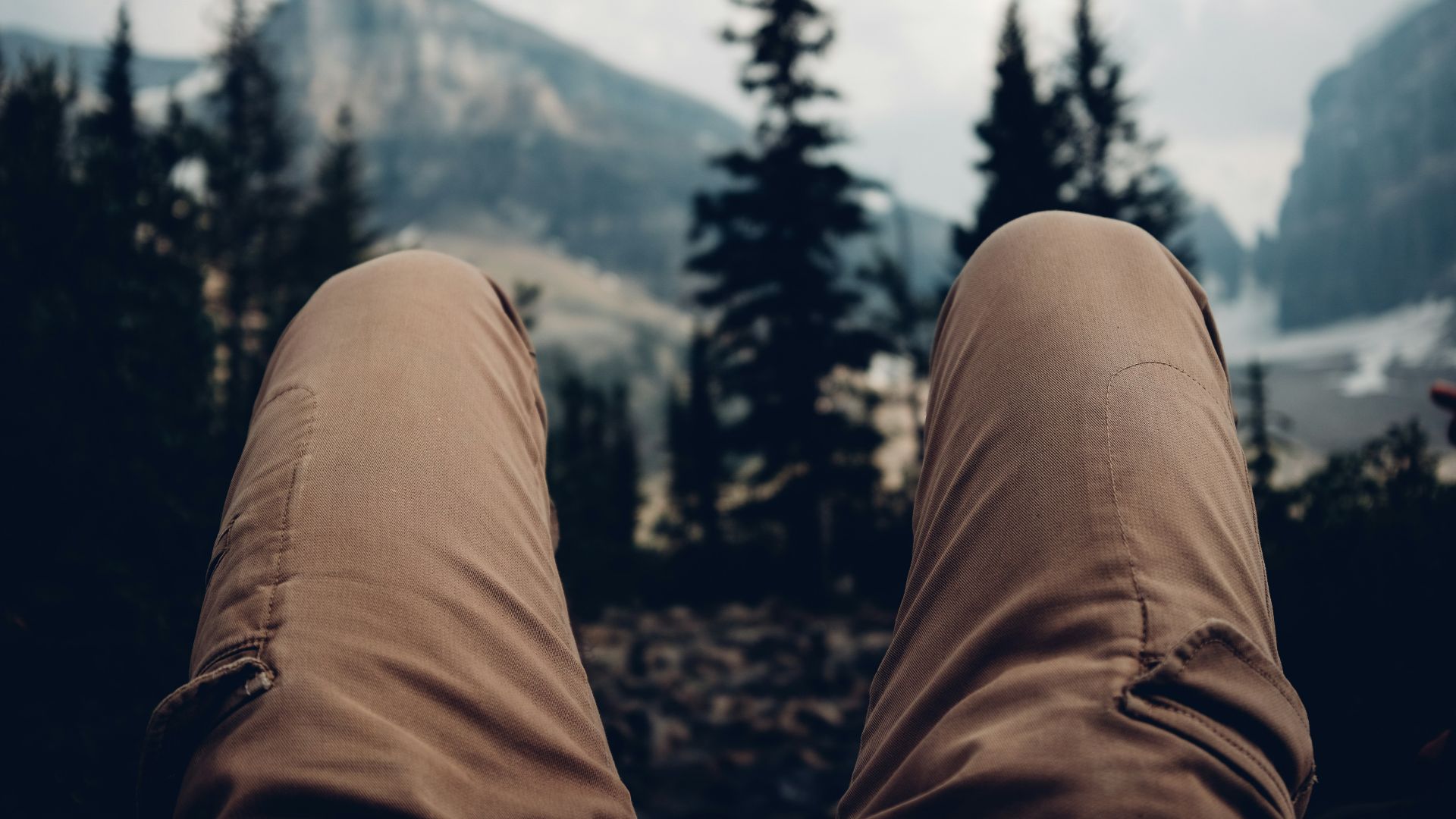
Cargo pants have gone in and out of fashion so many times they almost deserve dual citizenship. Every return leans on the same basic idea: pockets, volume, and a faint suggestion that the person wearing them is prepared for something. Fashion keeps turning that into a luxury proposition because utility always looks more convincing than decoration alone.
8. The Barn Jacket
The barn jacket has a way of looking correct even when it should not. It came from outdoor labor and practical country dressing, but the contrast collar, sturdy canvas, and slightly generous shape made it irresistible to fashion once designers realized it could signal ease, money, and competence all at once.

9. Work Shirts in Japanese Selvedge
A plain work shirt becomes high fashion remarkably quickly once the fabric gets reverent enough. Japanese selvedge denim, indigo-dyed cotton, and obsessive construction details turned basic labor silhouettes into collector objects. The shape stayed familiar, but the treatment made it feel elevated to the point of fetish.
10. Painter Pants
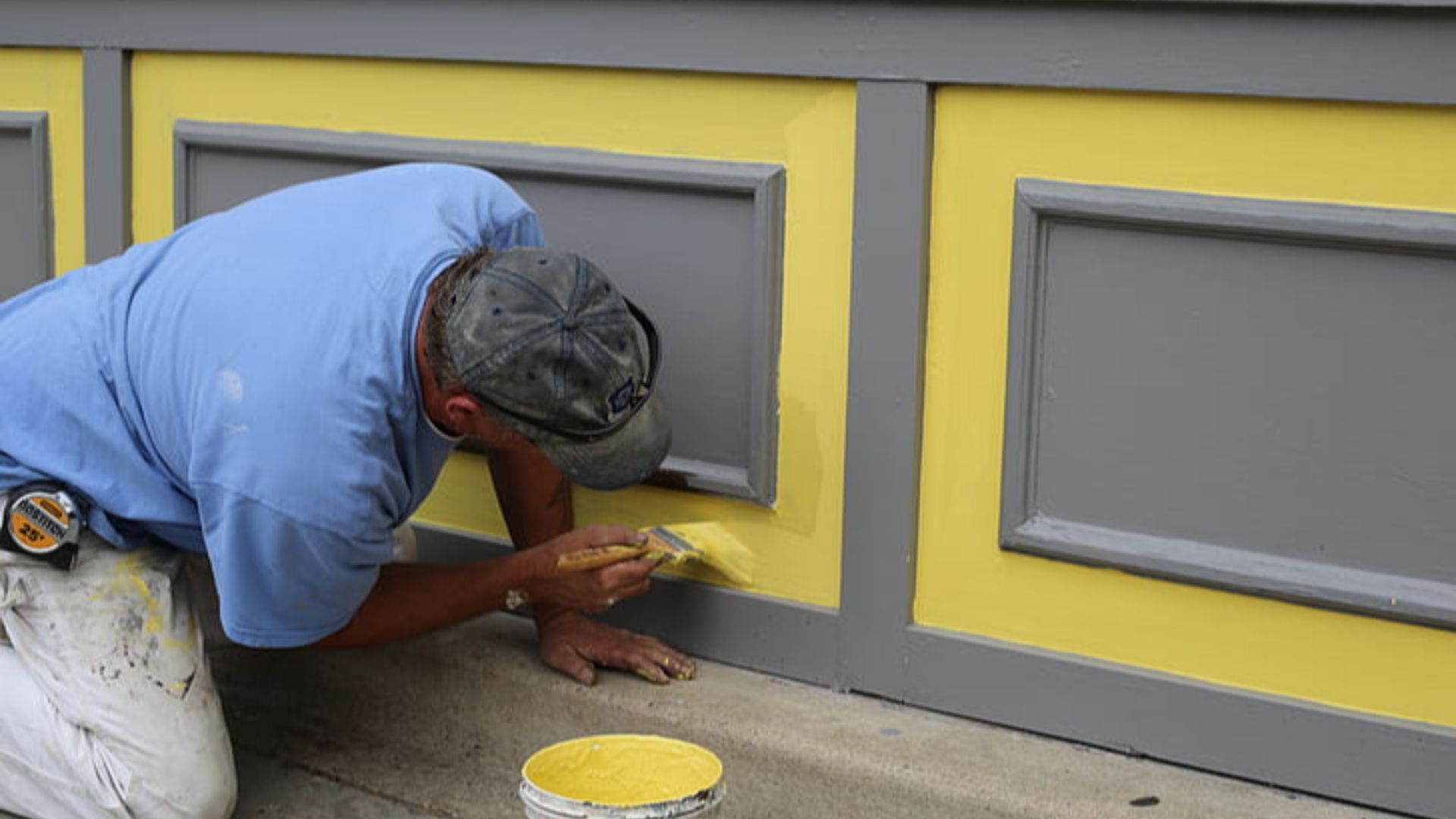
Painter pants were never subtle to begin with, which helped. The white canvas, loop details, and splattered associations gave fashion something it loves: a garment that already looks like it has lived. Once designers started cleaning up the cut while preserving the essence, the pants became a style signal instead of just a mess-friendly necessity.
11. The Carhartt Effect
Carhartt was built on actual durability, which is exactly why fashion kept circling back to it. Long before collaborations turned it into a more official style language, people were already wearing worn-in jackets and double-knee pants as shorthand for authenticity, toughness, or just better taste than trendier options usually offered.

12. Dickies as a Fashion Uniform
Dickies made work pants that were cheap, tough, and never especially interested in flattering anyone. That turned out to be part of their fashion appeal. Once skaters, stylists, designers, and everyone else looking for a harder silhouette got hold of them, they became less about labor and more about knowing exactly what not to overcomplicate.

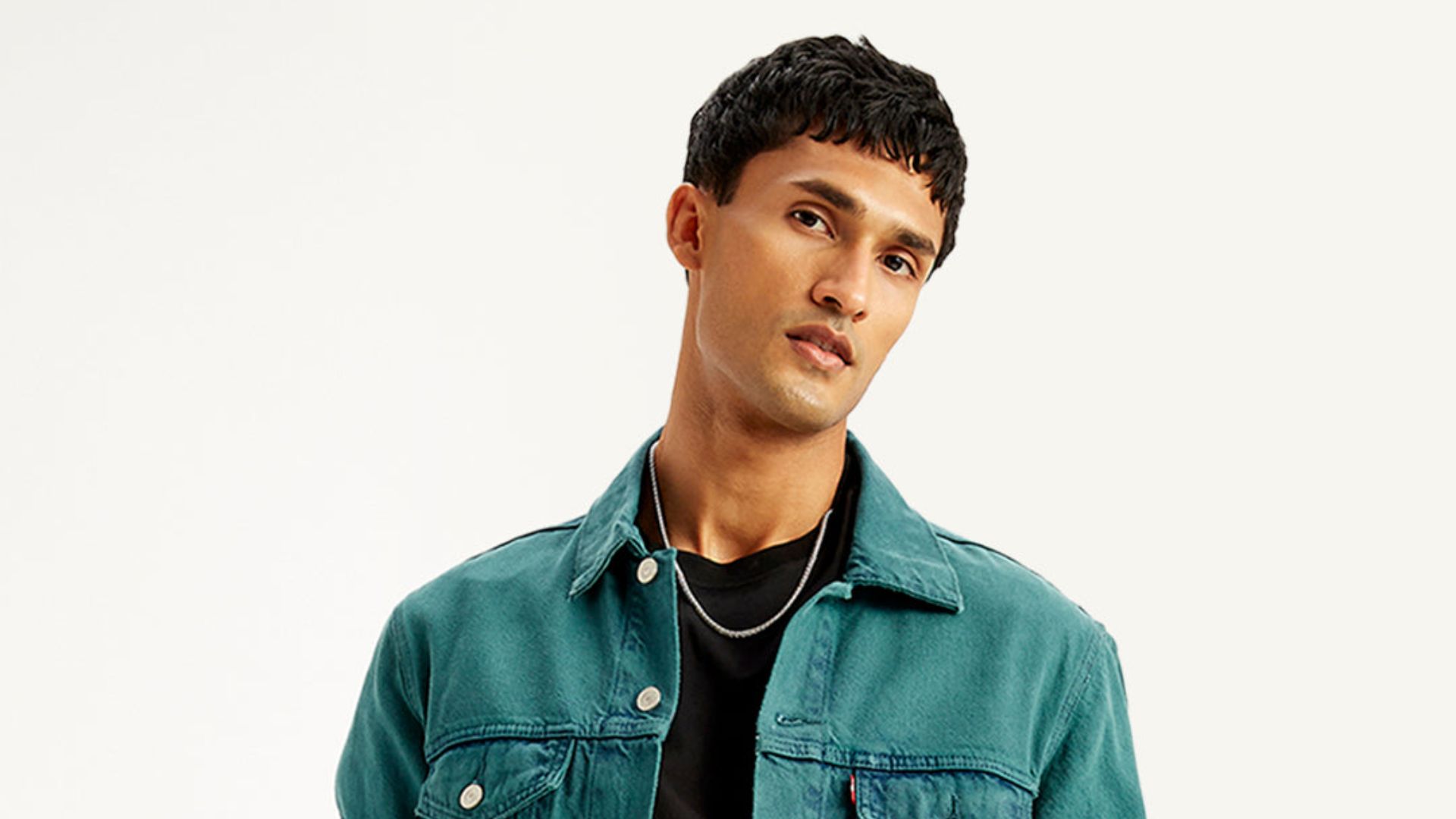
13. The Trucker Jacket
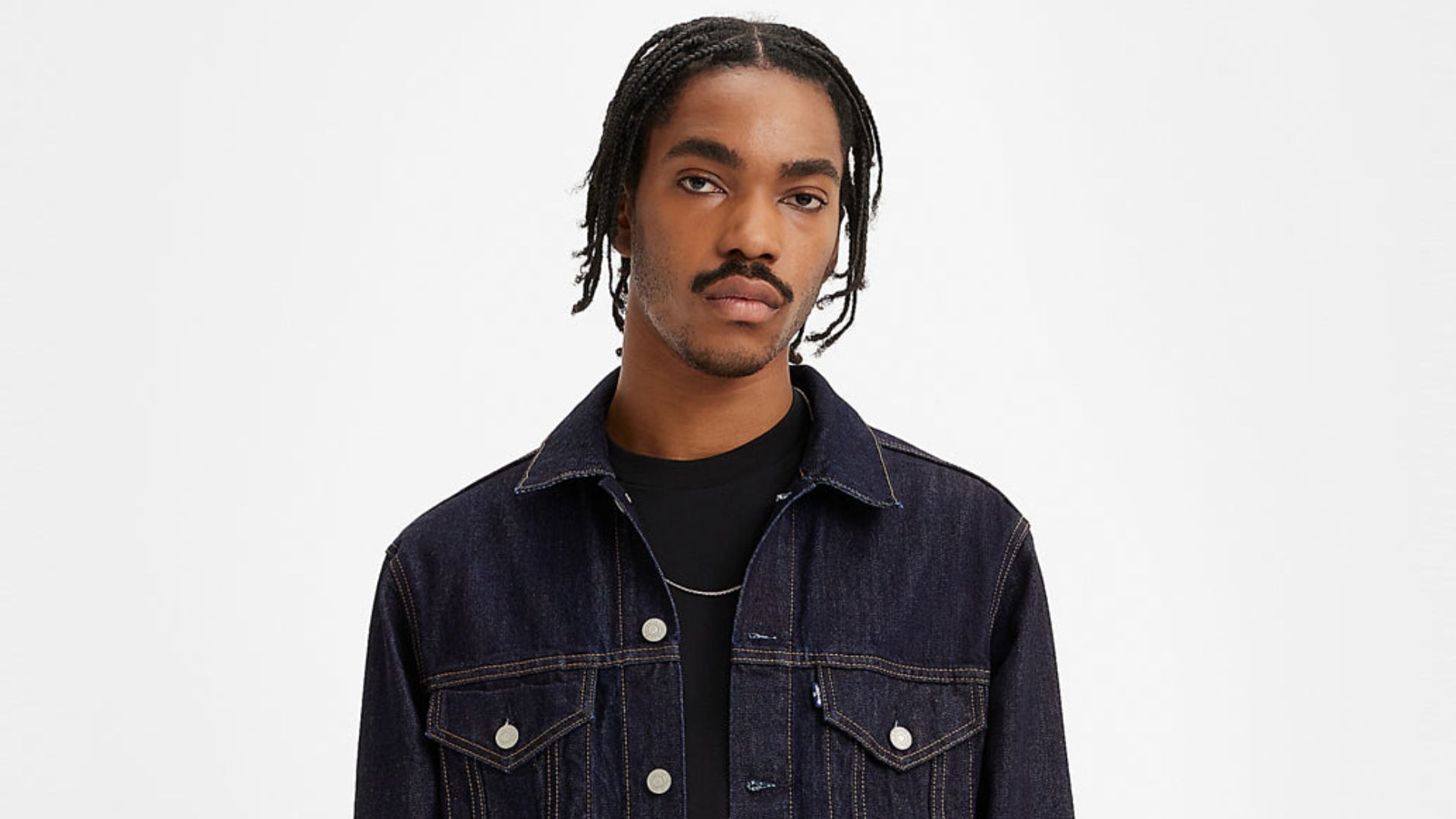
The trucker jacket sits in that useful zone where workwear and fashion stopped even pretending to stay separate. It came out of utility and wear, but the structure was so good that it became one of the easiest pieces to absorb into mainstream style, then designer fashion, then endless reinterpretation. It is practical history worn as a default classic.
14. Military Fatigue Pants
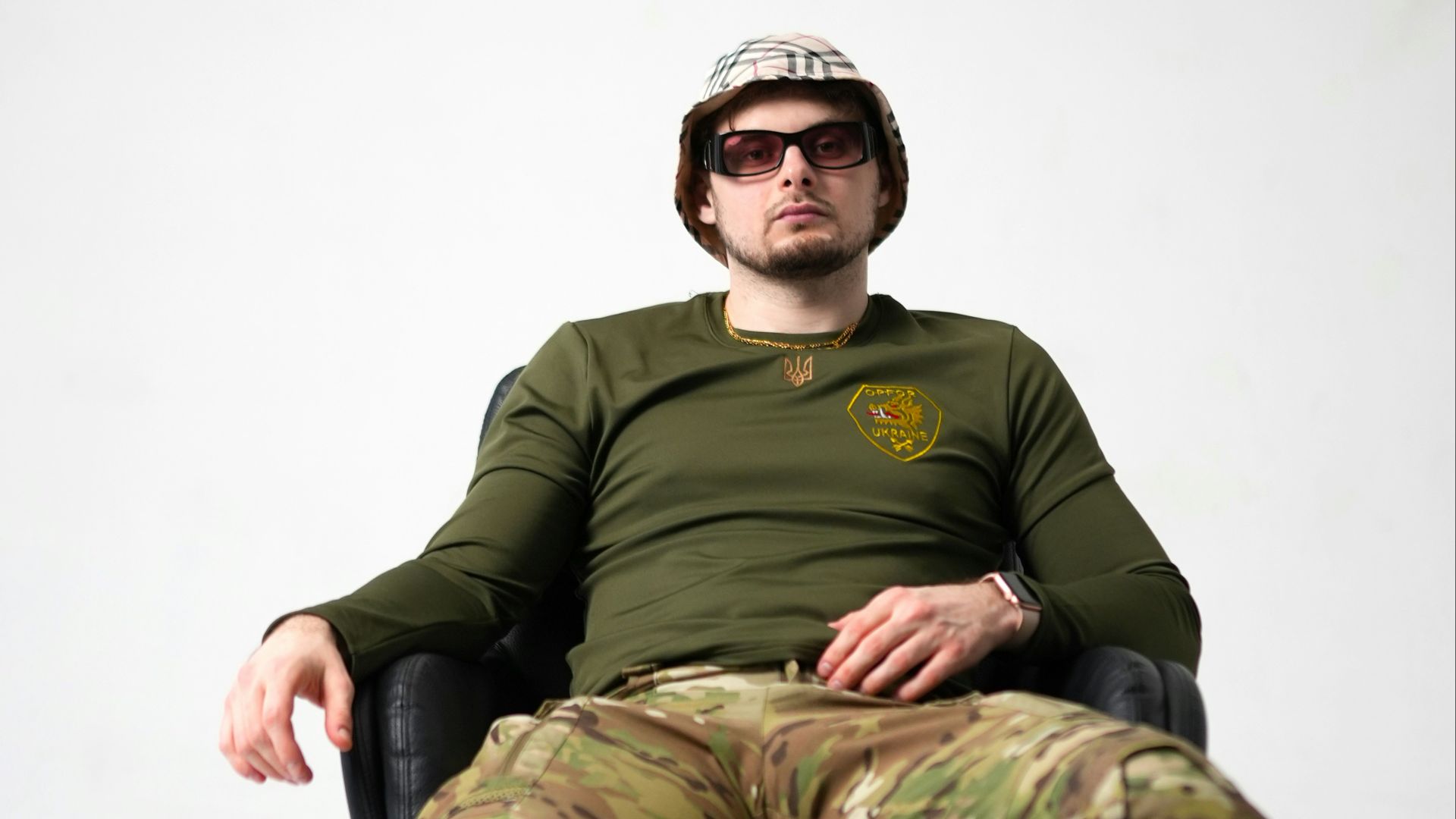
Military clothing is not the same as workwear exactly, but fatigue pants entered fashion through a similar logic of function first, style later. Once the loose fit, durable fabric, and pocket-heavy shape got pulled into fashion, they became an easy symbol of effortlessness. The garment already looked lived-in before the wearer had done anything at all.
15. The Mechanic Shirt
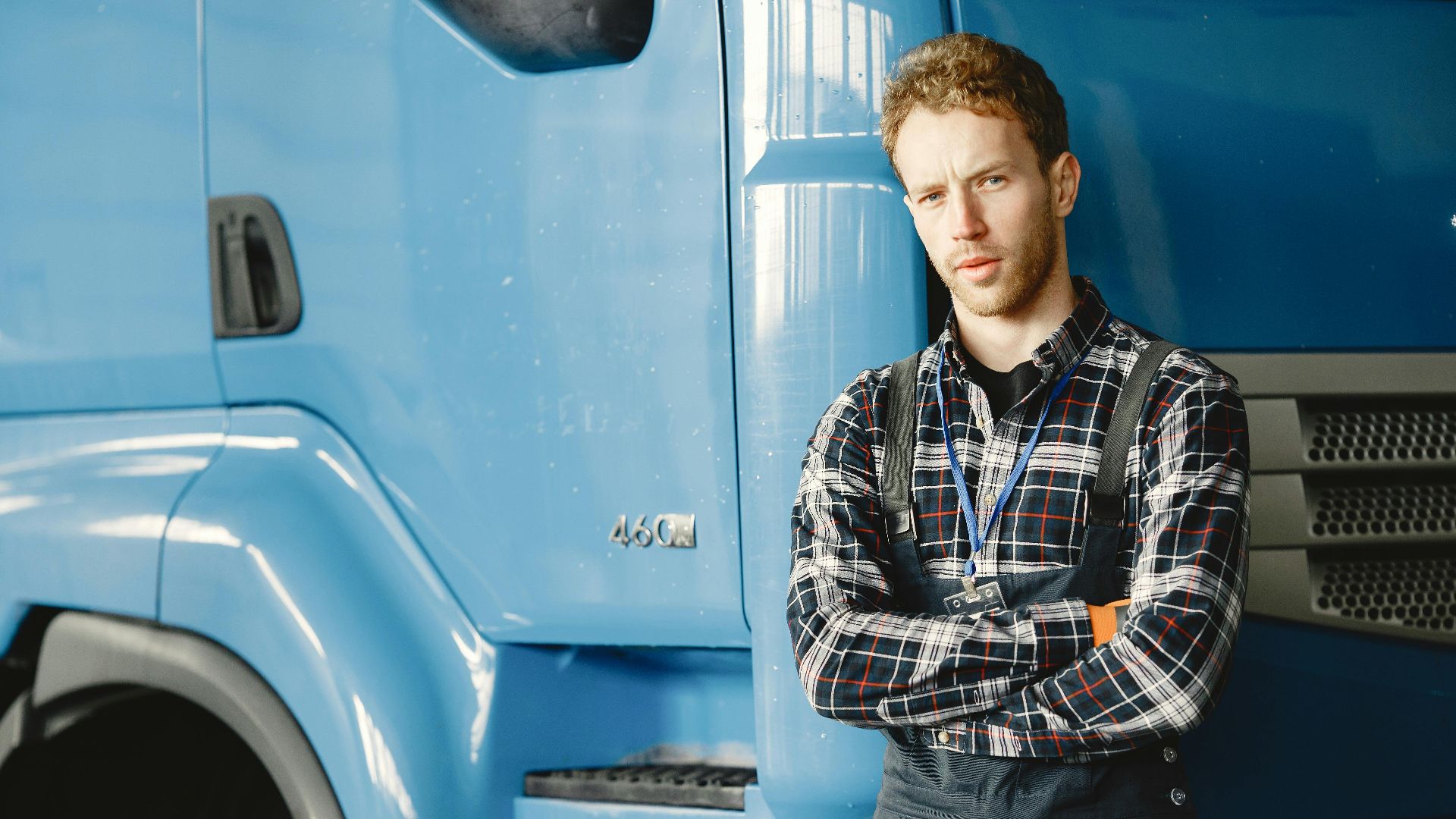
The mechanic shirt has a very particular charm because it is so unpretentious. A boxy short-sleeve shirt with patches, piping, or a name stitched over the pocket should not work as well in fashion as it does, but once it gets styled against cleaner or more luxurious pieces, the whole thing reads as deliberate rather than purely functional.
16. Double-Knee Work Pants
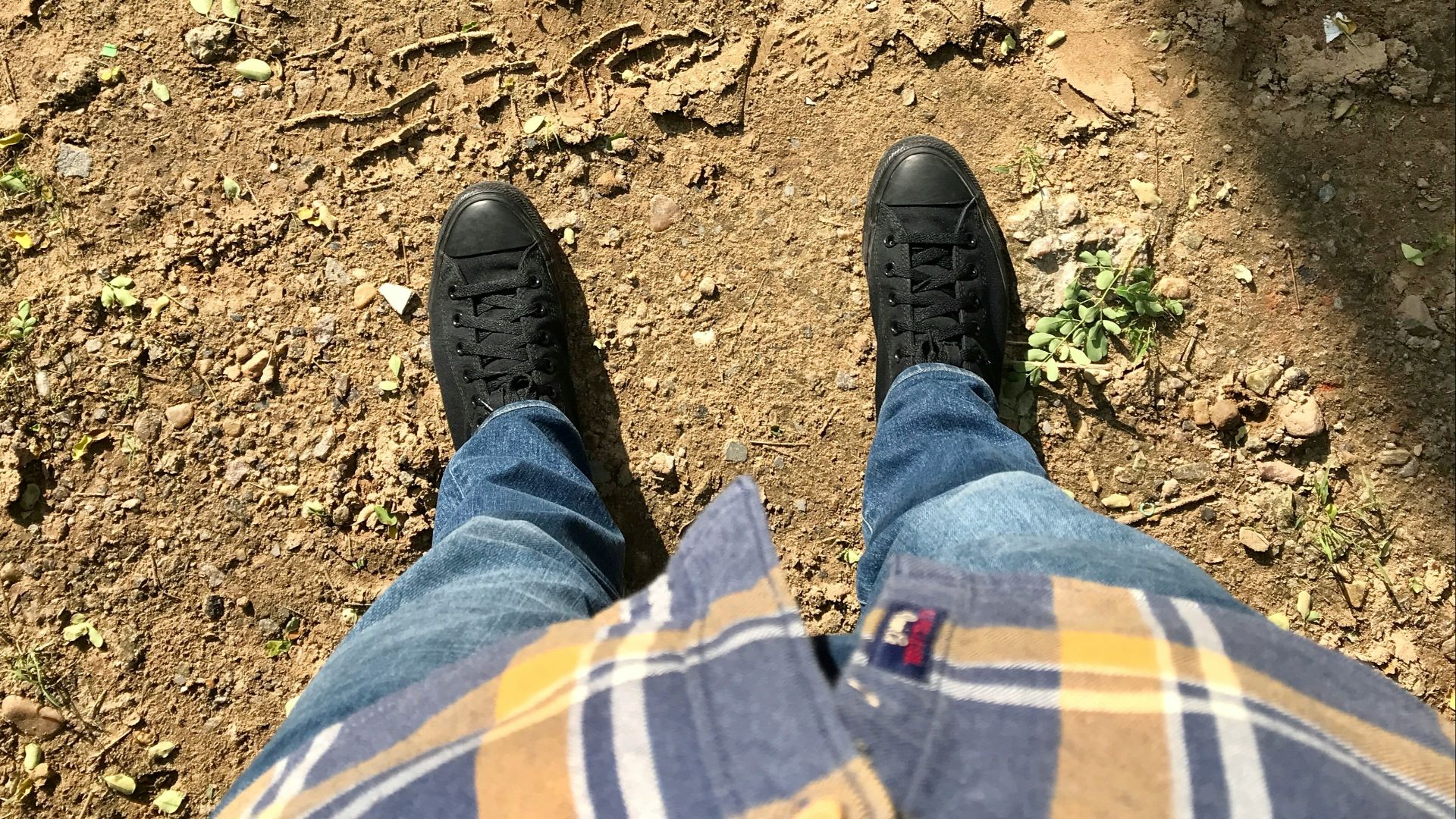
Double-knee pants were built to take abuse, which is exactly what made them attractive to fashion. The reinforced panels, stiff fabric, and heavy silhouette gave them a visual seriousness that softer trousers could not fake. Once they showed up in styled looks and designer versions, they started reading like intention rather than protection.
 Harshvardhan Singh Rawat on Unsplash
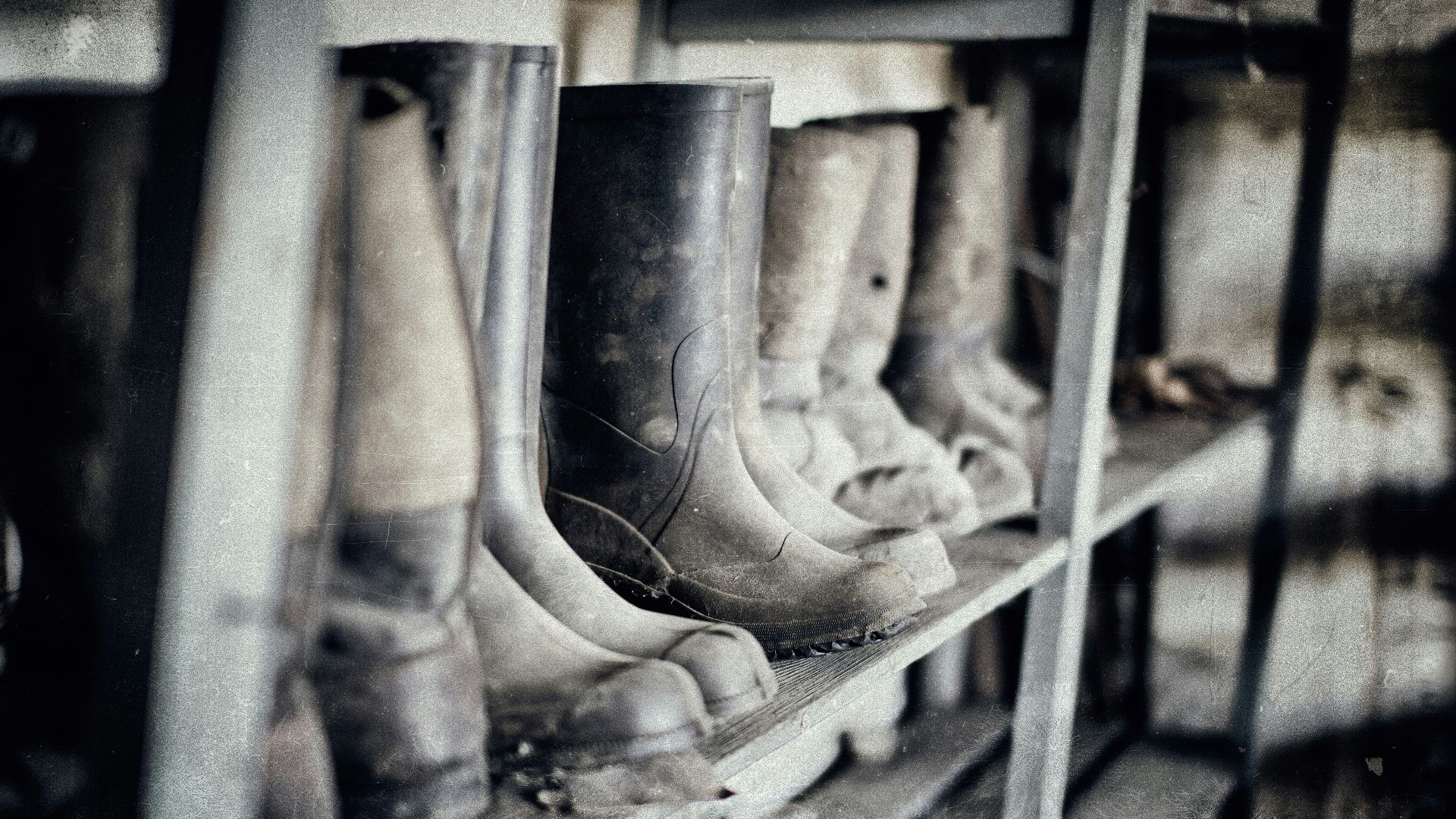
17. Rubber Work Boots
There is something almost rude about a rubber work boot, and fashion loves that kind of refusal. What began as pure weather-and-mud practicality became runway material the second designers realized the shape could interrupt a polished outfit in a useful way.
18. The Apron Dress and Utility Apron
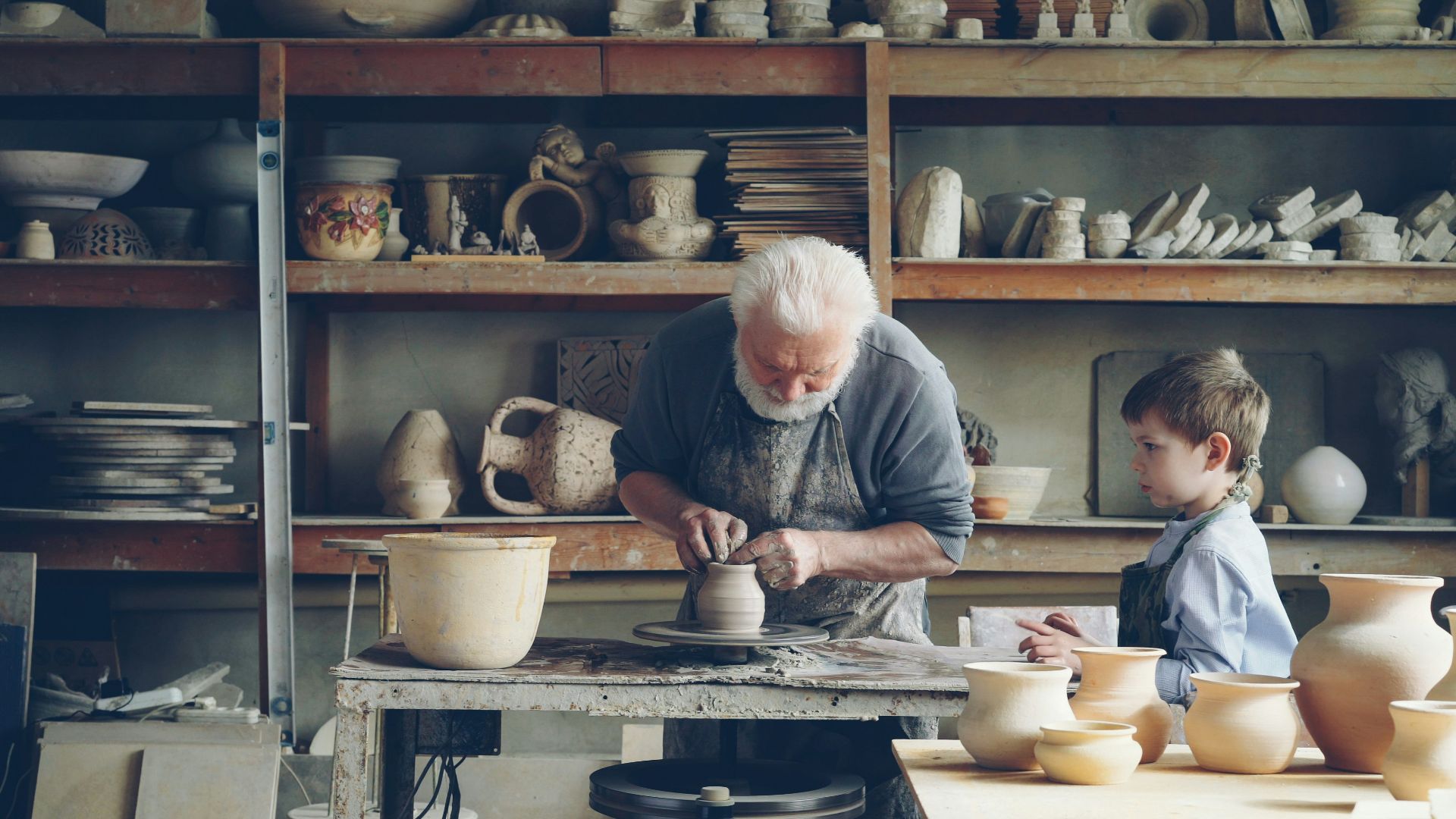
Aprons moved into fashion by way of minimalism and craft aesthetics, but the workwear DNA stayed obvious. Once tied, layered, or cut into dress forms, they started suggesting labor in a softened, stylized way, the kind that hinted at making something by hand without requiring you to actually do it.
19. Workwear in Luxury Fabrics
One of fashion’s favorite moves has always been keeping the silhouette and changing the material. Suddenly the same chore coat, overshirt, or cargo trouser shows up in cashmere, leather, silk blends, or beautifully washed wool, and the practical shape turns into something far more precious. It is still workwear in outline, just with no intention of being treated roughly.
20. The Full “Blue-Collar” Runway Look
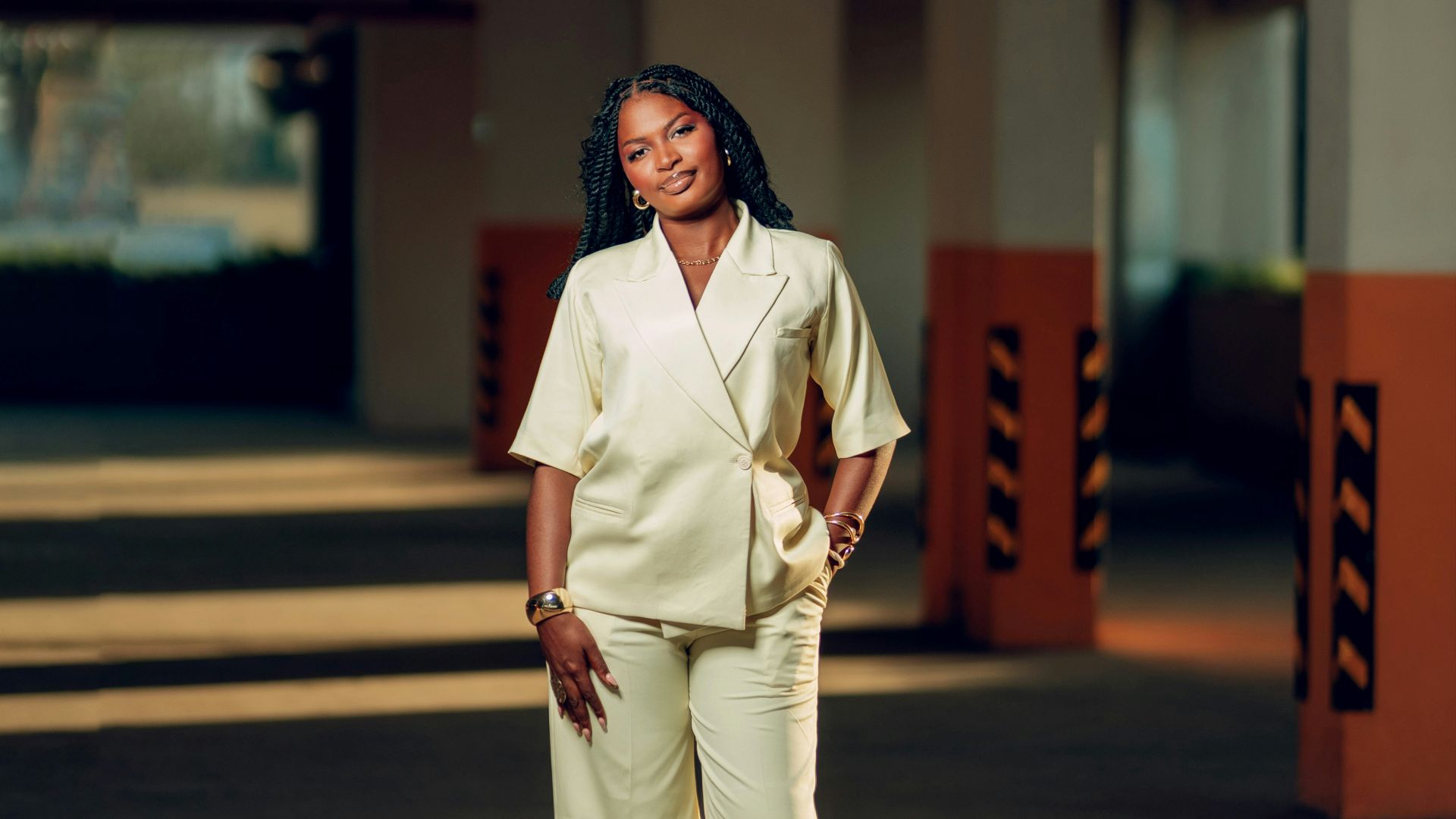
Every so often, fashion stops borrowing one piece at a time and goes all in on the whole vocabulary—boots, jackets, canvas pants, utility belts, uniforms, the lot. That is when workwear stops being a reference and becomes a runway mood in its own right. The irony, of course, is that the more expensive it gets, the more carefully it tries to preserve the appearance of not caring at all.