
Style That Only Works Where It Belongs
Fashion travels easily on the surface—photos, trends, entire aesthetics crossing borders overnight. But some pieces are too rooted to move cleanly. Shaped by climate, history, and the texture of daily life, they don't fully carry over. In their original setting, they feel natural, almost inevitable. Somewhere else, the context drops away, and the same look can turn exaggerated, costume-like, or just slightly off. It's not a question of whether they look good—it's whether they still make sense. Here are 20 regional looks that don't quite survive the move.

1. Icelandic Lopapeysa Sweaters
Thick, patterned wool sweaters feel completely at home in Iceland’s cold, wind-heavy climate. The bulk, texture, and traditional yoke design all make practical sense there. Worn elsewhere, they can feel heavier and more statement-driven than intended.

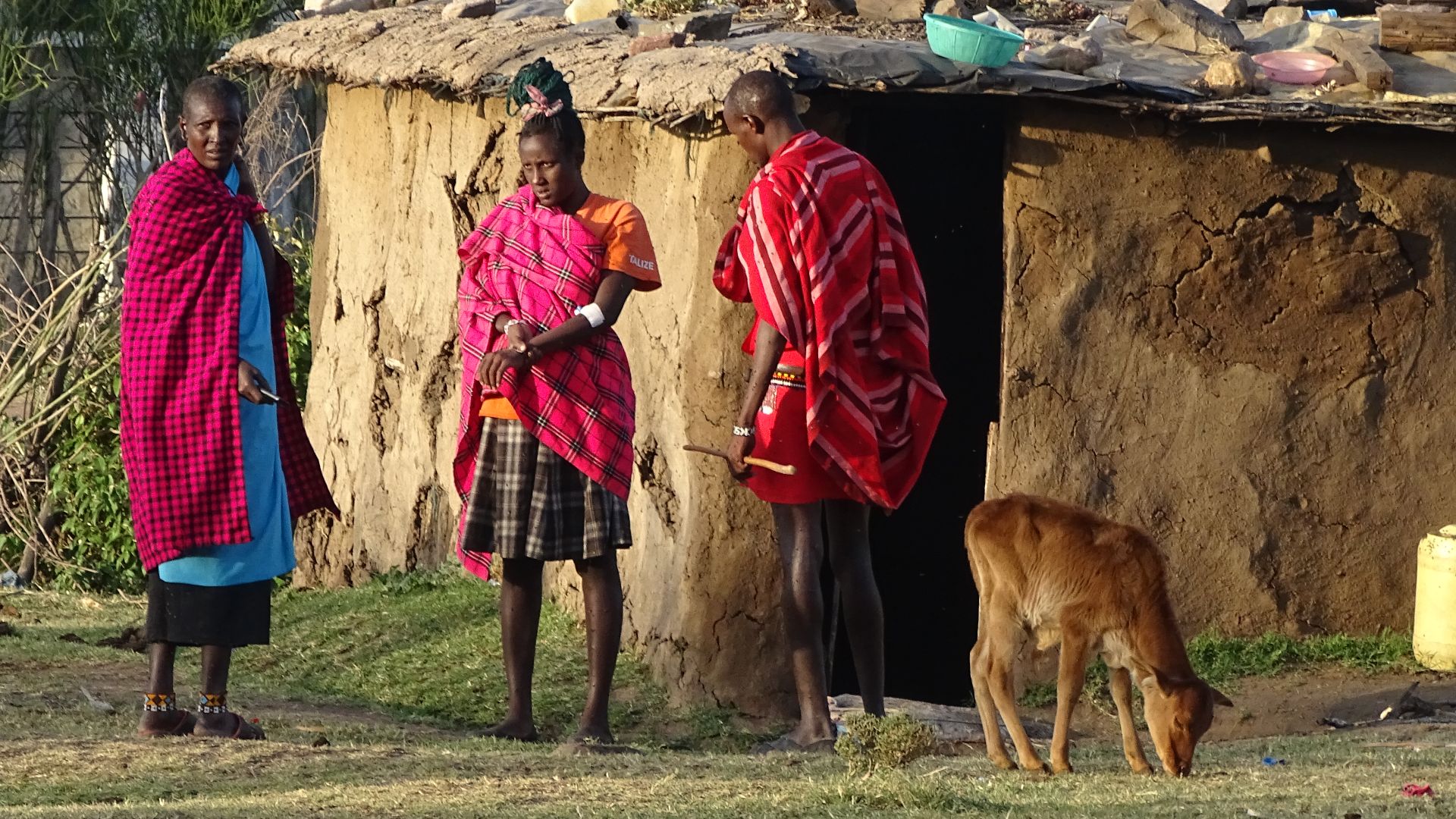
2. Maasai Shuka Blankets
Bright red and blue checkered wraps worn by Maasai communities are both clothing and identity. They move easily with the body and suit the environment they come from. Outside that context, they’re often misunderstood or reduced to something purely visual.
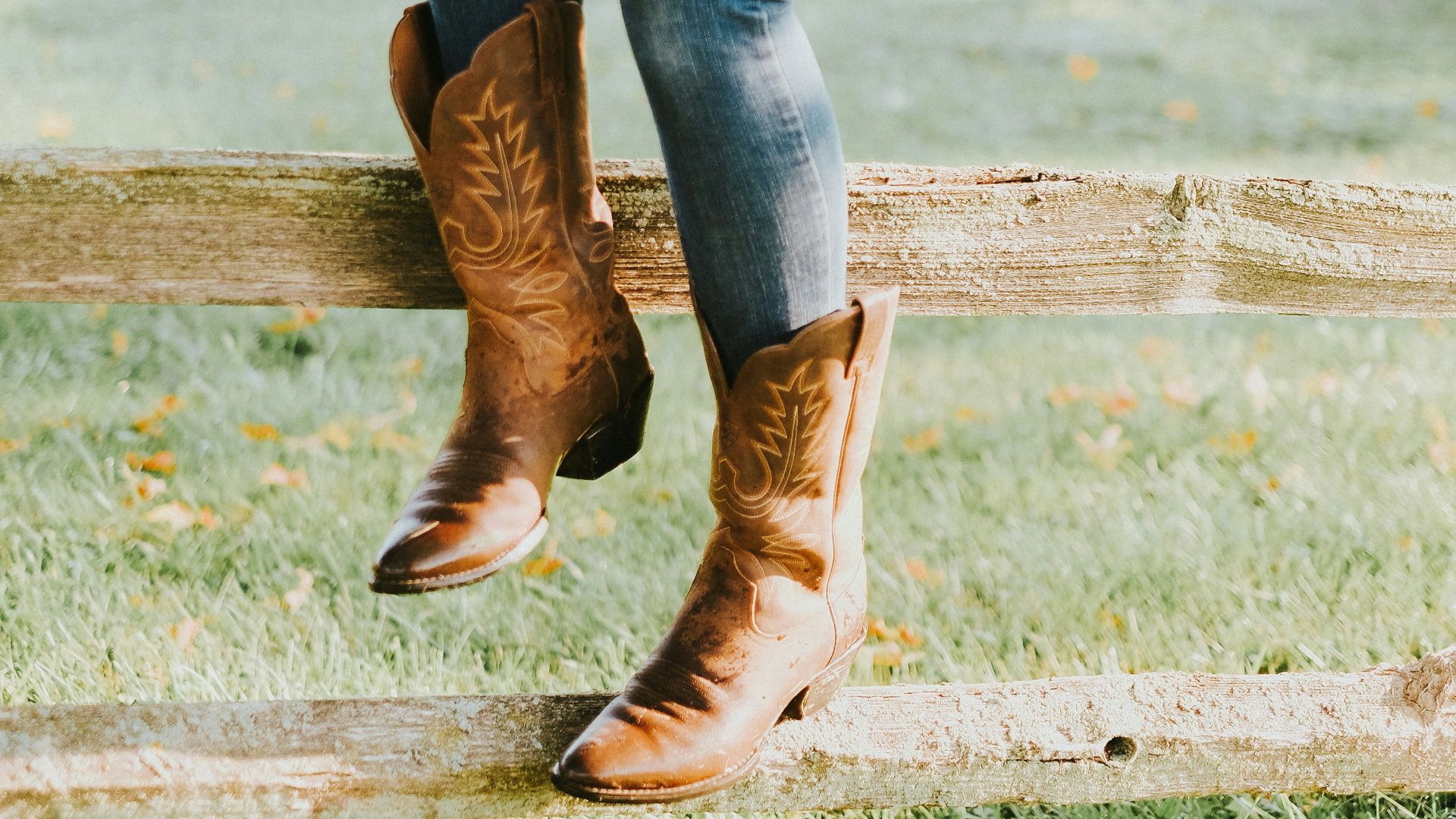
3. Cowboy Boots in the American Southwest
Cowboy boots are built for riding, working, and walking on rough terrain. In Texas or New Mexico, they feel like a default, not a statement. Elsewhere, they can read as stylized or overly intentional.
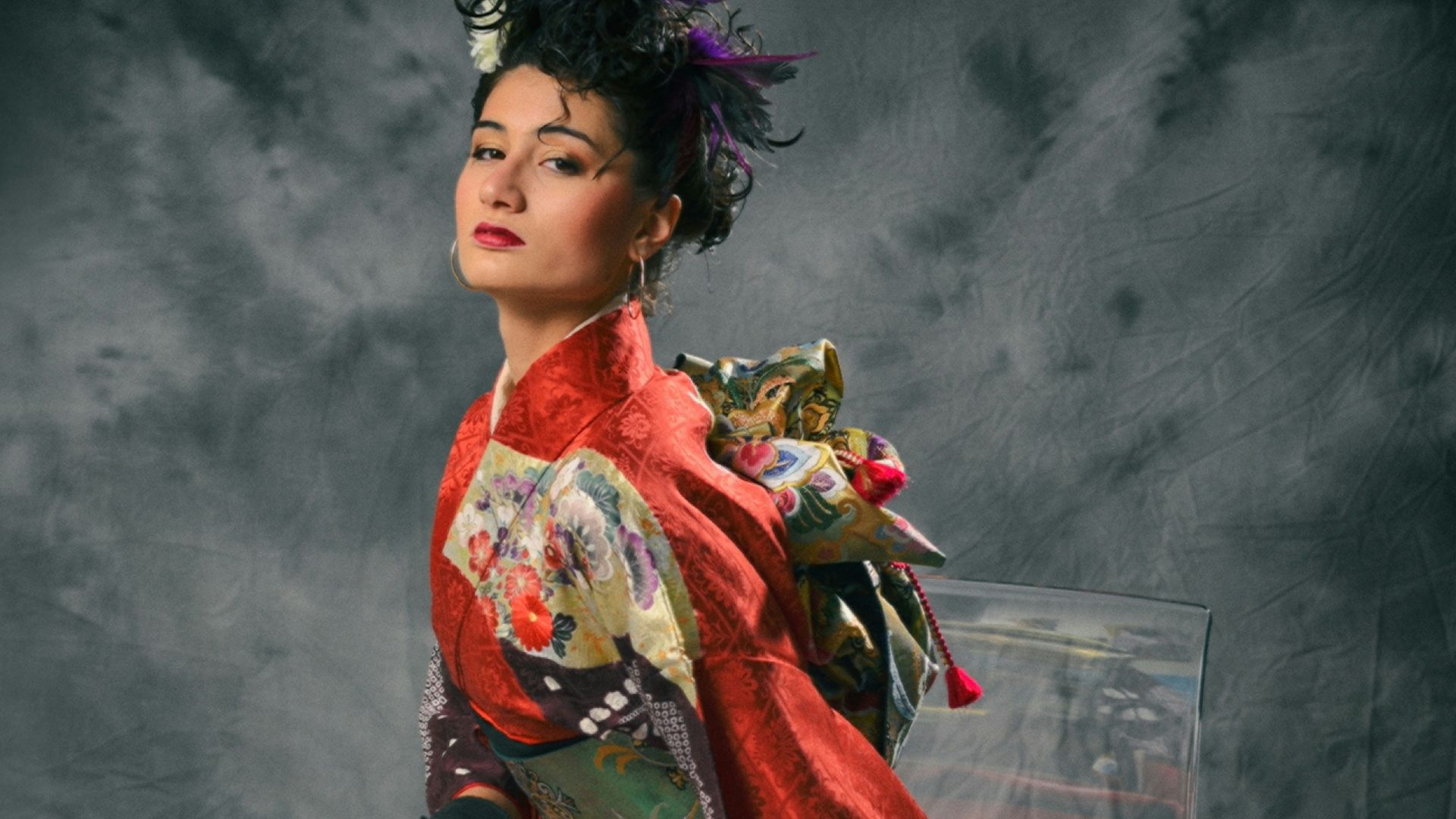
4. Japanese Kimono
A kimono carries layers of meaning—seasonal, formal, and cultural. In Japan, it fits into specific occasions and settings with quiet precision. Outside of that, it’s often treated as costume rather than everyday dress.
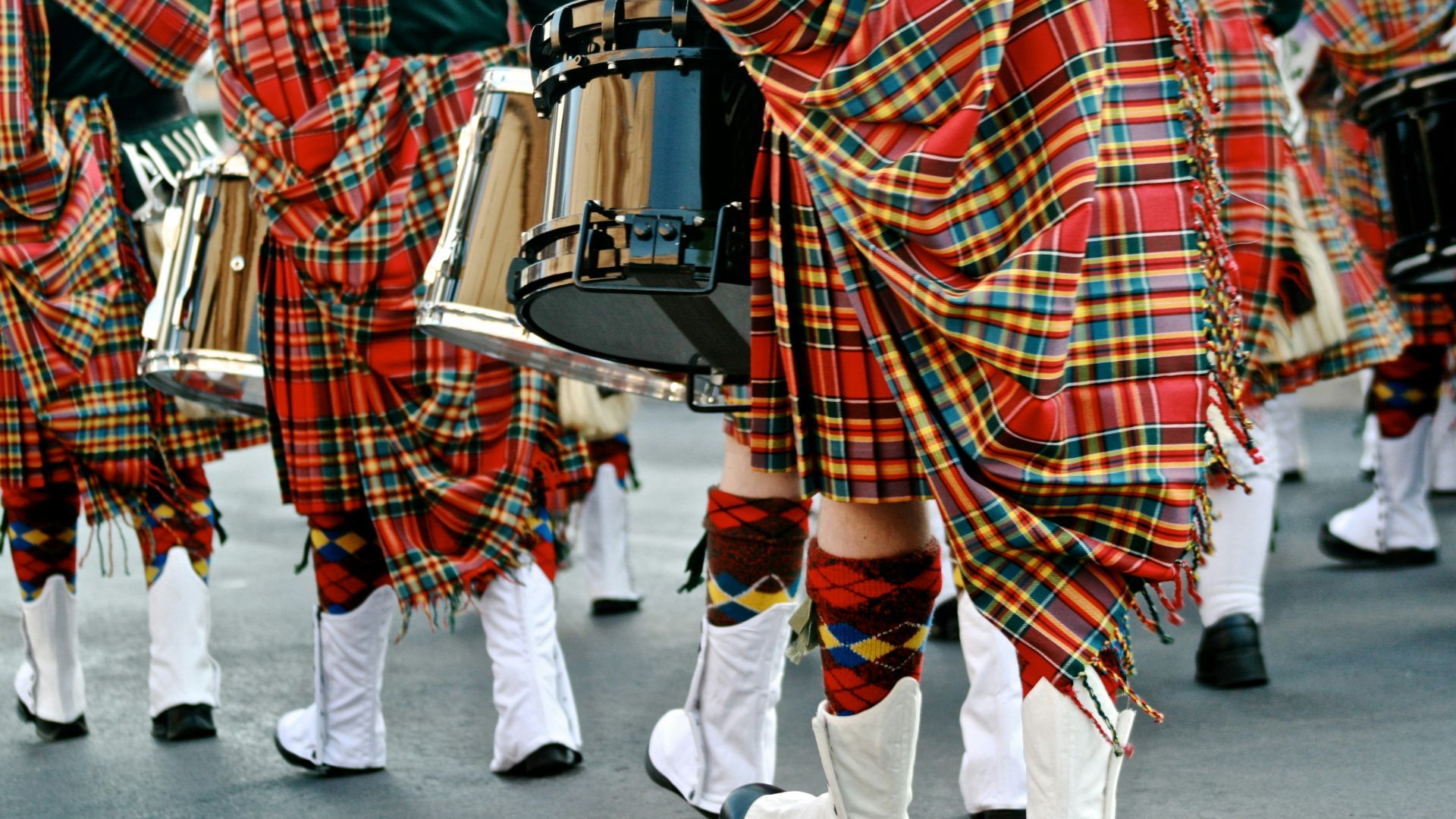
5. Scottish Kilts
Kilts are tied to heritage, ceremony, and identity in Scotland. The fabric, patterns, and way they’re worn all carry specific meaning. Removed from that setting, they rarely feel like anything but a performance.
 Melody Ayres-Griffiths on Unsplash
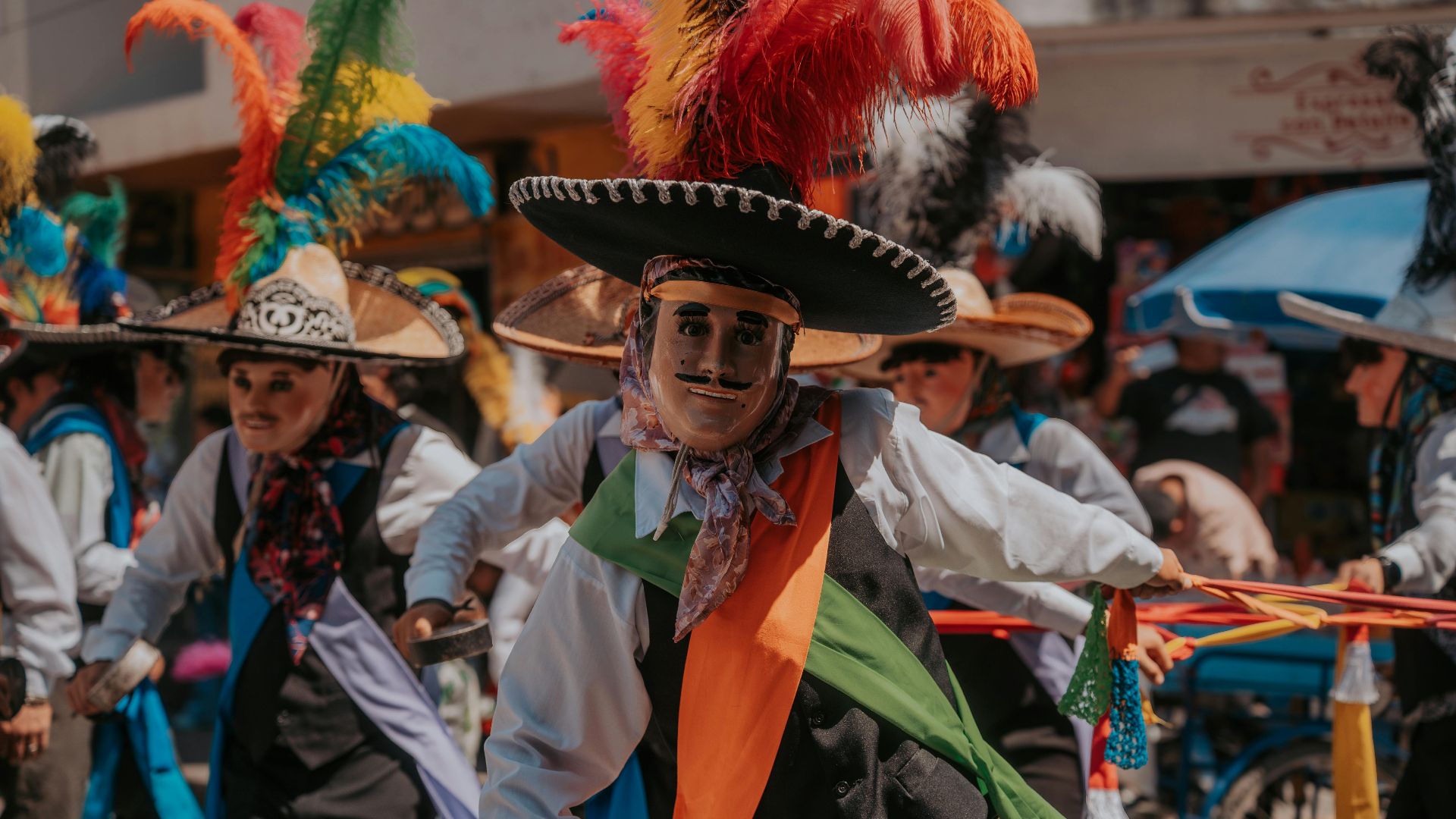
6. Mexican Sombreros
Wide-brimmed sombreros are designed for sun protection in harsh climates. In their proper setting, they’re practical and functional. Elsewhere, they’re often reduced to a caricature.
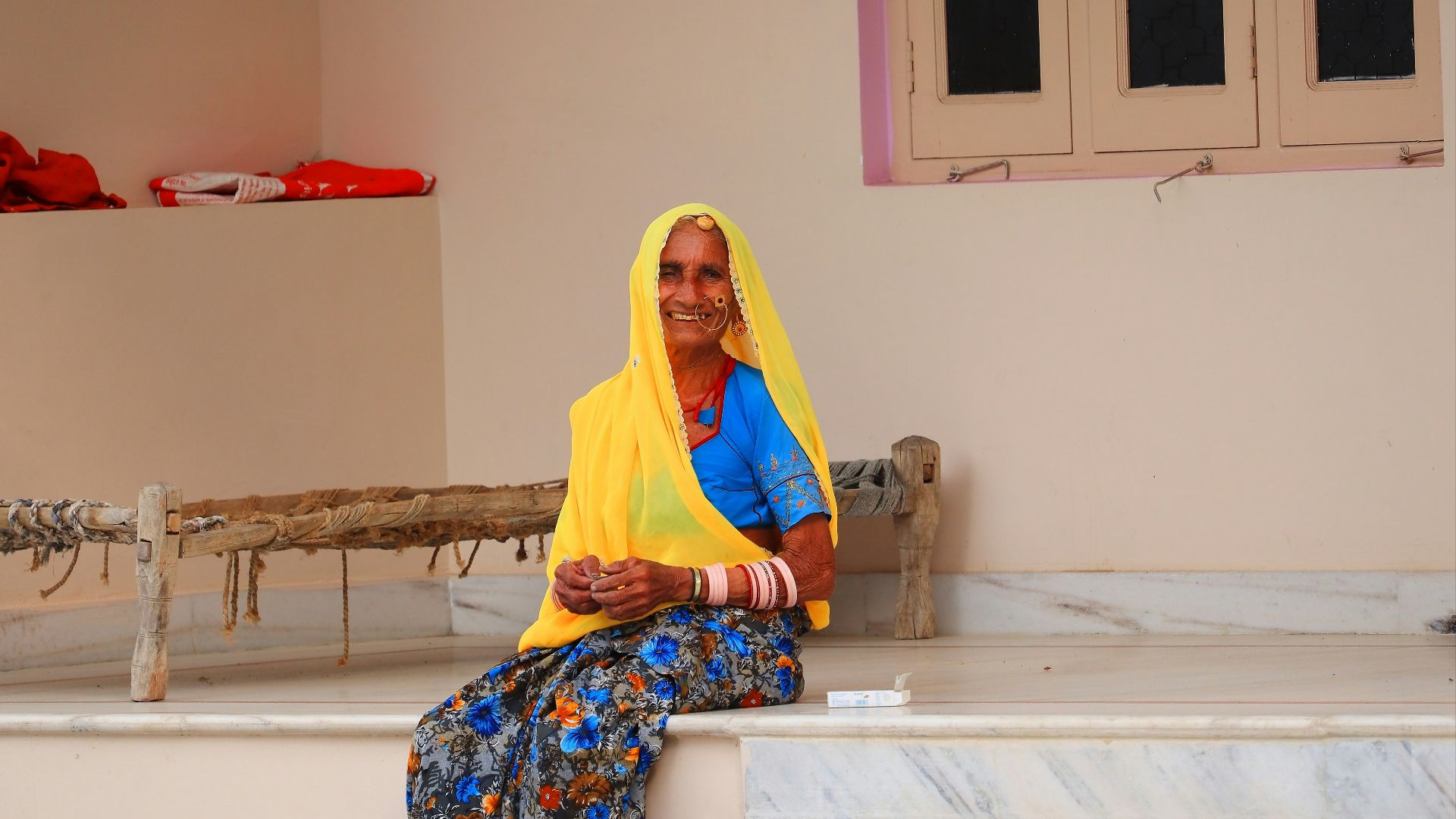
7. Indian Sari
A sari is both versatile and deeply tied to regional identity across India. The drape, fabric, and styling shift depending on context and occasion. Outside that framework, it can feel unfamiliar to the point of being formal or inaccessible.
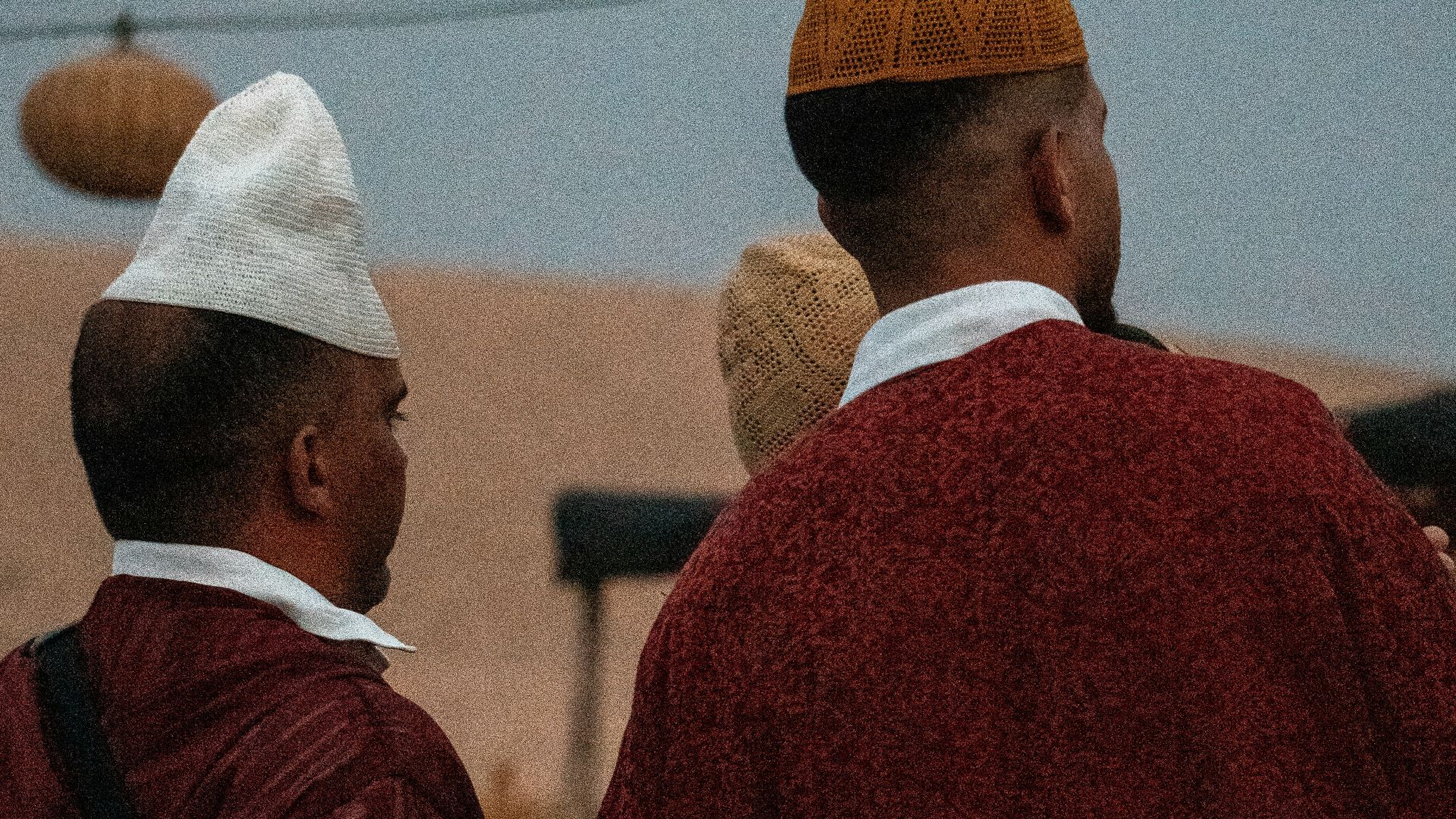
8. Moroccan Djellaba
Loose, hooded robes worn in Morocco are designed for both heat and modesty. The shape allows airflow while still offering coverage. In other places, the silhouette can feel unusual without that environmental logic.
9. Russian Ushanka Hats
Fur-lined hats with ear flaps are built for extreme cold. In Russia or similarly harsh climates, they’re purely practical. Somewhere milder, they can feel excessive or theatrical.

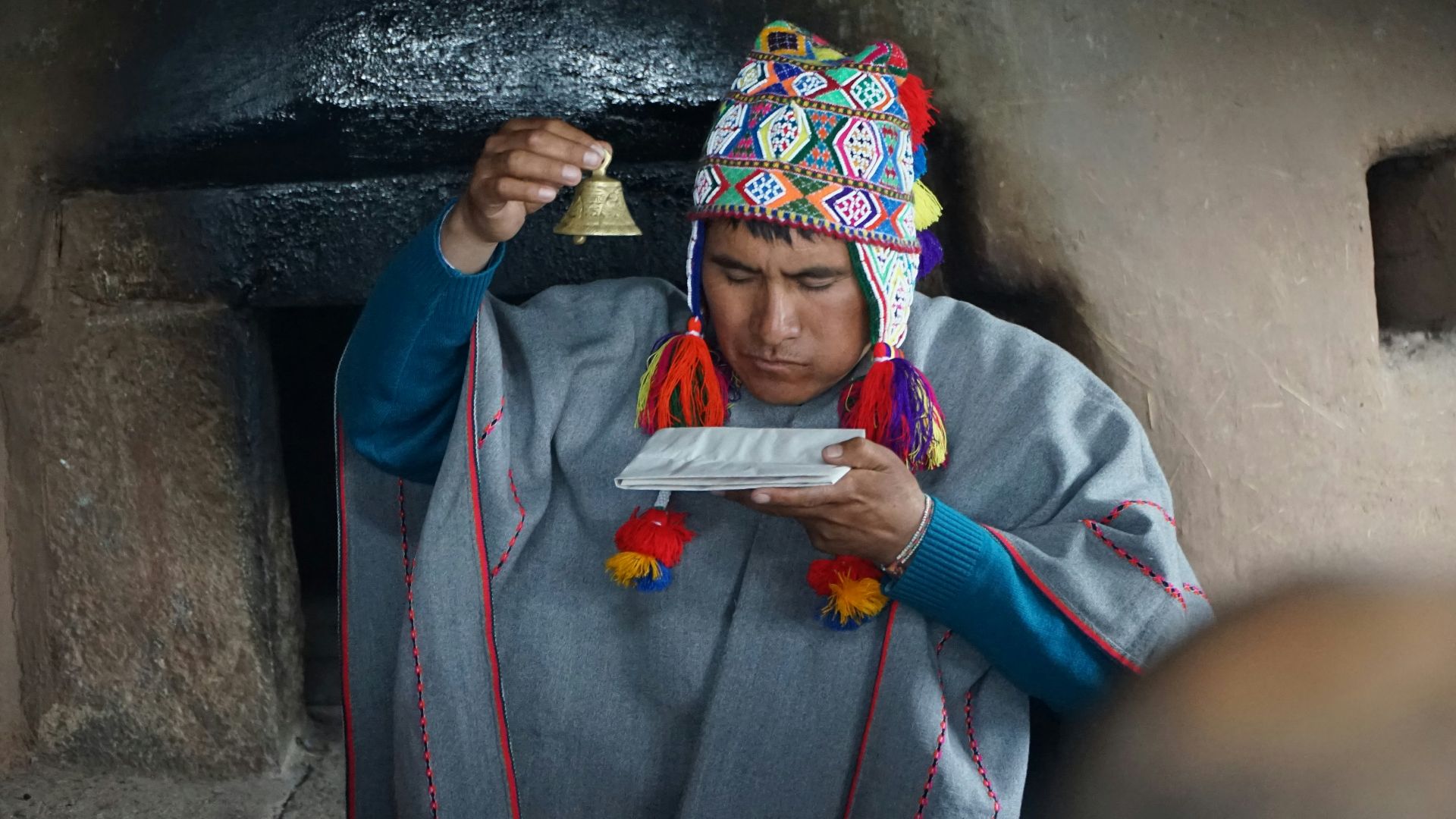
10. Andean Ponchos
Woven ponchos from the Andes provide warmth and protection at high altitudes. The patterns often reflect local traditions and communities. Outside that environment, they can feel more decorative than functional.
11. Hawaiian Aloha Shirts
Bright, patterned shirts feel natural in Hawaii’s relaxed, tropical setting. They’re part of everyday life rather than a novelty. Elsewhere, they can feel like vacation wear even when they’re not meant to be.

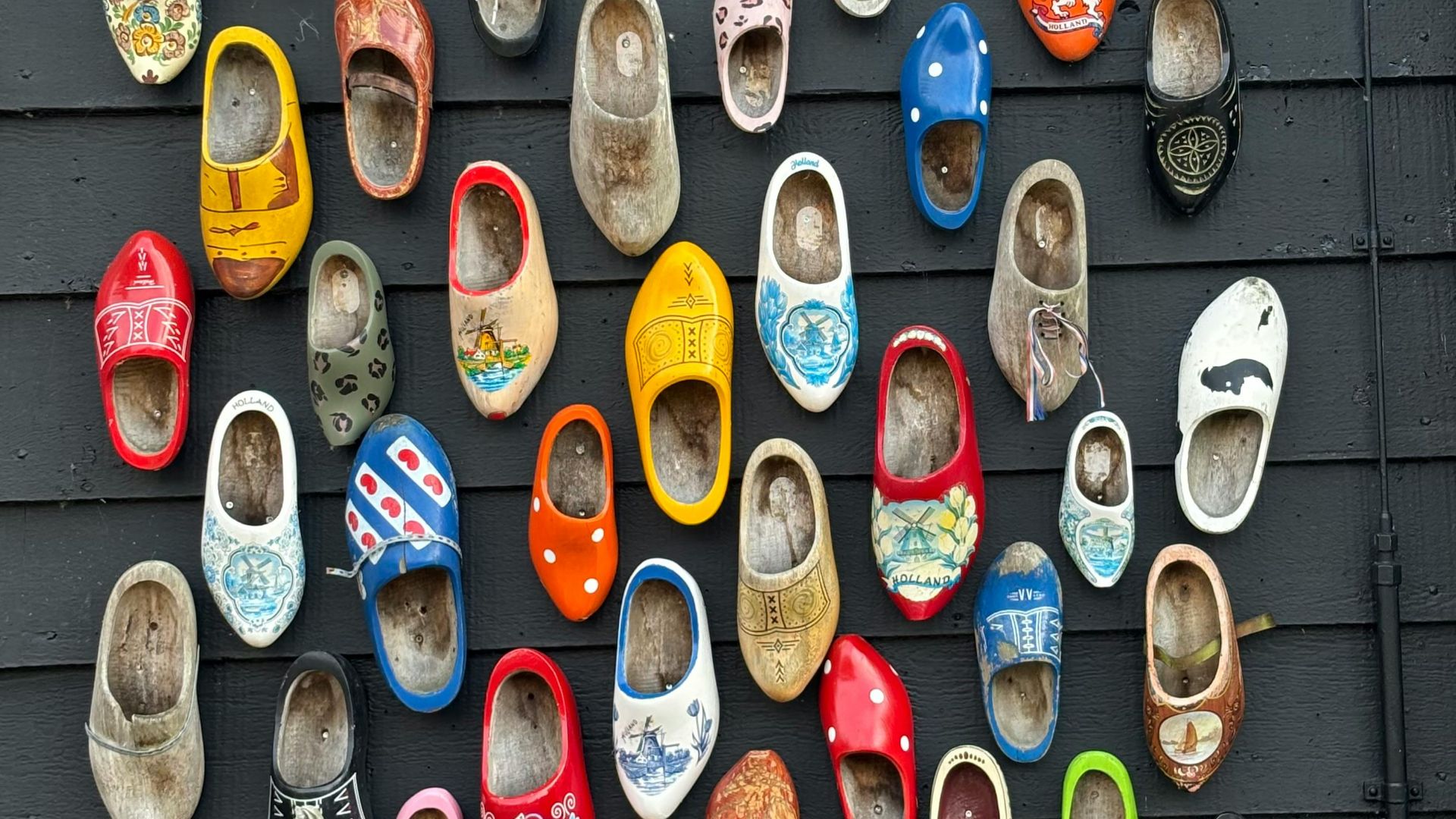
12. Dutch Wooden Clogs
Clogs were designed for wet, muddy conditions and agricultural work. In the Netherlands, they have a clear functional history. Outside of it, they’re almost entirely symbolic.
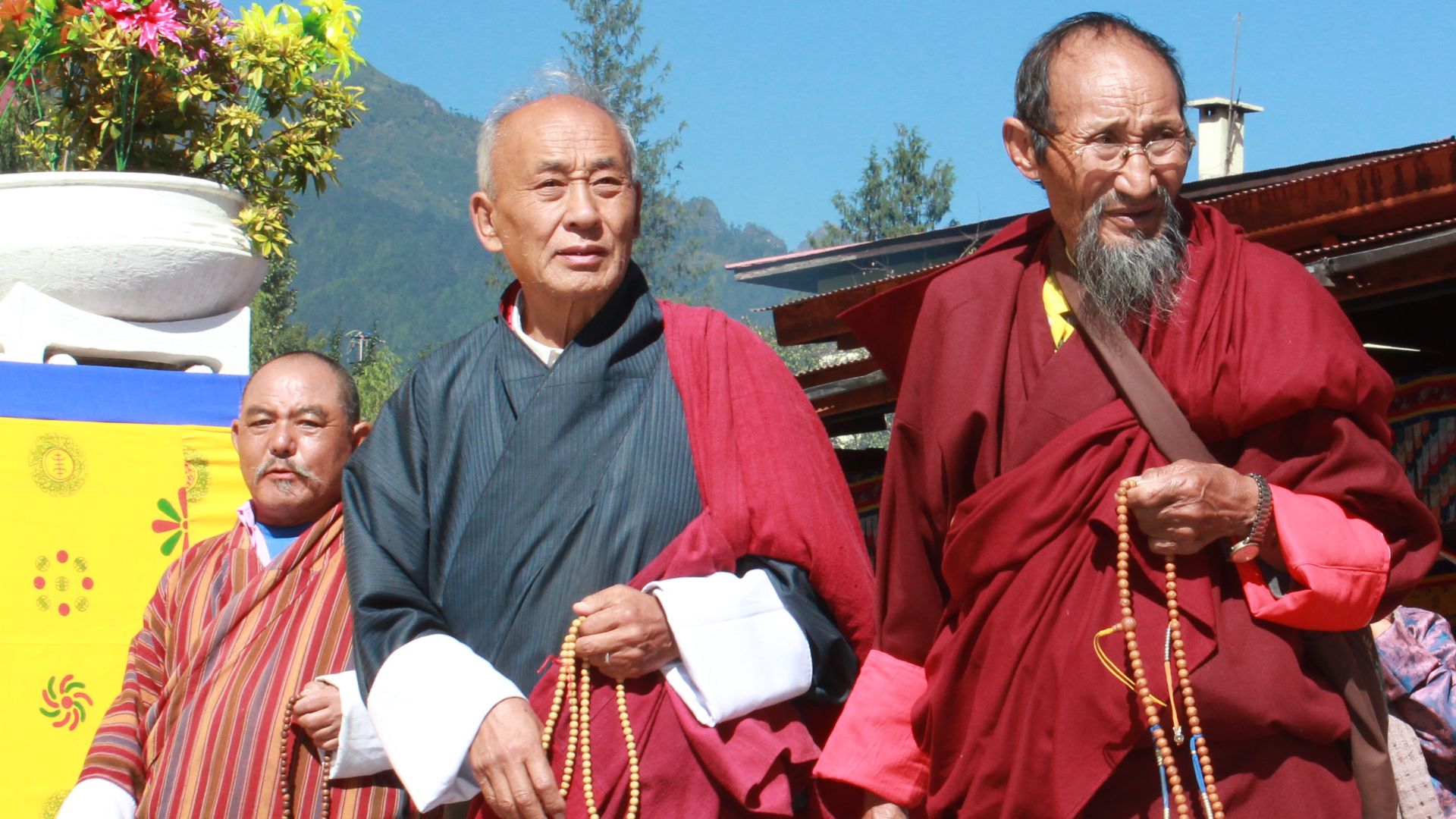
13. Tibetan Chuba
Heavy, layered robes worn in Tibet are adapted to extreme altitude and temperature swings. The way they’re worn—sometimes with one arm free—reflects daily practicality. Elsewhere, the structure can feel unfamiliar.
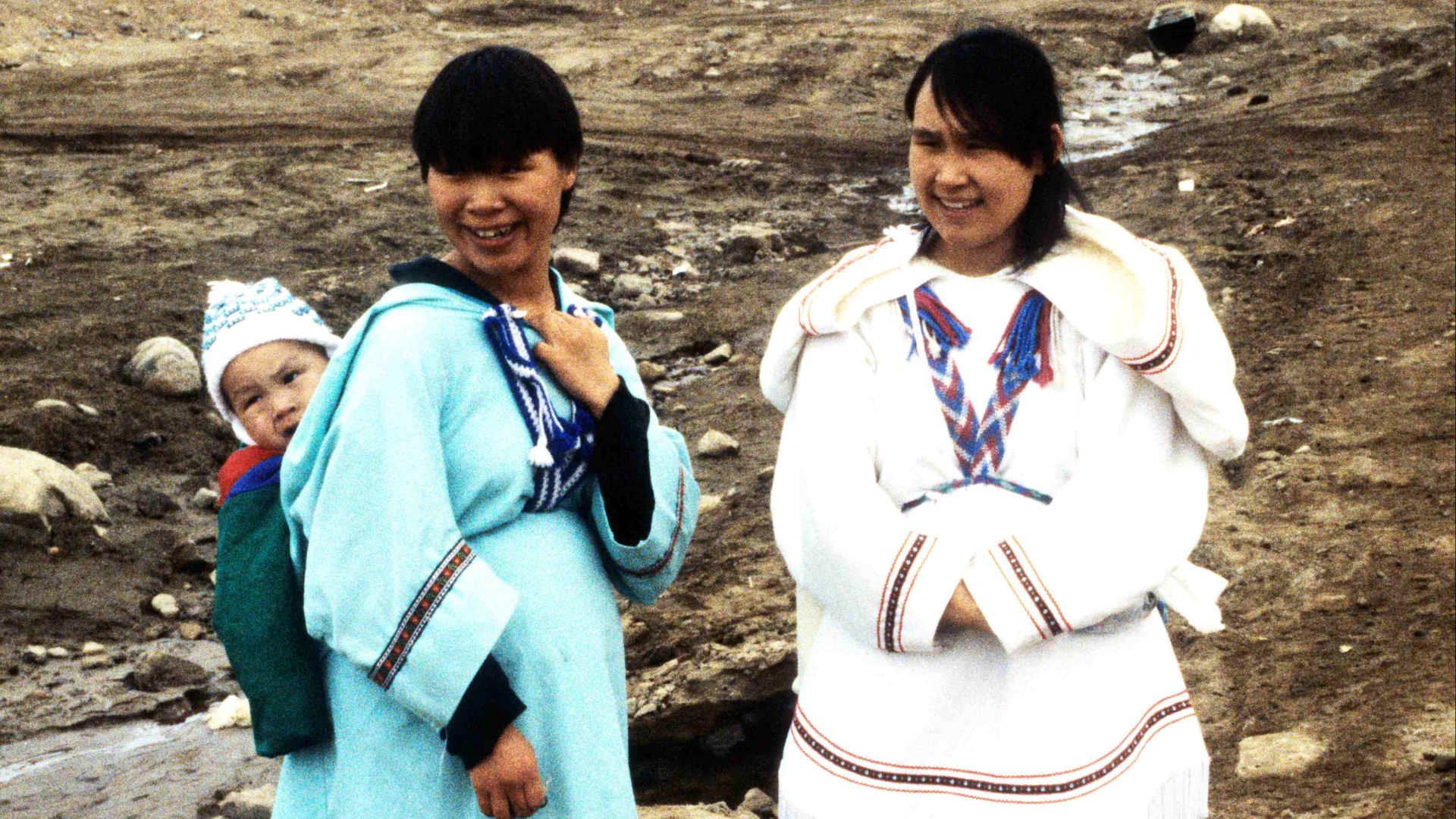
14. Inuit Parkas
Traditional parkas are engineered for survival in Arctic conditions. The materials, shape, and fur placement all serve a purpose. Outside that environment, they lose much of their context.
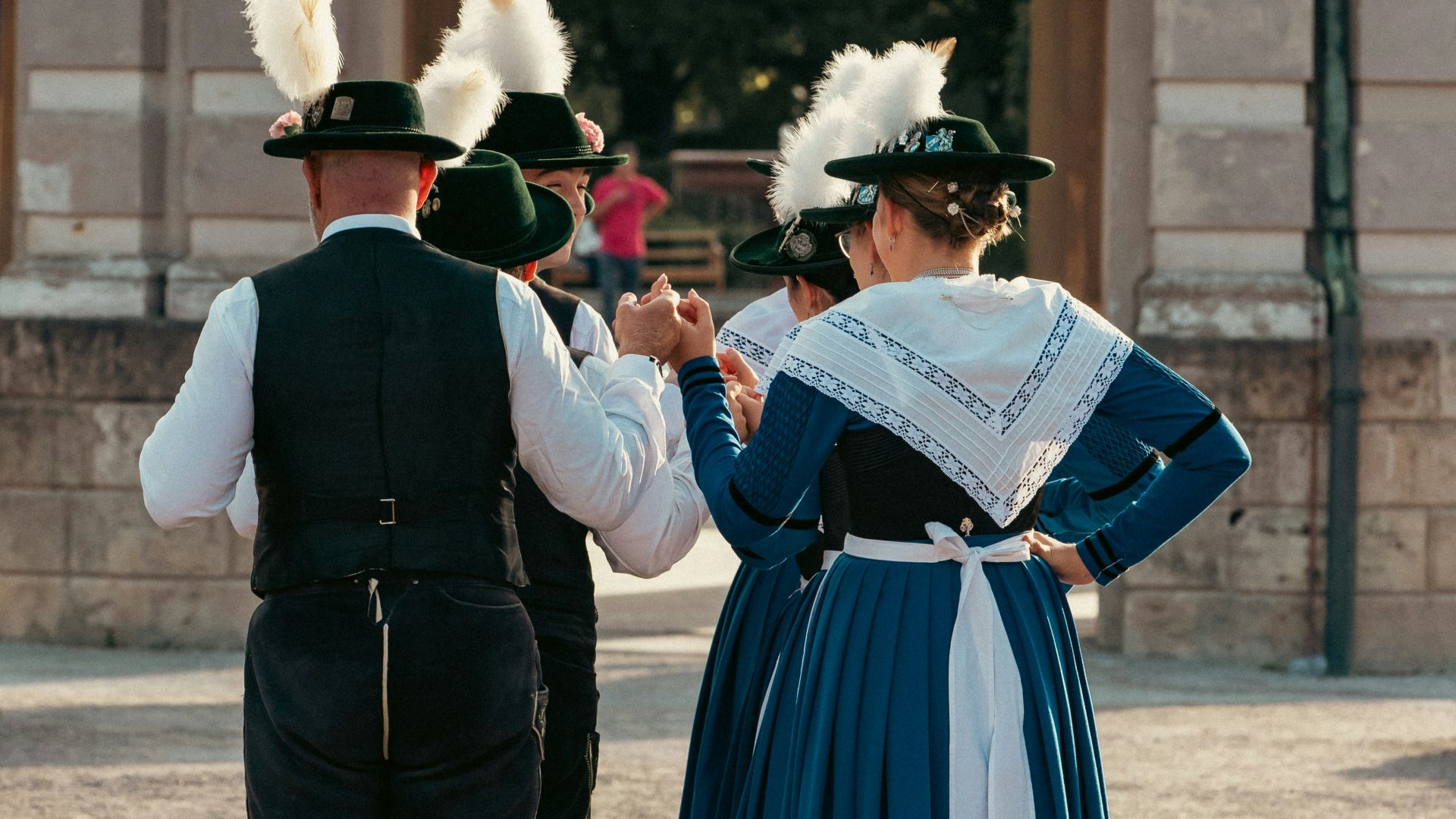
15. Bavarian Lederhosen
Short leather trousers are tied to regional culture and festivals in Bavaria. They carry history, not just style. Outside of Oktoberfest or that region, they tend to feel like costume.
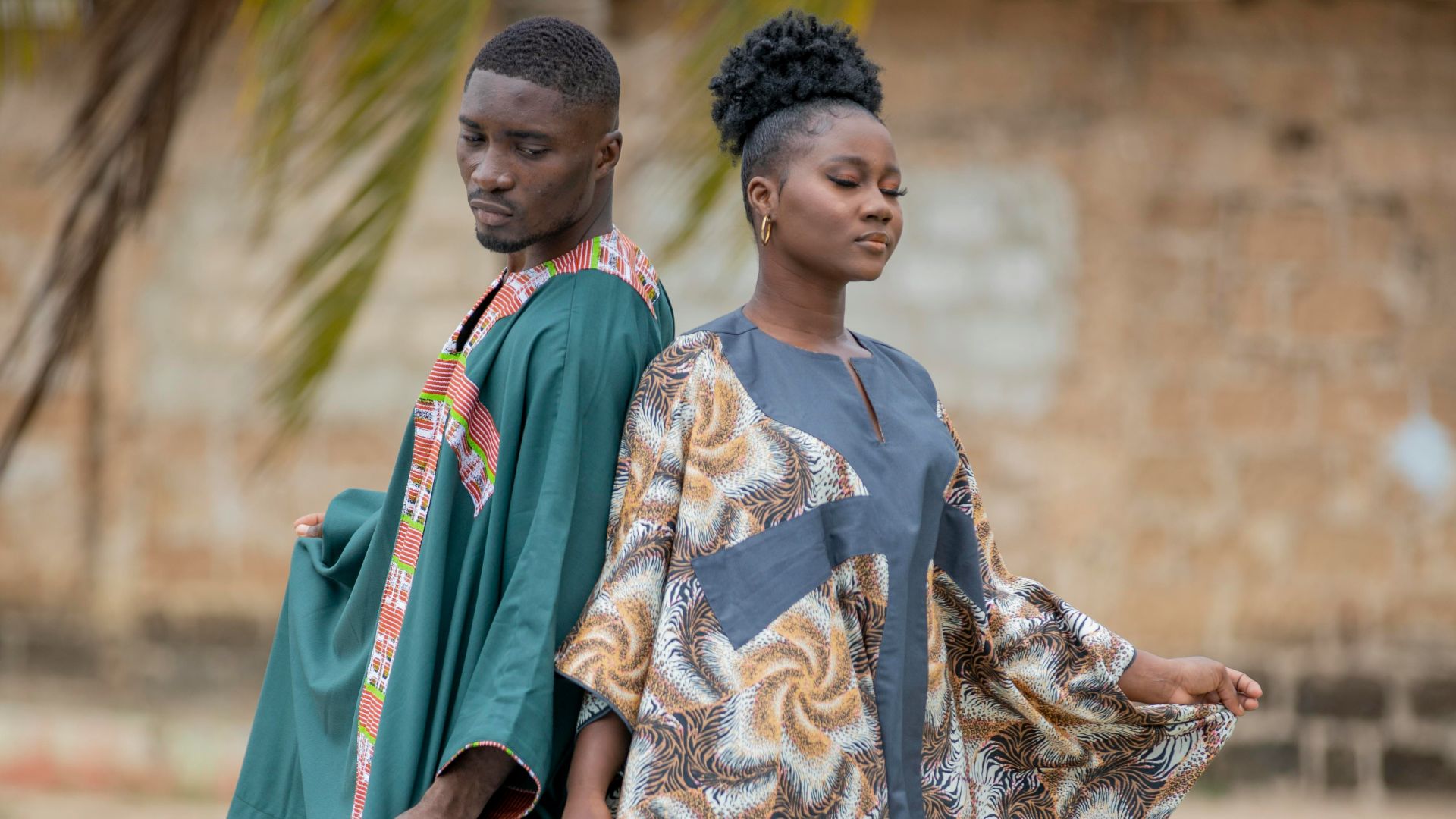
16. West African Ankara Prints
Bold, patterned fabrics are worn in tailored, everyday forms across West Africa. The colors and prints carry cultural meaning and personal expression. Elsewhere, they’re often treated as statement pieces rather than normal attire.
17. Finnish Sauna Towels and Wraps
Simple linen or cotton wraps worn between sauna and lake are part of a rhythm of life in Finland. They’re functional, minimal, and tied to a specific ritual. Outside of that context, they don’t quite translate as clothing.

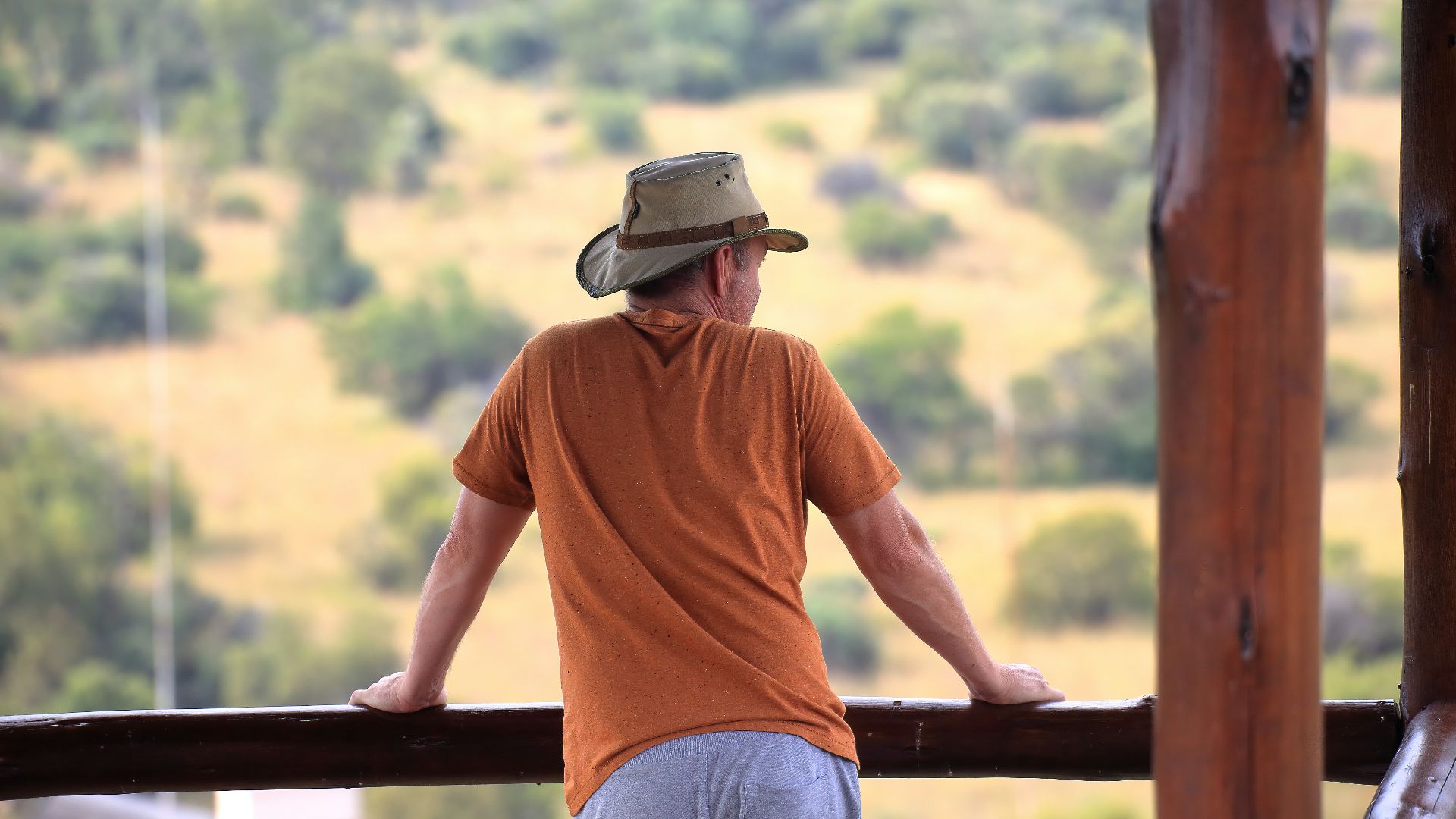
18. Australian Akubra Hats
Wide-brim felt hats are built for sun protection in the outback. In Australia, they feel practical and unremarkable. In other places, they can feel overly rugged or stylized.
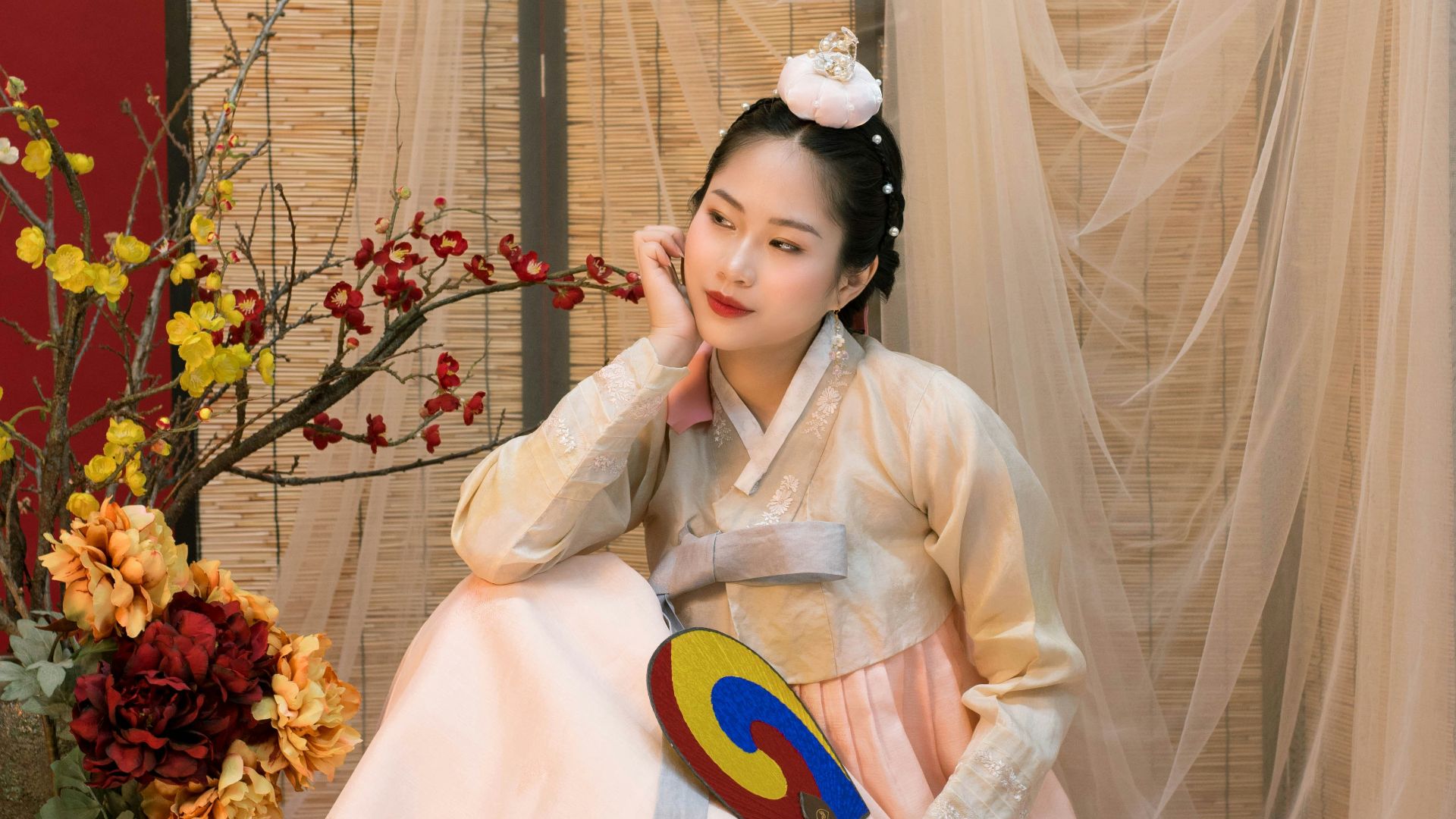
19. Korean Hanbok
The hanbok’s shape, color, and proportions reflect tradition and occasion. In Korea, it appears during celebrations and carries clear meaning. Outside of that, it’s often seen as formal or ceremonial only.
20. Norwegian Bunad
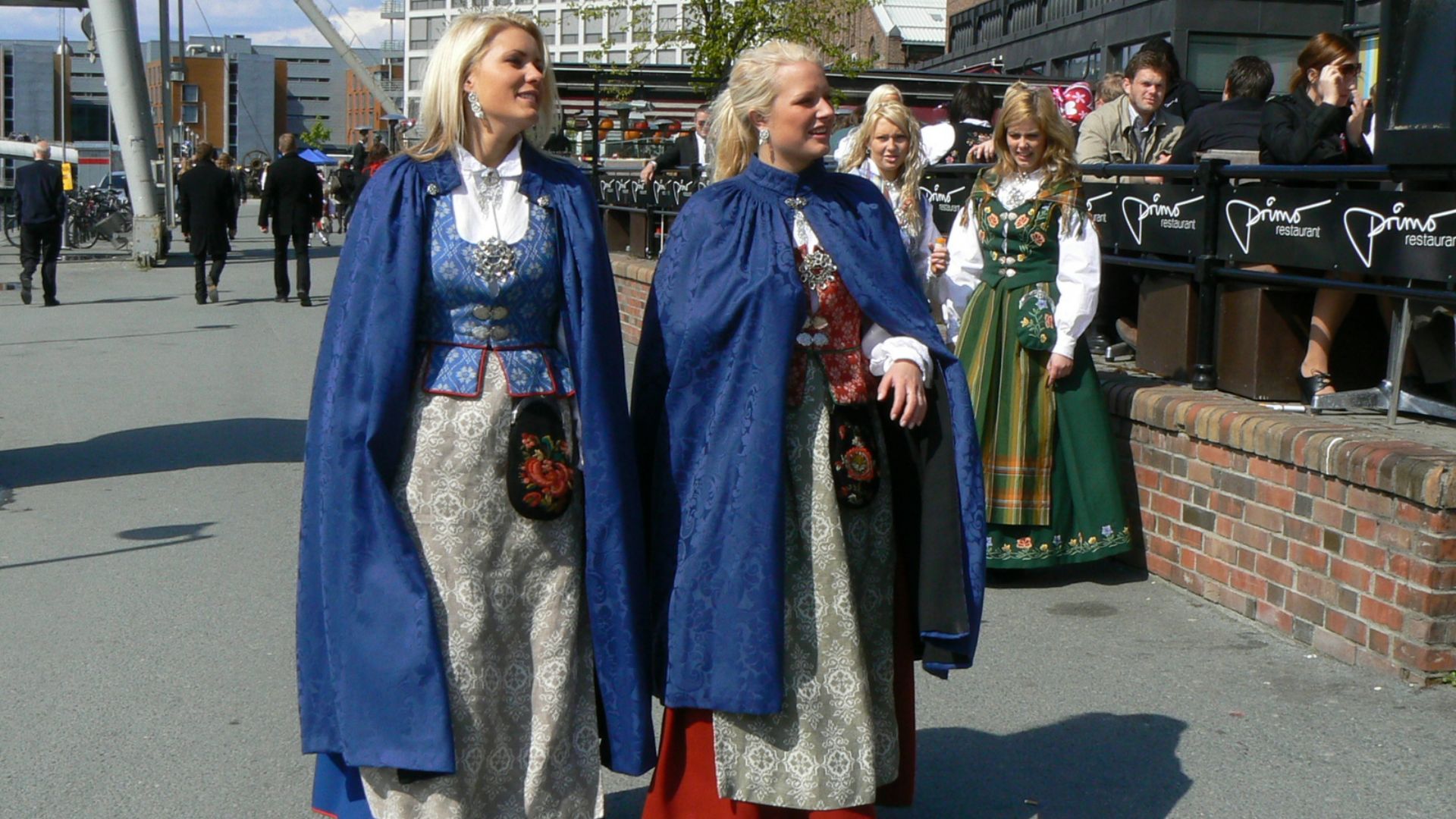
Traditional Norwegian bunads are highly specific to region, family, and history. They’re worn with intention during national celebrations. Removed from that context, they lose the meaning that makes them feel complete.