
Smarter Habits, Better Results
Beauty rules have a long shelf life, even when they've completely stopped making sense. Some came from old magazine columns, some got passed around by well-meaning friends, and some got a second life online with confident lighting and very little nuance. Bad beauty advice can waste your money, irritate your skin, and make your routine feel like a part-time job. Most of us don't need more rules, more panic, or more products with a complicated backstory. These 20 so-called rules are worth throwing out.

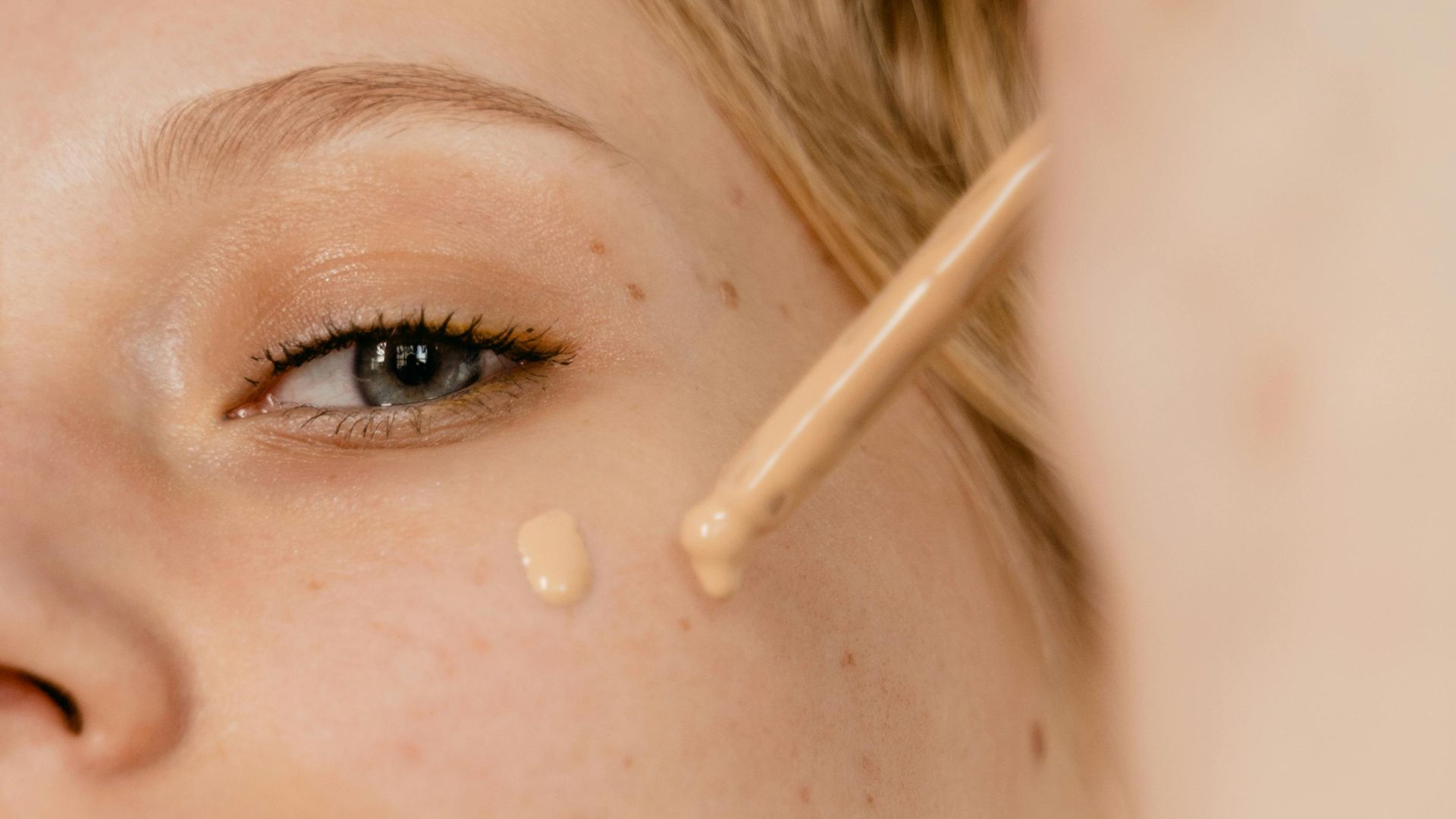
1. Foundation Has To Match Your Jawline
The jaw can look redder, darker, or more uneven than your neck and chest, especially indoors. A shade that blends across the center of your face and down into your neck usually looks far more natural in real life than one matched strictly to your jawline.
2. Shaving Makes Hair Grow Back Thicker
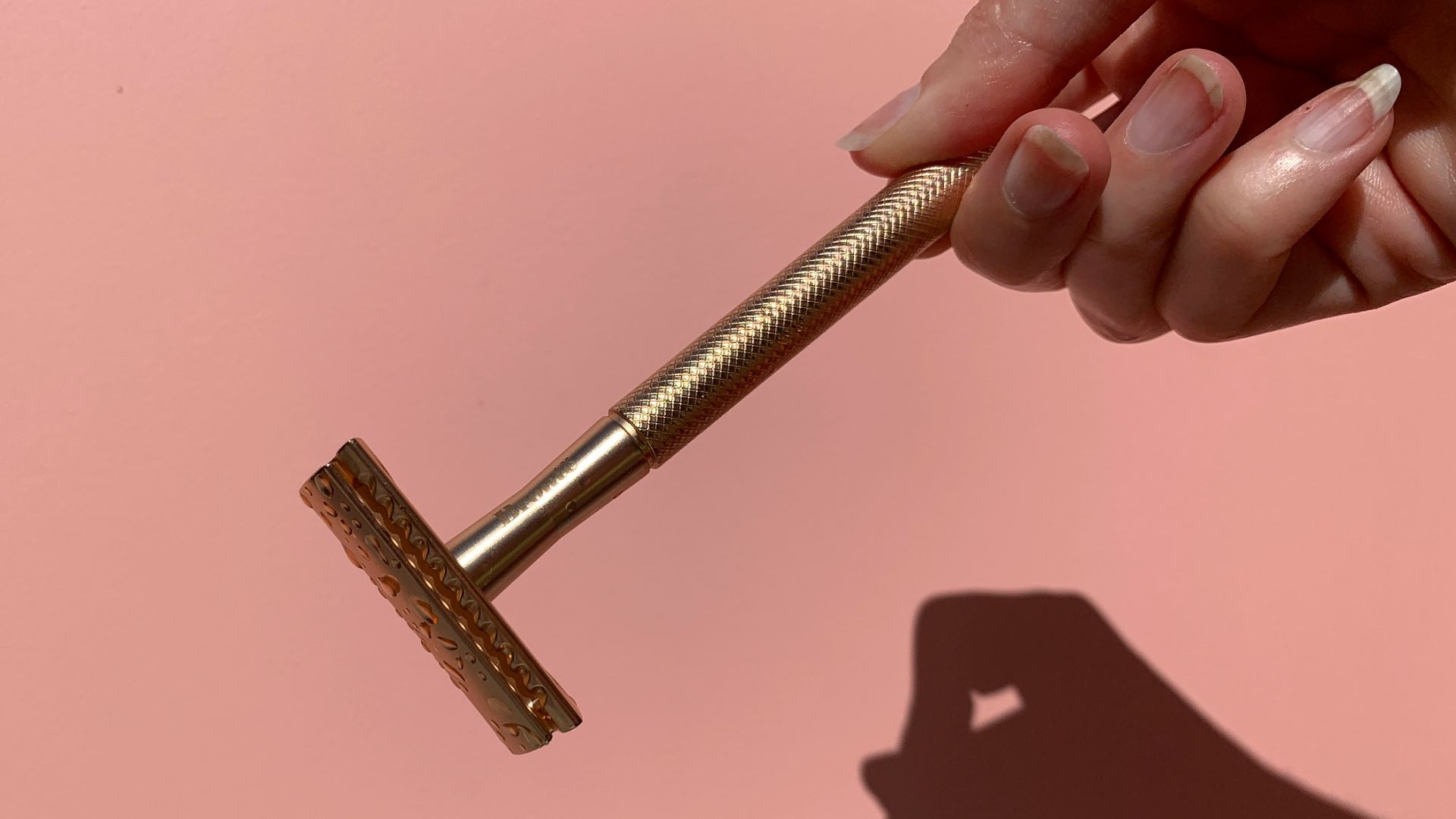
It doesn't. What you're feeling is a blunt edge from the razor, not a change in the follicle itself. That stubbly stage may be annoying, but we promise that the way your hair grows hasn’t changed.
3. You Can Shrink Your Pores
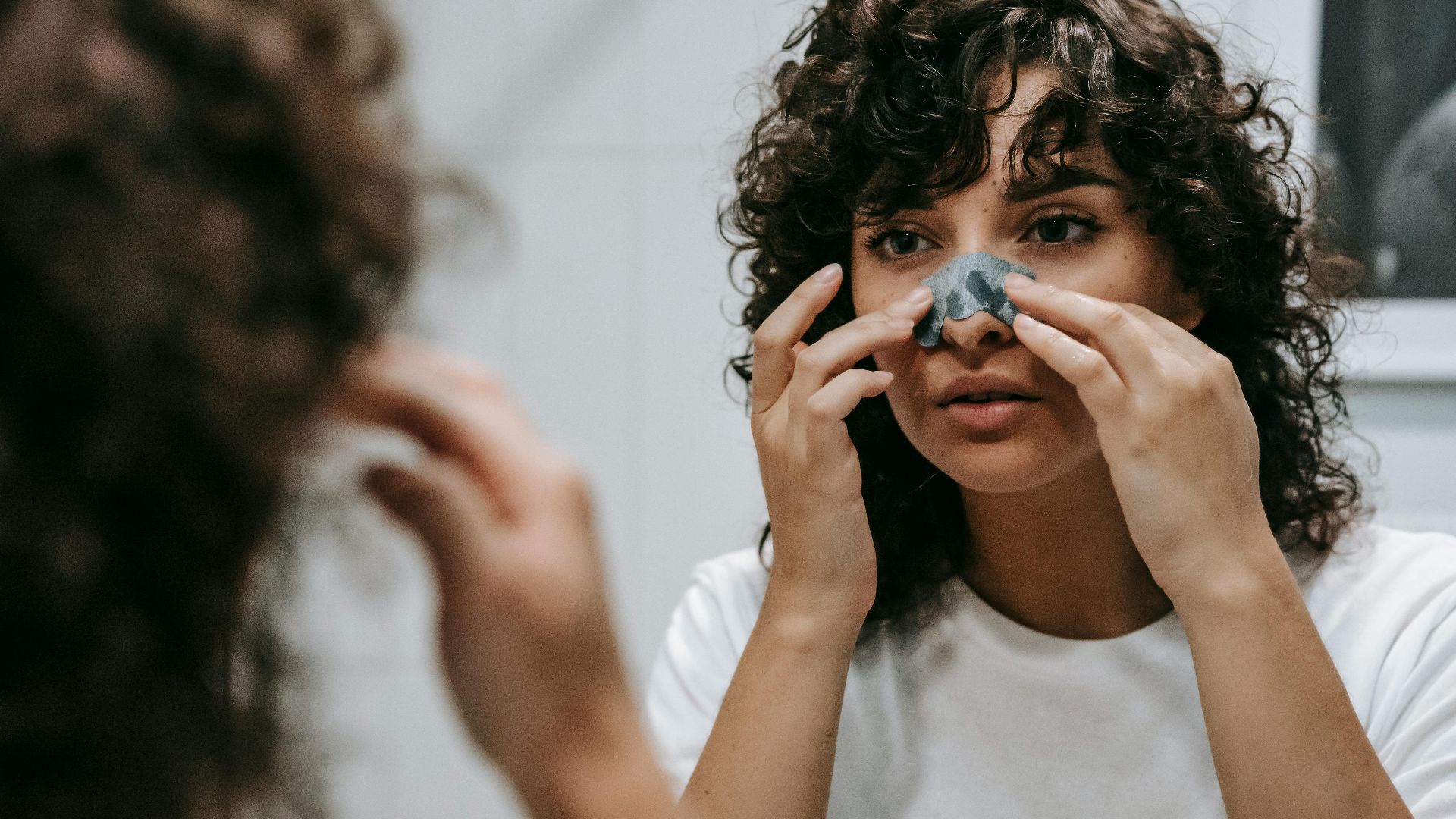
Pores can look smaller and less noticeable, but that's not the same as permanently shrinking them. Their size is largely down to genetics, oil production, and age. Good skin care can improve their appearance, which is useful, even if marketing tends to act like a toner can rewrite your DNA.
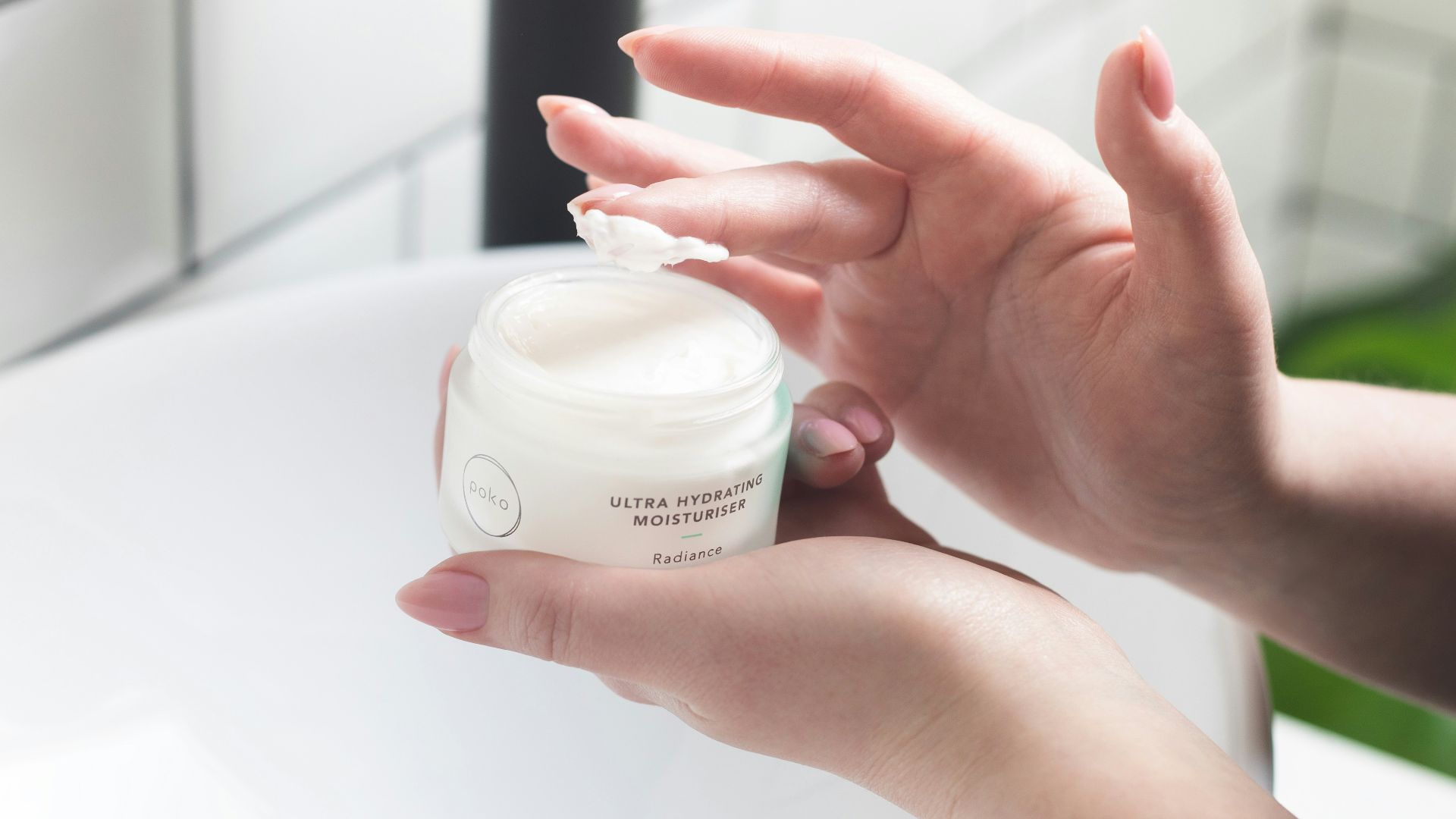
4. Oily Skin Doesn't Need Moisturizer
A lot of people learn this one the hard way. When skin gets too stripped out, it can produce more oil to compensate, which makes everything feel shinier and more congested. A lightweight gel or lotion keeps things comfortable without adding extra grease.
5. Sunscreen Is Only For Sunny Days
Daily exposure from walking outside, driving, or sitting near a window adds up over time. Cloudy days still count. If skin care has one genuinely boring but worthwhile habit, it's making sun protection a regular part of the routine.

6. Expensive Means Better
A luxury price tag can buy beautiful packaging and a lovely texture, but it doesn’t automatically buy a better formula. Plenty of affordable products work beautifully, which is great news for anyone who'd rather save their money.
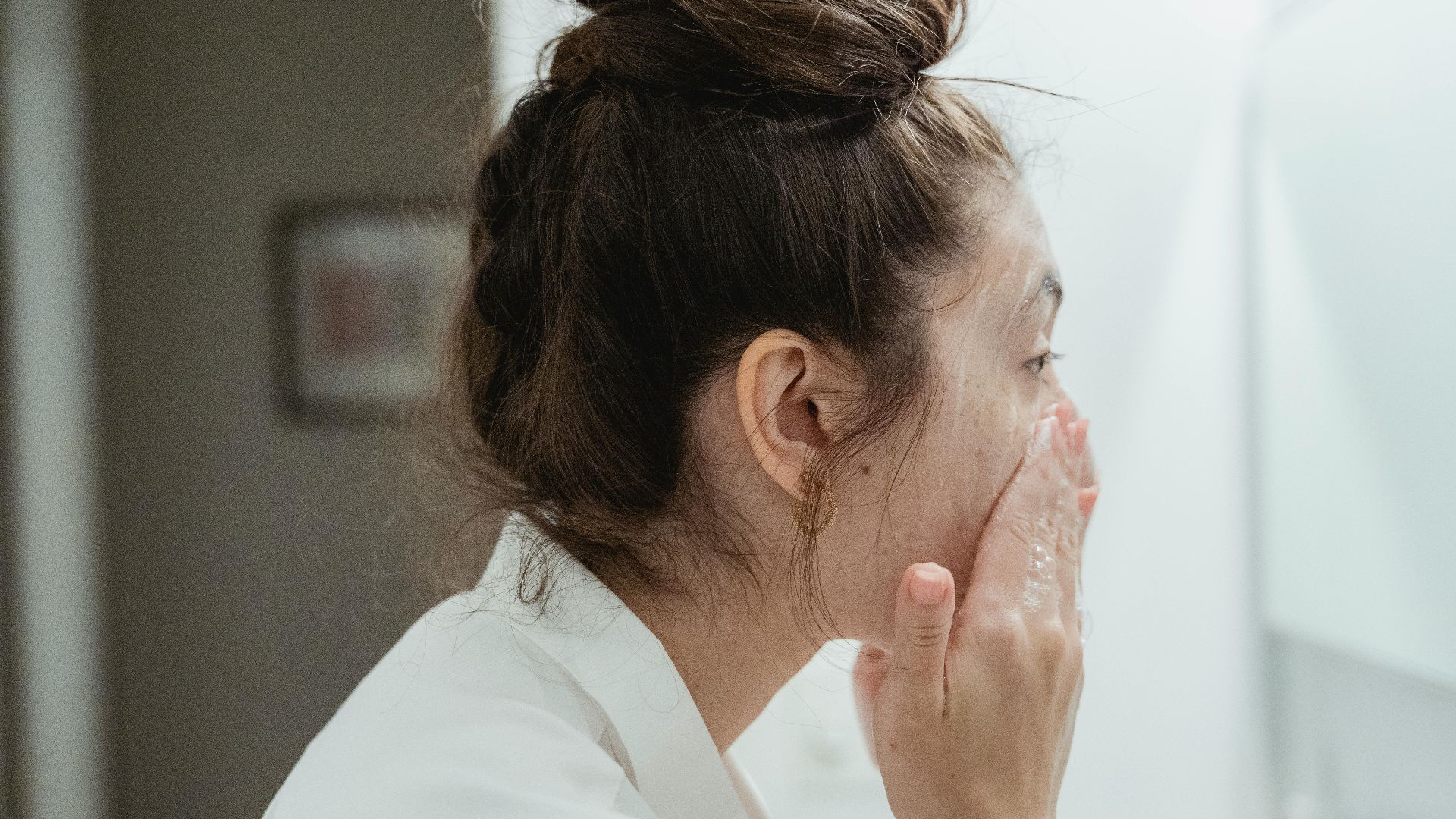
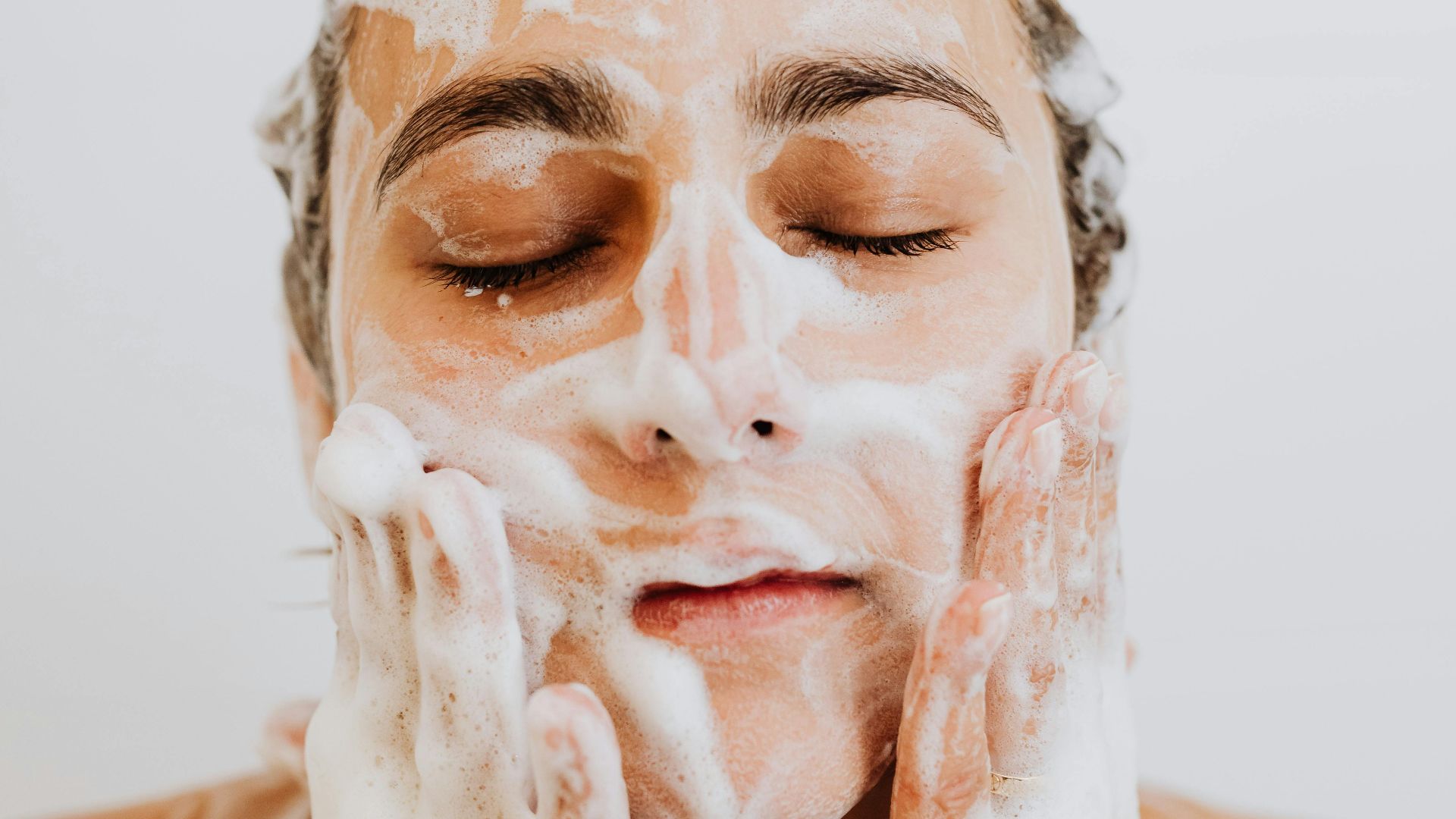
7. Washing Your Face More Gets It Cleaner
Over-washing usually leaves skin tight, irritated, and oilier by the end of the day because your skin is trying to compensate. Morning, evening, and after heavy sweating are enough for most people.
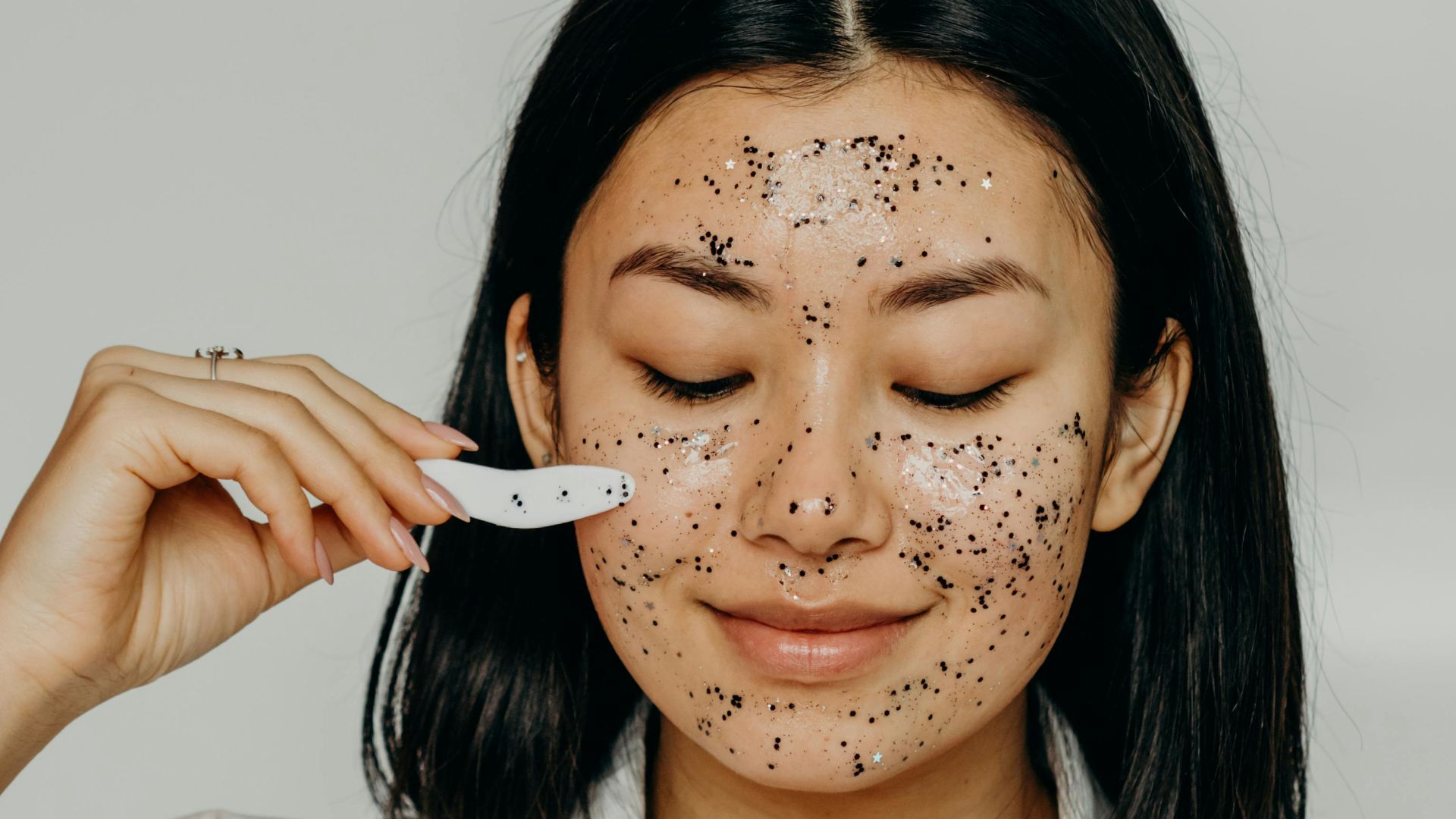
8. You Should Exfoliate Every Day
More isn’t always better here. Too much exfoliation can leave skin red, shiny in the wrong way, and oddly reactive to products that used to be fine. A more relaxed schedule often yields better results.
9. More Steps Means Better Skin
A long routine lined up on the bathroom shelf can look very impressive, but it doesn’t guarantee better skin. A cleanser, a moisturizer, sunscreen, and one or two targeted products can be far more effective than overcrowding your face.
10. Tingling Means It's Working
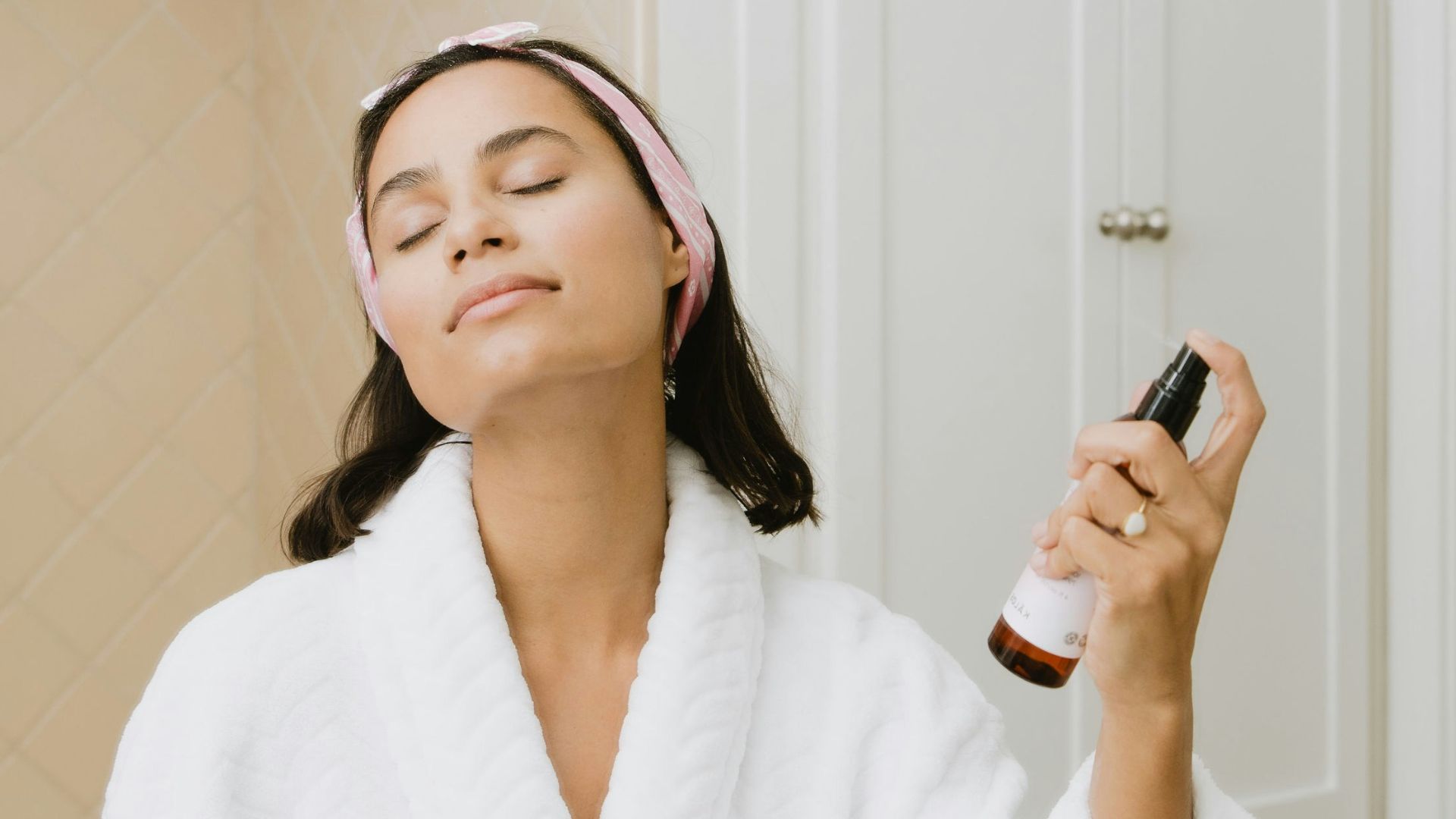
That hot, tingly sensation isn’t always a sign of progress. Sometimes it just means your skin is irritated, and irritation is not a beauty benefit, no matter how confidently it's marketed. Comfortable skin tends to look much better over time.
11. Acne Is Just A Teen Thing
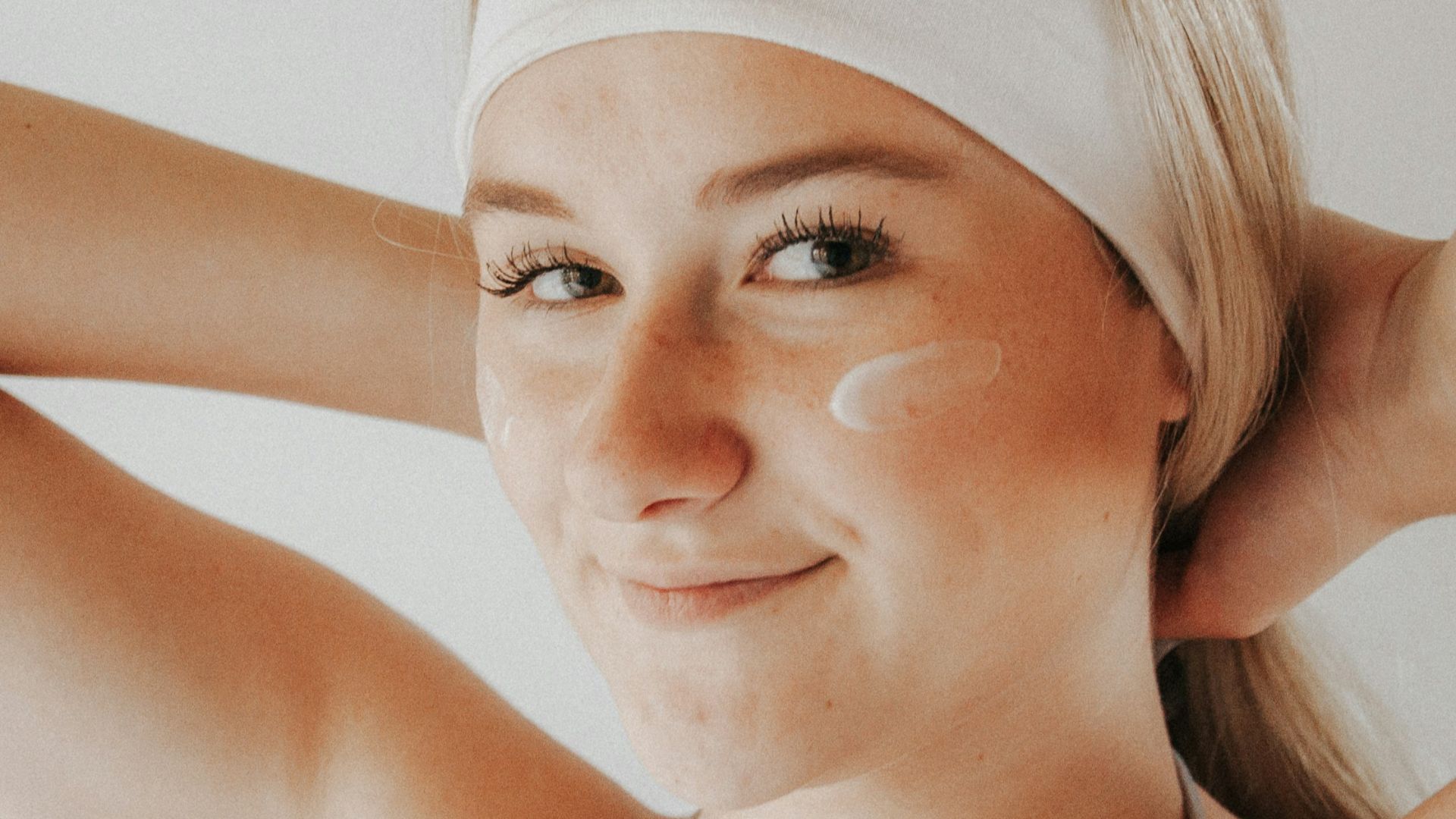
Sadly, acne doesn’t pack its bags when adulthood begins. Plenty of people deal with breakouts well into their adult years, whether it's from hormones, stress, skin care overload, or a mix of all three. It's common, it's frustrating, but it's not a sign that you missed something.
 Barbara Krysztofiak on Unsplash
12. Dark Circles Just Mean You Need More Sleep
Sure, sleep helps, but dark circles are rarely that simple. Genetics, pigmentation, allergies, facial structure, and the thinness of the under-eye area all play a part. A full night's sleep won’t erase what's going on underneath.

13. Eye Cream Can Wait
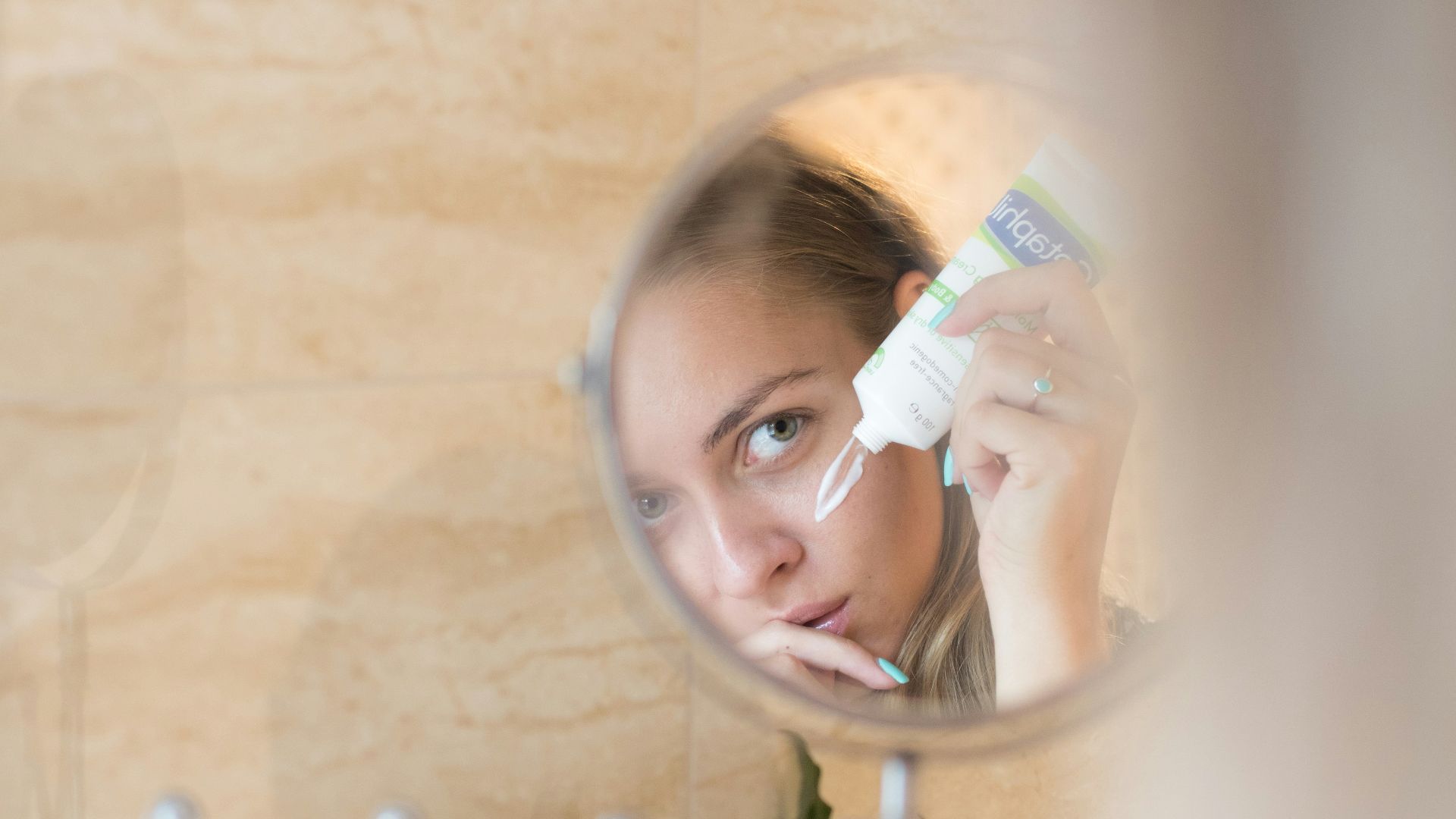
You don't need to hit some wrinkle threshold before paying attention to the eye area. That skin is thinner and dries out faster, which is why a lighter, more hydrating product there can make a real difference. It's not mandatory for everyone, but ignoring the area completely isn't the only option.
14. Serums Are Just An Extra Step
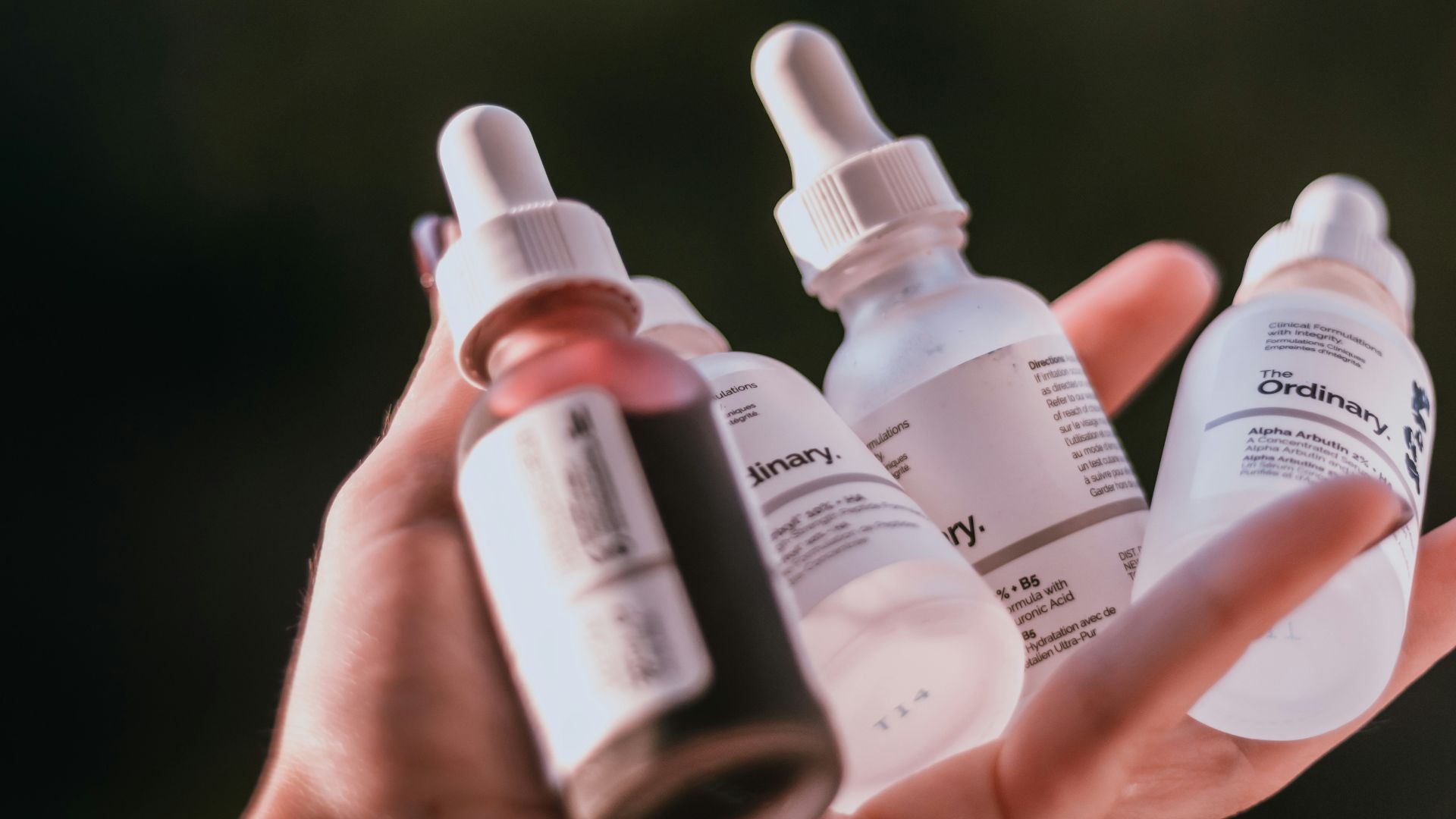
A well-chosen serum can target dryness, dullness, breakouts, or uneven tone more directly than a basic moisturizer. The key is picking one that actually suits your skin, not just buying one that an influencer convinced you you need to try.
15. Natural Always Means Better
Natural ingredients can be lovely, but natural does not automatically mean gentler or safer. Essential oils, fragrant plant extracts, and plenty of botanicals can still irritate sensitive skin. A product should be judged by the full formula and how your skin actually responds, not by how wholesome the label sounds.
16. Good Products Work Overnight
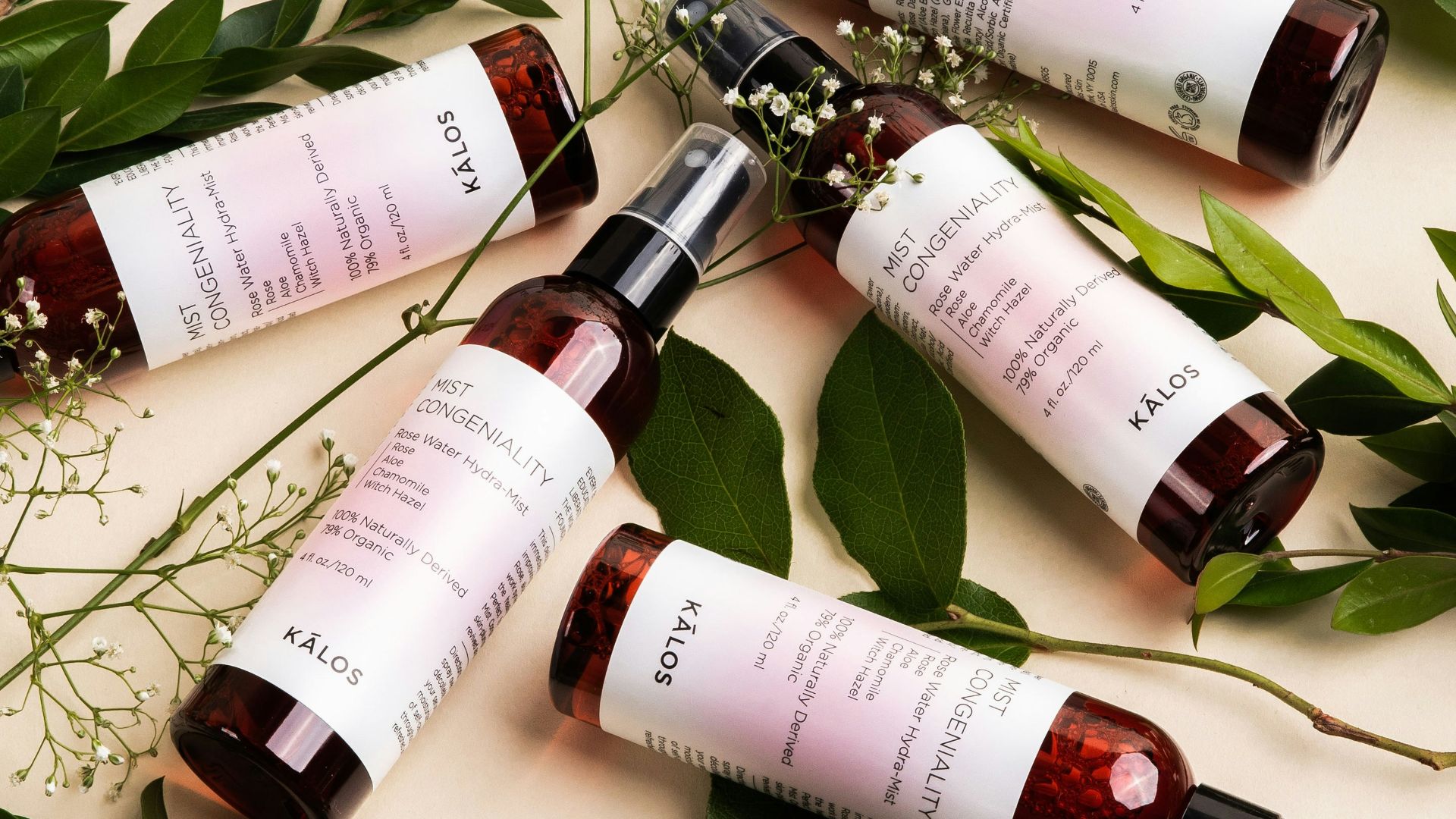
Real skin care usually works gradually, which is less exciting than a dramatic before-and-after and considerably more realistic. Some products can make skin look smoother or more hydrated, but greater improvement takes consistency. If something promises to change your face by tomorrow morning, healthy skepticism is the right response.
17. Toothpaste Clears Up Spots
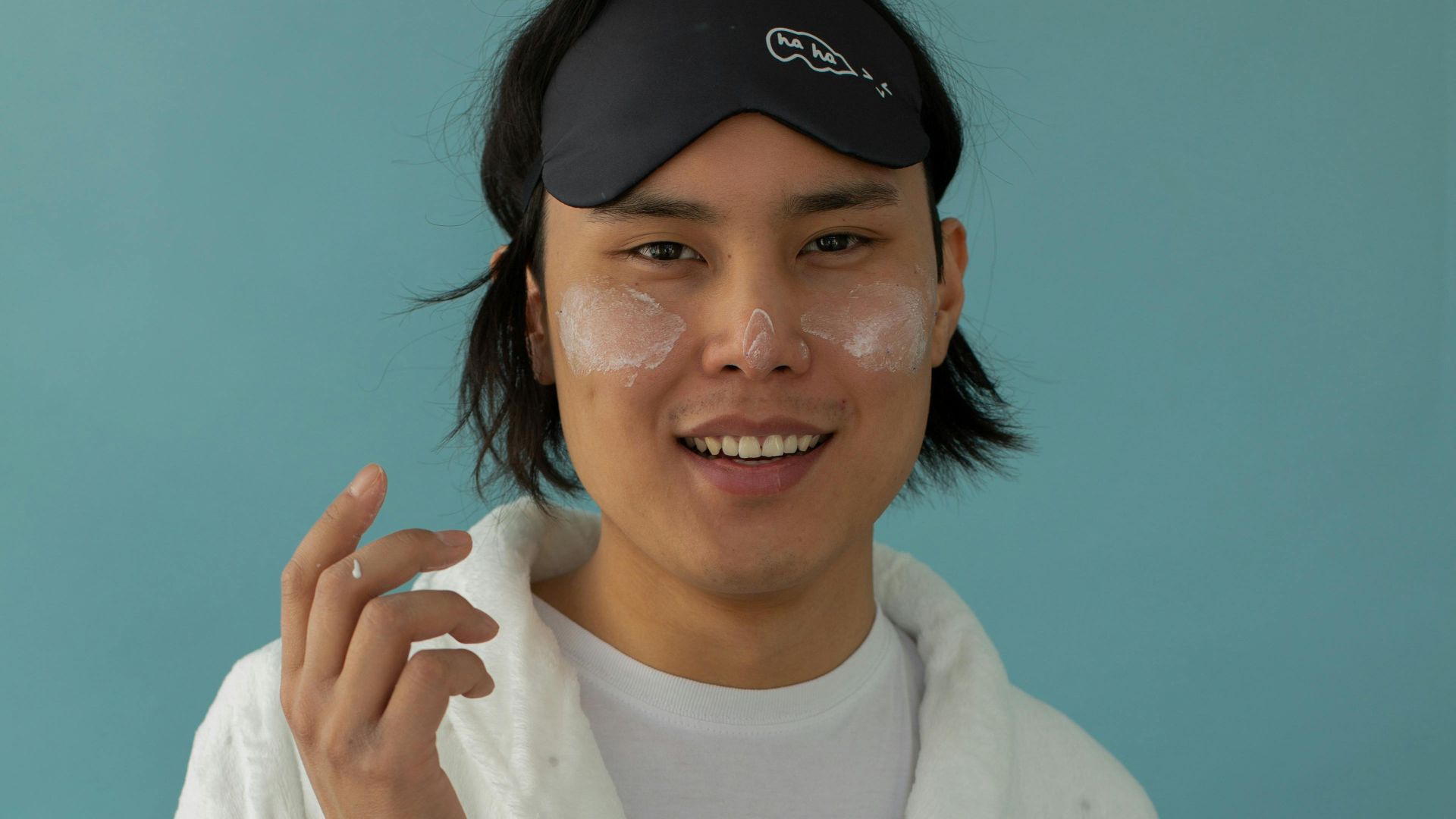
Toothpaste belongs on teeth. On a pimple, it can be too harsh and drying, often leaving the area redder and angrier than before. There are actual spot treatments designed for breakouts, and they tend to work far better than your minty paste.
18. Kitchen Ingredients Make Great Face Masks
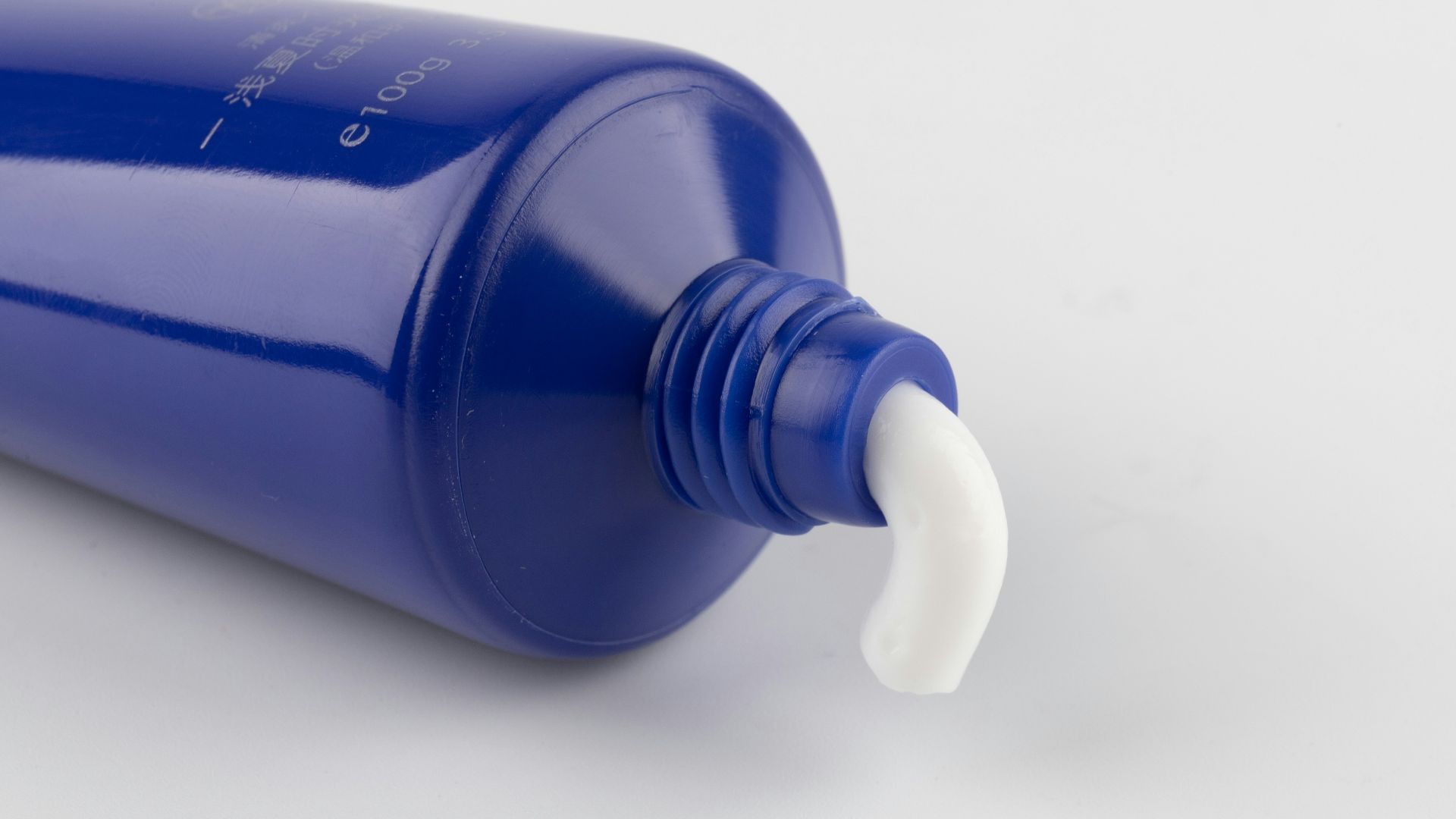
Homemade masks can feel like a fun Sunday activity, but they’re not all harmless. Lemon juice, baking soda, and random pantry combinations can irritate skin more than it helps it. A simple, tested product is usually a safer bet than treating your face like an experiment.
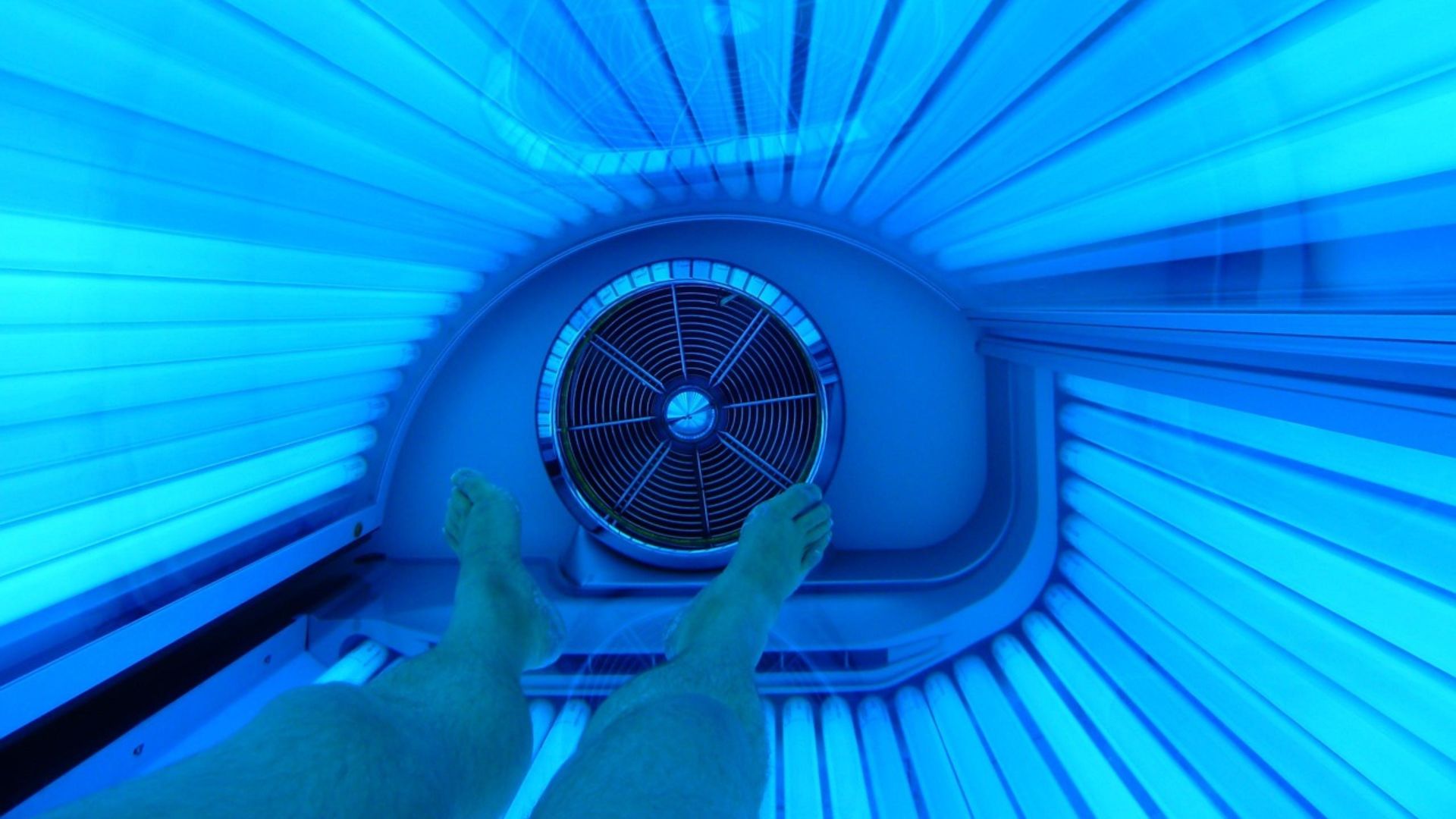
19. Tanning Beds Are A Beauty Shortcut
They are not a beauty hack, a skin treatment, or a clever pre-holiday prep step. Tanning beds expose skin to UV damage, can speed up visible aging, and come with health risks that no amount of glow is worth. Self-tanner is the smarter, far less complicated option.
20. Product Order Doesn't Matter
It does, especially once you start layering treatments. Lighter, water-based products generally go on before thicker creams and oils, so they can absorb properly. You don't need military precision, but a little order makes the routine more effective and a lot less chaotic.