When Performance and Style Collided on the World Stage
The Olympics have always been about more than just competition. Over time, athletes’ outfits have reflected cultural shifts, technological innovation, and evolving attitudes toward identity and expression. From bold statements to functional breakthroughs, certain Olympic looks have stood out for changing how sports style is perceived. These 20 moments show how what you wear can influence both performance and public conversation.
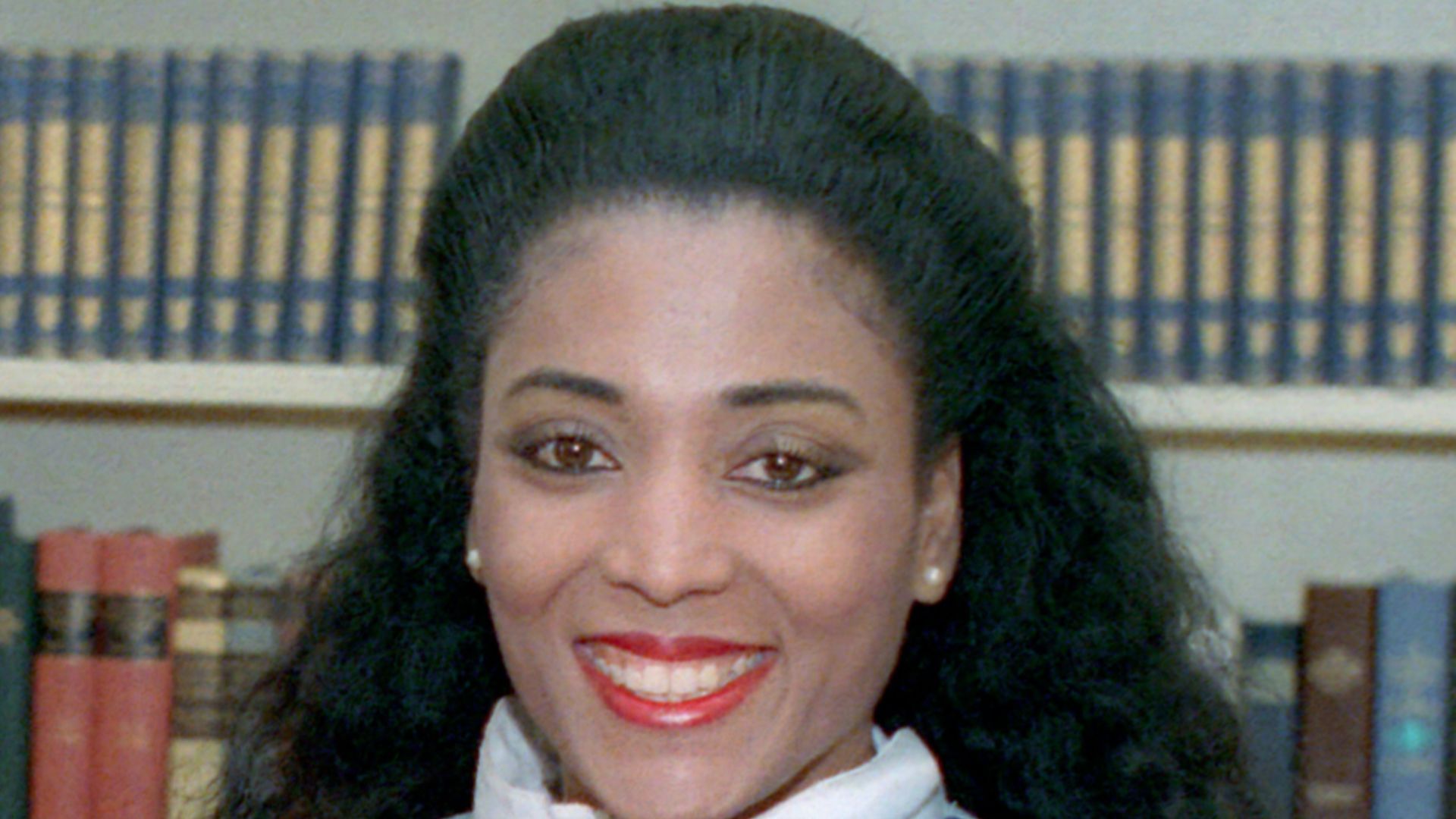
1. Florence Griffith Joyner’s One-Legged Suit (1988)
Florence Griffith Joyner debuted a one-legged racing suit at the Seoul Olympics. The design was striking and completely different from traditional track uniforms. It combined speed-focused functionality with bold personal style. Her look helped redefine how individuality could exist in elite competition.
 All the photographs are in the public domain and may be credited
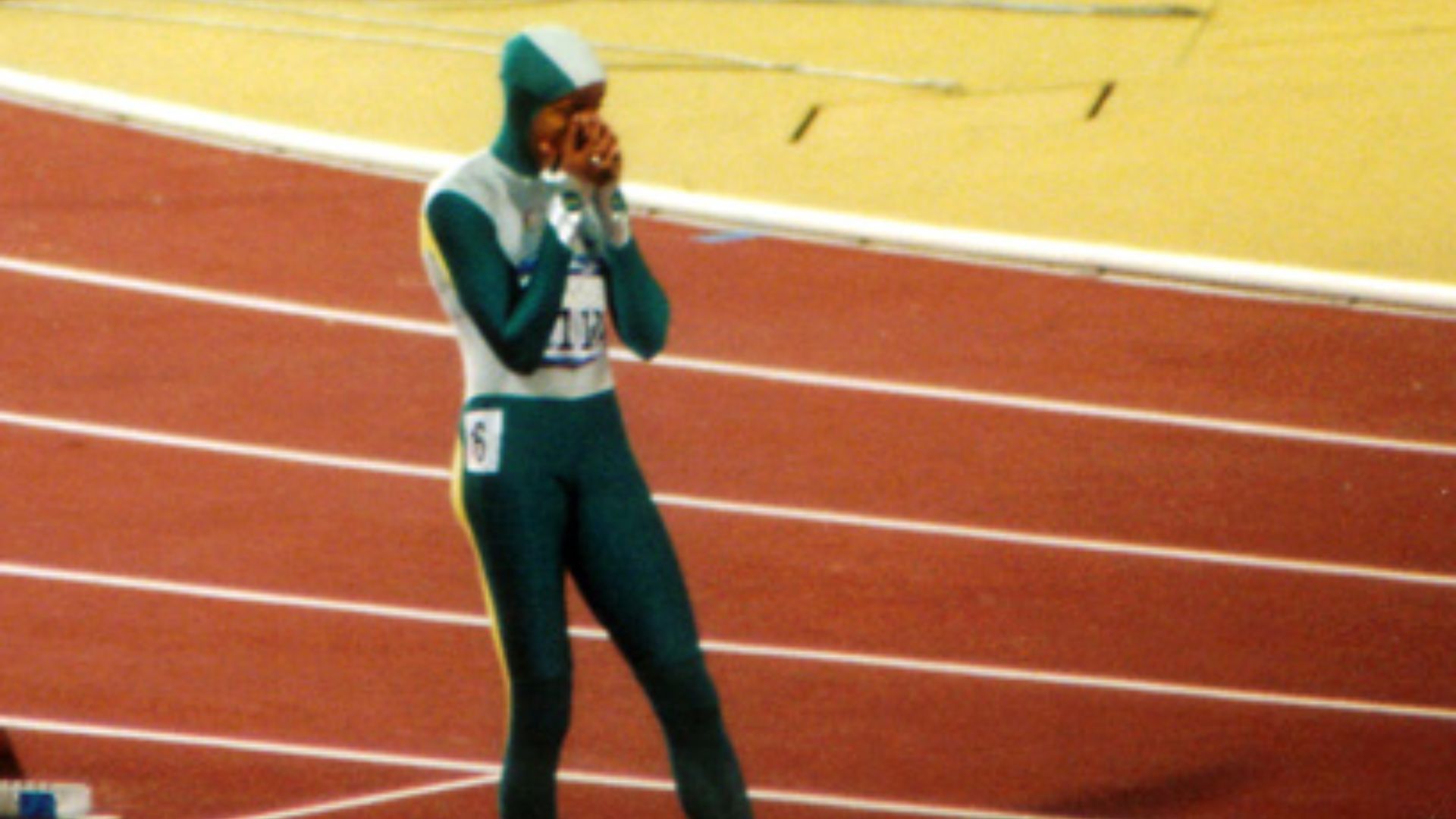
2. Cathy Freeman’s Full-Body Suit (2000)
Cathy Freeman wore a sleek, hooded bodysuit during the Sydney Olympics. The outfit was designed for aerodynamics and symbolic presence. It highlighted both performance and cultural pride as she carried the Olympic flame. This look influenced future track apparel design.
 Ian @ ThePaperboy.com on Wikimedia
3. Team USA’s Denim Opening Ceremony Look (1996)
The American team wore denim outfits during the Atlanta opening ceremony. While casual by Olympic standards, it reflected a distinctly American style. The choice sparked conversation about blending sport with everyday fashion. It remains one of the most recognizable ceremony looks.
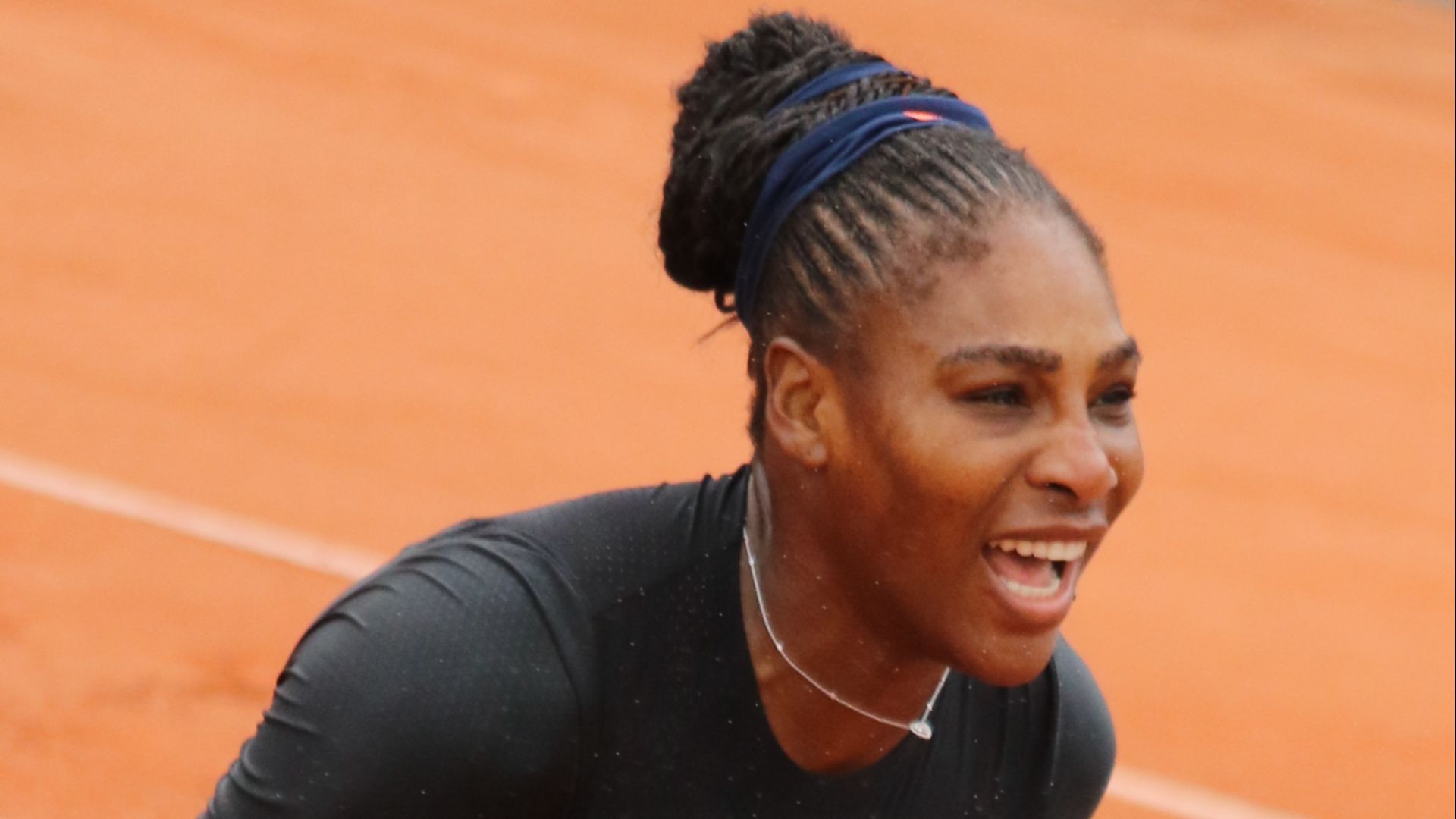
4. Serena Williams’ Catsuit (2012)
Serena Williams wore a fitted catsuit during the London Olympics. The outfit allowed for flexibility and comfort during intense matches. It also showcased a confident, modern approach to athletic fashion. The design influenced future tennis apparel trends.
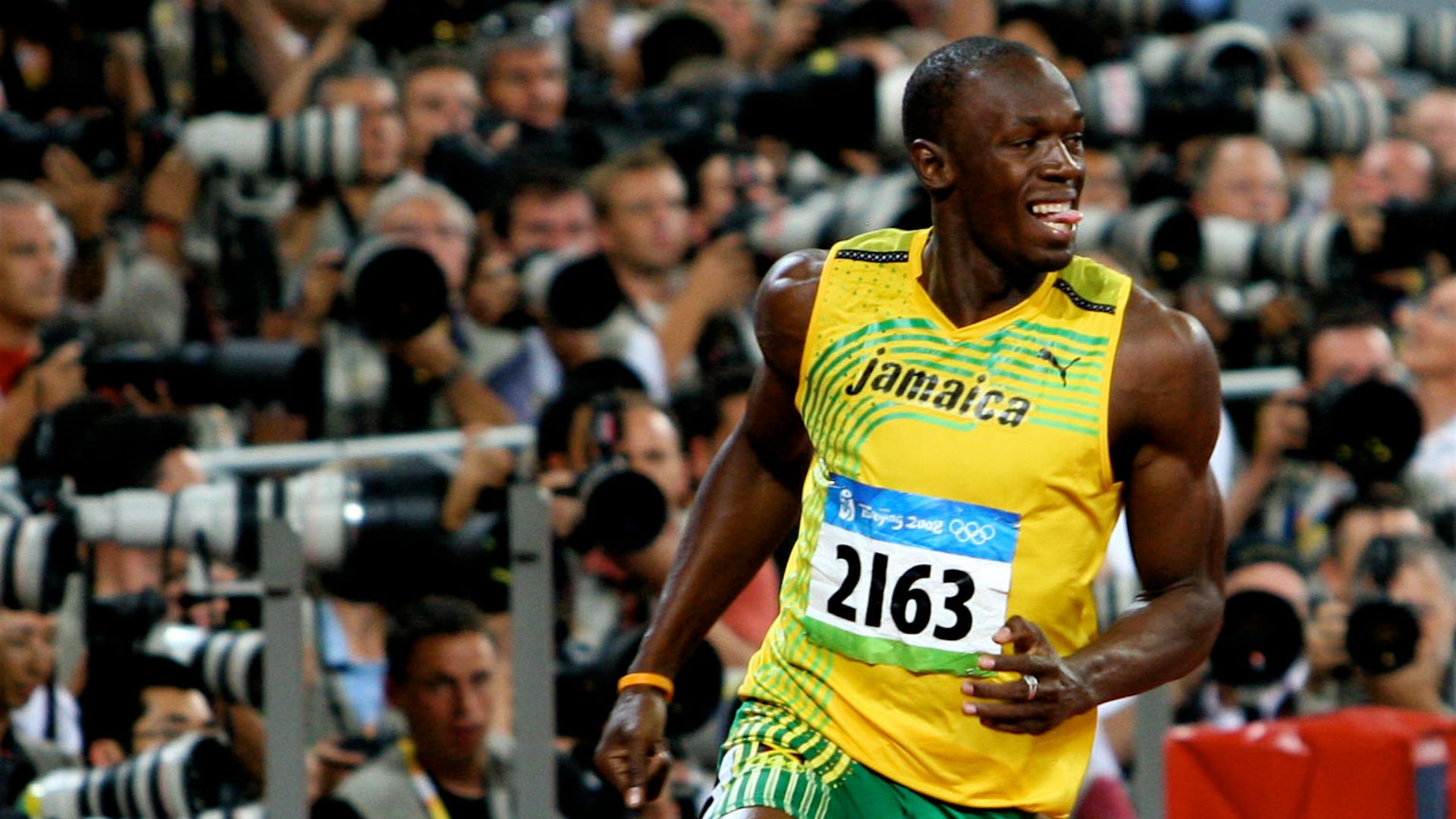
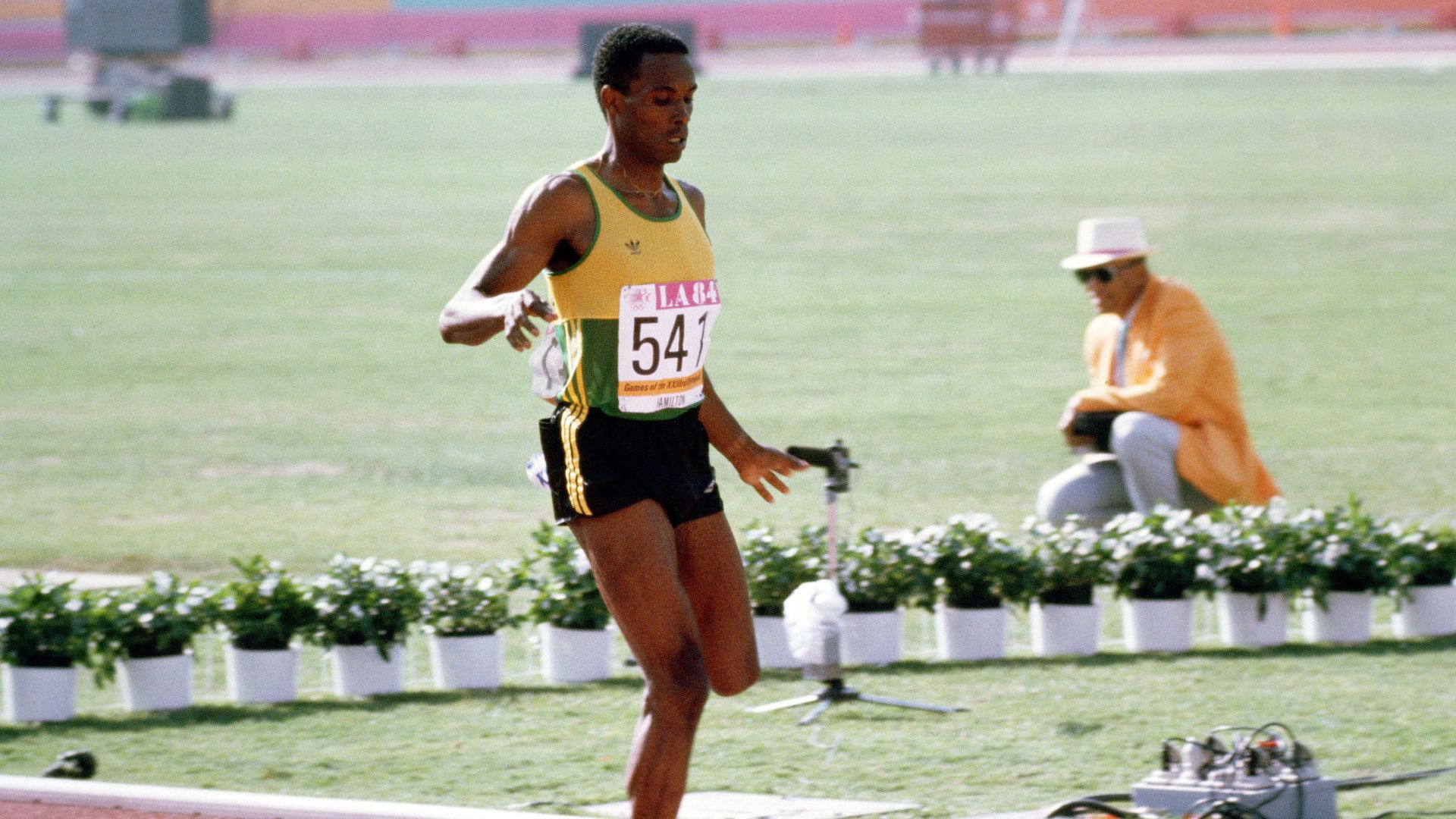
5. Team Jamaica’s Track Uniforms (2012)
Jamaica’s track team wore bold yellow and green uniforms designed to stand out. The colors reflected national pride and energy on the track. Combined with their dominant performances, the look became iconic. It reinforced the connection between identity and design.
 Ken Hackman, U.S. Air Force on Wikimedia
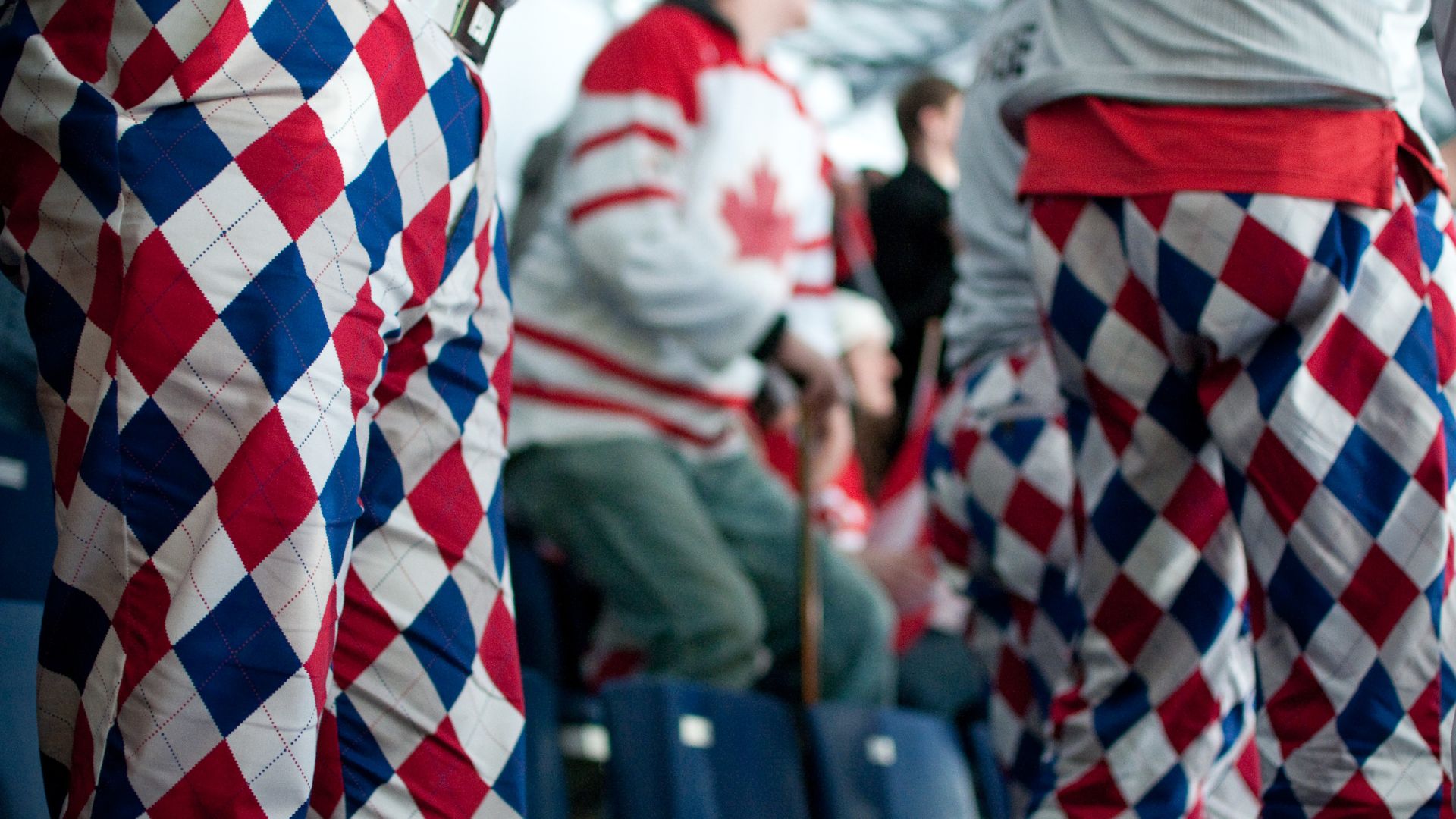
6. Team Norway’s Curling Pants (2010)
Norway’s men’s curling team gained attention for their patterned pants. The bold designs added personality to a traditionally understated sport. Fans quickly embraced the playful approach, and it showed that style could bring new attention to lesser-known events.
 kennymatic / Kenny Louie from Vancouver, Canada on Wikimedia
7. Team Canada’s Red Mittens (2010)
Canada introduced red mittens during the Vancouver Olympics. The simple accessory became a nationwide symbol of support. It was both functional and widely accessible to fans. The mittens demonstrated how small items can create a strong visual identity.

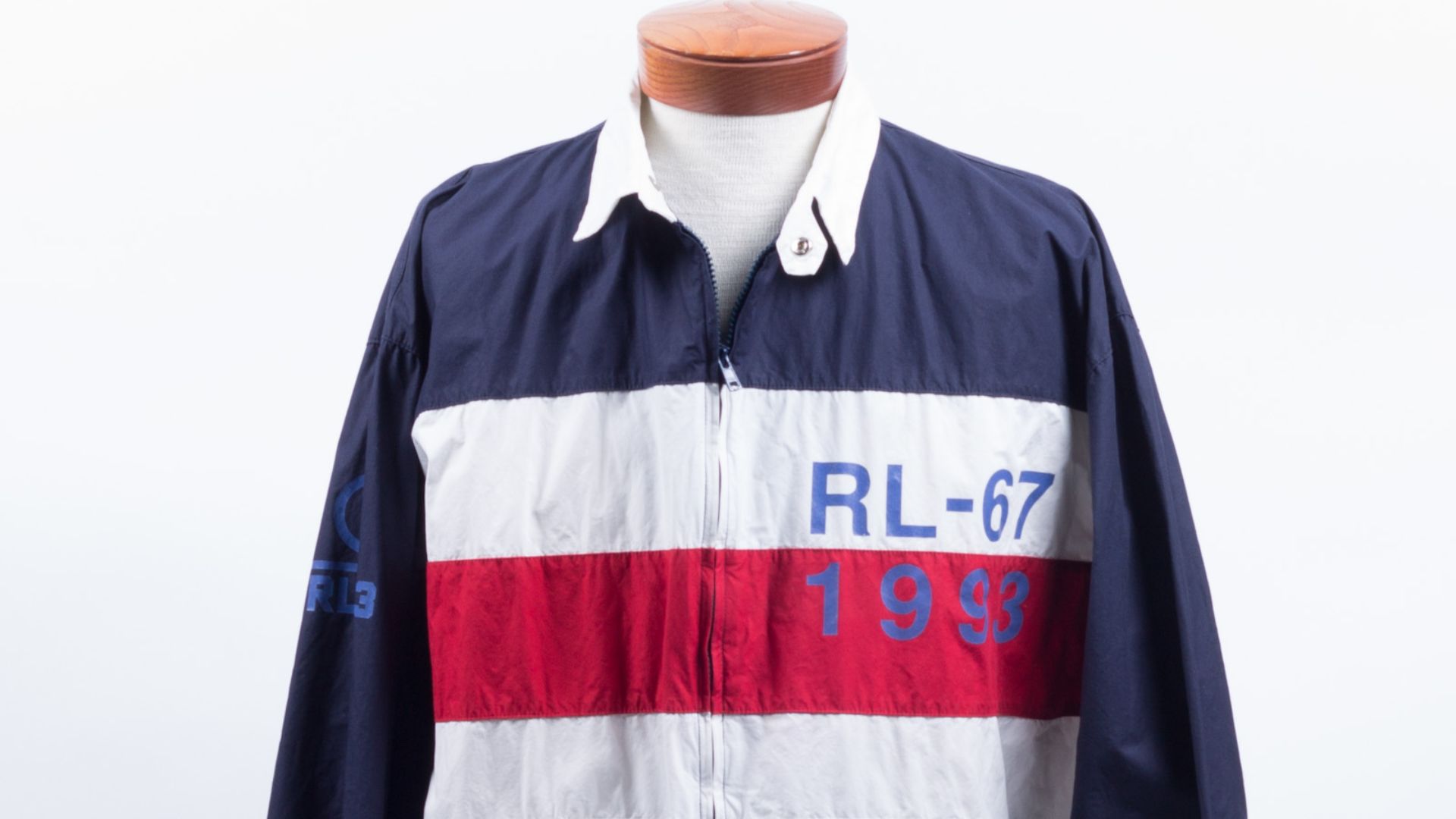
8. Team USA’s Ralph Lauren Opening Ceremony (2008)
The Beijing Olympics featured tailored outfits designed by Ralph Lauren. The look combined classic American style with a polished presentation. It elevated expectations for ceremony fashion. Many teams began investing in coordinated, high-end designs.
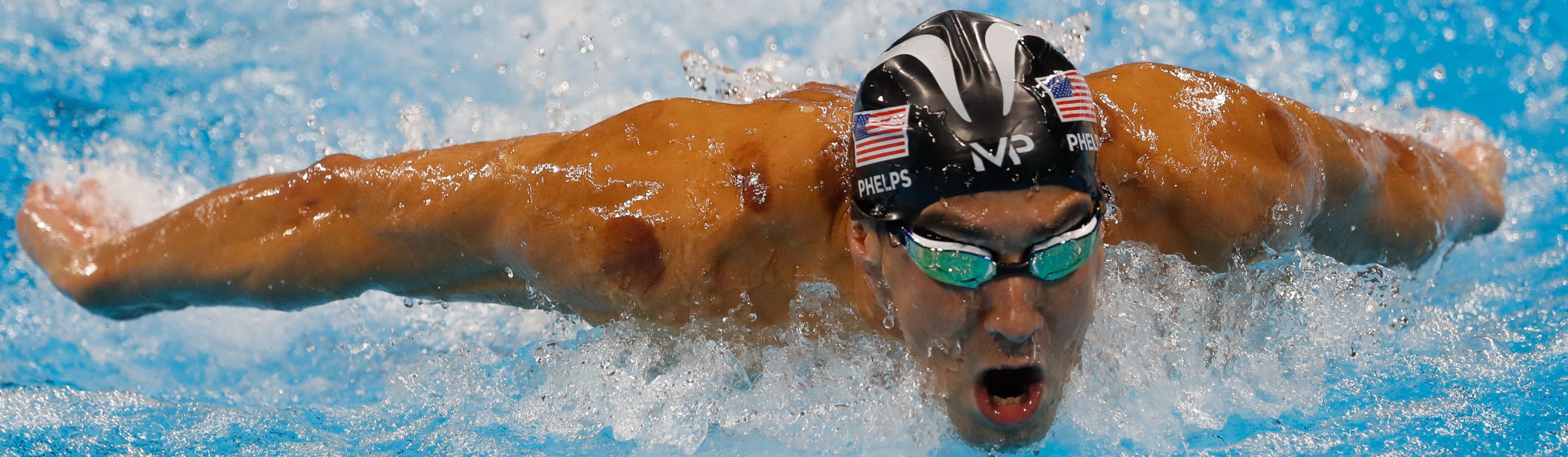
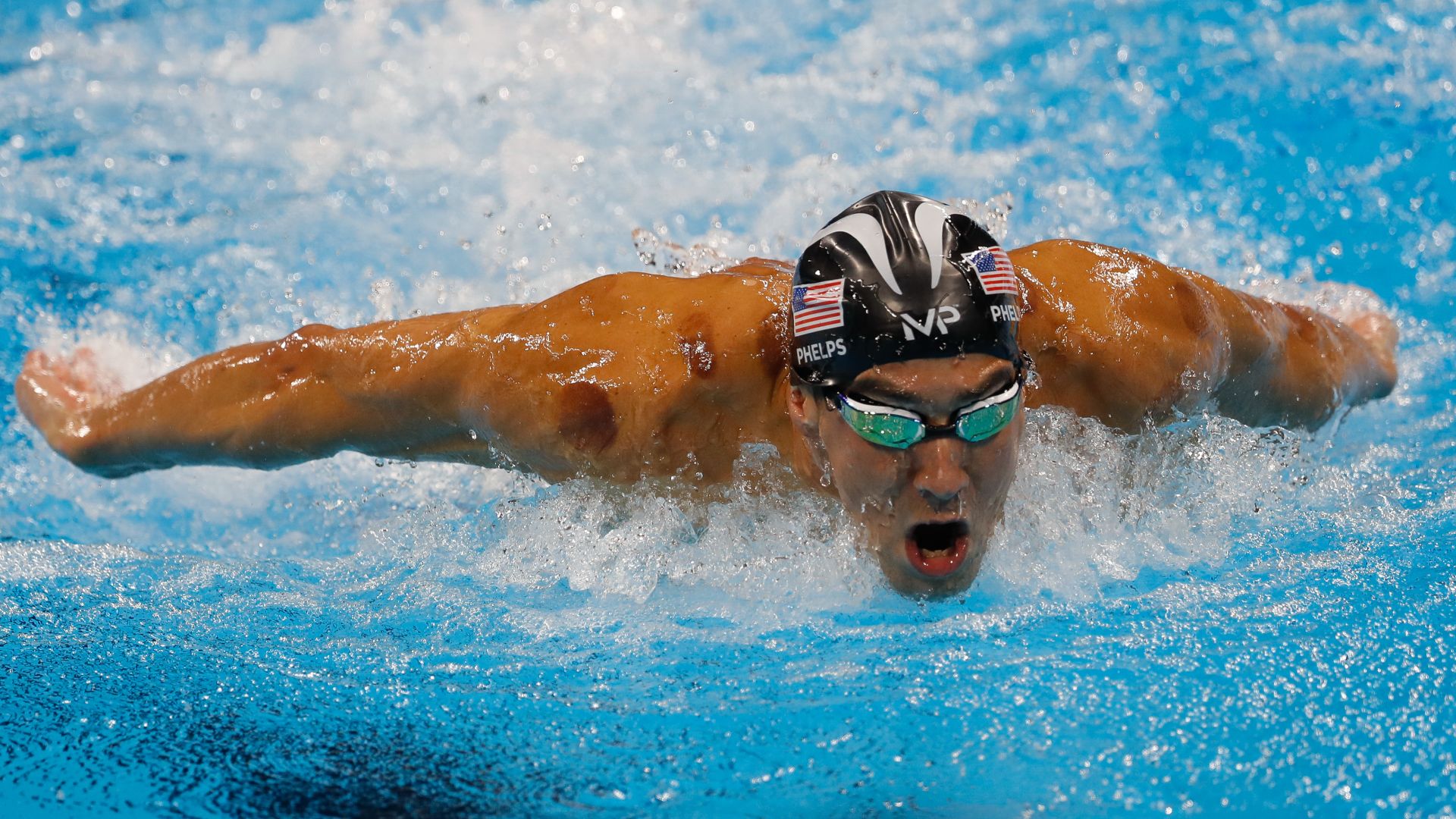
9. Michael Phelps’ High-Tech Swimsuit (2008)
Michael Phelps wore the Speedo LZR Racer suit during his record-breaking performance. The suit was engineered to reduce drag and improve speed. It contributed to numerous world records at the Games. The design sparked discussions about technology in sports.
 Fernando Frazão/Agência Brasil on Wikimedia
10. Team Great Britain’s Cycling Skinsuits (2012)
British cyclists wore highly engineered skinsuits in London. The outfits were optimized for aerodynamics and performance efficiency. Their success highlighted the importance of design in competitive advantage. It pushed other teams to adopt similar innovations.

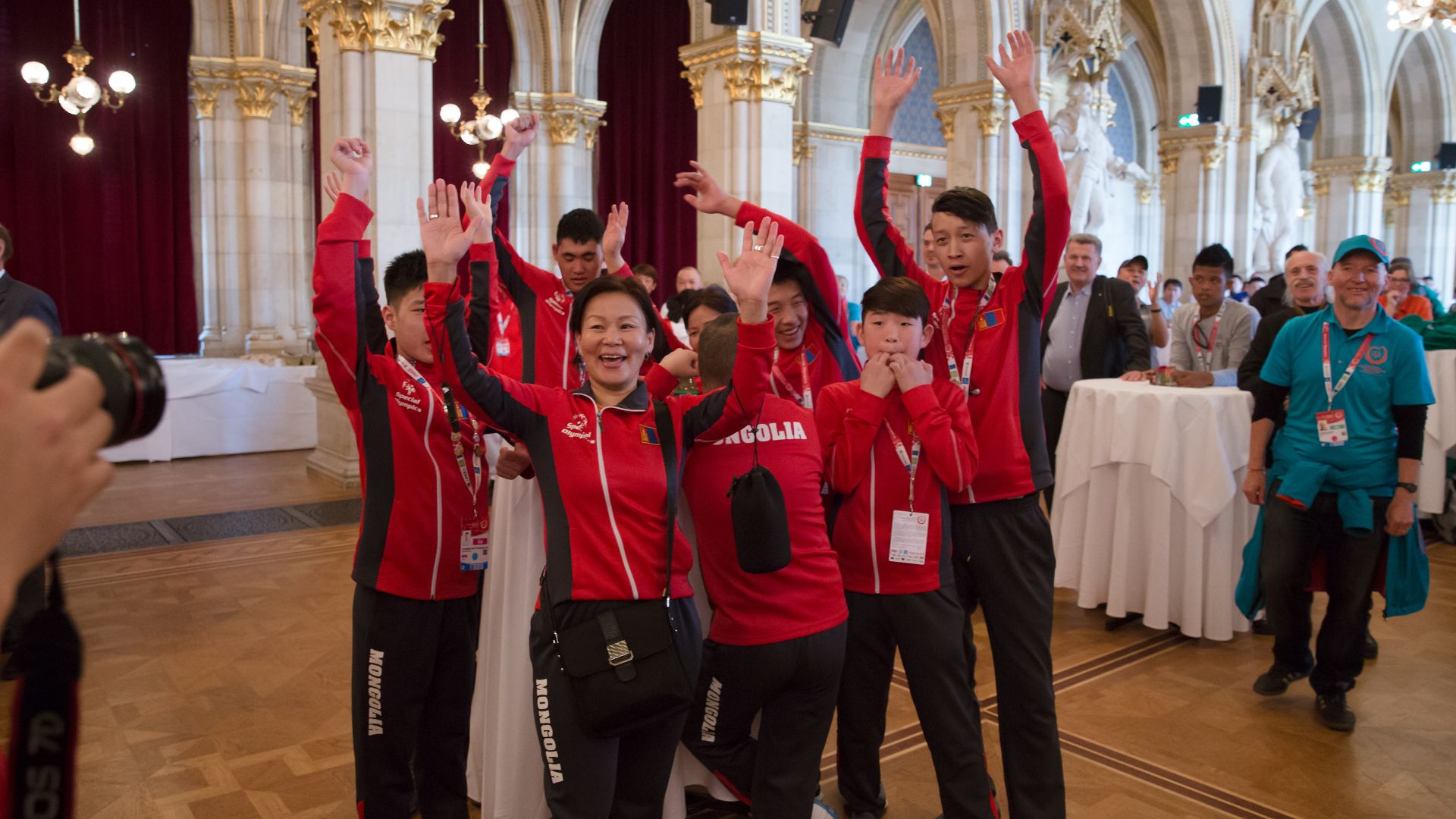
11. Team Mongolia’s Traditional-Inspired Uniforms (2016)
Mongolia’s opening ceremony outfits blended traditional design with modern tailoring. The detailed garments stood out among more conventional looks.
 Manfred Werner (Tsui) on Wikimedia
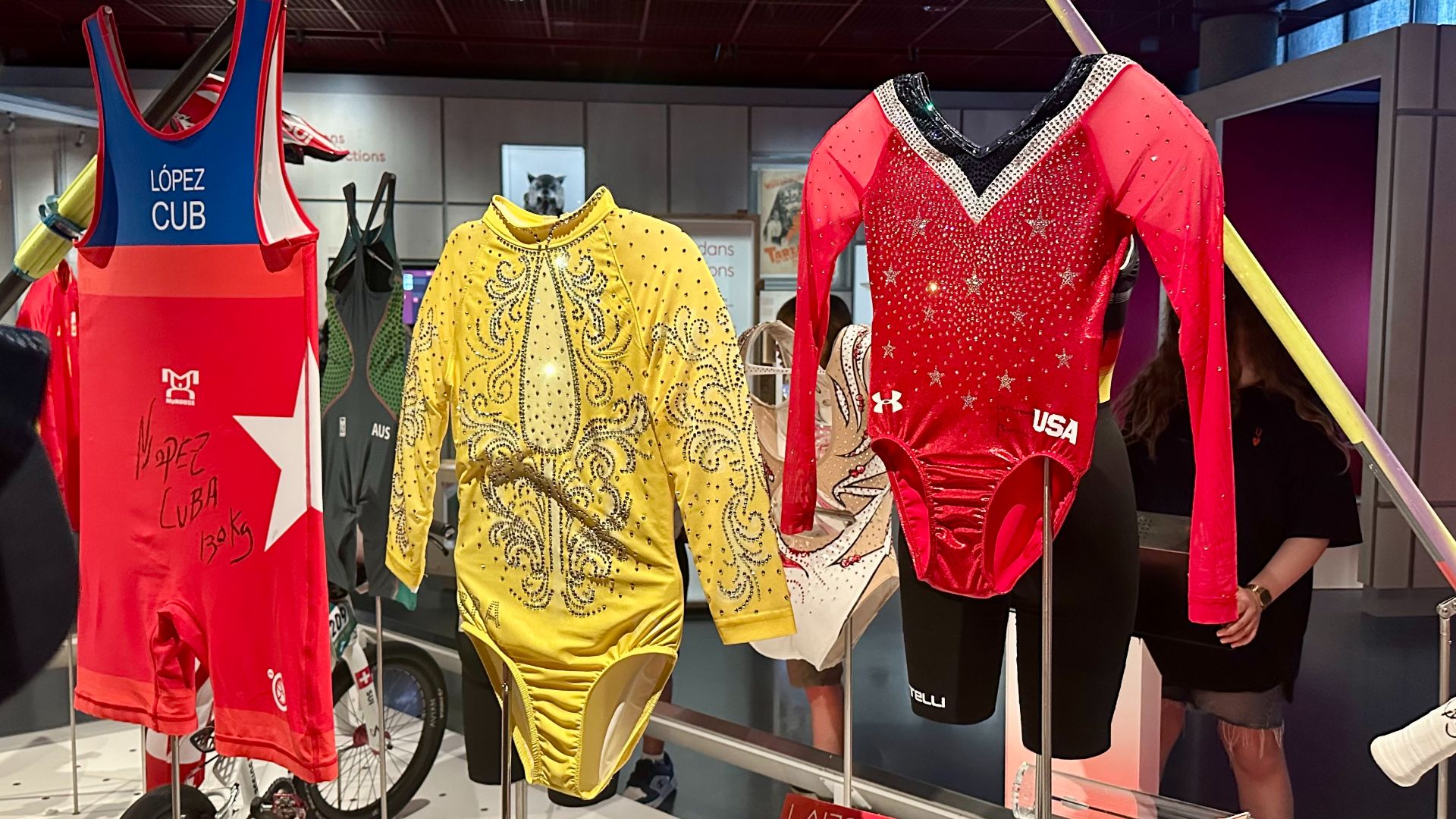
12. Simone Biles’ Leotards (2016)
Simone Biles wore intricately designed leotards featuring crystals and bold patterns. These outfits combined performance needs with visual impact. They reflected confidence and precision in the gymnastics presentation. Her style raised expectations for competition attire.
13. Team Nigeria’s Green and White Kits (2020)
Nigeria’s Olympic kits featured vibrant green patterns inspired by national identity. The designs quickly gained attention worldwide. They balanced modern athletic wear with cultural expression, and this approach influenced how teams present themselves globally.

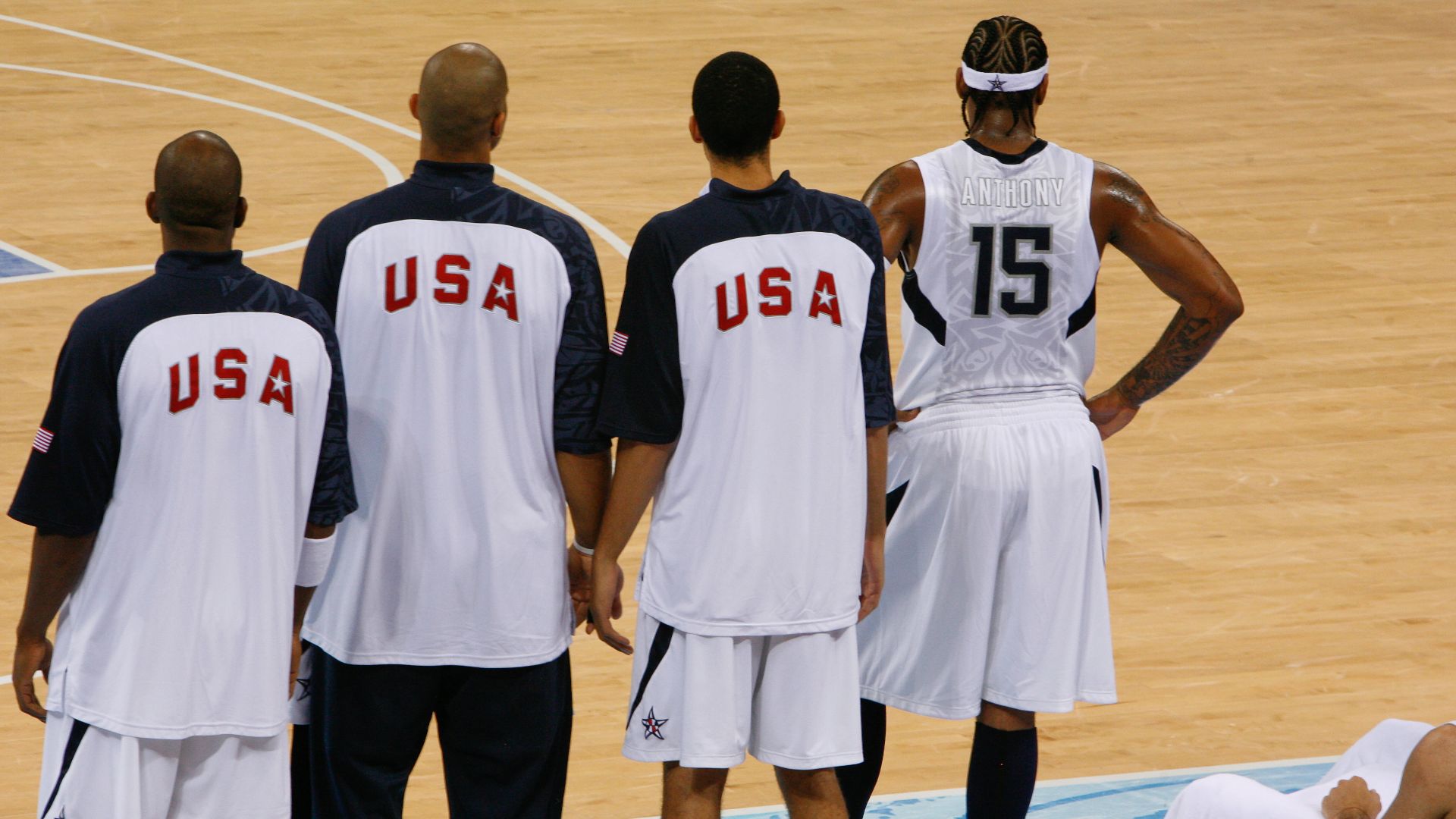
14. Team USA’s Heated Jackets (2022)
During the Beijing Winter Olympics, Team USA introduced heated jackets. These garments were designed to keep athletes warm in extreme conditions, combining technology with practical functionality. The innovation highlighted how apparel can enhance performance and comfort.
 kris krüg from Vancouver, Canada on Wikimedia
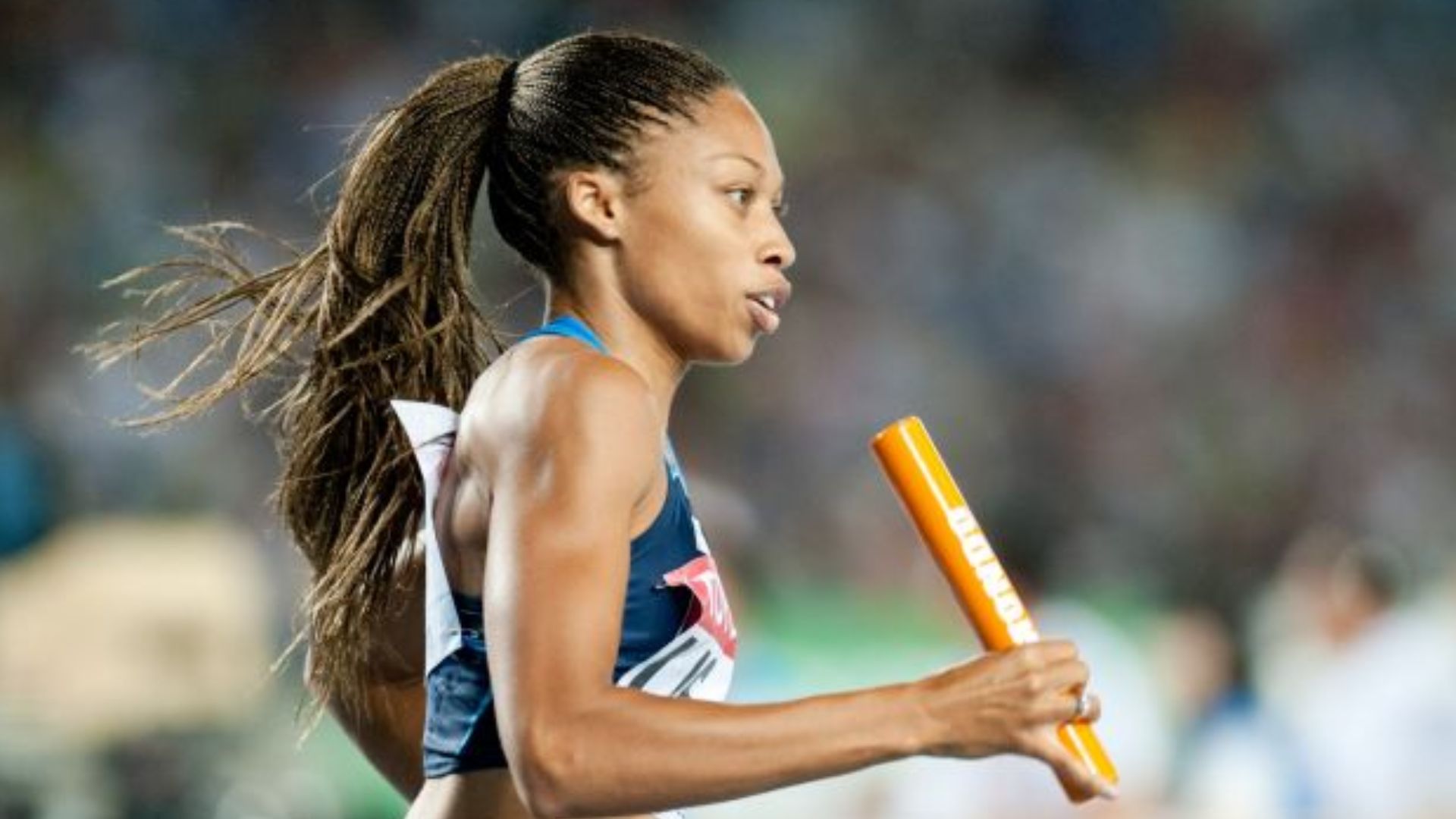
15. Allyson Felix’s Custom Track Gear (2020)
Allyson Felix wore custom-designed gear from her own brand. The outfit represented both performance and athlete-driven entrepreneurship. It marked a shift toward athletes having more control over their image. This moment influenced conversations around sponsorship and design.
 Erik van Leeuwen, attribution: Erik van Leeuwen (bron: Wikipedia). on Wikimedia
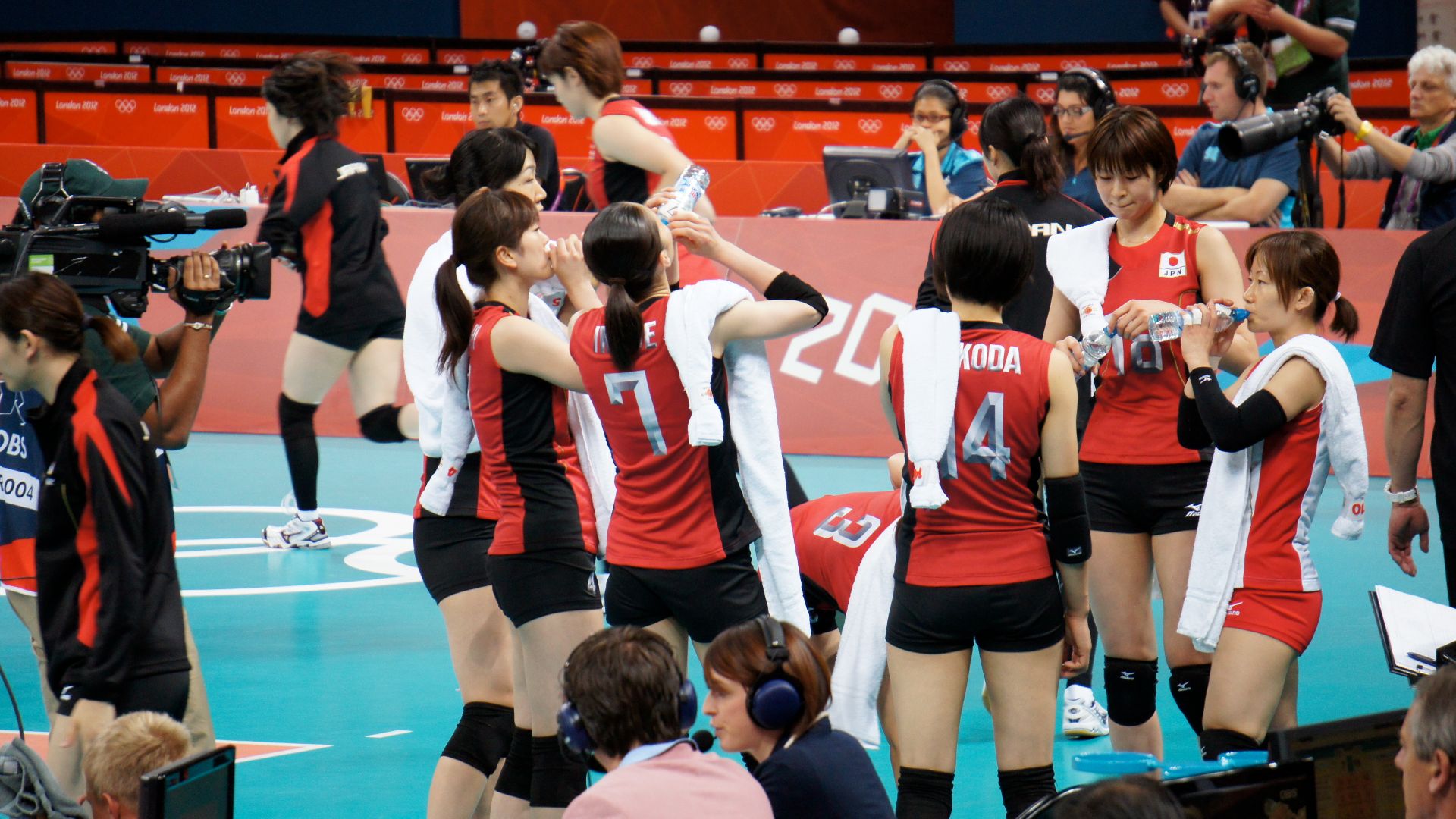
16. Team Japan’s Minimalist Designs (2020)
Japan’s Olympic uniforms emphasized clean lines and subtle details. The approach reflected a balance between tradition and modern aesthetics. The understated style stood out in a field of bold designs, showing that simplicity can be just as impactful.
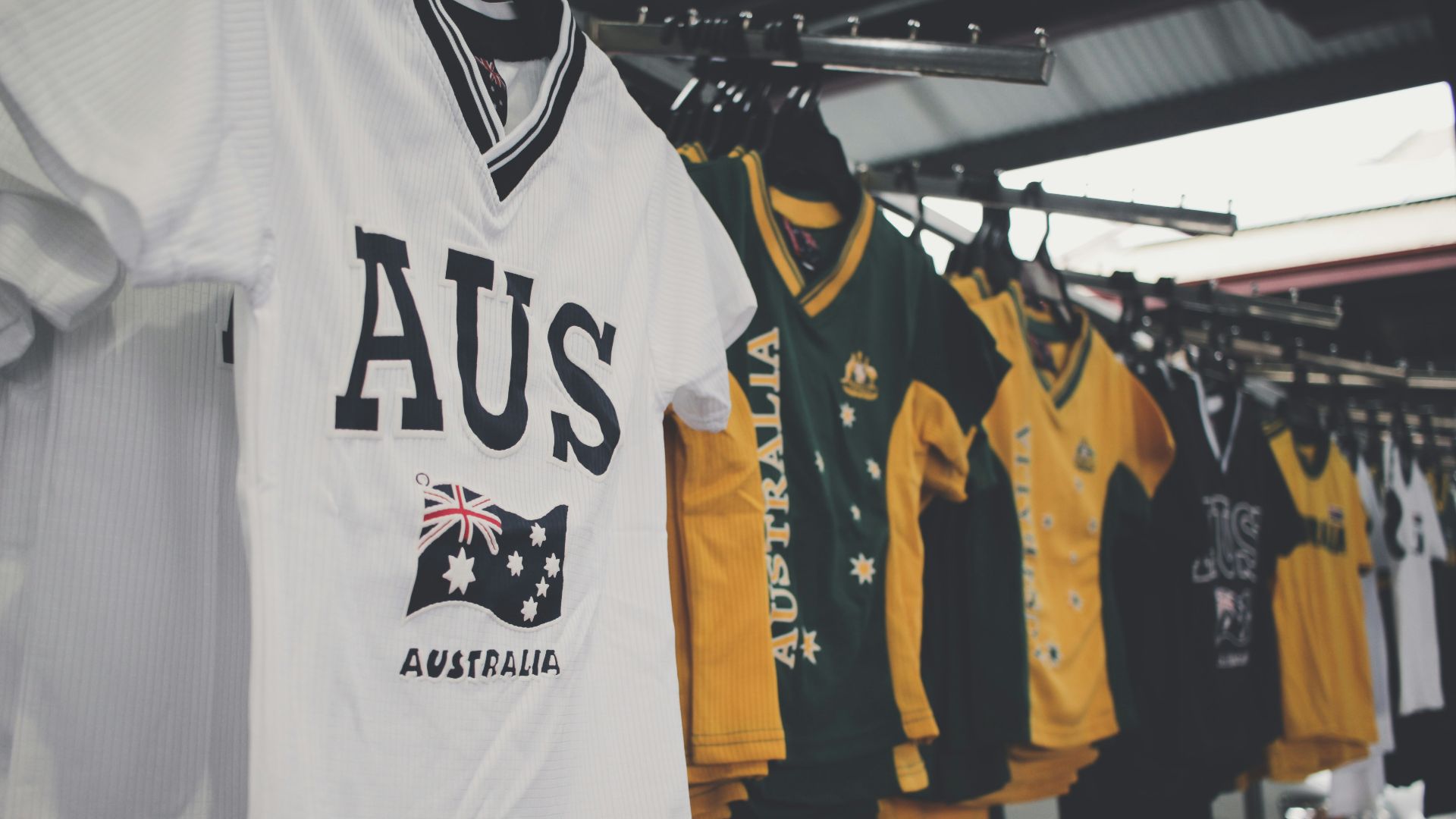
17. Team Australia’s Indigenous-Inspired Kits (2020)
Australia incorporated Indigenous artwork into its Olympic uniforms. The designs honored cultural heritage and storytelling. Athletes wore them with a strong sense of identity.
18. Team Italy’s Armani Designs (2012)
Italy’s uniforms, designed by Giorgio Armani, brought high fashion to the Olympics. The tailored pieces emphasized elegance and national pride.
 GianAngelo Pistoia on Wikimedia
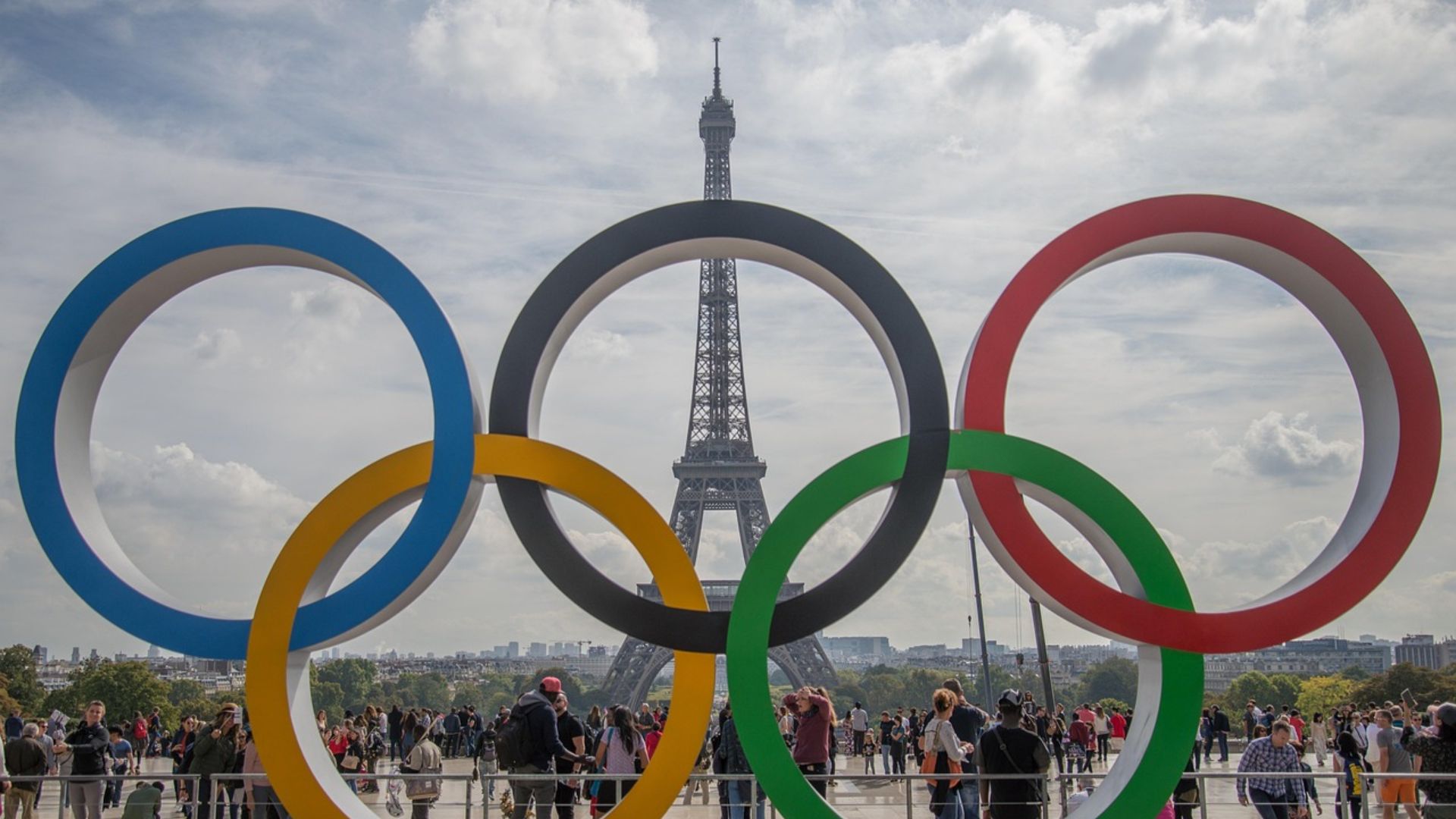
19. Team France’s Stylish Opening Ceremony Looks (2024)
France introduced fashion-forward outfits that reflected Paris’s design influence. The looks combined modern tailoring with bold color choices. They reinforced the country’s reputation for style, and this approach elevated expectations for the host nation's presentation.
20. Team South Korea’s Cooling Uniforms (2024)
South Korea developed uniforms designed to regulate body temperature. These outfits used advanced materials to improve comfort in heat. The innovation focused on athlete performance and safety, and demonstrated how technology continues to shape sportswear design.