Pimple Patches: Pros and Cons
Pimple patches have earned a devoted following in the skincare world, and it's not hard to see why. They're easy to put on, hide well under makeup, and promise results while you sleep or go about your day. But as with any popular product, the hype can sometimes outpace the reality, and it helps to know what you're actually working with before you stick one on every blemish you see. Here are 10 reasons these patches do work—and 10 things they're unlikely to actually fix.
1. They Create a Moist Healing Environment
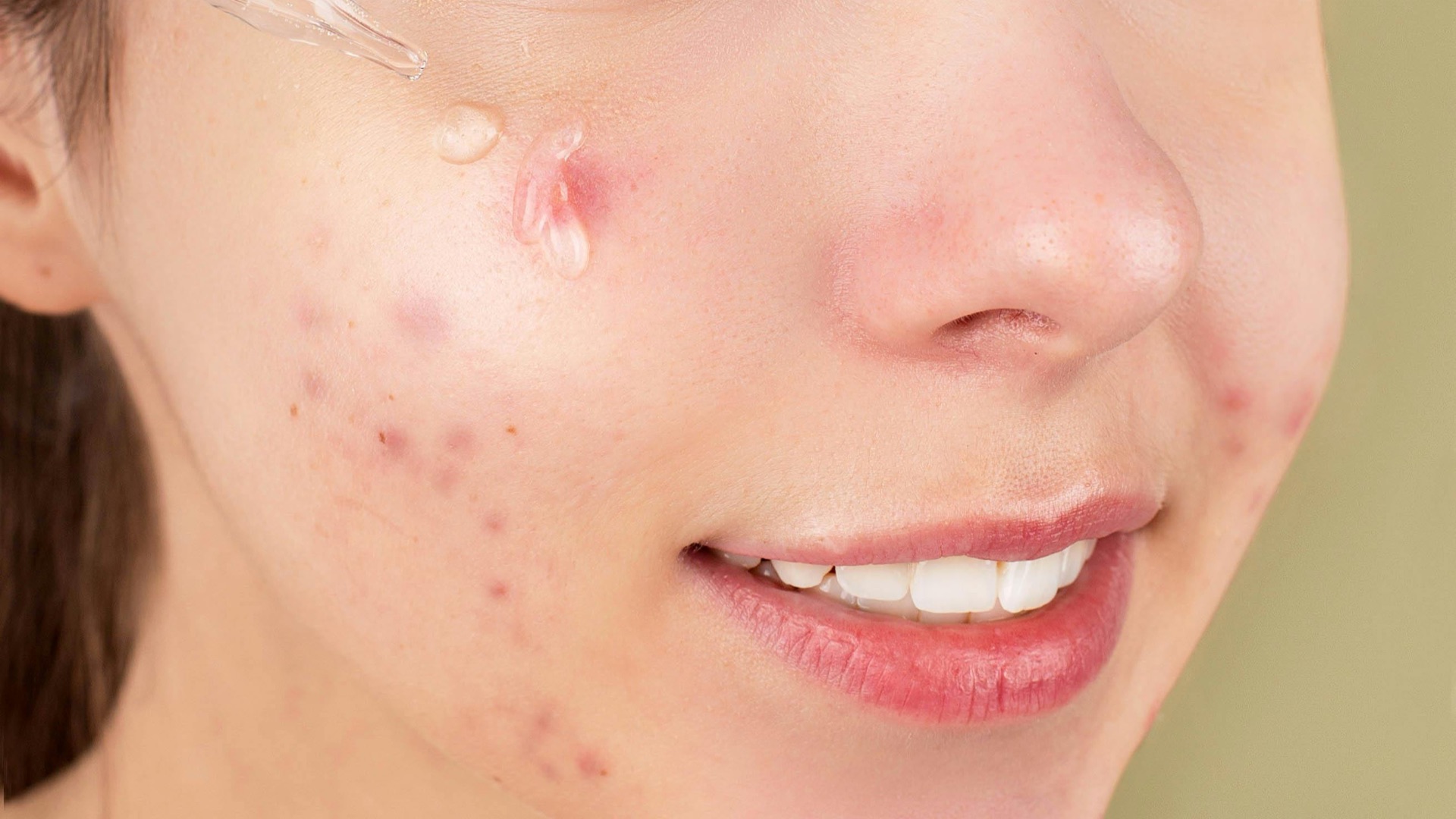
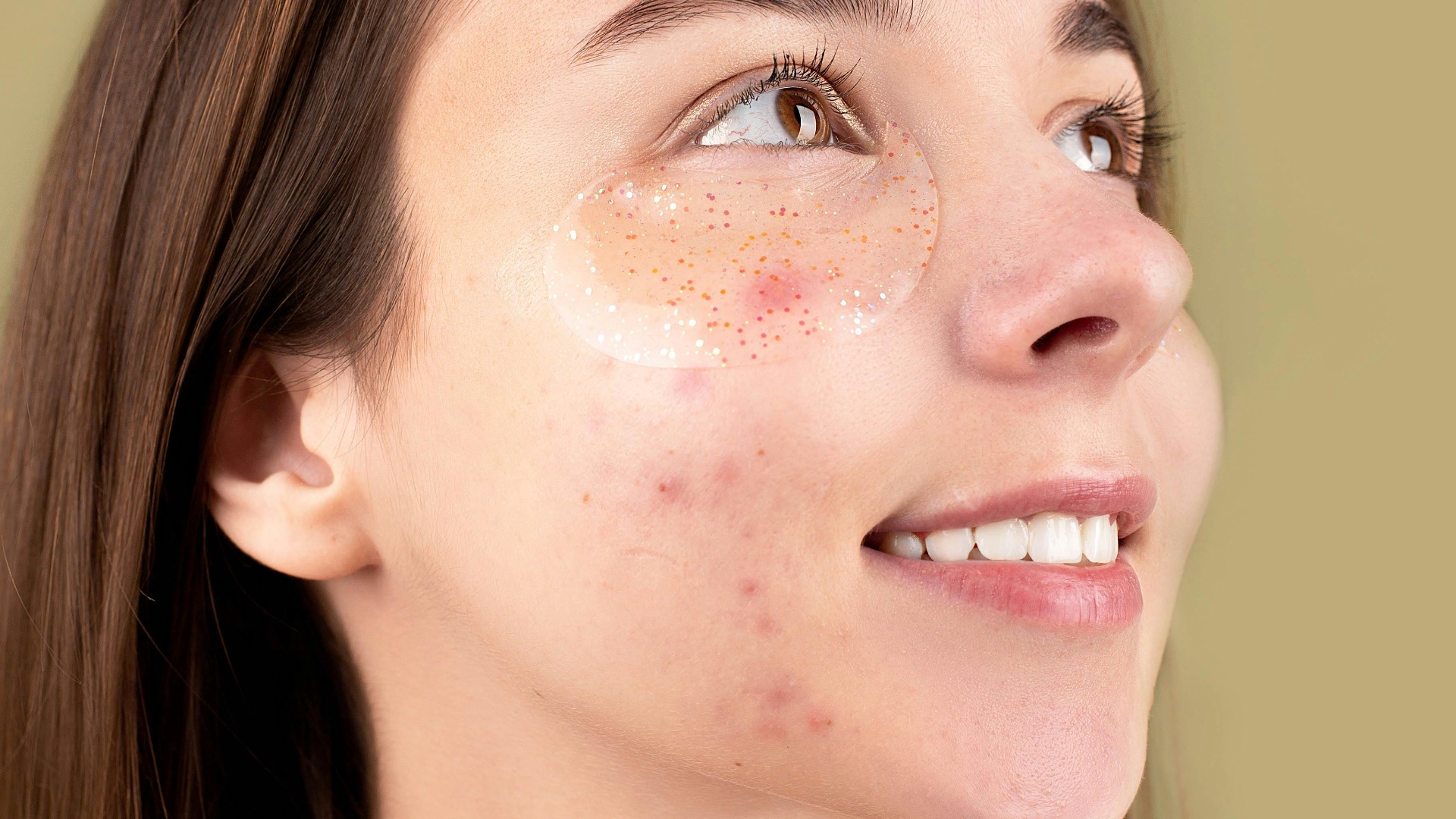
Most pimple patches are made from hydrocolloid, a material that's been used in wound care for decades to support the skin's natural repair process. When you apply one over a blemish, it draws out fluid and pus while maintaining just the right level of moisture underneath. This environment speeds up healing and reduces the risk of scarring compared to leaving a pimple exposed to the air.
2. They Stop You from Touching Your Face
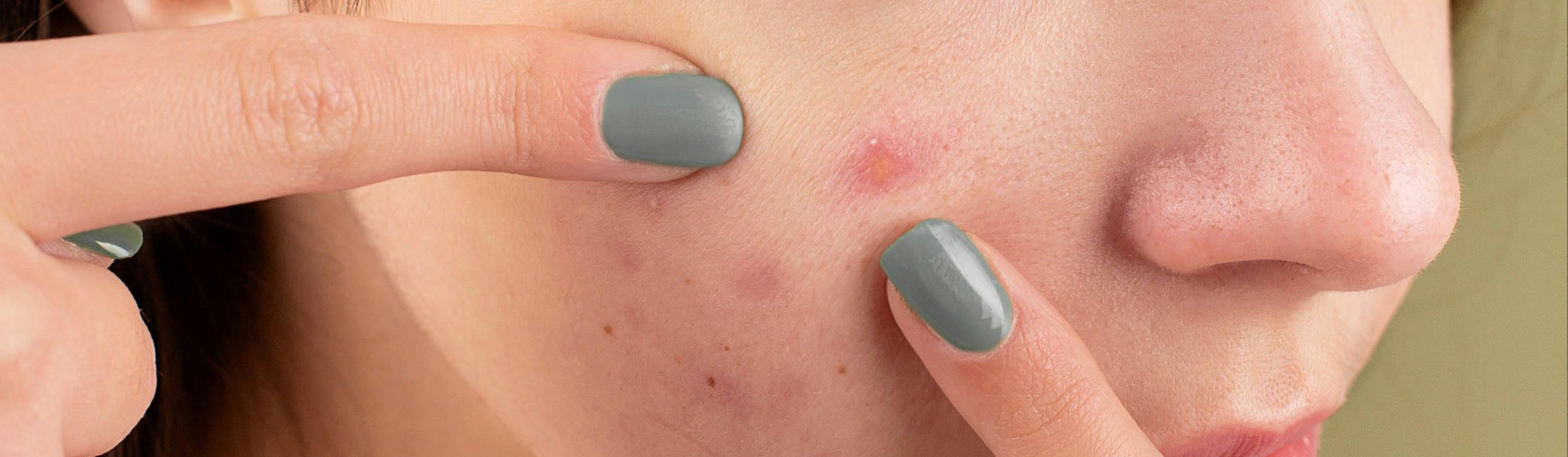
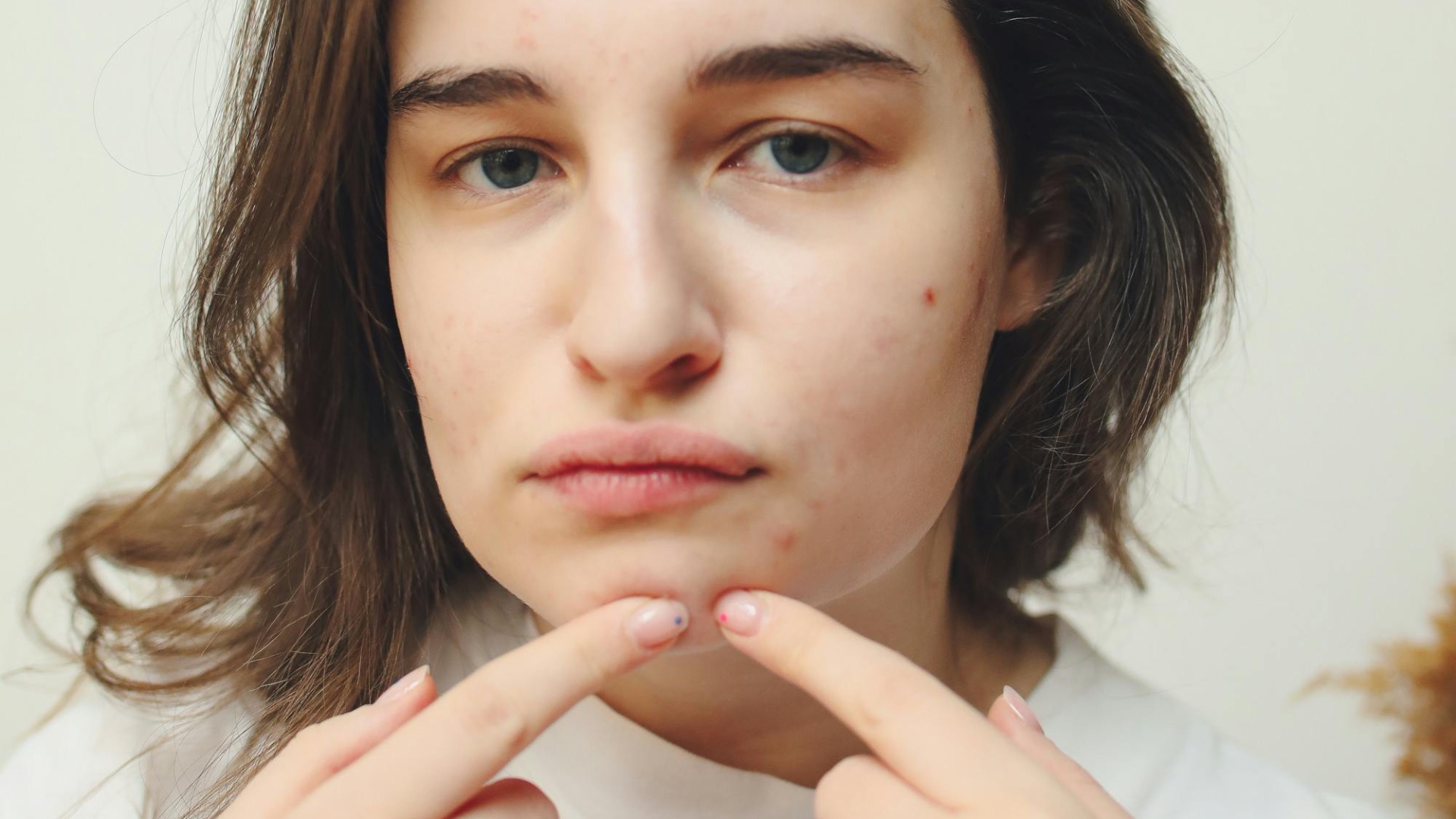
One of the biggest reasons pimples get worse is repeated touching, picking, and prodding throughout the day. Slapping a patch over a blemish creates a physical barrier that makes it harder to absentmindedly go at it with your fingers. Even if the patch itself didn't do anything else, keeping your hands off the area would already make a meaningful difference.
3. They Absorb Pus and Fluid Effectively
If you've ever woken up to find your patch has turned white and opaque, that's the hydrocolloid doing its job. The material is specifically designed to absorb fluid from open or surfaced blemishes, pulling out the gunk that's sitting close to the skin's surface. It's a noticeably satisfying result, and it does reduce the size and redness of a pimple overnight.
4. They Protect Against Environmental Irritants
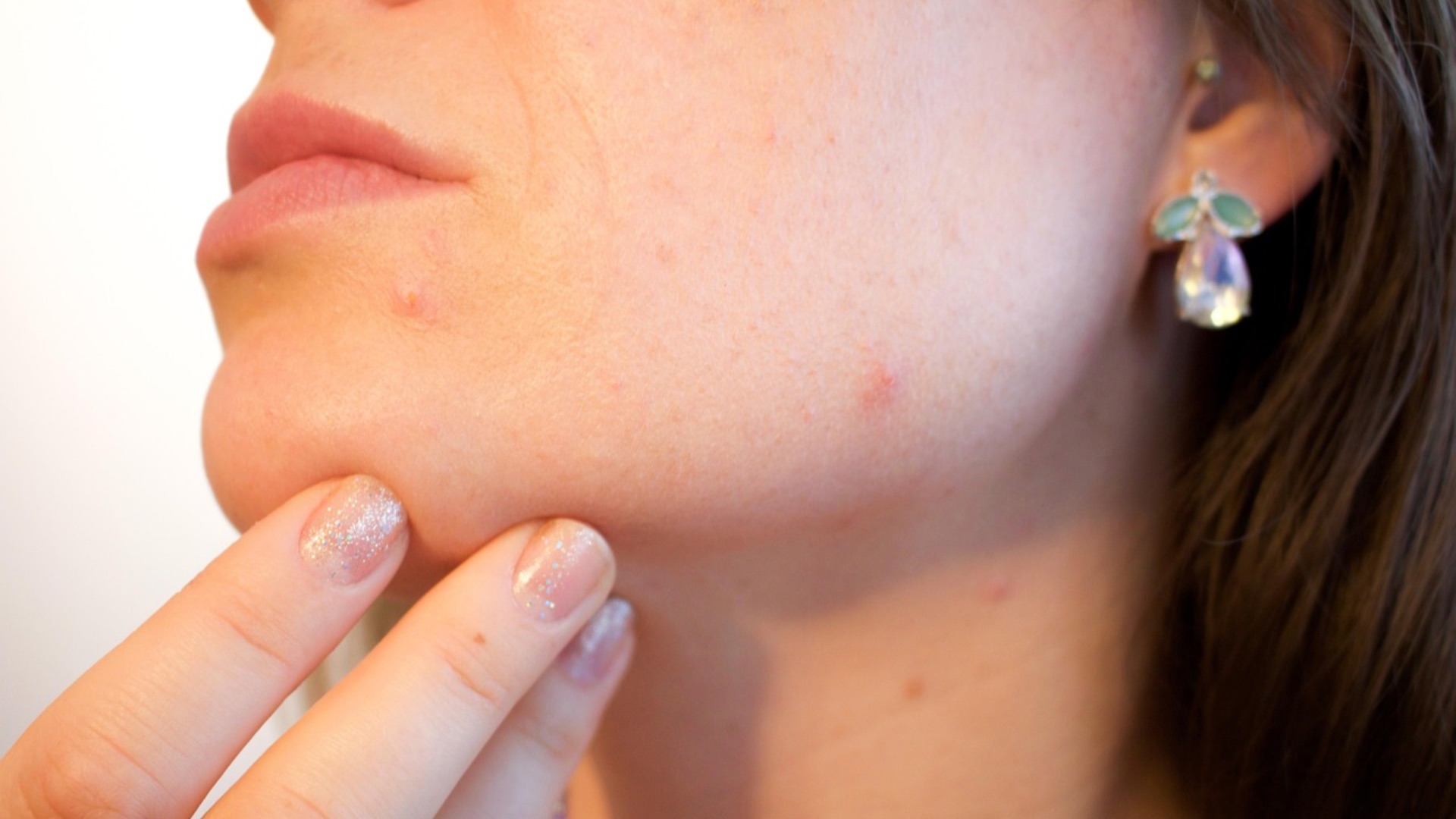
Throughout the day, your skin is exposed to pollution, bacteria, and all kinds of things you'd rather not think about landing directly on an open blemish. A patch acts as a sealed cover that keeps external irritants out while the healing process continues underneath. This is especially useful in urban environments or during activities where your skin is exposed to sweat and friction.

5. They Prevent Picking-Related Scarring
Post-inflammatory hyperpigmentation and textural scarring are often the result of picking at blemishes rather than the pimple itself. By covering the spot and removing the temptation to interfere, patches help prevent the kind of damage that lingers on your skin long after the breakout has cleared. Your future self will thank you for the restraint.
6. They're Great Under Makeup
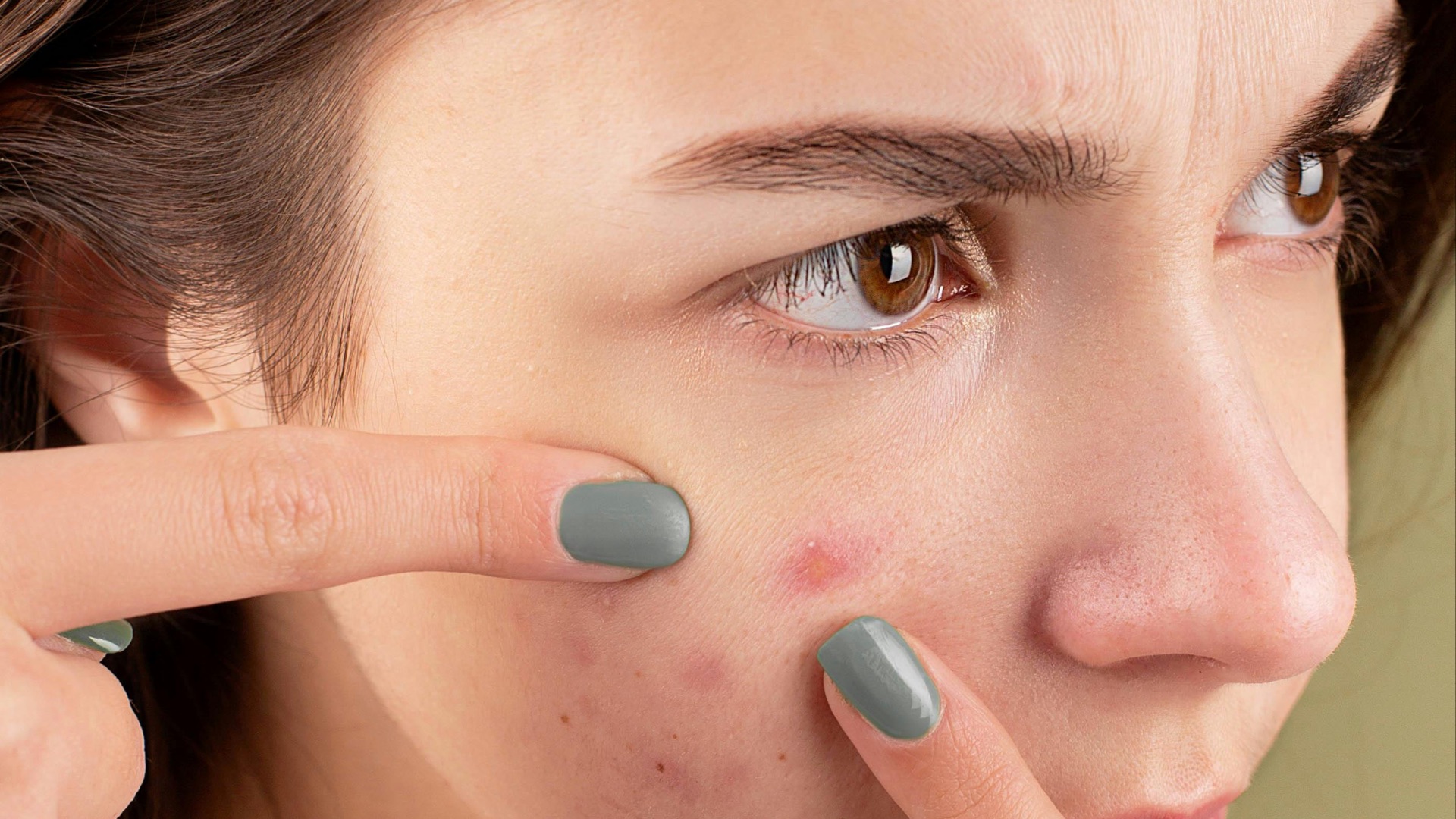
If you're planning to wear makeup but don't want to potentially worsen your breakout, pimple patches can help heal your skin while still looking near-imperceptible under your foundation and concealer. Just make sure to choose thinner patches so they blend in better, and apply your makeup carefully so they don't lose their stickiness.
7. Medicated Versions Target Acne-Causing Bacteria
Some pimple patches go beyond the basic hydrocolloid formula and include active ingredients like salicylic acid, niacinamide, or tea tree oil to treat the blemish more directly. These medicated options can help break down excess oil, reduce inflammation, and fight the bacteria responsible for acne at the source. They're a step up from standard patches and worth considering if you're dealing with more persistent or inflamed spots.
8. They're Safe for Sensitive Skin
Because pimple patches sit on top of the skin rather than being rubbed in, they're generally well-tolerated even by people with sensitive or reactive skin types. There's no risk of over-applying or spreading active ingredients to surrounding areas the way there is with topical treatments. As long as you're not allergic to the adhesive, patches are one of the gentler options in the acne-treatment toolkit.
9. They Can Reduce Redness and Swelling Overnight
The combination of fluid absorption, physical protection, and a sealed environment means that patches can significantly calm an angry blemish within hours of application. Many people report waking up to noticeably flatter, less red spots after wearing a patch overnight. It's not magic, but the results are often dramatic enough to make patches a go-to solution before a big event or important day.
10. They Keep Skincare Products Out of the Wound
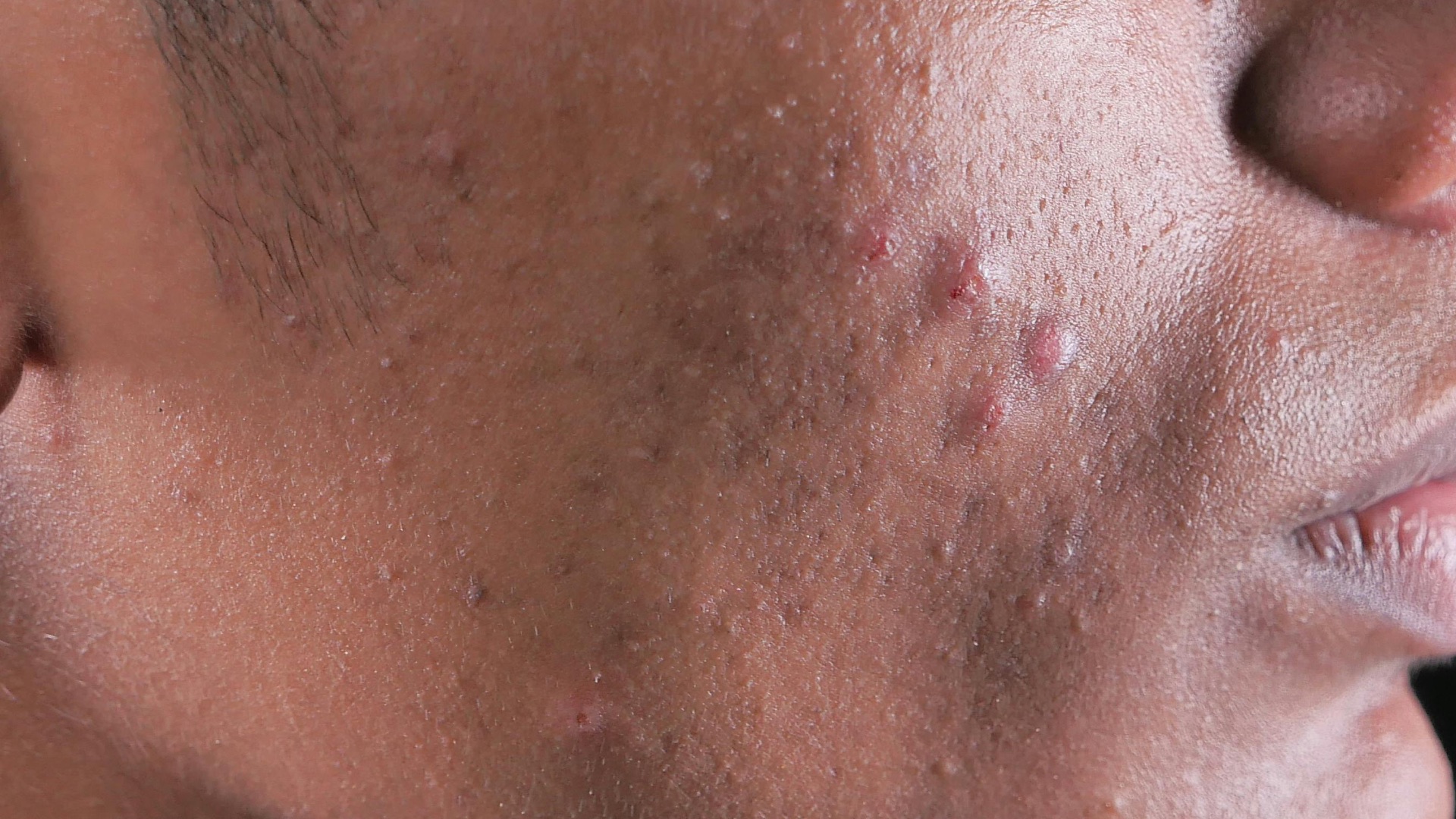
Applying serums, moisturizers, and other skincare products over an open or surfaced pimple can introduce irritating ingredients directly into broken skin. A patch covers the blemish so you can continue your usual routine without worrying about what's getting into the wound. It's a practical solution that lets you keep up with your skincare without accidentally making things worse.
It's no surprise that pimple patches have earned their spot on bathroom shelves everywhere. That said, they're not a cure-all. Here's what they're not equipped to handle:
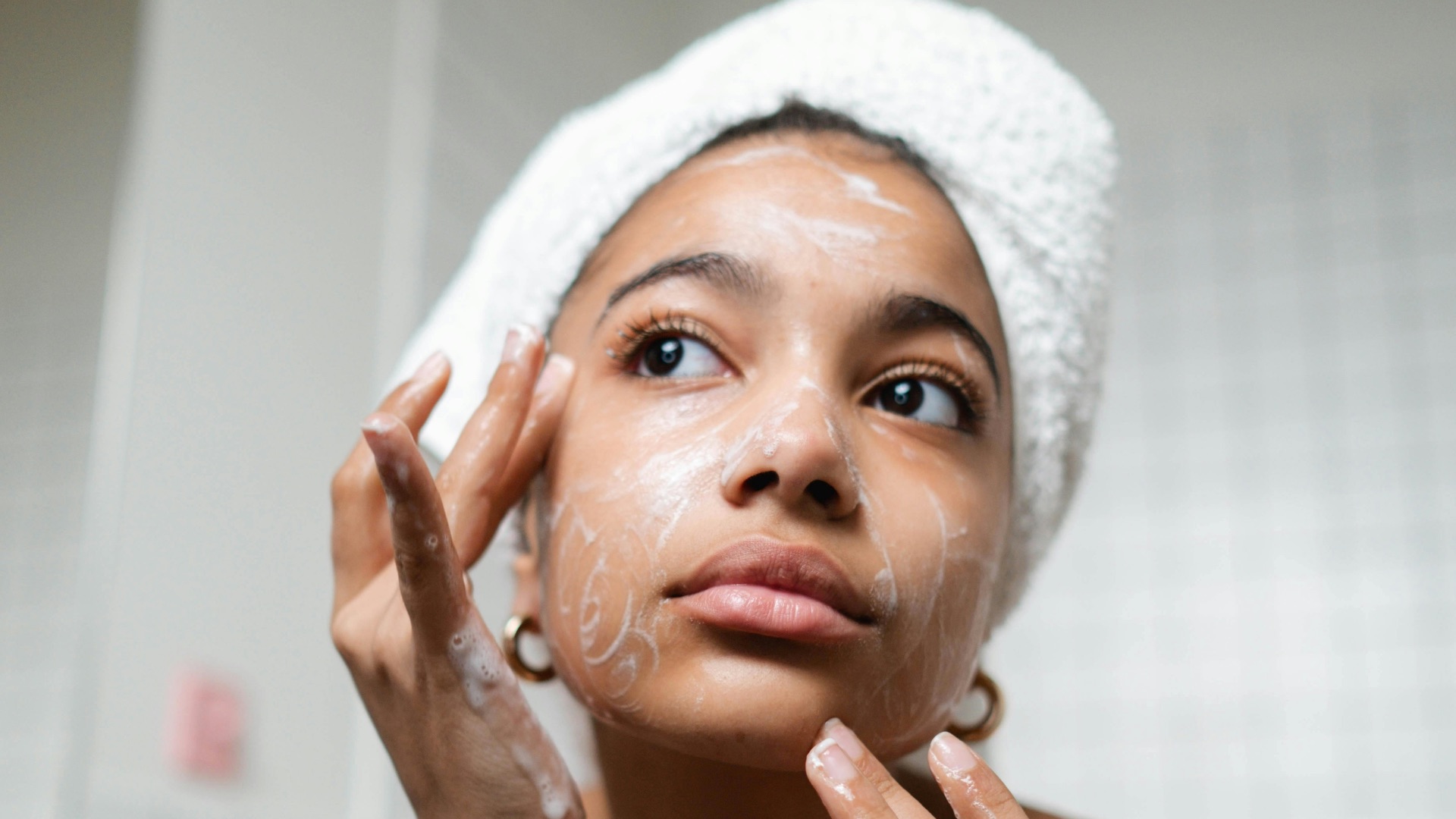
1. Deep Cystic Acne
Cystic acne forms far beneath the skin's surface, which means a patch sitting on top of your skin simply can't reach it. Hydrocolloid works by drawing fluid toward the surface, but cysts are so deeply embedded that there's nothing to absorb from above. If you're dealing with cystic breakouts regularly, you'll need to work with a dermatologist on treatments like prescription retinoids, antibiotics, or cortisone injections.
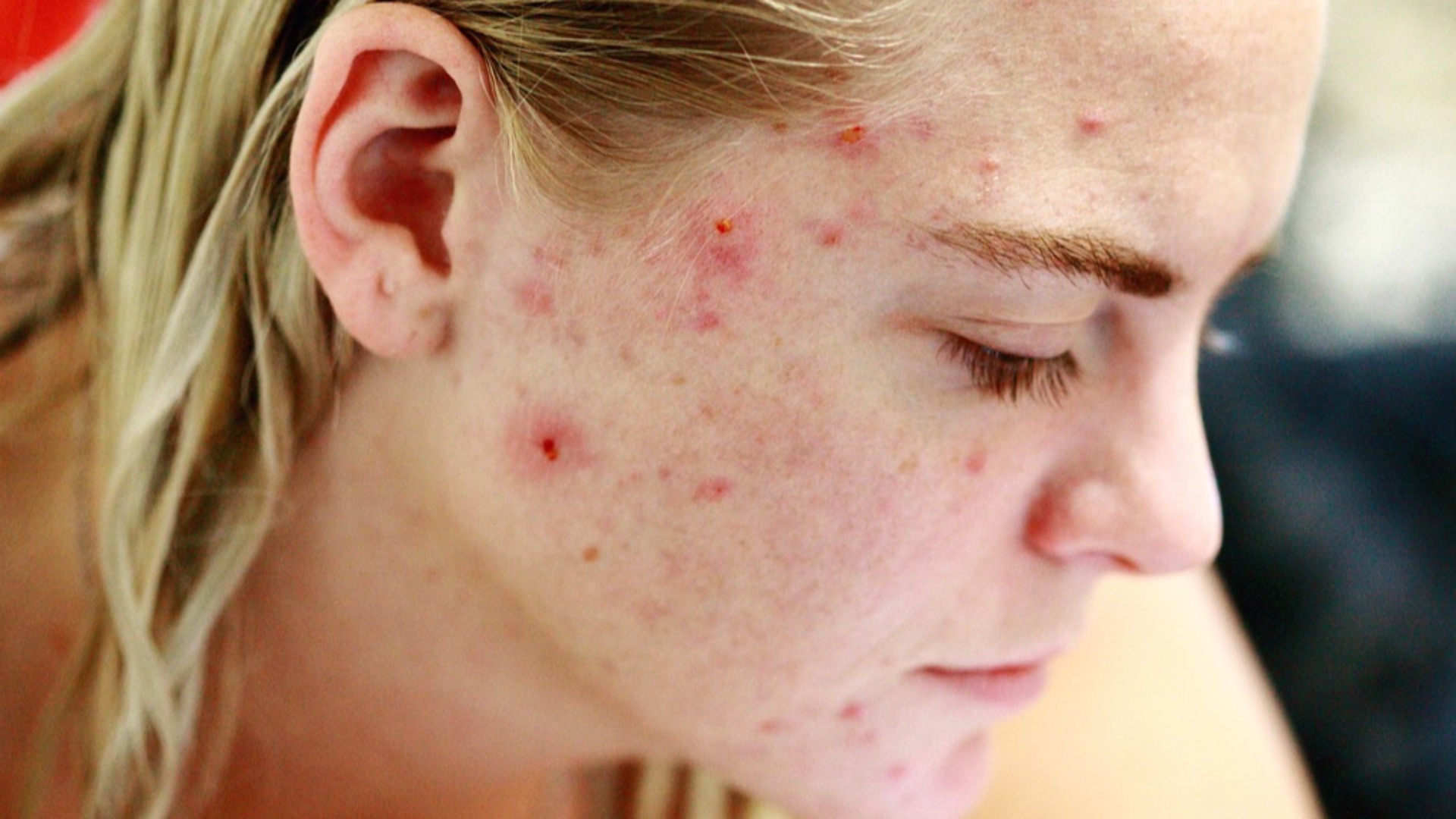
2. Blind Pimples with No Surface Opening
A blind pimple is a blemish that's forming under the skin without any visible head or opening, and a hydrocolloid patch has nowhere to draw fluid from in this case. Pressing a patch onto a bump that hasn't surfaced yet won't accelerate it or reduce it; it'll mostly just sit there. Warm compresses and targeted spot treatments with benzoyl peroxide or salicylic acid are more effective for this type of blemish.
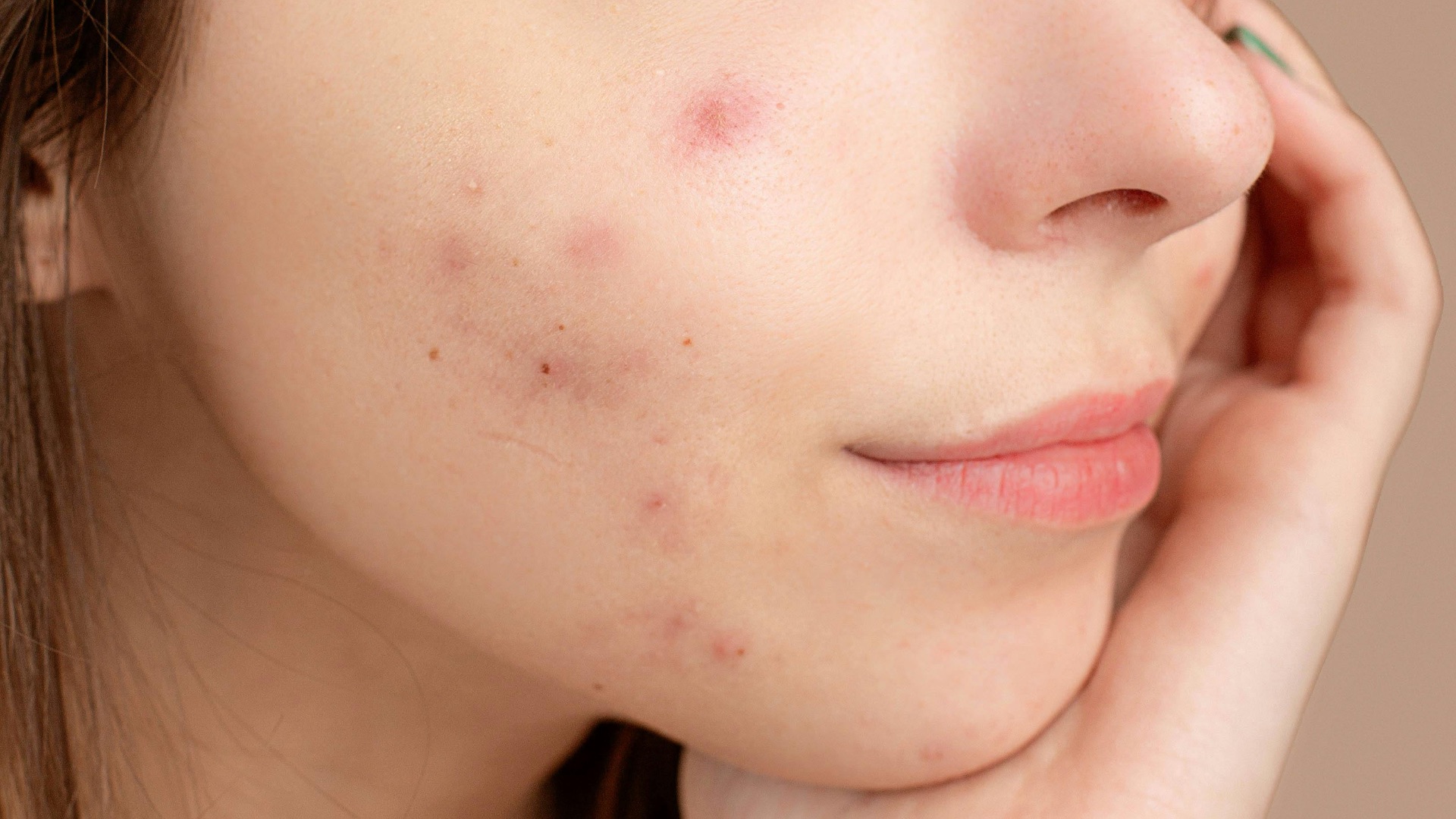
3. Hormonal Breakouts at the Root Cause
If your acne is driven by hormonal fluctuations, pimple patches can address the individual blemishes that appear, but they won't do anything to address what's causing them in the first place. Hormonal acne typically requires a more systemic approach, such as hormonal contraceptives, spironolactone, or other treatments prescribed by a doctor. Think of patches as damage control rather than a long-term solution for this type of breakout.
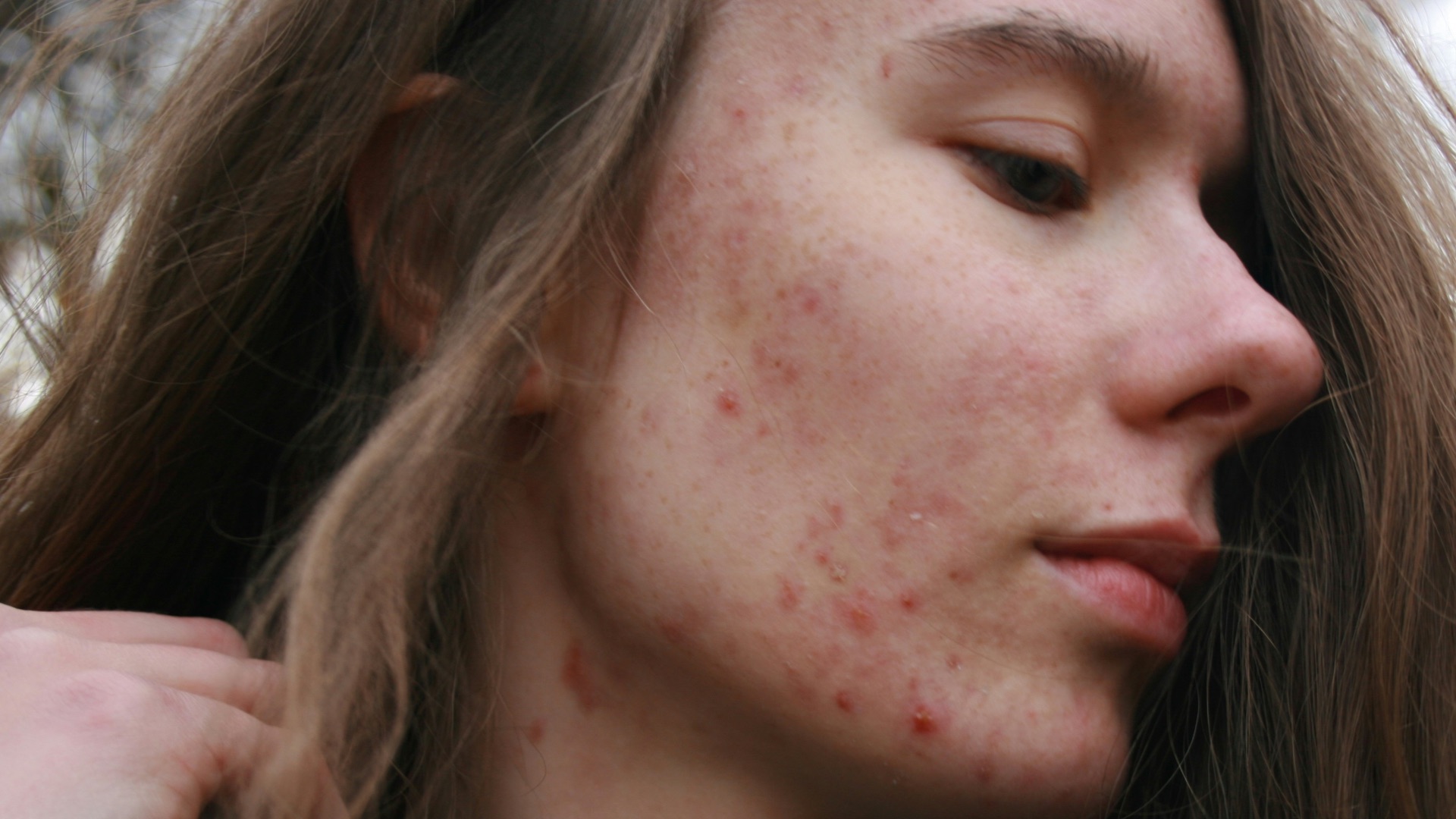
4. Large or Widespread Breakouts
Pimple patches are designed for targeted, spot treatment, so they're not a practical tool when you're dealing with an extensive breakout covering a large area. Covering multiple active blemishes across your forehead or chin would require an impractical number of patches, and they still wouldn't address the underlying inflammation. A broader skincare approach with exfoliants, retinoids, and possibly a prescription treatment will be far more effective in these situations.
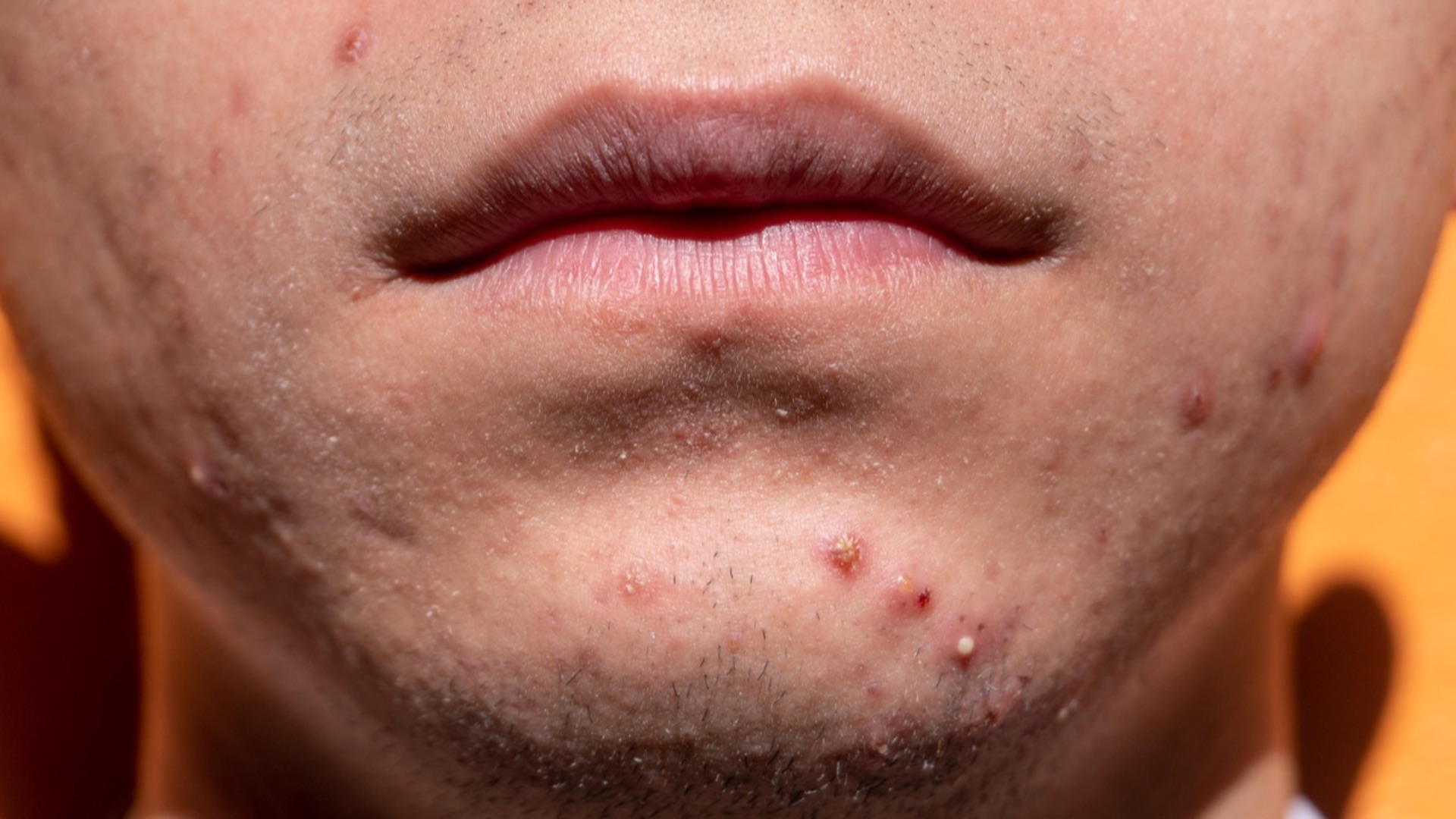
5. Post-Acne Marks and Hyperpigmentation
Once a pimple has healed and left behind a dark spot or discoloration, a standard pimple patch won't do anything to fade it. Hydrocolloid is designed for active blemishes with fluid to absorb, not for addressing pigmentation that's already settled into the skin. Ingredients like vitamin C, azelaic acid, and niacinamide are much better suited for targeting post-acne marks over time.
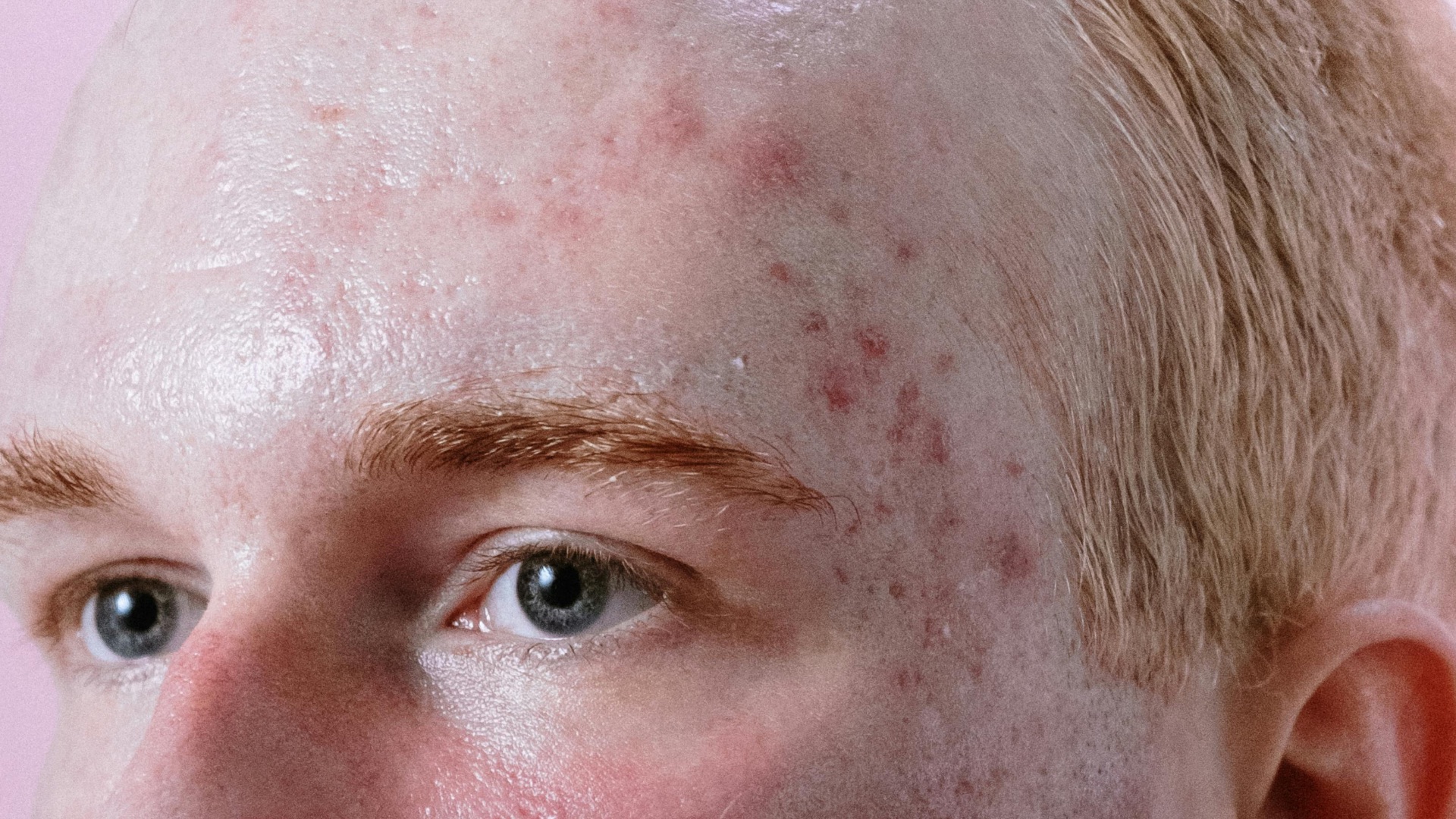
6. Blackheads
Blackheads are a type of clogged pore where the blockage is oxidized sebum sitting in an open follicle, and hydrocolloid patches aren't designed to extract that kind of buildup. The material works by absorbing fluid from wounds or surfaced blemishes, not by reaching into pores to pull out solidified sebum. Chemical exfoliants with salicylic acid or BHAs, along with pore strips specifically formulated for blackheads, are more appropriate options.
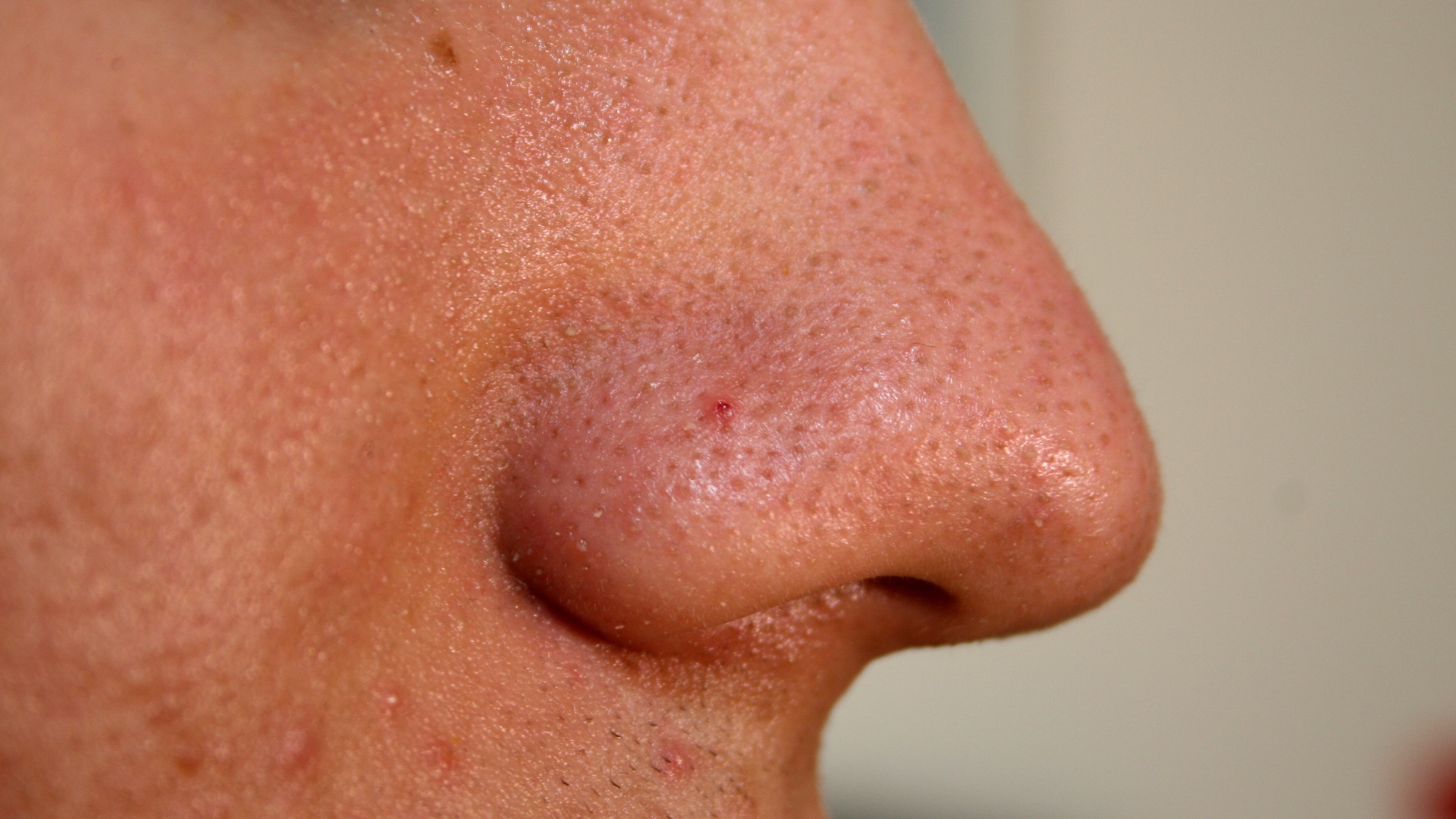
7. Fungal Acne
What looks like regular acne is sometimes actually fungal acne, or Malassezia folliculitis, which is caused by an overgrowth of yeast in the hair follicles rather than the bacteria that standard acne treatments target. Pimple patches won't treat the underlying yeast overgrowth, and some medicated versions with certain oils could potentially make it worse. A correct diagnosis from a dermatologist and the use of antifungal treatments are essential for this condition.
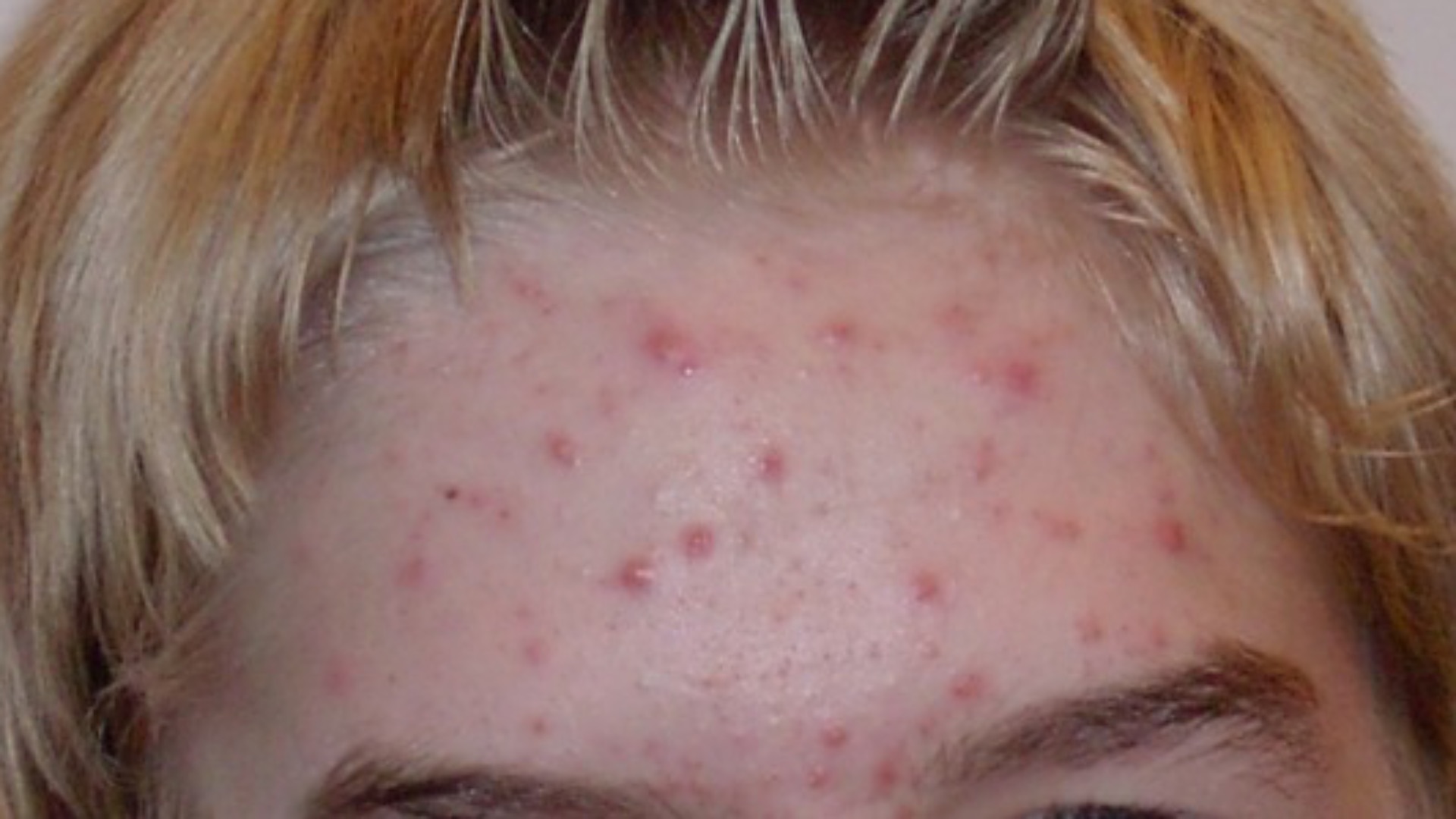 No machine-readable author provided. Ellywa assumed (based on copyright claims). on Wikimedia
8. Acne Caused by a Disrupted Skin Barrier
If your breakouts are linked to a compromised skin barrier, such as from over-exfoliation, harsh products, or environmental stress, patches won't address the root issue. Covering individual spots while the barrier remains damaged means new blemishes will keep appearing. Rebuilding the barrier with gentle, hydrating ingredients like ceramides and hyaluronic acid is where your focus should be, rather than reaching for a patch every time a new spot appears.
9. Ingrown Hairs
Ingrown hairs can look remarkably similar to pimples, but they're a completely different issue caused by a hair curling back into the skin rather than growing outward. A hydrocolloid patch won't release the trapped hair or reduce the inflammation from within the follicle. Gentle exfoliation, warm compresses, and in some cases, carefully extracting the hair with sterile tweezers are the more effective approaches for dealing with ingrowns.
10. Chronic or Severe Acne Without Professional Support
For people dealing with persistent, severe, or scarring acne, pimple patches are a supplemental tool at best and shouldn't replace a proper treatment plan. Chronic acne often involves multiple contributing factors, including genetics, diet, stress, and hormones, that a patch simply isn't equipped to address. Seeing a dermatologist for a personalized plan remains the most effective path forward when over-the-counter options aren't cutting it.