Style Has a Funny Way of Changing Its Mind
Fashion has always loved excess, novelty, and the occasional idea that seems perfectly sensible until a few decades pass. What once signaled wealth, sophistication, or cutting-edge taste can later look impractical, ugly, or difficult to explain. Looking back now, it’s hard not to wonder how some of these glamorous looks ever became so desirable. Here are 20 once-glamorous fashion trends that look strange today.
1. Powdered Wigs
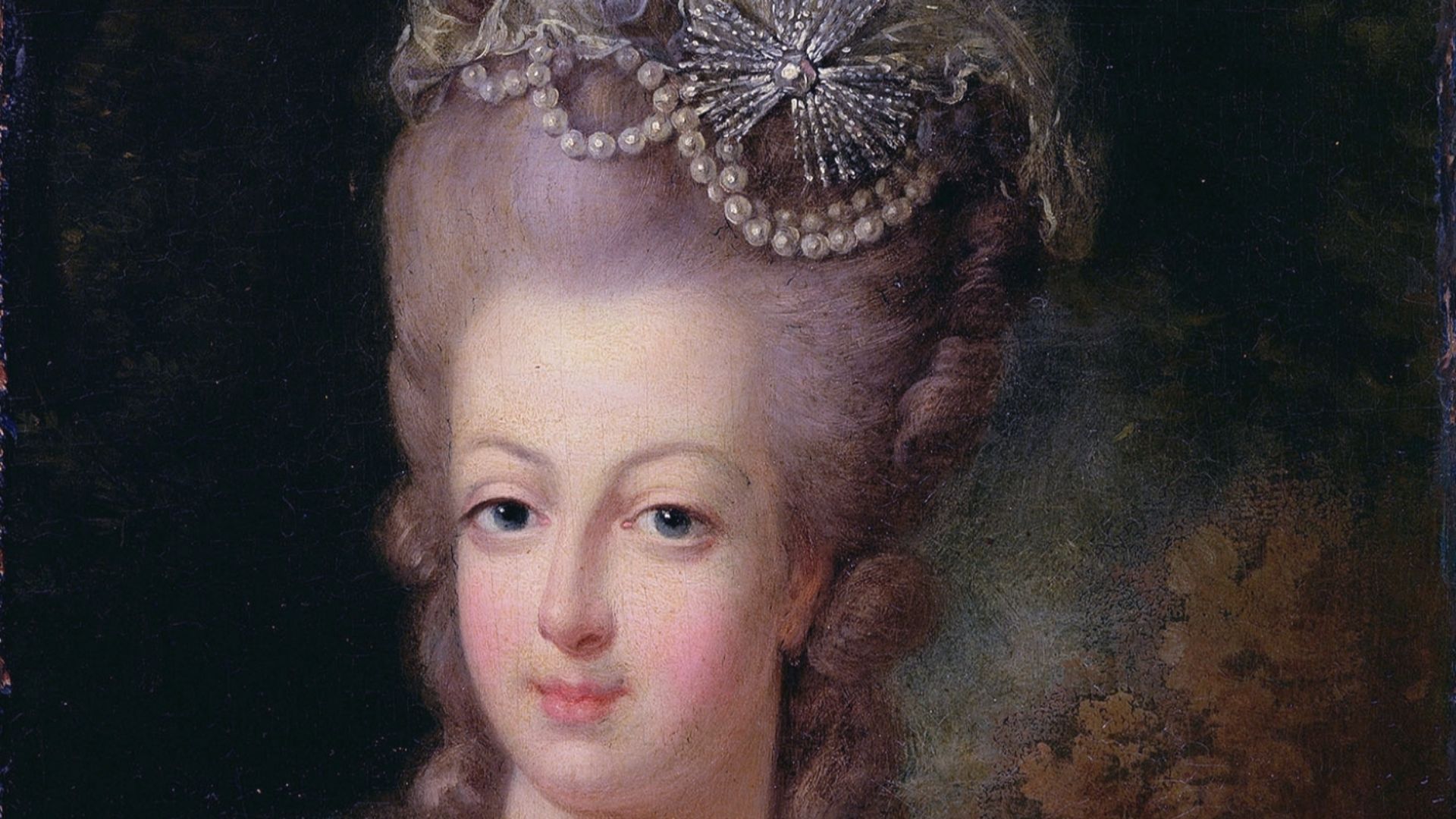
Large powdered wigs were once a major status symbol among wealthy European men and women. The elaborate curls, white powder, and carefully arranged shapes signaled refinement and social standing. Today, wearing several pounds of styled hair on your head would probably attract more questions than compliments.
 After Jean-Baptiste André Gautier-Dagoty on Wikimedia
2. Hoop Skirts
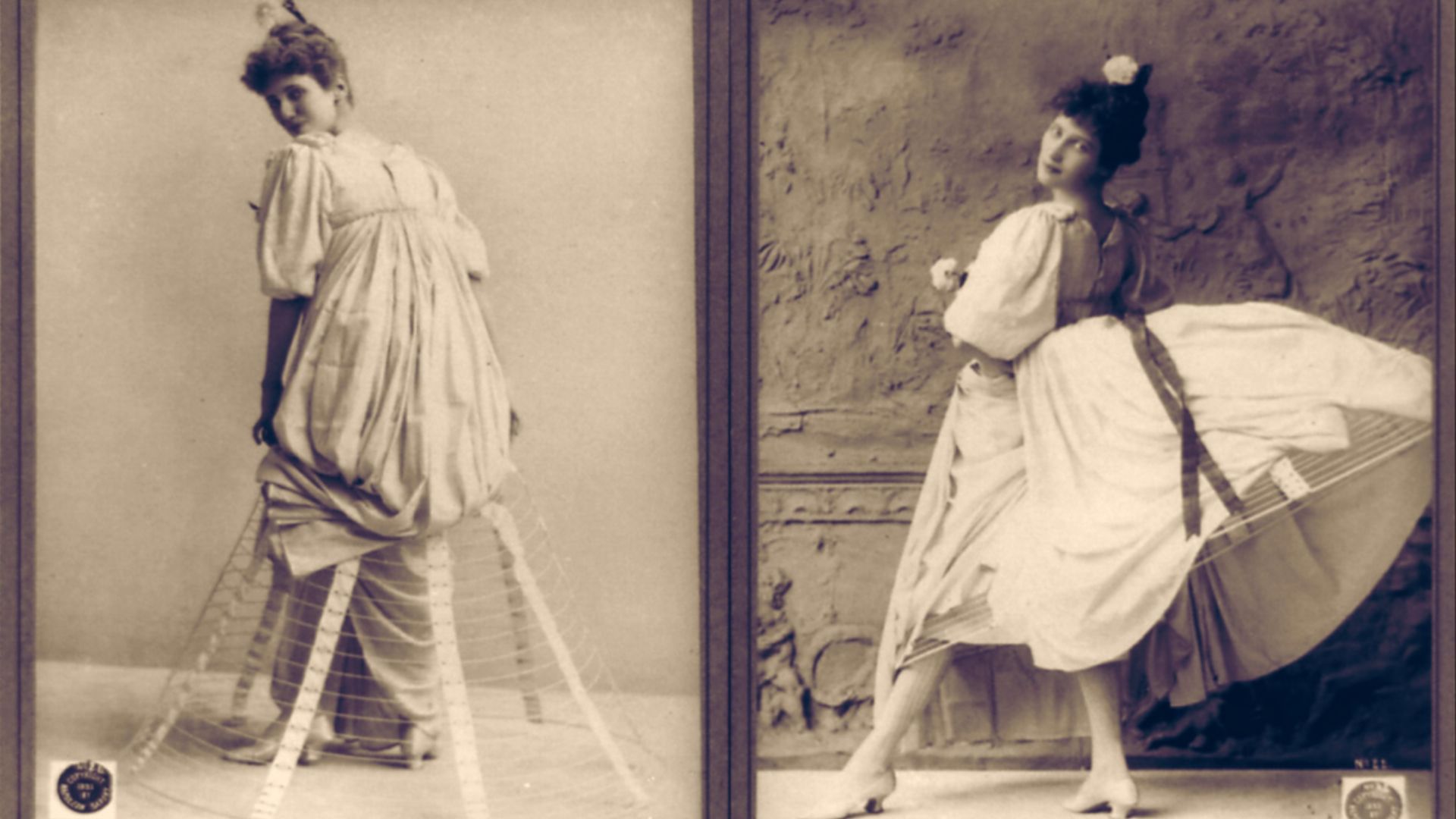
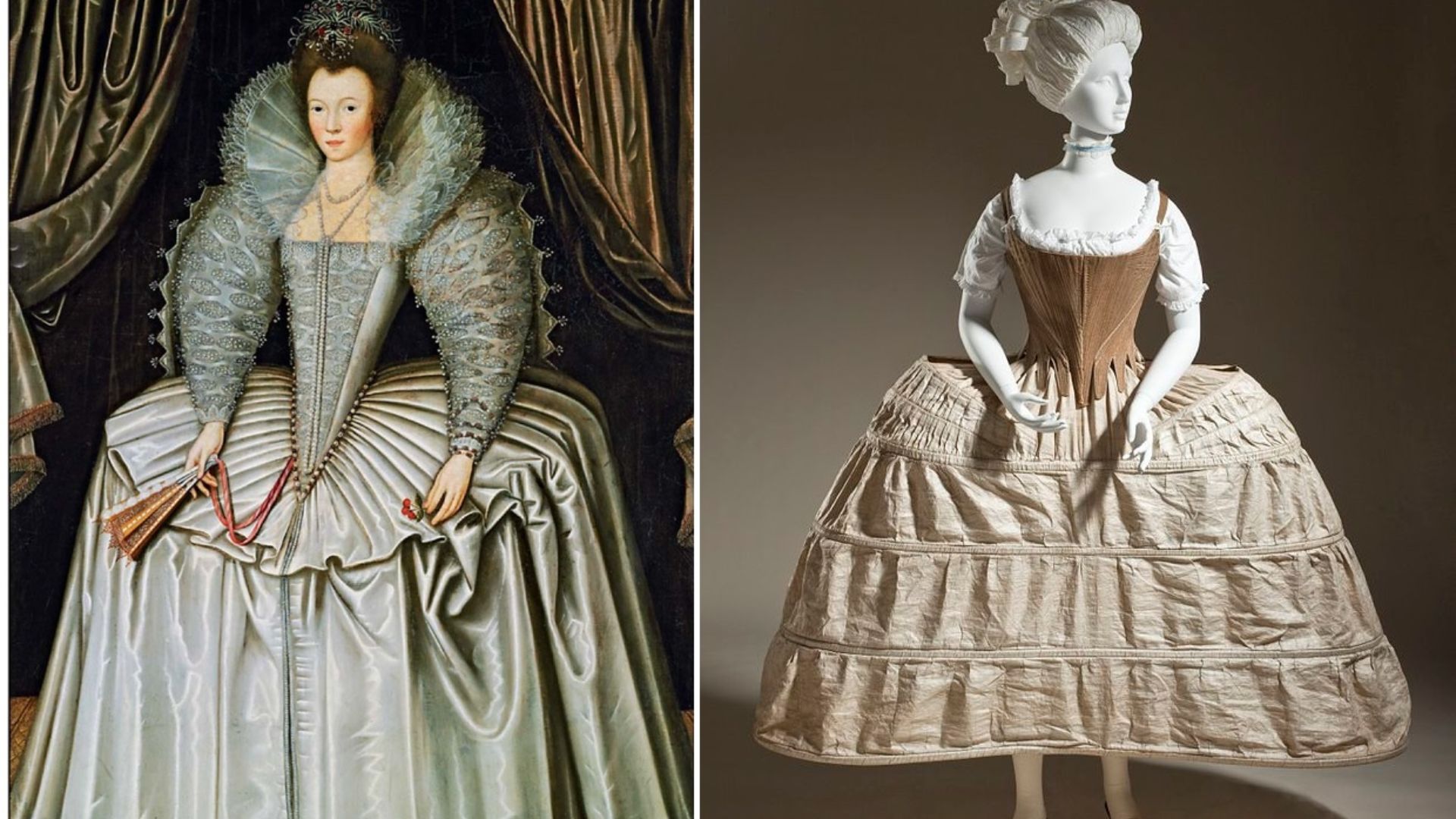
Hoop skirts helped create the enormous bell-shaped silhouettes fashionable in the 19th century. They gave dresses dramatic volume, but they also made sitting, walking through doors, and getting close to furniture surprisingly complicated. That's a lot of inconvenience for something that looks honestly pretty silly from today's point of view.
 Pedro García de Benavarre / Los Angeles County Museum of Art on Wikimedia
3. Bustles
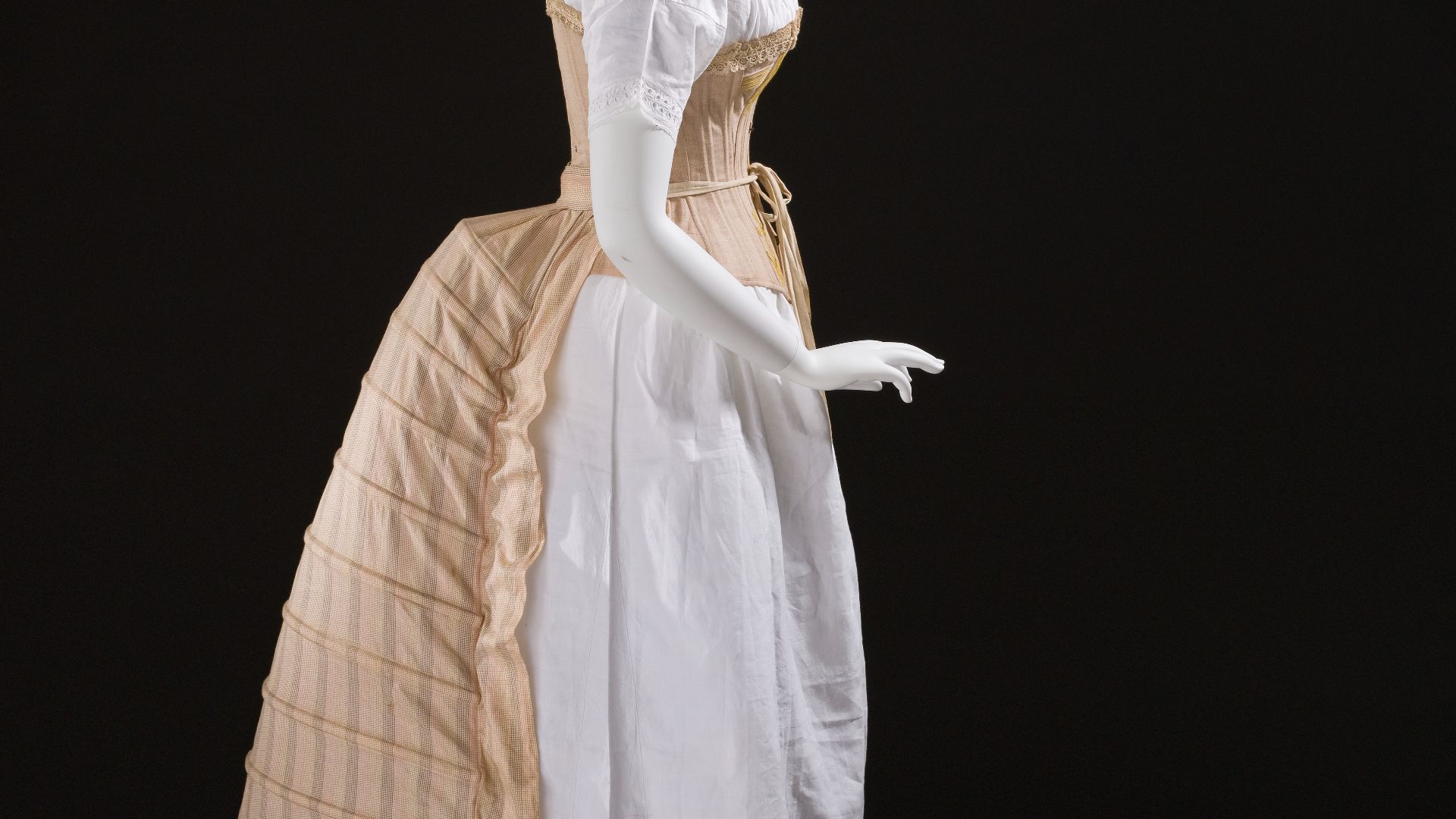
Bustles were designed to add exaggerated volume to the back of a woman’s skirt. They became especially fashionable in the late 1800s, when a dramatic rear silhouette was considered sophisticated and stylish. Modern eyes may struggle to understand why intentionally making the back of a dress stick out so far was ever desirable.
4. Extremely High Collars
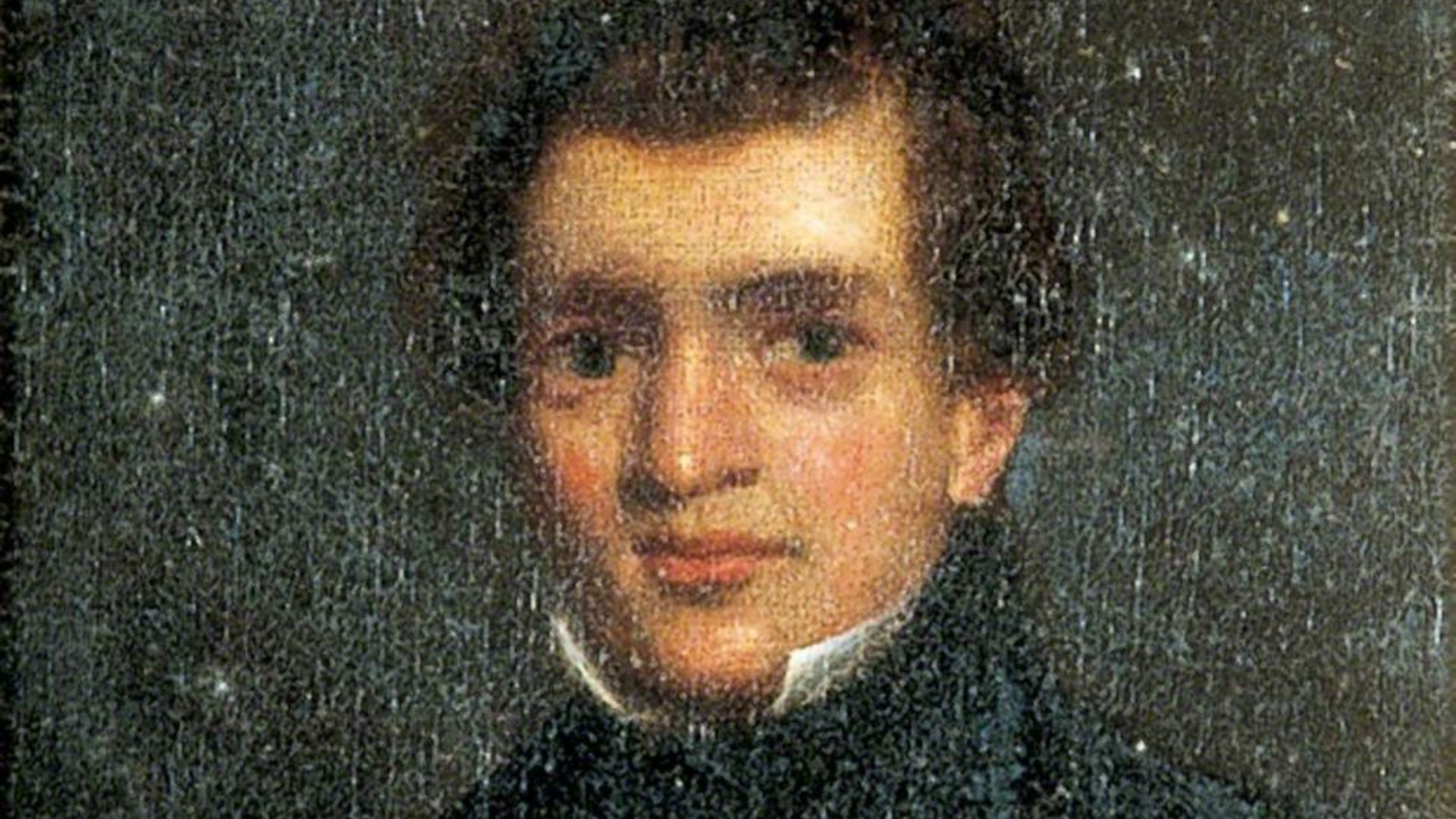
Men’s fashion once embraced stiff collars that rose so high they could press against the jaw and restrict movement. The look suggested formality and discipline, which apparently mattered more than being able to turn your head comfortably. Today, most people would probably loosen the collar before making it through dinner.
5. Giant Shoulder Pads
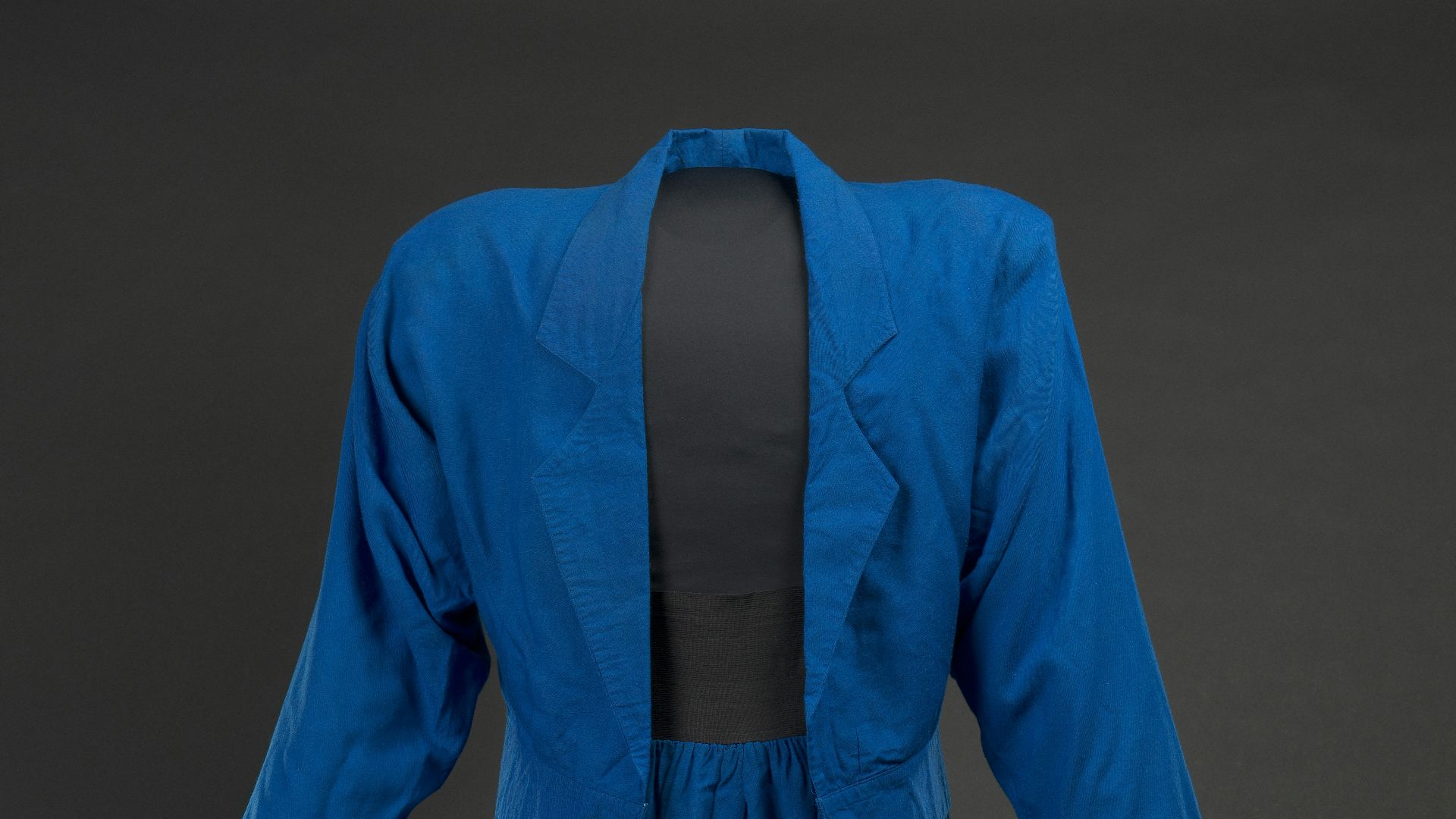
The 1980s turned shoulder pads into a symbol of power dressing for women and men alike. Jackets, dresses, and blouses were built to create a dramatically broad upper body that projected confidence. A little structure still looks sharp, but some vintage examples seem ready to take up an extra seat on the subway.
6. Giant Ruffled Collars
Ruffs were elaborate pleated collars worn by wealthy Europeans during the 16th and early 17th centuries. They could become enormous, stiff, and expensive, framing the wearer’s head with layers of carefully arranged fabric. You’d certainly make an entrance in one today, although eating soup might become a logistical challenge.
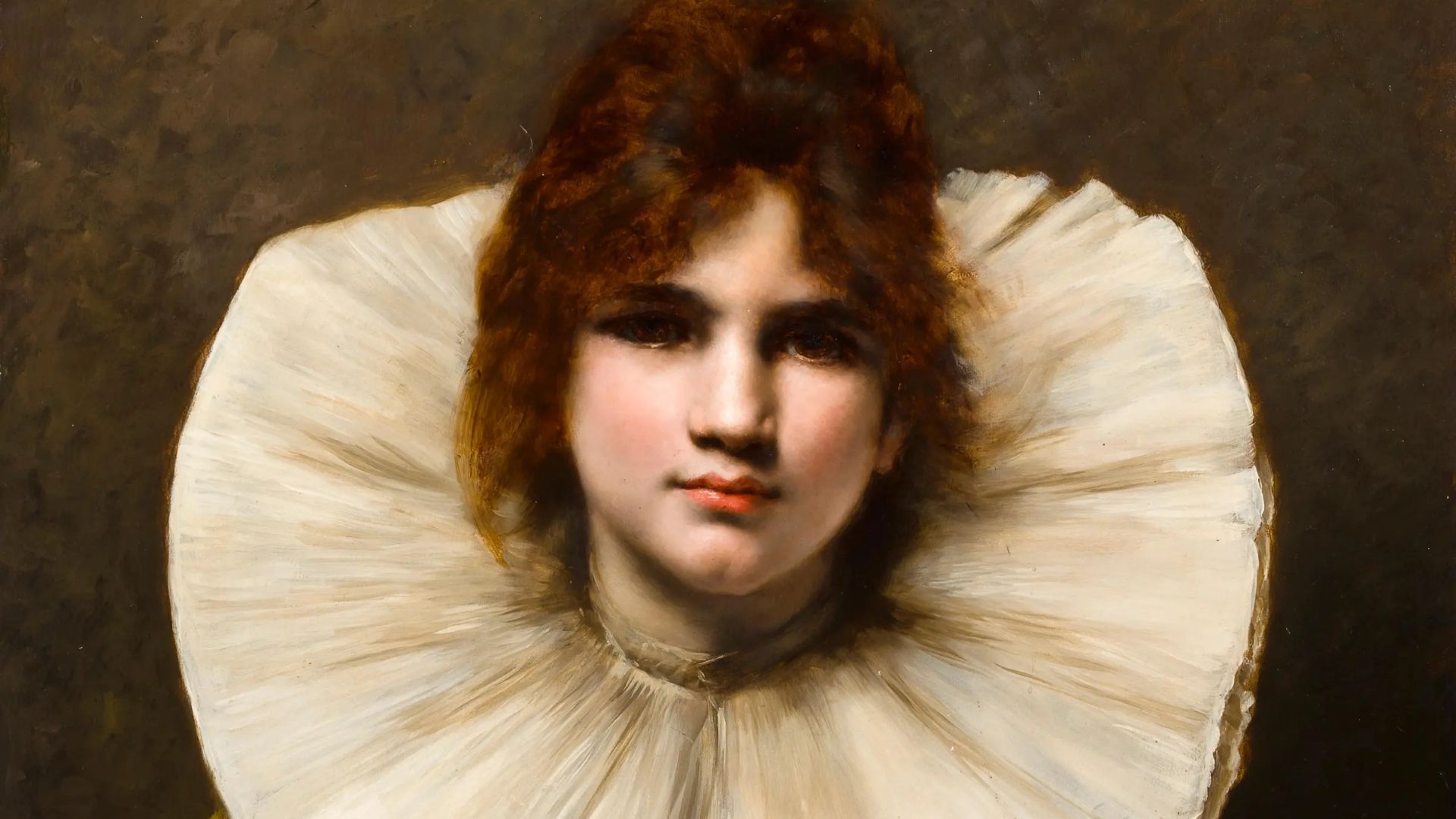 Carolina Carlesimo on Wikimedia
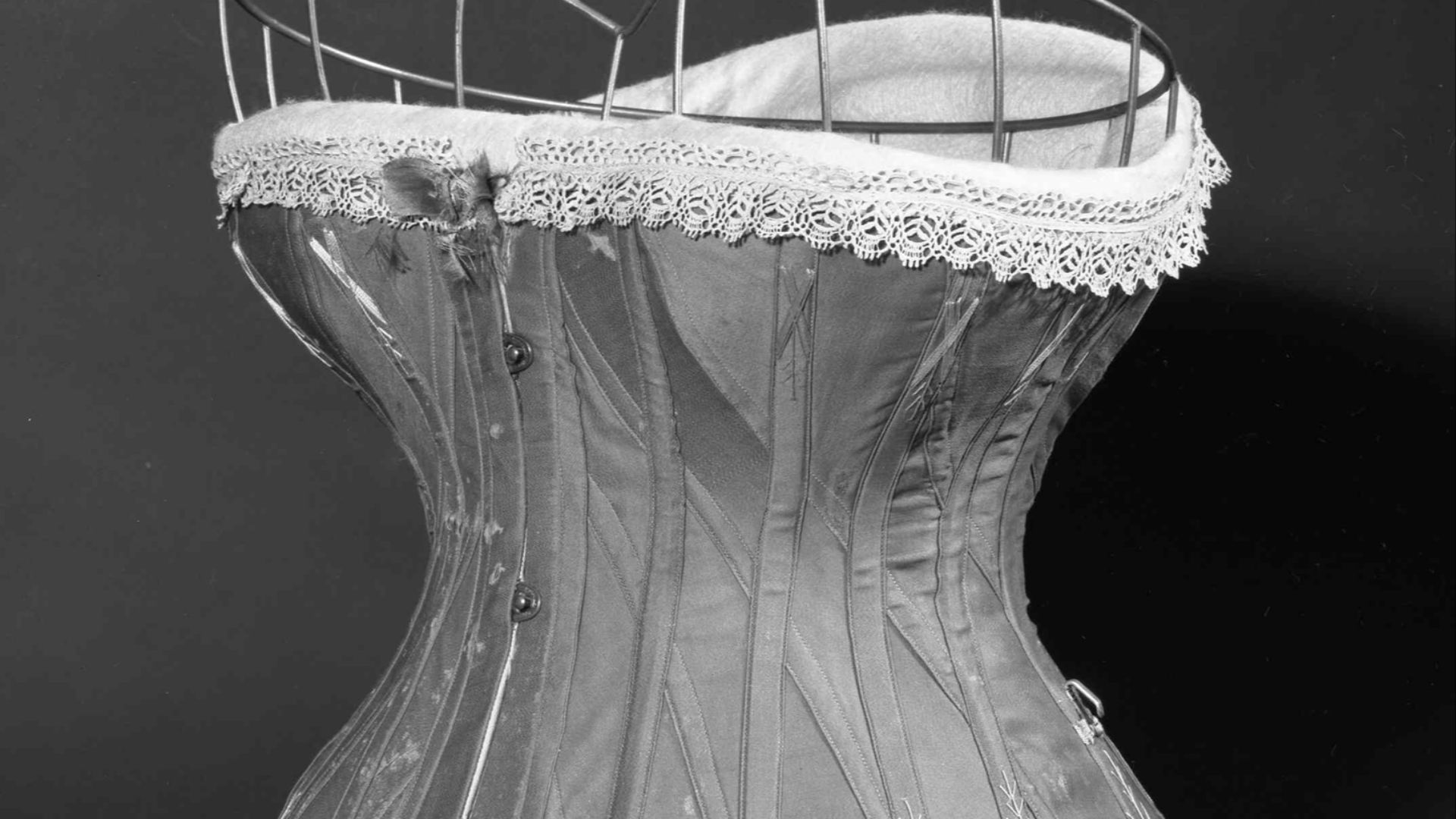
7. Corsets Pulled Extremely Tight
Corsets were worn in many forms for centuries, but certain periods celebrated especially narrow waists. Tight-lacing could create the fashionable silhouette, even if comfort wasn’t exactly the priority. Structured undergarments still exist, but deliberately making breathing and movement more difficult has lost some of its glamour.
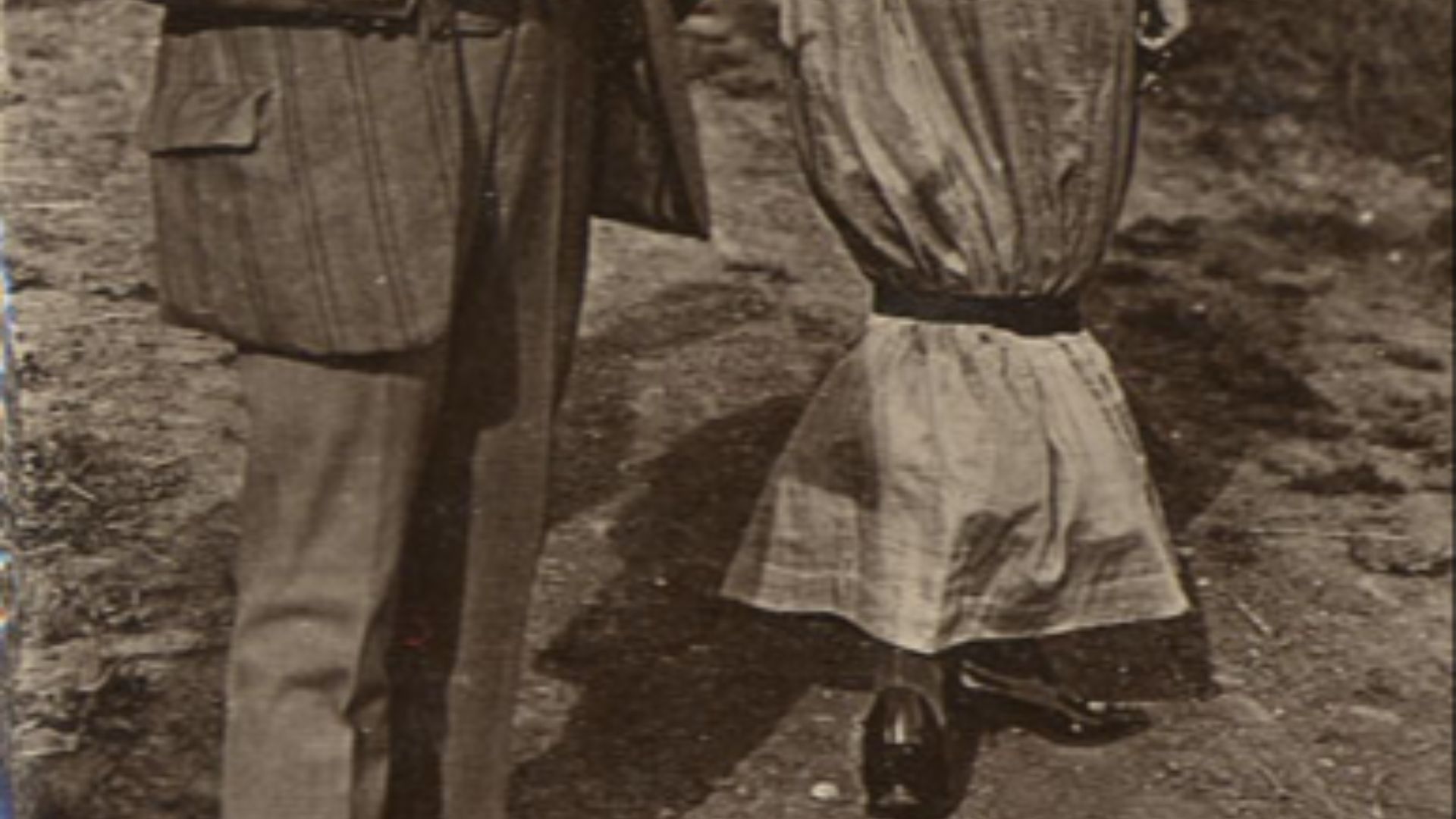
8. Hobbled Skirts
The hobble skirt became fashionable in the early 20th century and narrowed sharply around the ankles. It created a sleek silhouette but could restrict a woman’s stride so dramatically that walking became noticeably difficult. Looking elegant while barely being able to move is a fashion trade-off that hasn’t aged particularly well.
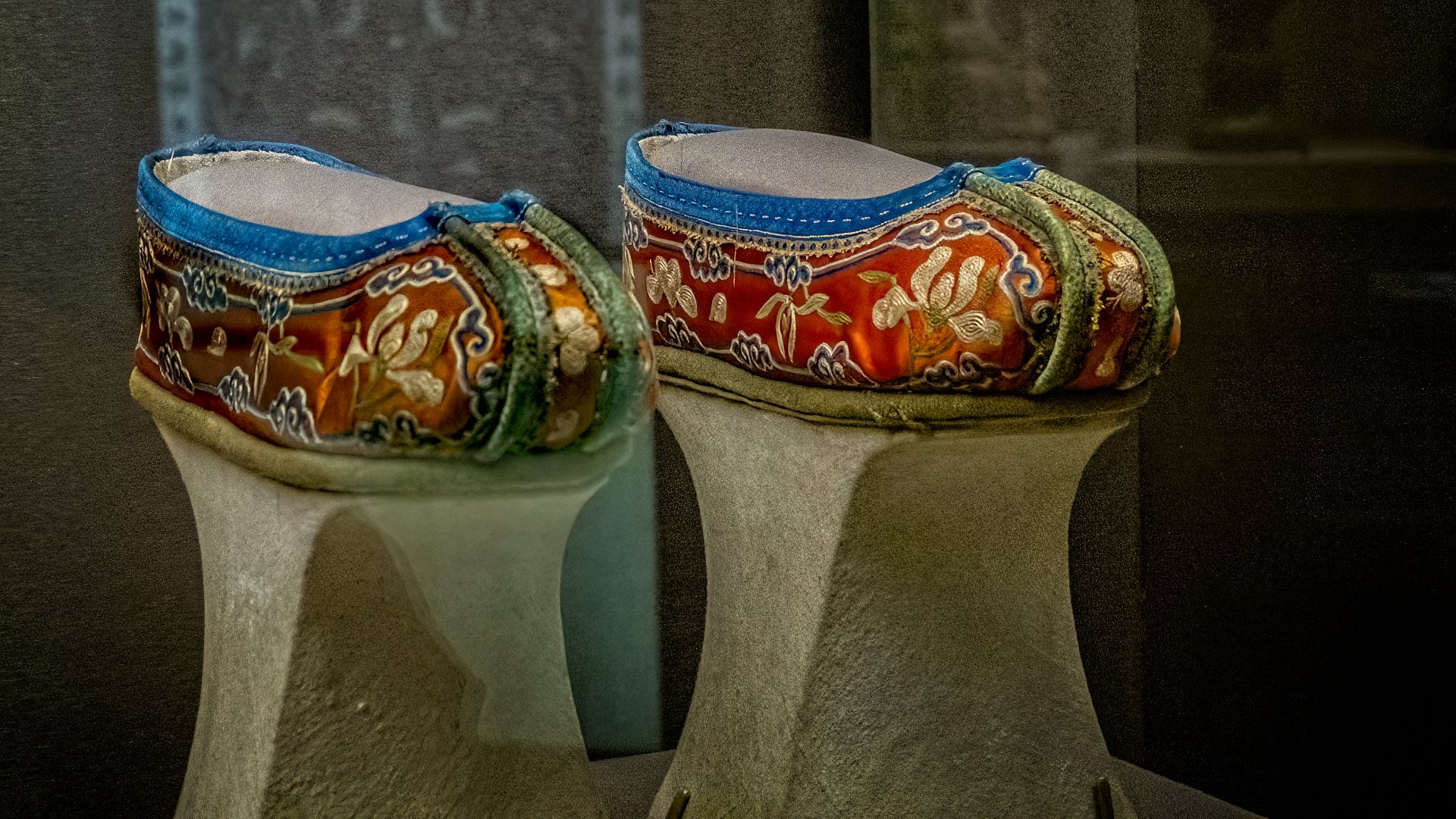
9. Platform Shoes With Extreme Heights
Platforms have come back repeatedly, but some versions from the 1970s pushed the concept to impressive extremes. Thick soles added several inches of height and became part of the glamorous disco look. They looked fantastic under flashing lights, though stairs probably required considerably more concentration.
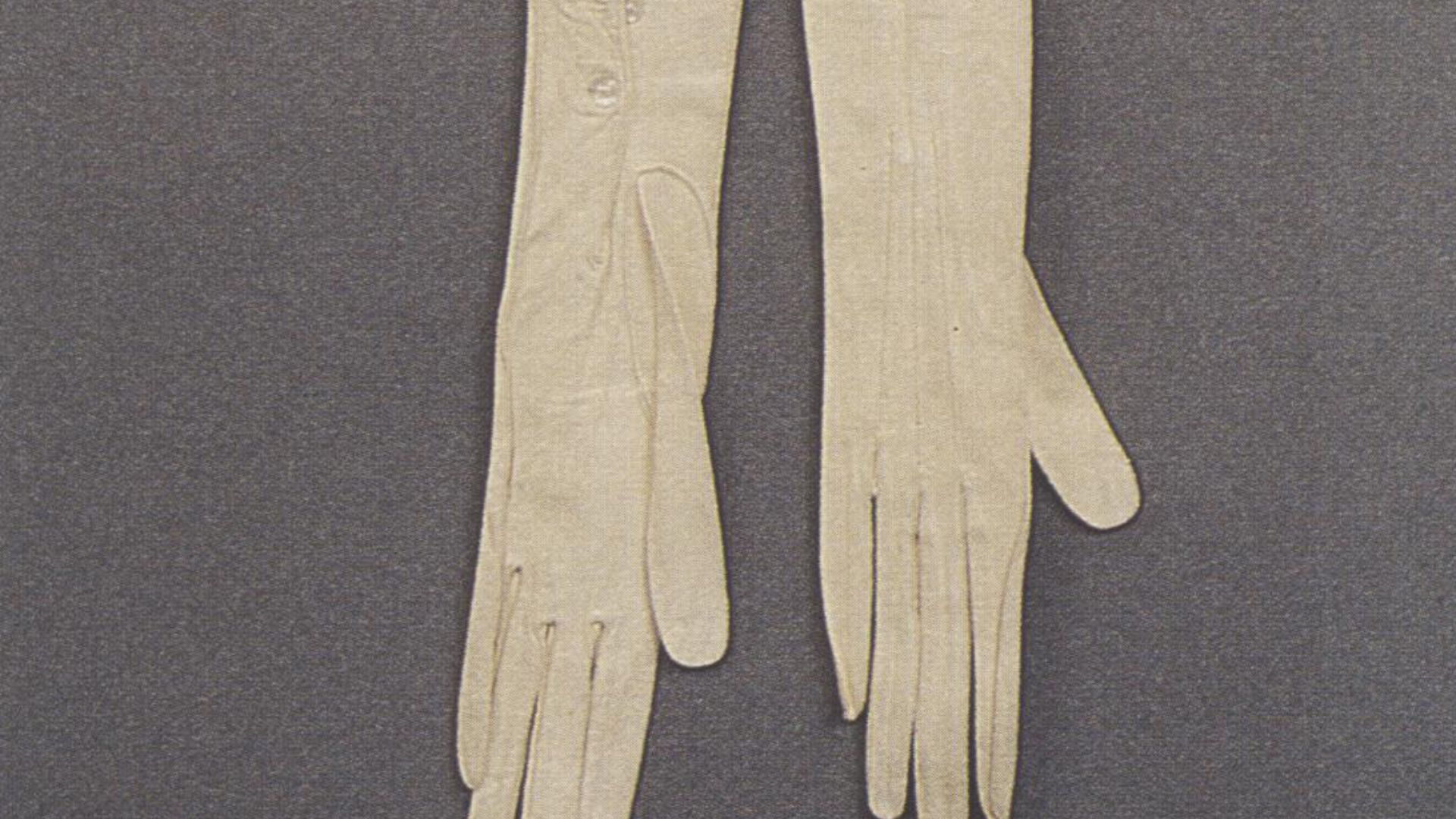
10. White Gloves for Almost Everything
There was a time when a polished outfit wasn’t complete without gloves, even for ordinary daytime outings. Women wore them to lunches, social events, shopping trips, and other occasions where bare hands could seem too casual. Today, putting on pristine gloves to run errands would feel far too formal.
 Peloponnesian Folklore Foundation on Wikimedia
11. Men’s Knee Breeches
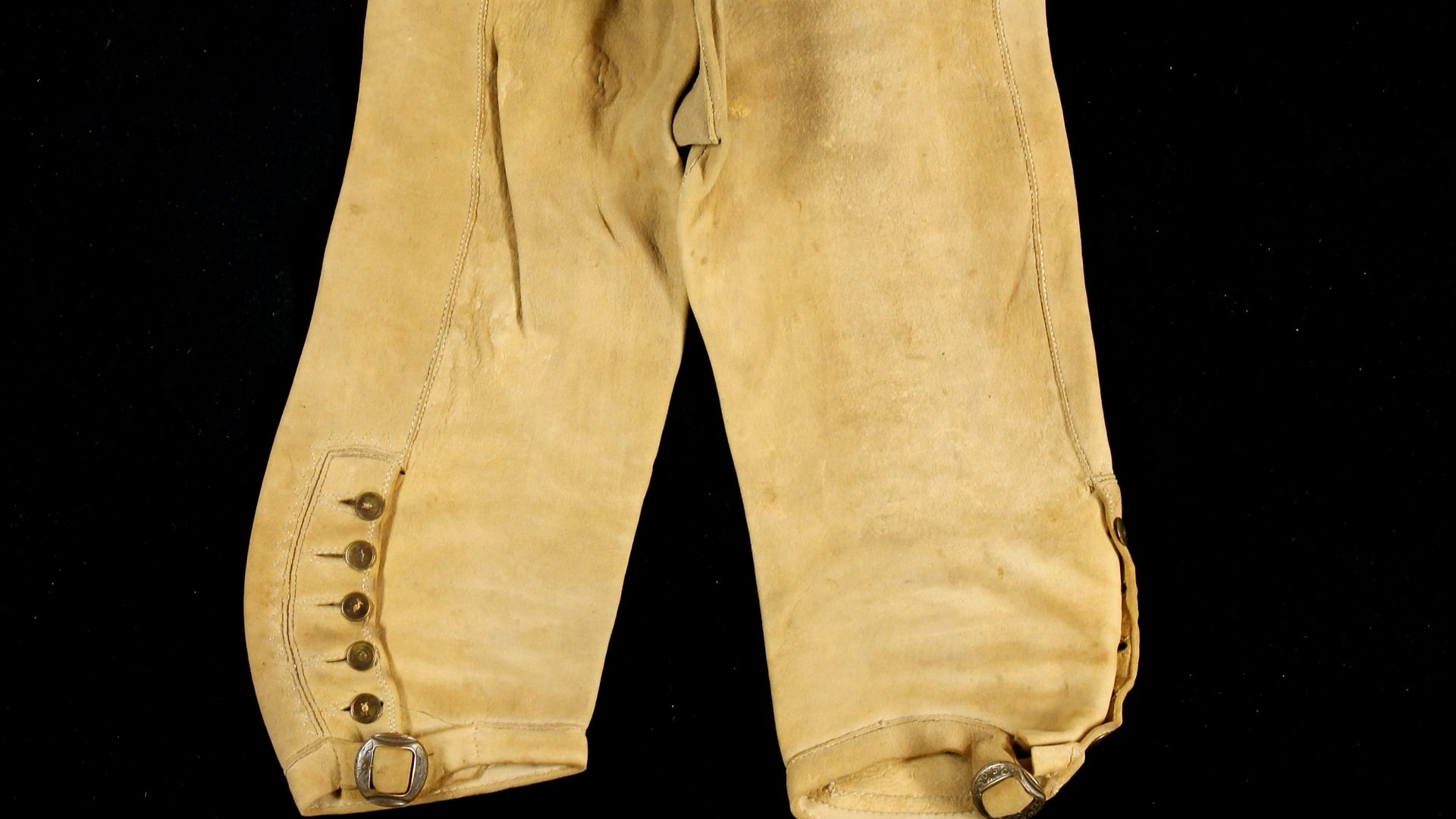
For wealthy European men in the 18th century, fitted breeches ending around the knee were completely respectable formalwear. They were often paired with stockings, buckled shoes, and elaborate coats for a highly polished appearance. The combination looks far more theatrical now, even though it once represented serious sophistication.
 Elisabeth Eriksson on Wikimedia
12. Beauty Patches
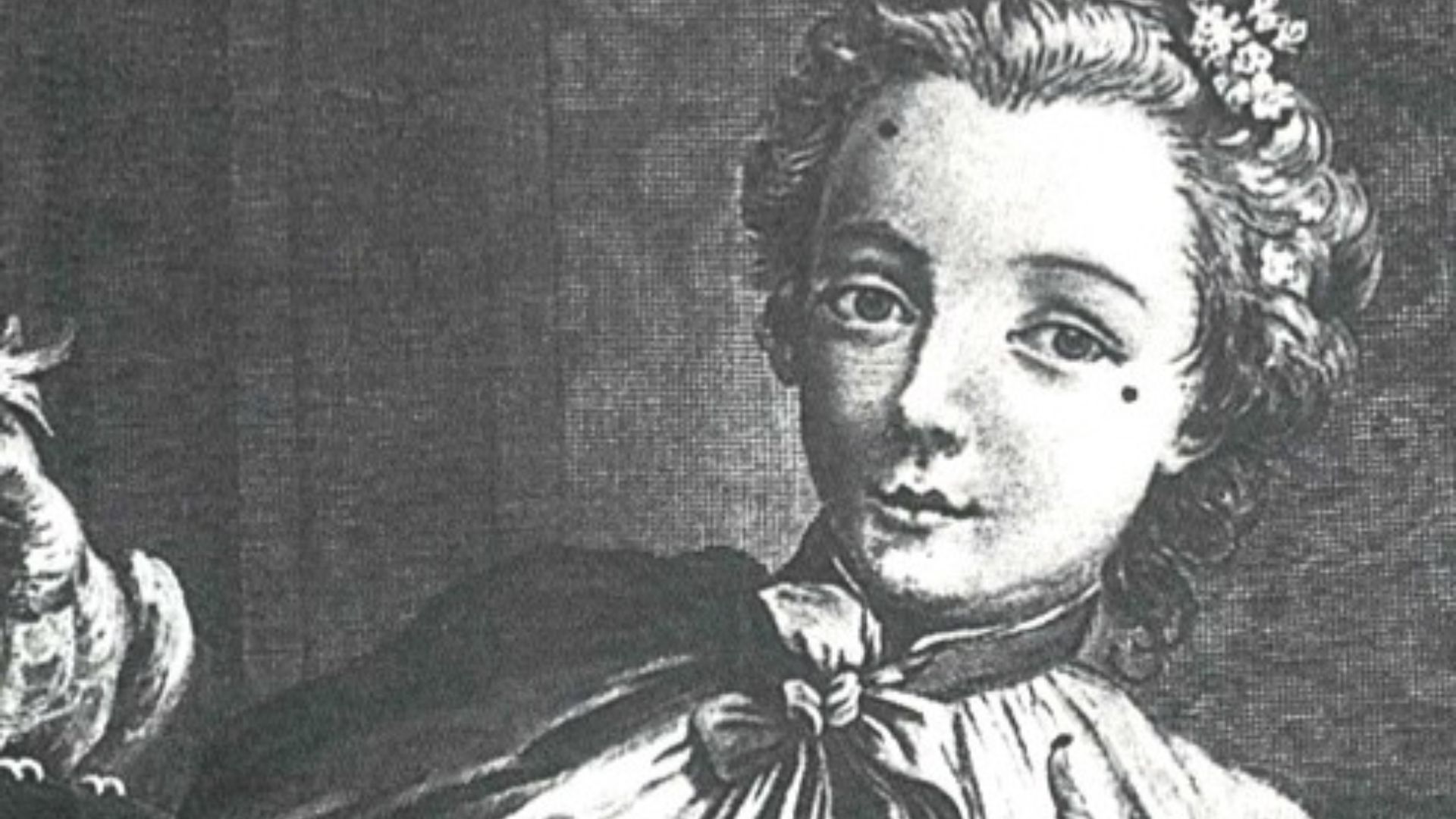
Small decorative patches were applied to the face by fashionable men and women in parts of Europe during the 17th and 18th centuries. They could be cut into shapes such as stars, hearts, or crescents and placed strategically on the skin. What once looked elegant might now seem like someone forgot to remove a very tiny sticker.
 Gilles Edme Petit / After François Boucher on Wikimedia
13. Enormous Feathered Hats
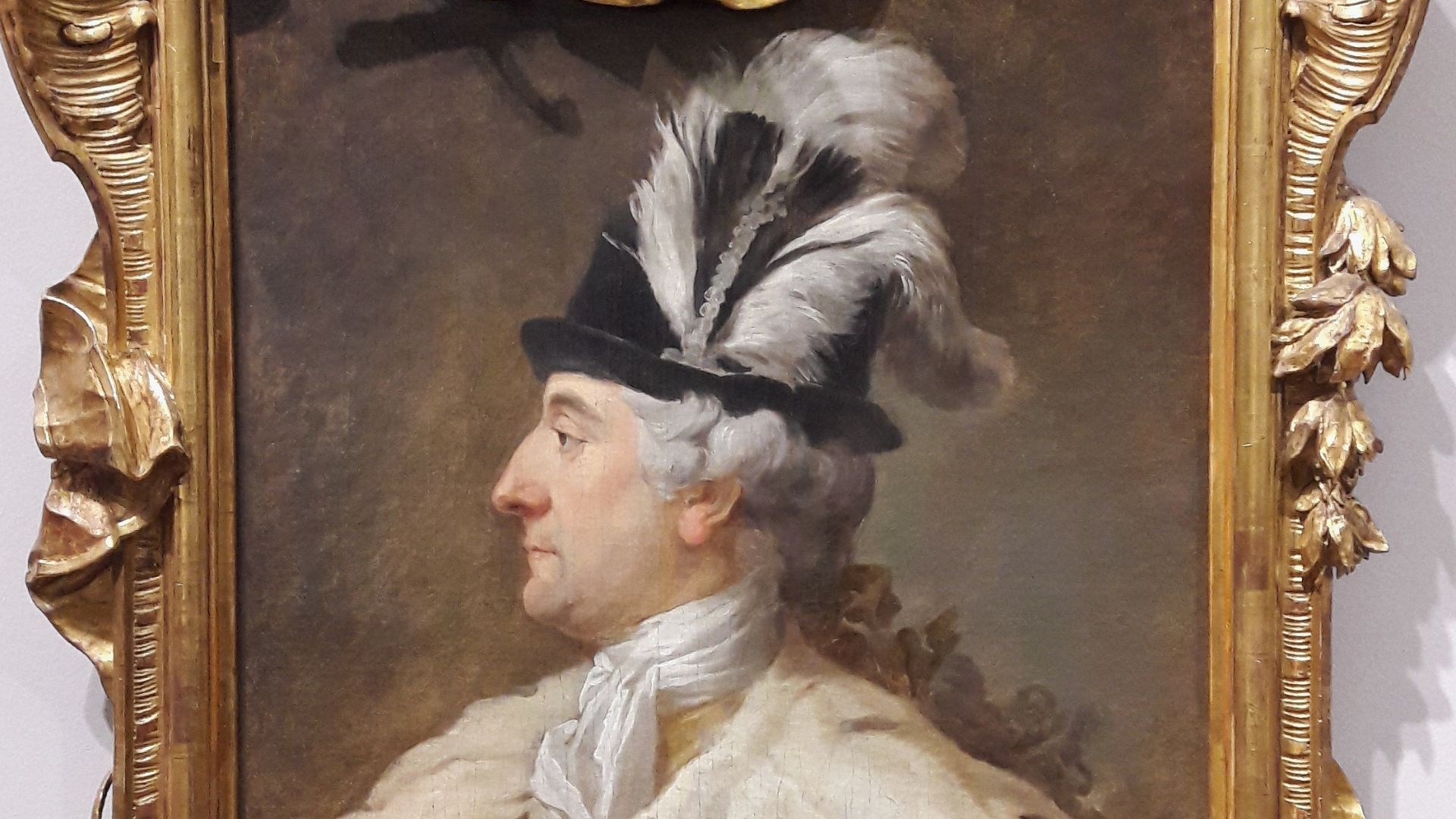
At the turn of the 20th century, fashionable women sometimes wore hats decorated with huge feathers and even entire stuffed birds. The more dramatic the headwear, the more luxurious the outfit could appear. Modern fashion still loves statement hats, but carrying half an aviary above your forehead would definitely draw attention.
 Marcello Bacciarelli on Wikimedia
14. Elaborate Men’s Codpieces
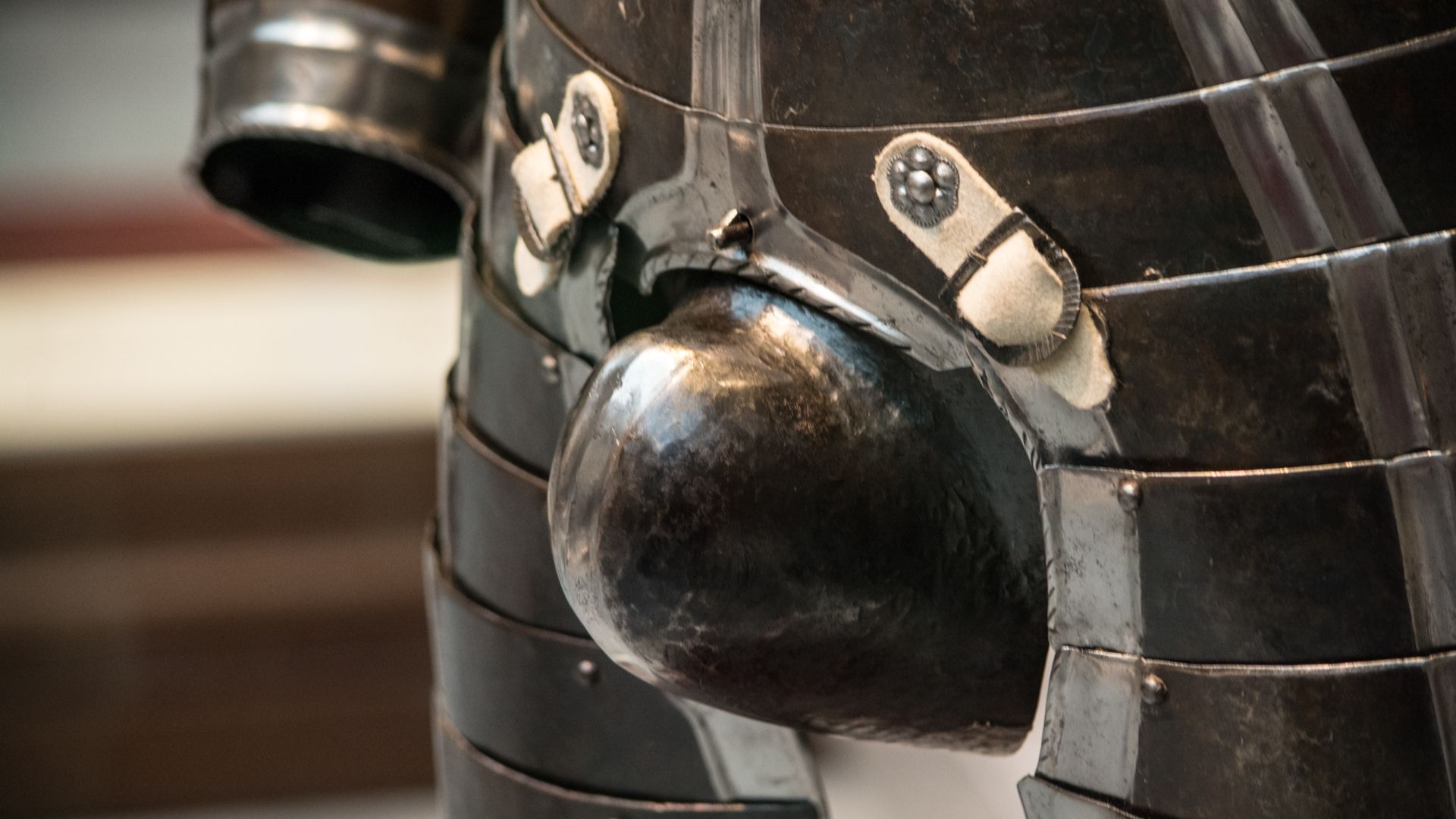
During the Renaissance, men’s clothing sometimes featured heavily padded and decorated codpieces at the front of the trousers. The garment became increasingly exaggerated as it shifted from practical covering to a conspicuous fashion statement. It’s one trend that would be difficult to revive without people immediately noticing exactly where the designer wanted them to look.
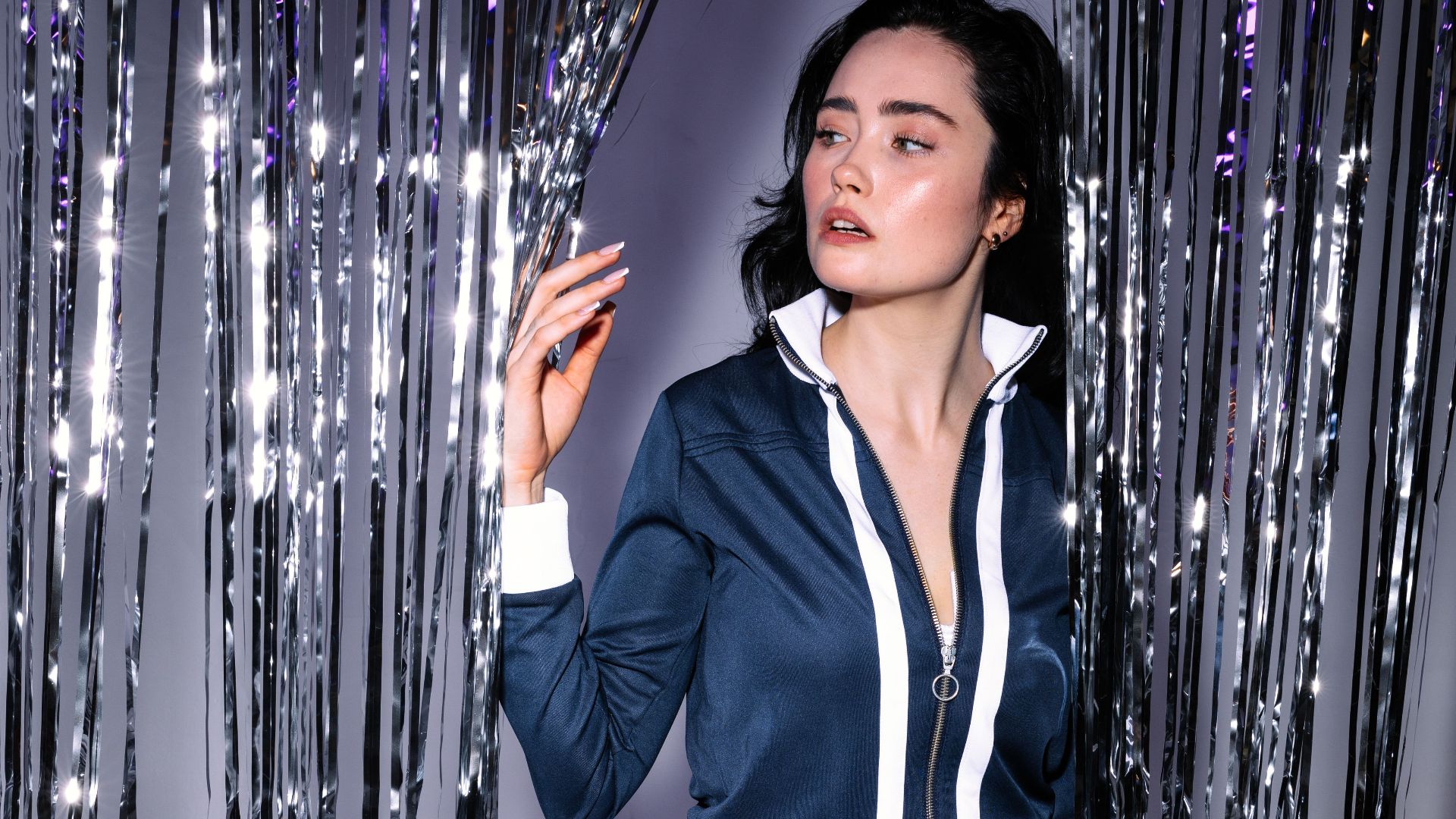
15. Satin Track Suits as Evening Wear
Certain stretches of the 1970s and 1980s made shiny synthetic fabrics feel surprisingly glamorous. Matching satin or velour sets could be worn with jewelry, styled hair, and plenty of confidence. Today, the same outfit may read more like vintage lounge wear than an invitation to the hottest place in town.
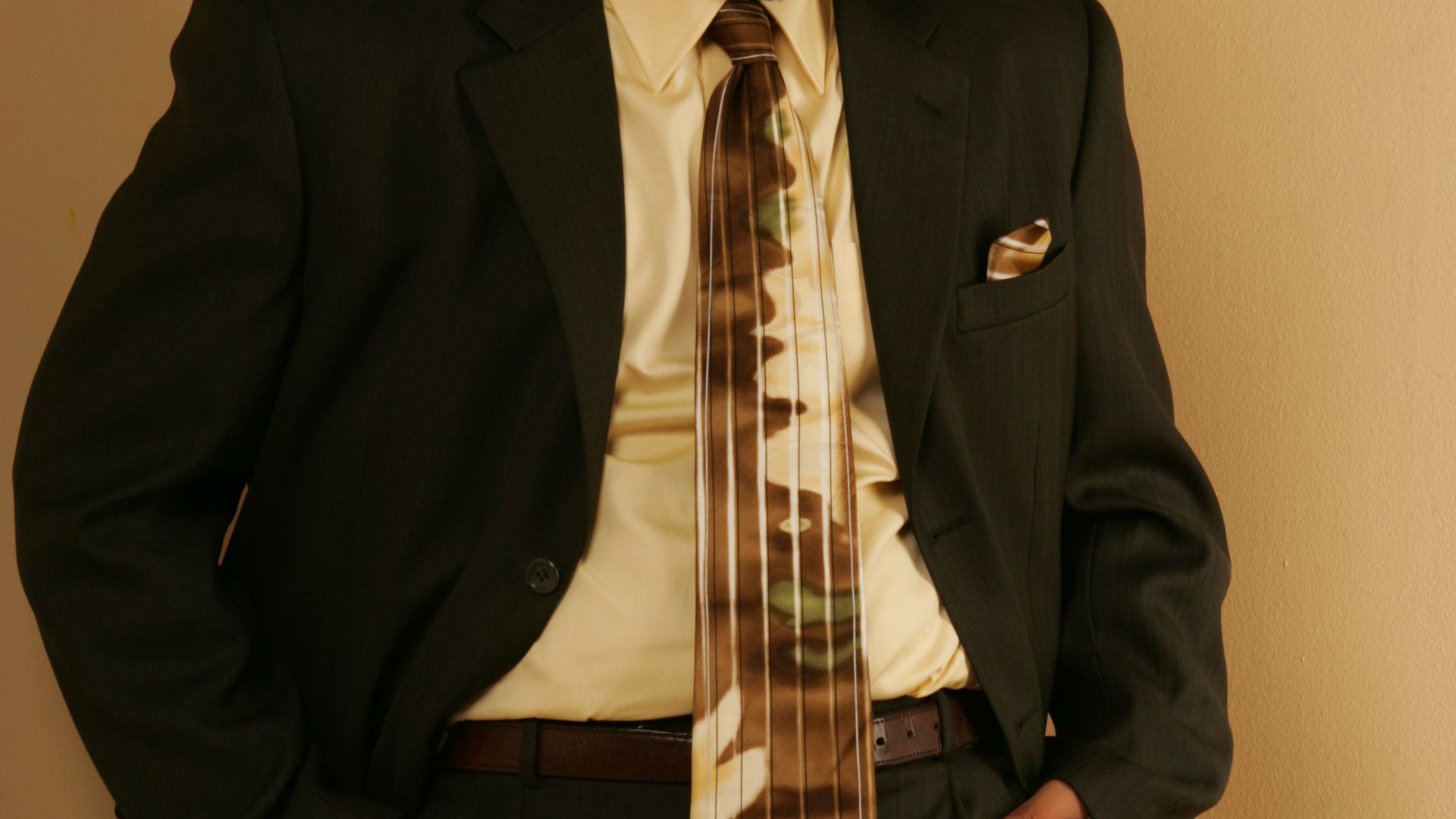
16. Extra-Wide Neckties
The 1970s gave men ties so broad that some nearly seemed to cover the entire shirt front. Bold prints and oversized knots only added to the effect. A wide tie can still look stylish, but the most extreme vintage versions make modern slim proportions seem almost shy.
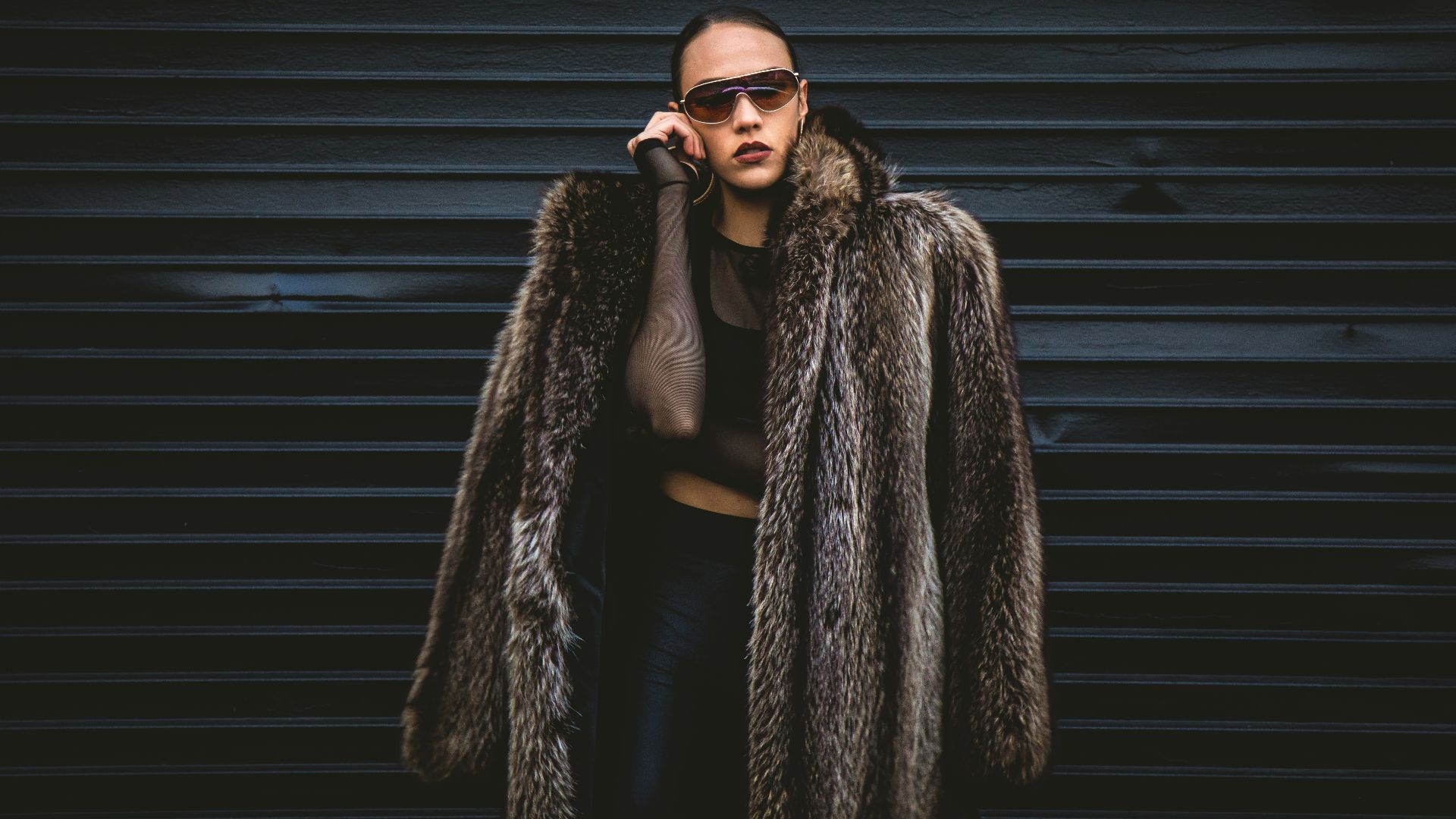
17. Floor-Length Fur Coats
A full-length fur coat once communicated wealth and Hollywood-level glamour almost instantly. Celebrities and socialites wore them as dramatic finishing pieces, often regardless of how practical the occasion actually was. Changing attitudes toward animal welfare and luxury have made the look far more controversial today.
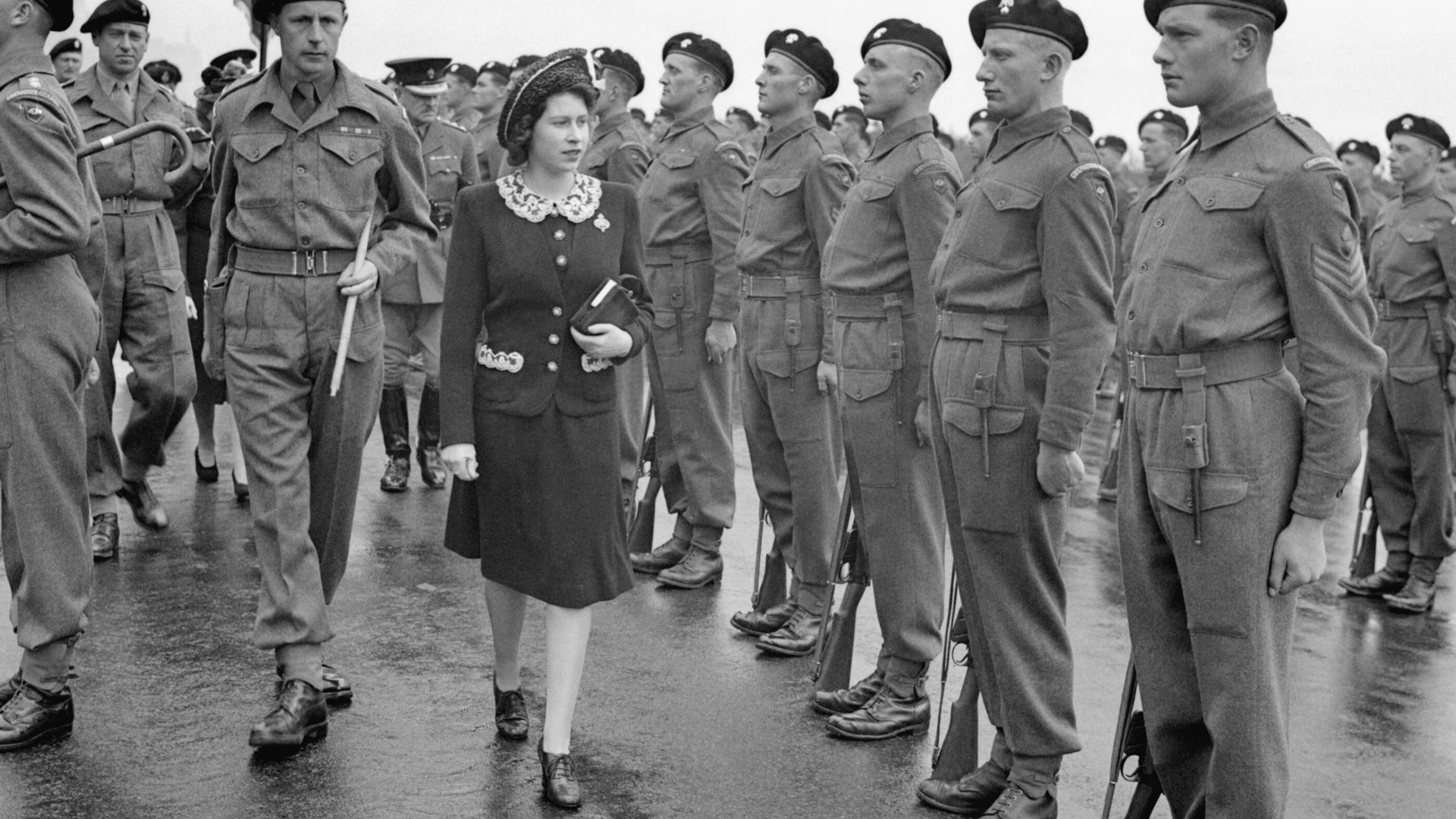
18. Matching Hats & Handbags
Carefully coordinating a hat, handbag, shoes, and sometimes gloves was once a mark of polished dressing. The more perfectly the accessories matched, the more finished the outfit could appear. Modern style usually favors a little less coordination, so matching everything exactly can now feel charmingly old-fashioned.
 War Office official photographer, Malindine E G (Captain) on Wikimedia
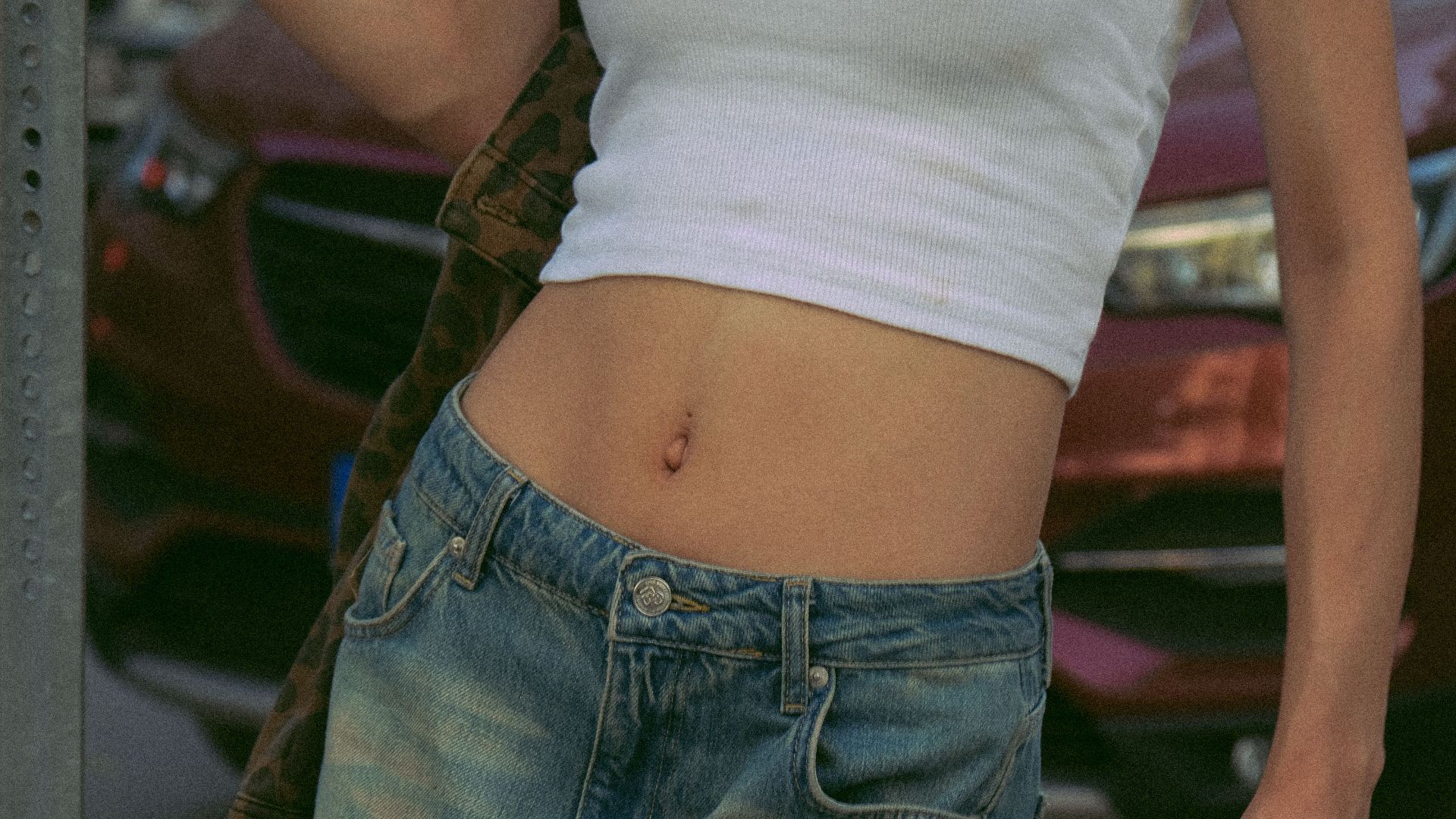
19. Ultra-Low-Rise Jeans
Low-rise jeans dominated the early 2000s and were often worn several inches below the natural waist. They were paired with cropped tops, tiny belts, and a level of confidence that didn’t leave much room for sitting comfortably. The style has made partial comebacks, but the most extreme versions still inspire strong memories.
20. Tiny Decorative Handbags
Miniature evening bags and novelty purses have appeared in fashionable wardrobes for generations, but some versions were barely large enough to hold anything useful. Their value was mainly decorative, which made practicality someone else’s problem. They can still look chic, although needing a second bag to carry the things that won’t fit somewhat defeats the purpose.