Formal Fashion Knows How To Make An Entrance
Formal clothing has changed dramatically over the centuries, yet dressing for an important occasion has almost always involved distinctive silhouettes, luxurious materials, or carefully observed rules. Royal courts once dictated what fashionable society considered appropriate, while industrialization, couture houses, Hollywood, and celebrity culture gradually introduced new influences. Some looks disappeared almost completely, while others have been repeatedly updated for weddings, galas, state dinners, award ceremonies, and other major events. From elaborate coronation attire to modern red-carpet gowns, these 20 formal styles became some of history's most recognizable approaches to dressing up.
1. Panniered Court Gowns
Eighteenth-century European court dress often featured panniers that extended a woman's skirt dramatically at the sides while leaving the front and back comparatively flat. Structured bodices and expensive silks made the overall appearance even more elaborate.
2. The Robe À La Française
The robe à la française became one of the defining fashionable gowns of the eighteenth century. Its most recognizable feature was a series of loose pleats falling from the shoulders at the back, generally paired with a fitted front and wide skirt.
3. Empire-Waist Gowns
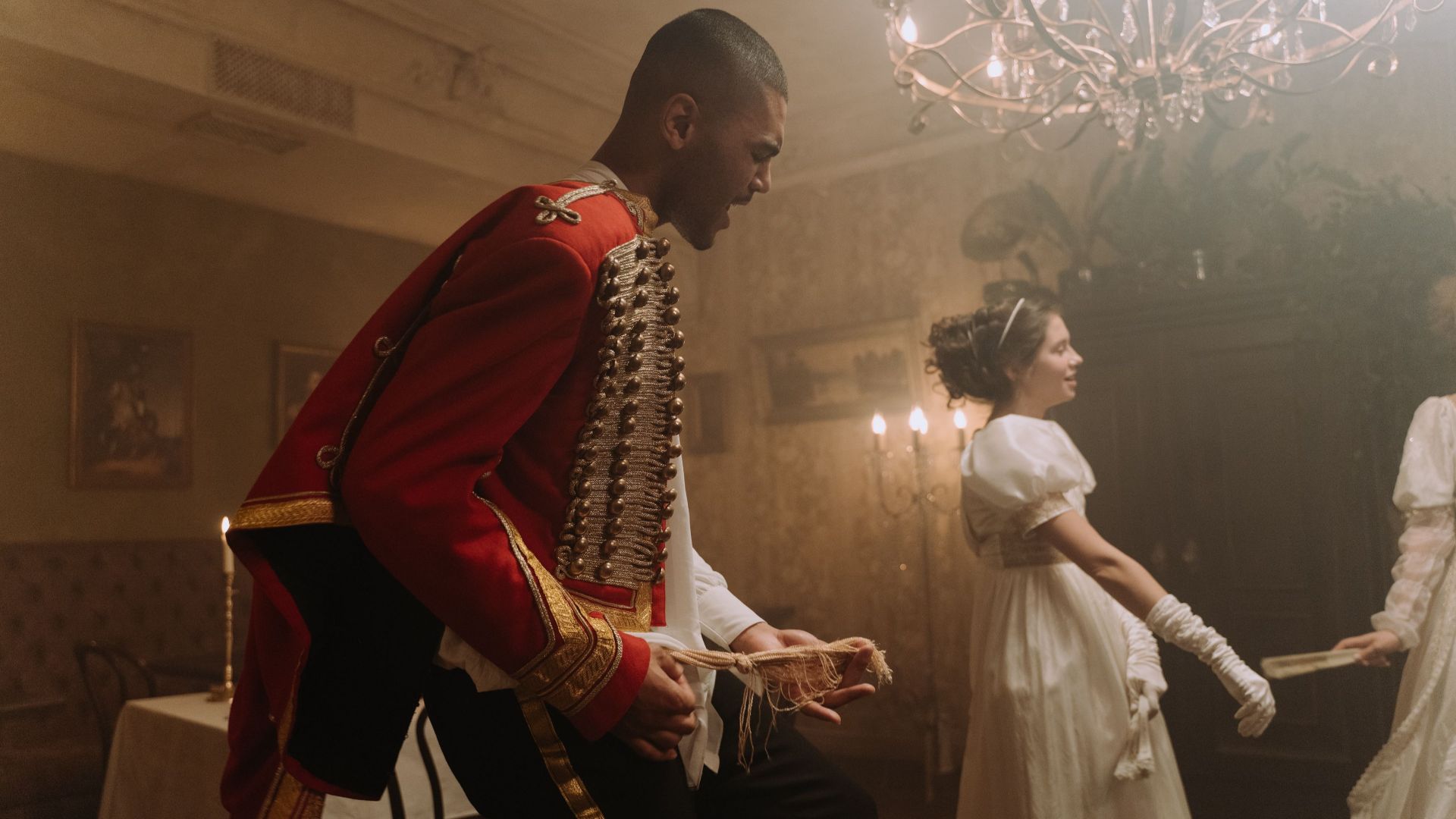
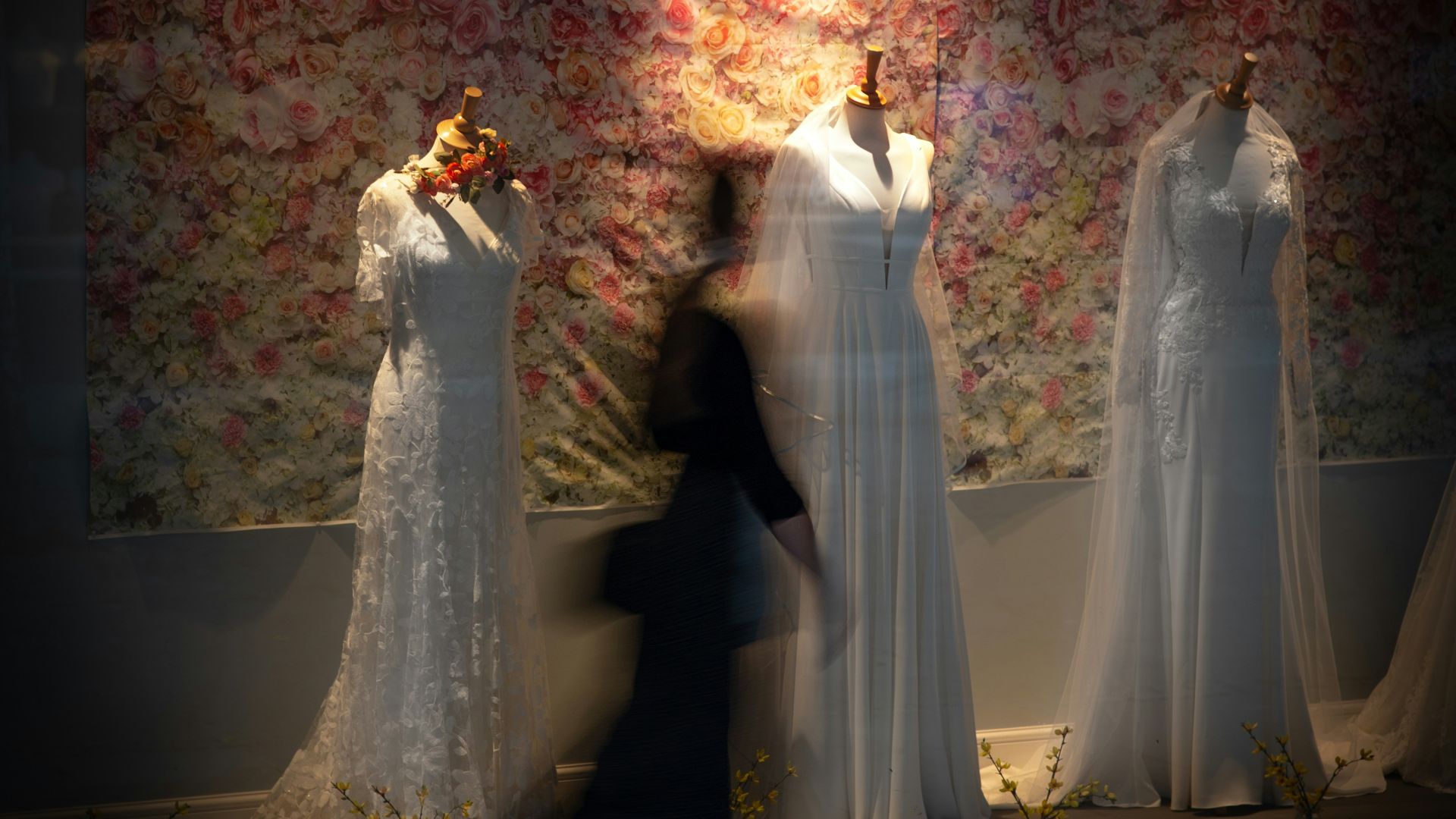
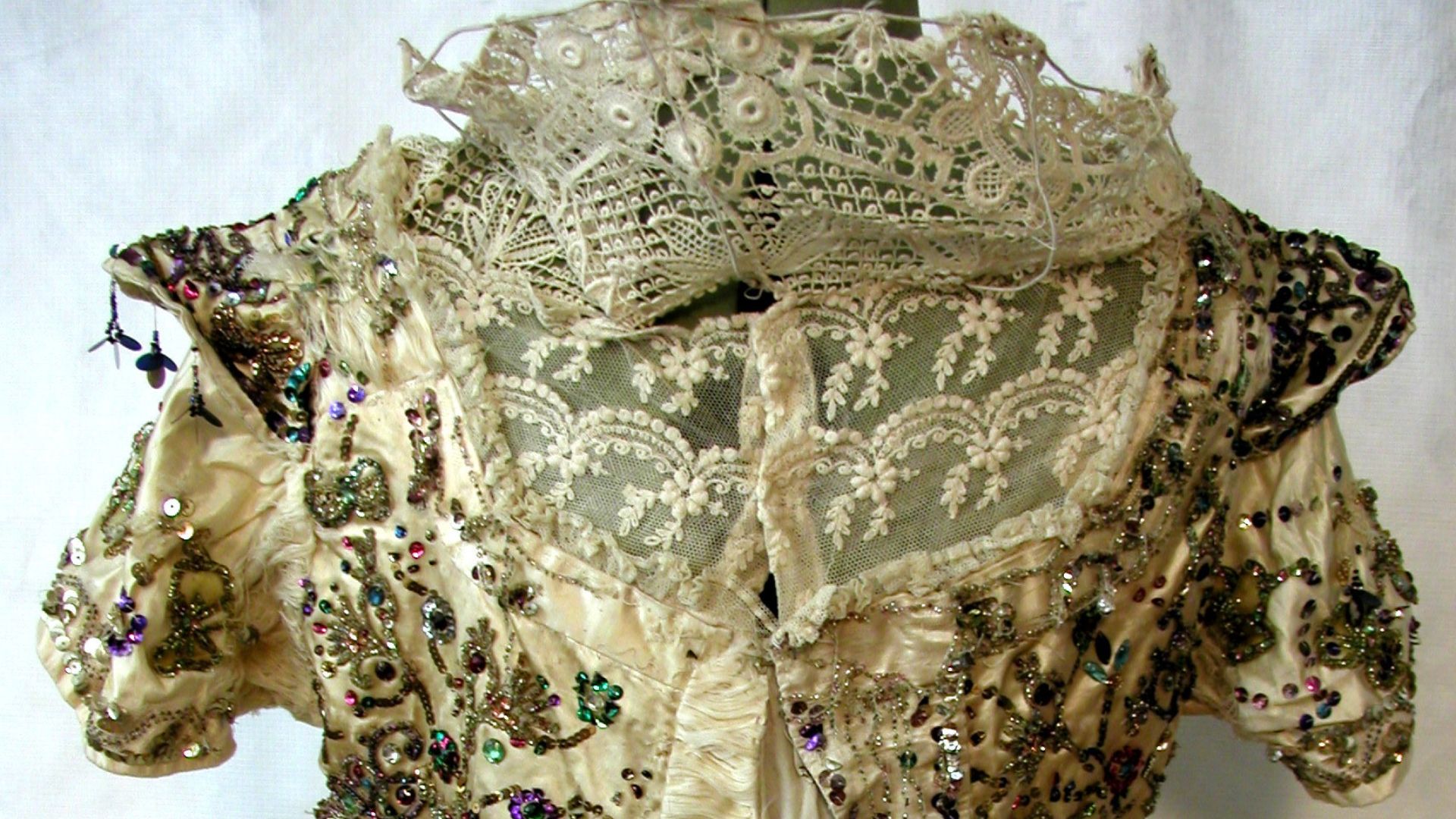
Fashion changed sharply around the turn of the nineteenth century as women adopted high-waisted gowns inspired partly by classical antiquity. The waistline sat just beneath the bust, allowing lightweight fabric to fall more naturally toward the floor.
 Unknown authorUnknown author on Wikimedia
4. Regency Tailcoats
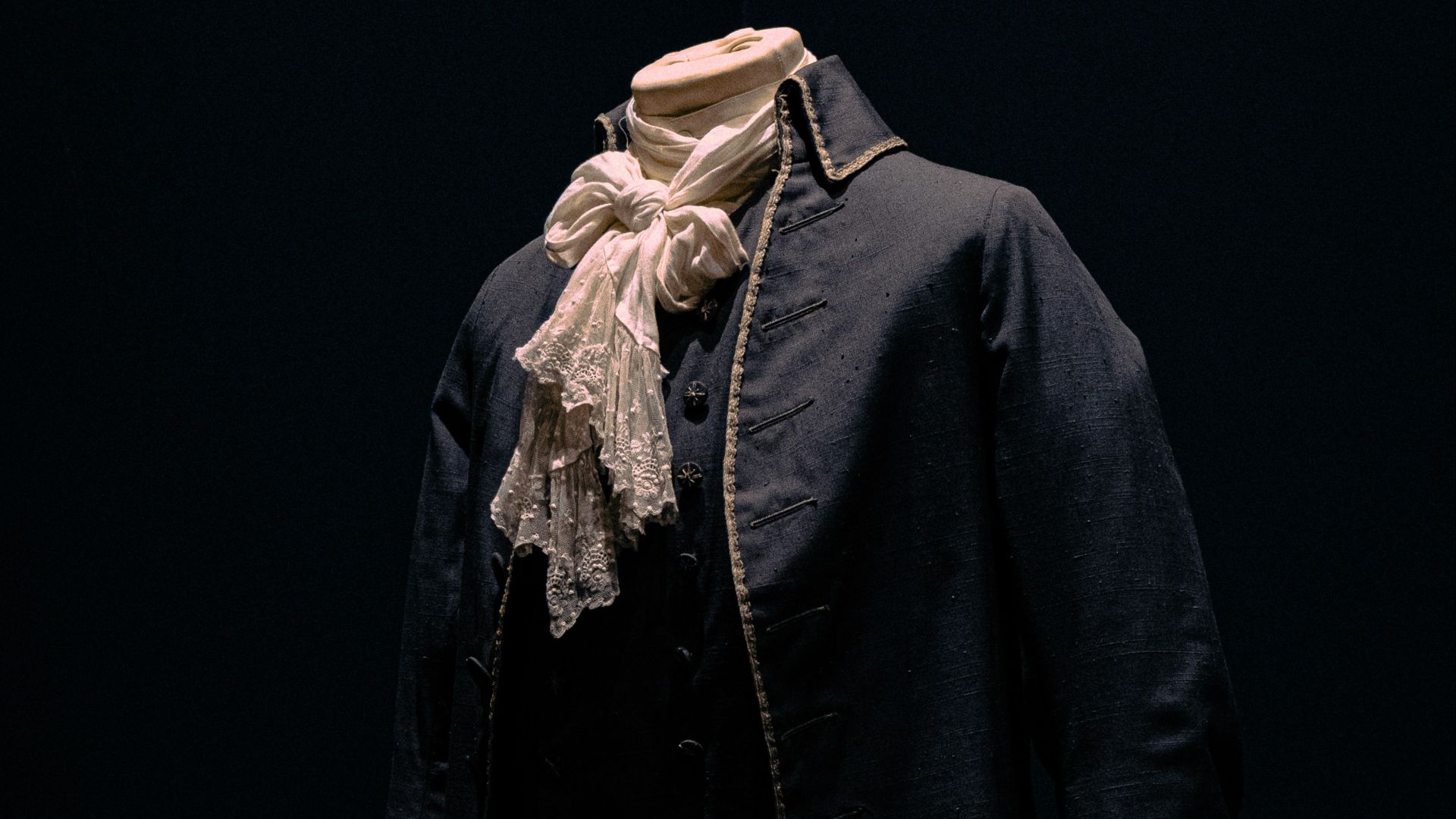
Men's formal clothing also became increasingly streamlined during the Regency period. Well-fitted tailcoats, waistcoats, trousers or breeches, and carefully tied cravats emphasized precise tailoring rather than heavy decoration.
5. Crinoline Ball Gowns
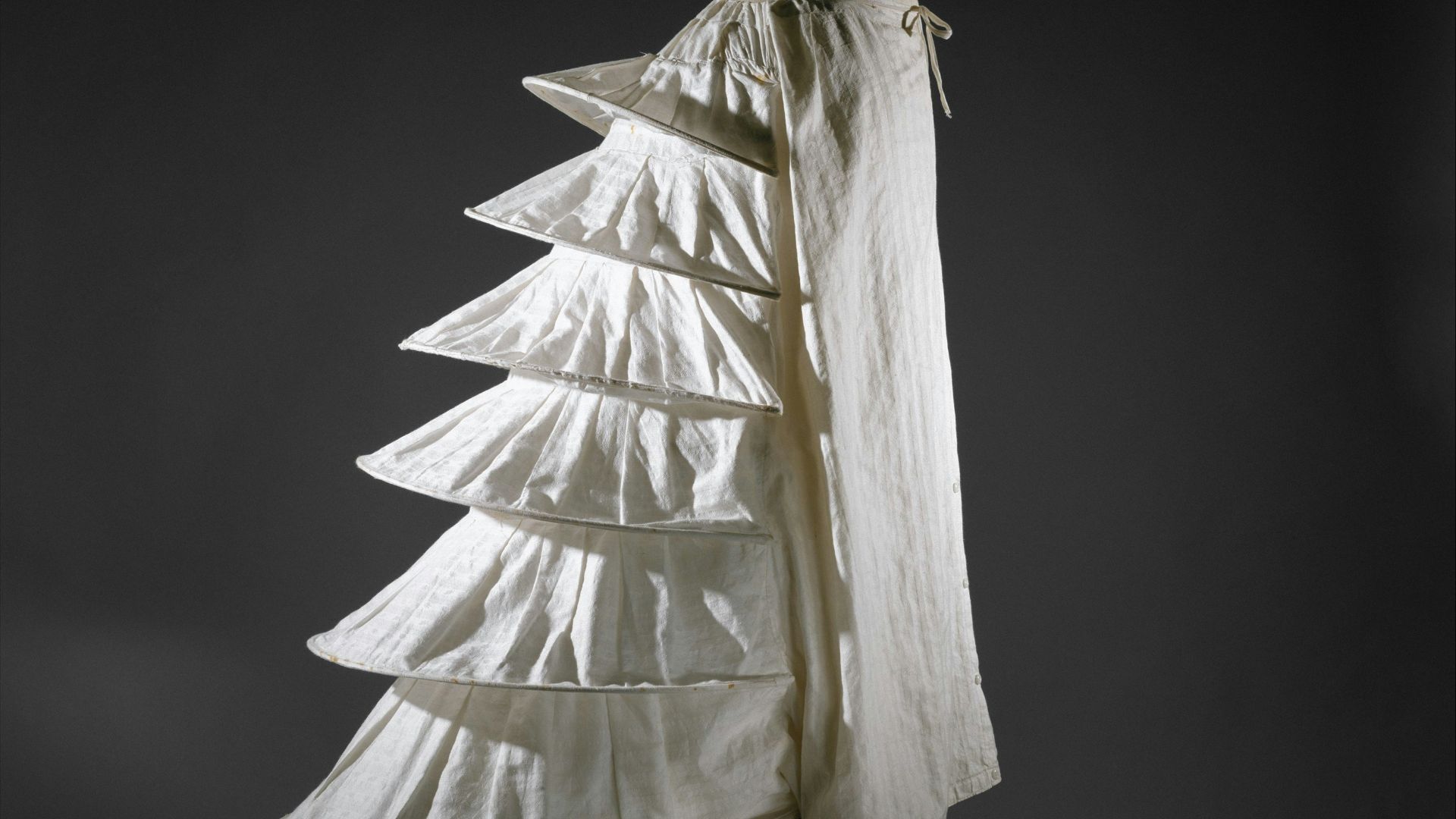
By the mid-nineteenth century, crinolines and cage structures allowed skirts to reach extraordinary widths without requiring countless layers of heavy petticoats. Formal ball gowns often paired these expansive skirts with fitted bodices and lower necklines.
 The Metropolitan Museum of Art on Unsplash
6. Bustle Evening Dresses
As enormous circular skirts faded from fashion, fullness shifted toward the back of women's dresses. Bustles created a pronounced projection behind the waist, while fitted bodices emphasized the contrast in shape.
7. House Of Worth Couture Gowns
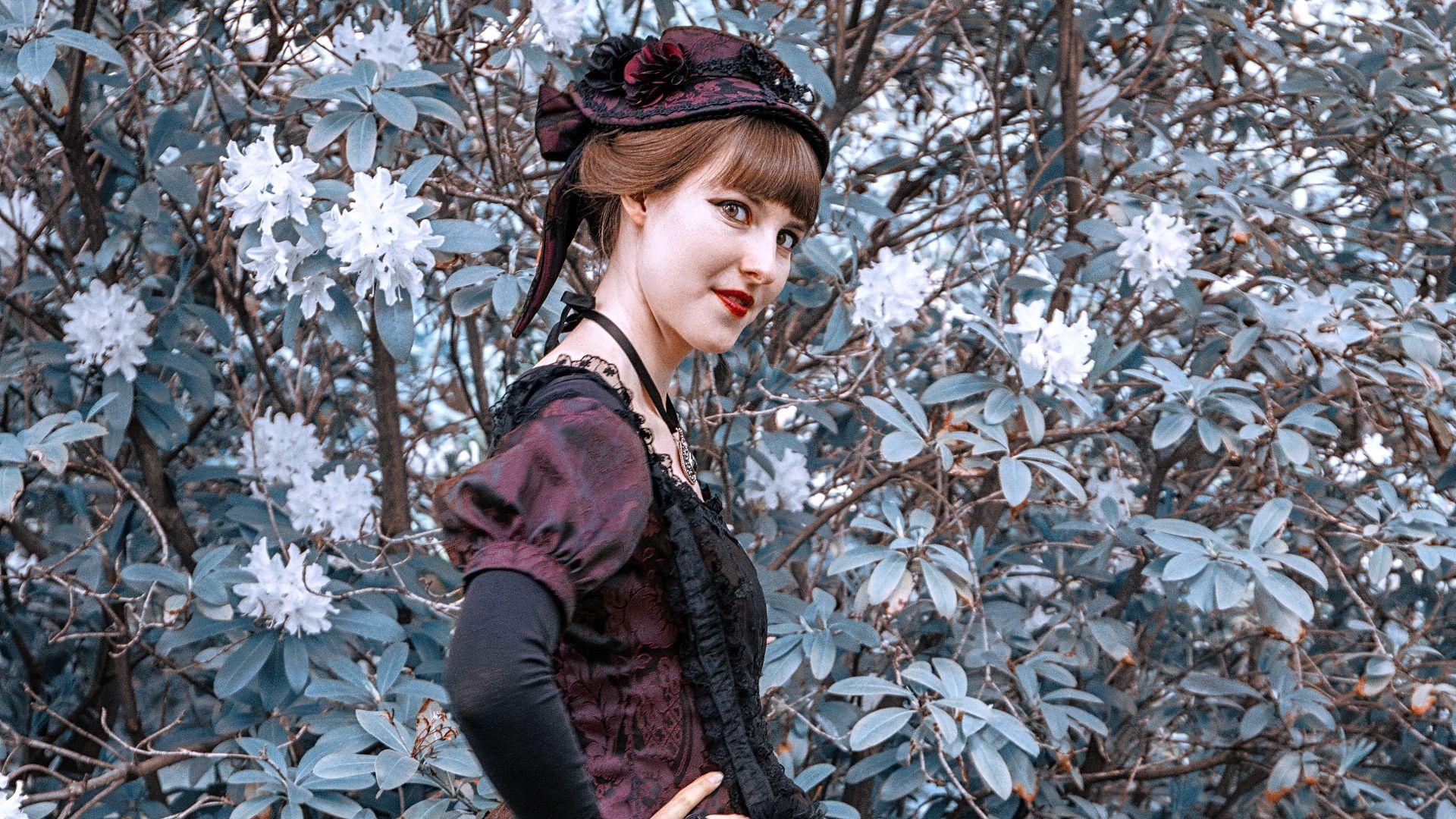
Charles Frederick Worth became enormously influential in nineteenth-century Parisian fashion and is closely associated with the development of haute couture. Wealthy clients sought elaborate evening and court gowns from the House of Worth, often featuring rich textiles and meticulous embellishment.
 Carlos Misael Cruz López on Pexels
8. White-Tie Evening Dress
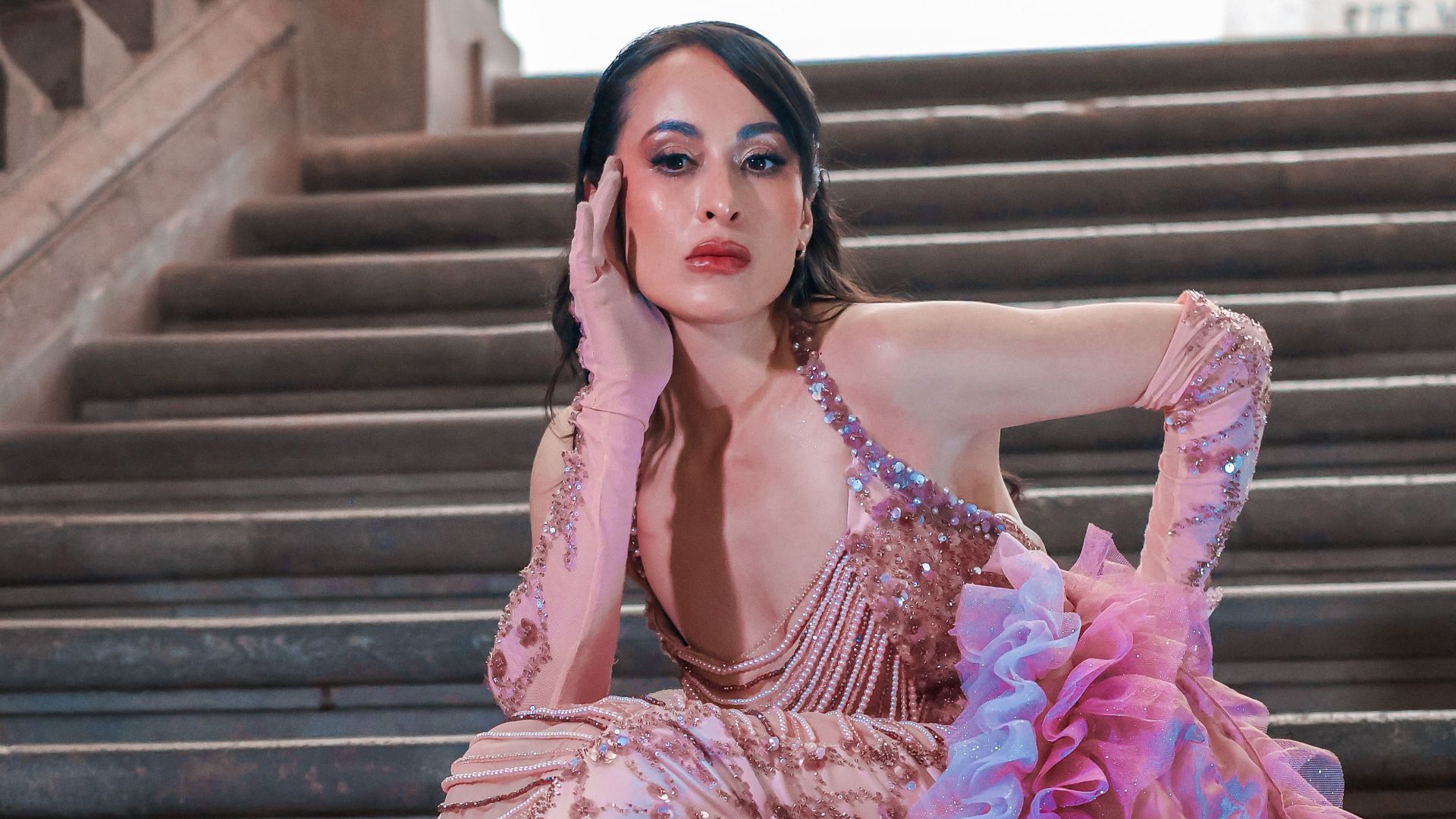
White tie developed into one of the strictest forms of men's evening dress. The traditional combination includes a black tailcoat, trousers, white waistcoat, stiff white shirt, and white bow tie.

9. The Dinner Jacket
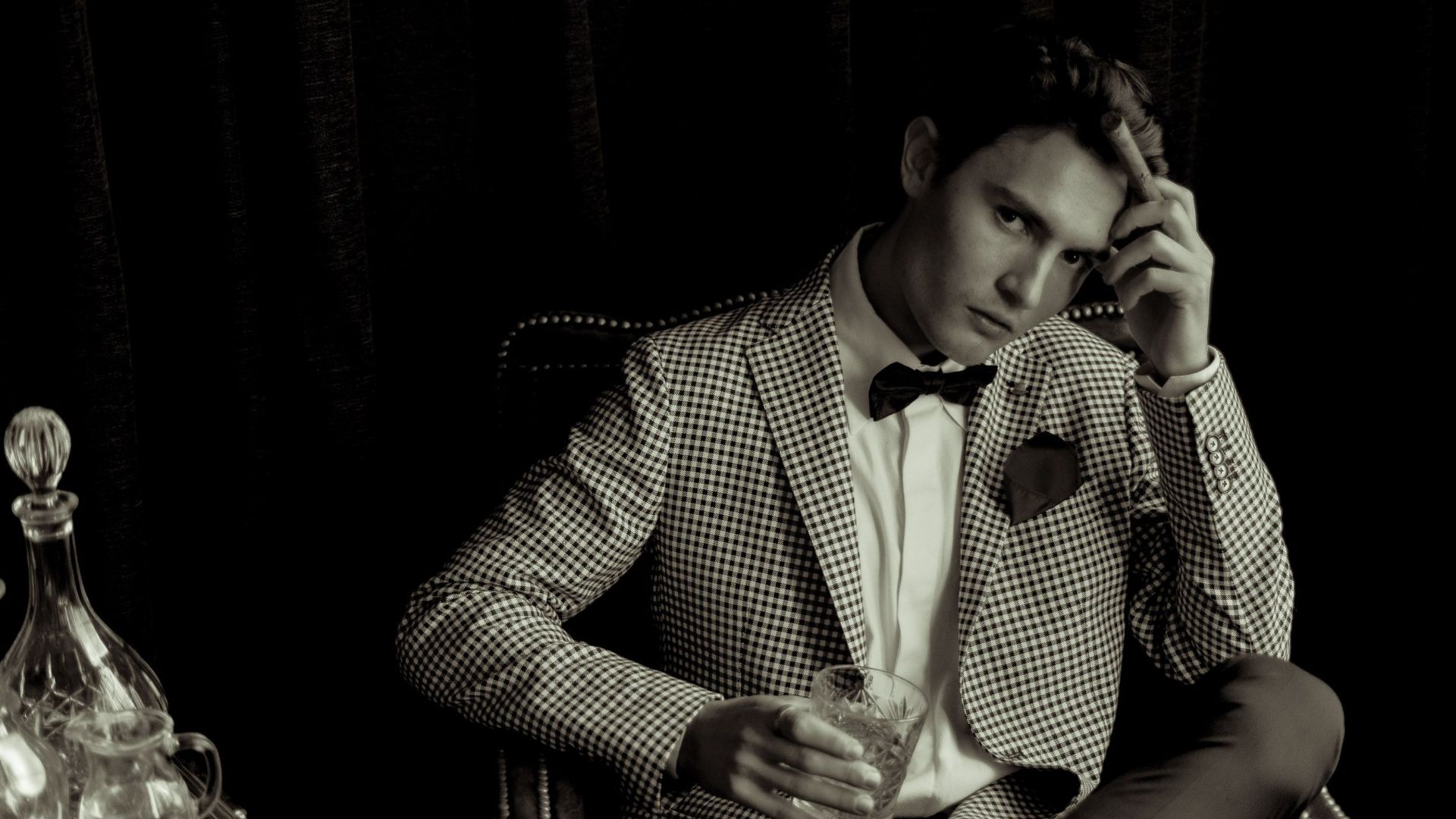
The dinner jacket offered men a slightly less rigid alternative to traditional evening tailcoats in the late nineteenth century. In the United States, the style became closely associated with the name "tuxedo" after appearing in fashionable circles at Tuxedo Park, New York.
10. Edwardian Evening Gowns
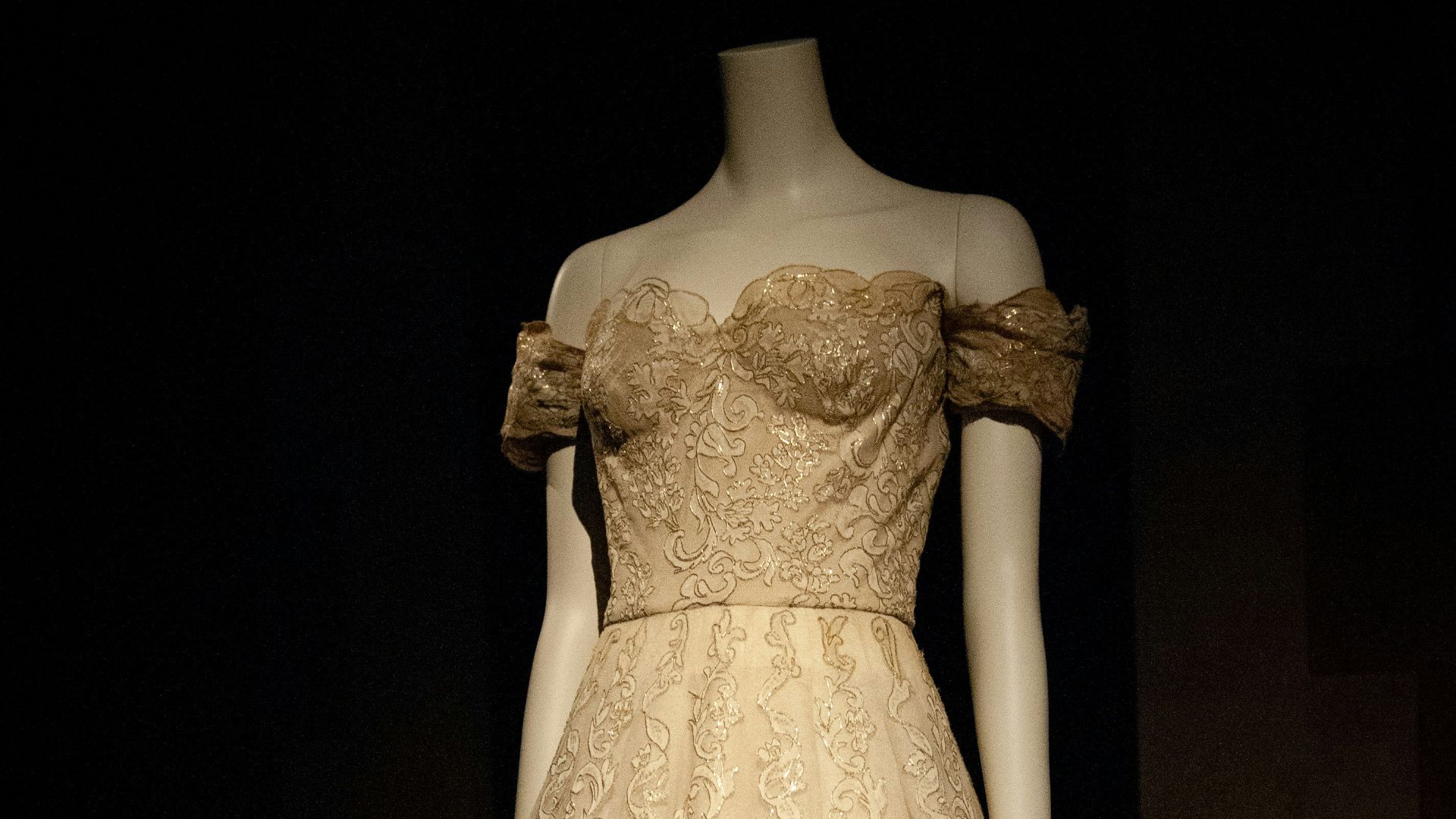
Early twentieth-century evening dresses often featured elegant fitted bodices, decorative fabrics, and flowing skirts. Fashionable silhouettes reflected the period's preference for a mature, carefully shaped figure, although styles changed considerably throughout the decade.
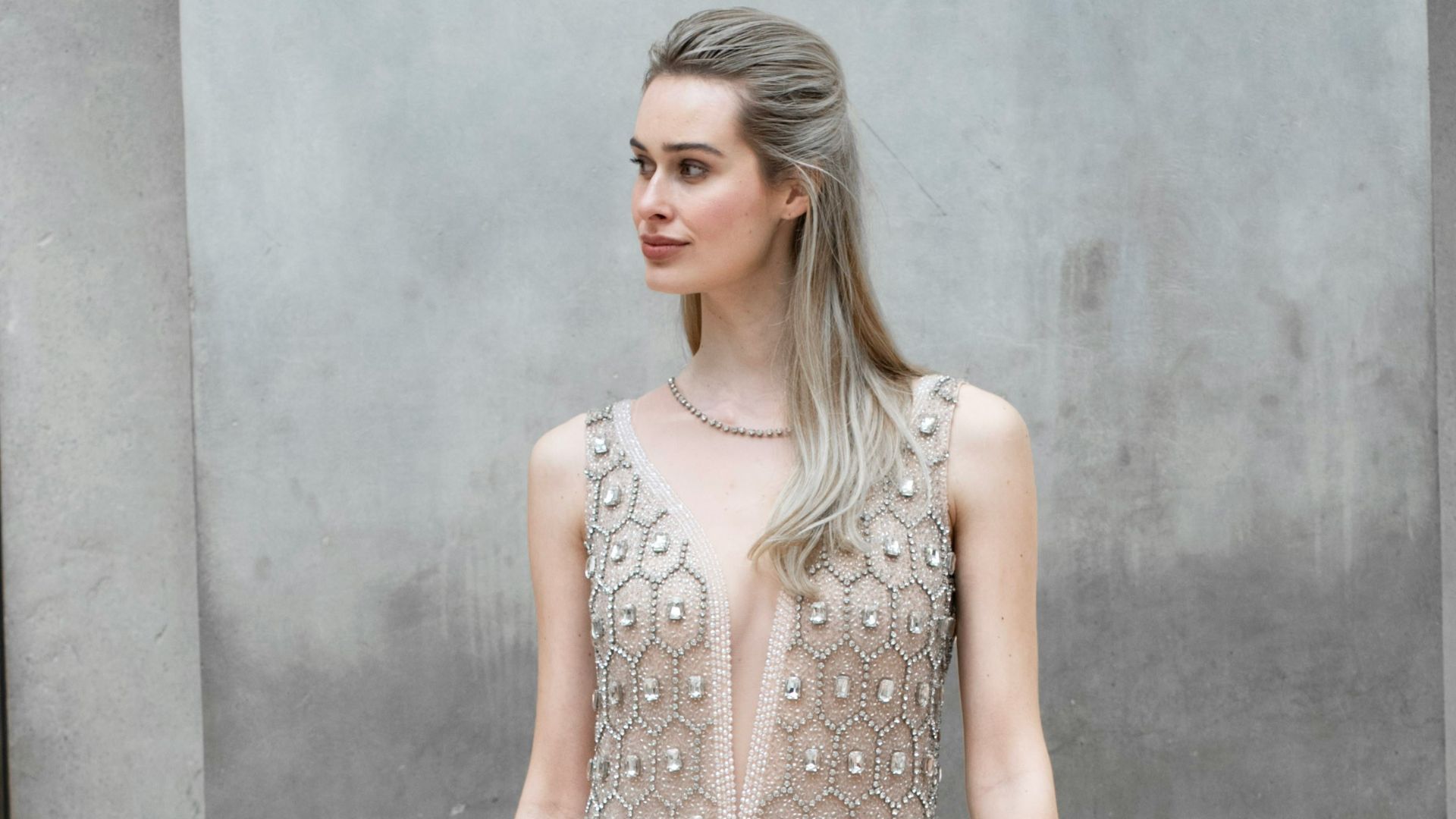
11. Beaded 1920s Evening Dresses
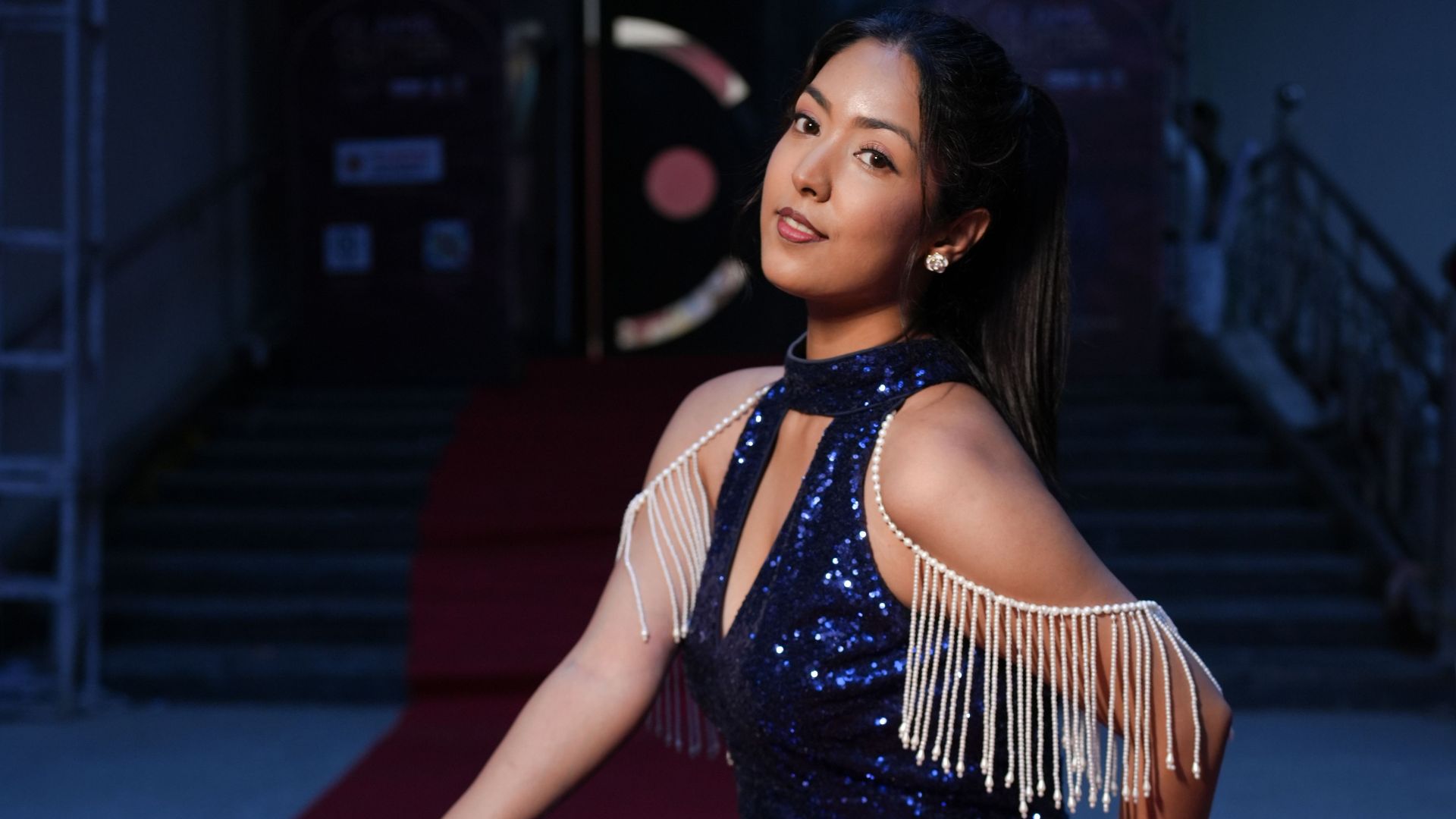
Formal fashion loosened considerably during the 1920s as straight silhouettes and lower waistlines became fashionable. Evening dresses could feature elaborate beadwork, sequins, fringe, metallic decoration, or embroidery that added movement and visual interest.
 Mihaela Claudia Puscas on Unsplash
12. Bias-Cut 1930s Gowns
Designers in the 1930s made sophisticated use of bias cutting, which allowed fabric to follow the body's contours with greater fluidity. Long satin and silk evening gowns created smooth, elongated silhouettes without relying on bulky internal structures.
13. Dior's New Look
Christian Dior transformed postwar fashion with his 1947 collection, whose influential silhouette became known as the New Look. Rounded shoulders, a closely defined waist, and generously full skirts provided a dramatic contrast to wartime austerity.
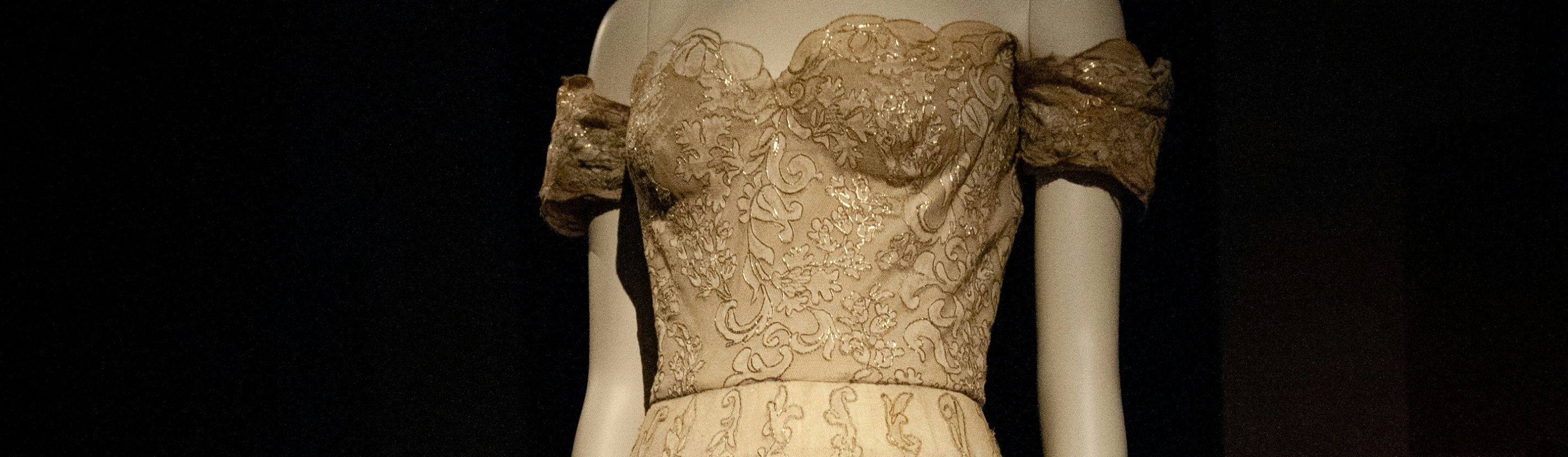
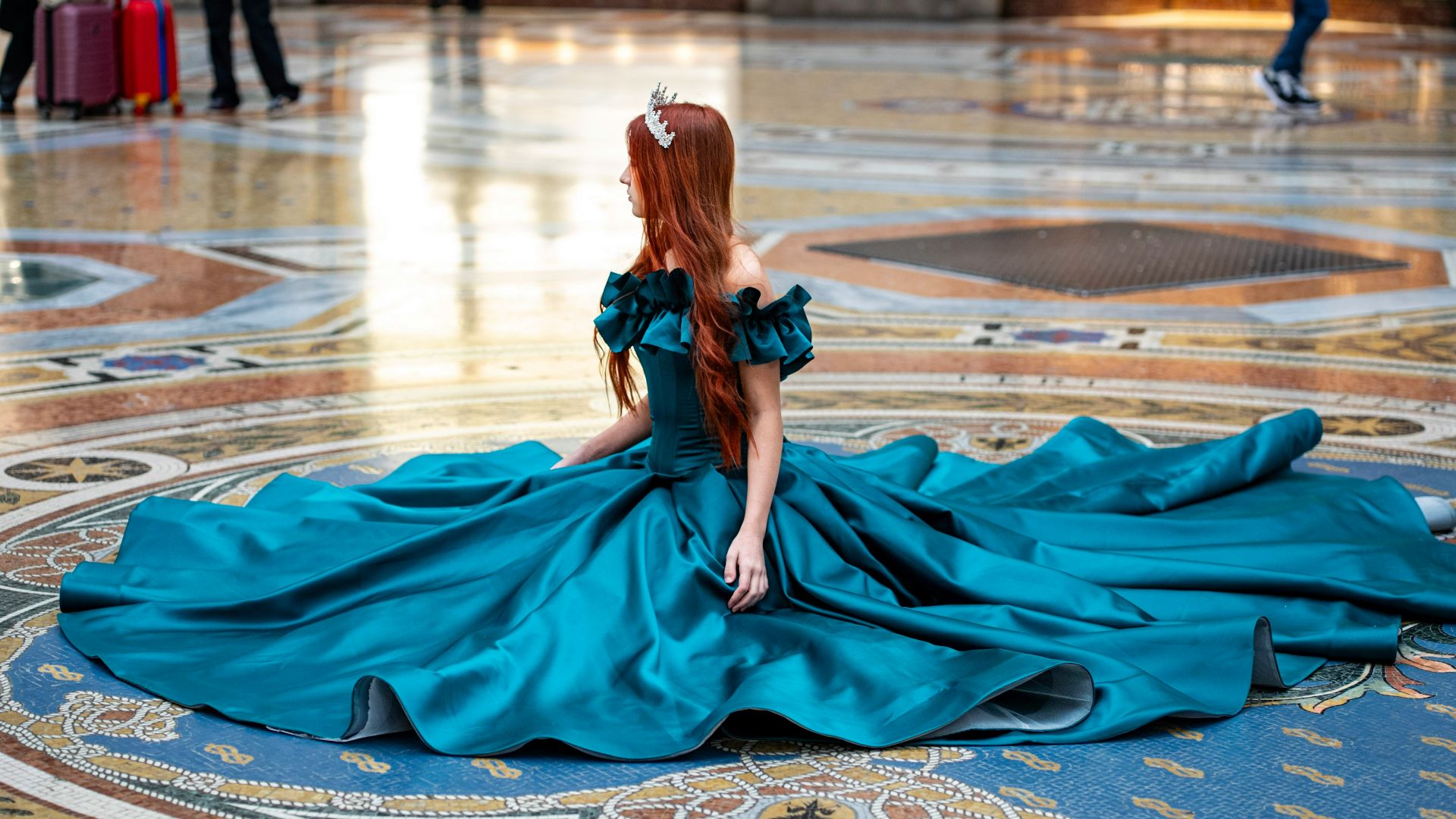
14. Strapless 1950s Ball Gowns
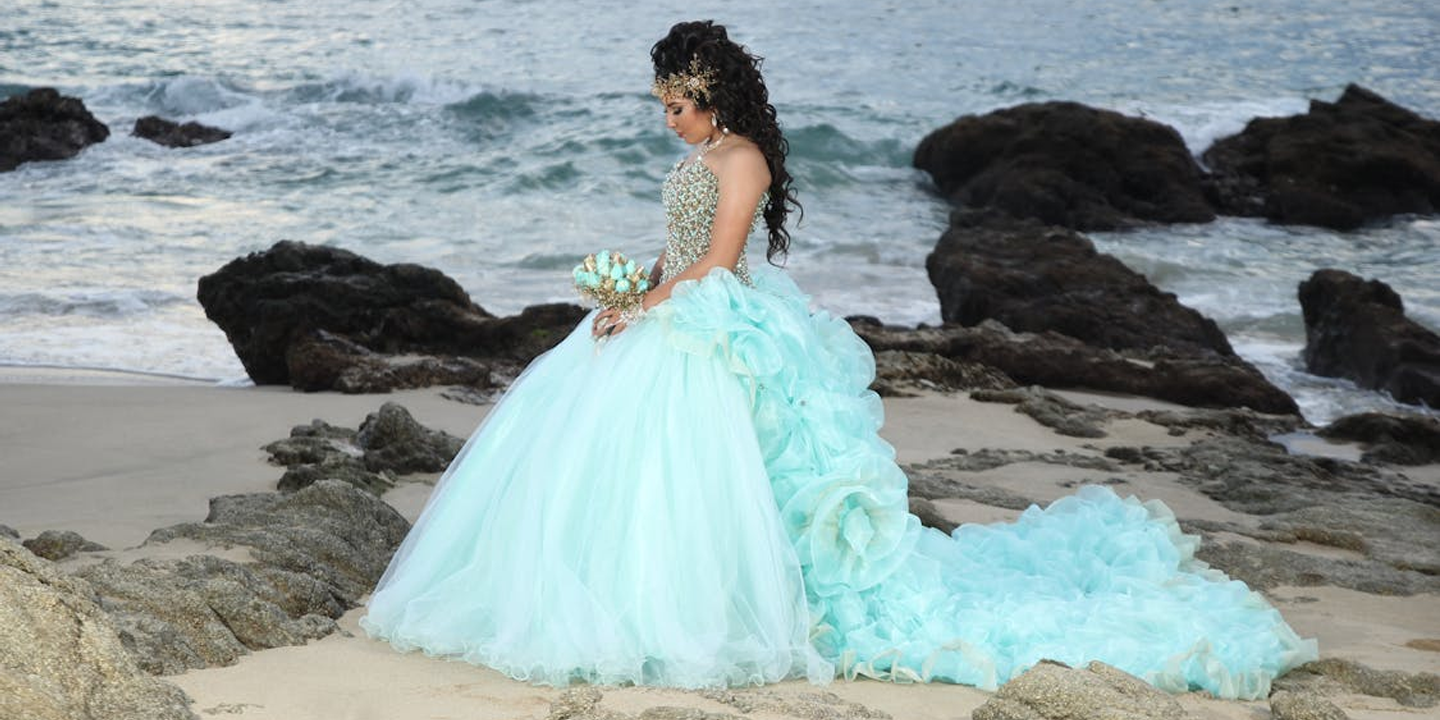
Strapless bodices became highly visible in mid-century evening fashion, particularly when combined with voluminous floor-length skirts. Designers used tulle, satin, silk, embroidery, and structured undergarments to create glamorous formal silhouettes.
 Mihaela Claudia Puscas on Unsplash
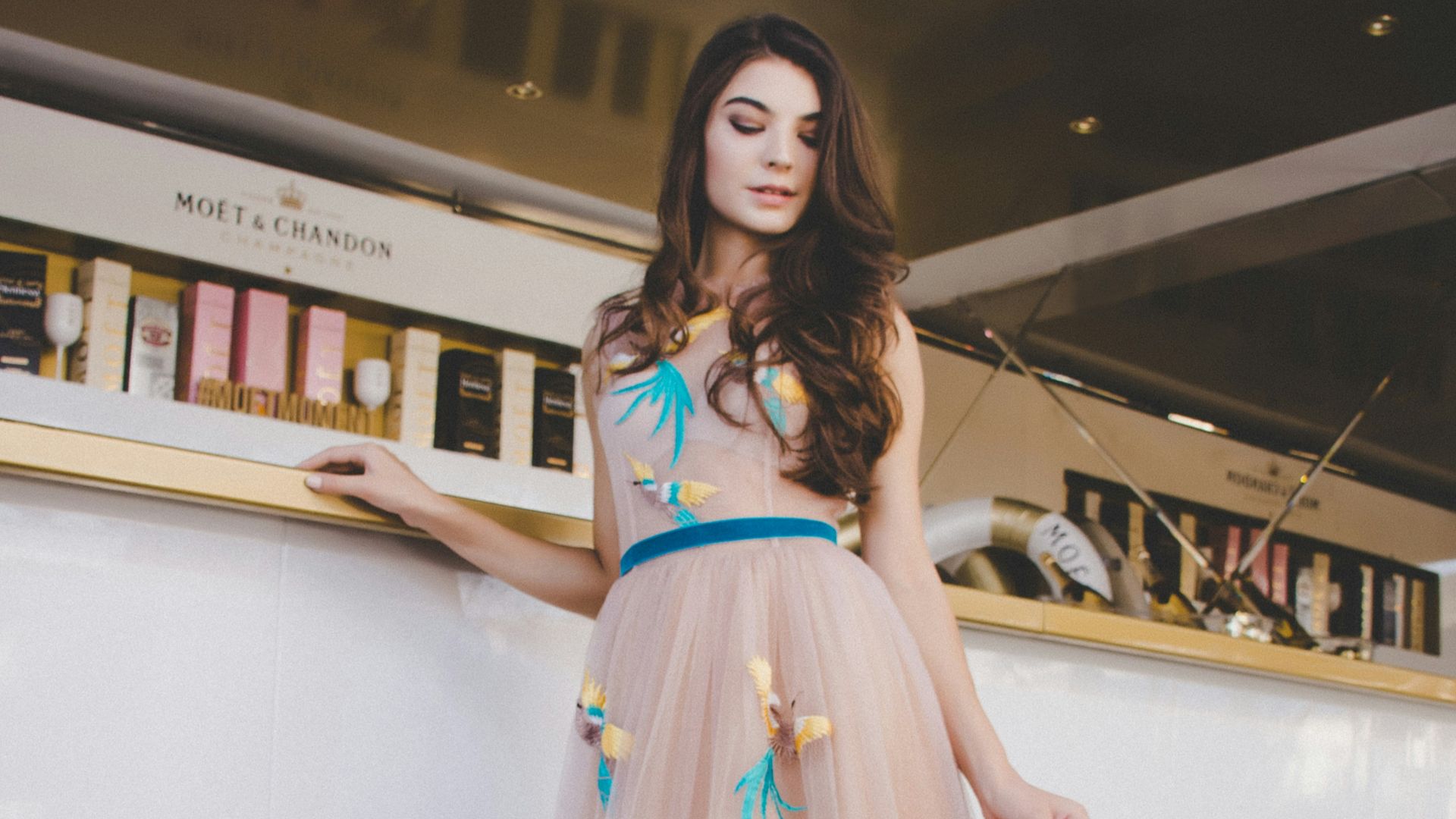
15. The Cocktail Dress
The cocktail dress developed into an important option for occasions that called for something elegant but didn't require a full evening gown. By the mid-twentieth century, designers had firmly established sophisticated shorter dresses as part of fashionable wardrobes.
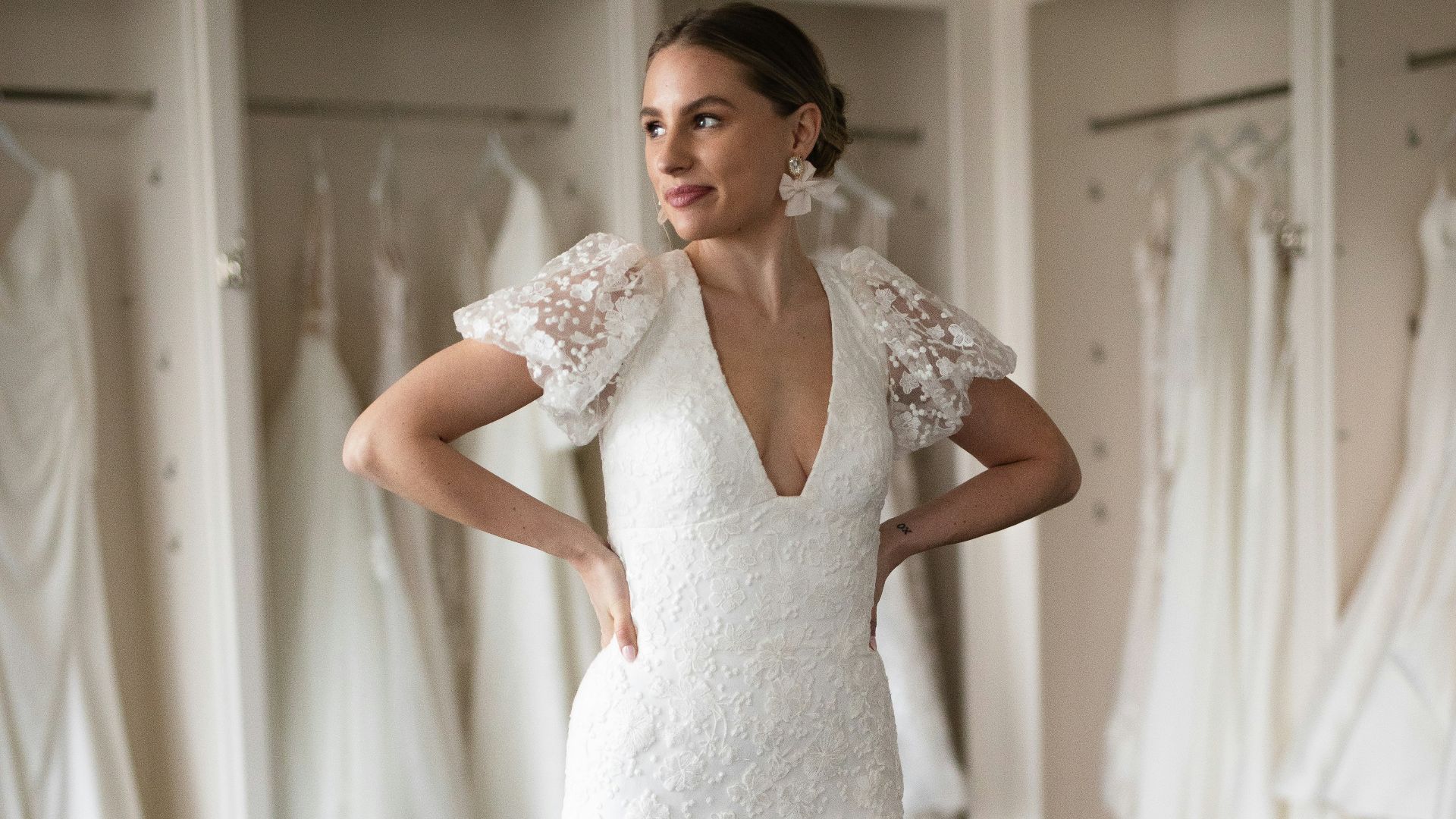
16. Sleek 1960s Column Gowns
Not every 1960s formal look relied on large skirts or complicated structures. Narrow column dresses created long, streamlined silhouettes that worked particularly well with the decade's interest in cleaner lines.
 Jarvis Couture Bridal & Prom Tyler TX on Unsplash
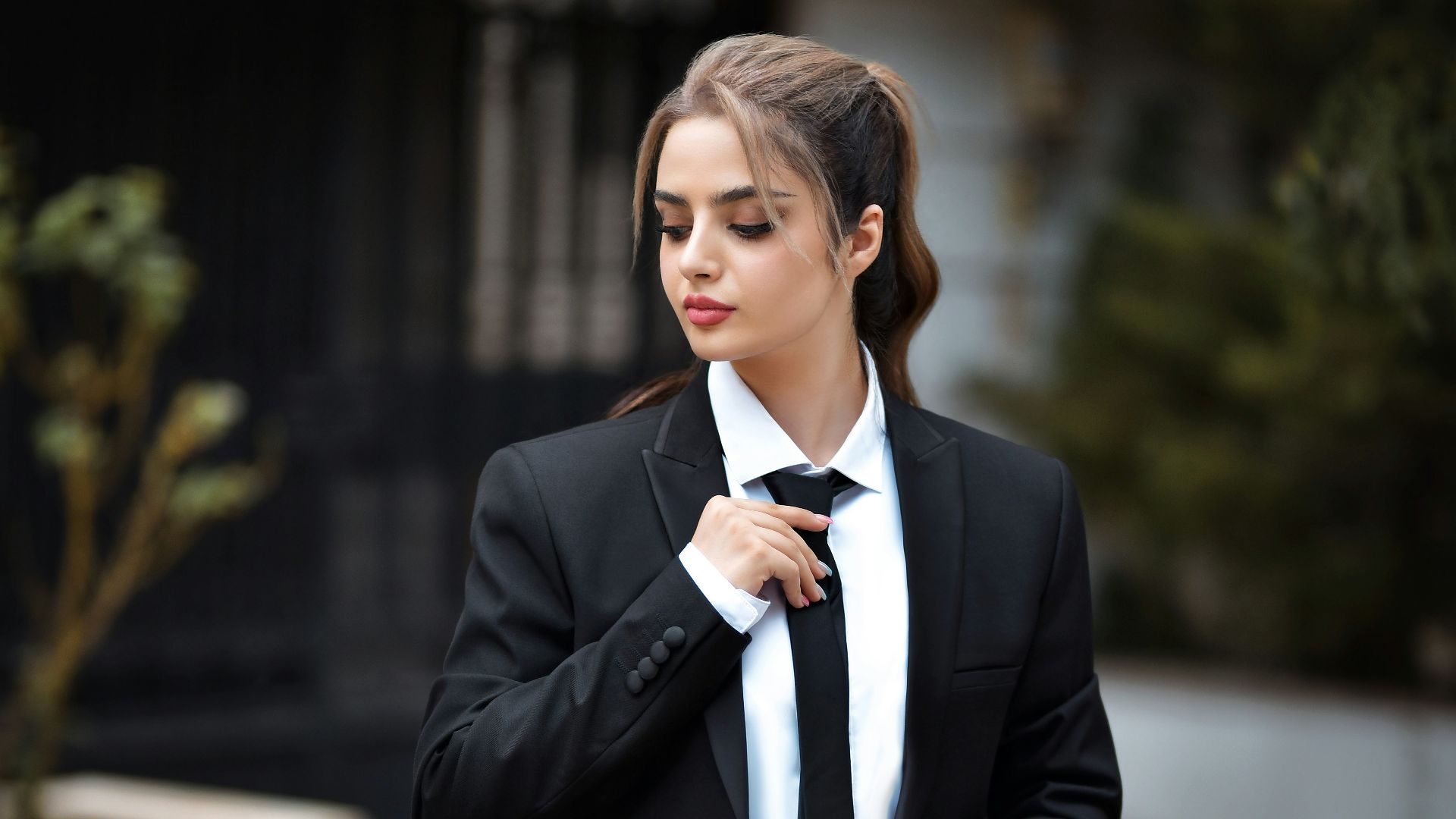
17. The Women's Tuxedo
Women's formalwear gained an influential alternative to dresses as designers increasingly explored tailored evening suits. Yves Saint Laurent's Le Smoking, introduced in 1966, became one of fashion history's most famous interpretations of the tuxedo for women.
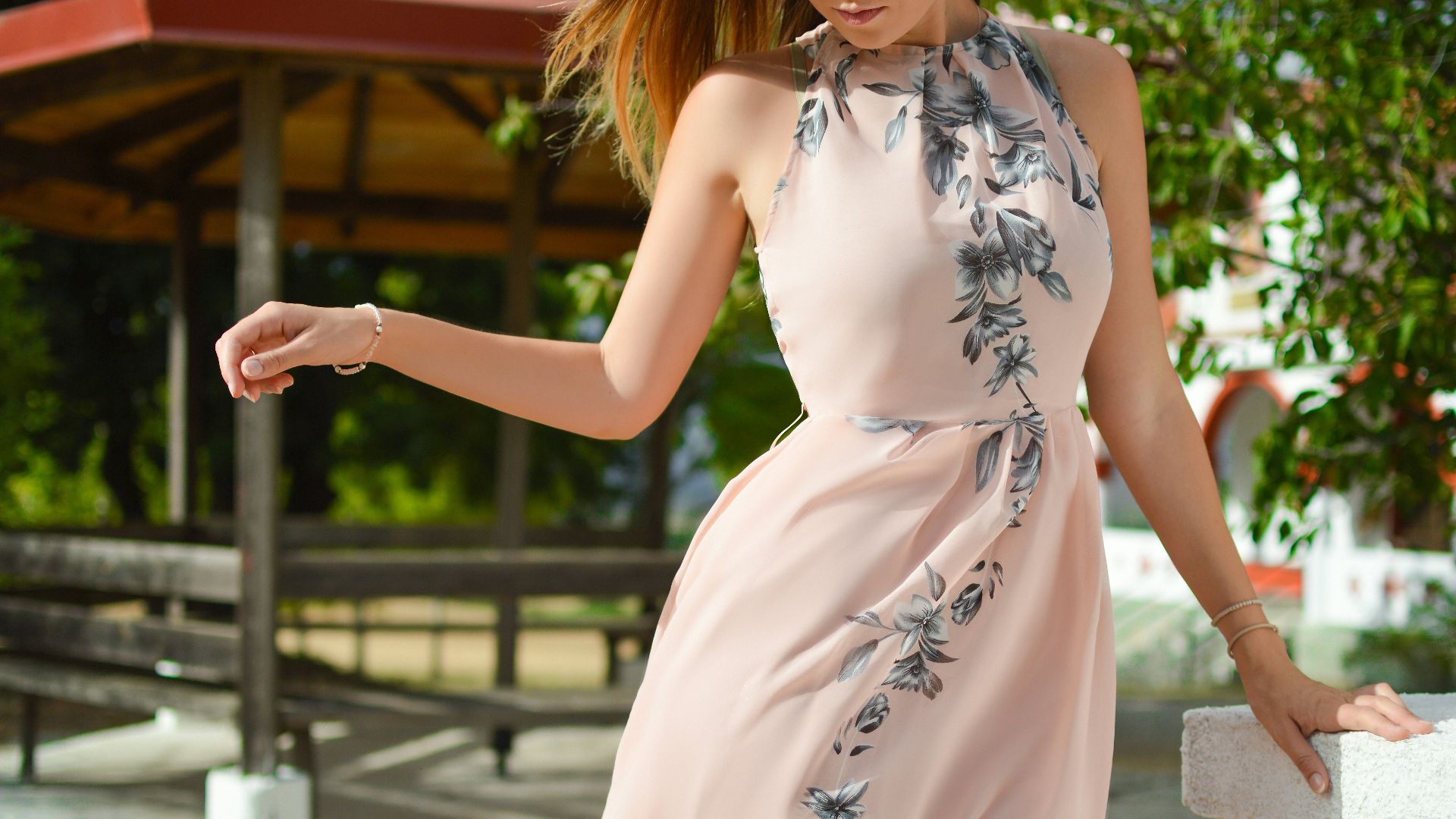
18. 1970s Halter Gowns
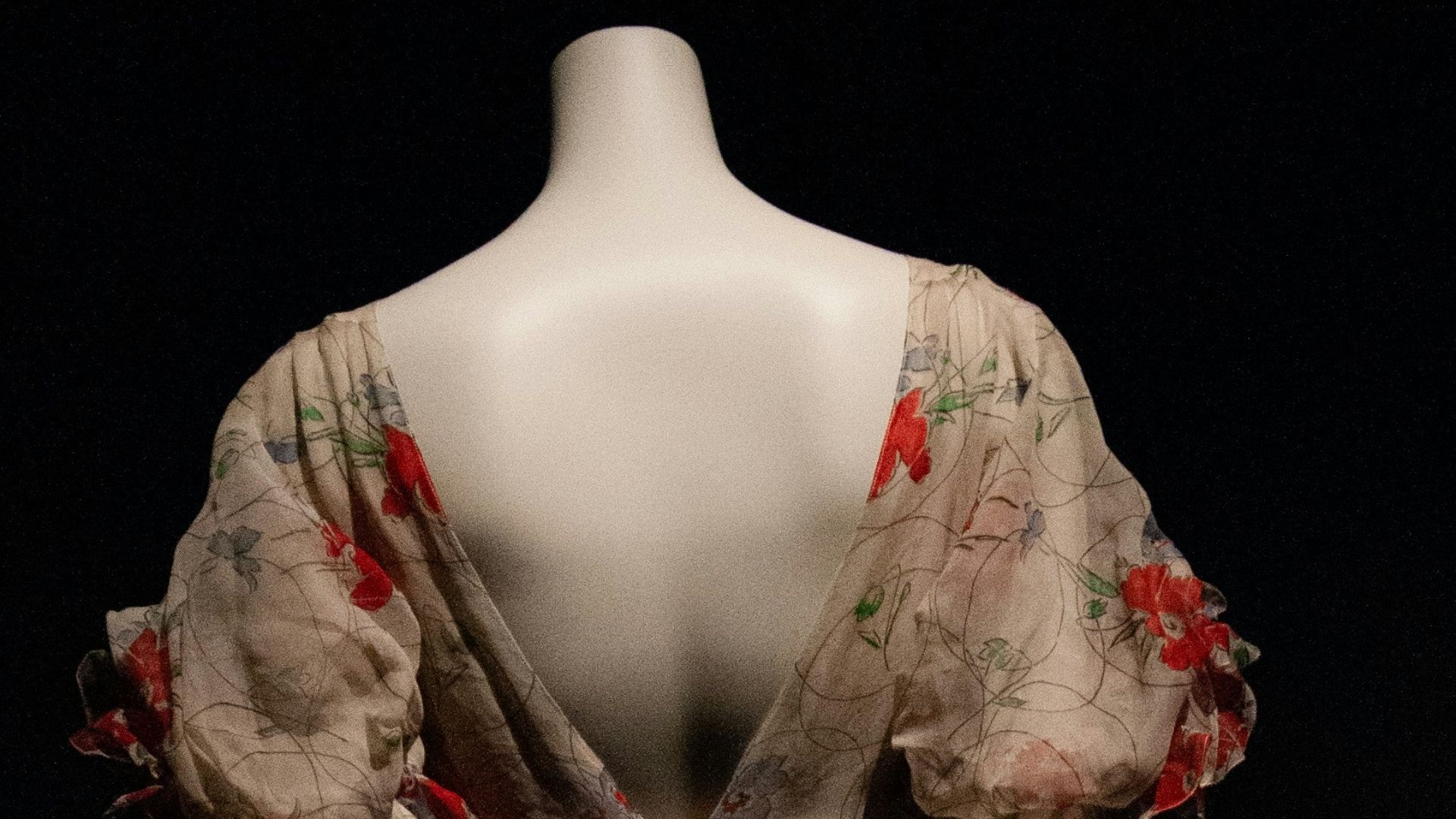
The 1970s brought a noticeably freer approach to evening dressing, with halter necklines becoming a recognizable choice. Long dresses often featured flowing fabrics, exposed backs, plunging necklines, or softer construction than many earlier formal gowns.
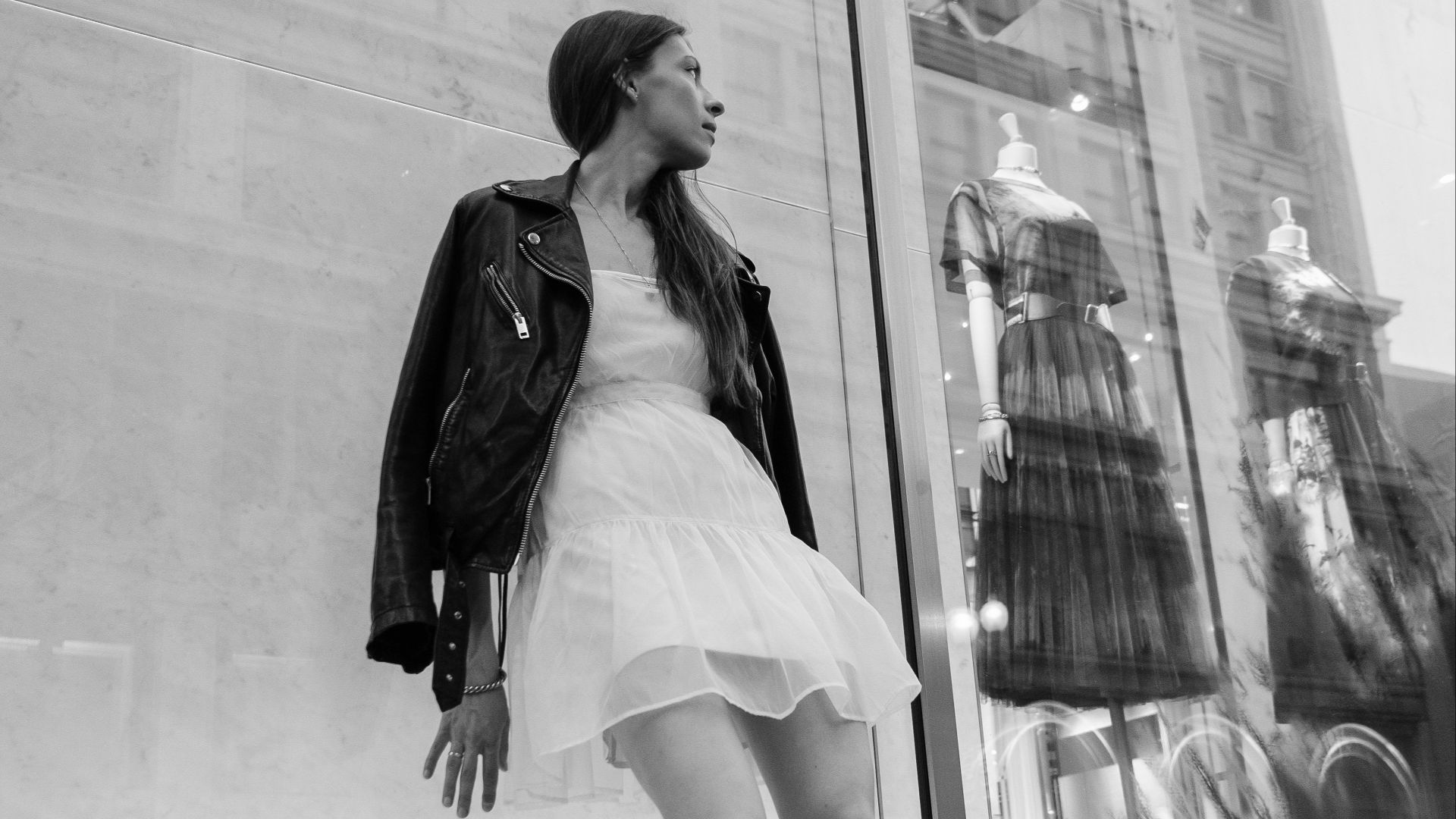
19. 1990s Slip Dresses
Minimalism strongly influenced formal fashion during the 1990s, making the slip dress an especially recognizable evening style. Thin straps, relatively simple construction, and fluid satin or silk created an intentionally understated silhouette.
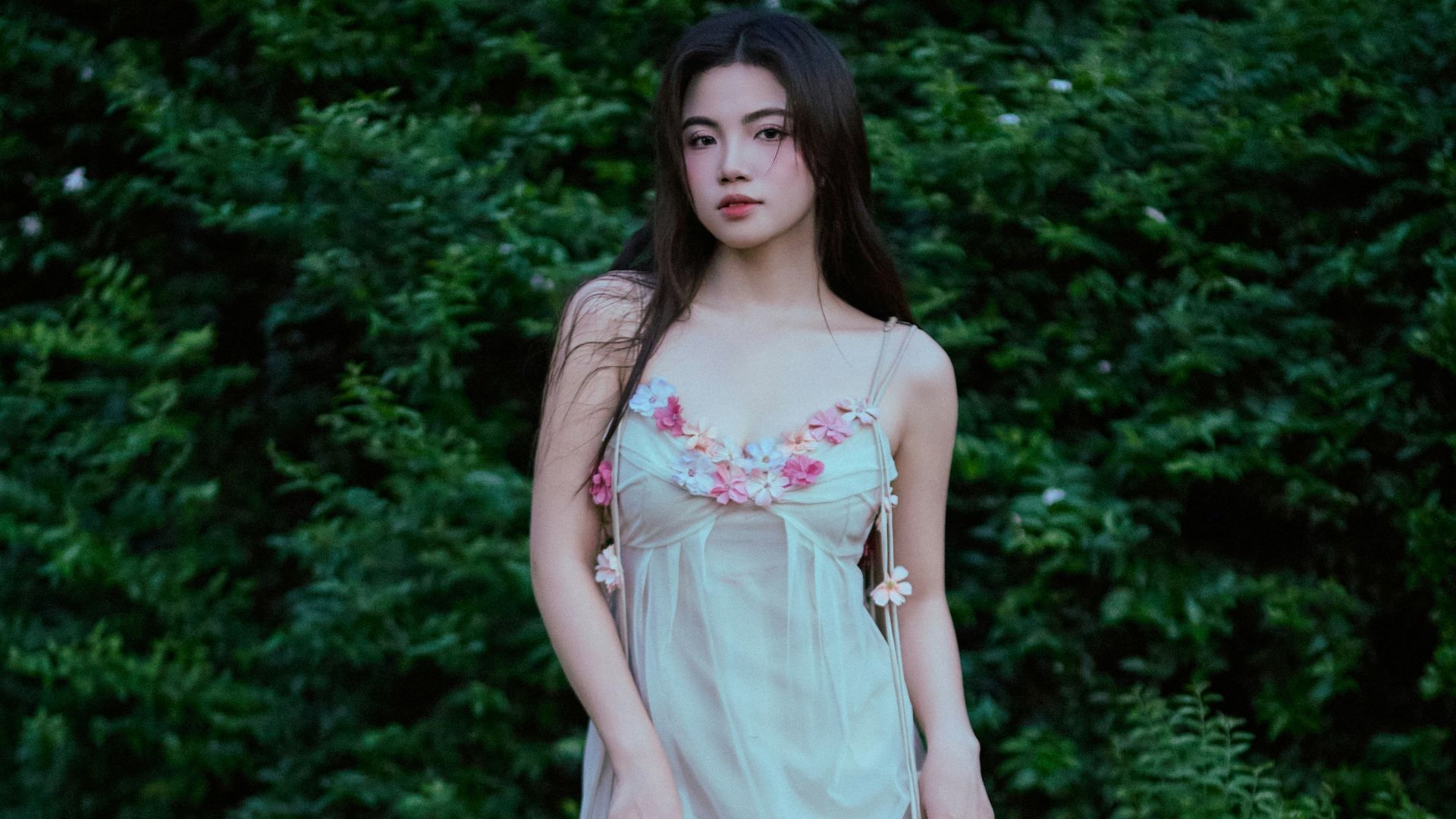
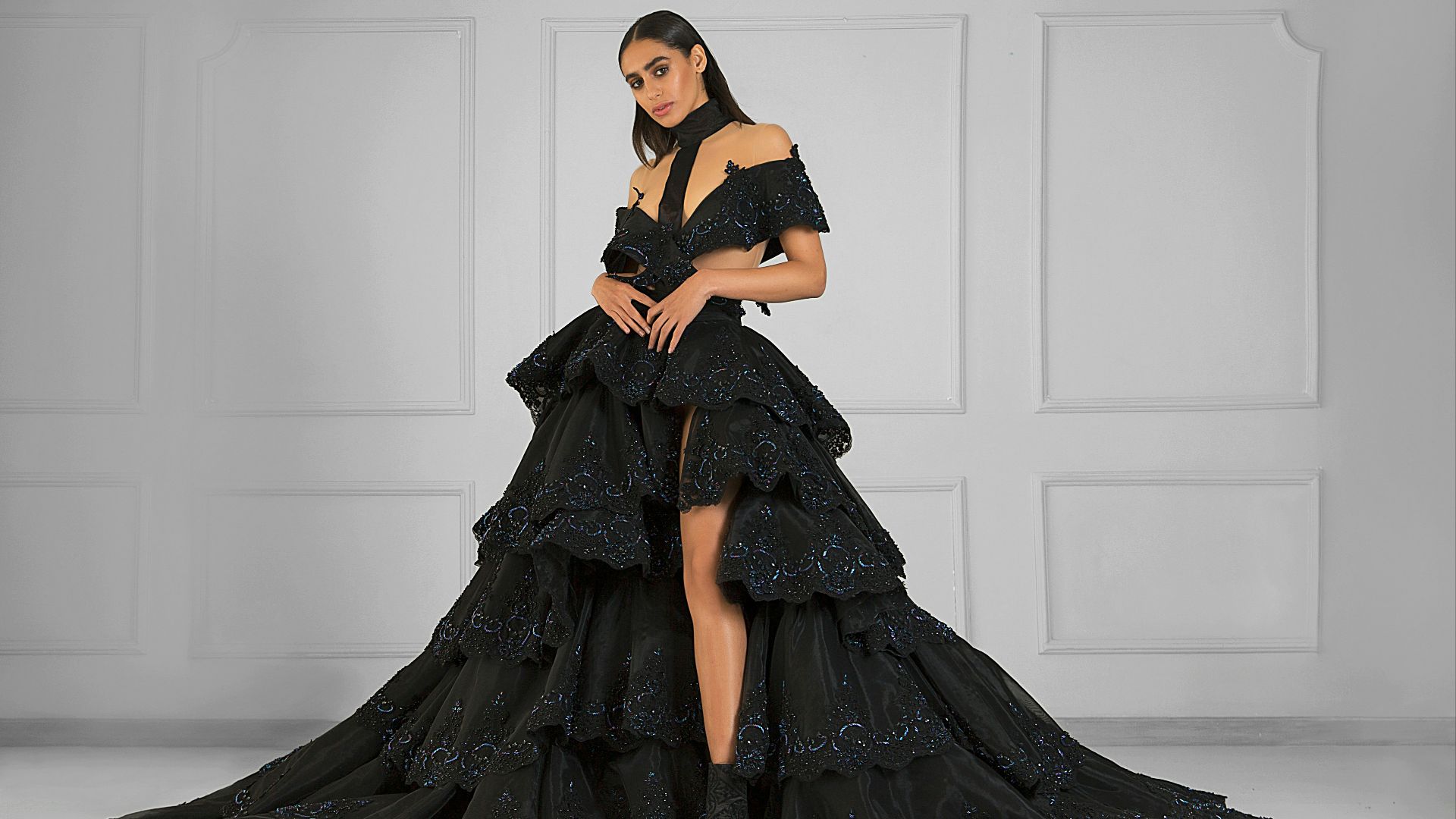
20. The Modern Red-Carpet Gown
Contemporary red-carpet fashion has no single required silhouette, allowing designers to draw freely from centuries of formal dress. Column gowns, dramatic trains, sculpted bodices, sequins, sheer details, and couture construction regularly appear at premieres and award ceremonies.